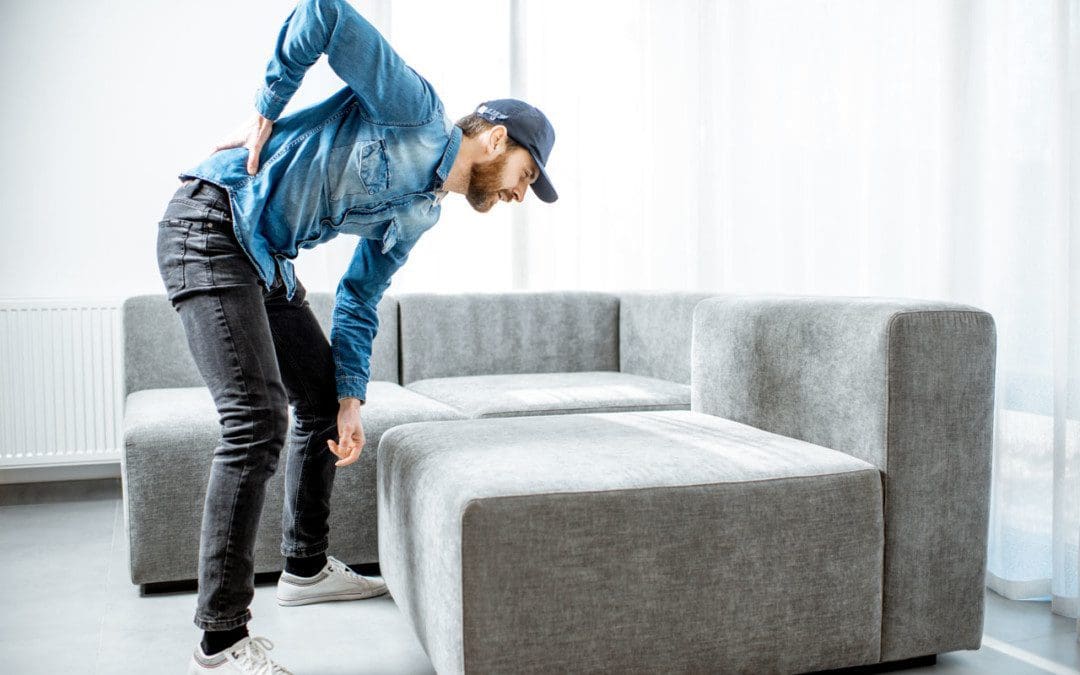
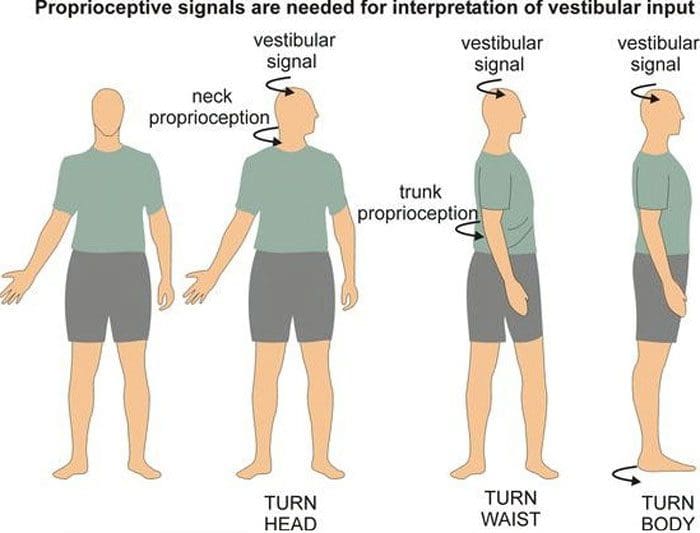
Kinesthesia is the body’s ability to sense movement, position, action, and location, also known as proprioception. An example is when moving the arm, the brain and body are aware that the arm has moved. When dealing with chronic back pain, individuals are unable to function normally with regular everyday movements causing discomfort.
Chronic back pain can make an individual feel like a stranger in their body, altering their perception. Tension develops throughout the body due to the pain, causing tightness and positional adaptations that are unfamiliar, awkward, and unhealthy for the musculoskeletal system. These body positioning changes continue while the individual is unaware of what they are doing, causing further strain and injury.
Kinesthesia
Kinesthesia is essential for overall coordination, balance, and posture as long as the movements are done correctly with proper form. Chronic back pain can affect kinesthesia differently. Individuals can misjudge and estimate that their bodies’ ability to lift, carry, or open something is more complicated or easier than it is. This can exceed the body’s tolerances, causing:
Strains
Sprains
Severe injuries
Once the back starts to hurt, this causes the individual’s sense of kinesthesia to compensate for the pain. As a result, individuals may knowingly or unknowingly attempt to carry out uncoordinated, awkward movements and positions, making things worse.
Motor Control
Motor control is the ability to control movement. When experiencing back pain, individuals adjust their motor control to avoid specific movements that cause back pain. Motor control adaptations and kinesthesia involve body positioning and heightened responsiveness to stimuli, like muscle spasms. Even moderate back pain can cause awkward and dangerous responses causing individuals to overcompensate or become too cautious, worsening or creating new injuries in the process. The body is performing movements that do not follow proper form, even though an individual thinks they are protecting themselves.
Building Healthy Proprioception
A recommended strategy for building kinesthesia to benefit the back and the rest of the body is yoga. Yoga helps build bodily sensory awareness. It trains the body when sending significant signals from the muscles, joints, and tendons back to the proprioceptive centers in the brain. This happens immediately and increases over time.
Yoga Poses
Creating positive awareness of the body’s movements will help relieve back pain as the body learns to feel, understand, and control the muscles. Here are a few poses to help, along with video links.
Body awareness is critical, but if an individual moves in a way that’s not natural to the body, it can cause injury. Kinesthesia and healthy posture can help avoid back pain and other health issues. A professional chiropractor can alleviate back pain, educate on proper form and recommend specific stretches and exercises to strengthen the body to prevent injury.
Body Composition
Magnesium
Magnesium supports a healthy immune system. It helps maintain:
Healthy bone structure
Muscle function
Insulin levels
Magnesium assists the body with ATP energy metabolism and acts as a calcium blocker. This reduces cramping and aids in muscle relaxation after physical activity/exercise. Magnesium is essential in biochemical reactions in the body. A slight deficiency can lead to an increased risk of cardiovascular disease and a higher risk of insulin resistance. Many magnesium-rich foods are high in fiber, like:
Studies have shown that consuming a diet rich in Magnesium also provides a higher intake of dietary fiber. Dietary fiber aids in:
Digestion
Helps control weight
Reduces cholesterol
Stabilizes blood sugar
The best sources of Magnesium include:
Spinach, swiss chard, and turnip greens
Almonds and cashews
Flax, pumpkin, and chia seeds
Cocoa
References
Meier, Michael Lukas et al. “Low Back Pain: The Potential Contribution of Supraspinal Motor Control and Proprioception.” The Neuroscientist: a review journal bringing neurobiology, neurology and psychiatry vol. 25,6 (2019): 583-596. doi:10.1177/1073858418809074
Tong, Matthew Hoyan et al. “Is There a Relationship Between Lumbar Proprioception and Low Back Pain? A Systematic Review With Meta-Analysis.” Archives of physical medicine and rehabilitation vol. 98,1 (2017): 120-136.e2. doi:10.1016/j.apmr.2016.05.016
Wang, Jinsong, et al. “Dietary magnesium intake improves insulin resistance among non-diabetic individuals with metabolic syndrome participating in a dietary trial.” Nutrients vol. 5,10 3910-9. 27 Sep. 2013, doi:10.3390/nu5103910
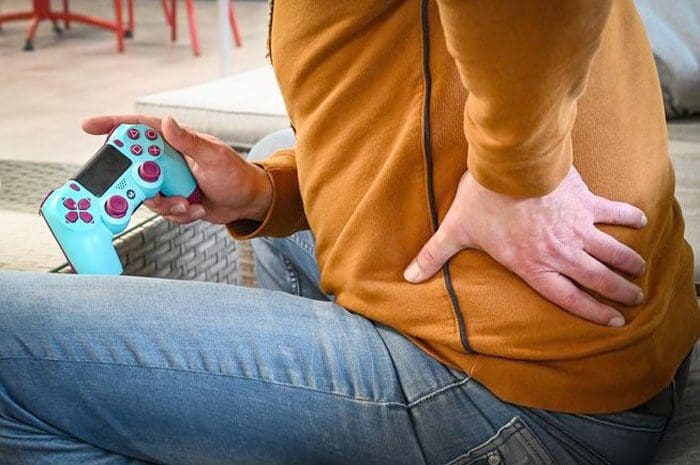
Video gaming has grown to over 150 million individuals in the United States playing. Around 60% of Americans play video games every day, with the average gamer being 34 years old. Playing video games for an extended amount of time takes a toll on the body. Individuals are experiencing the same kind of pains and aches from sitting and standing all day at work or school. Sitting positions, holding the controllers, and the different accessories can impact the nerves, muscles, and Posture. E-sports professionals understand the physical toll their bodies take with constant practice, tournaments, clinics, etc. They do cardiovascular conditioning, strength train, and stretch to improve their gaming abilities and also take into account:
Taking steps can prevent strain, injuries and minimize the risk of long-term damage. If strain and injuries are present, professional chiropractic treatment can help alleviate the pain, rehabilitate/strengthen the muscles, ligaments, tendons, and recommend exercises and stretches.
Video Gaming Posture
Proper Posture is vital to maintaining spinal as well as overall health. Poor Posture is the most common cause of back and neck pain.
Video Gaming Positions
Common gaming positions include the couch slouch where the gamer is slumped back into the couch with their feet up. This can lead to low back pain and sciatica. The full-on position is where the individual leans forward, elbows on their knees, head tilted forward, and staring up at the screen. Hours in these positions cause the neck, back, and other body areas to stiffen, generating soreness from the restricted movement. Many gamers use ergonomic gaming chairs. They have found that using the gaming chair improves Posture, eliminating the forward head and rounded shoulders. Gaming chairs can provide the health benefit of sitting correctly, reducing and eliminating neck and back tension or strain.
Injuries and Health Issues
Common musculoskeletal issues caused by excessive gaming and lack of movement include:
Eyestrain
Headaches
Neck pain
Elbow, arm, wrist pain
Thumb pain
General hand pain
Carpal tunnel syndrome
Postural stress
Back pain
Chiropractic Treatment
Shoulder Massage
The intensity of gaming can cause the shoulders to tense up and stiffen. When using the controller, the shoulders can slightly lift, building up lactic acid, interrupting blood circulation, causing an accumulation of unwanted toxins inflaming trigger points. A chiropractic massage will release tightened muscles, provide relaxation, and increase the blood flow.
Hand and Wrist Treatment
The most used body parts for video games include the hands and wrist. Individuals grip the controllers or constantly use the keyboard and mouse. No matter what form of input is used, prolonged use can cause hand and wrist injuries. Injuries include:
Inflammation
Hand muscle aches
Chiropractic focuses on specific areas to help treat the body through a hand and wrist massage. Advanced techniques include electrical muscle stimulation to help stimulate and loosen the muscles. A chiropractor will recommend stretches and exercises, and hand/wrist supports, guards, or special gloves to alleviate muscle pains while still playing.
Neck and Back Adjustments
Poor posture can result in a misaligned spine or back muscle spasms. During extended game sessions, pain and fatigue can begin to present. A chiropractic adjustment can realign the muscles and set them back in place. The tissue surrounding the neck may thicken and focus on a specific area. Leaning too far forward or using a heavy gaming headset can result in a forward head posture placing a constant strain on the neck. Chiropractic adjustments will loosen the tissue and release any tension. Stretches and exercises will be recommended as well.
Body composition refers to how various substances in the body are proportioned. A few examples of the components that make up the body include:
Water
Protein
Fat
Minerals
All of these components generate balance in the body. When individuals exercise, they begin to notice changes in their body composition. For individuals that exercise regularly, it is vital to track weight gain, weight loss, and changes in body composition. This is to ensure that they aren’t losing muscle mass. As individuals exercise, muscle fibers are torn. During the recovery process, muscles are rebuilt. Overtraining can lead to muscle mass reduction because the body cannot catch up and rebuild the number of muscle fibers, eventually leading to lost muscle.
References
Emara, Ahmed K et al. “Gamer’s Health Guide: Optimizing Performance, Recognizing Hazards, and Promoting Wellness in Esports.” Current sports medicine reports vol. 19,12 (2020): 537-545. doi:10.1249/JSR.0000000000000787
Geoghegan, Luke, and Justin C R Wormald. “Sport-related hand injury: a new perspective of e-sports.” The Journal of hand surgery, European volume vol. 44,2 (2019): 219-220. doi:10.1177/1753193418799607
McGee, Caitlin, et al. “More Than a Game: Musculoskeletal Injuries and a Key Role for the Physical Therapist in Esports.” The Journal of orthopedic and sports physical therapy vol. 51,9 (2021): 415-417. doi:10.2519/jospt.2021.0109
McGee, Caitlin, and Kevin Ho. “Tendinopathies in Video Gaming and Esports.” Frontiers in sports and active living vol. 3 689371. 28 May. 2021, doi:10.3389/fspor.2021.689371
Zwibel, Hallie et al. “An Osteopathic Physician’s Approach to the Esports Athlete.” The Journal of the American Osteopathic Association vol. 119,11 (2019): 756-762. doi:10.7556/jaoa.2019.125
Walking for a healthy back. This simple form of exercise can:
Trim the waistline.
Elevate mood.
Reduce the risk of chronic disease.
Improve back health.
Chiropractors recommend walking because of the ease of the workout and the health benefits it provides. It is a simple, low-impact exercise that can significantly improve the body’s overall health in a short amount of time. It improves back health by:
Strengthening the muscles that support the spine.
Improves posture.
Facilitates strong circulation.
Improves bone strength.
Walking For A Healthy Back
Strengthens Muscles
Walking engages all of the muscles which keep the body upright, including the core, leg, and back muscles. Muscle strength increases, providing optimal support of the spine.
Optimize Bone Health
Bone is living tissue like the muscles, and exercise stimulates bone the same way as muscle, gradually increasing strength.
Studies have found that walking improves bone density and reduces bone loss.
Poor posture is one of the most common reasons why individuals have back pain.
Poor posture affects mobility and places a significant amount of strain on the back.
Walking a few times each week engages and strengthens the back muscles keeping the body straight.
Reduces Weight
Many individuals have lower back pain that is caused by excess weight.
The added weight causes the front of the body to shift forward, placing additional strain on the lower back.
Walking reduces the load on the lower back.
Improves Flexibility and Range of Motion
Combined with stretching, walking improves flexibility and range of motion, making it easier to perform everyday activities reducing the risk of back injuries.
Improves Circulation to the Spinal structures
Walking improves blood circulation, delivers nutrients to the soft tissues, and removes toxins.
Added Benefits include:
Stress relief.
Better sleep.
Improved skin tone.
Lower risk of diabetes.
Reduced risk of depression.
Improved cardiovascular health that lowers the risk of:
High blood pressure.
Heart disease.
Stroke.
Before Exercising
Before beginning an exercise program, it’s essential to consult a doctor or chiropractor for individuals that have not exercised for a while or are dealing with underlying condition/s. They will educate and recommend how much exercise is appropriate given their current fitness level and overall health. To maximize the benefits of walking and prevent injuries:
Use High-Quality Tennis or Walking Shoes
Walking is much more enjoyable and safer when the body is comfortable.
Improving comfort levels is by using a pair of high-quality walking shoes or trainers.
They will provide proper support, cushioning, and adequate traction.
Maintain Proper Posture
Stay aware of body position when walking. A few key points to keep in mind:
Place the heel down first.
Then roll through each part of the foot, ending on the point of the toes.
Keep the shoulders back and head up.
Lift from the hips to reduce the impact on the lower joints.
Keep a slight bend in the arms and smoothly swing them back and forth.
Turn Walking Into a Healthy Habit
In the beginning, aim for at least 5 to 7 walks each week that last 25 minutes.
Speed does not matter as the objective is to get out and walk.
Once walking starts turning into a healthy habit with improvements in health, then start walking faster and longer.
Interval Walking
Interval walking involves short periods of high-intensity walking followed by alonger period of slow walking.
This increases cardiovascular fitness and muscle strength.
Begin with a 1-minute interval of fast walking.
This is followed by 2 minutes of slower walking.
Take On Easy Obstacles
Makes the walks more challenging by walking up or down a hill.
They will help strengthen the arms, shoulders, and upper back.
Body Composition
Building Lean Body Mass
Lean Body Mass is the body’s total weight minus the fat. This includes all the weight of the muscles, organs, and total body water. The best way to develop muscle and Lean Body Mass is to adopt a resistance training program. As stronger muscles are developed, the size and amount of the muscle cells increases. The muscles then require more intracellular water, which allows them to function at optimal levels. As the muscles grow and take in more water, Lean Body Mass increases.
References
Morris, J N, and A E Hardman. “Walking to health.” Sports medicine (Auckland, N.Z.) vol. 23,5 (1997): 306-32. doi:10.2165/00007256-199723050-00004
Nauman, Javaid et al. “Walking in the Fast Lane: High-Intensity Walking for Improved Fitness and Health Outcomes.” Mayo Clinic proceedings vol. 94,12 (2019): 2378-2380. doi:10.1016/j.mayocp.2019.10.020
Vanti, Carla et al. “The effectiveness of walking versus exercise on pain and function in chronic low back pain: a systematic review and meta-analysis of randomized trials.” Disability and rehabilitation vol. 41,6 (2019): 622-632. doi:10.1080/09638288.2017.1410730
The body is a connected whole and more than just separate parts and regions. When back pain presents, it might not be the back muscles or spine but could be tense, tight hips, and hamstrings causing low back pain. How it happens, how to stretch and loosen up, and target these areas could help alleviate the pain.
The Hips and Hamstrings
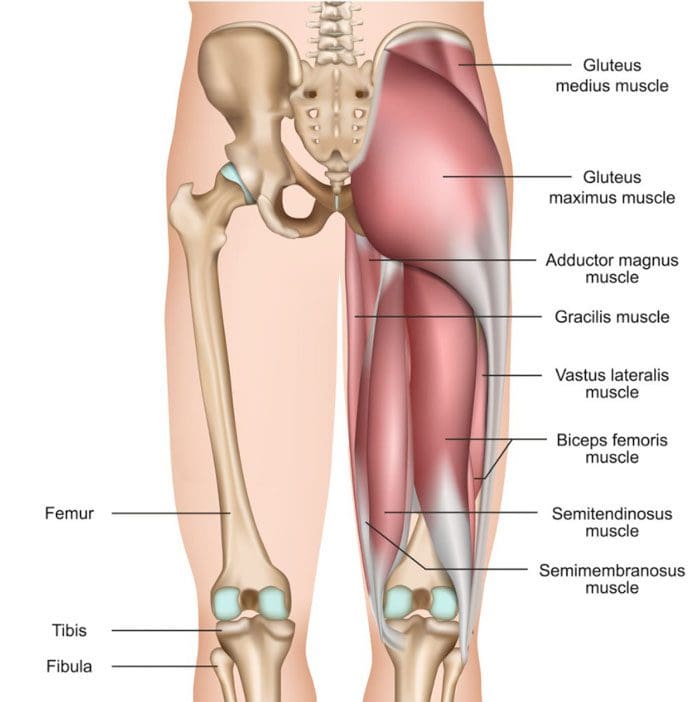
When the hip flexors and hamstrings become tense, the tightness can alter the pelvic alignment. This affects spinal alignment leading to discomfort and low back pain. The hip flexors are a group of muscles around the front of the hips, and they activate when moving the leg and knee upward. The hamstrings are the muscles in the back of the thighs that allow for flexion of the knees and hip extension. Muscle tightness in the hips and/or hip joint stiffness can also contribute to low back pain. Not being able to rotate, flex, or extend the hip forward or backward can affect:
Walking
Running
Swinging
Twisting movements
This increases mechanical strain on the lower back.
Losing the ability to function through the entire length of motion can also indicate muscle weakness and a lack of joint movement where the joint around the muscle becomes stiff. This can be caused by:
A lack of movement
Arthritis
Age-related changes
Stretching and Treatment
Stretching exercises can be the first line of treatment. It is recommended to start with gentle stretches targeting these areas. What works best for the individual is the stretch they are comfortable repeating enough to make a difference. Warming up the muscles first will generate the best results. An easy place to begin is a gentle forward fold stretch.
Stand up straight, or sit with the legs extended out in front.
Then, reach with the fingers toward the toes. Don’t worry if you can’t reach them.
If the stretching does not bring relief, it is recommended to progress to a personalized treatment and stretching program with a chiropractor or physical therapist. Chiropractic and physical therapy can relieve the problems without medication, injections, or surgery and provide lifelong techniques for maintaining optimal flexibility, mobility, and strength. The hands-on treatment loosens and relieves the tense tightness, reinforcing the flexibility and range of motion. Treatment includes:
Joint mobilization to the hips and spine.
Soft tissue mobilization.
A personalized strengthening program with stretches and exercises that target the specific muscles.
Health coaching.
Anti-inflammatory diet recommendations.
Body Composition
Monounsaturated Fats
Monounsaturated fat is considered healthy fat. This type of fat makes up a significant component of the Mediterranean diet. Studies have shown monounsaturated fats like extra-virgin olive oil can help prevent adverse events related to cardiovascular disease. A meta-analysis evaluating diets high in monounsaturated fats indicated a significant reduction in:
Triglycerides
Bodyweight
Systolic blood pressure in individuals with type II diabetes.
A significant increase in HDL or good cholesterol.
Another study showed the protective effects of monounsaturated fatty acids reduced the risk factors associated with metabolic syndrome and cardiovascular disease. Monounsaturated fats can have a positive impact on overall health. Monounsaturated fat sources include:
Olive, peanut, and canola oil
Avocados
Almonds
Pecans
Hazelnuts
Sesame and pumpkin seeds
References
Estruch, Ramón et al. “Retraction and Republication: Primary Prevention of Cardiovascular Disease with a Mediterranean Diet. N Engl J Med 2013;368:1279-90.” The New England journal of medicine vol. 378,25 (2018): 2441-2442. doi:10.1056/NEJMc1806491
Gillingham, Leah G et al. “Dietary monounsaturated fatty acids are protective against metabolic syndrome and cardiovascular disease risk factors.” Lipids vol. 46,3 (2011): 209-28. doi:10.1007/s11745-010-3524-y
American College of Physicians. (February 2017) “American College of Physicians issues guideline for treating non-radicular low back pain” https://www.acponline.org/acp-newsroom/american-college-of-physicians-issues-guideline-for-treating-nonradicular-low-back-pain
MedlinePlus. (2019) Hip flexor strain – aftercare https://medlineplus.gov/ency/patientinstructions/000682.htm
Medical experts have seen how pain education and cognitive behavioral therapy or CBT classes effectively manage chronic back pain; even a one-time pain management class can help. Individuals experiencing back pain often try a variety of remedies to find relief. These include:
Eliminating activities
Over-the-counter medications
Prescription pain medications
Support devices and braces
Pain specialists
Surgery
All treatment options can help alleviate discomfort and pain, but sometimes taking a pain management class and getting educated on what is happening in the body has been shown to help individuals gain a better understanding helping them to find relief. A recent study suggests that a one-time class may be all that is needed. These quick classes can give more individuals immediate access to information and skill sets that can help reduce the pain and everything that comes with it.
Cognitive Behavioral Therapy Classes
Cognitive Behavioral Therapy for chronic pain provides individuals with information and pain management skills. Cognitive-behavioral therapy is handled by a therapist and can take multiple individual or group sessions that last one or two hours. A session can include:
Education on pain and how it works.
How thoughts and emotions influence pain.
How pain affects mood.
Sleep and pain.
Activity and action plan development.
Chronic lower back pain or CLBP is considered a physical ailment; cognitive behavioral therapy can provide mental health strategies to manage symptoms better. For example, individuals with chronic pain begin to fear doing activities that could increase their pain level and begin to constantly worry about worsening the injury or creating a new injury. This can lead to severe stress that exacerbates the chronic symptoms and can lead to other health issues.
Single Session Vs. Multiple
Doctors and medical experts are trying to make pain education and relief skills more accessible. They do not require multiple sessions and instead consist of single-session, two-hour management classes. A randomized clinical trial of adults with chronic low back pain was compared to:
2-hour back pain health education class with no skill set training.
16-hour, 8-session cognitive behavioral therapy group class.
The study found that three months after treatment, the Empowered Relief group showed positive results. In the randomized trial, a single-session pain relief class was found to be non-inferior to an eight-session cognitive behavioral therapy class to:
Reduce pain-related distress
Pain intensity
Pain interference
Benefits
The individuals that completed the one-time 2-hour class reported positive results after three months. They found that the course had significantly reduced:
Pain intensity
Pain interference
Sleep disturbance
Anxiety
Fatigue
Depression
However, doctors caution that the two-hour class does not replace comprehensive cognitive-behavioral therapy. This is to get individuals on a positive path of pain management that can further develop into a healthy lifestyle. The objective is to create a range of options that meets an individual’s needs. The most significant advantage of a two-hour class is the convenience. Individuals can participate in these classes in person or online.
Body Composition
Supplements That Can Help Improve Lean Body Mass
A few dietary supplements that directly support body composition improvement.
Protein Powders
Protein powders are common nutritional/dietary supplements. Protein powders come in a variety of sources:
Plant-based – rice, hemp, pea, pumpkin seed, and soy.
Rice Protein
Rice protein is a plant-based protein powder used by vegans, vegetarians, and individuals who can’t tolerate dairy products. Research has found that rice protein has similar effects on body composition as whey. Scientists found that individuals who took rice protein and individuals that took whey protein both experienced positive body composition changes.
References
Cochrane Database of Systematic Reviews. (Oct 2015) “Psychological therapies for the management of chronic neuropathic pain in adults.” https://www.ncbi.nlm.nih.gov/pmc/articles/PMC6485637/
Darnall BD, Roy A, Chen AL, et al. Comparison of a Single-Session Pain Management Skills Intervention With a Single-Session Health Education Intervention and 8 Sessions of Cognitive Behavioral Therapy in Adults With Chronic Low Back Pain: A Randomized Clinical Trial. JAMA Netw Open. 2021;4(8):e2113401. doi:10.1001/jamanetworkopen.2021.13401
Future Neurology. (Nov 2014) “Neuroimaging chronic pain: what have we learned and where are we going?” https://www.ncbi.nlm.nih.gov/pmc/articles/PMC5289824/
HRB Open Research. (Aug 2020) “The relative effectiveness of psychotherapeutic techniques and delivery modalities for chronic pain: a protocol for a systematic review and network meta-analysis” https://www.ncbi.nlm.nih.gov/pmc/articles/PMC7459872/
Journal of Psychosomatic Research. (Jan 2010) “Mindfulness-based stress reduction for chronic pain conditions: variation in treatment outcomes and role of home meditation practice.”
National Institutes of Health. (March 2016) “Meditation and cognitive-behavioral therapy ease low back pain.” https://www.nih.gov/news-events/nih-research-matters/meditation-cognitive-behavioral-therapy-ease-low-back-pain
Pain. (Feb 2008). “Mindfulness meditation for the treatment of chronic low back pain in older adults: A randomized controlled pilot study. https://www.ncbi.nlm.nih.gov/pmc/articles/PMC2254507/
Pain and Therapy. (Jun 2020) “Rehabilitation for Low Back Pain: A Narrative Review for Managing Pain and Improving Function in Acute and Chronic Conditions.” https://www.ncbi.nlm.nih.gov/pmc/articles/PMC7203283/
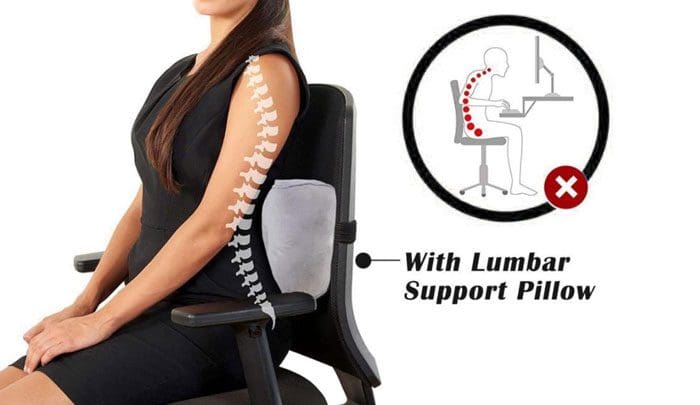
The low back is made up of five vertebrae, L1 to L5. Pain in the low back is common, specifically because of all the sitting at work, school, and home. Individuals dealing with low back pain know how difficult it can be to sit without discomfort and have found that a low back support pillow can help.
Low Back Support Pillow
A lumbar pillow is a pillow that supports the low back region of the spine. Different types include:
Specially shaped pillows made from materials like memory foam.
Lumbar pillows can be used on any chair at the office or home.
They are also helpful for travel with small-sized versions that can be packed and easy to carry.
How Lumbar Pillows Help
According to the CDC, the average adult spends around 6.5 and 8 hours a day sitting. Constant sitting hurts the body, specifically the spine and the back muscles, and is a significant cause of muscle stress. Properly supporting the low back helps remove the stress and strain. A low back support pillow can help correct sitting posture.
Pillow Options
There are plenty of options for low-back support pillow shapes, sizes, fillings, and materials. These include:
Some look like a half-cylinder in shape, rectangular, and curved.
Personal preference and comfort are different for everybody, and it could take some trial and error to find the right lumbar pillow. Some pillows are customizable, allowing the ability to add or remove filling as needed. Talking with a spine specialist, orthopedist or chiropractor can help in figuring out what type is best. Pillows come in various price ranges, with some at $10-15, while others can cost $100 or more. However, any pillow that provides enough support for the low spine’s natural curvature can work. It is important to be comfortable and supported to prevent pain and injury no matter where you sit.
Body Composition
Fermentable and Nonfermentable Fiber
The entire body can host trillions of beneficial bacteria. The majority live in the intestines and are referred to as the gut microbiome. Also known as the forgotten organ, these bacteria have a say in the body’s composition and overall health. The beneficial bacteria thrive on fermentable fiber, and fermentation in the gut produces short-chain fatty acids like:
These help suppress gut inflammation and can reduce the risk of various digestive disorders like:
Irritable bowel syndrome
Crohn’s disease.
Ulcerative colitis.
Foods that are rich in fermentable fibers include:
Oats
Barley
Fruit
Vegetables
Cereal fibers that are rich in cellulose, like wheat bran, are nonfermentable.
References
“What is Memory Foam?” Sleep Foundation, Seattle, WA. August 2020. https://www.sleepfoundation.org/mattress-information/what-is-memory-foam
“Association Between Sitting Time and Cardiometabolic Risk Factors After Adjustment for Cardiorespiratory Fitness, Cooper Center Longitudinal Study, 2010–2013.” Centers for Disease Control, Atlanta, GA. December 2016. https://www.cdc.gov/pcd/issues/2016/16_0263.htm
“Ergonomics for Prolonged Sitting.” The University of California at Los Angeles, Los Angeles, CA. https://www.uclahealth.org/spinecenter/ergonomics-prolonged-sitting
“Workplace sitting is associated with self-reported general health and back/neck pain: a cross-sectional analysis in 44,978 employees.” BMC Public Health, London, UK. May 2021. https://pubmed.ncbi.nlm.nih.gov/33957889/
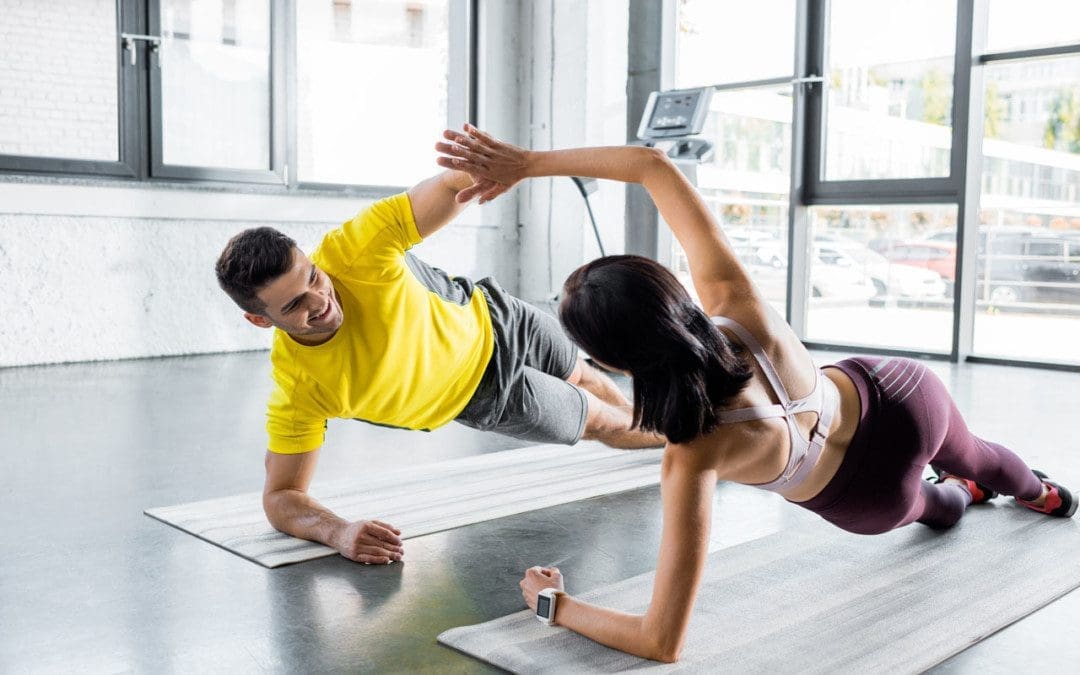
Reaching, twisting, walking, and driving are everyday activities that require upper and lower back strength. An aching back can easily affect daily activities, generate frustration, anger, and affect all-around health. The more back muscle strength an individual has, the more they can accomplish far more without injury. Immense power is not required to protect the body from a back injury. All that is needed is regular, consistent physical activity and exercise. A balance of body strength is vital for preventing injury. However, overdoing one fitness exercise or physical activity can imbalance musculature, leading to injury. Because the back/spine is the central part of the body, complete and proper care is necessary for optimal health and wellness. For individuals experiencing sore, aching, and tired muscles, here are some exercises that will help in the process.
Alternating Arm and Leg Extensions
Alternating extensions help build strength and coordination in the core areas. The back muscles increase their efficiency by creating muscle memory that supports the work shared by all the torso muscles. Upper and lower back muscles must work together to maintain a healthy balance and not overwork each other, causing strain and fatigue.
Start by placing hands and knees on the floor with the head directly between shoulders and facing toward the floor.
Feet are directly in line behind the buttocks and resting on the floor.
Hips and shoulders rest above the knees and hands.
Raise the right hand straight ahead with the arm at full length.
At the time same time, raise the left leg straight behind the body.
Try to keep the arm and leg as straight as possible.
Hold for 10 seconds.
Switch sides.
Repeat three to eight times, depending on strength level.
If it is difficult, a modified option is to raise the arm and leg separately.
Plank Hold
These can help build back muscles and strengthen the arms, legs, and the front torso area. Plank holds are a recommended starting point. Plank holds can be done on the elbows, palms of the hands, or closed fist hands. The key is to keep the shoulders, hips, and ankles straight like a wood plank parallel to the floor.
Place hands and feet directly on the floor like doing a push–up.
Toes should be on the floor.
Keep the abdominals tight and buttocks lifted to prevent straining the lower back.
Face straight down.
Hold for a count of 10.
Repeat three times.
For those with an aching back, keeping the hips level with the shoulders could be challenging at the beginning.
With practice, it will become easier; then, the individual is recommended to increase the length of time until 30 seconds is achieved.
Then increase the challenge to try more than three repetitions.
A modification for beginners is to start with the body resting on the floor, stomach down.
Then raise the body into the start position from the floor.
Hip Raises
Hip raises help to strengthen the lower back muscles to unite and support the lower half of the body. Training the body to work cooperatively is critical for reducing the aching and pain from muscle imbalance.
Rest the body flat on the floor, facing upward.
Place the hands flat at the body’s sides.
Knees should be about shoulder-width apart.
Keep the feet flat on the floor
Pull the feet toward the buttocks.
Look straight up.
Raise the hips as high as possible while pressing down with the hands.
Physical activity that keeps blood moving throughout the body. Examples include yoga, gardening, and dancing.
While the back is healing, go at a gentle even pace for any activity. Jerking and quickly stopping can be hard on joints and discs. When injured, the other muscles try to compensate to avoid causing a flare-up that could worsen the injury and/or create a new injury.
Aching Back Muscles
Strength-building exercises are great for preventing injury and avoiding re-injury. However, avoid overreaching or overstretching with any of the activities. Continuous aching or painful back muscles could indicate something else is occurring that could be:
The beginning of an arthritic condition causing inflammation.
Back muscle tear/s.
Pregnancy.
Body Composition
Sarcopenia – Loss of Skeletal Muscle Mass and Strenght Causes
Decreased Physical Activity
Physical inactivity is one of the primary contributors to sarcopenia.
Sedentariness can exacerbate the effects of sarcopenia.
Regular resistance exercise can help maintain muscle mass and build muscular strength.
Decrease in motor neurons
Aging is accompanied by a loss of motor neurons caused by cell death.
This can lead to a decrease in muscle fibers and size.
This decrease leads to:
Impaired performance
Reduced functional capacity
Decreased ability to perform everyday tasks.
Increase in Pro-inflammatory Cytokines
Poor diet and exercise also promote the storage of visceral fat.
This type of fat tissue produces pro-inflammatory cytokines.
This can accelerate muscle breakdown.
Obesity and muscle weakness are associated with high levels of pro-inflammatory cytokines.
References
Alfuth, M, and D Cornely. “Chronischer lumbaler Rückenschmerz : Vergleich zwischen Mobilisationstraining und Training der rumpfstabilisierenden Muskulatur” [Chronic low back pain : Comparison of mobilization and core stability exercises]. Der Orthopade vol. 45,7 (2016): 579-90. doi:10.1007/s00132-016-3233-1
Kim, Beomryong, and Jongeun Yim. “Core Stability and Hip Exercises Improve Physical Function and Activity in Patients with Non-Specific Low Back Pain: A Randomized Controlled Trial.” The Tohoku journal of experimental medicine vol. 251,3 (2020): 193-206. doi:10.1620/tjem.251.193
Smith, Benjamin E et al. “An update of stabilization exercises for low back pain: a systematic review with meta-analysis.” BMC musculoskeletal disorders vol. 15 416. 9 Dec. 2014, doi:10.1186/1471-2474-15-416
Suh, Jee Hyun et al. “The effect of lumbar stabilization and walking exercises on chronic low back pain: A randomized controlled trial.” Medicine vol. 98,26 (2019): e16173. doi:10.1097/MD.0000000000016173
IFM's Find A Practitioner tool is the largest referral network in Functional Medicine, created to help patients locate Functional Medicine practitioners anywhere in the world. IFM Certified Practitioners are listed first in the search results, given their extensive education in Functional Medicine