How can healthcare professionals recognize and establish protocols for individuals who are being trafficked and provide a safe place?
Introduction
Today, we will look at part two of this series, which is about recognizing trafficking in a clinical setting. Today’s article in this two-part series of recognizing trafficking helps inform many healthcare professionals to understand the roles and protocols for identifying trafficking that is affecting their patients and help provide a safe, positive space for them. We discuss with certified associated medical providers who consolidate our patients’ information to assess and identify trafficking in the clinic while taking the proper protocols to ensure patient safety. We also inform and guide patients while asking their associated medical provider intricate questions to integrate and provide them with a safe and positive space. Dr. Jimenez, D.C., includes this information as an academic service. Disclaimer.
Health Care Professional’s Role in Identifying Trafficking
Even though they may come across victims of human trafficking and have the chance to step in, many healthcare professionals believe they lack the knowledge and self-assurance needed to recognize these victims and offer them the kind of aid they need. As an illustration:
Just 37% of social workers and medical professionals surveyed again had any training in recognizing and supporting victims of human trafficking (Beck et al., 2015).
It is extremely hard for processors to identify and aid victims because traffickers move their victims around a lot and employ various strategies to evade discovery. Frequently, it could be your final interaction with the victim (Macy & Graham, 2012).
There can be a companion who comes across as very domineering, who won’t let the patient spend time alone with you, or who insists on filling out paperwork or talking on the patient’s behalf.
It’s possible that neither the victim nor their friend will have identification or insurance paperwork and will just pay in cash.
The victim or their companion may refuse to answer questions.
The victim may decline additional testing and follow-up care.
The victim may have physical injuries, sexually transmitted diseases, and signs of psychosocial stress.
The victim may not know the city and state that they are in.
The victim may appear fearful when asked questions or in the presence of their companion.
The victim may exhibit feelings of shame, guilt, helplessness, or humiliation.
You may notice inconsistencies in basic information, such as age, name, address, work history, or information regarding living status and daily activities.
If the patient does not speak English, where are they from, and how did they arrive?
If the patient is a minor, who and where is the guardian?
The victim may have unusual tattoos to indicate that they are the “property” of their trafficker.
Recognizing the Signs of Trafficking
You can more easily spot possible victims and offer the right help if you are aware of the typical warning indicators of human trafficking. The following are typical signs that someone is being trafficked. Naturally, not all victims or forms of trafficking will exhibit all of the indicators. Work and Living Conditions (National Human Trafficking Hotline, n.d.):
The victim may not be able to come and go on their own or leave their current home or work situation.
Human trafficking victims are often minors who are forced to engage in commercial sex acts.
The individual may work in the commercial sex industry and be under the control of a pimp or manager.
The victim may be required to work unusual or excessively long hours.
The victim may receive little, if any, pay or may only receive tips.
The victim may be subjected to unusual or extreme restrictions at work or may not be allowed to take breaks.
The victim may owe a large debt to their “employer.”
The victim may have been lured to their current work or living situation through false promises about the nature of their work or living environment.
The victim’s home or work location may have unusually high security, such as opaque or boarded-up windows, bars on windows, high fences, and security cameras.
The victim may be required to live at their work location.
The victim may experience various signs of abuse at the hands of their employer.
The victim may not be paid directly. Instead, the money is directed to the supervisor or manager, who deducts a large percentage for living expenses and other debts.
The victim may be forced to meet unreasonable daily quotas.
The victim may be forced to work in unsafe work environments without the proper safety equipment.
Chiropractic Care for Healing After Trauma-Video
Best Practice Guidelines for Interviewing Trafficking Individuals
As a healthcare provider, you must continuously weigh the different courses of action at every interview process step. To establish trust and ensure safety, practitioners must, above all, put aside preconceived notions and assumptions about the victims and their behavior (Hodge, 2014; DeBoise, 2014; Hemmings, Jakobowitz, & Abas, 2016). Zimmerman and Watts (2003) suggest that the World Health Organization has produced rules for every phase of the interview process, which include the following recommendations:
It’s critical to keep in mind that every trafficking scenario and survivor is distinct, making it crucial to pay attention to and accept each person’s account.
It could take some time for victims to open up and be willing to talk about their experiences because it can be hard for them to build rapport and trust.
You should take precautions to protect both you and the victim because you should anticipate that the victim is at risk of psychological, bodily, social, and legal harm.
To prevent further upsetting the victim, you should consider the risks and advantages before beginning the interview process, as it can be a traumatic experience in itself.
While you should direct victims to available resources when necessary, you should avoid making unfulfilled promises or pledges.
The amount of time it takes for victims of human trafficking to be prepared to embrace change might vary greatly. Some victims can be eager to look for new possibilities and to improve their circumstances. Some people can be less likely to accept assistance because they haven’t developed enough trust issues or because they fear retaliation from their trafficker.
Depending on the situation, many service providers or interpreters must be present during the interview. Everyone taking part in the interview process ought to be reasonably knowledgeable about human trafficking, including how traffickers manipulate their victims and how to interact with them in a way that respects their cultural differences. To maintain anonymity and ensure the victim can communicate freely and honestly, you should refrain from using interpreters who are acquainted with the victim or who live in the same neighborhood.
Having an emergency safety plan in place is crucial to shielding the victim from harm—both from others and self-harm.
Consent must always be obtained voluntarily for all interventions, including interviews. For many victims who have never known autonomy or self-determination, this may be a foreign idea.
Avoid using legal or technical jargon.
Furthermore, it’s critical to remember that trauma survivors may suffer after treatment can have a lasting effect on all facets of their lives, making psychological, emotional, and physical safety a top priority. It is reasonable to presume that the person provides the most accurate account of their experience at that time. A person’s guarded, defensive, and belligerent behavior may be only their coping mechanism for their trauma. (V. Greenbaum, 2017)
How to Report Known or Suspected Trafficking
The best way to report suspected trafficking is by calling the National Human Trafficking Hotline or texting the number 711 if the patient responds affirmatively to the evaluation questions if your findings imply that they might be victims of human trafficking. Additionally, you can text 233733. Basic details about the case will be requested from you, such as (National Human Trafficking Hotline, n.d.):
the location of the suspected trafficking
the name of the alleged trafficker, if possible
your city and state
how you learned about the hotline
Health care providers who know or believe that a youngster is being abused, neglected, or abandoned should report their concerns to law enforcement or the relevant child welfare agency right away, as they are required reporters under child abuse and neglect statutes. You can report abuse online or by calling the Department of Children and Families Abuse Hotline in the state you are residing in.
Documenting Physical Findings
Physical findings should be meticulously and precisely recorded using written descriptions, freehand sketches that have been identified and annotated, and digital or film photos with the patient’s consent. Regarding photography, the picture should show the patient’s face and the lesion or injury measured using a coin, ruler, or other common object. The photo should include a piece of paper bearing the date the picture was taken. More photos can capture up close shots of every pertinent lesion or injury. Serial follow-up photos over seven to ten days can be used to record the healing or advancement of ecchymoses and other injury-related symptoms. A statement identifying the photographer and attesting to the accuracy and integrity of the images ought to be incorporated into the chart. Before any photos are taken, consent for the photographic documentation should be sought and recorded. Patients should be aware of their rights, which include the ability to decline all photographic documentation or limit it to a limited number of specified locations.
In addition to providing essential medical care, the healthcare professional should work to establish an environment where each patient feels respected, comfortable, cared for, validated, and empowered to reveal if they so choose. If the patient does not feel “ready” to demonstrate in the clinical environment, disclosure may happen later. As a result, for at-risk patients, every single clinical interaction should be seen as a step toward their eventual safety.
Laws & Policies for Human Trafficking
The United States has enacted a variety of laws and policies designed to prevent human trafficking, punish the perpetrators, and protect the survivors. One of these laws and policies is the Trafficking Victims Protection Act law or the TVPA (U.S. Congress).
This is the centerpiece of federal human trafficking legislation. The act focuses on three primary areas:
The TVPA seeks to prevent human trafficking through increased training and awareness.
The act seeks to protect trafficking victims by providing them access to services using federal funds similar to other refugees.
The act establishes trafficking and related crimes as federal offenses subject to stiff penalties.
One way that the legislation protects victims of human trafficking is that it absolves them of consequences for engaging in criminal activities that arise from their trafficking experience, such as entering the nation using fraudulent documents or working without the proper authorization. In addition, families of trafficking victims are qualified for T visas, which let them stay in the nation to support federal law enforcement in their pursuit of the offenders. After three years, victims can then apply to become permanent residents. Depending on the specific circumstances, many individuals may be entitled to assistance and benefits, such as access to the Witness Security Program and reparations. In addition, individuals between 16 and 24 could qualify for the Job Corp program and work permits.
Others criticize the TVPA. Usually, the onus is on the victim to prove their innocence or compulsion first. Second, the act emphasizes sex trafficking more than other types of human trafficking, which ignores how intricate human trafficking is. Only victims and survivors of “severe” types of trafficking who are prepared to cooperate with the investigation and prosecution of their offenders are eligible for the services provided under the act. This ignores the severity of the abuse the victims endured and the degree of mistrust and terror they might harbor toward both the abuser and others in positions of power.
Preventing Trafficking Through Awareness, Interventions, & Resources
In the shadows, human trafficking flourishes. We eradicate the shadows where human traffickers lurk by increasing public and health practitioner awareness of the problem (Hodge, 2008; Gozdziak & MacDonnell, 2007). For instance, putting up signs and pamphlets on human trafficking can not only help to enhance public awareness but also boost the chance that victims may come forward on their own. Brochures and posters are free from the Campaign to Rescue and Restore Victims of Trafficking.
When assisting victims of human trafficking, practitioners and service providers need to be able to engage with a variety of governmental, legal, medical, and social service organizations and institutions. Generally speaking, there are three main categories into which the care and services that a victim falls (Dell et al., 2019; Johnson, 2012; Oram & Domoney, 2018):
Immediate Services
Services Related to Recovery
Services About Reintegration
Resources for Providers
The National Human Trafficking Resource Center’s referral database can be consulted by providers looking to connect with local programs that assist victims of human trafficking or who need assistance for a victim or survivor. Many healthcare providers can check out the website to provide helpful resources in their local area.
Conclusion
Any human trafficking violates fundamental rights. Since human trafficking has many underlying roots, eradicating the issue would need different approaches on various fronts. When it comes to addressing racism, poverty, oppression, prejudice, and other factors that lead to human trafficking, healthcare professionals need to be dedicated to facing this issue both within their patient population and in partnership with colleagues from different disciplines. Physicians, social workers, counselors, and other health care professionals are required by their code of ethics to lead in addressing power abuses and advancing social justice. Practitioners can accomplish this, among other things, by teaching others and themselves about the intricate dynamics and international scope of human trafficking.
References
Beck, M. E., Lineer, M. M., Melzer-Lange, M., Simpson, P., Nugent, M., & Rabbitt, A. (2015). Medical providers’ understanding of sex trafficking and their experience with at-risk patients. Pediatrics, 135(4), e895-902. https://doi.org/10.1542/peds.2014-2814
DeBoise, C. (2014). Human Trafficking and Sex Work: Foundational Social-Work Principles. Meridians: Feminism, Race, Transnationalism, 12(1), 227–233. https://muse.jhu.edu/article/541879/pdf
Dell, N. A., Maynard, B. R., Born, K. R., Wagner, E., Atkins, B., & House, W. (2019). Helping Survivors of Human Trafficking: A Systematic Review of Exit and Postexit Interventions. Trauma Violence Abuse, 20(2), 183-196. https://doi.org/10.1177/1524838017692553
Gozdziak, E., & MacDonnell, M. (2013, March 4). Closing the Gaps: the Need to Improve Identification and Services to Child Victims of Trafficking by School of Foreign Service – Georgetown University – Issuu. Issuu.com. https://issuu.com/georgetownsfs/docs/gozdziak-closing-the-gaps
Greenbaum, V. J. (2017). Child sex trafficking in the United States: Challenges for the healthcare provider. PLoS Med, 14(11), e1002439. https://doi.org/10.1371/journal.pmed.1002439
Hemmings, S., Jakobowitz, S., Abas, M., Bick, D., Howard, L. M., Stanley, N., Zimmerman, C., & Oram, S. (2016). Responding to the health needs of survivors of human trafficking: a systematic review. BMC Health Serv Res, 16, 320. https://doi.org/10.1186/s12913-016-1538-8
Hodge, D. R. (2008). Sexual trafficking in the United States: a domestic problem with transnational dimensions. Soc Work, 53(2), 143-152. https://doi.org/10.1093/sw/53.2.143
Macy, R. J., & Graham, L. M. (2012). Identifying domestic and international sex-trafficking victims during human service provision. Trauma Violence Abuse, 13(2), 59-76. https://doi.org/10.1177/1524838012440340
How do healthcare professionals provide a clinical approach to recognizing trafficking to individuals seeking a safe environment?
Introduction
Around the world, there is a phenomenon that local media and organizations are paying more attention to and that many people should be aware of. This is known as trafficking, and it can encompass a wide range of activities, from forced labor in various industries to sex work. While most individuals of trafficking are usually young women or children, it can affect many individuals of all ages and backgrounds. Many survivors of trafficking are compelled to live with the psychological and physical injuries they sustained from the mistreatment they endured at the hands of their traffickers. This course aims to give medical professionals and others in allied fields an understanding of the realities of human trafficking, as well as the kinds of resources and interventions that can be used to help many individuals trafficking in this two-part series. Today’s article overviews trafficking and how it can impact the individual. In part two, we will discuss the roles and protocols of how healthcare professionals can identify trafficking while providing a safe and positive space for the individual. We discuss with certified associated medical providers who consolidate our patients’ information to assess and identify trafficking in the clinic. We also inform and guide patients while asking their associated medical provider intricate questions to integrate a customized treatment plan for their pain and provide them with a safe and positive space. Dr. Jimenez, D.C., includes this information as an academic service. Disclaimer.
The Definition of Trafficking
It can be challenging to define trafficking since it frequently coexists with other problems like forced marriage, sexual assault, domestic abuse, and forced labor. (Hume & Sidun, 2017) As the United Nations stated, trafficking encompasses the following activities: “as recruitment, transportation, transfer, harboring, or receipt of many individuals using the threat or use of force to achieve the consent of a person having control over another person, for exploitation.” (United Nations Human Rights Office of the High Commissioner, n.d.) The following components of this definition include:
Act: This is a reference to the different forms of human trafficking, including the hiring, transferring, receiving, and harboring of individuals.
Means: Coercion, force, fraud, kidnapping, deception, abuse of power or weakness, or providing cash or other rewards to someone in a position of authority over the victim are typically used to carry out trafficking.
Purpose: Traffickers engage in forced labor, prostitution, sexual exploitation, forced servitude, slavery, and even organ harvesting to further their financial interests.
While the terms are occasionally used synonymously, human trafficking and people smuggling are not the same. Human smuggling is the transportation of a person into the nation by illicit means; it is voluntary, as the person smuggled usually offers compensation to another individual or party to achieve this purpose (Lusk & Lucas, 2009).
The broad term of human trafficking in the Trafficking Victims Protection Act includes both labor trafficking and sex trafficking. Sex trafficking is when someone is under the age of 18 and is obtained, patronized, or solicited for a commercial sex act by deception, force, or compulsion. The forced, coerced, or fraudulent submission of an individual to slavery, debt bondage, involuntary servitude, or peonage is considered labor trafficking. According to the U.S. Congress, the TVPA does not require that trafficking take place if a person is physically moved from one location to another.
The Statistics Of Trafficking
Determining the actual extent of the problem is challenging due to the complexity of the human trafficking issue and the fact that both the offenders and the victims frequently go unnoticed. A few published estimates from academics, researchers, and organizations and agencies responsible for recording and monitoring occurrences of human trafficking are as follows:
According to estimates from the International Labour Organization, there are over 40 million victims of human trafficking worldwide. (International Labour Organization, n.d.)
Over 51,000 complaints of cases of human trafficking have been received by the National Human Trafficking Hotline since 2007 (National Human Trafficking Hotline, n.d.).
The number of persons thought to be trafficked in the United States varies greatly from year to year, with estimates ranging from 40,000 to 50,000. (Weizter, 2007)
In 2017, the United States Department of Justice obtained 1,045 convictions for offenses related to human trafficking, a 78% increase from 2015. (International Labour Organization, n.d.).
According to the International Labour Organization, over 15 million people are in forced marriages, 4.8 million people are victimized by sex trafficking, and forced labor trafficking claims the lives of almost 25 million people globally. (International Labour Organization, 2017)
In the US, Florida is the third-most popular destination for victims of human trafficking. In 2018, there were 767 reports of human trafficking incidents in Florida and close to 1,900 contacts with the National Human Trafficking Hotline. There was almost 70% of sex trafficking, 16.5% of labor trafficking, and 7.5% of both sex and labor trafficking combined. Of the victims, 56% were adults, and 69% were female (National Human Trafficking Hotline, n.d.).
Data Collection Challenges
The current ICD-10-CM abuse codes could not adequately distinguish victims of human trafficking from other abuse victims, even though an increasing number of caregivers are trained to recognize and record individuals of different forms of human trafficking. Clinicians couldn’t properly identify a condition or arrange the resources needed to administer treatment without the right codes. Additionally, this made it impossible to critically monitor the existence and recurrence of human labor or sexual exploitation.
June 2018 saw the publication of the first ICD-10-CM codes for categorizing abuse related to human trafficking, as requested by the American Heart Association’s Hospitals Against Violence program. The proposal for the modification came from the AHA’s Central Office on ICD-10, which collaborated with Catholic Health Initiatives, the Human Trafficking Initiative at Massachusetts General Hospital, and the Freedom Clinic. With effect from FY 2019, certain ICD-10-CM codes can be used to collect data on adult or child forced labor or sexual exploitation, whether it is proven or suspected. These new codes may be issued in addition to other current ICD-10-CM codes for abuse, neglect, and other maltreatment. These codes received support from different hospitals and health systems. Furthermore, there exist novel codes that can be utilized to record an individual’s past labor or sexual exploitation history, examine, rule out, and observe instances of exploitation, and identify multiple, repeating perpetrators of maltreatment and neglect through an external cause of code (Macias-Konstantopoulos, 2018).
The ICD-10-CM provides specific abuse codes for a range of abuse experiences, such as physical abuse of an older adult, sexual abuse of a child, and violence against a spouse or partner. Similar to how disease diagnosis codes are used, tracking the frequency and trends of particular abuse types, their relationships to other injuries and illnesses, and the kinds of resources that might be needed to stop the abuse are all made feasible by recording abuse using the relevant ICD-10-CM code. Adopting prevention strategies, creating best practices for treatment, introducing new services and payment methods, and establishing new financing and research fields are all made possible by using these codes as the primary diagnosis (Macias-Konstantopoulos, 2018).
Documenting particular types of violence and abuse alone does not give a full picture of the abuse experience. Every abuse experience is a result of a complex interaction between several variables, including the physical surroundings, social and familial dynamics, and personal risks and vulnerabilities. Healthcare professionals can respond to illnesses and injuries connected to abuse as well as underlying health-related social and mental requirements more effectively when these aspects are assessed, documented, and coded using ICD-10-CM Z codes. Similarly, applying ICD-10-CM S, T, V, W, X, and Y codes to record and classify external causes of morbidity as well as the nature, purpose, and mechanism of injury can help shed light on how abuse and violence are committed and pave the way for further preventative measures (Macias-Konstantopoulos, 2018).
Required Actions
Coders should be aware of and start using the ICD-10-CM codes for forced labor and sexual exploitation as they examine a patient’s medical records to determine which ICD-10-CM codes to include.
Hospitals and health systems should inform those who need to know—doctors, nurses, other medical professionals, and coding specialists, among others—about the significance of gathering data on forced labor and sexual exploitation of people.
By keeping track of verified and suspected cases within the healthcare system, hospitals, and health systems can better monitor victim requirements and find ways to enhance community health.This practice also offers an additional means of gathering data to help the systemic creation of a service and resource infrastructure, as well as attempts to prevent harm and inform public policy.
The accompanying chart illustrates the distinction between focused and comprehensive assessment, documentation, and coding of abuse. It also highlights how these differences may affect medical professionals’ reactions to cases and their comprehension of the kinds of resources that may be required to help victims of human trafficking (Macias-Konstantopoulos, 2018).
Beyond the Surface: Understanding the Effects of Personal Injury- Video
Common Misconceptions of Trafficking
There is a misconception that trafficking entails the kidnapping and crossing of national or international borders for various activities to individuals. This misconception fails to acknowledge that individual trafficking can be of any ethnicity, gender, or country and that it can happen almost anywhere and in any sector of the economy. A handful of the widespread myths about human trafficking are as follows:
Myth: Physical violence is a common part of trafficking. Traffickers frequently employ nonviolent tactics, such as deception, manipulation, intimidation, and deceit, to coerce their victims into exploitative circumstances, even while physical violence plays a role in many of their crimes.
Myth: Sexual exploitation is a necessary component of trafficking. It’s likely the most well-known type of trafficking, but commercial sexual exploitation of victims is also a frequent practice. However, experts think that labor trafficking is more commonplace throughout the world.
Myth: Only undocumented foreign nationals are victims of trafficking.The Polaris Project operates the National Human Trafficking Hotline, which has handled thousands of cases of trafficking involving foreign nationals who are lawfully employed or residing in the United States.
Myth: Only illicit or covert sectors are involved in trafficking. Trafficking has been documented concerning several legitimate industries, including manufacturing, restaurants, cleaning services, and construction.
Myth: Transporting a person across state or national borders is a part of trafficking. Human smuggling is the illicit movement of persons across state or national borders. There can be trafficking even when there is no cross-border travel. A person may even become a victim of trafficking in their own house or hometown.
Myth: Trafficking is always a part of the commercial sex trade. Any commercial sex with kids is invariably seen as human trafficking. Adult commercial sex is only classified as trafficking when the victim is coerced, compelled, or deceived into doing it against their will.
Common Forms of Trafficking
There are many forms of trafficking as many individuals that were trafficked are categorized into the following:
Sex Trafficking
Bonded Labor/Forced Labor
Child Labor
Child Conscription
The Impact & Consequences of Trafficking on Individuals
For someone who has never experienced human trafficking, it might be challenging to understand why so many victims choose to remain silent or show such a strong willingness to cooperate with their traffickers (Johnson, 2012). According to Baldwin, Fehrenbacher, and Eisenman (2015), the victim’s compliance and quiet are influenced by the following elements, which the quiet Compliance Model explains:
Coercion: Traffickers use violence, intimidation, and depriving the individual of basic needs to force them into obedience. Traffickers may employ psychological strategies, including isolation, degrading treatment, and induced tiredness in addition to physical force. As a result, the individual experiences a distorted sense of reality and feels helpless.
Collusion: The victim’s cooperation with their traffickers in trafficking or other illicit activities may result from a combination of factors, including fear, loneliness, total dependence, and even a sense of identification with the trafficker.
Contrition: The victims’ guilt and regret for their acts, despite the coerced collaboration, only serve to guarantee their quiet (Johnson, 2013).
Trafficking individuals are susceptible to a wide range of health issues, including chronic illnesses brought on by inadequate working conditions or malnourishment, unwanted pregnancies, severe injuries, and STDs. It’s crucial to remember that emotional issues are often experienced as physical illnesses or sensations in certain cultures. For instance, depression, stress, or anxiety may manifest as symptoms of exhaustion, headaches, or gastrointestinal issues (Greenbaum, 2018; Zimmerman, Hossain, & Fun, 2008).
Conclusion
It is important to recognize the signs of trafficking in individuals who have been dealing with these issues. In part 2 of this series, we will look at how healthcare workers are identified and what procedures to take when a patient is trafficked. This allows the individual to know they are in a safe and positive environment to get the help they deserve.
References
Baldwin, S. B., Fehrenbacher, A. E., & Eisenman, D. P. (2015). Psychological Coercion in Human Trafficking. Qualitative Health Research, 25(9), 1171-1181. https://doi.org/10.1177/1049732314557087
Greenbaum, V. J. (2017). Child sex trafficking in the United States: Challenges for the healthcare provider. PLoS Med, 14(11), e1002439. https://doi.org/10.1371/journal.pmed.1002439
Hume, D. L., & Sidun, N. M. (2017). Human Trafficking of Women and Girls: Characteristics, Commonalities, and Complexities. Women & Therapy, 40(1-2), 7-11. https://doi.org/10.1080/02703149.2016.1205904
Lusk, M., & Lucas, F. (2008). The challenge of human trafficking and contemporary slavery. Journal of Comparative Social Welfare, 25(1), 49–57. https://doi.org/10.1080/17486830802514049
Macias-Konstantopoulos, W. L. (2018). Diagnosis Codes for Human Trafficking Can Help Assess Incidence, Risk Factors, and Comorbid Illness and Injury. AMA J Ethics, 20(12), E1143-1151. https://doi.org/10.1001/amajethics.2018.1143
Parreñas, R. S., Hwang, M. C., & Lee, H. R. (2012). What Is Human Trafficking? A Review Essay. Signs: Journal of Women in Culture and Society, 37(4), 1015–1029. https://doi.org/10.1086/664472
Saiz Echezarreta, V., Alvarado, C., & Gómez-Lorenzini, P. (2018). Advocacy of trafficking campaigns: A controversy story. Comunicar, 26(55), 29–38. https://doi.org/10.3916/c55-2018-03
Weitzer, R. (2007). The Social Construction of Sex Trafficking: Ideology and Institutionalization of a Moral Crusade. Politics & Society, 35(3), 447-475. https://doi.org/10.1177/0032329207304319
Zimmerman, C., Hossain, M., Yun, K., Gajdadziev, V., Guzun, N., Tchomarova, M., Ciarrocchi, R. A., Johansson, A., Kefurtova, A., Scodanibbio, S., Motus, M. N., Roche, B., Morison, L., & Watts, C. (2008). The health of trafficked women: a survey of women entering posttrafficking services in Europe. Am J Public Health, 98(1), 55-59. https://doi.org/10.2105/AJPH.2006.108357
For individuals trying to achieve healthy posture, could using posture awareness training be effective in treatment and prevention?
Posture Awareness
Spinal curves help support the body’s weight, movement, and balance. Five areas include the neck, upper back, lower back, sacrum, and coccyx. The bottom of the spine or sacrum rests between the two hip bones that comprise the pelvis. Because of this location, the movements made with the pelvis significantly affect the spine. (Ibrahim Alkatout, et al., 2021) When the pelvis moves, the spine moves.
Posture-related back pain and associated symptoms are often caused by a weakened strength and flexibility ratio between the opposing muscle groups that hold the body upright.
Achieving healthy posture requires technique and consistent practice for maintaining a healthy pelvis and low back curve. (DeokJu Kim, et al., 2015)
Finding the low back curve and exploring how it responds when moving the pelvis is important to effective posture awareness training.
Kim, D., Cho, M., Park, Y., & Yang, Y. (2015). Effect of an exercise program for posture correction on musculoskeletal pain. Journal of physical therapy science, 27(6), 1791–1794. https://doi.org/10.1589/jpts.27.1791
Alkatout, I., Wedel, T., Pape, J., Possover, M., & Dhanawat, J. (2021). Review: Pelvic nerves - from anatomy and physiology to clinical applications. Translational neuroscience, 12(1), 362–378. https://doi.org/10.1515/tnsci-2020-0184
Żurawski, A. Ł., Kiebzak, W. P., Kowalski, I. M., Śliwiński, G., & Śliwiński, Z. (2020). Evaluation of the association between postural control and sagittal curvature of the spine. PloS one, 15(10), e0241228. https://doi.org/10.1371/journal.pone.0241228
Zemková, E., & Zapletalová, L. (2021). Back Problems: Pros and Cons of Core Strengthening Exercises as a Part of Athlete Training. International journal of environmental research and public health, 18(10), 5400. https://doi.org/10.3390/ijerph18105400
Mindfulness is a valuable tool for reflection and centering/balancing mind and body. Applying mindfulness to fitness can impact the body’s physical well-being and can be incorporated into an existing routine to get the most out of every workout. Applying mindfulness to a fitness routine includes increased satisfaction after a workout and a strengthened commitment to engaging in healthy activity.
Applying Mindfulness
The benefits of applying mindfulness to workouts include the following:
Increased emotional control.
Improved overall wellness.
Increased coping skills to lower blood pressure and reduce stress.
Stay more consistent with a fitness routine.
Workout time builds a stronger relationship between the mind and body.
Mental State
Mindfulness is a mental state that enables individuals to experience their current surroundings uninterrupted by thoughts, worries, or distractions. The objective is to maintain awareness during an activity, such as exercising, and not focusing on judging oneself or the surroundings. It is a form of getting oneself in the zone during their fitness routine that brings an enhanced awareness of the senses like:
Sight
Hearing
Smell
Touch
Taste
Awareness of the location and movement of the body in space.
Meditation
Meditation is a mindfulness exercise that can enhance relaxation, increase the ability to focus, and reduce stress. Different types of meditation range from:
Mantra-based meditation – where a word or phrase is repeated to act as an anchor during an activity.
Movement meditation involves using light exercises like yoga, tai chi, or walking to build a stronger connection with the body.
Benefits
Mental Health
Research has shown that mindfulness is linked to improved overall mental health. One study found that completing a mindfulness-based stress reduction program or MBSR helped increase mental wellness. The analysis discovered that participants who practiced regularly through the program noticed improvements in their quality of life and coping skills during moments of stress. Other mental health benefits include:
One study of individuals with chronic hypertension found that engaging in mindfulness training two hours per week for eight weeks resulted in a clinically significant reduction in systolic and diastolic blood pressure readings. Other physical health benefits include:
Positive physical responses in the body.
Chronic pain alleviation.
Higher sleep quality.
Successful long-term weight loss.
Improved and increased healthy habit-building.
Increased motivation
Feeling more connected to your body
Staying on track with fitness goals.
Workout Implementation
How to apply mindfulness to get the most out of a workout. Exercises like walking, lifting weights, or participating in a fitness class are great ways to practice mindfulness. A few tips for creating a more enjoyable, effective, and mindful workout session includes:
Set A Workout Goal
Before starting a workout, it’s recommended to set an intention (things an individual aims for, strives to achieve, and is related to the mental and physical state. This could be something along the lines of:
Believe in me.
Keep an open mind.
Try my best.
Remember to enjoy the workout.
A simple and short intention can ground the workout process.
It has been proven to enhance commitment and completion of regular physical exercise.
If you begin to struggle or experience a wandering mind during an activity, remind yourself of the intention to focus on the current moment and get back in the groove.
Practice Visualization During the Workout
Visualization is effective for enhancing mindfulness during physical activity, as it allows the brain to create impulses that help complete the task. It is defined as focusing on movement and visualizing performing the physical routine to the best of your ability.
Mix Up the Workout Environment
The workout space plays a significant role in overall exercise efficacy, especially when working out outdoors. Exercising outdoors, like an outdoor class, hiking, or weight-lifting in the backyard, allows the body to attune to nature and the surroundings. This is an effective and simple way to reduce mental fatigue, improve mood, and decrease the perception of the overall effort to maintain motivation to exercise for longer and with more intensity.
Breathe From the Diaphragm
The importance of timing movements with breathing and breathing from the diaphragm can positively impact the autonomic nervous system to promote increased emotional and psychological control. Breathing from the diaphragm while exercising can intensify relaxation and increase the enjoyment of physical activity. The Injury Medical Chiropractic and Functional Medicine Team can educate individuals on applying mindfulness and develop a personalized treatment and fitness program for restoring, improving, and maintaining overall health.
Mindfulness Workout
References
Demarzo, Marcelo M P, et al. “Mindfulness may both moderate and mediate the effect of physical fitness on cardiovascular responses to stress: a speculative hypothesis.” Frontiers in physiology vol. 5 105. 25 Mar. 2014, doi:10.3389/fphys.2014.00105
Mantzios, Michail, and Kyriaki Giannou. “A Real-World Application of Short Mindfulness-Based Practices: A Review and Reflection of the Literature and a Practical Proposition for an Effortless Mindful Lifestyle.” American journal of lifestyle medicine vol. 13,6 520-525. 27 Apr. 2018, doi:10.1177/1559827618772036
Ponte Márquez, Paola Helena, et al. “Benefits of mindfulness meditation in reducing blood pressure and stress in patients with arterial hypertension.” Journal of human hypertension vol. 33,3 (2019): 237-247. doi:10.1038/s41371-018-0130-6
Wieber, Frank, et al. “Promoting the translation of intentions into action by implementation intentions: behavioral effects and physiological correlates.” Frontiers in human neuroscience vol. 9 395. 14 Jul. 2015, doi:10.3389/fnhum.2015.00395
Mindful eating involves paying attention to what and how individuals eat, helping to become more aware of the body’s natural hunger and satisfaction cues. The process can help individuals become aware of the reasons behind their hunger and help to reduce cravings, control portion sizes, and develop long-term healthy eating habits.
Mindful Eating
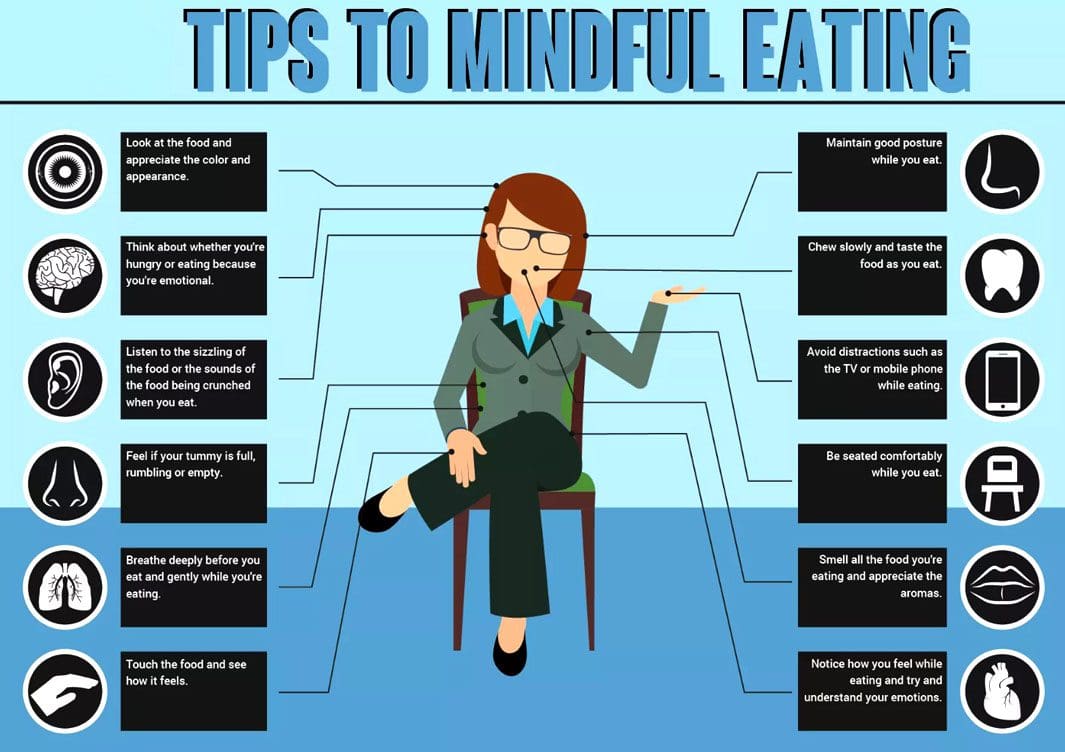
It’s easy to rush through meals and snacks without pausing to enjoy the experience while refueling the body. Like meditation, individuals focus on what they are eating, how it smells, tastes, and the bodily sensations experienced. It is a way of checking in with the mind and body throughout a meal or snack. Mindful eating puts the individual in touch:
Hedonic hunger – emotional, stressful, conditioned, celebratory, etc.
Benefits
Individuals do not have to go all-in but can adopt some principles of slowing down and tuning into the body to improve health. Benefits include:
Better Digestion
Slowing down and chewing food properly makes it easier to digest.
Improved Nutrition
Fast foods can cause a feeling of sluggishness and bloating.
Eating nutrient-packed meals provides more energy.
Improved nutrition means improved immune system health.
The awareness reinforces making healthier choices.
Satisfaction After Meals
Rushing to finish a meal means not enjoying the flavors and texture factors that can generate a sense of fullness and satisfaction.
Training the mind and body to be truly satisfied with meals and snacks leads to less stress and less craving.
Healthier Food Relationship
The body needs food physiologically for fuel and nourishment.
Individuals also develop emotional attachments to food associated with experiences and memories.
Addressing all aspects and influences in food relationships allows individuals to become more aware of their learned behaviors, perceptions, emotions, and mindsets.
Identifies behaviors that are not beneficial so the individual can work to improve them.
Improved Cardiometabolic Health
Mindful or intuitive eating has been shown to improve:
Blood sugar levels in pregnant women.
Inflammatory markers in postmenopausal women.
Lipid and blood pressure in overweight adults.
Food Consumption Health
Put away electronics and set aside time and space for eating only.
Eat in a setting where you are relaxed.
Eating in the car, in front of a computer while working, or on the phone doesn’t give full attention to the eating process and, as a result, can cause the individual to eat more or eat foods that are not healthy.
Sit down and take a few deep breaths before starting the meal.
If emotions are running high and are geared towards eating, see if you can acknowledge and express those emotions rather than eat through them.
This will help the digestive process and get the most out of the meal.
Eat a palette of colors, sample various salty, sweet, spicy, and umami/savory flavors, and take in the food with all the senses.
Not eating a variety of flavors at a meal can cause a feeling of missing something that can lead to unhealthy cravings.
Eat with others, as sharing food can enrich everyone involved and help focus on the experience, not the amount of food consumed.
Chew thoroughly, as digestion begins in the mouth, where enzymes are secreted in saliva to break down food.
Not properly chewing and making the food smaller can cause indigestion and other digestive problems.
Listen to your body and recognize when you have had enough or want more.
Waiting five minutes before getting another serving can help the body become more attuned to hunger and fullness cues.
Eat Mindfully
References
Cherpak, Christine E. “Mindful Eating: A Review Of How The Stress-Digestion-Mindfulness Triad May Modulate And Improve Gastrointestinal And Digestive Function.” Integrative medicine (Encinitas, Calif.) vol. 18,4 (2019): 48-53.
Espel-Huynh, H M et al. “A narrative review of the construct of hedonic hunger and its measurement by the Power of Food Scale.” Obesity science & practice vol. 4,3 238-249. 28 Feb. 2018, doi:10.1002/osp4.161
Grider, Hannah S et al. “The Influence of Mindful Eating and/or Intuitive Eating Approaches on Dietary Intake: A Systematic Review.” Journal of the Academy of Nutrition and Dietetics vol. 121,4 (2021): 709-727.e1. doi:10.1016/j.jand.2020.10.019
Hendrickson, Kelsie L, and Erin B Rasmussen. “Mindful eating reduces impulsive food choice in adolescents and adults.” Health psychology: official journal of the Division of Health Psychology, American Psychological Association vol. 36,3 (2017): 226-235. doi:10.1037/hea0000440
Morillo Sarto, Hector, et al. “Efficacy of a mindful-eating program to reduce emotional eating in patients suffering from overweight or obesity in primary care settings: a cluster-randomized trial protocol.” BMJ open vol. 9,11 e031327. 21 Nov. 2019, doi:10.1136/bmjopen-2019-031327
Nelson, Joseph B. “Mindful Eating: The Art of Presence While You Eat.” Diabetes spectrum: a publication of the American Diabetes Association vol. 30,3 (2017): 171-174. doi:10.2337/ds17-0015
Warren, Janet M et al. “A structured literature review on the role of mindfulness, mindful eating and intuitive eating in changing eating behaviors: effectiveness and associated potential mechanisms.” Nutrition research reviews vol. 30,2 (2017): 272-283. doi:10.1017/S0954422417000154
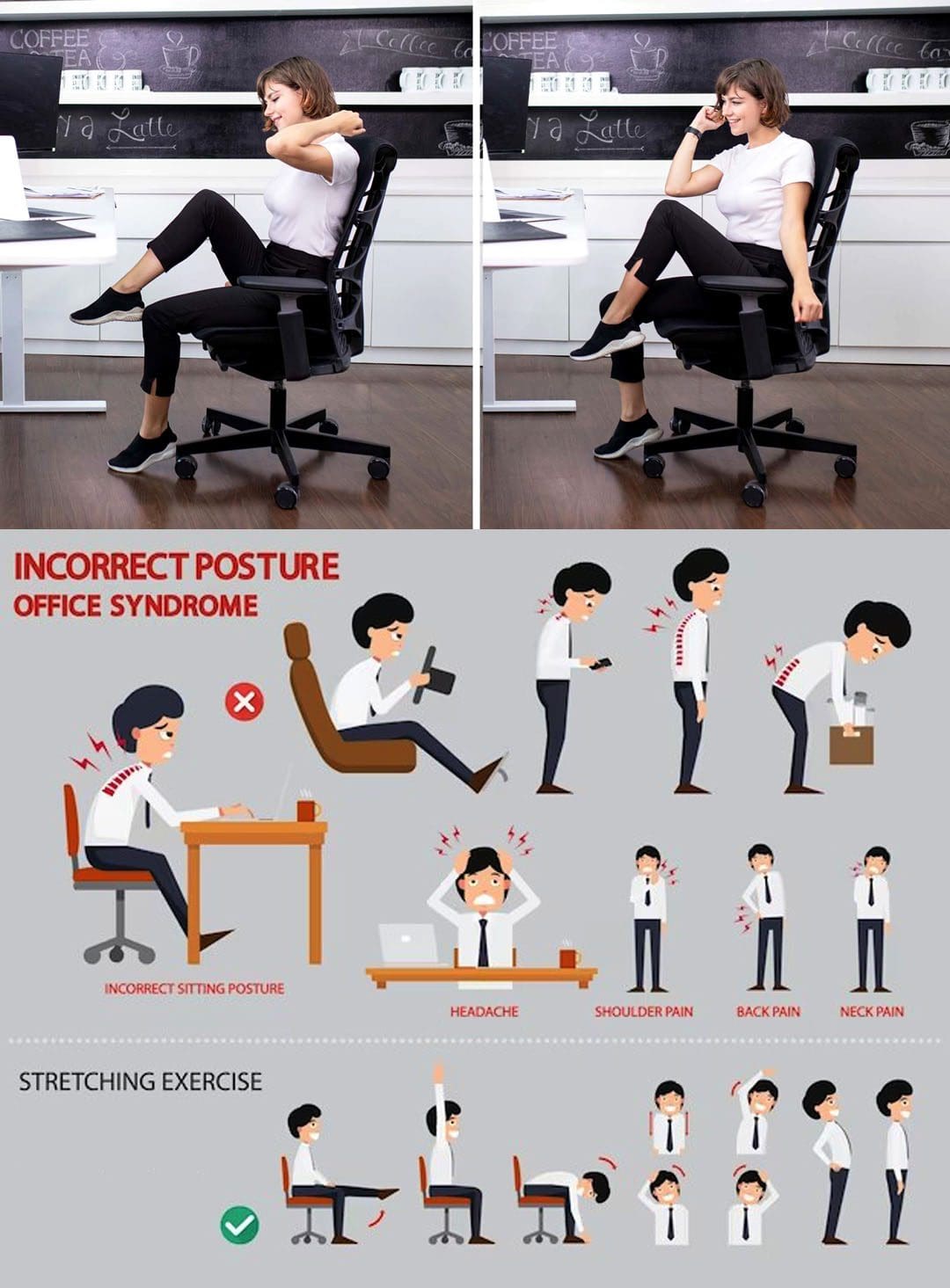
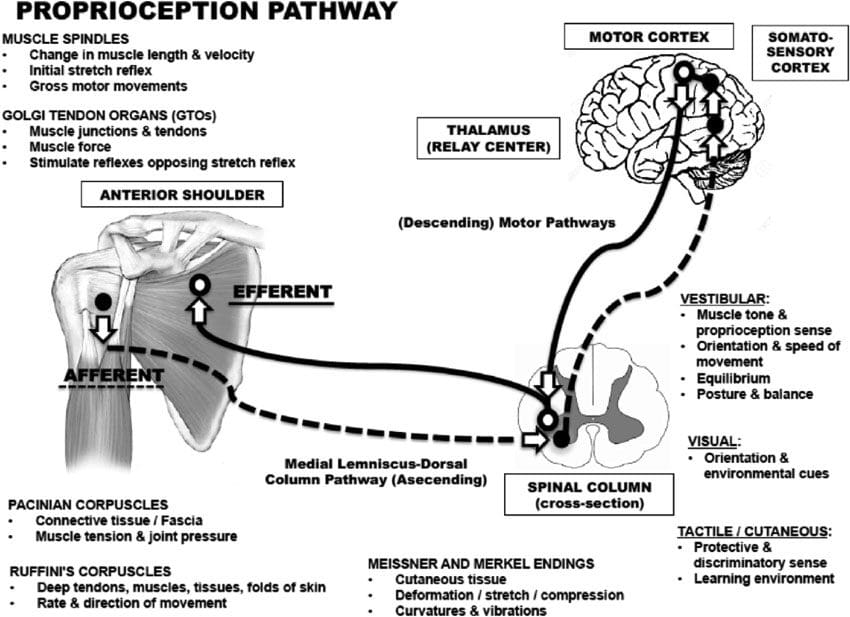
Individuals do not have a poor posture on purpose. It becomes a habit that just goes on until discomfort or pain present. Body awareness is known as proprioception. Proprioception is known as muscle sense or joint position sense. This is the subconscious nature of the body’s understanding of its position in space and the ability to position ourselves comfortably.
Achieving proper and healthy posture means there needs to be a constant mindset of staying aware of how the body is positioned. Then regular adjustments of body position are required to maintain healthy body awareness and from getting into bad habits. To illustrate this consider walking forward in complete darkness. The body knows its relative position even without seeing and understands its existence in space. This is a function of the brain.
It is part of the subconscious and so have little to no control over it. Because of this individuals begin to lapse into poor poster habits. An example tilting the head when looking forward or all the way down when checking the phone. Over time, these bad habits contribute to spinal misalignment. This is where chiropractic can help individuals realize their proprioception tendencies and actively relearn and strengthen positive body awareness and break away from negative postural habits.
Body Awareness Habits
Laying the groundwork for correction of body awareness involves understanding the body’s unconscious habits and the damage that is occurring. Chiropractic is highly effective for outlining what is happening with the help of radiological imaging and spinal curvature benchmarks. Once an individual begins to understand how their posture and spine health are being affected, they can make adjustments to combat this. This requires constant vigilance by the individual to actively realize and correct proprioception.
Optimal Body Exercises
For individuals that have engaged in dysfunctional habits for years, a chiropractor may recommend optimal loading exercises. This process involves teaching how to better balance the body for optimal posture development. For example, a chiropractor will have a patient strengthen a weak leg that is shifting the body’s weight to the other dominant leg that results in unbalanced weight distribution causing hip and back pain. Another example of optimal loading may include executing a series of motions/movements with the non-dominant side. The goal of optimal loading is to train the brain to balance the body in a healthier fashion, instead of reverting to a bad habit.
Ergonomics
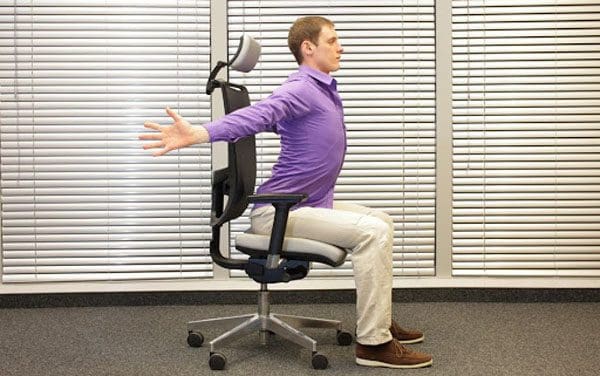
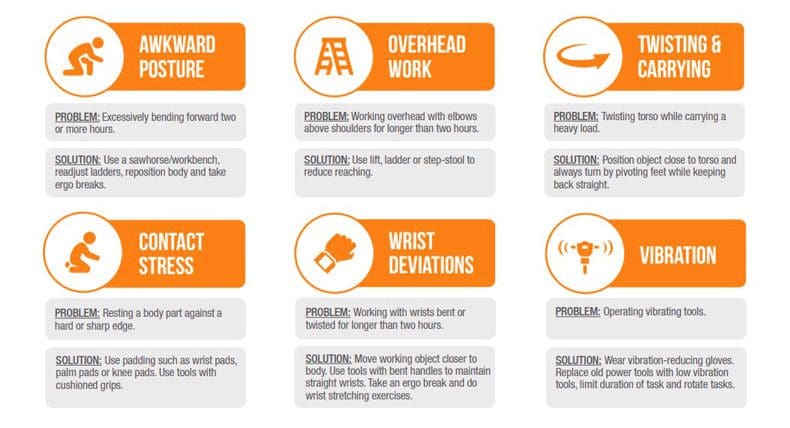
Ergonomicscan also help correct dysfunctional proprioception. They can help to address specific defaults of the subconscious. For example, the positioning of a computer screen at the correct height and angle can improve the habit of turning or tilting the head. Another example is utilizing custom foot orthotics to balance the feet and prevent pronation. A chiropractor can determine exactly where the ergonomic intervention will have a significant effect in correcting dysfunctional proprioception.
Chiropractic Relief
Chiropractic postural adjustments, optimal loading exercises, and ergonomics are all recommended tools in rehabilitating and preventing bad posture habits. Injury Medical Chiropractic and Functional Medicine Clinicwill explore every possible approach to help patients understand and overcome the body�s bad habits, and help them achieve optimal spine health.
Body Composition
Muscles get weaker with too much sitting
When sitting the gluteal muscles, abdominal muscles, and legs become dormant. Sitting for extended periods day after day causes these muscles to begin to degenerate. Metabolism is linked with body composition. Having more muscle increases metabolism and helps the body burn more calories.
Any muscle loss, especially from the lower body which is the largest muscle group, can lead to progressive fat gain if the diet is not adjusted. With time gradual muscle loss from the lower body can hurt functional strength, and older age increases the risk of falls and affects the quality of life.
Dr. Alex Jimenez�s Blog Post Disclaimer
The scope of our information is limited to chiropractic, musculoskeletal, physical medicines, wellness, and sensitive health issues and/or functional medicine articles, topics, and discussions. We use functional health & wellness protocols to treat and support care for injuries or disorders of the musculoskeletal system. Our posts, topics, subjects, and insights cover clinical matters, issues, and topics that relate and support directly or indirectly our clinical scope of practice.*
Our office has made a reasonable attempt to provide supportive citations and has identified the relevant research study or studies supporting our posts. We also make copies of supporting research studies available to the board and or the public upon request. We understand that we cover matters that require an additional explanation as to how it may assist in a particular care plan or treatment protocol; therefore, to further discuss the subject matter above, please feel free to ask Dr. Alex Jimenez or contact us at 915-850-0900. The provider(s) Licensed in Texas& New Mexico*
References
Corliss J. Too much sitting linked to heart disease, diabetes, premature death. Harvard Health Blog. http://www.health.harvard.edu/blog/much-sitting-linked-heart-disease-diabetes-premature-death-201501227618. Published January 22, 2015. Accessed January 7, 2017.
Ergonomics for Prolonged Sitting. UCLA Spine Center Web site. http://spinecenter.ucla.edu/ergonomics-prolonged-sitting. Accessed January 7, 2017.
Florido R, Michos E. Sitting Disease: Moving Your Way to a Healthier Heart.�U.S. News & World Report. http://health.usnews.com/health-news/patient-advice/articles/2015/09/14/sitting-disease-moving-your-way-to-a-healthier-heart. Published September 14, 2015. Accessed January 7, 2017.
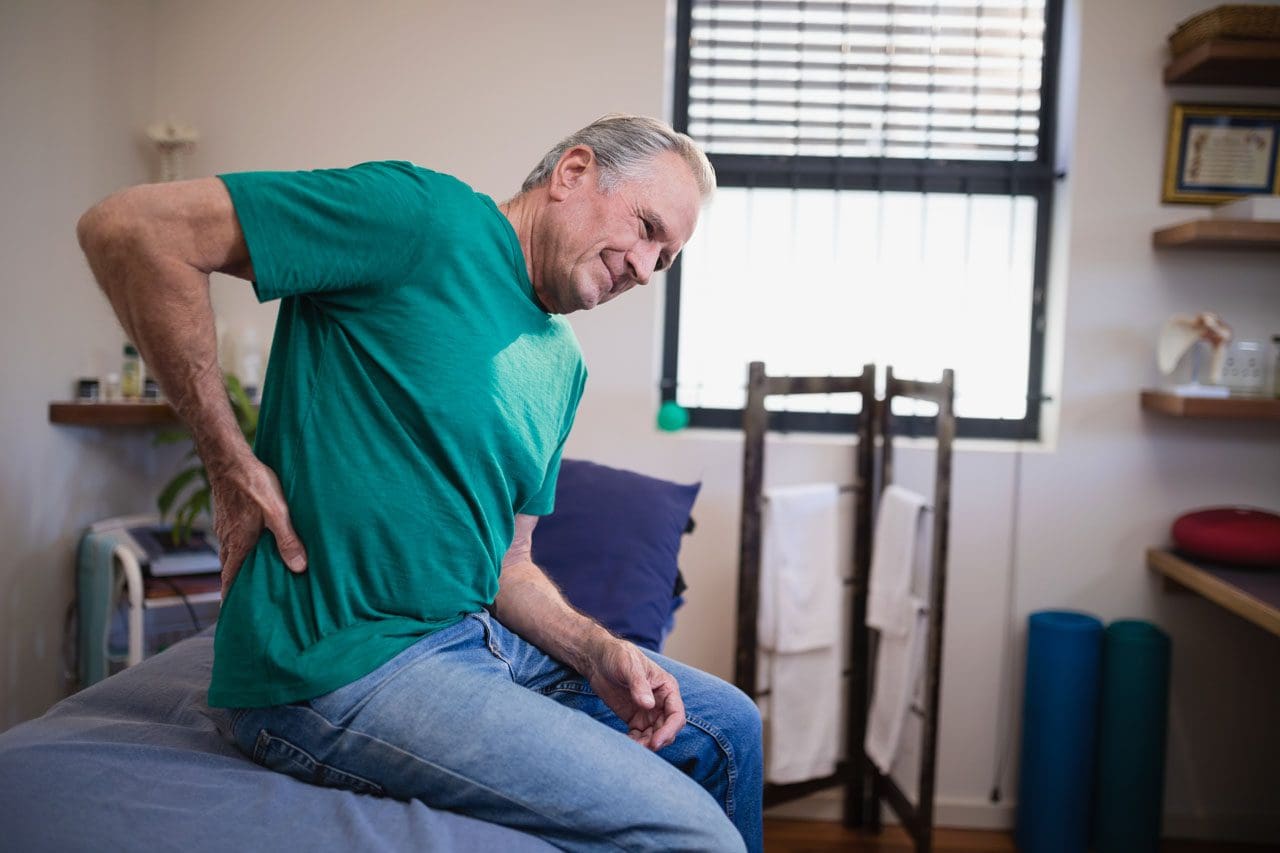
Everyone needs to take care of their back/spine because it is what holds us up as long as we keep it straight and strong. Strengthening the core can help prevent a weak and misaligned spine from getting worse and helps to eliminate pain.�
Back safety should be priority one, as it affects all aspects of your life. Not only are you protecting your back, but are preventing future injury. From the time you wake until bedtime, here are some tips for changes in sleeping position, and getting in and out of a car.
We all need to pay attention to proper body positioning and body mechanics, as it will pay off in the long run.
Getting In and Out of Bed
This is usually the time when the pain starts and can make the rest of the day miserable. Here are a few tips that can help.
Lean forward from your hips, not from your back.
Try not to arch your back.
Push your upper body off the bed with your elbows and hands and swing both legs to the floor.
Keep your back straight.
Try not to bend at the waist.
Position for Sleeping
Sleep is very important. Finding a comfortable position while sleeping can be tough, especially with back pain. Using quality pillows in the right way can help provide comfort, support for your neck and back and keep you asleep.
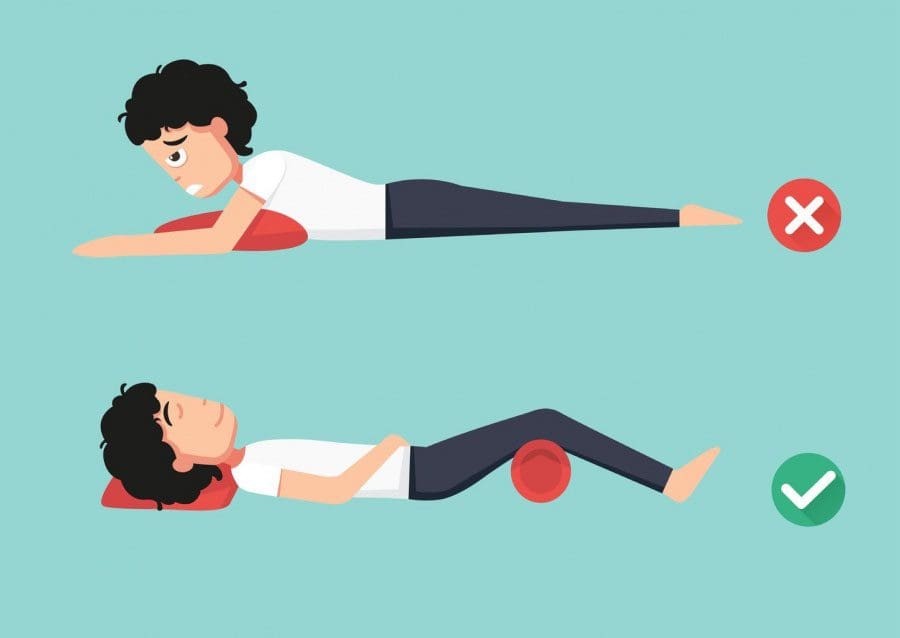
Sleeping on your back is optimal but you should bend your legs and place a pillow under your knees allowing for optimal blood circulation.
Do not sleep on your stomach, as this places pressure on the pelvis and the lower back because there is no support underneath. If you must sleep like this try to keep it for a short while before changing position and place a pillow or two underneath for support.
A firm mattress can help keep your spine in line. But talk to a doctor or chiropractor to find out what style of mattress would benefit your back.
Rotate your mattress every three months and flip it over twice a year.
Take Care When Entering/Exiting an Automobile
Getting in and out of a car can be a tough challenge when dealing with back pain. Here are a few tips to help.
When getting in or out move the seat back as far as it goes, hold onto the side of the car, back of the seat, or the dashboard for support when lifting yourself out or when easing into the seat.
Bend at the knees, not the back and avoid twisting and turning to reach for objects, etc.
The use of proper body mechanics keeps the muscles working properly.
Use both arms and legs when raising and lowering yourself in and out of the seat.
Keep your body aligned and only turn your body as much as needed.
The key is to be aware of your posture and safety awareness.
Daily living including sports and household chores should be done with overall and spinal safety in mind.
Whatever positions work for you and your regular activities bending, retrieving, lifting, and carrying objects, using correct techniques combined with proper posture will take care of your neck and back.
Back Pain Chiropractic Care | El Paso, Tx
NCBI Resources
Chiropractic can take care of your spine which means it is good for your overall health. While many people think that its only purpose is to treat back pain, chiropractic focuses on total body wellness. All too often problems within the body are interrelated. For instance, back pain could be the result of an altered gait due to an ankle injury.� A misaligned neck could cause a headache due to awkward sleep positions (or even the wrong pillow).
IFM's Find A Practitioner tool is the largest referral network in Functional Medicine, created to help patients locate Functional Medicine practitioners anywhere in the world. IFM Certified Practitioners are listed first in the search results, given their extensive education in Functional Medicine