Everybody is always moving in their vehicles as they go from one place to another in less time. Sometimes accidents happen as vehicles collide with each other and cause excruciating pain to the body as it lunges forward, causing back and neck pain to the individual. These are physical effects on the body, but the emotional impact also takes a toll on the individual. It can cause a person to become miserable and affect their quality of life. Today’s article discusses the effects of an auto accident are cause the back and body, as well as how non-surgical decompression therapy can help alleviate the pain in the back from an auto accident. Patients are referred to qualified, skilled providers specializing in spinal decompression and non-surgical treatments. We go hand in hand with our patients by referring them to our associated medical providers based on their examination when it’s appropriate. We find that education is valuable for asking critical questions to our providers. Dr. Jimenez DC provides this information as an educational service only. Disclaimer
Can my insurance cover it? Yes, it may. If you are uncertain, here is the link to all the insurance providers we cover. If you have any questions or concerns, please call Dr. Jimenez at 915-850-0900.
The Effects Of Auto Accidents On The Back
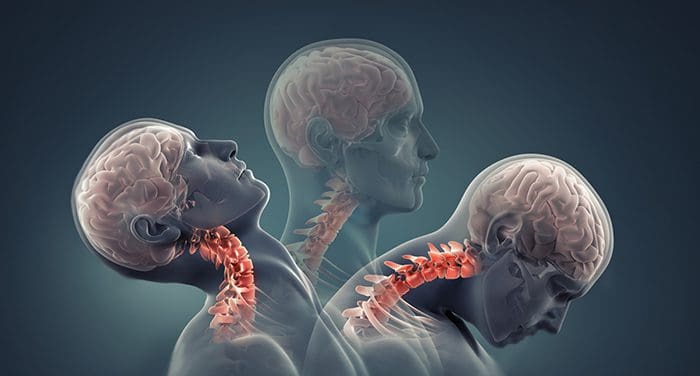
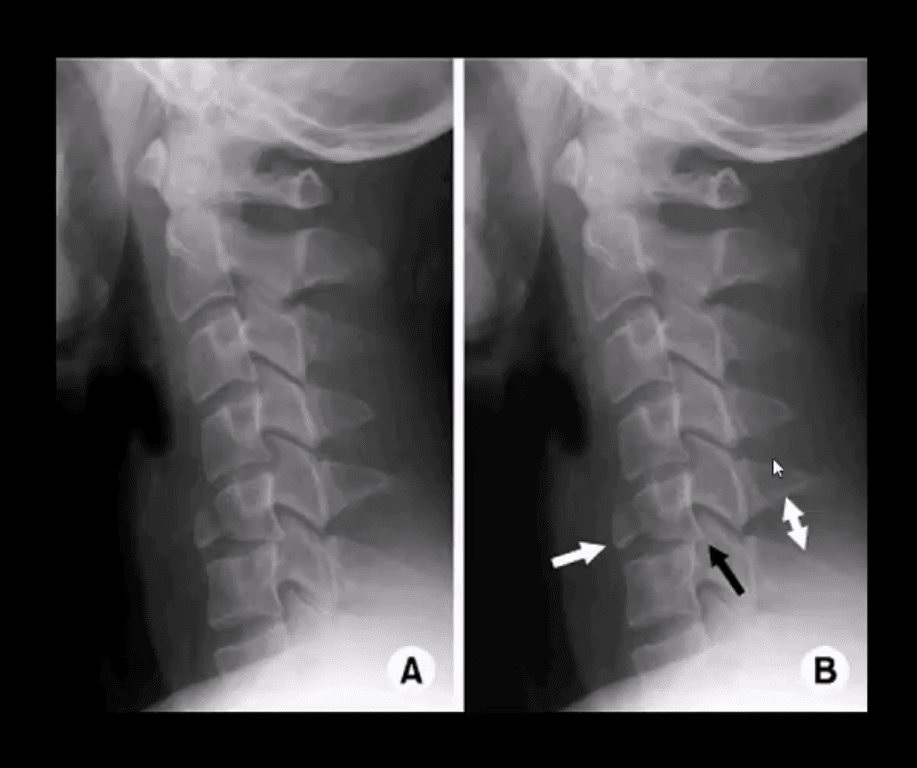
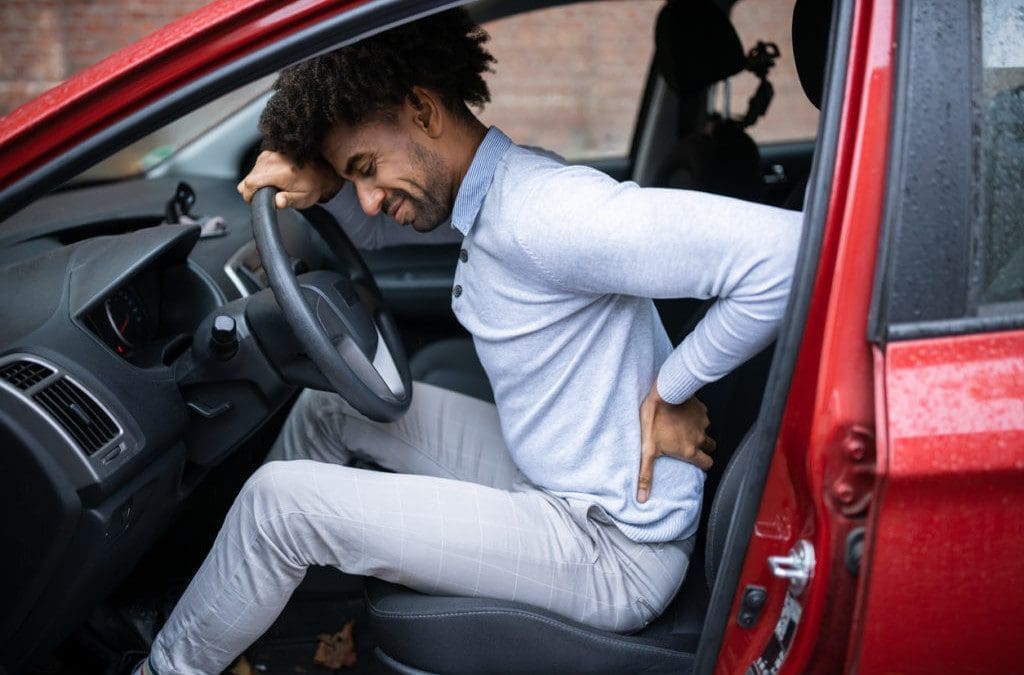
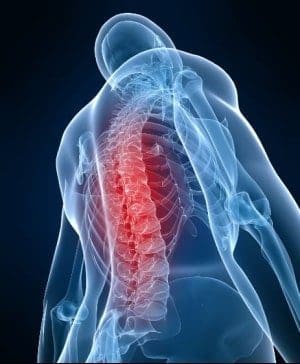
Have you suffered from back pain after a vehicle collision? What about experiencing whiplash or neck pain? Or has your lower back been feeling stiff and aches more? Many of these symptoms are signs that the spine, back, and neck all have suffered from the effects of an auto accident. Research has shown that the impact of a person in an auto accident causes the body to rapidly lunge forward and back after a complete stop, causing damage to the body, especially on the spine. After the auto accident has occurred, many individuals don’t feel the effects of the injuries that are caused by auto accidents sometimes until the day after the accident. This is due to the adrenaline in the body, which is both a neurotransmitter and a hormone and is fully turned on to the max. Additional information has stated that many individuals suffer from low back pain after a motor vehicle collision. Even if the accident was non-lethal, the impact can cause strain on the lower back muscles and compress the spinal nerves, making them irritated.
How The Body Is Affected
Research studies have shown that the impact of an auto accident may cause the body to have non-fatal physical injuries but also cause psychological trauma that can affect a person’s psyche. Many people that have experienced an auto accident will have various emotions that leave them in shock. During that process, emotions like distress, helplessness, anger, shock, and frustration are presented as the individual who was in the accident experience these negative emotions. Additional research also found that many individuals can experience low back pain episodes reoccurring along with the emotional presence that they are feeling. Fortunately, there are ways to alleviate low back pain caused by auto accidents and can help restore the spine to its functionality.
Spinal Decompression Therapy Alleviates Auto Accident Injuries- Video
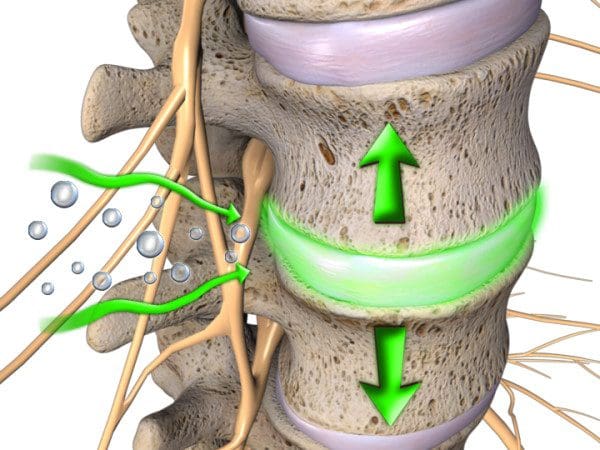
Have you experienced low back pain after a car accident? How about feeling the effects of muscle stiffness on the neck and low back the day after? Do emotions like stress, frustration, and shock affect your quality of life? These are signs and symptoms of what a person is going through after being involved in an auto accident and dealing with neck and back pain. There are ways to treat neck and back pain through decompression, and the video above explains the impressive effects of what decompression does to the individual. Decompression is a non-surgical treatment that allows gentle traction to alleviate the flattened spinal disc and take the pressure off the aggravated nerves surrounding the spine. The gentle traction also pumps the nutrients back to the dehydrated discs while increasing their heights. This link will explain what decompression offers and the impressive results for many individuals who suffer from back or neck pain due to an auto accident.
How Spinal Decompression Helps Relieve The Spine After Auto Accidents
After a person suffers from an auto accident, they experience pain in their spine and back the day before or after. Many individuals who suffer from low back pain, neck pain, and whiplash from auto accidents tend to find ways to alleviate the pain in their spine. One of these treatments is spinal decompression. Spinal decompression allows the individual to sit on a traction table in a supine position and be strapped in. Research studies have mentioned that spinal decompression is a non-surgical treatment for many individuals suffering from low back pain. In contrast, the traction machine slowly but gently pulls the spine to relieve the pain caused by a spinal injury due to an accident. This will provide effective recovery for many individuals suffering from low back pain. Additional information also mentioned that the effectiveness of decompression could reduce the inflammatory markers induced by the aggravated nerve roots through negative pressure, thus causing relief to the back.
Conclusion
Overall, suffering low back pain or neck pain after an auto accident is nerve-wracking for many individuals. The emotional and physical trauma caused by a motor vehicle collision can dampen a person’s mood, and the residual pain afterward can affect their quality of life. Utilizing decompression for non-surgical treatments can provide beneficial results in restoring functionality back in the spine and alleviating the pain the person is in. When people use decompression, they can get back to their activities and become pain-free from their lower back.
References
Daniel, Dwain M. “Non-Surgical Spinal Decompression Therapy: Does the Scientific Literature Support Efficacy Claims Made in the Advertising Media?” Chiropractic & Osteopathy, BioMed Central, 18 May 2007, https://www.ncbi.nlm.nih.gov/pmc/articles/PMC1887522/.
Kang, Jeong-Il, et al. “Effect of Spinal Decompression on the Lumbar Muscle Activity and Disk Height in Patients with Herniated Intervertebral Disk.” Journal of Physical Therapy Science, The Society of Physical Therapy Science, Nov. 2016, https://www.ncbi.nlm.nih.gov/pmc/articles/PMC5140813/.
Nolet, Paul S, et al. “Exposure to a Motor Vehicle Collision and the Risk of Future Back Pain: A Systematic Review and Meta-Analysis.” Accident; Analysis and Prevention, U.S. National Library of Medicine, July 2020, https://pubmed.ncbi.nlm.nih.gov/32438092/.
Nolet, Paul S, et al. “The Association between a Lifetime History of Low Back Injury in a Motor Vehicle Collision and Future Low Back Pain: A Population-Based Cohort Study.” European Spine Journal: Official Publication of the European Spine Society, the European Spinal Deformity Society, and the European Section of the Cervical Spine Research Society, U.S. National Library of Medicine, Jan. 2018, https://pubmed.ncbi.nlm.nih.gov/28391385/.
Salam, Mahmoud M. “Motor Vehicle Accidents: The Physical versus the Psychological Trauma.” Journal of Emergencies, Trauma, and Shock, Medknow Publications & Media Pvt Ltd, 2017, https://www.ncbi.nlm.nih.gov/pmc/articles/PMC5357873/.
Toney-Butler, Tammy J, and Matthew Varacallo. “Motor Vehicle Collisions – Statpearls – NCBI Bookshelf.” In: StatPearls [Internet]. Treasure Island (FL), StatPearls Publishing, 5 Sept. 2021, https://www.ncbi.nlm.nih.gov/books/NBK441955/.
Back pain and soreness are widespread conditions that affect all genders, races, and lifestyles. The causes for back pain are varied from injury, poor posture, arthritis, age, overuse, etc. If back pain is frequent, perhaps the last assumption is that the pain could be caused by cancer. While it’s far from the most common causes, cancer back pain is possible, which makes consulting a doctor that will figure out the root cause, especially if there are other non-related symptoms, and treat the back pain very important.
Cancer Back Pain
Back pain that could be caused by cancer usually occurs with other symptoms and include:
Back pain that is not related to movement.
Pain does not get worse with activity.
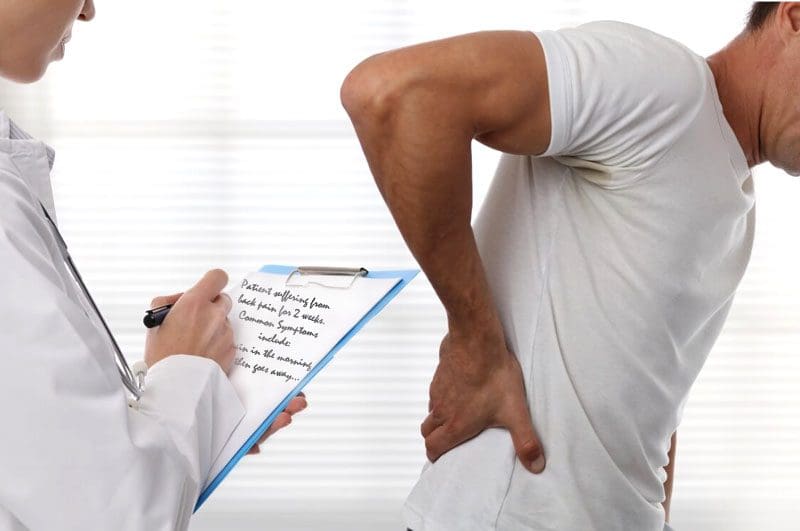
Back pain usually presents at night or early in the morning and fades away or improves as the day progresses.
Back pain persists even after physical therapy or other treatments.
Changes in bowel movements or blood in urine or stool.
Like lung cancers, some breast cancer tumors can press on nerves connected to the spine, causing discomfort and pain.
Gastrointestinal
Cancers of the stomach, colon, and rectum can cause back pain.
The pain radiates from where the cancer is to the back.
Tissue and Blood Cancers
Blood and tissue cancers like:
Multiple myeloma
Lymphoma
Melanoma
Can cause back pain.
Diagnosing Cancer and Back Pain
Medical treatments for back pain-related cancer depend on its type and how advanced it is. A doctor will consider symptoms and medical history when diagnosing possible back pain causes. Because cancer is a rare cause of back pain, a doctor may recommend various treatments before a full cancer work-up. The doctor may order imaging studies and blood testing if the pain persists after chiropractic, physical therapy, or anti-inflammatory medications. These tests will help identify potential cancer markers causing back pain.
Treatments usually include chemotherapy and radiation to shrink a tumor.
A doctor will recommend surgery to remove a tumor.
Chiropractic
Cancer patients have found chiropractic treatment to be effective for:
Pain management.
Flexibility improvement.
Mobility improvement.
Strengthening muscles.
Helping to reduce stress.
Helping the body function more efficiently.
Chiropractic physiotherapy benefits patients undergoing chemotherapy, as it helps the body withstand the debilitating effects of the treatment based on the whole-body approach.
Body Composition
Don’t Hate Dieting
Individuals hate dieting, usually because they go about it the wrong way. Individuals do not need to starve themselves and live at the gym. Reaching quick weight loss goals might sound appealing; however, going through it for an extended time can make individuals feel:
Tired
Depressed
Unmotivated
Individuals can find a nutrition plan/exercise balance that works for them and their lifestyle. For some individuals, dieting alone is effective, but more than likely, they have increased metabolisms. Trying to lose fat by only cutting calories can be difficult for individuals with smaller metabolisms. The goal is to find a balance between diet and exercise. This does not mean having to go on an extreme diet, skip meals, or cut out entire macronutrient groups like fat or carbs, as the body needs both of these nutrients. Finding a sustainable long-term nutrition plan takes planning and support. A dietician, nutritionist, or health coach can offer a variety of nutrition and exercise plans customized to the individual.
References
Downie, Aron et al. “Red flags to screen for malignancy and fracture in patients with low back pain: a systematic review.” BMJ (Clinical research ed.) vol. 347 f7095. 11 Dec. 2013, doi:10.1136/bmj.f7095
Mabry, Lance M et al. “Metastatic cancer mimicking mechanical low back pain: a case report.” The Journal of manual & manipulative therapy vol. 22,3 (2014): 162-9. doi:10.1179/2042618613Y.0000000056
Vasser, Melinda, and Matthew Koroscil. “When Back Pain Turns Deadly: An Unusual Presentation of Lung Cancer.” Respiratory medicine case reports vol. 29 101009. 28 Jan. 2020, doi:10.1016/j.rmcr.2020.101009
Verhagen, Arianne P et al. “Red flags presented in current low back pain guidelines: a review.” The European spine journal: official publication of the European Spine Society, the European Spinal Deformity Society, and the European Section of the Cervical Spine Research Society vol. 25,9 (2016): 2788-802. doi:10.1007/s00586-016-4684-0
A nerve injury is often caused by a sudden traumatic event, like a slip and fall, personal or work injury, an automobile accident, or a sports injury. Overall stresses of the body from poor posture and being overweight can also lead to nerve pain over time, known as cumulative trauma. Where ligaments and bones are not aligned correctly, nerve pain and damage can occur. When nerve pain presents, there is pressure being placed on that nerve/s. Nerve pain symptoms include burning, tingling, or numbness-type sensations in the tissues controlled by that nerve. Orthopedic and neurologic testing will determine what specific nerve is affected. Chiropractic adjustments realign the spine and relieve the pressure on the nerve, thus eliminating the pain and correcting the problem.
Nerve Injury
Too much pressure from surrounding tissues compresses and irritates the nerve and interrupts its ability to function correctly. Pinched nerves are most vulnerable at points in the body where they pass through narrow spaces and have little to no soft tissue protection. Symptoms include:
Pins and Needles Sensation
Numbness
Pain
Weakness
A pinched nerve can decrease the range of motion and cause muscle spasms. If left untreated, a nerve injury can leave an individual with chronic pain and lead to permanent nerve damage.
Tingling and Numbness
Tingling and numbness are unusual or unpleasant physical sensations, most commonly experienced in the arms, hands, fingers, legs, feet, and toes. Tingling and numbness come in two forms:
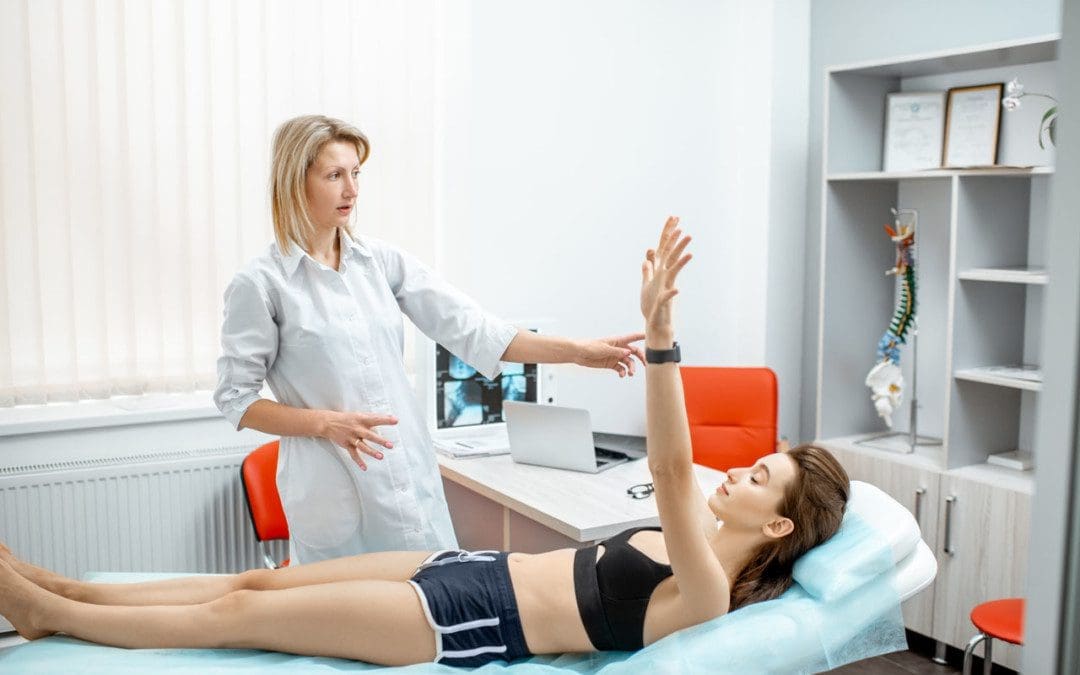
To determine the appropriate course of treatment, a doctor of chiropractic must diagnose the cause of the nerve injury. Depending on the nature or severity of the sensation, the examination will include:
Muscle tests
Range-of-motion tests
Neurological tests
Orthopedic tests
The chiropractor will palpate the effective areas and order imaging tests like X-rays if necessary. If further testing is needed to diagnose the source of the nerve injury, the doctor may order an MRI or CT scan. Once the underlying condition is diagnosed, a chiropractor will develop a treatment plan to eliminate irritation, correct misalignments causing pressure, and restore proper nerve function. Treatment plans vary from case to case but can include:
Therapeutic Massage
Body adjustments
Spinal manipulation
Heat and Ice
The objective is to relieve/release the pressure on the nerves. Chiropractic adjustments help reposition the muscles and nerves. Deep-tissue massage helps to release tension and eliminate toxins that worsen the sensations. Treatment improves circulation and relieves pressure on the neural pathways necessary to restore normal neural signaling between the body and the brain.
Body Composition
Why The Brain Needs Sugar
The brain needs half of all the body’s energy supply because of its complex nerve cell system. The brain requires glucose for brain cell energy. Because neurons can’t store energy, they need a continuous fuel supply to function correctly from the bloodstream. The ability to think, learn and recall information is closely associated with glucose levels. When blood glucose levels are low, the ability to think is inhibited as the production of chemical messengers/neurotransmitters, are reduced, disrupting communication between the neurons. Natural sugar can boost brain health because it requires glucose for functioning. Sugar is released slowly into the bloodstream when taken naturally from sources like apples and bananas, keeping the energy levels steady, without craving more sugar.
References
Ameh, Victor, and Steve Crane. “Nerve injury following shoulder dislocation: the emergency physician’s perspective.” European journal of emergency medicine: official journal of the European Society for Emergency Medicine vol. 13,4 (2006): 233-5. doi:10.1097/01.mej.0000206190.62201.ad
Nichols, J S, and K O Lillehei. “Nerve injury associated with acute vascular trauma.” The Surgical clinics of North America vol. 68,4 (1988): 837-52. doi:10.1016/s0039-6109(16)44589-5
Ruggiero, S L. “Trigeminal nerve injury and repair.” The New York state dental journal vol. 62,8 (1996): 36-40.
Welch, J A. “Peripheral nerve injury.” Seminars in veterinary medicine and surgery (small animal) vol. 11,4 (1996): 273-84. doi:10.1016/s1096-2867(96)80020-x
WOODHALL, B. “Peripheral nerve injury.” The Surgical clinics of North America (1954): 1147-65. doi:10.1016/s0039-6109(16)34299-2
After an auto accident that might not have caused serious damage, individuals often believe that they’re fine only to find out later that there is a serious injury. How do these hidden injuries happen? It is because of the body’s fight or flight response that it activates into high gear. It does whatever is necessary to get out of harm’s way. The result is that individuals might not realize/discover that they have been injured until after the dangerous circumstances have passed. Auto accident doctors and chiropractors are very familiar with these types of hidden injuries.
The injuries sustained from non-damage-causing auto accidents are often not visible. This can be internal injuries and joint and muscle misalignments that can often only be seen through extensive x-rays, MRIs, or detailed physical examination. However, a professional chiropractor can determine the root causes of an injury from a single consultation.
Hidden Injuries
Whiplash
Some injuries, like delayed whiplash, do not present immediately because it can take days for symptoms to develop. This is the most common injury caused by an auto accident. This is when the head snaps back and then forward rapidly/violently during a collision. The jolting back-and-forth motion causes muscle strain, sprain, which can stretch and/or tear the tendons and muscles in the neck. The injury can be worsened as the individual does not realize that they have this injury, and they turn, rotate, and crane their necks like normal. Symptoms include:
A stiff/tight neck
Dull neck pain
Upper back pain
Shoulder stiffness, aches, and pain
It is recommended to see a doctor or chiropractor as soon as possible for diagnosis and treatment.
Muscle, Tendon, and Ligament Injuries
Muscle, tendon, and/or ligament injuries can happen due to whiplash, but they can also happen in other parts of the body like the hands, elbows, knees, and ankles.
Contact Injuries Bruises and Swelling
Drivers and passengers can bruise and swell from contact with hard surfaces like the steering wheel, dashboard, and doors. Seat belts can also cause injury from quick/rapid braking or a crash.
Concussion
This is when the brain forcefully makes contact with the skull resulting in bruising/injury to the brain. It is recommended to see a doctor immediately if any of the following are experienced after an auto accident:
Dizziness
Loss of balance/equilibrium when standing and walking
Difficulty concentrating
Difficulty remembering things
Spinal Trauma
The spine can sustain separate injury/s or trauma as a result of an auto accident. This includes:
Dislocation/s
Fractures
Compressed vertebrae
Crushed vertebrae
More symptoms can present after the shock wears off.
This often reveals severe, debilitating injury/s that affect the nerves and muscle control of different organs and body parts.
Bio-Chiropractic Treatment and Rehabilitation
One of the most effective and recommended ways to relieve pain and properly heal hidden injuries is chiropractic treatment and rehabilitation. A professional chiropractor can prevent further injuries from developing while easing and alleviating current pain.
No Medication Necessary
More people are becoming addicted to prescription medications following accidents and other trauma. Chiropractic care treats the cause of pain without medications. This allows the body to heal naturally and for movement to come back naturally.
Reduces Long Term Pain
Many continue to deal with back, neck, and other chronic pain conditions after an accident. Chiropractic gets to the root of the problem. The therapy sessions manipulate the body and help naturally restore the body’s total range of movement. A chiropractor will recommend exercises and stretches to keep the body strong and flexible to help prevent pain.
Reduces Scar Tissue
After the body goes through a trauma like an auto accident, muscles and ligaments can be stretched and torn. This can cause areas of internal scar tissue can develop. This can limit movement. Chiropractic helps reduce scar tissue by keeping the tissues loose and relaxed. This allows a normal range of movement.
Inflammation Alleviation
Auto injury/s can lead to long-term inflammation that can make life miserable. Chiropractors are trained to spot hidden micro-tears that x-rays are not able to scan. However, it is microscopic tears inside the muscles that are often the leading cause of inflammation. With physical manipulation, the body will be able to rerelease IL-6 substances naturally. This is a vital anti-inflammatory.
Healthy Body Composition
Personalized Functional Medicine
Personalized functional medicine is a new model of medicine that considers an individualized approach when making health recommendations. The body works as an integrated system, not as individual parts. This form of medicine combines new technology approaches, including recent gene expression and life and behavioral sciences discoveries. Personalized functional medicine looks at the subject of nutrigenomics. Nutrigenomics is defined as the relationship between nutrients and gene expression. Like identifying individual body composition, nutrigenomics testing can help individuals understand how dietary components influence their genes. This can help prevent the development of chronic diseases.
References
Calil, Ana Maria et al. “Mapping injuries in traffic accident victims: a literature review.” Revista latino-americana de enfermagem vol. 17,1 (2009): 120-5. doi:10.1590/s0104-11692009000100019
Dindi, Kuru et al. “Road traffic injuries: Epidemiology, challenges, and initiatives in India.” The National medical journal of India vol. 32,2 (2019): 113-117. doi:10.4103/0970-258X.275355
Minich, Deanna M, and Jeffrey S Bland. “Personalized lifestyle medicine: relevance for nutrition and lifestyle recommendations.” TheScientificWorldJournal vol. 2013 129841. 26 Jun. 2013, doi:10.1155/2013/129841
Palmnäs, Marie et al. “Perspective: Metabotyping-A Potential Personalized Nutrition Strategy for Precision Prevention of Cardiometabolic Diseases.” Advances in nutrition (Bethesda, Md.) vol. 11,3 (2020): 524-532. doi:10.1093/advances/nmz121
Sims, J K et al. “Automobile accident occupant injuries.” JACEP vol. 5,10 (1976): 796-808. doi:10.1016/s0361-1124(76)80313-9
Car accidents, even minor ones, can cause musculoskeletal problems, especially in the neck and shoulder area. Depending on the severity, it can be dangerous. When whiplash symptoms do not present immediately, this is known as delayed whiplash. Delayed symptoms can appear anywhere from twenty-four hours to months after the accident. The body is masking the symptoms to react to a traumatic event. Symptoms like:
Pain
Stiffness
Headache
Anxiety
Present within 24 hours, but this is not always the case.
Delayed Symptoms
With delayed whiplash, symptoms typically don’t appear until 24 hours after the accident. But there are cases of symptoms being delayed up to six months. Whether immediate or delayed, symptoms include:
Medical treatment should be sought out immediately if any of the below symptoms are experienced:
Weakness in the arms
The neck pain spreads to the shoulders and arms
Unbearable pain
Loss of vision
Causes of Delayed Whiplash
The most common cause of whiplash is automobile accidents. Even a slow-speed tap can cause delayed whiplash symptoms if the head snaps quickly, and it is not only being hit from behind in automobile accidents that cause whiplash. Rear-end, front-end, and side collisions can cause whiplash and delayed whiplash symptoms. Any time the neck snaps in a quick fashion in any direction there is potential for a neck injury. Some less common causes include:
Specific types of falls where the head quickly snaps around
Cycling accidents
Skating/skateboarding accidents
Skiing/snowboarding accidents
Symptoms Can Get Worse With Time
Determining whether to seek medical attention if there is no pain or symptoms after the event can be difficult. However, symptoms can get worse over time and cause serious problems in the neck:
Small fractures
Ruptured discs
Pinched nerves
Untreated Whiplash
Whiplash can get worse with time when they are not treated. This is why seeking medical care after the event is significant. As a doctor, a chiropractor can diagnose if any serious issues are present and develop the best plan to deal with pain and symptoms. When left untreated chronic whiplash and neck pain can develop. Chronic whiplash is rare but does happen, even with injuries considered not severe. Medical professionals will use X-Rays, MRIs, or CT scans to examine the damage’s extent and prevent the symptoms from worsening.
Treatment Options
Wearing a neck brace immediately following a neck injury can be an option but there is evidence that some movement of the neck and head should be incorporated, as it is beneficial for the healing process. If the pain is unbearable, wearing a brace could be implemented into a treatment plan.
Ice and Heat
Ice and heat will help with stiffness and pain.
Ice will help relieve pain and should be used in 15-minute intervals.
Heat packs and ointments can help soothe the area, loosen up the muscles, and promote optimal healing.
Non-Steroidal Anti-Inflammatory Meds
Advil or Ibuprofen can be taken for pain and inflammation. These meds help the symptoms, but should not be the only pain reliever.
Ginger
Ginger tea can help those suffering from nausea and dizziness.
It contains anti-inflammatory properties.
Supplements include green tea, turmeric curcumin, fish oil, and sage.
CBD Oil and Ointment
CBD oil or ointments can help relieve pain and relax muscles.
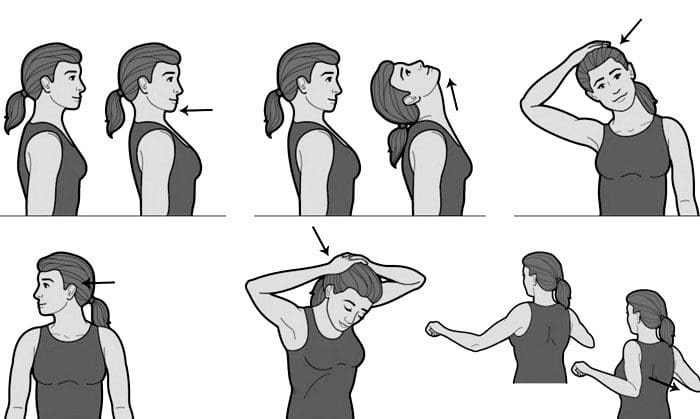
Stretching
Gentle stretches can help the healing process and keep the neck muscles loose.
Chiropractic
Chiropractic can treat whiplash utilizing several different techniques. They will perform tests to diagnose the extent of the injuries and determine what type and the best treatment plan. The plan can include the following:
Inflammation reduction and Pain relief
Heat, ice, ultrasound, and laser therapy can help reduce pain and inflammation.
Spinal Adjustments
Spinal adjustments will help relieve pain from pinched nerves, bulging discs, and strained muscles.
Massage
Massage is a common practice in whiplash cases. It helps to kickstart the healing process by:
Promoting proper blood and nerve energy circulation
Loosens the muscles
Flushes out the toxins
Stretches and Tips
A chiropractor will train the patient on specific stretches/exercises and pain-relief tips at home. These can include:
Physical therapists can help by focusing on the muscles in the affected area.
They will teach the individual stretches and exercises to stretch and strengthen the strained muscles.
They can also utilize heat and ice therapy, ultrasound, and laser therapy.
Body Composition
Hot Yoga and Metabolic Rate
Both internal and external temperatures influence the body’s metabolic rate. The body’s chemical reactions happen more quickly if the temperature is higher. This is because the body works harder to restore average temperature balance. Brief exposure to heat is not enough to increase metabolism. To raise BMR, more prolonged exposure to heat is necessary. This is where hot yoga comes in. Hot yoga involves performing a sequence in a studio that is 105 degrees Fahrenheit with a humidity rate of 40%. It is an intense workout that involves sweating. The high heat:
Increases blood flow
Warms the muscles for deep stretching
Helps the lymphatic system release toxins
Raises the body’s Basal Metabolic Rate
References
Balla, J I. The late whiplash syndrome. The Australian and New Zealand Journal of surgery vol. 50,6 (1980): 610-4. doi:10.1111/j.1445-2197.1980.tb04207.x
Fitz-Ritson D. Phasic exercises for cervical rehabilitation after “whiplash” trauma. Journal of Manipulative and Physiological Therapeutics. 1995 Jan;18(1):21-24.
Seferiadis, Aris, et al. A review of treatment interventions in whiplash-associated disorders. The European spine journal: official publication of the European Spine Society, the European Spinal Deformity Society, and the European Section of the Cervical Spine Research Society vol. 13,5 (2004): 387-97. doi:10.1007/s00586-004-0709-1
Finding ways to manage chronic pain is a priority. Chiropractic testing and treatment could be an option that is effective and affordable. Various chiropractic care can help manage chronic pain caused by a condition like herniated disc/s. Chiropractic testing involves diagnosing the root cause/origin of the pain. Getting a proper diagnosis usually involves:
X-rays
CT scan
MRI
DNA
�
�
�
Chiropractic testing
The correct diagnosis is essential to creating an optimal treatment plan. It is a complicated disorder that can be difficult to treat because it can present with no apparent cause. But, researchers are working to find answers to many of the questions surrounding chronic pain. When treating spine-related pain other tests can include:
Discography
Bone scans
Nerve studies
Electromyography
Nerve conduction study
Myelography
A pain specialist might consult with and refer the individual to a neurosurgeon or orthopedic spine surgeon to determine if the pain requires surgery. This is because untreated and not fully treated chronic pain is one of the leading causes of limited mobility and flexibility. Other associated issues are:
There are some experts that believe tests like MRIs are overused. There is a fear that too many tests could expose individuals to unnecessary radiation and increase medical expenses. However, determining the cause/s holds the key to a successful treatment plan. Therefore, choosing the right diagnostic strategy will help in:
Creating the most effective and optimal treatment plan
Quality of life improvement
Prevent potential complications
Reduce the cost of diagnosis
Reduce the cost of treatment
�
Chiropractic Management
Chronic pain does not respond to typical pain management techniques. Chiropractic management deals with chronic pain inflammation and muscle tension. Chiropractors use a variety of non-surgical techniques like:
�
Soft Tissue
Manual release therapy stretches the muscle/s while pressure is applied
Trigger point therapy applies pressure on the area of the tensest muscle/s
Instrument-assisted soft tissue therapy uses a tool/s to apply gentle pressure.
�
Manual Therapy
When the joints are not moving correctly, a chiropractor may utilize this technique to regain a full range of joint motion. This is accomplished through joint mobilization which is slow, gentle stretches of the affected joint and manipulation, which are quick but gentle movement/thrusts that stretch the joint.
�
Exercise Therapy combined with Self-care
A chiropractor will provide simple therapeutic exercises and stretches that can be done at home to help with the pain and to help with prevention. Also provided:
Safe lifting techniques
Posture exercises/tips
Dietary strategies to manage pain and prevent re-injury
Once diagnosed with a pain condition, a chiropractor will develop a unique customized treatment plan. Don’t be afraid to talk with your chiropractor. The more they know the better the treatment plan. Once the pain is fully addressed, patients will be able to gradually increase daily activities.
�
Piriformis Syndrome Chiropractic Treatment
Dr. Alex Jimenez�s Blog Post Disclaimer
The scope of our information is limited to chiropractic, musculoskeletal, physical medicines, wellness, and sensitive health issues and/or functional medicine articles, topics, and discussions. We use functional health & wellness protocols to treat and support care for injuries or disorders of the musculoskeletal system. Our posts, topics, subjects, and insights cover clinical matters, issues, and topics that relate and support directly or indirectly our clinical scope of practice.*
Our office has made a reasonable attempt to provide supportive citations and has identified the relevant research study or studies supporting our posts. We also make copies of supporting research studies available to the board and or the public upon request. We understand that we cover matters that require an additional explanation as to how it may assist in a particular care plan or treatment protocol; therefore, to further discuss the subject matter above, please feel free to ask Dr. Alex Jimenez or contact us at 915-850-0900. The provider(s) Licensed in Texas& New Mexico*
Accident/Collisions are seeing a rise and along with those crashes are spinal injuries. What you need to know about:
Accident-related injuries
Treatment
Recovery
Legal issues
We take a risk, however small, every time we get in the car/truck, of being involved in a car wreck that results in injuries and specifically a spinal injury/s. The National Spinal Cord Injury Statistical Center has seen that motor vehicle accidents/collisions with the majority being car/truck accidents. �
�
However, with all the construction taking place nowadays, excavators, bulldozers, steamrollers, forklifts, and other vehicles are also seeing a rise in accidents. This is also generating a rise in spinal cord injury/s. Auto accidents are now ranked as the number one cause of spinal injury. The risk of an accident is small and the risk of a resulting serious spine injury is smaller still, it�s not anything. What you need to know about a motor vehicle accident/collision includes:
Injuries
Treatment
Recovery
Insurance
Legal issues
Common Motor Vehicle Accidents/Collisions
�
Whiplash
Whiplash is one of the most typical injuries following an accident, especially when rear-ended or a rear-end collision. Its a neck injury that happens when the neck snaps suddenly back and forth causing trauma to the tissues in the neck. Symptoms often develop a few days after the accident including:
Limited neck movement
Stiffness and pain in the neck
Pain or tenderness in the upper back, shoulders, and arms
Numbness or tingling in the arms
Dizzyness
Headaches starting at the base of the skull
Problems with concentration or memory
Ringing in the ears
Sleep issues
Depression
Herniated Disc
�
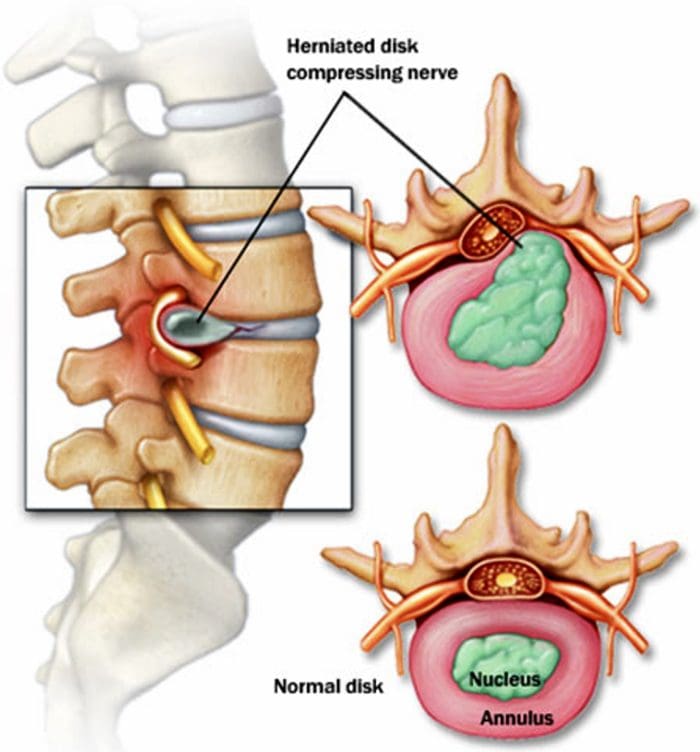
The discs in the spine cushion the vertebrae by absorbing the weight, force, and overall impact of a regular day. They are made of a soft, gel-like substance in the center that behaves like the gel in foot orthotics, shoes, mattresses, etc made to feel soft and comfortable. It has a tough outer membrane.
A herniated disc happens when that soft gel springs a leak/s out from a tear, meaning the shock-absorbing cushion has been compromised and is not delivering the absorption it’s supposed to and places added pressure on the surrounding nerve/s and roots. Herniations can happen naturally from age and from jobs that involve consistent and constant repetitive:
Pushing
Pulling
Bending
Twisting
Herniations also happen after going through some type of physical trauma like a motor vehicle accident/collision. Symptoms depend on where the herniation occurs and include:
Muscle weakness around the affected nerve/s
Sharp shooting pain that can spread out from the shoulders to the arms, legs and low back
Tingling in arms or legs
Numbness
There could also be no symptoms and no discovery of a herniated disc until tested for something else.
�
Vertebral Fractures
�
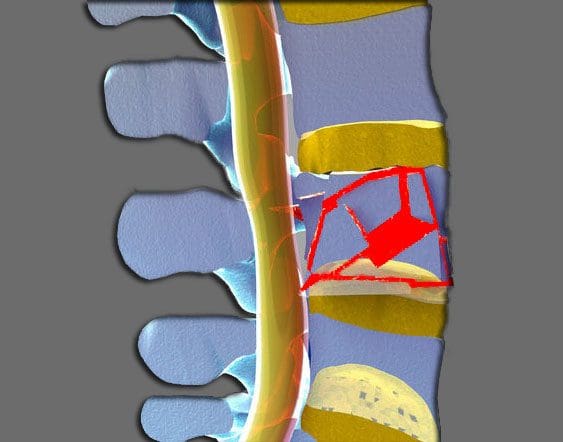
The vertebrae are highly susceptible to fractures of all types and can appear at any spot along the spine. For many, the injuries are mild and heal with non-surgical treatment and time. Major trauma to the spine can cause severe injuries/conditions which include:
Burst fractures
�
This is where the vertebra fractures in multiple places into bony fragments that fall into the spinal cord getting lodged inside with the jagged edges of the bones creating tears, cuts, etc that can result in paralysis and even death.
Flexion fracture
�
This is an injury seen in head-on collisions where the upper part of the body gets thrown forward and the bottom part stays in place likely from the seatbelt. This tears the vertebra apart resulting in a flexion teardrop fracture.
Vertebral compression
�
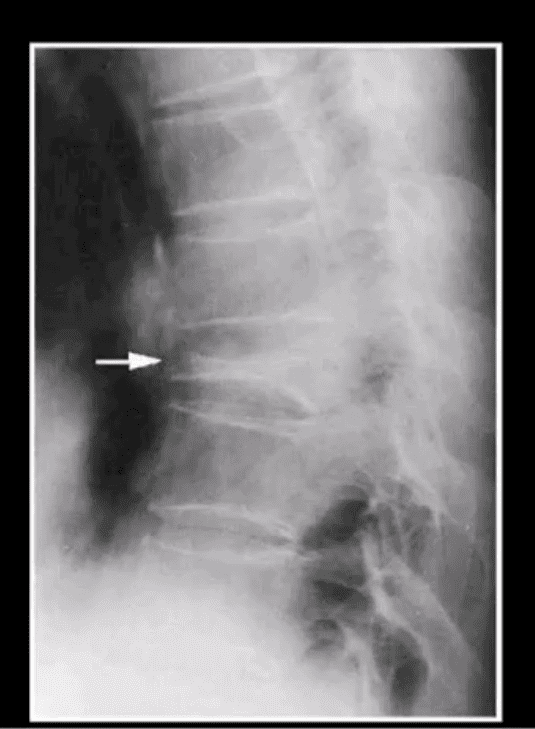
These types cause the front of the vertebra to collapse while the back keeps its position that forms a wedge-like shape. However, more often it is associated with osteoporosis, healthy individuals can experience a vertebral compression fracture from a serious traumatic event like an auto accident. Fractures can cause mild to severe pain that is exacerbated with movement. If the spinal cord is injured the individual could experience:
Tingling
Numbness
Weakness in the limbs
Loss of bladder/bowel function
Because of the increased safety features in today’s vehicles, fractures of the spine are rare except for severe motor vehicle accidents/collisions.
�
Diagnosis and treatment
A doctor will review medical history along with the accident information. Imaging tests will follow like:
X-ray
CT or computed tomography scan
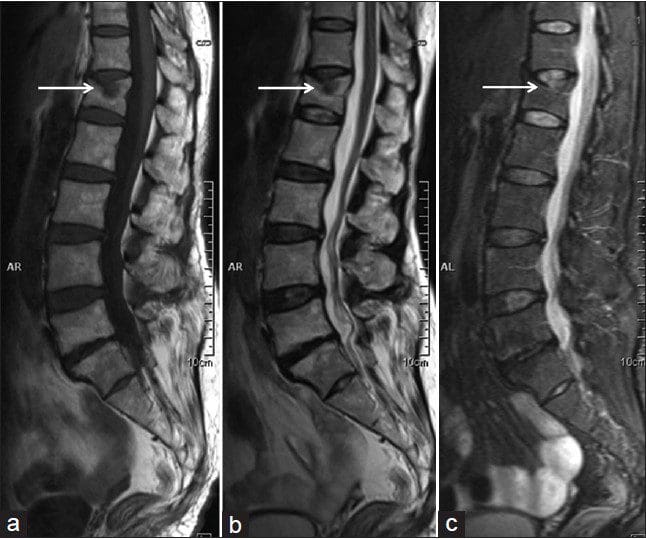
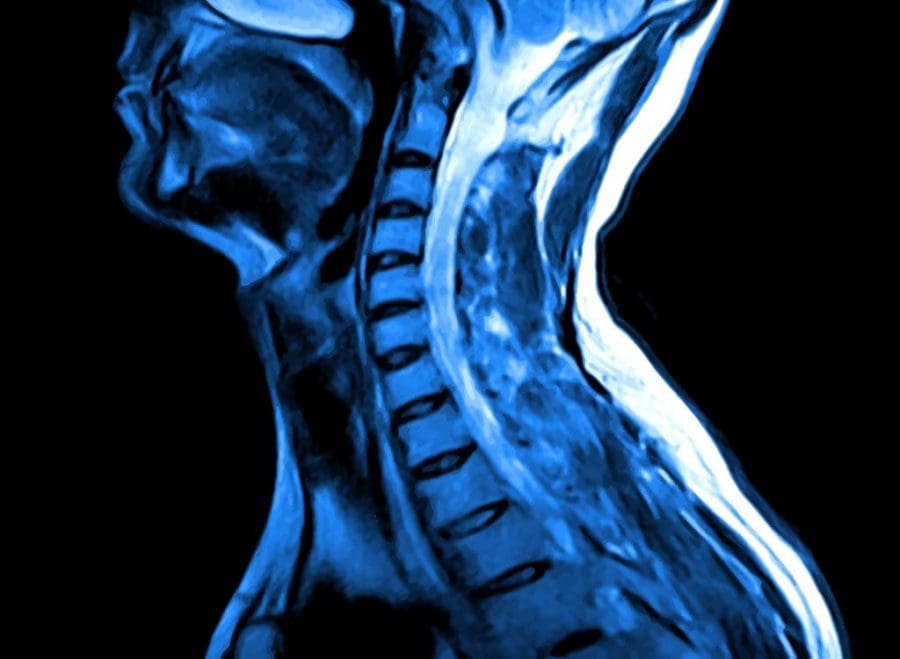
MRI or magnetic resonance imaging
�
The way these techniques of imaging are done depends on the accident and the state of the spine. Being brought into the hospital from a motor vehicle accident/collision with a suspected spinal injury means the imaging will be done first to rule out or not potentially life-threatening injury/s to the spine. Treatment for spinal injuries can range from:
Soft collar
Chiropractic
Over-the-counter anti-inflammatory medications
Corticosteroid injection/s
Nerve blocks
Physical therapy
Surgery to correct certain injuries when all other forms of treatment are not working
�
Recovery
Every case, accident, and injury is different�and depends on several factors, like age, health, and how severe the accident/collision was. Severe and extreme injures like a burst fracture can take a long time to heal. �
�
Legal Issues
Individuals with a spinal injury can face thousands in medical bills. If there is medical equipment involved along with therapeutic services for long-term care, like physical therapy then bills will accumulate.
Also, a personal injury claim could be necessary to pay for everything, especially, if the accident/collision is no fault of your own. Compensation could help with:
Loss of employment
Employment benefits
Wages lost
Ability to work/earn income
Medical expenses
Pain
Suffering
Consult with a specialist when considering filing a personal injury claim
�
Work Compensation
If a spinal injury accident happens at work there could be worker’s compensation. Workers� compensation is insurance that replaces wages and medical benefits to workers that have been injured while doing their job. These are injuries that happened during the operation of a motor vehicle, like a truck, or forklift. The worker must file an injury report immediately so there is documentation supporting the injury claim. Waiting to file can make the employer question if there even was an injury. A workers� compensation claim works differently than a personal injury claim, based primarily on what is covered under the job’s insurance policies.
An example is the legal term pain and suffering. This is not covered by workers� compensation. However, a work training accident would be covered by work comp in the event that the individual cannot return to their job/occupation after the injury. However, any injury/s after a motor vehicle accident/collision should never be taken lightly or ignored. Individuals must be proactive in their treatment after an accident/collision. This is to prevent and avoid further injury.
�
Auto Accident Doctors & Chiropractor Treatments
Dr. Alex Jimenez�s Blog Post Disclaimer
The scope of our information is limited to chiropractic, musculoskeletal, physical medicines, wellness, and sensitive health issues and/or functional medicine articles, topics, and discussions. We use functional health & wellness protocols to treat and support care for injuries or disorders of the musculoskeletal system. Our posts, topics, subjects, and insights cover clinical matters, issues, and topics that relate and support directly or indirectly our clinical scope of practice.*
Our office has made a reasonable attempt to provide supportive citations and has identified the relevant research study or studies supporting our posts. We also make copies of supporting research studies available to the board and or the public upon request. We understand that we cover matters that require an additional explanation as to how it may assist in a particular care plan or treatment protocol; therefore, to further discuss the subject matter above, please feel free to ask Dr. Alex Jimenez or contact us at 915-850-0900. The provider(s) Licensed in Texas& New Mexico*
IFM's Find A Practitioner tool is the largest referral network in Functional Medicine, created to help patients locate Functional Medicine practitioners anywhere in the world. IFM Certified Practitioners are listed first in the search results, given their extensive education in Functional Medicine









 �
�