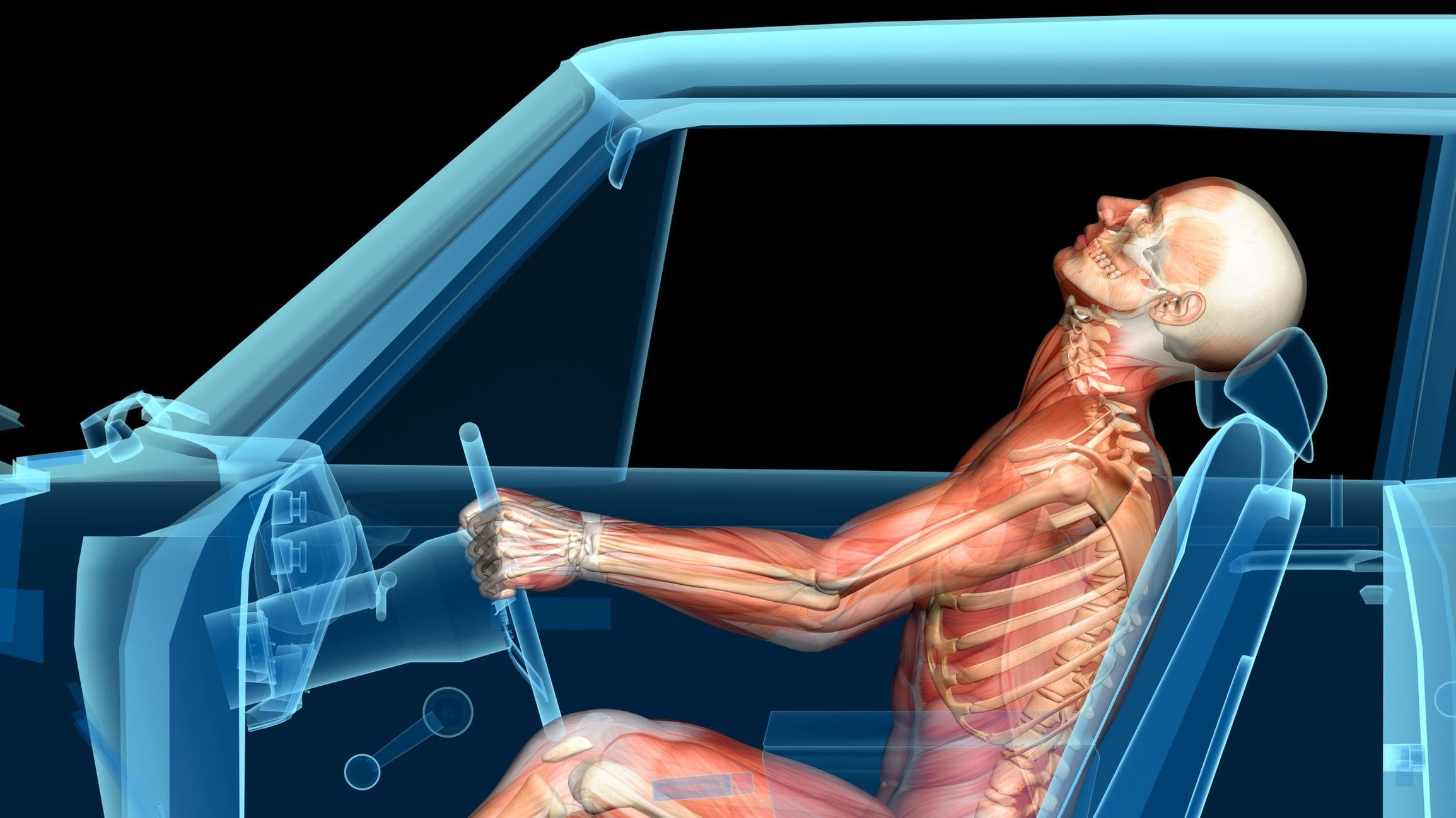
Auto injuries in rotator cuffs can lead to significant discomfort. Discover how to manage and recover from these injuries effectively.
Shoulder Pain and Injuries from Motor Vehicle Accidents: A Comprehensive Guide
Welcome to the grim reality of motor vehicle accidents (MVAs), where the road to recovery can be as bumpy as a poorly paved highway. If you’ve ever found yourself clutching your shoulder after a car crash, you’re not alone. Shoulder injuries are a common souvenir of MVAs, and they come with a side of pain that can make you feel like you’re auditioning for a role in a tragic play. But fear not, dear reader, for we’re about to dissect the clinical reasons behind this misery with a touch of Wednesday Addams’ dark humor—because nothing says “fun” like exploring the mechanics of bodily harm.
In this extensive guide, we’ll unravel why shoulder pain and injuries are so prevalent after MVAs, focusing on the rotator cuff’s starring role in this unfortunate drama. We’ll also spotlight Dr. Alexander Jimenez, a distinguished chiropractor in El Paso, Texas, whose expertise in treating MVA victims and navigating personal injury cases is nothing short of legendary. So, let’s buckle up (safely, of course) and dive into the twisted world of shoulder injuries.
Anatomy of the Shoulder: A Delicate Dance of Bones and Tendons
To understand why your shoulder throws a tantrum after an MVA, let’s first take a peek under the hood. The shoulder is like a gothic ballroom, where bones, muscles, and tendons perform a delicate dance—until a car crash turns it into a mosh pit.
The shoulder is a ball-and-socket joint, where the head of the humerus (upper arm bone) nestles into the glenoid cavity of the scapula (shoulder blade). This design allows for a wide range of motion, letting you wave dramatically or throw a punch in slow motion. However, this flexibility comes at a cost: stability. The shoulder relies heavily on soft tissues for support, particularly the rotator cuff.
The rotator cuff is a quartet of muscles—supraspinatus, infraspinatus, teres minor, and subscapularis—and their tendons, which wrap around the humeral head to keep it snug in the socket. These tendons pass through a tight space called the subacromial space, making them vulnerable to pinching or tearing when subjected to sudden forces. It’s like trying to thread a needle during an earthquake—not exactly a recipe for success.
When an MVA strikes, the rotator cuff can take a beating, leading to pain that feels like a personal vendetta from your own body. Understanding this anatomy sets the stage for why shoulder injuries are so common in car accidents.
References
Frank, C. B., Shrive, N. G., Lo, I. K. Y., & Hart, D. A. (2004). Form and function of tendon and ligament. In J. A. Buckwalter, T. A. Einhorn, & S. R. Simon (Eds.), Orthopaedic Basic Science: Biology and Biomechanics of the Musculoskeletal System (pp. 229-253). American Academy of Orthopaedic Surgeons.
Lo, I. K. Y., Thornton, G., Miniaci, A., Frank, C. B., Rattner, J. B., & Bray, R. C. (2003). Structure and function of diarthrodial joints. In J. B. McGinty (Ed.), Operative Arthroscopy (3rd ed., pp. 41-126). Lippincott Williams & Wilkins.
Mechanisms of Shoulder Injury in MVAs: A Crash Course in Chaos
Picture this: you’re cruising along, minding your own business, when another car decides to play bumper cars with your vehicle. The result? Your shoulder becomes the unwilling star of a physics experiment gone wrong. Let’s break down how MVAs wreak havoc on your shoulder, with a nod to the grim absurdity of it all.
Mechanism
Description
Impact on Shoulder
Impact and Force Transmission
Collisions transfer massive forces through the vehicle to your body, even with seatbelts and airbags.
Shoulders absorb shock, straining muscles and tendons.
Bracing for Impact
Instinctively gripping the steering wheel or dashboard positions shoulders awkwardly.
Rotator cuff tendons are stretched or torn under sudden force.
Whiplash Effect
Rapid back-and-forth head and neck movement is often associated with rear-end collisions.
Strains shoulder muscles and tendons, mimicking neck injury patterns.
Direct Trauma
Shoulder hitting the steering wheel, door, or dashboard during a crash.
Causes fractures, dislocations, or soft tissue damage.
Indirect Forces
Seatbelt pulling on the shoulder or body twisting during impact.
Leads to sprains, tears, or nerve injuries.
Imagine you’re in a rear-end collision. Your hands grip the steering wheel, shoulders tensed, as your body lurches forward and snaps back. The seatbelt digs into your shoulder, and the rotator cuff tendons scream in protest. It’s like your shoulder is caught in a medieval torture device, only with worse music playing in the background.
These mechanisms explain why shoulder injuries are so prevalent in MVAs. The sudden, forceful movements exploit the shoulder’s delicate balance of mobility and stability, often targeting the rotator cuff (Alexander Orthopaedics, 2023).
MVAs can leave your shoulder with a variety of injuries, each with its brand of discomfort. Here’s a rundown of the most common culprits, served with a side of dark humor to keep things grimly entertaining.
Injury Type
Description
Symptoms
Rotator Cuff Tears
Tears in the tendons stabilizing the shoulder, ranging from partial to full-thickness.
Severe pain, weakness, difficulty lifting arm, popping sounds.
Sprains and Strains
Damage to ligaments (sprains) or muscles/tendons (strains).
Damage to nerves supplying the arm, often from side-impact or rollover crashes.
Numbness, weakness, tingling, or paralysis in the arm.
Acromioclavicular (AC) Joint Injuries
Damage to the joint connecting the collarbone and shoulder blade.
Pain at the top of the shoulder, instability, swelling.
Rotator cuff tears are the grim celebrities of MVA injuries, often stealing the spotlight due to their frequency and impact. A 2008 study noted nearly 2 million Americans sought medical attention for rotator cuff issues, many linked to trauma like car accidents (El Paso Chiropractor Blog, 2016). Brachial plexus injuries, meanwhile, are the shadowy villains, causing nerve-related chaos that can leave your arm feeling like it’s auditioning for a zombie flick.
If your shoulder is staging a protest after an MVA, it’s likely sending you some clear signals. Recognizing these symptoms and getting a proper diagnosis is crucial unless you enjoy living in a world of perpetual discomfort.
Common symptoms include:
Pain: Sharp or aching, especially when moving the arm.
Weakness: Difficulty lifting objects or raising the arm.
Limited Range of Motion: Feeling like your shoulder is stuck in a straitjacket.
Swelling or Bruising: Visual cues that your shoulder is not happy.
Popping or Clicking: Sounds that make you wince with every movement.
Numbness or Tingling: Suggesting nerve involvement, like a brachial plexus injury.
Diagnosing these injuries requires a mix of clinical evaluation and advanced imaging. Healthcare providers may use:
X-rays: To detect fractures or dislocations.
MRI: For detailed views of soft tissues like rotator cuff tendons.
CT Scans: To assess complex bone injuries.
Ultrasound: Occasionally used for soft tissue evaluation.
Electromyography (EMG): To check nerve function in suspected brachial plexus injuries.
Dr. Alexander Jimenez, with his expertise in chiropractic care, utilizes advanced imaging and dual-scope procedures to assess the extent of shoulder injuries precisely. His approach ensures accurate diagnoses, which are critical for both treatment and legal documentation in personal injury cases (El Paso Back Clinic, n.d.).
Chiropractic Care After Accidents and Injuries- Video
Treatment Options: Mending the Broken Dance
Treating shoulder injuries from MVAs is like trying to fix a broken music box—delicate work that requires patience and precision. Treatment depends on the injury’s severity, but here are the main approaches:
Treatment
Description
Best For
Conservative Treatment
Rest, ice, compression, elevation (RICE), and over-the-counter pain relievers.
Mild sprains, strains, or minor tears.
Chiropractic Care
Adjustments and manipulations are made to realign the spine and shoulders, thereby reducing pain.
Exercises to restore strength, flexibility, and range of motion.
Most shoulder injuries, post-surgical recovery.
Medications
Prescription pain relievers or anti-inflammatories.
Moderate to severe pain and inflammation.
Injections
Corticosteroids to reduce inflammation.
Persistent pain not responding to conservative measures.
Surgery
Repairing large tears, stabilizing joints, or fixing fractures.
Severe rotator cuff tears, dislocations, fractures.
Dr. Jimenez’s multidisciplinary approach combines chiropractic care with functional medicine, addressing not just the injury but the whole person. His clinic offers tailored rehabilitation programs, including gentle therapies for post-surgical recovery, rooted in evidence-based practices (El Paso Back Clinic, n.d.). It’s like giving your shoulder a new script for a less tragic performance.
Importance of Early Treatment: Avoiding a Lifetime of Gloom
Ignoring shoulder pain after an MVA is like ignoring a creaking floorboard in a haunted house—it’s only going to get worse. Early treatment is critical for several reasons:
Preventing Chronic Pain: Untreated injuries can lead to persistent pain syndromes, turning your shoulder into a lifelong nemesis.
Avoiding Muscle Atrophy: Inactivity due to pain can weaken shoulder muscles, leading to increased instability.
Reducing Re-injury Risk: Proper rehabilitation strengthens the shoulder, making it less prone to future damage.
Supporting Legal Claims: Early documentation of injuries is vital for personal injury cases, ensuring fair compensation.
Dr. Jimenez emphasizes the importance of prompt evaluation, as delays can complicate recovery and impact legal outcomes. His clinic’s focus on early intervention helps patients avoid the grim fate of chronic pain (AICA Orthopedics College Park, 2022).
Personal Injury Cases in El Paso: Dr. Jimenez’s Expertise
El Paso, with its bustling border traffic, sees its fair share of MVAs, making personal injury cases a significant concern. Navigating these cases is like walking through a legal labyrinth, but Dr. Alexander Jimenez serves as a guiding light for victims.
With over 30 years of experience, Dr. Jimenez is a top-rated chiropractor in El Paso, recognized by Three Best Rated® from 2015 to 2024. His clinic specializes in treating complex injuries from MVAs, including shoulder pain, using a blend of chiropractic care, physical therapy, and functional medicine. What sets him apart is his ability to bridge the worlds of medicine and law.
Dr. Jimenez uses advanced imaging (like MRI and CT scans) and dual-scope procedures to provide detailed diagnoses, which are crucial for personal injury claims. His comprehensive medical reports serve as vital evidence, helping victims secure compensation for medical costs, lost wages, and pain and suffering. In El Paso’s unique legal landscape, his expertise is invaluable (El Paso Back Clinic, n.d.; LinkedIn, n.d.).
Shoulder pain and injuries from motor vehicle accidents are a serious matter, driven by the complex interplay of forces on the shoulder’s delicate structure. Rotator cuff tears, sprains, fractures, and nerve injuries can significantly impact your quality of life, but early diagnosis and treatment can make a world of difference. In El Paso, Dr. Alexander Jimenez stands out as a beacon of hope, offering expert care and legal support to MVA victims. His holistic approach and meticulous documentation ensure that patients not only recover but also receive the justice they deserve.
Disclaimer: This blog post is for informational purposes only and should not be taken as medical advice. Always consult a qualified healthcare professional for diagnosis and treatment of shoulder injuries.
Understand the key aspects of spinal prevention from auto injuries and protect your spine while you travel.
Buckle Up for Safety: Reducing Auto Injuries with Seatbelts and Expert Care
Imagine cruising down the highway, the wind in your hair (or at least through the air vents), feeling as invincible as Herman Munster behind the wheel of the Munster Koach. But even a big, strong guy like Herman knows that one simple click of a seatbelt can make all the difference when the unexpected happens. Motor vehicle accidents (MVAs) are a leading cause of injuries worldwide, and in the United States, millions of people face the consequences of car crashes each year. From minor bumps to life-changing spinal injuries, the impact of these accidents can be profound. Fortunately, seatbelts and expert medical care, like that provided by Dr. Alexander Jimenez in El Paso, can help reduce the toll of these injuries.
In this blog post, we’ll delve into the clinical reasons why seatbelts are essential for preventing auto injuries, examine how these injuries can lead to cervical pain (that pesky neck ache), and highlight the role of chiropractic care in recovery. We’ll also shine a spotlight on Dr. Jimenez, a local hero for personal injury victims, who combines medical expertise with legal know-how to help patients get back on their feet. So, buckle up—let’s take a ride through the world of auto injury prevention and healing, with a touch of humor to keep things light!
The Impact of Auto Injuries
Car accidents happen every day—over 36,000 daily in the U.S., according to the National Safety Council. While many are minor fender-benders, more than 25% result in injuries serious enough to send someone to the emergency room. That’s nearly 3.5 million ER visits annually! Among the most common and troublesome injuries are those to the spine, which includes the cervical (neck), thoracic (mid-back), and lumbar (lower back) regions.
Spinal injuries can range from annoying to life-altering. Here’s a quick rundown of the main culprits:
Whiplash: Picture your head snapping back and forth like a bobblehead doll in a rear-end crash. That’s whiplash, a soft tissue injury that strains neck muscles and ligaments, causing pain and stiffness.
Herniated Discs: The force of a crash can displace the cushiony discs between your vertebrae, leading to pain, numbness, or weakness.
Fractures: High-impact collisions can cause vertebrae to crack or shatter, sometimes requiring surgical intervention.
Spinal Cord Injuries: The most severe injuries can cause partial or complete paralysis, depending on where and how badly the spinal cord is damaged.
These injuries don’t just hurt—they can disrupt your daily life, from missing work to struggling with simple tasks like turning your head. That’s why preventing them, or at least minimizing their severity, is so important.
Seatbelts: Your First Line of Defense
Seatbelts are like the unsung heroes of car safety, quietly saving lives every day. From 1975 to 2017, they’re estimated to have saved 374,276 lives, according to Injury Facts. In 2017 alone, seatbelts saved nearly 15,000 lives in the U.S. (The Zebra). The NHTSA reports that lap and shoulder belts cut the risk of fatal injury for front-seat passengers by 45% and moderate to critical injuries by 50%. That’s a pretty big deal for a simple strap!
But seatbelts aren’t perfect. A study by Rao et al. (2014) found that while three-point seatbelts (the kind with both lap and shoulder straps) reduce overall injury severity and death rates, they’re linked to a higher chance of thoracic and lumbar spine fractures, particularly burst fractures (Spine Journal). In their analysis of 4,572 crash victims from 1996 to 2011, 35.3% of belted occupants had thoracic or lumbar injuries compared to 11.6% of unbelted ones. However, belted folks had lower injury severity scores (25 vs. 29.7) and fatality rates (9% vs. 16.5%).
So, what’s the deal? Seatbelts work by spreading the crash force across your chest and pelvis—strong parts of your body—keeping you from flying out of the car or smashing into the dashboard. This restraint is a lifesaver, but it can put extra pressure on your spine, especially in high-speed crashes. Even so, the trade-off is clear: a possible fracture is far better than a fatal injury or severe brain trauma.
Table 1: Seatbelt Impact on Thoracic and Lumbar Spine Injuries (Rao et al., 2014)
Group
T&L Injury Incidence
Major Injuries
Minor Injuries
Mean ISS
Fatality Rate
Three-Point Belted
35.3% (365/1033)
18.4% (190/1033)
16.9% (175/1033)
25
9% (33/365)
Unbelted
11.6% (158/1360)
5.6% (76/1360)
6% (82/1360)
29.7
16.5% (26/158)
Despite the fracture risk, seatbelts protect against neurologic injuries, which can leave you paralyzed or worse. They also reduce the chance of being ejected from the vehicle, a major cause of death in crashes. So, even if Herman Munster’s neck is as sturdy as a steel beam, he’d still buckle up to avoid a bumpy ride to the hospital!
Why Seatbelts Matter: The Clinical Rationale
Why do doctors and safety experts keep harping on about seatbelts? Because the science backs them up. Seatbelts are the single most effective way to reduce the risk of death and serious injury in a car crash. Here’s why:
Lives Saved
The numbers don’t lie. Seatbelts have been saving lives for decades, with nearly 15,000 people spared in 2018 alone (The Zebra). They prevent nearly 50% of all automobile deaths, and only 1% of belted passengers are ejected during a crash, compared to 75% of those who die after being thrown from the vehicle.
How They Work
Seatbelts are like a trusty sidekick, holding you in place when chaos strikes. During a crash, they lock tight, distributing the force across your chest and hips, which are built to handle it. This keeps your head and neck from slamming into the steering wheel or windshield. Airbags help, too, but they’re designed to work with seatbelts, not replace them. Belted occupants with airbag deployment had even lower injury severity scores (22.9) and fatality rates (5.3%) in the Rao study.
Reducing Severity
Even when injuries occur, seatbelts make them less severe. A BMC Public Health study found that seatbelt use cuts the risk of spinal injuries by 44% (RR = 0.56, 95% CI = 0.37 to 0.84), along with facial and abdominal injuries. While the study noted no significant difference for neck or thoracic injuries, the overall harm reduction is undeniable.
The Catch
Seatbelts aren’t a magic shield. They can cause injuries like bruises, rib fractures, or sternal fractures, especially in high-speed crashes. The Rao study highlighted that three-point belts are linked to burst fractures in the spine, and older or heavier individuals may face extension injuries. But these risks pale in comparison to the alternative—unbelted crashes often lead to catastrophic outcomes like fracture-dislocations or severe organ damage.
So, the clinical takeaway? Seatbelts are your best bet for staying safe, even if they carry a small risk of specific injuries. It’s like choosing a helmet for a bike ride—sure, it might mess up your hair, but it’s better than a trip to the ER!
Cervical Pain: The Whiplash Woes
Now, let’s zoom in on the neck, or cervical spine, which often bears the brunt of auto injuries. If you’ve ever felt like your neck was auditioning for a horror movie after a fender-bender, you might have experienced whiplash. This injury is the poster child for MVAs, especially rear-end collisions, and it’s a major cause of cervical pain.
What Is Whiplash?
Whiplash happens when your head whips back and forth faster than a Munster family dance party. The sudden motion stretches and tears the muscles, ligaments, and tendons in your neck, leading to pain and stiffness. It’s most common in rear-end crashes, where the seat pushes your body forward, but your head lags, snapping backward before jerking forward again (Johns Hopkins Medicine).
A 2005 study cited by Grigory Goldberg, MD, found that 83% of individuals involved in collisions experience whiplash. That’s a lot of sore necks! Even low-speed crashes, as slow as five mph, can cause it, especially if you have a pre-existing neck issue or poor posture in the car (Thompsons Scotland).
Symptoms of Whiplash
Whiplash symptoms can sneak up on you, sometimes not showing up until hours or days after the crash. Common signs include:
Neck pain and stiffness
Headaches, often at the base of the skull
Dizziness or vertigo
Blurred vision
Fatigue
Trouble concentrating or remembering
Sleep problems
Tinnitus (ringing in the ears)
In severe cases, you might feel weakness in your arms or legs, indicating nerve damage. These symptoms can last a few days or, for some unlucky folks, turn into chronic pain known as whiplash-associated disorders (WAD) (Healthline).
Why Seatbelts Don’t Fully Prevent Whiplash
Here’s the tricky part: seatbelts are great at keeping your body in place, but your head is still free to move. In a rear-end crash, the seatbelt holds your torso, but your neck and head can whip around, causing that classic whiplash motion. Some sources, such as Kaizo Health, suggest that seatbelts can even increase the risk of whiplash in mild to moderate crashes by amplifying the force on the neck and chest.
However, this doesn’t mean you should skip the seatbelt. Without one, you’re far more likely to suffer severe injuries, like head trauma or ejection. The key is to pair seatbelt use with other precautions, such as a properly adjusted headrest, which can help catch your head and reduce the risk of whiplash (Consumer Reports).
Other Cervical Injuries
Whiplash isn’t the only neck injury from MVAs. More severe crashes can cause:
Cervical Fractures: Breaks in the cervical vertebrae, often from high-impact collisions, which can pinch nerves and cause pain or tingling (Spine Diagnostic).
Spinal Stenosis: Trauma can narrow the spinal canal, pressing on nerves and causing radiating pain.
Disc Herniations: The force can push cervical discs out of place, leading to arm pain or numbness.
These injuries can have long-term effects, making early diagnosis and treatment critical.
The Road To Recovery- Video
Preventing Auto Injuries: More Than Just Seatbelts
While seatbelts are the MVP of car safety, they’re not the only player on the team. Here are some practical tips to keep you safer on the road:
Wear Your Seatbelt Right
It’s not enough to just buckle up—you’ve got to do it correctly. Here’s how:
Place the lap belt low across your hips, not your stomach.
Position the shoulder belt across your chest, not under your arm or behind your back.
Make sure the belt is snug and not twisted.
For children, use car seats or booster seats until they’re big enough for adult seatbelts, typically around 8 to 12 years old (NHTSA).
A properly worn seatbelt is like Herman Munster’s favorite tie—secure, stylish, and ready for action!
Adjust Your Headrest
Your headrest isn’t just for napping on long drives—it’s a key whiplash preventer. Set it so the top is level with the top of your head and as close as possible to the back of your head (no more than 4 inches away). Newer cars may have “active” headrests that move forward in a crash to catch your head (Chiropractor at Castlebury).
Drive Smart
Safe driving habits can prevent crashes altogether:
Stick to speed limits and traffic rules.
Keep your eyes on the road—no texting or scrolling!
Maintain a safe distance from other cars.
Adjust for weather or road conditions.
Think of it like navigating the Munster mansion—slow and steady avoids the creaky traps!
Choose a Safe Vehicle
Check crash safety ratings from the Insurance Institute for Highway Safety (IIHS). Cars with well-designed headrests and advanced safety features, such as automatic emergency braking, can help lower your risk of injury.
The Role of Immediate Medical Care
Even if you feel fine after a crash, don’t skip the doctor’s visit. Injuries like whiplash or internal damage can hide for days, only to cause trouble later. A StatPearls article notes that post-crash soreness often appears 24 to 72 hours after the accident, and many patients don’t realize their injury severity until the next day.
Seeing a healthcare provider right away can:
Catch hidden injuries with exams or imaging.
Start treatment early to prevent chronic pain.
Document your injuries for insurance or legal claims.
In El Paso, Dr. Alexander Jimenez is a go-to expert for this kind of care, offering a one-stop shop for diagnosis, treatment, and recovery.
Dr. Alexander Jimenez: El Paso’s Injury Expert
When it comes to auto injuries, Dr. Alexander Jimenez is like the Herman Munster of healing—big on expertise and always ready to help. With over 30 years of experience, he’s a dual-licensed Doctor of Chiropractic (DC) and an Advanced Practice Registered Nurse (APRN), specifically a Family Nurse Practitioner-Board Certified (FNP-BC). His practice at El Paso’s Chiropractic Rehabilitation Clinic focuses on treating complex injuries, including those from MVAs.
Who Is Dr. Jimenez?
Dr. Jimenez isn’t just a chiropractor—he’s a functional medicine pioneer, certified by the Institute for Functional Medicine. His dual licensure lets him approach injuries from both a structural (bones and joints) and systemic (overall health) perspective. He’s also a community leader, working with veterans through the Tri-West Program and bringing neuropathy treatments to El Paso via the El Paso Neuropathy Center.
His accolades include being named a Top Rated El Paso Chiropractor from 2015 to 2024 by Three Best Rated® and memberships in the American and Texas Chiropractic Associations. He’s even a former bodybuilding champ, so he knows a thing or two about physical resilience!
How He Helps Auto Injury Patients
Dr. Jimenez employs a holistic, evidence-based approach to treating auto injuries, tailored to each patient’s specific needs. His methods include:
Chiropractic Adjustments: Realigning the spine to relieve pain and improve mobility.
Spinal Decompression Therapy: Gently stretching the spine to ease disc pressure.
Acupuncture and Electro-Acupuncture: Reducing pain and inflammation with targeted needle or electrical stimulation.
Nutritional Counseling: Supporting healing with diet and supplements.
Mind-Body Techniques: Managing stress to aid recovery.
He also utilizes advanced imaging techniques, such as X-rays or MRIs, and diagnostic evaluations to pinpoint injuries. For example, the Objective Spinal Motion Imaging Assessment (OSMIA) system, which measures spinal motion with low-dose fluoroscopy, can help assess damage with high accuracy (RMS error as low as 0.32° for side-bending).
Table 2: OSMIA Calibration Model 1 RMS Errors (degrees)
Condition
Side-bending Optimal
Side-bending Degraded
Flexion-extension Optimal
Flexion-extension Degraded
RMS Error (°)
0.32
0.40
0.52
1.03
This precision ensures patients get the right treatment, whether it’s for whiplash or a spinal fracture.
Personal Injury Cases in El Paso
El Paso sees its share of MVAs, and personal injury cases are common as victims seek compensation for medical bills, lost wages, and pain. Dr. Jimenez stands out in this regard, acting as a bridge between medical care and legal needs. He meticulously documents injuries using advanced diagnostics, which is crucial for insurance claims or lawsuits. His reports align clinical findings with legal standards, helping patients navigate the complex world of personal injury law.
For example, in a typical case, Dr. Jimenez might use OSMIA to measure spinal instability post-crash, then provide a detailed report linking the injury to the accident. This can make or break a claim, as insurance companies often require clear evidence of causation. His dual expertise as a chiropractor and nurse practitioner gives him a unique edge in this role.
Why El Paso Trusts Dr. Jimenez
Dr. Jimenez’s commitment to patient empowerment sets him apart. He educates his patients through webinars, podcasts, and daily blog posts on his website, covering topics such as injury recovery and chronic pain management. His work with the Health Voice 360 Podcast reaches a wide audience, spreading knowledge about health and wellness.
He’s also a community advocate, supporting veterans and bringing cutting-edge treatments to El Paso. Whether it’s helping a crash victim walk again or guiding a family through a legal battle, Dr. Jimenez is a trusted name in the city.
The Bigger Picture: Safety and Recovery
Auto injuries, especially to the spine, can turn your life upside down faster than a Munster family prank. However, with seatbelts and expert care, you can minimize the damage and return to your normal life. Seatbelts save lives—there’s no debate about that. They cut the risk of death and serious injury by nearly half, even if they come with a small chance of causing fractures. Whiplash and other cervical injuries are common, but proper headrests and safe driving can help keep them at bay.
If you’re in a crash, don’t wait to get checked out. Injuries can hide, and early care can prevent long-term pain. In El Paso, Dr. Alexander Jimenez offers the expertise and compassion you need to recover, from advanced diagnostics to personalized treatment plans. His role in personal injury cases ensures you’re covered medically and legally, giving you peace of mind.
So, next time you hop in the car, channel your inner Herman Munster and buckle up with a grin. It’s a small act that could save your life—and if the worst happens, know that experts like Dr. Jimenez are ready to help you bounce back.
Conclusion: A Serious Note
Motor vehicle accidents are no laughing matter. They cause millions of injuries and thousands of deaths each year, with spinal injuries like whiplash and fractures leading to significant pain and disability. Seatbelts are your best defense, reducing the risk of severe harm and saving countless lives. However, they don’t eliminate all risks, and injuries like whiplash can still occur. Taking preventive steps, such as wearing seatbelts correctly and adjusting headrests, is essential for your safety.
If you’re involved in a crash, seek medical attention immediately, even if you feel okay. Early diagnosis and treatment can make a huge difference in your recovery. In El Paso, Dr. Alexander Jimenez provides expert care for auto injury victims, combining advanced diagnostics with holistic treatments to help you heal. His role in personal injury cases ensures you get the support you need, both medically and legally.
Disclaimer: This blog post is for informational purposes only and should not be taken as medical advice. Always consult a qualified healthcare provider for any health concerns or injuries. Prioritize safety on the road, and don’t hesitate to seek professional help if you’re injured in an accident.
Understand the benefits of physical therapy for managing auto injuries, whiplash, and improving your overall health.
Introduction
Motor vehicle accidents (MVAs) are a significant cause of injury worldwide, with millions of people experiencing collisions each year that lead to conditions like whiplash. Whiplash, a neck injury caused by rapid head movement, is particularly common and can result in persistent pain and disability if not addressed properly. This comprehensive guide explores why physical therapy is essential for individuals recovering from MVAs, focusing on whiplash, its symptoms, and the clinical rationale behind effective treatments. Drawing on insights from reputable sources and the expertise of Dr. Alexander Jimenez, DC, APRN, FNP-BC, a distinguished chiropractor and nurse practitioner in El Paso, Texas, we’ll highlight how physical therapy can transform recovery. We’ll also emphasize the importance of personal injury care in El Paso, where Dr. Jimenez stands out as a trusted practitioner. With a touch of humor to lighten the mood, this post aims to inform and engage readers while concluding with a serious note on the importance of professional care.
What is Whiplash and How Does It Occur?
Whiplash is a neck injury resulting from a sudden, forceful back-and-forth movement of the head, often compared to the cracking of a whip. This motion, common in rear-end car collisions, strains or tears the neck’s muscles, ligaments, and tendons. According to research on ligament injuries, such trauma can lead to partial or complete tears in structures like the medial collateral ligament (MCL) or anterior cruciate ligament (ACL), though in whiplash, the cervical ligaments are primarily affected (Smith, n.d.). These injuries disrupt normal joint stability, leading to a cascade of symptoms.
Symptoms of Whiplash
Whiplash symptoms can vary widely in intensity and timing, making it a complex condition to manage. Common symptoms include:
Neck Pain and Stiffness: The most frequent complaint, often worsening with movement.
Headaches: Typically starting at the base of the skull.
Dizziness and Fatigue: Affecting balance and energy levels.
Shoulder or Arm Pain: Sometimes radiating from the neck.
Tinnitus and Blurred Vision: Less common but disruptive.
Cognitive Issues: Difficulty concentrating or remembering.
Sleep Disturbances and Irritability: Affecting Overall Well-being.
These symptoms may appear immediately or develop over days to weeks, complicating diagnosis. Chronic whiplash, if untreated, can lead to long-term pain and reduced quality of life, as noted in a blog post on whiplash and exercise (El Paso Chiropractor Blog, 2016).
Key Citations
El Paso Chiropractor Blog. (2016, May). Whiplash and Exercise. Retrieved from Whiplash and Exercise
Discovering the Benefits of Chiropractic Care- Video
The Clinical Rationale for Physical Therapy
Physical therapy is a cornerstone of whiplash recovery, offering evidence-based methods to alleviate symptoms and restore function. The clinical rationale for its use stems from its ability to address both the immediate and long-term effects of MVA-related injuries. Here’s why physical therapy is effective, supported by clinical insights:
Pain Management
Physical therapy employs techniques like manual therapy, heat or ice application, and electrical stimulation to reduce pain and inflammation. These methods target the inflamed tissues and muscles affected by whiplash, providing relief without relying solely on medication.
Restoring Range of Motion
Gentle stretching and range-of-motion exercises help loosen stiff neck muscles and ligaments. Patients who began physical therapy within a month of injury experienced significantly better outcomes, with 39-44% reporting reduced pain after six months (El Paso Chiropractor Blog, 2016).
Strengthening and Stabilization
Strengthening exercises rebuild the neck and upper back muscles, which are crucial for supporting the spine. Ligament injuries from motor vehicle accidents (MVAs) can lead to disorganized scar tissue and reduced strength, resulting in 50% of normal failure loads, which increases the risk of further injury (Smith, n.d.). Physical therapy promotes controlled joint motion to enhance stability and reduce laxity.
Preventing Chronic Issues
Early intervention can prevent chronic whiplash-associated disorders. The El Paso Chiropractor Blog (2016) notes that neck exercises, when guided by a trained therapist, significantly increase the chances of recovery, particularly for individuals with chronic pain.
Patient Education
Therapists educate patients on posture, ergonomics, and self-care to prevent symptom recurrence. This empowers individuals to manage their recovery actively, reducing their reliance on long-term medical interventions.
Therapy Goal
Techniques Used
Expected Outcome
Pain Management
Manual therapy, heat/ice, electrical stimulation
Reduced pain and inflammation
Restore Range of Motion
Stretching, range-of-motion exercises
Improved neck mobility
Strengthening
Targeted neck and upper back exercises
Enhanced spinal support, reduced injury risk
Prevent Chronic Issues
Early intervention, guided exercises
Lower likelihood of long-term pain
Patient Education
Posture training, ergonomic advice
Empowered self-management
Key Citations
El Paso Chiropractor Blog. (2016, May). Whiplash and Exercise. Retrieved from Whiplash and Exercise
Dr. Alexander Jimenez, DC, APRN, FNP-BC, is a renowned healthcare provider in El Paso, Texas, with over 30 years of experience in chiropractic care and functional medicine. His clinic, Injury Medical & Chiropractic Clinic, is a beacon for MVA victims seeking comprehensive recovery. Dr. Jimenez’s dual licensure as a chiropractor and nurse practitioner allows him to offer integrative care that bridges traditional and alternative medicine.
Advanced Diagnostics
Dr. Jimenez utilizes advanced imaging techniques, including MRI and CT scans, in conjunction with laboratory tests and functional assessments to pinpoint the cause of injuries. This precision ensures accurate diagnoses, critical for tailoring effective treatment plans (El Paso Back Clinic, n.d.).
Integrative Treatment Approaches
His practice combines chiropractic adjustments, physical therapy, and functional medicine, addressing not only symptoms but also underlying issues such as inflammation and nutritional deficiencies. This holistic approach promotes long-term wellness and resilience.
Liaison for Legal Documentation
In personal injury cases, Dr. Jimenez acts as a vital link between the medical and legal realms. He provides detailed medical reports and expert testimony, ensuring patients’ injuries are well-documented for legal claims, which is essential in El Paso’s busy personal injury landscape.
Collaborative Care
Dr. Jimenez collaborates with surgeons, rehabilitation specialists, and other healthcare professionals to ensure comprehensive care. His clinic’s focus on non-invasive protocols minimizes the need for surgery, prioritizing natural recovery (Jimenez, n.d.).
Key Citations
El Paso Back Clinic. (n.d.). Physical Therapy Exercises After Motor Vehicle Accidents. Retrieved from Physical Therapy Exercises
Jimenez, A. (n.d.). Injury Medical & Chiropractic Clinic. Retrieved from Injury Medical Clinic
Personal Injury Cases in El Paso
El Paso, Texas, sees a high volume of personal injury cases due to MVAs, with victims facing physical, emotional, and financial challenges. The city’s busy roads and proximity to major highways contribute to a high frequency of accidents, making specialized care essential. Dr. Jimenez stands out as a trusted practitioner, offering:
Comprehensive Diagnostics: Using advanced imaging and functional assessments to document injuries for medical and legal purposes.
Dual-Scope Procedures: Referring patients to specialists for complex cases, ensuring all aspects of injury are addressed.
Legal Support: Providing detailed medical documentation to support personal injury claims, helping victims secure fair compensation.
His clinic’s patient-centered approach, backed by a 5.0/5 rating from 89 patient reviews, underscores his reputation as a top provider in El Paso (Sharecare, n.d.).
Key Citations
Jimenez, A. (n.d.). Auto Accident Doctor: Finding the Best Medical. Retrieved from Auto Accident Doctor
Sharecare. (n.d.). Dr. Alexander Jimenez, DC, Chiropractor – El Paso, TX. Retrieved from Dr. Jimenez Profile
A Light Touch of Humor
Recovering from whiplash can feel like a rollercoaster—minus the fun. Imagine celebrating every neck turn like it’s a gold medal moment at the Olympics! Or picture yourself mastering the art of nodding without wincing, earning you the unofficial title of “Neck Ninja.” These lighthearted moments remind us that recovery, while challenging, can include small victories that bring a smile. However, the seriousness of whiplash underscores the need for professional care to turn these humorous milestones into lasting recovery.
Conclusion
Physical therapy is a critical tool for recovering from whiplash and other MVA-related injuries, offering pain relief, improved mobility, and long-term health benefits. In El Paso, Dr. Alexander Jimenez provides exceptional care, combining advanced diagnostics, integrative treatments, and legal support to help personal injury victims reclaim their lives. His expertise ensures that patients receive not only medical care but also the documentation needed for legal recourse. For those navigating the aftermath of a motor vehicle accident (MVA), seeking care from a qualified professional like Dr. Jimenez can pave the way for a smoother recovery.
Disclaimer: This blog post is for informational purposes only and does not constitute medical advice. Always consult a qualified healthcare professional for diagnosis and treatment. Individual results may vary, and the information provided may not apply to every situation. Contact Dr. Alexander Jimenez or another licensed provider for personalized care.
Uncover the connection between TMJ disorders and auto injuries, and explore ways to manage this common issue effectively.
Introduction
Imagine cruising down the road, enjoying a sunny day in El Paso, when—bam!—a car accident throws your world into a spin. Beyond the fender bender, you might start feeling pain in your jaw or neck that wasn’t there before. These could be signs of a Temporomandibular Joint (TMJ) disorder, a condition often linked to neck injuries from motor vehicle accidents (MVAs). In this comprehensive guide, we’ll explore why TMJ disorders and neck pain often go hand-in-hand after MVAs, the symptoms to watch for, nonsurgical treatment options, and the pivotal role of Dr. Alexander Jimenez, a distinguished chiropractor and nurse practitioner in El Paso, Texas. With a touch of humor to keep things light, we’ll also ensure you understand the serious nature of seeking professional care for these conditions.
Section 1: The Clinical Rationale for TMJ Disorders and Neck Pain from MVAs
Why Do TMJ Disorders Occur After MVAs?
The temporomandibular joint connects your lower jaw to your skull, enabling essential functions like chewing and speaking. When you’re involved in a motor vehicle accident, the sudden jolt—especially in rear-end collisions—can cause whiplash, a neck injury that strains muscles, ligaments, and the cervical spine. This trauma can ripple to the TMJ, even if your jaw wasn’t directly hit.
Research suggests that the connection between TMJ disorders and neck pain lies in the body’s neurological wiring. Pain signals from the neck travel to the brainstem, where they can overlap with signals from the jaw. This phenomenon, known as referred pain, means a neck injury can manifest as jaw pain or TMJ dysfunction. A 1998 study in Clinical Oral Investigations highlighted that patients with cervical spine issues often experience TMJ symptoms, reinforcing this link (Caring Medical, 2025).
The Role of Whiplash
Whiplash is a hallmark injury of MVAs, occurring when the head is forcefully thrown forward and back. This motion can damage the cervical spine and surrounding tissues, leading to chronic neck pain. According to a study in PMC (2008), individuals with MVA-related neck pain report higher levels of continuous pain compared to other causes, which can exacerbate TMJ issues. The chronic inflammation and muscle tension from whiplash can overstimulate nerves, causing jaw muscle tightness and pain, further contributing to TMJ disorders.
Neurological and Muscular Connections
The brainstem acts like a busy switchboard, where nerves from the neck and jaw converge before sending pain signals to the brain. This convergence can lead to “crossed signals,” similar to how arm pain can signal a heart attack. As a result, neck injuries from MVAs can trigger or worsen TMJ symptoms. Additionally, chronic neck pain can lead to compensatory behaviors, like jaw clenching, which further stress the TMJ.
Section 2: Symptoms of TMJ Disorders Related to Auto Injuries
Recognizing TMJ Symptoms
TMJ disorders can manifest in various ways, often overlapping with neck pain symptoms. Common signs include:
Jaw Pain and Tenderness: Pain around the jaw or ear, especially when chewing or speaking.
Difficulty Chewing: Discomfort or pain while eating, sometimes making it hard to open the mouth fully.
Jaw Locking or Restricted Movement: The jaw may feel stuck or limited in its range of motion.
Clicking or Popping Sounds: Noises when opening or closing the mouth, which may or may not be painful.
Neck and Shoulder Pain: Stiffness or ascending order or pain radiating from the neck.
Headaches: Often, tension-type headaches are linked to muscle tension.
Dizziness or Tinnitus: Less common but possible symptoms include dizziness or ringing in the ears.
A 2022 study cited in Medical News Today found that nearly 60% of individuals with TMJ disorders also experience neck pain, highlighting the prevalence of this dual issue (Medical News Today, 2023).
Delayed Onset of Symptoms
One tricky aspect of TMJ disorders post-MVA is that symptoms may not appear immediately. According to the El Paso Chiropractor Blog (2016), these issues can develop weeks or even months after the accident, making it critical to monitor for symptoms over time. This delay can complicate diagnosis, as patients may not initially connect their jaw pain to the earlier accident.
Chiropractic Care After Accidents & Injuries- Video
Section 3: Nonsurgical Treatments for TMJ Disorders and Neck Pain
Conservative Approaches to Relief
Most TMJ disorders and associated neck pain from MVAs can be managed without surgery, focusing on reducing pain and restoring function. Here are the primary nonsurgical treatments:
Physical Therapy: Specialized exercises and stretches improve jaw mobility and reduce muscle tension. Soft tissue massages targeting muscles like the pterygoids can relieve trigger points, as noted in Dr. Jimenez’s work on TMJ and anxiety (Dr. Alex Jimenez, 2016).
Chiropractic Care: Spinal adjustments and manual manipulation correct misalignments in the neck and jaw, reducing pain and improving function. Chiropractic care is particularly effective for whiplash-related injuries (El Paso Chiropractor Blog, 2016).
Medications: Over-the-counter pain relievers (e.g., ibuprofen), muscle relaxants, or anti-inflammatory drugs help manage pain and inflammation. In some cases, anxiety medications or antidepressants may address related stress or jaw clenching (Medical News Today, 2023).
Oral Appliances: Custom-fitted mouthguards or splints reposition the jaw to reduce clenching or grinding, which can worsen TMJ symptoms.
Lifestyle Modifications: Avoiding hard foods, practicing stress-reduction techniques (such as meditation), and maintaining good posture can all support recovery.
Acupuncture: This alternative therapy can reduce pain and muscle tension, offering relief for some patients.
Personalized Treatment Plans
Each patient’s condition is unique, so treatments should be tailored to their specific symptoms and severity. Consulting a healthcare professional, like Dr. Jimenez, ensures a comprehensive plan that addresses both TMJ and neck pain effectively.
Section 4: Dr. Alexander Jimenez’s Expertise in El Paso
A Leader in Personal Injury Care
Dr. Alexander Jimenez, DC, APRN, FNP-BC, is a cornerstone of personal injury care in El Paso, Texas, with over 25 years of experience as a chiropractor and nurse practitioner. His dual licensure allows him to bridge chiropractic and medical approaches, offering holistic care for MVA-related injuries, including TMJ disorders and neck pain.
Advanced Diagnostics and Dual-Scope Procedures
Dr. Jimenez stands out for his use of advanced imaging techniques, such as MRI and CT scans, to precisely pinpoint the extent of injuries. His diagnostic evaluations are thorough, identifying both primary injuries (e.g., whiplash) and secondary conditions (e.g., TMJ disorders). His dual-scope procedures combine chiropractic adjustments with medical treatments, addressing biomechanical and physiological aspects of recovery. This integrative approach promotes long-term healing and metabolic resilience (Injury Medical & Chiropractic Clinic, n.d.).
Liaison Between Medical and Legal Services
In personal injury cases, Dr. Jimenez plays a vital role by providing detailed medical reports and expert testimonies. These documents help legal professionals understand the full impact of injuries, ensuring victims receive fair compensation. His clinic, Injury Medical & Chiropractic Clinic, specializes in MVA-related conditions like cervical spine issues, whiplash, and chronic inflammation, making him a trusted resource in El Paso (El Paso Back Clinic, n.d.).
Service
Description
Benefit
Advanced Imaging (MRI/CT)
Accurate diagnosis of MVA-related injuries
Precise treatment planning
Dual-Scope Procedures
Combining chiropractic and medical treatments
Holistic recovery
Legal Documentation
Detailed reports and testimonies for personal injury cases
Supports fair compensation
Specialized MVA Care
Focus on whiplash, cervical spine issues, and related conditions
Let’s take a moment to chuckle with Herman Munster from The Munsters: “Folks, your jaw’s like the creaky hinge on my old coffin—when it starts acting up after a car crash, it’s no laughing matter! That neck of yours gets a shake, and suddenly your jaw’s throwing a tantrum. Don’t stay stiff like me on a bad day; head to Dr. Jimenez in El Paso, and he’ll have you moving smoother than Grandpa Munster dodging a garlic clove!”
Section 6: The Importance of Personal Injury Care in El Paso
Why Seek Care After an MVA?
Motor vehicle accidents can leave lasting effects, from neck pain to TMJ disorders, that impact daily life. In El Paso, where personal injury cases are common due to the high volume of traffic, seeking expert care is crucial. Dr. Jimenez’s clinic is a beacon for victims, offering not only medical treatment but also support for legal claims. His comprehensive approach ensures that injuries are thoroughly documented, aiding in fair settlements while promoting recovery.
Community Impact
Dr. Jimenez’s work extends beyond individual patients, contributing to the El Paso community by raising awareness about motor vehicle accident (MVA)- related injuries. His clinic’s resources, including blog posts and patient testimonials, educate residents on recognizing and treating conditions such as TMJ disorders, thereby fostering a healthier community (Dr. Alexander Jimenez, LinkedIn).
Conclusion
TMJ disorders and neck pain from motor vehicle accidents are interconnected conditions that can significantly affect quality of life. The clinical link stems from shared neurological pathways and the impact of whiplash, with symptoms ranging from jaw pain to headaches and neck stiffness. Nonsurgical treatments, including physical therapy, chiropractic care, and oral appliances, provide effective relief for most patients. In El Paso, Dr. Alexander Jimenez stands out as a leader in personal injury care, using advanced diagnostics and dual-scope procedures to treat these conditions while supporting legal claims with detailed documentation. If you’ve been in an MVA and are experiencing jaw or neck pain, don’t delay—seek professional care to prevent long-term complications and restore your well-being.
Disclaimer: This blog post is for informational purposes only and should not be taken as medical advice. Always consult a qualified healthcare professional for diagnosis and treatment of any medical condition. The information provided is based on general knowledge and should not be used as a substitute for personalized medical care.
Discover the connection between the nervous system, auto injuries, and long-term health consequences in this informative article.
Introduction: The Sneaky Nature of Whiplash
Picture this: you’re cruising along, maybe singing to your favorite tune, when—BAM!—another car rear-ends you. Your head snaps back and forth like a bobblehead on a bumpy road. That’s whiplash, and it’s not just a pain in the neck (pun intended). Whiplash is a common injury from motor vehicle accidents (MVAs), particularly rear-end collisions, and it can wreak havoc on your nervous system and even cause low back pain. It’s like that one guest at a party who spills punch on your carpet and then rearranges your furniture—disruptive and far-reaching.
In this comprehensive guide, we’ll explore how whiplash affects your nervous system, why it might lead to low back pain, and what symptoms to watch for. We’ll also delve into nonsurgical treatments, with a focus on chiropractic care, and highlight the expertise of Dr. Alexander Jimenez, a leading practitioner in El Paso, Texas, who specializes in helping accident victims recover. With a touch of humor to keep things light (think Uncle Fester from The Addams Family chuckling through the pain), we’ll make this journey informative and engaging. Let’s get started!
Understanding Whiplash: What’s Happening to Your Body?
Whiplash occurs when your neck undergoes a rapid back-and-forth motion, typically resulting from a car accident. This sudden force can stretch or tear muscles, ligaments, and tendons in your neck, like overstretching a rubber band. According to the National Safety Council, over 3 million car accidents happen annually in the U.S., with rear-end collisions being a leading cause of whiplash. The injury doesn’t always scream “I’m here!” right away—symptoms can sneak up days or even weeks later, making it a tricky condition to pin down.
Whiplash isn’t just about sore muscles. It can affect your spine, discs, and nerves, leading to a condition called whiplash-associated disorders (WADs). These disorders can range from mild discomfort to chronic pain, impacting your quality of life. The economic toll is also significant, with whiplash-related costs in the U.S. estimated at $10 billion annually, encompassing medical bills, lost work, and legal fees (Whaangaard et al., 2017).
Whiplash and the Nervous System: A Wiring Mishap
Your nervous system is like the internet of your body, with your brain as the central server and nerves as the cables that transmit signals. Whiplash can cause a “power surge” in this system, leading to issues like central hypersensitivity. This is when your brain and spinal cord become overly sensitive to pain, amplifying even minor sensations. It’s like your body’s alarm system going off for a leaf falling on your lawn instead of an actual intruder.
A meta-analysis of 27 trials found strong evidence of central hyperexcitability in chronic whiplash patients, making them more sensitive to pain throughout their body (El Paso Chiropractor Blog, 2016). This hypersensitivity can cause symptoms such as numbness, tingling, or weakness in your arms or hands, as nerves in your neck become irritated or damaged. Research also indicates that whiplash can lead to structural damage in nerves, including nerve root damage or injury to the cervical sympathetic chain, which regulates involuntary functions such as heart rate (ScienceDirect, n.d.).
In rare cases, whiplash can even affect specific nerves, such as the long thoracic or spinal accessory nerves, leading to unique symptoms, including shoulder weakness or pain (PMC, n.d.). These nervous system effects explain why whiplash can feel like more than just a neck injury—it’s a full-body communication breakdown.
The Connection to Low Back Pain: Why Your Back Hurts Too
You might be wondering, “If whiplash is a neck injury, why does my lower back hurt?” It’s a fair question, and the answer lies in the interconnected nature of your spine and nervous system. Here are the main reasons:
Referred Pain: Pain from your neck can “travel” to your lower back through shared nerve pathways. It’s like getting a headache from loud music—you’re not sure how it started, but it’s there. The cervical spine (neck) and lumbar spine (lower back) are linked by nerves, so irritation in one area can be felt in another.
Spinal Hypersensitivity: Whiplash can cause your spinal cord to become overly sensitive, amplifying pain signals throughout your body. This means even if your lower back wasn’t directly injured, it might still hurt because your nervous system is on high alert (Johnson & Davis, 2018).
Whole-Spine Impact: The force of a car accident doesn’t just affect your neck. The jolt can strain muscles and ligaments in your lower back, causing direct injury. Studies show that low back pain is reported in about 35% of whiplash patients, and interscapular (between the shoulder blades) pain is common in 20% (ScienceDirect, n.d.).
This connection highlights why whiplash is often misdiagnosed or undertreated—doctors might focus on the neck and miss the root cause of the back pain.
The Science of Motion- Video
Symptoms of Whiplash: A Symphony of Discomfort
Whiplash can produce a wide range of symptoms, like a band playing out of tune. Here’s a breakdown of the most common ones, affecting both the nervous and musculoskeletal systems:
Symptom
Description
Neck Pain and Stiffness
The hallmark of whiplash ranges from mild aches to severe pain, which can limit movement.
Headaches
Often starting at the skull’s base, linked to muscle tension or nerve irritation.
Dizziness
A spinning sensation, possibly from vestibular or cervical nerve issues.
Shoulder Pain
Pain is spreading from the neck due to shared muscles and nerves.
Low Back Pain
Reported in 35% of cases, either referred from the neck or from direct injury.
Numbness/Tingling
In arms or hands, caused by nerve irritation or compression.
Fatigue
Persistent tiredness, possibly from chronic pain or nervous system stress.
Cognitive Difficulties
Trouble concentrating or experiencing memory issues, sometimes referred to as “brain fog.”
These symptoms can vary in intensity and may not appear immediately, making it crucial to seek medical evaluation after an accident, even if you feel fine initially.
Nonsurgical Treatments: Getting Back to Normal Without a Scalpel
The good news? Most whiplash cases can be treated without surgery, and there are several effective options to help you recover. Here’s a look at the main approaches:
Chiropractic Care
Chiropractors are like the body’s mechanics, tweaking your spine to get everything back in alignment. By performing gentle spinal adjustments, they can reduce nerve pressure and ease pain. A study published in The Spine Journal found that chiropractic care significantly reduced pain and improved function in patients with whiplash (Osmotherly et al., 2012). It’s particularly effective for addressing central hypersensitivity, calming those overactive nerves (El Paso Chiropractor Blog, 2016).
Physical Therapy
Physical therapists design exercise programs to strengthen neck and back muscles, improve flexibility, and restore range of motion. Techniques such as massage, ultrasound, or electrical stimulation can also help reduce pain and inflammation.
Medications
Over-the-counter pain relievers, such as ibuprofen or acetaminophen, can help manage pain and reduce inflammation. In severe cases, doctors may prescribe muscle relaxants or stronger anti-inflammatory drugs.
Electro-acupuncture
This involves placing small needles in specific points and applying a low-level electrical current. It’s thought to reduce nerve compression and improve function, especially for nerve-related pain (El Paso Back Clinic, n.d.).
Functional Medicine
This holistic approach examines underlying factors, such as inflammation or hormonal imbalances, that may exacerbate pain. Practitioners may recommend dietary changes, supplements, or stress management to support recovery (El Paso Back Clinic, n.d.).
These treatments work best when started early, as delaying care can lead to chronic pain or disability.
Personal Injury Cases in El Paso: Dr. Alexander Jimenez’s Expertise
In El Paso, Texas, personal injury cases from MVAs are a significant concern, and Dr. Alexander Jimenez is a standout figure in helping victims recover. As a Doctor of Chiropractic, Advanced Practice Registered Nurse, and Board-Certified Family Nurse Practitioner, Dr. Jimenez brings a unique blend of skills to the table. His clinic, El Paso Back Clinic, offers comprehensive care for whiplash and other accident-related injuries.
Dr. Jimenez excels at using advanced imaging techniques, such as MRI and CT scans, and diagnostic evaluations to pinpoint the extent of injuries. This is crucial not only for treatment but also for legal documentation in personal injury cases. He acts as a liaison between medical care and legal proceedings, ensuring that injuries are accurately documented for insurance claims or lawsuits. His multidisciplinary team, including therapists, integrative doctors, nutritionists, and exercise specialists, provides holistic care that addresses both physical and systemic issues.
For example, a patient named Jane (name changed for privacy) shared: “After my car accident, I couldn’t turn my head without pain, and my lower back was killing me. Dr. Jimenez’s team used imaging to find the problem and created a plan that got me moving again. They also helped with my insurance claim, which took so much stress off my plate.” Stories like Jane’s highlight why Dr. Jimenez is a trusted name in El Paso.
The Importance of Early Intervention
Time is critical when it comes to whiplash. The sooner you seek treatment, the better your chances of avoiding chronic pain. Left untreated, whiplash can lead to long-term issues like persistent neck or back pain, headaches, or even psychological effects like anxiety. In places like Florida, you have only 14 days after an accident to seek care to qualify for certain insurance coverage, so acting fast is key (Alexander Orthopaedics, n.d.).
Dr. Jimenez emphasizes the importance of early evaluation, utilizing tools such as the Living Matrix to assess systemic factors that may contribute to pain. This proactive approach can make all the difference in your recovery.
The Bigger Picture: Whiplash’s Impact on Society
Whiplash isn’t just a personal issue—it’s a public health concern. With millions of car accidents annually, the prevalence of whiplash is staggering. Proper headrest adjustment can reduce the risk of neck pain by 24%, yet many drivers fail to use this simple precaution (PubMed, n.d.). The economic burden, including medical costs and lost productivity, underscores the need for effective treatment and prevention strategies.
Conclusion: Taking Whiplash Seriously
Whiplash from motor vehicle accidents can disrupt your nervous system, leading to symptoms like neck pain, headaches, and even low back pain. While it might seem like a minor injury, its effects can be far-reaching, especially if left untreated. Nonsurgical treatments, such as chiropractic care, physical therapy, and functional medicine, offer hope for recovery, and early intervention is crucial in preventing chronic issues.
In El Paso, Dr. Alexander Jimenez stands out as a leader in personal injury care. His expertise in advanced diagnostics and his role as a bridge between medical and legal needs make him an invaluable resource for accident victims. If you’ve been in a car accident, don’t wait—seek professional help to get back to your best self.
Disclaimer: This article is for informational purposes only and does not constitute medical advice. Always consult a qualified healthcare professional for diagnosis and treatment.
I’m definitely able to do day-to-day stuff a lot easier. It’s just like a much happier life with less pain. Just doing anything like working out or any type of activity that a person would take for granted if you don’t have pain, it’s different when you have pain, and so to get pain relief is amazing.
Gale Grijalva
Head and neck injuries are health issues commonly caused by�automobile accidents. Due to the force of the impact, a�moderate fender bender can sometimes even jerk a victim enough to make them hit their head inside the vehicle. The brain�can be very susceptible to suffering damage�after an auto accident, leading to neurological issues which can have lasting effects.
Nerve damage is a prevalent consequence after a car crash, and it can�cause debilitating symptoms, such as pain, headaches, and mental health issues, among others, ultimately making it difficult for anyone to go about their everyday activities.�When it comes to nerve damage, the most common types of automobile accident injuries include:
Whiplash, an intense jerking motion of the head and neck which can cause the nerves to stretch or be pinched;
Blunt-force trauma, hitting your head, arms, or legs on a hard surface inside or outside the vehicle, compressing the nerves; and
Lacerations, deep cuts into the skin sustained during an automobile accident that can sever the nerves in the affected region.
Several signs and symptoms can help indicate when nerves are damaged. These include�pain; partial or full paralysis of limbs and appendages like fingers and/or toes; muscular fatigue; twitching or uncontrolled movements of muscles; a prickling sensation; tingling or numbness on the skin or in limbs; or increased sensitivity to cold and hot temperatures on the surface. Below, we will discuss the effects of nerve damage after an auto accident.
Neuropathy After Auto Injuries
Neuropathy, or nerve damage, may be brought on by sports injuries, work-related injuries, automobile accident injuries, or repetitive motion injuries. These scenarios may cause the nerves to be completely or partially compressed, stretched or even severed. Dislocated or broken, fractured, bones may also place an unnecessary quantity of pressure on the nerves, where slipped intervertebral discs can compress the nerve fibers.
Neuropathy,�a term used to describe nerve damage, usually involves�the peripheral nerves instead of the central nervous system, or the brain and spinal cord. This health issue may not only develop due to the causes�explained above,�but nerve damage can also occur for many other reasons. The most prevalent nerves to be affected by neuropathy include the motor nerves, the autonomic nerves, and the sensory nerves.
The motor nerves enable movement and power;
The autonomic nerves control the systems of the body; and
The sensory nerves control feeling.
Diagnosing neuropathy to determine the best treatment options can help a victim regain a healthy lifestyle. The healthcare professional will begin their evaluation by reviewing the patient’s medical history, including general health, signs and symptoms, any other�type of neuropathy in the family, current or recent prescriptions used, any exposure to poisons or toxins, alcohol consumption, and sexual history.
They will then diagnose the cause of the neuropathy by checking the skin, taking their pulse in different places, examining for feeling, such as analyzing vibration sensations with a tuning fork and evaluating tendon reflexes. The healthcare professional may determine your precise treatment options once the source of the neuropathy is narrowed down. The proper treatment approach can help manage the symptoms.
Radiculopathy After Auto Injuries
Radiculopathy is the medical term used to describe compression or irritation of a nerve in the spine. It is not a specific condition, but instead, a description of a general health issue in which or more nerves are affected, causing symptoms. Radiculopathy may cause pain, tingling sensations, numbness, or fatigue. This condition can occur in any portion of the spine, although it may be more common in some areas than others.
It is most common in the lower back (lumbar radiculopathy);
And in the neck (cervical radiculopathy);
It is�less common in the middle portion of the spine (thoracic radiculopathy), but it’s still tremendously debilitating.
Cervical radiculopathy is pain and other symptoms resulting from any condition which affects the nerves in the cervical, thoracic, or lumbar spine. Degeneration of the cervical region of the spine may lead to a myriad of conditions that might result in problems. These are usually divided between problems that come from health issues originating from pinched or irritated nerves as well as other underlying problems in the neck.
Lumbar radiculopathy causes pain which occurs in the lower back. Damage or injuries to the lumbar spine and compression or impingement of the nerve roots can cause pain, tingling sensations, and numbness. Automobile accident injuries can result in very significant pathologies including damage to the intervertebral discs, muscles, tendons, and ligaments as well as to the nerves traveling down the length of the spine.
Like neuropathy, a diagnosis for radiculopathy begins with a review of a patient’s medical history and a physical evaluation by the healthcare professional. The doctor might be able to determine the source of the symptoms by evaluating the patient’s muscle strength, sensation, and reflexes. These tests often comprise of a CT scan, an MRI or X-rays. The exam may also include an electromyogram or a nerve conduction study which analyzes the current threshold of sensibility in patients.
Millions of people are involved in automobile accidents every year, many of which result in long-term injuries and disability. Chiropractic care is one of the most frequently considered forms of treatment after an auto accident. Through the use of spinal adjustments and manual manipulations, a doctor of chiropractic can help restore normal function to the nervous system in order to allow the body to naturally heal itself.
Dr. Alex Jimenez D.C., C.C.S.T.
Treatment After Auto Injuries
The force that’s often placed on the�neck and the spine during an auto accident can cause nerve damage.�If you experience any signs and symptoms after being involved in a car crash, it’s essential to seek immediate medical attention from a healthcare professional, such as a chiropractor, to receive the proper diagnosis and treatment. Chiropractic care is a popular treatment for automobile accident injuries.
Chiropractic care is an alternative treatment approach which focuses on the diagnosis, treatment, and prevention of a variety of injuries and/or conditions associated with the musculoskeletal and nervous system. Through the use of spinal adjustments and manual manipulations, a chiropractor can carefully correct any spinal misalignments�which may be placing unnecessary amounts of stress on the nerves.�
By naturally restoring the original integrity of the spine, chiropractic care has become one of the most common treatments for a variety of injuries and conditions, including nerve damage associated with automobile accident injuries. The scope of our information is limited to chiropractic as well as to spinal injuries and conditions. To discuss the subject matter, please feel free to ask Dr. Jimenez or contact us at�915-850-0900�.
Curated by Dr. Alex Jimenez
Additional Topics: Central Sensitization After Auto Injuries
Central sensitization is a health issue affecting the nervous system which is commonly associated with the development of chronic pain. With central sensitization, the nervous system experiences a “wind-up” process that causes it to become regulated in a constant state of high reactivity. This constant, or persistent, state of high reactivity lowers the threshold for what should be causing pain in the human body, ultimately maintaining pain even after the initial injury has healed. Central sensitization is identified by two main characteristics, both of which involve a heightened sensitivity to pain and the sensation of touch, known as allodynia and hyperalgesia.
IFM's Find A Practitioner tool is the largest referral network in Functional Medicine, created to help patients locate Functional Medicine practitioners anywhere in the world. IFM Certified Practitioners are listed first in the search results, given their extensive education in Functional Medicine