The immune system is crucial in protecting the body from foreign pathogens that cause inflammation in the affected area. Cytokines produce inflammation in the body to fight off infections or bacteria. However, inflammation can be beneficial or harmful, depending on the severity of the affected area. Acute inflammation is a natural healing process that causes redness, swelling, and heat in the affected area, and it usually resolves within a few days. In contrast, chronic inflammation causes pain and damages healthy tissues, mistaking them for foreign invaders. Environmental factors can trigger chronic inflammation, leading to muscle and joint pain and other chronic conditions. Fortunately, an anti-inflammatory diet combined with soft tissue therapy can help reduce the effects of chronic inflammation. Our article today discusses how these diets work and how they can be combined with MET therapy to restore the body. We utilize and incorporate valuable information about our patients to certified medical providers using MET therapy to relieve chronic inflammation associated with the musculoskeletal system through dieting. We encourage and refer patients to associated medical providers based on their findings while supporting that education is a remarkable and fantastic way to ask our providers the essential questions at the patient’s acknowledgment. Dr. Alex Jimenez, D.C., comprises this information as an educational service. Disclaimer
What Are Anti-Inflammatory Diets?
Are you experiencing inflammation in your muscles, joints, or vital organs? Do you feel musculoskeletal pain or have uncertain symptoms after eating certain foods? Chronic stress, obesity, autoimmune disorders, and abdominal pain can cause chronic inflammation. These conditions may be caused by environmental factors leading to chronic inflammation. Research shows that certain dietary components can contribute to inflammation, which can be beneficial and harmful. While additional research studies reveal that incorporating lean meats, omega-3s, antioxidants, fruits, and vegetables can help minimize inflammasome activation and its negative effects on the muscles, joints, and vital organs to reduce chronic inflammation.
How Anti-Inflammatory Diets Help The Body?
Did you know that adopting an anti-inflammatory diet can help reduce the effects of chronic inflammation in the body? Research studies reveal that lowering the intake of pro-inflammatory foods and increasing the consumption of unsaturated fats, fruits, and vegetables can effectively combat inflammation. While inflammation is a natural defense mechanism, excessive production of inflammatory cytokines can lead to chronic conditions. However, combining an anti-inflammatory diet with exercise or physical therapy can help reduce these cytokines and identify the underlying causes of inflammation. By consuming specific foods and vitamins, an individual can effectively reduce the progression of inflammation and prevent further damage to the body.
Understanding Inflammation- Video
Are you experiencing muscle or joint pain, tenderness, or redness in certain body areas? Do you notice that certain foods cause issues with your organs? These symptoms may be caused by inflammation affecting your body. Inflammation is a natural immune system response that releases cytokines to affected areas. When cytokines are released onto healthy tissue can lead to aggravating issues such as autoimmune disorders and chronic pain. However, there is hope. You can understand the root cause of inflammation and reduce its effects on your body. The video above provides an excellent overview of how environmental factors can cause inflammatory impacts on the body and how whole-nutritional foods and vitamins with antioxidants can help reduce pain associated with inflammation.
Anti-Inflammatory Diets & MET Therapy
According to “Clinical Application of Neuromuscular Techniques” by Judith Walker DeLany, L.M.T. and Leon Chaitow, N.D., D.O., inflammation can be a normal part of healing. Still, if left untreated, it can cause soft tissue injuries. Muscle energy techniques (MET) can help reduce inflammation by stretching soft tissues, improving joint mobility, and draining the lymphatic system. Combining MET with an anti-inflammatory diet can help reduce inflammation and heal the body naturally. Here are some diets to consider merging with MET.
The Exclusion Diet
The exclusion diet is a way to identify which foods are causing negative symptoms in the body. By listing foods that cause allergic or inflammatory reactions, the doctor can create a personalized dietary plan for the patient, excluding these problem foods. After at least 3-4 weeks of avoiding these foods, reintroduce them to see if symptoms return. If they do, remove the food from the diet. This anti-inflammatory diet can help reduce muscle and joint pain associated with inflammation and is effective for many people with food sensitivities/allergies.
The Oligoantigenic Diet
The oligoantigenic diet is an anti-inflammatory diet involving whole foods rich in vitamins and minerals to reduce inflammation in individuals with severe food allergies. This diet allows the person to identify which foods are causing inflammation by removing them from their diet for a few weeks and then reintroducing them one at a time. If the symptoms return, the food can be eliminated from the diet.
Conclusion
Inflammation is a double-edged sword as it can have beneficial and harmful effects on the body depending on environmental factors and can result in musculoskeletal pain. Nevertheless, one can aid the body’s natural recovery process by consuming whole foods rich in anti-inflammatory properties and undergoing therapies that can alleviate the effects of inflammation in the musculoskeletal system. By adopting these approaches, individuals can eliminate foods and other environmental factors that may trigger chronic inflammation, enhancing their quality of life.
References
Chaitow, Leon, and Judith Walker DeLany. Clinical Applications of Neuromuscular Techniques. Churchill Livingstone, 2003.
Dragan, Simona, et al. “Dietary Patterns and Interventions to Alleviate Chronic Pain.” Nutrients, 19 Aug. 2020, www.ncbi.nlm.nih.gov/pmc/articles/PMC7551034/.
Kiecolt-Glaser, Janice K. “Stress, Food, and Inflammation: Psychoneuroimmunology and Nutrition at The Cutting Edge.” Psychosomatic Medicine, May 2010, www.ncbi.nlm.nih.gov/pmc/articles/PMC2868080/.
Sears, Barry, and Asish K Saha. “Dietary Control of Inflammation and Resolution.” Frontiers in Nutrition, 10 Aug. 2021, www.ncbi.nlm.nih.gov/pmc/articles/PMC8382877/.
Having and maintaining flexibility in the joints depends on the connective tissues surrounding the muscles. Proper lubrication in the connective tissues enables the fibers to slide over one another easily. Naturally occurring proteins collagen and elastin are key components of connective tissue that provide strength and elasticity. The more elastic the connective tissue, the more flexibility around the joint. If it is becoming difficult to stretch out or there is chronic stiffness and tightness, there are foods that help maintain flexibility and enhance overall health.
Foods That Help Maintain Flexibility
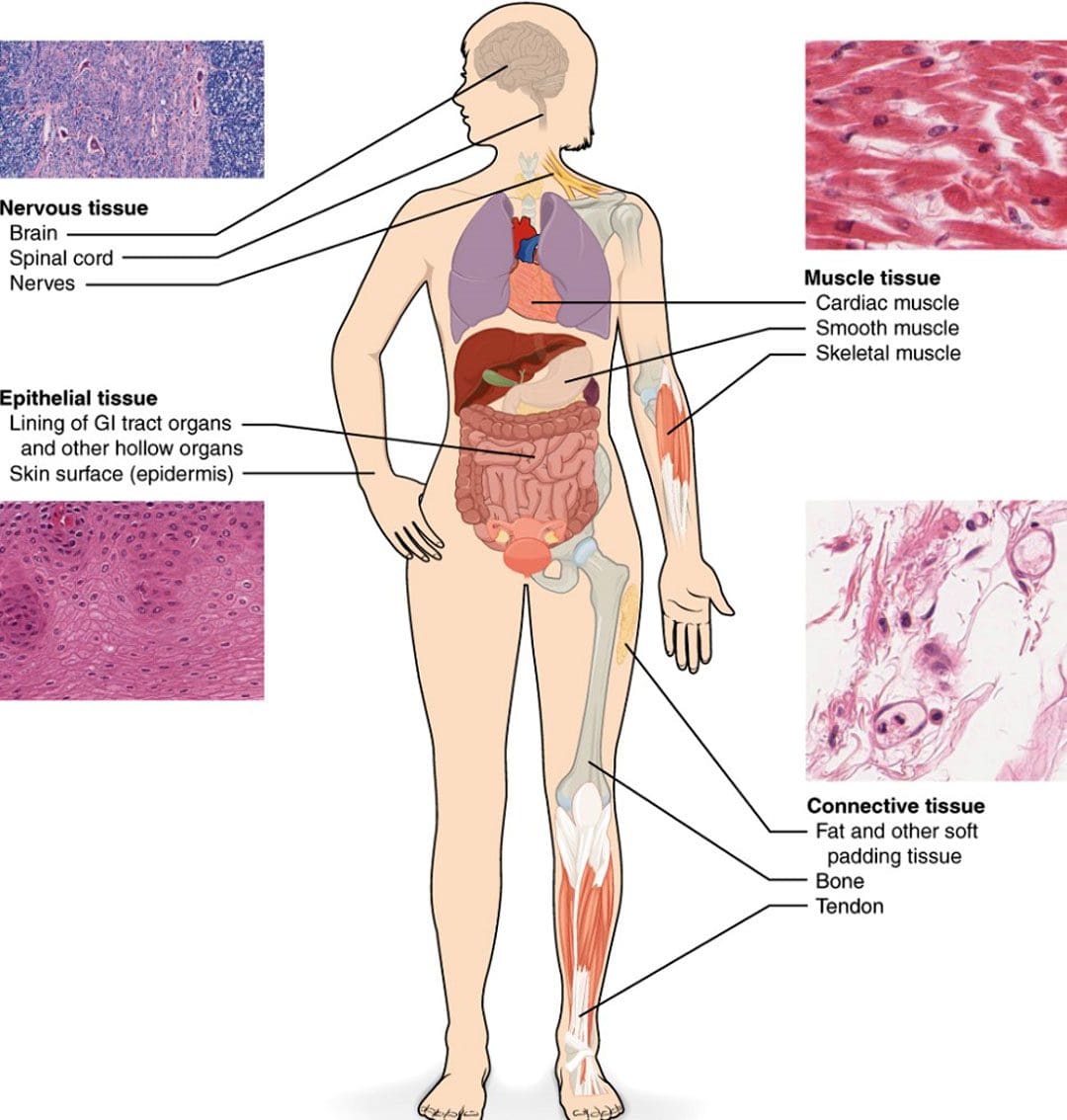
Joint flexibility means functioning connective tissues that join the skeleton and muscles and the ability of different body parts to extend and complete motions. Connecting tissues assists with movement and stabilization. These issues include:
Ligaments
Ligamentscan be band-shaped or string-shaped collagen fibers that connect bones.
Tendons
Tendonsare similar to ligaments and are band or string shaped but connect muscles to the bones.
Fascia
Fascia is a densely woven mesh that wraps around the blood vessels, bones, muscles, organs, and nerves.
Flexibility keeps the muscles active and mobile as they are necessary for daily physical activities. When these tissues become stiff from inactivity or an unhealthy diet, it limits the body’s range of movement and increases the risk of injury. Stretching improves flexibility, and adding foods to a nutrition plan will help maintain limberness.
Nutrition
A nutrition plan full of vitamins, minerals, and antioxidants will nourish connecting tissues and cells and increase collagen production. Foods rich in essential fatty acids/EFAs, vitamin C, sulfur, and water will promote healthy connective tissue for enhanced flexibility.
Fatty Acids
Essential fatty acids include omega-3 and omega-6, primarily found in fish, flax seeds, and liquid oils.
These fatty acids are essential because they cannot be made in the body.
Foods likefatty fish, flax seeds, walnuts, or supplements, can help achieve the proper ratio.
For individuals not too keen on fish, consider omega-3 supplements.
Collagen
Collagen is the main protein from connective tissue, and vitamin C is essential for collagen production.
Vitamin C-rich foods – oranges, bell peppers, broccoli, strawberries, tomatoes, leafy green vegetables, raspberries, pineapple, cruciferous vegetables, parsley, and watermelon.
Make various smoothie recipes for breakfast or an afternoon snack.
Sulfur helps maintain the flexible bonds in connective tissues.
Animal proteins that provide sulfur include fish, poultry, beef, and eggs.
Vegetable sources include Brussels sprouts, cabbage, broccoli, cauliflower, onions, and garlic.
Hydration
Water is not considered food as it contains no calories, but it is vital as it makes up 76 percent of the muscles. A high percentage of water content is the key to muscle elasticity. When the body is dehydrated, it holds onto water, causing fluid retention and stiffness. The more the muscles stay dehydrated, the more they have trouble recovering from physical activities, fatigue levels increase, the range of motion decreases, and the risk of injury increases. Don’t wait until you are thirsty. Stay hydrated throughout the day to keep the joints lubricated and energy levels high.
Fruits high in water include:
Strawberries
Watermelon
Cantaloupe
Peaches
Grapefruit
Pineapple
Apples
Pears
Vegetables high in water include:
Cucumber
Lettuce
Zucchini
Celery
Eggplant
Limit Salt and Sugar Intake
Processed foods tend to have a high salt content.
Too much salt causes the joints to swell as the body retains fluid.
Keeping sugar intake low is important in enhancing flexibility.
This is because sugar breaks down the collagen in the skin and connective tissues.
This means avoiding processed foods, ready meals, and junk food.
Flexibility can be improved by eliminating foods that destroy collagen, focusing on foods that reduce insulin spikes, and maintaining hydration in the connective tissues. A nutritionist can develop a personalized nutrition plan for optimal neuromusculoskeletal health.
Foods That Help Maintain Flexibility
References
Beba, Mohammad et al. “The effect of curcumin supplementation on delayed-onset muscle soreness, inflammation, muscle strength, and joint flexibility: A systematic review and dose-response meta-analysis of randomized controlled trials.” Phytotherapy research: PTR vol. 36,7 (2022): 2767-2778. doi:10.1002/ptr.7477
Kviatkovsky, Shiloah A et al. “Collagen peptide supplementation for pain and function: is it effective?.” Current opinion in clinical nutrition and metabolic care vol. 25,6 (2022): 401-406. doi:10.1097/MCO.0000000000000870
MacKay, Douglas, and Alan L Miller. “Nutritional support for wound healing.” Alternative medicine review: a journal of clinical therapeutic vol. 8,4 (2003): 359-77.
Shaw, Gregory, et al. “Vitamin C-enriched gelatin supplementation before intermittent activity augments collagen synthesis.” The American journal of clinical nutrition vol. 105,1 (2017): 136-143. doi:10.3945/ajcn.116.138594
Zdzieblik, Denise, et al. “Improvement of activity-related knee joint discomfort following supplementation of specific collagen peptides.” Applied physiology, nutrition, and metabolism = Physiologie applique, nutrition et metabolism vol. 42,6 (2017): 588-595. doi:10.1139/apnm-2016-0390
Dr. Alex Jimenez, D.C., presents how anti-inflammatory phytochemicals can reduce inflammation and treat other chronic conditions that inflammation is correlated with. We dive into what medicines can trigger inflammatory cytokines and some treatments that work together to reduce chronic inflammation. We refer our patients to certified medical providers incorporating multiple therapies for many individuals suffering from chronic inflammation and its correlating symptoms affecting the body. We encourage each of our patients by mentioning them to associated medical providers based on their analysis appropriately. We understand that education is a delightful way when asking our providers questions at the patient’s request and understanding. Dr. Jimenez, D.C., only makes use of this information as an educational service. Disclaimer
How Medications Associate With Inflammation
Dr. Alex Jimenez, D.C., presents: When it comes to a person’s health and wellness, it is important to know that when you are introducing them to potential antigenic medication, that person’s immune system is already imbalanced and much more likely to make abnormal immune responses, which then can lead to inflammatory effects in the body’s system. You see them mostly with chimeric human marine antibodies, which are the ones that make antibodies for the immune system, to that point, will elicit a much higher immune response. When this happens, it becomes a challenge to long-term pharmacotherapy. So when people go to their doctors for a prescription, about 20-30% of medication prescriptions are never filled because, most of the time, the prescription will never fill them in the drugstore, which can cascade into various issues.
And when people follow their prescription, sometimes they’ll take it for a little while, and after six months, they stop taking it. So the drop in prescriptions taken for longer than six months is quite low. In the last article, we discussed NSAIDs, DMARDs, and biologics, and we will touch base with acetaminophen. Acetaminophen is another one that’s just really widely used, and it’s because it’s put into all of these different cold and flu, and pain products. They sneak it into many other medications; you must read the labels. This is because some people metabolize acetaminophen quickly, which can become toxic. This can lead to individuals getting random headaches throughout the day and causes their glutathiones to be used promptly. So when looking for cold and flu medicine, it is best to look at the labels for acetaminophen because it doesn’t have anti-inflammatory responses since it is used for pain control.
How Acetaminophen Affects the Immune System
Dr. Alex Jimenez, D.C., presents: So even though we do not know how exactly how the analgesic effects work when people take cold and flu medicines, however, we do know that when people take a ubiquitous amount of acetaminophen, it could increase the pain threshold by inhibiting nitric oxide pathways in the body through mediation through the receptors for NMDA and substance P. We still don’t have a great handle on that, but that’s how it works. So, these drugs can be quite useful in the short term, but long-term use has serious side effects.
When looking for medications, it is important to read the labels that have a black box warning, which is the highest warning that the FDA issues for any potential overlapping risk profiles that the FDA issues. This can include severe liver injuries or serious possible allergic reactions that can develop into chronic inflammation of the muscles and joints. Now there are ways to reduce inflammation and prevent the body from being in more pain by slowly introducing anti-inflammatory botanicals and phytochemicals to detoxify the medication causing these complications.
Some individuals may not realize that constant medication for various pains and issues affecting the body can mask other problems involving the body’s systems. This can include:
Endocrine system
Cardiovascular system
Gastrointestinal system
Reproductive system
When these systems have been affected by medications, they can develop inflammatory markers in the vital organs and cause lead to visceral-somatic dysfunction in the body. When pain medications target pain localized in one location, but the issue is in a different area, this is known as referred pain. Referred pain is where the pain is in one muscle group location but is felt in another area of the body. When the organs are involved, it can cause inflammatory symptoms in the system. To that point, this causes the immune system to be induced into autoimmunity.
How The Immune System Is Induced Into Autoimmunity
Dr. Alex Jimenez, D.C., presents: When the immune system has been induced with autoimmunity, the corticosteroids can develop side effects that can be long termed and delay the healing process. Some of the physical symptoms that are visible with autoimmunity include:
Muscle weakness
Diabetes
High blood pressure
Thin bones
Delay wound healing
Flare-ups
Rheumatoid arthritis
Mood changes
When dealing with these inflammatory symptoms associated with pain, there are fundamental functional treatment approaches that can reduce the inflammatory cytokines causing joint and muscle pain.
Treatments To Target Inflammation
Dr. Alex Jimenez, D.C., presents: Some of the treatments that target inflammation include the following:
Slowly incorporating healthy lifestyle choices into a person’s daily lifestyle can reduce the effects of inflammatory cytokines affecting the vital organs, muscles, and joints. It is important to know that incorporating antioxidants, phytonutrients, and anti-inflammatory supplements can reduce residual symptoms in the body. All these treatments are some of the foundations that can address these inflammatory triggers and help reduce muscle and joint pain associated with inflammation.
Anti-Inflammatory Vitamins & Supplements
Dr. Alex Jimenez, D.C., presents: Another important note about these treatments is that vitamins and supplements can combine to help treat inflammatory effects that are causing issues in the body. These anti-inflammatory botanicals and phytochemical agents can not only act on the different pathways in the body but also have different mechanisms similar to healthy nutritional foods. Incorporating anti-inflammatory botanicals and phytochemical agents into the body will help modulate the inflammatory cascades and provide multiple synergistic activities to the body.
These agents down-regulate the inflammatory pathways caused by NF-kappaB. They can act as modulators that dissociate the cytokines from causing more issues like oxidative stress or infections triggering inflammation. However, we need inflammation to heal the body from wounds and infections. We mustn’t want the cytokines too high to cause inflammatory effects. So incorporating anti-inflammatory botanicals and phytochemicals provides a much safer option to the body and can be used in many chronic inflammatory conditions.
Conclusion
Since many botanicals and phytochemicals have anti-inflammatory properties, it can be difficult to find a good amount that the body needs to reduce chronic inflammation. Since many cultures and places have used many nutritional plants and herbs for years worldwide, it can be exhausting. Some of the botanical supplements include:
Zinc
Green tea extract
Capsaicin
S-adenosylmethionine
Ginger
To summarize how it is important to know which supplements have anti-inflammatory properties, doing research and incorporating small changes into a daily lifestyle can provide amazing results and allow the individual to be pain-free and have good health when combining botanicals and phytonutrients.
Dr. Alex Jimenez, D.C., presents how anti-inflammatory botanicals and phytochemicals can reduce inflammatory cytokines that can cause pain-like issues in the body. We dive into how different pharmaceuticals could influence NF-kappaB and how chronic conditions can affect inflammation. We refer our patients to certified providers that incorporate techniques and multiple therapies for many individuals suffering from inflammation, and its correlating symptoms can affect the musculoskeletal system. We encourage and appreciate each patient by referring them to associated medical providers based on their diagnosis when it is appropriate. We understand that education is a fantastic way when asking our providers intricated questions at the patient’s request and understanding. Dr. Jimenez, D.C., only utilizes this information as an educational service. Disclaimer
How Does The Body Deal With Inflammation
Dr. Alex Jimenez, D.C., presents: Our objectives are to look at the evidence for using selective phytochemicals and botanicals as anti-inflammatory and analgesic agents. Controlled studies have grown into mass numbers over the years, and we can feel more confident in some of their findings because a lot of these studies have been done with good-quality investigators and well-designed studies. And even though we get those studies published, the problem is that we rarely hear about them. The media needs to pick them up, and they usually don’t make it into the medical community despite their studies. If you compare that to when pharmaceutical research is done, you know it often makes the headlines and news. Let’s look at some of these botanicals and phytochemicals today.
In autoimmune conditions, pain is a huge issue in the body, and we also want to use its analgesic properties. And then, we have to identify the most appropriate phytochemicals and botanicals for specific inflammatory and pain conditions. So, before we jump into that, we want to review some of the mechanisms of the pharmaceuticals that are very commonly prescribed for inflammatory and autoimmune conditions. Even some of the newer biologics we’ve referred to a little bit, we want to look into them and, and look at how they work and some of their drawbacks, and then we’ll delve into these botanicals that are at our disposal. So it is important to remind anyone that all degenerative diseases have this pro-inflammatory state or inflammation as part of their underlying biochemical ideology. And that inflammation is a final common pathway for all these different dysfunctions. Diabetes, Alzheimer’s, atherosclerosis, cancer, and even some psychiatric disorders like schizophrenia and depression all have inflammation as one of their root causes. Now in this module, we’re focusing on the ones that are in the circles and these.
As you know, most chronic diseases are linked to excessive, persistent inflammation. We’ve pounded that point home well enough, as chronic inflammation occurs when the injury is ongoing or when a predisposed immune system just doesn’t shut off. It fails at counter-regulation and acute inflammation, which is beneficial; however, it can turn into a chronic inflammation if left untreated. Many chronic diseases have been associated with excessive or persistent inflammation. When it comes to chronic inflammation develops when an injury or traumatic event is ongoing, causing the muscles to tense up or when the immune system begins to attack the body when there are no pathogens that are affecting the body. And that the conventional pharmacological treatment focuses on specific pathways that are often really downstream in that inflammatory process, and from a functional medicine perspective, we want to look a bit more upstream to figure out what is the cause of chronic inflammation that is causing this many issues to this person and how anti-inflammatory botanicals and phytochemicals can dampen these inflammatory effects in the body.
How Do Pharmaceuticals Affect The Body?
Dr. Alex Jimenez, D.C., presents: One of the factors that can enhance inflammatory markers is pharmaceutical drugs. So, for example, pharmacologic controls like NSAIDs can inhibit the COX enzyme, while leukotriene inhibitors inhibit the LOX enzyme. DMARDs can affect various immune mechanisms that can influence the development of chronic inflammation. Biologics can inhibit multiple cytokines in the body, including the TNF-alpha and steroids, which can affect NF-kappaB and phospholipase-A2. So there are numerous ways to influence the inflammatory pathway and cause muscle and joint pain issues.
Pharmaceuticals are not the only factors that can cause inflammatory triggers to affect the body; it can be the food we eat or the environment that we live in that can trigger NF-kappaB, which disassociates from I-kappaB while going into the nucleus and binding to the DNA. That point leads to the transcription of many different genes. The body’s genes not only make DNA but can make RNA. When the body makes RNA, it is then biotransformed into DNA, leading to the turning of different inflammatory pathways. So when the pharmaceutical starts entering the body, it can inhibit the other cytokines and enzymes from turning on and cause chronic inflammation, thus causing the anti-inflammatory markers to dampen and causing the immune system to focus on the NF-kappaB.
NSAIDs
Dr. Alex Jimenez, D.C., presents: So let’s start looking at the non-steroidal anti-inflammatories or NSAIDs, which are ubiquitous as they are very common for many people to reach for when they are in pain. And the reason they use them is that they do work. NSAIDs inhibit cyclooxygenase enzymes and prevent those inflammatory prostaglandins, which cause inflammation and pain in the muscles or joints. Now paracetamol is on here, or acetaminophen is not technically an NSAID, but we will look at that separately.
But these NSAIDs, you know, aren’t without issues, as 70 million prescriptions for NSAIDs are written in the U.S. annually. And that over-the-counter uses included 30 billion doses of NSAIDs. That’s an enormous amount, and it’s no wonder most of us have taken them; we’re part of that 30 billion. However, that amount can lead to a leaky gut in our body system. We know their association with peptic ulcers and G.I. bleeding while inhibiting that resolving pathway, which is important to shut off the inflammatory response. So let’s look at DMARDs or disease-modifying anti-rheumatic agents. They’re the first-line therapy for rheumatoid arthritis. And one of the reasons they’re the first line of treatment is that they’re inexpensive but are slow acting and do decrease inflammation, but they don’t work very well to relieve pain directly.
So methotrexate is hydroxychloroquine, or Plaquenil is a very well-known one right now, especially with its use today. Still, methotrexate inhibits RNA and DNA synthesis, which has been used as a chemotherapy agent in cancer. And when it inhibits, it affects the dihydrofolate reductase, which is needed to make DNA and RNA; however, it also suppresses T and B-cell activation while inhibiting IL1 beta from binding to its receptors. So, unfortunately, even though they’re the first-line therapy, they come with several fairly severe side effects. But we keep talking about this idea of side effects; it’s no side effects. They’re the direct effects of the medication.
The Effects Of Pharmaceuticals
Dr. Alex Jimenez, D.C., presents: You know, they may be unwanted effects like rashes, stomach upset, liver, bone marrow, toxicity, congenital disabilities, and, of course, which we’ll see repeatedly. Any time that you shut down your immune system, you open yourself up for infections. So you become much more susceptible to infections. So, look at these biological DMARDs, which work as TNF-alpha blockers. These biological DMARDs work by curbing either T-cell activation or blocking TNF, which is the most common one, but they also can stop things like IL-six, deplete T-cells, and work in other ways. These biologics are called biologics because they’re actually monoclonal antibodies. And so these monoclonal antibodies, as antibodies do, they have very strong specific binding affinities.
And so, using antibodies as medications has been a great advance. Now, as we’re going to see, they may not be the ultimate solution for treating autoimmune disease, but they hold a lot of promise, especially when we need their specificity. So there are many chronic conditions that NSAIDs DMARDs or Biologic DMARDs that can mask inflammation and cause pain to the muscles and joints. Some of the chronic conditions include:
Ankylosing-spondylitis
Arthritis
Crohn’s disease
Endometriosis
Psoriasis
Rheumatoid Arthritis
Osteoarthritis
Fibromyalgia
Lupus
Conclusion
Dr. Alex Jimenez, D.C., presents: These pharmaceuticals can reduce the pain that the person is experiencing with these conditions, but they are short-termed and only mask the issue until a person goes into treatment. When a person has an autoimmune or chronic disorder associated with inflammation, the cost of any medication is high. Even though good pharmaceuticals are important, we need to look at treatments that can examine the lesser-known or rarer conditions that can reduce the inflammatory effects that cause joint and muscle pain. Incorporating anti-inflammatory botanicals and supplements like:
Fish oil
Curcumin
Ginger extract
Green Tea Extract
Resveratrol
All have anti-inflammatory properties that can reduce inflammatory cytokines from the muscle and joints and combine with physical therapy. Physical therapy can allow the body to heal itself and will enable the individual to be pain-free naturally.
Around 60% of individuals have a condition caused by or complicated by chronic inflammation. The body reacts with acute inflammation, which is beneficial as the immune system fights off bacteria that could infect the injury. Examples could be getting a cut on the finger that swells for a day or so to repair the wound or catching a cold and coughing up mucus to expel the germs. However, acute inflammation only lasts as long as necessary; chronic inflammation can last for weeks, months, and years. Individuals can have chronic inflammation and not know the damage being done to arteries and organs until pain or other issues begin to present. There are a few anti-inflammatory diets, which are nutrition plans that can help reduce inflammation.
Anti-Inflammatory Diets
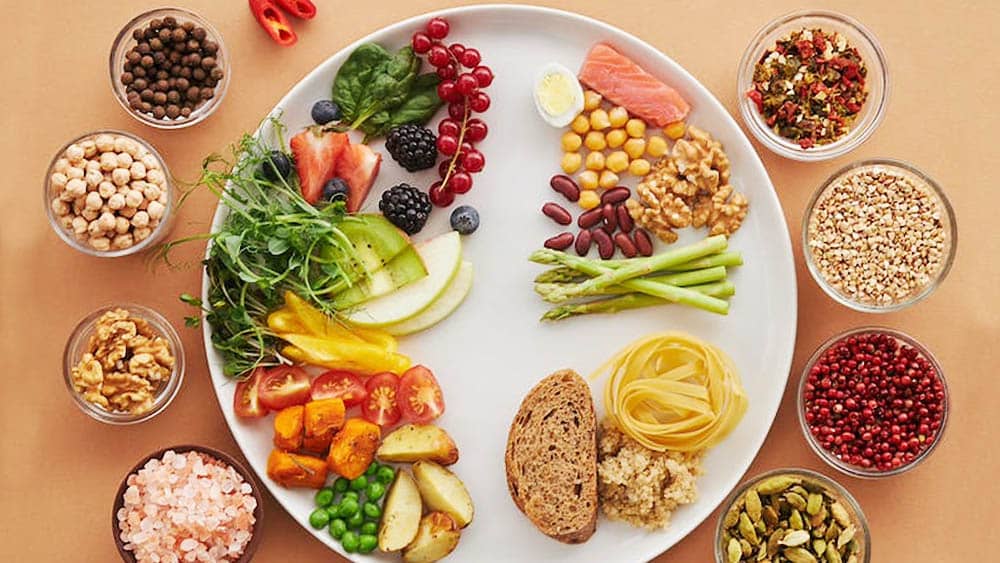
Health-promoting substances include vitamins, minerals, fiber, omega-3 fatty acids, flavan-3-ols in tea and cocoa, and anthocyanins in blueberries, strawberries, raspberries, and other red and purple plant foods. Certain chemicals in the body cause inflammation, and naturally-occurring chemicals in foods, can prevent and combat inflammation by providing essential nutrients.
Nordic Diet
This includes Denmark, Sweden, and Finland, which each have different cuisines, but traditionally, they share healthy foods that provide anti-inflammatory benefits, including:
Rye is a grain shown to help reduce blood sugar, the inflammatory marker C-reactive protein. Individuals that follow this way of eating have lower blood levels of C-reactive protein and other inflammation markers. A randomized study was done in various Nordic countries and lasted six to 24 weeks. One group was assigned a healthy Nordic diet while the other stayed on the country’s modern, less healthy diet. The studies found that individuals that practiced a healthy Nordic diet even for a short while improved inflammatory markers and lost weight.
Mexican Diet
Research has linked a traditional Mexican diet to lower inflammation. Staple foods of a traditional Mexican diet include:
Cheese
Corn tortillas
Fruits and vegetables, including hot peppers
Rice – brown and white
Legumes/Beans
Legumes/beans are linked to protection from inflammatory-related conditions that include:
Obesity
High blood pressure
High blood cholesterol
Type 2 diabetes
Cardiovascular disease
Legumes are high in fiber, which helps:
Reduce inflammation
Reduce unhealthy cholesterol
Reduce blood sugar spikes after a meal, which helps prevent type 2 diabetes and inflammation.
A National Cancer Institute study of post-menopausal women of Mexican descent living in the U.S. found that those following a more traditional Mexican diet averaged 23% lower C-reactive protein levels.
Nutritionist Health Coach and Chiropractic
In some instances, chronic inflammation can come from acute inflammation that does not turn off, which can happen when the body does not make enough chemical substances responsible for turning off the immune response. Blood tests for inflammation can include tests that detect the C-reactive protein and the erythrocyte sedimentation rate, which measures the speed red blood cells settle in a test tube that shows if more inflammatory compounds are present. A combined approach and team of medical professionals, including chiropractic, massage therapy, health coaching, and nutrition, can help relieve and prevent inflammation.
Nutritionist
Consulting a nutritionist is recommended to figure out and determine the best diet/nutrition plan for the individual.
A nutritionist may also suggest supplementation like vitamin D, magnesium, and fish oil supplements.
Body composition analysis breaks down the body elements of water, protein, minerals, and fat that can also discover inflammation markers.
Chiropractic
Chiropractic adjustments help reduce the production of cytokines or proteins that regulate the cells of the immune system. Overproduction of cytokines can cause a severe inflammatory response. Chiropractic’s purpose is to rebalance the body by realigning the vertebrae to reduce pressure on the nerves and promote a healthy nervous system. When the spine and other joints are correctly aligned, the nerves function correctly, returning the body’s biomechanics to normal.
InBody Results
References
Galbete C, Kröger J, Jannasch F, et al. Nordic diet, Mediterranean diet, and the risk of chronic diseases: the EPIC-Potsdam study. BMC Med. 2018;16(1):99.
Lankinen M, Uusitupa M, Schwab U. Nordic Diet and Inflammation-A Review of Observational and Intervention Studies. Nutrients. 2019;11(6):1369.
Ricker MA, Haas WC. Anti-Inflammatory Diet in Clinical Practice: A Review. Nutrition in Clinical Practice. 2017;32(3):318-325.
Santiago-Torres M, Tinker LF, Allison MA, et al. Development and Use of a Traditional Mexican Diet Score in Relation to Systemic Inflammation and Insulin Resistance among Women of Mexican Descent. J Nutr. 2015;145(12):2732-2740.
Valerino-Perea, Selene, et al. “Definition of the Traditional Mexican Diet and Its Role in Health: A Systematic Review.” Nutrients vol. 11,11 2803. 17 Nov. 2019, doi:10.3390/nu11112803
Yang, Yoon Jung, et al. “Dietary flavan-3-ols intake and metabolic syndrome risk in Korean adults.” Nutrition research and practice vol. 6,1 (2012): 68-77. doi:10.4162/nrp.2012.6.1.68
Non-surgical spinal decompression relieves pain related to spinal conditions, injuries, and disorders that provides a comfortable, affordable alternative treatment option to costly and invasive surgical procedures. Non-surgical spinal decompression can also relieve pain associated with post-surgical rehabilitation. A key to successful outcomes is including added components of the treatment that includes spinal decompression nutrition.
Spinal Decompression Nutrition
Proper nutrition and a balanced diet are essential elements of overall health. Individuals suffering from herniated discs, bulging discs, degenerated discs, sciatica, and chronic low back and neck pain are often deficient in vitamins and minerals, leading to inflammation and pain. These deficiencies can cause or exacerbate the pain and prevent or slow down healing. The bones, muscles, and other structures in the spine need proper nutrition to be strong enough to support the body and perform functions optimally. A health coach and nutritionist can recommend the proper diet and supplements to expedite healing, depending on the patient, the circumstances, and the individual situation. A non-inflammatory diet can make a big difference in patients’ symptoms and the effectiveness of decompression therapy.
The Right Foods
Eating a balanced diet with the right amount and variety of vitamins and nutrients can reduce back problems by nourishing the spine’s bones, muscles, discs, and other structures. While a healthy diet calls for various vitamins and nutrients, several healthy choices can directly benefit the spine. First and foremost is:
Sugar and Nitrate Reduction
High sugar diets lack the nutrients needed to prevent the release of inflammatory mediators.
The average individual consumes around 100 lbs of sugar per year.
Dessert foods are high infatty acids, which increase inflammation.
Any foods containing high fructose corn syrup like salad dressings and sodas.
Processed foods high in nitrates like hot dogs, sausage, and lunch meats.
Super Foods
Increase healing of the spine at the cellular level with superfoods that include:
Water – maintaining hydration is important for re-hydrating degenerated, dried-out discs.
Pre Spinal Decompression Nutrition
The human body was created to heal itself; however, getting the proper nutrition can be difficult as circulation is impeded/blocked when going through a back injury or spinal condition. Eating and/or supplementing with essential nutrients and minerals could be recommended to encourage and engage the healing process. Using nutrients to improve recovery and healing is known as immunonutrition. Pre-decompression allows the tissues to begin healing. Then the chiropractic health team can prepare the tissues for decompression through therapeutic massage, heat, low-level laser therapy, and ultrasound.
DRX9000 Explained by a Neurosurgeon
References
Calder, Philip C. “Fatty acids and inflammation: the cutting edge between food and pharma.” European journal of pharmacology vol. 668 Suppl 1 (2011): S50-8. doi:10.1016/j.ejphar.2011.05.085
Gay R. “All About Spinal Decompression Therapy.” Spine-health. http://www.spine-health.com/treatment/chiropractic/all-about-spinal-decompression-therapy. Published September 2013. Accessed April 2015.
InformedHealth.org [Internet]. Cologne, Germany: Institute for Quality and Efficiency in Health Care (IQWiG); 2006-. What is inflammation? 2010 Nov 23 [Updated 2018 Feb 22]. Available from: https://www.ncbi.nlm.nih.gov/books/NBK279298/
Innes, Jacqueline K, and Philip C Calder. “Omega-6 fatty acids and inflammation.” Prostaglandins, leukotrienes, and essential fatty acids vol. 132 (2018): 41-48. doi:10.1016/j.plefa.2018.03.004
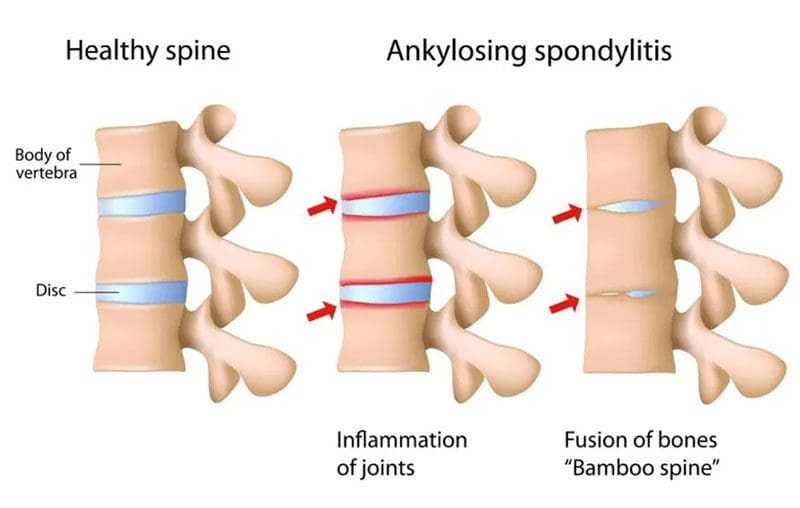
Spondylitis Anti-Inflammation Diet: Individuals who have a chronic back pain condition can be recommended to have two or more vertebrae fused to correct the problem/s and alleviate the pain. However, a form of inflammatory spinal arthritis can cause the vertebrae to fuse by themselves, known as ankylosing spondylitis. One recommended way to bring pain relief is by eating an anti-inflammatory diet. Studies have shown that a low-inflammatory diet can help improve spondylitis symptoms.
Spondylitis Anti-Inflammation Diet
Ankylosing spondylitis is a progressive inflammatory disease that primarily affects the spine; however, individual symptoms vary. Symptoms include stiffness and pain in the neck, hips, low back, and fatigue. There is no definite pattern meaning:
Symptoms can improve.
Symptoms can worsen or flare up.
Symptoms can stop for a period of time.
Women are affected more often than men with no known cause. There is no cure for ankylosing spondylitis, but treatments and self-care can slow down the disease’s progression and help manage symptoms.
Diet and Inflammation
Diet is not the root cause of inflammatory disease, but eating inflammation-causing foods can worsen symptoms. Reducing inflammation can help alleviate pain.
Eliminating foods that cause or increase inflammation is recommended to help the body become stronger and manage symptoms.
Functional medicine practitioners can help guide individuals on maximizing healthy nutrition and using it to reduce pain and symptoms.
If an individual has a genetic predisposition, their diet can be crucial to calm down the symptoms and help turn the autoimmune disease around.
A spondylitis anti-inflammation diet should be rich in vegetables, fruit, whole grains, and omega-3 fatty acids. Evidence shows that a diet low in starches can lead to less ankylosing spondylitis activity. Low-starch can also help limit the presence of Klebsiella pneumoniae, a bacteria that feeds on starch and is a known trigger for the onset and development of ankylosing spondylitis.
Foods To Eat
Leafy greens
These include spinach, kale, Swiss chard, and collard greens containing magnesiumand polyphenols that reduce inflammation.
These can be raw or cooked with garlic and olive oil added to maximize benefits.
Cruciferous vegetables
These contain sulforaphane, anantioxidantthat includes broccoli cauliflower and can be eaten raw or cooked, roasted with olive oil, sauteed, and stir-fried.
Allium Vegetables
These contain sulfuric compounds and quercetin,a flavonoidthat helps reduce inflammation.
These include red and yellow onions, leeks, garlic, and shallots.
They can be eaten raw or cooked in salads, stir-frys, and sandwiches.
Berries
These contain anthocyanin,an antioxidant flavonoid, and other antioxidants and polyphenols that help with inflammation.
These include strawberries, raspberries, blueberries, blackberries and can be eaten raw, in smoothies, in salads, with oatmeal, or mixed in unsweetened yogurt.
Fruits
Certain fruits contain quercetin and polyphenols to help with inflammation.
These include apples, cherries, oranges.
Healthy oils
Contain oleocanthalwhich acts similar to nonsteroidal anti-inflammatory medications and contains various antioxidants.
These include olive oil for low heat cooking and avocado oil for high heat cooking to replace butter and margarine.
It can be served in dressings and drizzled on foods.
Examples include walnuts, almonds, peanuts, pistachios, chia seeds, and ground flaxseeds.
These can be served as snacks, salads, mixed in side dishes, topping, or added to unsweetened yogurt or oatmeal.
Fatty fish
Omega-3 fatty acids help reduce inflammation.
Examples include salmon, cod, rainbow trout, mackerel, and sardines.
These can be baked, sauteed, grilled, mixed into salads, and stir fry.
Avoid These Foods
When making lifestyle adjustments for a spondylitis anti-inflammation diet, focus on reducing or removing processed foods and saturated fats. These include:
Sugars from all sources like soda, sugary drinks, shakes, candy, and desserts.
Trans fats, like those in fried foods like chips and fries.
Individuals may not be symptomatic with certain foods, but that doesn’t mean the foods should be consumed. Gluten, dairy, and eggs can cause potential problems as they compromise the gut and the immune system. These can set back the individual’s healing or remission.
Body Composition
What Happens To The Body When Eating Fruit
Fruit is made up of simple sugar called fructose, providing the body with a carbohydrate energy source. The natural sugar the body gets from a piece of fruit is not the same as processed fructose added to processed products like fructose corn syrup. Processed products are typically filled with empty calories and very little nutrition. When the body has fruit, the liver processes fructose before getting absorbed through the small intestine. Research shows that exposing the gut to more fiber-rich foods like fruit helps the gut achieve an anti-obese condition by increasing the good bacteria and reducing the obese bacteria. Essential nutrients from fruit include:
Folate
Vitamin C
Vitamin B1
The USDA recommends making half of each meal/plate be fruit and vegetables.
References
Harvard Health Publishing. (November 16, 2021) “Foods that Fight Inflammation.” https://www.health.harvard.edu/staying-healthy/foods-that-fight-inflammation
Macfarlane, Tatiana V et al. “Relationship between diet and ankylosing spondylitis: A systematic review.” European journal of rheumatology vol. 5,1 (2018): 45-52. doi:10.5152/eurjrheum.2017.16103
Nielsen, Forrest H. “Magnesium deficiency and increased inflammation: current perspectives.” Journal of inflammation research vol. 11 25-34. January 18 2018, doi:10.2147/JIR.S136742
Rashid T, Wilson C, Ebringer A. The Link between Ankylosing Spondylitis, Crohn’s Disease, Klebsiella, and Starch Consumption. Clin Dev Immunol. 2013;2013:872632. doi: 10.1155/2013/872632.
Sharma, Satya P et al. “Paradoxical Effects of Fruit on Obesity.” Nutrients vol. 8,10 633. 14 Oct. 2016, doi:10.3390/nu8100633
van Buul, Vincent J et al. “Misconceptions about fructose-containing sugars and their role in the obesity epidemic.” Nutrition research reviews vol. 27,1 (2014): 119-30. doi:10.1017/S0954422414000067
IFM's Find A Practitioner tool is the largest referral network in Functional Medicine, created to help patients locate Functional Medicine practitioners anywhere in the world. IFM Certified Practitioners are listed first in the search results, given their extensive education in Functional Medicine