Can mustard be a low-calorie alternative to higher-fat condiments for individuals trying to reduce calorie intake?
Mustard
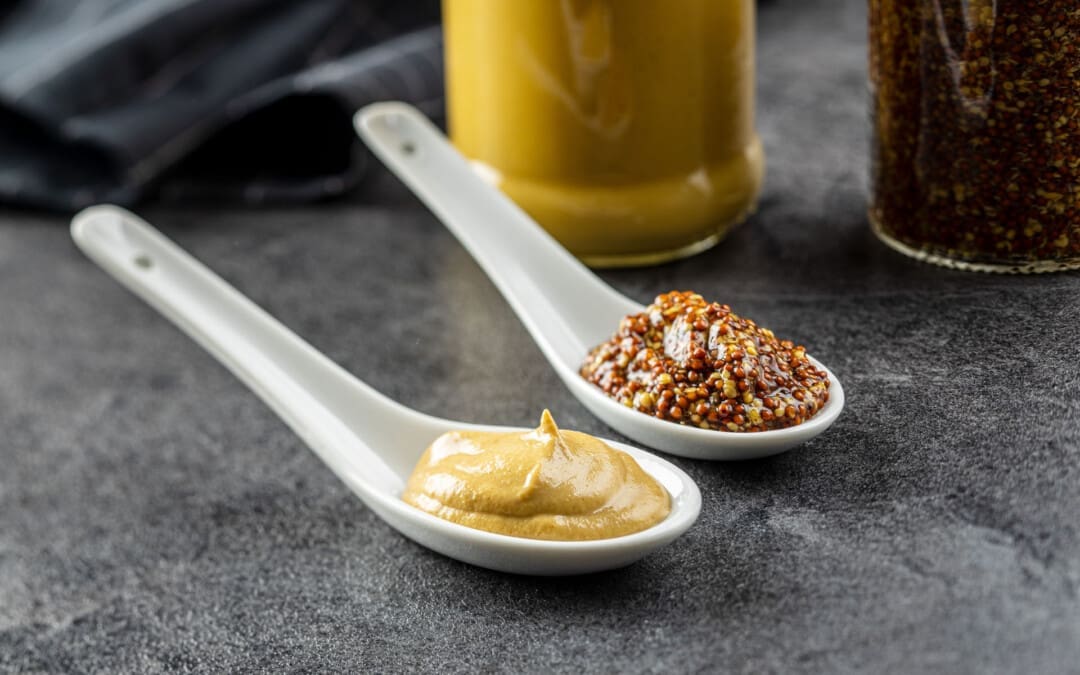
Prepared mustard is a common condiment used around the country. It is a low-calorie, highly flavored condiment that can replace more calorie-dense options. The familiar condiment combines mustard seeds with vinegar, salt, lemon, and other ingredients. There are also different varieties made from brown or black mustard seeds.
Health Benefits
Mustard is considered healthy because it contains antioxidants that provide various health benefits, including anti-cancer, antibacterial, antiviral, antifungal, anti-inflammatory, and wound-healing properties. (Mazumder A., Dwivedi A., & du Plessis J. 2016) Although not associated with significant health benefits, mustard is a low-calorie alternative to many higher-fat condiments, like mayonnaise. Different types of mustard seeds are used for health purposes. For example, some herbalists use white mustard seeds to clear the throat when mixed with honey (Ewing, Sarah, 1999). Antioxidants include isothiocyanates and sinigrin.
Isothiocyanates, the oil that gives mustard its pungent taste, have anti-cancer properties for breast, lung, GI tract, and prostate cancers.
However, the mechanism remains unclear, and more research is needed to determine the efficacy of mustard’s health benefits for cancer.
Isothiocyanates may also help manage diabetes and reduce unhealthy cholesterol, providing cardiovascular protection and neurological benefits that may help autistic individuals. More research is needed. (Palliyaguru D. et al., 2018)
Sinigrin is another antioxidant. Research shows this antioxidant has anti-cancer, antibacterial, antiviral, antifungal, anti-inflammatory, and wound-healing properties. (Mazumder A., Dwivedi A., & du Plessis J. 2016)
Nutrition
A single serving is usually about a teaspoon. A serving of prepared yellow and spicy mustard provides only about three calories. (U.S. Department of Agriculture, 2019) Its nutritional profile includes a rich supply of essential minerals, including calcium, iron, manganese, phosphorus, and zinc. It is also a good source of omega-3 fatty acids, tryptophan, phosphorus, iron, and protein. The seeds are also a very good source of selenium. Most calories come from carbohydrates, but because the calorie count is so low, these carbohydrates are not likely to significantly affect daily intake. Dijon mustard may provide more calories. A single serving of Dijon may contain up to 10 calories.
Preparation and Storage
Yellow mustard and Dijon are easy to find. Try course mustard varieties with distinct textures and seeds. Buy in small quantities, as mustard can lose flavor with time. Once opened, store in the refrigerator for up to one year. Mustard imparts a strong, spicy taste that pairs well with meat and seafood and can also be used to make salad dressings.
Side Effects
The U.S. Food and Drug Administration recognizes mustard as safe (GRAS). Eating too much can cause abdominal pain, diarrhea, and gut inflammation. However, mustard and mustard seed allergies are not uncommon. Symptoms may be mild or severe and generally appear shortly after consuming the product. Individuals may experience a rash or a tingly, itchy feeling in the mouth. Difficulty breathing is also possible. Other foods derived from the mustard plant, including leaves, seeds, flowers, sprouted seeds, oil, and foods that contain these, are likely to cause reactions in those with mustard allergies.
Injury Medical Chiropractic and Functional Medicine Clinic
Injury Medical Chiropractic and Functional Medicine Clinic focuses on and treats injuries and chronic pain syndromes through personalized care plans that improve ability through flexibility, mobility, and agility programs to relieve pain. Our providers use an integrated approach to create customized care plans for each patient and restore health and function to the body through nutrition and wellness, functional medicine, acupuncture, Electroacupuncture, and sports medicine protocols. If the individual needs other treatment, they will be referred to a clinic or physician best suited for them. Dr. Jimenez has teamed up with top surgeons, clinical specialists, medical researchers, nutritionists, and health coaches to provide the most effective clinical treatments.
Enhancing Health Together
References
Mazumder, A., Dwivedi, A., & du Plessis, J. (2016). Sinigrin and Its Therapeutic Benefits. Molecules (Basel, Switzerland), 21(4), 416. https://doi.org/10.3390/molecules21040416
Ewing, Sarah. (1999). Black Mustard (Brassica nigra). https://opensiuc.lib.siu.edu/cgi/viewcontent.cgi?article=1421&context=ebl
Palliyaguru, D. L., Yuan, J. M., Kensler, T. W., & Fahey, J. W. (2018). Isothiocyanates: Translating the Power of Plants to People. Molecular nutrition & food research, 62(18), e1700965. https://doi.org/10.1002/mnfr.201700965
U.S. Department of Agriculture. (2019). Mustard, prepared, yellow. Retrieved from https://fdc.nal.usda.gov/food-details/326698/nutrients
Can individuals incorporate miso into their diets to improve their gut health and utilize its beneficial properties?
What Is Miso?
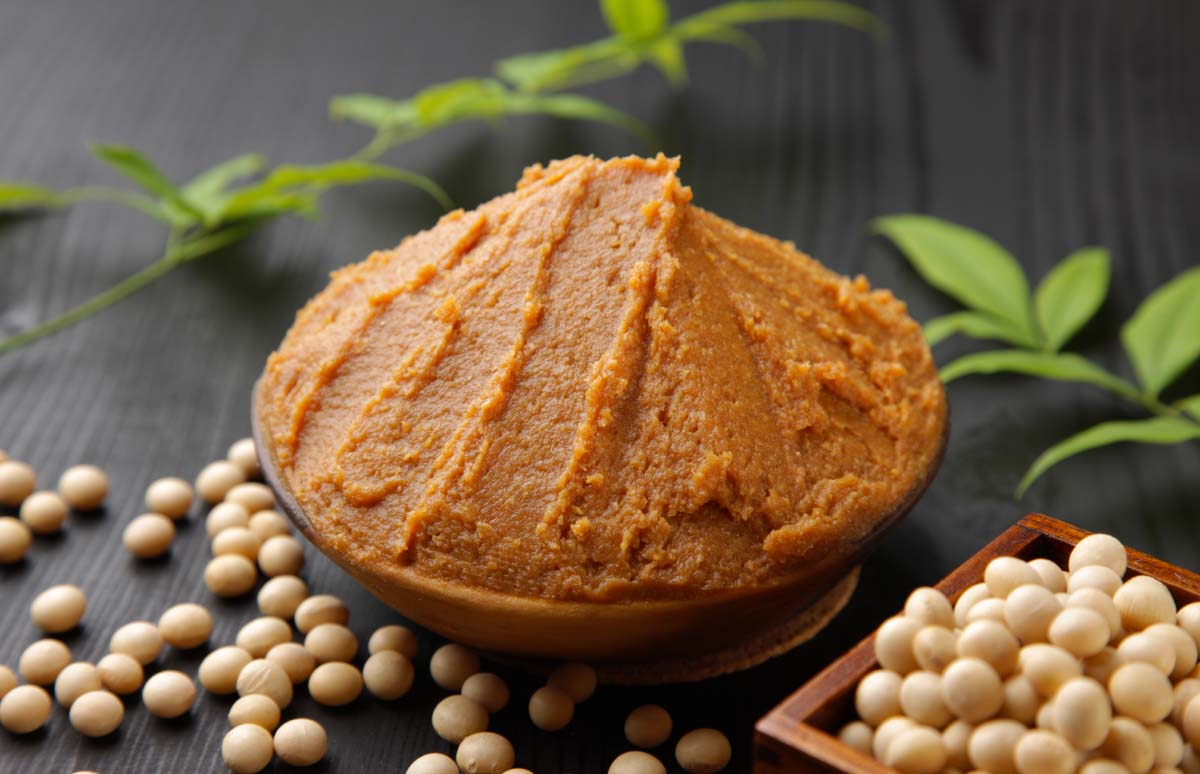
As the weather starts to get colder, many people start thinking about making soups, stews, and hot foods. However, when it comes to a person’s health and wellness, many people wonder what to add to their soups while adding many nutritional foods and proteins that can make them not only flavorful but also add beneficial properties to their diet. Why not add miso? Miso is fermented soybean paste, a rice-based food product in Japan that is a staple cooking product. (Saeed et al., 2022) Additionally, since miso is a soybean product, many people incorporate it into their soups as it contributes to many health benefits to Japanese-style diets and can even enhance various dishes. (Ito, 2020) At the same time, many people who start to incorporate miso as part of their diet will notice some beneficial results in their gut system. We associate with certified medical providers who inform our patients of the benefits of incorporating miso into a nutritional diet. While asking important questions to our associated medical providers, we advise patients to integrate ways to add miso to their foods and help reduce bad bacterial growth in their gut system. Dr. Alex Jimenez, D.C., envisions this information as an academic service. Disclaimer.
Types Of Miso
Miso can come in various types depending on how long it has been left to be fermented and its ingredients to see what color and flavor intensity will be put into the cooking. All miso products are in paste form and can be paired well with any protein like chicken, meat, and fish. The types of miso include:
White miso (Shiro miso): Mildest, sweet, less salty
Yellow miso (Shinshu miso): Mild, earthier, more acidic
Red miso (Aka miso): Salty, slightly bitter
Brown rice miso (Genmai miso): Sweet, mild, earthy
Barley miso (Mugi miso): Mild, earthy, not gluten-free
Miso Nutritional Facts
When it comes to the nutritional facts of miso, one tablespoon of miso contains about:
1 tbsp of miso: 17g
Calories: 34
Total Fats: 1g
Cholesterol: 0mg
Sodium: 634mg
Total Carbohydrates: 4.3g
Protein: 2.2g
It is important to note that a bit of miso goes a long way due to its high sodium content and its various vitamins and nutrients.
Eat Right To Feel Better- Video
Beneficial Properties of Miso
When it comes to the beneficial properties of miso, it has numerous benefits that can help the body provide the nutrients it needs to fuel. Since miso is a fermented seasoning, it is rich in nutrients and has probiotic microorganisms that can help propagate healthy good bacteria to the gut while enhancing the immune system. (Paul et al., 2023) Additionally, when consumed daily, miso can help improve skin moisture, stimulate ceramides, have an anti-hypertensive effect, and many other beneficial effects. (Kotake et al., 2022)
Improves Gut Health
Since miso is a probiotic, it can help many individuals with gut issues since the gut system has trillions of bacteria that activate and mediate the body. (de Vos et al., 2022) Many people don’t realize that the gut is known as the second brain, and when environmental factors start to affect the gut, it can cause many health problems. So, adding miso can help influence good bacteria to reduce harmful bacteria and directly influence the epithelial immune cells of the GI tract. (Wieers et al., 2019)
Incorporating Miso In Your Diet
Since miso has a sweet/salty flavor, it can be used in various recipes. It can be taken in small amounts depending on the individual’s taste and what ingredients many people use for their cooking. At the same time, if a person is on a low-sodium diet, limiting the intake or avoiding it if they have a food allergy to soy is best. Making small changes and adding healthy nutritional substitutes to food can help many people live healthier.
References
de Vos, W. M., Tilg, H., Van Hul, M., & Cani, P. D. (2022). Gut microbiome and health: mechanistic insights. Gut, 71(5), 1020-1032. https://doi.org/10.1136/gutjnl-2021-326789
Ito, K. (2020). Review of the health benefits of habitual consumption of miso soup: focus on the effects on sympathetic nerve activity, blood pressure, and heart rate. Environ Health Prev Med, 25(1), 45. https://doi.org/10.1186/s12199-020-00883-4
Kotake, K., Kumazawa, T., Nakamura, K., Shimizu, Y., Ayabe, T., & Adachi, T. (2022). Ingestion of miso regulates immunological robustness in mice. PLOS ONE, 17(1), e0261680. https://doi.org/10.1371/journal.pone.0261680
Paul, A. K., Lim, C. L., Apu, M. A. I., Dolma, K. G., Gupta, M., de Lourdes Pereira, M., Wilairatana, P., Rahmatullah, M., Wiart, C., & Nissapatorn, V. (2023). Are Fermented Foods Effective against Inflammatory Diseases? Int J Environ Res Public Health, 20(3). https://doi.org/10.3390/ijerph20032481
Saeed, F., Afzaal, M., Shah, Y. A., Khan, M. H., Hussain, M., Ikram, A., Ateeq, H., Noman, M., Saewan, S. A., & Khashroum, A. O. (2022). Miso: A traditional nutritious & health-endorsing fermented product. Food Sci Nutr, 10(12), 4103-4111. https://doi.org/10.1002/fsn3.3029
Wieers, G., Belkhir, L., Enaud, R., Leclercq, S., Philippart de Foy, J. M., Dequenne, I., de Timary, P., & Cani, P. D. (2019). How Probiotics Affect the Microbiota. Front Cell Infect Microbiol, 9, 454. https://doi.org/10.3389/fcimb.2019.00454
Can individuals dealing with joint pain incorporate turmeric as part of their treatment to reduce inflammation and restore joint health?
Introduction
Many people realize that when the body ages, so do the bones, joints, and spinal discs. This causes musculoskeletal issues to develop and lead to joint pain. Many environmental factors, like improper posture, injuries, accidents, and heavy-loaded objects, are pain-like issues that can affect an individual’s health and well-being. This is because joint pain is associated with these environmental factors, which cause pain and inflammatory effects that can impact their well-being. Additionally, many people will try to find ways to reduce the inflammatory effects caused by joint pain, and one of them is found in their kitchen pantry, which is known as turmeric. Today’s article focuses on the connection between the joints and inflammation, what is turmeric, and its beneficial properties for the joints. We talk with certified associated medical providers who inform our patients about how adding turmeric to their daily routine can reduce the inflammatory effects on the joints. While asking associated medical providers intricate questions, we advise patients to incorporate turmeric in their meals and find therapeutic ways to reduce joint pain in their upper and lower extremities. Dr. Alex Jimenez, D.C., includes this information as an academic service. Disclaimer.
Joint Pain & Inflammation Connection
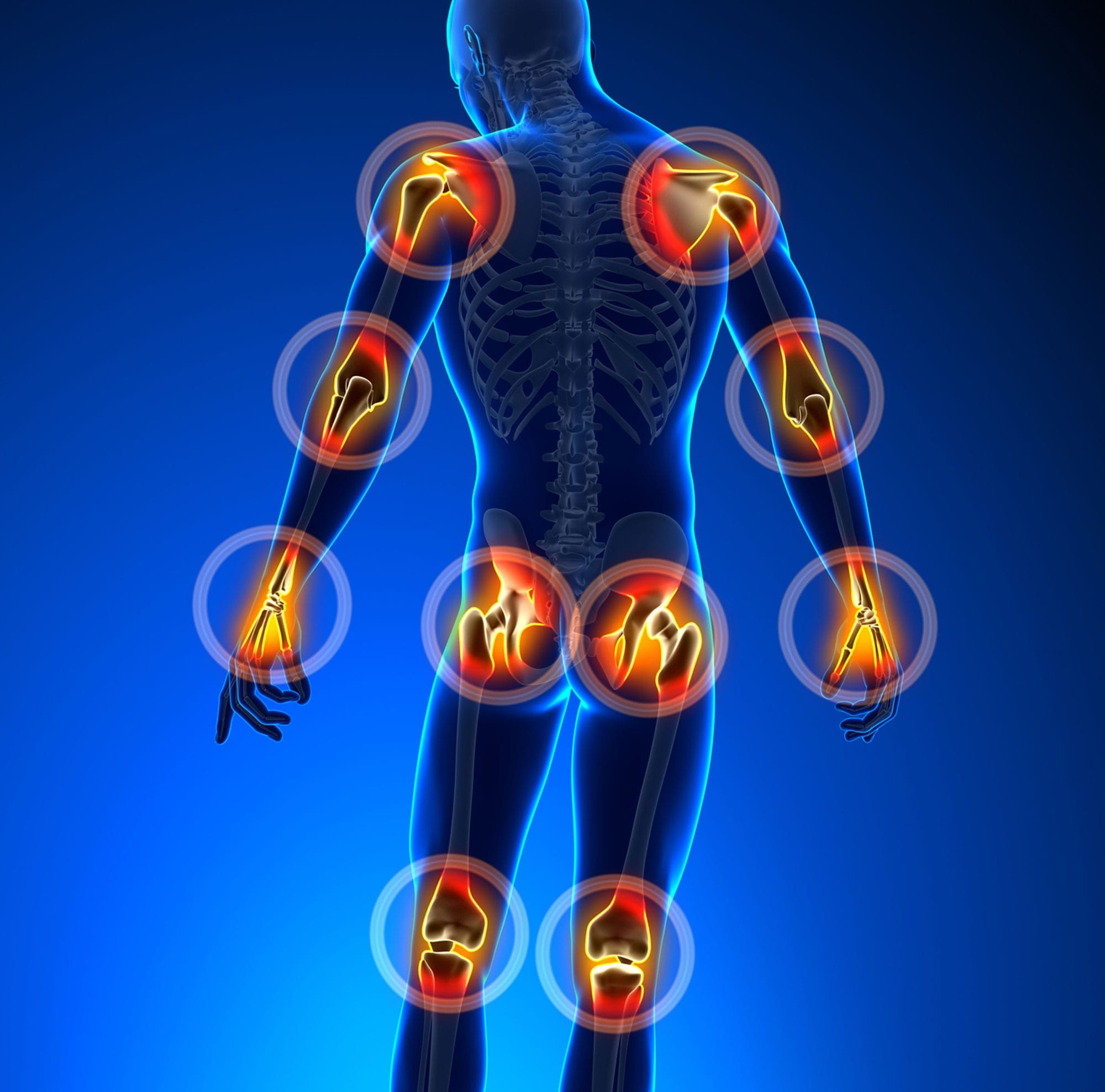
Do you feel localized or referred pain in your joints that causes you to rest for an extended period? Do general morning aches and pains get better throughout the day? Or do you notice that you are losing your grip occasionally? Many of these scenarios are correlated with joint pain. The joints are part of the musculoskeletal system, and their primary job is to provide movement to the upper and lower extremities without pain. However, when the human body ages, the joints also gradually age. When the joints start to lose their cartilage, environmental factors can cause pain-like symptoms like inflammation to affect the joints, thus causing pain, stiffness, and inflammation. Additionally, it can also lead to joint disorders in the body. While inflammation helps heal the affected area in the body, it is beneficial for the natural healing process; however, when inflammation is chronic, it can do more harm than good.
This is because the immune cells are involved in neuroimmune interplay, which plays a key role in generating and maintaining pain in diseases with an inflammatory component. (Vasconcelos et al., 2022) Additionally, when environmental factors start to affect the joints, the inflammatory effects can cause peripheral nerve damage, and that can cause structural damage to the joints, leading to altered gait and abnormal loading patterns through movement. (McDougall & Reid, 2022) When individuals experience inflammatory effects that affect their joints, many will try to find ways to reduce the pain-like effects in their joints.
Fighting Inflammation Naturally-Video
What Is Turmeric?
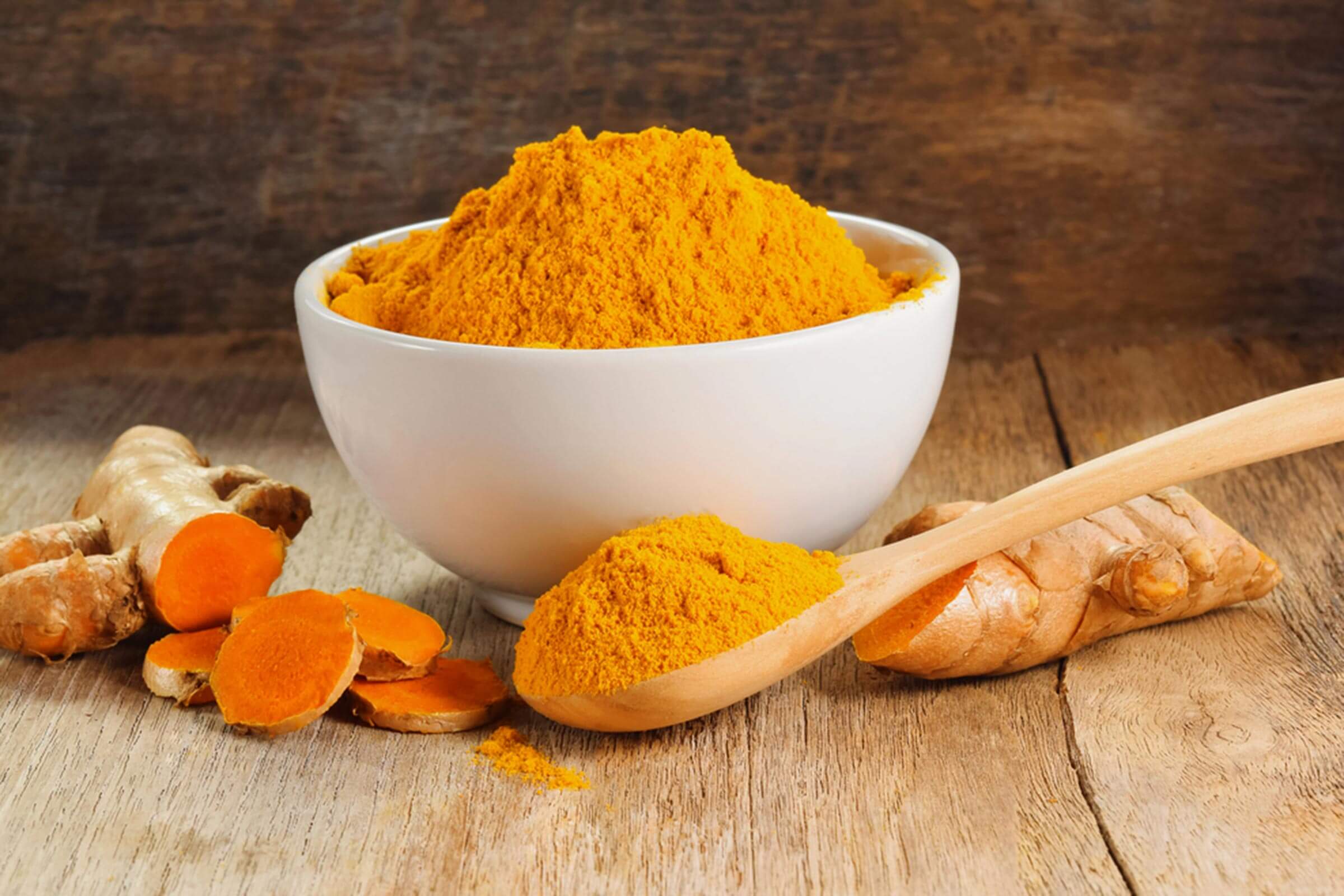
Many individuals dealing with pain and inflammation in their joints will seek out therapeutic options to restore joint health. Many people can incorporate anti-inflammatory supplements and treatments to reduce joint inflammation. Turmeric is one of the anti-inflammatory supplements found in India and Southern Asia; anti-inflammatory components can help treat a wide variety of conditions and general health and wellness. (“Turmeric,” 2012) Turmeric is also a functional food due to its health-promoting properties that can help decrease inflammatory cytokines and reduce joint pain, which can help improve joint mobility. (Kepinska-Pacelik & Biel, 2023)
Turmeric’s Beneficial Properties For The Joints
Now, when it comes to the beneficial properties of turmeric for joint pain, many people can take turmeric in supplement form and, over time, will begin to notice less pain in their joints. This is because the main purpose of incorporating turmeric as part of a therapeutic routine is to relieve pain, delay joint degeneration progression, and restore joint function. (Zeng et al., 2021) Additionally, turmeric can help control inflammation and improve joint health since it can have a positive effect or equivalency of anti-inflammatory medication for individuals wanting to reduce joint pain’s life effects. (Panknin et al., 2023) When people want to think about their well-being and joint health, taking turmeric supplements or incorporating them in dishes can be a stepping stone to improving joint function. At the same time, incorporating strength training exercises into the surrounding muscles can help with joint improvement, and non-surgical treatments like chiropractic care can help reduce the inflammatory effects of degenerating the joints. This, in turn, can help people live pain-free lives, giving them a sense of control over their well-being.
References
Kepinska-Pacelik, J., & Biel, W. (2023). Turmeric and Curcumin-Health-Promoting Properties in Humans versus Dogs. Int J Mol Sci, 24(19). https://doi.org/10.3390/ijms241914561
McDougall, J. J., & Reid, A. R. (2022). Joint Damage and Neuropathic Pain in Rats Treated With Lysophosphatidic Acid. Front Immunol, 13, 811402. https://doi.org/10.3389/fimmu.2022.811402
Panknin, T. M., Howe, C. L., Hauer, M., Bucchireddigari, B., Rossi, A. M., & Funk, J. L. (2023). Curcumin Supplementation and Human Disease: A Scoping Review of Clinical Trials. Int J Mol Sci, 24(5). https://doi.org/10.3390/ijms24054476
Vasconcelos, D. P., Jabangwe, C., Lamghari, M., & Alves, C. J. (2022). The Neuroimmune Interplay in Joint Pain: The Role of Macrophages. Front Immunol, 13, 812962. https://doi.org/10.3389/fimmu.2022.812962
Zeng, L., Yu, G., Hao, W., Yang, K., & Chen, H. (2021). The efficacy and safety of Curcuma longa extract and curcumin supplements on osteoarthritis: a systematic review and meta-analysis. Biosci Rep, 41(6). https://doi.org/10.1042/BSR20210817
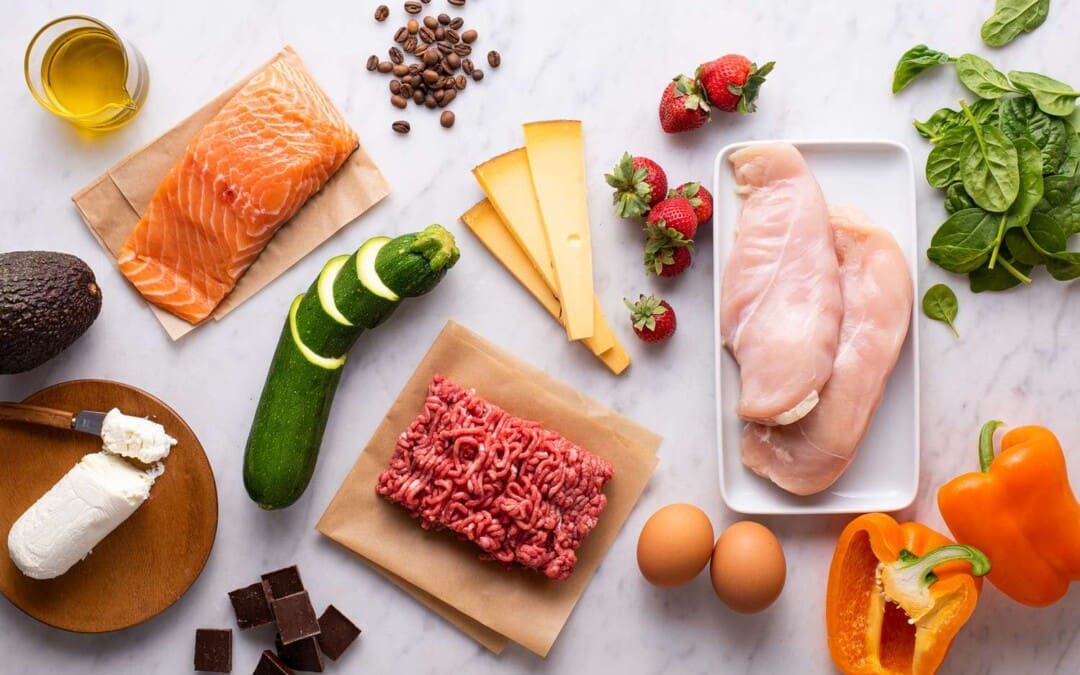
Can individuals dealing with pain and inflammation in their bodies can incorporate a ketogenic diet and have beneficial results?
Introduction
When it comes to a person’s health and wellness journey, many people often wonder where to start making changes in their bodies. Many people begin exercising not only to reduce stress levels in the musculoskeletal system but also to help clear their minds. This is a great cause, as any form of physical activity can help reduce muscle fatigue and weakness and strengthen the extremities and quadrants in the musculoskeletal system. However, even though exercising is part of the health and wellness journey, another component plays a crucial part in the health and wellness journey: eating nutritional foods and dieting. Now, dieting can be scary for some newcomers who are just entering their health and wellness journey, but when people start making small changes to their eating habits, like incorporating more vegetables and fruits in their meals, making more meals at home, and doing portion control to eat enough till they are full can provide beneficial results. These small changes can empower individuals to take control of their health and wellness journey. Dieting and changing eating habits can give useful results for people dealing with chronic issues correlated with environmental factors. In today’s article, we will look at a particular diet known as the ketogenic diet, its beneficial properties, and how to incorporate it to reduce chronic conditions affecting the body. We talk with certified associated medical providers who provide our patients’ information to assess how incorporating the ketogenic diet can help reduce chronic conditions. We also inform patients while asking their associated medical provider intricate questions to formulate customized treatment plans to help with chronic conditions by incorporating the ketogenic diet along with physical activities. Dr. Alex Jimenez, D.C., includes this information as an academic service. Disclaimer.
What Is the Ketogenic Diet?
Do you often feel extremely thirsty throughout the day, and do you chug at least a couple of gallons of water daily? Do you feel heat or see redness in various locations around your body that seem tender when touched? Or do your joints become stiff in the mornings when you wake up and feel better throughout the entire day? Often, people have a love-hate relationship with food. However, it all depends on what the person is eating and what environmental factors correlate with their food. So, when a person has chronic conditions that cause pain and inflammation in their joints, muscles, and organs, the negative side effects are that the food they consume can induce the inflammatory effects. In contrast, the positive impact of food can help individuals dampen the pain and inflammation in the body. (Fifi & Holton, 2020) Many individuals dealing with inflammation and pain in their bodies can incorporate a ketogenic diet to reduce the inflammatory effects.
Now, what is the ketogenic diet? The ketogenic diet is where carbohydrates are low, and various levels of lean proteins and healthy fats induce ketosis. (McGaugh & Barthel, 2022) This, in turn, helps with alternating the metabolic pathways to induce weight loss, improve health conditions like lipid profile improvements, and reduce hyperglycemia. When environmental factors like obesity, sedentary lifestyles, or physical inactivity can cause chronic issues like lipedema, the body will cause overlapping risk profiles to induce inflammation. When the body is dealing with lipedema, it can cause the body to be in a constant inflammatory state that induces cell damage and cell death through apoptosis. Hence, when a person is going to do a ketogenic diet, it can help reduce the inflammatory effects while alleviating pain symptoms. (Verde et al., 2023)
Eating Right To Feel Better-Video
The Beneficial Properties Of A Ketogenic Diet
One of the beneficial properties that a person can take with a ketogenic diet is that it can help reduce cardiovascular diseases with its anti-inflammatory properties. Since a ketogenic diet helps place the body in a state of nutritional ketosis, incorporating omega-3 fatty acids can help the body exert systemic anti-inflammatory effects and begin healing. (Dynka et al., 2023) At the same time, the ketogenic diet can help individuals who are suffering from chronic conditions like epilepsy, diabetes, or obesity to not only induce weight loss but also help improve body composition. (Sjodin et al., 2020) This is because when individuals get a customized treatment plan incorporating the ketogenic diet, it must include physical activities that help strengthen muscles in the body’s quadrants. In contrast, the ketogenic diet helps slow down muscle glycogen depletion. Additionally, the ketogenic diet is beneficial by:
Reducing glucose levels so individuals with diabetes don’t need insulin.
When it comes to the ketogenic diet, many individuals have dealt with chronic conditions like epilepsy, diabetes, or cardiovascular conditions. Understand that incorporating a healthy diet filled with healthy fats, lean protein, plenty of fruits and vegetables, and physical activity can benefit many individuals in the long run. The ketogenic diet can help the liver by producing more ketone bodies to help with the production of ATPs and reduce ROS (reactive oxygen species); this, in turn, helps improve a person’s quality of life. (Abboud et al., 2021) Informing individuals who are dealing with chronic conditions that they must make small changes to their routines. This can be incorporated into their customized treatment plan and help reduce the pain-like effects from the person’s chronic conditions correlating to the inflammatory effects. The ketogenic diet can be a stepping stone to a person’s health and wellness and help them be motivated to see positive results.
References
Abboud, M., AlAnouti, F., Georgaki, E., & Papandreou, D. (2021). Effect of Ketogenic Diet on Quality of Life in Adults with Chronic Disease: A Systematic Review of Randomized Controlled Trials. Nutrients, 13(12). https://doi.org/10.3390/nu13124463
Dowis, K., & Banga, S. (2021). The Potential Health Benefits of the Ketogenic Diet: A Narrative Review. Nutrients, 13(5), 1654. https://doi.org/10.3390/nu13051654
Dynka, D., Kowalcze, K., Charuta, A., & Paziewska, A. (2023). The Ketogenic Diet and Cardiovascular Diseases. Nutrients, 15(15). https://doi.org/10.3390/nu15153368
Sjodin, A., Hellstrom, F., Sehlstedt, E., Svensson, M., & Buren, J. (2020). Effects of a Ketogenic Diet on Muscle Fatigue in Healthy, Young, Normal-Weight Women: A Randomized Controlled Feeding Trial. Nutrients, 12(4). https://doi.org/10.3390/nu12040955
Verde, L., Camajani, E., Annunziata, G., Sojat, A., Marina, L. V., Colao, A., Caprio, M., Muscogiuri, G., & Barrea, L. (2023). Ketogenic Diet: A Nutritional Therapeutic Tool for Lipedema? Curr Obes Rep, 12(4), 529-543. https://doi.org/10.1007/s13679-023-00536-x
For individuals, does knowing about food condiments nutritional values help with overall health?
Food Condiments
Condiment options go beyond the standard mayonnaise, ketchup, and mustard. Today there are various options to use as toppers, to marinate, tenderize, increase flavor, and add an appeal to the dish. Most condiments don’t provide much nutrition, but some do contain healthy ingredients like herbs, spices, heart-healthy fats, and antioxidants.
Healthy
The food condiments that are made the healthiest are those that are low in calories and unhealthy fat and they are made with less or no processed additives and quality ingredients that provide health benefits.
Pico de Gallo
This is a low-calorie, low-fat, nutrient-dense salsa that can zest up any meal.
It is made with tomatoes, onions, jalapeños, and lime.
Easily make your own to control sodium levels.
Top salads, vegetables, or protein with the salsa to add flavor.
Use as a dip for fresh raw vegetables as a snack.
Mustard
Mustard is a very low-calorie – 5 calories in 1 teaspoon, low-carbohydrate, and fat-free condiment that can increase the flavor of food by adding a sweet, sour, or spicy kick.
Most traditional mustards – yellow and spicy – are made with mustard seed, distilled vinegar, garlic powder, onion powder, salt, spices, and turmeric.
This means that mustard contains little or insignificant calories, fat, protein, and carbohydrate in one serving.
Studies have shown that turmeric can provide health benefits from a compound called curcumin.
Preclinical studies suggest that curcumin can act as an antioxidant and has anti-inflammatory, anticancer, and neuroprotective properties. (Abrahams S, et al., 2019)
Flavored mustards, like honey flavor, can contain added sugars, therefore, it is recommended to read the label before eating.
Balsamic, red or white wine or apple cider vinegar can be used on side dishes, salads, sandwiches, and to marinate.
This condiment ranges from 0 calories to 10 calories per tablespoon and contains no sodium.
Studies have shown that apple cider vinegar can reduce fasting blood sugar in individuals at risk for type 2 diabetes. (Johnston CS, Quagliano S, White S. 2013)
Hot Sauce
Hot sauce is made from red chili peppers.
Top eggs, vegetables, or whole grains with a few dashes.
Studies suggest that adding spice can help satisfy hunger, help curb appetite and possibly speed up metabolism. (Emily Siebert, et al., 2022)
Read labels as sauces can contain added sugars.
Ketchup
Because of its carbohydrate and sugar content, ketchup is a condiment that needs to be portion-controlled, especially for individuals with diabetes who are following a modified nutritional plan.
Although much of the fat is unsaturated/healthy type, it can be hard to portion control this food condiment, which can result in excess calorie intake.
Barbecue Sauce
Barbecue sauce is moderate in calories, around 60 in two tablespoons, but it can contain a large amount of sodium and sugar.
Most brands can contain 10 to 13 grams of sugar/equivalent to 3 teaspoons and 280 to 350 milligrams of sodium.
The recommended serving size is two tablespoons.
Individuals trying to watch calorie and sugar intake are recommended to stick to one serving.
Sour Cream
Sour cream contains 60 calories and 6 grams of fat in two tablespoons.
Regularly consuming saturated fat has been linked with heart disease, high cholesterol, and diabetes.
A healthy substitute for sour cream can be a tablespoon or two of low-fat or non-fat plain Greek yogurt.
Regardless of the healthy or non-healthy food condiments, it is recommended not to drown the food in them and stick to the recommended serving sizes.
Benefits of Healthy Diet and Chiropractic Care
References
Abrahams, S., Haylett, W. L., Johnson, G., Carr, J. A., & Bardien, S. (2019). Antioxidant effects of curcumin in models of neurodegeneration, aging, oxidative and nitrosative stress: A review. Neuroscience, 406, 1–21. https://doi.org/10.1016/j.neuroscience.2019.02.020
Spicy brown mustard. FoodData Central. U.S. Department of Agriculture.
Johnston CS, Quagliano S, White S. Vinegar ingestion at mealtime reduced fasting blood glucose concentrations in healthy adults at risk for type 2 diabetes. J Funct Foods. 2013;5(4):2007-2011. doi:10.1016/j.jff.2013.08.003
Siebert, E., Lee, S. Y., & Prescott, M. P. (2022). Chili pepper preference development and its impact on dietary intake: A narrative review. Frontiers in nutrition, 9, 1039207. https://doi.org/10.3389/fnut.2022.1039207
Ketchup. FoodData Central. U.S. Department of Agriculture.
Caesar dressing. FoodData Central. U.S. Department of Agriculture.
Vinaigrette. FoodData Central. U.S. Department of Agriculture.
Mayonnaise. FoodData Central. U.S. Department of Agriculture.
Sour cream, regular. FoodData Central. U.S. Department of Agriculture.
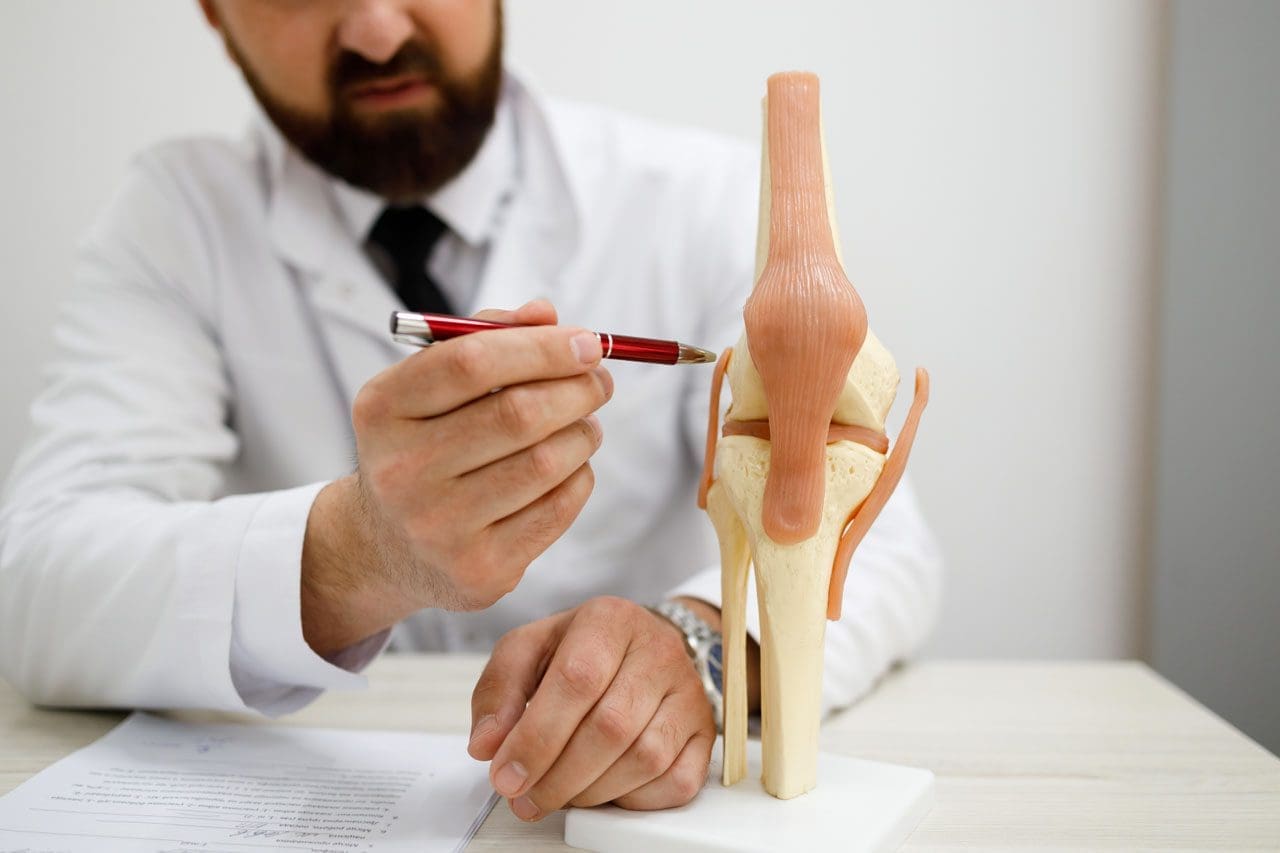
A nerve becomes pinched/compressed when added pressure is placed on it by surrounding structures that can include muscles, bones, ligaments, tendons, or a combination. This injures and damages the nerve causing function problems and symptoms and sensations in that area or other parts of the body that are supplied by that nerve. Medical practitioners refer to this as nerve compression or entrapment. Although compressed nerves are more commonly associated with the neck, arms, hands, elbows, and lower back, any nerve in the body can experience irritation, spasms, inflammation, and compression. The causes and treatment of a compressed nerve in the knee.
Compressed Nerve In The Knee
There’s only one nerve that goes through the knee that has an increased risk of getting compressed. It’s a branch of the sciatic nerve called the peroneal nerve. The nerve goes around the outside of the knee before traveling down the outside of the lower leg. At the bottom of the knee, it lies between the bone and skin, making it vulnerable to irritation or compression by anything that can put pressure on the outside of the knee.
Causes
Traumatic injuries over time can lead to pressure on the nerve from inside the knee. Common causes of a compressed nerve in the knee include:
Frequently Crossing Legs
Compression by the opposite knee, while the legs are crossed is the most common cause.
Knee Brace
A too-tight or strong brace can compress the leg and nerve.
Thigh-High Compression Stockings
Designed to maintain pressure on the legs, if too tight these stockings can compress the nerve.
Squatting Posture For Long Periods
This position places pressure on the side of the knee.
Fractures
A fracture of the large lower leg bone/tibia or sometimes the small bone/fibula near the knee can entrap the nerve.
Lower Leg Cast
The portion of the cast around the knee can be tight and compress the nerve.
Tell the doctor if a cast or brace feels tight or is causing numbness or pain in the leg.
Knee-High Boots
The top of a boot can land right below the knee and be too tight pinching the nerve.
Knee Ligament Injury
The nerve can become compressed due to bleeding or inflammation from an injured ligament.
Knee Surgery Complications
This is rare, but the nerve can inadvertently get pinched during knee replacement surgery or an arthroscopic procedure.
Prolonged Bed Rest
When lying down the legs tend to rotate outward and the knees flex.
In this position, the mattress can place pressure on the nerve.
Tumors or Cysts
Tumors or cysts can develop right on top or next to a nerve irritating and compressing the area.
Abdominal or Gynecologic Surgery
The equipment used to keep the legs rotated outward and the knees flexed for gynecologic and abdominal surgeries can compress the nerve.
Symptoms
The peroneal nerve supplies sensation and movement to the outside of the lower leg and the top of the foot. When compressed, it becomes inflamed, which causes the symptoms of a compressed nerve. Usually, only the lining/myelin sheath around the nerve is what gets injured. However, when the nerve gets damaged, the symptoms are similar but more severe. Common symptoms include:
Weakness that limits the ability to lift the foot toward the leg aka dorsiflexion.
This causes dragging the foot when walking.
The ability to turn the foot outward and extend the big toe is also affected.
Symptoms can be felt on the outside of the lower leg and on the top of the foot and include:
Tingling or pins and needles sensations.
Numbness.
Loss of sensation.
Pain.
Burning.
For individuals that have had a pinched nerve for two or more weeks, the muscles supplied by the nerve can begin to waste away or atrophy.
Symptoms can be intermittent or continuous depending on the cause.
The other common cause is a pinched nerve in the lumbar/lower spine.
When this is the cause, sensations, and pain will present in the lower back or the back and outside of the thigh.
Diagnosis
A doctor will look at medical history and perform an examination to make a diagnosis, determine the cause, and lay out a personalized treatment plan. The nerve in the knee can be felt as it travels around the top of the tibia, so a doctor may tap on it. If there is shooting pain down the leg, a pinched nerve may be present. Tests a doctor may order can include:
Knee X-ray
Shows any bone fractures or abnormal masses.
Knee MRI
Can confirm the diagnosis
Shows masses within the nerve.
Shows details of fractures or other problems in the bones.
Electromyogram – EMG
Tests electrical activity in the muscles.
Nerve Conduction Test
Tests the signal speed of the nerve.
Treatment
Treatment is aimed at reducing pain and improving mobility.
Over-the-Counter Pain Medication
OTC medication can reduce inflammation and improve symptoms short term.
Ice and Heat
Applying either heat or ice for 15 to 20 minutes at a time can provide relief from the symptoms.
An ice pack can make symptoms worse if it adds more pressure on the nerve.
Chiropractic and Physical Therapy
Chiropractic and physical therapy can release the compressed nerve, realign the structures, strengthen the muscles, and provide gait training.
Orthotic Boot
If walking gait is affected because the foot cannot bend, an orthotic boot can help.
This is a support that maintains the foot in a neutral position to walk normally.
Corticosteroid Injection
A corticosteroid injection can reduce inflammation and relieve pressure on the nerve.
Surgery
The nerve can suffer permanent damage if it has been pinched for a long time.
If that happens, surgery cannot repair the damage.
A doctor can perform surgery to correct a fracture, tumor, or other invasive problem causing a compressed nerve.
If conservative treatment doesn’t work, a peroneal nerve decompression procedure can be done to remove the pressure.
If surgery is needed, symptoms can disappear immediately, but it takes around four months to recover and rehabilitate.
Injury Rehabilitation
References
Krych, Aaron J et al. “Is peroneal nerve injury associated with worse function after knee dislocation?.” Clinical orthopedics and related research vol. 472,9 (2014): 2630-6. doi:10.1007/s11999-014-3542-9
Lezak B, Massel DH, Varacallo M. Peroneal Nerve Injury. [Updated 2022 Nov 14]. In: StatPearls [Internet]. Treasure Island (FL): StatPearls Publishing; 2023 Jan-. Available from: https://www.ncbi.nlm.nih.gov/books/NBK549859/
Soltani Mohammadi, Sussan, et al. “Comparing the squatting position and traditional sitting position for ease of spinal needle placement: a randomized clinical trial.” Anesthesiology and pain medicine vol. 4,2 e13969. 5 Apr. 2014, doi:10.5812/aapm.13969
Stanitski, C L. “Rehabilitation following knee injury.” Clinics in sports medicine vol. 4,3 (1985): 495-511.
Xu, Lin, et al. Zhongguo gu Shang = China Journal of Orthopedics and Traumatology vol. 33,11 (2020): 1071-5. doi:10.12200/j.issn.1003-0034.2020.11.017
Yacub, Jennifer N et al. “Nerve injury in patients after hip and knee arthroplasties and knee arthroscopy.” American Journal of physical medicine & Rehabilitation vol. 88,8 (2009): 635-41; quiz 642-4, 691. doi:10.1097/PHM.0b013e3181ae0c9d
The human body is about 60% to 75% water. Adequate hydration is necessary to flush toxins from the body, is essential for cognition, prevents dehydration, and provides energy. It can reduce headache onset and aid in weight management. With the summer heat kicking in, it is imperative to replenish the body’s systems from lost sources with water, other rehydrating beverages, and fruits and vegetables. It can be difficult for individuals to drink enough water, making it feel like a chore. Drinking lime water by adding a slice of lime or lime juice can add flavor with beneficial properties for everyday health, nutritional properties, and only a trace amount of sugar.
Lime Water
Citrus fruits offer anti-oxidative and anti-inflammatory effects and can help protect the cardiovascular system. Limes can provide a sour boost and a refreshing twist to a cold glass of water.
Lime Nutrition
Limes provide an excellent source of antioxidants that protect the body by preventing or stopping cell damage caused by free radicals or chemicals. Limes contain:
Calcium
Potassium
Magnesium
Vitamins A, B, C, and D
Digestion and Gut Health
Drinking lime water improves digestion.
The acidic nature of limes causes salivation, which is good for breaking down food for better digestion.
Flavonoids in limes stimulate the secretion of digestive juices to regulate different gut physiology in the gastrointestinal tract. They also stimulate the secretion of:
Gut hormones
Digestive juices
Gut microbiota
These play an important role in immune function to fight the growth of certain harmful bacteria that can lead to infection.
The acidity of limes can clear the excretory system and stimulate bowel activity for individuals experiencing constipation.
For individuals with frequent heartburn or acid reflux, drinking a glass of warm water with two teaspoons of lime juice 30 minutes before meals can help prevent reflux symptoms.
Fight Infections
The body’s risk of infection is higher during cold and flu season.
Vitamin C and antioxidants can strengthen the immune system to help the body fight off infections like the cold and flu virus.
Individuals who take vitamin C regularly may see milder symptoms and shorten the duration of a cold.
Improve Cardiovascular Health
Limes are a good source of magnesium and potassium for heart health.
Potassium can naturally lower blood pressure and improve blood circulation, which reduces the risk of a heart attack and stroke.
Research is ongoing on lime compounds called limonins that could help reduce cholesterol levels.
Lower Blood Sugar
Limes can be helpful for individuals with diabetes.
Limes have a low glycemic index.
They help regulate how the body absorbs sugar into the blood.
As a result, individuals may experience fewer spikes.
Reduce Inflammation
Arthritis, gout, and other joint problems are caused by inflammation.
Vitamin C can reduce inflammation to help relieve symptoms of arthritis and similar conditions that cause joint pain and stiffness.
To start the day and increase metabolism, drink a glass of lime water in the morning or have the juice of a lime wedge before meals.
Nutrition Fundamentals
References
Bucher A, White N. Vitamin C in the prevention and treatment of the common cold. Am J Lifestyle Med. 2016;10(3):181-183. doi:10.1177/1559827616629092
Fan, Shunming et al. “Limonin: A Review of Its Pharmacology, Toxicity, and Pharmacokinetics.” Molecules (Basel, Switzerland) vol. 24,20 3679. 12 Oct. 2019, doi:10.3390/molecules24203679
Iorgulescu, Gabriela. “Saliva between normal and pathological. Important factors in determining systemic and oral health.” Journal of Medicine and Life vol. 2,3 (2009): 303-7.
Oteiza PI, Fraga CG, Mills DA, Taft DH. Flavonoids and the gastrointestinal tract: Local and systemic effects. Mol Aspects Med. 2018;61:41-49. doi:10.1016/j.mam.2018.01.001
Panche, A N et al. “Flavonoids: an overview.” Journal of nutritional science vol. 5 e47. 29 Dec. 2016, doi:10.1017/jns.2016.41
Pattison, D J et al. “Vitamin C and the risk of developing inflammatory polyarthritis: a prospective nested case-control study.” Annals of the rheumatic diseases vol. 63,7 (2004): 843-7. doi:10.1136/ard.2003.016097
Peyrot des Gachons, Catherine, and Paul A S Breslin. “Salivary Amylase: Digestion and Metabolic Syndrome.” Current diabetes reports vol. 16,10 (2016): 102. doi:10.1007/s11892-016-0794-7
IFM's Find A Practitioner tool is the largest referral network in Functional Medicine, created to help patients locate Functional Medicine practitioners anywhere in the world. IFM Certified Practitioners are listed first in the search results, given their extensive education in Functional Medicine