Find out how bromelain can be a natural solution for reducing inflammation and promoting recovery from pain.
How Bromelain Fights Inflammation: Natural Benefits, Chiropractic Support, and Wellness Tips for Everyday Health
Hey folks! Imagine your body as a bustling city where inflammation acts like traffic cops directing chaos after a fender-bender – necessary at first, but a nightmare if it gridlocks everything. Now, picture a natural ally straight from the pineapple patch: bromelain, zapping that swelling like a tropical traffic clearer. In this in-depth guide (clocking in over 5,000 words of easy-to-digest info), we’ll unpack bromelain’s powerhouse role in taming inflammation, backed by solid science with a sprinkle of laughs to keep it fun. We’ll cover inflammation’s good and bad sides, environmental triggers, and how combining natural remedies with hands-on care like chiropractic adjustments can help dial down chronic risks. Drawing from experts in integrated health, we’ll spotlight practical tweaks for better living, especially for those dealing with pain or injuries in active communities like El Paso. No superhero cape needed – just smart, natural strategies to feel your best!
Let’s break it down simply, at a level anyone can grab onto. If inflammation feels like your body’s overeager alarm clock, bromelain might just be the snooze button you’ve been missing. Ready to dive in?
What Is Inflammation and Its Role in a Healthy Body?
Let’s kick off with the fundamentals. Inflammation is your body’s natural defense squad – like firefighters rushing to douse a blaze before it spreads. When you scrape your knee or battle a virus, your immune system deploys cells, chemicals, and fluids to isolate the threat, leading to those classic signs: redness, swelling, warmth, and ouch-factor pain (Cleveland Clinic, n.d.). In a well-tuned body, this process is a hero: it neutralizes invaders, clears out damaged bits, and paves the way for repair, all while maintaining balance or what pros call homeostasis (Yale Medicine, 2020).
Visualize this: You strain a muscle hiking. Inflammation swoops in, boosting blood flow with healing goodies to mend the tear. Without it, injuries could linger like unwanted houseguests, and infections might run wild. It’s crucial for immune regulation, helping you shrug off daily germs, and even signals muscle growth post-workout – your body’s subtle nudge to “level up!” (Vanderbilt Medicine, 2015). But when it overstays, it links to heavier hitters like cardiovascular woes or metabolic issues (Yale Medicine, 2022). Bottom line: Inflammation is your internal watchdog – vigilant and vital, but best kept in check.
Quick chuckle: Why does inflammation cause puffiness? It’s your body inflating like a balloon animal to trap the bad stuff – party trick gone wrong if it doesn’t deflate!
Acute vs. Chronic Inflammation: Spotting the Difference
Time to differentiate the duo: acute and chronic inflammation. Acute is the rapid responder – think elite rescue team handling a crisis swiftly, lasting mere hours or days before bowing out (Harvard Health, 2020). Example? A splinter: quick redness and throb, then poof, healed. It’s protective, ramping up blood supply and immune troops for speedy recovery.
Chronic inflammation? That’s the lingering lurker, simmering low-key for months or years, often silently eroding tissues (Cleveland Clinic, n.d.). Triggers include autoimmune mix-ups, persistent irritants, or unchecked acute episodes, potentially fueling ailments like joint woes or even tumors (NCBI, 2023).
Core contrasts: Acute is brief, beneficial, and resolves; chronic is prolonged, problematic, and pervasive. Acute aids repair via enhanced circulation and cell cleanup (Physiopedia, n.d.). Chronic drains energy, sparking ongoing discomfort and elevated disease odds (Encompass Health, 2021). Laugh break: Acute inflammation is a flash mob – exciting and gone fast. Chronic? More like a never-ending Zoom call, wearing everyone out!
Grasping this helps tailor fixes: Ice for acute flare-ups, holistic shifts for chronic battles.
Your surroundings aren’t passive – they’re inflammation influencers. Elements like smog, eats, tension, and habitat can spike levels (Nature Medicine, 2019). Air pollution sneaks in toxins, sparking body-wide stress and swelling (The University of Queensland, n.d.). It’s akin to inhaling mini agitators that stir your defenses.
Food choices matter big: Sugary, processed bites fan flames, while veggie-packed antioxidants douse them (PMC, 2019). Toxins from pesticides or metals mess with gut barriers, leaking inflammation systemically (ScienceDirect, 2013). Stress pumps cortisol, which chronically amps inflammation (Northwestern University, 2017).
More culprits: Smoking irks tissues, extra weight releases inflammatory signals from fat, and childhood exposures prime adult risks (PMC, 2019). In gut disorders like Crohn’s, enviro factors tweak permeability and microbes, heightening odds (CGH Journal, 2024). Giggle moment: Urban pollution? Your body’s throwing an uninvited inflammation bash – time to crash it with cleaner habits!
Counter with tweaks like fresh air filters or balanced plates – insights ahead from integrated care pros.
Meet Bromelain: Your Pineapple-Powered Ally Against Inflammation
Bromelain – not a sci-fi baddie, but an enzyme squad from pineapple cores and sap, long hailed in traditional remedies and now science-vetted for swelling showdowns (PubMed, 2022). It’s nature’s gentle warrior, slicing through proteins, easing puffiness, and fine-tuning immunity.
It shines in easing arthritis aches or surgery swells, often with fewer side hits than pills (PubMed, 2023). Fun tidbit: Nibbling pineapple helps, but caps deliver the knockout dose – though don’t count on fruit salad alone for that marathon recovery!
Clinical Reasons Bromelain Tackles Inflammation
Science breakdown: Bromelain curbs inflammation by blocking flare-up messengers like prostaglandins and cytokines, dialing down swell and hurt (Hikisz & Bernasinska-Slomczewska, 2021). It amps clot-busting, boosting flow to clear junk (PubMed, 2024).
In clinics, it shrinks fluid-trapping proteins for less edema, hastening fixes in sinus clogs or bruises (PubMed, 2023). For long-haul inflammation, it reins in immune overdrives (PubMed, 2024). Why it works? Targets origins naturally, safely – a step up from symptom-masking meds.
Snicker: Bromelain’s your chill pal bringing calm (and maybe piña coladas) to inflammation’s storm.
Mechanics deep-dive: Shuts off NF-kB inflammation triggers, ups protective enzymes. Helps disc issues by soothing responses (PubMed, 2018). Mirrors curcumin for workout woes, but with fruity flair (PubMed, 2020).
Fernández-Lázaro, D., et al. (2020). *Modulation of exercise-induced muscle damage, inflammation, and oxidative markers by curcumin supplementation*. https://pubmed.ncbi.nlm.nih.gov/32075287/
Bromelain’s Beneficial Traits and Body Boosts
Pulling from core research (Hikisz & Bernasinska-Slomczewska, 2021), bromelain’s protein-digesting, swell-reducing, and clot-preventing powers shine. It clears inflammatory clutter, smooths digestion, and ups nutrient uptake.
Perks: Eases joint pain, quickens wounds, thins mucus for clearer sinuses. Potential cancer fighter by targeting bad cells. Body-wide: Strengthens defenses, heart health via pressure drops, asthma relief through airway calm.
Aid mechanism: Balances cytokines for immune harmony, curbing chronic creeps. Gut-soother for IBS. Chuckle: Pineapple’s bromelain says, “Digest this – and ditch the bloat!”
Extras: Fights oxidative hits tied to inflammation (PubMed, 2016). Cuts post-gym aches akin to curcumin (PubMed, 2019).
Tan, Y. Q., & Zhang, J. (2019). *Effect of curcumin supplementation on exercise-induced oxidative stress, inflammation, muscle damage, and muscle soreness*. https://pubmed.ncbi.nlm.nih.gov/31025894/
Chiropractic Care Combined with Non-Surgical Approaches for Chronic Inflammation
Chiropractic isn’t mere snaps – it’s a non-invasive champ for curbing chronic inflammation overlaps. Adjustments realign spines, ease nerve pinches, and enhance flow to tame swells (Cleveland Clinic, n.d.). Paired with massage, nutrition, or acupuncture, it hits shared risks like stiffness, stress, and pain cycles.
Mechanism: Corrects misalignments to lower body-wide inflammation, aiding arthritis or spinal strains (Western Reserve Hospital, n.d.). Add-ons like diet tweaks and rehab foster drug-free healing (Driver Chiropractic, 2025).
In rheumatoid cases, exercise-integrated plans moderate inflammation (PubMed, 2022). Eases trigger points for lasting relief (PubMed, 2015). Humor: Chiropractors? Body tuners keeping inflammation from hitting sour notes!
Clinics blending these, like those in El Paso focusing on back health, offer tailored protocols for local active lifestyles, integrating functional assessments to address inflammation roots.
Sgreccia, E., et al. (2022). *The effect of exercise on patients with rheumatoid arthritis on the modulation of inflammation*. https://pubmed.ncbi.nlm.nih.gov/34874837/
Insights from Dr. Alexander Jimenez on Inflammation Management
In El Paso, practitioners like Dr. Alexander Jimenez, DC, APRN, FNP-BC, fuse chiropractic with functional medicine to combat inflammation (El Paso Back Clinic, n.d.). His take: Target origins like alignments and nutrition to shrink chronic threats.
Routine nudges: Fold in anti-inflammatory eats, steady motion, and calm techniques. Agility drills build toughness (El Paso Back Clinic, n.d.). Tools like Living Matrix craft custom paths.
Laugh: Dr. Jimenez plays inflammation sleuth – cracking cases with adjustments, no deerstalker hat required!
Clients report enhanced rest, reduced aches, and vigor via his whole-body strategy, ideal for bustling areas like El Paso.
Handling Personal Injury in El Paso: Expert Care Spotlight
El Paso sees its share of mishaps from commutes or sports, where specialized care shines for recovery (El Paso Back Clinic, n.d.). Pros like Dr. Jimenez link traumas to cutting-edge scans, diagnostics, and scoped views for precise mapping.
He bridges health services and legal needs, delivering solid records for cases. With decades in, he handles whiplash to sciatica via gentle rehab (El Paso Back Clinic, n.d.).
Giggle: Injuries sting, but expert care flips the script from “ouch” to “onward” like a pro upgrade!
Clinics here emphasize non-invasive paths, coordinating with teams for full-circle support in personal injury scenarios.
Everyday Tweaks: Clinical Wisdom for Inflammation Control
Dr. Jimenez advises: Weave bromelain sources like pineapple or supps into meals. Add walks to curb flames; mindfulness for stress (El Paso Back Clinic, n.d.). Build strength, stay hydrated.
Monitor with evals; dodge pollutants. These stack to trim risks, fostering wellness (El Paso Back Clinic, n.d.).
Humor: Tiny shifts? Like ditching junk for greens – your insides high-five without the inflammation hangover!
Wrapping this deep dive into bromelain’s inflammation-fighting prowess, natural perks, and synergy with chiropractic and lifestyle shifts, it’s evident these approaches pave ways to robust health. From science on bromelain to integrated strategies reducing chronic burdens, tools like these empower better living.
Disclaimer: This article provides general information only and isn’t medical advice, diagnosis, or treatment. Consult a healthcare professional before new regimens, especially with conditions. Content draws from research; take it seriously for informed choices. Results differ; no outcomes guaranteed.
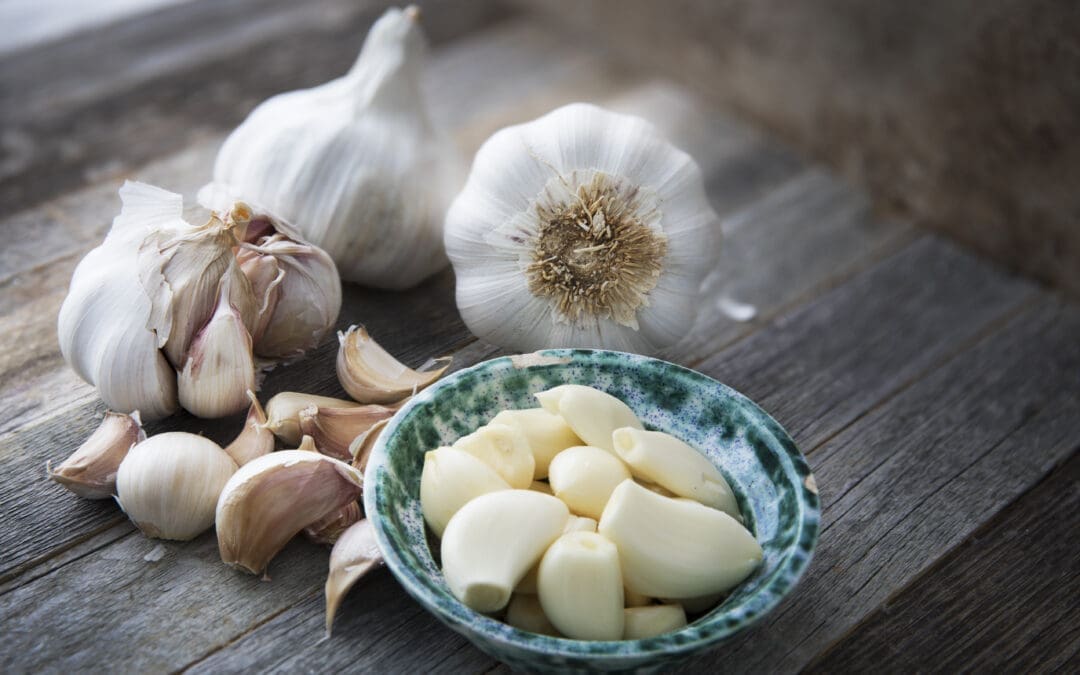
Discover the connection between garlic and its anti-inflammatory properties for alleviating musculoskeletal pain in your body.
Chiropractic Care and Anti-Inflammatory Diets: A Holistic Approach to Musculoskeletal Pain Relief
Musculoskeletal pain, including back pain, neck pain, and joint discomfort, affects millions worldwide, often disrupting daily activities, work, and overall quality of life. While medications and surgery are common treatments, nonsurgical approaches like chiropractic care combined with an anti-inflammatory diet provide a holistic, effective way to manage and reduce pain. This comprehensive guide explores the clinical rationale for integrating chiropractic care with an anti-inflammatory diet, emphasizing the role of foods like garlic in reducing inflammation and supporting immune function. We’ll also examine the factors contributing to musculoskeletal pain, the nutritional benefits of garlic, and how integrative, nonsurgical treatments promote the body’s natural healing processes. Drawing on evidence-based insights, this article offers actionable strategies for pain relief and improved health.
Understanding Musculoskeletal Pain
Musculoskeletal pain refers to discomfort in muscles, bones, joints, ligaments, tendons, or nerves. It can be acute (short-term) or chronic (lasting over three months), ranging from mild aches to severe, debilitating pain. Low back pain, for instance, affects approximately 80% of adults at some point, making it a leading cause of disability globally (World Health Organization, 2023). Chronic musculoskeletal pain can lead to emotional distress, reduced mobility, and diminished quality of life, underscoring the need for effective, sustainable management strategies.
Factors Contributing to Musculoskeletal Pain
Several factors contribute to musculoskeletal pain, and addressing these is key to effective treatment. These include:
Injuries and Trauma: Acute injuries from motor vehicle accidents (MVAs), sports, or falls, such as sprains, strains, or whiplash, can damage muscles, ligaments, or joints, causing pain. For example, a herniated disc from an MVA can lead to persistent back pain (El Paso Back Clinic, 2025a).
Poor Posture and Ergonomics: Prolonged sitting, slouching, or improper lifting techniques strain the musculoskeletal system. Office workers who sit for extended periods without proper lumbar support are prone to lower back pain due to spinal misalignment.
Chronic Inflammation: Inflammation, triggered by stress, a poor diet, or conditions such as arthritis, exacerbates musculoskeletal pain by increasing pressure on nerves and tissues (Sala-Climent et al., 2023).
Sedentary Lifestyle: A lack of physical activity weakens muscles, reduces joint flexibility, and increases the risk of conditions such as sciatica or muscle stiffness. Regular movement is essential for musculoskeletal health.
Obesity: Excess body weight stresses weight-bearing joints like the spine, hips, and knees. Obesity also promotes systemic inflammation, worsening pain (Imaizumi et al., 2023).
Stress and Psychological Factors: Chronic stress or anxiety causes muscle tension, particularly in the neck and shoulders, contributing to pain. Psychological factors can also amplify pain perception (Sala-Climent et al., 2023).
Degenerative Conditions: Osteoarthritis, degenerative disc disease, and scoliosis cause chronic pain due to wear and tear on joints, discs, or connective tissues.
Nutritional Deficiencies: Diets lacking anti-inflammatory nutrients, such as omega-3 fatty acids, vitamin D, or antioxidants, impair tissue repair and inflammation control, prolonging pain (Rawson et al., 2018).
By addressing these factors through chiropractic care, dietary changes, and lifestyle modifications, individuals can significantly reduce musculoskeletal pain and enhance their quality of life.
Clinical Rationale for Chiropractic Care and Anti-Inflammatory Diets
Chiropractic care and anti-inflammatory diets work synergistically to address the root causes of musculoskeletal pain, such as inflammation, spinal misalignment, and poor tissue health. This integrative approach is grounded in evidence-based practices and aligns with functional medicine principles, focusing on holistic care rather than symptom suppression.
Chiropractic Care: A Nonsurgical Solution
Chiropractic care involves manual adjustments, spinal manipulation, and other nonsurgical techniques to treat musculoskeletal disorders, particularly those affecting the spine. The goal is to restore proper alignment, improve joint mobility, and reduce nerve irritation, alleviating pain and supporting natural healing (El Paso Back Clinic, 2025b).
Benefits of Chiropractic Care
Correcting Spinal Misalignments: Vertebral subluxations can compress nerves, causing pain and dysfunction. Chiropractic adjustments realign the spine, reducing nerve pressure and improving function.
Reducing Inflammation: Spinal manipulations lower pro-inflammatory cytokines, proteins that contribute to inflammation and pain, helping to alleviate discomfort (Dragan et al., 2020).
Enhancing Mobility: Pain and stiffness often restrict joint movement. Chiropractic techniques restore joint function, improving movement and reducing pain.
Promoting Natural Healing: By enhancing blood flow, reducing muscle tension, and optimizing nervous system function, chiropractic care supports the body’s innate healing processes without relying on medications or surgery (El Paso Back Clinic, 2025b).
Chiropractic care is particularly effective for conditions like whiplash-associated disorders (WAD), sciatica, and degenerative arthritis, which are common after MVAs or due to chronic conditions. Personalized treatment plans ensure patients receive care tailored to their specific needs (El Paso Back Clinic, 2025a).
The Role of Anti-Inflammatory Diets
An anti-inflammatory diet, rich in foods like garlic, fruits, vegetables, nuts, and omega-3 fatty acids, complements chiropractic care by targeting systemic inflammation, a key driver of musculoskeletal pain. Chronic inflammation occurs when the immune system remains activated, releasing chemicals that damage tissues and intensify pain (Sala-Climent et al., 2023).
How Anti-Inflammatory Diets Work
Lowering Inflammatory Markers: Foods like garlic, turmeric, and berries reduce C-reactive protein (CRP) and other inflammatory markers, alleviating pain and protecting tissues (Dragan et al., 2020).
Supporting Tissue Repair: Nutrients such as vitamin C, zinc, and omega-3 fatty acids promote collagen production and tissue repair, essential for healing muscles, tendons, and ligaments (Rawson et al., 2018).
Boosting Immune Function: Anti-inflammatory foods strengthen the immune system, helping it regulate inflammation effectively, particularly in conditions like rheumatoid arthritis (Ahmed et al., 2021).
Improving Overall Health: A diet low in pro-inflammatory foods (e.g., processed sugars, red meat) and high in whole foods supports cardiovascular health, blood sugar regulation, and weight management, reducing musculoskeletal stress (Imaizumi et al., 2023).
A pilot study by Sala-Climent et al. (2023) found that an anti-inflammatory Mediterranean diet (AnMeD-S), excluding red meat, gluten, and cow’s milk, significantly reduced pain, stress, and sleep disturbances in patients with chronic pain due to rheumatic diseases. This evidence supports the integration of dietary interventions with chiropractic care to enhance pain relief.
Synergy of Chiropractic Care and Diet
Combining chiropractic care with an anti-inflammatory diet creates a powerful synergy for pain management. Chiropractic adjustments address structural and neurological issues, while an anti-inflammatory diet reduces systemic inflammation, creating an optimal environment for healing. Patients adopting both approaches often report faster recovery, reduced pain, and improved energy levels (El Paso Back Clinic, 2025b). This integrative model prioritizes long-term health over temporary symptom relief.
Fighting Inflammation Naturally- Video
Garlic: A Key Anti-Inflammatory Food
Garlic (Allium sativum) is a nutrient-dense food with a long history in traditional medicine and cuisine. Its anti-inflammatory and immune-boosting properties make it an ideal addition to an anti-inflammatory diet for managing musculoskeletal pain.
Nutritional Facts About Garlic
According to the U.S. Department of Agriculture (USDA), one clove (3 grams) of raw garlic contains:
Calories: 4.5 kcal
Protein: 0.2 grams
Carbohydrates: 1 gram
Fiber: 0.1 grams
Vitamin C: 0.9 mg (1% of the Daily Value)
Manganese: 0.05 mg (2% of the Daily Value)
Sulfur Compounds: Allicin, diallyl disulfide, and S-allyl cysteine, responsible for garlic’s health benefits
Garlic’s organosulfur compounds, particularly allicin, contribute to its anti-inflammatory, antioxidant, and antimicrobial properties (Quesada et al., 2020).
Health Benefits of Garlic
Garlic’s therapeutic effects are well-documented, making it a valuable tool for reducing musculoskeletal pain and supporting overall health. Key benefits include:
Anti-Inflammatory Effects: Allicin and other organosulfur compounds inhibit pro-inflammatory cytokines, reducing inflammation in muscles and joints, which alleviates pain in conditions like arthritis or back pain (Quesada et al., 2020).
Immune System Support: Garlic enhances immune function by stimulating white blood cell activity and increasing antioxidant levels, helping regulate inflammation and prevent pain exacerbation (Ahmed et al., 2021).
Antioxidant Properties: Garlic’s polyphenols and sulfur compounds neutralize free radicals, reducing oxidative stress that damages tissues and contributes to inflammation (Imaizumi et al., 2023).
Cardiovascular Benefits: Garlic lowers blood pressure, cholesterol, and triglycerides, which are linked to systemic inflammation and musculoskeletal stress. Improved blood flow supports muscle and joint recovery (Imaizumi et al., 2023).
Antidiabetic Effects: Garlic improves insulin sensitivity and blood sugar control, reducing inflammation in patients with diabetes-related musculoskeletal pain (Liu et al., 2007).
Affordability and Accessibility: Garlic is inexpensive (often less than $1 per bulb) and widely available, making it an accessible option for daily consumption (El Paso Back Clinic, n.d.).
Garlic’s Role in Musculoskeletal Pain Relief
Garlic’s anti-inflammatory and immune-boosting properties directly address the mechanisms of musculoskeletal pain. Chronic inflammation increases pressure on nerves and tissues, worsening conditions like lower back pain or fibromyalgia. By reducing inflammatory markers, garlic alleviates this pressure, improving pain levels and mobility (Quesada et al., 2020). Its immune-enhancing effects also support tissue repair, aiding recovery from injuries or chronic conditions (Ahmed et al., 2021).
To maximize garlic’s benefits, allow chopped or crushed garlic to sit for 5–10 minutes before cooking to activate allicin. Incorporate it into meals like soups, stir-fries, or a simple spaghetti dish with oil and garlic, combining flavor with health benefits (El Paso Back Clinic, n.d.).
Integrative Nonsurgical Treatments for Musculoskeletal Pain
In addition to chiropractic care and dietary interventions, other nonsurgical treatments enhance pain relief and promote healing, aligning with integrative medicine’s focus on addressing the root causes of pain.
Targeted Exercises
Exercise is a cornerstone of musculoskeletal pain management. Tailored exercises include:
Core Strengthening: Planks or bridges strengthen core muscles, supporting the spine and reducing back pain.
Stretching: Yoga or Pilates stretches improve flexibility and relieve muscle tension.
Low-Impact Aerobics: Swimming or walking enhances blood flow and promotes healing without stressing joints (El Paso Back Clinic, 2025a).
These exercises are customized to the patient’s condition and fitness level for safety and effectiveness.
Massage Therapy
Massage therapy complements chiropractic care by relaxing tight muscles, improving circulation, and reducing stress. Techniques such as deep tissue massage or myofascial release target specific pain areas, thereby enhancing the effects of spinal adjustments (El Paso Back Clinic, 2025b).
Acupuncture
Acupuncture involves inserting thin needles into specific points to relieve pain and reduce inflammation. It modulates pain signals and improves immune function, making it a valuable adjunct to chiropractic care (Dragan et al., 2020).
Integrative Medicine Approach
Integrative medicine combines chiropractic care, diet, exercise, and therapies like massage and acupuncture into personalized treatment plans. This holistic approach addresses biological, psychological, and social factors, ensuring comprehensive care (El Paso Back Clinic, 2025a).
Preventing Long-Term Complications
Nonsurgical treatments correct underlying issues, such as misalignments or inflammation, preventing long-term complications like chronic pain, reduced mobility, or the need for surgery. Regular chiropractic care and adherence to an anti-inflammatory diet reduce the risk of recurrent injuries (El Paso Back Clinic, 2025b).
Practical Tips for Incorporating Garlic and Anti-Inflammatory Foods
To maximize the benefits of an anti-inflammatory diet, consider these tips:
Incorporate Garlic Daily: Add raw or lightly cooked garlic to soups, stir-fries, or salads. Try a spaghetti with oil and garlic recipe for a delicious, anti-inflammatory meal (El Paso Back Clinic, n.d.).
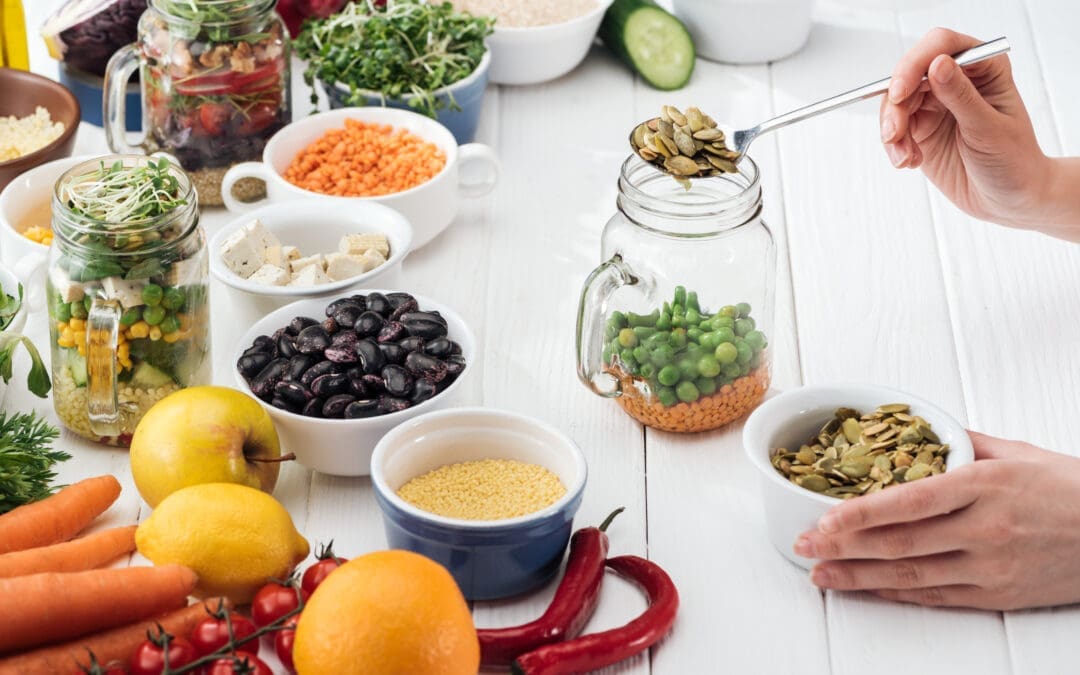
Focus on Whole Foods: Include anti-inflammatory foods like berries, leafy greens, nuts, seeds, and fatty fish. Avoid pro-inflammatory foods like processed sugars, fried foods, and red meat (Sala-Climent et al., 2023).
Be Consistent: Consistent dietary changes are key to reducing inflammation. Consult a healthcare provider or nutritionist for a sustainable plan.
Combine with Lifestyle Changes: Pair dietary changes with regular chiropractic visits, exercise, and stress management techniques like meditation for optimal health.
The Importance of Patient Communication
Clear communication between healthcare providers and patients is essential for successful outcomes. Educating patients about their condition, treatment options, and lifestyle changes empowers them to take an active role in their recovery, improving adherence to treatment plans (El Paso Back Clinic, 2025b).
Conclusion
Musculoskeletal pain can significantly impact daily life, but integrative approaches like chiropractic care and anti-inflammatory diets offer a natural, effective solution. Chiropractic adjustments address structural and neurological issues, while anti-inflammatory foods like garlic reduce systemic inflammation and support immune function, creating a synergistic effect that promotes healing. Additional nonsurgical treatments, such as targeted exercises, massage therapy, and acupuncture, further enhance pain relief and prevent long-term complications. Garlic, with its potent anti-inflammatory and immune-boosting properties, is an accessible and affordable addition to any pain management diet.
This holistic model, combining evidence-based chiropractic care with dietary and lifestyle interventions, empowers individuals to manage pain and improve overall health. Whether dealing with chronic back pain, arthritis, or post-MVA injuries, exploring chiropractic care and an anti-inflammatory diet can unlock the body’s natural healing potential for lasting relief.
References
Ahmed, T., Wang, R., & Chen, W. (2021). Black garlic and its bioactive compounds on human health diseases: A review. Molecules, 26(16), 5028. https://doi.org/10.3390/molecules26165028
Dragan, S., Șerban, M. C., Damian, G., Buleu, F., Valcovici, M., & Christodorescu, R. (2020). Dietary patterns and interventions to alleviate chronic pain. Nutrients, 12(9), 2510. https://doi.org/10.3390/nu12092510
Imaizumi, V. M., Queiroz, N. P., & Berretta, A. A. (2023). Garlic: A systematic review of the effects on cardiovascular diseases. Critical Reviews in Food Science and Nutrition, 63(24), 6797–6819. https://doi.org/10.1080/10408398.2022.2043821
Liu, C. T., Hse, H., Lii, C. K., Chen, P. S., & Sheen, L. Y. (2007). Does garlic have a role as an antidiabetic agent? Molecular Nutrition & Food Research, 51(11), 1353–1364. https://doi.org/10.1002/mnfr.200700082
Quesada, I., de Paola, M., & Álvarez, C. (2020). Effect of garlic’s active constituents in inflammation, obesity, and cardiovascular disease. Current Hypertension Reports, 22(1), 6. https://doi.org/10.1007/s11906-019-1009-9
Rawson, E. S., Miles, M. P., & Larson-Meyer, D. E. (2018). Dietary supplements for health, adaptation, and recovery in athletes. International Journal of Sport Nutrition and Exercise Metabolism, 28(2), 188–199. https://doi.org/10.1123/ijsnem.2017-0340
Sala-Climent, M., López-García, E., & Alemany, M. (2023). The effect of an anti-inflammatory diet on chronic pain: A pilot study. Frontiers in Nutrition, 10, 1205526. https://doi.org/10.3389/fnut.2023.120552
Discover how chiropractic care for chronic inflammation plays a vital role in alleviating chronic pain and improving quality of life.
Managing Chronic Inflammation with Chiropractic and Integrative Care at El Paso Back Clinic
Inflammation is a natural process that helps the body heal from injuries and infections. However, when inflammation becomes chronic, it can silently contribute to serious health issues like arthritis, heart disease, and fibromyalgia. Unlike acute inflammation, which is a short-term response to harm, chronic inflammation persists and can damage tissues over time. At El Paso Back Clinic in El Paso, Texas, Dr. Alexander Jimenez, DC, APRN, FNP-BC, combines chiropractic care, integrative medicine, and lifestyle interventions to address chronic inflammation and promote long-term health. This article examines the distinctions between acute and chronic inflammation, their respective roles in the body, environmental factors that trigger chronic inflammation, and how non-surgical treatments provided at El Paso Back Clinic can help reduce inflammation, alleviate pain, and improve overall well-being.
Acute vs. Chronic Inflammation: Understanding the Difference
Inflammation is the body’s defense mechanism against injury, infection, or harmful substances, involving immune cells, blood vessels, and chemical signals. Acute and chronic inflammation serve different purposes and have distinct effects on health.
Acute Inflammation: The Body’s Quick Response
Acute inflammation occurs when the body responds to a specific event, like a cut, sprain, or infection. For example, when you twist your ankle, the area becomes red, swollen, and painful as immune cells like neutrophils rush to fight infection and begin healing (Germolec et al., 2018). Key features include:
Short-Term: Lasts hours to days, resolving once the threat is neutralized.
Visible Symptoms: Redness, swelling, heat, and pain signal increased blood flow to the area.
Protective Role: Helps eliminate pathogens, repair tissue, and restore function (Arulselvan et al., 2016).
For instance, a scraped knee triggers acute inflammation to prevent infection and promote healing.
Chronic Inflammation: A Hidden Health Risk
Chronic inflammation is a prolonged, low-grade inflammatory state that can persist for months or years, often without obvious symptoms initially. It can damage tissues and contribute to diseases like diabetes, osteoarthritis, and fibromyalgia (Suzuki, 2019). Characteristics include:
Long-Lasting: Persists due to ongoing stressors or immune dysfunction.
Silent Damage: Affects organs and tissues, leading to conditions like heart disease or cancer.
Pain and Dysfunction: Increased pain sensitivity, as seen in fibromyalgia (García-Domínguez, 2025).
For example, chronic inflammation in joints can lead to arthritis, causing persistent pain and reduced mobility.
The Role of Inflammation in the Body
Inflammation is essential for survival, but it can become harmful when it becomes chronic. Understanding its roles helps explain why managing chronic inflammation is critical.
Acute Inflammation’s Benefits
Acute inflammation protects the body by:
Fighting Infections: Immune cells attack bacteria or viruses to prevent illness (Arulselvan et al., 2016).
Repairing Tissues: Delivers nutrients and oxygen to injured areas for healing.
Clearing Debris: Removes dead cells and pathogens, cleaning the injury site.
For example, a sore throat during a cold is acute inflammation fighting the virus, aiding recovery.
Chronic Inflammation’s Harmful Effects
Chronic inflammation can disrupt normal bodily functions by:
Damaging Tissues: Prolonged inflammation breaks down healthy tissues, contributing to conditions like fatty liver or atherosclerosis (Suzuki, 2019).
Altering Organ Function: Disrupts normal processes, leading to diseases like diabetes or depression (El Paso Back Clinic, n.d.).
Several lifestyle and environmental factors contribute to chronic inflammation. Addressing these can help reduce its impact.
Unhealthy Diet
Diet significantly influences inflammation. Consuming too many refined sugars, flours, and processed oils—common in American diets—spikes blood sugar and fat levels, promoting inflammation (El Paso Back Clinic, n.d.). Key dietary triggers include:
Excess Calories: Overeating, especially processed foods, leads to obesity, a known inflammatory state (Suzuki, 2019).
Low Nutrient Intake: Diets lacking fiber, antioxidants, or healthy fats are ineffective in combating inflammation (Strasser et al., 2021).
Inflammatory Foods: Aspartame and monosodium glutamate may increase inflammation in some people (Kurapatti et al., 2023).
For example, frequent fast food consumption can elevate inflammatory markers like C-reactive protein (CRP).
Sedentary Lifestyle
Lack of physical activity promotes inflammation by contributing to obesity and poor circulation. Regular movement helps clear inflammatory mediators and supports immune balance (Metsios et al., 2020).
Chronic Stress
Ongoing stress releases cortisol, disrupting immune function and increasing inflammation. For instance, work-related stress can elevate pro-inflammatory cytokines like IL-6 (Suzuki, 2019).
Poor Sleep
Sleep deprivation impairs tissue repair and increases inflammatory markers, such as IL-6 and TNF-α, contributing to the development of chronic conditions (El Paso Back Clinic, n.d.).
Environmental Toxins
Exposure to pollutants like air pollution or cigarette smoke activates the immune system, causing low-grade inflammation (Arulselvan et al., 2016).
Non-Surgical Treatments at El Paso Back Clinic
El Paso Back Clinic, led by Dr. Alexander Jimenez, offers a comprehensive approach to managing chronic inflammation through chiropractic care, integrative medicine, and lifestyle interventions. These non-surgical treatments support the body’s natural detoxification processes, reduce pain, and promote long-term health.
Chiropractic Care
Chiropractic adjustments correct spinal misalignments (subluxations) that contribute to inflammation and pain. Dr. Jimenez uses hands-on techniques to improve joint mobility and nerve function, offering benefits like:
Enhanced Circulation: Adjustments improve blood flow, delivering oxygen and nutrients while removing inflammatory waste.
Pain Relief: Reducing nerve irritation alleviates pain caused by inflammation.
Holistic Recovery: Dr. Jimenez combines adjustments with advanced diagnostics, such as neuromusculoskeletal imaging, to tailor treatments (Jimenez, n.d.).
For example, a patient with chronic low back pain may receive adjustments to restore spinal alignment, reducing inflammation and improving mobility.
Integrative Medicine
Dr. Jimenez integrates complementary therapies to address inflammation holistically:
Acupuncture stimulates specific points to reduce inflammation and pain by lowering cytokines, such as IL-6 (Wickenheisser et al., 2019).
Massage Therapy: Improves circulation and lymphatic drainage, helping clear inflammatory mediators (Metsios et al., 2020).
Nutrition Counseling: Emphasizes anti-inflammatory diets, such as Mediterranean or vegan, rich in fiber, antioxidants, and omega-3s (Kurapatti et al., 2023).
These therapies enhance the body’s natural detoxification systems, like the lymphatic system, to eliminate waste efficiently.
Physical Activity and Sports
Exercise is a cornerstone of inflammation management. Dr. Jimenez designs personalized plans to boost circulation and reduce inflammation, including:
Low-Impact Aerobics: Activities such as walking, swimming, or cycling increase blood flow and lower CRP levels (Suzuki, 2019).
Strength Training: Builds muscle to regulate blood sugar and reduce inflammation (Strasser et al., 2021).
Yoga and stretching improve flexibility, reduce muscle tension, and lower stress hormones (Metsios et al., 2020).
For instance, a patient recovering from a motor vehicle accident (MVA) might follow a swimming routine to enhance circulation and reduce joint inflammation.
Anti-Inflammatory Nutrition
Dr. Jimenez advises patients to adopt diets that combat inflammation:
Avoid Refined Foods: Reduce sugar, flour, and processed oils (El Paso Back Clinic, n.d.).
Emphasize Plant-Based Foods: Vegetables, fruits, and whole grains provide antioxidants and fiber (Kurapatti et al., 2023).
Incorporate Omega-3s: Foods like salmon or chia seeds reduce inflammatory cytokines (Strasser et al., 2021).
A Mediterranean diet, for example, can help lower inflammatory markers and alleviate symptoms in conditions such as arthritis.
Low-Level Laser Therapy (LLLT)
LLLT uses light to reduce inflammation and promote tissue repair by stimulating ATP production and reducing reactive oxygen species (ROS) (Wickenheisser et al., 2019; Rayegani et al., 2017). Dr. Jimenez may use LLLT for patients with musculoskeletal pain, such as those with fibromyalgia, to complement chiropractic care.
Exploring Integrative Medicine- Video
Dr. Alexander Jimenez’s Expertise at El Paso Back Clinic
Dr. Jimenez, a dual-licensed chiropractor and nurse practitioner, brings a unique approach to managing inflammation and injuries at El Paso Back Clinic. His expertise includes:
Dual-Scope Diagnosis
Using advanced neuromusculoskeletal imaging (e.g., X-rays, MRIs) and medical assessments (e.g., blood tests for CRP or hemoglobin A1c), Dr. Jimenez identifies inflammation and injury causes. This dual-scope approach ensures the development of precise and personalized treatment plans (Germolec et al., 2018; Jimenez, n.d.).
Treating Diverse Injuries
The clinic addresses injuries from MVAs, work, sports, and personal accidents:
MVAs: Whiplash, herniated discs, and sciatica are treated with adjustments, LLLT, and rehabilitation exercises to reduce inflammation and restore function (El Paso Back Clinic, n.d.).
Work Injuries: Repetitive strain injuries are managed with chiropractic care, acupuncture, and ergonomic advice to prevent chronic inflammation.
Sports Injuries: Sprains or tendonitis are treated with targeted exercises and massage to reduce inflammation and promote healing.
Personal Injuries: Falls or minor traumas are addressed with integrative therapies to prevent long-term issues.
Medical and Legal Support
For injury cases, Dr. Jimenez provides detailed medical care and legal documentation, critical for insurance claims or legal proceedings in MVA or workplace injury cases. His clinic ensures accurate records of diagnoses, treatments, and progress (Jimenez, n.d.).
Synergistic Healing
Dr. Jimenez’s treatments work together to enhance the body’s natural healing processes:
Circulation and Detoxification: Exercise and massage boost blood and lymph flow, clearing inflammatory waste (Metsios et al., 2020).
Inflammation Reduction: Acupuncture and LLLT target inflammatory pathways, while nutrition neutralizes free radicals (Wickenheisser et al., 2019; Kurapatti et al., 2023).
Pain Management: Adjustments and stretching reduce nerve irritation and muscle tension (El Paso Back Clinic, n.d.).
Prevention: Addressing root causes like poor diet or stress prevents chronic conditions (García-Domínguez, 2025).
For example, a patient with fibromyalgia might receive adjustments to improve spinal alignment, acupuncture to reduce pain, and a tailored exercise plan to boost circulation, all supported by a plant-based diet.
Addressing Fibromyalgia and Chronic Pain
Fibromyalgia, often linked to chronic inflammation, requires careful management. Dr. Jimenez uses blood tests to monitor markers like IL-6 and TNF-α, which are elevated in fibromyalgia (García-Domínguez, 2025). His integrative approach, which includes acupuncture, exercise, and nutrition, reduces these markers, thereby alleviating pain and fatigue.
Conclusion
Chronic inflammation can lead to serious health issues, but El Paso Back Clinic, led by Dr. Alexander Jimenez, offers effective non-surgical solutions. By combining chiropractic adjustments, integrative therapies like acupuncture and massage, targeted exercise, and anti-inflammatory nutrition, the clinic supports the body’s natural detoxification and healing processes. Whether recovering from an MVA, managing fibromyalgia, or seeking overall wellness, patients benefit from personalized care that reduces inflammation, relieves pain, and promotes long-term health. Contact El Paso Back Clinic at 915-850-0900 to start your journey to better health.
References
Arulselvan, P., Fard, M. T., Tan, W. S., Gothai, S., Fakurazi, S., Norhaizan, M. E., & Kumar, S. S. (2016). Role of antioxidants and natural products in inflammation. Oxidative Medicine and Cellular Longevity, 2016, 5276130. https://doi.org/10.1155/2016/5276130
Germolec, D. R., Shipkowski, K. A., Frawley, R. P., & Evans, E. (2018). Markers of inflammation. Methods in Molecular Biology, 1803, 57–79. https://doi.org/10.1007/978-1-4939-8549-4_5
Kurapatti, M., Ratheesh, M., & Jose, R. (2023). Diet composition’s effect on chronic musculoskeletal pain: A narrative review. Pain Physician, 26(7), 527–534. https://pubmed.ncbi.nlm.nih.gov/37976478/
Metsios, G. S., Moe, R. H., & Kitas, G. D. (2020). Exercise and inflammation. Best Practice & Research Clinical Rheumatology, 34(2), 101504. https://doi.org/10.1016/j.berh.2020.101504
Paroli, M., Gioffrè, F. M., & Caccamo, V. (2024). Inflammation, autoimmunity, and infection in fibromyalgia: A narrative review. International Journal of Molecular Sciences, 25(11), 5922. https://doi.org/10.3390/ijms25115922
Rayegani, S. M., Raeissadat, S. A., Heidari, S., & Moradi-Joo, M. (2017). Safety and Effectiveness of Low-Level Laser Therapy in Patients With Knee Osteoarthritis: A Systematic Review and Meta-analysis. Journal of lasers in medical sciences, 8(Suppl 1), S12–S19. https://pubmed.ncbi.nlm.nih.gov/29071029/
Strasser, B., Wolters, M., Weyh, C., Krüger, K., & Ticinesi, A. (2021). The effects of lifestyle and diet on gut microbiota composition, inflammation, and muscle performance in our aging society. Nutrients, 13(6), 2045. https://doi.org/10.3390/nu13062045
Suzuki, K. (2019). Chronic inflammation as an immunological abnormality and effectiveness of exercise. Biomolecules, 9(6), 223. https://doi.org/10.3390/biom9060223
Wickenheisser, V. A., Zywot, E. M., Rabjohns, E. M., Lee, H. H., Lawrence, D. S., & Tarrant, T. K. (2019). Laser light therapy in inflammatory, musculoskeletal, and autoimmune disease. Current Allergy and Asthma Reports, 19(8), 37. https://doi.org/10.1007/s11882-019-0869-z
Unlock the secrets of healthy foods & vitamins support spinal health to enhance your body’s support system and prevent discomfort.
Chiropractic Care and Nutrition: A Comprehensive Guide to Spinal Health and Musculoskeletal Pain Relief
Introduction
Picture this: you’re driving along, minding your own business, when wham!—a fender-bender leaves you with a nagging pain in your neck that just won’t quit. Or maybe you’re an avid cyclist, pedaling your way to glory, only to take a tumble and end up with a sore back that makes every step feel like a chore. Whether it’s a motor vehicle accident (MVA), a sports mishap, or just the wear and tear of daily life, musculoskeletal pain, especially in the spine, can throw a wrench into your wellness journey. But fear not! There’s a dynamic duo that can help you bounce back: chiropractic care and nutrition. Yes, that’s right—adjusting your spine and tweaking your diet can work wonders for your body, and we’re here to break it all down for you.
In this comprehensive guide, we’ll dive into how chiropractic care, led by experts like Dr. Alexander Jimenez, DC, APRN, FNP-BC, at El Paso Back Clinic, can team up with nutrient-packed foods and vitamins to soothe spinal and musculoskeletal pain, boost energy, and strengthen your bones. We’ll explore the science behind why these approaches work, sprinkle in some clinical insights, and even highlight Dr. Jimenez’s unique role in personal injury cases in El Paso. Plus, we’ll toss in a bit of humor to keep things light—because who said healing can’t come with a smile? Let’s get started on your path to feeling like a superhero, minus the cape (but maybe with a smoothie in hand).
The Musculoskeletal System and Spinal Health: The Backbone of Your Body
The musculoskeletal system is like the scaffolding of a building—it holds everything together, keeps you upright, and lets you move like you’re dancing to your favorite tune. At the heart of this system is your spine, a marvel of engineering made up of 33 vertebrae, 220 ligaments, and numerous muscles and nerves working together to keep you balanced and mobile. But when something goes wrong—like a car accident, a bad fall, or even poor posture from too many Netflix marathons—the spine can take a hit, leading to pain, stiffness, and a general feeling of “ugh.”
How the Spine Gets Stressed
The spine is a complex structure that supports your body’s weight, protects your spinal cord, and allows for a wide range of movements. However, it’s vulnerable to injuries from:
Motor Vehicle Accidents (MVAs): Even a minor fender-bender can cause whiplash, where the neck jerks forward and backward, straining muscles and ligaments (El Paso Back Clinic, n.d.-a).
Sports Injuries: Cyclists, for example, face risks like collisions or falls that can jar the spine and lead to issues like herniated discs or muscle strains (El Paso Back Clinic, n.d.-b).
Everyday Wear and Tear: Poor posture, repetitive motions, or carrying a heavy backpack can misalign the spine, causing discomfort over time.
When the spine is out of alignment or injured, it can lead to musculoskeletal pain, inflammation, and reduced mobility. This is where chiropractic care comes in, acting like a mechanic for your body’s framework.
Chiropractic Care: The Art of Alignment
Chiropractic care focuses on restoring the spine’s alignment and improving the function of the musculoskeletal system. Dr. Alexander Jimenez, a distinguished chiropractor in El Paso, uses a variety of techniques to address issues like:
Spinal Adjustments: Gentle manipulations to correct misalignments, reduce nerve pressure, and relieve pain.
Trigger Point Therapy: Targeting tight muscle knots to ease tension, especially after MVAs (El Paso Back Clinic, n.d.-c).
Joint and Biomechanical Restoration: Techniques to improve joint mobility and stability, helping you move freely again (El Paso Back Clinic, n.d.-d).
These methods don’t just mask pain—they address the root cause, helping your body heal naturally. Dr. Jimenez’s approach is backed by advanced imaging and diagnostic evaluations, ensuring precise treatment plans tailored to each patient’s needs (Jimenez, n.d.).
References:
El Paso Back Clinic. (n.d.-a). Understanding whiplash-associated disorders from motor vehicle accidents: Causes, treatments, and recovery. Retrieved from https://elpasobackclinic.com/
El Paso Back Clinic. (n.d.-b). Common types of bicycle accidents and the role of chiropractic and integrative medicine in recovery. Retrieved from https://elpasobackclinic.com/
El Paso Back Clinic. (n.d.-c). Motor vehicle accident recovery: The role of massage therapy and chiropractic care. Retrieved from https://elpasobackclinic.com/
El Paso Back Clinic. (n.d.-d). Chiropractic care for joint and biomechanical restoration: A comprehensive guide. Retrieved from https://elpasobackclinic.com/
Nutrition: Fueling Your Spine and Musculoskeletal Recovery
If chiropractic care is the mechanic fixing your spine, think of nutrition as the high-octane fuel that keeps your engine running smoothly. The foods you eat and the vitamins you take play a massive role in reducing inflammation, boosting energy, and supporting bone health—key factors in managing musculoskeletal pain.
Why Nutrition Matters for Spinal Health
Your spine and muscles need specific nutrients to stay strong and resilient. Here’s how a well-balanced diet can help:
Reducing Inflammation: Chronic inflammation can worsen musculoskeletal pain, especially after injuries like MVAs or sports accidents. Anti-inflammatory foods can calm this fire, easing discomfort (El Paso Back Clinic, n.d.-e).
Supporting Bone Health: Your vertebrae rely on strong bones to function properly. Nutrients like calcium, vitamin D, and magnesium are essential for bone density and preventing conditions like osteoporosis.
Boosting Energy: Injuries can leave you feeling drained, but nutrient-dense foods provide the energy needed for recovery and daily activities (El Paso Chiropractor Blog, 2017).
Dr. Jimenez emphasizes that small dietary changes can make a big difference in your health and wellness journey. Let’s explore some key foods and vitamins that can supercharge your recovery.
Top Foods for Energy and Spinal Health
According to Dr. Jimenez’s insights, certain foods can provide the energy and nutrients needed to support spinal health and musculoskeletal recovery (El Paso Chiropractor Blog, 2017). Here are some standouts:
Oats and Whole Grains: These are packed with complex carbohydrates, providing steady energy for physical activity and recovery. A scoping review on cereals highlights their role in delivering essential nutrients like B vitamins, which support nerve health (Meltzer et al., 2023).
Fatty Fish (Salmon, Mackerel): Rich in omega-3 fatty acids, these fish reduce inflammation, easing joint and muscle pain. Omega-3s also support nerve function, crucial for spinal health.
Leafy Greens (Spinach, Kale): Loaded with calcium and magnesium, these greens strengthen bones and relax muscles, reducing spasms that can worsen pain.
Nuts and Seeds (Almonds, Chia Seeds): These provide healthy fats and magnesium, supporting muscle repair and bone health.
Coconut Water: A natural hydrator, coconut water replenishes electrolytes lost during exercise or injury recovery, keeping muscles functioning properly (Kalman et al., 2012).
Essential Vitamins for Musculoskeletal Health
Vitamins are like the sidekicks that make your recovery journey smoother. Here are the key players:
Vitamin D: Enhances calcium absorption, strengthening bones and preventing fractures. Low vitamin D levels are linked to increased pain sensitivity (Shipton & Shipton, 2015).
Vitamin C: Supports collagen formation, which is vital for repairing ligaments and tendons around the spine. It also acts as an antioxidant, fighting inflammation.
Vitamin B Complex: B vitamins, especially B6 and B12, support nerve health, reducing pain from conditions like sciatica or pinched nerves.
Magnesium: Helps relax muscles and prevent cramps, which can exacerbate spinal pain.
Incorporating these nutrients into your diet doesn’t have to be a chore. A smoothie with spinach, berries, and a splash of coconut water can be a tasty way to hit multiple targets at once. Plus, it’s a lot more fun than swallowing a handful of pills!
Clinical Rationale: Why It Works
Dr. Jimenez explains that combining chiropractic care with proper nutrition creates a synergistic effect. Chiropractic adjustments correct structural issues, while nutrients like omega-3s and vitamin D reduce inflammation and support tissue repair. For example, a study on carbohydrate intake found that it enhances muscle recovery and performance, which complements chiropractic efforts to restore mobility (Burke et al., 2022). Similarly, hydration from drinks like coconut water supports muscle function, making chiropractic treatments more effective (Kalman et al., 2012).
El Paso Back Clinic. (n.d.-e). Chiropractic care benefits for musculoskeletal inflammation. Retrieved from https://elpasobackclinic.com/
Meltzer, K. R., et al. (2023). Cereals and cereal products – a scoping review for Nordic Nutrition Recommendations 2023. PubMed. https://pubmed.ncbi.nlm.nih.gov/37377303/
Shipton, E. A., & Shipton, E. E. (2015). Vitamin D and pain: Vitamin D and its role in the aetiology and maintenance of chronic pain states and associated comorbidities. PubMed. https://pubmed.ncbi.nlm.nih.gov/25907654/
Burke, L. M., et al. (2022). The effect of carbohydrate intake on strength and resistance training performance: A systematic review. PubMed. https://pubmed.ncbi.nlm.nih.gov/35241124/
Dr. Alexander Jimenez: El Paso’s Personal Injury Expert
In El Paso, when accidents happen—whether it’s a rear-end collision on I-10 or a wipeout on a mountain bike—Dr. Alexander Jimenez is the go-to expert for personal injury recovery. With his extensive credentials as a chiropractor, advanced practice registered nurse, and family nurse practitioner, Dr. Jimenez brings a unique blend of medical and legal expertise to the table (Jimenez, n.d.).
The Role of Chiropractic Care in Personal Injury Cases
Personal injury cases, like those from MVAs or 18-wheeler accidents, often involve complex musculoskeletal injuries. Dr. Jimenez uses advanced imaging (like X-rays and MRIs) and diagnostic evaluations to pinpoint the exact nature of these injuries, from whiplash-associated disorders (WAD) to herniated discs (El Paso Back Clinic, n.d.-f). His dual-scope approach—combining chiropractic techniques with medical insights—ensures comprehensive care that addresses both immediate pain and long-term recovery.
For example, after an 18-wheeler accident, patients may suffer from severe spinal trauma. Dr. Jimenez employs spinal adjustments, trigger point therapy, and durable medical equipment (like braces or supports) to stabilize the spine and promote healing (El Paso Back Clinic, n.d.-g). His ability to document injuries with precision also makes him a vital liaison between patients, legal teams, and insurance providers, ensuring that medical records support compensation claims.
Why El Paso Trusts Dr. Jimenez
Dr. Jimenez’s reputation in El Paso stems from his holistic approach. He doesn’t just treat the injury—he looks at the whole person, incorporating nutrition, lifestyle changes, and even workplace exercise “snacks” (like stair-climbing breaks) to enhance recovery (Hamer et al., 2023). His clinic’s integrative team, including nutritionists and acupuncturists, works together to create personalized treatment plans that get patients back on their feet—literally and figuratively.
El Paso Back Clinic. (n.d.-f). Auto accident insights for safe driving and recovering from WAD. Retrieved from https://elpasobackclinic.com/
El Paso Back Clinic. (n.d.-g). 18-wheeler accidents and their impact on musculoskeletal and spinal health. Retrieved from https://elpasobackclinic.com/
Hamer, M., et al. (2023). Exercise in the workplace: Examining the receptivity of practical and time-efficient stair-climbing “exercise snacks”. PubMed. https://pubmed.ncbi.nlm.nih.gov/37377304/
Specific Musculoskeletal Issues and Chiropractic Solutions
Let’s zoom in on five common musculoskeletal issues and how chiropractic care, paired with nutrition, can help. Think of this as your playbook for tackling pain and getting back to your best self.
1. Sciatica
What It Is: Sciatica is that pesky pain that shoots down your leg from a pinched nerve in your lower back, often caused by a herniated disc or spinal misalignment.
Chiropractic Fix: Dr. Jimenez uses spinal adjustments to realign the spine, relieving pressure on the sciatic nerve. Trigger point therapy can also ease muscle tension that contributes to the pain (El Paso Back Clinic, n.d.-c).
Nutrition Boost: Anti-inflammatory foods like salmon and turmeric can reduce nerve inflammation, while magnesium-rich foods (like almonds) help relax muscles.
2. Whiplash
What It Is: Whiplash happens when your neck snaps back and forth, often in MVAs, straining muscles and ligaments.
Chiropractic Fix: Gentle neck adjustments and massage therapy restore mobility and reduce pain. Dr. Jimenez uses diagnostic imaging to assess the extent of the injury (El Paso Back Clinic, n.d.-f).
Nutrition Boost: Vitamin C-rich foods (like oranges) support collagen repair in damaged ligaments, while coconut water keeps you hydrated for optimal recovery (Kalman et al., 2012).
3. Herniated Discs
What It Is: A herniated disc occurs when the soft center of a spinal disc bulges out, pressing on nerves and causing pain.
Chiropractic Fix: Spinal decompression and adjustments reduce disc pressure, while biomechanical restoration strengthens supporting muscles (El Paso Back Clinic, n.d.-d).
Nutrition Boost: Calcium and vitamin D (from dairy or fortified plant milk) strengthen spinal bones, preventing further disc issues.
4. Joint Inflammation
What It Is: Inflammation in joints, like the knees or shoulders, can stem from injuries or overuse, limiting mobility.
Chiropractic Fix: Joint manipulations improve alignment and reduce inflammation, complemented by integrative therapies like acupuncture (El Paso Back Clinic, n.d.-e).
Nutrition Boost: Omega-3s from fatty fish and antioxidants from berries combat inflammation, supporting chiropractic efforts.
5. Muscle Strains
What It Is: Overstretched or torn muscles, common in sports injuries or accidents, cause pain and weakness.
Chiropractic Fix: Massage therapy and adjustments restore muscle balance and improve blood flow to the injured area (El Paso Back Clinic, n.d.-c).
Nutrition Boost: Protein-rich foods (like eggs or plant-based proteins) aid muscle repair, while B vitamins support nerve recovery (Meltzer et al., 2023).
References:
El Paso Back Clinic. (n.d.-c). Motor vehicle accident recovery: The role of massage therapy and chiropractic care. Retrieved from https://elpasobackclinic.com/
El Paso Back Clinic. (n.d.-d). Chiropractic care for joint and biomechanical restoration: A comprehensive guide. Retrieved from https://elpasobackclinic.com/
El Paso Back Clinic. (n.d.-e). Chiropractic care benefits for musculoskeletal inflammation. Retrieved from https://elpasobackclinic.com/
El Paso Back Clinic. (n.d.-f). Auto accident insights for safe driving and recovering from WAD. Retrieved from https://elpasobackclinic.com/
Meltzer, K. R., et al. (2023). Cereals and cereal products – a scoping review for Nordic Nutrition Recommendations 2023. PubMed. https://pubmed.ncbi.nlm.nih.gov/37377303/
Eating Right To Feel Better- Video
Practical Tips for Incorporating Chiropractic Care and Nutrition
Ready to take charge of your spinal health? Here are some actionable tips to combine chiropractic care with nutrition for maximum impact:
Schedule Regular Chiropractic Visits: Work with a chiropractor like Dr. Jimenez to create a personalized treatment plan. Regular adjustments can prevent small issues from becoming big problems.
Eat a Rainbow: Fill your plate with colorful fruits and veggies to get a range of vitamins and antioxidants. A spinach salad with salmon and a sprinkle of chia seeds is a spine-friendly meal.
Stay Hydrated: Sip on coconut water or water throughout the day to keep muscles and joints lubricated (Kalman et al., 2012).
Supplement Wisely: Consider a vitamin D or omega-3 supplement if your diet falls short, but consult with a healthcare provider first.
Move Smart: Incorporate low-impact exercises like walking or stair-climbing “exercise snacks” to support spinal health without overdoing it (Hamer et al., 2023).
Listen to Your Body: If you’re in pain after an accident, don’t wait—seek chiropractic care and nutritional guidance to start healing ASAP.
Hamer, M., et al. (2023). Exercise in the workplace: Examining the receptivity of practical and time-efficient stair-climbing “exercise snacks”. PubMed. https://pubmed.ncbi.nlm.nih.gov/37377304/
The Legal Side: Dr. Jimenez as a Liaison in Personal Injury Cases
Personal injury cases, like those from MVAs or 18-wheeler accidents, require more than just medical treatment—they need clear documentation to support legal claims. Dr. Jimenez excels in this area, acting as a bridge between medical care and legal processes. His use of advanced imaging and dual-scope procedures ensures that injuries are thoroughly evaluated and documented, providing critical evidence for attorneys and insurance companies (El Paso Back Clinic, n.d.-g).
For example, in cases of whiplash or spinal trauma, Dr. Jimenez’s detailed reports can clarify the extent of injuries, helping victims secure fair compensation. His expertise makes him a trusted figure in El Paso’s personal injury community, ensuring patients get both the care and justice they deserve.
References:
El Paso Back Clinic. (n.d.-g). 18-wheeler accidents and their impact on musculoskeletal and spinal health. Retrieved from https://elpasobackclinic.com/
Conclusion
Chiropractic care and nutrition are powerful allies in the fight against musculoskeletal pain and spinal issues. By addressing structural misalignments with chiropractic techniques and fueling your body with nutrient-rich foods, you can reduce pain, boost energy, and strengthen your bones for a healthier, more vibrant life. Dr. Alexander Jimenez and the team at El Paso Back Clinic offer a holistic approach that combines cutting-edge treatments with practical dietary advice, tailored to your unique needs. Whether you’re recovering from a car accident, a sports injury, or just want to feel better, these strategies can pave the way to lasting wellness.
Disclaimer: This blog post is intended for informational purposes only and should not be taken as medical advice. Always consult with a qualified healthcare provider, such as a chiropractor or nutritionist, before starting any new treatment or dietary plan. The information provided is based on clinical insights and research, but is not a substitute for professional medical guidance. For personalized care, contact El Paso Back Clinic at 915-850-0900 or visit https://elpasobackclinic.com/.
El Paso Back Clinic. (n.d.-a). Understanding whiplash-associated disorders from motor vehicle accidents: Causes, treatments, and recovery. Retrieved from https://elpasobackclinic.com/
El Paso Back Clinic. (n.d.-b). Common types of bicycle accidents and the role of chiropractic and integrative medicine in recovery. Retrieved from https://elpasobackclinic.com/
El Paso Back Clinic. (n.d.-c). Motor vehicle accident recovery: The role of massage therapy and chiropractic care. Retrieved from https://elpasobackclinic.com/
El Paso Back Clinic. (n.d.-d). Chiropractic care for joint and biomechanical restoration: A comprehensive guide. Retrieved from https://elpasobackclinic.com/
El Paso Back Clinic. (n.d.-e). Chiropractic care benefits for musculoskeletal inflammation. Retrieved from https://elpasobackclinic.com/
El Paso Back Clinic. (n.d.-f). Auto accident insights for safe driving and recovering from WAD. Retrieved from https://elpasobackclinic.com/
El Paso Back Clinic. (n.d.-g). 18-wheeler accidents and their impact on musculoskeletal and spinal health. Retrieved from https://elpasobackclinic.com/
Meltzer, K. R., et al. (2023). Cereals and cereal products – a scoping review for Nordic Nutrition Recommendations 2023. PubMed. https://pubmed.ncbi.nlm.nih.gov/37377303/
Shipton, E. A., & Shipton, E. E. (2015). Vitamin D and pain: Vitamin D and its role in the aetiology and maintenance of chronic pain states and associated comorbidities. PubMed. https://pubmed.ncbi.nlm.nih.gov/25907654/
Burke, L. M., et al. (2022). The effect of carbohydrate intake on strength and resistance training performance: A systematic review. PubMed. https://pubmed.ncbi.nlm.nih.gov/35241124/
Hamer, M., et al. (2023). Exercise in the workplace: Examining the receptivity of practical and time-efficient stair-climbing “exercise snacks”. PubMed. https://pubmed.ncbi.nlm.nih.gov/37377304/
Discover the versatility of pineapple in recipes and health benefits. This fruit is a must-have for your kitchen and diet.
Introduction
Many individuals will start eating more fruits and vegetables as part of a healthy diet in order to provide their bodies the necessary vitamins and minerals for optimum health. Many people may notice that overlapping pain-like symptoms, such as inflammation, are being lessened and controlled by eating a balanced diet. Pineapple is one fruit in particular that might lessen the inflammatory effects on the musculoskeletal system. The nutritional profile of pineapples, their ability to lower inflammation, and how to include them in one’s diet will all be covered in today’s article.
The Power Of The Pineapple
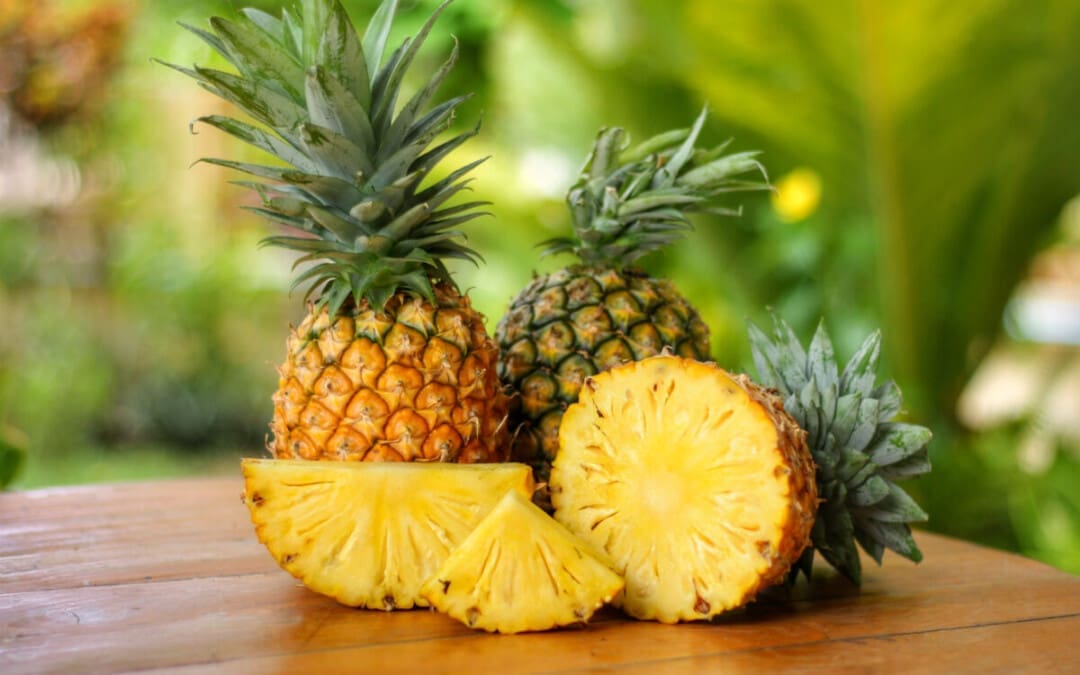
Pineapple (Ananas comosus L.) is more than just a tropical treat to snack on both frozen or on its own—it’s a nutritional powerhouse packed with essential vitamins, antioxidants, and enzymes that promote overall health. Innated in South America and anywhere tropical, the pineapple has been used to treat various ailments. (Kumar et al., 2023) This vibrant fruit is highly relished due to its unique aroma and sweet taste while containing vitamins and minerals that can be a delicious and natural way to incorporate into a healthy diet for optimal wellness. (Mohd Ali et al., 2020)
Nutritional Facts
While pineapple is being riched in nutrients, a single cup of fresh pineapple, which is about 165 grams, provides:
Calories: 82
Carbohydrates: 22g
Fiber: 2.3g
Sugars: 16g
Protein: 1g
At the same time, nutrients and vitamins from eating a pineapple provide immune function, energy production, and cellular repair. Some of the nutrients pineapple include:
Vitamin C: 131%
Manganese: 76%
Vitamin B6: 9%
Copper: 9%
Thiamine (B1): 9%
Fighting Inflammation Naturally- Video
Pineapple’s Role in Reducing Inflammation
When the body deals with pain-like issues, it can lead to inflammation. Inflammation is the body’s natural defense system that helps heal and attack pathogens in the affected area. This is due to the immune system sending out inflammatory cells and cytokines to start healing the affected area. One of the standout benefits of pineapple is its powerful anti-inflammatory properties. Pineapple has an enzyme known as bromelain.
One of the standout benefits of pineapple is its powerful anti-inflammatory properties, largely attributed to an enzyme called bromelain. This enzyme stems from the pineapple plant and has a double effect by modulating the immunological response that is significant for proper immune system functioning while preserving homeostasis. (Hikisz & Bernasinska-Slomczewska, 2021) Additionally, some of the benefits bromelain offers include:
Reduce Joint Pain and Swelling
Enhance Recovery After Exercise
Support Digestive Health
Additionally, bromelain can suppress the NF-KappaB signaling pathway by reducing inflammatory gene expression and attenuating the inflammatory cascade by breaking down the proteins involved in edema formation and swelling associated with inflammation. (Kansakar et al., 2024)
Additional Health Benefits of Pineapple
There are additional benefits when it comes to incorporating pineapple to not only reduce inflammation but also to help manage the body by:
Boosts Immunity
Supports Heart Health
Aids in Weight Management
This is because pineapple’s antioxidants help protect the body from free radicals that trigger illnesses caused by oxidative stress and inflammation. (Arulselvan et al., 2016) The fibers, antioxidants, and hydration levels can help the body even further when incorporated into a healthy diet.
Incorporating Pineapple Into Your Diet
Pineapple is incredibly versatile fruit and can be enjoyed in various ways. It provides an abundance of dietary fibers and phytochemicals and has a high nutritional value and medicinal properties. (Seenak et al., 2021) Some of the ways many people can incorporate pineapple into their diet include:
Fresh: Add chunks to smoothies, salads, or yogurt for an extra source of antioxidants. Additionally, put fresh pineapple chunks in the freezer for 2-3 hours on parchment paper for a delicious snack.
Grilled: Grilling pineapple can enhance its sweetness and be served with protein dishes.
Blended: Make refreshing pineapple juice or incorporate frozen chunks into tropical smoothies.
Cooked: Cooking pineapple on a stovetop can be a great option for incorporating it into stir-fries and salsas or as a topping for lean meats like chicken or fish.
Final Thoughts
In addition to being a summertime tropical fruit, pineapple is a superfood that is full of vitamins and nutrients with anti-inflammatory qualities that help the body fight against inflammation. A nutritious diet that includes pineapple can help many individuals feel more energized and control their pain-related symptoms. Eating fresh pineapple, whether it’s grilled, juiced, or combined into a smoothie, may improve their general health and well-being.
Injury Medical & Functional Medicine Clinic
We associate with certified medical providers who understand the importance of incorporating anti-inflammatory foods to reduce the inflammatory effects from affecting the body. When asking important questions to our associated medical providers, we advise patients to implement small changes to their daily routine, like incorporating pineapple into a healthy diet, which can reduce the inflammatory effects in the body. Dr. Alex Jimenez, D.C., utilizes this information as an academic service. Disclaimer.
References
Arulselvan, P., Fard, M. T., Tan, W. S., Gothai, S., Fakurazi, S., Norhaizan, M. E., & Kumar, S. S. (2016). Role of Antioxidants and Natural Products in Inflammation. Oxid Med Cell Longev, 2016, 5276130. https://doi.org/10.1155/2016/5276130
Hikisz, P., & Bernasinska-Slomczewska, J. (2021). Beneficial Properties of Bromelain. Nutrients, 13(12). https://doi.org/10.3390/nu13124313
Kansakar, U., Trimarco, V., Manzi, M. V., Cervi, E., Mone, P., & Santulli, G. (2024). Exploring the Therapeutic Potential of Bromelain: Applications, Benefits, and Mechanisms. Nutrients, 16(13). https://doi.org/10.3390/nu16132060
Mohd Ali, M., Hashim, N., Abd Aziz, S., & Lasekan, O. (2020). Pineapple (Ananas comosus): A comprehensive review of nutritional values, volatile compounds, health benefits, and potential food products. Food Res Int, 137, 109675. https://doi.org/10.1016/j.foodres.2020.109675
Seenak, P., Kumphune, S., Malakul, W., Chotima, R., & Nernpermpisooth, N. (2021). Pineapple consumption reduced cardiac oxidative stress and inflammation in high cholesterol diet-fed rats. Nutr Metab (Lond), 18(1), 36. https://doi.org/10.1186/s12986-021-00566-z
Experience the powerful properties of moringa. Understand its health benefits and how it can support a healthier lifestyle.
Introduction
How often do you experience joint pain after doing daily tasks? Do you find that the upper and lower body extremities are hot and sensitive to the touch? Or do you wake up with widespread joint and muscle discomfort that goes away over the day? Inflammatory effects might result from overlapping pain feelings that are caused by inflammation in certain bodily joints. When this occurs, a lot of folks start searching for strategies to lessen joint inflammation. To lessen joint inflammation, many patients choose holistic therapies that include vitamins, herbal supplements, and nutraceuticals. Moringa is one of the supplements we will examine.
Moringa: The Nutritional Powerhouse
The “Miracle Tree,” or moringa, is a plant that is indigenous to many regions of Africa and Asia and has strong nutritional and therapeutic qualities. This nutrient-dense superfood is a multifunctional plant with a wide range of nutritional and medicinal benefits. (Arora and Arora, 2021) Numerous vital vitamins, minerals, antioxidants, and bioactive substances found in moringa plants support general health. To demonstrate the nutritional value of moringa oleifera, one gram of dried moringa leaves contains:
9 grams of protein.
Vitamin C: 51.7 milligrams
378 mcg of Vitamin
185 mg of calcium; 337 mg of potassium; 4 mg of iron; and 147 mg of magnesium
Two grams of fiber
Additionally, moringa’s inherent capacity to reduce inflammation and ease joint pain brought on by arthritis and other joint disorders is among its most advantageous qualities for a large number of people.
A Natural Remedy For Inflammation
The body’s normal reaction to diseases, traumas, and long-term joint disorders like arthritis is inflammation. Depending on how severe the damaged region is, a person may have either acute or chronic inflammation. In contrast to chronic inflammation, which may result in overlapping risk profiles and cause tissue damage and long-term discomfort, acute inflammation causes redness and heat to radiate from the afflicted location. When this occurs, moringa’s anti-inflammatory properties may aid in the natural reduction of joint inflammation.
How Moringa Helps Fight Inflammation
Moringa has numerous beneficial properties to reduce the impact of inflammation; it includes:
Antioxidant Riched
Strong antioxidants found in moringa neutralize dangerous oxidants brought on by inflammation and oxidative stress while also inhibiting the pro-inflammatory enzymes quercetin and kaempferol. (Chis and others, 2023) By neutralizing free radicals, moringa’s antioxidant properties help reduce the harm they cause. (Jimenez-Vergara et al., 2017)
Contains Natural Anti-Inflammatory Compounds
Moringa has strong antioxidants that neutralize dangerous oxidants brought on by inflammation and oxidative stress while blocking the pro-inflammatory enzymes quercetin and kaempferol. (Chis and others, 2023) Moringa’s antioxidant properties may neutralize free radicals and reduce their harmful effects. In 2017, Vergara-Jimenez et al.
Supports Immune Function
Many individuals are unaware that immune system failure is often associated with chronic inflammation, and that moringa may enhance immunological function. By causing a mild inflammatory phase to aid in healing, moringa consumption may reduce chemical and physical irritants as well as immunological problems. (Xiao and others, 2020) Moringa also contains significant levels of beta-carotene, vitamin A, and vitamin C, which enhance the immune system and support and control a healthy inflammatory response.
Unlocking The Secrets Of Inflammation-Video
Moringa for Joint Pain & Arthritis
Moringa may be a natural remedy for joint pain, whether from rheumatoid arthritis or osteoarthritis, without the typical negative effects of prescription drugs. This is because as the body ages, the joints may get smaller, resulting in inflammation-related pain that eventually leads to malalignment. (Gessl and others, 2021)
Reduces Joint Swelling
The anti-inflammatory properties that moringa has can help decrease joint swelling and reduce stiffness and pain. At the same time, the anti-inflammatory properties of moringa can help improve skeletal muscle dysfunction associated with joint swelling by reducing the pro-inflammatory cytokines. (Sailaja et al., 2022)
Prevents Cartilage Breakdown
The antioxidants in moringa help protect against cartilage degradation, which is a major cause of joint pain.
Improves Joint Mobility & Flexibility
Many people found that incorporating and regularly consuming moringa can help reduce joint pain and stiffness while improving mobility and flexibility in the upper and lower extremities.
Incorporating Moringa Into Your Diet
Many people who are thinking about their health and wellness can make small changes to their daily routine, especially regarding their eating habits. Since food and nutrition are crucial to developing and maintaining a healthy lifestyle, adding moringa into a person’s daily routine can do that. (Bibi et al., 2024) There are several ways to enjoy moringa’s benefits:
1. Moringa Powder
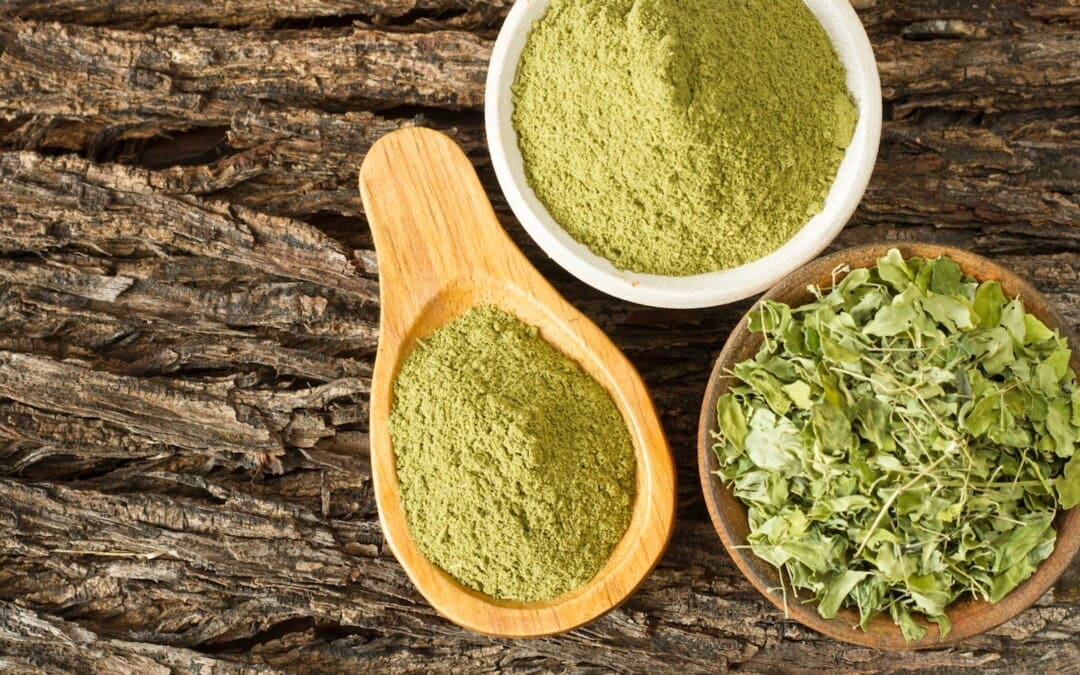
– Adding 1-2 teaspoons of moringa powder to smoothies, soups, or teas can provide an extra nutritional boost to the body.
2. Moringa Capsules
– For individuals with a busy, hectic lifestyle, consuming moringa capsules daily can help many people incorporate taking supplements as a daily habit.
3. Moringa Tea
– For those individuals who enjoy a warm cup of tea, seeping moringa leaves for three to five minutes in hot water can create a soothing anti-inflammatory tea.
4. Moringa Oil (Ben Oil)
– Individuals dealing with joint pain can apply moringa oil to their joints for additional pain relief.
Final Thoughts
Moringa is a powerful superfood with anti-inflammatory and joint pain-relieving properties that can be incorporated into a healthy diet. Due to its essential nutrients, antioxidants, and bioactive compounds can be a natural alternative for individuals seeking relief from arthritis and chronic inflammation. Incorporating moringa as part of a healthy dietary habit can improve individuals’ health and joint mobility.
Injury Medical & Functional Medicine Clinic
We associate with certified medical providers who understand the importance of the various effects of incorporating moringa to reduce the inflammatory effects that are causing joint pain. When asking important questions to our associated medical providers, we advise patients to implement small changes to their daily routine, like incorporating anti-inflammatory foods into their diets to reduce the effects of joint inflammation and restore mobility. Dr. Alex Jimenez, D.C., utilizes this information as an academic service. Disclaimer.
References
Arora, S., & Arora, S. (2021). Nutritional significance and therapeutic potential of Moringa oleifera: The wonder plant. J Food Biochem, 45(10), e13933. https://doi.org/10.1111/jfbc.13933
Bibi, N., Rahman, N., Ali, M. Q., Ahmad, N., & Sarwar, F. (2024). Nutritional value and therapeutic potential of Moringa oleifera: a short overview of current research. Nat Prod Res, 38(23), 4261-4279. https://doi.org/10.1080/14786419.2023.2284862
Chis, A., Noubissi, P. A., Pop, O. L., Muresan, C. I., Fokam Tagne, M. A., Kamgang, R., Fodor, A., Sitar-Taut, A. V., Cozma, A., Orasan, O. H., Heghes, S. C., Vulturar, R., & Suharoschi, R. (2023). Bioactive Compounds in Moringa oleifera: Mechanisms of Action, Focus on Their Anti-Inflammatory Properties. Plants (Basel), 13(1). https://doi.org/10.3390/plants13010020
Cuellar-Nunez, M. L., Gonzalez de Mejia, E., & Loarca-Pina, G. (2021). Moringa oleifera leaves alleviated inflammation through downregulation of IL-2, IL-6, and TNF-alpha in a colitis-associated colorectal cancer model. Food Res Int, 144, 110318. https://doi.org/10.1016/j.foodres.2021.110318
Gessl, I., Popescu, M., Schimpl, V., Supp, G., Deimel, T., Durechova, M., Hucke, M., Loiskandl, M., Studenic, P., Zauner, M., Smolen, J. S., Aletaha, D., & Mandl, P. (2021). Role of joint damage, malalignment and inflammation in articular tenderness in rheumatoid arthritis, psoriatic arthritis and osteoarthritis. Ann Rheum Dis, 80(7), 884-890. https://doi.org/10.1136/annrheumdis-2020-218744
Sailaja, B. S., Hassan, S., Cohen, E., Tmenova, I., Farias-Pereira, R., Verzi, M. P., & Raskin, I. (2022). Moringa isothiocyanate-1 inhibits LPS-induced inflammation in mouse myoblasts and skeletal muscle. PLOS ONE, 17(12), e0279370. https://doi.org/10.1371/journal.pone.0279370
Vergara-Jimenez, M., Almatrafi, M. M., & Fernandez, M. L. (2017). Bioactive Components in Moringa Oleifera Leaves Protect against Chronic Disease. Antioxidants (Basel), 6(4). https://doi.org/10.3390/antiox6040091
Xiao, X., Wang, J., Meng, C., Liang, W., Wang, T., Zhou, B., Wang, Y., Luo, X., Gao, L., & Zhang, L. (2020). Moringa oleifera Lam and its Therapeutic Effects in Immune Disorders. Front Pharmacol, 11, 566783. https://doi.org/10.3389/fphar.2020.566783
Can mustard be a low-calorie alternative to higher-fat condiments for individuals trying to reduce calorie intake?
Mustard
Prepared mustard is a common condiment used around the country. It is a low-calorie, highly flavored condiment that can replace more calorie-dense options. The familiar condiment combines mustard seeds with vinegar, salt, lemon, and other ingredients. There are also different varieties made from brown or black mustard seeds.
Health Benefits
Mustard is considered healthy because it contains antioxidants that provide various health benefits, including anti-cancer, antibacterial, antiviral, antifungal, anti-inflammatory, and wound-healing properties. (Mazumder A., Dwivedi A., & du Plessis J. 2016) Although not associated with significant health benefits, mustard is a low-calorie alternative to many higher-fat condiments, like mayonnaise. Different types of mustard seeds are used for health purposes. For example, some herbalists use white mustard seeds to clear the throat when mixed with honey (Ewing, Sarah, 1999). Antioxidants include isothiocyanates and sinigrin.
Isothiocyanates, the oil that gives mustard its pungent taste, have anti-cancer properties for breast, lung, GI tract, and prostate cancers.
However, the mechanism remains unclear, and more research is needed to determine the efficacy of mustard’s health benefits for cancer.
Isothiocyanates may also help manage diabetes and reduce unhealthy cholesterol, providing cardiovascular protection and neurological benefits that may help autistic individuals. More research is needed. (Palliyaguru D. et al., 2018)
Sinigrin is another antioxidant. Research shows this antioxidant has anti-cancer, antibacterial, antiviral, antifungal, anti-inflammatory, and wound-healing properties. (Mazumder A., Dwivedi A., & du Plessis J. 2016)
Nutrition
A single serving is usually about a teaspoon. A serving of prepared yellow and spicy mustard provides only about three calories. (U.S. Department of Agriculture, 2019) Its nutritional profile includes a rich supply of essential minerals, including calcium, iron, manganese, phosphorus, and zinc. It is also a good source of omega-3 fatty acids, tryptophan, phosphorus, iron, and protein. The seeds are also a very good source of selenium. Most calories come from carbohydrates, but because the calorie count is so low, these carbohydrates are not likely to significantly affect daily intake. Dijon mustard may provide more calories. A single serving of Dijon may contain up to 10 calories.
Preparation and Storage
Yellow mustard and Dijon are easy to find. Try course mustard varieties with distinct textures and seeds. Buy in small quantities, as mustard can lose flavor with time. Once opened, store in the refrigerator for up to one year. Mustard imparts a strong, spicy taste that pairs well with meat and seafood and can also be used to make salad dressings.
Side Effects
The U.S. Food and Drug Administration recognizes mustard as safe (GRAS). Eating too much can cause abdominal pain, diarrhea, and gut inflammation. However, mustard and mustard seed allergies are not uncommon. Symptoms may be mild or severe and generally appear shortly after consuming the product. Individuals may experience a rash or a tingly, itchy feeling in the mouth. Difficulty breathing is also possible. Other foods derived from the mustard plant, including leaves, seeds, flowers, sprouted seeds, oil, and foods that contain these, are likely to cause reactions in those with mustard allergies.
Injury Medical Chiropractic and Functional Medicine Clinic
Injury Medical Chiropractic and Functional Medicine Clinic focuses on and treats injuries and chronic pain syndromes through personalized care plans that improve ability through flexibility, mobility, and agility programs to relieve pain. Our providers use an integrated approach to create customized care plans for each patient and restore health and function to the body through nutrition and wellness, functional medicine, acupuncture, Electroacupuncture, and sports medicine protocols. If the individual needs other treatment, they will be referred to a clinic or physician best suited for them. Dr. Jimenez has teamed up with top surgeons, clinical specialists, medical researchers, nutritionists, and health coaches to provide the most effective clinical treatments.
Enhancing Health Together
References
Mazumder, A., Dwivedi, A., & du Plessis, J. (2016). Sinigrin and Its Therapeutic Benefits. Molecules (Basel, Switzerland), 21(4), 416. https://doi.org/10.3390/molecules21040416
Ewing, Sarah. (1999). Black Mustard (Brassica nigra). https://opensiuc.lib.siu.edu/cgi/viewcontent.cgi?article=1421&context=ebl
Palliyaguru, D. L., Yuan, J. M., Kensler, T. W., & Fahey, J. W. (2018). Isothiocyanates: Translating the Power of Plants to People. Molecular nutrition & food research, 62(18), e1700965. https://doi.org/10.1002/mnfr.201700965
U.S. Department of Agriculture. (2019). Mustard, prepared, yellow. Retrieved from https://fdc.nal.usda.gov/food-details/326698/nutrients
IFM's Find A Practitioner tool is the largest referral network in Functional Medicine, created to help patients locate Functional Medicine practitioners anywhere in the world. IFM Certified Practitioners are listed first in the search results, given their extensive education in Functional Medicine