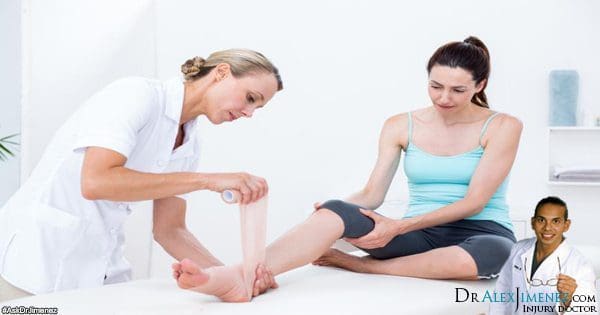
Calf pain is common in individuals who spend a lot of time on their feet, whether standing at work, school, or training athletes. The calf muscle/s take on a tremendous amount of load throughout the day. Climbing stairs, jogging, running, and hiking increase strain on the muscles. In most cases, calf pain results from an overuse injury of the calf muscles. Improper footwear can also contribute to issues around the foot and ankle that include:
Tightness
Loss of strength of the foot
Decreased mobility
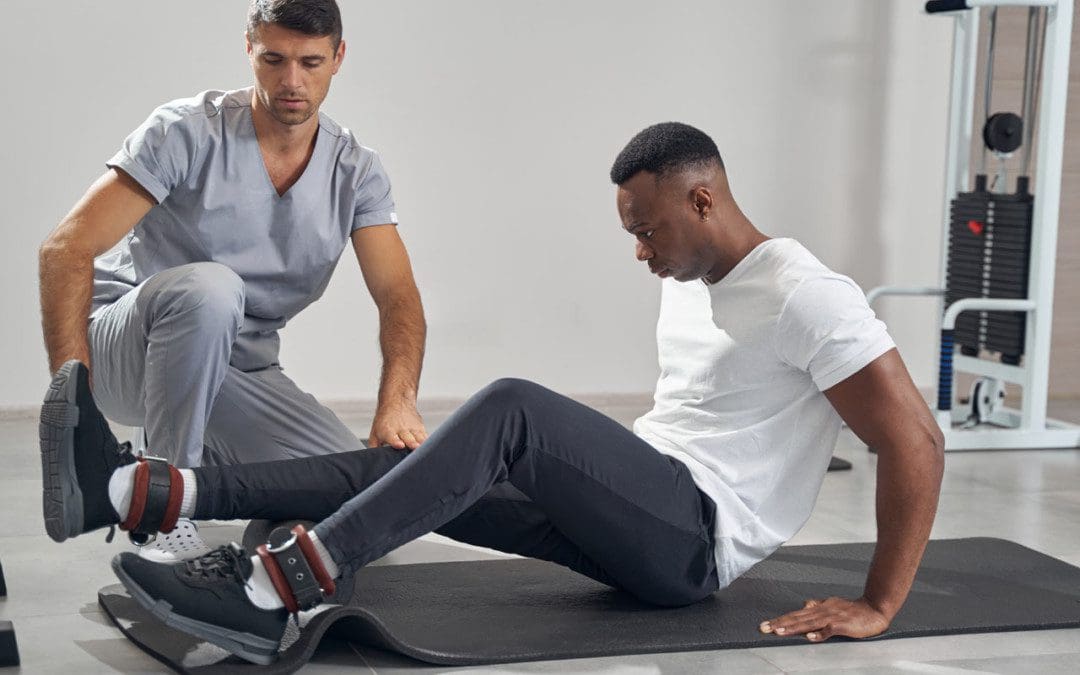
Short or tight calves can lead to dysfunctional movement, cramping symptoms, chronic pain, and stiffness. A combination of chiropractic active release treatment and physical therapy can help quickly eliminate calf pain.
Anatomy
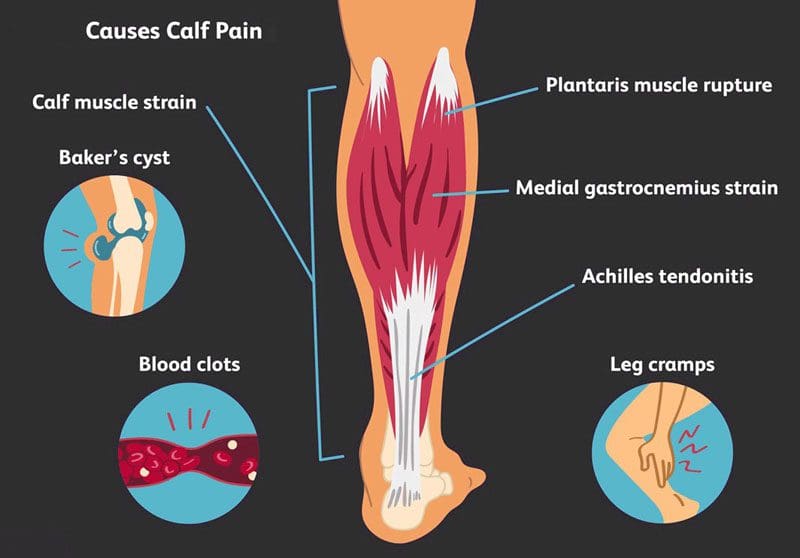
The calves are comprised of two muscles, the gastrocnemius, and soleus.
The gastroc originates just above the knee.
The soleus is below the knee.
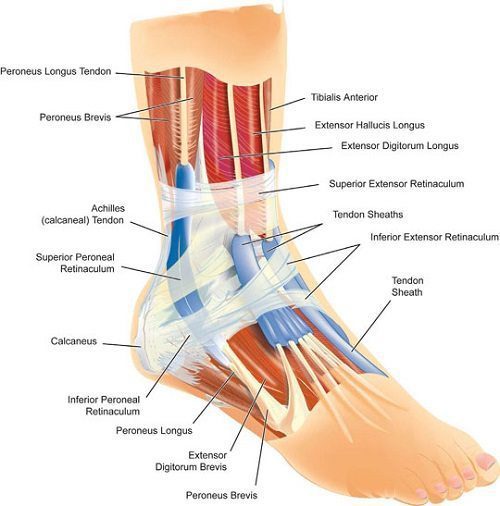
They both insert on the back of the ankle as they join to form the Achilles tendon. The gastrocnemius is the power muscle used for explosive movements like jumping. The soleus muscle is predominately a slow-twitch muscle. This means it is very active during extended activities, like standing, walking, exercising, and running. When dealing with calf and ankle issues, other muscles can also contribute. These include:
The posterior tibialis lies deep in the inner portion of the calf and plays a role in foot and ankle function.
Most commonly, calf pain is caused by the overuse of the calf muscles. This is often the result of the consistent pounding of the feet and lower legs from standing, walking, and working. Over time, the repetitive pounding can cause tiny tears in the muscles of the lower legs and calves. If detected, early rest and recovery are recommended to allow the muscles to relax, loosen, and heal. However, repeated use can lead to more severe injury without proper treatment, like compartment syndrome. Certain types of calf pain can signify a medical emergency that requires immediate treatment.
Compartment Syndrome
A tough and fibrous covering surrounds the calf called the fascia. During physical activity or exercise, blood flows into these muscles, causing them to increase in size. If the fascia cannot stretch enough when these muscles enlarge, pain and tightness can develop. This is known as chronic posterior compartment syndrome. The discomfort typically goes away when the activity stops but is likely to return without proper treatment.
Calf Overuse Injury
Soreness, tightness, and pain are usually felt along the back or inside of the lower leg. The calf muscles are generally not painful to touch but maybe tender when deep pressure is applied. Calf pain and tightness often come with extended physical activity, exercise and disappear once the activity is stopped. If the injury becomes chronic, calf stiffness can present even when not active, along with numbness and/or tingling in the lower leg or foot.
Treatment
It is recommended not to ignore any discomfort, pain, and stiffness in the calves. Continued overuse can lead to scar tissue formation and chronic pain potential without proper care. Active Release – ART, and chiropractic effectively treat this type of injury. ART breaks up scar tissue, returning normal function to the calf muscles. And chiropractic loosens up stiff joints in the hips, ankles, and feet that may be contributing to wear and tear on the calves. Together they can quickly and eliminate calf pain. Part of a treatment plan includes:
Aerobic exercise substantially impacts the body’s muscles’ energy production system and cardiovascular adaptation. The blood delivers oxygen to the muscle cells to produce energy that powers all the exercise being done. Aerobic exercise primarily relies on oxidative energy production, which takes place within the cells called mitochondria. Aerobic exercise also breaks down fat molecules for energy, which can only happen within mitochondria.
Aerobic exercise training improves the muscle cells’ ability to burn fat by generating more mitochondria and enhancing their functionality. Specifically, the body burns more fat than usual in the hours following each training session.
With more precise quality and quantity of fat-burning machinery, aerobic training can increase the resting metabolic rate, resulting in more calories burned.
High-intensity aerobic exercise also increases the excess post-exercise oxygen consumption – EPOC, resulting in increased calorie burn in addition to what was burned during the exercising.
References
Alfredson, H et al. “Heavy-load eccentric calf muscle training for the treatment of chronic Achilles tendinosis.” The American journal of sports medicine vol. 26,3 (1998): 360-6. doi:10.1177/03635465980260030301
Bright, Jacob Michael et al. “Ultrasound Diagnosis of Calf Injuries.” Sports health vol. 9,4 (2017): 352-355. doi:10.1177/1941738117696019
Campbell, John T. “Posterior calf injury.” Foot and ankle clinics vol. 14,4 (2009): 761-71. doi:10.1016/j.fcl.2009.07.005
Green, Brady, and Tania Pizzari. “Calf muscle strain injuries in sport: a systematic review of risk factors for injury.” British journal of sports medicine vol. 51,16 (2017): 1189-1194. doi:10.1136/bjsports-2016-097177
The ankles provide an essential role in total body function. They work as a complex system within the feet to carry the body’s weight and support movement. Any imbalance can cause ankle instability that can cause other areas of the body to go out of balance. This is most often caused by an injury, like an ankle sprain. If not properly addressed, it can lead to chronic instability and long-term health issues throughout the musculoskeletal system. Chiropractic treatment can rehabilitate ankle injuries, strengthen the muscles to prevent instability.
Ankle Instability
The entire body is an extensive, complicated, and interconnected system. Every part influences the next as individuals go about their everyday routines. Imbalances can occur in the spine, hips, legs, and knees, leading to limping, ankle pain, or injury. The most common causes of ankle instability include:
Poor foot or ankle mechanics
Knee or hip imbalances
Ankle sprains
Muscle strain
Tendonitis
Arthritis
Fractures
Chronic inflammation from illness or injury.
Finding The Imbalances
Understanding where the imbalances are and systematically addressing them is the recommended course of action. If an ankle injury is present, local symptoms and dysfunction need to be addressed. However, it is important to assess other body areas to ensure any other dysfunctions are also addressed. This prevents unnecessary re-injury, aggravation, and other problems.
Chiropractic
One or more treatment options will be utilized for proper recovery when dealing with ankle instability.
Joint adjustments of the lower body and spine to support nerve and blood circulation.
Chiropractic is recommended for determining any body imbalances that need to be addressed with high-quality research-based care and can expedite the recovery process.
Body Composition
Compression Garments and Socks
These were only used to treat individuals with circulatory problems but are now available to the public. Recovery is about giving the body a chance to relax, recuperate, and recover from swelling, with the objective to resume physical activity. Compression garments come in shirts, pants, sleeves, and socks. The garments and socks are used for quicker recovery time, improved circulation and oxygen delivery to the muscles, and to reduce lactic acid build-up.
References
Anguish, Ben, and Michelle A Sandrey. “Two 4-Week Balance-Training Programs for Chronic Ankle Instability.” Journal of athletic training vol. 53,7 (2018): 662-671. doi:10.4085/1062-6050-555-16
Czajka, Cory M et al. “Ankle sprains and instability.” The Medical clinics of North America vol. 98,2 (2014): 313-29. doi:10.1016/j.mcna.2013.11.003
Gribble, Phillip A. “Evaluating and Differentiating Ankle Instability.” Journal of athletic training vol. 54,6 (2019): 617-627. doi:10.4085/1062-6050-484-17
Lubbe, Danella et al. “Manipulative therapy and rehabilitation for recurrent ankle sprain with functional instability: a short-term, assessor-blind, parallel-group randomized trial.” Journal of manipulative and physiological therapeutics vol. 38,1 (2015): 22-34. doi:10.1016/j.jmpt.2014.10.001
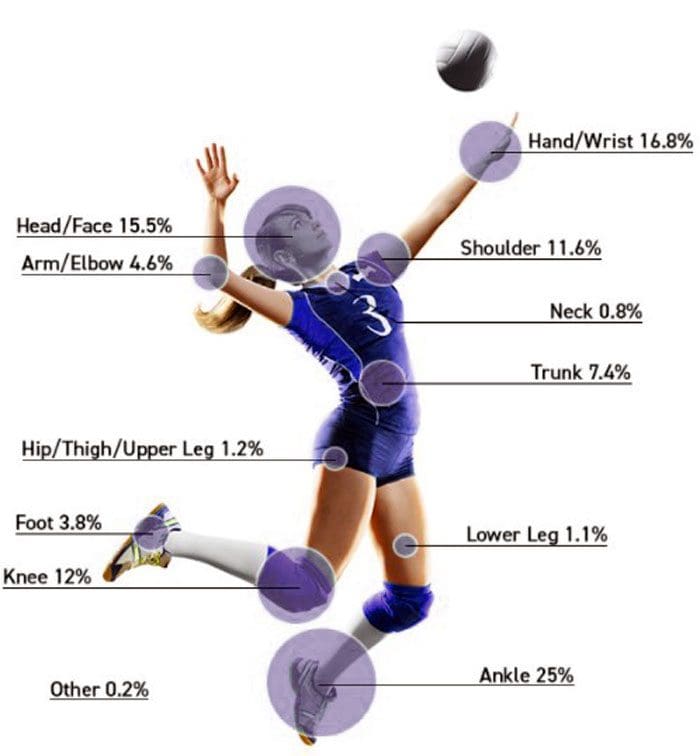
Around a half-million high school students in the U.S. play volleyball. Whether the parent of a volleyball player or part of a recreational league, the goal is to be ready for the season, which means preventing and addressing volleyball injuries. It is a highly demanding sport with quick movements, jumping, twisting, diving, spiking, etc. Despite being fit and healthy, extensive training along with match play takes a toll on the body. Chiropractic can benefit volleyball players.
Common Volleyball Injuries
Why Chiropractic Works
Chiropractic treatment and rehabilitation, especially by a sports chiropractor, is recommended for volleyball injuries because it addresses acute and chronic injuries to all areas of the body. Chiropractic treats the entire musculoskeletal system. Proper joint alignment from chiropractic adjustments in the spine and throughout the body maintains the biomechanic integrity. This reduces high-impact forces in the joints. Soft tissue treatments like instrument-assisted soft tissue mobilization can help resolve injuries by providing the tissues with more blood flow into the affected area allowing for faster healing. Most volleyball injuries result from overuse to the joints and muscles, resulting in repetitive strain. In volleyball, repetitive/overuse injuries are common in the knees, ankles, and shoulders. This comes from all the jumping, serving, and spiking.
Player Benefits
Body Soreness Is Reduced/Alleviated
Many athletes, including volleyball players, do not get the proper recovery time from training or playing.
Reduced recovery periods cause body soreness and stiffness that can overlap into an injury.
Chiropractic can reduce and alleviate body soreness.
Chiropractic promotes faster recovery.
Optimal Performance
Studies show that athletes that receive regular chiropractic care found speed and mobility performance enhanced.
Athletes require fast reflexes and optimal hand-eye coordination.
Speed, mobility, reflexes, and coordination depend on a healthy nervous system.
90% of the central nervous system travels through the spine.
Spinal alignment can either allow for proper nerve flow or disrupt nerve flow.
Even when just one spinal segment is misaligned and out of place, the nervous system can impact reflexes, speed, mobility, and hand-eye coordination.
A properly functioning spine and nervous system will ensure the player is at their best.
Faster Injury Recovery Time
Healing the body properly takes time. Just like the body needs sleep/rest to function properly, so it is with injuries.
The issue for athletes is how much time healing takes.
Individual athletes receiving chiropractic care have been shown to heal faster.
Mobility and Strength
A chiropractic doctor can reduce the pressure around the nerve roots that exit the spine, which will help improve player performance. This includes:
Range of motion
Mobility and flexibility
Strength
Endurance
To find out how chiropractic can help, contact Injury Medical Chiropractic and Functional Medicine Clinic. We will perform a thorough musculoskeletal and nervous system examination.
Ankle Sprain Treatment
How Many Calories Over 24 hours
Myths that offer strategies that avoid the hard work and commitment that diet and exercise demand should be avoided. Individuals cannot expect to experience healthy body composition changes by increasing/decreasing meal frequency if they are living a sedentary lifestyle. It is not important how often or what time an individual takes in calories (has a meal). What is important is how many calories an individual has over a 24-hour period. A study looked at healthy individuals that ate one large meal a day for two weeks and then later ate the same meal but spread out over five smaller meals for another two weeks. It was concluded that there was no statistical difference in body weight gain or loss between the two eating methods. 2000 calories over 3 meals is the same 2000 calories consumed over 5 meals. There is no substitute for proper diet and exercise. The focus should be on what and how much you eat.
References
Eerkes, Kevin. “Volleyball injuries.” Current sports medicine reports vol. 11,5 (2012): 251-6. doi:10.1249/JSR.0b013e3182699037
Gouttebarge, Vincent et al. “Preventing musculoskeletal injuries among recreational adult volleyball players: design of a randomized prospective controlled trial.” BMC musculoskeletal disorders vol. 18,1 333. 2 Aug. 2017, doi:10.1186/s12891-017-1699-6
Kilic, O et al. “Incidence, etiology, and prevention of musculoskeletal injuries in volleyball: A systematic review of the literature.” European journal of sports science vol. 17,6 (2017): 765-793. doi:10.1080/17461391.2017.1306114
Seminati, Elena, and Alberto Enrico Minetti. “Overuse in volleyball training/practice: A review on the shoulder and spine-related injuries.” European journal of sports science vol. 13,6 (2013): 732-43. doi:10.1080/17461391.2013.773090
Wolfram, G et al. “Thermogenese des menschen bei unterschiedlicher mahlzeitenhäufigkeit” [Thermogenesis in humans after varying meal time frequency]. Annals of nutrition & metabolism vol. 31,2 (1987): 88-97. doi:10.1159/000177255
Tennis is an intense sport that requires strength, agility, flexibility, stamina, endurance, and conditioning. And it’s a great way to stay in shape. However, with all of this intensity is the risk of injuries. Although they are lower compared to other sports injuries, injuries are more cumulative/repetitive based and wear and tear over time type. Tennis injuries can be painful and impair daily life. They can be treated and prevented with chiropractic medicine and strength training. Chiropractic can help the body heal quicker, and address underlying issues that led to the injury. This will help to worsen and prevent re-injury. The most common tennis injuries include…
Wrist Tendonitis
This is an injury that can happen to beginner players that don’t have a great deal of arm/wrist strength, use a racquet that is too heavy, and begin developing an improper form to compensate. But it can also be caused by repetitive/overusing the wrist instead of the whole arm. Symptoms are chronic stiffness and pain in the area surrounding the wrist joint. Chiropractic sports massage, physical rehabilitation, and learning proper form will help alleviate the pain and prevent worsening or developing new injuries.
Tennis Elbow
Tennis elbow is a condition that is caused by inflammation of the outside muscles in the forearm and tendons. This is usually an overuse injury from all the swinging and hitting, but using the improper technique could also be a cause. Chiropractic adjustments are highly recommended instead of steroid injections and other anti-inflammatories. The adjustments and massage relieve the discomfort and pain by naturally relaxing, stretching, and strengthening the muscles and tendons.
Shoulder Rotator Cuff Tendonitis
The rotator cuff belongs to a group of tendons and muscles that surround the shoulder joint. This allows the shoulder to perform 360-degree arm circles and is what stabilizes the shoulders. Tendonitis happens when the tendons inside the rotator cuff become inflamed. The inflammation causes pain with movement, especially overhead motions decreasing the range of motion in the shoulder. This injury is often caused by serving and hitting overheads with an improper technique. Chiropractic adjusting, heat and ice therapy, and electro-muscular stimulation loosen and stretch the muscles/tendons back to their proper form.
Knee Sprains and Strains
The knee goes through a lot in sports. And tennis is no exception, much like basketball and volleyball with all the jumping, pounding, shifting, twisting,losing balance, or extending beyond the normal range of motion causes injuries that result in:
Pain
Swelling
Bruising
Loss of the ability to move
Chiropractic will help relieve that pain and relax the damaged muscles. It also speeds the healing process by addressing the underlying issues.
Ankle Sprain
An ankle sprain also known as a twisted ankle happens when the ligaments attached to the joint become over-stretched or partially tear. These sprains happen from the:
Quick start and stop movements
Changing direction rapidly
Quick sprints all around the court
Causing the ankle to roll and/or twist.
A chiropractor will realign the ankle and provide physical therapy massage to allow the ligaments to heal properly and faster. Chiropractic treatment will allow the player to return to play quicker and prevent reinjury that if not treated correctly can become chronic. Having the proper personalized treatment plan will ensure the body heals correctly, prevent misalignments, loss of functionality, and/or range of motion.
PUSH Fitness
Aerobic Training
Aerobic exercise is a cornerstone for weight loss. Having the heart rate elevated for a continuous amount of time is the key. This is how calories are burned. Research has found that individuals involved in aerobic training lose more weight overall, including more fat mass than resistance training alone. When combined, aerobic and resistance training individuals gain more fat-free mass, including lean muscle. Aerobics causes the cardiorespiratory system to adapt. Maintaining heart function and health and keeps the body’s energy metabolism system running at optimal levels. Aerobic exercise for fitness and weight loss is a key element of maintaining the body’s health.
Disclaimer
The information herein is not intended to replace a one-on-one relationship with a qualified health care professional, licensed physician, and is not medical advice. We encourage you to make your own health care decisions based on your research and partnership with a qualified health care professional. Our information scope is limited to chiropractic, musculoskeletal, physical medicines, wellness, sensitive health issues, functional medicine articles, topics, and discussions. We provide and present clinical collaboration with specialists from a wide array of disciplines. Each specialist is governed by their professional scope of practice and their jurisdiction of licensure. We use functional health & wellness protocols to treat and support care for the musculoskeletal system’s injuries or disorders. Our videos, posts, topics, subjects, and insights cover clinical matters, issues, and topics that relate to and support, directly or indirectly, our clinical scope of practice.* Our office has made a reasonable attempt to provide supportive citations and has identified the relevant research study or studies supporting our posts. We provide copies of supporting research studies available to regulatory boards and the public upon request. We understand that we cover matters that require an additional explanation of how it may assist in a particular care plan or treatment protocol; therefore, to further discuss the subject matter above, please feel free to ask Dr. Alex Jimenez or contact us at 915-850-0900.
Dr. Alex Jimenez DC, MSACP, CCST, IFMCP*, CIFM*, CTG*
email: [email protected]
phone: 915-850-0900
Licensed in Texas & New Mexico
References
Dines, Joshua S et al. “Tennis injuries: epidemiology, pathophysiology, and treatment.” The Journal of the American Academy of Orthopaedic Surgeons vol. 23,3 (2015): 181-9. doi:10.5435/JAAOS-D-13-00148
Minghelli, Beatriz, and Jéssica Cadete. “Epidemiology of musculoskeletal injuries in tennis players: risk factors.” The Journal of sports medicine and physical fitness vol. 59,12 (2019): 2045-2052. doi:10.23736/S0022-4707.19.09842-6
Stuelcken, Max et al. “Wrist Injuries in Tennis Players: A Narrative Review.” Sports medicine (Auckland, N.Z.) vol. 47,5 (2017): 857-868. doi:10.1007/s40279-016-0630-x
Willis, Leslie H et al. “Effects of aerobic and/or resistance training on body mass and fat mass in overweight or obese adults.” Journal of applied physiology (Bethesda, Md.: 1985) vol. 113,12 (2012): 1831-7. doi:10.1152/japplphysiol.01370.2011
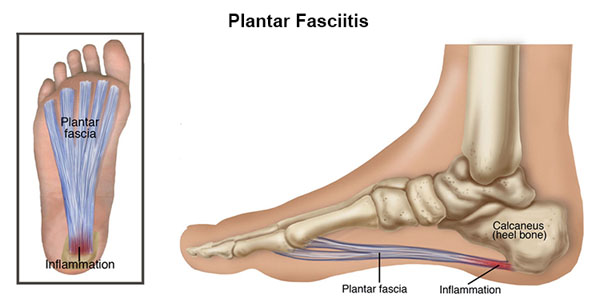
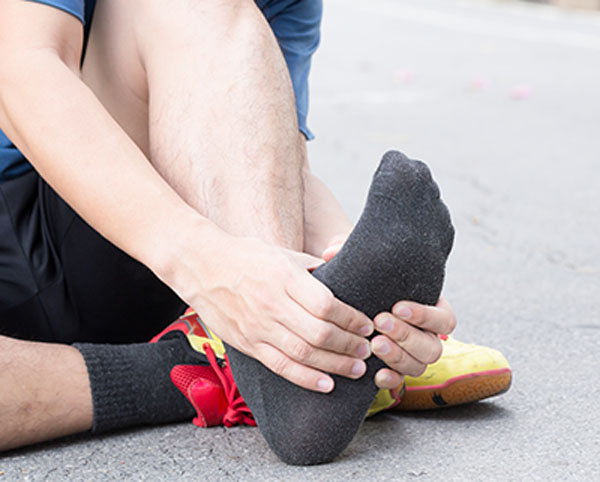
One of the most likely causes of foot/heel pain is inflamed plantar fascia, which causes plantar fasciitis. It can be a painful and common injury from overuse of the ligaments in the foot. When this pain presents, it can make an individual not want to walk or place any type of pressure on the feet, as the pain worsens with pressure or impact on the foot. �
�
Chiropractic care doesn�t just treat the spine but can help with various other musculoskeletal issues throughout the body. With chiropractic adjustments, rest, icing, and exercises, the ligaments, and tissues of the feet are worked out, massaged, and stretched back to their normal range. �
�
Plantar Fascia
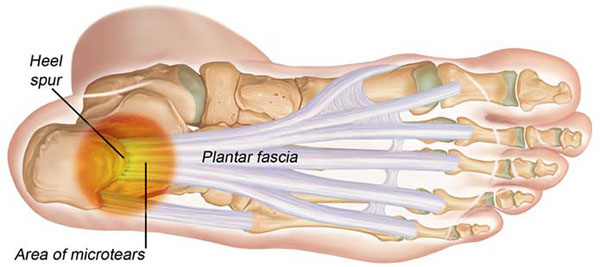
There is a ligament called the plantar fascia. It runs along the bottom of the foot and connects the toes to the heel. The plantar fascia absorbs shock and helps support the feet when walking. However, ligament tension can begin to increase, specifically when standing for long periods. When the tension reaches its limit, small tears can begin to form along with inflammation causing pain.
The pain occurs when walking, standing, or immediately after waking up. The condition can happen to anyone but is more likely to become an issue for those who stand or walk as a regular part of their job, home activity, etc. Side effects from the foot pain often cause individuals to adjust their walking gait to avoid feeling discomfort, that stresses the rest of the body like the muscles, ligaments, joints that can lead to various types of injury/s. �
�
Chiropractic Treatment
Individuals with an inflamed plantar fascia often experience a shooting/stabbing pain that worsens in the morning or after standing or sitting for an extended time. Repetitive impact on the feet and poor arch support from shoes cause small tears to happen over time from the continued stress. If it has just started the pain can be treated with ice and rest, but they are not for solving the root cause. Chiropractic can help bring pain relief that lasts along with recurrence prevention. Here are some a few ways a chiropractor can help: �
Ankle Re-alignment
Ankle misalignment can contribute to plantar fasciitis at the plantar fascia has to work harder to move the foot without the ankle's support. Manipulation and realignment of the ankle will improve foot function.
�
Massage
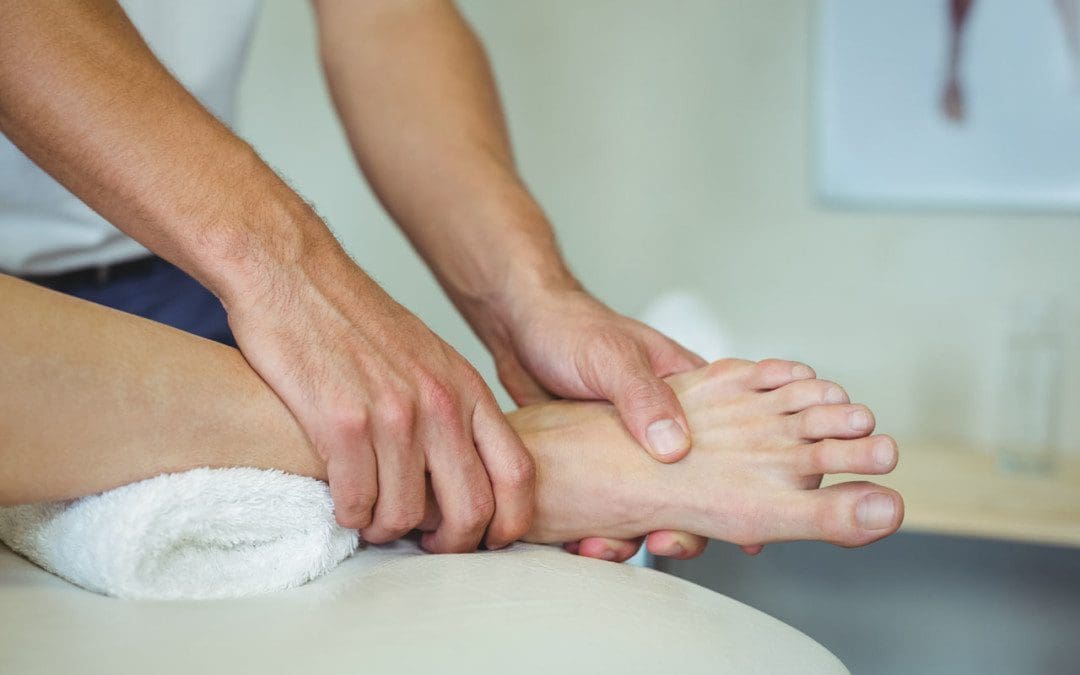
A chiropractor along with a physical therapy team can be utilized for soft tissue massage and trigger point therapy to release tension.
Exercises and Stretches
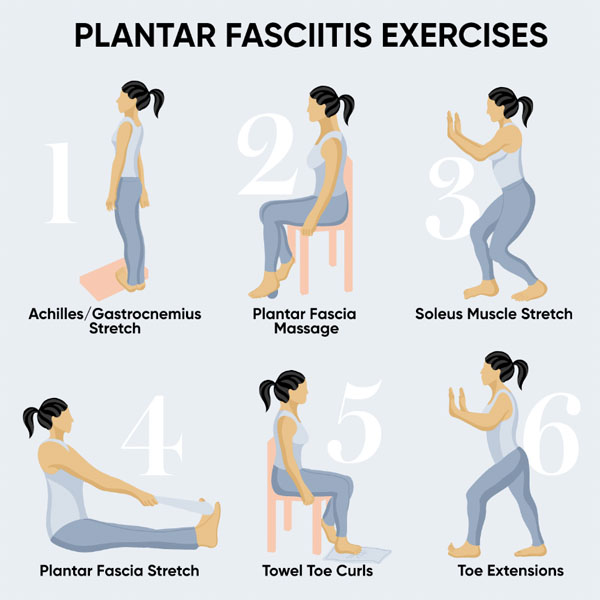
Various stretching and exercising techniques can be implemented to help speed up the healing process. A chiropractor will work the individual through exercises and stretches designed to relieve inflammation and stretch out the tissue. Specific exercises will also be taught to help strengthen the lower leg muscles to stabilize the heel and help prevent pain.
�
Posture
A chiropractor will correct any improper posture/s that has contributed to the foot pain or has become a way of being able to function as a result of the pain. This will return the individual to a normal gait when walking and running. Pressure on the feet and plantar fascia will be alleviated.
�
Spinal/Hip Re-alignment
Individuals learn to avoid pain by walking/moving in a different way than how the body is supposed to. This results in pain in the hips and back, as the body is being pulled in various ways. Manipulation and mobilization will be used to realign the body to its proper form.
�
Footwear/Orthotics
A chiropractor will make adjustments to the feet, ankles, and spine to reduce pain and relieve the pressure on the plantar fascia. Supportive footwear and orthotics could be recommended for extended/preventative care. Once diagnosed with a foot problem wearing proper shoes that support the feet is essential.
Orthotics can also help prevent injury to the back, joints, and muscles that were stretched or over-worked from an abnormal gait. When the pressure is relieved, the ligament starts to heal. This can take a few weeks. The result is a healthier heel/foot with proper function. Chiropractic can accelerate the healing process combined with home care. If pain is presenting in the heel, do not delay and focus on healing the foot.
Reduce Plantar Fasciitis
Dr. Alex Jimenez�s Blog Post Disclaimer
The scope of our information is limited to chiropractic, musculoskeletal, physical medicines, wellness, and sensitive health issues and/or functional medicine articles, topics, and discussions. We use functional health & wellness protocols to treat and support care for injuries or disorders of the musculoskeletal system. Our posts, topics, subjects, and insights cover clinical matters, issues, and topics that relate and support directly or indirectly our clinical scope of practice.*
Our office has made a reasonable attempt to provide supportive citations and has identified the relevant research study or studies supporting our posts. We also make copies of supporting research studies available to the board and or the public upon request. We understand that we cover matters that require an additional explanation as to how it may assist in a particular care plan or treatment protocol; therefore, to further discuss the subject matter above, please feel free to ask Dr. Alex Jimenez or contact us at 915-850-0900. The provider(s) Licensed in Texas& New Mexico*
References
Goff, James D, and Robert Crawford. �Diagnosis and treatment of plantar fasciitis.��American family physician�vol. 84,6 (2011): 676-82.
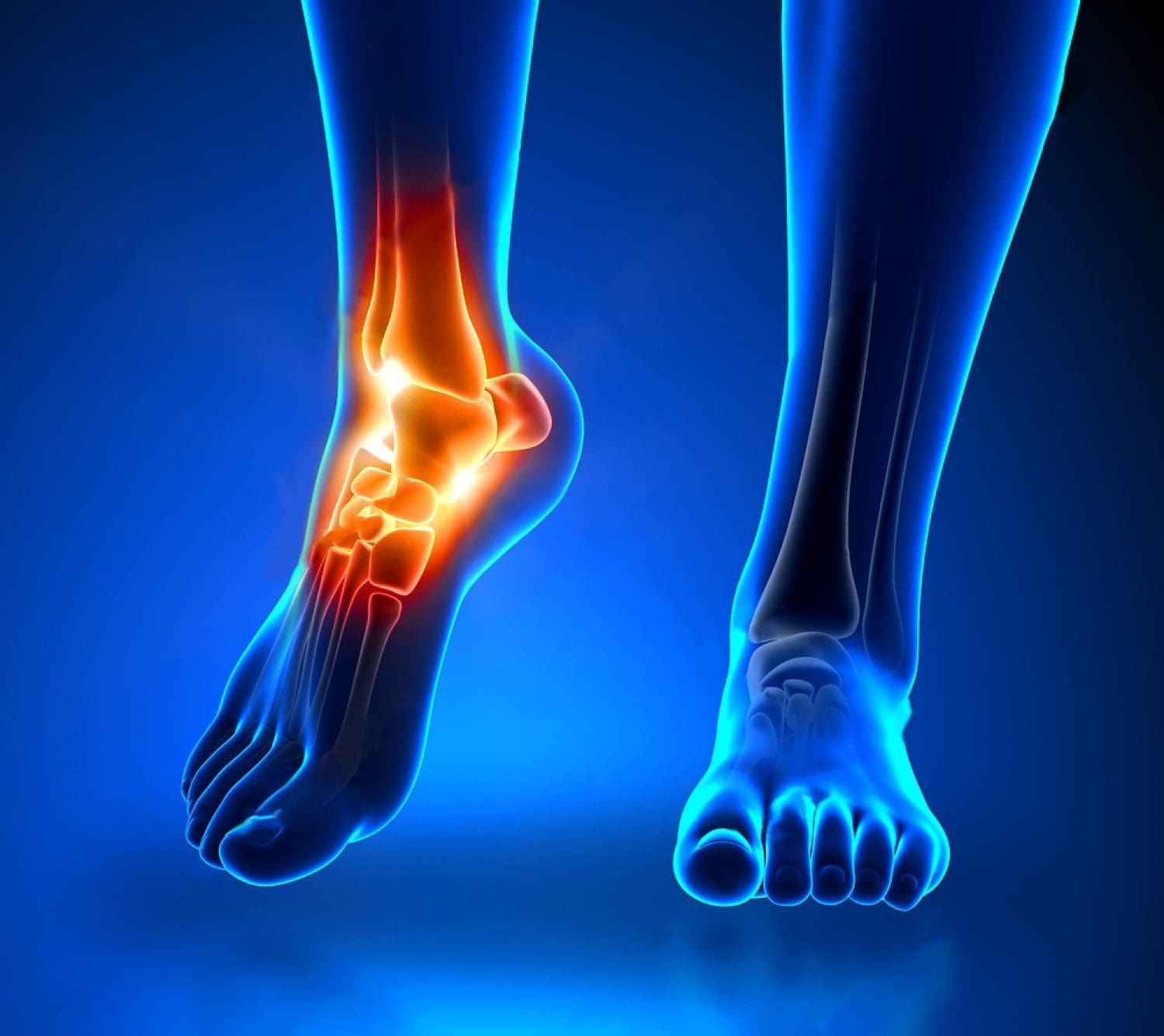
In the United States, ankle�injury/s like�ankle sprains and strains�happen to�people every day.�Around 50 percent of ankle injuries are�misdiagnosed, and not treated correctly, which can lead to disability or chronic ankle pain. An ankle that is not functioning properly affects the whole body. The muscles on either side of the leg and underneath the foot can present with soreness and pain.
This can lead to:
Loss of mobility
Uneven walking gait
Hip pain
Back pain
Ankle Anatomy
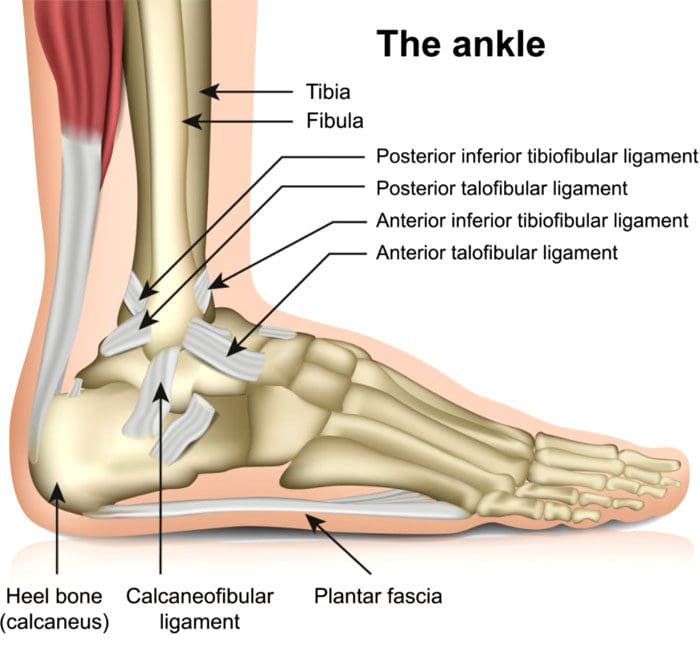
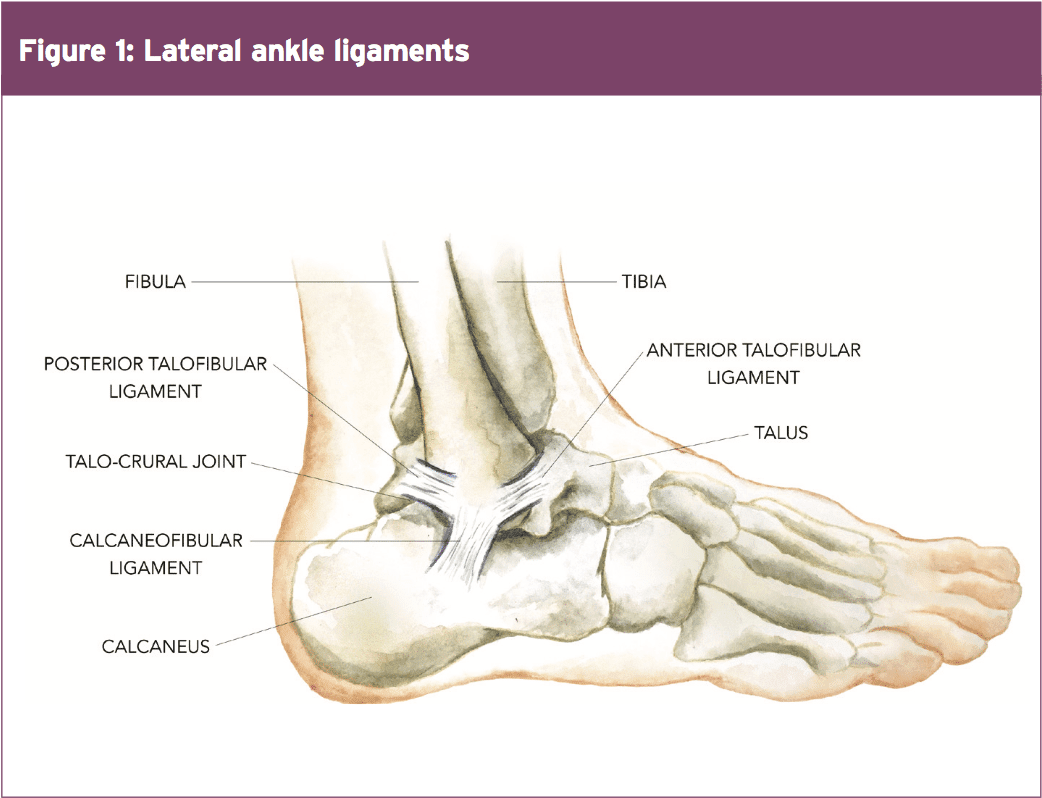
Three bones are connected to the ankle joint. The lower ends of the shinbone and the lower leg small bone meet to form a socket that the ankle bone sits in. The bottom of the talus rests on the heel bone.
There is around an inch-thick lining of soft cartilage inside the joint. This provides shock absorption for the body’s weight. It is so tough and durable provided there is no injury, it lasts for life. The bones are held together with ligaments and the muscles are attached to the bones by the tendons.
The standard treatment for ankle pain is R.I.C.E., which means rest, ice, compression, and elevation. Depending on the injury type there is an updated treatment approach that replaces the R with an M, where instead of resting, movement is the more beneficial treatment. This is done to keep the muscles, tendons, and ligaments from swelling, whereas resting would have allowed swelling to set in, thus extending recovery time.
There are certain types of ankle injuries that can be exacerbated by movement so only when it is deemed appropriate, otherwise stick with the rest. Other types of treatment include different techniques of pain control from ibuprofen to prescription meds.
When it comes to severe injuries, like a torn ligament, these could require surgical treatment. X-rays and MRIs are utilized to see if there is an injury and to determine the extent of the injury.
Physical Therapy/Chiropractic
A chiropractor will assess the individual’s source of pain and determine the cause. They will use all the tools available. This includes x-rays, MRI, CT scans, and other diagnostic tools to help them determine the best treatment protocol.
When an ankle injury is new and inflammation has set in along with tenderness, treatment can include:
This is in addition to rest, ice, compression and elevation. As the ankle heals, the inflammation reduces and becomes more stable, ankle adjustments and foot adjustments could be introduced.
Chiropractic can reduce pain without prescription medication and any associated side effects. This is one of the reasons individuals gravitate towards chiropractic. Regular chiropractic can strengthen the ankle, increase its stability and increase mobility and flexibility.
Nerves and soft tissues can also become damaged. Chiropractic therapy promotes blood flow. This speeds the healing process and reduces the chance of further injury. The whole-body approach that chiropractic embraces also deals with a proper diet and a healthy lifestyle like losing weight and exercise. Chiropractic is a very effective therapy for treating ankle pain and injury/s. It is a non-invasive, natural approach to healing that allows and trains the body to heal itself.
An ankle sprain is always inconvenient, and often painful. But not all ankle sprains are equal in their severity. When diagnosing an ankle sprain, your doctor or chiropractor will classify the injury in one of three ways�first degree, second degree, and third degree. Knowing what each classification means can help you understand the nature of your injury and how careful you need to be with it. For you and your chiropractor, the classification of the ankle sprain degrees will help to direct the best treatment options.
Ankle Sprain Degrees and What They Mean
A sprain is an injury involving the stretching and/or tearing of your ligaments. With the ankle, it is possible to suffer an injury to either side of the joint, the interior or the exterior. You may have an inversion sprain or an eversion sprain. Whichever type you suffer from, it will fall into one of three categories:
Grades of ankle sprains
First Degree
A first-degree sprain is one where the ligaments have not torn, only stretched further than normal. Symptoms of a first-degree sprain include discomfort when jumping, jogging or sometimes walking. Pain is usually mild and swelling is minimal. The joint may be a little stiff and slightly less stable than normal.
Second Degree
A second-degree sprain is the most common type of sprain people seek medical care for. The ligament is partially torn, which can lead to several uncomfortable symptoms. The sprain will make walking difficult, be moderately painful and make it hard to use the ankle. The injury will result in noticeable swelling and often bruising.
Third Degree
A third-degree sprain is the most severe and involves a full tear of the ligament. Pain is often severe and swelling is significant. The torn ligament makes the joint unstable, so it is not only painful but also very hard to use.
How Chiropractic Can Help
Whether you are walking, running, jumping or just standing, the ankle plays a vital role in how you move and use your body. That is why it can be so frustrating when you find yourself with an ankle injury. Fortunately, ankle sprains do heal with enough rest and the right treatment.
Your chiropractor can help you recover from an ankle injury, both reducing pain and speeding up recovery time. There is research to support the use of chiropractic for ankle sprains.�One study showed that patients with ankle sprains experienced less pain when chiropractic was added to their treatment program. Chiropractic also focuses on improving mobility and range of motion, which can be quite beneficial when trying to recover from a sprain and get back to your normal life.
Some of the most common chiropractic treatments for ankle sprains include:
Adjustments
Adjustments can be made to more than just the spine. The bones, ligaments, and tendons in the ankle are designed to work in a certain way. A sprain can knock the ankle out of alignment, something that most traditional doctors and rehabs do not consider. An ankle adjustment will work to put things back into their proper places.
Strengthen Exercises
There are a variety of useful exercises that your chiropractor can take you through to improve strength and mobility in the ankle. Things like a wobble board, where you stabilize yourself on a wobbly platform and drawing on a board with a market held in your toes can be surprisingly effective at strengthening your ankle.
Call Us Today
Please contact us today to schedule an appointment with a chiropractor for your sprained ankle. Let us help you get stronger and heal faster!
IFM's Find A Practitioner tool is the largest referral network in Functional Medicine, created to help patients locate Functional Medicine practitioners anywhere in the world. IFM Certified Practitioners are listed first in the search results, given their extensive education in Functional Medicine