What are the treatment options for individuals dealing with foot overpronation when the foot and ankle move too much downward and inward?
Overpronation
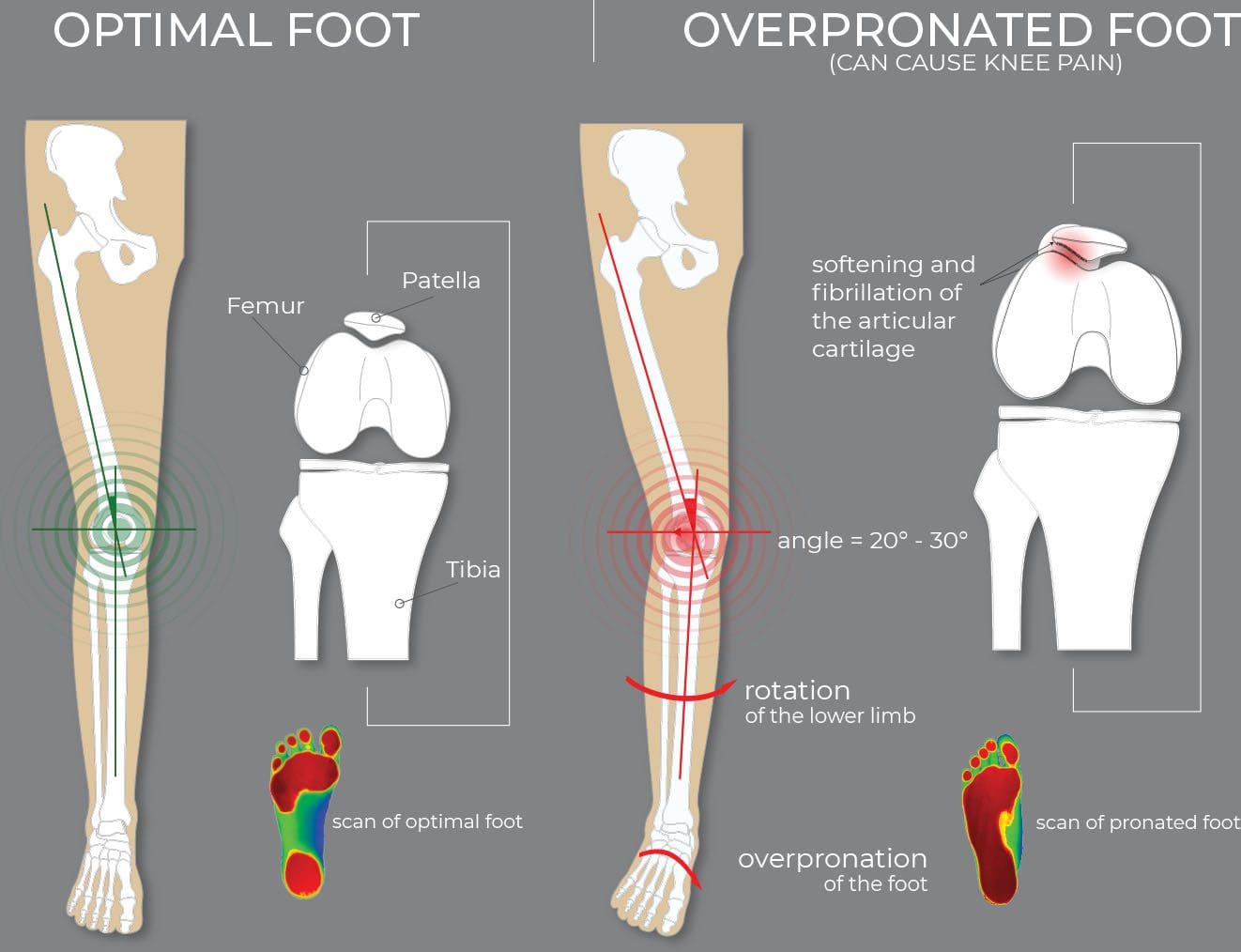
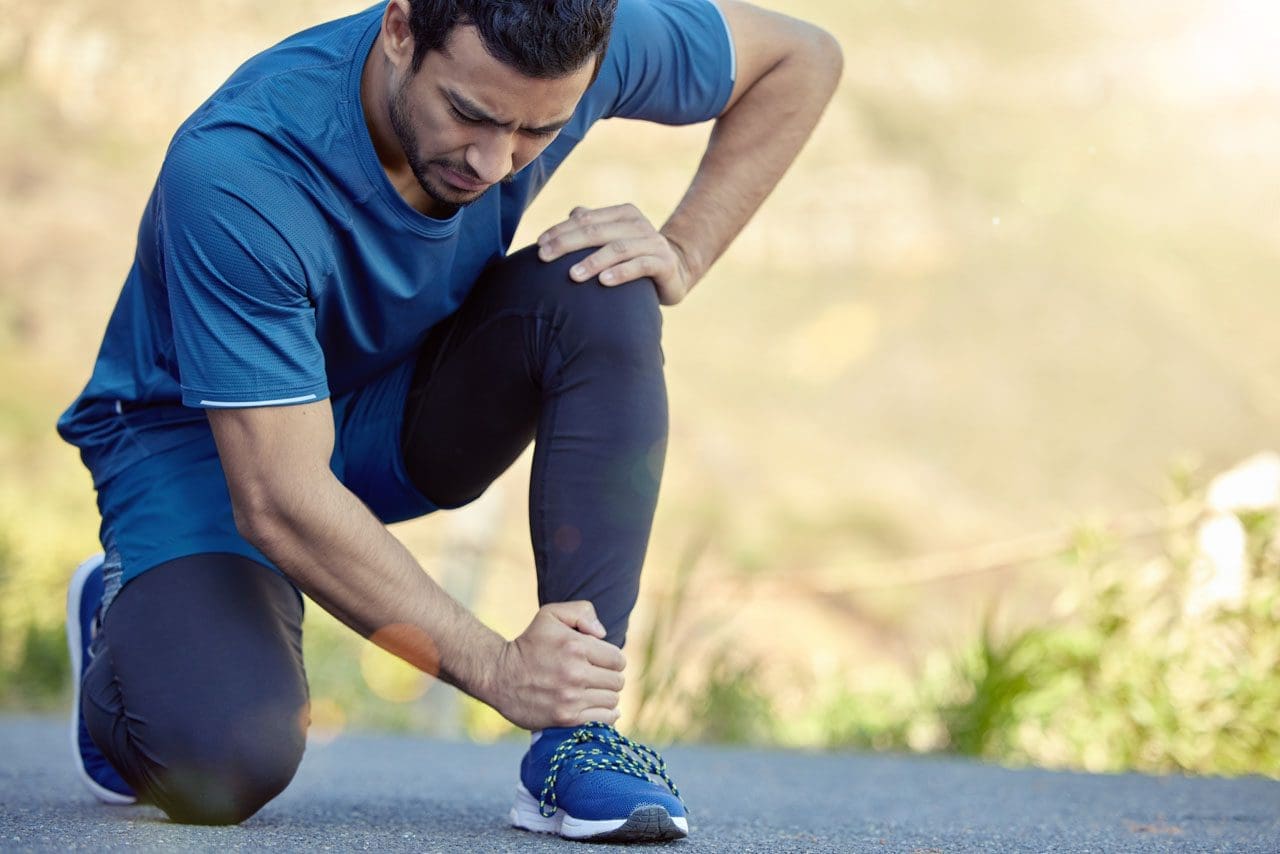
Pronation is the normal foot and ankle movement when taking a step and is usually associated with flat feet. Overpronation is a movement pattern in which the ankle rolls inward and downward, causing the foot’s arch to collapse with each stride. Overpronation can strain the muscles and ligaments in the feet and legs, leading to heel pain, ankle pain, shin splints, and low-back pain. (Pedorthic Association of Canada, 2023) Orthotic inserts for shoes, prescribed stretches, ankle braces, physical therapy, and surgery can all help alleviate the impact of overpronation. (Sánchez-Rodríguez, R. et al., 2020)
Signs and Symptoms
Some individuals with overpronation can have no symptoms at all. (Pedorthic Association of Canada, 2023) while others experience pain or other symptoms in their legs and feet. Overpronation is not a medical condition but a movement pattern that, if left untreated, can increase the risk for certain medical conditions because it strains the feet and leg muscles, joints, and ligaments. (Sánchez-Rodríguez, R. et al., 2020) Certain medical conditions can be a sign of overpronation and include: (Pedorthic Association of Canada, 2023)
Bunions
Heel pain
Plantar fasciitis
Achilles tendon pain
Posterior tibial tendonitis
Shin splints
Knee pain, including patellofemoral pain syndrome
Pain in the iliotibial or IT band
Lower back pain
Arthritis in foot and ankle joints
Stress fractures
Individuals may also experience pain in the midfoot or hips, which can be a symptom of flat feet.
Underpronation
Pronation refers to the normal movement of the foot and ankle while walking. Overpronation and underpronation are both abnormal movement patterns.
Overpronation – when the ankle rolls too much inward and downward.
Underpronation – occurs when an individual’s foot lacks flexibility and moves too little. This condition is called supination and is often associated with a high-arch foot type.
Overpronation can be caused or worsened by flatfeet. However, some individuals have overpronation because their feet and ankles are very flexible, so they tend to move more. Risk factors for flatfeet can also increase the chances of developing overpronation and include:
Age, especially individuals over 40.
Wearing shoes like high heels and shoes with a narrow-toe box.
Women are more prone to overpronate because of the various shoes and high heels worn.
Being overweight
Doing repetitive, impactful movements like running.
Correction and Treatment
Treating overpronation focuses on alleviating strain on muscles in the foot, ankle, and leg to relieve symptoms in the heel, ankle, knees, hips, or back. Common treatments are wearing supportive shoes and/or using foot orthotics. Exercises and stretches are also recommended to maintain flexibility and strength. Surgery is rare, but correcting flat feet that can cause overpronation may be recommended. (Sánchez-Rodríguez, R. et al., 2020) Individuals with overpronation are advised to see a podiatrist who can explain the best treatment options.
Supportive Shoes
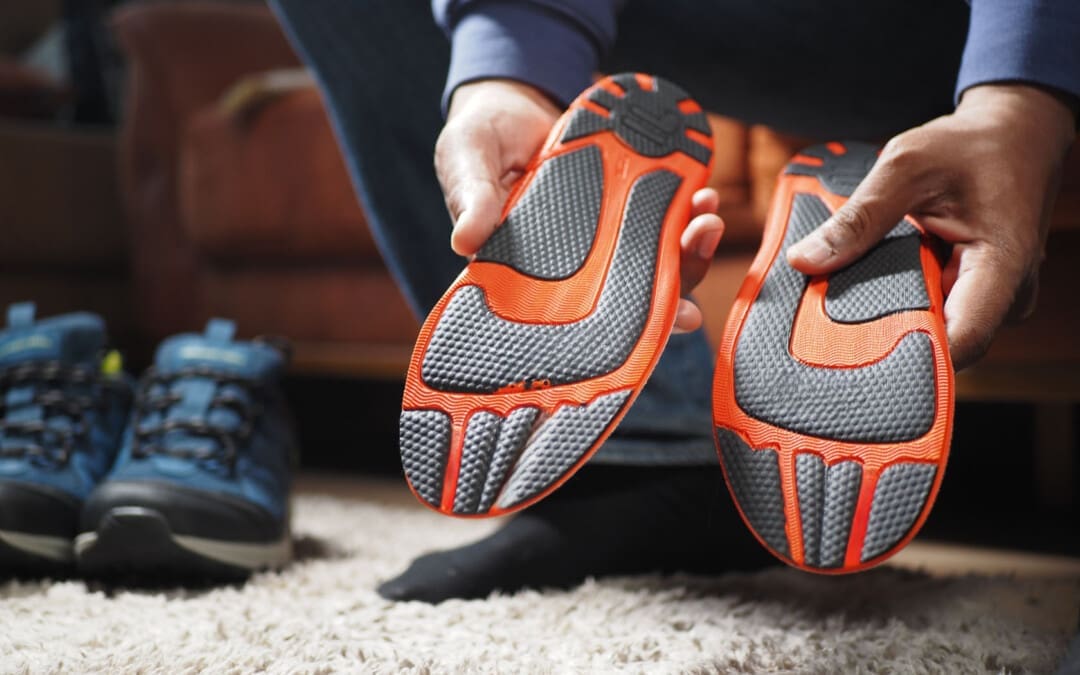
The first course of treatment is to wear added supportive footwear. This can include specialized shoes or inserts that support the foot and reduce ankle movement. Individuals are advised to use shoes with firm heel and midfoot support to help prevent disproportionate movement. (Pedorthic Association of Canada, 2023)
Orthotics
A healthcare provider can recommend orthotics for individuals with moderate overpronation. These are meant to support the foot, especially the arch, and reduce overpronation. (Naderi A. Degens H. and Sakinepoor A. 2019) Individuals can purchase orthotics from shoe stores and elsewhere, but those with severe overpronation may need custom orthotics molded to the foot to provide individualized support.
Exercises and Stretches
Exercises and stretches can also help. A study found that exercises targeting the feet, core, and hips helped correct pronation over nine weeks. The exercises included: (Sánchez-Rodríguez, R. et al., 2020)
Toe pickups in which the individuals grab small objects with their toes and move them from one position to another.
Flexing and pointing the toes using a resistance band placed around the toes.
Hip abduction exercises to target the hip and glutes.
Abdominal and oblique muscle exercises to stabilize the torso.
Short-foot exercise raises the foot arch off the ground, drawing the toes toward the heel. (Sulowska I. et al., 2016)
Surgery
Rarely will surgery be needed to treat flat feet and severe overpronation. But if necessary, reconstruction realigns the bones to support the arch better and reduce overpronation. A metal implant is used for flatfeet to stabilize the area. Surgery can also repair torn tendons or other damage contributing to overpronation. (Healthline, 2020)
Injury Medical Chiropractic and Functional Medicine Clinic
Individuals with overpronation but no symptoms don’t necessarily have to see a healthcare provider since this may be the body’s natural movement pattern. But if the feet, legs, hips, or back begin to present with pain and other symptoms, see a healthcare provider who can evaluate gait and recommend treatment options. Injury Medical Chiropractic and Functional Medicine Clinic works with primary healthcare providers and specialists to develop an optimal health and wellness solution. We focus on what works for you to relieve pain, restore function, and prevent injury. Regarding musculoskeletal pain, specialists like chiropractors, acupuncturists, and massage therapists can help mitigate the pain through spinal adjustments that help the body realign itself. They can also work with other medical professionals to integrate a treatment plan to resolve musculoskeletal issues.
Enhance Performance with Functional Foot Orthotics
References
Pedorthic Association of Canada. (2023). Overpronation and Underpronation Correction. https://pedorthic.ca/services/foot-health/pronation/
Sánchez-Rodríguez, R., Valle-Estévez, S., Fraile-García, P. A., Martínez-Nova, A., Gómez-Martín, B., & Escamilla-Martínez, E. (2020). Modification of Pronated Foot Posture after a Program of Therapeutic Exercises. International journal of environmental research and public health, 17(22), 8406. https://doi.org/10.3390/ijerph17228406
Naderi, A., Degens, H., & Sakinepoor, A. (2019). Arch-support foot orthoses normalize dynamic in-shoe foot pressure distribution in medial tibial stress syndrome. European journal of sport science, 19(2), 247–257. https://doi.org/10.1080/17461391.2018.1503337
Sulowska, I., Oleksy, Ł., Mika, A., Bylina, D., & Sołtan, J. (2016). The Influence of Plantar Short Foot Muscle Exercises on Foot Posture and Fundamental Movement Patterns in Long-Distance Runners, a Non-Randomized, Non-Blinded Clinical Trial. PloS one, 11(6), e0157917. https://doi.org/10.1371/journal.pone.0157917
Healthline. (2020). All About Surgery for Flat Feet: Pros and Cons. https://www.healthline.com/health/flat-feet-surgery
Could stability running shoes help correct foot pronation for runners, athletes, and physically active individuals who tend to have foot pronation issues?
Stability Running Shoes
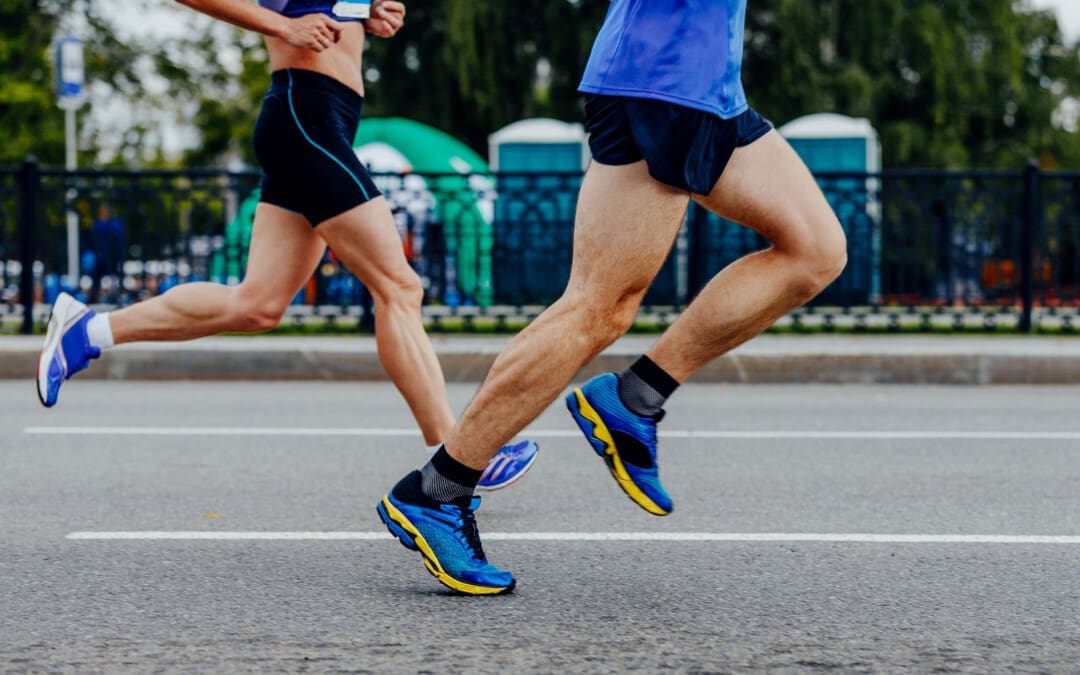
Stability is having firm, steady balance in the feet and ankles. Individuals with flat feet or feet that tend to pronate or turn inward can seriously compromise their running stability, potentially increasing their risk of injury and making running uncomfortable. Stability running shoes can help because they stabilize the feet and ankles that roll inward. They combine the right alignment, arch support, and cushioning, and this specialty footwear helps hold the feet and ankles steady and can help maintain a straight gait.
Pronation
Pronation occurs when the foot and/or ankle roll inward when running or walking. It’s a common issue, typically caused by pushing off the ground with a big toe and a second toe. Arches can be excessively strained when pronation or overpronation occurs, resulting in ankle or shin pain. Eventually, overpronation can even cause the feet to flatten. Many runners find that the instability of an inward-rolling foot makes them more prone to strained muscles or falls. However, a study determined that foot pronation was not associated with increased injury risk in novice runners wearing non-specialty shoes. (Nielsen R. O. et al., 2014) However, another study found that foot pronation contributed to joint loading or increased stress on the joints of the lower limbs after long-distance running. (Mei Q. et al., 2019) This extra stress could be a factor in the development of osteoarthritis.
Supination
In contrast to pronation, some runners experience the opposite problem of supination. Supination occurs when the ankle or foot rolls outward from the center, which can cause pain or injury as it increases the likelihood of ankle rolls or sprains.
Features
Stability running shoes with the right features can help stabilize the feet and ankles for safer, more efficient running. This could make a major difference in how individuals feel after a run. For example, those with weak ankles should look for ankle support shoes with motion control, arch support, and grippy traction. Stabilizing shoes offer the following structural supports.
Arch Support
The foot is less likely to turn inward with a firm, high arch support.
Midsole Cushioning
Like arch support, cushioning the entire mid-section of the foot helps hold it steady.
For example, in walking shoes for flat feet, extra supportive cushioning in the midfoot helps prevent further arch collapse.
Stability running shoes may advertise having bars, rails, or medial posts to help maintain balance and reduce pronation.
Heel Cups and Heel Counters
A deep heel cup sits under the heel, correctly aligning the foot and ankle.
Heel counters are hard plastic inserts that reinforce the back of a running shoe, increasing overall support and holding the foot in place.
Wider Base
A wider platform underneath the foot is another key to preventing the inward rolling of overpronation.
It’s a common feature of walking shoes for seniors that provide stability for balance issues.
Choose the Right Shoes
Selecting the best shoe for pronation issues does not have to be complex. At many athletic stores, customers start with an in-store gait, foot shape, and running style assessment. Overpronators should look for a shoe with at least some of the features listed, such as arch support, cushioning, heel cups, counters, or a wide base. For narrow or wide feet, seek out shoes made specifically for these issues. In any running shoe, comfort is the number one priority. The feet should feel firmly supported with no pinching, and the toe shoes should have plenty of wiggle room and be able to lace up without hassle.
Benefits
Stability running shoes may also improve performance. A well-cushioned, well-fitting stability shoe can enhance running comfort, making workouts more enjoyable. When running without pain, individuals are more likely to continue running long-term. A stability shoe that prevents overpronation can improve form, allowing faster and more efficient running. A study in the Journal of Orthopaedic and Sports Physical Therapy explored the potential of motion-control shoes, which are somewhat more stabilizing than stability shoes regarding running injuries. The authors concluded that these shoes may reduce the risk of injuries related to overpronation. (Willems T. M. et al., 2021) Another study compared stability shoes to neutral and motion-control shoes in female runners with various degrees of foot pronation. Those who ran in stability shoes missed the fewest days of training, an indicator that they experienced fewer injuries, but those who wore stability shoes reported more pain while running than those who wore neutral shoes. (Ryan M. B. et al., 2011)
Conclusion
Stability running shoes might be the solution for jogging pain and injuries. The only way to find out is to try them for yourself. Look for footwear with sturdy arch support, plenty of cushioning in the midsole, heel support, and a wide sole. At Injury Medical Chiropractic and Functional Medicine Clinic, we focus on what works for you and strive to create fitness and better the body through research methods and total wellness programs. These programs use the body’s ability to achieve improvement goals, and athletes can condition themselves to excel through proper fitness and nutrition. Our providers use an integrated approach to create personalized programs, including Functional Medicine, Acupuncture, Electro-Acupuncture, and Sports Medicine principles.
Correct Foot Pronation
References
Nielsen, R. O., Buist, I., Parner, E. T., Nohr, E. A., Sørensen, H., Lind, M., & Rasmussen, S. (2014). Foot pronation is not associated with increased injury risk in novice runners wearing a neutral shoe: a 1-year prospective cohort study. British journal of sports medicine, 48(6), 440–447. https://doi.org/10.1136/bjsports-2013-092202
Mei, Q., Gu, Y., Xiang, L., Baker, J. S., & Fernandez, J. (2019). Foot Pronation Contributes to Altered Lower Extremity Loading After Long Distance Running. Frontiers in physiology, 10, 573. https://doi.org/10.3389/fphys.2019.00573
Willems, T. M., Ley, C., Goetghebeur, E., Theisen, D., & Malisoux, L. (2021). Motion-Control Shoes Reduce the Risk of Pronation-Related Pathologies in Recreational Runners: A Secondary Analysis of a Randomized Controlled Trial. The Journal of orthopaedic and sports physical therapy, 51(3), 135–143. https://doi.org/10.2519/jospt.2021.9710
Ryan, M. B., Valiant, G. A., McDonald, K., & Taunton, J. E. (2011). The effect of three different levels of footwear stability on pain outcomes in women runners: a randomised control trial. British journal of sports medicine, 45(9), 715–721. https://doi.org/10.1136/bjsm.2009.069849
Progress can be challenging for individuals in post total ankle replacement surgery. How can physical therapy help in recovery and restoring leg function?
Total Ankle Replacement Post Surgery Physical Therapy
Total ankle replacement surgery is a major procedure that takes time to recover. A total ankle replacement surgery or arthroplasty can benefit individuals with chronic ankle pain or disability. This procedure can significantly improve an individual’s overall pain and function with time. Physical therapy is essential to regaining movement in the ankle and restoring full mobility. A physical therapist will work with the individual to control pain and swelling, restore the ankle’s range of motion, train on walking gait and balance, and rebuild strength in the leg. This will help maximize the chances of a successful outcome after surgery.
Total Ankle Replacement
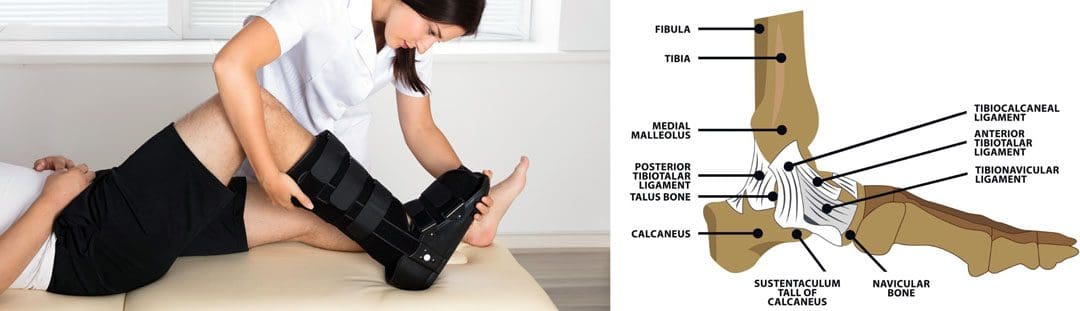
The ankle joint is the section of the lower leg where the shinbone/tibia meets the talus bone on the top of the foot. What can happen is the slippery surface/articular cartilage that coats the ends of these bones begins to thin or deteriorate. As the deterioration progresses, it can lead to significant pain, disability, and difficulty walking. (Cleveland Clinic. 2021) This is where a specialist may recommend total ankle replacement for the best results. Various conditions can be helped by this procedure, including:
During an ankle replacement procedure, an orthopedic surgeon removes the damaged ends of the tibia and talus bones and replaces them with an artificial covering. A polyethylene component is also secured between the two structures to support the smooth movement of the new joint endings. (Massachusetts General Hospital. N.D.) Following the procedure, individuals are typically placed in a protective boot or splint. The healthcare provider will recommend staying off the leg for 4 to 8 weeks to allow healing.
Physical Therapy
Outpatient physical therapy is usually initiated several weeks after the ankle operation. (UW Health Orthopedics and Rehabilitation. 2018) Physical therapy can last for five months or more, depending on the severity of the condition and injury. The physical therapist will focus on different areas to get the best results. (Cort D. Lawton et al., 2017)
Pain and Swelling Control
Post-operative pain and swelling are normal after a total ankle replacement. It is not unusual for an ankle to be swollen for even six to 12 months after the operation. (UW Health Orthopedics and Rehabilitation. 2018) The surgeon will normally prescribe medication to help manage discomfort early on, and physical therapy also plays an important role in addressing the symptoms. Treatments used can include:
Electrical stimulation – mild electrical pulses applied to the muscles.
Ice
Vasopneumatic compression, where an inflatable sleeve is used to create pressure around the area, is commonly utilized at the beginning of physical therapy to reduce pain or swelling.
Other modalities, such as stretching and targeted exercises, are combined with other treatments.
Range of Motion
Early after the procedure, the ankle will be very stiff and tight. This is due to several factors, including the inflammation and swelling after surgery and the time spent immobilized in a boot.
The physical therapist will employ various techniques to improve the ankle joint’s range of motion to rotate and flex.
The physical therapist may employ passive stretching induced by an outside force such as the therapist or a resistance band) to help improve mobility.
After multiple weeks of reduced movement and lack of bearing any weight on the ankle, the muscles that surround the ankle have often atrophied/weakened, which can impact balance.
When the individual can begin placing weight on the leg, the therapist will apply proprioceptive/sense of body position training to improve overall stability. (UW Health Orthopedics and Rehabilitation. 2018)
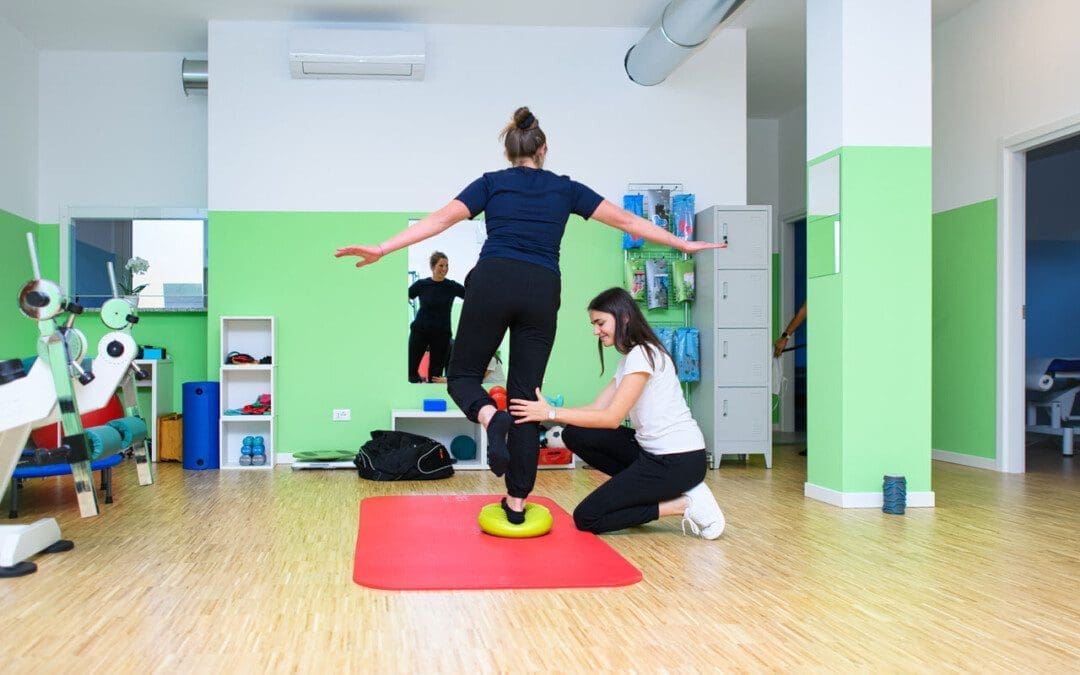
Balance exercises will be added to the home program and will progress from week to week.
Strength
The muscles in the leg, ankle, and foot become weak from the surgery and the time spent in a splint or boot. These structures have a significant role in balance, the ability to stand, walk, and go up or down the stairs.
Regaining the strength and power of these muscles is a critical goal of rehabilitation.
In the first weeks, the physical therapist will focus on gentle strengthening exercises.
Isometrics lightly activate the muscles but avoid irritating the surgical site.
As time passes and weight-bearing is allowed, these gentle moves are replaced with more challenging ones, like resistance bands and standing exercises, to accelerate strength gains.
Lawton, C. D., Butler, B. A., Dekker, R. G., 2nd, Prescott, A., & Kadakia, A. R. (2017). Total ankle arthroplasty versus ankle arthrodesis-a comparison of outcomes over the last decade. Journal of orthopaedic surgery and research, 12(1), 76. https://doi.org/10.1186/s13018-017-0576-1
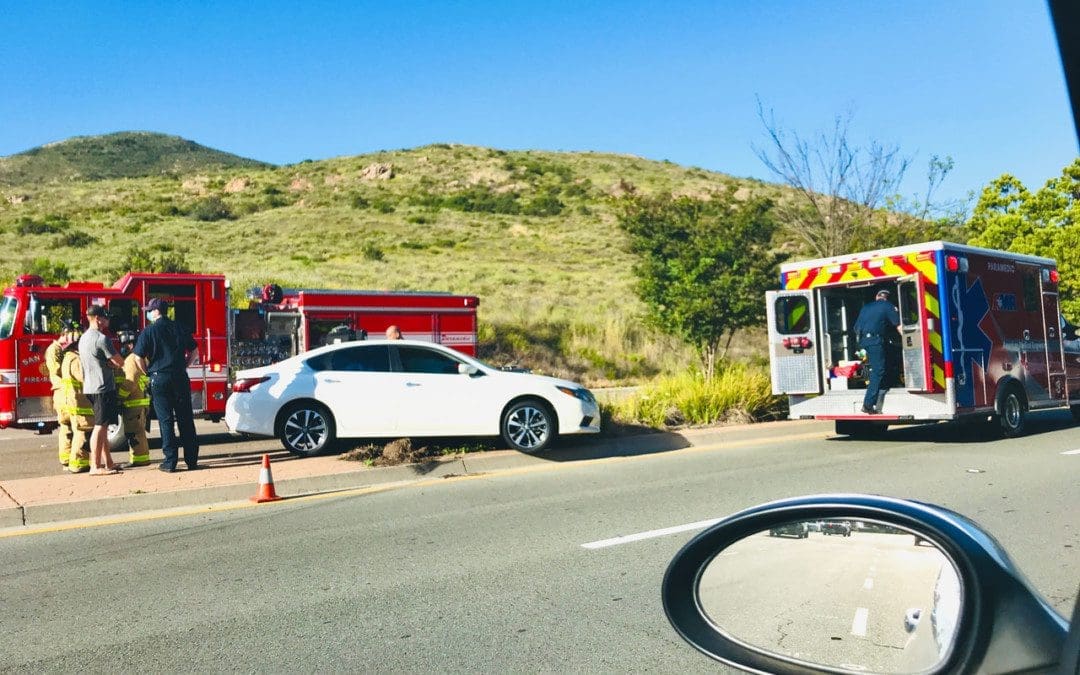
Automobile accidents and collisions can cause knee and ankle injuries in various ways. Automobile crashes are considered high-energy collisions versus slip and fall traumas which are generally low-energy. However, a 30mph or under-collision can have serious and detrimental effects on the knees and ankles. The sudden forces can cause the knees to collide with the dashboard or push the feet and legs into the body, generating intense pressure and compressing the bones, muscles, and ligaments damaging soft tissues and bone structures from the impact. The Injury Medical Chiropractic and Functional Medicine Clinic Team can rehabilitate, realign, strengthen, and restore function to individuals with minor to severe auto collision injuries.
Knee and Ankle Injuries
Musculoskeletal motor vehicle crash/collision injuries affect the body’s movement. The impact can pull, tear, crush, and smash bones, muscles, tendons, ligaments, discs, and nerves. These injuries restrict the range of motion and can cause pain and sensation symptoms. The National Accident Sampling System reports 33% of injuries sustained during vehicle collisions are to the lower extremities.
Despite the knees and ankles having soft tissues that absorb and distribute the energy’s impact, the forces from the collision often happen instantly and unexpectedly, causing the individual to tense up, which overwhelms the structures.
Even panic stepping on the brake pedal can cause injury to the ankle and foot.
A passenger’s reflex of trying to resist forces can experience foot, ankle, and knee injuries from bracing off the vehicle’s floorboard.
Automobile collisions can cause strains, sprains, fractures, and dislocations.
Torn, Strained, or Sprained Knee
If the foot becomes planted on the floorboard while the body continues to move forward or sideways, the force can travel into the knee, causing twisting or shearing.
Depending on the injury type, the impact strength can damage different ligaments.
The ligaments resist forces that push the knee inwards/medially and outwards/laterally and slightly resist rotational forces.
When any of these ligaments are damaged, swelling, pain, and limited ranges of motion can result.
Putting weight on the affected leg can be difficult.
In some cases, the ligaments tear completely, necessitating surgical repair.
Once the individual can engage in mild activity, they can begin a rehabilitation program to restore function.
Recovery times vary based on the location and severity of the injury.
Fractured Knee or Ankle
When a fracture occurs in a joint, like the knees or ankles, surgical procedures may be necessary to repair the broken bone/s.
Broken bones can result in simultaneous damage and/or inflammation of the connective tissues that can cause the muscles to contract/tighten or atrophy during the recovery and healing phases.
Joints and bones are kept healthy with moderate movement and weight-bearing.
Fractures require immobilization of the affected area.
A physical therapy rehabilitation program can begin when the brace or cast comes off.
Targeted exercises and resistance will strengthen and stretch the joint to improve flexibility and promote healing through improved circulation.
Torn Meniscus
The meniscus is a C-shaped area of cartilage that rests between the thigh and shin bones.
It acts as a shock absorber.
The meniscus can become torn, resulting in pain, stiffness, and loss of motion.
This injury can heal independently with the right rest and therapeutic exercises.
A chiropractic auto collision specialist can diagnose the severity of the tear and provide the recommendations needed to rehabilitate and strengthen the knee.
If the tear is severe enough, surgery may be required.
Strained or Sprained Ankle
Strained tendons and sprained ligaments can result from the ankle being subject to tremendous force.
Strains and sprains vary in severity.
Both indicate that the connective tissue has been damaged or stretched beyond normal limits.
They can present with pain, inflammation, and problems moving the affected area.
With proper medical attention and rehabilitation, recovery is possible.
Torn Achilles Tendon
The Achilles tendon connects the calf muscle to the heel and is necessary for walking, running, physical activity, and bearing weight.
If the tendon gets torn, surgery will be required to reattach the muscle and tendon.
After recovery, the individual can begin physical therapy to work the tendon and muscle, slowly building strength and range of motion.
It is critical to do this with the supervision of an expert in musculoskeletal rehabilitation to avoid re-injury or developing new injuries.
Chiropractic Treatment
Any musculoskeletal motor vehicle injuries can result in intense pain that worsens with activity, inflammation, swelling, redness, and/or heat in the affected area. This is why correctly diagnosing the injury is essential if the condition is to be properly and thoroughly treated. A physical examination will vary based on the individual’s state and can include:
Strength assessment
Range of motion
Reflexes
Other variables to determine the underlying issues.
Diagnostic imaging such as X-rays, MRIs, and CT scans can help identify and clarify injuries’ extent, nature, and location and rule out problems.
A qualified healthcare professional will combine the data with medical history to develop an accurate diagnosis. Our ability to effectively treat accident individuals is based on applying clinical expertise in musculoskeletal diagnosis and care. Our medical team takes a practical approach to help individuals quickly heal from musculoskeletal injuries using the latest treatments possible. When you meet with one of our professionals, you will feel relaxed and confident that you have come to the right place.
From Injury To Recovery
References
Dischinger, P C et al. “Consequences and costs of lower extremity injuries.” Annual proceedings. Association for the Advancement of Automotive Medicine vol. 48 (2004): 339-53.
Fildes, B et al. “Lower limb injuries to passenger car occupants.” Accident; analysis and prevention vol. 29,6 (1997): 785-91. doi:10.1016/s0001-4575(97)00047-x
Gane, Elise M et al. “The impact of musculoskeletal injuries sustained in road traffic crashes on work-related outcomes: a protocol for a systematic review.” Systematic reviews vol. 7,1 202. 20 Nov. 2018, doi:10.1186/s13643-018-0869-4
Hardin, E C et al. “Foot and ankle forces during an automobile collision: the influence of muscles.” Journal of biomechanics vol. 37,5 (2004): 637-44. doi:10.1016/j.jbiomech.2003.09.030
Li, Wen-Wei, and Cheng-Chang Lu. “Knee deformity following a motor vehicle accident.” Emergency medicine journal: EMJ vol. 38,6 (2021): 449-473. doi:10.1136/emermed-2020-210054
M, Asgari, and Keyvanian Sh S. “Crash Injury Analysis of Knee Joint Considering Pedestrian Safety.” Journal of biomedical physics & Engineering vol. 9,5 569-578. 1 Oct. 2019, doi:10.31661/jbpe.v0i0.424
Torry, Michael R et al. “Relationship of knee shear force and extensor moment on knee translations in females performing drop landings: a biplane fluoroscopy study.” Clinical biomechanics (Bristol, Avon) vol. 26,10 (2011): 1019-24. doi:10.1016/j.clinbiomech.2011.06.010
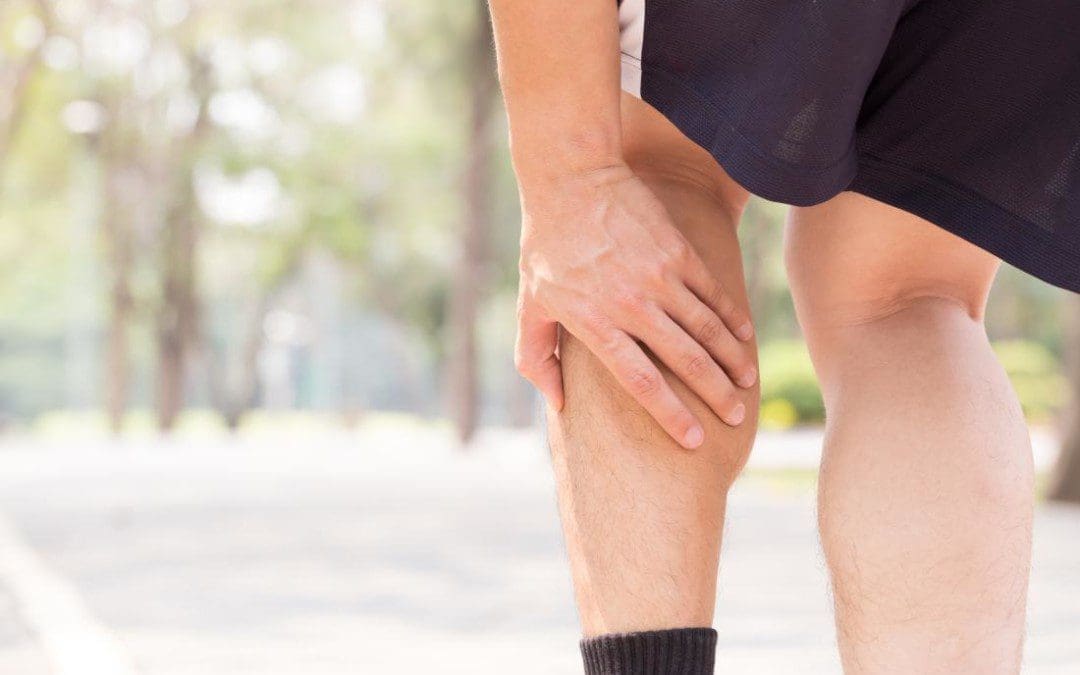
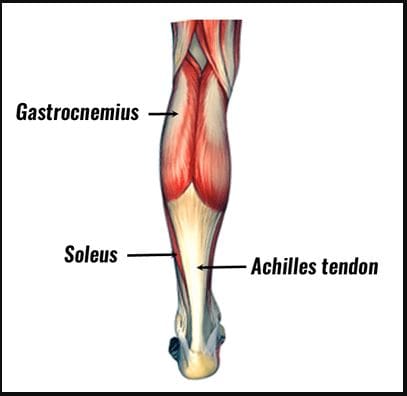
The calves are extremely important to the lower portions of the legs as they allow the individual to move around and help stabilize the entire body. The calves have two muscles: the gastrocnemius and the soleus, which provide plantarflexion and stability at the ankle joint. These two muscles work together to ensure that the upper body’s weight doesn’t lean forward too much to let the individual fall. However, when many people overuse the calf muscles constantly, it can cause the muscle fibers in the lower legs to be overstretched and develop small nodules known as trigger points to cause referred pain to the calves and the ankles that can affect a person’s ability to walk, run, or jump. Today’s article looks at the soleus muscle, how trigger points affect the muscle, and different methods to reduce pain while managing trigger points along the calves. We refer patients to certified providers that incorporate various techniques in the lower body extremities, like lower leg and calve pain therapies correlating to trigger points, to aid many people dealing with pain symptoms along the soleus muscles, causing muscle cramps and issues along the ankles. We encourage and appreciate each patient by referring them to associated medical providers based on their diagnosis when it is appropriate. We understand that education is an excellent way when asking our providers intricated questions at the patient’s request and understanding. Dr. Alex Jimenez, D.C., only utilizes this information as an educational service. Disclaimer
What Is The Soleus Muscle?
Do you feel a cramping sensation in your calves? Do your feet hurt when you are walking, jumping, or running? Or are you experiencing tightness in your calve muscles? When a person is experiencing calf pain in their legs, it could be trigger points causing overlapping issues in the soleus muscles. As stated earlier, the calves have two muscles: the gastrocnemius and the soleus. The gastrocnemius makes up the round shape of the calves and is a complex, superficial muscle. At the same time, the soleus is a large, flat muscle deep within the gastrocnemius and forms the calcaneal tendon (Achilles tendon), which can be mistaken as a nerve for the ankle. Studies reveal that the soleus muscle works together with the gastrocnemius, and these muscles constitute a plantar flexor. The soleus is part of a group of muscles known as antigravity muscles. It acts like a skeletal muscle and helps maintain good posture in the body to prevent the sheer body weight from falling forwards at the ankle when standing.
How Do Trigger Points Affect The Soleus Muscle?
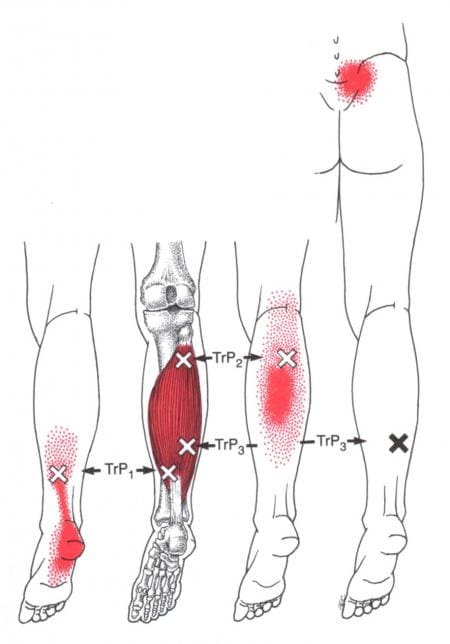
The calves are essential for the movement and mobility functions of the body. When the calve muscles have been overused to repetitive movements or have been dealing with trauma, it can cause the muscle fibers to tear and develop trigger points along the calves causing referred pain to travel down the ankles. Trigger points along the soleus muscle are tricky to diagnose since they cause referred pain to the surrounding muscles. “Myofascial Pain and Dysfunction,” written by Dr. Janet G. Travell, M.D., mention that, unlike the latent trigger points that can affect the gastrocnemius, active trigger points can affect the soleus muscle and cause tenderness referred to the heel. When muscle tenderness affects the heels, it can cause trigger points to mimic chronic conditions like plantar fasciitis. Additional studies reveal that musculoskeletal impairments like trigger points in the soleus muscle could potentially lead to biomechanical changes in the ankle. When trigger points cause hypersensitivity spots in the skeletal muscle taut band, it can restrict the soleus muscle to allow ankle dorsiflexion. Individuals with active soleus trigger points are prone to develop low back pain due to ankle dorsiflexion restriction, leading to them leaning over and lifting objects improperly.
Trigger Point Of The Week: Soleus – Video
Have you been dealing with pain traveling down from your calves to your ankles? Experiencing stiffness around your ankles? Or do you feel like you are about to fall? These pain-like issues are associated with trigger points along the soleus muscles along the calves. The soleus is one of the two muscles (the other is the gastrocnemius) that make up the calves and acts as a skeletal muscle to help maintain good posture in the body. When trigger points affect the soleus muscle, they can cause referred pain to the calves and mimic chronic issues like plantar fasciitis at the ankles. The video above explains where the soleus muscles are located, deep within the gastrocnemius, where the trigger points are causing referred pain to the ankles, and where they are in the soleus muscle fibers in the calves. Even though trigger points can cause referred pain in the affected muscle fibers of the body, they are treatable and can be managed through different methods to help the calves.
Different Methods To Reduce Pain And Manage Trigger Points In The Calves
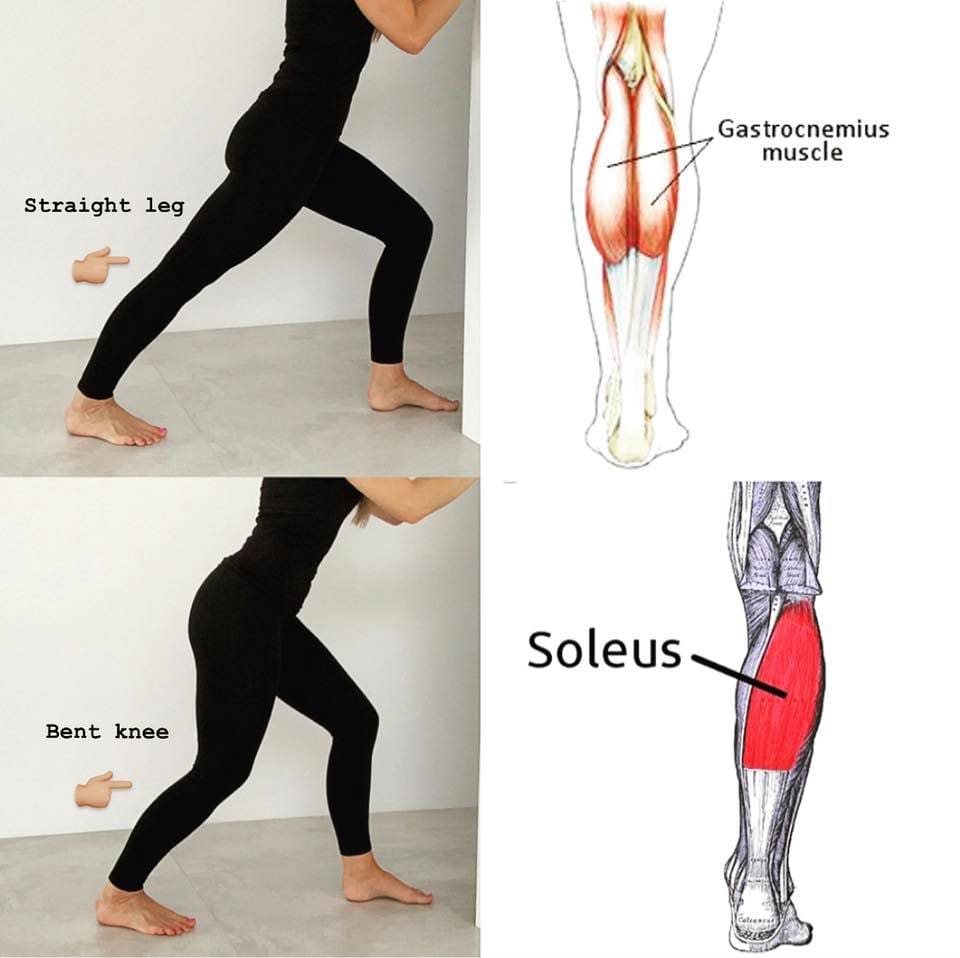
Even though trigger points can affect the soleus muscles and cause referred pain to the ankles, different methods can reduce the pain and help manage trigger points in the calves. Studies reveal that when there are multitudes of therapies that can help manage trigger points, it can help reduce the pain affecting the soleus muscle by optimizing muscle function and preventing the development of chronic pain syndromes. Besides therapies that target trigger points, corrective actions and stretches can help release the pain from the soleus muscle. Incorporating calf stretches, having a correct posture when sitting down, wearing long loose socks while sleeping, and wearing low heels can prevent the soleus muscle from shortening and help manage trigger points from re-occurring in the calves. When people start to take care of their calve muscles, it can help their mobility and stability at the ankles.
Conclusion
As part of the calf muscles and an antigravity muscle, the soleus works with the gastrocnemius to help with stability and plantarflexion to the ankles. This muscle is deep within the gastrocnemius and helps maintain good posture in the body that prevents a person from falling forward at the ankles when standing. When the soleus muscles have been overused, they can develop tiny knots in the muscle fibers known as trigger points that can cause referred pain to the ankles. Trigger points along the soleus muscles can cause overlapping features in the calves by restricting ankle dorsiflexion, causing individuals to develop low back pain associated with leaning forward. However, various therapies can manage trigger points through multiple treatments that can reduce the pain and allow stability back to the calves, enabling the individual to continue walking without feeling pain.
References
Binstead, Justin T, et al. “Anatomy, Bony Pelvis and Lower Limb, Calf – Statpearls – NCBI Bookshelf.” In: StatPearls [Internet]. Treasure Island (FL), StatPearls Publishing, 29 May 2022, https://www.ncbi.nlm.nih.gov/books/NBK459362/.
Travell, J. G., et al. Myofascial Pain and Dysfunction: The Trigger Point Manual: Vol. 2:the Lower Extremities. Williams & Wilkins, 1999.
Valera-Calero, Juan Antonio, et al. “Prediction Model of Soleus Muscle Depth Based on Anthropometric Features: Potential Applications for Dry Needling.” Diagnostics (Basel, Switzerland), U.S. National Library of Medicine, 7 May 2020, https://www.ncbi.nlm.nih.gov/pmc/articles/PMC7277950/.
It didn’t happen at work, school, or exercise, and there haven’t been any trips and/or falls, but you can’t pinpoint what is causing foot and ankle discomfort and sensations. However, the cause could be originating in the lumbar spinal region. Sciatica is a set of symptoms that refer to pain, numbness, and tingling radiating down the leg from the lower back, affecting the legs, hips, buttocks, and feet. Injury Medical Chiropractic and Functional Medicine Clinic can release the compressed nerve, massage circulation back into the nerve, and restore mobility and function.
Sciatica Foot and Ankle
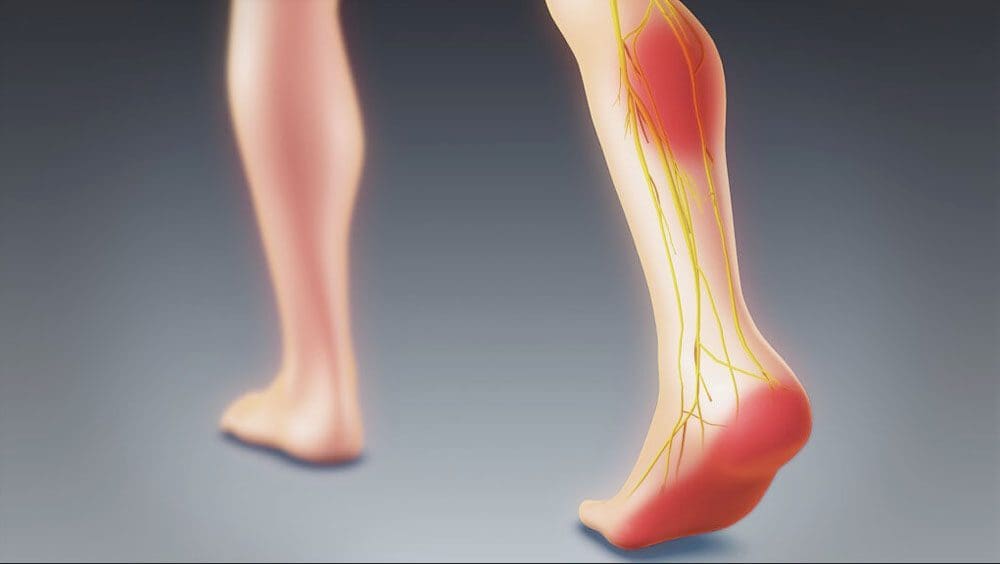
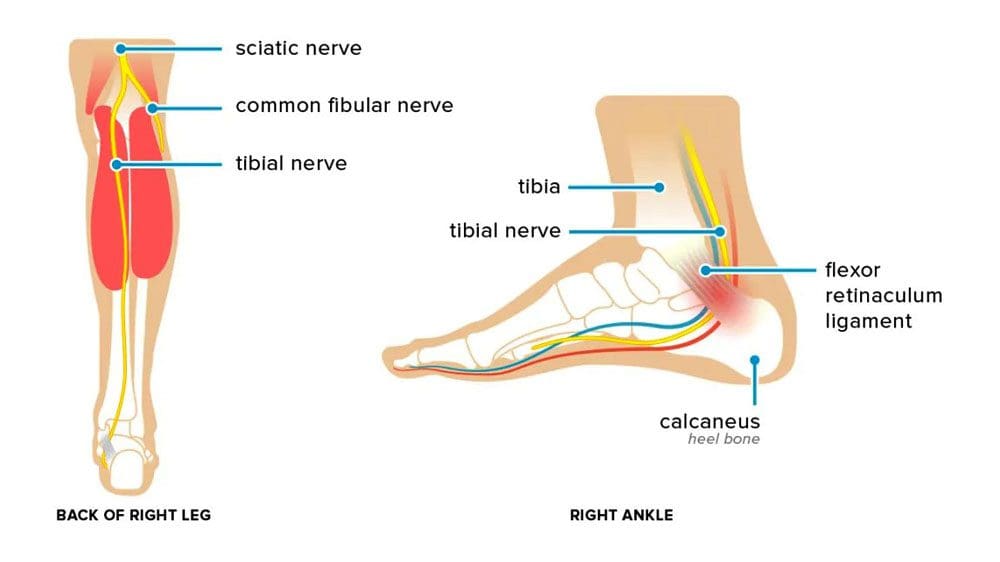
Sciatic nerve sensations can run down the back of the leg down into the foot.
Compression or irritation to any nerve roots can present with symptoms in the hip, thigh, calf, and foot.
Sciatica foot and ankle symptoms can accompany numbness and muscle weakness.
Sciatic nerve irritation mostly causes symptoms on the outside of the foot but can spread to other areas.
Nerve Roots
One or more of the lower spine’s sciatic nerve roots are being compressed or pinched. The foot symptoms location depends on which nerve root is affected.
If the S1 root is affected, symptoms will radiate to the sole and side of the foot.
If L5 is affected, symptoms will radiate to the top of the foot and the big toe.
If the L4 root is affected, symptoms can radiate to the medial or inside the ankle area.
Chiropractic Care and Relief
Foot Massage
A foot massage can be helpful.
A massage therapist finds points around the ankles that are tender.
Tenderness indicates a lymphatic blockage or muscle tension that needs to be worked out.
They will apply varying pressures to massage the muscles and get the circulation flowing.
The therapist will loosen the tarsal and metatarsal bones to loosen the muscles and nerves.
Moving the bones resupplies the joints, forces out inflammatory metabolic waste, opens the space for the nerves, and allows improved lymphatic drainage and blood flow to expedite healing.
A chiropractor will perform and train the individual on targeted stretches to the Achilles tendon and plantar fascia.
They will stretch, release, and open the ankle and sciatic nerve.
Injections
A cortisone injection where the nerve is affected can help in certain cases.
Injections of a corticosteroid, an anti-inflammatory medicine, can offer relief for up to three months and are given under local anesthesia.
The medicine reduces the inflammation and swelling around the nerve roots.
Foot Orthotics
Custom foot orthotics can help support a postural foot or ankle problem.
Overpronation is when the ankles collapse inward, which creates an imbalance of leg lengths that affects the hips, pelvis, and spine.
Orthotics can help provide symptom relief.
Nutrition
Part of a treatment plan will include an anti-inflammatory and antioxidant nutritional plan.
A professional nutritionist will make recommendations based on the individual’s case.
Magnesium-rich foods are generally recommended for sciatica as this nutrient aids the body in releasing muscle contractions.
99 percent of the body’s magnesium is stored in the bones, muscles, and soft tissues, with only 1 percent concentrated in the blood.
Foods rich in magnesium include:
Avocado
Bananas
Apricots
Dried pumpkin seeds
Dairy
Dark chocolate
Dried figs
Black beans
Brown rice
Fish
Spinach
Swiss chard
Yogurt
Benefits of Custom Foot Orthotics
References
Davis, David, et al. “Sciatica.” StatPearls, StatPearls Publishing, 6 May 2022.
Ge, Phillip S et al. “Iatrogenic pseudoaneurysm of the superior gluteal artery presenting as pelvic mass with foot drop and sciatica: case report and review of the literature.” Vascular and endovascular surgery vol. 44,1 (2010): 64-8. doi:10.1177/1538574409351990
Hughes, Michael S et al. “Post-traumatic catamenial sciatica.” Orthopedics vol. 31,4 (2008): 400. doi:10.3928/01477447-20080401-15
Mayo Clinic. “Sciatica.” https://www.mayoclinic.org/diseases-conditions/sciatica/symptoms-causes/syc-20377435?p=1
National Institutes of Health. “Sciatica.” https://medlineplus.gov/sciatica.html
Pan, Hung-Chuan, et al. “Magnesium supplement promotes sciatic nerve regeneration and down-regulates inflammatory response.” Magnesium research vol. 24,2 (2011): 54-70. doi:10.1684/mrh.2011.0280
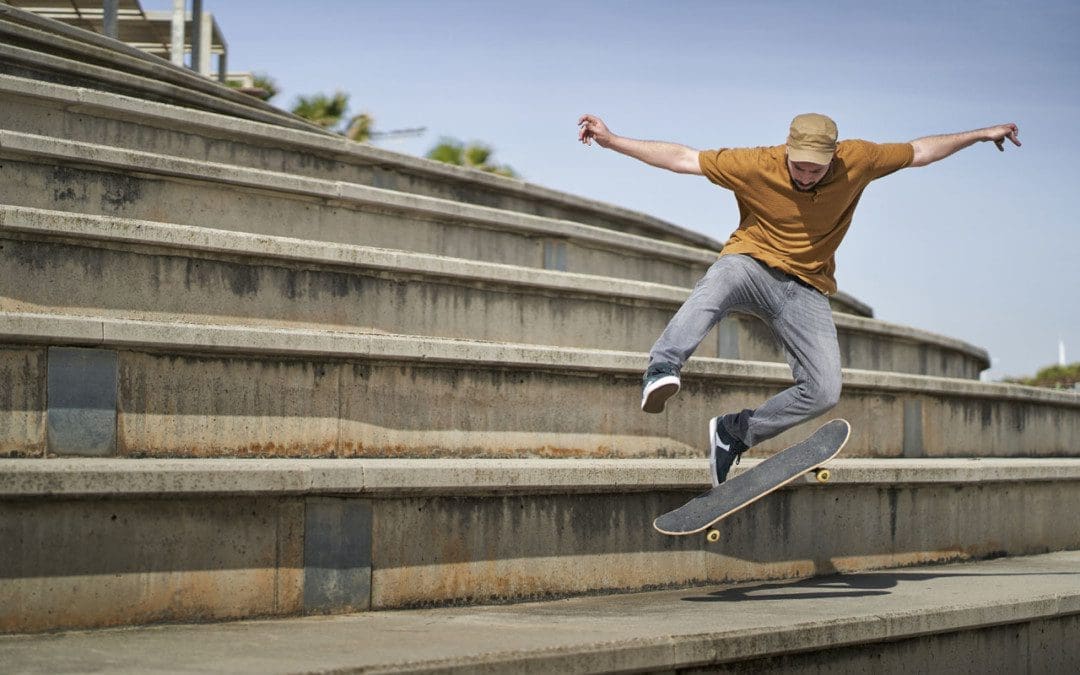
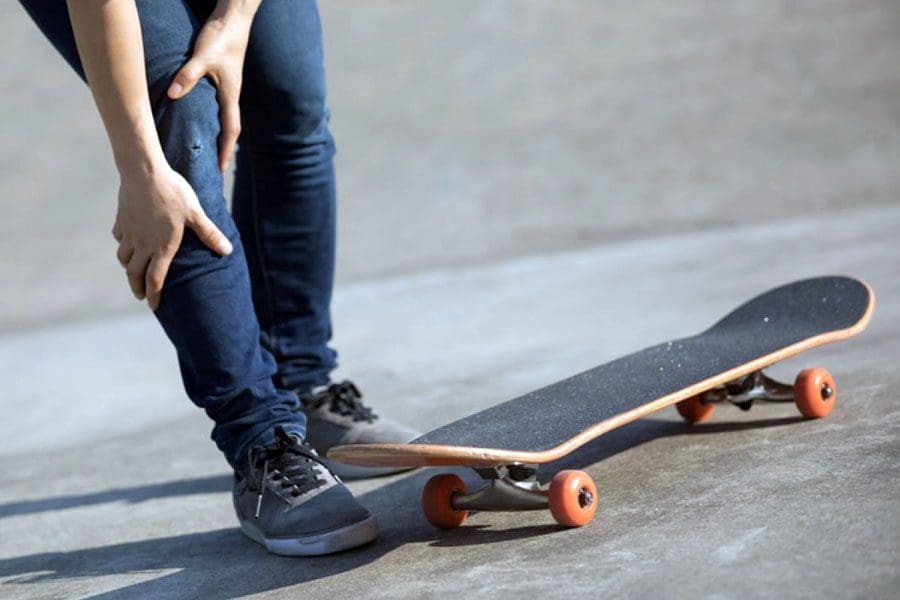
Skateboarding is a popular activity among children, teenagers, and young adults. It is recreational, competitive, fun, and exciting but, like any sport, carries a risk of injury. There are around 70,000 skateboarding injuries requiring a visit to the emergency room every year. The most common injuries involve the shins, ankles, forearms, wrists, elbows, face, and skull, with many left untreated that worsen as they heal improperly, leading to further damages and complications. Chiropractic can treat the injuries, rehabilitate the muscles and joints, and strengthen the body to get the skater back on their board.
Skateboarding Injuries
Skateboarding injuries can range from scrapes, cuts, and bruises to sprains, strains, broken bones, and concussions.
Shin injuries often happen during flip/twist tricks where the board or axle hits the shin causing bruising and swelling.
Shoulder, wrist, and hand injuries are common when skaters lose their balance and fall with outstretched arms.
Ankle injuries include rolls/sprains, as well as dislocations and fractures.
Dislocations usually happen to the shoulders, wrists, and fingers.
Facial injuries include teeth knocked out, broken nose, or jaw are typically caused by fast forward hard falls.
Severe injuries include concussions and head injuries.
Injury causes
Skateboarding injuries typically occur from:
Skating on irregular surfaces locks up wheels and affects balance, causing falls.
Losing balance or losing control of the board and falling hard/slamming into the pavement.
Inexperience, slow reaction times, and less coordination lead to falls and slams.
Skating into another skater, a person walking or cycling, a car, or a road hazard.
Trying an advanced trick/maneuver too soon and beyond their skill level.
Help prevent further injuries and long-term effects.
Chiropractic Skateboarding Injury Treatment
References
Forsman, L, and A Eriksson. “Skateboarding injuries of today.” British journal of sports medicine vol. 35,5 (2001): 325-8. doi:10.1136/bjsm.35.5.325
Hunter, Jamie. “The epidemiology of injury in skateboarding.” Medicine and sport science vol. 58 (2012): 142-57. doi:10.1159/000338722
Partiali, Benjamin, et al. “Injuries to the Head and Face From Skateboarding: A 10-Year Analysis From National Electronic Injury Surveillance System Hospitals.” Journal of oral and maxillofacial surgery: official journal of the American Association of Oral and Maxillofacial Surgeons vol. 78,9 (2020): 1590-1594. doi:10.1016/j.joms.2020.04.039
Shuman, Kristin M, and Michael C Meyers. “Skateboarding injuries: An updated review.” The Physician and sportsmedicine vol. 43,3 (2015): 317-23. doi:10.1080/00913847.2015.1050953
IFM's Find A Practitioner tool is the largest referral network in Functional Medicine, created to help patients locate Functional Medicine practitioners anywhere in the world. IFM Certified Practitioners are listed first in the search results, given their extensive education in Functional Medicine