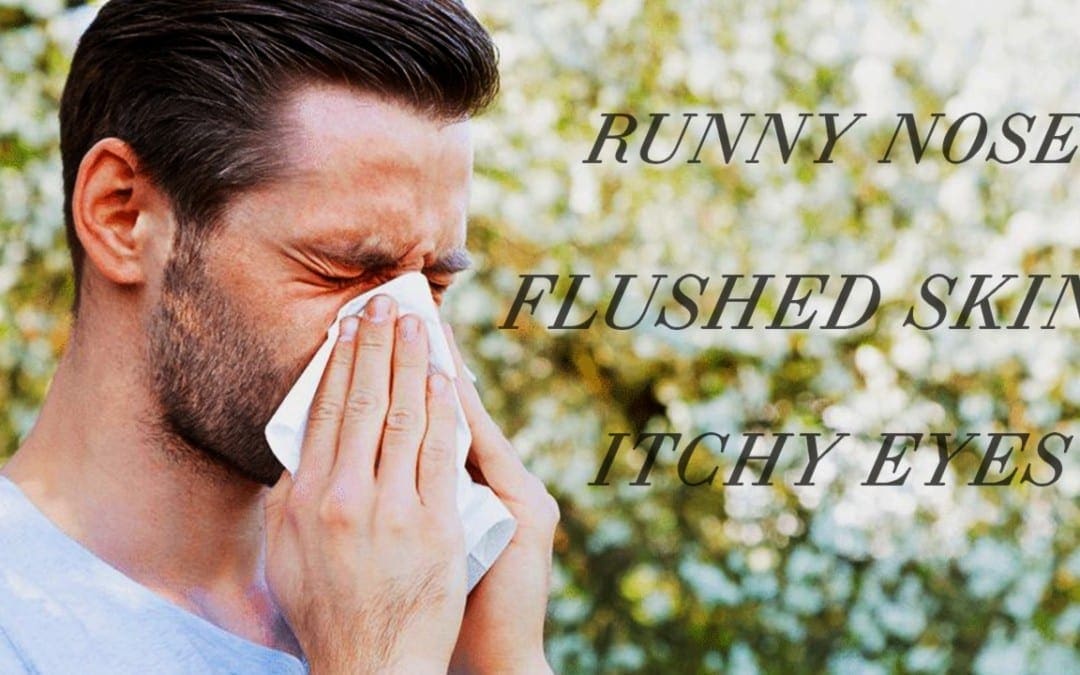
Learn everything about histamine intolerance and its effects on your health. Discover symptoms and dietary tips to manage it.
Introduction
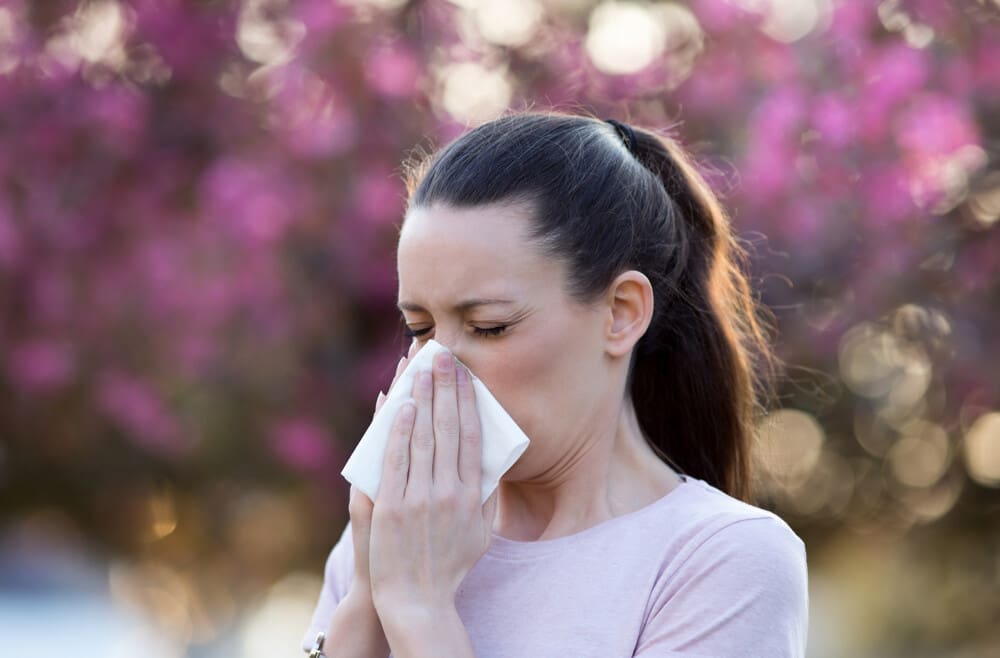
How often does eating cause discomfort or a burning feeling in your stomach? After consuming a certain dish, does your skin get heated and irritated? Or have you seen that your upper muscles begin to hurt as a result of your frequent sneezing? A histamine assault that affects the body and immune system may be the cause of these circumstances for many people. The function of histamine in the body, its symptoms, the reasons of histamine intolerance, and potential dietary strategies to lessen histamine-related bodily responses will all be covered in today’s article.
What Is Histamine?
The immune system serves as the body’s first line of defense against any external invaders found within the human body. The human body needs histamine to function. As a chemical messenger, it functions as a neurotransmitter in the brain and aids in controlling inflammatory and immunological responses as well as the production of stomach acid. In addition to being present in many foods, it is naturally created by mast cells, basophils, and certain neurons. Throughout the body, histamine attaches itself to histamine receptors (H1, H2, H3, and H4). (Patel & Mohiuddin, 2025) These receptors mediate the following processes:
Vasodilation, or blood vessel widening
Secretion of gastric acid
Contraction of smooth muscles
Signaling in the nervous system
Activation of the immune system
To put it briefly, histamine is necessary for preserving homeostasis and protecting the body from infections. But balance is essential. Excess histamine causes symptoms that are frequently confused with allergies, gastrointestinal issues, or hormone imbalances, particularly when the body is unable to effectively break it down.
What Is Histamine Intolerance
An actual allergy is not histamine intolerance. Rather, it describes a diminished capacity of the body to metabolize histamine, frequently as a result of low levels of the enzymes histamine-N-methyltransferase (HNMT) and diamine oxidase (DAO), which are both involved in this process. (Comas-Baste et al., 2020) Histamine builds up when these enzymes are compromised or overloaded, leading to a series of symptoms that can be transient, sporadic, or chronic, contingent on hormone levels, gut health, food consumption, and environmental circumstances.
Symptoms of Histamine Intolerance
Since histamine intolerance impacts several systems, it is frequently challenging to identify when a patient is receiving treatment. This is because histamine is a strong inflammatory mediator linked to allergic reactions that alters the body’s tissues and arteries. (Branco et al., 2018) The following symptoms can range in severity from mild to severe:
Dermatological:
Flushing or redness of the skin
Hives (urticaria)
Eczema or unexplained itching
Gastrointestinal:
Bloating, gas, or abdominal pain
Diarrhea or constipation
Nausea or vomiting
Heartburn (due to increased stomach acid)
Respiratory:
Nasal congestion or a runny nose
Asthma-like symptoms
Difficulty breathing (in severe cases)
Cardiovascular:
Low blood pressure
Dizziness or lightheadedness
Rapid or irregular heartbeat
Neurological:
Headaches or migraines
Anxiety
Insomnia or sleep disturbances
Brain fog or difficulty concentrating
Reproductive:
Menstrual irregularities
Worsened symptoms during estrogen surges (e.g., ovulation, PMS)
If symptoms improve with a low-histamine diet or DAO supplementation, this may point toward histamine intolerance.
Causes and Risk Factors of Histamine Intolerance
1. Enzyme Deficiency
The most direct cause is a deficiency or dysfunction in the enzymes DAO (in the gut) or HNMT (in tissues), which are responsible for breaking down histamine.
2. Gut Dysbiosis
When the gut microbiome becomes imbalanced with environmental factors, it can lead to increased histamine production by certain bacteria and reduced DAO activity, especially in cases of:
Small Intestinal Bacterial Overgrowth (SIBO)
Inflammatory bowel disease (IBD)
Leaky gut syndrome
This is because gut bacteria play a crucial role in the body, providing food digestion and immune activation, and regulating the entero-endocrine signaling pathways to ensure the body works properly. (Dicks, 2022)
3. Genetic Polymorphisms
Variants in genes encoding DAO or HNMT enzymes may reduce their function, increasing susceptibility to histamine intolerance.
4. Nutritional Deficiencies
Vitamin B6, copper, and vitamin C deficiency—all cofactors for DAO activity—can impair histamine metabolism.
5. Medications
Several medications are known to block DAO or trigger histamine release, such as:
NSAIDs (ibuprofen, aspirin)
Antidepressants (SSRIs, MAO inhibitors)
Muscle relaxants
Diuretics
Certain antibiotics
6. Hormonal Fluctuations
Estrogen can inhibit DAO, which explains why many women experience worsened histamine symptoms during PMS, pregnancy, or estrogen-dominant conditions like PCOS or endometriosis.
Fighting Inflammation Naturally-Video
High-Histamine Foods to Avoid
To manage histamine intolerance, a low-histamine diet is often a first-line approach. Common high-histamine or histamine-liberating foods include:
This is because environmental factors like eating various foods can lead to food intolerances, thus causing histamine accumulation. (Jochum, 2024)
Foods That May Help Reduce Histamine Reactions
A well-structured anti-histamine diet should include foods that are low in histamine and support DAO activity and gut health. A low histamine diet can reduce the chances of histamine reactions by eliminating foods that contain histamine and cause responses in the body. (Sanchez-Perez et al., 2021) Here are some food categories that may help minimize histamine burden:
1. DAO-Supportive Nutrients
Vitamin C: Bell peppers, broccoli, kiwi, strawberries
These help stabilize mast cells and reduce histamine release:
Quercetin-rich foods: Apples (peeled), onions, kale, green tea
Turmeric: Contains curcumin, which has mast-cell-stabilizing properties
Ginger: Helps with nausea and inflammation
Holy basil (tulsi): Adaptogen and natural antihistamine
3. Gut-Healing Foods
Bone broth (if tolerated; avoid long cooking times to reduce histamine)
Fresh meats and poultry (cooked and eaten immediately)
Non-citrus fruits like pears, blueberries, and watermelon
Gluten-free whole grains (quinoa, rice, millet)
Functional Medicine Approach to Histamine Intolerance
When finding a holistic approach for reducing histamine intolerance, many healthcare professionals can devise a customized treatment plan to assess the individual. Histamine intolerance often exists alongside broader systemic dysfunctions such as:
Chronic stress
Heavy metal toxicity
Hormonal imbalance
Environmental triggers
Autoimmune conditions
In addressing histamine intolerance, it’s important to:
Identify underlying triggers using functional lab testing (e.g., gut microbiome panels, food sensitivity testing, genetic SNP analysis).
Rebuild DAO capacity with nutrient repletion and, if necessary, temporary DAO supplementation.
Support detoxification pathways, especially the liver and gut.
Heal the gut barrier through probiotics (non-histamine producing), prebiotics, and anti-inflammatory foods.
Final Thoughts: Empowering Healing Through Nutrition and Insight
Histamine intolerance may have a significant impact on many people’s quality of life, although it is often misdiagnosed or ignored. Many people find great comfort by comprehending the symptoms, identifying the underlying causes, and implementing thoughtful food and lifestyle adjustments. Like any chronic illness, bio-individuality is important. One person’s triggers could be quite harmless to another. Trial and error, close observation, and sometimes expert advice are all common steps on the road to recovery. A personalized holistic treatment plan may help people with histamine intolerance regain equilibrium and enhance their overall health.
Injury Medical & Functional Medicine Clinic
We associate with certified medical providers who understand the importance of assessing individuals with histamine intolerances affecting their bodies. When asking important questions to our associated medical providers, we advise patients to incorporate small changes in their routine to reduce the chances of aggravating histamine symptoms from affecting the body. Dr. Alex Jimenez, D.C., uses this information as an academic service. Disclaimer.
References
Branco, A. C. C. C., Yoshikawa, F. S. Y., Pietrobon, A. J., & Sato, M. N. (2018). Role of Histamine in Modulating the Immune Response and Inflammation. Mediators of Inflammation, 2018, 1-10. https://doi.org/10.1155/2018/9524075
Comas-Baste, O., Sanchez-Perez, S., Veciana-Nogues, M. T., Latorre-Moratalla, M., & Vidal-Carou, M. D. C. (2020). Histamine Intolerance: The Current State of the Art. Biomolecules, 10(8). https://doi.org/10.3390/biom10081181
Sanchez-Perez, S., Comas-Baste, O., Veciana-Nogues, M. T., Latorre-Moratalla, M. L., & Vidal-Carou, M. C. (2021). Low-Histamine Diets: Is the Exclusion of Foods Justified by Their Histamine Content? Nutrients, 13(5). https://doi.org/10.3390/nu13051395
For individuals experiencing eye problems, can acupuncture treatment help and benefit overall eye health?
Acupuncture For Eye Health
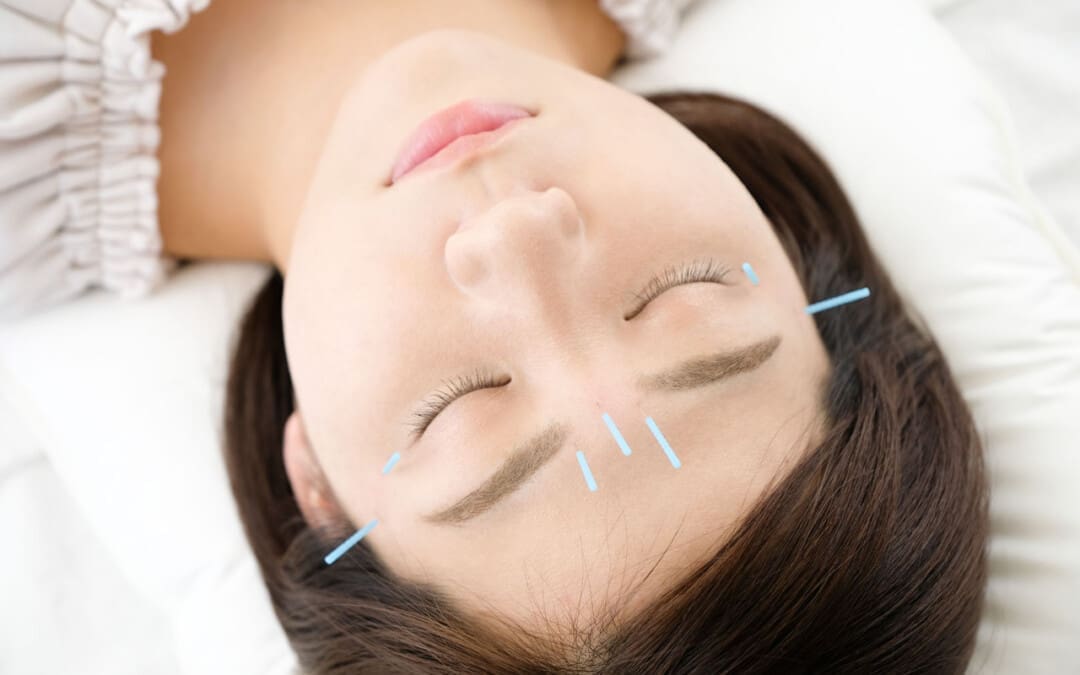
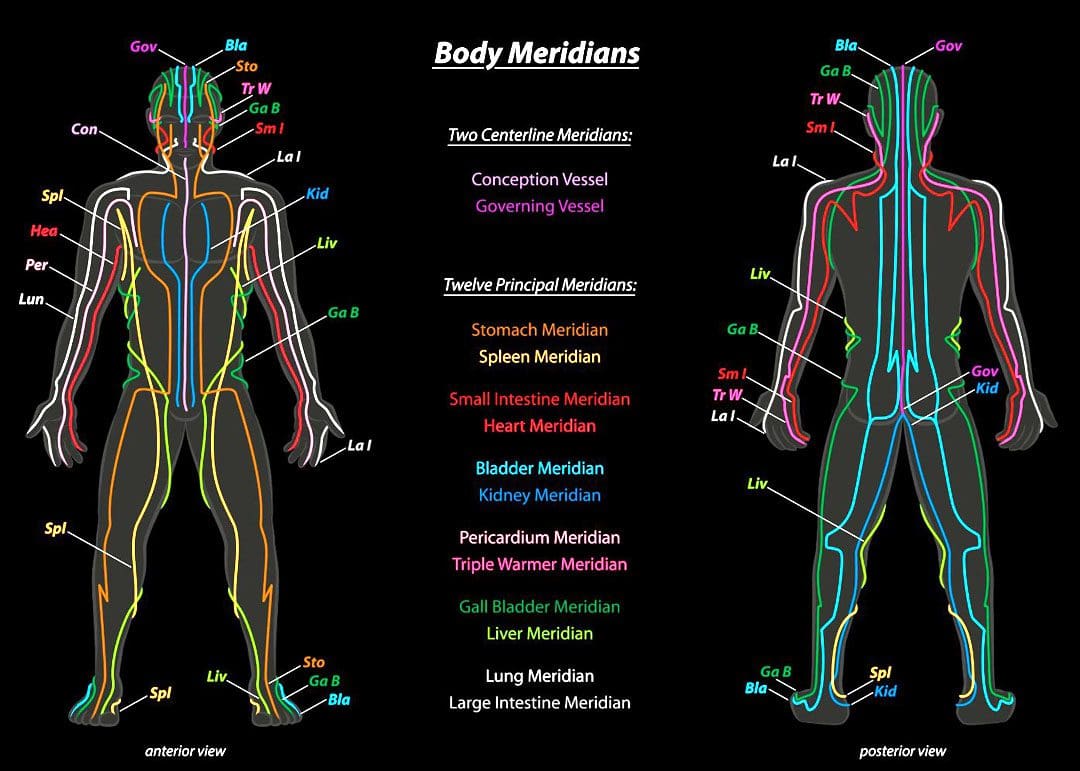
Acupuncture is an alternative medical practice that involves inserting thin needles at specific points on the body. The objective is to restore balance and health by restoring and balancing energy circulation through pathways throughout the body. These pathways, known as meridians, are separate from nerve and blood pathways.
Studies have shown that the insertion of needles manipulates accumulations of certain neurotransmitters by nearby nerves and may be what causes beneficial health effects. (Heming Zhu 2014)
Scientists are not sure exactly how acupuncture works, but it has been shown to provide pain relief and alleviation of cancer treatment nausea. (Weidong Lu, David S. Rosenthal 2013)
Studies have shown that acupuncture can help treat eye conditions like dry eye syndrome. (Tae-Hun Kim et al., 2012)
Eye Problems
For some individuals, a body imbalance can be caused by eye problems or disease. With acupuncture, imbalance-causing symptoms are addressed. Acupuncture promotes the circulation of energy and blood around the eyes.
Acupuncture has been used as an alternative treatment for chronic dry eye syndrome. (Tae-Hun Kim et al., 2012)
Studies have shown acupuncture helps reduce the eye surface’s temperature to reduce the evaporation of tears.
The procedure is also sometimes used to treat glaucoma.
Glaucoma is an optic nerve disease usually caused by above-normal eye pressure levels.
Another study showed successful reduced allergic and inflammatory eye disease symptoms. (Justine R. Smith et al., 2004)
Eye Acupoints
The following acupoints are for eye health.
Jingming
Jingming – UB-1 is located in the inner corner of the eye.
This point is thought to increase energy and blood and to help with problems such as blurry vision, cataracts, glaucoma, night blindness, and conjunctivitis. (Tilo Blechschmidt et al., 2017)
Zanzhu
The Zanzhu point – UB-2 is in the crease at the inner end of the eyebrow.
This acupoint is used when individuals complain of headaches, blurred vision, pain, tearing, redness, twitching, and glaucoma. (Gerhard Litscher 2012)
Yuyao
Yuyao is in the middle of the eyebrow, above the pupil.
This point is used for treating eye strain, eyelid twitching, ptosis, or when the upper eyelid droops over, cloudiness of the cornea, redness, and swelling. (Xiao-yan Tao et al., 2008)
Sizhukong
The Sizhukog – SJ 23 area is in the hollow area outside the eyebrow.
It is thought to be a point where acupuncture can help with eye and facial pain, including headaches, redness, pain, blurred vision, toothache, and facial paralysis. (Hongjie Ma et al., 2018)
Tongzilia
The Tongzilia – GB 1 is located on the outside corner of the eye.
The point helps brighten the eyes.
Acupuncture also helps treat headaches, redness, eye pain, light sensitivity, dry eyes, cataracts, and conjunctivitis. (GladGirl 2013)
Early studies with acupuncture have shown promise for improving eye health. Individuals considering acupuncture are recommended to consult their primary healthcare provider to see if it can be an option for those who have not found a resolution by traditional means.
Neck Injuries
References
Zhu H. (2014). Acupoints Initiate the Healing Process. Medical acupuncture, 26(5), 264–270. https://doi.org/10.1089/acu.2014.1057
Lu, W., & Rosenthal, D. S. (2013). Acupuncture for cancer pain and related symptoms. Current pain and headache reports, 17(3), 321. https://doi.org/10.1007/s11916-013-0321-3
Kim, T. H., Kang, J. W., Kim, K. H., Kang, K. W., Shin, M. S., Jung, S. Y., Kim, A. R., Jung, H. J., Choi, J. B., Hong, K. E., Lee, S. D., & Choi, S. M. (2012). Acupuncture for the treatment of dry eye: a multicenter randomised controlled trial with active comparison intervention (artificial teardrops). PloS one, 7(5), e36638. https://doi.org/10.1371/journal.pone.0036638
Law, S. K., & Li, T. (2013). Acupuncture for glaucoma. The Cochrane database of systematic reviews, 5(5), CD006030. https://doi.org/10.1002/14651858.CD006030.pub3
Smith, J. R., Spurrier, N. J., Martin, J. T., & Rosenbaum, J. T. (2004). Prevalent use of complementary and alternative medicine by patients with inflammatory eye disease. Ocular immunology and inflammation, 12(3), 203–214. https://doi.org/10.1080/092739490500200
Blechschmidt, T., Krumsiek, M., & Todorova, M. G. (2017). The Effect of Acupuncture on Visual Function in Patients with Congenital and Acquired Nystagmus. Medicines (Basel, Switzerland), 4(2), 33. https://doi.org/10.3390/medicines4020033
Litscher G. (2012). Integrative laser medicine and high-tech acupuncture at the medical university of graz, austria, europe. Evidence-based complementary and alternative medicine : eCAM, 2012, 103109. https://doi.org/10.1155/2012/103109
Tao, X. Y., Sun, C. X., Yang, J. L., Mao, M., Liao, C. C., Meng, J. G., Fan, W. B., Zhang, Y. F., Ren, X. R., & Yu, H. F. (2008). Zhongguo zhen jiu = Chinese acupuncture & moxibustion, 28(3), 191–193.
For individuals suffering from allergies, could using acupuncture help relieve and manage symptoms?
Acupuncture Can Help With Allergies
Acupuncture is becoming a more respected alternative treatment for various medical issues, from anxiety to fibromyalgia to weight loss. There is evidence that acupuncture can help with allergies by alleviating symptoms and improving the quality of life. (Shaoyan Feng, et al., 2015) The American Academy of Otolaryngology-Head and Neck Surgery Foundation recommends doctors offer acupuncture to patients looking for nonpharmacological treatments for their allergies or refer them to an acupuncturist. (Michael D. Seidman, et al., 2015)
Acupuncture
Acupuncture is a traditional Chinese medicine/TCM practice in which extremely thin needles are inserted into the body at specific points, creating a network of energy pathways known as meridians.
These pathways circulate vital life energy/chi or qi.
Each meridian is associated with a different body system.
Needles are placed to target the organs associated with the condition being treated.
Acupuncture can help with allergies by targeting several meridians, including the lungs, colon, stomach, and spleen. These meridians are believed to circulate defensive life energy or a type of immunity energy.
A backup of defensive energy or a deficiency can cause allergy symptoms like swelling, watery eyes, runny nose, sneezing, allergic eczema, and conjunctivitis. (Bettina Hauswald, Yury M. Yarin. 2014)
The objective is to stimulate the points to restore balance in the energies and relieve symptoms.
Scientific Theories
One theory is the needles work directly on nerve fibers, influencing messages to the brain or the autonomic nervous system and transmission of signals within the body, including the immune system. (Tony Y. Chon, Mark C. Lee. 2013)
Another is the needles influence certain activities of cells, particularly the transport, breakdown, and clearance of bioactive mediators.
The combination of these actions is thought to decrease inflammatory conditions like allergic rhinitis – hay fever, in which the inside of the nose becomes inflamed and swollen after breathing in an allergen. (Bettina Hauswald, Yury M. Yarin. 2014)
A 2015 review concluded there have been high-quality randomized controlled trials demonstrating acupuncture’s efficacy in treating seasonal and perennial allergic rhinitis. Smaller studies have shown some preliminary benefits of acupuncture when compared with antihistamines, but more research is needed. (Malcolm B. Taw, et al., 2015)
Treating Allergies
Some individuals who choose acupuncture are seeking alternatives to standard treatment like medications, nasal sprays, and immunotherapy.
Others are looking for ways to enhance the effectiveness of medications already being taken, such as antihistamines or nasal sprays, or shorten how long or how frequently they are needed.
Initial treatment usually involves weekly or twice-weekly appointments over several weeks or months, depending on symptom severity.
Improperly administered acupuncture needles can cause serious side effects that range from infections, punctured organs, collapsed lungs, and injury to the central nervous system. (National Center for Complementary and Integrative Health. 2022) Before trying acupuncture, consult your primary healthcare provider, allergist, or integrative medicine specialist to make sure it’s a safe and viable option and the best way to integrate it into overall allergy care.
Fighting Inflammation Naturally
References
Feng, S., Han, M., Fan, Y., Yang, G., Liao, Z., Liao, W., & Li, H. (2015). Acupuncture for the treatment of allergic rhinitis: a systematic review and meta-analysis. American journal of rhinology & allergy, 29(1), 57–62. https://doi.org/10.2500/ajra.2015.29.4116
Seidman, M. D., Gurgel, R. K., Lin, S. Y., Schwartz, S. R., Baroody, F. M., Bonner, J. R., Dawson, D. E., Dykewicz, M. S., Hackell, J. M., Han, J. K., Ishman, S. L., Krouse, H. J., Malekzadeh, S., Mims, J. W., Omole, F. S., Reddy, W. D., Wallace, D. V., Walsh, S. A., Warren, B. E., Wilson, M. N., … Guideline Otolaryngology Development Group. AAO-HNSF (2015). Clinical practice guideline: Allergic rhinitis. Otolaryngology–head and neck surgery : official journal of American Academy of Otolaryngology-Head and Neck Surgery, 152(1 Suppl), S1–S43. https://doi.org/10.1177/0194599814561600
Hauswald, B., & Yarin, Y. M. (2014). Acupuncture in allergic rhinitis: A Mini-Review. Allergo journal international, 23(4), 115–119. https://doi.org/10.1007/s40629-014-0015-3
Chon, T. Y., & Lee, M. C. (2013). Acupuncture. Mayo Clinic proceedings, 88(10), 1141–1146. https://doi.org/10.1016/j.mayocp.2013.06.009
Taw, M. B., Reddy, W. D., Omole, F. S., & Seidman, M. D. (2015). Acupuncture and allergic rhinitis. Current opinion in otolaryngology & head and neck surgery, 23(3), 216–220. https://doi.org/10.1097/MOO.0000000000000161
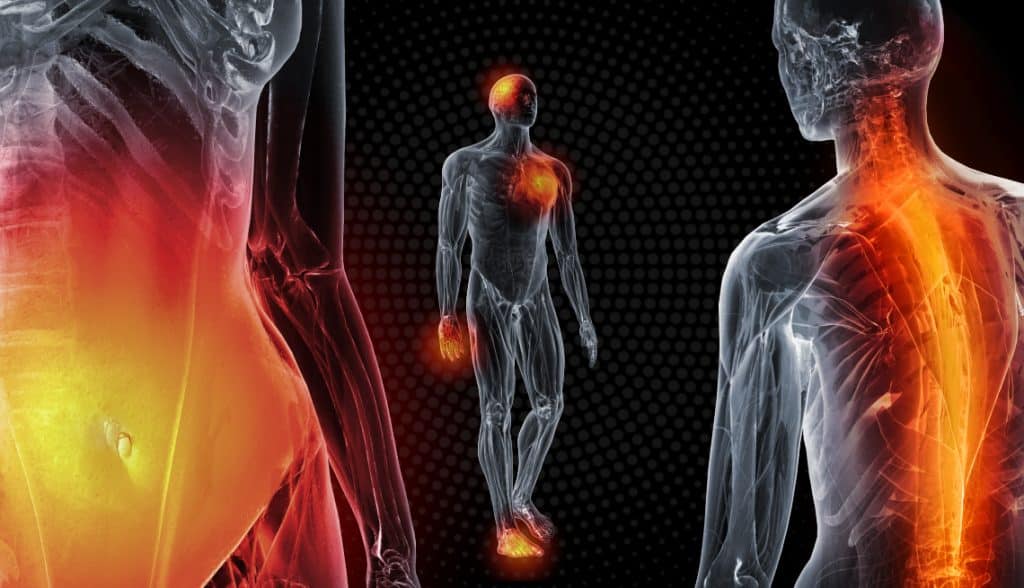
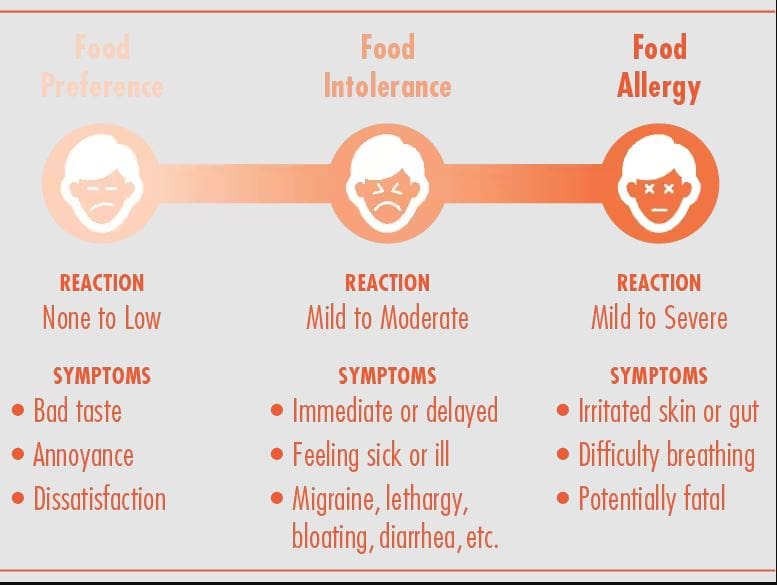
Around the world, many individuals will have some reaction to the foods they consume. This type of reaction can lead to a series of unwanted symptoms that affect not only the vital organs of the body but also the musculoskeletal system. This allergic reaction can cause inflammatory effects that lead to joint pain and swelling while affecting a person’s quality of life. Inflammation is the body’s natural defense response from the immune system to repair the body inside and out. When food allergies start to affect the entire body, it can cause the individual to be in constant pain, and many individuals will go to treatments to reduce the symptoms caused by food allergic reactions; however, the residual effects of the allergic reaction can still interfere with the body and affect the musculoskeletal system. Today’s article focuses on food allergies, how they are associated with inflammation in the musculoskeletal system, and how MET therapy can help relieve inflammation associated with food allergies. We utilize and provide valuable information about our patients to certified medical providers who use soft tissue stretching methods like MET to reduce inflammation associated with food allergies affecting the musculoskeletal system. We encourage patients by referring them to our associated medical providers based on their findings. We support that education is a marvelous way to ask our providers the most interesting questions at the patient’s acknowledgment. Dr. Alex Jimenez, D.C., incorporates this information as an educational service. Disclaimer
What Are Food Allergies?
Have you been dealing with muscle swelling in different locations of your body? Do you see redness or feel a burning sensation in your muscles? Or do your muscles and joints feel achy throughout the day? Many of these pain-like symptoms are associated with inflammatory effects caused by food allergies. Research studies have revealed that food allergies are often defined as an immune reaction to food proteins that many individuals worldwide and, when indigested, are responsible for various symptoms that involve the skin, gastrointestinal tract, and respiratory tract. Many individuals would often confuse a food allergy with food intolerance since the musculoskeletal and gastrointestinal systems are caused by inflammation. Research studies have found that food intolerances are non-immunological responses that cause numerous symptoms and hypersensitivity to the body. Many factors correlate to food intolerances, and food allergies can affect the musculoskeletal system with pain-like symptoms like inflammation.
Food Allergies Associated With Inflammation In The Musculoskeletal System
When food allergies or food intolerances occur in the body, it can cause the individuals to have unwanted pain-like symptoms to cause inflammation to appear in the body. When it comes to inflammation in the body, it is produced by the immune system. It helps repair old cells and attack foreign invaders affecting the musculoskeletal system. In “Clinical Applications of Neuromuscular Techniques,” Dr. Leon Chaitow, N.D., D.O., and Dr. Judith Walker DeLany, L.M.T. stated that specific individualized pathophysiological responses exist to many foods and liquids that are being taken accounted for a significant amount of overlapping symptoms being produce. The book also states that it includes pain and discomfort to the musculoskeletal system. To that point, to figure out these presenting symptoms, whatever allergic pathogen is being derived from the food itself could be the result. Additional studies mentioned that food allergies and tolerances are sometimes not established when inflammation from the GI tract and causing pain-like symptoms associated with the musculoskeletal system. Fortunately, there are various treatments to reduce the effects of food allergies and intolerances while restoring the musculoskeletal system.
The Benefits Of A Healthy Diet & Chiropractic Care-Video
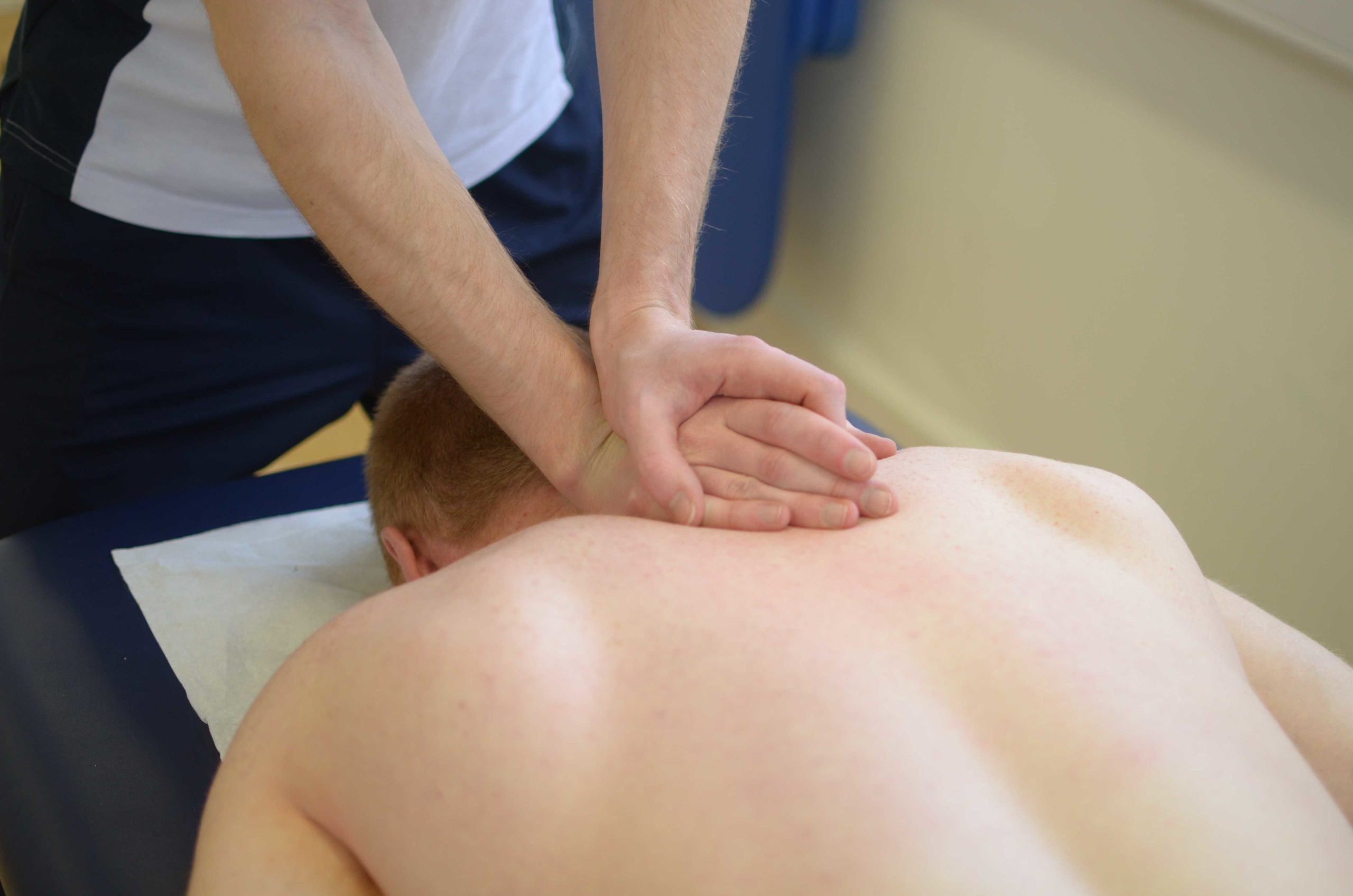
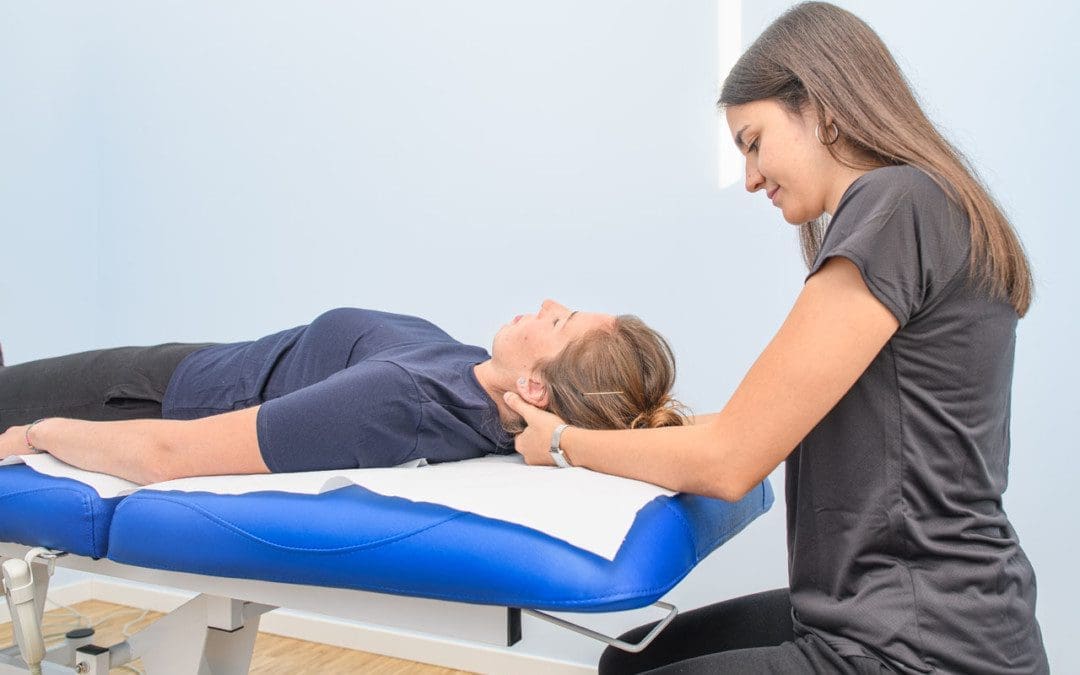
Have you been dealing with gut inflammation that is affecting your musculoskeletal system? Are you experiencing aches and pains throughout your entire body? Or do you have joint issues that are causing you limited mobility? Many of these issues are associated with food intolerances and allergies that can cause inflammation of the musculoskeletal system leaving the individual in pain. Fortunately, there are many ways to reduce the effects of inflammation associated with food allergies. The video above explains how eating the right foods while being considerate of food allergies can be combined with treatment like chiropractic care, which can help reduce inflammation while realigning the body through manual manipulation. Chiropractors also use soft tissue techniques like MET to help regain joint mobility and reduce the effects of inflammation-causing muscle and joint stiffness.
MET Therapy Relieving Inflammation Associated With Food Allergies
Therapies like soft tissue massages, massage therapy, physical therapy, or chiropractic care all work together with having a nutritional diet plan to prevent flare-ups from food allergies and intolerances. Research studies have found that MET helps stretch the affected muscles induced by inflammation associated with food allergies. This technique allows the body to naturally heal itself and prevent inflammation from exceeding more into the body. Combined with anti-inflammatory foods, many individuals know what food they can and can not consume. Additionally, it allows them to be more mindful of their bodies and sends them on the right track of their health and wellness journey.
Conclusion
Overall, many individuals often confuse food allergies and food intolerances, which can cause the musculoskeletal system to be dealing with symptoms of inflammation and pain. Since inflammation is the body’s natural defense system, it is important to be mindful of what is consumed to prevent overlapping risk profiles from causing muscle and joint pain. Luckily, numerous treatments are available to reduce the effects of chronic inflammation associated with food allergies and help the body naturally heal itself. Combining treatments like MET and a healthy nutritional diet can help the body reduce the effects of inflammation from affecting the musculoskeletal system while also allowing the individual to make smart choices in their health and wellness journey.
References
Chaitow, Leon, and Judith Walker DeLany. Clinical Applications of Neuromuscular Techniques. Churchill Livingstone, 2003.
Lopez, Claudia M, et al. “Food Allergies – Statpearls – NCBI Bookshelf.” In: StatPearls [Internet]. Treasure Island (FL), StatPearls Publishing, 31 Jan. 2023, https://www.ncbi.nlm.nih.gov/books/NBK482187/.
Ohtsuka, Yoshikazu. “Food Intolerance and Mucosal Inflammation.” Pediatrics International : Official Journal of the Japan Pediatric Society, U.S. National Library of Medicine, 2015, https://pubmed.ncbi.nlm.nih.gov/25442377/.
Sbardella, Silvia, et al. “Muscle Energy Technique in the Rehabilitative Treatment for Acute and Chronic Non-Specific Neck Pain: A Systematic Review.” Healthcare (Basel, Switzerland), U.S. National Library of Medicine, 17 June 2021, https://www.ncbi.nlm.nih.gov/pmc/articles/PMC8234422/.
Tuck, Caroline J, et al. “Food Intolerances.” Nutrients, U.S. National Library of Medicine, 22 July 2019, https://www.ncbi.nlm.nih.gov/pmc/articles/PMC6682924/.
Spring allergies are reactions by an individual’s immune system to flowering buds, blooming trees, pet dander, weeds, etc. When coming into contact with the allergen, the immune system’s reaction can inflame the skin, sinuses, airways, or digestive system. The severity of allergies varies from person to person. The spine and brain communicate with various body parts, including those that affect the immune system and how the body reacts to allergens. Chiropractic adjustments for allergy treatment can help regulate histamine and cortisol levels and offer spring allergy tips for prevention.
Spring Allergy Tips
An allergy occurs when the body’s immune system sees a substance as harmful and overreacts (inflammation). The immune system produces substances known as antibodies. A lack of communication between the spine, brain, and other parts of the body can lead to lower immunity meaning the body has a harder time reacting to stressors.
Symptoms
Symptoms vary, but the most common include:
Itchy, red, and watery eyes
Nasal congestion
Sneezing
Runny nose
Itching nose
Post-nasal drip
Coughing
The recommended way to determine whether or not seasonal allergies are causing symptoms is to visit a primary care physician and undergo allergy testing. A physician may recommend an allergist for further evaluation to identify specific allergies.
Prevention
Reduce exposure to triggers
Try to stay indoors on windy days.
Wind and dry air can make allergy symptoms worse.
Closing windows can help keep pollen from blowing inside.
Remove clothes worn outside and shower to rinse pollen from your skin and hair.
Wear a dust mask when lawn mowing, weed pulling, and doing other chores.
Don’t hang laundry outside; pollen can stick to clothes, sheets, and towels.
Seasonal allergy signs and symptoms can flare up with a high pollen count. Certain steps can help reduce the exposure:
Check local TV, radio, or the internet for pollen forecasts and levels.
If high pollen is forecasted, take allergy medications before symptoms begin.
Close doors and windows when pollen counts are high.
Try to avoid outdoor activity when pollen counts are highest.
Indoor Air Quality
Various products can help remove allergens from the air in the home:
Use air conditioning in the house and car when applicable.
Use high-efficiency filters and follow regular maintenance schedules for heating and air conditioning.
Vacuum all floors regularly with a cleaner that has a HEPA filter.
Chiropractic
Chiropractic treatment is highly effective in relieving allergy symptoms and even stopping allergies at their source. The treatments restore balance, so the body is ready to combat allergies. When the spine is out of alignment (which can occur from the coughing and sneezing), it impacts the nervous system, leading to various problems, including allergies and immune system malfunction. A chiropractor can relieve the stress on the nervous system by realigning the spine, taking the pressure off nerves, and allowing the immune system to function at optimal levels. And it makes it easier for the body to fight off infections while recognizing allergens as harmless.
Food Allergies, Hypersensitivity, and Intolerances
References
Balon, Jeffrey W, and Silvano A Mior. “Chiropractic care in asthma and allergy.” Annals of allergy, asthma & immunology: official publication of the American College of Allergy, Asthma, & Immunology vol. 93,2 Suppl 1 (2004): S55-60. doi:10.1016/s1081-1206(10)61487-1
Bruton, Anne, et al. “Physiotherapy breathing retraining for asthma: a randomized controlled trial.” The Lancet. Respiratory medicine vol. 6,1 (2018): 19-28. doi:10.1016/S2213-2600(17)30474-5
Bruurs, Marjolein L J et al. “The effectiveness of physiotherapy in patients with asthma: a systematic review of the literature.” Respiratory medicine vol. 107,4 (2013): 483-94. doi:10.1016/j.rmed.2012.12.017
Common seasonal allergy triggers. American College of Allergy, Asthma & Immunology. https://acaai.org/allergies/allergic-conditions/seasonal-allergies. Accessed March 10, 2022.
Jaber, Raja. “Respiratory and allergic diseases: from upper respiratory tract infections to asthma.” Primary care vol. 29,2 (2002): 231-61. doi:10.1016/s0095-4543(01)00008-2
Wu, Shan Shan et al. “Rhinitis: The Osteopathic Modular Approach.” The Journal of the American Osteopathic Association vol. 120,5 (2020): 351-358. doi:10.7556/jaoa.2020.054
Chiropractic care has a powerful therapeutic effect on the body’s systems. This includes the nervous, muscular, skeletal, and lymphatic. The lymphatic system is a part of the immune system. It circulates lymph, a fluid comprised of white blood cells that support the immune system, proteins, and fats. The lymphatic system collects toxins, moves waste, and protects the body from foreign invaders. Together with the immune system, the lymphatic system keeps the body balanced. However, imbalances occur due to misalignments, subluxations, compressed nerves, chronic conditions, and injuries. Chiropractic care, massage, and decompression therapy can help mobilize stuck or misaligned joints, reduce muscular tension, alleviate nerve inflammation and discomfort, and restore optimal function.
Spinal Lymphatic Detox
Lymphatic System
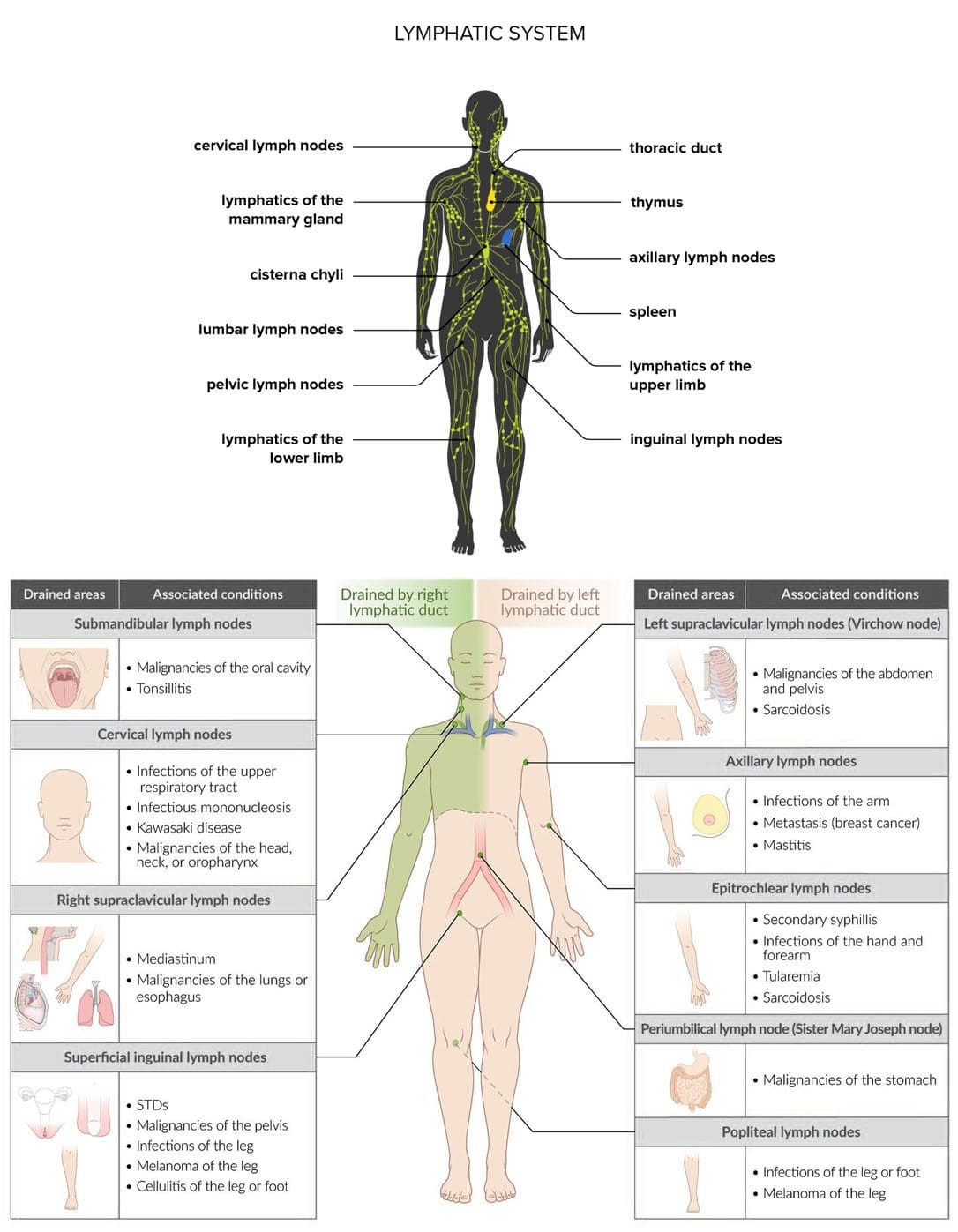
The lymphatic system is a network throughout the body. The system drains lymph fluid from the blood vessels into the tissues and empties it back into the bloodstream through the lymph nodes. The main functions of the system include the following:
Regulates fluid levels in the body.
Activates when bacteria or viruses enter.
Manages and removes cancer cells or cell byproducts that could result in disease or disorders.
Absorbs some of the fats from the intestine.
The lymph nodes and other structures like the spleenand thymushouse specialized white blood cells called lymphocytes. These are ready to go and can rapidly multiply and release antibodies when bacteria, viruses, and other stimuli, enter the body.
Fluid Balance
The blood in the vessels is under constant pressure. Nutrients, fluids, and certain cells need to circulate throughout the body to supply the tissues and maintain the system’s defense. The lymphatic system:
Removes all fluids and contents that leak into the tissues.
Eliminates waste products formed in the tissues.
Eliminates bacteria that enter through the skin.
The digestive and respiratory systems are lined with lymphatic tissue because the systems are exposed. The most important sites are the tonsils, the intestinal region, and the appendix. Lymph nodes are the filters. Viruses and cancer cells get trapped and destroyed in the lymph nodes. More lymphocytes are produced when an infection is present, which is why the nodes experience swelling. When the lymphatic system does not drain fluids from the tissues properly, the tissues swell and can cause symptoms of discomfort. If the swelling is only for a short period, it is called edema. If it lasts more than three months, it is called lymphoedema.
Symptoms of Unhealthy Circulation
Unhealthy circulation can include the following symptoms:
Fatigue
Concentration problems
Cold hands or feet
Swelling
Muscle cramps
Numbness
Tingling
Stinging
Throbbing
Development of ulcers on the feet, ankles, and legs.
Chiropractic Care
A chiropractic spinal lymphatic detoxtreatment releases stagnant fluid collected in the joints, muscles, and tissues. A personalized treatment plan will consist of massage therapy to increase circulation, release and relax the muscles and nerves, chiropractic to realign the body, decompression to open the spine, stretching techniques to improve flexibility, and nutritional guidance to support optimal circulation. The benefits include:
Discomfort and pain relief.
Stress and anxiety relief.
Balanced and realigned body.
Relaxed muscles.
Helps with allergy symptoms.
Detoxes bacteria along the spine.
Lymphatic Anatomy
References
Dmochowski, Jacek P et al. “Computational Modeling of Deep Tissue Heating by an Automatic Thermal Massage Bed: Predicting the Effects on Circulation.” Frontiers in medical technology vol. 4 925554. 14 Jun. 2022, doi:10.3389/fmedt.2022.925554
Majewski-Schrage, Tricia, and Kelli Snyder. “The Effectiveness of Manual Lymphatic Drainage in Patients With Orthopedic Injuries.” Journal of sport rehabilitation vol. 25,1 (2016): 91-7. doi:10.1123/jsr.2014-0222
Mihara, Makoto et al. “Combined conservative treatment and lymphatic venous anastomosis for severe lower limb lymphedema with recurrent cellulitis.” Annals of vascular surgery vol. 29,6 (2015): 1318.e11-5. doi:10.1016/j.avsg.2015.01.037
Mortimer, Peter S, and Stanley G Rockson. “New developments in clinical aspects of lymphatic disease.” The Journal of clinical investigation vol. 124,3 (2014): 915-21. doi:10.1172/JCI71608
Weerapong, Pornratshanee et al. “The mechanisms of massage and effects on performance, muscle recovery and injury prevention.” Sports medicine (Auckland, N.Z.) vol. 35,3 (2005): 235-56. doi:10.2165/00007256-200535030-00004
If you are suffering from any of these symptoms, then you might be experiencing an allergy attack in your body.
The Rise of Allergies
The rise of allergies has not gone unnoticed amongst the young and the old. The allergy disease has affected over 30% of individuals in many communities, particularly young children, have underscored the need for effective prevention strategies in their early lives. Some individuals will blame the increase in toxin exposure while others blame the food, but mostly everyone will admit that the answers to how the allergy disease comes from are still unclear. Whether it be food, environmental factors, or skin allergies, the common denominator that causes the allergies to develop is in the immune system, especially in its inflammatory department.
The body�s immune system is linked to the entire body microbiome, and it also resides in the gastrointestinal tract. It has been said that the health and function of the immune system are directly associated with the diversity as well as the health of the microbiome. So it is reasonable to consider the microbiome when healthcare professionals are seeking to solve the allergy enigma.
Types of Allergic Reactions
With most allergy reactions, they are manifested in either the gastrointestinal tract, respiratory tract, or the skin. It is not a surprise that these organ systems are also where the body’s microbiome is the most heavily concentrated. A variety of bacterial species make their homes in these organ systems since these three organ systems represent the primary portals of entry for these pathogens.
It is logically that the microbiome of the body is so heavily concentrated as it functions as the first line of defense against invading pathogens and antigens. When there is a weak microbiome, or it lacks biodiversity, it will become a weak defense system, and the immune system is required to “pick up the slack” by identifying and protecting the body against these foreign invaders, which includes the common allergens that a person can get.
Skin Allergies
Skin allergies are where the skin becomes red, bumpy, and itchy rashes to become irritating, painful, and embarrassing for some people. Rashes can be caused by many factors, including exposure to certain plants, an allergic reaction to specific medication or food, or by illnesses like measles or chickenpox. Eczema, hives, and contact dermatitis are the three types of skin rashes. Eczema and hives are the two most common types of skin rashes and are related to allergies.
Eczema: Also known as atopic dermatitis, can affect between 10 to 20 percent of children and 1 to 3 percent of adults. People with eczema will experience dry, red, irritated, and itchy skin. When it is infected, the skin may have small fluid-filled bumps that can ooze clear or yellowish liquid. Anyone with eczema can often have a family history of allergies.
Hives: Also known as urticaria, this skin rash is raised, red bumps or welts that appear on the body. Hives can cause two conditions, and they are acute urticaria and chronic urticaria. Acute urticaria is most commonly caused by exposure to an allergen or by an infection, while the causes of chronic urticaria are still mostly unknown.
Contact dermatitis: This skin rash is a reaction that appears when the skin comes in contact with an irritant or an allergen. Soaps, laundry products, shampoos, Excessive exposure to water, or the sun are some of the factors that can cause contact dermatitis. The symptoms can include rashes, blisters, itching, and burning.
Food Allergies
Anyone with a food allergy has an immune system that reacts to specific proteins found in food. Their immune system starts attacking these compounds as if they were harmful pathogens like a bacterium or a virus. Food allergies can affect 250 million to 550 million people in developed and developing countries.
The symptoms can range from mild to severe and can affect individuals differently. The most common signs and symptoms of an individual’s experience include:
The skin may become itchy or blotchy
Lips and face might swell
Tingling in the mouth
Burning sensation on the lips and mouth
Wheezing
Runny nose
Studies have found out that many people who think they have a food allergy may have a food intolerance. These two are entirely different because food intolerances do not involve the IgE antibodies, and the symptoms may be immediate, delayed, or similar to food allergies. Food intolerances occur due to proteins, chemicals, and other factors that can compromise the intestinal permeability. While food allergies mean that even a small amount of food is going to trigger the immune system, causing an allergic reaction.
Seasonal Allergies
Seasonal allergies are one of the most common allergic reactions that people get. About 8 percent of Americans experience it, according to the American Academy of Allergy, Asthma, and Immunology, and it is commonly known as hay fever. Hay fever occurs when the immune system overreacts to outdoor allergens like pollen, weeds, cut grasses, and wind-pollinated plants.� Seasonal allergies are less common in the winter; however, it is possible to experience allergic rhinitis year-round, depending on where the individual lives and on the allergy triggers they may have.
Symptoms of seasonal allergies can range from mild to severe, including:
Sneezing
Runny or stuffy nose
Water and itchy eyes
Itchy throat
Ear congestion
Postnasal drainage
Conclusion
Allergies are a disease that attacks the immune system and can be triggered by many factors, whether it be from food, environmental factors, or the toxins that a person is exposed to. There are ways to lower the allergy symptoms through medicine or foods that have prebiotics and probiotic nutrients that can reduce the reactions. Some products can help support the immune system and can offer nutrients to the gastrointestinal tract and metabolic support.
The scope of our information is limited to chiropractic, musculoskeletal, and nervous health issues as well as functional medicine articles, topics, and discussions. We use functional health protocols to treat injuries or chronic disorders of the musculoskeletal system. To further discuss the subject matter above, please feel free to ask Dr. Alex Jimenez or contact us at 915-850-0900 .
References:
Brosseau, Carole, et al. �Prebiotics: Mechanisms and Preventive Effects in Allergy.� Nutrients, MDPI, 8 Aug. 2019, www.ncbi.nlm.nih.gov/pubmed/31398959.
Kerr, Michael. �Seasonal Allergies: Symptoms, Causes, and Treatment.� Healthline, 7 May, 2018, www.healthline.com/health/allergies/seasonal-allergies.
Molinari, Giuliano, et al. �Respiratory Allergies: a General Overview of Remedies, Delivery Systems, and the Need to Progress.� ISRN Allergy, Hindawi Publishing Corporation, 12 Mar. 2014, www.ncbi.nlm.nih.gov/pmc/articles/PMC3972928/.
Newman, Tim. �Food Allergies: Symptoms, Treatments, and Causes.� Medical News Today, MediLexicon International, 17 July 2017, www.medicalnewstoday.com/articles/14384.php.
Team, DFH. �Attack Allergies with Prebiotics.� Designs for health, 24 Oct. 2019, blog.designsforhealth.com/node/1133.
IFM's Find A Practitioner tool is the largest referral network in Functional Medicine, created to help patients locate Functional Medicine practitioners anywhere in the world. IFM Certified Practitioners are listed first in the search results, given their extensive education in Functional Medicine