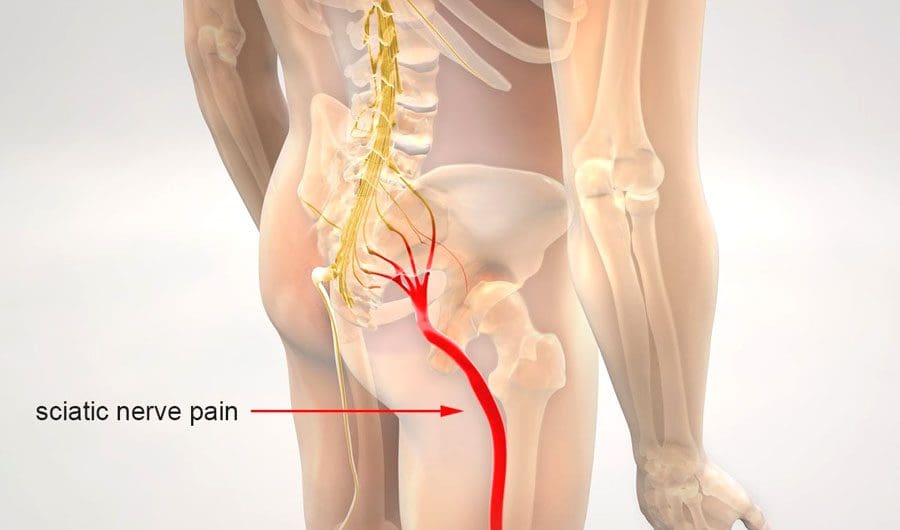
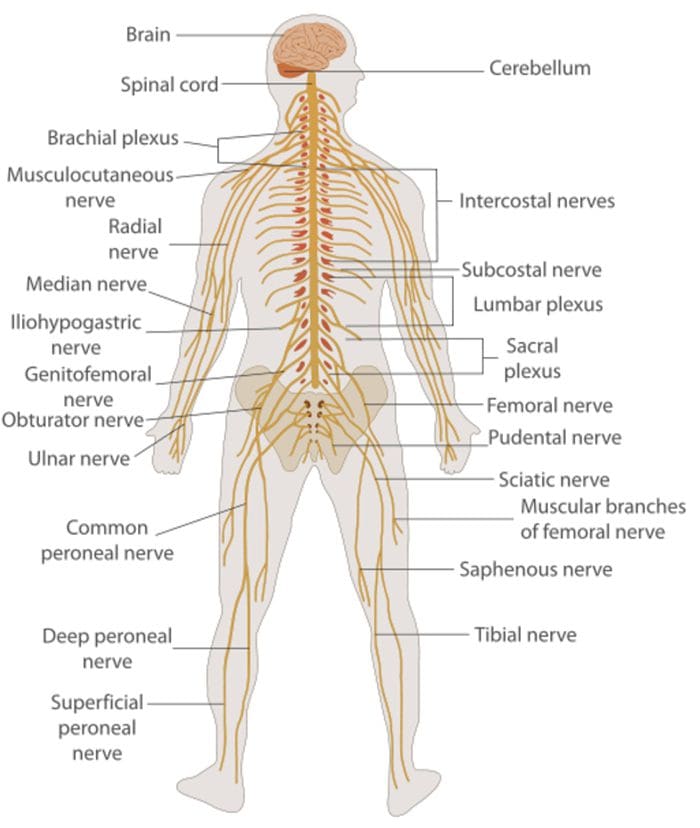
Sciatica is experienced as lower back pain and pain that radiates down the back of the legs. It is pain caused by compression, irritation, or inflammation of the sciatic nerve. It is generally experienced on one side of the body. Body movements like twisting, bending, sitting, or responses like coughing and sneezing can worsen the pain. Individuals with sciatica also experience muscle weakness, numbness, tingling, or electrical shock-like sensations. Injury Medical Chiropractic and Functional Medicine Clinic offer manual and motorized sciatic nerve decompression to stretch/realign the spine, release the compressed nerves, and relieve pain.
Sciatic Nerve Decompression
The spine consists of 23 spinal discs that are shock absorbers for the body during movement. Each disc consists of a soft inner core of a gel substance and a thick outer layer. Wear and tear of the spinal discs from aging, degenerative disc disease, repetitive physical activities like lifting and bending, obesity, and poor posture are some of the factors that can stress the spine, causing the thick outer layer of the spinal disc to crack/breakdown causing the soft inner core to leak out forming a bulging or herniated disc. This type of injury compresses, pinches, or irritates one or more nerve roots that form the sciatic nerve, triggering sciatica.
Spinal stenosis or the narrowing of the spinal canal.
Spondylolisthesis, or the slipping or dislocation of the spinal vertebrae in the lower part of the spine.
Are also known sciatica causes.
Symptoms
Common compressed nerve symptoms include:
Pain or burning sensations radiating down the leg.
Because branches of the sciatic nerve extend from the lumbar spine through the buttocks and down the leg, pain, burning sensations or dull aching can present along the nerve’s pathway if the nerve gets compressed or irritated.
Weakness in the affected leg.
When walking or moving the legs, the nerves transmit information to the brain, stimulating the muscles to react in specific ways.
A pinched sciatic nerve can cause interference with relaying signals, resulting in weakness.
Numbness.
The compression impedes blood circulation and nerve energy transmission.
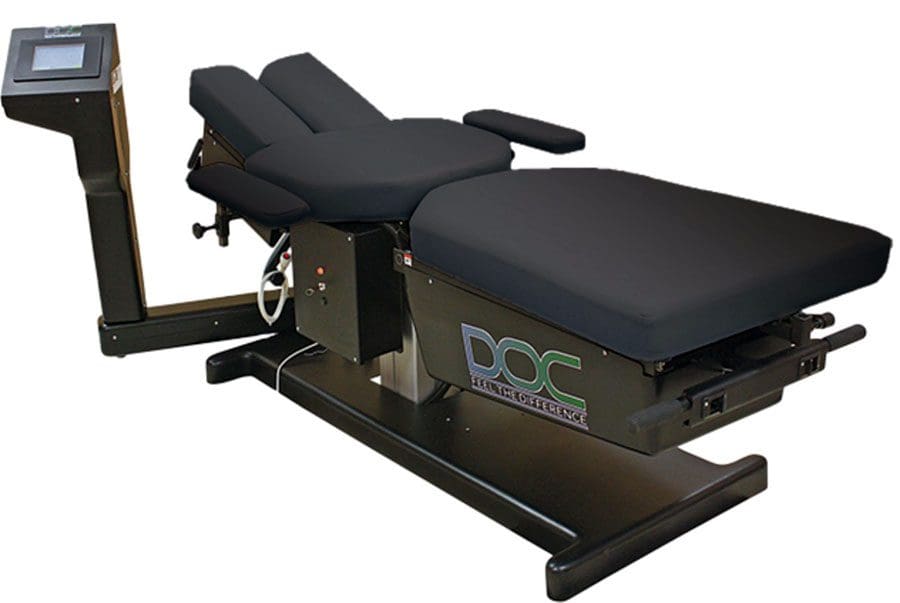
Spinal decompression therapy relieves pressure on the spine by pulling/stretching it in small increments. Non-surgical spinal decompression creates negative pressure within the discs. The negative pressure pulls or vacuums back the disc material that has protruded or herniated and an abundance of nutrients to activate the healing response. The chiropractor, physical therapist, or nurse uses motorized medical equipment with sensors linked to a computer-aided system to perform the procedure. The equipment is designed to adjust the pull force accordingly to prevent muscle resistance. The adjustable table also allows the spine to be stretched at different angles to target the upper or lower back.
The objective of spinal decompression treatment is to relieve the symptoms of sciatica or disc disorders and heal the injured disc. We utilize spinal decompression as an effective tool in treating a vast array of spinal conditions.
DRX9000 Non-Surgical Spinal Decompression
References
Berry, James A et al. “A Review of Lumbar Radiculopathy, Diagnosis, and Treatment.” Cureus vol. 11,10 e5934. 17 Oct. 2019, doi:10.7759/cureus.5934
Davis D, Maini K, Vasudevan A. Sciatica. [Updated 2022 Feb 4]. In: StatPearls [Internet]. Treasure Island (FL): StatPearls Publishing; 2022 Jan-. Available from: https://www.ncbi.nlm.nih.gov/books/NBK507908/
Giuffre BA, Jeanmonod R. Anatomy, Sciatic Nerve. [Updated 2021 Jul 29]. In: StatPearls [Internet]. Treasure Island (FL): StatPearls Publishing; 2022 Jan-. Available from: https://www.ncbi.nlm.nih.gov/books/NBK482431/
National Institutes of Health. (2019.) “Sciatica.” https://medlineplus.gov/sciatica.html
As the body gets older, slouching, little to no physical activity, and regular stretching cause muscle fatigue, weakness, tension, leading to poor posture complications. The complications include:
Posture can be improved along with overall spinal health and a better quality of life through chiropractic treatment. Chiropractic will improve posture through adjustments, postural exercise training and stretching, education on ergonomics, and nutrition to strengthen the body.
Complications Poor Posture
Symptoms
Symptoms vary as they depend on the severity of the case and condition.
Skeletal muscle comprises two types of muscle fiber. They are static or slow-twitch muscles and phasic or fast-twitch muscles. Static muscle fibers are found in the deeper muscle layers. Static fibers burn energy slowly and keep working without tiring. They help the body maintain posture without effort and contribute to balance by sensing the body’s position and transmitting the information to the brain. Phasic muscle fibers are used for movement and activity but can quickly run out of energy. Poor posture causes muscle fatigue because the phasic fibers are used rather than the static fibers to maintain the body’s proper position.
Muscle Strength and Length
Over time, the body constantly needs support from the phasic muscle fibers. This causes the deeper supporting muscles to waste away because they are not being used. Weak, unused muscles begin to tighten, causing a shortening of muscle length that can compact the spine’s bones and cause back complications.
Nervous System Feedback
The deeper layers of muscle sense the body’s position in space and relay this information to the brain. The brain does not receive complete transmission if the phasic muscle fibers take over this function. The brain assumes that the body needs to be propped up/corrected to counteract the poor posture effects, triggering further muscle contraction, adding to the fatigue and pain.
Listening To The Body
The objective is to form a habit of regularly listening to what the body is saying. Make minor adjustments while standing and sitting throughout the day/night. Often what happens is individuals become so immersed in their work, school tasks that they ignore any physical discomfort and push through and forget to change positions/move around to get the muscles moving and the blood pumping. If there is muscle tension or fatigue, don’t just work through the pain; move into another healthy position.
Posture Improvement
Suggestions include:
Try to avoid sitting in soft chairs.
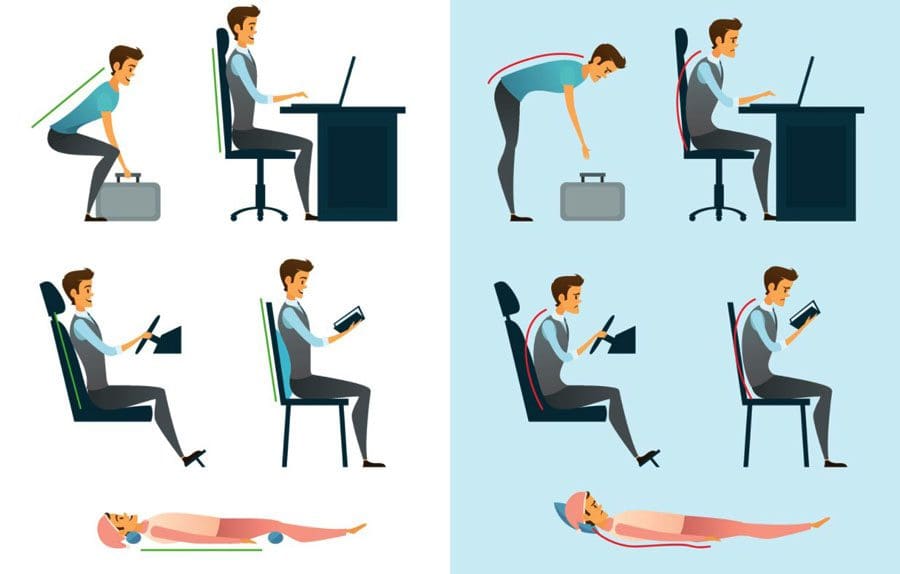
Switch to ergonomic chairs for any activity that requires sitting for long periods.
Use a lumbar roll to support the lower back when sitting in regular chairs or driving.
Remember to reverse the curve; an example could be if leaning over a desk/workstation, stretch the back in the other direction.
As the body ages, it loses muscle mass, known as sarcopenia. Between the ages of 30 and 80, both men and women can lose 30-50 percent of their muscle strength. Decreasing strength can make it a challenge to lead an active lifestyle or have energy levels to complete the daily errands. Individuals can be reluctant to improve fitness levels through resistance workouts believing there is nothing left after years of inactivity. This is not true as anybody can strength train. With the right mindset, and health coaching team, goals can be set to:
Improve body composition
Improve energy levels
Maintain an active lifestyle
References
Creze, Maud et al. “Posture-related stiffness mapping of paraspinal muscles.” Journal of anatomy vol. 234,6 (2019): 787-799. doi:10.1111/joa.12978
Deliagina, Tatiana G et al. “Physiological and circuit mechanisms of postural control.” Current opinion in neurobiology vol. 22,4 (2012): 646-52. doi:10.1016/j.conb.2012.03.002
Korakakis, Vasileios et al. “Physiotherapist perceptions of optimal sitting and standing posture.” Musculoskeletal Science & practice vol. 39 (2019): 24-31. doi:10.1016/j.msksp.2018.11.004
Pollock, A S et al. “What is balance?.” Clinical rehabilitation vol. 14,4 (2000): 402-6. doi:10.1191/0269215500cr342oa
Waters, Thomas R, and Robert B Dick. “Evidence of health risks associated with prolonged standing at work and intervention effectiveness.” Rehabilitation nursing: the official journal of the Association of Rehabilitation Nurses vol. 40,3 (2015): 148-65. doi:10.1002/rnj.166
Detoxifying does not necessarily mean juicing and going on a diet. Detoxing is about cleansing the whole body of environmental pollutants, food waste, bacteria, and toxins. Things like medications and alcohol also need to be flushed from the body. When the body becomes unhealthy and overweight, it can put its systems in a chronically stressed state, leading to nerve energy production failure, fatigue, a weakened immune system, and disease. The body constantly works to cleanse itself. Exercise helps expedite the process.
Exercise To Detoxify
Exercise removes harmful toxins by getting the lungs and the blood pumping and increasing sweat production, which encourages detoxification. More blood circulating throughout the body allows the liver and the lymph nodes to flush out toxins properly. With exercise, fluid intake increases, allowing more sweat production to release toxins. Drinking more water during workouts also helps the kidneys function at optimal levels to flush out toxins, fats, and waste.
Aerobics
Any low-intensity aerobic exercise that increases heart rate and increases heavier breathing is recommended as long as the breathing is within the fat-burning heart rate. Exercises can be anything from:
Bouncing on a mini-trampoline, also known as rebounding, is another form of exercise that promotes toxin release. The low-impact motion stimulates the lymphatic system. Lymph nodes filter substances and fight off infections by attacking bacteria/germs that travel into the lymph fluid. Twenty minutes on the trampoline two or three times a week to detoxify.
Yoga
There are yoga poses that help to detoxify specific organs. Yoga can help the body cleanse inside and generate more energy.
This pose improves circulation, stretches, and strengthens the low back, hips, hamstrings, and calves.
Step with the feet 3 to 4 feet apart.
Hands-on hips.
Lift tall through the whole torso.
Fold slowly over the legs.
Bend from the hip joints without rounding the lower back.
If the back starts to round, stop folding forward.
Sweating and Detoxing
Sweat is one of the body’s primary ways of eliminating toxins. However, more sweat does not mean more toxins are being flushed. Excess sweat could be caused by the body overheating and can lead to dehydration. This is why it’s vital to maintain the body’s hydration levels while working out. Fluids like juice and sports drinks can help maintain hydration, but they contain sugar and other ingredients that could interfere with thorough detoxifying.
Body Composition
Before Starting A Detox Diet
Individuals are recommended to talk with their doctor, nutritionist, health coach about detox diet methods to lose and maintain weight.
Talk with a doctor
Seek consultation with a physician before starting any body detox cleanse, especially if there are underlying medical conditions like diabetes or kidney disease.
For individuals struggling with obesity, a physician can recommend alternative diet approaches and exercise programs.
Realistic expectations
Detox diets work primarily through caloric restriction like a conventional diet.
Individuals could feel better from a body cleanse because they will likely be avoiding processed foods and empty calories.
Adopt a long-term frame of mind
Diet and exercise to achieve and maintain a healthy weight is a lifelong journey.
Detox diets can be a helpful tool to get going in the right direction.
References
Ernst, E. “Alternative detox.” British medical bulletin vol. 101 (2012): 33-8. doi:10.1093/bmb/lds002
Klein, A V, and H Kiat. “Detox diets for toxin elimination and weight management: a critical review of the evidence.” Journal of human nutrition and dietetics: the official journal of the British Dietetic Association vol. 28,6 (2015): 675-86. doi:10.1111/jhn.12286
Obert, Jonathan et al. “Popular Weight Loss Strategies: a Review of Four Weight Loss Techniques.” Current gastroenterology reports vol. 19,12 61. 9 Nov. 2017, doi:10.1007/s11894-017-0603-8
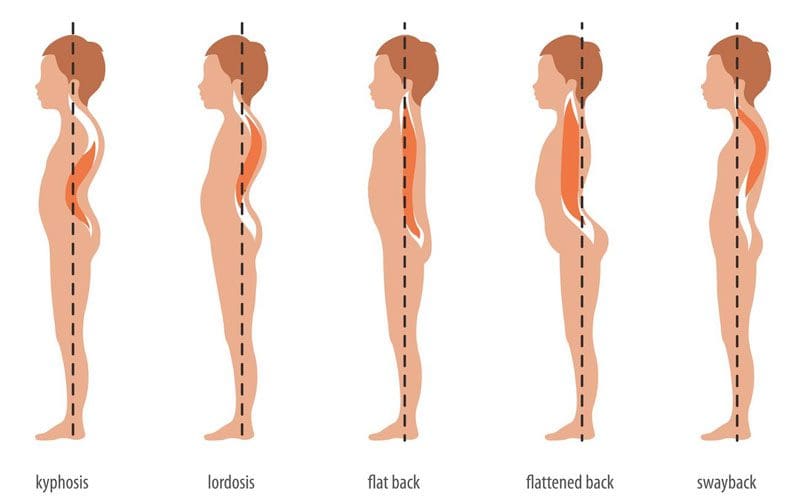
Individuals believe that maintaining a straight/flat back is healthy. However, the back is made up of natural curves that allow flexibility and optimal movement. If there is a lack of these curves, it can lead to spine issues, discomfort, and pain. A common problem to develop from a spine lacking natural curvature is abnormal kyphosis. This is when the natural curve in the thoracic spine – mid-back or lumbar spine – low back disappears, which results in a flat back. Restoring the curvature can be challenging, as flatback syndrome requires chiropractic adjustments to gently shift and realign the spine back into a healthy curve and re-train the spine to maintain the curve.
Causes of Flat Back Syndrome
Flatback syndrome is usually a result of muscle tightness in the lower back muscles, specifically in the psoas muscle. Or it could be degenerative disc disease, where the cartilage supporting the spine begins to weaken. Other causes include arthritis and osteoporosis. Practicing unhealthy posture habits can worsen these conditions, speeding up the loss of the spine’s curvature. Loss of spinal curvature does not occur rapidly, as the body will begin to present with symptoms. The following symptoms could be an indication:
Fatigue when trying to stand upright
Balance problems
Restricted mobility
Muscle spasms
Chronic low back pain
Thigh pain
Groin pain
Disc herniation
Back pain and problems with balance are the earliest warning signs of flatback syndrome.
Symptoms
Flatback symptoms usually get worse as the day progresses, with a sense of fatigue and increasing difficulty to stand upright. Individuals tend to flex or bend their hips and knees to get into an upright position. This can become an exhausting process as the day progresses. Individuals can also have symptoms of sciatica and/or spinal stenosis with leg pain and weakness that gets worse when walking. Neck and upper back pain can begin to present while straining to align themselves. The symptoms become disabling, often requiring pain medications that limit the individual’s ability to perform daily activities.
Realignment Treatment
A chiropractor must determine the severity of the deviation through a thorough assessment and examination. This shows the loss of curvature to help a chiropractor plan a realignment/remodeling adjustment schedule. Restoring a natural kyphosis is done through a combination of adjustments and bracing. Scheduled spinal adjustments will realign and shift the vertebrae back to neutral, while a back brace supports to prevent any deviation. Stretching and exercising relevant muscle groups is also part of a chiropractic treatment plan. An example is core exercises for strengthening the muscles supporting the spine.
Body Composition
Personalized Nutrition
Because the body is so complex and dynamic, there is no perfect fit when it comes to diet, exercise, or a combination. Fad diets typically recommend that individuals adhere to the same eating guidelines, indicating they will reach an expected result like fat loss. These diets work because they focus on a simple reduction in calorie intake, especially processed and fast foods. The problem is that some of these fad diets can restrict critical nutrients that negatively affect an individual’s health. More information about an individual’s body and how it works is an excellent resource in improving body composition and overall health. Personalized nutrition is an innovative and favorable approach to preventing and treating obesity and related conditions. This approach identifies:
Genetic markers
Dietary patterns
Environment
Metabolism
Educated recommendations can be made based on these factors.
References
Drabsch, Theresa, and Christina Holzapfel. “A Scientific Perspective of Personalised Gene-Based Dietary Recommendations for Weight Management.” Nutrients vol. 11,3 617. 14 Mar. 2019, doi:10.3390/nu11030617
Farcy, J P, and F J Schwab. “Management of flatback and related kyphotic decompensation syndromes.” Spine vol. 22,20 (1997): 2452-7. doi:10.1097/00007632-199710150-00025
Lee, Chang-Hyun, et al. “‘Lumbar Degenerative Kyphosis’ Is Not Byword for Degenerative Sagittal Imbalance: Time to Replace a Misconception.” Journal of Korean Neurosurgical Society vol. 60,2 (2017): 125-129. doi:10.3340/jkns.2016.0607.001
Lu, Daniel C, and Dean Chou. “Flatback syndrome.” Neurosurgery clinics of North America vol. 18,2 (2007): 289-94. doi:10.1016/j.nec.2007.01.007
Wiggins, Gregory C et al. “Management of iatrogenic flat-back syndrome.” Neurosurgical focus vol. 15,3 E8. 15 Sep. 2003, doi:10.3171/foc.2003.15.3.8
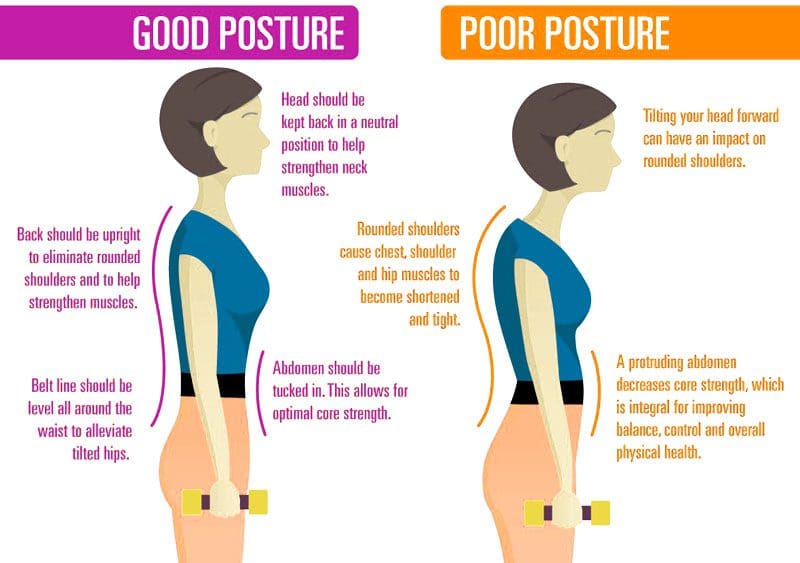
Posture is how we hold our bodies while standing, sitting, or lying down. A healthy posture is the correct alignment of the body supported by the right amount of muscle tension. Our everyday movements and activities affect the body’s alignment. A postural imbalance can impact the body’s health in various ways. It can cause:
General soreness
Back pain
Muscular pain
Fatigue
Digestive problems
Poor self-esteem
Unhealthy posture can increase the risk of spinal dysfunction, joint degeneration, stress joints, and muscles, resulting in permanent damage if left untreated. The best way to prevent postural imbalances is to be aware of the causes utilize proper ergonomic and movement strategies that can help avoid these problems. As the everyday bad habits, behaviors, and activities are understood, it is much easier to prevent and correct them.
Everyday Posture Is Important
Specific muscles maintain the body’s posture, so we don’t have to think about it and constantly adjust. Muscle groups, including the hamstrings and large back muscles, are essential in maintaining healthy positions. When the muscles function correctly, the postural muscles prevent gravity from pushing the body forward. Postural muscles also maintain balance when moving. A healthy posture reduces strain on the supporting muscles and ligaments during everyday movement and weight-bearing activities. Engaging in healthy posture helps:
Keep the bones and joints in correct alignment so that the muscles function correctly.
Decrease the abnormal wearing of joints resulting in degenerative arthritis and joint pain.
Reduce the stress on the ligaments holding the spinal joints together, preventing injury.
Allow muscles to work more efficiently.
The body exert less energy.
Prevent muscle fatigue and muscle pain.
Prevent muscle strain and overuse disorders.
Unhealthy Posture
Unhealthy posture results when the body sits or stands with the spine in an abnormal position. When an individual practices unhealthy posture over a long period, it progressively leads to muscles and ligaments becoming elongated and weak, while others become short and tight. This creates a physical imbalance that leads to postural abnormalities like:
Individuals can begin to develop unhealthy habits that negatively impact their posture, like walking with their head looking towards the ground. This shifts the body out of alignment.
Sitting For Too Long
Spending too much time sitting even with the correct posture will impact the spine and muscles. It weakens the muscles, ligaments, and abdominals.
Weight
Carrying extra weight can force the spine into an awkward position. This is true for individuals with pot bellies, as it pulls the lower back forward, increasing the risk of lumbar lordosis.
Unhealthy Diet
If the spine does not have access to the vitamins and nutrients it needs, it can struggle to maintain its strength and flexibility. It is also more difficult for the body to repair damage to the spine’s muscles and ligaments.
Clothing and Footwear
Clothing and footwear can impact posture.
High heels, poor-fitting shoes, saggy jeans, large belts, heavy jackets, and other items can force the spine into an unnatural position.
These are fine to wear for short periods but avoid wearing them day in and day out.
Treatment
Chiropractors specialize in issues affecting the spine, especially posture. They can:
Perform a postural examination involving a complete assessment of the musculoskeletal system to identify any joint misalignments and issues that affect soft tissue.
Perform adjustments of misaligned joints using various techniques.
Recommend stretches to loosen/lengthen tight muscles and strengthen weak ones, leading to improvements. A chiropractor will develop an effective stretching regimen to target the correct muscles.
Individuals who sit for extended periods, don’t exercise and don’t watch their diet can experience insulin resistance. Insulin resistance happens when insulin cannot transport excess blood sugar out of the blood and into the muscles. One study found that women who sat for eight hours a day had a higher chance of developing diabetes. Individuals with diabetes tend to have more fat within their bodies, particularly visceral fat, increasing insulin resistance potential. Individuals with diabetes experience a faster loss of muscle mass as they age, further intensifying symptoms and deterioration of body composition.
References
Feldman, Anatol G. “The Relationship Between Postural and Movement Stability.” Advances in experimental medicine and biology vol. 957 (2016): 105-120. doi:10.1007/978-3-319-47313-0_6
Jaromi, Melinda et al. “Treatment and ergonomics training of work-related lower back pain and body posture problems for nurses.” Journal of clinical nursing vol. 21,11-12 (2012): 1776-84. doi:10.1111/j.1365-2702.2012.04089.x
Jung, Suk Hwa et al. “Visceral Fat Mass Has Stronger Associations with Diabetes and Prediabetes than Other Anthropometric Obesity Indicators among Korean Adults.” Yonsei medical journal vol. 57,3 (2016): 674-80. doi:10.3349/ymj.2016.57.3.674
Pope, Malcolm H et al. “Spine ergonomics.” Annual review of biomedical engineering vol. 4 (2002): 49-68. doi:10.1146/annurev.bioeng.4.092101.122107
Individuals talk about how they don’t sleep much because they have so much to do and can operate/function on only 5 or 6 hours of sleep and are surprised when they develop serious health problems and mental health issues. However, inadequate sleep is a big deal. Depriving the body and mind of proper sleep leads to all kinds of health problems that include:
Chiropractors focus on whole-body health, are specialists in the musculoskeletal system, and take a multifaceted approach to treat fatigue and inadequate sleep. They can help with sleep problems and other health factors by bringing the body back into alignment/balance, improving circulation, nerve energy flow, and nervous system function. This includes chiropractic adjustments and therapeutic massage.
Spinal Adjustments
Misalignment of the cervical spine could be contributing to issues breathing and getting into a deep sleep.
Spinal realignment can help with better sleep.
Posture Analysis and Sleep Positions
Posture is a significant part of optimal health, especially when breathing correctly.
A chiropractor can analyze and correct any posture misalignments.
They can also advise how best to sleep, so the airway does not become obstructed during the night.
Health Factors
A recommendation for fatigue and inadequate sleep is to lose weight if overweight or obese.
A trained nutritionist or health coach can help develop healthy eating and lifestyle habits.
Less Stress and Plenty of Sleep
The combination of spinal adjustments and therapeutic massage can generate significant benefits to help keep the body healthy. Chiropractic adjustments have been found to release stress-reducing hormones like oxytocinand neurotensin. And therapeutic massage has been shown to improve inadequate sleep patterns, as well as:
Jamison, Jennifer R. “Insomnia: does chiropractic help?.” Journal of manipulative and physiological therapeutics vol. 28,3 (2005): 179-86. doi:10.1016/j.jmpt.2005.02.013
Jehan, Shazia et al. “Obstructive Sleep Apnea and Obesity: Implications for Public Health.” Sleep medicine and disorders: international journal vol. 1,4 (2017): 00019.
Kashani, Fahimeh, and Parisa Kashani. “The effect of massage therapy on the quality of sleep in breast cancer patients.” Iranian journal of nursing and midwifery research vol. 19,2 (2014): 113-8.
Kingston, Jana et al. “A review of the literature on chiropractic and insomnia.” Journal of chiropractic medicine vol. 9,3 (2010): 121-6. doi:10.1016/j.jcm.2010.03.003
Optimal nervous system health is the key to maximum body function and overall health. Individuals don’t really think about their nervous system until symptoms from injury, disease, or nerve problems present. The nervous system consists of billions of neurons that connect/network the brain with the rest of the body.
Nervous System Health
All of the body’s systems, organs, and tissues have nerves attached to them. The brain engages with this network to control and coordinate bodily functions. Functions include:
Heart
Lungs
Immune system
Digestive system
Reproductive system
Every function the body performs requires brain-body communication through the nervous system. The brain communicates with the nervous system to regulate the body to the environment it is in. For example:
If it’s hot, the body sweats.
If it’s cold, the body shivers.
If there is danger, the fight or flight response activates.
All are directed by the brain transmitting signals and messages through the nervous system.
Body Function
Optimal body function means that all bodily functions are normal, active, and healthy. Everything is working as it should. When the body functions at less than 100%, it can develop into more serious problems little by little. Like a vehicle that starts making a little sound that seems like nothing, then after a few days, weeks, months, it becomes a massive popping, grinding, starting, stopping, emergency, when vital information that regulates function gets lost in transmission from the brain to the body, health declines.
Flowing Spinal Highway
The vital information/communication between the brain and the body flow through the spinal column. The super information highway/spinal cord travels down the spinal column. Branching off the spinal cord are spinal nerve roots that go to every system, organ, and tissue in the body. The spinal bones are lined up like an electrical conduit channel for the spinal cord. The vertebrae should be lined up and move properly, allowing optimal blood and nerve circulation without any obstruction or interference.
When the spine shifts out of place, creating misalignment, moving properly becomes hindered, causing discomfort and pain, along with the vital communication needed to regulate maximum function not able to get through. This leads to malfunction within the body and decreases health and well-being. Spinal misalignment that interferes with nerve message transmission is called a vertebral subluxation.Chiropractic healthcare professionals are trained to detect and correct spinal subluxations. They realign the spine’s bones to restore nervous system health and internal communication for proper body function.
Body Composition
Prebiotics Can Help With
Inflammation
Inflammation is a normal function of the immune system; however, chronic inflammation can cause damage to the body. Chronic inflammation is associated with:
Obesity
Heart disease
Cancer
Other diseases and conditions.
Having a balance of healthy gut microbiota helps decrease chronic inflammation and the risk of disease.
Gastrointestinal Diseases and Conditions
Prebiotics also ferment in the colon producing short-chain fatty acids. These provide energy for the colon’s epithelial cells that line and protect the colon. Prebiotics increase the protection provided by the epithelial cells, reducing the risk for gastrointestinal conditions like:
Irritable Bowel Syndrome – IBS
Crohn’s disease
Cancer.
Prebiotics can also reduce symptoms of gastrointestinal conditions.
Neurological System
The central nervous system is also known as the brain and spinal cord. However, many do not know about the enteric nervous system, which includes the gastrointestinal tract. The link between the enteric and central nervous systems involves cognitive and emotional functions. Prebiotics increase and promote healthy gut microbiota to help manage:
Mood
Learning
Memory
Certain psychological disorders
References
Cerdó, Tomás et al. “Probiotic, Prebiotic, and Brain Development.” Nutrients vol. 9,11 1247. 14 Nov. 2017, doi:10.3390/nu9111247
Chu, Eric Chun Pu, and Michelle Ng. “Long-term relief from tension-type headache and major depression following chiropractic treatment.” Journal of family medicine and primary care vol. 7,3 (2018): 629-631. doi:10.4103/jfmpc.jfmpc_68_18
Kiani, Aysha Karim et al. “Neurobiological basis of chiropractic manipulative treatment of the spine in the care of major depression.” Acta bio-medica : Atenei Parmensis vol. 91,13-S e2020006. 9 Nov. 2020, doi:10.23750/abm.v91i13-S.10536
Maltese, Paolo Enrico et al. “Molecular foundations of chiropractic therapy.” Acta bio-medica : Atenei Parmensis vol. 90,10-S 93-102. 30 Sep. 2019, doi:10.23750/abm.v90i10-S.8768
Wirth, Brigitte et al. “Neurophysiological Effects of High Velocity and Low Amplitude Spinal Manipulation in Symptomatic and Asymptomatic Humans: A Systematic Literature Review.” Spine vol. 44,15 (2019): E914-E926. doi:10.1097/BRS.0000000000003013
IFM's Find A Practitioner tool is the largest referral network in Functional Medicine, created to help patients locate Functional Medicine practitioners anywhere in the world. IFM Certified Practitioners are listed first in the search results, given their extensive education in Functional Medicine