Physical Therapy After a Car Accident: Addressing Indirect Trauma, Pain, and Mobility Issues
Motor vehicle accidents (MVAs) can leave individuals grappling with a range of physical and emotional challenges, even when injuries seem minor at first glance. The sudden forces exerted on the body during a collision—whether a rear-end crash, side impact, or head-on accident—can cause significant indirect trauma, leading to back and neck pain, nerve damage, mobility and flexibility issues, and posture problems. These injuries often manifest as musculoskeletal joint pain, which can persist or worsen without proper intervention. Physical therapy (PT) is a cornerstone of recovery for MVA victims, offering a non-invasive, customized approach to restoring function, alleviating pain, and preventing long-term complications. In El Paso, Texas, professionals such as Dr. Alexander Jimenez, a distinguished chiropractor and board-certified family nurse practitioner, combine clinical expertise with advanced diagnostic tools to effectively address these injuries. This blog post explores the role of physical therapy in MVA recovery, drawing on clinical observations, evidence-based practices, and Dr. Jimenez’s integrative approach to care.
Understanding the Impact of Motor Vehicle Accidents
Motor Vehicle Accidents (MVAs) expose the body to sudden, powerful forces beyond its capacity to absorb. Even low-speed collisions can strain or injure the spine, muscles, joints, and nerves. According to the National Highway Traffic Safety Administration, over 2.1 million people in the U.S. sustain injuries in car crashes annually, with soft tissue injuries being the most common (NHTSA, 2023). These injuries often include whiplash, back strains, herniated discs, and nerve compression, which can lead to chronic pain and mobility limitations if untreated.
Indirect Trauma and Its Consequences
Indirect trauma refers to injuries that result from the body’s reaction to the sudden forces of a collision, rather than direct impact. For example, the rapid back-and-forth motion of the neck during a rear-end collision can strain muscles, ligaments, and nerves, leading to whiplash-associated disorders (WAD). This condition often causes neck pain, stiffness, and headaches, which may not appear immediately (Apex Spine & Neurosurgery, 2024). Similarly, the spine’s natural curves can be disrupted, contributing to posture problems and increased stress on joints and muscles.
Back and neck pain are among the most commonly reported symptoms following a motor vehicle accident (MVA). The spine, a complex structure of vertebrae, discs, and nerves, is particularly vulnerable. Herniated discs, where the inner material of a spinal disc protrudes and presses on nearby nerves, can cause radiating pain, numbness, or weakness (Jimenez, 2024). Nerve damage, such as neuropraxia, can occur when nerves are stretched or compressed, resulting in tingling, muscle weakness, or loss of sensation. (Personal Injury Doctors, 2016).
Mobility and flexibility issues often arise as the body attempts to compensate for pain or stiffness. For instance, a person with lower back pain may alter their gait, resulting in uneven stress on the hips and knees. Over time, these changes can exacerbate joint pain and contribute to the development of degenerative conditions, such as arthritis. Posture problems, such as forward head posture or slouching, may also develop, particularly if pain discourages proper alignment and posture. (Jimenez, 2016).
Musculoskeletal Joint Pain Progression
Musculoskeletal joint pain often progresses due to untreated or poorly managed MVA injuries. For example, whiplash can lead to chronic neck pain if scar tissue forms in strained muscles or if spinal misalignments (subluxations) persist (Baystate Physical Therapy, 2024). Similarly, a herniated disc in the lumbar spine may cause sciatica, characterized by sharp pain radiating down the leg due to nerve compression. These conditions can limit range of motion, reduce strength, and impair daily activities, significantly affecting quality of life.
Citations:
National Highway Traffic Safety Administration. (2023). Traffic safety facts. https://www.nhtsa.gov/
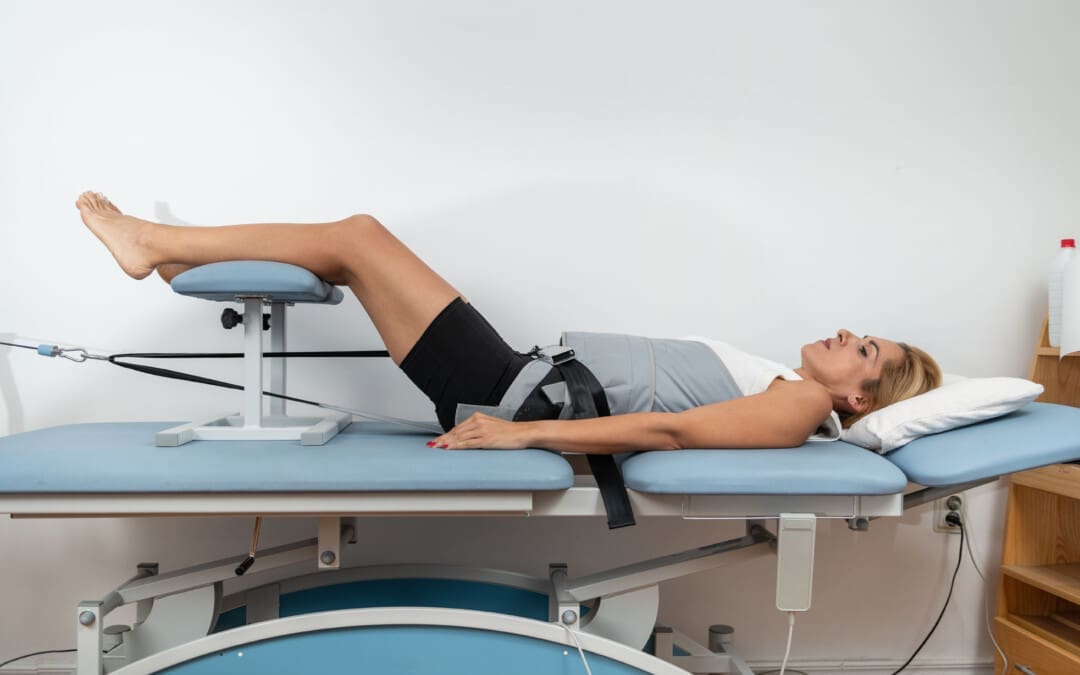
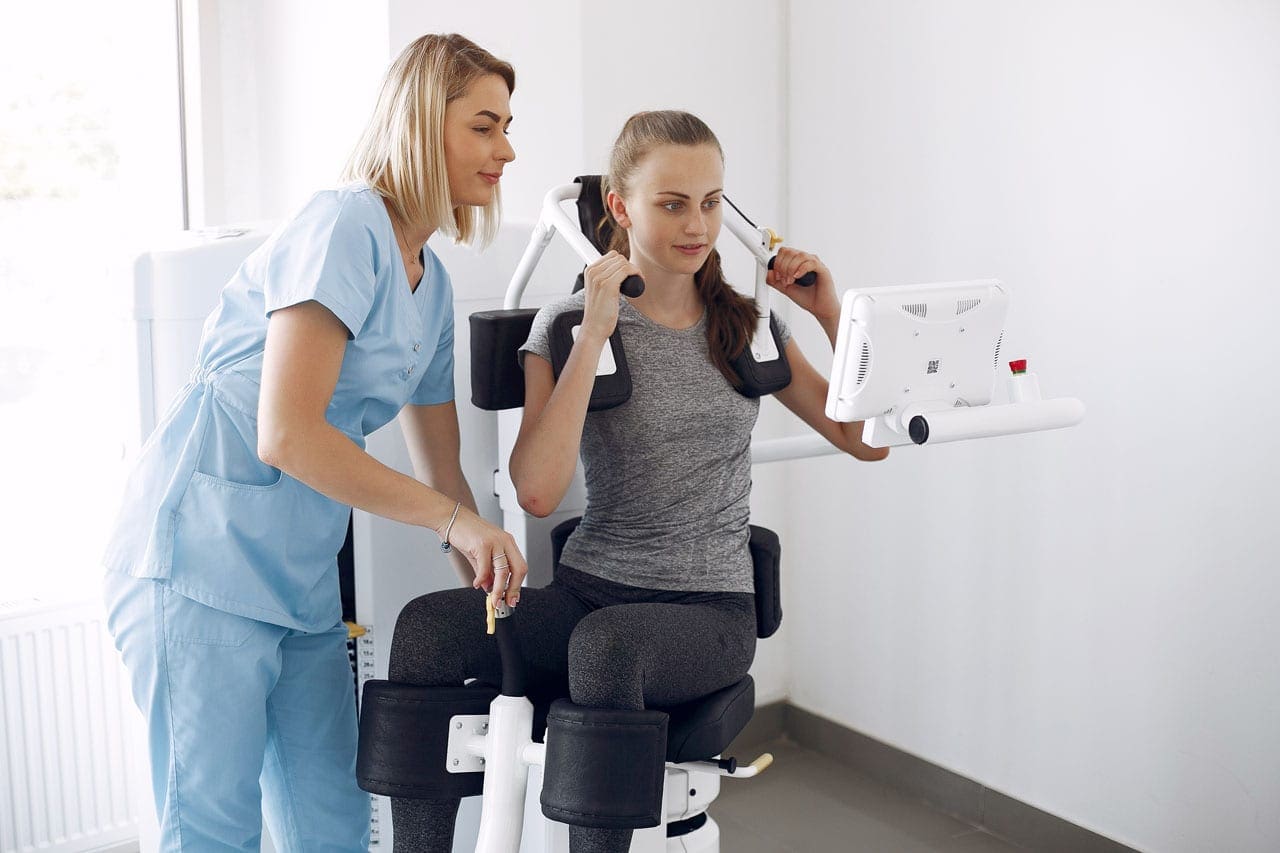
Physical therapy is a non-invasive, evidence-based approach to treating injuries related to motor vehicle accidents (MVAs). It focuses on restoring mobility, reducing pain, and preventing long-term complications through a combination of manual therapy, therapeutic modalities, and targeted exercises. Texas Physical Therapy Specialists emphasize that PT programs are tailored to each patient’s specific injuries and needs, ensuring optimal recovery (Texas Physical Therapy Specialists, 2024).
Key Components of Physical Therapy
Manual Therapy: Techniques such as joint mobilization and soft tissue massage help reduce muscle tension, improve circulation, and restore joint function. These hands-on methods are particularly effective for addressing stiffness and pain in the neck and back (Apex Orthopaedics Spine & Neurology, 2024).
Pain-Relieving Modalities: Tools like electrical stimulation, ultrasound, and heat/cold therapy can alleviate pain and inflammation. For example, transcutaneous electrical nerve stimulation (TENS) uses low-voltage currents to block pain signals (Rocky Mountain Physical Therapy, 2024).
Stretching and Range-of-Motion Exercises: These exercises improve flexibility and restore normal joint movement. Gentle neck stretches, for instance, can counteract whiplash-induced stiffness (OneRehab, 2024).
Strengthening Exercises: Building muscle strength supports injured areas and prevents re-injury. Core exercises, such as planks, stabilize the spine, while leg exercises like squats enhance overall mobility (Breakthrough Physical Therapy, 2024).
Functional Training: Multi-joint, multi-muscle movements, such as lunges or rotational exercises, mimic daily activities, improving balance and coordination (Release Physical Therapy, 2024).
Customization of Treatment Plans
A physical therapist begins with a thorough evaluation, assessing the patient’s range of motion, strength, posture, and pain levels. Based on this assessment, they develop a personalized treatment plan. For example, a patient with whiplash may start with gentle stretches and progress to strengthening exercises as pain subsides. The duration of PT varies, typically ranging from a few weeks to several months, depending on the severity of the injury and the patient’s progress. (Georgia Spine & Orthopaedics, 2024).
In El Paso, Dr. Alexander Jimenez stands out as a leader in treating injuries related to motor vehicle accidents (MVAs). With over 25 years of experience as a chiropractor and board-certified family nurse practitioner, Dr. Jimenez integrates chiropractic care, functional medicine, and advanced diagnostics to address the complex needs of personal injury patients (Jimenez, 2024). His dual licensure enables him to bridge the gap between biomechanical and systemic health, providing a holistic approach to recovery.
Clinical Rationale and Diagnostic Assessments
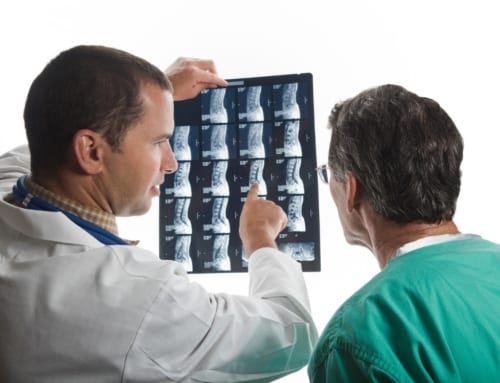
Dr. Jimenez emphasizes the importance of correlating patient injuries with objective diagnostic findings. He employs advanced imaging techniques, such as X-rays and MRIs, to identify spinal misalignments, disc herniations, and soft tissue injuries. These tools are crucial for detecting subtle injuries, such as ligament tears or nerve compression, that may not be apparent in initial examinations (Jimenez, 2024). Dual-scope procedures, combining chiropractic and medical evaluations, provide a comprehensive view of the patient’s condition, enabling precise treatment planning.
For example, a patient with neck pain post-MVA may undergo motion and static palpation to assess spinal joint mobility, followed by an MRI to confirm a suspected herniated disc. Dr. Jimenez’s diagnostic assessments also include neurological evaluations to detect nerve damage, such as radiculopathy or peripheral neuropathy, which can cause symptoms like numbness or muscle weakness (Jimenez, 2018).
Balancing Medical and Legal Needs
In personal injury cases, Dr. Jimenez’s expertise extends beyond clinical care to legal documentation. He meticulously documents examination findings and treatment plans to support insurance claims and legal proceedings, ensuring patients receive fair compensation (Jimenez, 2017). His ability to translate complex medical findings into clear, legally admissible reports is particularly valuable in El Paso, where personal injury cases are common due to the high volume of traffic.
Treatment Protocols
Dr. Jimenez’s treatment protocols often include chiropractic adjustments to correct spinal misalignments, reduce nerve compression, and restore mobility. He complements these with physical therapy modalities, such as ultrasound and electrical stimulation, to manage pain and inflammation. Functional strength training, tailored to the patient’s needs, enhances recovery by improving stability and preventing re-injury (Jimenez, 2024).
Specific Physical Therapy Exercises for MVA Recovery
The type and severity of MVA injuries dictate the exercises prescribed in physical therapy. Below are examples of exercises commonly used to address back and neck pain, nerve damage, mobility issues, and posture problems.
Stretching Exercises
Neck Stretches: Gently tilting the head side to side or forward and backward can help relieve tension in the cervical spine. These are ideal for whiplash patients. (OneRehab, 2024).
Hamstring Stretches: Lying on the back and lifting one leg while keeping it straight stretches the lower back and hamstrings, improving flexibility (Sports Physical Therapy, 2024).
Range-of-Motion Exercises
Shoulder Rolls: Rolling the shoulders forward and backward enhances mobility in the upper back and neck, counteracting stiffness (Breakthrough Physical Therapy, 2024).
Spinal Twists: Seated or supine twists gently rotate the spine, improving lumbar mobility and reducing lower back pain (Texas Physical Therapy Specialists, 2024).
Strengthening Exercises
Core Bridges: Lying on the back with knees bent, lifting the hips strengthens the core and lower back, stabilizing the spine (Rocky Mountain Physical Therapy, 2024).
Planks: Holding a plank position builds core and shoulder strength, supporting proper posture (Release Physical Therapy, 2024).
Functional Training
Squats: Multi-joint squats improve leg and core strength, enhancing overall stability (Synergy Rehab, 2024).
Lunges: Forward or lateral lunges mimic walking and climbing, improving balance and coordination (Benchmark Physical Therapy, 2024).
Timing and Progression
It’s recommended to start physical therapy (PT) exercises within days of the accident, once acute pain subsides, to prevent stiffness and promote healing. Patients typically begin with low-impact stretches and progress to strengthening and functional exercises over the course of weeks or months. (Sports Physical Therapy, 2024).
Untreated MVA injuries can lead to chronic pain, reduced mobility, and degenerative conditions. Physical therapy helps prevent these outcomes by addressing inflammation, restoring function, and strengthening supportive muscles. For example, regular PT can reduce the risk of post-traumatic arthritis by maintaining joint mobility (Synergy Rehab, 2024). Dr. Jimenez’s combined method enhances prevention by integrating physical therapy (PT) with guidance on nutrition and overall health to address issues such as inflammation and metabolic imbalances. (Jimenez, 2024).
Motor vehicle accidents can cause a cascade of physical challenges, from indirect trauma and pain to mobility, flexibility, and posture issues. Physical therapy, with its focus on manual therapy, pain relief, and targeted exercises, is a vital tool for recovery. In El Paso, Dr. Alexander Jimenez’s expertise in chiropractic care, functional medicine, and diagnostic assessments ensures that MVA victims receive comprehensive, personalized treatment. By addressing both the medical and legal aspects of personal injury cases, Dr. Jimenez helps patients recover their health and regain their quality of life. If you’ve been in a car accident, consult a physical therapist or specialist like Dr. Jimenez to start your journey to recovery.
Motor Vehicle Accidents and Their Impact on Posture and Musculoskeletal Health
Motor vehicle accidents (MVAs) are a leading cause of injury worldwide, with effects that can ripple through a person’s physical and mental health for years. Among the most common consequences are back pain, nerve damage, indirect trauma, mobility and flexibility issues, and posture problems, often stemming from whiplash and other trauma. These injuries can lead to chronic pain, musculoskeletal joint pain, and long-term health complications if not addressed promptly. In El Paso, Texas, Dr. Alexander Jimenez, DC, APRN, FNP-BC, a renowned chiropractor and nurse practitioner, has dedicated over 25 years to treating MVA victims, using advanced imaging, dual-scope procedures, and diagnostic assessments to provide holistic care. This blog examines how MVAs impact posture and musculoskeletal health, drawing on clinical insights from Dr. Jimenez and other reputable sources, while emphasizing the importance of early intervention and proper documentation in personal injury cases.
Understanding Whiplash and Its Role in Postural Issues
Whiplash is a hallmark injury of MVAs, caused by the sudden acceleration and deceleration of the head and neck during a collision. This rapid motion strains the neck’s soft tissues—muscles, ligaments, and tendons—leading to symptoms like neck pain, stiffness, and headaches (Healthdirect, 2023). Over time, whiplash can contribute to forward head posture (FHP), a condition where the head juts forward, misaligning the spine and straining the neck and upper back (Atlas Spine Care, 2023).
FHP is particularly problematic because it disrupts the spine’s natural curvature, placing undue stress on the cervical and thoracic vertebrae. This misalignment can weaken the upper back muscles, such as the rhomboids and trapezius, which are critical for maintaining proper posture (Chiropractor of St. Louis, 2023). As these muscles weaken, the shoulders round forward, exacerbating poor alignment and increasing the risk of chronic pain. Dr. Jimenez notes that untreated whiplash can lead to long-term postural deformities, such as kyphosis or exaggerated forward head carriage, which may cause mobility challenges and joint pain (Hudak, 2023).
MVAs frequently cause back pain, ranging from mild discomfort to debilitating conditions. The forceful impact of a collision can damage the spine’s structures, including vertebrae, discs, and nerves. Common injuries include herniated discs, spinal fractures, and muscle strains, all of which can lead to acute or chronic pain (Michigan Auto Law, 2025a). Herniated discs, for instance, occur when the soft inner material of a disc bulges through its outer layer, pressing on nearby nerves and causing pain, numbness, or weakness (All Injuries Law Firm, 2023).
Nerve damage is another serious consequence of MVAs. The spine houses the spinal cord and nerve roots, which can be compressed or injured during a collision. This may result in conditions like sciatica, where pain radiates from the lower back to the legs, or radiculopathy, characterized by tingling and numbness in the extremities (Bryant Pain & Spine Center, 2023). Dr. Jimenez emphasizes that nerve compression from spinal misalignments, or subluxations, can persist long after the initial trauma, contributing to chronic pain syndromes (Jimenez, 2025).
Indirect trauma, such as muscle spasms or soft tissue inflammation, often emerges days or weeks after an MVA. These delayed symptoms can stem from the body’s compensatory mechanisms, where uninjured muscles overwork to protect damaged areas, leading to imbalances (Impact Medical Group, 2024a). For example, a whiplash injury may cause the neck muscles to tighten, pulling the spine out of alignment and straining the lower back (Metrowest Spine Clinic, 2023).
Muscle imbalances exacerbate postural issues by creating uneven tension across the body. Phasic muscles, which are responsible for movement, may weaken, while postural muscles, which maintain stability, become overly tight (Chiropractor of St. Louis, 2023). This imbalance can lead to conditions like thoracic outlet syndrome or chronic lower back pain, further complicating recovery (El Paso Back Clinic, 2023).
MVAs often impair mobility and flexibility, particularly in the neck, back, and joints. Whiplash can restrict cervical range of motion, making it difficult to turn the head or bend the neck (Fletcher Law, 2023). Similarly, injuries to the lumbar spine, such as sprains or disc herniations, can limit lower back movement, affecting daily activities like walking or sitting (Michigan Auto Law, 2024).
Dr. Jimenez employs functional rehabilitation protocols to restore mobility, combining spinal adjustments with targeted exercises to strengthen weakened muscles and improve flexibility (Jimenez, 2025). Without intervention, restricted mobility can lead to compensatory postures, increasing the risk of further injury and chronic pain (Dallas Accident and Injury Rehab, 2023).
Posture Problems and Long-Term Health Complications
Posture problems are a significant long-term consequence of motor vehicle accidents (MVAs), driven by spinal misalignments and muscle imbalances. Spinal misalignments, or subluxations, occur when vertebrae shift out of their normal position, placing stress on joints, ligaments, and nerves (Team Allied PW, 2023). These misalignments can perpetuate poor posture, such as FHP or kyphosis, leading to chronic pain and reduced quality of life. (Heritage Hospitals, 2023).
Untreated postural issues can contribute to degenerative conditions, such as osteoarthritis or spondylolisthesis, where a vertebra slips forward, compressing the nerves. (Mile High Spine, 2023). Dr. Jimenez’s integrative approach addresses these issues through manual adjustments, functional strength training, and nutritional support to prevent long-term complications. (El Paso Back Clinic, 2023).
MVAs can trigger or exacerbate musculoskeletal joint pain, particularly in the spine and extremities. Facet joint injuries, common in whiplash, cause localized pain and stiffness, while discogenic pain from herniated discs can radiate to other areas (Impact Medical Group, 2024b). These injuries often contribute to chronic pain conditions, such as fibromyalgia or arthritis, especially if pre-existing issues are aggravated by the trauma (Neck and Back Clinics, 2023).
Dr. Jimenez’s dual expertise as a chiropractor and nurse practitioner enables him to address both biomechanical and systemic factors contributing to joint pain. He utilizes functional medicine to assess metabolic and hormonal imbalances that may exacerbate pain, ensuring comprehensive care. (Jimenez, 2025).
In El Paso, Dr. Alexander Jimenez stands out as a leading expert in treating injuries related to motor vehicle accidents (MVAs). His dual licensure as a chiropractor and nurse practitioner enables him to bridge clinical treatment with legal documentation, a critical aspect of personal injury cases. Dr. Jimenez employs advanced imaging, such as X-rays and MRIs, to identify spinal misalignments, disc injuries, and nerve compression. (Jimenez, 2025). These diagnostic tools provide precise measurements of the extent of injuries, enabling the development of personalized treatment plans.
His dual-scope procedures combine chiropractic adjustments with medical interventions, such as anti-inflammatory therapies and nutritional counseling, to address both symptoms and their underlying causes. For legal purposes, Dr. Jimenez meticulously documents findings, ensuring that medical records align with the needs of personal injury attorneys (El Paso Back Clinic, 2023). This comprehensive approach not only aids recovery but also strengthens legal claims by providing evidence of injury causation and the necessity of treatment.
Early intervention is crucial for mitigating the long-term effects of MVA injuries. Chiropractic care, physical therapy, and functional rehabilitation can prevent acute injuries from becoming chronic (Storage.googleapis.com, 2024a). Dr. Jimenez advocates for a multidisciplinary approach, integrating spinal adjustments, strength training, and lifestyle modifications to restore function and prevent re-injury (Storage.googleapis.com, 2024b).
Rehabilitation programs tailored to MVA victims focus on improving mobility, correcting posture, and alleviating pain. These programs are essential for preventing complications like post-traumatic stress disorder (PTSD), which can exacerbate physical symptoms (Metrowest Spine Clinic, 2023).
Motor vehicle accidents can have profound and lasting effects on posture, musculoskeletal health, and overall well-being. From whiplash-induced forward head posture to chronic back pain and nerve damage, the consequences of MVAs require prompt and comprehensive care. Dr. Alexander Jimenez’s integrative approach, combining advanced diagnostics, chiropractic adjustments, and functional medicine, offers hope for recovery while addressing the legal needs of personal injury cases. By prioritizing early intervention and rehabilitation, individuals can mitigate long-term complications and regain their quality of life. If you have been involved in a motor vehicle accident (MVA), it is advisable to seek professional care promptly to safeguard your health and future.
How Motor Vehicle Accidents Impact Mobility and Flexibility: A Comprehensive Guide
Introduction to Motor Vehicle Accidents and Their Impact
Motor vehicle accidents (MVAs) are a leading cause of injuries that can significantly affect a person’s ability to move freely and comfortably. Whether it’s a minor fender-bender or a severe collision, these accidents often result in physical injuries that limit mobility and flexibility, as well as emotional challenges that impact overall well-being. According to the National Center for Biotechnology Information, traffic accidents are the primary cause of spinal cord injuries in the United States, underscoring their serious consequences. This post examines the types of injuries caused by motor vehicle accidents (MVAs), their impact on daily life, and the crucial role of treatment and rehabilitation, offering special insights from Dr. Alexander Jimenez, a renowned chiropractor and nurse practitioner in El Paso, Texas, who specializes in treating victims of MVAs.
MVAs can lead to a range of injuries, from soft tissue damage like whiplash to severe spine and joint issues. These injuries often cause pain, stiffness, and reduced range of motion, making everyday tasks challenging. Beyond physical harm, victims may experience emotional distress, such as anxiety or post-traumatic stress disorder (PTSD), which can further hinder recovery. Understanding these impacts is crucial for seeking timely medical care and legal support, especially in personal injury cases where accurate documentation is essential.
References
National Center for Biotechnology Information. (n.d.). Spinal Cord Injury.
Common Injuries from MVAs That Affect Mobility and Flexibility
MVAs can cause various injuries that impair mobility and flexibility. Below, we discuss three main categories: soft tissue injuries, spine injuries, and joint injuries, each with significant effects on movement and function.
Soft Tissue Injuries: Whiplash and Beyond
Whiplash is one of the most common injuries resulting from MVAs, affecting nearly 2 million Americans each year (Metairie Spine and Rehab). A sudden jerk of the head forward and backward strains the neck’s muscles and ligaments, causing whiplash. Symptoms include neck pain, stiffness, and a reduced range of motion, which can make it difficult to turn the head or perform tasks like driving or working at a computer. Other soft tissue injuries, such as sprains or strains, can cause swelling and pain, further limiting movement (Wall Family Chiropractic).
Spine Injuries: Herniated Discs and Spinal Cord Damage
Spine injuries are among the most severe outcomes of MVAs. Damage to the soft tissue between vertebrae, known as herniated discs, can result in pain, numbness, and weakness in the limbs, thereby limiting mobility. More severe cases, such as spinal cord damage, may lead to partial or complete paralysis, drastically altering a person’s ability to move. The National Center for Biotechnology Information notes that traffic accidents are the leading cause of spinal cord injuries in the U.S., highlighting their prevalence. These injuries often result in chronic pain and significant mobility loss (Cox & Cox Filo).
References
National Center for Biotechnology Information. (n.d.). Spinal Cord Injury.
Joint Injuries: Osteoarthritis and Long-Term Effects
Joint injuries, such as those to the knees, shoulders, or hips, are common in MVAs and can lead to long-term complications like osteoarthritis. This condition causes chronic pain and stiffness, which limits movement and affects daily activities. Research suggests that joint damage from MVAs may require ongoing medical treatment and rehabilitation to manage symptoms and prevent further deterioration (Kitchel Law).
How These Injuries Affect Daily Activities and Quality of Life
The injuries caused by motor vehicle accidents (MVAs) can profoundly impact a person’s ability to perform daily tasks and maintain a high quality of life. Physical limitations, such as difficulty walking, lifting, or bending, can make routine activities like household chores, work, or hobbies challenging. For example, whiplash-related neck stiffness may hinder driving or desk work, while a herniated disc could prevent lifting heavy objects (Simply PT).
Emotionally, MVA victims may experience frustration, depression, or anxiety due to their reduced independence and persistent pain. Indirect trauma, such as PTSD or adjustment disorder, affects over 30% of crash survivors, leading to symptoms like flashbacks, avoidance of driving, or emotional numbness (Michigan Auto Law). These psychological effects can exacerbate physical challenges, creating a cycle of pain and disability that lowers overall well-being.
Impact Area
Physical Effects
Emotional Effects
Daily Activities
Limited mobility, difficulty with tasks like lifting or walking
Frustration, reduced independence
Work
Inability to perform job duties, reduced productivity
Anxiety about job security
Social Life
Restricted participation in hobbies or social events
Isolation and depression due to limited engagement
The Role of Physical Therapy and Rehabilitation in Recovery
Physical therapy and rehabilitation are crucial for regaining mobility and flexibility after a motor vehicle accident (MVA). Physical therapists utilize targeted exercises, manual therapy, and education to alleviate pain and enhance function. For instance, therapeutic exercises can help strengthen muscles weakened by whiplash, while manual therapy can improve joint mobility. (Sage Hill Physio).
Chiropractic care, often combined with physical therapy, focuses on spinal alignment and musculoskeletal health. Spinal adjustments and soft tissue therapy can alleviate pain and restore normal movement patterns. Studies, such as those published in the Journal of Chiropractic Medicine, suggest that combining these approaches leads to better outcomes in terms of mobility and pain reduction. (Wall Family Chiropractic).
Treatment Type
Techniques
Benefits
Physical Therapy
Manual therapy, therapeutic exercises, and education
Insights from Dr. Alexander Jimenez: Clinical Observations and Treatment Approaches
Dr. Alexander Jimenez, DC, APRN, FNP-BC, is a leading expert in treating motor vehicle accident (MVA)-related injuries in El Paso, Texas. At the El Paso Back Clinic, he specializes in personal injury and auto accident care, addressing conditions like whiplash, ligamentous injuries, and sciatica. His approach integrates chiropractic adjustments, physical therapy, and functional medicine to promote natural recovery without the need for unnecessary surgeries or medications (Dr. Alex Jimenez).
Dr. Jimenez utilizes advanced diagnostic tools, including X-rays, MRIs, and CT scans, to accurately assess the extent of injuries. These tools allow him to develop tailored treatment plans that address each patient’s unique needs. His comprehensive evaluations, which include posture assessments and neurological exams, ensure precise diagnoses. This precision is critical not only for effective treatment but also for providing detailed medical documentation required in personal injury cases, where he collaborates with legal teams to support claims (El Paso Back Clinic).
Personal Injury Cases in El Paso: Dr. Jimenez’s Expertise
In El Paso, Dr. Jimenez has established a reputation for treating a wide range of injuries related to motor vehicle accidents (MVAs), from soft tissue damage to complex musculoskeletal conditions. His clinic handles cases involving whiplash, compression injuries, thoracic outlet syndrome, and delayed symptoms from auto accidents. By working with a multidisciplinary team, including chiropractors, nutritionists, and nurse practitioners, he provides comprehensive care that addresses both physical and functional recovery (El Paso Back Clinic).
Dr. Jimenez’s ability to provide detailed medical records and testify in court makes him a valuable asset in personal injury cases. His documentation supports claims for compensation by clearly linking injuries to the accident, ensuring victims receive the support they need for recovery and financial relief.
The Importance of Advanced Imaging and Diagnostic Assessments
Advanced imaging and diagnostic assessments are crucial for both treating motor vehicle accident (MVA) injuries and supporting legal claims. Tools like X-rays, MRIs, and CT scans provide detailed views of internal damage, such as fractures, herniated discs, or soft tissue injuries. Dr. Jimenez collaborates with top diagnostic imaging clinics to ensure accurate diagnoses, which inform his treatment plans and enhance patient outcomes (El Paso Back Clinic).
In personal injury cases, these diagnostics are equally important for legal documentation. Precise medical records, supported by imaging results, strengthen claims for compensation by demonstrating the extent of injuries and their impact on the victim’s life. Dr. Jimenez’s expertise in correlating clinical findings with diagnostic results bridges the gap between medical treatment and legal requirements, benefiting his patients both in recovery and in court.
Addressing Indirect Trauma: Psychological Impacts of MVAs
Beyond physical injuries, MVAs can cause indirect trauma, such as emotional and psychological distress. Conditions like PTSD and adjustment disorders can cause symptoms such as flashbacks, avoidance behaviors, and anxiety, affecting over 30% of crash survivors. These issues can significantly impair daily functioning and quality of life, often requiring professional mental health support alongside physical treatment (Michigan Auto Law).
While Dr. Jimenez’s primary focus is on physical injuries, his holistic approach, which includes functional medicine, may address overall well-being, and he may refer patients to mental health specialists when needed. Recognizing and treating these psychological impacts is essential for comprehensive recovery.
Motor vehicle accidents can have a profound impact on mobility and flexibility, causing injuries like whiplash, herniated discs, and joint damage that limit movement and disrupt daily life. These physical challenges, combined with emotional distress like PTSD, can significantly reduce quality of life. However, with timely intervention through physical therapy, chiropractic care, and advanced diagnostics, recovery is possible. Dr. Jimenez’s expertise in El Paso exemplifies how comprehensive care, supported by precise diagnostics, can restore mobility and support legal claims in personal injury cases. BBy addressing both the physical and psychological impacts, victims can work toward achieving a full recovery and improved well-being.
Case Report: The Assessment of Traumatic Cervical Spine Injury and Utilization of Advanced Imaging in a Chiropractic Office.
Abstract: the objective is to explore the standard of care regarding the assessment of cervical spine injuries in a setting of a chiropractic office. Diagnostic studies include physical examination, range of motion studies, orthopedic testing and cervical spine. MRI.
Introduction: On January 30, 2017 a 49 year old female presented in my office to a second opinion examination at the request of her attorney. She had been involved in a rear-end collision on 12/12/2015. (2) She was transported to a local hospital and arrived with complaints of headaches, disorientation, right-sided neck pain and right arm pain. At the hospital emergency department CAT scan was taken of her brain, which proved to be negative. She received prescriptions of muscle relaxers and pain relievers and instructed to visit her primary care physician if her symptoms persisted.
Initial Examination
She consulted a local Chiropractor on December 15, 2015. The initial examination included the following from my review of the doctor�s notes: Presenting complaints were right-sided neck pain that radiates to the right arm. The doctor�s records show a positive cervical compression test and a positive maximum cervical compression test. Both produced pain bilaterally worse on the right. Facet provocation tests were positive for facet disease. Right side radicular pain pattern includes the trapezius and deltoid. No x-ray studies were included in the doctor�s orders. The patient received 23 chiropractic treatments from 12/15/2015 through 4/5/2016 for a diagnosis of cervical sprain/strain. The treatments consisted of spinal manipulation and a variety of soft tissue therapies.
Around January 15, 2017 I received a phone call from a local attorney regarding this patient and asking if I would do a second opinion examination on her due to persistent neck pain and right upper extremity pain. The patient presented on January 30, 2017 for my evaluation. My clinical findings are as follows:
Vitals: Age 49, weight 170 lbs. height 5� 8�, B.P 126/82, pulse 64, Resp. 16/min.
Appearance: in pain
Orthopedic/Range of motion: All cervical compression tests produced pain with radiation bilaterally worse on the right. Range of motion studies revealed: 40 degrees of left rotation and 32 degrees of right rotation with radiating pain produced by both motions.
Palpation: cervical spine palpation produced centralized spine pain that radiates to the right shoulder with numbness in the right arm and hand.
The patient informed me during the examination that her pain made it difficult to sleep through the night. If she was on her right side her right arm and hand would go numb immediately. A big part of this patient�s life was riding and caring for her horse and she could not do either because it resulted in severe neck and arm pain.
My recommendation to her and her attorney was to obtain a cervical spine MRI with a 1.5 Tesla machine due to the high quality images it can produce. MRI is a highly sensitive tool to evaluation of neurologic tissue including the spinal cord and nerve roots. (1) I bypassed the x-ray at this time due to the clinical presentation and 12% of spinal cord with injuries having no radiographic abnormality. (3)
Imaging
Figure 1: T2 Sagittal Cervical Spine MRI
Fig 2: T2 Axial Cervical Spine with Scout line through C3/4.
Radiology Report: The report and the images demonstrated a right paracentral disc extrusion measuring 9 mm and extending 8 mm cranial/caudal causing abutment of the spinal cord. (Fig 1)(2) Additionally the diameter of the central canal was reduced to 8.1mm and projected into the right lateral recess resulting in severe stenosis of the right neural canal. (Fig 2) Additional findings not pictured: C4/5 demonstrated a 2.5 mm bulging disc with facet hypertrophy with moderate stenosis of the left neural canal and severe stenosis of the right neural canal. C5/6 demonstrated a 1.5 mm posterior subluxation narrowing the central canal to 9.1 mm with unconvertebral joint hypertrophy resulting in moderate right and severe left neural canal stenosis. C6/7 revealed a broad based disc herniation worse on the left measuring 3.6 mm resulting in severe neural canal stenosis bilaterally complicated by unconvertebral joint hypertrophy. The MRI findings correlate with the patient�s clinical presentation. (4)
Discussion: When the patient returned to a consultation on the MRI findings my recommendation was to consult a neurosurgeon. (3) Her attorney asked me if the treating doctor acted incompetently. My only response was that I would have ordered the MRI immediately before treating the patient with manual manipulation. The case is likely to go to trial and there is a good chance that I will be called in as an expert witness. It is almost a guarantee that the defense attorney will ask me if I would have treated the patient for such a long period of time without an MRI or whether the treating doctor could have made the problem worse. The failure to accurately determine a diagnosis may result in malpractice action or a board hearing or both for this treating doctor and I would have ordered the MRI immediately considering the radicular findings and symptoms. After any myelopathic or significant radiculopathic symptoms a referral of advanced imaging needs to be performed in order to conclude and accurate diagnosis, prognosis and treatment plan prior to rendering care. Diagnostic appropriateness in the case of traumatic injury or with any etiology with neurologic symptoms or findings necessitates following triage protocols. In this case, an immediate 2-3mm MRI of the cervical spine is clinically indicated and proved integral to the safe care of this patient.
The scope of our information is limited to chiropractic and spinal injuries and conditions. To discuss options on the subject matter, please feel free to ask Dr. Jimenez or contact us at 915-850-0900 .
References:
Haris, A.M., Vasu, C., Kanthila, M., Ravichandra, G., Acharya, K. D., & Hussain, M. M. 2016. Assessment of MRI as a modality for evaluation of soft tissue injuries of the spine as compared to intraoperative assessment. Journal of Clinical and Diagnostic Research, 10(3), TC01-TC05
Schneider RC, Cherry G, Pantek H. The syndrome of acute central cervical spinal cord injury, with special reference to the mechanisms involved in hyperextension injuries of cervical spine. J Neurosurg 1954; 11: 546�577.
Tewari MK, Gifti DS, Singh P, Khosla VK, Mathuriya SN, Gupta SK et al. Diagnosis and prognostication of adult spinal cord injury without radiographic abnormality using magnetic resonance imaging: analysis of 40 patients. Surg Neurol 2005; 63: 204�209.
Miyanji F, Furian J, Aarabi B, Arnold PM, Fehlings MG. Acute cervical traumatic spinal cord injury: MR imaging Findings correlated with neurologic outcome-prospective study with 100 consecutive patients. Radiology 2007; 243: 820�827.
Additional Topics: Recovering from Auto Injuries
After being involved in an automobile accident, many victims frequently report neck or back pain due to damage, injury or aggravated conditions resulting from the incident. There’s a variety of treatments available to treat some of the most common auto injuries, including alternative treatment options. Conservative care, for instance, is a treatment approach which doesn’t involve surgical interventions. Chiropractic care is a safe and effective treatment options which focuses on naturally restoring the original dignity of the spine after an individual suffered an automobile accident injury.
IFM's Find A Practitioner tool is the largest referral network in Functional Medicine, created to help patients locate Functional Medicine practitioners anywhere in the world. IFM Certified Practitioners are listed first in the search results, given their extensive education in Functional Medicine