For individuals considering acupuncture for sciatica relief and management, can knowing how it works and what to expect during a session help in making the decision?
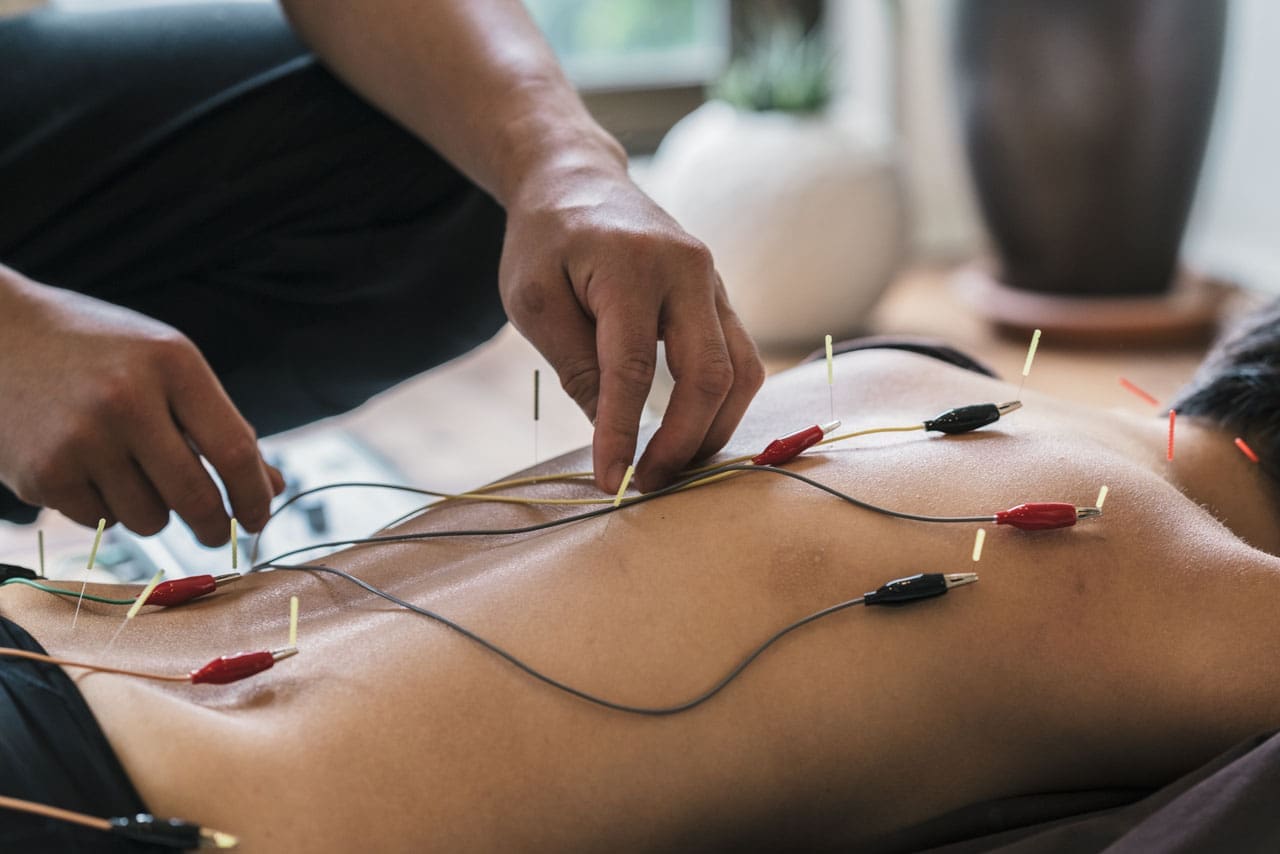
Acupuncture Sciatica Treatment Session
Acupuncture for sciatica is a safe and effective medical treatment to relieve and manage pain symptoms. Studies suggest it is as effective as other treatment strategies and causes fewer side effects. (Zhihui Zhang et al., 2023) The frequency of acupuncture to relieve sciatica pain depends on the severity of the condition and injury, but many report improvement within two to three weeks. (Fang-Ting Yu et al., 2022)
Needle Placement
Circulation problems can cause the body’s energy to stagnate in one or more meridians/channels, leading to pain in and around the surrounding area. (Wei-Bo Zhang et al., 2018)
The objective of acupuncture is to restore optimal circulation by stimulating specific points in the body called acupoints.
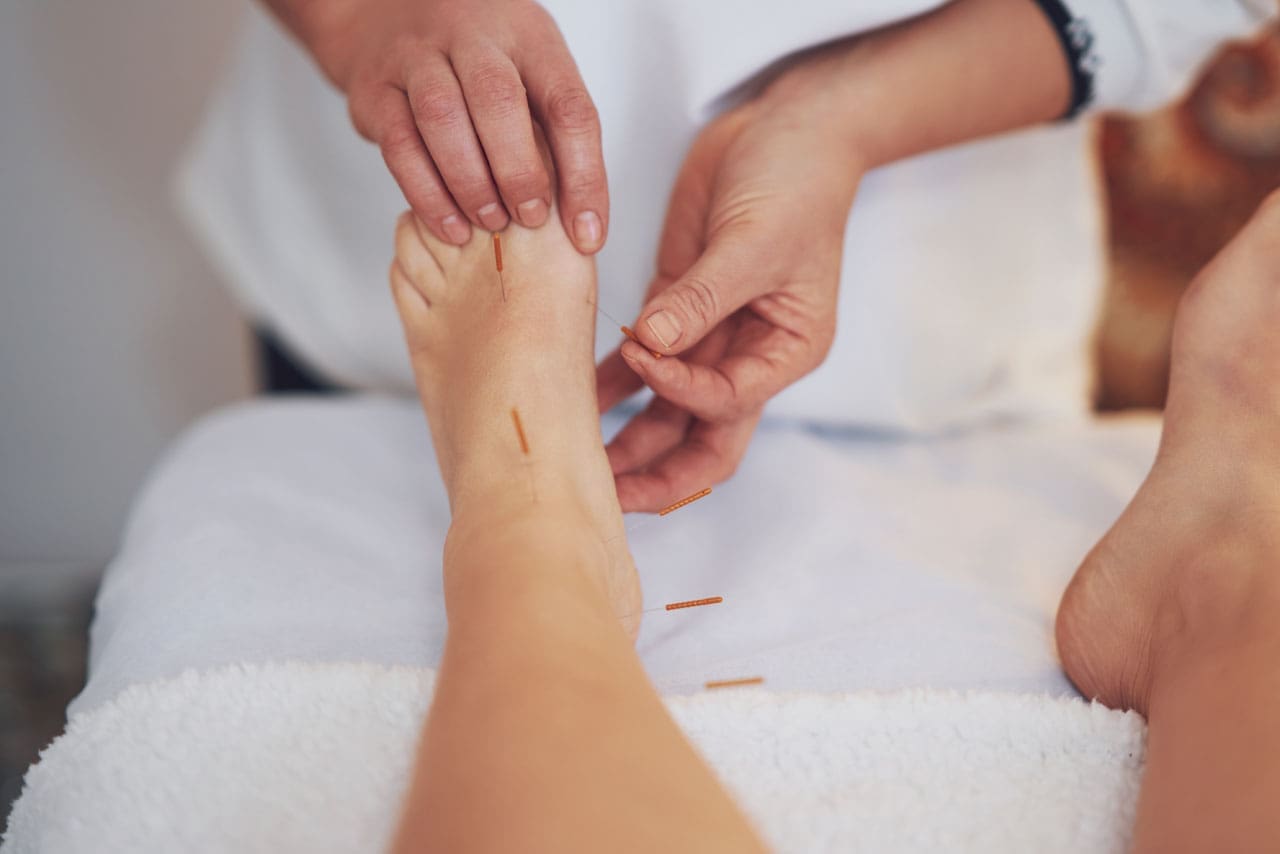
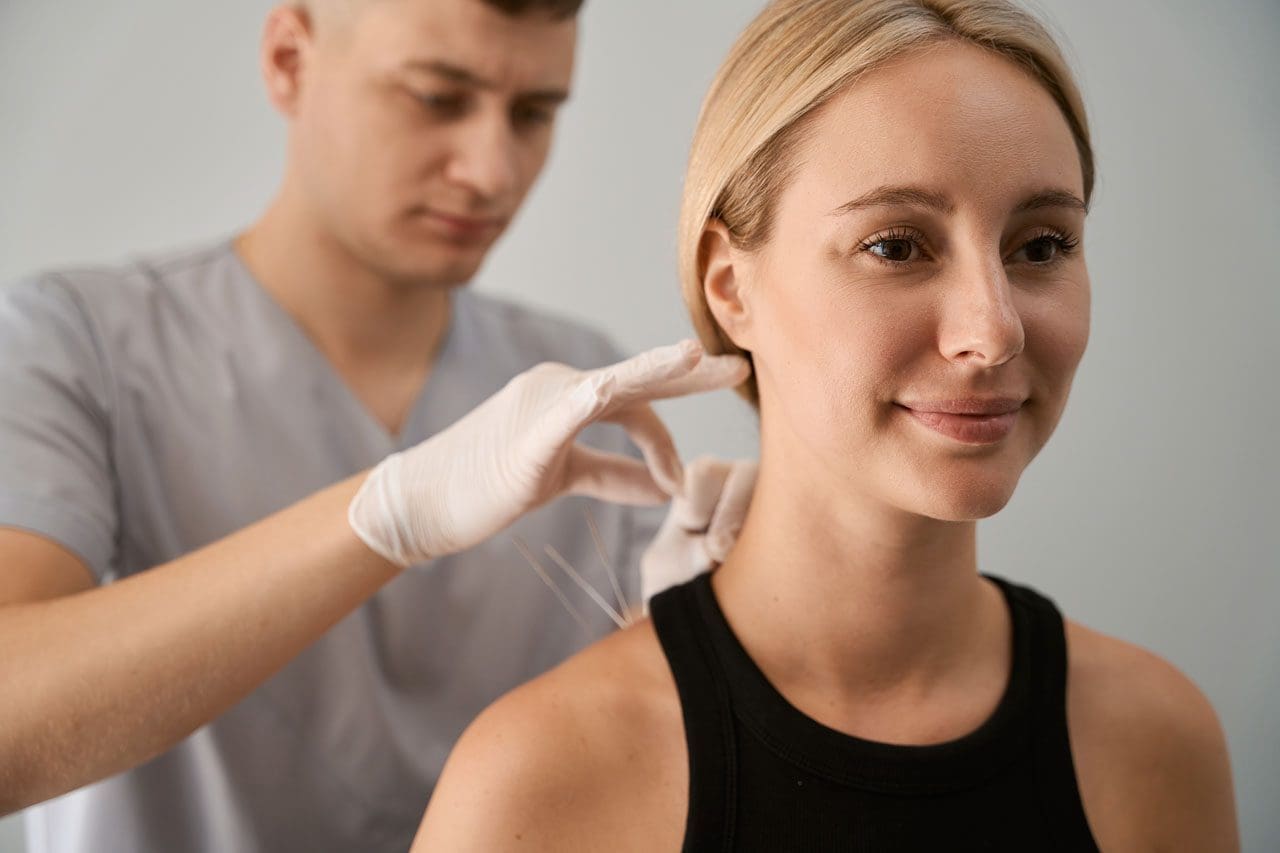
Thin, sterile needles stimulate the acupoints to activate the body’s natural healing abilities and relieve pain. (Heming Zhu 2014)
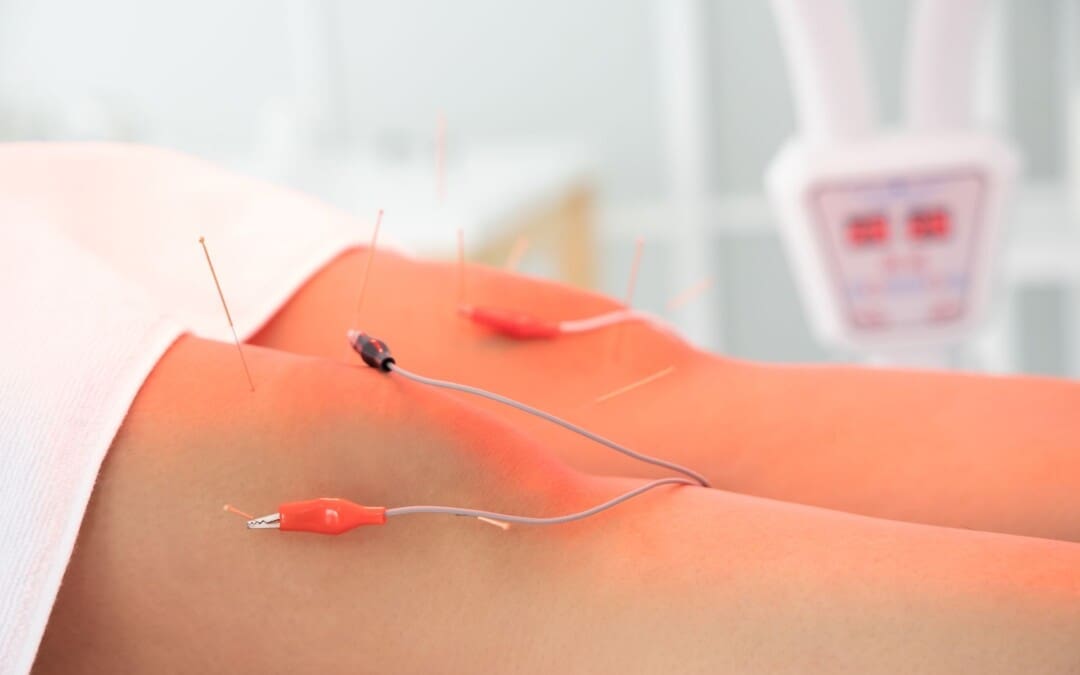
Some practitioners use electroacupuncture – a gentle, mild electrical current is applied to the needles and passes through the tissues to activate the nervous system. (Ruixin Zhang et al., 2014)
Acupoints
Acupuncture sciatica treatment involves specific acupoints along the bladder and gallbladder meridians.
Bladder Meridian – BL
The bladder meridian/BL runs down the back along the spine, hips, and legs. The acupoints within the meridian for sciatica include: (Fang-Ting Yu et al., 2022)
BL 23 -Shenshu – Location on the lower back, near the kidney.
BL 25 – Dachangshu – Location on the lower back.
BL 36 – Chengfu – Location on the back of the thigh, just below the buttocks.
GB 30 – Huantiao – Location on the back, where the buttocks meet the hips.
GB 34 – Yanglingquan – Location on the outside of the leg, below the knee.
GB 33 – Xiyangguan – Location lateral to the knee, on the side.
Stimulating acupoints in these meridians increases blood flow to the area, reduces inflammation, and releases endorphins and other pain-relieving neurochemicals to relieve symptoms. (Ningcen Li et al., 2021) The specific acupoints vary depending on symptoms and the root cause. (Tiaw-Kee Lim et al., 2018)
Example Patient
An example of acupuncture sciatica treatment session: A patient with persistent shooting pain extending down the back and side of the leg. A standard treatment consists of the following:
The acupuncturist thoroughly goes over the patient’s medical history and symptoms and has the patient point to where the pain is located.
Then, they palpate on and around the area to find where the pain worsens and lessens, communicating with the patient as they go along.
Depending on the site and severity, they may start placing needles at the lower back, focusing on the site of the injury.
Sometimes, the sacrum is involved, so the acupuncturist will place needles on those acupoints.
They then move to the back of the leg and insert needles.
The needles are retained for 20-30 minutes.
The acupuncturist leaves the room or treatment area but regularly checks in.
The patient may feel a warmth, tingling, or mild heaviness, which is a normal response. This is where patients report a calming effect. (Shilpadevi Patil et al., 2016)
The needles are carefully removed.
The patient may feel deeply relaxed and will be advised to get up slowly to avoid dizziness.
There may be soreness, redness, or bruising at the needle insertion site, which is normal and should resolve quickly.
The patient will be given recommendations as to avoiding strenuous activity, properly hydrating, and performing gentle stretches.
Acupuncture Benefits
Acupuncture has been shown to be a complementary therapy for pain relief and management. The benefits of acupuncture:
Improves Circulation
Acupuncture stimulates blood circulation, which nourishes damaged or irritated nerves and promotes healing.
This helps relieve sciatica symptoms, like numbness, tingling, and pain. (Song-Yi Kim et al., 2016)
Releases Endorphins
Acupuncture triggers the release of endorphins and other natural pain-relieving chemicals, which help relieve pain. (Shilpadevi Patil et al., 2016)
Regulates the Nervous System
Acupuncture rebalances the sympathetic and parasympathetic responses, which reduces stress, tension, and pain. (Xin Ma et al., 2022)
Relaxes the Muscles
Nerve pain often accompanies muscle tension and spasms.
Acupuncture relaxes tight muscles, reducing pressure and providing relief. (Zhihui Zhang et al., 2023)
From Symptoms to Solutions
References
Zhang, Z., Hu, T., Huang, P., Yang, M., Huang, Z., Xia, Y., Zhang, X., Zhang, X., & Ni, G. (2023). The efficacy and safety of acupuncture therapy for sciatica: A systematic review and meta-analysis of randomized controlled trails. Frontiers in neuroscience, 17, 1097830. https://doi.org/10.3389/fnins.2023.1097830
Yu, F. T., Liu, C. Z., Ni, G. X., Cai, G. W., Liu, Z. S., Zhou, X. Q., Ma, C. Y., Meng, X. L., Tu, J. F., Li, H. W., Yang, J. W., Yan, S. Y., Fu, H. Y., Xu, W. T., Li, J., Xiang, H. C., Sun, T. H., Zhang, B., Li, M. H., Wan, W. J., … Wang, L. Q. (2022). Acupuncture for chronic sciatica: protocol for a multicenter randomised controlled trial. BMJ open, 12(5), e054566. https://doi.org/10.1136/bmjopen-2021-054566
Zhang, W. B., Jia, D. X., Li, H. Y., Wei, Y. L., Yan, H., Zhao, P. N., Gu, F. F., Wang, G. J., & Wang, Y. P. (2018). Understanding Qi Running in the Meridians as Interstitial Fluid Flowing via Interstitial Space of Low Hydraulic Resistance. Chinese journal of integrative medicine, 24(4), 304–307. https://doi.org/10.1007/s11655-017-2791-3
Zhu H. (2014). Acupoints Initiate the Healing Process. Medical acupuncture, 26(5), 264–270. https://doi.org/10.1089/acu.2014.1057
Zhang, R., Lao, L., Ren, K., & Berman, B. M. (2014). Mechanisms of acupuncture-electroacupuncture on persistent pain. Anesthesiology, 120(2), 482–503. https://doi.org/10.1097/ALN.0000000000000101
Perreault, T., Fernández-de-Las-Peñas, C., Cummings, M., & Gendron, B. C. (2021). Needling Interventions for Sciatica: Choosing Methods Based on Neuropathic Pain Mechanisms-A Scoping Review. Journal of clinical medicine, 10(10), 2189. https://doi.org/10.3390/jcm10102189
Li, N., Guo, Y., Gong, Y., Zhang, Y., Fan, W., Yao, K., Chen, Z., Dou, B., Lin, X., Chen, B., Chen, Z., Xu, Z., & Lyu, Z. (2021). The Anti-Inflammatory Actions and Mechanisms of Acupuncture from Acupoint to Target Organs via Neuro-Immune Regulation. Journal of inflammation research, 14, 7191–7224. https://doi.org/10.2147/JIR.S341581
Lim, T. K., Ma, Y., Berger, F., & Litscher, G. (2018). Acupuncture and Neural Mechanism in the Management of Low Back Pain-An Update. Medicines (Basel, Switzerland), 5(3), 63. https://doi.org/10.3390/medicines5030063
Kim, S. Y., Min, S., Lee, H., Cheon, S., Zhang, X., Park, J. Y., Song, T. J., & Park, H. J. (2016). Changes of Local Blood Flow in Response to Acupuncture Stimulation: A Systematic Review. Evidence-based complementary and alternative medicine : eCAM, 2016, 9874207. https://doi.org/10.1155/2016/9874207
Patil, S., Sen, S., Bral, M., Reddy, S., Bradley, K. K., Cornett, E. M., Fox, C. J., & Kaye, A. D. (2016). The Role of Acupuncture in Pain Management. Current pain and headache reports, 20(4), 22. https://doi.org/10.1007/s11916-016-0552-1
Ma, X., Chen, W., Yang, N. N., Wang, L., Hao, X. W., Tan, C. X., Li, H. P., & Liu, C. Z. (2022). Potential mechanisms of acupuncture for neuropathic pain based on somatosensory system. Frontiers in neuroscience, 16, 940343. https://doi.org/10.3389/fnins.2022.940343
Can plantar fasciitis patients incorporate non-surgical treatments to reduce hip pain and restore mobility?
Introduction
Everyone is on their feet constantly as it helps people stay mobile and allows them to go from one location to another. Many people are constantly on their feet from childhood to adulthood. This is because the feet are part of the lower musculoskeletal extremities that stabilize the hips and allow sensory-motor function to the legs, thighs, and calves. The feet also have various muscles, tendons, and ligaments surrounding the skeletal structure to prevent pain and discomfort. However, when repetitive motions or injuries start to affect the feet, it can lead to plantar fasciitis and, over time, cause overlapping risk profiles that lead to hip pain. When people are experiencing these pain-like conditions, it can significantly affect their daily activities and overall quality of life. When this happens, many people seek various treatments to reduce the pain-like symptoms caused by plantar fasciitis and restore hip mobility. Today’s article looks at how plantar fasciitis correlates with hip pain, the connection between the feet and the hips, and how there are non-surgical solutions to reduce plantar fasciitis. We talk with certified medical providers who consolidate our patients’ information to assess how to mitigate plantar fasciitis and restore hip mobility. We also inform and guide patients on how numerous non-surgical treatments can help strengthen weak muscles associated with plantar fasciitis and help with restoring stabilization from hip pain. We encourage our patients to ask their associated medical providers intricate and important questions about incorporating small changes to reduce the pain-like effects caused by plantar fasciitis. Dr. Jimenez, D.C., includes this information as an academic service. Disclaimer.
How Plantar Fasciitis Correlates With Hip Pain
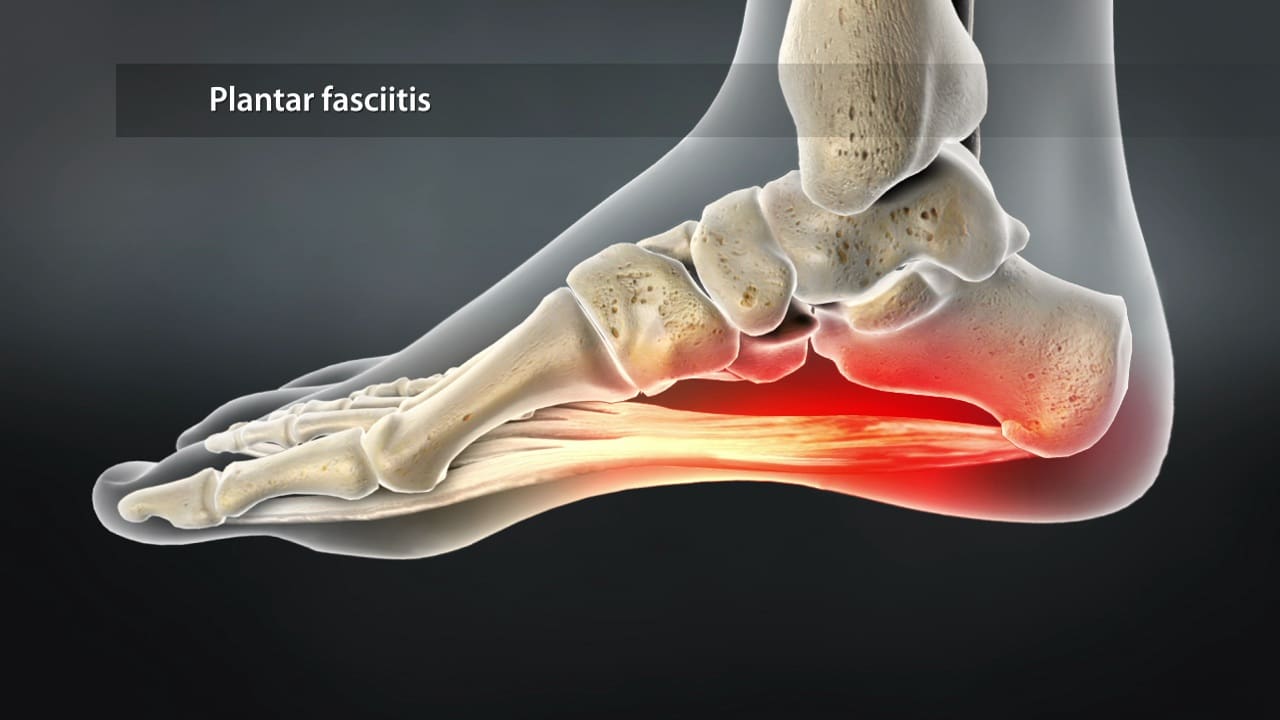
Do you experience pain in your heels constantly after a long walk? Do you feel stiffness in your hips when stretching? Or do you feel your shoes are causing tension and pain in your feet and calves? Often, many of these pain-like scenarios are due to people dealing with plantar fasciitis, characterized by heel pain due to inflammation or degenerative irritation of the plantar fascia, a band of thick tissues is running across the bottom of the foot and connecting to the heel bone to the toes in the lower extremities. This band of tissues plays an essential role in the body, providing normal biomechanics to the foot while supporting the arch and helping with shock absorption. (Buchanan et al., 2024) Plantar fasciitis can affect the stability of the lower extremities since the pain affects the feet and causes hip pain.
So, how would plantar fasciitis correlate with hip pain? With plantar fasciitis, many people are experiencing pain in their feet. It can lead to abnormal foot posture, lower extremity muscle weakness, and muscle stress that can reduce the stability of the legs and hip muscles. (Lee et al., 2022) With hip pain, many people can experience a gait dysfunction that causes muscle weakness in the lower extremities and causes the accessory muscles to perform the primary muscles’ jobs. To that point, this forces people to scrap the ground when walking. (Ahuja et al., 2020) This is because normal conditions like natural aging, muscle overuse, or trauma can cause pain-like symptoms to the hips, including discomfort on the thighs, groin, and buttock region, joint stiffness, and reduced range of motion. Hip pain can cause overlapping risk profiles that may include repetitive strain on the feet, thus leading to symptoms of sharp to dull aches on the heel.
The Connection Between The Feet and The Hips
It is important to understand that foot problems like plantar fasciitis can affect the hips and vice versa, as both body regions have a beautiful relationship within the musculoskeletal system. Plantar fasciitis on their feet can alter their gait function, potentially leading to hip pain over time. This is due to many environmental factors that can affect the hips and feet over time, leading to plantar fasciitis correlating with hip pain. From excessive weight-bearing activities to microtrauma in the hips or the plantar fascia, many people will often seek treatment to reduce the effects of plantar fasciitis correlated with hip pain by addressing how their range of motion is affecting the plantarflexion and their load on the force-absorbing plantar surface structures could be good starting points in the prevention and treatment of plantar fasciitis correlated with hip pain. (Hamstra-Wright et al., 2021)
What Is Plantar Fasciitis?-Video
Non-Surgical Solutions To Reduce Plantar Fasciitis
When it comes to reducing plantar fasciitis in the body, many individuals will seek non-surgical treatments that can alleviate the pain from plantar fascia. Non-surgical treatments are cost-effective and can reduce the pain from plantar fasciitis and its associated symptoms, like hip pain. Some of the benefits of non-surgical treatments are promising, as they have a low risk of complications, good accessibility, and even a high capacity to relieve the mechanical load on the plantar fascia when doing regular activities. (Schuitema et al., 2020) Some of the non-surgical treatments that many people can incorporate include:
Stretching exercises
Orthotic devices
Chiropractic care
Massage therapy
Acupuncture/electroacupuncture
Spinal decompression
These non-surgical treatments not only help reduce plantar fasciitis but also help alleviate hip pain. For example, spinal decompression can help restore hip mobility by stretching the lumbar spine and relieving the lower extremities from numbness while strengthening tight muscles. (Takagi et al., 2023). Electroacupuncture can stimulate the body’s acupoints to release endorphins from the lower extremities to reduce inflammation of the plantar fascia. (Wang et al., 2019) When people begin to make small changes in their routine, like wearing proper footwear and not carrying or lifting heavy weighted objects, it can go a long way to prevent plantar fasciitis and hip pain from reoccurring can go a long way. Having a personalized treatment plan can ensure many individuals seeking non-surgical treatments have a better outcome on their health and mobility while preventing long-term complications.
References
Ahuja, V., Thapa, D., Patial, S., Chander, A., & Ahuja, A. (2020). Chronic hip pain in adults: Current knowledge and future prospective. J Anaesthesiol Clin Pharmacol, 36(4), 450-457. https://doi.org/10.4103/joacp.JOACP_170_19
Hamstra-Wright, K. L., Huxel Bliven, K. C., Bay, R. C., & Aydemir, B. (2021). Risk Factors for Plantar Fasciitis in Physically Active Individuals: A Systematic Review and Meta-analysis. Sports Health, 13(3), 296-303. https://doi.org/10.1177/1941738120970976
Lee, J. H., Shin, K. H., Jung, T. S., & Jang, W. Y. (2022). Lower Extremity Muscle Performance and Foot Pressure in Patients Who Have Plantar Fasciitis with and without Flat Foot Posture. Int J Environ Res Public Health, 20(1). https://doi.org/10.3390/ijerph20010087
Schuitema, D., Greve, C., Postema, K., Dekker, R., & Hijmans, J. M. (2020). Effectiveness of Mechanical Treatment for Plantar Fasciitis: A Systematic Review. J Sport Rehabil, 29(5), 657-674. https://doi.org/10.1123/jsr.2019-0036
Takagi, Y., Yamada, H., Ebara, H., Hayashi, H., Inatani, H., Toyooka, K., Mori, A., Kitano, Y., Nakanami, A., Kagechika, K., Yahata, T., & Tsuchiya, H. (2023). Decompression for lumbar spinal stenosis at the intrathecal catheter insertion site during intrathecal baclofen therapy: a case report. J Med Case Rep, 17(1), 239. https://doi.org/10.1186/s13256-023-03959-1
Wang, W., Liu, Y., Zhao, J., Jiao, R., & Liu, Z. (2019). Electroacupuncture versus manual acupuncture in the treatment of plantar heel pain syndrome: study protocol for an upcoming randomised controlled trial. BMJ Open, 9(4), e026147. https://doi.org/10.1136/bmjopen-2018-026147
For individuals looking to improve their spinal health, can understanding the anatomy of the intervertebral foramen help in injury rehabilitation and prevention?
Intervertebral Foramen
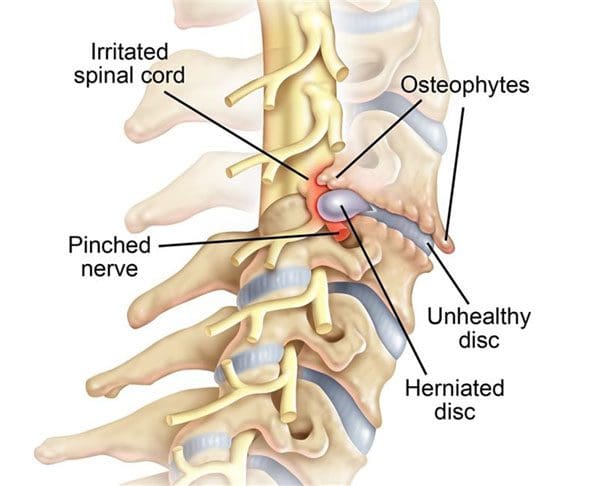
The intervertebral foramen, aka neural foramen, is the opening between the vertebrae through which spinal nerve roots connect and exit to other body areas. If the foramina narrows, it can place added pressure on the nerve roots near and around them, causing pain symptoms and sensations. This is known as neuroforaminal stenosis. (Sumihisa Orita et al., 2016)
Anatomy
The vertebrae comprise the spinal column.
They protect and support the spinal cord and most of the weight placed on the spine.
Foramen is the singular form, and foramina is the plural form.
Structure
The body is the large, round part of the bone that makes up each vertebra.
The body of each vertebra is attached to a bony ring.
Stenosis can occur in the spinal canal, known as central canal stenosis, and the foramina.
Pain brought on by neuroforaminal spinal stenosis and arthritis-related bone growth/bone spurs/osteophytes that are present in one or more foramen rub against the nerve root that passes through the space, causing radicular pain.
Pain accompanied by other sensations, like tingling or numbness, is known as radiculopathy. (Young Kook Choi, 2019)
The main symptom is pain.
Numbness and/or tingling can present depending on the injury.
Neurogenic claudication occurs as a result of ischemia or a lack of blood circulation to the nerves and typically presents with a heaviness in the legs.
It is typically associated with central stenosis rather than foraminal stenosis.
Most individuals with spinal stenosis feel better when flexing or bending forward and worse when arching their backs.
Stenosis treatment aims to relieve pain and prevent nerve symptoms from occurring or worsening. Conservative treatments are recommended and can be highly effective.
These include:
Myelopathy in the neck and/or upper or mid-back (myelopathy symptoms are spinal cord related and occur in central canal stenosis) (Cleveland Clinic. 2021)
Intense incapacitating pain
Different surgical techniques include:
Decompression laminectomy – entails removing the buildup of bone in the spinal canal.
Spinal fusion – when there is instability of the spine or severe foraminal stenosis.
Orita, S., Inage, K., Eguchi, Y., Kubota, G., Aoki, Y., Nakamura, J., Matsuura, Y., Furuya, T., Koda, M., & Ohtori, S. (2016). Lumbar foraminal stenosis, the hidden stenosis including at L5/S1. European journal of orthopaedic surgery & traumatology : orthopedie traumatologie, 26(7), 685–693. https://doi.org/10.1007/s00590-016-1806-7
American Academy of Orthopaedic Surgeons. (2020). Spine Basics (OrthoInfo, Issue. https://orthoinfo.aaos.org/en/diseases–conditions/spine-basics/
American Academy of Orthopaedic Surgeons. (2021). Lumbar spinal stenosis (OrthoInfo, Issue. https://orthoinfo.aaos.org/en/diseases–conditions/lumbar-spinal-stenosis/
Choi Y. K. (2019). Lumbar foraminal neuropathy: an update on non-surgical management. The Korean journal of pain, 32(3), 147–159. https://doi.org/10.3344/kjp.2019.32.3.147
Lee, S. Y., Kim, T. H., Oh, J. K., Lee, S. J., & Park, M. S. (2015). Lumbar Stenosis: A Recent Update by Review of Literature. Asian spine journal, 9(5), 818–828. https://doi.org/10.4184/asj.2015.9.5.818
Lurie, J., & Tomkins-Lane, C. (2016). Management of lumbar spinal stenosis. BMJ (Clinical research ed.), 352, h6234. https://doi.org/10.1136/bmj.h6234
For individuals dealing with musculoskeletal pain, can incorporating acupuncture and electroacupuncture therapy provide beneficial results?
Introduction
The upper and lower body quadrants are surrounded by muscles, soft tissues, and ligaments that allow the body to be mobile with feelings of pain or discomfort. Each muscle group has an important job providing sensory-motor functions like grasping objects, moving extremities, supporting the body in a correct posture, and stabilizing vertical axial weight. However, many people have adopted various habits from environmental factors or have been through traumatic injuries that can cause referred muscle pain in the upper and lower body quadrants. When this happens, it can lead to a life of disability, pain, and discomfort over time if it is not treated right away. To that point, musculoskeletal pain can also cause overlapping risk profiles with other comorbidities that can be pre-existing in the body. Fortunately, numerous treatments can help reduce musculoskeletal pain and benefit the body. Today’s article looks at two different non-surgical therapies, how each is beneficial to reducing musculoskeletal pain, and how effective they can help many people with musculoskeletal pain. We talk with certified medical providers who consolidate our patients’ information to assess how to reduce the pain-like effects of musculoskeletal pain with non-surgical treatments. We also guide patients on how these non-surgical treatments can help lessen the referred pain caused by various environmental factors affecting their musculoskeletal system. We encourage our patients to ask their associated medical providers intricate and important questions about incorporating non-surgical treatments into their health and wellness treatments. Dr. Jimenez, D.C., includes this information as an academic service. Disclaimer.
The Traditional Touch Of Acupuncture
After a long workday, do you feel soreness in your arms, legs, or feet? Have you experienced any symptoms of numbness or stiffness in the upper or lower portions of your body? Or do you feel muscle aches and pains after waking up in the morning? Around the world, many individuals have dealt with musculoskeletal pain at some point, which causes many people to miss out on numerous activities. Musculoskeletal pain is a multifactorial condition that any individual can develop over time. Some biological mechanisms contributing to the development of musculoskeletal pain can be heterogeneous, cardiometabolic, and systemic inflammation that can affect the body. (Dzakpasu et al., 2021) When many people are doing repetitive motions or have dealt with injuries, it can cause the various muscles to be overstretched, tightened, or weak, which can cause individuals to feel miserable and seek treatment. When people go to get treatment for their musculoskeletal pain, many people will tell their doctors about their pain experience and how it impacts their daily social well-being. By gaining information about how musculoskeletal pain negatively affects their lives, a multidisciplinary approach to pain management that emphasizes rehabilitation and non-surgical treatments can be the first step in effectively managing musculoskeletal pain. (Welsh et al., 2020)
Now, non-surgical treatments vary depending on the severity of musculoskeletal pain the person is experiencing. Since musculoskeletal pain is a multifactorial condition, many people could experience comorbidities that cause overlapping risk profiles that correlate with musculoskeletal pain, hence why many people incorporate non-surgical treatments since it is affordable and can be combined with other treatments. One of the oldest therapies that is still practiced today is acupuncture. Now, acupuncture involves the insertion of thin, solid needles into the body’s acupoints to restore the normal flow of energy through the body’s pathways. Highly trained professionals do acupuncture, and it is safe and effective for the person dealing with musculoskeletal pain. Additionally, acupuncture can positively affect the body as it can help change the pain perception of the affected muscle. (Kelly & Willis, 2019)
How Acupuncture Benefits Muscle Pain
Acupuncture can also provide beneficial results to individuals by emphasizing the mobilization of self-healing mechanisms to restore the body’s homeostasis to normal. (Wang et al., 2023) Some of the beneficial properties that people can experience with acupuncture include:
Provides natural pain relief by stimulating the release of endorphins in the affected muscle.
Reducing muscle inflammation in the affected muscle group area.
Improving blood flow circulation to decrease muscle stiffness and soreness.
Reducing stress and muscle tension in the affected area.
At the same time, acupuncture therapy for muscle pain can help reduce the inhibitory effects and modulate the feeling of pain, which then modifies central sensitization. (Zhu et al., 2021)
The Modern Twist Of Electroacupuncture
Now, electroacupuncture is a different form of acupuncture that uses the application of acupuncture needles and electric stimulation on the affected muscle. At the same time, when people are getting treated with electroacupuncture, their somatosensory afferent nerves provide pain relief. They are blocked to stop the pain signals from reaching the central nervous system. (Chen et al., 2021) This is because adding electric stimulation can enhance the therapeutic effects of the acupuncture points in the body.
How Electroacupuncture Benefits Muscle Pain
Regarding reducing muscle pain, electroacupuncture is more effective as acupuncturists can help adjust the intensity of the electric currents on the affected muscle to ensure comfort. Some of the benefits that electroacupuncture provides include:
Enhanced pain relief as the electric current can stimulate endorphin release.
Muscle relaxation from spasms in the affected muscle group.
Increased the healing rate by stimulating deeper muscles.
Help enhance muscle strength and flexibility to improve functionality.
Electroacupuncture can relieve pain and even adjust the biomechanical properties of the extensor-flexor muscles to improve abnormal joint loading caused by musculoskeletal pain. (Shi et al., 2020)
How These Two Treatments Help With Musculoskeletal Pain?
When it comes to acupuncture and electroacupuncture, it all depends on the severity of musculoskeletal pain affecting the body. Many people prefer traditional acupuncture for acute musculoskeletal pain in a more holistic approach. In comparison, others might prefer electroacupuncture to reduce the chronic pain effects of musculoskeletal pain. However, both of these treatments are non-surgical. They can be combined with other therapies like physical therapy or chiropractic care to help stimulate the body’s natural healing factor and relieve musculoskeletal pain. When these two treatments are combined with other therapies, the affected muscles are strengthened and provide mobility function back into the extremities. When people start thinking about their well-being, they can utilize these treatments to reduce the comorbidities associated with musculoskeletal pain that is affecting them. Thus allowing them to make small, healthy changes to their routine and live pain-free lives.
Beyond Adjustments: Chiropractic and Integrative Healthcare- Video
References
Chen, L., Wang, X., Zhang, X., Wan, H., Su, Y., He, W., Xie, Y., & Jing, X. (2021). Electroacupuncture and Moxibustion-Like Stimulation Relieves Inflammatory Muscle Pain by Activating Local Distinct Layer Somatosensory Afferent Fibers. Front Neurosci, 15, 695152. https://doi.org/10.3389/fnins.2021.695152
Dzakpasu, F. Q. S., Carver, A., Brakenridge, C. J., Cicuttini, F., Urquhart, D. M., Owen, N., & Dunstan, D. W. (2021). Musculoskeletal pain and sedentary behaviour in occupational and non-occupational settings: a systematic review with meta-analysis. Int J Behav Nutr Phys Act, 18(1), 159. https://doi.org/10.1186/s12966-021-01191-y
Shi, X., Yu, W., Wang, T., Battulga, O., Wang, C., Shu, Q., Yang, X., Liu, C., & Guo, C. (2020). Electroacupuncture alleviates cartilage degradation: Improvement in cartilage biomechanics via pain relief and potentiation of muscle function in a rabbit model of knee osteoarthritis. Biomed Pharmacother, 123, 109724. https://doi.org/10.1016/j.biopha.2019.109724
Wang, M., Liu, W., Ge, J., & Liu, S. (2023). The immunomodulatory mechanisms for acupuncture practice. Front Immunol, 14, 1147718. https://doi.org/10.3389/fimmu.2023.1147718
Welsh, T. P., Yang, A. E., & Makris, U. E. (2020). Musculoskeletal Pain in Older Adults: A Clinical Review. Med Clin North Am, 104(5), 855-872. https://doi.org/10.1016/j.mcna.2020.05.002
Zhu, J., Li, J., Yang, L., & Liu, S. (2021). Acupuncture, from the ancient to the current. Anat Rec (Hoboken), 304(11), 2365-2371. https://doi.org/10.1002/ar.24625
For individuals experiencing musculoskeletal issues and pain symptoms, can learning about biomechanics and how it applies to movement, physical training, and performance, help in injury treatment and prevention?
Biomechanics
Biomechanics studies all life forms and their mechanical workings. Many think of biomechanics in sports and athletic performance, but biomechanics helps create and improve technologies, equipment, and injury rehabilitation techniques. (Tung-Wu Lu, Chu-Fen Chang 2012) Scientists, sports medicine doctors, physiotherapists, chiropractors, and conditioning specialists utilize biomechanics to help develop training protocols and techniques to improve therapy outcomes.
Body Movement
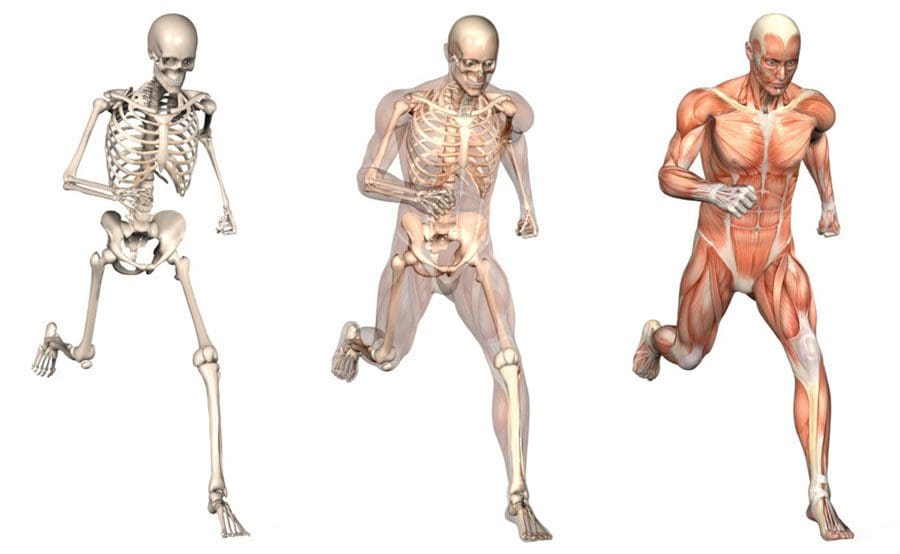
Biomechanics studies the movement of the body, including how muscles, bones, tendons, and ligaments work together, especially when movement is not optimal or correct. It is part of the larger field of kinesiology, specifically focusing on motion mechanics and analysis of how all the individual parts of the body work together to make up athletic and normal movements. (José M Vilar et al., 2013) Biomechanics includes:
Structure of bones and muscles.
Movement ability.
Mechanics of blood circulation, renal function, and other functions.
The study of forces and the effects of these forces on the tissues, fluid, or materials used for diagnosis, treatment, or research. (Jose I. Priego-Quesada 2021)
Sports
Sports biomechanics studies motion in exercising, training, and sports, which incorporates physics and the laws of mechanics. For example, the biomechanics of a specific exercise looks at:
Body position.
Movement of the feet, hips, knees, back, shoulders, and arms.
Knowing the correct movement patterns helps make the most of the exercise while preventing injuries, correcting form mistakes, informing training protocols, and increasing positive results. Understanding how the body moves and why it moves the way it does helps medical professionals prevent and treat injuries, alleviate pain symptoms, and improve performance.
Equipment
Biomechanics is used in the development of physical and sports equipment to improve performance. For example, a shoe can be designed for optimal performance for a skateboarder, long-distance runner, or soccer player. Playing surfaces are also studied for this purpose, such as how the surface stiffness of artificial turf affects athletic performance. (Jose I. Priego-Quesada 2021)
Individuals
Biomechanics can analyze an individual’s movements for more effective movement during training and games.
For example, an individual’s running gait or swing can be filmed with recommendations on what to change to improve.
Injuries
The science studies the causes, treatment, and prevention of neuromusculoskeletal injuries.
The research can analyze the forces that cause injuries and provide information for medical professionals on how to reduce the risk of injury.
Training
Biomechanics studies sports techniques and training systems to develop ways to improve efficiency.
This can include research on positioning, release, follow-through, etc.
It can analyze and help design new training techniques based on the mechanical demands of the sport, aimed at resulting in better performance.
For example, muscle activation is measured in cycling using electromyography and kinematics, which helps researchers analyze factors like posture, components, or exercise intensity that affect activation. (Jose I. Priego-Quesada 2021)
Motions
In biomechanics, the body’s motions are referred to from anatomical positioning:
Standing upright, with the gaze straight ahead
Arms at the sides
Palms facing forward
Feet spaced slightly apart, toes forward.
The three anatomical planes include:
Sagittal – median – Dividing the body into right and left halves is the sagittal/median plane. Flexion and extension occur in the sagittal plane.
Frontal – The frontal plane divides the body into front and back sides but also includes abduction, or moving a limb away from the center, and adduction, or moving a limb towards the center in the frontal plane.
Transverse – horizontal. – The upper and lower parts of the body are divided by the transverse/horizontal plane. Rotating movements occur here. (American Council on Exercise 2017)
Moving the body in all three planes occurs with daily activity. This is why performing exercises in each plane of motion to build strength, function, and stability is recommended.
Tools
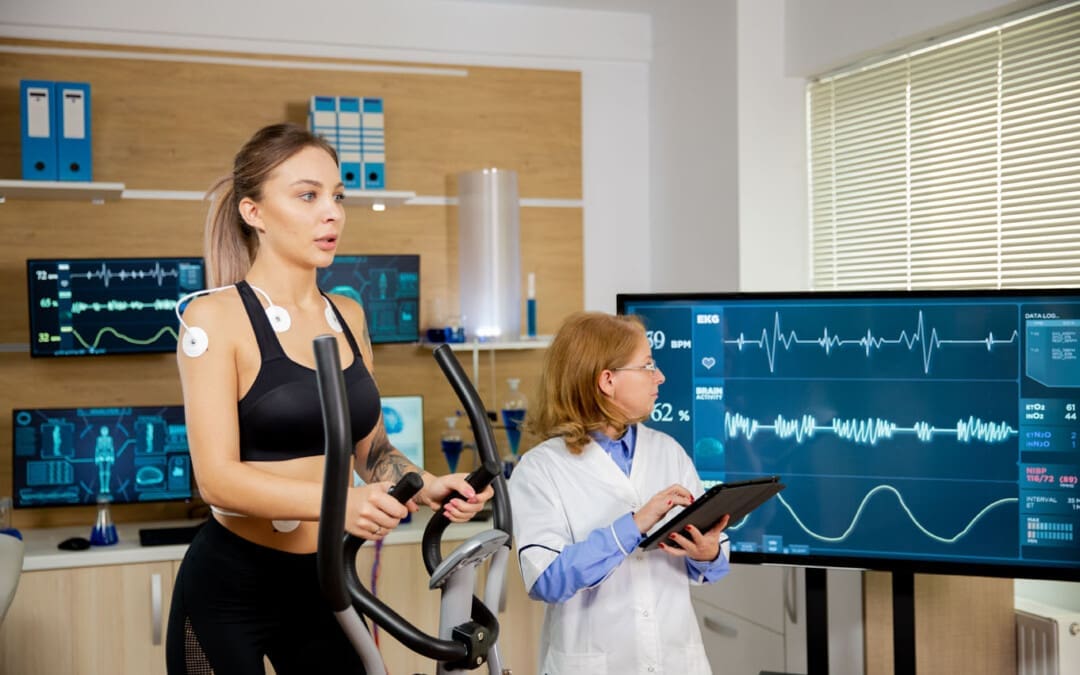
Various tools are used to study biomechanics. Studies are usually performed using a device known as electromyography or EMG sensors. Sensors are placed on the skin and measure the amount and degree of muscle fiber activation in certain muscles during test exercises. EMGs can help:
Researchers understand which exercises are more effective than others.
Therapists know whether patients’ muscles are properly operating and functioning.
Dynamometers are another tool that helps measure muscle strength.
They measure the force output generated during muscle contractions to see if the muscles are sufficiently strong.
They are used to measure grip strength, which can be an indicator of overall strength, health, and longevity. (Li Huang et al., 2022)
Beyond Adjustments: Chiropractic and Integrative Healthcare
References
Lu, T. W., & Chang, C. F. (2012). Biomechanics of human movement and its clinical applications. The Kaohsiung journal of medical sciences, 28(2 Suppl), S13–S25. https://doi.org/10.1016/j.kjms.2011.08.004
Vilar, J. M., Miró, F., Rivero, M. A., & Spinella, G. (2013). Biomechanics. BioMed research international, 2013, 271543. https://doi.org/10.1155/2013/271543
Priego-Quesada J. I. (2021). Exercise Biomechanics and Physiology. Life (Basel, Switzerland), 11(2), 159. https://doi.org/10.3390/life11020159
American Council on Exercise. Makeba Edwards. (2017). Planes of Motion Explained (Exercise Science, Issue. https://www.acefitness.org/fitness-certifications/ace-answers/exam-preparation-blog/2863/the-planes-of-motion-explained/
Huang, L., Liu, Y., Lin, T., Hou, L., Song, Q., Ge, N., & Yue, J. (2022). Reliability and validity of two hand dynamometers when used by community-dwelling adults aged over 50 years. BMC geriatrics, 22(1), 580. https://doi.org/10.1186/s12877-022-03270-6
Knee injuries can present in physically active individuals that lift weights. Can understanding the types of weightlifting knee injuries help in prevention?
Weightlifting Knee Injuries
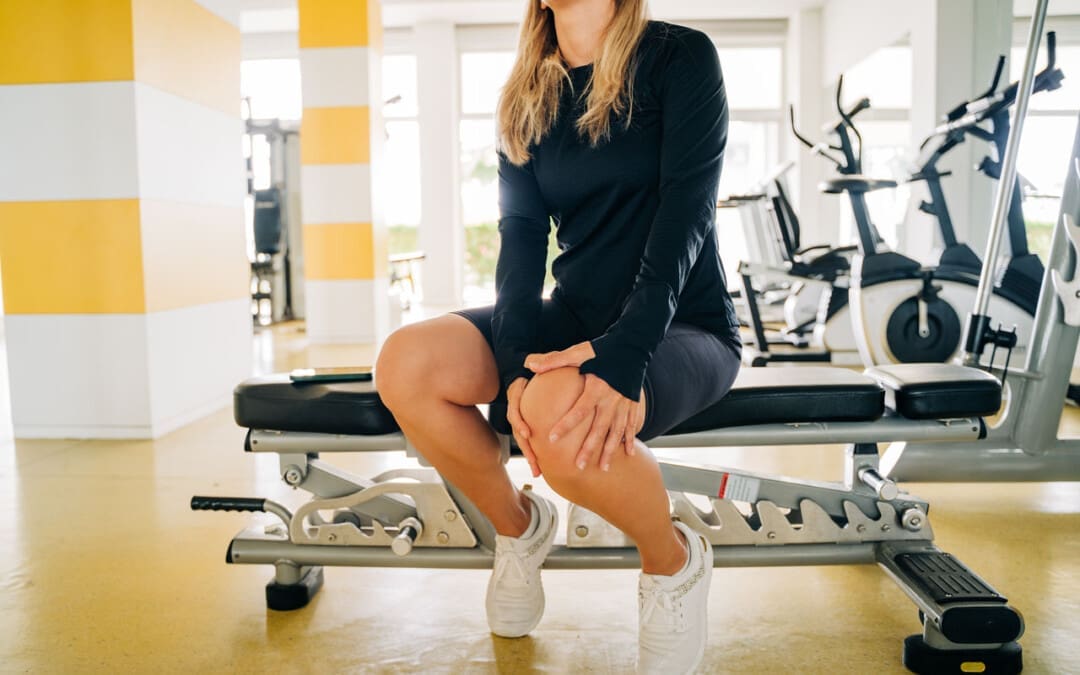
Weight training is very safe for the knees as regular weight training can improve knee strength and prevent injury as long as the correct form is followed. For Individuals with knee injuries from other activities, incorrect weight-training exercises could worsen the injury. (Ulrika Aasa et al., 2017) As well as, sudden twisting movements, poor alignment, and pre-existing injuries can increase the risk of worsening or creating further injuries. (Hagen Hartmann et al, 2013) The body and the knees are designed to support vertical forces on the joints.
Common Injuries
Weightlifting knee injuries occur as the knee joints endure a wide range of stresses and strains. In weight training, the ligaments that attach to the complex bone system of the knee joint can be damaged by incorrect movements, overloading the weight, and increasing the weight too soon. These injuries can result in pain, swelling, and immobility that can range from minor to severe, from a sprain or a slight tear to a complete tear in serious cases.
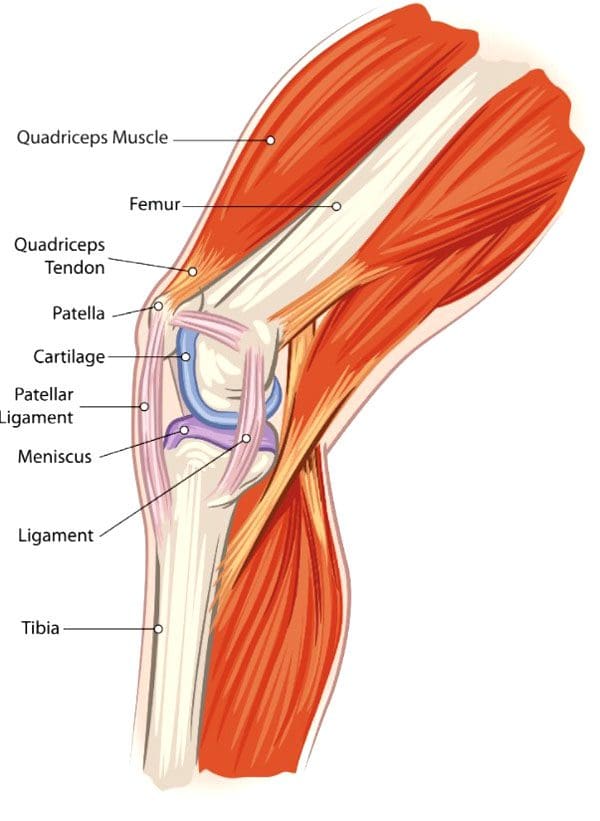
Anterior Cruciate Ligament – ACL – Injury
This ligament attaches the thigh’s femur bone to the lower leg’s shin bone/tibia and controls excessive rotation or extension of the knee joint. (American Academy of Family Physicians. 2024)
Anterior means front.
ACL injuries are seen mostly in athletes but can happen to anybody.
Severe damage to the ACL usually means surgical reconstruction and up to 12 months of rehabilitation.
When weightlifting, try to avoid twisting knee movements, intentionally or accidentally, under excessive load.
Posterior Cruciate Ligament – PCL – Injury
The PCL connects the femur and tibia at different points to the ACL.
It controls any backward motion of the tibia at the joint.
Injuries occur most with high-impact forces as a result of accidents and sometimes in activities where forceful trauma to the knee occurs.
Medial Collateral Ligament – MCL – Injury
This ligament maintains the knee from bending too far to the inside/medially.
Injuries mostly occur from impact to the outside of the knee or from accidental bodyweight force on the leg that bends at an unusual angle.
Lateral Collateral Ligament – LCL – Injury
This ligament connects the smaller bone of the lower leg/fibula to the femur.
It is opposite to the MCL.
It maintains excessive outward movement.
LCL injuries occur when a force pushes the knee out.
Cartilage Injury
Cartilage prevents bones from rubbing together and cushions impact forces.
Knee menisci are cartilage that cushions the knee joints inside and outside.
Other types of cartilage protect the thigh and shin bones.
When cartilage gets torn or damaged, surgery may be required.
Tendonitis
Aggravated and overused knee tendons can lead to weightlifting knee injuries.
A related injury known as iliotibial band syndrome/ITB causes pain to the outside of the knee, usually in runners, but it can occur from overuse.
Rest, stretching, physical therapy, and anti-inflammatory medication are a common treatment plan.
The condition causes the cartilage to deteriorate and bones to rub together, resulting in pain and stiffness.
Prevention
Individuals can minimize their risk of weightlifting knee injuries and pain by following their doctor’s and personal trainers’ recommendations.
Individuals with an existing knee injury should follow their doctor’s or physical therapist’s recommendations.
A knee sleeve can keep the muscles and joints secure, providing protection and support.
Stretching the leg and knee muscles can maintain joint flexibility.
Avoid sudden lateral movements.
Possible recommendations can include:
Avoiding Certain Exercises
Isolation exercises like leg curls, standing, or on a bench, as well as using the leg extension machine, can stress the knee.
Deep Squat Training
Research shows that the deep squat can protect against lower leg injury if the knee is healthy. However, this is when done with proper technique, under expert supervision, and with a gradual progressive load. (Hagen Hartmann et al, 2013)
Individuals should talk to their doctor before beginning a new exercise routine. A personal trainer can provide training in learning the proper technique and weightlifting form.
How I Tore my ACL Part 2
References
Aasa, U., Svartholm, I., Andersson, F., & Berglund, L. (2017). Injuries among weightlifters and powerlifters: a systematic review. British journal of sports medicine, 51(4), 211–219. https://doi.org/10.1136/bjsports-2016-096037
Hartmann, H., Wirth, K., & Klusemann, M. (2013). Analysis of the load on the knee joint and vertebral column with changes in squatting depth and weight load. Sports medicine (Auckland, N.Z.), 43(10), 993–1008. https://doi.org/10.1007/s40279-013-0073-6
American Academy of Family Physicians. ACL injury. (2024). ACL injury (Diseases and Conditions, Issue. https://familydoctor.org/condition/acl-injuries/
Mellinger, S., & Neurohr, G. A. (2019). Evidence based treatment options for common knee injuries in runners. Annals of translational medicine, 7(Suppl 7), S249. https://doi.org/10.21037/atm.2019.04.08
Driban, J. B., Hootman, J. M., Sitler, M. R., Harris, K. P., & Cattano, N. M. (2017). Is Participation in Certain Sports Associated With Knee Osteoarthritis? A Systematic Review. Journal of athletic training, 52(6), 497–506. https://doi.org/10.4085/1062-6050-50.2.08
For individuals experiencing lower back pain can understanding the anatomy and function of the multifidus muscle help in injury prevention and in the development of a highly effective treatment plan?
Multifidus Muscle
The multifidus muscles are long and narrow on either side of the spinal column, which helps stabilize the lower region of the spine or lumbar spine. (Maryse Fortin, Luciana Gazzi Macedo 2013) Sitting too much, practicing unhealthy postures, and lack of movement can progress to the multifidus muscle weakening or atrophy, which can lead to spinal instability, vertebral compression, and back pain. (Paul W. Hodges, Lieven Danneels 2019)
Anatomy
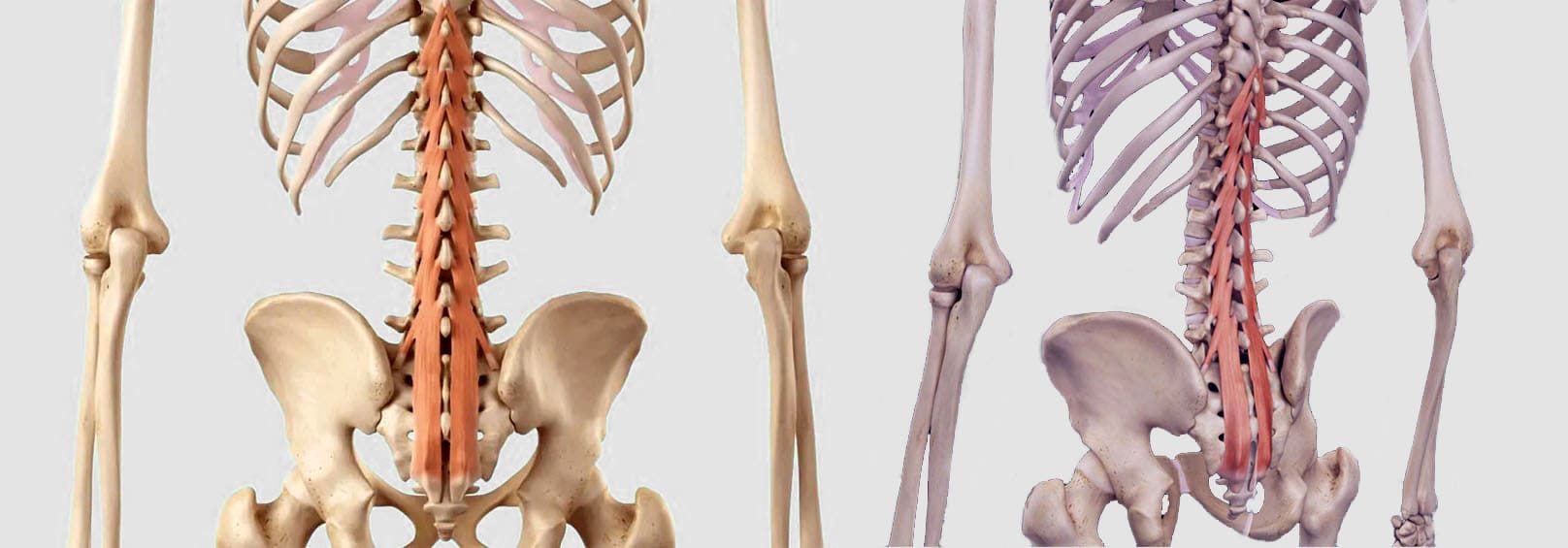
Known as the deep layer, it is the innermost layer of the three muscle layers of the back and controls the movement of the spine. The other two layers, known as the intrinsic and superficial, are responsible for the thoracic cage/rib cage and shoulder movement. (Anouk Agten et al., 2020) The multifidus has attachment points at:
The thoracic spine of the middle back.
The lumbar spine of the lower back.
The iliac spine – the base of the wing-shaped iliac bone of the pelvis.
Sacrum – series of bones at the base of the spine connected to the tailbone.
When standing or moving, the multifidus muscle works with the transversus abdominus and pelvic floor muscles to stabilize the lumbar spine. (Christine Lynders 2019)
Muscle Function
The main function is to stabilize the lower back, but it also helps extend the lower spine whenever reaching or stretching. (Jennifer Padwal et al., 2020) Because the muscle has numerous attachment points and is serviced by a specific branch of nerves known as the posterior rami, it allows each vertebra to work individually and more efficiently.
The multifidus muscle works with two other deep muscle groups to stabilize and move the spine. (Jeffrey J Hebert et al., 2015)
The rotatores muscle enables unilateral rotation, turning from side to side, and bilateral extension or bending backward and forward.
The semispinalis muscle above the multifidus allows extension and rotation of the head, neck, and upper back.
The multifidus muscle ensures spinal strength because it has more attachment points to the spine than the other layers, which reduces spinal flexibility and rotation but increases strength and stability. (Anouk Agten et al., 2020)
Lower Back Pain
A weak multifidus muscle destabilizes the spine and provides less support to the vertebra. This adds pressure on muscles and connective tissues between and adjacent to the spinal column, increasing the risk of lower back pain symptoms. (Paul W. Hodges, Lieven Danneels 2019) The loss of muscle strength and stability can cause atrophy or wasting away. This can cause compression and other back problems. (Paul W. Hodges et al., 2015) Back problems associated with multifidus muscle deterioration include (Paul W. Hodges, Lieven Danneels 2019)
Herniated discs – also bulging or slipped discs.
Nerve entrapment or compression pinched nerve.
Sciatica
Referred pain – nerve pain originating from the spine felt in other areas.
Osteoarthritis – wear-and-tear arthritis
Spinal osteophytes – bone spurs
Weak abdominal or pelvic floor muscles can compromise the core, increasing the risk of chronic lower back pain and injury.
Individuals are recommended to consult a physical therapist and chiropractor who can help develop the appropriate treatment, rehabilitation, and strengthening plan based on age, injury, underlying conditions, and physical abilities.
Can Core Exercises Help with Back Pain?
References
Fortin, M., & Macedo, L. G. (2013). Multifidus and paraspinal muscle group cross-sectional areas of patients with low back pain and control patients: a systematic review with a focus on blinding. Physical therapy, 93(7), 873–888. https://doi.org/10.2522/ptj.20120457
Hodges, P. W., & Danneels, L. (2019). Changes in Structure and Function of the Back Muscles in Low Back Pain: Different Time Points, Observations, and Mechanisms. The Journal of orthopaedic and sports physical therapy, 49(6), 464–476. https://doi.org/10.2519/jospt.2019.8827
Agten, A., Stevens, S., Verbrugghe, J., Eijnde, B. O., Timmermans, A., & Vandenabeele, F. (2020). The lumbar multifidus is characterised by larger type I muscle fibres compared to the erector spinae. Anatomy & cell biology, 53(2), 143–150. https://doi.org/10.5115/acb.20.009
Lynders C. (2019). The Critical Role of Development of the Transversus Abdominis in the Prevention and Treatment of Low Back Pain. HSS journal : the musculoskeletal journal of Hospital for Special Surgery, 15(3), 214–220. https://doi.org/10.1007/s11420-019-09717-8
Padwal, J., Berry, D. B., Hubbard, J. C., Zlomislic, V., Allen, R. T., Garfin, S. R., Ward, S. R., & Shahidi, B. (2020). Regional differences between superficial and deep lumbar multifidus in patients with chronic lumbar spine pathology. BMC musculoskeletal disorders, 21(1), 764. https://doi.org/10.1186/s12891-020-03791-4
Hebert, J. J., Koppenhaver, S. L., Teyhen, D. S., Walker, B. F., & Fritz, J. M. (2015). The evaluation of lumbar multifidus muscle function via palpation: reliability and validity of a new clinical test. The spine journal : official journal of the North American Spine Society, 15(6), 1196–1202. https://doi.org/10.1016/j.spinee.2013.08.056
Hodges, P. W., James, G., Blomster, L., Hall, L., Schmid, A., Shu, C., Little, C., & Melrose, J. (2015). Multifidus Muscle Changes After Back Injury Are Characterized by Structural Remodeling of Muscle, Adipose and Connective Tissue, but Not Muscle Atrophy: Molecular and Morphological Evidence. Spine, 40(14), 1057–1071. https://doi.org/10.1097/BRS.0000000000000972
IFM's Find A Practitioner tool is the largest referral network in Functional Medicine, created to help patients locate Functional Medicine practitioners anywhere in the world. IFM Certified Practitioners are listed first in the search results, given their extensive education in Functional Medicine