
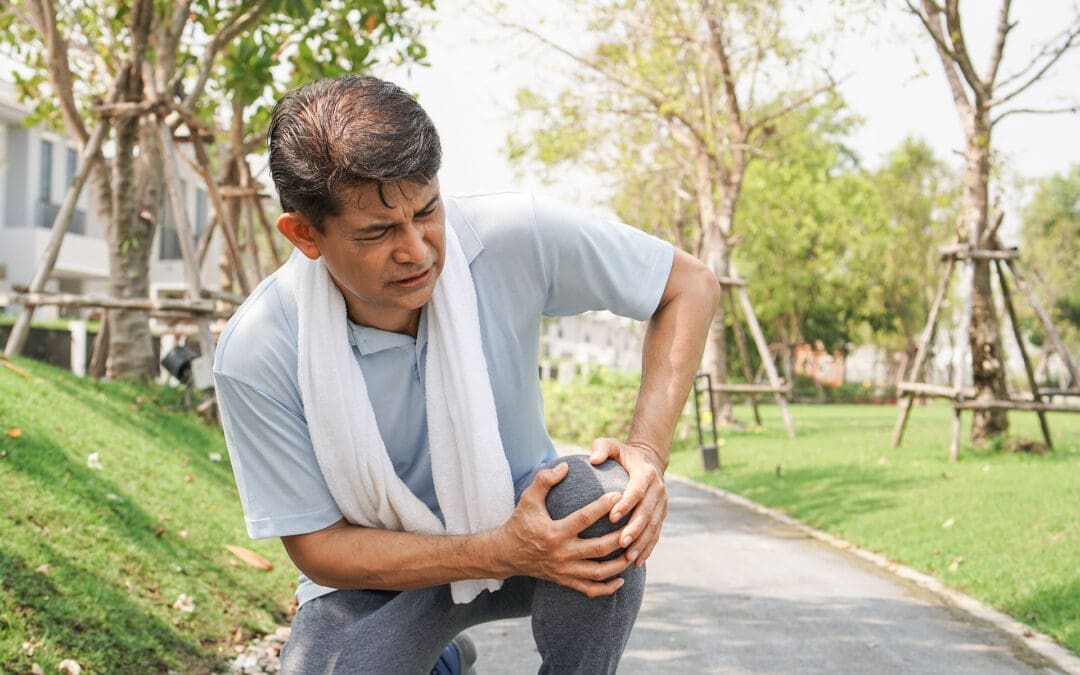
Weekend Athletes Injury Solutions and Chiropractic Care
Weekend Athletes Injury Solutions: A Simple, Evidence-Based Guide for Safer Play and Faster Recovery
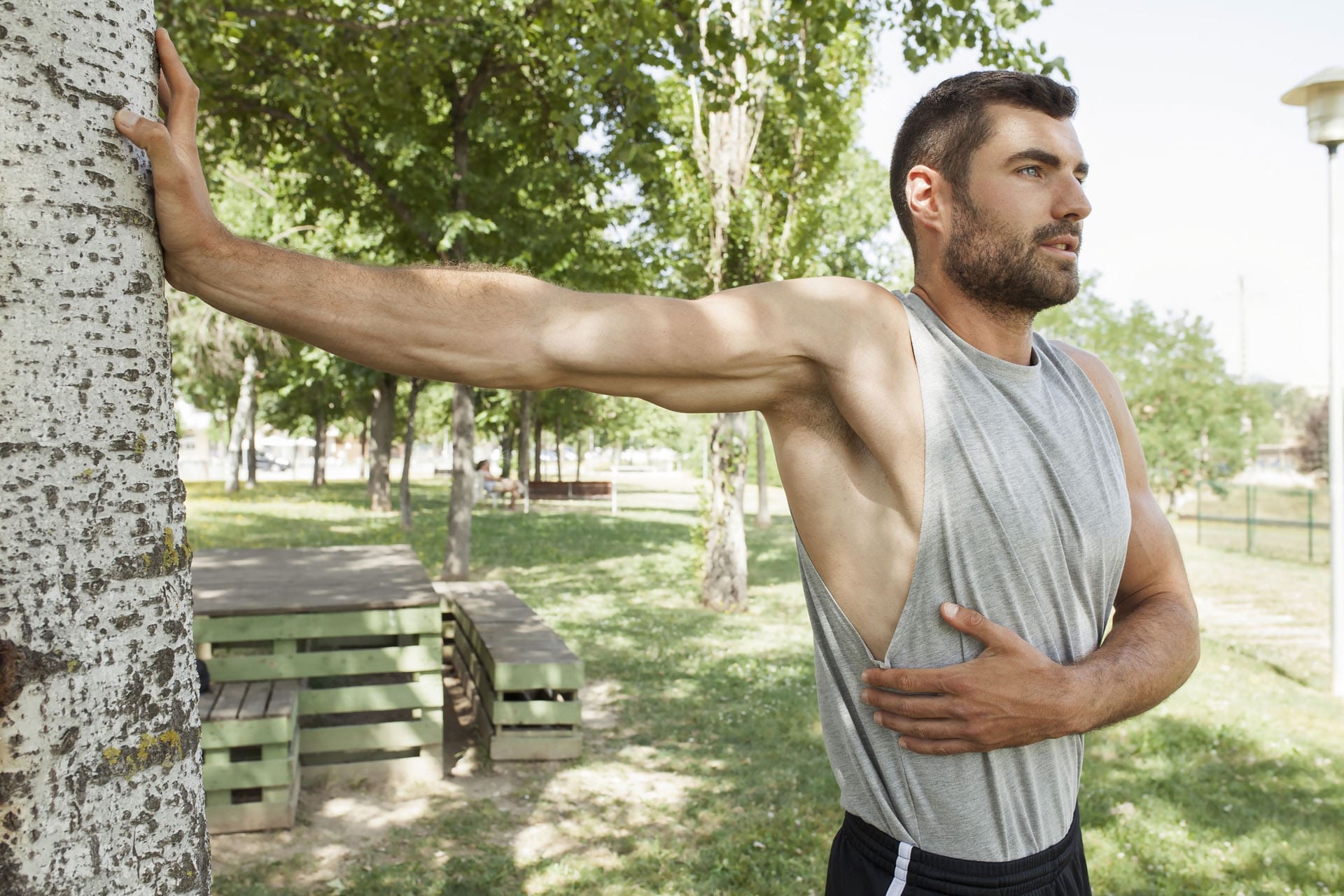
A handsome, muscular man in sportswear is stretching his muscles in a sunny park.
Who this is for: adults who sit most of the week and then go hard on the weekend (a.k.a. “weekend warriors”).
What you’ll get: clear reasons these injuries happen, what to do first, how to prevent them, and how integrative chiropractic care—like the approach used in El Paso—helps you recover and return to activity safely.
Weekend warriors 101
A weekend warrior is someone who does most of their intense activity on one or two days after a mostly sedentary week. That pattern can still deliver strong health benefits if you meet weekly exercise targets, but the sudden spike in effort raises the risk of sprains, strains, and overuse problems—especially when you skip warm-ups or jump in too fast (Riverside Health System, 2025; Weill Cornell Medicine, 2024). (riversideonline.com)
Large studies show that “condensed” exercisers can gain health benefits similar to those who spread workouts throughout the week—as long as the total weekly minutes reach the recommended amounts. The catch: your muscles, tendons, and joints still need gradual loading to stay injury-resistant (American Heart Association News, 2024; Shiroma et al., 2019). (www.heart.org)
Why weekend athletes get hurt
Most weekend injuries come down to three drivers:
- Overuse: repeating motions your tissues aren’t ready for (long runs, repetitive swings).
- Sudden movement: fast cuts, awkward landings, or twisting under load.
- Poor preparation: no warm-up, weak stabilizers, and worn-out shoes.
These factors underlie many musculoskeletal problems seen by orthopedic and emergency clinicians (Aligned Orthopedic Partners, 2024; Weill Cornell Medicine, 2024). (Aligned Orthopedic Partners)
What typically gets injured (and what it feels like)
Emergency physicians most often treat injuries to the knees, shoulders, and ankles, with sprains and strains outnumbering fractures (Weill Cornell Medicine, 2024). (weillcornell.org)
- Ankle sprain (ligament): twist/roll, swelling, tenderness, sometimes bruising.
- Hamstring/calf strain (muscle-tendon): pulled feeling, tightness, weakness.
- Knee sprain/overuse pain: instability, joint-line pain, and pain after cutting or pivoting.
- Achilles tendinopathy: stiff, sore area above the heel (often worse in the morning).
- Rotator cuff irritation: pain with overhead reach or lying on the shoulder.
- Shin splints: aching along the shin after running on hard surfaces (Riverside Health System, 2025). (riversideonline.com)
Sprain vs. strain (plain words):
Sprain = ligament (joint stabilizer). Strain = muscle or tendon (mover). Sprains can feel unstable and bruise; strains feel like a pull with spasm or weakness (Aligned Orthopedic Partners, 2024). (Aligned Orthopedic Partners)
Your job habits shape your weekend risk
Repetitive tasks and long sitting can irritate tissues before you ever play. Those weekday loads stack with Saturday’s game and can tip you into pain. Tendinitis, for example, often develops from repeated motions (MyShortlister, 2023). Short micro-breaks, posture changes, and light mid-week movement help. (Shortlister)
First aid: what to do in the first 24–72 hours
For many fresh soft-tissue injuries, start with the PRICE method: Protect, Rest, Ice (20 minutes on), Compress, Elevate. Don’t push through sharp pain. Seek urgent care for a “pop,” severe swelling, numbness/weakness, deformity, or inability to bear weight (Weill Cornell Medicine, 2024). (weillcornell.org)
When imaging is useful (and what usually comes first)
You don’t need an MRI for every sprain. Clinicians begin with a history and examination; an X-ray is often the first test if a fracture is suspected. Musculoskeletal ultrasound or MRI follows when soft-tissue damage is suspected, symptoms persist, or nerve signs appear (Weill Cornell Medicine, 2024). (weillcornell.org)
In work, sport, or motor-vehicle accident (MVA) cases, advanced imaging also supports clear medical-legal documentation—a key part of comprehensive injury care (El Paso Back Clinic; Dr. Jimenez). (elpasobackclinic.com)
Practical prevention that actually works
- Warm up and cool down. Do 5–10 minutes of light cardio and dynamic moves (leg swings, lunges, and arm circles). Ease into slow stretches after play (Riverside Health System, 2025; Appleton Chiropractic Center, n.d.). (riversideonline.com)
- Build up gradually. Increase time or intensity by ~10% per week. Rotate high- and low-impact days (Center for Orthopedic Surgery & Sports Medicine, n.d.). (COSM)
- Use the right gear. Replace worn shoes; match footwear to your sport (Riverside Health System, 2025). (riversideonline.com)
- Hydrate, fuel, and sleep. Under-fueling and short sleep increase the risk of cramps and strains (Riverside Health System, 2025). (riversideonline.com)
- Add two short mid-week sessions. Even 20–30 minutes of exercise twice a week improves tissue tolerance and reduces the risk of weekend injuries (Mayo Clinic Sports Medicine, n.d.). (sportsmedicine.mayoclinic.org)
Simple self-care roadmaps
Ankle sprain
- Days 0–2: PRICE, gentle ankle pumps, compression sleeve.
- Days 3–7: pain-free range of motion; start weight bearing as tolerated.
- Weeks 2–4: add balance drills and band work.
- See a clinician if you can’t bear weight or feel instability (Weill Cornell Medicine, 2024). (weillcornell.org)
Achilles tendinopathy
- Reduce jumping/sprinting while painful.
- Begin slow calf raises (progress to eccentrics); increase load gradually (Aligned Orthopedic Partners, 2024). (Aligned Orthopedic Partners)
Shoulder soreness (rotator cuff pattern)
- Short rest (not total rest), then scapular control and light external-rotation drills; limit overhead volume and improve thoracic mobility (Aligned Orthopedic Partners, 2024). (Aligned Orthopedic Partners)
Low-back strain
- After 24–48 hours, try gentle mobility exercises (such as pelvic tilts and cat-camel), followed by core endurance exercises (like planks) and hip-hinge practice. If pain persists or travels below the knee or you notice weakness, seek evaluation (Weill Cornell Medicine, 2024). (weillcornell.org)
A quick mid-week plan (desk-friendly)
Day A – Hips/legs/core (25–30 min)
- 5 min brisk walk
- 2 rounds: body-weight squats 12; step-ups 10/side; split-squats 8/side
- Plank 20–40 sec; side plank 15–30 sec/side
- 3–5 min calf, hamstring, hip-flexor stretches
Day B – Shoulders/back/core (25–30 min)
- 5 min light cardio + arm circles
- 2 rounds: push-ups 8–12; band rows 12–15; band “T” raises 10–12
- Dead bug 6/side; bird-dog 6/side
- 3–5 min pec stretch + thoracic rotations
Short “bridge” sessions like these raise tissue tolerance and make weekend play safer (Center for Orthopedic Surgery & Sports Medicine, n.d.). (COSM)
How integrative chiropractic care supports weekend athletes
Integrative chiropractic care blends joint-specific manual therapy with targeted exercise, soft-tissue work, and—when indicated—acupuncture, bracing/taping, and coordinated medical evaluation. The goal is to improve mechanics (how you move) and capacity (what your tissues can handle), so you heal and resist re-injury (Radiant Life Chiropractic, 2024; Aligned Orthopedic Partners, 2024). (Radiant Life Chiropractic)
At El Paso Back Clinic, this approach is paired with a dual-scope model (chiropractic plus nurse practitioner care) for sports, work, personal, and MVA injuries. The team can:
- Perform focused orthopedic and neurological exams.
- Order X-ray, MRI, CT, or musculoskeletal ultrasound when the exam suggests more than a simple sprain.
- Coordinate medical-legal documentation (mechanism, findings, imaging, functional limits, and response to care) for injury cases.
- Guide progressive rehab and return-to-play plans based on pain-free motion, strength, and sport-specific tasks (El Paso Back Clinic; Jimenez, 2025). (elpasobackclinic.com)
Local context: Recent clinic articles from El Paso highlight dual-scope evaluation, the role of advanced imaging, and clear documentation for personal-injury cases—useful if your injury involves work or an auto crash (El Paso Back Clinic). (elpasobackclinic.com)
A smarter return-to-play checklist (advance only when all are true)
- Daily tasks are pain-free, and you’re sleeping normally.
- Full, pain-free range of motion for the injured area.
- Strength feels symmetrical from side to side in simple tests.
- You can do basic sport drills (jog-cut-jog; easy swings/serves) without symptoms.
If a step hurts, back up, adjust the load, and rebuild capacity (Weill Cornell Medicine, 2024). (weillcornell.org)
Key takeaways
- Weekend-only training can be beneficial—the total weekly activity level matters most—but spikes in workload increase the risk of injury (AHA News, 2024; Riverside Health System, 2025). (www.heart.org)
- Most common issues include sprains, strains, and overuse injuries in the ankle, knee, and shoulder (Weill Cornell Medicine, 2024). (weillcornell.org)
- Warm up, build gradually, and add two short mid-week sessions to cut risk (Riverside Health System, 2025; Center for Orthopedic Surgery & Sports Medicine, n.d.). (riversideonline.com)
- Integrative chiropractic care—with exam, imaging when needed, progressive exercise, and thorough documentation—helps you recover and return to play stronger and safer (El Paso Back Clinic; Radiant Life Chiropractic, 2024). (elpasobackclinic.com)
References
- Aligned Orthopedic Partners. (2024, July 23). Musculoskeletal injuries: Causes and treatments. https://alignedortho.com/musculoskeletal-injuries-causes-and-treatments/ (Aligned Orthopedic Partners)
- American Heart Association News. (2024, Sept 26). ‘Weekend warriors’ may gain same health benefits as people who spread out exercise. https://www.heart.org/en/news/2024/09/26/weekend-warriors-may-gain-same-health-benefits-as-people-who-spread-out-exercise (www.heart.org)
- Appleton Chiropractic Center. (n.d.). Sports injuries. https://appletonchiro.com/conditions/sports-injuries/ (Appleton Chiropractic)
- Center for Orthopedic Surgery & Sports Medicine. (n.d.). Sports medicine for weekend warriors: Staying active and injury-free. https://www.centerfororthosurgery.com/sports-medicine-for-weekend-warriors-staying-active-and-injury-free/ (COSM)
- El Paso Back Clinic. (2025, Sept 23). Chiropractic emotional stress treatment and recovery. https://elpasobackclinic.com/chiropractic-emotional-stress-treatment-and-recovery/ (elpasobackclinic.com)
- El Paso Back Clinic. (2025, Aug). Personal injury chiropractic documentation after accidents. https://elpasobackclinic.com/personal-injury-chiropractic-documentation-after-accidents/ (elpasobackclinic.com)
- El Paso Back Clinic. (2025). Nurse practitioner and chiropractic: A unique approach. https://elpasobackclinic.com/nurse-practitioner-and-chiropractic/ (elpasobackclinic.com)
- Mayo Clinic Sports Medicine. (n.d.). Tips to avoid “weekend-warrior” sports injuries. https://sportsmedicine.mayoclinic.org/news/tips-to-avoid-weekend-warrior-athlete-sports-injuries/ (sportsmedicine.mayoclinic.org)
- MyShortlister. (2023). The most common work-related musculoskeletal disorders. https://www.myshortlister.com/insights/work-related-musculoskeletal-disorders (Shortlister)
- Radiant Life Chiropractic. (2024). Chiropractic care for weekend warriors. https://getradiantlife.com/chiropractic-care-for-weekend-warriors/ (Radiant Life Chiropractic)
- Riverside Health System. (2025, Apr 15). Stay in the game: Top 5 tips to avoid common weekend warrior injuries. https://www.riversideonline.com/en/patients-and-visitors/healthy-you-blog/blog/s/stay-in-the-game-top-5-tips-to-avoid-common-weekend-warrior-injuries (riversideonline.com)
- Shiroma, E. J., et al. (2019). Physical activity patterns and mortality: The weekend warrior and active patterns using accelerometry in the UK Biobank. https://pmc.ncbi.nlm.nih.gov/articles/PMC6295264/ (PubMed Central)
- Weill Cornell Medicine. (2024, Nov 7). Sports-related injuries: An emergency medicine doctor’s perspective. https://weillcornell.org/news/sports-related-injuries-an-emergency-medicine-doctor%E2%80%99s-perspective (weillcornell.org)







