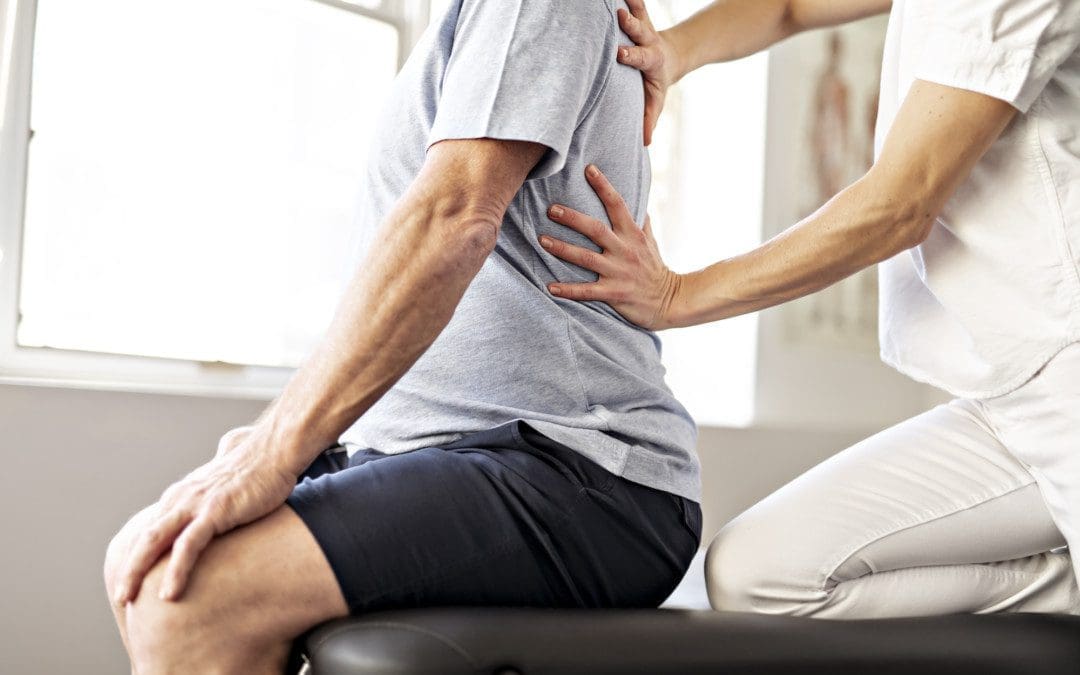
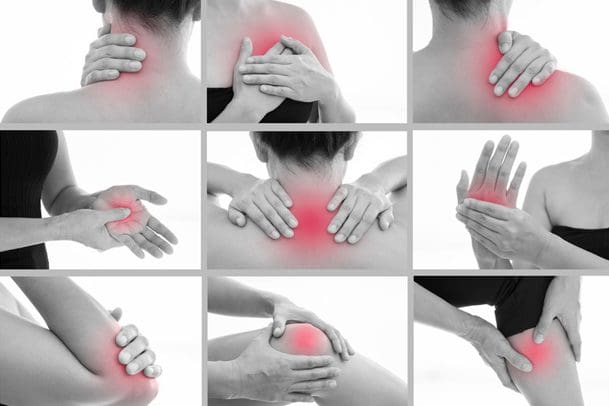
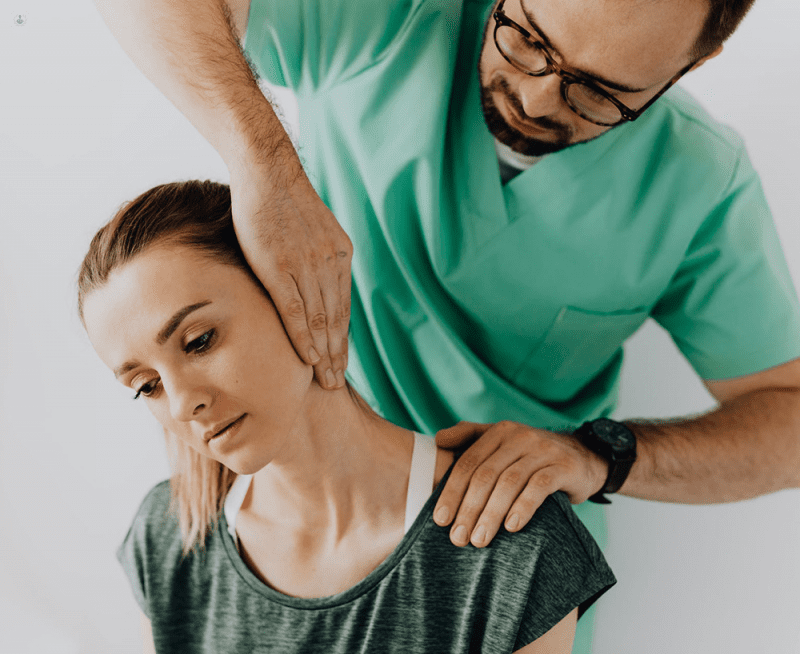
Back pain is a common issue experienced by people all over the world. The human body’s main structure is the back, divided into three sections: cervical, thoracic, and lumbar. These sections help in body movement, including twisting and turning, moving the extremities, and have a relationship with the gut and central nervous system. The surrounding muscles in the back also provide support and protect the spine. However, normal activities like bending down to pick up a heavy object, sitting down for an extended period, or falling can cause changes that lead to back pain, misalignment, and risk profiles in the upper and lower extremities. Today’s article focuses on the causes of back pain and the treatments available to relieve its effects. We utilize and incorporate valuable information about our patients to certified medical providers using non-surgical treatments to reduce the impact of back pain. We encourage and refer patients to associated medical providers based on their findings while supporting that education is a remarkable and fantastic way to ask our providers the essential questions at the patient’s acknowledgment. Dr. Alex Jimenez, D.C., comprises this information as an educational service. Disclaimer
An Overview Of Back Pain
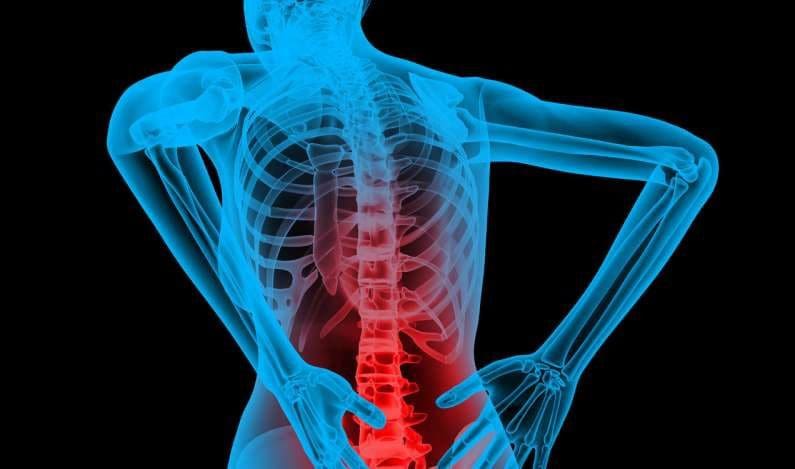
Do you have pain in your upper, middle, or lower back? Do you experience aches and pains in the morning? Did lifting something heavy cause you pain? These symptoms could be signs of back pain, a common and costly reason for emergency room visits. Research studies reveal that back pain can have various causes and affect the entire body, either mechanically or non-specifically. The three sections of the back – cervical, thoracic, and lumbar – can all be impacted, causing referred pain in different parts of the body. For instance, cervical (upper) back pain can cause stiffness in the neck, while thoracic (middle) back pain can lead to shoulder and posture issues. Lumbar (low) back pain, the most common type, can cause hip and sciatic problems. Additional research studies reveal that back pain is a complex issue that can severely affect body function, and environmental factors can also influence it.
Causes Of Back Pain
Various factors can be the cause of back pain, thus resulting in spine misalignment. In their book, “The Ultimate Spinal Decompression,” Dr. Eric Kaplan, D.C., FIAMA, and Dr. Perry Bard, D.C., explain that the back muscles play a significant role in protecting the spine. Environmental factors can also impact the spine, leading to potential back pain. The book further notes that wear and tear and disc protrusion on the spine can result in disc herniation and degeneration, also associated with back pain. Some common causes of back pain include:
Visceral-somatic/Somato-visceral pain (Affected organ or muscle causes referred pain to different body parts)
Pregnancy
Further research indicates that various environmental factors, such as physical activity, lifestyle, stress, and work conditions, are associated with back pain and can overlap as risk factors. If left untreated, these environmental factors can lead to chronic conditions and significantly impact a person’s quality of life.
Chiropractic Secrets Exposed- Video
Have you been feeling numbness or tingling in your arms or legs? Do you experience back muscle pain when you stretch? Or do you feel pain in your low back or other parts of your body? These issues are often associated with back pain and, if left untreated, can lead to disability and loss of function. Fortunately, there are many ways to reduce back pain and its associated symptoms and promote natural healing. The video above explains how non-surgical treatments like chiropractic care can help alleviate back pain through manual manipulation. This treatment can realign the spine, stretch out tight muscles, and restore the body’s range of motion.
Treatments For Back Pain
If you are experiencing back pain, various treatments can help ease your symptoms and improve your mobility. You have two options for treating back pain: surgical and non-surgical. Surgical treatment may be necessary if you are experiencing nerve compression or have sustained an injury that requires spinal fusion. Non-surgical treatments can help relieve pressure on your spine, reduce back pain, and even alleviate pain in other areas of your body. Some non-surgical treatments for back pain include:
Physical therapy
Exercise
Chiropractic care
Acupuncture
Spinal Decompression
According to research, non-surgical treatments can alleviate pressure on spinal discs, loosen tight muscles, improve joint mobility, and promote natural healing. Many people supplement these treatments with healthy lifestyle choices, making small adjustments to their routine and paying closer attention to their physical well-being.
Conclusion
Since back pain is a widespread problem affecting people globally, it can be caused by various environmental factors that impact the cervical, thoracic, and lumbar back sections, leading to overlapping risk profiles and affecting different body parts. Tight and strained muscles and a compressed spine are common symptoms of this issue. However, treatments available can effectively reduce pain, stretch tight muscles, and relieve pressure off the spinal disc. By incorporating these treatments, individuals can alleviate back pain and allow their bodies to heal naturally.
References
Allegri, Massimo, et al. “Mechanisms of Low Back Pain: A Guide for Diagnosis and Therapy.” F1000Research, 28 June 2016, www.ncbi.nlm.nih.gov/pmc/articles/PMC4926733/.
Casiano, Vincent E, et al. “Back Pain.” In: StatPearls [Internet]. Treasure Island (FL), 20 Feb. 2023, www.ncbi.nlm.nih.gov/books/NBK538173/.
Choi, Jioun, et al. “Influences of Spinal Decompression Therapy and General Traction Therapy on the Pain, Disability, and Straight Leg Raising of Patients with Intervertebral Disc Herniation.” Journal of Physical Therapy Science, Feb. 2015, www.ncbi.nlm.nih.gov/pmc/articles/PMC4339166/.
Kaplan, Eric, and Perry Bard. The Ultimate Spinal Decompression. JETLAUNCH, 2023.
See, Qin Yong, et al. “Acute Low Back Pain: Diagnosis and Management.” Singapore Medical Journal, June 2021, www.ncbi.nlm.nih.gov/pmc/articles/PMC8801838/.
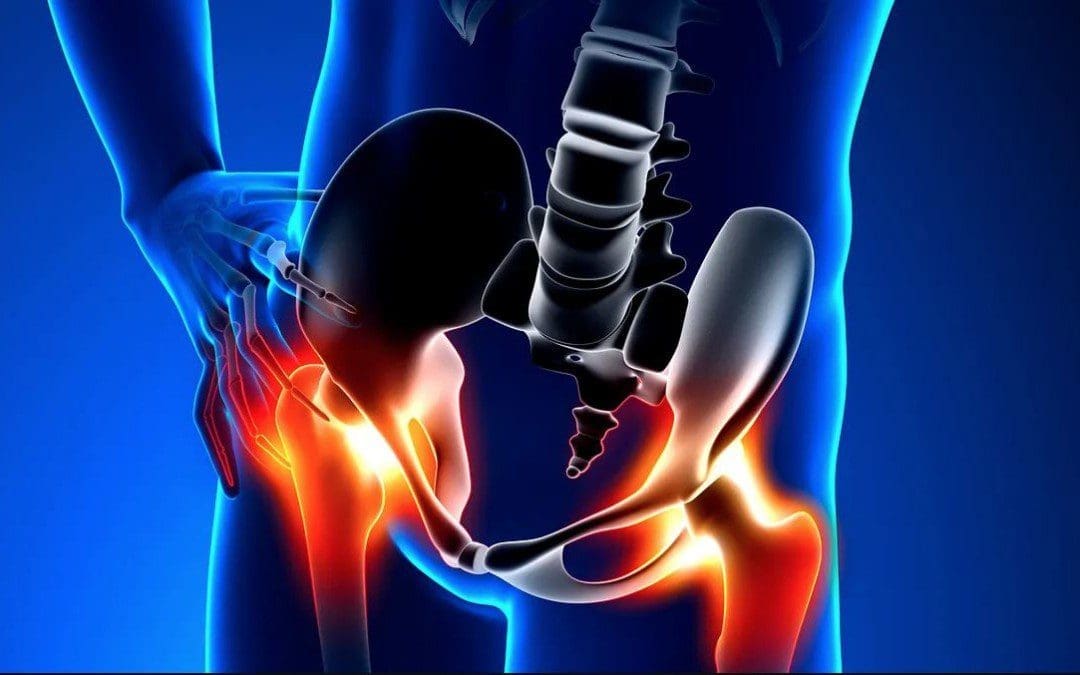
The hips play a crucial role in maintaining stability and mobility in the body. However, incorrect actions can lead to misalignment and pain in the hip muscles, causing discomfort and affecting other muscles and joints. This article focuses on the hip flexor muscles and how assessing them with MET therapy can reduce pain and restore hip mobility. We utilize and incorporate valuable information about our patients to certified medical providers using MET therapy to relieve chronic muscle pain associated with the hip flexor muscles. We encourage and refer patients to associated medical providers based on their findings while supporting that education is a remarkable and fantastic way to ask our providers the essential questions at the patient’s acknowledgment. Dr. Alex Jimenez, D.C., comprises this information as an educational service. Disclaimer
What Are The Hip Flexor Muscles?
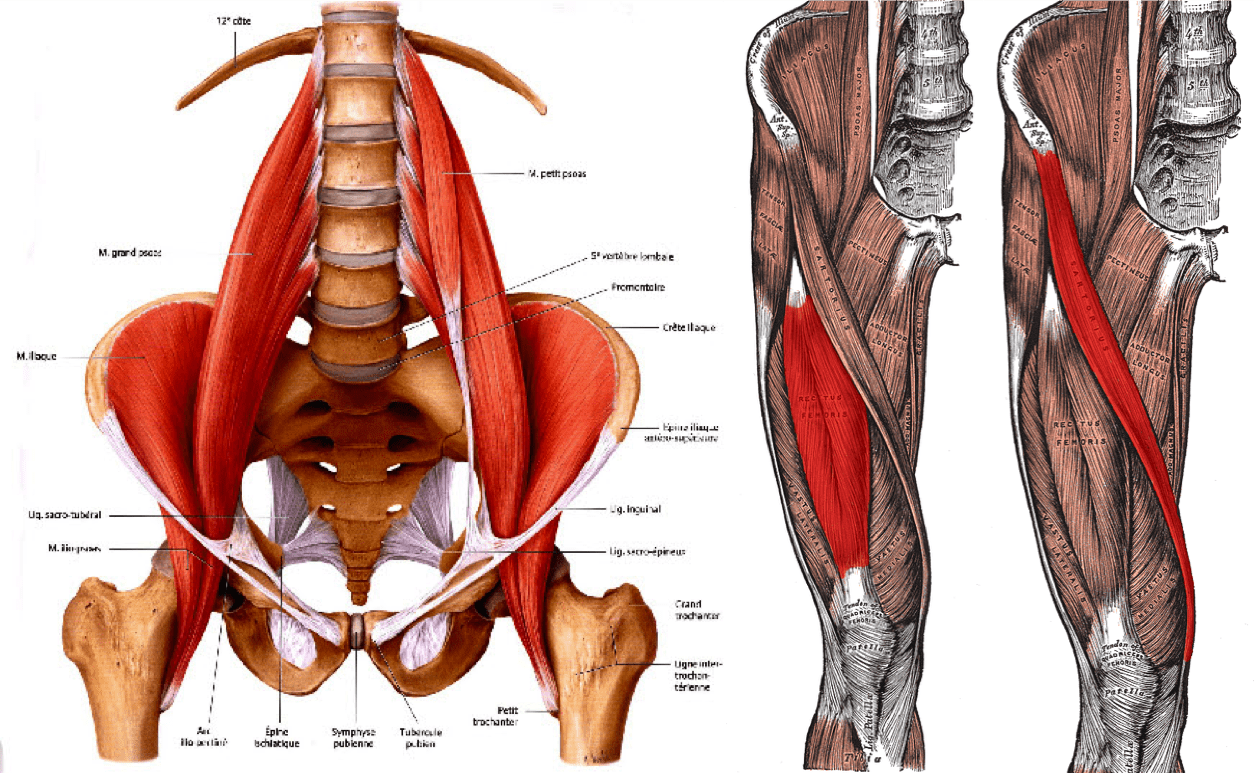
Do you have any pain in your hips? Does shifting your weight from one side to the other help relieve the pain? Do you feel pain shooting down from your hips to your legs? These symptoms may be due to pain in your hip flexor muscles. Research studies reveal that these muscles support other muscle groups like the trunk and legs, allowing for proper muscle activity when lifting your legs straight during functional tests for the hips and pelvis. The hip flexors in your hips consist of six muscles that aid in stability and mobility:
Psoas Major
Iliacus
Rectus Femoris
Sartorius
Adductor Longus
Tensor Fasciae Latae
Additional studies have revealed that the hip flexor muscles are crucial in supporting the lower back and maintaining stability. These six muscles aid in hip movements such as deep flexion, adduction, and external rotation, among other functions. The relationship between the hip flexors and the lumbar spine is particularly strong. However, if these muscles become tight, it can negatively affect performance and lead to other issues.
Hip Pain Associated With The Musculoskeletal System
Hip pain can be caused by tight hip flexor muscles, which can be affected by various factors such as health issues, injuries, or environmental factors. Research studies have shown that lower extremity injuries can reduce performance and cause pain-like symptoms associated with the musculoskeletal system. Tight hip flexors can be caused by prolonged sitting, incorrect lifting, or repetitive actions, leading to stretched or shortened muscles and the development of nodules. This can contribute to musculoskeletal disorders and uneven hips. Various treatments are available to realign the body and strengthen the hip flexor muscles.
Non-Surgical Solution: Chiropractic Care- Video
Do you struggle with instability while walking or find yourself leaning more on one leg than the other? Perhaps you experience constant hip pain. Misalignment in the hips caused by environmental factors can lead to instability and pain-like symptoms associated with tight hip flexor muscles. These issues can cause musculoskeletal disorders that overlap and result in spinal subluxation. Research studies mentioned that it could be difficult to diagnose hip pain because it often presents as referred pain from the lumbar spine or knee joint. This means uneven or tight hips could cause low back or knee pain. Treatments are available to reduce hip pain and gently stretch flexor muscles. The video above demonstrates how chiropractic care can offer non-surgical solutions to realign the body and relieve stress in the surrounding muscles.
Assessing The Hip Flexors With MET Therapy
If you are experiencing stiffness or pain in your hips due to tight hip flexors, you can improve your mobility and prevent future issues in several ways. Studies have revealed that physical therapy involving RICE (rest, ice, compression, and elevation) can help restore muscle strength and range of motion. Soft tissue treatment combined with physical therapy can also be effective in restoring hip mobility. In their book “Clinical Application of Neuromuscular Techniques,” Dr. Judith Walker DeLany, L.M.T., and Dr. Leon Chaitow, N.D., D.O. explain that Muscle Energy Techniques (MET) can gently stretch the hip flexor muscles and restore mobility and range of motion in the hip joint. MET therapy can lengthen tight hip flexor muscles, reduce referred pain, and improve the hip’s function.
Conclusion
When the hips and the muscles around them start to cause pain that spreads to the rest of the body, it can lead to uncomfortable symptoms that cause people to shift their weight to compensate for the pain. This can happen because of environmental factors like sitting for too long or overstretching the muscles, which makes the hip flexors tight and can lead to pain in the hips and lower back. However, physical therapy combined with muscle energy techniques (MET) can help relieve the pain and realign the hips with the body. These treatments let the body naturally heal the affected muscles so that people can be pain-free.
References
Ahuja, Vanita, et al. “Chronic Hip Pain in Adults: Current Knowledge and Future Prospective.” Journal of Anaesthesiology, Clinical Pharmacology, 2020, www.ncbi.nlm.nih.gov/pmc/articles/PMC8022067/.
Chaitow, Leon, and Judith Walker DeLany. Clinical Applications of Neuromuscular Techniques. Churchill Livingstone, 2003.
Konrad, Andreas, et al. “The Influence of Stretching the Hip Flexor Muscles on Performance Parameters. A Systematic Review with Meta-Analysis.” International Journal of Environmental Research and Public Health, 17 Feb. 2021, www.ncbi.nlm.nih.gov/pmc/articles/PMC7922112/.
Mills, Matthew, et al. “Effect of Restricted Hip Flexor Muscle Length on Hip Extensor Muscle Activity and Lower Extremity Biomechanics in College-Aged Female Soccer Players.” International Journal of Sports Physical Therapy, Dec. 2015, www.ncbi.nlm.nih.gov/pmc/articles/PMC4675195/.
Tyler, Timothy F, et al. “Rehabilitation of Soft Tissue Injuries of the Hip and Pelvis.” International Journal of Sports Physical Therapy, Nov. 2014, www.ncbi.nlm.nih.gov/pmc/articles/PMC4223288/.
Yamane, Masahiro, et al. “Understanding the Muscle Activity Pattern of the Hip Flexors during Straight Leg Raising in Healthy Subjects.” Progress in Rehabilitation Medicine, 16 Feb. 2019, www.ncbi.nlm.nih.gov/pmc/articles/PMC7365227.
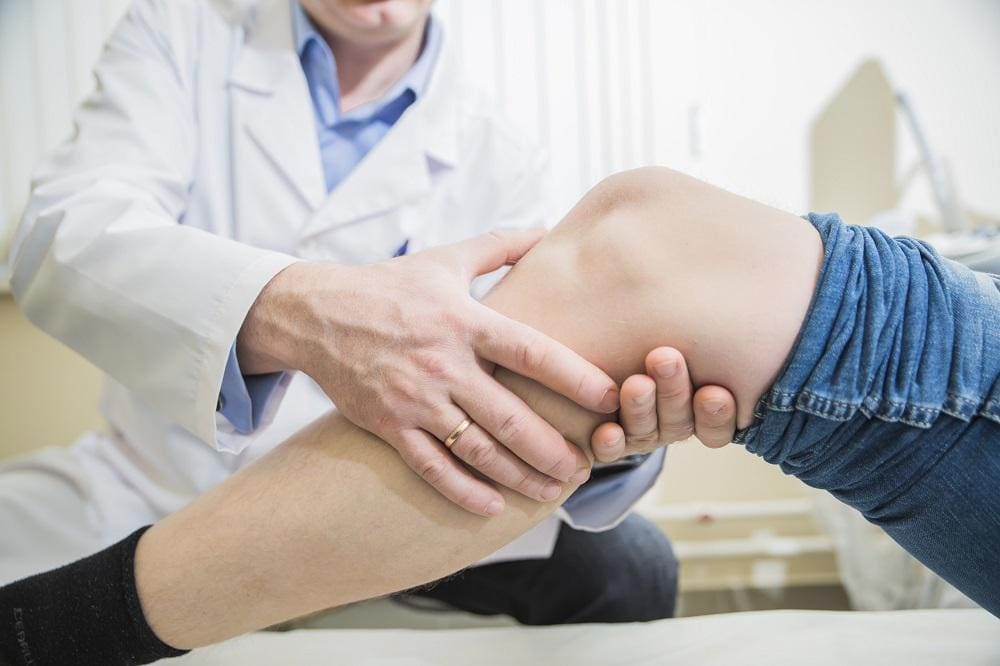
The thigh muscles provide mobility and stability to the hips and upper body. They allow for leg extension and flexion while also stabilizing the pelvis. The adductors and hamstrings are two muscle groups that work together to enable running, jumping, squatting, and sprinting. However, overuse of these muscles can lead to musculoskeletal pain, which can cause discomfort and misalignment in the body. This article will focus on the hamstring and adductor muscles, the impact of muscle pain and strain on these muscles, and how MET therapy can help. We utilize and incorporate valuable information about our patients to certified medical providers using MET therapy to relieve chronic muscle pain associated with the hamstrings and the adductor muscles. We encourage and refer patients to associated medical providers based on their findings while supporting that education is a remarkable and fantastic way to ask our providers the essential questions at the patient’s acknowledgment. Dr. Alex Jimenez, D.C., comprises this information as an educational service. Disclaimer
Hamstrings & Adductor Muscles
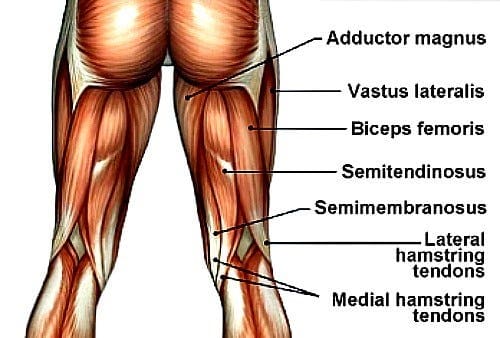
Do you feel pain in your upper thigh? Does walking or running cause you problems? Are you experiencing pain in your knees when you stretch your legs? These issues may be related to the hamstrings and adductor muscles in your thighs. These muscles provide stability and mobility to your thighs and lower extremities. Studies reveal that the hamstring muscles are a group of three individual muscles that play a crucial role in daily activities. Their main functions include:
Hip extension and knee flexion.
Allowing you to perform a variety of movements, such as standing and sprinting.
Jumping.
The hamstrings and adductors play important roles in a person’s gait cycle and in controlling pelvic posture. The hamstrings help extend the hip and flex the knee, while the adductor muscles stabilize the hips and pelvis. Research studies show that the adductor muscles come from the pelvis and stop at the femur in the legs. They are crucial for stabilizing the pelvis and maintaining balance in the lower limbs during walking. However, these muscles are prone to injuries despite their significant roles in lower extremity function.
Muscle Pain & Strain On The Hamstring-Adductors
Injuries to the hamstrings and adductor muscles can result from several factors. Overstretching the adductor muscles may lead to high hamstring pain, while athletes may experience limping if they pop their hamstrings. Studies reveal that eccentric actions on these muscles can cause extreme joint positions, making the muscle fibers vulnerable to strain-related injuries. Repetitive movements can develop small nodules known as trigger points that cause radiating pain to the hamstrings and adductor muscles. Additional studies reveal that a lack of mechanical advantage can make these muscles susceptible to strain. Fortunately, various treatments are available to alleviate muscle pain and strain in the hamstrings and adductors.
Why Choose Chiropractic?- Video
Do you have muscle pain in your hamstrings or adductor muscles? Does it cause you to limp or feel tightness in your hamstrings? These issues are related to muscle pain affecting these muscles, which work together to provide stability and mobility to the lower extremities. Environmental factors or repetitive actions can lead to overlapping risk factors, causing misalignment and dysfunction in the body. This can lead to muscle disability and difficulty walking. Fortunately, chiropractic care and soft tissue treatments like MET therapy can help reduce pain and re-mobilize the joint back to functionality. The video above explains how chiropractic care uses manual manipulation to reduce spine subluxation while stretching and strengthening the muscles surrounding the joints.
MET Therapy Assessing The Hamstrings & Adductors
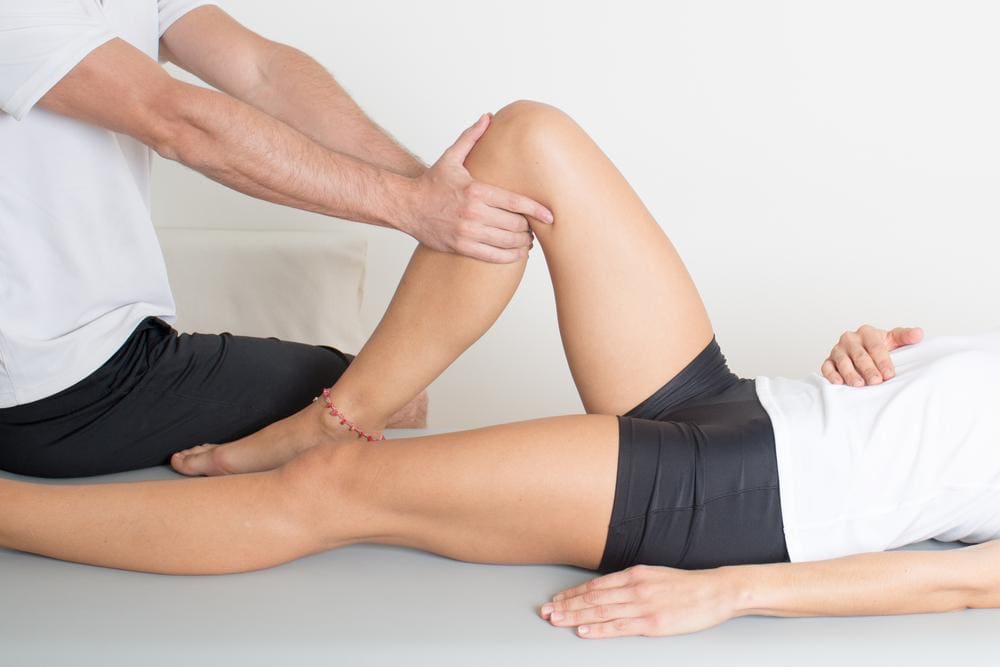
If you’re experiencing muscle pain and strain in your hamstrings and adductor muscles, treatments available can help. According to a book by Leon Chaitow and Judith Walker DeLany, called “Clinical Application of Neuromuscular Techniques,” pain specialists use muscle energy techniques (MET) can be used to stretch the affected muscles and reduce pain in that area. Using MET, pain specialists can also help restore mobility and flexibility to your thigh and lower body extremities. This treatment can be very helpful in relieving pain and restoring stability to your body.
Conclusion
The hamstrings and adductor muscles work together to provide stability and mobility to the thighs and lower extremities. While they have similar and different functions, both are crucial for standing, running, and walking. However, injuries can occur when these muscles are overstretched or damaged due to repetitive actions, resulting in misalignment in the body. Fortunately, soft tissue treatments such as MET therapy or chiropractic care can help realign the body, stretch out the muscle tissues, and restore mobility and stability to these muscles. This can help individuals walk without experiencing any pain.
References
Afonso, José, et al. “The Hamstrings: Anatomic and Physiologic Variations and Their Potential Relationships with Injury Risk.” Frontiers in Physiology, 7 July 2021, www.ncbi.nlm.nih.gov/pmc/articles/PMC8294189/.
Chaitow, Leon, and Judith Walker DeLany. Clinical Applications of Neuromuscular Techniques. Churchill Livingstone, 2003.
Jeno, Susan H, and Gary S Schindler. “Anatomy, Bony Pelvis and Lower Limb: Thigh Adductor Magnus Muscle.” In: StatPearls [Internet]. Treasure Island (FL), 1 Aug. 2022, www.ncbi.nlm.nih.gov/books/NBK534842/.
Rodgers, Cooper D, and Avais Raja. “Anatomy, Bony Pelvis and Lower Limb, Hamstring Muscle.” In: StatPearls [Internet]. Treasure Island (FL), 29 Jan. 2022, www.ncbi.nlm.nih.gov/books/NBK546688/.
Tyler, Timothy F, et al. “Groin Injuries in Sports Medicine.” Sports Health, May 2010, www.ncbi.nlm.nih.gov/pmc/articles/PMC3445110/.
The immune system is crucial in protecting the body from foreign pathogens that cause inflammation in the affected area. Cytokines produce inflammation in the body to fight off infections or bacteria. However, inflammation can be beneficial or harmful, depending on the severity of the affected area. Acute inflammation is a natural healing process that causes redness, swelling, and heat in the affected area, and it usually resolves within a few days. In contrast, chronic inflammation causes pain and damages healthy tissues, mistaking them for foreign invaders. Environmental factors can trigger chronic inflammation, leading to muscle and joint pain and other chronic conditions. Fortunately, an anti-inflammatory diet combined with soft tissue therapy can help reduce the effects of chronic inflammation. Our article today discusses how these diets work and how they can be combined with MET therapy to restore the body. We utilize and incorporate valuable information about our patients to certified medical providers using MET therapy to relieve chronic inflammation associated with the musculoskeletal system through dieting. We encourage and refer patients to associated medical providers based on their findings while supporting that education is a remarkable and fantastic way to ask our providers the essential questions at the patient’s acknowledgment. Dr. Alex Jimenez, D.C., comprises this information as an educational service. Disclaimer
What Are Anti-Inflammatory Diets?
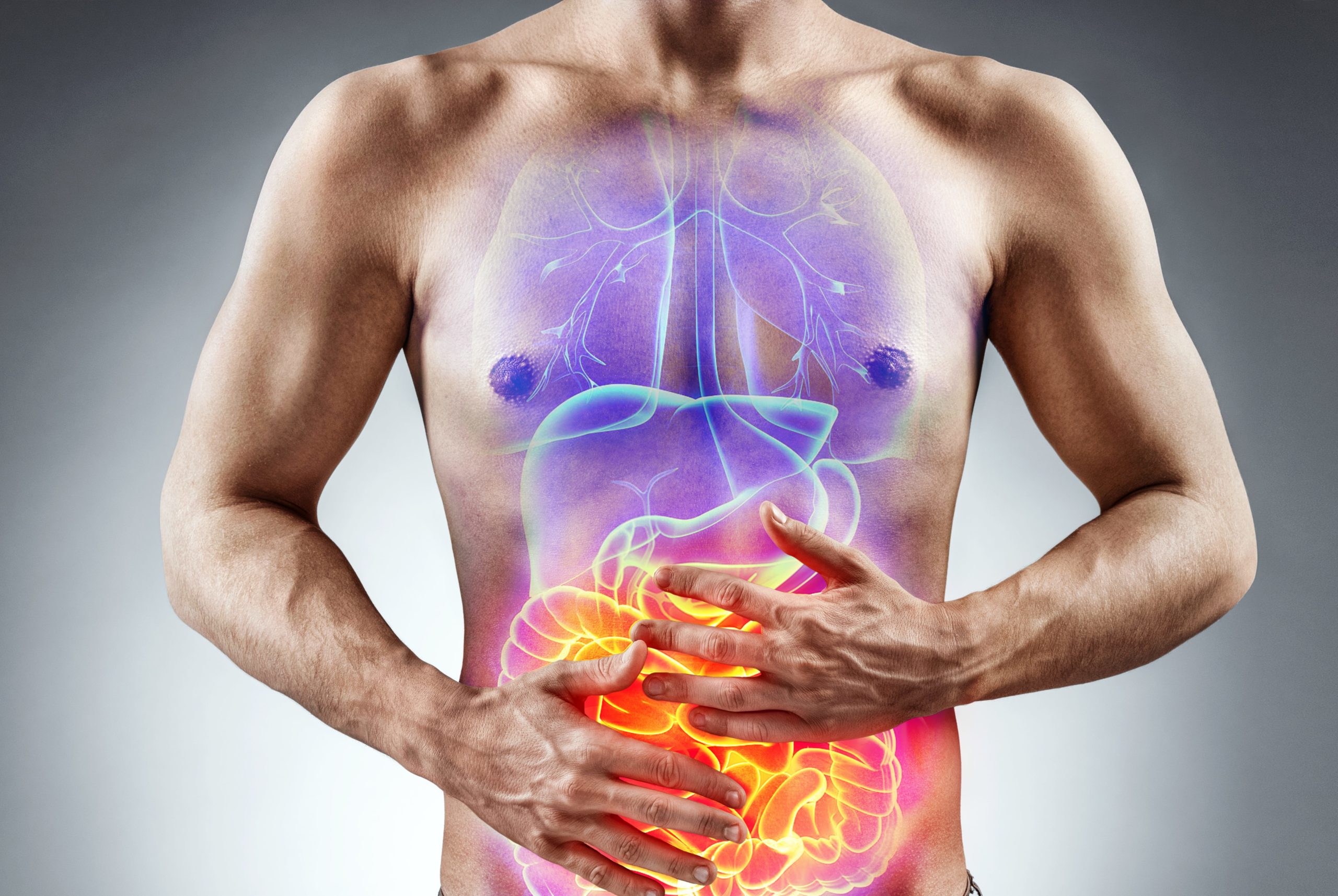
Are you experiencing inflammation in your muscles, joints, or vital organs? Do you feel musculoskeletal pain or have uncertain symptoms after eating certain foods? Chronic stress, obesity, autoimmune disorders, and abdominal pain can cause chronic inflammation. These conditions may be caused by environmental factors leading to chronic inflammation. Research shows that certain dietary components can contribute to inflammation, which can be beneficial and harmful. While additional research studies reveal that incorporating lean meats, omega-3s, antioxidants, fruits, and vegetables can help minimize inflammasome activation and its negative effects on the muscles, joints, and vital organs to reduce chronic inflammation.
How Anti-Inflammatory Diets Help The Body?
Did you know that adopting an anti-inflammatory diet can help reduce the effects of chronic inflammation in the body? Research studies reveal that lowering the intake of pro-inflammatory foods and increasing the consumption of unsaturated fats, fruits, and vegetables can effectively combat inflammation. While inflammation is a natural defense mechanism, excessive production of inflammatory cytokines can lead to chronic conditions. However, combining an anti-inflammatory diet with exercise or physical therapy can help reduce these cytokines and identify the underlying causes of inflammation. By consuming specific foods and vitamins, an individual can effectively reduce the progression of inflammation and prevent further damage to the body.
Understanding Inflammation- Video
Are you experiencing muscle or joint pain, tenderness, or redness in certain body areas? Do you notice that certain foods cause issues with your organs? These symptoms may be caused by inflammation affecting your body. Inflammation is a natural immune system response that releases cytokines to affected areas. When cytokines are released onto healthy tissue can lead to aggravating issues such as autoimmune disorders and chronic pain. However, there is hope. You can understand the root cause of inflammation and reduce its effects on your body. The video above provides an excellent overview of how environmental factors can cause inflammatory impacts on the body and how whole-nutritional foods and vitamins with antioxidants can help reduce pain associated with inflammation.
Anti-Inflammatory Diets & MET Therapy
According to “Clinical Application of Neuromuscular Techniques” by Judith Walker DeLany, L.M.T. and Leon Chaitow, N.D., D.O., inflammation can be a normal part of healing. Still, if left untreated, it can cause soft tissue injuries. Muscle energy techniques (MET) can help reduce inflammation by stretching soft tissues, improving joint mobility, and draining the lymphatic system. Combining MET with an anti-inflammatory diet can help reduce inflammation and heal the body naturally. Here are some diets to consider merging with MET.
The Exclusion Diet
The exclusion diet is a way to identify which foods are causing negative symptoms in the body. By listing foods that cause allergic or inflammatory reactions, the doctor can create a personalized dietary plan for the patient, excluding these problem foods. After at least 3-4 weeks of avoiding these foods, reintroduce them to see if symptoms return. If they do, remove the food from the diet. This anti-inflammatory diet can help reduce muscle and joint pain associated with inflammation and is effective for many people with food sensitivities/allergies.
The Oligoantigenic Diet
The oligoantigenic diet is an anti-inflammatory diet involving whole foods rich in vitamins and minerals to reduce inflammation in individuals with severe food allergies. This diet allows the person to identify which foods are causing inflammation by removing them from their diet for a few weeks and then reintroducing them one at a time. If the symptoms return, the food can be eliminated from the diet.
Conclusion
Inflammation is a double-edged sword as it can have beneficial and harmful effects on the body depending on environmental factors and can result in musculoskeletal pain. Nevertheless, one can aid the body’s natural recovery process by consuming whole foods rich in anti-inflammatory properties and undergoing therapies that can alleviate the effects of inflammation in the musculoskeletal system. By adopting these approaches, individuals can eliminate foods and other environmental factors that may trigger chronic inflammation, enhancing their quality of life.
References
Chaitow, Leon, and Judith Walker DeLany. Clinical Applications of Neuromuscular Techniques. Churchill Livingstone, 2003.
Dragan, Simona, et al. “Dietary Patterns and Interventions to Alleviate Chronic Pain.” Nutrients, 19 Aug. 2020, www.ncbi.nlm.nih.gov/pmc/articles/PMC7551034/.
Kiecolt-Glaser, Janice K. “Stress, Food, and Inflammation: Psychoneuroimmunology and Nutrition at The Cutting Edge.” Psychosomatic Medicine, May 2010, www.ncbi.nlm.nih.gov/pmc/articles/PMC2868080/.
Sears, Barry, and Asish K Saha. “Dietary Control of Inflammation and Resolution.” Frontiers in Nutrition, 10 Aug. 2021, www.ncbi.nlm.nih.gov/pmc/articles/PMC8382877/.
The right kind of bread can be an extremely healthful food. Eating more whole grains is associated with lower weight and reduced health problems, heart disease, and cancer risk. Keeping bread in a healthy diet begins with choosing varieties with the best nutrition. Certain types are naturally high in fiber, vitamins, and minerals. Others are made from refined grains with added vitamins and minerals. Nutritional experts evaluate healthy breads based on researched health benefits and fiber, protein, micronutrient content, and total calories.
Healthy Breads
100% Whole Wheat
100% whole wheat bread contains abundant fiber and nutrients and is one of the most nutritious varieties.
A slice of bread made with all whole wheat flour provides 80 calories, 5 grams of protein, 0 grams of fat, 20 grams of carbohydrates, and 3 grams of fiber.
One hundred percent whole wheat bread also contains essential minerals like calcium, selenium, manganese, phosphorus, and thiamin.
Increasing whole grains has been shown to reduce the risk of multiple chronic diseases, including type 2 diabetes, cancer, and heart disease.
Studies have demonstrated the positive effects of whole grains on weight control.
Many breads advertise themselves as whole wheat and might not contain 100% whole, unrefined grains.
Read labels to determine if store-bought bread was made with only whole wheat flour.
A 100% whole wheat bread will either be labeled as such or have whole wheat flour as its first ingredient and does not list other flours like wheat flour or enriched bleached flour.
Multigrain
Whole grains like oats, buckwheat, barley, amaranth, and millet can be included in multigrain breads for increased fiber, protein, and micronutrients.
Adding a variety of whole grains like these can help reduce the risk of certain chronic diseases.
Navigating to healthy multigrain bread can be misleading.
Breads labeled as multigrain can be difficult to tell whether the grains used to make the bread were whole or refined.
It’s recommended to look for a multigrain bread label that has 100% whole grain.
Oat
Oats are whole grains that can supplement whole wheat in healthy store-bought and homemade breads.
Oats contain a special fiber called beta-glucan, with benefits that include lowering bad cholesterol, regulating blood sugar, and lowering blood pressure.
Oats are high in soluble fiber, which helps reduce constipation.
Read the labels and look for brands that list oats and whole wheat flour as the first ingredients with minimal added sugars.
Flax Seed
Flaxseeds are not grains, but they aren’t packed with nutrients.
Adding flaxseed might help protect against certain cancers and improve heart health.
Because the seeds are naturally gluten-free, flax seed bread can be an option for individuals with celiac disease or gluten sensitivity.
Some commercially prepared breads combine flax with wheat, but individuals may have to make their own for a loaf made entirely with flaxseed.
Sourdough
Sourdough bread is made through fermentation, which adds healthy probiotics to the finished product.
A diet rich in probiotics from fermented foods has been linked with positive health outcomes.
Benefits include the bread’s natural probiotics, improved digestion, immune system function, extra fiber, protein, and minerals.
For the healthiest, choose a variety made with whole wheat flour.
Benefits of a Healthy Diet and Chiropractic
References
Aune, Dagfinn, et al. “Whole grain consumption and risk of cardiovascular disease, cancer, and all-cause and cause-specific mortality: a systematic review and dose-response meta-analysis of prospective studies.” BMJ (Clinical research ed.) vol. 353 i2716. 14 Jun. 2016, doi:10.1136/bmj.i2716
El Khoury, D et al. “Beta glucan: health benefits in obesity and metabolic syndrome.” Journal of Nutrition and Metabolism vol. 2012 (2012): 851362. doi:10.1155/2012/851362
Freitas, Daniela, et al. “Lemon juice, but not tea, reduces the glycemic response to bread in healthy volunteers: a randomized crossover trial.” European Journal of Nutrition vol. 60,1 (2021): 113-122. doi:10.1007/s00394-020-02228-x
“Healthy Bread.” Hall’s Journal of Health vol. 3,7 (1856): 144-146.
Kikuchi, Yosuke, et al. “Effects of Whole Grain Wheat Bread on Visceral Fat Obesity in Japanese Subjects: A Randomized Double-Blind Study.” Plant foods for human nutrition (Dordrecht, Netherlands) vol. 73,3 (2018): 161-165. doi:10.1007/s11130-018-0666-1
Menezes, Leidiane A A, et al. “Effects of Sourdough on FODMAPs in Bread and Potential Outcomes on Irritable Bowel Syndrome Patients and Healthy Subjects.” Frontiers in microbiology vol. 9 1972. 21 Aug. 2018, doi:10.3389/fmicb.2018.01972
Parikh, Mihir, et al. “Flaxseed: its bioactive components and their cardiovascular benefits.” American Journal of Physiology. Heart and circulatory physiology vol. 314,2 (2018): H146-H159. doi:10.1152/ajpheart.00400.2017
P, Nirmala Prasadi V, and Iris J Joye. “Dietary Fibre from Whole Grains and Their Benefits on Metabolic Health.” Nutrients vol. 12,10 3045. 5 Oct. 2020, doi:10.3390/nu12103045
Tosh, Susan M, and Nicolas Bordenave. “Emerging science on benefits of whole grain oat and barley and their soluble dietary fibers for heart health, glycemic response, and gut microbiota.” Nutrition Reviews vol. 78, Suppl 1 (2020): 13-20. doi:10.1093/nutrit/nuz085
Everyone, at some point, has some form of physical activity that helps them release the stresses of everyday factors. Whether for athletic training or to keep a healthy lifestyle, exercising for at least 30 minutes to an hour can help promote muscle growth and toning, reducing stress and high blood pressure. However, many individuals would often not be able to find time to exercise, which can lead to many problems in their bodies. When many individuals are physically inactive, it can lead to musculoskeletal pain, weak muscles, and other chronic conditions. To that point, it can make the person miserable and cause disability. Luckily numerous therapies can help reduce the effects of pain-like symptoms associated with physical inactivity and can help restore the body. Today’s article focuses on how MET (muscle energy techniques) therapy uses a chair and abdominal exercises to help promote spinal flexibility, reduce abdominal weakness, and strengthen low back and pelvic muscles. We utilize and incorporate valuable information about our patients to certified medical providers using the chair and abdominal exercises in MET therapy. We encourage and refer patients to associated medical providers based on their findings while supporting that education is a remarkable and fantastic way to ask our providers the essential questions at the patient’s acknowledgment. Dr. Alex Jimenez, D.C., comprises this information as an educational service. Disclaimer
Chair Exercises In MET Therapy
Are you experiencing muscle pain in specific areas of your body? Do your legs feel tired after a long day at work or when you bend down to pick something up? These musculoskeletal pain symptoms are often caused by physical inactivity, which can cause muscles to become weak and short. This can lead to various health issues related to musculoskeletal pain if not addressed. However, you can help reduce these effects by incorporating everyday objects like a chair into your exercise routine. Research studies have revealed that chair-based exercises can provide cognitive and psychological benefits while reducing the risk of injury. Additionally, using a chair for exercise can improve spinal flexibility.
Chair-Based Exercises For Spinal Flexibility
When doing chair-based exercises to enhance spinal flexibility in MET therapy, it’s crucial to ensure that each repetition is pain-free and comfortable. Stick to the recommended sets given by your trainer or physical therapist.
Sit in a chair so the feet are planted on the floor, and the palms are resting at the knees.
Lean forward so the chair’s arms support the upper body weight; this allows the elbows to bend outward and the head to hang backward.
Hold the position for three deep breaths to allow the lower back to stretch.
On exhalation, ease yourself forward until you feel a slight increase in the stretch, not feeling pain, and repeat the three deep breath cycles.
Repeat the sequence until you can not go further than you can without discomfort or pain.
Return to the chair and rest for a few minutes to allow the lower back muscles to relax.
Unlocking Athletic Potential with Chiropractic Care-Video
Are you experiencing musculoskeletal problems that are affecting your athletic performance? Do you feel muscle weakness in your abdominals, low back, or pelvis? Or is the right exercise not working out for you? These issues are often associated with physical inactivity and can cause pain. Physical inactivity can be caused by various factors, which can impact your daily life and prevent you from exercising. Fortunately, there are many ways to incorporate physical activity into your healthy lifestyle. Chiropractic care and MET therapy are two treatments that can be combined with physical activity to reduce muscle and joint pain. Research studies have revealed that MET, or muscle energy techniques, are a type of soft tissue treatment that pain specialists use to stretch tight muscles and fascia, mobilize joints, reduce pain, and improve circulation in the lymphatic system. This treatment can help relieve pain and naturally restore the body when combined with exercise. Watch the video above to learn more information about how combining treatments and physical activity can help you kickstart your wellness journey to better health.
Abdominal Exercises In MET Therapy
Many people may not be physically active due to weak abdominal muscles, which can cause low back pain in the musculoskeletal system. In the book “Clinical Applications of Neuromuscular Techniques” by Judith Walker DeLany, L.M.T. and Leon Chaitow, N.D., D.O., suggests that combining exercise with MET therapy can help strengthen weak abdominal muscles and even alleviate low back pain. As research studies reveal, this combination can eliminate factors that weaken the abdominal muscles and activate deep and superficial muscles to improve core stability. Below are some abdominal exercises commonly used in MET therapy.
Exercises For Abdominal Weakness
Lie on a yoga mat or carpeted floor with a pillow under your head.
Bend one knee at the hip and hold it with both hands.
Inhale and exhale deeply, and pull the knee to the side of the shoulder as far as you can comfortably.
Repeat twice and rest the leg on the floor.
Repeat the sequence on the other leg.
This exercise sequence helps stretch the numerous abdominals and low back muscles associated with abdominal weakness. Additionally, this exercise sequence helps restore muscle tone in the abdominals and reduce muscle tightness in the back.
Exercises For Low Back & Pelvic Muscles
Lie on your back and keep your legs straight.
By keeping the low back flat throughout the exercise, inhale and exhale as you draw your right hip toward the shoulders.
Allow the left heel to press on the surface and away from you; try to make the left leg longer while keeping the low back flat.
Hold this position briefly before inhaling and relaxing, then switch to the other leg.
Repeat the sequence for five times on each side.
This exercise sequence helps stretch and tone the muscles along the pelvis and lower back. This exercise is effective for many individuals with low back pain associated with physical inactivity.
Conclusion
To prevent musculoskeletal issues from affecting our bodies, it’s important to exercise for at least 30 minutes to an hour daily. Combining physical activities with MET therapy can help stretch and strengthen weakened muscles while promoting natural healing to prevent future problems. Using a chair or doing abdominal exercises can stabilize core muscles and aid natural recovery. Focusing on our health and wellness can lead to a better lifestyle.
References
Calatayud, Joaquín, et al. “Tolerability and Muscle Activity of Core Muscle Exercises in Chronic Low-Back Pain.” International Journal of Environmental Research and Public Health, 20 Sept. 2019, www.ncbi.nlm.nih.gov/pmc/articles/PMC6801665/.
Chaitow, Leon, and Judith Walker DeLany. Clinical Applications of Neuromuscular Techniques. Churchill Livingstone, 2003.
Furtado, Guilherme Eustáquio, et al. “Combined Chair-Based Exercises Improve Functional Fitness, Mental Well-Being, Salivary Steroid Balance, and Anti-Microbial Activity in Pre-Frail Older Women.” Frontiers in Psychology, 25 Mar. 2021, www.ncbi.nlm.nih.gov/pmc/articles/PMC8026892/.
Thomas, Ewan, et al. “The Efficacy of Muscle Energy Techniques in Symptomatic and Asymptomatic Subjects: A Systematic Review.” Chiropractic & Manual Therapies, 27 Aug. 2019, www.ncbi.nlm.nih.gov/pmc/articles/PMC6710873/.
When it comes to our muscles, many of us often don’t stretch each muscle group at least two to three times per week. From waking up in the morning, we stretch our arms, legs, and back to relieve any stiffness or soreness from the previous day. However, many individuals deal with musculoskeletal issues that can affect not only the back and the neck but also the upper and lower extremities of the body, causing pain-like symptoms that can worsen throughout the entire day if not treated right away. When this happens, musculoskeletal pain can lead to overlapping risk problems that can cause the body to be misaligned and dysfunctional. Hence why numerous therapies help reduce the effects of musculoskeletal pain and help restore the body naturally. Today’s article looks at how musculoskeletal pain affects the body and how treatments like MET can be used as self-help methods to reduce musculoskeletal pain. We utilize valuable information about our patients to certified medical providers using MET therapy to relieve musculoskeletal pain by incorporating various exercises and stretches. We encourage and refer patients to associated medical providers based on their diagnosis while supporting that education is a remarkable and fantastic way to ask our providers the essential questions at the patient’s acknowledgment. Dr. Alex Jimenez, D.C., comprises this information as an educational service. Disclaimer
Musculoskeletal Pain Affecting The Body
Are you experiencing muscle stiffness or weakness in your back, neck, or shoulders? Do you feel pain when stretching or hunched over due to discomfort? Musculoskeletal pain is a common issue that can interfere with daily activities. Research studies show that this type of pain can cause symptoms that overlap with neuropathic or visceral pain. This means that problems with one muscle or organ in the body can lead to pain in other areas, causing significant discomfort.
Further research has shown that musculoskeletal pain can originate in the muscle tissues and persist for over three months, affecting many individuals’ social and emotional skills, work productivity, and independence. Several environmental factors like obesity, stress, poor sleep, inadequate nutrition, and lack of physical activity can overwork the muscles and joints, leading to trigger points and muscle strain in the musculoskeletal system, resulting in bodily misalignment.
Improving Athletic Performance Through Chiropractic- Video
Are you experiencing pain in specific areas of your body? Does the pain worsen when you are active or when you stretch? These pains are often associated with musculoskeletal issues, which can greatly affect your daily life. Research studies have revealed that musculoskeletal pain can significantly reduce a person’s productivity and job performance. Fortunately, several treatments are available to alleviate musculoskeletal pain and its symptoms. Many people seek chiropractic care or MET therapy to help realign their spine, stretch their muscles, and improve joint mobility. The video above demonstrates how chiropractic care uses manual manipulation to relieve musculoskeletal pain by stretching the muscles and realigning the spine.
MET Self-Help Methods For Musculoskeletal Pain
According to a book called “Clinical Applications of Neuromuscular Techniques” by Dr. Leon Chaitow, N.D., D.O., and Dr. Judith Walker DeLany, L.M.T., musculoskeletal pain can cause the soft tissues in the body to shorten and lead to disability. To alleviate the effects of musculoskeletal pain, people often seek the help of pain specialists such as chiropractors or massage therapists. These specialists often use muscle energy techniques (MET) to stretch the soft tissues and muscles and provide relief. Below are some exercises and techniques that are commonly used in MET therapy.
MET Neck Relaxation Techniques
The neck comprises soft tissues and is part of the musculoskeletal system. Two relaxation techniques can stretch out the shortened muscles to relieve soreness and stiffness in the scalene muscles. These techniques can help release tightness and improve the neck’s range of motion.
Phase 1:
Sit close to the table with the elbows and hands resting on the table surface on each side of the face.
Turn your head to the right or left as far as you can comfortably in one direction while letting your hands move with your face until you reach a pain-free rotation limit.
Afterward, use your left hand as resistance when turning your head to the left while using 25% or less of your strength to build up a force to match the resistance and start turning your head slowly.
Hold this push for 7-1o seconds and slowly stop turning your head to the left or right.
Return to a neutral position and turn to the right or left again to see how far you can stretch without pain.
You should notice the neck stretch is farther than it was previously.
This is known as post-isometric relaxation in MET therapy, as it allows the tight muscles to relax and stretch farther without pain than before.
Phase 2:
While lying on the table, the hands and elbows should be on the sides of the face.
Turn your head to the right to stretch as far as you can comfortably in one direction.
Use your right hand as resistance to attempt to turn without pain by using only 25% or less of your strength.
Slowly turn your head and maintain the turn and resistance for 7-10 seconds.
Slowly stop the resistance effort to see how far your neck can turn without pain. If you are experiencing pain, you use too much strength and reduce the contraction level where no pain is experienced.
This is known as reciprocal inhibition in MET therapy, as it achieves a different release for tight neck muscles.
Flexion Exercises Using MET
Flexion exercises in MET therapy help stretch the postural muscles and legs, feeling stiff. This allows spine flexibility while stretching out and reducing mechanical stresses in the surrounding muscles.
While sitting on the floor, your legs should be straight out, and your toes pointed towards the ceiling.
Bend comfortably as far as you can and grasp one leg with each hand.
Hold the position for 30 seconds and do four deep breathing cycles while allowing your head to hang down and relax into the stretch. *You will feel the stretch on your lower back and the back of your legs.
As you release during the fourth breathing cycle, ease yourself further down the legs and hold for another 30 seconds.
After 30 seconds, slowly return to an upright position by lightly pushing upwards from the hands.
Alternatively, you can bend one leg and do the same sequence on each leg to stretch out any leg muscles that are cramping or stiff. This flexion exercise help reduces pain and prevents trigger points from re-forming in the muscle fibers.
Extension Exercises Using MET
The extension exercises in MET therapy help the muscles and joints in the body group to increase movement without pain. This allows the body to be mobile and reduces the effects of musculoskeletal pain.
Lie on your stomach on a carpeted floor with a pillow to support your head and neck while your legs are together.
Bend your knees as comfortably as possible, and bring your heels towards your backside.
Now slowly grasp your legs and gently bend backward as far as possible without pain. Your back should be slightly arched.
Lift your head and shoulders gently to increase the arch in your back slowly and without pain.
Hold the position for four slow deep breaths, and hold your breath for 15 seconds on the last breathing cycle.
As you release, bring your body down slowly, from the legs to the stomach and finally, the shoulders and neck to rest.
This extension exercise, known as the boat position, helps lengthen and stretch the back and leg muscles while reducing pain and restoring mobility in the spine.
Conclusion
It is crucial to be aware of musculoskeletal pain in your body, whether in the morning or during work. This type of pain can lead to discomfort in other areas and even impair your ability to function. Fortunately, MET therapy can alleviate musculoskeletal pain by stretching the muscles and tissues and providing immediate relief. By utilizing stretching and physical therapy, you can help your body heal naturally and be more mindful of what triggers pain. Stretching can also prevent future injuries and promote a pain-free lifestyle.
References
Buck, Rhiannon, et al. “Working with Musculoskeletal Pain.” Reviews in Pain, June 2009, www.ncbi.nlm.nih.gov/pmc/articles/PMC4590039/.
Chaitow, Leon, and Judith Walker DeLany. Clinical Applications of Neuromuscular Techniques. Churchill Livingstone, 2003.
El-Tallawy, Salah N, et al. “Management of Musculoskeletal Pain: An Update with Emphasis on Chronic Musculoskeletal Pain.” Pain and Therapy, June 2021, www.ncbi.nlm.nih.gov/pmc/articles/PMC8119532/.
Puntillo, Filomena, et al. “Pathophysiology of Musculoskeletal Pain: A Narrative Review.” Therapeutic Advances in Musculoskeletal Disease, 26 Feb. 2021, www.ncbi.nlm.nih.gov/pmc/articles/PMC7934019/.
IFM's Find A Practitioner tool is the largest referral network in Functional Medicine, created to help patients locate Functional Medicine practitioners anywhere in the world. IFM Certified Practitioners are listed first in the search results, given their extensive education in Functional Medicine