The calming poses and meditation of yoga may be just what the doctor ordered when it comes to beating depression, new research suggests.
Researchers found that weekly sessions of yoga and deep breathing exercises helped ease symptoms of the common condition. They believe the practice may be an alternative or complementary therapy for tough-to-treat cases of depression.
The intervention seemed helpful for “people who are not on antidepressants and in those who have been on a stable dose of antidepressants [but] have not achieved a resolution of their symptoms,” study lead author Dr. Chris Streeter said in a news release from Boston Medical Center. He’s a psychiatrist at the hospital and an associate professor of psychiatry and neurology at Boston University.
How Depression Can Improve with Yoga
Major depression is common and often persistent and disabling, Streeters’ team noted. Up to 40 percent of people taking medication for this form of depression won’t see their depression go away, according to the researchers.
However, prior studies have shown that the ancient practice of yoga may be of help.
“The mechanism of action is similar to other exercise techniques that activate the release of ‘feel good’ brain chemicals,” explained Dr. Alan Manevitz, a clinical psychiatrist at Lenox Hill Hospital in New York City, who reviewed the new findings. He added that exercise, especially yoga, may also “reduce immune system chemicals that can worsen depression.” Then there’s yoga’s meditative quality, as well, Manevitz said. “It has been demonstrated that ‘mindful’ movement — conscious awareness — has a much more beneficial impact on the central nervous system,” he said.
But would this bear out in a rigorous study? To find out, Streeter’s team tracked outcomes for 30 people with major depressive disorder. All were randomly assigned to partake in either a “high-dose” or “low-dose” yoga intervention. The high-dose group had three 90-minute yoga classes each week along with home practice, while the low-dose group engaged in two 90-minute yoga sessions each week in addition to home practice.
The participants practiced Ilyengar yoga, a method that focuses on detail, precision and alignment in posture and breath control.
Study Finds Yoga Can Help with Mental Illness
The study found that both groups had significant reductions in their depression symptoms. Those who took three weekly yoga classes had fewer depressive symptoms than those in the “low-dose” group, but Streeter’s team said even two classes a week was still very effective in improving people’s mood.
Streeter noted that this intervention targets a different neurochemical pathway in the body than mood-altering medications, suggesting that yoga may provide a new, side effect-free avenue for treatment.
For his part, Manevitz called the study “practical and well-designed.” He believes the findings support yoga as a treatment “that can help the millions of people suffering from major depressive disorders around the world.”
Dr. Victor Fornari is a psychiatrist at Zucker Hillside Hospital in Glen Oaks, N.Y. He agreed that the new study “supports the use of yoga for the treatment of depression… Yoga, like regular exercise, is good for most people for health maintenance as well as to treat what ails them.”
The study was published March 3 in the Journal of Alternative and Complementary Medicine.
SOURCE: Alan Manevitz, M.D., clinical psychiatrist, Lenox Hill Hospital, New York City; Victor Fornari, M.D., psychiatrist, Zucker Hillside Hospital, Glen Oaks, N.Y.; Boston University Medical Center, news release, March 3, 2017
The scope of our information is limited to chiropractic and spinal injuries and conditions. To discuss options on the subject matter, please feel free to ask Dr. Jimenez or contact us at 915-850-0900 .
Additional Topics: Whole Body Wellness
Maintaining overall health and wellness through a balanced nutrition, regular physical activity and proper sleep is essential for your whole body’s well-being. While these are some of the most important contributing factors for staying healthy, seeking care and preventing injuries or the development of conditions through natural alternatives can also guarantee overall health and wellness. Chiropractic care is a safe and effective treatment option utilized by many individuals to ensure whole body wellness.
A cup of tea a day can keep dementia away, according to a study from the National University of Singapore, which found that tea can slash the risk of dementia in people aged 55 and older.
Drinking tea cuts the risk of cognitive impairment in older people in half, but the news is even better for those who are genetically at risk of Alzheimer’s. In people who carry the APOE e4 gene, tea reduces the risk by as much as 86 percent.
The researchers also discovered that the ability of tea to protect the brain isn’t limited to a particular type of tea, as long as the tea is brewed from tea leaves, such as green, black or oolong tea.
“While the study was conducted on Chinese elderly, the results could apply to other races as well,” said Assistant Professor Feng Lei from National University of Singapore’s (NUS) Yong Loo Lin School of Medicine.
“Our findings have important implications for dementia prevention,” Feng continued. “Despite high-quality drug trials, effective pharmacological therapy for neurocognitive disorders such as dementia remains elusive and current prevention strategies are far from satisfactory.
“Tea is one of the most widely consumed beverages in the world,” he explained. “The data from our study suggests that a simple and inexpensive lifestyle measure such as daily tea drinking can reduce a person’s risk of developing neurocognitive disorders in late life.”
“Based on current knowledge, this long term benefit of tea consumption is due to the bioactive compounds in tea leaves, such as catechins, theaflavins, thearubigins and L-theanine,” said Feng. “These compounds exhibit anti-inflammatory and antioxidant potential and other bioactive properties that may protect the brain from vascular damage and neurodegeneration.”
The study was published in The Journal of Nutrition, Health & Aging.
Other studies have found that tea protects the brain. In Alzheimer’s patients, amyloid protein in the brain forms into clumps and fastens onto nerves in brain cells, causing them to die. Scientists at Britain’s University of Leeds found that treating the proteins with extracts of green tea and resveratrol disrupted the ability of amyloid to clump.
In addition, a 2016 Spanish study found that a polyphenol found in green tea called epigallocatechin gallate (EGCG), improves brain function in people with Down syndrome. Researchers found that EGCG improved scores on memory and behavior tests.
For many families, type 2 diabetes can develop in several members of the household. For some people, diabetes has been diagnosed throughout previous generations of family members. However, does this mean, you are bound to inherit the condition?
Over a period of 25 years, according to statistics, the number of people in the world who are diagnosed with type 2 diabetes has increased from 35 million to 240 million. Moreover, these statistics don’t take into account the number of individuals with undiagnosed diabetes. Many families have the relevant concern regarding whether they or future generations could genetically develop type 2 diabetes. While the magnitude of cases is quite significant, the reality is that the widespread issue of diabetes couldn’t have simply occurred through genetic or inherited means in such a short time span.
If genetic alteration is not the reason behind the dramatic increase in type 2 diabetes cases, then why has the condition been on the rise over the past few decades? As a matter of fact, diabetes is a condition that is almost entirely caused by environmental and lifestyle factors. Our genetic code itself may not be altered through these circumstances but our environment as well as stress and improper nutrition and fitness habits can influence the way those genes are expressed. Predisposed genes can certainly contribute to the development of diabetes, however, if you are not exposed to these environmental and lifestyle triggers, the diabetes gene may never fully develop.
The factors that can have the greatest influence on the development of type 2 diabetes among the general population include: diet, exercise, stress management, exposure to environmental and/or food-based toxins and habits which promote weight gain and obesity.
Ultimately, an individual’s exposure to these environmental and lifestyle factors, which subsequently affects their genetic expression, is the greatest contributor to the development of diabetes among families than their actual genome, or set of genes. In fact, according to the World Health Organization, approximately 90 percent of diseases may be caused due to external factors, not through genetic or inherited means.
External environmental sources which can contribute to type 2 diabetes include:�
Air
Water
Diet
Drugs / medications
Pollutants
Heavy metals
Radiation
Physical or psychological stressors
Internal processes include:
Inflammation
Free radical production
Oxidative stress (body�s ability to detoxify chemicals)
Allergens
Infections
Dysbiosis (imbalance of bad to good biotic gut flora)
It�s essential to understand that genetic code cannot change. What can change are which parts of this code are expressed. Research studies have discovered that our environment, as well as our diet, microbes, allergens, toxins, stresses and social connections, even our thoughts and beliefs can trigger which genes are expressed. A person’s genetic code can be tagged by an environmental or lifestyle factor, then, those can alter how their genes are expressed and passed down through future generations.
For example, if your grandmother consumed an excess amount of sugar, smoked, or was exposed to mercury from eating too much sushi, she may have triggered the genetic expression that could lead to obesity and the development of type 2 diabetes, passing it down from generation to generation. However, this does not necessarily mean that you will develop the same conditions she did. The predisposed genes could contribute to obesity and diabetes but this does not mean you are bound to inherit the condition. If you do not expose yourself to the same environmental and lifestyle factors as your grandmother, in this example, you may never develop type 2 diabetes.
In the end, diabetes shouldn’t be strictly considered to be a genetic or inherited disorder. While it’s true that the hereditary genes from your parents and/or grandparents increase your risk of developing the condition, this doesn’t mean you will develop type 2 diabetes. The condition is a direct outcome of environmental and lifestyle factors. Fortunately, you can change this outcome.
Can Type 2 Diabetes be Reversed?
Most people believe that diabetes is irreversible and that once you have it, you will gradually begin to experience a decline in function, including hear disease, kidney failure, blindness, amputation, strokes and dementia. Nonetheless, research studies and scientific evidence has demonstrated that type 2 diabetes is reversible, especially if it is treated aggressively in its early stages through changes in environmental exposure and lifestyle habits, including nutrition and fitness interventions.
Even more advanced stages of diabetes can be reversed with very intense lifestyle changes, supplements and medications. A research study showed that individuals with progressive type 2 diabetes can indeed recover from the condition, even if their pancreas have becomed damaged. The research study also demonstrated that diabetes can be reversed in just one week through drastic changes in diet, particularly a plant-based diet, low in glycemic and calories.
When patients modified their lifestyles, their blood sugar levels plummeted, triglyceride levels fell and the pancreas recovered. After a single week, they were taken off their medication, proving that diabetes is not a progressive, incurable condition. The consumption of a balanced nutrition became the source of their overall health and wellness. While it may take a lot of commitment to reverse type 2 diabetes, you can certainly heal your own body with the right conditions.
7 Strategies to Control Diabetes
Even if you�ve recently been diagnosed with type 2 diabetes or you’ve lived with the condition for years, diabetes is reversible. For further support, you can read “the Blood Sugar Solution” to learn essential strategies and incorporate their comprehensive dietary, nutrient and lifestyle plan to help you reverse your diabetes.
In the mean time, there are several other strategies you can implement right now to prevent or reverse type 2 diabetes.
Whether diabetes is a condition found in several members of your family, it has been diagnosed throughout several generations in your family or you have this disorder yourself, the ability to normalize blood sugar levels and lower insulin can be under your control, beginning with the following seven strategies.
Ask your doctor for the proper tests. Most doctors focus on fasting blood sugar. This is actually a poor indicator of diabetes. The best test to help properly diagnose the condition is an insulin response test where insulin levels are measured first in a fasting state and then again at one and two hour intervals after consuming a sugary drink. Request this test from your doctor.
Avoid sugar.�The basics of nutrition are very simple. Considerably decrease or eliminate refined sugars and processed carbohydrates from your diet. Include whole, real foods, such as lean protein (chicken or fish), veggies, nuts, seeds, beans, and whole grains.
Supplement intelligently. Supplements are an essential part of treating diabetes. A good multivitamin, vitamin D, fish oil, and special blood sugar balancing nutrients, such as alpha lipoic acid, chromium picolinate, biotin, cinnamon, green tea catechins, and glucomannan, should also be included.
Relax. Stress is a major unrecognized contributor to insulin resistance and blood sugar imbalances. Relax every day with deep breathing, visualization, yoga, meditation, and other relaxation techniques.
Be more active. Aside from changing your diet, exercise and physical activity is probably the best form of treatment for obesity and diabetes. Walk a minimum of 30 minutes every day to experience the wonderful benefits of exercise. For some, 30 to 60 minutes of vigorous aerobic exercise, 4 to 6 times a week may be necessary.
Address your environment. Environmental toxins have also been proven to contribute to obesity and the development of diabetes. Filter your water, look for green cleaning products and avoid plastics whenever you can.
Get enough sleep. Studies show even one partial night of poor sleep can contribute to insulin resistance as well as other complications which could lead to the development of type 2 diabetes.
Many people who have family members with type 2 diabetes are concerned whether they themselves or future generations could be at risk of inheriting the condition. While scientific studies and evidence have shown that predisposed genes could influence the development of diabetes, more research studies have demonstrated that environmental and lifestyle factors are the true source of type 2 diabetes. However, changing these factors could prevent and even reverse diabetes.
For more information, please feel free to ask Dr. Jimenez or contact us at 915-850-0900 .
Neck pain is characterized as the most prevalent symptom after being involved in an automobile accident. During an auto collision, the body is exposed to a sheer amount of force due to the high speed impact, causing the head and neck to jolt abruptly back-and-forth as the rest of the body remains in place. This often results in the damage or injury of the cervical spine and its surrounding tissues, leading to neck pain and other common symptoms associated with whiplash-related disorders.
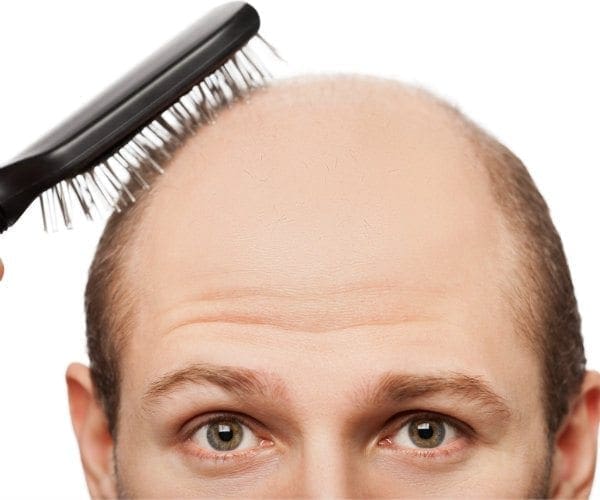
Losing your hair can be embarrassing and stressful, and it is a problem that’s faced by people of all ages and genders. To make matters worse, medical treatments can cause undesirable side effects, like scalp irritation, unwanted hair growth on the face and hands, and even cardiovascular issues.
Fortunately, a handful of drug-free ways can help prevent, halt, or even reverse hair loss. Jeanna Doyle, a veteran makeup artist with over 25 years of experience working in medical and media settings, tells Newsmax Health the key is to avoid factors that can accelerate the problem.
“With hair loss, it’s important not to exacerbate the problem,” she says. Instead of turning to drugs, Doyle suggests the following natural ways to combat hair loss:
Don’t wash your hair too frequently. Washing your hair frequently, more than once a day, for instance, can reduce the natural oils your body produces to protect your scalp and hair. Instead of washing your hair frequently, allow the natural oils to do their job. “To expand the days between washing, use dry shampoo,” Doyle suggests.
Drop the blow dryer. High heat from blow dryers, as well curling and straightening irons, can be detrimental to your hair. By limiting how much heat is applied to your hair, you can avoid some of the damages done by high heat. You can even extend days in between styles by using a silk or satin pillowcase to sleep on at night, Doyle says.
Go natural with your hair care. Doyle notes many shampoos, conditioners, and other hair-care products are loaded with toxic parabens, sulfates, alcohol, and other chemicals. Try going with organic or natural alternatives, such as those produced by John Masters Organics. “There are plenty of ‘hair-friendly’ products available on the market today [to use as alternatives] — there’s even alcohol-free hair spray,” Doyle notes.
Avoid chemical processing. Extreme chemical processing — used to color, perm, or relax hair — can do a lot of damage and is a major reason for hair loss. To avoid this, try a new hairstyle that will give your body a break from chemical services or at least extend trips to the salon between chemical services.
Take care with wet hair. Brushing wet hair aggressively can pull strands out of the head, and be quite painful. Instead of suffering through it, try using a comb or brush before wetting your hair. There are brushes made specifically for wet hair, but Doyle notes that you should “always be gentle.”
Loosen your ponytail. Tight ponytails often break hair strands, particularly when they are pulled into place or unraveled too hastily. To avoid this, Doyle recommends using a soft tie, and gathering the hair at the nape of the neck, instead of a high, tight pony.
Relieve some tension. Hairstyles like tight braids are often associated with tension or traction alopecia, and in some cases, can cause inflammation or even bacteria growth. Instead of rigid, braided locks, opt for slightly looser braids, or try a different, less stressful style.
Fitness monitors, or biometric trackers — those wristwatch-looking devices worn by weekend warriors and gym rats — are now making their way into professional sports games. Major League Baseball has approved the first monitoring device for use by players during games, ESPN reports. That means players can now monitor their performance at the most critical times of their careers.
Already the National Football League, the National Basketball League, and others permit the use of performance monitors during practices, but the MLB will be the pioneer for use during games, according to ESPN.
The approved device, manufactured by Boston-based Whoop, tracks vitals such as body temperature, heart rate, and movement monitoring (which measures strain), and does so during rest and sleep cycles as well.
Whoop takes readings hundreds of times each second according the company’s website, and that data can be accessed via Bluetooth on most mobile devices. Apps can be downloaded that offer insights and advice as well. Since the goal of the device is constant monitoring, there’s no need to remove it (which would disrupt that monitoring) to charge it. There’s a slide-on battery pack, which itself is charged by micro USB. The Whoop device costs $1,200 per athlete per year and includes the dashboard to the analytics, according to ESPN. Consumers can get a Whoop 2.0 for about $500.
The device is more geared toward the professional athlete, rather than the average gym-goer, monitoring such categories as peak levels and recovery times during games.
So far the decision to wear the device is left up to individuals: ESPN says teams cannot force players to wear them and players themselves will decide if they want a monitor to collect information day and night about everything from heart rate to amount of sleep.
Whoop founder and CEO Will Ahmed wrote in a blog post that players and teams stand to gain a lot with such monitoring, and his company’s mission is to “unlock human performance. Athletes and competitors alike deserve data to help them better understand their bodies and ultimately perform at a higher level.”
Ahmed said his device will revolutionize sports much like a “Moneyball 2.0” — based on the 2003 book and 2011 film “Moneyball,” about Oakland A’s General Manger Bill Beane’s famous use of data analysis to field a competitive team.
According to Whoop’s website, last year, Whoop and MLB conducted what the company called “the largest performance study ever conducted by a professional sports league” and acquired “massive amounts of quantifiable data” regarding players’ strain, sleep, and recovery. The study also reported on the effects of travel injuries.
As players’ lucrative contracts soar to heights unimaginable even 20 years ago, such information will be critical and highly sought after, which could lead to hacking and behind-the-scenes bartering. Player stats will figure prominently during negotiations over pay and player longevity — already contentious issues for athletes and team coaches and owners. Players have a vested interest in maintaining their health and proving their mettle with hard data — and Whoop device could be the high-tech tool to do just that.
A Wal-Mart Stores Inc. supplier has recalled frozen pizzas available in 11 U.S. states due to concerns about possible listeria contamination, according to the retailer and the U.S. Department of Agriculture.
About 6,700 pizzas sold under Wal-Mart’s Marketside brand were affected by the recall, a representative of the supplier said on Thursday.
RBR Meat Company recalled about 21,220 pounds of Marketside Extra Large Supreme Pizza that were shipped to retail distribution centers in California, Nevada, Utah and Washington, the USDA said on Wednesday. The product carries the code 20547.
Wal-Mart and the USDA said they were unaware of illnesses linked to the pizzas.
The retailer said it started removing the products from its shelves and inventory as soon as it received notice of the recall from Rose & Shore, a food company affiliated with Vernon, California-based RBR.
The pizzas were available in California, Colorado, Nevada, Washington state, Idaho, Montana, Oregon, Utah, Wyoming, Alaska and Hawaii, Wal-Mart said. Sam’s Club was not affected.
People should not eat the pizzas, according to the USDA’s Food Safety and Inspection Service. It said RBR discovered the possible listeria contamination during routine sampling.
Listeriosis is a serious illness caused by eating food contaminated with listeria bacterium, according to the U.S. Centers for Disease Control and Prevention (CDC). The infection is most likely to sicken pregnant women and babies, adults older than 65, and people with weakened immune systems.
An estimated 1,600 people contract listeriosis each year and about 260 die, according to the CDC.
In an unrelated case, the CDC is investigating a multistate outbreak of listeriosis linked to the consumption of soft raw milk cheese made by Vulto Creamery that has led to two deaths.
According to the Center for Disease Control and Prevention, approximately 29 million type 2 diabetes cases have currently been diagnosed in the United States, where another 8.1 million cases are undiagnosed. Diabetes can have various serious complications, including the development of diabetic peripheral neuropathy.
The U.S. Department of Health and Human Services stated that between 60 and 70 percent of individuals diagnosed with diabetes have some form of neuropathy. Patients with diabetes often report experiencing symptoms of pain and discomfort, while other may report minor or no symptoms at all. Nerve damage can even manifest up to 10 years after being diagnosed with diabetes.
Causes of Neuropathy
Diabetic neuropathy can occur due to an extended period of elevated blood sugar levels. High, unregulated blood glucose can cause injury to the vessels that supply the body’s nerves with the proper nutrition and oxygen they require to function accordingly. Over time, the nerves can become damaged, impairing the nervous system’s ability to communicate effectively. The symptoms of peripheral neuropathy can vary greatly depending on the severity and extent of the nerve damage.
According to the U.S. Department of Health and Human Services, the majority of individuals with diabetes experience moderate to severe nerve injury. The symptoms of neuropathy generally manifest in the legs and feet, gradually manifesting in the arms and hands over time.
Symptoms of Neuropathy
Peripheral neuropathy is frequently identified by its set of characteristic symptoms, although each can differ from person to person. The symptoms experienced by the individual will depend largely on the location and severity of the nerve damage. The most common symptoms of neuropathy include: pain and discomfort, tingling sensations or numbness; burning sensations; loss of balance; sensitivity; and trouble sleeping. Each symptoms can also vary depending on the grade of severity and progression of the condition.
Pain and Discomfort
Many patients with diabetes commonly describe feeling sudden and sharp symptoms of pain shoot through their extremities. Other people may feel severe, cramping pain along their muscles. This variety of symptoms occur in the muscles of the feet, calves, hands and/or forearms. The pain and discomfort caused by diabetic neuropathy can also frequently result in muscle weakness, causing patients to struggle to hold items as a result of their symptoms.
Tingling Sensations or Numbness
Tingling sensations and numbness are also some of the most commonly reported symptoms of peripheral neuropathy in patients with diabetes. Tingling in the hands and/or feet can feel the same as when one of your limbs falls asleep. It may also feel as if you’re wearing a glove or sock when you’re not. Numbness results in the inability to feel your hands and feet. This can ultimately be a difficult situation for some people as this can often lead to puncture wounds in the feet when walking barefoot. The risk of foot injuries can be especially dangerous to patients diagnosed with diabetes because the presence of neuropathy as well as poor blood circulation can make wounds troublesome to heal. Wounds that don’t heal properly can be exposed to infections. In serious cases, these infections may lead to amputations.
Burning Sensations
Many diabetic neuropathy sufferers describe burning sensations, followed by several of the previously mentioned symptoms, especially in their feet. The burning pain is generally described as being bitten by fire ants or worse. Some patients report feeling as if their feet are on fire. Patients frequently soak their feet in an ice bath to achieve relief, however, the solution is unfortunately only temporary.
Loss of Balance
Loss of balance and coordination is another common sign of peripheral neuropathy caused by diabetes. This is the single largest complication which can result in life threatening accidents and injuries, especially among older adults. Muscle weakness may typically affect the strength, mobility and flexibility of the ankle, altering an individual’s gait.
Sensitivity to Touch
Diabetic neuropathy can often overload regular sensations, resulting in an extreme sensitivity to touch. Many patients with peripheral neuropathy describe being unable to tolerate the weight of their bed sheets against their legs, sometimes even the sensation of clothing against their skin can create tremendous discomfort. Holding a cup of warm coffee may feel painfully hot for some people with neuropathy or it could actually hurt if a person with cold hands touches their skin. Also, their hands or feet may feel hot or cold for no reason.
Difficulty Sleeping
Because the symptoms of peripheral neuropathy can often worsen at night, these can begin to interfere with a person’s ability to get a good night’s rest. This occurs due to a couple of reasons. Foremost, people who have been very active throughout the day can aggravate the inflammation on the nerves, increasing the pain, discomfort, and other symptoms of the condition. Subsequently, when settling down to sleep, the stimulus of the body decreases drastically, causing the signals of pain to become more pronounced than they were during the day. This can cause a person’s pain perception to be more intense, interrupting their capability to fall asleep or stay asleep.
Types of Neuropathy
There are several different types of neuropathy, or nerve damage, each with their own set of causes and symptoms, although the majority share most of the common characteristics associated with nerve injuries.
Peripheral Neuropathy
Peripheral neuropathy primarily affects the legs, feet, toes, arms and hands. When a person has developed type 2 diabetes, the damage to the nerves caused by this type of neuropathy will generally affect the legs and feet before it extends to the arms and hands. The symptoms of peripheral neuropathy largely depend on which area of the peripheral nerves, or central nerves, have suffered damage or injury.
Damage to the motor portion of the nerve can manifest as cramping, muscle weakness and/or muscle wasting. This can often lead to alterations in the patient’s balance, mobility and gait. Injury to the sensory portion of the nerve can manifest as tingling sensations, numbness, burning pain and/or sensitivity to touch, where many people describe being unable to tolerate bed sheets on their legs.
Autonomic Neuropathy
Autonomic neuropathy is associated with damage or injury to the nerves in charge of regulating the automatic and semi-automatic functions of the body, including digestion, bladder and bowel functions, heart function and sexual function. This type of neuropathy will affect the proper function of the automatic nerve responses in the body’s internal organs. Individuals who develop autonomic neuropathy due to type 2 diabetes may experience issues digesting food, breathing, urinating or incontinence and/or sexual problems, such as impotence.
Complications related with autonomic neuropathy can also make it difficult for medical professionals to determine when a patient’s blood sugar levels have become too low. Symptoms of hypoglycemia, such as sweating and heart palpitations can be easily detected, however, those symptoms can be concealed by nerve damage.
When autonomic neuropathy begins to affect the digestive system, individual’s can experience constipation, trouble swallowing or gastroparesis, a disorder which causes a delay in digestion. Gastroparesis can also gradually worsen over time, leading to debilitation caused by frequent nausea and vomiting. Delayed digestion can also make keeping track of glucose levels in the body a challenge. In more serious cases, gastroparesis can cause a patient to have to subsist on a liquid diet or be fed through a feeding tube.
Nerve damage to the cardiovascular system can alter a person�s heart rate and blood pressure. People with type 2 diabetics resulting in autonomic neuropathy may experience a drop in blood pressure after sitting or standing, causing them to feel light headed and dizzy.
Nerve injury to the urinary tract and sex organs can cause difficulty controlling urination and sexual functions. Neuropathy affecting the bladder may cause incontinence or can make it more difficult to fully empty. Autonomic neuropathy also decreases sexual function, leaving men without the ability to become erect and women with vaginal dryness and/ difficulty achieving orgasm.
Proximal Neuropathy
Proximal neuropathy can also commonly affect people with type 2 diabetes, especially older adults. It primarily affects the hips, thighs, buttocks or legs and generally develops on one side of the body. This type of neuropathy can weaken the legs. In serious cases, a person may lose sufficient muscle tone where they will no longer be able to stand from a sitting position without assistance. Proximal neuropathy is often described to be very painful.
What Can You do if You have Neuropathy?
Currently, about 29.1 million Americans have been diagnosed with diabetes in the United States. According to the Center for Disease Control and Prevention, or CDC, it’s estimated that approximately 38 percent of Americans may also have pre-diabetes. Of these million, about 70 percent can or may develop some form of neuropathy as a result of the condition. While these statistics can be shocking, there’s several steps you can take to increase and maintain your health and wellness once you’ve been diagnosed with diabetes or pre-diabetes.
Eat low glycemic index foods. This will allow your glucose levels to substantially decrease.
Minimize grain and other starch consumption to no more than 2 servings per day. For example, you may have a small serving of oatmeal for breakfast (men- 1 cooked cup / women 1/2 cup, cooked) and rice with lunch (same portion size as oatmeal). Eliminate any starches at dinner time. Eat only protein, non-starchy vegetables and good fat.
Avoid Trans fats (hydrogenated and partially hydrogenated oils) and vegetable oils (sunflower, safflower, soybean oil, corn oil, canola oil, peanut oil). Use Ghee (clarified butter), coconut oil or extra virgin olive oil.
Start exercising. You don�t necessarily have to find a gym. Start by walking around your neighborhood. If your balance and stability is poor, make sure to take your cane or walker with you and stay on even surfaces. Exercising will help increase your insulin sensitivity.
Get adequate sleep (7-8 hours). Even one night of inadequate sleep can raise your insulin resistance. This is because the stress hormone, cortisol, is elevated. This will cause you to crave more carbs, but even when you eat them, you will feel worse afterward because your glucose tolerance has been reduced. If you�ve had a poor nights sleep, it�s especially important to eat low glycemic index foods.
In addition to keeping blood sugar levels within a healthy range, research studies have demonstrated that controlling blood pressure to avoid complications from diabetes can be just as important. In 2010, the British Medical Journal stated, �In patients with type 2 diabetes, the risk of diabetic complications was strongly associated with raised blood pressure.� Any reduction in blood pressure is likely to reduce the risk of other issues, with the lowest risk being in those with systolic blood pressure less than 120 mm/Hg. If you follow the steps above, however, your blood pressure will naturally begin to decrease.
Diabetic Neuropathy Can Be Reversed
The reality is that the various forms of diabetic neuropathy don’t necessarily cause death. There are many clinical studies published in widely respected journals, such as the Journal of Neurology and the British Medical Journal, which show effective treatments that reverse the damage to peripheral nerves, including chiropractic care.
In the United States, millions of Americans have been diagnosed with pre-diabetes or diabetes, where a large percentage may develop neuropathy. Diabetes can cause damage to the nerves, which is the most common reason for the development of diabetic neuropathy. There are several types of neuropathies, each with their own set of symptoms.
For more information, please feel free to ask Dr. Jimenez or contact us at 915-850-0900 .
IFM's Find A Practitioner tool is the largest referral network in Functional Medicine, created to help patients locate Functional Medicine practitioners anywhere in the world. IFM Certified Practitioners are listed first in the search results, given their extensive education in Functional Medicine