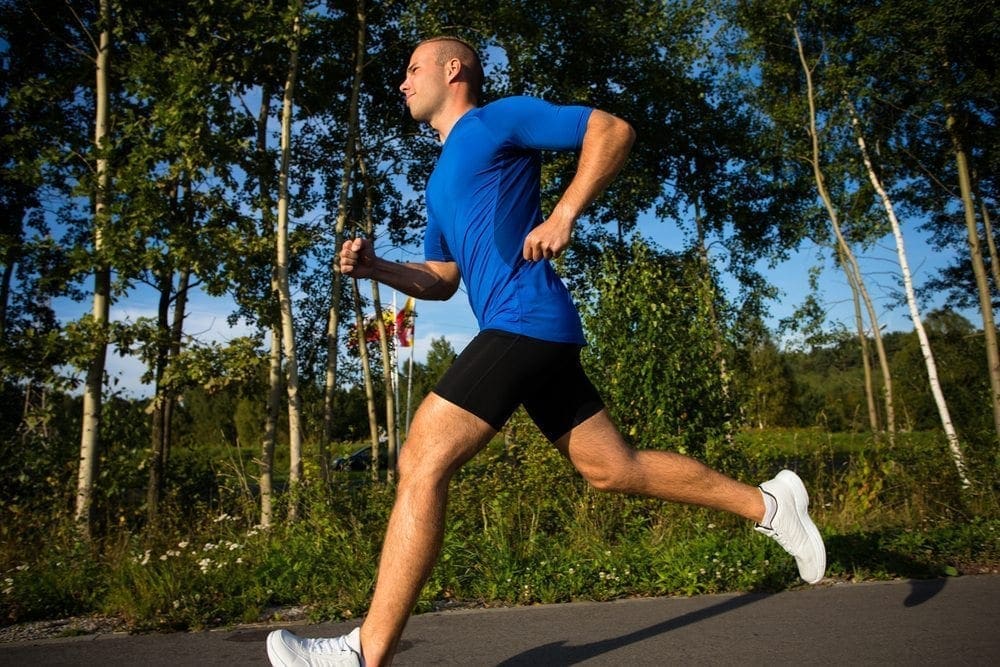
Just 20 minutes of moderate exercise may dampen inflammation in the body, researchers say.
The study findings suggest that “exercise doesn’t have to be tremendously hard for you to see health benefits from it,” said study author Suzi Hong. She is an associate professor at the University of California, San Diego.
The researchers focused on inflammation — swelling — in the body.
The immune system produces swelling by rushing to protect the body from injuries and invaders, such as germs. But inflammation can become permanent, poisoning tissues in the body and contributing to diseases, including diabetes, Hong explained.
Obesity, for example, is thought to produce higher levels of inflammation. That inflammation can contribute to heart disease by affecting the arteries, Hong said.
How Exercise Can Lower Inflammation
Studies have suggested that exercise lowers inflammation, especially when you’re active on a regular basis. However, “what is less known is how that is happening,” Hong added.
For the new study, Hong and her colleagues recruited 47 volunteers — a mostly white group of 26 males and 21 females — with an average age of 41. The researchers gave them blood tests before and after the study participants walked at a moderate speed on a treadmill for 20 minutes.
The investigators found a 5 percent decline in immune cells linked to inflammation. Hong called this a “tangible” and “significant” improvement. But it’s not clear what it means for a person’s health, and the study did not prove cause and effect.
Still, she said, it could be helpful for people, regardless of whether they have a disease linked to inflammation.
It’s also unclear whether more exercise means a greater benefit. However, “if you’re seeing this benefit every time you exercise, it’ll have a cumulative effect,” Hong suggested.
David Nieman, director of the Appalachian State University Human Performance Lab, said the new research did not represent a breakthrough — it just reinforced existing knowledge.
“It’s definitely not a high-level study, just confirming things we already know,” he said. “But it’s fine, another bit of information that confirms what we all know in the world of lifestyle and inflammation.”
Nieman said it’s important to fight off inflammation because “it’s a serious issue that undergirds just about every major chronic disease that modern-day men and women experience. It really needs to be managed and reduced.”
The most powerful way to do that, he said, is by controlling weight.
As for future research, Hong said it would be helpful to better understand exactly how exercise affects the body.
“We want to break it down into bite-size pieces for the public and say there are specific immune-based, cell-based changes you’re making when you exercise,” she said.
The study was published online recently in the journal Brain, Behavior, and Immunity.
For more information, please feel free to ask Dr. Jimenez or contact us at 915-850-0900 .
Chiropractic and Athletic Performance
Many athletes who are injured performing their specific sport or physical activity, frequently seek treatment from chiropractors. Chiropractic care focuses on the prevention, diagnosis and treatment of injuries and conditions affecting the musculoskeletal and nervous system. While chiropractic is a safe and effective form of conservative care for a variety of ailments, chiropractic can also be utilized to enhance athletic performance.
The bodies of runners who put in a lot of mileage appear to be more efficient at running compared to those who run less, a new study finds. Jasper Verheul and colleagues at Liverpool John Moores University in the United Kingdom compared two groups of runners. One group ran more than 27 miles a week, the other group ran fewer than nine miles a week.
Anatomy of Runners
The researchers examined the activity of muscle groups in the thigh and the motion of knee joints with a variety of tools as the participants ran at different speeds during the research study.
“Given the importance of the knee joint in running, it was hoped that by examining knee joint stiffness and muscle activation levels across a range of running speeds, the adaptations of neuromuscular factors due to running training could be closely explored for the first time,” the researchers wrote.
When their feet landed on the ground, the knees of the runners who put in the most miles had less muscle activity and more stiffness. The researchers also saw that the tendons in the high-mileage runners worked more efficiently at pushing the body forward.
“From this, we concluded that high-mileage training leads to changes in the muscles and tendons that likely reduce energy expenditure during running, and these adaptations are enhanced the faster you go,” the researchers said.
The study appeared in the Journal of Applied Physiology.
News stories are written and provided by HealthDay and do not reflect federal policy, the views of MedlinePlus, the National Library of Medicine, the National Institutes of Health, or the U.S. Department of Health and Human Services.
For more information, please feel free to ask Dr. Jimenez or contact us at 915-850-0900 .
Additional Topics: Chiropractic and Athletic Performance
The prevention of sports injuries through the practice of proper stretches and exercises is essential for athletes. When an injury caused by an accident does occur however, many athletes seek chiropractic care to help diagnose and treat any possible sport-related injuries and conditions. Chiropractic treatment focuses on the prevention, diagnosis and treatment of injuries and conditions associated with the musculoskeletal and nervous system through the use of spinal adjustments and manual manipulations. Chiropractic is beneficial for many athletes’s performance.
Here’s yet another reason to get off the couch: Inactivity is associated with greater risk of prediabetes, even for healthy-weight adults, a new study finds. University of Florida researchers said the finding may help explain why up to one-third of slim American adults have prediabetes — elevated blood sugar but not full-blown diabetes.
“We have found that a lot of people who we would consider to be at healthy weight — they’re not overweight or obese — are not metabolically healthy,” said lead investigator Arch Mainous III. He’s chair of health services research, management and policy in the university’s College of Public Health and Health Professions.
Mainous and his colleagues analyzed data from more than 1,000 people, aged 20 and older, in England. All had a healthy weight and no diagnosis of diabetes. Those with an inactive lifestyle were more likely than active people to have a blood sugar level of 5.7 or above, which the American Diabetes Association considers prediabetes. About one-quarter of all inactive people and more than 40 percent of inactive people 45 and older met the criteria for prediabetes or diabetes, according to the study.
The study doesn’t establish a direct cause-and-effect relationship. Still, these inactive people may have unhealthy “normal-weight obesity or ‘skinny fat,’ ” — a high proportion of fat to lean muscle, the researchers said.
“Our findings suggest that sedentary lifestyle is overlooked when we think in terms of healthy weight. We shouldn’t focus only on calorie intake, weight or [body mass index] at the expense of activity,” Mainous said in a university news release.
Because prediabetes increases the risk of diabetes and other health problems, the study adds to growing evidence that inactivity poses a risk to health, the researchers explained.
“Don’t focus solely on the scale and think you’re OK. If you have a sedentary lifestyle, make sure you get up and move,” Mainous said.
Click Here or Call Today
The study results were published online Jan. 19 in the American Journal of Preventive Medicine.
SOURCE: University of Florida, news release, Jan. 19, 2017
For more information, please feel free to ask Dr. Jimenez or contact us at 915-850-0900 .
Additional Topics: Chiropractic Care for Older Adults
With the progression of age, it�s common for the human body to naturally begin to degenerate. Although degenerative changes in the body are normal, it�s also common for complications associated with aging to develop. Chiropractic care is a safe and effective, alternative treatment option utilized by many individuals to prevent, diagnose and treat injuries and conditions associated with the structures of the spine. Research studies have demonstrated that chiropractic treatment can help older adults find relief from their neck pain and back pain.
Exercise is crucial if you have arthritis. But knowing just how much activity to do when you�re hurting can be tricky. After all, research has shown that moderate activity can help prevent the progression of arthritis and improve overall function.
But while mild muscle soreness after a workout is normal, sharp pain during or immediately after can signal injury. And sometimes simply the fear of pain can keep you from wanting to do any kind of exercise at all.According to a new study, however, just a little physical activity seems to go a long way toward helping older adults with arthritis remain able to do daily tasks.
Arthritis Symptom Relief with Exercise
Scientific studies have shown that participation in moderate-intensity, low-impact physical activity improves pain, function, mood, and quality of life without worsening symptoms or disease severity. Being physically active can also delay the onset of disability if you have arthritis. But people with arthritis may have a difficult time being physically active because of symptoms (e.g., pain, stiffness), their lack of confidence in knowing how much and what to do, and unclear expectations of when they will see benefits. Both aerobic and muscle strengthening activities are proven to work well, and both are recommended for people with arthritis.
Older adults with arthritis-related joint pain and stiffness need to keep moving to remain functionally independent. But only 10 percent of older Americans with arthritis in their knees meet federal guidelines of at least 150 minutes of moderate activity a week, the researchers said. This Northwestern University study found that doing even about one-third of that amount is still beneficial. The study involved more than 1,600 adults 49 or older who had arthritic pain or stiffness in their hips, knees or feet.
Those who did a minimum of 45 minutes of moderate activity — such as brisk walking — a week were 80 percent more likely to improve or sustain physical function and gait speed over two years, compared with those who did less activity, the researchers found.
“Even a little activity is better than none,” said study first author Dorothy Dunlop. “For those older people suffering from arthritis who are minimally active, a 45-minute minimum might feel more realistic,” said Dunlop, a professor of rheumatology and preventive medicine at Northwestern’s School of Medicine in Chicago.
She said the federal guidelines are important because the more you do, the better you’ll feel and the greater the health benefits. “But even achieving this less rigorous goal will promote the ability to function and may be a feasible starting point for older adults dealing with discomfort in their joints,” Dunlop said in a university news release.
Some mild pain or discomfort is typical when you first start to move, but after a few minutes you�ll usually start to feel better, says A. Lynn Millar, PhD, a professor of physical therapy at Winston Salem State University in Winston-Salem, N.C. �Our joints and muscles get nutrition through movement,� she explains. �Once you start to move around a little you�ll improve the lubrication and circulation around that joint.� Start with some gentle, active range of motion movements and if that feels OK, progress to some low-impact activity like walking, she advises.
Stretches and Physical Activity for Arthritis
In addition to the activities recommended above, flexibility exercises are also important. Many people with arthritis have joint stiffness that makes daily tasks such as bathing and fixing meals difficult. Doing daily flexibility exercises for all upper (e.g., neck, shoulder, elbow, wrist, and finger) and lower (e.g., low back, hip, knee, ankle, and toes) joints of the body helps maintain essential range of motion. Some activities take more effort for older adults and those with low fitness or poor function. For example, walking at a brisk pace for a 23-year-old healthy male is moderate intensity, but the same activity may be vigorous activity for a 77-year-old male with diabetes. You should adjust the level of effort during activity so that it is comfortable for you.
Talk to your doctor. If you have arthritis or another chronic health condition, you should already be under the care of a doctor or other health care provider. Health care providers and certified exercise professionals can answer your questions about how much and what types of activity are right for you.
For more information, please feel free to ask Dr. Jimenez or contact us at 915-850-0900 .
Whole Body Wellness
Overall health and wellness can be achieved by following a proper nutrition and engaging in regular exercise and/or physical activities. While these are some of the most common ways to ensure whole body health and wellness, visiting a qualified and experienced healthcare professional can also grant your body additional benefits. Chiropractic care, for instance, is a safe and effective alternative treatment option utilized by people to maintain well-being.
For people experiencing low back pain, the thought of exercise often seems daunting. But yoga may be a natural fit in the quest to relieve an aching back, a new review indicates.
The findings come from an analysis of 12 studies that included more than 1,000 participants with lower back pain. The studies compared yoga to physical therapy or patient education.
There was some evidence that yoga led to small improvements in pain, and small to moderate improvements in back function at three and six months.
“We found that the practice of yoga was linked to pain relief and improvement in function,” said review author L. Susan Wieland. She is an assistant professor of family and community medicine at the University of Maryland.
“For some patients suffering from chronic non-specific low back pain, yoga may be worth considering as a form of treatment,” Wieland added in a university news release.
About 80 percent of Americans will have back pain at some point in their lives, but treatment can be a challenge. For millions of people, chronic back pain affects their sleep, and their ability to do daily tasks and exercise.
Yoga has become increasingly popular in the United States in recent years. It typically involves a combination of physical movements, controlled breathing, and relaxation or meditation.
The review was published online recently in the journal Cochrane Library.
SOURCE: University of Maryland, news release, Feb. 6, 2017
For more information, please feel free to ask Dr. Jimenez or contact us at 915-850-0900 .
Whole Body Wellness
Overall health and wellness can be achieved by following a proper nutrition and engaging in regular exercise and/or physical activities. While these are some of the most common ways to ensure whole body health and wellness, visiting a qualified and experienced healthcare professional can also grant your body additional benefits. Chiropractic care, for instance, is a safe and effective alternative treatment option utilized by people to maintain well-being.
Whether from the disease itself or the treatment, cancer can be exhausting, but a new review says there are ways to beat back cancer-related fatigue.
The review included a look at 113 past studies that included more than 11,000 adult cancer patients. The researchers found that exercise and/or behavioral and educational therapy seemed to be more effective than prescription drugs for dealing with fatigue.
“Exercise and psychological treatment, and the combination of these two interventions, work the best for treating cancer-related fatigue — better than any pharmaceuticals we have tested,” noted study lead author Karen Mustian. She’s an associate professor with the University of Rochester Medical Center’s Wilmot Cancer Institute in Rochester, N.Y.
The upshot, said Mustian, is that doctors should consider exercise and psychological interventions as the “first-line therapy” instead of more medications when it comes to tackling cancer-related fatigue. The study team noted that cancer-related fatigue is a very common problem among cancer patients, both during and following treatment. The American Cancer Society describes the phenomenon as distinct from routine tiredness. Even if you get rest, you’re still tired. Your arms and legs may feel heavy. You may feel too tired to do even the simplest tasks, such as eating a meal, according to the ACS.
Beyond affecting overall quality of life, cancer-related fatigue can also interfere with a patient’s ability to continue cancer treatment itself. That may result in a poorer prognosis and, in some cases, a reduced chance for long-term survival, the study authors said.
For the study, Mustian and colleagues looked at cancer-related fatigue triggered by the onset of cancer itself, rather than as a side effect of treatment.
Almost half of the patients included in the review were women battling breast cancer. Ten studies focused solely on male patients. In all, almost 80 percent of study participants were women. Their average age was 54. The analysis excluded studies that looked at so-called complementary therapies, with an exception made for alternative exercise treatments, such as yoga or tai chi.
In addition, the research team didn’t include studies that had assessed drug treatments involving erythropoietin medications (such as epoetin alpha, brand names Procrit and Epogen). These drugs are designed to stimulate red blood cell production, and are “used primarily for treating anemia and are not recommended as a stand-alone treatment for [cancer-related fatigue] due to adverse effects,” the study authors stated.
Studies included looked at the impact of four different treatment approaches: exercise alone (including aerobic, such as walking or swimming or anaerobic, such as weight-lifting); mental health interventions aimed at providing information and/or helping patients understand and adapt to their current situation; a combination of both exercise and psychological treatment; and prescription drugs, including stimulant medications (such as modafinil, brand name Provigil) and ADHD meds (such as methylphenidate, brand name Ritalin).
All four interventions led to improvement in fatigue. But the researchers found that exercise therapy led to the best outcomes. But psychological therapies produced similarly positive results, as did treatments that integrated exercise with mental health efforts.
The team concluded that when it came to controlling cancer-related fatigue, the exercise and/or psychological therapy approaches appeared to outperform prescription drugs. Colleen Doyle is managing director of nutrition and physical activity for the ACS. She said exercise has many benefits, not just helping to ease fatigue.
“But because many people undergoing treatment do experience fatigue, it’s nice to know that there is something an individual can do to help reduce that fatigue and gain some of the many other benefits of exercise [both during and after treatment]: reduced stress, less anxiety, [and] benefits to physical functioning,” Doyle said.
But can the typical cancer patient actually handle an exercise regime? Mustian says yes.
“These are not your elite athletes or fitness buffs,” she said. Almost all of the studies focused on people who had been sedentary and were placed on a low-to-moderate intensity exercise regimen, involving activities such as yoga or resistance training. “So they are normal people who were not regular exercisers, and who were able to complete these interventions and have relief from their fatigue,” Mustian said.
Doyle said that for patients who weren’t previously active, it’s important to start slowly.
“Our recommendation for survivors is essentially avoid inactivity as best you can. There will be days when you feel like not doing much of anything, and that’s okay, but strive to do something. Even if it is gentle stretching exercises, or a five-minute walk down the block,” she advised.
Mustian stressed that relatively few studies looked at combining exercise and psychological therapy.
“So it is not as clear what the best way to combine them would be,” she noted. The researchers said more studies need to be done to explore the ideal way to integrate exercise and psychological interventions.
The study was published March 2 in JAMA Oncology.
SOURCES: Karen M. Mustian, Ph.D., M.P.H., associate professor, Wilmot Cancer Institute, department of surgery, University of Rochester Medical Center, Rochester, N.Y.; Colleen Doyle, M.S., R.D., managing director, Nutrition and Physical Activity, American Cancer Society; March 2, 2017, JAMA Oncology
The scope of our information is limited to chiropractic and spinal injuries and conditions. To discuss options on the subject matter, please feel free to ask Dr. Jimenez or contact us at 915-850-0900 .
Additional Topics: What is Chiropractic?
Chiropractic care is an well-known, alternative treatment option utilized to prevent, diagnose and treat a variety of injuries and conditions associated with the spine, primarily subluxations or spinal misalignments. Chiropractic focuses on restoring and maintaining the overall health and wellness of the musculoskeletal and nervous systems. Through the use of spinal adjustments and manual manipulations, a chiropractor, or doctor of chiropractic, can carefully re-align the spine, improving a patient�s strength, mobility and flexibility.
Getting regular exercise and staying slim can lower the risk for an especially hard-to-treat type of heart failure, new research shows.
This specific type of disease is called heart failure with preserved ejection fraction (HFpEF). Ejection fraction is the amount of blood that’s pumped out of the heart. In many people with heart failure, the heart is so weak that it doesn’t pump enough blood out of the heart to meet the body’s demands.
In HFpEF, the heart muscle becomes stiff and doesn’t fill up with enough blood. This causes fluid to build up in the lungs and the body, the researchers explained in a news release from the American College of Cardiology.
“We consistently found an association between physical activity, BMI [body mass index] and overall heart failure risk,” said study senior author Dr. Jarett Berry. BMI is a measurement of body fat based on height and weight. “This was not unexpected,” Berry said, “however, the impact of these lifestyle factors on heart failure subtypes was quite different.”
Berry, of the University of Texas Southwestern Medical Center in Dallas, is an associate professor in the department of internal medicine and clinical sciences, and director of cardiac rehabilitation. HFpEF accounts for up to 50 percent of heart failure cases. Treatment for the condition often doesn’t work well, which increases the importance of prevention strategies, the study authors said. For the report, Berry and his colleagues reviewed information from three previous studies that included more than 51,000 people. The researchers excluded anyone who had heart disease when the studies began.
The investigators looked for information on how much exercise the participants got, as well as their weight. In addition, the researchers reviewed participants’ medical records to see if people had been admitted to the hospital for heart failure over the several years of the study.
The study authors found that traditional risk factors for heart failure — such as high blood pressure, diabetes, smoking and obesity — were less common among those who were more active. People who exercised more tended to be white, male and have higher levels of education and income, the findings showed.
Meanwhile, people who carried more excess weight were younger, less active and were more likely to have risk factors for heart disease, according to the report. Overall, the researchers identified almost 3,200 cases of heart failure. Almost 40 percent were HFpEF. Nearly 29 percent were heart failure with reduced ejection fraction (HFrEF), which is associated with weak heart muscle that doesn’t pump properly. And just under 32 percent were unclassified.
The study doesn’t prove a cause-and-effect relationship, but low levels of physical activity were associated with a 6 percent lower risk of heart failure than no physical activity. Those who got the recommended amounts of exercise had an 11 percent lower risk of heart failure.
In people who got more than the recommended amounts of exercise, the risk of HFpEF was reduced by 19 percent. In addition, the incidence of HFpEF was significantly higher among those with excess weight, the findings showed.
According to the study’s first author, Dr. Ambarish Pandey, “These data suggest the importance of modifying lifestyle patterns to help prevent HFpEF in the general population.” Pandey is a cardiology fellow at the University of Texas Southwestern Medical Center.
The study was published Feb. 27 in the Journal of the American College of Cardiology.
SOURCE: American College of Cardiology, news release, Feb. 27, 2017
For more information, please feel free to ask Dr. Jimenez or contact us at 915-850-0900 .
Additional Topics: Chiropractic Care for Older Adults
With the progression of age, it�s common for the human body to naturally begin to degenerate. Although degenerative changes in the body are normal, it�s also common for complications associated with aging to develop. Chiropractic care is a safe and effective, alternative treatment option utilized by many individuals to prevent, diagnose and treat injuries and conditions associated with the structures of the spine. Research studies have demonstrated that chiropractic treatment can help older adults find relief from their neck pain and back pain.
IFM's Find A Practitioner tool is the largest referral network in Functional Medicine, created to help patients locate Functional Medicine practitioners anywhere in the world. IFM Certified Practitioners are listed first in the search results, given their extensive education in Functional Medicine