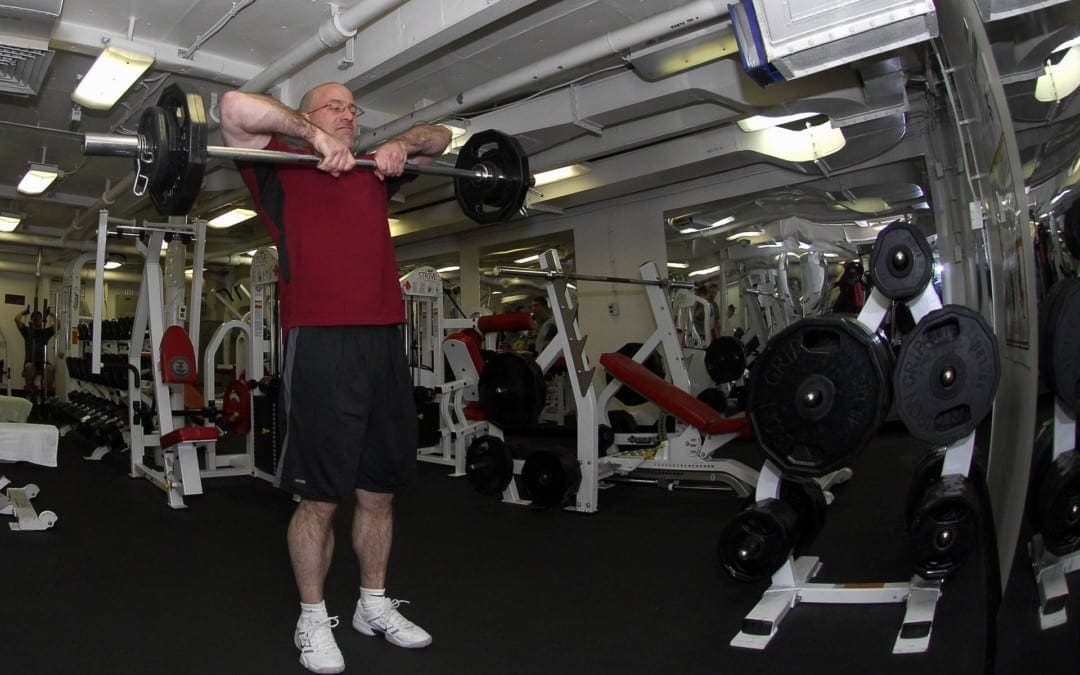
People who were active and exercised regularly before their stroke were less likely to face disability after the attack, researchers say.
But the amount of body fat a person had did not seem to be tied to post-stroke disability, the study found. Fitness was key, though.
“Being physically inactive before stroke predicts a higher risk of being dependent both before and after stroke,” said study author Pamela Rist, of Harvard University. Her team’s findings were published online April 5 in the journal Neurology.
The new study involved more than 18,000 people with no history of stroke who were followed for an average of 12 years. During that time, nearly 1,400 of the participants suffered a stroke but survived.
Three years after their stroke, those who had exercised regularly before their stroke were 18 percent more likely to be able to perform basic tasks — such as bathing on their own, the researchers found.
The fitter individuals were also 16 percent more likely to be able to perform more complex tasks, such as managing money on their own, compared to those who did not exercise before their stroke, the findings showed.
“We also found that a person’s body mass index was not a factor in predicting their level of disability after stroke,” Rist said in a journal news release. Body mass index is an estimate of body fat based on weight and height.
Two experts in stroke care who reviewed the findings said the study highlights the importance of exercise.
The research “provides additional evidence that regular exercise has health benefits that last into a person’s future,” regardless of stroke, said Dr. Andrew Rogove. He directs stroke care at Northwell Health’s Southside Hospital in Bay Shore, N.Y.
Dr. Ajay Misra is chair of neurosciences at NYU Winthrop Hospital in Mineola, N.Y. He said the study “provides insight into the fact that doctors should emphasize to their patients not only weight-reduction strategies for stroke and possibly heart attack prevention, but also the importance of leading a very active lifestyle to improve their chances of survival and recovery in case a stroke occurs.”
SOURCES: Andrew Rogove, M.D., medical director, stroke, Northwell Health’s Southside Hospital, Bay Shore, N.Y.; Ajay Misra, M.D., chairman, neurosciences, NYU Winthrop Hospital, Mineola, N.Y.; Neurology, news release, April 5, 2017
The scope of our information is limited to chiropractic and spinal injuries and conditions. To discuss options on the subject matter, please feel free to ask Dr. Jimenez or contact us at 915-850-0900 .
Additional Topics: What is Chiropractic?
Chiropractic care is an well-known, alternative treatment option utilized to prevent, diagnose and treat a variety of injuries and conditions associated with the spine, primarily subluxations or spinal misalignments. Chiropractic focuses on restoring and maintaining the overall health and wellness of the musculoskeletal and nervous systems. Through the use of spinal adjustments and manual manipulations, a chiropractor, or doctor of chiropractic, can carefully re-align the spine, improving a patient�s strength, mobility and flexibility.
Most people see their sleep habits shift as they age, but a new review suggests that some seniors lose the ability to get deep, restorative rest.
And that can come with health consequences, said review author Bryce Mander, a sleep researcher at the University of California, Berkeley.
Sleep “fragmentation” has been linked to a number of medical conditions, including depression and dementia, Mander said. People with fragmented sleep wake up multiple times during the night, and miss out on the deep stages of sleep.
It is true that medical conditions, or the treatments for them, can cause sleep problems, according to Mander.
But poor sleep can also contribute to disease, he added.
Take dementia, for example. Research suggests there is a “bi-directional” link between sleep disruptions and the dementia process, said Joe Winer, another Berkeley researcher who worked on the review.
That is, dementia often causes sleep problems; poor sleep, in turn, may speed declines in memory and other mental skills. According to Winer, animal research suggests that deep sleep helps “clear” the brain of the amyloid-beta proteins that build up in people with dementia.
So there may be a “vicious cycle,” Winer said, where dementia and poor sleep feed each other.
Similar vicious cycles may be at work with other diseases, too, Mander said. He also stressed, though, that some shifts in sleep habits may be perfectly normal.
Older people are famously prone to being “early to bed, early to rise.” They may also sleep a little less than they used to in their younger days. And that may be fine, the researchers said.
“We don’t want to create a panic that if you’re sleeping a little less than you used to, you’re going to develop dementia,” Mander said.
But, he added, it is important to recognize sleep as one of the lifestyle factors critical to good health — right along with exercise and a healthy diet.
In fact, Mander noted, one reason that regular exercise keeps us healthy is that it can support better-quality sleep.
“Why do some people age more ‘successfully’ than others?” he said. “We think sleep is one of the factors.”
Dr. Sanjeev Kothare, a sleep specialist who was not involved in the study, said poor sleep “clearly” has health consequences.
Sleep apnea is a good example, said Kothare, of the NYU Langone Comprehensive Epilepsy-Sleep Center, in New York City.
Obstructive sleep apnea causes repeated stops and starts in breathing during the night, and it’s linked to major diseases, such as heart disease and diabetes. Research also suggests it can hasten declines in memory and thinking.
Dr. Phyllis Zee is chief of sleep medicine at Northwestern University in Chicago. She said sleep quality is more important than “duration.”
So if older people are sleeping a little less than they used to — or wake up once at night then quickly fall back asleep — that’s probably not a red flag, according to Zee.
But, she said, older adults should talk to their doctor if they routinely sleep less than six hours a night, or lack long “consolidated” blocks of sleep.
In some cases, Zee said, sleep apnea may be to blame.
In other cases, people may need lifestyle adjustments that can improve their sleep. The good news, Zee said, is that “behavioral and environmental changes are powerful.”
Older people can improve their sleep by fitting physical and social activity into their daily routine, Zee said. At night, she suggested they make sure the bedroom temperature is comfortable and limit exposure to artificial light — especially the blue glow of computer and TV screens.
Zee also stressed the importance of getting enough daylight, in the morning and afternoon: That helps keep the body’s circadian rhythms (the sleep-wake cycle) on track.
But people should not wait until old age to care about sleep. According to Mander’s team, people often start losing the capacity for deep sleep in middle age, and that decline continues over the years.
What’s not clear yet, Mander said, is whether good sleep habits earlier in life help protect people from sleep problems in old age.
The review, which analyzed medical literature on the topic of sleep and aging, was published online April 5 in the journal Neuron.
The analysis of 13 clinical trials found that exercise therapy was generally good for stroke patients’ “cognition.”
Cognition refers to vital mental processes such as thinking, learning, understanding and remembering. A stroke, which cuts off blood flow to the brain, can impair those abilities.
The findings bolster what experts have long believed: Exercise can aid stroke recovery in multiple ways.
“This isn’t new,” said Daniel Lackland, a spokesman for the American Stroke Association who was not involved in the research. “We’ve known that exercise is good after a stroke.”
But, he said, the findings offer more clarity on exactly what works. They suggest, for example, that a combination of moderate aerobic exercise and training in strength and balance is most effective for improving stroke patients’ mental acuity.
Lauren Oberlin, a graduate student at the University of Pittsburgh, led the study. She said the findings confirm the value of exercise after a stroke.
A Structured Exercise Program Can Help Stroke Survivors Recover Physically & Mentally
It Can Improve Mobility, Strength, Quality Of Life, & Cognition
Oberlin said. And that mental boon, she noted, may give stroke patients “additional motivation” to start an exercise program.
For the study, Oberlin and her colleagues pooled the results of 13 clinical trials that involved a total of 639 patients recovering from a stroke.
The studies all differed in a number of ways — including the type of exercise they tested, and the duration of the program.
But in general, Oberlin’s team found that patients who exercised showed bigger gains in certain mental abilities — namely, attention and processing speed — versus those who did not exercise.
And it didn’t take a long time, Oberlin said. Even exercise programs lasting four to 12 weeks were effective.
It also appears that exercise helps even when patients begin more than three months after their stroke. In fact, Oberlin said, those patients were, on average, about 2.5 years past their stroke.
The most effective programs offered patients exercises aimed at strength, balance, stretching and aerobic fitness — the kind, Oberlin noted, that “gets your heart rate up and makes you sweat.”
But that doesn’t have to mean an intense workout, Oberlin noted. Walking on a treadmill does the job. And for people with balance problems or other physical limitations, she said, there are options like recumbent stationary bikes and rowing machines.
Does it necessarily take a formal exercise program? Maybe not, Oberlin said. As long as stroke patients have been cleared to exercise on their own, they may be able to do something as simple as take a daily walk.
“But if you have mobility issues, you might need a supervised program,” Oberlin said. “What’s critical is that you talk to your doctor first, to make sure that any activity you want to do is safe.”
Lackland agreed, and also noted that exercise is just one part of stroke recovery. He said patients need to take “comprehensive measures” to improve their health and reduce the likelihood of suffering another stroke.
“That includes good blood pressure control, weight control, not smoking and limiting salt in the diet,” Lackland said.
Why Would Physical Activity Benefit Mental Sharpness After A Stroke?
Other research points to several possible reasons, Oberlin said: Exercise may improve blood flow to the brain, promote the growth of new brain cells and connections among those cells, and reduce inflammation, to name a few.
Oberlin was to present the findings Wednesday at the International Stroke Conference in Houston. Research presented at meetings is considered preliminary until published in a peer-reviewed journal.
Call Today!
SOURCES: Lauren Oberlin, M.S., graduate student, psychology, University of Pittsburgh; Daniel Lackland, Dr.P.H., spokesman, American Stroke Association, and professor, medicine, Medical University of South Carolina, Charleston; Feb. 22, 2017, presentation, International Stroke Conference, Houston
News stories are written and provided by HealthDay and do not reflect federal policy, the views of MedlinePlus, the National Library of Medicine, the National Institutes of Health, or the U.S. Department of Health and Human Services.
Back pain is one of the most common complaints reported by a majority of the population. Affecting many people temporarily or for an extended period of time at least once throughout their lifetime, back pain is generally the result of trauma from an accident, injury or due to an aggravated medical condition. But, can an improper diet based on refined sugar and processed fat cause back pain?
Researchers from Rensselaer Polytechnic Institute and the Icahn School of Medicine believe that consuming an excess amount of these foods can cause inflammation in the body which may gradually degenerate the intervertebral discs, cartilaginous joints found between each vertebrae that act as shock absorbers and ligaments for all the movements of the spine. The degeneration of these structures may lead to back pain and other spinal complications.
Furthermore, an improper nutrition is also associated with the development of type 2 diabetes, another factor which may cause changes to the spine that could also lead to back pain and other painful symptoms.
�We hope to identify reasons why diabetes and poor diet can result in age-accelerated spinal pathologies,� declared co-investigator Deepak Vashishth, PhD, Professor of Biomedical Engineering and Director of the Center for Biotechnology & Interdisciplinary Studies at Rensselaer Polytechnic Institute in Troy, NY. �If we identify specific molecules necessary in this process, we can use this information to develop future treatments to slow or prevent these degeneration processes.�
Poor Nutrition Damages Essential Molecules
The researchers developed the research study because there are several safe, effective and minimally invasive treatments available to help improve the symptoms of back pain. The purpose of the evaluation was to determine what exactly happens in the body, as a result of an improper diet, to cause the degeneration of the intervertebral discs and eventually back pain. The study was also designed to provide them with additional information on how they could prevent or avoid this process from occurring in the first place.
Investigator James Iatridis, PhD, Professor and Vice Chair for Research in the Department of Orthopaedics at the Icahn School of Medicine at Mount Sinai in New York City explained, “Basic science studies on mice suggest a possible connection between diets high in advanced glycation end products, or AGEs, type 2 diabetes and spinal degeneration but this association has never before been proven.”
Advanced glycation end products, or AGEs, are proteins or lipids which become damaged as a result of being coated in excess sugars. Evidence suggests that a diet high in processed foods, such as fried foods, plays a huge role in the development of AGEs. In addition, research has demonstrated that the formation of advanced glycation end products over a period of time can cause tissues and other structures of the body to deteriorate, increasing inflammation which could lead to the degeneration of the intervertebral discs in the spine as well as contribute to the development of other diseases, including diabetes, atherosclerosis and Alzheimer’s disease.
Type 2 Diabetes and Back Pain
Moreover, Investigator James Iatridis, PhD, and his team began investigation the relation between type 2 diabetes and spinal degeneration. The disease is commonly referred to as an age-related condition, because it is believed to accelerate the cell aging process in many humans. “Studies have also shown that individuals with diabetes experience poorer recovery outcomes after spine surgery than those without diabetes,” he added.
In the first section of the project, researchers at Mount Sinai raised a group of mice on a diet focused on foods high in AGEs, similar to a human’s fast food diet. The research study also included both regular mice and mice genetically modified to reduce their ability to get rid of AGEs in their body. This was utilized to allow researchers to see whether the mice experienced disc degeneration or developed changes in the vertebrae of the spine to prove if advanced glycation end products play a key role in these degenerative alterations.
At Rensselaer, researchers would analyze how tissue and other structures from healthy intervertebral discs compared to that of degenerated intervertebral discs. Essentially, they were to study whether a drug that blocks the effects of a diet high in AGEs could provide protection against the degeneration of the structures of the spine in mice.
In conclusion, studying the tissue of humans can be challenging because people lead very complicated lifestyles with a variation of more than simply a diabetes status. These differences make it difficult to directly identify whether an improper diet and type 2 diabetes can actually cause back complications using only human research studies. Findings in both mice and human studies would support a link between diet, diabetes and spinal degeneration.
The study is funded by the National Institutes of Health. Findings will be published periodically over 5 years with the study concluding in 2021.
Make sure to consult a healthcare professional regarding any nutritional and/or medical concerns you may have before attempting and/or following any of the techniques listed above to avoid injury and/or complications.
For more information, please feel free to ask Dr. Jimenez or contact us at 915-850-0900 .
By Dr. Alex Jimenez
Whole Body Wellness
Overall health and wellness can be achieved by following a proper nutrition and engaging in regular exercise and/or physical activities. While these are some of the most common ways to ensure whole body health and wellness, visiting a qualified and experienced healthcare professional can also grant your body additional benefits. Chiropractic care, for instance, is a safe and effective alternative treatment option utilized by people to maintain well-being.
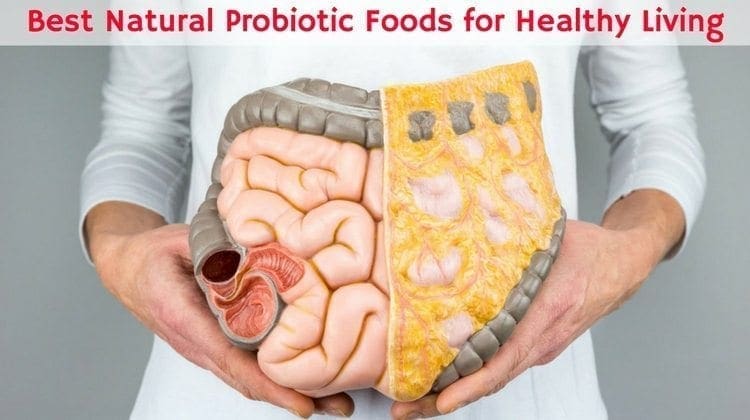
Are you including enough probiotic-rich foods in your diet? Do you know that probiotics are not only essential for digestive health but for overall health?
In this article, we will learn all about probiotics and its benefits for overall health along with some best natural probiotic foods.
Let�s get started�
Probiotics:
Probiotics are the good bacteria (or friendly bacteria) that line your gut and help in the absorption of nutrients from the food and thus boost up your immune system.
Digestive disorders, candida, frequent attack of cold and flu, autoimmune disease, skin problems, etc. are some side effects we will experience due to lack of enough probiotics.
In this modern world, due to unhealthy agricultural practices (little or no probiotics in food) and the intake of antibiotics for every health problem (kill the existing good bacteria). So, we have to include more probiotic-rich foods in our diet.
Types of Probiotics:
There are many types of probiotics that offer�different types of beneficial bacteria to help for the proper functioning of the body. Here are the 7 types of probiotics.
Lactobacillus Acidophilus
Lactobacillus Reuteri
Lactobacillus Bulgaricus
Streptococcus Thermophilus
Bifidobacterium Bifidum
Saccharomyces Boulardii
Bacillus Subtilis
Health Benefits of Probiotics:
Most people think that probiotics are essential for proper functioning of gut but there are unaware of other health benefits of consuming probiotic � rich foods. Here are some health benefits explained.
It improves digestion by restoring the natural balance of the gut bacteria and aids in getting rid of constipation or diarrhea and other digestive problems.
It strengthens your immune system and thus reduces the recurrence of cold, flu and other respiratory problems.
It is proven to be beneficial for treating candida yeast infection by killing the yeast fungus causing infection and also helps to reset the system for proper functioning.
It aids in weight loss by reducing the cholesterol levels.
It improves eczema and psoriasis to make your skin healthy and free from allergies and infections.
It reduces the abdominal bloating and flatulence (stomach gas) that caused by irritable bowel syndrome (IBS).
It increases the energy levels from the�production of vitamin B12. This beneficial bacteria helps to reduce the depression, promotes heart health, boost up your brain and body.
It effectively heals the leaky gut and also clears inflammatory bowel disease.
In some study, it is started that intake of probiotics will alter the mood, stress, anxiety and pain sensitivity.
After knowing about its health benefits, hope we�ll definitely consume the probiotic foods in your diet for grabbing these benefits.
Natural Probiotic � Rich Foods:
Here are the natural probiotic rich foods that have to be included in your diet to enjoy many health and skin benefits. Have a look at these foods.
1. Kefir:
Kefir (means � feeling good) is a fermented dairy product prepared with a unique combination of milk (cow�s or goat) and fermented kefir grains. It has a�tart flavor and slightly acid that has 10 � 34 strains of probiotics.
Kefir is fermented with more bacteria and yeast, which in turn makes it as a best natural product with a�rich content of probiotics. Enjoy kefir (prefer on an empty stomach) or add it to smoothie or cereal instead of milk.
You can also find coconut kefir that made by fermenting the juice of young coconuts with kefir grains. It is a diary free option that contains several strains of probiotics. You can drink it by adding a little of stevia, water, and lemon juice to enhance its favor.
Note: Intestinal cramping and constipation will be experienced when starting the intake of kefir. So, begin with 1/8 cup and gradually increase it to 1 � 2 cups of kefir per day. But it is suggested to take a break of one day after completing each week.
2. Yogurt:
Yogurt with live and active cultures is an excellent source of probiotics. Regular intake of yogurt will help for proper digestion and thereby promotes a healthy balance of microbes in the digestive system.
But be sure while choosing probiotic yogurt that it should be free from high fructose corn syrup and artificial flavors or sweeteners. Prefer only plain yogurt (or Greek yogurt) and add some fresh fruits in it while consuming.
3. Sauerkraut:
Sauerkraut is made from fermented cabbage and other vegetables. It is high in organic acids and thus makes the food to taste sour. It has a�variety of probiotics strains that supports the growth of good bacteria and improves the gut flora.
Do you know that intake of 2 ounces of homemade sauerkraut has more amount of probiotics rather than a bottle of 100 probiotic capsules? It is used as a�condiment in raw form without heating or cooking it. Avoid usage of excess amounts, as it causes harm for thyroid functioning.
4. Miso:
Miso is a traditional spice in Japan that used in many traditional foods. It is made by fermenting soybean, brown rice or barley with koji (fungus). This fermentation process takes from few days to few years to complete.
You can use miso to make soups, spread it on crackers or on toast or on freshly cooked corn, stews, use it instead of butter and other cooked dishes. You should use miso in moderation due to its high salt content.
5. Kimchi:
Kimchi is a cultured vegetable made from fermented cabbage and other vegetables (fermented with bacteria). It is a popular side dish in Korea and is served with steamed rice. It is spicy and used as a condiment that added to sandwiches, soups, and stir-fried dishes. Also, remember that not to overcook it, as it may lose the nutrients.
6. Tempeh:
Tempeh is made from fermented cooked soybeans that can be used as a replacement for meat in vegetarian meals. This fermentation process will turn the tempeh into a meaty loaf.
You can use steamed, baked or saut�ed and add it to your burgers, sandwiches, salads, stir fries, etc.
7. Kombucha:
Kombucha will help to restore the gut�s ecosystem and it can be prepared from starter bacteria and yeast. It has rich content of vitamins, enzymes, and organic acids that aids in proper digestion, promotes detoxification, treats arthritis, fights depression, boosts immunity and more.
You can drink 3 � 5 ounces of kombucha tea daily but over intake can result in upset stomach, nausea, yeast infections and allergic reactions.
Note: It is not recommended for the people who suffer from weakened immune system or children less than 5 years of age.
8. Sour Pickles:
Sour pickles which are naturally fermented are the excellent source of dairy free probiotics. You can go through this process to make your own sour pickle.
Take some pickling cucumbers and soak it in ice water for 30 minutes to clear the dirt.
Place it in a quart jar along with few garlic cloves, black peppercorns and a sprig of dill.
Now fill this jar with enough brine (salt water) till it covers the cucumbers.
Cover it with a cloth and let it sit aside for at least 3 days.
When the cucumbers soured properly then refrigerate the jar and check it daily to ensure that cucumbers remain submerged in brine.
Enjoy 1 � 2 ounces of cultured vegetables or sour pickles with each meal.
Note:
Also, use other vegetables like carrots, cabbage leaves, beets, green onions, bell peppers, broccoli, garlic, kale, etc. instead of cucumber.
Remember that sour pickles brined in vinegar don�t offer probiotic benefits.
9. Natto:
Natto is a fermented soybean product that has a�bacterial strain called bacillus subtilis, which helps for boosting your immune system. It is a Japanese dish that is mixed with rice or served with breakfast. It has rich of protein, vitamin K2, and probiotics that are essential for osteoporosis, digestive tract, and cardiovascular health.
10. Olives:
Brine-cured olives have the best source of probiotics why because the brine allows the probiotic cultures to thrive into it. Just like salted gherkin pickles, you have to select organic products and snack on that type of olives or add it to your pizza or salad.
Note: Check that your olives should not contain sodium benzoate.
Other Probiotic Foods:
Other probiotics foods that have to be included in your diet are listed below.
Traditional buttermilk (liquid left after making butter). You can also take milk that cultured with lactic acid bacteria.
Cheese that has live and active cultures (like raw, mozzarella, cottage cheese, Gouda, cheddar, etc.)
Micro-algae are an ocean�s super food that acts as prebiotic foods (which feeds and nourish the probiotics in the internal flora). Add it to your morning smoothies.
Sourdough Bread has lactobacillus that provides probiotics and makes you feel full for a longer time.
Include prebiotics like bananas, asparagus, legumes, oatmeal, honey, red wine, artichokes, maple syrup, etc. in your diet either alone or with probiotics foods.
Kvass is a traditional beverage in Eastern Europe that made by fermenting barley or rye. It has a�mild sour flavor that helps for blood and liver cleansing.
Apple cider vinegar (ACV) has probiotics. Drink ACV or use it as a salad dressing.
Soy milk products contain probiotics naturally.
Ginger ale, kombucha tea, water kefir soda, etc. will have enough of probiotics.
Dark chocolates help to maintain proper pH of the digestive tract and thereby provide probiotics.
As a last option, you can take probiotic supplements in capsules, powder, tablet or liquid forms. But be sure to consult your doctor before taking these supplements.
Include these probiotic-rich foods in your diet. What is your favorite probiotic food? Did you experience health benefits from taking probiotics? Share it with us in the below comments box.
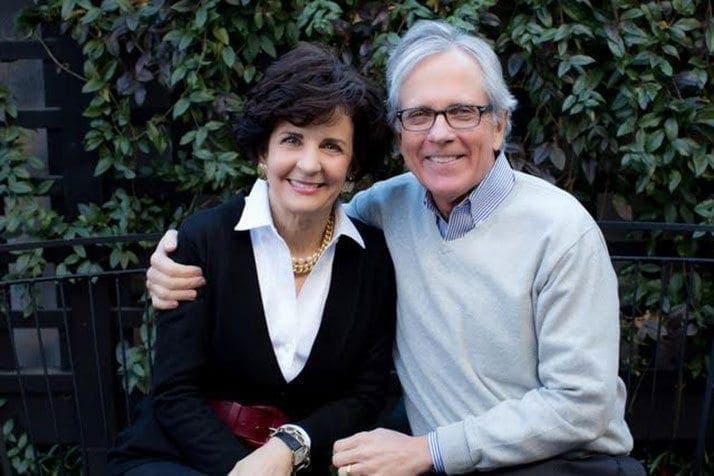
One of the things I love most about our community at 2020 Fitness is how it cuts across so many demographics. People who may be unlikely to encounter each other in day-to-day life find themselves chatting and having a great time together in class. Chandler and John Moenius are a great example. Here’s Chandler’s 2020 Fitness story in her own words:
Who plans what their fitness activity is going to be in their sixties? Certainly not me. After all, when I was in my thirties, forties and even fifties, sixty seemed light years away. Then, suddenly, I was celebrating my 60th birthday and I decided it was time to get my act together. I always had been active, running when I could fit it in my schedule, even training for two marathons, and attending a bootcamp class for years, but CrossFit? I never dreamed I would set foot in a CrossFit gym, but when I realized my almost 90-year-old mother had lost six inches in height and could barely open a jar without help, I decided it was time to listen to the experts who were saying strength training and flexibility were necessary for successful aging.
I turned to 2020 Fitness since it was close to home, and convinced my husband, John, to go with me. I quickly saw that it was more about doing the workouts with correct form than how much weight I was lifting. While it has been rewarding to increase the weight on my bar and master some moves in the gym, the best part has been my increased flexibility. The coaching staff is so knowledgeable and they give personal attention to everyone in the class. It amazes me how they will remember the sore muscle I had a few days ago or that I struggled with a workout last week and will offer suggestions to work at mastering it the next time. Recently, a lifelong back issue reappeared one Monday morning. I went to class but the coaches quickly pulled me from the workout and had me spend the hour doing mobility exercises instead. I kept with this routine for four days and was able to resume the workout by Friday. Need I say more about the attention and expertise available?
While I’m sure I am pretty close to the oldest female at the gym, I’ve never felt like anyone was singling me out because of my age, and when I need to scale back a workout, the coaches are always willing to provide an alternative. The encouraging atmosphere lets me know that everyone is hoping I will succeed and wants to help me in any way to get there. The camaraderie is outstanding and spills across all age levels from middle school students to my 68-year-old husband. I’ve definitely found my fitness home and I’ve told the coaches many times that I’m not going anywhere. In fact, I plan to be in the pilot class for 90-year-olds in 2044!
We pride ourselves on being able to offer a productive, positive environment for people of all ages. In fact, this summer, we’re hosting a five-week day camp for kids 6 to 10. Check out our website for details and registration information.
This Sponsored Column is written by Jon Rowley of 2020 Fitness. 2020 Fitness provides a positive and fun fitness environment dedicated to improving the lives of its clients.
At 89, Donald Tenbrunsel is a bit of a phenomenon. He surfs the internet with ease, happily converses on a broad range of timely topics, volunteers and reads regularly.
Known as a “SuperAger,” Tenbrunsel was part of a study that helped researchers discover what factors might set these super-sharp seniors apart from their peers.
The secret? Brain scans showed they experience brain aging twice as slowly as average folks their age.
“This suggests the SuperAgers are on a different trajectory of aging,” said senior researcher Emily Rogalski. She is director of neuroimaging for Northwestern University’s Cognitive Neurology & Alzheimer’s Disease Center. “They’re losing their brain volume at a much slower rate than average agers.”
For the study, Rogalski and her colleagues measured brain aging by examining the thickness of each person’s cortex — the outer layer of folded gray matter in the brain.
The cortex is where consciousness lies, and where all of the neurons that fire thoughts and movements are located. It is a critical part of the brain for higher-level thinking, memory, planning and problem-solving, Rogalski said.
Another neurologist explained it this way:
“That is essentially our brain,” said Dr. Paul Wright, chair of neurology at North Shore University Hospital in Manhasset, N.Y., and Long Island Jewish Medical Center in New Hyde Park, N.Y. “Brain shrinkage occurs in the natural progression over time, and when you lose brain volume, you lose function.”
Rogalski noted that previous research has shown that the cortexes of SuperAgers look less worn than their average 80-year-old peers, and about the same as people in their 50s or 60s.
But a question remained — were the SuperAgers born with brains that have more volume, and thus could better withstand the travails of aging? Or are their brains the same size as everyone else’s, and simply aging less rapidly?
To answer that question, the researchers tracked changes in cortex thickness for a year and a half in 24 SuperAgers and 12 average elderly people.
Both groups lost a significant amount of brain volume to aging, but average elderly people experienced a loss more than twice that of the SuperAgers — over 2.2 percent versus 1.1 percent.
“Part of the reason why they may have different brain volumes is because over the decades they’ve been losing their brain volume at a different rate,” Rogalski said.
The findings were published April 4 in the Journal of the American Medical Association.
Dr. Ezriel Kornel, a neurologist with Weill Cornell Medical College in New York City, said that at least part of the brain advantage of SuperAgers is genetic, with some people simply gifted at birth.
But there are likely to be environmental influences that also contribute to healthier brain aging, particularly in the womb and in early childhood, Kornel added. For example, research has shown that children raised in poverty tend to have smaller brains.
“There are so many factors involved,” Kornel said. “It could be that even external stressors in childhood can influence how the brain develops.”
Rogalski said that future research will focus on genetic factors that influence brain aging, which hopefully will provide researchers with anti-aging “targets” that could be manipulated with medications or other therapies.
While there’s currently no proven method to preserve cortex volume, research has shown specific lifestyle changes that seniors can perform to help keep themselves sharp as they age, Kornel and Wright said. These include:
Regular physical exercise, including strength training.
A healthy and balanced diet.
Brain workouts that involve challenging puzzles or tasks.
An active social life.
“Everyone understands they’re going to die, but people don’t want to feel they’re losing their ability to think and be who they are,” Kornel said. “This is the next big frontier in science, to figure out how we can prevent overall deterioration of the brain.”
IFM's Find A Practitioner tool is the largest referral network in Functional Medicine, created to help patients locate Functional Medicine practitioners anywhere in the world. IFM Certified Practitioners are listed first in the search results, given their extensive education in Functional Medicine