If you live in the city, you might want to make sure you take your vitamins. A study from Columbia University found that B vitamins reduce changes to the epigenome — the chemicals that regulate and direct genes — caused by air pollution.
The study reveals even small amounts of the vitamins could counteract the damage caused by tiny, toxic pollutant particles called PM2.5, which include toxins such as sulfate and black carbon. These pollutants are often deposited in the respiratory tract resulting in inflammation in the lungs and throughout the body.
According to the World Health Organization, about 92 percent of the world’s population lives in areas where pollution is higher than safety levels set by the WHO. The U.S. also has pollution problems. The American Lung Association says that 47 percent of Americans live in areas that often have dangerously high levels of pollution.
“The molecular foundations of air pollution’s health effects are not fully understood,” said Dr. Andrea Baccarelli. “Our study launches a line of research for developing preventive interventions to minimize the adverse effects of air pollution.”
For the study, researchers gave adult volunteers a B-vitamin supplement (2.5 mg of folic acid, 50 mg of vitamin B6, and 1 mg of vitamin B12) or a placebo daily for four weeks. Participants were healthy non-smokers, 18 to 60 years old, who were not taking any medicines or vitamin supplements. They were then exposed to pollution particles.
Blood tests showed that levels of B vitamins increased significantly in those taking the supplements. Tests also found that while the PM2.5 pollutants can turn off cells in the immune system, supplementing with B vitamins limited their effect by up to 76 percent.
“As individuals, we have limited options to protect ourselves against air pollution,” said Baccarelli. “Future studies, especially in heavily polluted areas, are urgently needed to validate our findings and ultimately develop preventive interventions using B vitamins to contain the health effects of air pollution.”
The study’s results are published in the journal Proceedings of the National Academy of Sciences (PNAS).
Type 2 diabetes in the United States has tripled since the 1980’s, where researchers have estimated that one in three Americans will have diabetes by 2050. More than one-third of American adults are obese and one in three Medicare dollars are spent on issues relating to diabetes. Unfortunately, these numbers continue to increase.
The sequence of health complications associated with insulin resistance, obesity and diabetes are characterized as the underlying cause of the majority of heart disease, cancer and premature death in the world. According to research, however, these conditions are preventable and reversible. Type 2 Diabetes is associated with the following chronic illnesses and diseases:
Both obesity and diabetes are preventable and reversible with proper lifestyle changes and a balanced diet and nutrition. On average, people consume approximately 152 pounds of sugar and 146 pounds of flour every year. The consumption of food high on refined sugar and flour can have a drastic effect on a person’s overall health and wellness.
When you remove foods that are causing disease from your diet and exchange them for nutritious foods, disorders such as diabetes, can be reversed, even in patients with obesity. The following seven strategies can be implemented every day with patients to prevent, treat and reverse insulin resistance, obesity and type 2 diabetes without the use of drugs and surgery:
5 to 5 grams of PGX, a unique type of fiber that controls appetite and blood sugar, before each meal with eight ounces of water
200 � 600 mcg of chromium polynicotinate or picolinate
600 mg of alpha lipoic acid twice daily
2,000 IUs or more of vitamin D3 (Thorne Research)
One to two grams of omega 3 fatty acids (Tuna Omega by Standard Process)
A high-quality multivitamin/mineral (Basic Nutrients by Thorne Research)
Get the proper nutrients.�Taking supplements can make your cells be more sensitive to insulin while increasing their effectiveness to metabolize sugar and fat in the body. Together with varies lifestyle changes and a proper diet, these can help the individual balance their blood sugar as well as prevent or reverse diabetes.
Stock up on whole, unprocessed foods. Whole, unprocessed foods can help balance blood sugar levels, reduce inflammation and oxidative stress as well as improve your liver detoxification, to prevent or reverse insulin resistance and diabetes. Choosing a variety of colorful fruits and vegetables known to have a low to moderate glycemic index, and foods rich in omega-3 fats, coconut butter and olive oil, legumes, nuts and seeds, can help promote a healthy metabolism, reverse insulin resistance and diabetes, even slow down aging and age-related diseases, such as heart disease.
Cut the Sugar.�Consuming foods and beverages with refined sugars and carbohydrates can create high levels of insulin, which can eventually lead to insulin resistance and type 2 diabetes. Among the many complications associated with chronic, elevated levels of insulin, inflammation, high blood pressure, poor sex drive, increased risk for cancer and depression can also occur. The most important thing you can do to reduce your risk of obesity and type 2 diabetes is to reduce or eliminate sugar from your diet.
Get the right exercise.�Participating in physical activity or exercise can have tremendous benefits for your overall well-being. Effective exercise can help balance blood sugar and lower insulin levels. The goal is to walk or perform any other cardio activity for 60 minutes, up to six times a week, although even 30 minutes of physical activity can help. Studies show high-intensity interval training can also benefit type 2 diabetes and obesity. Best of all, you can do these in only a few minutes a day.
Get sufficient sleep. Lack of sleep or poor sleep can affect your metabolism, may spike sugar and carb cravings, can increase your appetite, and may even increase of developing several diseases, including Type 2 diabetes. One study found that even a partial night�s poor sleep could induce insulin resistance. Therefore, sleeping properly should be a priority. Create a sleep ritual that includes turning off the T.V. in the bedroom, herbal therapies consisting of aromatherapy with essential oils, soaking in warm bath with 2 cups of Epsom salts and essential oils and creating total darkness and quiet.
Control stress levels.�With chronic stress, our levels of insulin, cortisol, and inflammatory compounds called cytokines all increase. This can trigger a metabolic dysfunction that leads to weight gain, insulin resistance, and eventually, type 2 diabetes. The connection between stress, weight gain, mental disorders, and blood sugar imbalances show that managing stress is a critical component when managing obesity and diabetes. You can�t eliminate stress, but you can learn to control it. Meditation, deep breathing exercises, yoga, massage, laughing, and dancing are among the best ways to manage stress and reverse type 2 diabetes.
Journal Your Results. Research shows that people who track their results lose twice as much weight and do twice as well. Begin by getting a journal to track your progress. That could be as simple as a pad of paper, a notebook, a spreadsheet in your computer, or anything that is convenient and works for you. You should track: what you eat; the baseline of all measurements, weight, waist size, body mass index, or BMI; daily blood pressure (optional); and daily glucose readings (if diabetic). Many patients become inspired to stay on task when they begin to see their results on paper.
Every year in the United States, 1 million people are diagnosed with diabetes. Diabetes is known to be the 7th leading cause of death. The good news is that this statistic can be changed according to new research. Diabetes is no longer inevitable. You can prevent and reverse type 2 diabetes.
Research studies have demonstrated that developing type 2 diabetes occurs as a result of environmental factors, such as how you eat, chemical exposure and stress management, among others. When you eliminate these negative factors, the pancreas has the ability to heal and cells will regain insulin sensitivity. This is ultimately fundamental considering that diabetes is responsible for a host of debilitating illnesses such as: Peripheral neuropathy; heart disease and stroke; kidney disease and kidney failure; and alzheimer’s disease.�
Type 2 diabetes affects many individuals in the United States and it’s often considered to be the underlying cause of heart disease and other diseases. According to new research studies and evidence, diabetes can be prevented and reversed by following several important life changes and a proper nutrition.
For more information, feel free to ask Dr. Jimenez or contact us at 915-850-0900.
Neck pain is characterized as the most prevalent symptom after being involved in an automobile accident. During an auto collision, the body is exposed to a sheer amount of force due to the high speed impact, causing the head and neck to jolt abruptly back-and-forth as the rest of the body remains in place. This often results in the damage or injury of the cervical spine and its surrounding tissues, leading to neck pain and other common symptoms associated with whiplash-related disorders.
Created by the Academy of Nutrition and Dietetics, National Nutrition Month® is celebrated annually every March to help everyone make more informed food choices and develop healthier eating habits for improved well-being.
With many recent studies focusing on the benefits of a diet that includes probiotics, also known as “good” bacteria, and prebiotics, which act as food for probiotics and promotes their growth, here we round up some of ways that boosting levels of good bacteria could improve various conditions and overall health.
Reduce social anxiety
A 2015 study of 700 students participants found that eating fermented foods, a good source of probiotics, is associated with reduced symptoms of social anxiety.
The study, published in Psychiatry Research, also found that the link between fermented foods and reduced social anxiety was strongest among those who already rated high in neuroticism.
The findings came after an earlier study published in The Lancet Psychiatry stated that an increasing amount of evidence suggests an important relationship between the quality of diet and mental health.
Improve sleep, protect against stress
A study published just last month found that prebiotics, can help improve sleep and protect against the negative effects of stress.
The team of researchers fed 3-week-old male rats a diet of either standard chow or chow that included prebiotics, and found that those on the prebiotic diet spent more time in non-rapid-eye-movement (NREM) sleep, which is restful and restorative, than those on the non-prebiotic diet.
Rats who were on the prebiotic diet also spent more time in rapid-eye-movement (REM) sleep after being exposed to a stressor, with REM sleep is believed to be critical for promoting recovery from stress.
Previous research has also shown that stress can reduce healthy diversity of gut bacteria, but the rats on the prebiotic diet maintained a healthy and diverse gut microbiota even after exposure to stress.
Reduce obesity
A 2015 study confirmed a link between balanced intestinal flora and weight loss.
The study, published in the journal Obesity, showed that while following a four-week high-fat diet the men who drank a probiotic milkshake containing VSL3, a probiotic with multiple strains of bacteria including Lactobacillus acidophilus and Bifidobacterium longum, put on less weight than others following the diet who drank a placebo milkshake.
The researchers think that probiotics could have changed gut bacteria in a way that resulted in less body fat accumulation, and that the probiotics could have reduced fat absorption.
Reduce risk of allergies
Prebiotics have been shown in various studies to help reduce the risk of allergies.
A French study using mice found that those who received prebiotics had a lower risk of developing a wheat allergy thanks to the prebiotics improving the immune system’s tolerance to allergens, while a US study by the University of Chicago also found that in infants who had trouble tolerating cow’s milk, a new probiotic not only got rid of the allergy, but also changed the composition of their gut bacteria significantly.
A separate study also from the University of Chicago, found that supplementing rodents with probiotics containing the bacterium Clostridia later in life could reverse a peanut allergy.
Peripheral neuropathy is a condition which occurs due to nerve damage in the arms, legs, hands and feet. Common symptoms include pain, tingling and burning sensations and numbness.
This type of neuropathy can be caused by a variety of factors, such as diabetes, chemotherapy, statin medications, disc herniation and trauma from an injury, toxic metal exposure, chronic alcohol consumption and vitamin deficiencies. Recent research studies, however, have associated peripheral nerve damage to gluten sensitivity and celiac disease.
Celiac disease is an autoimmune disorder that generally affects the individual’s digestive tract. When a person with celiac disease consumes gluten, it can cause damage to the small intestine, interfering with the body’s natural nutrient absorption function. In a majority of cases, this inability to properly absorb nutrients can alter growth, weaken bones and even damage peripheral nerves, leading to neuropathy.
According to the Celiac Foundation, in the United States alone, 2.5 million Americans are undiagnosed and at an increased risk of experiencing serious health complications. Celiac disease affects approximately 1 out of every 100 people throughout the world. If the disorder is left untreated for an extended period of time, the affected individual can develop issues like type 1 diabetes, multiple sclerosis, dermatitis herpetiformis, anemia, osteoporosis, infertility, miscarriage, neurological conditions such as epilepsy, migraines, short stature, intestinal cancers, and now nerve damage. A new research study published in the Journal of the American Medical Association Neurology has found that celiac disease patients are at an increased risk of suffering nerve damage.
�It�s quite a high figure, compared to many other outcomes in celiac disease,� the study�s co-author Dr. Jonas Ludvigsson, a pediatrician and professor at Karolinska Institutet in Sweden, said in a statement. �There is a real association between celiac disease and neuropathy. And we have precise risk estimates in a way we haven�t had before,� concluded Dr. Ludvigsson.
Swedish researchers also studied medical records between 1969 and 2008 from over 28,000 patients with celiac disease and compared them with the results of 139,000 people who were never diagnosed with the autoimmune disorder. Those individuals with celiac disease were found to be 2.5 times more likely to develop some form of neuropathy. In addition, gluten sensitivity in people without the disorder can also cause them to experience symptoms, such as tingling sensations and numbness.
In another research study, researchers screened 215 patients with peripheral neuropathy. A total of 140 of these patients were diagnosed with idiopathic neuropathy, meaning there was no medical reason behind their peripheral neuropathy. Also, the researchers tested those 140 people for antibodies to gluten utilizing two celiac disease blood tests: the AGA-IgA and the AGA-IgG test. While these tests are believed to not be very specific to celiac disease, they can detect whether the body perceives gluten as an invader and if it is generating antibodies to defend itself against the protein found in�wheat, rye, spelt, kamut and barley. About 34 percent of those tested, exactly 47 people had high antibodies to gluten in one or both of those tests, compared with a 12 percent rate�of high antibodies to gluten in the overall population.
The researchers also performed endoscopies and biopsies on those people in the research study who were suspected to have celiac disease and established that 9 percent of those in the unexplained neuropathy group actually had celiac disease. The celiac disease genes, HLA-DQ2 and HLA-DQ8, were discovered in 80 percent of all patients with peripheral neuropathy.
Peripheral Neuropathy: Key Symptom of Celiac, Gluten Sensitivity
According to research studies conducted by the University of Chicago Celiac Disease Center, peripheral neuropathy is one of the most prevalent non-digestive symptoms of celiac disease and gluten sensitivities. As a matter of fact, patients with celiac disease may often experience no noticeable gastrointestinal symptoms but they may display peripheral neuropathy and other neurological symptoms.
Researchers evaluated the medical records of over 28,000 patients with celiac disease, following up with all the study participants after 10 years to check if they had developed nerve damage. They concluded that those with celiac disease had an increased risk of developing nerve damage over a period of time as compared to the control population.
Gluten Sensitivity Causes Nerve Damage
Peripheral neuropathy and other neurological symptoms, such as brain fog and migraines, can more frequently manifest in people with non-celiac gluten sensitivity, stated Harvard Medical School’s Dr. Alessio Fasano, one of the lead researchers in the field of gluten sensitivity. Dr. Fasano explained that up to 30 percent of individuals diagnosed with gluten sensitivity experienced neurological symptoms, a much larger percentage than people with neurological symptoms due to celiac disease experienced.
According to Dr. Fasano, gluten sensitivity has the potential to develop in far more people than celiac disease. He estimates that approximately 6 to 7 percent of the United States population may have a gluten sensitivity, meaning that about 20 million Americans could be sensitive to gluten. Symptoms of gluten sensitivity can include: digestive issues; headaches; rashes; eczema-like skin symptoms; brain fog; fatigue; and peripheral neuropathy. “Almost one-third of those I’ve diagnosed as gluten sensitive report brain fog and headaches as symptoms,’ stated Dr. Alessio Fasano.
Dr. Ford, a pediatrician in Christchurch, New Zealand and author of The Gluten Syndrome, stated that he believes the percentage of people who are gluten-sensitive could potentially be between 30 and 50 percent.
“There are so many people who are sick,” he says. “At least 10 percent are gluten-sensitive and it’s probably more like 30 percent. I was sticking my neck out years ago when I said at least 10 percent of the population is gluten-sensitive. My medical colleagues were saying that gluten sensitivity didn’t exist. We’ll probably find that it’s more than 50 percent when we finally settle on a number.”
Dr. Fine, a gastroenterologist who founded and directs the gluten sensitivity testing service Enterolab, agrees that gluten sensitivity could possibly affect approximately half of the population.
An increased percentage or people in the United States have additionally been diagnosed with other types of autoimmune disorders, irritable bowel syndrome, chronic headaches and/or microscopic colitis, placing these Americans at a higher risk of developing gluten sensitivity. Approximately 60 to 65 percent of people with those conditions test positive for gluten sensitivity. Meanwhile, approximately 20 to 25 percent of people with no symptoms are diagnosed with gluten sensitivity.
�When we did the math, we came up with the number that about one in two individuals are gluten-sensitive,� Dr. Fine stated.
Peripheral Neuropathy Can Resolve with Gluten Sensitivity
Another research study published in 2010 on the journal of Neurology demonstrated that a gluten-free diet could stabilize neuropathy and its symptoms in many of the patients diagnosed with peripheral neuropathy, among others in the study.
More so recently over the past years, gluten has been demonstrated to develop an autoimmune antibody response to nerve cells, the myelin sheat, or protective coating around the nerves, as well as in receptor sites on cells which connect neurotransmitters, the chemicals which allow the nerves to transmit important information and communicate. It has also been discovered that gluten can contribute to the breakdown of the blood brain barrier. This allows chemical toxins to leak into the blood supply of the brain itself.
Furthermore, gluten sensitivity has been determined to also damage the gut, interrupting the proper absorption of vitamins and minerals, such as vitamins B1 and B12. Gluten sensitivity has also been associated with the following neurologic conditions:
In conclusion, if you’ve been diagnosed with celiac disease or gluten sensitivity or if you haven’t been diagnosed with these complications but you suspect you may have them, following a gluten-free diet can be fundamental towards the overall health and wellness of your nerves and gastrointestinal tract. If you are unsure, feel free to follow the “Gluten Free for 3” challenge. Go completely gluten free for just 3 days and keep a journal log of how you feel and sleep during those 3 days. If you feel better, chances are, you are gluten sensitive.�
For more information, please feel free to ask Dr. Jimenez or contact us at 915-850-0900 .
Neck pain is characterized as the most prevalent symptom after being involved in an automobile accident. During an auto collision, the body is exposed to a sheer amount of force due to the high speed impact, causing the head and neck to jolt abruptly back-and-forth as the rest of the body remains in place. This often results in the damage or injury of the cervical spine and its surrounding tissues, leading to neck pain and other common symptoms associated with whiplash-related disorders.
Neurotoxins are substances which can interfere with nerve cells by overstimulating them to death or interrupting the electrical activities of nerves and their communication process, altering the normal function of the nervous system.
Common symptoms associated with the consumption of neurotoxins can manifest immediately after ingestion or they may be delayed. Symptoms include: weakness in the extremities; tingling sensations or numbness; memory loss; loss of vision and/or intellect; uncontrollable obsessive and/or compulsive behaviors; delusions; headaches; cognitive and behavioral issues; and sexual dysfunction. Also, people with certain types of disorders can be more vulnerable to these substances.
Research studies have demonstrated that neurotoxins can shorten the life span of nerve cells. In addition, these substances have been associated with the development of brain disorders, peripheral neuropathy as well as neurodegenerative diseases, such as Alzheimer�s, Huntington�s Chorea and Parkinson�s disease.
To make matters worse, the availability of neurotoxins has increased dramatically within the last few decades. A majority of the neurotoxins our bodies absorb are found in the food we eat and the water we drink. Even worse, these can also be found in baby food.
Neurotoxins In Food
If you have children, it’s important to be aware of the following ten neurotoxins listed below. Because kid’s bodies are still developing, they are often the most vulnerable to the effects of consuming these dangerous substances. The majority of food products that contain neurotoxins are listed on their ingredients list. Processed foods, such as chips and candy, are generally supplied with a load of neurotoxins. It’s best to avoid consuming any food or drink containing the following neurotoxins listed below.
10 Neurotoxins To Avoid
Aspartame (best known as Equal, AminoSweet, NutraSweet and Spoonful):�This substance is very commonly added to sugar-free products, such as sugar-free gums and drinks. Most aspartame is made from the fecal matter of genetically modified bacteria. Research studies have associated the consumption of aspartame to migraines, obesity,�kidney failure, blindness, seizures,�neurological disorders, mental illness, brain tumors and diabetes.
Monosodium glutamate (also known as MSG or sodium glutamate):�This substance is common in junk food, fast food and most restaurant food, canned food and even in baby food. Independent researchers believe that ingesting MSG, or monosodium glutamate, plays a considerable role in the development of neurodegenerative brain diseases, including Alzheimer�s, Parkinson�s and Huntington�s disease. MSG is frequently disguised on ingredient labels under alternative names like hydrolyzed, or vegetable protein, plant protein extract, sodium caseinate, calcium caseinate, yeast extract, textured protein, TVP, autolyzed yeast, carrageenan, malt extract, malt flavouring, bouillon, seasonings, spices and natural flavoring.
Sucralose (or Splenda):�This artificial sweetener alternative is very popular in sugar-free products, especially sugar-free drinks. Sucralose was accidentally discovered during a research focused on creating a new insecticide, which is why some researchers propose that sucralose should be listed in the insecticide category. Sucralose has been identified as a chlorinated compound. When the body breaks down this type of chlorinated compound, it releases toxic chemicals into the bloodstream.
Aluminum: This type of metal can frequently be found in our drinking water as well as in over-the-counter antacids and vaccines. Aluminum is a difficult substance for the body to absorb, however, citrate or citric acid tremendously increases its absorption. Vaccines are some of the highest factors which contribute to aluminum toxicity, primarily because the aluminum is injected directly into the body.
Mercury:�This heavy metal is common in fish products, vaccines and amalgam fillings, also referred to as silver fillings. Mercury can be found in our drinking water as well. Mercury has been identified to be one of the most toxic neurotoxins because it destroys brain tissue.
Fluoride (sodium fluoride): This substance is very commonly found in drinking water and conventional toothpaste. Fluoride was utilized to exterminate rats before it was introduced into consumer products. The fluoride used for the products we consume is a mixture of a variety of chemicals which can be hazardous to the body. Not to be confused with the natural calcium fluoride, sodium fluoride can be found listed on the warning labels of fluoridated toothpaste products.
Hydrolyzed vegetable protein:�This harmful food ingredient is very common in certain junk foods. Hydrolyzed vegetable protein contains high concentrations of the substances glutamate and aspartate. In high levels, glutamate and aspartate can overstimulate nerve cells.
Calcium caseinate:�This substance is frequently found in the ingredient list of many protein supplements, energy bars and junk food. Due to its harmful properties, this neurotoxin can damage the brain and cause other neurological issues.
Sodium caseinate:�This type of protein is common in dairy products and junk food. It has been associated to the development of gastrointestinal complications and has even been linked to autism.
Yeast extract:�A popular food ingredients in many processed foods, such as canned food. It is also toxic to the brain.
Sugar: The Most Common Neurotoxin�
While the above mentioned neurotoxins can be commonly found in higher concentrations on a majority of the foods we eat today, there is one substance that people consume more frequently than all the others: sugar or table sugar. Refined sugar is not as toxic as aspartame but it can be toxic enough to cause considerable harm to the body when it’s consumed on a regular basis.
When you eat a fruit, for instance, you are not just ingesting sugar and water, but also synergistic components, such as mineral activators, enzymes, co-vitamin helpers and fiber. It’s these components that help the body effectively metabolize all the nutrients of the fruit.
Without the help of these synergistic components, sugar cannot be metabolized safely. In fact, certain elements of the sugar are broken down into toxic chemicals instead. When the body metabolizes refined sugar, toxic metabolites are released into the body. These metabolites can then considerably impair the respiration process of the cells.
Other Common Neurotoxins
Other common neurotoxins which can be found in some of the favorite processed foods we consume are chemical food additives, preservatives and sweeteners. Numerous research studies�have been conducted on food additives and their toxic, damaging affect on the nerve cells in our body. Brain cells and the peripheral nerves are the most affected by these substances, which can also have a cumulative effect on the body over time.
Monosodium glutamate, or MSG, and artificial sweeteners can gradually cause considerable damage to nerve cells, which may lead to peripheral neuropathy or even worse, Alzheimer�s disease. Yet, these ingredients are found in the foods and beverages we consume daily. The average household has diet beverages, salad dressings, canned soups, condiments, crackers, junk food and many other of these types of foods and drinks. Even baby foods contain many of these neurotoxins.
Whether or not you suffer from any neurological dysfunction, everyone should avoid consuming these harmful chemicals. Over a period of decades, they can cause, not only peripheral neuropathy but, damage to brain cells as well, leading to memory loss, confusion, dementia, including Alzheimer�s and other serious neurological diseases such as Parkinsons.
A variety of favorite processed foods Americans consume today have added refined sugars and artificial sweeteners, among additives and preservatives, which can be harmful to the body. However, most of the foods and drinks people eat today commonly contain some of the most harmful substances for the brain and nerves, neurotoxins.
For more information, please feel free to ask Dr. Jimenez or contact us at 915-850-0900 .�
Neck pain is characterized as the most prevalent symptom after being involved in an automobile accident. During an auto collision, the body is exposed to a sheer amount of force due to the high speed impact, causing the head and neck to jolt abruptly back-and-forth as the rest of the body remains in place. This often results in the damage or injury of the cervical spine and its surrounding tissues, leading to neck pain and other common symptoms associated with whiplash-related disorders.
High level performers are always looking for strategies that will give them an edge in their field of endeavor. Athletes want to run a split second faster and jump an inch higher while business executives want to have sharper mental clarity and improved working efficiency. Specific meal timing and superfood strategies have been shown to optimize performance and recovery.
We all want to perform at our peak no matter whether we are a teacher, stay at home mom, doctor or athlete. It is also integral that we recover fast and effectively. The goal is peak performance and quick and effective recovery so we can get up the next day and do it all over again.
Optimize Your Performance:
Performance in any field depends upon high level mental activity and often kinesthetic activity whether that be running or jumping or eye-hand coordination. The keys for healthy function include good fats, anti-oxidants and clean protein sources.
Providing lots of clean healthy foods and meal timing properly can make a huge difference in your overall energy and daily performance. Use the principles in this article to help guide you in preparing your body for great energy and daily performance in your daily life.
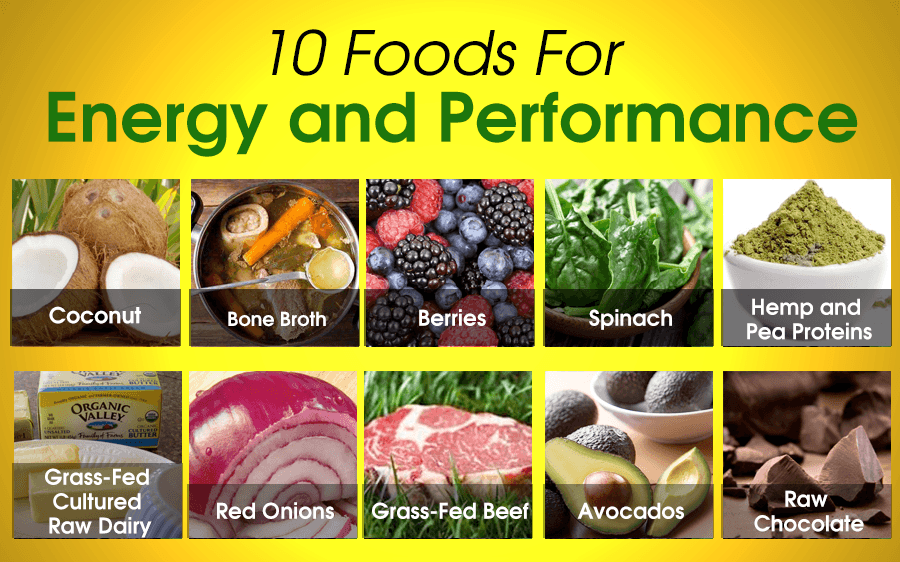
Coconut:
This superfood is loaded with medium chain triglycerides (MCT�s) that break down for energy very easily. Unlike most fat sources which consist of long chain fatty acids these MCT�s do not depend upon bile and instead go right to the liver and are metabolized immediately for energy.
Muscle cells are also able to store MCT�s and use them immediately for energy during exercise sessions.
Bone Broth Protein:
Bone broth contains a wide variety of valuable nutrients including collagen, gelatin, hyaluronic acid, chondroitin sulfate, glycosamino glycans, proline, glycine, calcium, phosphorus, magnesium and potassium. These all help with the development of healthy joints, bones, ligaments and tendons as well as hair and skin.
These nutrients are considered beauty foods because they help the body with proper structural alignment and beautiful skin and hair. They also help to prevent against injuries by strengthening joints, tendons and ligaments. Additionally, bone broth is great for the immune system.
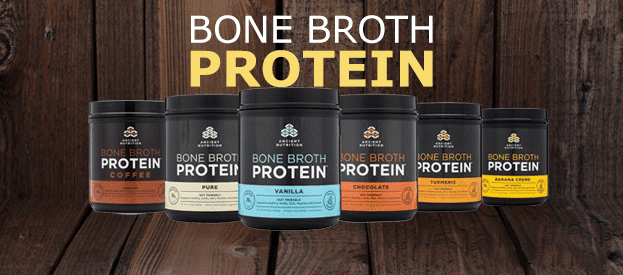
If you are unable to make your own bone broth, than you can try our Bone Broth Protein which comes with the same benefits as homemade broth, but it�s even more versatile in so many recipes. Bone Broth Protein begins as a true bone broth liquid. It�s then dehydrated, making it into a concentrated source of high-quality, tasty powder.
Berries:
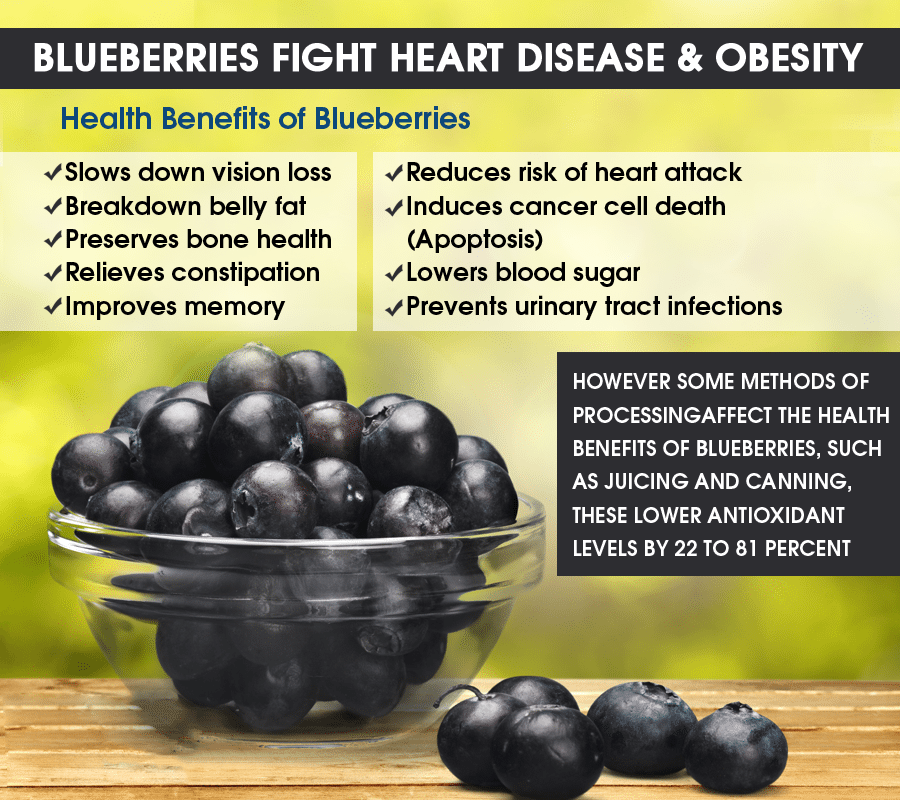
Berries are loaded with anti-oxidants and are low in sugar. Berries contain unique phytonutrients called anthocyanin�s that give them their strong pigments and allow them to handle intense sunlight. Consuming these anthocyanin�s helps our bodies adapt to stress effectively.
Be sure to get your berries organic as the thin skin makes them susceptible to pesticides and they are highly contaminated with dangerous pesticides when produced on conventional farms.
Spinach:
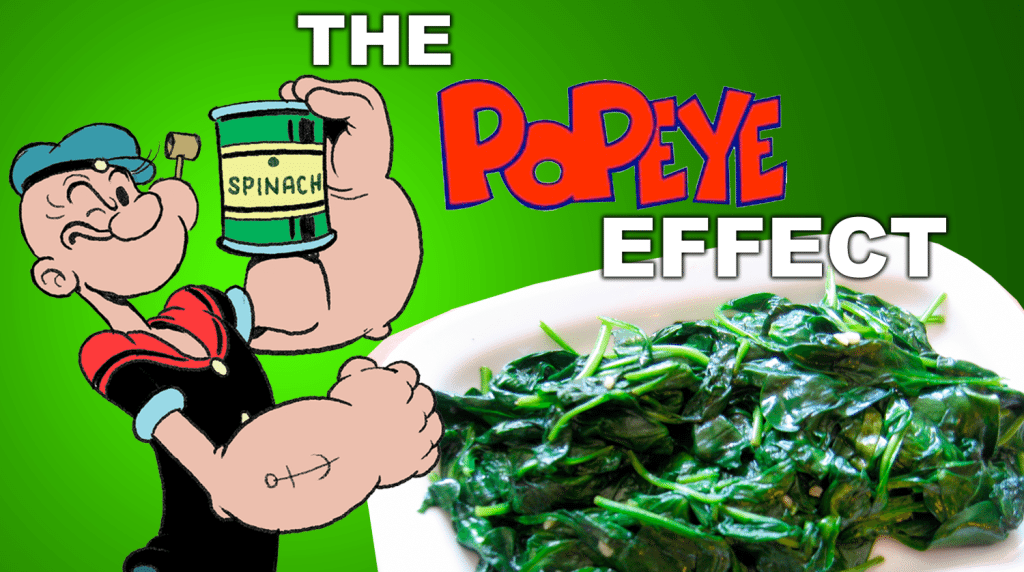
This superfood is loaded with blood purifying chlorophyll and the anti-oxidants lutein and zeaxanthin. Spinach also contains its own plant based steroids called phyoecdysteroids that boost the bodies ability to adapt to stress. Phytoecdysteroids are similar to insect molting hormones and have been shown to dramatically increase glucose metabolism.
This keeps blood sugar levels stable and minimizes the need for the critical fat-storage hormone insulin. Additionally, phytoecdysteroids increase human muscle tissue growth rates by 20% when applied in a culture medium.
Rice & Pea Proteins
For sensitive cases where people have pronounced sensitivities I prefer to use either a brown rice or pea protein. Pea protein appears to be the most hypoallergenic of all protein powders and has a 98% absorption rate. This combination of 1% brown rice and 99% pea protein has a great blend of branched chain amino acids, lysine and arginine for lean body tissue development and good circulation
Pea & brown rice protein has also been shown to be very easy on the digestive system and the protein is fairly quickly assimilated into muscle tissue. This is important because slower digesting and assimilating proteins have a greater chance of producing gas and making one feel bloated. Most plant proteins have poor assimilation rates but pea, brown rice and hemp proteins are the rare exceptions.
These are loaded with sulfur containing amino acids like methionine and cysteine which are critical for glutathione production. They are also a rich vegetarian source of branched chain amino acids. They contain essential fatty acids and edestin and albumin which are similar to the makeup of human blood and these help with critical functions like DNA repair.
Grass-Fed Butter:
Dairy from grass-fed cows is extraordinarily rich in essential fats and critical nutrients like vitamin K2 and magnesium. The best foods from this group include grass-fed butter and ghee which are loaded with anti-inflammatory fats and anti-oxidants.
Grass-fed butter and ghee are also rich in conjugated linoleic acid, which helps burn fat and is anti-carcinogenic. It is the best food source of the anti-inflammatory short chain fatty acid butyrate. Finally, it is full of choline which supports healthy brain and neurotransmitter production. I use butter and ghee generously each day. Look for Kerry Gold grass-fed butter.
Red Onions:
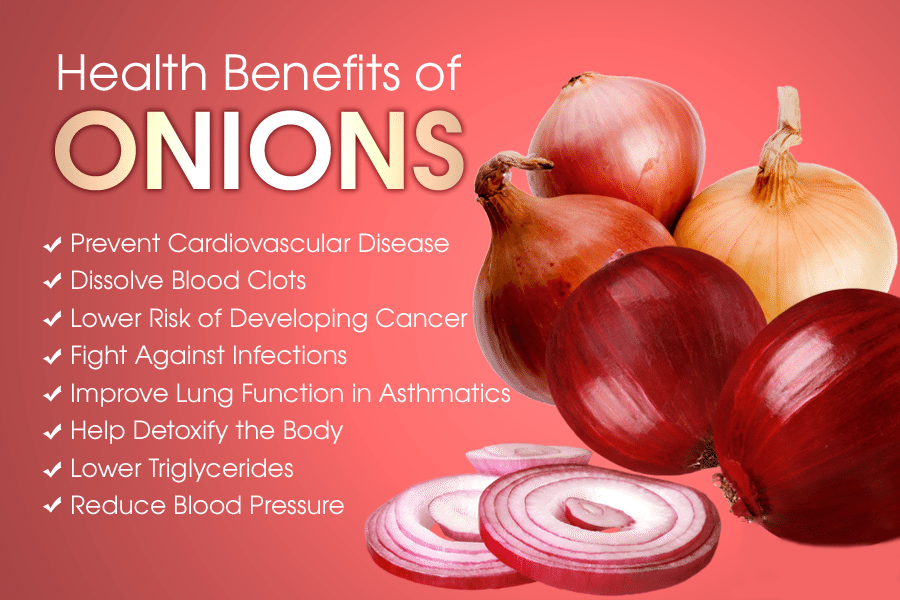
These are loaded with the flavonoid anti-oxidant quercetin. They also contain sulfur containing amino acids that boost cysteine and glutathione production within the body. They also have chromium which helps to regulate blood sugar levels.
Grass-Fed Beef:
Cows that are fed a 100% green diet are loaded with anti-oxidants like carnosine and essential fatty acids. Because cows have multiple stomachs and are able to fully digest grass (humans cannot) we are getting the benefits of this fully digested super-greens in a high protein food.
A fantastic source for grass-fed beef and pastured poultry is US Wellness Meats.
Avocados:
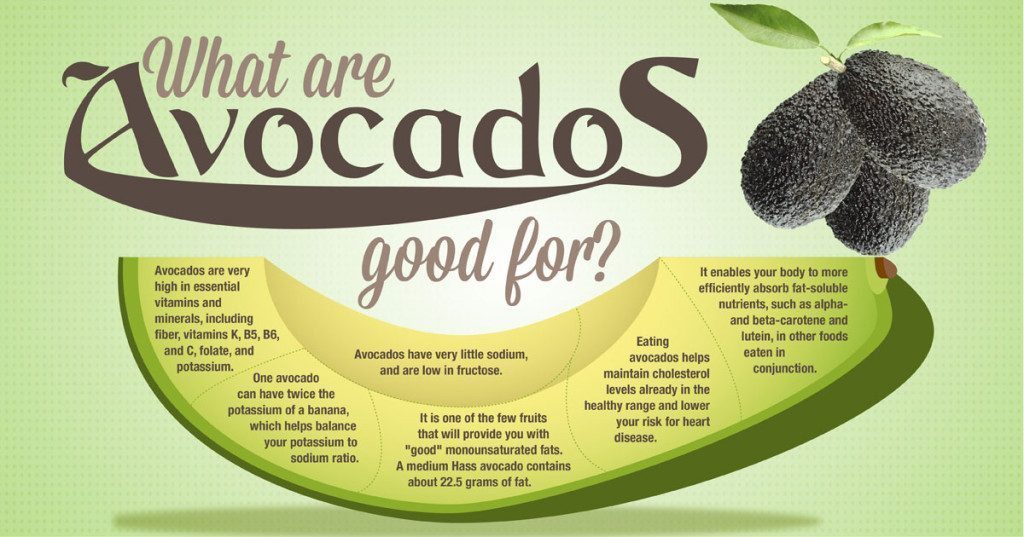
Avocados are loaded with good fats and carotenoid anti-oxidants like lutein and zeaxanthin. It is very easy on the digestive system and helps support optimal hormone function, muscle development and exercise recovery.
Raw Chocolate:
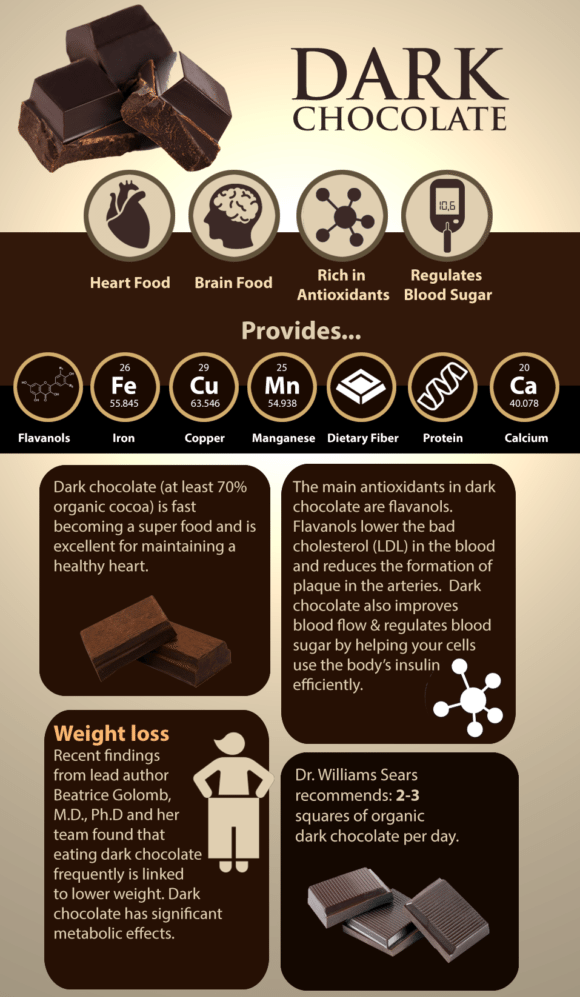
This is rich in good fats and polyphenol anti-oxidants for fuel and recovery. Chocolate contains theobromine which is a natural cardiovascular stimulant that helps improve circulation throughout the body.
Proper Meal Timing:
It is best to eat light before our times of performance to keep as much energy focused on the specific performance rather than on digestion. Instead of food, turn to water, as optimal hydration correlates very strongly with great performance. I try to stay super hydrated throughout the day and notice that as my water intake drops, my energy and mental acuity declines.
After the performance we want to have our largest meal to replenish our system with nutrients. Ideally, you have your largest meal at the end of your day as opposed to the beginning of your day. This helps your body to recover from the stresses of the day. You are in a relaxed position at this point, as you no longer have to work hard and perform, so it allows you to digest and absorb the nutrients you need more effectively.
This helps to take stress off of your gut lining and improves the integrity of your digestive system. When you eat in a hurry or have a large meal before a stressful event or a busy day, you compromise your digestive system and cause more inflammation in the body.
These ideas and much more I teach in our Navigating the Ketogenic diet program. Opt-in here for more details and a FREE video training series I give you on advanced strategies to improve your performance.
Fat Burning Foods Video
Food: Diet and Nutrition for a Healthy Back
As most patients are well aware, good nutrition and a balanced diet are important components of overall health. What may surprise people with back problems is that diet, nutrition and maintaining a healthy weight also play a major role in the back – including preventing many problems and healing from injuries.
The bones, muscles and other structures in the spine need good nutrition and vitamins so that they are strong enough to support the body and to perform their other functions. Using these nutritional guidelines, patients can integrate back-friendly vitamins and nutrients into their diets.
Eating a balanced diet that includes the right amount and variety of vitamins and nutrients will reduce back problems by nourishing the bones, muscles, discs and other structures in the spine. Particular importance is given to calcium, which can be obtained through a variety of healthy food choices as well as nutritional supplements.
While a healthy diet calls for many vitamins and nutrients, this partial list highlights a number of healthy choices that can be directly beneficial for helping back patients.
Role of Vitamin or Nutrient Food Sources
Vitamin A:
An antioxidant that assists the immune system in fighting off diseases. It is good for the back because it helps repair tissue and in the formation of bone. It also helps the body use protein effectively.
Additionally, the body can convert beta-carotene into vitamin A. Beta-carotene can be found in dark green leafy vegetables and most orange vegetables and fruits.
It’s important not to get more then the recommended daily allowance of vitamin A, as too much can promote bone fractures. Beta-carotene does not increase the risk of fracture.
Vitamin A can be found in beef, calf and chicken liver; dairy products like milk, butter, cheese and eggs; orange fruits such as apricots, nectarines and cantaloupe; orange or green vegetables such as carrots, sweet potatoes and spinach.
Vitamin B12:
Necessary for healthy bone marrow and for the body – and the spine – to grow and function normally. Vitamin B12 can be found in meat products, such as liver, fish, red meat and poultry; dairy products, such as milk, yogurt and cheese; and eggs.
Vitamin C:
Necessary for the development of collagen, which is an important part of the process that allows cells to be able to form into tissue. This is extremely important for healing problems caused by injured tendons, ligaments and vertebral discs, as well as for keeping bones and other tissues strong.
Vitamin C can be found in fruits, such as strawberries, kiwi fruit and citrus fruits (e.g. oranges, guavas, grapefruits) and tomatoes; many vegetables, such as broccoli, spinach, red and green peppers, sweet potatoes and white potatoes.
Vitamin D:
Improves calcium absorption, which is important for the development of strong and healthy bones. Adequate calcium absorption is particularly important to help prevent development of osteoporosis, a disorder characterized by weak and brittle bones in the spine that can results in painful vertebral fractures. Vitamin D is naturally occurring in egg yolks and fish oils; also found in most brands of fortified milk in the US; can also be obtained by spending time in the sunlight.
Vitamin K:
Needed for the bones to properly use calcium. The combination of vitamin K and calcium works to help bones throughout the body stay strong and healthy. Vitamin K is found in liver, pork, green leafy vegetables such as spinach, kale and broccoli, and dairy products.
Iron:
Needed for cells to remain healthy as it helps them receive oxygen and get rid of carbon dioxide. It also aids in the production of myoglobin, an important element of healthy muscles that are needed to support the spine. Iron is found in meat products such as liver, pork, fish, shellfish, red meat and poultry; lentils, beans, soy, eggs, grains, and green leafy vegetables such as spinach, kale and broccoli.
Magnesium:
Important for the relaxing and contracting of muscles. It also helps maintain muscle tone and bone density, which in turn can help prevent back problems. Further, it assists in the body’s use of protein. Magnesium is found in whole grains and whole-grain breads, beans, seeds, nuts, potatoes, avocados, bananas, kiwi fruit, shrimp, and green leafy vegetables such as spinach, kale and broccoli.
Calcium:
Essential for bone health and helps maintain the necessary level of bone mass throughout the lifespan and especially in old age. Adequate calcium intake is particularly important to help prevent development of osteoporosis, which results in weak and brittle bones in the spine that can results in painful vertebral fractures. Calcium is found in dairy products such as yogurt, cheese and especially milk; dark green leafy vegetables such as spinach, broccoli and kale; tofu, peanuts, peas, black beans and baked beans; some types of fish (salmon and sardines); a variety of other foods such as sesame seeds, blackstrap molasses, corn tortillas, almonds and brown sugar.
Specific meal timing and superfood strategies have been shown to optimize performance and recovery. As most patients are well aware, good nutrition and a balanced diet are important components of overall health. What may surprise people with back problems is that diet, nutrition and maintaining a healthy weight also play a major role in�spine health.�For Answers to any questions you may have please call Dr. Jimenez at�915-850-0900
Peripheral neuropathy is a medical condition where nerve damage or dysfunction occurs, triggering common symptoms such as tingling or burning sensations or numbness in the hands and feet. The source of the neuropathy can often be difficult to diagnose but some of the factors which can contribute to the development of the condition include: vitamin deficiencies, traumatic injuries, diabetes, chemotherapy, alcoholism, infections, kidney disease, tumors and exposure to poisons.
Although these are some of the most frequently reported factors responsible for the development of the condition, many of the common foods people eat on a daily basis and in large quantities can actually worsen peripheral neuropathy. The following are various of the foods which can aggravate nerve damage and dysfunction as well as increase the painful symptoms of neuropathy.
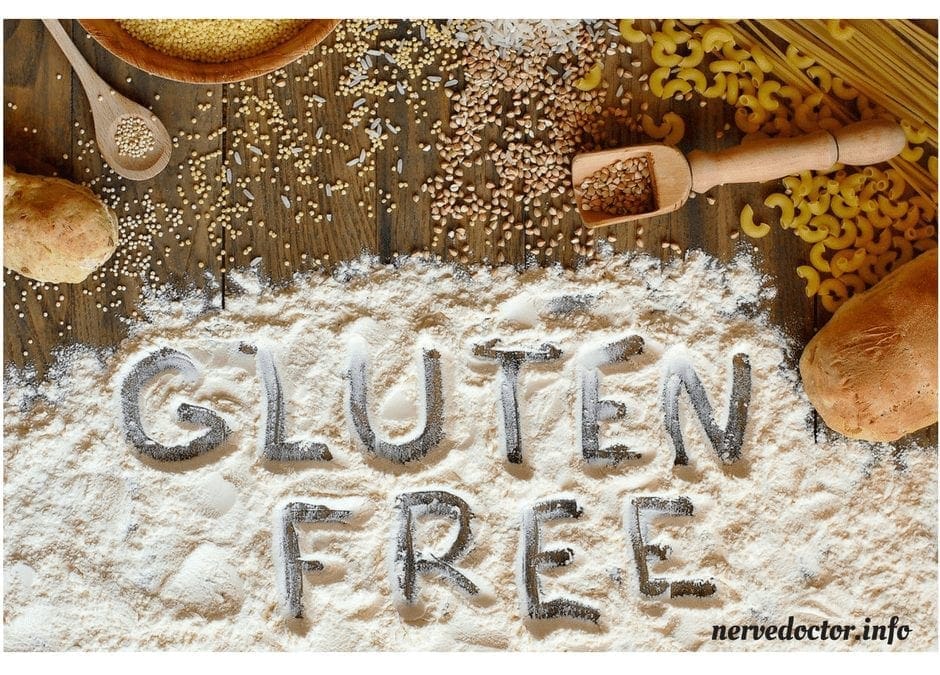
Gluten
First of all, what is gluten? Gluten is a storage protein found in wheat, barley and rye. The most common sources of gluten include a majority of breads, cereals, pasta, crackers, cookies, cakes, pastries and all foods containing white, wheat, cake or baking flour.
People with celiac disease, best described as a gluten allergy, can trigger and worsen the symptoms of peripheral neuropathy if gluten is consumed. Approximately 50 percent of adults with celiac disease aren’t even aware that they have this autoimmune disorder. Celiac disease, as mentioned before, is an allergy to gluten, however, many individuals may have a sensitivity to gluten without celiac disease. As a matter of fact, 18 million people in the United States have currently been diagnosed with some form of gluten sensitivity. Both gluten sensitivity and celiac disease can cause or increase tingling sensations and numbness as well as other neuropathic symptoms.
If you have any type of gluten sensitivity or allergy, suitable alternatives to the storage protein include: rice, oatmeal, corn and rice-based cereals, breads labeled as gluten free and potatoes.
Refined Grains
Refined grains can aggravate peripheral neuropathy because these are high-glycemic, meaning they can have a tremendous impact on your blood sugar levels. Because refined sugars cause a spike in blood sugar, inflammation throughout the body is increased, worsening any other symptoms associated with it. Chronic inflammation can both cause peripheral neuropathy and worsen nerve damage, resulting in increased pain and decreased function of many structures of the body.
According to the Diabetes Association, controlling glycemic levels in the body can be the most effective strategy for preventing the progression of neuropathy associated with pre-diabetes or diabetes, which is the most common reason for the disorder.
To control glycemic in the body, replace refined grains and products, including white and wheat bread, enriched pasta, white and instant rice, low-fiber cereals and processed snack foods, such as pretzels, potato chips and crackers, with whole grains. Nutritious whole grade alternatives include oats, barley, brown rice, quinoa and millet.
Added Sugars
Supplementary sugars which are added to foods, such as cane sugar, corn syrup, and high fructose corn syrup, add sweet flavor to many of our favorite snack but these supply very few nutrients to foods and can ultimately increase the symptoms associated with peripheral neuropathy.
Common sources of added sugars include: regular soft drinks, candy, milk chocolate, sugary cereals, pancake syrup, jellies, frozen desserts and commercially baked cakes, cookies, pastries and pies.Similar to refined grains, they are high-glycemic and can affect blood sugar levels in the body. Additionally, diets rich in added sugars are most commonly associated with poor nutrient intake.
To protect yourself against nutritional deficiencies which may lead to worsened neuropathic symptoms, choose nutritious foods with natural sugars, such as fruits, vegetables and whole grains, instead of sugary snacks.
Bad Fats
Fats are as essential to your diet as protein and carbohydrates as these are necessary to provide energy to the body and to assist in processing a variety of vitamins and manufacturing hormones. However, when our diet is made up of mostly bad fats as compared to good fats,�many complications can begin to affect the body.
The worst type of dietary fats are trans fats. Trans fats are commonly listed on labels as hydrogenated oils or partially hydrogenated oils. These can increase inflammation in the body, raise bad cholesterol or LDL, and may contribute to the development of insulin resistance which can harm small blood vessels necessary for delivering nutrients to the peripheral nerves.
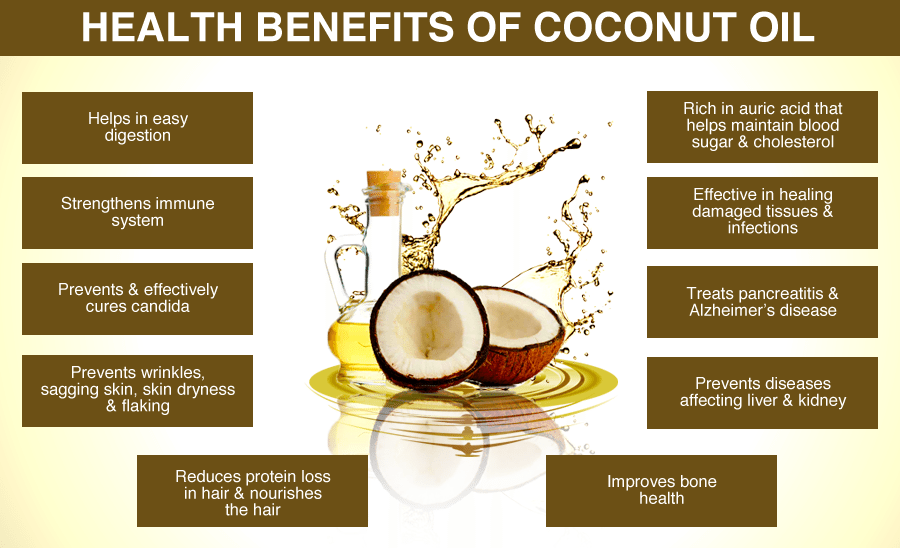
Saturated fats commonly found in fatty meats and dairy products are often given a bad reputation within the medical field but research studies, including one study from Harvard Health Publications, show that a diet with a moderate amount of saturated fat from fruits, such as avocados and coconut oil, may offer extensive health benefits to the cardiovascular system. Further studies also concluded that a small to moderate consumption of animal saturated fat can also provide several health benefits. It’s recommended to eat moderate amounts of healthy fat sources, including: avocados, nuts, seeds, coconut oils and ghee.
Dairy
Dairy is one of the most inflammatory foods in our modern diet, second only to gluten. It causes inflammation in a large percentage of the population. Individuals who’ve already developed peripheral neuropathy have some form of nerve damage and inflammation can impact the nerves even further, subsequently increasing the pain and other symptoms associated with neuropathy. �Inflammation caused by the consumption of dairy can also result in digestive issues, such as bloating, gas, constipation, diarrhea and may worsen autistic behaviors.
Why the Food We Eat Impacts Neuropathy
Essentially, the food we consume provides our body with the necessary nutrients it needs to function properly. Without the proper nutrients, our metabolic processes can suffer and our overall health and wellness can decline. The food we eat is central to our well-being.
Nutrients are the substances found in food which are fundamental for the growth, development, repair and maintenance of the body’s functions. If an individual’s diet is deficient in nutrients, their health may be affected. Nutritional deficiencies occur by consuming a diet made up fast foods, junk foods or processed foods with very little whole foods. In addition, consuming regular beverages such as soda, coffee, energy drinks, sugary drinks and alcohol, can deplete essential vitamins and minerals in the body, including: vitamins B1, B6, B12, folic acid, calcium and magnesium, among others.
Nutrients are in charge of giving our bodies instructions about how to effectively function by also providing it with the necessary materials to carry out the appropriate functions to maintain overall health and wellness. In conclusion, its important to remember that the food we eat can act as a medicine to maintain, prevent, and treat diseases, such as peripheral neuropathy.
For more information, please feel free to ask Dr. Jimenez or contact us at 915-850-0900 .�
Neck pain is characterized as the most prevalent symptom after being involved in an automobile accident. During an auto collision, the body is exposed to a sheer amount of force due to the high speed impact, causing the head and neck to jolt abruptly back-and-forth as the rest of the body remains in place. This often results in the damage or injury of the cervical spine and its surrounding tissues, leading to neck pain and other common symptoms associated with whiplash-related disorders.
IFM's Find A Practitioner tool is the largest referral network in Functional Medicine, created to help patients locate Functional Medicine practitioners anywhere in the world. IFM Certified Practitioners are listed first in the search results, given their extensive education in Functional Medicine