Today, we will be talking about what does the protein compounds and the peptide compounds do when a patient is being tested for food sensitivity. And we will also discuss what the Lectin and Dairy Zoomer do when a patient has a reaction to those types of food groups. In the last article, we mentioned about immunoglobulins in the intestinal barrier. And what do IgA and IgG antibodies do to the peptide and protein level?
Proteins vs. Peptides
So let us take a look at proteins and peptides since this is what Vibrant Food Zoomers are actually testing on a patient. Remember that the Food Zoomers are testing the peptides in the whole protein and testing all the links to see what the patient is actually sensitive to the foods they are consuming.
Proteins
Protein is basically abundant biomolecule that is consist of one or more long chains of amino acid residues. Proteins can be found in whole foods like meats and vegetables that can help the muscles in our bodies. In the last article, we talked about how IgA and IgG antibodies are used for food sensitivity testing.
However, there is a limitation of a whole protein food sensitivity testing on a patient. Practitioners do make the assumption that the patient�s gut barrier is functional and intact since there are no signs of a leaky gut syndrome presented in the results. But, if that patient has the leaky gut syndrome, then the food sensitivity test will reflect what the patient has been eating. Another assumption is that the patient�s HCI and digestive enzymes are sufficient for tolerable proteolysis. Which means that those enzymes are breaking down whole proteins into smaller peptides.
Peptides
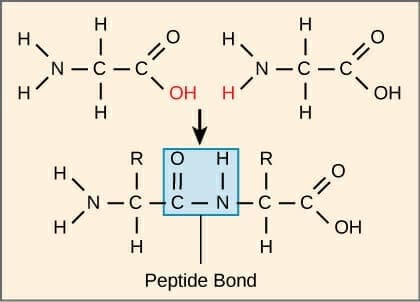
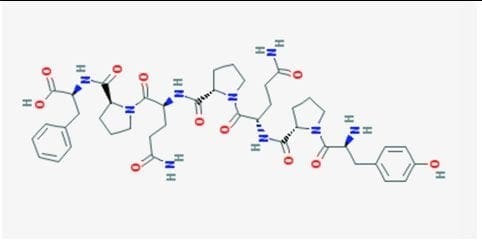
Peptides are what in protein molecules as they are short chains of amino acids and are linked by the peptide bonds. When they are being tested by the food sensitivity tests, the reproducibility is higher. It doesn�t rely on the excess HCI (hydrochloric acid) or enzymes. What the test eliminates is the cross-reactivity because peptides in proteins are not going to have molecular mimicry to other unrelated proteins.
The antibodies are highly specific to the peptides because they are not going to be generalized or more massive antibodies of proteins since cross-reactivity is eliminated. Another thing is that the peptide test does is that it can measure thousands of peptides in one protein for a full spectrum of reactivity.
When patients are coming in with digestive problems and inflammatory condition/symptoms, practitioners take note that a lot of patients commonly have hypochlorhydria and deficiencies of enzymes and/or bile acids. Most patients sometimes have moderate to severe impairment of the intestinal barrier. When that happens, local doctors discuss with them that they may have to change their diets slowly but surely. And with integrative functional medicine that can occur.� Local practitioners look at their patient�s ailments and start detoxifying their bodies slowly. This helps their bodies heal and recommend them whole, nutritious, organic foods, and supplements to help repair the body naturally. Sometimes medicines can cause disruption to our bodies, however with whole natural foods and specific diets, it can help restore our bodies. Plus making sure that we exercise to make our bodies feel good and look good.
So now that we understand what proteins and peptides do when they are being tested. Let�s take a look at the food zoomers that can help you in case you have a sensitivity to these food groups. These are the Vibrant Lectin Zoomer and the Dairy Zoomer.
Lectin Zoomer
The Lectin Zoomer is consist of a handful of lectins and a handful of aquaporins. The most common lectins that people consume are barley, bell pepper, chickpea, corn, cucumber, potato, etc. And the most common aquaporins that people consume are spinach, soybean, tomato, tobacco, etc.
Difference between Lectins and Aquaporins
The difference between lectins and aquaporins is that lectins are sugar-binding proteins that are found in both animals and plants, which can bind to the carbohydrate structures on cells. While aquaporins are water channels that are found in cavities in both plants and humans. Some aquaporins can cross-react and can lead to primarily neurological symptoms.
How Problematic are Lectins?
Some studies show cell toxicity in humans is done by using extreme cytotoxic lectins. Ricin, for example, is a common biological warfare element that is not from the commonly consumed legumes or grains. It contains cytotoxic lectins and is being consumed by animals like mice or pigs. The assumption is being made that there are similarities with humans and animal gut glycosylation (the process of sugar-binding) in these situations.
Unfortunately, though it hasn�t been demonstrated thoroughly. But lectins have biological activity in the human body. They have been used as a cancer treatment mechanism because they can agglutinate cancer cells. Which means that they produce cytotoxicity to cancer cells and can actually carry chemotherapy across cancer cell membranes.
Even though that is a good thing, lectins can facilitate the bacterial endotoxins across the epithelial barrier and go into the peripheral tissues. And that can cause inflammation to the intestinal epithelial barrier in the small intestines. Animals studies show that raw lectin consumptions can cause hemagglutinating effects, causing inflammation.
But we as humans don�t eat raw lectins because they are cooked, not pressurized cook. Certain foods that are lectins can be eaten raw or cooked. But animal studies stated that they are using for these studies are grain and legume lectins that are raw like beans and grains. But the upside is that lectins can affect the metabolism of nutrients to increase fat loss which is a positive side effect.
Measuring the Sensitivity to Lectins
On the Food Zoomers test, lectins are really not included in each analysis, except for the Wheat Zoomer. Surprisingly, a Food Zoomer may be non-reactive, but whoever is sensitive to a lectin component in the food they eat, may be reactive. So when that happens, it is necessary to eliminate the food temporarily.
If you are sensitive to a particular food, you can have a Food Zoomer and a lectin Zoomer combine. Because if you are sensitive to the food you consume, and it doesn�t show up on the Food Zoomer, but it shows up on the Lectin Zoomer. Then you should eliminate it from your diet for a bit until you retake the test.
Conditions Associated with Lectins
If you do have a lectin sensitivity, here are some of the terms that can affect your body.
Arthritis/rheumatoid arthritis
Connective tissue disorder
Gastrointestinal inflammation
Intestinal permeability
Possible cancer in established cancer patients
Now let�s take a look at the Dairy Zoomer and its functions if you are sensitive to whole dairy products.
Dairy Zoomer
The Dairy Zoomer is a peptide level assessment of the full spectrum of immune response possible to proteins in cow�s milk dairy. What this means that the Dairy Zoomer is only specific to cow�s milk. Since some proteins in cow�s milk are similar enough in the molecular structure to have the same homology to goat or sheep�s milk.
This means that these other kinds of milk may be potential can cause inflammatory in some individuals. The oral challenge for alternative types of fluid may be warranted, but use your best clinical judgment after the intestinal barrier is healed.
What the Dairy Zoomer does is that it takes the milk protein and breaking each individual protein down to its different peptides. If you are wondering if the Dairy Zoomer is a test for lactose intolerance, it is not. Since lactose intolerance is not an immune-based reaction to dairy and does not involve any protein constituents of the food, therefore no antibodies are being generated.
What it is going to test for is the casein and whey proteins in the milk product from all animals, and the ratio of these proteins will vary by species. But all the proteins and milk will generally fall into one of these two proteins.
What to do with the results?
Once your patient comes back after taking the Food Zoomers test, here are some of the things to look for when you are retesting them.
If there are any IgA antibodies still in your patient, warrant an immediate elimination, regardless that it�s moderate or positive.
If there are any Moderate IgG antibodies in your patient, then it should be eliminated in the short term. Then rotate after a 30-60-day elimination and assessing the status of the intestinal permeability to confirm that that gut barrier is no longer �leaky.�
If there is a positive IgG result, then it should be eliminated long term and only reintroduced after 90+ days and confirm of an intact intestinal barrier.
Conclusion
So all in all, food sensitivity combine with the food zoomers test are an excellent way to help your body, especially the intestinal system. The Food Zoomers we used is functional for our patient�s wellness. Because we want to get rid of the excess antibodies and heal our patient�s body through the use of functional medicine.
Mostly everyone in the world has a gluten allergy or gluten sensitivity when they consume food. When it comes to food that has the gluten compound, most people read the labels on the products that contain it and have cut the compound out of their diets completely. However, did you know that different foods and products have hidden gluten in them? Even though now and days we read labels from products, as well as, cutting off the source of the problem that is making us ill. Hidden additives like gluten, even in small amounts, can cause problems to those that are allergic or sensitive to the compound. Especially when it comes to the product itself, some regulations may or may not be required to label products that contain gluten.
What is Gluten?
Gluten is the main protein that is found in many grains such as wheat, rye, and barley. It is formed by two proteins which are glutenin and gliadin. And the word �gluten� is Latin for �glue� and when mixed with water, it rises and stretches. Most gluten can be found in some bread, pasta, cereal, and beer.
But in this article, we are going to inform you 8 products that have hidden gluten. Because here at Injury Medical Clinic, we take the time to talk with our patients on what ails their bodies and work on discovering what kind of food allergen or food sensitivity they may have. As well as, finding alternatives to prevent inflammation in their bodies.
8 Products with Hidden Gluten
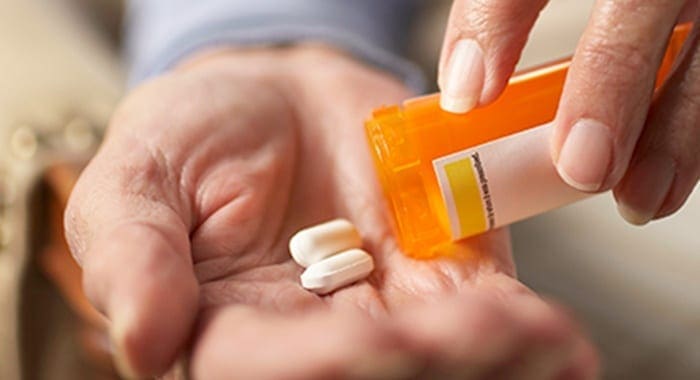
Medications: Yes, you�ve read that correctly, there is gluten in medication. Surprisingly though, a lot of prescription medicine contains excipients (containing gluten) that actually binds the pills together. This is mostly found in generic over the counter medications but the labeling for the ingredients are not always there.
However, labeling standards are changing due to the Gluten in Medicine Disclosure Act of 2019. This was proposed on April 3, 2019, and introduced by Representatives Tim Ryan (D-OH) and Tom Cole (R-OK). The bill�s intent was to make it easier to identify gluten in prescription medicine and it is telling drug manufacturers that it is required to label medications with the list of their ingredients, their sources and whether the gluten compound is present.
Hopefully with enough signatures and votes that the bill will be passed, however, if you are taking medication and the labels look different; always verify with a pharmacist to see if it is correct. Plus, you can always talk with your pharmacist to confirm that your medicine is gluten-free, so that way you won�t get a bad reaction from it.
Sauces and gravy: Everybody loves any sauces and gravies in the meals they prepared and are excellent in mash potatoes and Thanksgiving dinners. But sauces like soy or teriyaki do contain wheat protein, hydrolyzed wheat starch or wheat flour. While others sometimes contain soy sauce or malt vinegar.
In any recipe that contains a type of sauce for the food you are preparing, especially in creamy sauces and gravies, mostly requires a roux; which is wheat flour mixed with butter. So, whenever you are at your favorite restaurant or have a favorite meal to prepare, get familiar with the sauces, so that way you can know that if they are gluten-free or not.
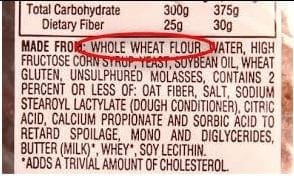
Starches: When we think of starches, our minds go to the potatoes. However, wheat can also be found in starches and starch derivatives. So, whenever you are looking at products that are starchy, look at the ingredient labels and for terms like �wheat starch�, �hydrolyzed wheat starch�, or �contains wheat.�
In order for starches that contain wheat starch to be gluten-free, the wheat compound must remove to less than 20 ppm. And especially in FDA regulated food labels, if the product says �contain wheat�, it is not safe. But food labels don�t apply to barley, rye, or oats, still continue to read the ingredient labels in the case for the wheat compound and if it is not there then the product is safe. For gluten-free starches for those who don�t want to miss out, tapioca starch, rice starch, and potato starch are perfect for frying.
Brown Rice Syrup: This type of sweetener is made from fermented brown rice with enzymes or from barley, which breaks down the starch and transforms it into sugar. Sadly though, this sweetener is not gluten-free and it can be used on its own or be used as an ingredient in a multi-ingredient product. Some companies use brown rice syrup in their products by listing it as �barley� or �barley malt.� And it is a bit problematic for those who have a gluten allergen to this sweetener.
Soups: Who doesn�t love soups. Soup is there for us when we are sick and for comfort when it gets really cold in the fall and winter seasons. But companies use wheat flour or wheat starch as a thickener for those creamier soups that we love in a can and those thickeners can be hidden in the ingredients label. So, if you want pre-packaged soup bases and canned soups for those colder seasons, be sure to read the labels carefully, especially for those creamed-based soup bases and bouillons because they might contain gluten.
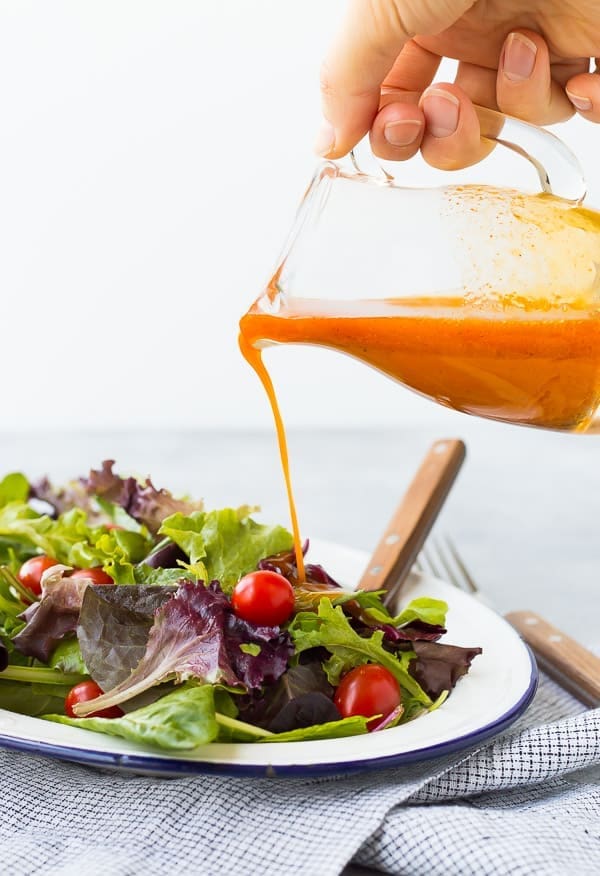
Salad dressings: Did you know that many standard salad dressings can wheat flour, soy, or malt vinegar? Not only that but it can contain wheat or gluten-containing additives as a thickener. Plus salad dressings often have artificial colors, flavorings and many other additives that can contain gluten as a sub ingredient. However, if you want to be safe and not have gluten in your salad dressings, simply put in olive oil, lemon, salt, and pepper, and you got yourself a gluten-free salad dressing.
Chips and fries: Chips and fries are the staples for a good burger or hot dog on every barbeque events and parties. Yes, the potato that makes the chips and fries are gluten-free; but the seasonings like malt vinegar and wheat starch do contain gluten. And when we are frying cut potatoes into French fries and chips; the oil that is used to make them can be cross-contaminated with gluten-containing fried foods.
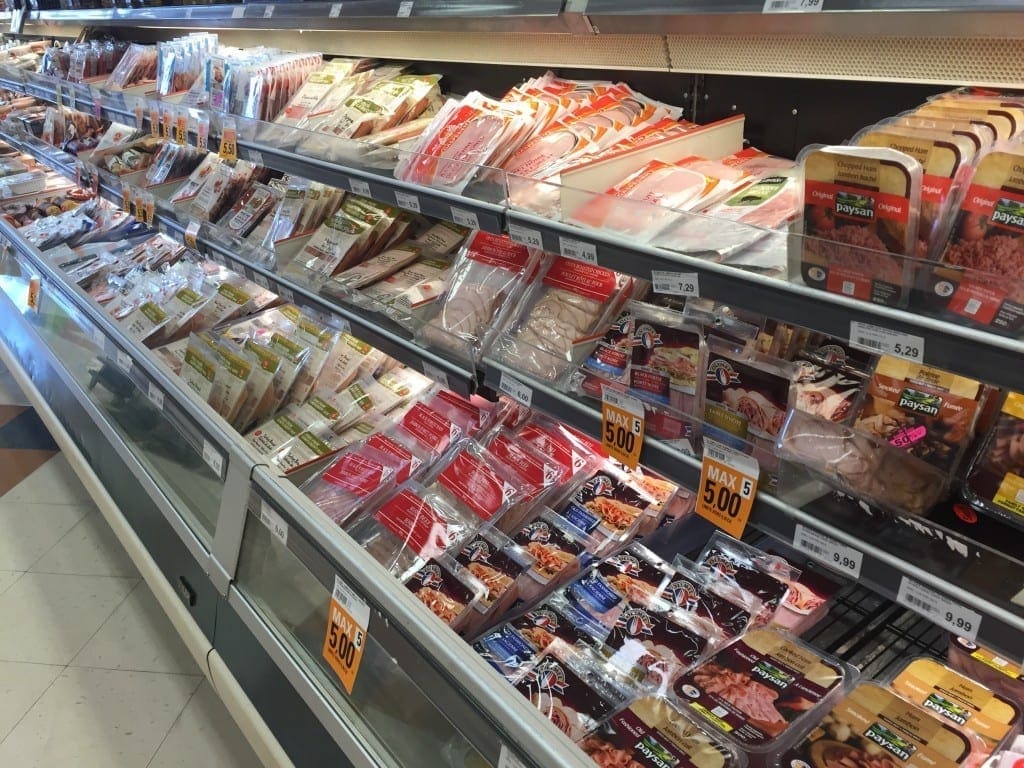
Processed meats: Meat is most likely to be the last place you think that has gluten. However, processed hamburger patties, meatballs, meatloaf, sausages, and deli meats contain gluten. Wheat-based fillers are used to either improve the texture of the meat or bind the meat together. Plus, seasoned or marinated eats can sometimes contain hydrolyzed wheat protein or soy sauce with breadcrumbs are added to bulk up the product.
Conclusion
So if you are at the grocery store getting some food for dinner or meal prepping, it is important to actually read the labeling of the products that you are buying. Whether you have a food allergy or food sensitivity to gluten or any food products, we here at Injury Medical Clinic, listen to what is causing our patients pain to their bodies and offer solutions to fix whatever ailments that the problem is causing.
The most important thing about summer is the food. Hotdogs and burgers on the grill and the seasonal fruits and vegetables that are ripe for the picking.� As much as we love the summer sun, it is still dangerous and can be harmful to our skin. We still put on sun cream, wear hats, and wear sun-protective clothing, but, did you know that certain foods can help heal your skin from sun damage and when possible can be eaten raw.
In the previous article, we talked about the 9 nutrients your skin needs to be protected from the harmful sun�s rays. Here is the top 9 food that will protect you from the sun and perfect for the summer.
Guava:
When we think of vitamin C, our minds think of any citrus fruit like oranges, lemon, limes, and grapefruit. But did you know that guava contains vitamin C as well? In fact, guava contains about 5 times more of vitamin C as much as any citrus fruit.
Guava contains about 228.3 mg of vitamin C and has antioxidants that attack free radicals and helps boost your immune system. Vitamin C has been known to battle scurvy. Plus guava can help improve your skin. By eating the fruit or using the guava leaves, your skin will be toned and the antioxidants from the fruit can keep your skin glowing, fight wrinkles and reduce signs of premature aging.
Sweet Potato:
Who doesn�t love potatoes? We eat them as fries, baked, saut�ed, mashed and use them as filling for pies. The sweet potato is no exception. There are many variations of sweet potatoes as they come in orange, white, and purple, depending on where you get them from and which region.
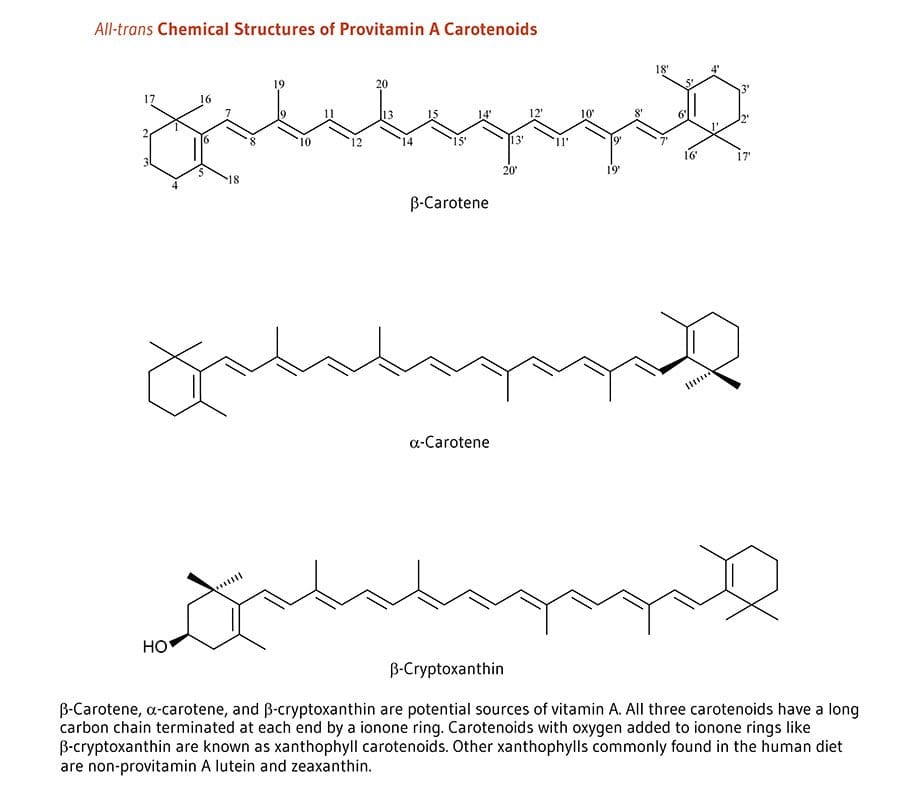
The sweet potatoes we are familiar with have an orange hue due to the carotenoids; which gives us that lovely orange color and has antioxidants to protect our skin from sun damage. Not only that but; sweet potatoes are very high in vitamin A, which is very good when they are cooked. Some people say that potatoes are known to be very starchy and can be used to soothe a sunburn by drawing out the heat from the skin.
Strawberries and Blueberries:
Both of these berries are great on their own but together, they are the dynamic duo to help our bodies combat the sun. Blueberries are richly filled with antioxidants as they combat the free radicals in our systems and can reduce the chances of cancer showing up.
Strawberries are really great as they are called �nature�s natural sunblock.� They contained about 108% of vitamin C as well as ellagic acid, which cleans up the free radicals and reduce sun-damaged pigmentation.� The Journal of Agricultural Food Chemistry stated that strawberries have anthocyanins, which gives the fruit its lovely red color to protect our cells.
Green Tea:
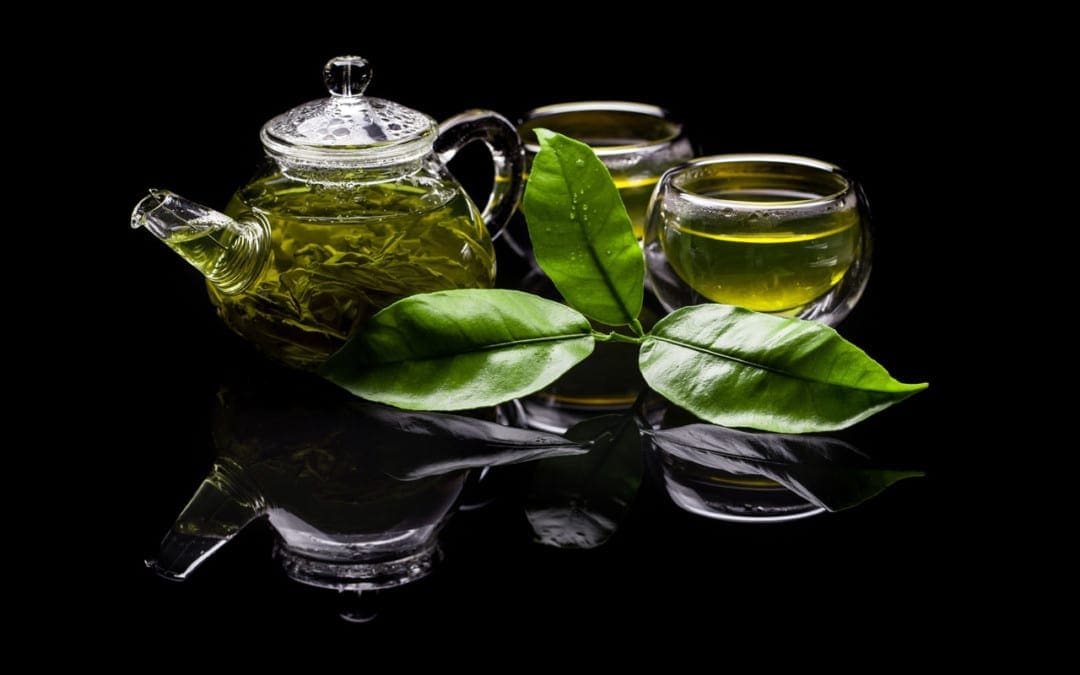
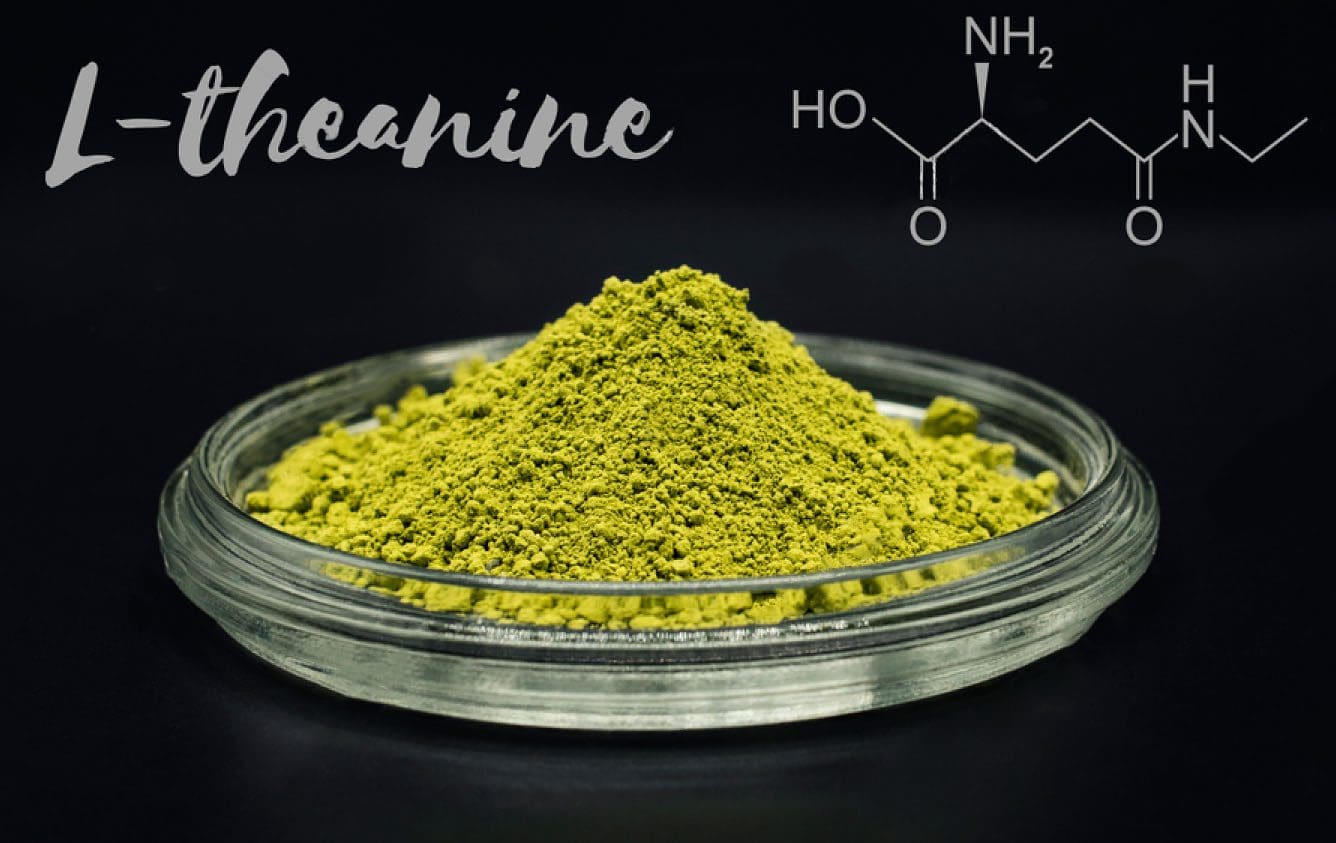
Who doesn�t love green tea? Not only it contains L-theanine, but it has many astounding health benefits that are wonderful and protects our body. Green tea can be consumed or used as a topical cream to soothe and hydrate your skin from the harsh sun rays. Green tea is jammed packed with vitamins B2 and E, as well as large amounts of polyphenol including, EGCG (Epigallocatechin Gallate).
These polyphenols help our inflammatory system repair our DNA from anything harsh in our bodies. Plus green tea has been known to lower the risk of various types of cancers.
Oatmeal:
Oatmeal is one of those foods that we all eat for breakfast. However, did you know that oatmeal can be used to soothe sunburns and exfoliate sun-damaged skin? Not only that but when oatmeal is finely grounded it is known as �colloidal oatmeal.�
You may have seen this type of oatmeal in the health/medical section in your local stores and it may be called, �Aveeno.� �Colloidal oatmeal has been approved by the FDA since 2003 and has been used as a topical ointment for anyone with eczema. Anyone with eczema experiences an abundance of itchiness when they are overly exposed by the sun�s rays or due to the heat of the summer knows this all too well.
With colloidal oatmeal, it helps relieve the symptoms of eczema by being applied with water and gently patting the topical on the source of eczema to lower the inflamed skin, thus calming it down.
Cucumber:
Cucumbers are used for anything that we can think of. In the spa, in our salads, or as a wonderful snack. This green vegetable is packed with vitamins C and K as well as, caffeic acid and potassium. Not only that but cucumbers are made up of 96% of water, which is very refreshing and great for the skin. Since our bodies lose water when we sweat and cucumbers actually replenishes our water intake and�helps cool off our bodies when we are sunburned.
Tomatoes:
Just like strawberries, tomatoes contain lycopene, which gives tomatoes that gorgeous red color and has vitamins C. K1, and B9 and potassium. Tomatoes can be eaten raw and are rich with antioxidants that help balance our bodies pH balance. As well as, protecting our skin from the sun.
Watermelon:
Oh, watermelon� not only you are the most consumed fruit for the 4th of July but you are one of the best summer fruits to be consumed. Watermelons contain not only vitamins A, B6 and C; but they also contained lycopene like tomatoes. Which helps our skin from photoaging from the sun but it�s in the top 30 most hydrating foods, next to cucumbers with 92% of water for excellent hydration properties for our skin.
Carrots:
Carrots are not only good for our eyes but did you know that carrots are jammed pack with beta-carotene, which turns to vitamin A when we eat it. Plus the sun exposure gives carrots vitamin C to help us protect our skin. Carrots have a wonderful source of carotenoids to produce photoprotection for our skin health.
Here at the clinic, we strive to inform our patients about the nutrients that food provides to our bodies. As well as, making our patients feel good with whole, nutritious options. Whether it is by adjustments or leading them to different food options for a healthy life, these top 9 foods not only help protect your skin from the sun but they also taste really good. So enjoy the summer months but remember to eat your photoprotective food.
NCBI Resources
A healthy diet is the cornerstone of good health.�You should maintain a diet�that includes lean meats, fresh fruits and vegetables, and whole grains. The key is choosing fresh, seasonal foods that are local to your area. Foods grown in their season have certain vitamins and minerals that the body needs for the time of year in which they are ripe and ready.
Anti-inflammatory activities of colloidal oatmeal (Avena sativa) contribute to the effectiveness of oats in the treatment of itch associated with dry, irritated skin: https://www.ncbi.nlm.nih.gov/pubmed/25607907
Everyone in the world wants healthy skin. We see it advertised on television with lotions and vitamin supplements. When we exercise and change our eating habits, we see our skin getting firmer with the foods we consume. However, whenever we are stressed, anxious, consuming junk food, or staying out in the sun too long; our skin takes a huge toll on our body. Our skin is the largest organ that covers our entire skeleton structure. When we expose our skin to harsh environments or have skin ailments that we contracted during our birth, our skin is depleted with the certain nutrients that our skin needs.
Glutathione:
Glutathione is known as the �wonder drug� for skin lightening. For some darker toned individuals, it will lighten up their natural melanin. This stigma has been popularized by media influences so people can have �porcelain skin.� However, glutathione actually made up of three amino acids:
Glutamine
Glycine
Cysteine
Melanin
This powerful antioxidant fights off free radicals in our immune system and is compatible with Vitamin E and C. For a natural way to make sure that your body keeps the glutathione nutrients when you get older with age, here are some vegetables that are enriched with glutathione:
Garlic
Onions
Avocado
Cabbage
Okra
Spinach
Kale
Cauliflower
Omega-3:
Omega-3s is one of the most common supplements that is known for healthy skin. This supplement keeps the body healthy as well as preventing inflammation. Omega-3s are mostly in:
Fish
Legumes
Walnuts
Avocados
Eggs
Spinach
But, there are certain limitations on taking Omega-3 supplements if you have a seafood allergy or an egg allergy. People with these types of food allergens can talk with their physician about taking the omega-3 supplements in a pill form in low dosages or eat omega-3 enriched food.
Other patients with omega-3 deficiency have been known to have psoriasis, thus using a topical lotion infused with omega-3s have been known to calm down the inflammation.
Biotin is the three-for-one supplements that target your nails, hair, and skin. This supplement can be found in vitamin pills at your local stores and is highly recommended by dermatologists. However, some people have biotin and zinc deficiency that can be linked to skin abnormalities, thus, biotin plays an important role in our skin health.
You can either take the vitamin pill or incorporate certain food groups like eggs, nuts, whole grains, some dairy products, and certain vegetables in your diet to get the beneficiary nutrients to keep your skin healthy.
Niacin:
Also known as vitamin B3, has been known to support skin health. This nutrient has many beneficial effects to promote skin wellness. It is one of the most essential nutrients we consume since our bodies can�t produce it on their own. Some of the food groups are in the meat department and vegetarian department:
Mushrooms
Potatoes
Legumes
Whole grains
Meat
Fish
Eggs
Milk
Vitamin A:
Vitamin A is filled with nutrients as it contains beta-carotene, thus it is mostly fruits and vegetables that contain this supplement. This supplement plays an important role as it helps repair any skin deficiencies and eye health. Some of the foods that boost up vitamin A are:
Carrots
Broccoli
Cantaloupe
Squash
Vitamin C:
Vitamin C is one of the most top tiers of improving skin health and has many beneficial factors in our immune system. Some patients develop scurvy when they don�t have enough vitamin C in their system. It is mostly found in citrus fruit, which is one of the best ways to consume the vitamin into your system.
But, there is a catch when you are taking vitamin C. Vitamin C when exposed to light, can oxidize and become unstable. So if you are taking the supplement, it should be stored in a dark place and the PH should be at 3.5.
Zinc:
Zinc is one of the supplements that support healthy skin. This micronutrient can protect our skin from the sun and supports our inflammatory system. Some of the food that actually can help us prevent sun damage and give us a zinc supplement boost include seeds, meat, shellfish, dairy and dark chocolate.
When our skin needs these 9 nutrients, they are thanking us for taking the time to get the necessary supplements to make sure our bodies are still functional and that we live a long healthy life. Granted that the media has televised about many ways to promote skin health, but it actually starts with eating the right foods that our body craves. When we eat processed food and ingest artificial sugars into our bodies, we feel sluggish, our skin takes a toll on the lack of nutrients we are not giving and so many health problems that we will face.
Yes, we can take topical creams and lotions to nourish our skin and combat the dryness that our skin faces. But that can only go for so long unless we change our eating styles. Some people may freak out because they hear the word, �diet� and are limited to what they can eat. However, when it�s a health issue and our physicians tell us that we need to eat healthier, we give it a go. Therefore, eating right is a lifestyle choice and it starts with these 9 nutrients to make sure our largest organ is taken care of as well as the rest of our body system. When we cut back on the bad food and focusing on good food, our bodies feel so much better.
NCBI Resources
Living a healthy lifestyle and eating your basic food groups; whether it be plant-based or omnivorous, as well as, exercising a couple of times out of the year. A bad healthy lifestyle is eating processed food and not exercising, which leads to obesity and cardiac arrest. Depending on the person and the efforts that they are willing to maintain a healthy lifestyle, they can achieve longevity by taking care of their gut first and foremost.
Ever wondered why your job is so stressful? Or that you haven�t gotten enough sleep due to partying with your friends, even though you were supposed to finish that essay for that one class you signed up for and now you are typing away to meet the deadline and turning it in. Or even better� the two p.m. slumps.
Well, it might be because your L-theanine is a bit low. However, there are many ways to make sure that you get a boost of energy even though you feel tired and you are probably drinking it right now. Green tea seems to help us when we are overly stressed and when it�s nice and hot, we feel relaxed and whatever stress we hold onto melts away. However, L-theanine can also stimulate the brain and overall make you feel good, as well as blocking out certain neurotransmitters in your brain.
Try Green Tea
If you are wondering about the benefits of green tea, you can look at many Google searches and they will tell you different things about the health benefits of drinking green tea. However, they will say the same thing that is truly effective. That green tea can help your central nervous system function properly. Even though green tea has the same properties as coffee in the caffeine department without the extra �jittery� effect.
Green tea can be effective as it can make you more productive but can also give you more stable energy, while improving your brain to function properly. There is even a study that green tea can protect your brain when you are older. And that it may help lower the chances of getting Parkinson�s disease and Alzheimer�s disease. Both are very common neurodegenerative diseases that can be prevented by the various protective effect by drinking green tea. Not only that but it can also balance out the two neurotransmitters that are a key essential to having a healthy brain activity.
Neurotransmission
There are two types of neurotransmitters in our brains that work together to make sure that we are functioning properly. They are Glutamate and GABA. Both are mostly located in the brain�s neuro system as they are together and bringing a balance to our system. Glutamate’s function is to make our brain fired up and ready to learn new things. As well as being an important part of our brain development.
But when there is too much Glutamate in our brain, we become very hyper-aware of our surroundings, neurological inflammation, and anxiety. But when we add L-theanine to Glutamate, the Glutamate�s neurotoxicity is lowered by the L-theanine supplement. But the only way to counteract Glutamate is with GABA. GABA or Gamma-Aminobutyric Acid is the body�s main neurotransmitter that is responsible for our cells.
Chill Out
It�s basically the �chill pill� for our central nervous system. This neurotransmitter counteracts with Glutamate, which is very hyper; while GABA is very relaxed. Not only GABA calms downs our central nervous system, but it also gives us a much-needed restful sleep when we are exhausted from a long day. And when we are done with exercising, GABA helps our muscle tissue regenerate. GABA seems to know when we need to rest our brains from burning out and crashing hard on the couch after a long stressful day at work or school.
The best way to describe how GABA and Glutamate work together is to imagine your body as a car. Glutamate is the gas where we have to go from one place to the other and GABA is the brakes where we have stop and rest a bit. And when we add L-theanine to the mixture, it�s a sense of an added booster to our body and central nervous system to not only be relaxed but also have a bit of energy to go out on our daily day to day life.
But there is always still going to be stress in our lives if we don�t control it. Stress can be caused by many things that we all go through. Sometimes it can be something small like deadlines on projects that you are preparing for, that one exam that you have to take in class, or trying to find a job.
Those give us minor headaches that we have to step back a bit and take a deep breath. Other times stress can be something major like having too many commitments that we can�t handle, having poor organization skills, or even having a very highly stressed job. These major stressors can cause us to have high blood pressure and heart disease that we have to go to the doctor to get a prescription or even see a therapist so we can calm our mind down.
L-Theanine
Going back to L-theanine, it is proven that L-theanine can help us relax a bit in stressful situations. An animal study showed us what would happen when L-theanine is in the blood system of rats. Those rats that are treated with L-theanine are more relaxed in a stressful situation than those that are not treated.
With L-theanine, it is proven that this supplement has beneficial properties to help us calm down our central nervous system but also makes us feel a bit better in our day to day lives. We all deal with stress differently as there are certain things that help us alleviate it and even help us get better if we continue to do the things we love.
Conclusion
Whether it is taking a walk, writing down in a journal, exercising, seeking some professional help if things get way too hectic or doing a hobby that we love; stress is always going to be there within us, but only we can control it with the right ingredients.
Therefore, whenever you feel overly stressed from working too hard, having way too many plans that you can�t commit, or feeling very low on energy. Remember to stop and breathe a bit as you get into your comfiest clothes, put on a movie or binge-watch a series on Netflix, and make yourself a cup of hot green tea. Then when you are all comfortable on the couch and when you take that first sip, not only your body; but your brain will thank you for that break in your hectic daily life.
Excessive Foot Pronation can Affect *FOOT POSTURE & MOBILITY* | El Paso, TX (2019)
The following video discusses how excessive foot pronation can ultimately have an effect on foot posture and mobility. Several things can impact foot posture and mobility, such as excessive foot pronation. Excessive foot pronation is most widespread among the overall populace, therefore, it’s regarded as one of the most frequent factors for abnormal foot posture and mobility, which can lead to a variety of health issues like overuse injuries. Excessive foot pronation and supination can ultimately impact general health and wellness.
What’s Afoot
Foot Dysfunction can very easily cause a domino effect that extends all the way to the back. The feet are the foundation of the body and when there is a problem with the way they function it can cause the entire body to shift out of alignment. For instance, overpronation of the foot causes a series of internal changes that extend up through the leg. The femur may rotate causing hip pain and inflammation of the sacroiliac joint which leads to back pain. Other misalignments in the body that are caused by foot problems can also lead to chronic lower back pain as well.
NCBI Resources:
Researchers at Japan�s Kyoto University found that drinking green tea could help prevent deadly abdominal aortic aneurysms. They believe that the beneficial compounds in green tea are polyphenols, a type of antioxidant that fights free radicals and reduces inflammation. The polyphenols also appear to make arteries stronger and more flexible by regenerating elastin, an essential protein that makes arteries stretchy, yet sturdy. Green and white teas contain large amounts of EGCG, a powerful antioxidant linked to a lower risk of heart disease, Alzheimer�s disease, and numerous types of cancer. A study at Japan�s Okayama University found that senior citizens who drank large amounts of green tea slashed their risk of dying from heart disease by as much as 76 percent, and a Chinese study found that drinking green tea cut the risk of lung cancer by two-thirds.
Calcium overview- Calcium is a mineral that is essential for life (2). Not only does the body require calcium to build strong bones, but it also aids the body in keeping the bones strong, muscle contractions, and helps to enable our blood to clot (2). Majority of the calcium in the body can be found in the bones and teeth. However, we lose calcium every day just through our skin, nails, hair, and sweat. Once calcium is dissolved in the stomach, it is then absorbed through the small intestine lining to enter the bloodstream. From here, the calcium can then build bone and regulate the contraction of the blood vessels as well as perform its other duties (2).� One of the reasons the amount of calcium consumed each day is so important is because, no matter what, the body will take what it needs. This being said, if you are not supplying your body with the correct amount of calcium, it will start to take the nutrients it needs from the bones (1). The more and more the body does this, the more fragile your bones become, leaving you more susceptible to diseases such as osteoporosis. However, there are different forms of calcium that provide and aid the body in different things.
Calcium D Glucerate
Calcium D Glucerate is made in small amounts by humans. This is the calcium salt of D Glucerate (1). With studies performed, results showed that when Calcium D Glucerate is taken orally, it inhibits beta-glucuronidase (1). When beta-glucuronidase is inhibited, it aids the body in preventing many hormone-dependent cancers. These cancers include but are not limited to; breast, prostate, and colon (1). When beta-glucuronidase is elevated in the body,� cell damage begins to occur. However, when Calcium D Glucerate is taken orally, it helps to inhibit (block) this enzyme that is produced by the liver.
Calcium Carbonate
Calcium Carbonate is calcium with a salt formula. This medicine can be used in multiple situations but is most commonly used for temporary relief of heartburn and indigestion (3). In addition to this, Calcium Carbonate can be used to help prevent osteoporosis (3).
The recommended daily dose for adults is 1,000mg a day of calcium. Make sure that you are eating foods containing calcium as well as taking this recommended dose in order to best protect your bones. Not only will this help your bones from becoming porous, but it will aid in overall body performance. If you are confused about which calcium supplement you should be taking, please consult a local doctor. – Kenna Vaughn, Senior Health Coach
Sources:
�Calcium-D-Glucarate.� Alternative Medicine Review: a Journal of Clinical Therapeutic, U.S. National Library of Medicine, Aug. 2002, www.ncbi.nlm.nih.gov/pubmed/12197785.
�Calcium/Vitamin D Requirements, Recommended Foods & Supplements.� National Osteoporosis Foundation, 26 Feb. 2018, www.nof.org/patients/treatment/calciumvitamin-d/.
National Center for Biotechnology Information. PubChem Database. Calcium carbonate, CID=10112, https://pubchem.ncbi.nlm.nih.gov/compound/Calcium-carbonate (accessed on Aug. 11, 2010
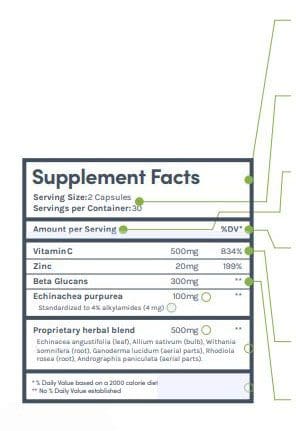
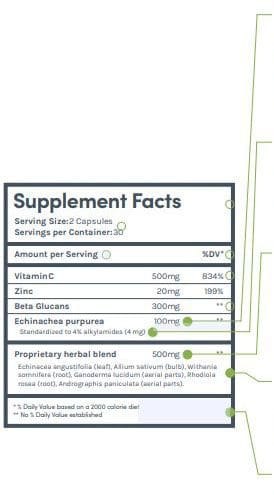
Supplemental Facts title indicates that the product is marketed for sale in the USA and is FDA standard.
Serving size, and the number of servings per container will be included to help you compare between products.
Make sure the serving sizes match when comparing supplements to get an accurate comparison.
Vitaminsand minerals always show the dose in weight and % percentage daily value to help you understand your dietary requirements.
Supplements often will have doses that exceed the recommended daily value.
Dietary supplement ingredients that are not vitamins or minerals will not have the % percentage daily value because they are not essential ingredients in the diet.
Dietary supplements are regulated by the FDA, and all labels must follow a consistent format to make it easier for consumers to understand. Understanding dietary supplement labels well require some attention to the following points when you�re evaluating supplements.
Herbs sometimes have additional information listed in the supplement panel. You might see ratio numbers (example 4:1) that show how much raw material of the herb (fresh or dried herb) is in the supplement version.
Herbs might have a standardization amount that shows how much of an active ingredient is present. The dose of the active ingredient is often listed, but sometimes it is not.
Proprietary blends are common. Only the total amount of the blend in a serving needs to be listed, which means that you don�t get all of the information about every ingredient.
Proprietary blend ingredients are listed in order from most to least. Similar to how food ingredients are listed on prepared foods nutrition facts panels.�
The daily value percent is established against a 2000 calorie diet. This is the standard calorie amount, however, it�s always important to determine your calorie requirements that you need for your health goals.
How To Identify Organic Foods
In the United States, a food or product that is labeled as organic is required to be certified by the�U.S. Department of Agriculture (USDA). The USDA has a certification program for natural growers and it has a set of very stringent standards that the product or food must meet.
There are some exemptions. For instance, a producer who does not sell more than $5,000 annually just in organic foods is not required to get the certification although they do have to adhere to the USDA�s stringent requirements for organic foods.
When a food carries the USDA Organic label, it means that it meets the requirements. While natural producers are not required to put the label on their products, many do.
The labeling varies, depending on the type of food. Single-ingredient foods like eggs, vegetables, and fruits�are considered to be 100 percent natural and are allowed to carry the USDA seal.
Foods that contain two or more ingredients, like breakfast cereal, are still allowed to use the USDA seal, but also must include the following information:
Organic � The product must be 95 percent organic or greater in order to be able to use this term
100 percent organic � The product must be completely organic or all of its ingredients must be natural
Made with organic ingredients � The product contains no less than 70 percent natural ingredients
If the product has less than 70 percent natural ingredients, they are not allowed to use the word �organic� anywhere on their product labels.
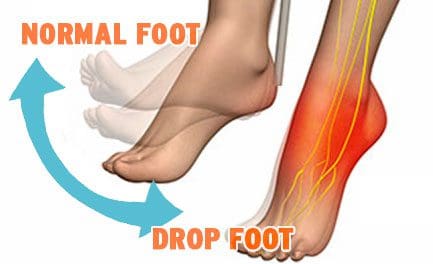
Drop Foot
Drop Foot is a symptom associated with an underlying neurological, muscular or anatomical problem that is often treated with a combination of non-invasive techniques and procedures.
Overview
Drop foot/foot drop is a general term that means lifting the forefoot (front part of the foot) is difficult to do.
Drop foot is not a diagnosis but a symptom associated with an underlying condition such as:
Neurological
Muscular
Anatomical problem
Nerve or muscle injury
Brain/spinal cord disorder, including
Herniated disc
Spinal Stenosis
Spondylolisthesis
Vertebral Fractures
Walking can be difficult, so the foot tends to drag on the floor.
Those suffering from drop foot sometimes raise the thigh up in an exaggerated fashion, such as when climbing stairs.
Stepping high is the most common symptom.
Symptoms of Drop Foot
High steppage gait
Foot drop may be experienced in one or both feet.
It is typically experienced in one foot if the drop foot is caused by:
Braces can provide additional support, stability, and shock absorption
Specific exercises to help the affected muscles
Physical therapy
Prevention
Prevention includes keeping your bones and tissues strong and healthy through diet and�exercise.
Avoid tobacco and excessive alcohol use creates weak bones and problems with the blood supply
Reduce the risk of injury by following safety measures on the job and beyond (i.e. wear a seatbelt).
Custom orthotics can provide additional support, stability, and shock absorption.
Kneeling for extended periods, such as on the job (certain construction functions laying tile, yard work).
Recovery
Some cases of drop foot are temporary; however, others can become permanent.
The recovery time and process depend on the cause.
Reduce *PLANTAR FASCIITIS PAIN* with Custom Foot Orthotics | El Paso, TX (2019)
Foot problems can affect the overall well-being of the human body. Many health issues which affect the foot can result in poor posture, low back pain, and sciatica. These imbalances can ultimately result in a variety of other health issues. Custom-made foot orthotics can help promote and support overall well-being by relieving foot problems.
Dr. Alex Jimenez is the non-surgical choice for foot problems and other health issues. Dr. Alex Jimenez can help promote and support overall well-being with the use of custom-made foot orthotics and other treatments approaches.
What’s Afoot
Foot Dysfunction can very easily cause a domino effect that extends all the way to the back. The feet are the foundation of the body and when there is a problem with the way they function it can cause the entire body to shift out of alignment. Overpronation and oversupination, for example, can cause a variety of injuries and conditions that affect not only the feet and ankles, but also the knees, hips, and back as well.
NCBI Resources
If you have further questions or concerns about your particular�diet, please ask us! Our Doctor of Chiropractic can help guide you toward a more healthy life, including the foods you consume. It comes down to two major areas: safety and�nutrition. That is what consumers need to understand when they are trying to make a decision on whether to purchase foods that have been conventionally farmed or foods that are natural.
IFM's Find A Practitioner tool is the largest referral network in Functional Medicine, created to help patients locate Functional Medicine practitioners anywhere in the world. IFM Certified Practitioners are listed first in the search results, given their extensive education in Functional Medicine
















 Herbs sometimes have additional information listed in the supplement panel. You might see ratio numbers (example 4:1) that show how much raw material of the herb (fresh or dried herb) is in the supplement version.