by Dr Alex Jimenez DC, APRN, FNP-BC, CFMP, IFMCP | Natural Health, Wellness
New research has found yet another way that the current levels of air pollution is impacting our health, this time by disrupting our sleep.
Presented at the ATS (American Thoracic Society) 2017 International Conference, the findings suggest that high levels of air pollution not only affect heart health, breathing, and lung function, as found in previous studies, but also sleep quality.
For the new research the team analyzed data from 1,863 participants with an average age 68, who were taking part in the Multi-Ethnic Study of Atherosclerosis (MESA) and both of MESA’s Sleep and Air Pollution studies.
The study looked at the effects of two of the most common air pollutants — NO2, a traffic-related pollutant gas, and PM2.5, or fine-particle pollution — and estimated exposure to air pollution at each participant’s home both one year and five years into the study.
Participants wore a wrist device for a seven-day period to measure their sleep and activity, and calculate “sleep efficiency” — a measure of the percentage of time in bed spent asleep vs. awake.
After finding that 25 percent of participants had a sleep efficiency of 88 percent or less, the team decided to look at whether exposure to pollution was impacting the sleep of this low efficiency group.
The group was divided into four according to levels of pollution, with the team comparing those who experienced the highest levels of pollution with those who experienced the lowest levels.
After taking into account various factors including age, body mass, obstructive sleep apnea, race/ethnicity, income and smoking status, the results showed that those exposed to the highest levels of NO2 over five years had an almost 60 percent increased chance of having low sleep efficiency compared to those with the lowest NO2 levels.
Those exposed to the highest levels of small particulates (PM2.5) had a nearly 50 percent increased chance of having low sleep efficiency.
Lead author Martha E. Billings, commented that, “We thought an effect was likely given that air pollution causes upper airway irritation, swelling and congestion, and may also affect the central nervous system and brain areas that control breathing patterns and sleep.”
However, she also added that further research is needed in order to look at an association between sleep and other air pollutants not included in this study, as well as how pollutants may disrupt sleep patterns. Another possibility is that it is traffic noise rather than pollutants that is contributing to poor sleep quality.
“There may be acute sleep effects to short-term exposure to high pollution levels as well, but we lacked the data to study that link,” added Dr. Billings.
by Dr Alex Jimenez DC, APRN, FNP-BC, CFMP, IFMCP | Natural Health, Wellness
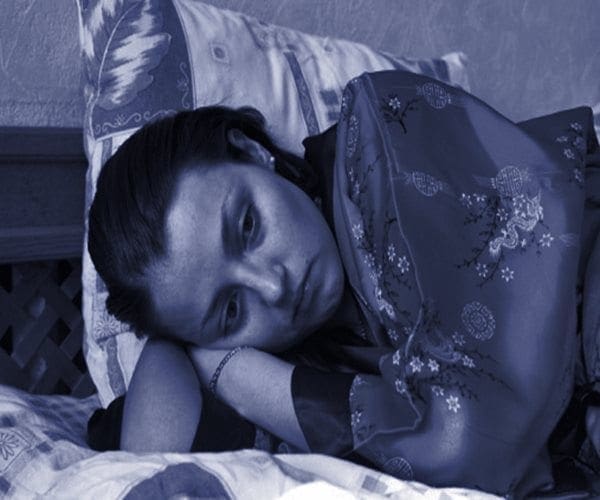
From depression and daytime sleepiness to difficulty concentrating, new Australian research suggests that women are more sensitive than men to the effects of sleep disorders in their daily lives.
Researchers at the SleepGP clinic in Coolangatta, Australia, set out to investigate how men and women may be affected differently by sleep disorders in their day-to-day lives.
Scientists studied 744 patients, who received sleep-related healthcare from seven private general practices in Australia between 2013 and 2015. They were assessed via several sleep-related tests, including the Epworth Sleepiness Scale (ESS) and other questionnaires.
The scientists found that women were more likely to have sleep disorders associated with daytime sleepiness (49% compared to 36.9 % for men). Women were also more likely to report an increased burden of symptoms linked to sleepiness.
The study found that women were more likely to feel excessively tired or depressed, have difficulty concentrating or remembering things, and have more trouble sleeping at night.
In addition, male snoring was more likely than female snoring to force bed partners to sleep in different rooms.
The study results are published in the May 15 issue of the Journal of Clinical Sleep Medicine.
The study is available here: http://www.aasmnet.org/jcsm/ViewAbstract.aspx?pid=31011

by Dr Alex Jimenez DC, APRN, FNP-BC, CFMP, IFMCP | Natural Health, Wellness
The coming Memorial Day weekend marks the official start of the summer travel season, but whether you stay healthy or get sick may depend on the preparations you make before you leave, a top expert says.
“Just like you make preparations for a trip you also need to prepare ahead of time so you don’t spoil your vacation by getting sick during your trip or when you get home,” Dr. Brent W. Laartz tells Newsmax Health.
“When you’re on vacation you need to be observant of the conditions that could harm you,” says Laartz, author of the book “How to Avoid Contagious Diseases.”
Travel-related ailments can range from the very serious, like Ebola and malaria, to milder, self-limiting ones like a diarrheal illness. But even diarrhea can spoil a holiday, Laartz notes.
He learned this firsthand while vacationing in Costa Rica years ago. Although Laartz doesn’t know whether it was the goat cheese sandwich or lobster salad he ate, he became sick shortly after returning home.
“This definitely opened my eyes to the dangers of travel,” says Laartz, an infectious disease specialist practicing in Safety Harbor, Fla.
Digestive ailments are much more common now that Americans are becoming more adventurous in their travel planning, he says.
“People are traveling to places they never did before and, inspired by TV shows like ‘Bizarre Foods,’ they are eating the local food. But farming practices in these places may differ and also the foods may not be inspected like they are in the U.S.,” he says.
Also, people also may come into contact with bacteria and parasites, as well as mosquito-borne viruses that can be lurking in tropical destinations, he adds.
“There are a lot of different ways that you can get sick, so your best strategy is to prepare ahead of time and to be careful while you’re traveling,” he adds.
Here are Laartz’s tips:
Before you go:
- Plan ahead. If you’re planning to go abroad, check the Centers for Disease Control and Prevention’s Travel Alert Notices while you are drawing up your itinerary. You can find it at www.cdc.gov.
- Get medical advice. If you’re going abroad, visit a Travel Medicine Clinic, or a doctor specializing in travel about a month beforehand so you can receive any necessary vaccines.
- Check the internet. If you’re going abroad, check out the “Traveler’s Health” page at www.cdc.gov. But even if you’re staying in the U.S., check out the state health department websites for any of the places you plan to visit. The Zika, dengue and chikungunya viruses, while more common abroad, also are in the U.S.
While you’re traveling:
- Don’t drink the water, even in the shower. Don’t drink the local water and, when you shower, avoid ingesting any water and don’t wipe your mouth with the towel provided by a hotel. Water in some countries has been known to carry parasites and toxins that cause disease.
- Put a layer between your feet and the floor. Use flip flops on your feet in the shower, and if you must be barefoot, put a towel down on the floor. Parasites can enter the skin of your feet and travel to different parts of the body. For the same reason, never walk barefoot in any area of a foreign country, including your hotel room.
- Bring your own peeler. Only eat fruit that you can peel such as bananas, apples and oranges. Fruits are sometimes wiped down with dirty rags, which could ultimately lead to diarrhea, E coli, or salmonella. Avoid melons, as sometimes they are injected with unsanitary water to make them weigh more.
- Cole slaw is a no-go. Coleslaw contains mayonnaise. Mayonnaise-based foods may have not been well refrigerated, and may contain toxins that could cause food poisoning.
- Hit up the to-go window. If you are concerned about the sanitation of a restaurant, order the food to go. That Styrofoam box may be cleaner than the plate or fork in the restaurant. Dishwashers in restaurants may not use water hot enough to kill bacteria and viruses.
The U.S. Food and Drug Administration (FDA) offers these additional tips:
- Avoid tanning. Limit sun exposure when the heat is intense and use adequate amounts of sunscreen. Choose an SPF of 15 or higher, apply at least one ounce of sunscreen (about the size of a golf ball) and follow label directions on reapplying.
- Check your meds. Make sure you have enough of your medications for your trip, check for special instructions (some may make you more sensitive to sunlight, for example), and keep your medications with you when flying.
- Be careful with contact lenses. Make sure your lenses are prescribed by an eye care professional and skip colored or decorative lenses sold in shops or on the boardwalk.
- Think twice about tattoos, even henna ones. Getting a tattoo can cause serious health risks. When it comes to henna, this dye is not FDA-approved for use on the skin, and its use has caused problems in some people.
- Stay hydrated and eat healthy. When you spend a late afternoon at the beach (remember sunscreen) bring water and drink even before you feel thirsty. But beware of ice or tap water in places where the water isn’t safe to drink. Try to make healthy food choices. If you’re at a buffet, you can follow the dietary guidelines, for instance, by first filling your plate with fruits, vegetables, and whole grains and then adding the protein source.
by Dr Alex Jimenez DC, APRN, FNP-BC, CFMP, IFMCP | Natural Health, Wellness
High quality chondroitin sulfate is just as effective as a widely prescribed non-steroidal anti-inflammatory drug (celecoxib) for the treatment of painful knee osteoarthritis, and possibly safer.
That’s the key finding of a new study, published in the Annals of Rheumatic Diseases, comparing the popular supplement and the prescription medicine.
The researchers have called for chondroitin sulfate’s use in long-term treatment, especially for older people (among who osteoarthritis is common), due to its effectiveness and safety.
Usually treated with non-steroidal anti-inflammatory drugs (NSAIDs) and paracetamol, osteoarthritis is a degenerative joint condition that causes pain, loss of function, and often some degree of disability. It is the most common form of joint disease, and it affects between 20 million and 27 million Americans alone.
Unfortunately, the long-term use of NSAIDs can be risk, with studies showing they can cause increased risk for heart attack and other serious side effects. Because of this, researchers have been looking to find effective and safe alternatives to the NSAIDs that are commonly prescribed for osteoarthritis pain.
For the new study, 604 European osteoarthritis sufferers were randomly assigned to receive one of the two treatments and monitored for six months. One third were given one 800 mg tablet of chondroitin sulfate, another third received 200 mgs of celecoxib (Celebrex, and additional 205 were given two placebo dummy pills.
While pain was reduced and joint function improved in all three treatment methods throughout the six months, the results significantly greater after six and three months in patients treated with chondroitin sulfate or celecoxib. What’s more, there were no significant overall differences in effectiveness of either active treatment, both of which were highly rated by patients.
“This compelling benefit-risk profile, in light of the known clinical risks associated with chronic usage of NSAIDs and paracetamol underscores the potential importance of pharmaceutical grade [chondroitin sulfate] in the management of knee [osteoarthritis],” the researchers said, “especially in the older population requiring long-term treatment.”
The researchers noted that the chondroitin sulfate should be considered as the first option for treatment of this condition.
by Dr Alex Jimenez DC, APRN, FNP-BC, CFMP, IFMCP | Cannabinoids, Natural Health, Wellness
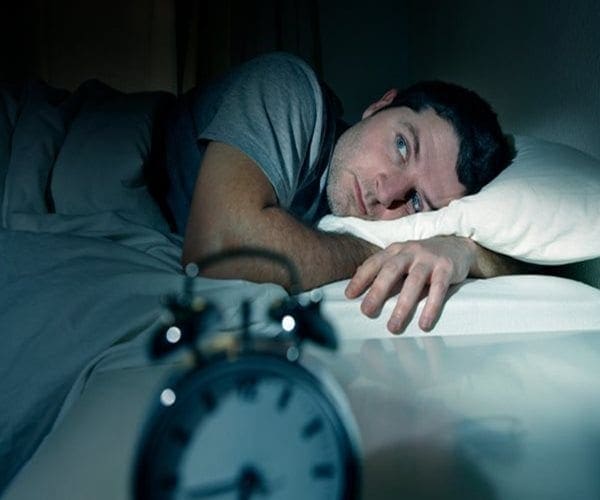
Losing sleep increases the risk of becoming obese, according to a Swedish study. Researchers from Uppsala University say a lack of sleep affects energy metabolism by disrupting sleep patterns and affecting the body’s response to food and exercise.
Although several studies have found a connection between sleep deprivation and weight gain, the cause has been unclear.
Dr. Christian Benedict and his colleagues have conducted a number of human studies to investigate how sleep loss may affect energy metabolism. These studies have measured and imaged behavioral, physiological, and biochemical responses to food following acute sleep deprivation.
The behavioral data reveal that metabolically healthy, sleep-deprived human subjects prefer larger portions of food, seek more calories, show signs of increased impulsivity related to food, and expend less energy.
The group’s physiological studies indicate that sleep loss shifts the hormonal balance from hormones that promote fullness (satiety), such as GLP-1, to those that promote hunger, such as ghrelin. Sleep restriction also increased levels of endocannabinoids, which are known to stimulate appetite.
In addition, their research showed that acute sleep loss alters the balance of gut bacteria, which has been widely implicated as key for maintaining a healthy metabolism. The same study also found reduced sensitivity to insulin after sleep loss.
“Since perturbed sleep is such a common feature of modern life, these studies show it is no surprise that metabolic disorders, such as obesity are also on the rise,” said Benedict.
“My studies suggest that sleep loss favors weight gain in humans,” he said. “It may also be concluded that improving sleep could be a promising lifestyle intervention to reduce the risk of future weight gain.”
Not only is a lack of sleep adding pounds, other research has discovered that too much light while you sleep can also increase your risk for obesity. A British study of 113,000 women found that the more light they were exposed to during sleeping hours, the greater their risk of being fat. Light disrupts the body’s circadian rhythm, which affects sleep and wake patterns, and also affects metabolism.
But getting exposure to light in the early waking hours might help keep weight in check. A study from Northwestern University found that people who got most of their exposure to sunlight, even if it’s overcast, early in the day had a lower body mass index (BMI) than those who got their sun exposure later in the day, regardless of physical activity, caloric intake, or age.

by Dr Alex Jimenez DC, APRN, FNP-BC, CFMP, IFMCP | Herbs, Natural Health, Wellness
The herb ashwagandha is one of the most important herbs in Ayurveda, a form of natural Indian folk medicine. It has been used for more than 3,000 years to boost energy and ease stress. And modern research is discovering that this ancient herb can treat a host of modern illnesses.
Ashwagandha’s Latin name, somnifera, means sleep-inducing, and a new Japanese study found that the herb truly does improve sleep.
Researchers at the University of Tsukumba used a neurological test (EEG) to record activity in the brains of mice that were given ashwagandha. They found that an extract of ashwagandha leaf, which was rich in the component triethylene glycol (TEG), significantly increased non-rapid eye movement (NREM) sleep.
The sleep induced by TEG was similar to normal sleep, and researchers believe that ashwagandha could revolutionize the natural plant-based therapies for insomnia and sleep-related disorders, producing natural sleep without side effects.
An earlier study published in Alternative Medicine Review found that volunteers reported an improvement of 66.9 percent in sleep quality. Participants also reported a 42 percent improvement in emotional health and a 45.8 percent improvement in their social life and activities.
In addition to inducing sleep, ashwagandha also provides the following health benefits:
Inhibits Alzheimer’s. Herbal doctors have been using ashwagandha for centuries as a remedy for memory loss, and scientists at the U.K.’s Newcastle University may have discovered why it is effective. They found that ashwagandha inhibits the formation of the beta-amyloid plaques that accumulate in the brains of Alzheimer’s victims.
The study, which was published in Phytotherapy Research examined the effects of water-based ashwagandha extracts on beta-amyloid peptides in test tubes, and found that the herb prevented them from forming clumps, a main characteristic of Alzheimer’s.
In a study conducted at India’s National Brain Research Center on mice with Alzheimer’s, their brain function returned to normal after 30 days of treatment, and the amyloid plaques in their brains decreased.
Another study published in the Chemical Pharmacy Bulletin found that ashwagandha inhibits acetylcholinesterase, the enzyme that breaks down the neurotransmitter acetylcholine. (Neurotransmitters are chemicals made by nerve cells that send signals to other cells.) Current drugs prescribed to treat Alzheimer’s disease target this mechanism.
Reduces stress. A 2012 Indian study of people with chronic stress found that taking ashwagandha supplements for two months lowered stress by 44 percent and eased depression and anxiety by 72 percent. Tests showed that blood levels of cortisol — the stress hormone — were reduced substantially.
The study, which was published in the Indian Journal of Psychological Medicine concluded that the herb was safe and “effectively improves an individual’s resistance towards stress and thereby improves self-assessed quality of life.”
Aids weight loss. A 2016 double-blind, randomized, placebo-controlled study of stressed volunteers found that ashwagandha reduced stress and food cravings and also helped subjects lose weight. The eight-week study was published in the Journal of Evidence-Based Complementary & Alternative Medicine.
Fights cancer. Studies show that ashwagandha slows the growth of many types of cancer cells. It works in multiple ways to prevent or slow cancer. In a study published in PLoS One, mice with ovarian cancer that were treated with ashwagandha either alone or with an anti-cancer pharmaceutical reduced tumor growth by 70 to 80 percent and also prevented the cancer from spreading to other parts of the body.
A 2011 study published in Biochemical Pharmacology found that ashwagandha was effective against four types of cancer — lung, colon, breast, and central nervous system (CNS) lymphoma — and a steroidal component of the herb called withaferin A showed a stronger effect on breast and colon cancer cell lines than the chemotherapy drug Adriamycin.
Other studies have found that ashwagandha also protects normal cells against cancer, shelters normal cells from being harmed by chemotherapy, and stops the growth of new blood vessels that help cancer grow and spread.

by Dr Alex Jimenez DC, APRN, FNP-BC, CFMP, IFMCP | Natural Health, Wellness
A growing number of U.S. children may develop vision problems before they reach kindergarten, according to a study that suggests eye screenings will become increasingly important for the preschool set.
For the study, researchers analyzed data from U.S. census records and from eye exams on about 12,000 kids under 6 years old. Nationwide, researchers estimated that more than 174,000 kids from 3 to 5 years old had vision impairment as of 2015 and projected that their ranks will swell by 26 percent to more than 220,000 by 2060.
Most of these kids have what’s known as refractive errors, or difficulties focusing on things either up close or far away, that can be often be corrected with glasses. This means parents should take kids for at least one comprehensive eye exam by age 3 and watch for signs of vision issues, said lead study author Dr. Rohit Varma, director of the Roski Eye Institute and dean at the Keck School of Medicine at the University of Southern California in Los Angeles.
“Parents should watch out for signs such as sitting close to the TV or holding a book too close, squinting, tilting their head, frequently rubbing their eyes, short attention span for the child’s age, turning of an eye in or out, sensitivity to light, difficulty with eye-hand-body coordination when playing ball or bike riding, or avoiding coloring activities, puzzles and other detailed activities,” Varma said by email.
“If children display such symptoms or behaviors then they should certainly get an eye examination,” Varma added.
Hispanic children were most likely to have vision problems, researchers report in JAMA Ophthalmology. As of 2015, Hispanic kids accounted for 38 percent of vision impairment cases, and researchers estimated this proportion would climb to 44 percent by 2060 aided by higher birth rates in this population relative to other racial and ethnic groups.
Based on changing demographics across the country, the second most-affected group is expected to shift from non-Hispanic white kids, who represented 26 percent of cases in 2015, dropping to 16.5 percent in 2060, to African American kids, representing 25 percent of cases in 2015 and 22 percent in 2060, according to the researchers.
The states projected to have the most children with vision impairment by 2060 are California, Texas and Florida, all of which have large Hispanic populations.
Overall, the types of vision problems found in kids are projected to remain little changed by 2060, however.
Refractive errors will make up about 70 percent of cases by 2060, followed by amblyopia, or lazy eye, accounting for 24 percent. About 6 percent of cases will result from eye disease.
One limitation of the study is the reliance on census records with self-reported data on race and ethnicity, the authors note. Researchers also assumed the prevalence of impaired vision within different racial and ethnic groups would not change over time, so increases and decreases are based just on population changes.
Still, the findings should serve as a reminder to parents not to wait to get children’s eyes checked until kids complain about their vision, said Dr. Janet Leasher of the Nova Southeastern University College of Optometry in Fort Lauderdale, Florida.
“Many children don’t know that the way they see may not be normal, and the only way to find out is to have them assessed by a qualified eye care professional,” Leasher, who wasn’t involved in the study, said by email. “There are pediatric ophthalmologists and optometrists who specialize in children’s vision, but any eye doctor can conduct the tests necessary to determine if there is a problem.”