by Dr Alex Jimenez DC, APRN, FNP-BC, CFMP, IFMCP | Natural Health, Wellness
Millions of Americans have had to swear off shellfish, eggs, peanuts or soy to avoid allergic reactions that can range from stomach cramps to life-threatening swelling of the airways, new research shows.
Approximately 4 percent of Americans have a food allergy, with women and Asians the most affected, the study found.
“Recent reports suggest that food allergies are on the rise, with more food allergy-related hospitalizations in the U.S. over the last decade,” said lead researcher Dr. Li Zhou. She’s with the division of general medicine and primary care at Brigham and Women’s Hospital in Boston.
Food allergies cost the United States an estimated $25 billion annually, Zhou said.
For the study, Zhou and her colleagues reviewed nearly 3 million medical records identifying more than 97,000 patients who suffered from one or more food allergies or an intolerance to a food.
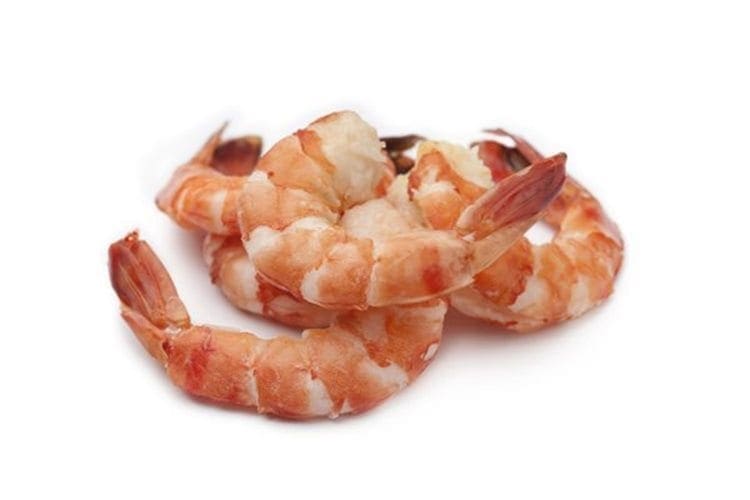
The most common allergy was to shellfish, such as shrimp and lobster, Zhou said.
“In addition, 1 in 6 patients with a food allergy or intolerance had a documented anaphylaxis [life-threatening swelling of the airways],” she noted.
Other common food allergies included fruits or vegetables, dairy and peanuts, the researchers found.
Food allergies can lead to reactions such as hives, anaphylaxis, shortness of breath, wheezing, itching, swelling or allergic-like reactions called intolerances, Zhou said.
Her team found that nearly 13,000 patients were allergic or had an intolerance to peanuts, including more than 7,000 who had experienced hives, anaphylaxis or other reactions.
But, only 1 in 5 patients with a peanut allergy received follow-up allergy testing, Zhou said.
Given the number of people in the United States with food allergies, the researchers think that more allergists are needed.
“The spectrum of severity observed with food allergy highlights the critical need for more allergy evaluations,” Zhou said.
The report was published May 31 in the Journal of Allergy and Clinical Immunology.
In addition to shellfish, allergies to peanuts, tree nuts, eggs and milk are common, said Dr. Alisa Muniz Crim, a gastroenterologist at Nicklaus Children’s Hospital in Miami.
Patients who have an anaphylactic reaction to a food must exclude that food from their diet, said Crim, who wasn’t involved with the study.
“Many of these patients need to carry an EpiPen, which contains the drug epinephrine that acts quickly to open the airway, letting the patient breathe,” she said.
Among children, common reactions are stomach cramps, vomiting, skin rashes and diarrhea, Crim said.
Some food allergies can be treated by gradually exposing patients to increasing amounts of the allergy-causing food until they build a tolerance to it, Crim said. But for people with severe allergies, avoidance is the best treatment, along with anti-allergy medications, she said.
Crim thinks that schools should have kits that include an EpiPen to treat kids who have an allergic reaction.
Dr. James Baker Jr., CEO and chief medical officer of Food Allergy Research and Education, said it’s concerning that 1 in 6 patients with a food allergy in this study had experienced anaphylaxis.
“Avoiding or preventing these severe reactions is crucial to ensure the safety of individuals with food allergies,” he said.
by Dr Alex Jimenez DC, APRN, FNP-BC, CFMP, IFMCP | Natural Health, Wellness
Zinc may fight liver disease in a way scientists never expected, say Australian researchers who found that zinc naturally inhibits the inflammatory effects of interferon lambda 3 (IFN-λ3), a protein strongly associated with tissue damage in chronic liver disease. IFN-λ3 also decreases antiviral activity and increases viral replication both in vitro and in vivo.
The study’s lead author Dr. Scott Read said the study provides the first evidence that zinc can act as a potent and specific inhibitor of IFN-λ3 in viral infections such as hepatitis C and influenza.
“We have demonstrated that zinc inhibits numerous facets of the liver’s immune response to viruses that may be mediated by IFN-λ3,” Read said.
“Zinc also blocks the inflammatory activity of IFN-λ3, which has been strongly linked to accelerated progression to liver cirrhosis in viral and non-viral liver disease,” Read says.
In an article published in Nature Communications, Read concluded that the study showed zinc’s potential as a simple and effective treatment against acute and chronic liver inflammation.
Other natural substances have been found to be effective against liver disease. A 2016 study conducted at the University of Southampton found that two cups of coffee a day reduced the risk of liver cirrhosis — scarring due to alcohol and viruses like hepatitis C — by 44 percent. The study, which was published in the science journal Alimentary Pharmacology and Therapeutics, also found that coffee cut the risk of dying from cirrhosis by almost half.
Drugs have also been found to be effective against liver disease. The common anti-inflammatory drug called Nasalcrom (cromolyn sodium) that’s used to treat allergies and asthma could prevent liver disease and reduce the need for liver transplants, according to Texas researchers who found that the medication prevents cells from releasing an inflammatory compound called histamine.
by Dr Alex Jimenez DC, APRN, FNP-BC, CFMP, IFMCP | Gluten Free Diet, Natural Health, Wellness
More and more people are following a gluten-free diet, but if they have no medical reason to do so they could actually be risking their health, a top expert says.
“The evidence is mounting against any health benefits from a gluten-free diet for those people without a medical reason,” John Douillard tells Newsmax Health.
Gluten is a naturally occurring protein present in cereal grains, especially wheat, which is responsible for the elastic texture of dough.
Traditionally, gluten was considered harmless unless eaten by people with celiac disease, whose digestive systems are unable to handle it.
But recently the idea of eating gluten-free has caught on, and the number of people following such a diet tripled in the five years between 2009 and 2014, while the number of those with celiac disease remained stable, research shows.
On the other hand, a pair of large studies, published in the past few months, has found those people who eat little gluten could be at risk of developing coronary heart disease, as well as diabetes.
Douillard is a chiropractor, certified addiction professional, and the author of “Eat Wheat,” along with six previous health books.
An expert in the field of natural heath, he is also former player development director and nutrition counselor for the New Jersey Nets NBA team. He has also appeared on the Dr. Oz Show, and featured in many national publications.
Here are excerpts from his recent interview with Newsmax Health.
Q: How did you get interested in gluten?
A: People would come to me with digestive problems and I’d tell them to get off wheat and they’d feel better for a short time, but after awhile, their problems would return. The same thing happened with dairy, or nuts. The problem wasn’t actual these specific foods. But, as the medical profession started making medical recommendations to get off of wheat, people began treating it like a poison.
Q: Who should not eat gluten?
A: People with celiac disease shouldn’t eat wheat, but that’s only about 1 percent to 3 percent of the population. There also may be those that don’t have celiac disease, but say they are sensitive to it, so they may be right to avoid it. But that’s an estimated 2 percent to 13 percent of the population. This leaves a third of the population that eliminated gluten from their diet under the misperception it is unhealthy. They are the ones missing out on the benefits of wheat.
Q: How did the idea that gluten is bad catch on?
A: Originally, people with celiac disease were told to avoid gluten but the idea caught on that it was good for other people as well, and now gluten-free has become a buzzword and it’s grown into a $16 billion industry. They’re even put “gluten free” on foods that never had any gluten in them, like yogurt.
Q: What’s the problem with gluten?
A: People who promulgate a gluten-free diet contend we aren’t genetically capable of eating gluten but that’s wrong. The University of Utah did a study that found evidence of wheat and barley in the teeth of ancient humans 3 ½ million years ago. The Paleo diet says to avoid grains, but if you talk to anthropologists, you’ll find out there’s nothing Paleo about this. Ancient humans gathered wheat berries to fuel them for the whole day. Most experts agree we didn’t start cooking out own meat until 500,000 years ago, so we had wheat in our teeth millions of years before that.
Q: What are the gluten-free people missing out on?
A: In addition to new studies that show wheat may lower diabetes and heart disease risk, wheat is a natural probiotic, and people who don’t eat it have less good microbes in their microbiome and more bad ones. They also are more likely to have weaker immune systems, because research finds eating the indigestible part of wheat helps to strengthen to strengthen it. In addition, people who follow the MIND Diet and the Mediterranean diet, both which permit whole grains, reduce their risk of Alzheimer’s disease.
Q: If it’s not gluten, what is the problem with the way we eat?
A: The problem is our reliance on processed foods. One study showed that our reliance on processed food increases metabolic syndrome (the condition that hikes heart disease and diabetes risk) by 141 percent. On the other hand, eating whole gains and whole wheat reduced it by 38 percent. So it’s processed foods we need to eliminate from our diet.
Here are Douillard’s 5 tips to digest gluten more easily:
1. Choose bread with only these ingredients: Organic whole wheat, water, salt, and an organic starter.
2. Sprouted soaked breads typically found in the refrigerator section are much easier to digest.
3. Avoid any bread or any packaged foods with cooked or heated vegetable oils. These are preservatives and indigestible.
4. Think seasonal eating. Eat more grains in the fall when they are harvested and less in the spring and summer.
5. Start your day with a beet, apple, and celery drink to amp up your digestive strength and spice your food with spices such as: ginger, cumin, coriander, fennel, and cardamon.

by Dr Alex Jimenez DC, APRN, FNP-BC, CFMP, IFMCP | Natural Health, Wellness
Women who are at least 35 years old when they give birth are much more likely than younger mothers to experience a variety of major pregnancy complications, a recent study confirms.
While previous research has linked what’s known as advanced maternal age to problems like high blood pressure and diabetes during pregnancy and a higher risk of death and severe complications for babies, the current study offers fresh insight into the severe health issues faced by older mothers, said lead study author Dr. Sarka Lisonkova.
“This is important for counseling women who contemplate delaying childbirth to their forties,” Lisonkova, of the University of British Columbia Children’s and Women’s Health Center in Vancouver, said by email. “While a delay of childbirth by a few years does not make a large difference in the early thirties, a few years delay in the late forties increases the risks significantly.
For the study, researchers examined data on all singleton births to 828,269 women in Washington State from 2003 to 2013.
After adjusting for other factors that can influence pregnancy outcomes like whether it’s a first-time pregnancy or if women are obese or used assistive reproductive technology, researchers compared age-specific rates of maternal death and severe complications like obstetric shock or amniotic fluid entering the mother’s bloodstream.
Compared with mothers aged 25 to 29, women aged 35 to 39 were 20 percent more likely to have severe complications, and the odds were more than quintupled for women 50 and older, researchers report in PLoS Medicine.
Women 35 and older were also eight times more likely to have amniotic fluid enter their bloodstream, a complication that can cause a life-threatening allergic reaction, the study found.
Mothers 40 and older were almost 16 times more likely to have kidney failure and almost three times more likely to have obstetric shock, when organs don’t get enough blood and oxygen, the study found. These women were also almost five times more likely to either have complications from interventions done to help deliver the baby or be admitted to intensive care units.
The study wasn’t a controlled experiment designed to prove how maternal age directly influences the odds of complications. Researchers also didn’t have enough cases to determine how age directly influences maternal deaths.
Even so, the findings add to evidence linking advanced maternal age to a higher risk of problems for mothers and babies, said Dr. Nanette Santoro, a researcher at the University of Colorado School of Medicine in Aurora who wasn’t involved in the study.
While many of these problems can be managed surgically, the study highlights some rare complications that are harder to treat and can be fatal like renal failure and amniotic fluid entering the bloodstream, Santoro said by email.
“Based on this study and others, the ideal age to get pregnant is between 25 and 29 years,” Santoro said. “Since we’ve just entered the first era in human history where the U.S. birth rate is higher for women aged 30 to 35 than for women aged 25 to 29, we will be seeing more aged-related risks to women who conceive at later ages.”
by Dr Alex Jimenez DC, APRN, FNP-BC, CFMP, IFMCP | Natural Health, Wellness
A new enzyme pill could be a game changer for gluten-sensitive people, according to the authors of a new study.
The enzyme breaks down gluten in the stomach and prevents most of it from reaching the small intestine. So it could allow gluten-sensitive people to eat small amounts of the protein (found in wheat and other grains) without suffering consequences such as bloating, diarrhea, and abdominal pain.
For the study, the researchers tested the effects of an enzyme called aspergillus niger-derived prolyl endoprotease (AN-PEP) in 18 patients with gluten sensitivity. Each participant ate a serving of oatmeal with two gluten-containing wheat cookies along with either a high- or low-dose of AN-PEP or a placebo pill.
Researchers then measured gluten levels in the stomach and small intestine over a three-hour period.
In both the high- and low-dose AN-PEP groups, the researchers found that AN-PEP reduced levels of gluten in the stomach by 85 percent compared to placebo.
They also found that the enzyme reduced gluten levels in the duodenum (the first part of the small intestine) by 81 percent in the high-dose group and by 87 percent in the low-dose group.
The findings were presented at Digestive Disease Week 2017, the largest international gathering of experts from the fields of gastroenterology, endoscopy, hepatology, and gastrointestinal surgery.
“This substance allows gluten-sensitive patients to feel safer, for example, when they are out with friends at a restaurant and can’t be sure whether something is 100 percent gluten-free,” says Dr. Julia König, Ph.D., the study’s lead author and post-doctoral research fellow at the School of Medical Sciences at University of Örebro, Sweden.
“Since even small amounts of gluten can affect gluten-sensitive patients, this supplement can play an important role in addressing the residual gluten that is often the cause of uncomfortable symptoms.”
Previous research has demonstrated that AN-PEP can break down gluten when it is combined with a liquid meal and administered through a feeding tube. The new study is the first to study the effects of AN-PEP tablet in combination with a normal meal.
“Studies show that even when following a gluten-free diet, unintentional gluten intake can still occur, depending on how strict a gluten-free dieter is,” says König.
“Our results suggest that this enzyme can potentially reduce the side effects that occur when gluten-sensitive individuals accidentally eat a little gluten. We are not suggesting that AN-PEP will give these individuals the ability to eat pizza or pasta, sources of large amounts of gluten, but it might make them feel better if they mistakenly ingest gluten.”
Gluten is a protein found in grains such as wheat, rye, and barley, as well as medicines, vitamins, and supplements.
In addition to gastrointestinal problems, gluten sensitivity is associated with symptoms such as fatigue, muscle cramps, and leg numbness.
Despite some similarities, gluten sensitivity is different from celiac disease, a serious, inherited auto-immune disorder caused by gluten exposure. Unlike people with celiac disease, those with gluten sensitivity do not develop gluten antibodies and their immune systems do not mistakenly attack and damage their small intestines.
According to the National Foundation for Celiac Awareness, about 18 million Americans are affected by non-celiac gluten sensitivity, also known as gluten intolerance.
Gluten sensitivity is poorly understood. Because there are no specific tests to diagnose the condition, doctors must rule out other possible causes of a patient’s symptoms such as celiac disease and wheat allergy.
To confirm gluten sensitivity, doctors usually place patients on a diet that eliminates gluten to see if their symptoms improve. This is followed by an “open challenge” (a monitored reintroduction of gluten-containing foods) to see if their symptoms worsen.
König notes that her team did not test the enzyme on celiac disease patients, because even small amounts of gluten can cause long-term harm in these individuals.
Because of that, she does not recommend celiac patients view this enzyme as a way to start eating any gluten.

by Dr Alex Jimenez DC, APRN, FNP-BC, CFMP, IFMCP | Natural Health, Wellness
As we move into summer many of us will be heading outdoors to make the most of the longer, sunnier days. However, we’re not the only ones who like warm weather, and for those who might be planning a picnic the higher temperatures can provide the perfect environment for bacteria to thrive. To ensure your outdoor event is memorable for all the right reasons, here we’ve put together some tops tips for food safety when dining al fresco.
Marinate safely
Marinate foods in the refrigerator before you leave for your picnic — never on the way or outdoors. In addition, if you plan to use some of the marinade as a sauce on the cooked food, reserve a portion separately before adding the raw meat, poultry, or seafood — do not reuse marinade.
Keep cold food cold
When transporting your food from home to your destination, keep cold food stored at 40 °F / 4.5 °C and below to prevent bacterial growth. Place cold food in a cooler with ice or frozen gel packs, and remember that cold meat, poultry, and seafood may be packed while still frozen so that they stay colder longer.
Keep things clean
Wash all your produce before you leave, and once at the picnic site clean your table, any barbecue equipment, and utensils before and during food preparation. If you have access to running water, use a water jug, some soap, and paper towels, or use moist disposable towelettes for cleaning your hands.
Cook food thoroughly
If barbecuing, cook food thoroughly to kill germs that cause food poisoning, and serve food while it is hot. Never let your picnic food remain in the “Danger Zone” — between 40 °F / 4.5 °C and 140 °F / 60 °C — for more than 2 hours, or 1 hour if outdoor temperatures are above 90 °F / 32 °C. This is when bacteria in food can multiply rapidly, and lead to illness.
Prevent “cross-contamination”
Don’t reuse plates or utensils when serving food, as serving cooked food on plates that have held raw meat, poultry, or seafood will allow bacteria to spread. Instead, make sure you have packed enough plates and utensils or wash what you need in hot, soapy water before using.
Take care with leftovers
If you have leftover cooked food refrigerate it within two hours. Once home reheat leftover food thoroughly to above 167 °F / 75 °C before eating.
For more information on how to stay safe and healthy this summer head to the websites of the World Health Organization, the Centers for Disease Control and Prevention, and FDA.gov.
by Dr Alex Jimenez DC, APRN, FNP-BC, CFMP, IFMCP | Natural Health, Supplements, Wellness
Calcium is an essential mineral found in foods and dietary supplements. Its best-known benefit is building and maintaining strong bones, and slowing bone loss. But it plays a critical role in heart health, nerve transmission, and muscle contraction.
Which calcium supplements are the best, most effective, and budget-friendly?
A new review published by ConsumerLab.com — a leading provider of consumer information and independent evaluations of products that affect health and nutrition — aims to answer those questions by ranking the best available supplements on the market.
The organization’s Calcium Supplements Review rates 27 products evaluated by the group.
Among the findings:
- All 27 products contained the listed amount of calcium. But one product was not approved because it did not contain the listed amount of magnesium and also was contaminated with lead. A second product – labeled as “fast dissolving” – was not approved because it did not dissolve quickly enough.
- The other 25 products all had consistently high quality.
- Prices varied widely, ranging from 4-80 cents for a 500 mg dose of calcium.
Based on the organization’s research findings, the review’s authors identified a Top Pick for each of nine categories. To be a Top Pick, a supplement had to pass ConsumerLab’s tests of quality, provide calcium at a reasonable price, contain a reasonable dose, and offer a convenient formulation.
The nine Top Picks are:
Overall Top Pick. GNC Calcium Citrate, which provides 500 mg of calcium per two-caplet serving at a cost of 9 cents. This supplement is also the Top Pick in the “Calcium Only” category.
Calcium and Vitamin D. Bayer Citracal Petites, which provide 400 mg of calcium and 500 IU of vitamin D per two-capsule serving for 11 cents.
Children’s Calcium and Vitamin D. L’il Critters Calcium and D3, which provides 200 mg of calcium and 220 IU of vitamin D in two gummies for 10 cents.
Calcium and Magnesium. Finest Nutrition (Walgreens) Calcium, Magnesium and Zinc, which provides 999 mg of calcium and 399 mg of magnesium in three tablets for 17 cents.
Calcium, Vitamin D and Vitamin K. Viactiv Calcium Plus D, which provides 500 mg of calcium, 500 IU of vitamin D, and 40 mcg of vitamin K in one soft-chew pill for 10 cents.
Calcium, Vitamin D and Magnesium. Kirkland Signature (Costco) Calcium Citrate Magnesium and Zinc, which provides 500 mg of calcium, 800 IU of vitamin D, and 80 mg of magnesium in two tablets for 5 cents.
Children’s Products Containing Calcium, Vitamin D and Magnesium. ChildLife Liquid Calcium With Magnesium – Natural Flavor, which provides 252 mg of calcium, 100 IU of vitamin D, and 115 mg of magnesium per tablespoon for 34 cents.
Calcium, Vitamin D, Vitamin K and Magnesium. Jarrow Formulas Bone-Up, which provides 1,000 mg of calcium, 1,000 IU of vitamin D, and 350 mg of magnesium in three capsules for 47 cents. (Note: Because this supplement may contain unnecessarily high amounts of calcium and vitamin D, the report’s authors recommend taking a two-capsule dose instead.)
Most adults need 1,000-1,200 mg of calcium per day, from all sources. These include food, supplements, and an often overlooked source: calcium-containing antacids.
Because you may already be getting that amount from food alone, supplementation may be unnecessary. Rich dietary sources of calcium include dairy products, beans, and green-leafy vegetables. For example, just one cup of milk or yogurt provides a whopping 300-400 mg of calcium.
If you’re not getting the recommended amount of calcium from your diet, supplements can help. Multiple studies show that 1,000-2,000 mg per day of calcium (usually as calcium citrate) in combination with 400-800 IU per of vitamin D can slow bone loss in postmenopausal women. Research shows that supplementation may be especially useful in in postmenopausal women who have been prescribed hormonal therapy after undergoing a hysterectomy.
The official tolerable upper limits for calcium are 2,500 mg per day for children ages 1-8, 3,000 mg for those ages 8-18, which falls to 2,000 mg for those over 50. But much lower amounts, usually from supplements, have been associated with risks for adults.
It’s rare to get toxic amounts of calcium from food alone. In fact, a high dietary intake of calcium is associated with many good effects. But excess calcium from supplements is associated with a wide range of ill effects.
“Be careful!” the authors write. “Calcium from supplements may increase the risk of cardiovascular disease if you get too much from supplements [over 1,000 mg per day] or if you already get enough calcium from your diet.”
A high calcium intake from supplements also may increase the risk of:
- Prostate cancer.
- Kidney stones.
- Dementia.
Calcium supplements also may impair the absorption of thyroid hormone and antibiotics in the fluoroquinolone class.
If you take calcium supplements, the researchers offer these tips.
- Since your body can’t absorb more than 500 mg of calcium at a time, it’s best to take only a few hundred milligrams at a time, and no more than 1,000 mg total per day.
- If your supplement includes vitamin D and/or vitamin K, taking it with the meal that includes the most fats and oils may enhance absorption.
- Avoid taking calcium supplements and other mineral supplements together because the calcium may reduce their absorption.