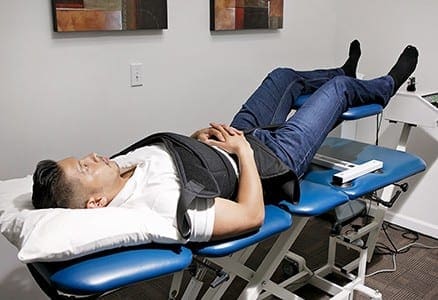
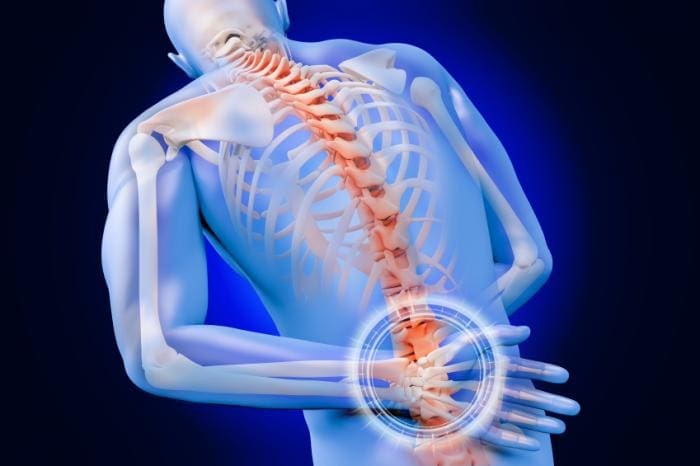
Spinal decompression therapy involves the stretching of the spine, using a traction table or similar device, with the objective of relieving back pain and/or leg pain.
What is spinal decompression therapy?
This process is known as nonsurgical, spinal decompression therapy (as opposed to surgical spinal decompression like laminectomy and microdiscectomy). This article offers an overview of nonsurgical spinal decompression therapy and its role in treatment of lower back pain and neck pain.
Theory of Spinal Decompression Therapy
Spinal decompression devices use the exact fundamental principle of spinal traction that’s been provided by chiropractors, osteopaths, and other appropriately trained health professionals for many decades. Both traction and decompression therapies are applied together with the aims of relieving pain and promoting the best healing environment for bulging, degenerating, or herniated discs.
Spinal decompression is a type of traction treatment applied to the spine in an attempt to result in several theoretical benefits such as to create a negative intradiscal pressure to promote retraction or repositioning of the herniated or bulging disc material and to produce a reduce pressure in the disc that will cause an influx of recovery nutrients and other substances into the disk.
Clinical Evidence
While the fundamental concept of spinal decompression is broadly accepted as legitimate, there’s a shortage of evidence supporting decompression therapy as being efficacious. There are a number of dangers.
Though some studies that don’t include control groups conclude that decompression treatment is effective, the few that do normally conclude that mechanized spinal decompression is not any greater than sham decompression. Thus, there’s insufficient evidence that spinal decompression therapy is as effective, or even more effective, compared to less expensive manual approaches in treating back pain or injured herniated discs.
An overview of medical literature so far suggests that most clinical trials assessing the effectiveness of spinal decompression therapy or traction were lacking in a couple of regions, such as inadequate numbers of topics to create a statistically valid conclusion, lack of blinding (the individual or provider knows the therapy given), no regard to a placebo group (known as a sham controlled study), or absence of comparison to a treatment substitute. At the time of this report, few clinical studies of spinal decompression therapy have been published in peer reviewed journals.
How Spinal Decompression Works
In nonsurgical spinal decompression therapy, the spine is relaxed and stretched intermittently in a controlled way. The concept is that this process creates a negative intradiscal pressure (pressure inside the disc itself), which is thought to have two possible benefits: pull the herniated or bulging disc material back into the disk; and promote the passage of healing nutrients, into the disc and fosters a better recovery environment.
Spinal Decompression Session
During spinal decompression treatment for the lower spine (lumbar spine), patients stay clothed and lie on a motorized table, the lower half of that which can move. First, a�harness is placed round the hips and can be connected to the lower table close to the toes. The top region of the table then remains in a fixed position while the lower part, where the individual is harnessed, slides back and forth to offer the traction and relaxation.
One difference between different decompression therapies is the patient’s place on the table:
Some devices place the patient in the prone position on the desk, lying down face (e.g. VAX-D)
Some devices have the patient lying supine, face up (e.g. DRX9000)
The patient shouldn’t feel pain during or after the decompression therapy although they should feel stretch in the spine.
Treatment Collection and Costs
While spinal decompression therapy could be advocated as a potential treatment for a number of lower back pain conditions, just like all lower back pain remedies, it’s the patient’s decision whether or not to have the therapy. Although the risk is reduced, the benefit of these treatments isn’t established.
Decompression therapy generally consists of a series of 15 to 30 treatments, lasting 30 to 45 minutes per day, within a four to four six-week period. Sessions are conducted at the practitioner’s office. The price of each session generally ranges from $30 to $200, meaning that a recommended series of remedies will generally cost from $450 to $6,000. Although insurers may cover grip, decompression therapy isn’t usually allowed although they are almost the same.
Sessions may include additional treatment modalities, such as electric stimulation, ultrasound, and cold and/or heat treatment applied during or after the process. Recommendations may also incorporate drinking up to some half-gallon of water per day, remainder, utilizing nutritional supplements, or performing exercises at home to boost strength and mobility. Research and find chiropractors in your area that could help relieve your back and neck discomfort.
The scope of our information is limited to chiropractic and spinal injuries and conditions. To discuss options on the subject matter, please feel free to ask Dr. Jimenez or contact us at 915-850-0900 .�
By Dr. Alex Jimenez
Additional Topics: Wellness
Overall health and wellness are essential towards maintaining the proper mental and physical balance in the body. From eating a balanced nutrition as well as exercising and participating in physical activities, to sleeping a healthy amount of time on a regular basis, following the best health and wellness tips can ultimately help maintain overall well-being. Eating plenty of fruits and vegetables can go a long way towards helping people become healthy.
Chiropractic is a healthcare profession devoted to the nonsurgical treatment of ailments of the nervous system and/or musculoskeletal system. Chiropractors keep a focus on therapy and manipulation of surrounding structures.
What can chiropractic care treat?
Many studies have concluded that massage therapies widely used by chiropractors are effective for treating lower back pain, in addition to for therapy of lumbar herniated disk for radiculopathy and neck pain, among other ailments.
In fact, when patients using non-specific chronic low back pain have been treated by physicians, the long-term result is enhanced by obtaining maintenance spinal manipulation following the initial intensive manipulative treatment.
Core Chiropractic Treatment Plan
The center of chiropractic usually involves treatment of common lower back pain conditions through manual therapy:
Spinal manipulation and manual manipulation. This type of manual manipulation identifies a short lever arm push that is applied to vertebra. It is also commonly called “chiropractic adjustment”.
There is firm literature support for chiropractic treatment of lower back pain. Many of the guidelines that are published urge manipulation to be contained in the therapy strategy in the maintenance of back pain.
Mobilization. Mobilization describes velocity manipulation, motion and stretching of the muscles and joints, with the goal of increasing the assortment of movement.
What Does a Chiropractic Treatment Plan Consist Of?
Most chiropractors start treatment throughout the patient’s first visit, although some might wait until the next appointment of the practice. Chiropractic therapy goals and recommendations can include some or all of the following:
Adjustments to key joint dysfunctions
Modalities to enhance soft tissue healing and pain management, such as ultrasound, electric stimulation, and grip
Strengthening and/or stretching exercises to improve muscle balance, strength, and coordination
Patient instruction to improve posture and motor controller, as well as potentially reduce anxiety
Other treatments like massage, heat/cold application, and education on ergonomics and nourishment.
Goals of Chiropractic Care
The chiropractor will establish Certain goals for a patient’s individual plan for therapy:
Short-term goals typically include reducing pain and restoring normal joint function and muscle balance
Long-term targets include assigning functional independence and tolerance to normal activities of daily living.
To accomplish these goals, a particular number of chiropractic visits will be recommended.
For most kinds of lower back pain, a treatment recommendation of 1 to 3 chiropractic visits per week for 2 to 4 weeks will be prescribed, followed closely by a re-examination from the chiropractor.
Chiropractic Evaluation of the Treatment
In the re-evaluation, the chiropractic physician will Assess the response to treatment and decide whether to:
Continue chiropractic treatment, if appropriate
Release the Individual from chiropractic care, if treatment goals have been met
Refer the patient to another health care specialist if treatment goals have not been fulfilled.
Chiropractic adjustment (also referred to as spinal manipulation) is a popular and recognized pain relief therapy for many types of lower back pain, sciatica, and neck pain. Knowing what to anticipate from the first visit might help an individual get the maximal benefit from treatment.
Since this profession has an unusually large selection of practice philosophies and chiropractic methods, people should feel comfortable asking all of the questions necessary to comprehend the chiropractic examination, diagnosis, and therapy plan.
The scope of our information is limited to chiropractic and spinal injuries and conditions. To discuss options on the subject matter, please feel free to ask Dr. Jimenez or contact us at 915-850-0900 .�
By Dr. Alex Jimenez
Additional Topics: Wellness
Overall health and wellness are essential towards maintaining the proper mental and physical balance in the body. From eating a balanced nutrition as well as exercising and participating in physical activities, to sleeping a healthy amount of time on a regular basis, following the best health and wellness tips can ultimately help maintain overall well-being. Eating plenty of fruits and vegetables can go a long way towards helping people become healthy.
Chronic pain is known as pain that persists for 12 weeks or even longer, even after pain is no longer acute (short-term, acute pain) or the injury has healed. Of course there are many causes of chronic pain that can influence any level of the spine, cervical (neck), mid back (thoracic), lower spine (lumbar), sacral (sacrum) or some combination of levels.
What treatments do interventional pain management specialists perform?
Oftentimes, early and aggressive therapy of chronic neck or back pain can earn a difference that is life-changing. But remember that knowledge is power: Be certain that you know your choices. There are various treatment procedures and treatments available for chronic pain, each completed by a treatment specialists. Interventional pain management specialist treatments may be a fantastic solution for some people with chronic pain symptoms.
Interventional Pain Management Specialists
Interventional pain management (IPM) is a special field of medicine that uses injections and small processes to help patients control their own chronic pain. Interventional pain management specialists are trained to diagnose and cure ailments, and their goal is to improve patients’ quality of life.
IPM’s Role in Treating Chronic Back Pain
Pain control plays a big role in chronic pain since many forms of pain can’t be cured, so pain victims must find out how to live with and work around the pain. A pain management specialist can help them locate the pain relief that they need to work in the daily. The interventional treatments are part of a multi-disciplinary approach that might include use of medications, psychology, and therapy. Part of IPM is currently finding treatments that works best for your treatment or combination. Some potential interventional pain management therapies are:
Injections
Your interventional pain management expert will have you try injections, which send anti inflammatory medications and strong pain-relieving straight. A few examples of injections used for chronic pain are:
Epidural steroid injection: This is one of the most commonly used injections. An epidural steroid injection (ESI) aims the epidural space, that is the space surrounding the membrane which holds the spinal fluid around the spinal cord and nerve roots. Nerves traveling through the epidural area and then branch out to other parts of your body, like your thighs. When a nerve root is compressed (pinched) from the epidural space, you’ll have pain that travels down your spine and into your legs (commonly called sciatica, even though the technical medical term is radiculopathy). An epidural steroid injection sends steroids right to the nerve root that’s inflamed. You need 2-3 injections; normally, you shouldn’t have that because of the potential side effects of the steroids.
Facet joint injection: Also called facet blocks, facet joint injections are helpful in case your facet joints are causing annoyance. Facet joints in your back allow you to move and provide stability. Though, you will have pain, if they get inflamed. The joint wills numb and can lower your pain.
Sacroiliac joint injection: The joint is where your pelvis and spine come and also an aching sacroiliac joint can be extremely debilitating. The injection may reduce inflammation and pain.
The scope of our information is limited to chiropractic and spinal injuries and conditions. To discuss options on the subject matter, please feel free to ask Dr. Jimenez or contact us at 915-850-0900 .
By Dr. Alex Jimenez
Additional Topics: Wellness
Overall health and wellness are essential towards maintaining the proper mental and physical balance in the body. From eating a balanced nutrition as well as exercising and participating in physical activities, to sleeping a healthy amount of time on a regular basis, following the best health and wellness tips can ultimately help maintain overall well-being. Eating plenty of fruits and vegetables can go a long way towards helping people become healthy.
A herniated disc can lead to pain as well as disrupt your daily activities, as you likely know. That is probably what brings you to the office of the doctor: You have back pain or neck pain, and you’d love to understand why.
Your doctor will ask you questions and execute a few exams. This is to try to find the origin of your pain and also to find out which intervertebral disks are herniated. An accurate diagnosis will help your doctor develop a treatment plan method to help you recover and to handle your herniated disc pain and other spine symptoms.
Physical Exam: Herniated Disc Diagnosis
As part of the physical exam, your doctor will ask about your current symptoms and remedies you have already tried for your pain. Some average herniated disc diagnostic questions include:
When did the pain begin? Where’s the pain (cervical, thoracic or mid-back, or lumbar or lower back)?
What activities did you lately do?
What do you do for your herniated disc pain?
Can the disc herniation pain radiate or travel to other parts of your body?
Does anything reduce the disk pain or make it even worse?
Your doctor may also observe your position, range of movement, and physical condition both lying down and standing up. Movement that causes pain will be noticed. A Las�gue evaluation, also referred to as the Straight-Leg Raising evaluation, may be accomplished. You’ll be asked to lie down and extend your knee with your hip bent. If it produces pain or makes your pain worse, this may indicate a herniated disc.
With a herniated disc (or a bulging or ruptured disc), you might feel stiff and may have lost your normal spinal curvature because of muscle strain. Your physician may also feel for tightness and note the spine’s curvature and alignment.
Neurological Exam: Herniated Disc Diagnosis
Your spine specialist will also run a neurological exam, which tests your reflexes, muscle strength, other nerve changes, and pain disperse. Radicular pain (pain that travels away from the source of the pain) can increase when stress is applied directly to the affected area. You might, for instance, have sciatica; this is radicular pain that might be caused by the herniated disk. Since the disc is compressing a nerve, you might experience pain and symptoms in other areas of the body, although the origin of the pain is on your spine.
Imaging Tests for Herniated Discs
Your spine specialist may order imaging tests to help diagnose your injury or condition; you might have to see an imaging facility for those evaluations.
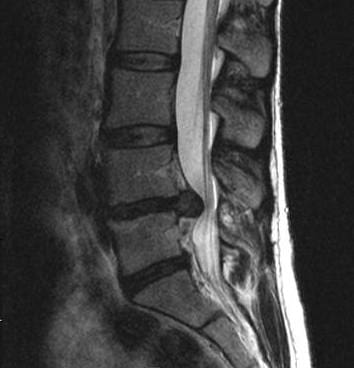
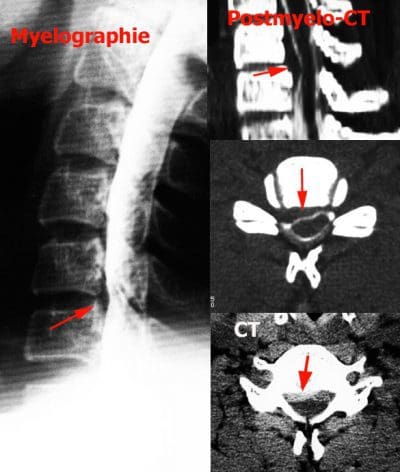
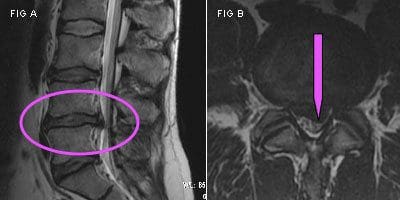
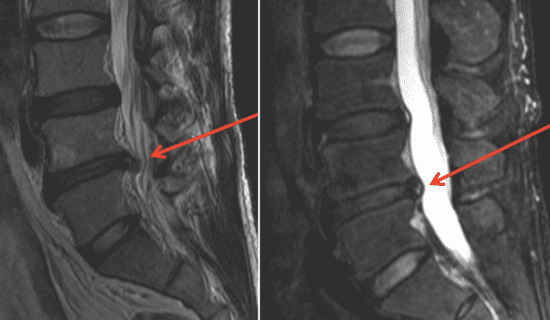
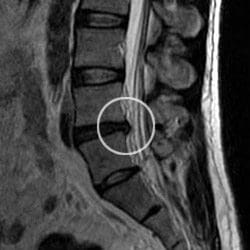
An X-ray may demonstrate a secondhand disk space, fracture, bone spur, or arthritis, which might rule out disk herniation. A computerized axial tomography scan (a CT or CAT scan) or a magnetic resonance imaging test (an MRI) equally can show soft tissue of a bulging disk or herniateddisc. So that you may get treatment these tests will demonstrate location and the stage of the herniated discs.
Other Tests to Diagnose�a Herniated Disc
To obtain the most accurate identification, your spine specialist may order additional tests, for example:
Electromyography (EMG): He or she may order an examination known as an electromyography to measure your nerves respond, if your spine pro suspects you’ve got nerve damage.
Discogram or discography: A sterile procedure where dye is injected into one of your vertebral disc and seen under special conditions (fluoroscopy). The goal is to pinpoint which disk(s) might be causing your pain.
Bone scan: This technique generates film or computer images of bones. A very small number of radioactive substance is injected into a blood vessel throughout the blood flow. It collects on your bones and can be detected by a scanner. This procedure helps doctors detect spinal problems such as disease, a fracture, tumor, or arthritis.
Laboratory evaluations: Typically blood is attracted (venipuncture) and tested to determine if the blood cells are normal or abnormal. A metabolic disease which might be contributing to a back pain may be indicated by Chemical changes in the blood.
The scope of our information is limited to chiropractic and spinal injuries and conditions. To discuss options on the subject matter, please feel free to ask Dr. Jimenez or contact us at 915-850-0900 .�
By Dr. Alex Jimenez
Additional Topics: Sciatica
Lower back pain is one of the most commonly reported symptoms among the general population. Sciatica, is well-known group of symptoms, including lower back pain, numbness and tingling sensations, which often describe the source of an individual’s lumbar spine issues. Sciatica can be due to a variety of injuries and/or conditions, such as spinal misalignment, or subluxation, disc herniation and even spinal degeneration.
There are a number of important factors to take into consideration, such as the timing of when an MRI scan must be performed and limitations with interpretation of findings, to get an MRI scan for herniated discs.
To begin with, the difficulty with the results of an MRI scan, as with a number of other diagnostic studies, is that the abnormality may not always be the source of an individual’s back pain or other symptoms. Numerous studies have shown that approximately 30 percent of people in their twenties and forties have a lumbar disc herniation in their MRI scan, even though they don’t have any pain.
An MRI scan cannot be interpreted on its own. Everything Has to Be well-correlated into the individual patient’s condition, for example:
Symptoms (such as the duration, location, and severity of pain)
Any deficits in their examination
Another concern with MRI scans is the time of when the scan is done. When a patient has experienced the following symptoms would be the only time that an MRI scan is needed immediately:
Bowel or bladder incontinence
Progressive weakness due to nerve damage in the legs.
Herniated Disc Analysis with MRI
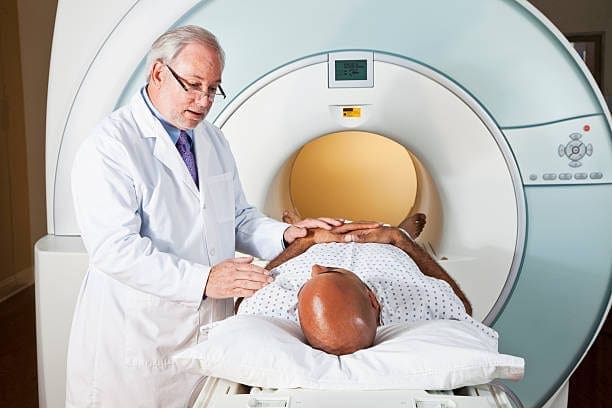
Obtaining an MRI (magnetic resonance imaging) can be an important step in correctly assessing a herniated disc in the spine. Unlike an X-ray, MRI uses a magnetic field and a computer to create and record detailed pictures of the internal workings of your entire body. This technology can also be capable of producing cross-sectional views in identifying a disc of the body, which greatly help doctors. MRI scans are based on new technology, but they have become essential in diagnosing a number of back and neck issues, such as spinal stenosis, herniated discs and bone spurs.
An MRI scan has a number of benefits that greatly help a herniated disc patient. The advantages of an MRI can be:
Unobtrusive
Painless and free of radiation
Can focus on a particular part of the entire body
Extremely accurate
Diagnosing Disc Herniation
Should you believe you have a herniated disc in the neck or back, the very first step would be to visit a physician. Your physician will have the ability to supply you with a complete evaluation and inspection of your medical history to create a identification. Following that, you may be referred to execute an MRI stabilize and to confirm the herniated disc.
At the imaging center you’ll be put to the tubular MRI machine to get a body scan. You may remain enclosed in the MRI device for up to an hour while the comprehensive scan of place where the herniated disc along the spine is completed. The MRI can reveal the exact condition of the herniated disc and surrounding arrangements. This allows your doctor to produce the treatment plan that is right for you and to understand the origin of the disc damage and pain.
Herniated Disc Follow-Up Treatment
Most patients are able to successfully treat herniated disc pain using nonsurgical standard treatments prescribed by their physician. These include relaxation, compression treatment and mild exercise. Surgery can then be explored when months or weeks of treatment do not bring a return to previous action.
If you’re researching surgical options and have become concerned by a number of the risks and unsuccessful results of traditional open back operation, contact a specialist. Spine surgery specialists perform minimally invasive spine surgery, including invasive stabilization surgeries and minimally invasive decompression, which can treat a number of the very acute herniated discs. They may review your MRI to determine if you are a candidate for minimally invasive spine surgery, which may help you get your life back.
The scope of our information is limited to chiropractic and spinal injuries and conditions. To discuss options on the subject matter, please feel free to ask Dr. Jimenez or contact us at 915-850-0900 .�
By Dr. Alex Jimenez
Additional Topics: Sciatica
Lower back pain is one of the most commonly reported symptoms among the general population. Sciatica, is well-known group of symptoms, including lower back pain, numbness and tingling sensations, which often describe the source of an individual’s lumbar spine issues. Sciatica can be due to a variety of injuries and/or conditions, such as spinal misalignment, or subluxation, disc herniation and even spinal degeneration.
A healthcare professional’s clinical diagnosis focuses on finding out the source of a patient’s pain. For this reason, the clinical identification of pain in the herniated disc relies on more than only the findings from a diagnostic evaluation, like CT scan or an MRI scan.
The spine care professional arrives at a clinical diagnosis of the cause of the patient’s pain by means of a combination of findings by a comprehensive medical history, conducting a complete physical exam, and, if appropriate, running one or more diagnostic tests:
Medical history: The physician will choose the patient’s medical history, such as a description of if sciatica, the back pain or other symptoms occur, a description of how the pain feels, what remedies, positions or activities make the pain feel better and more.
Physical examination: The physicians will conduct a physical exam of the individual, such as muscle power and analyzing neural function in parts of the leg or arm, analyzing for pain in positions and much more. Ordinarily, this series of physical tests will give a good idea of the type of back issue the individual has to the spine professional.
Diagnostic tests: After the physician has a fantastic idea of the origin of the patient’s pain, a diagnostic evaluation, such as a CT scan or a MRI scan, is often ordered to confirm the presence of an anatomical lesion at the backbone. The evaluations can give a picture of the location of nerve roots and the disc.
It’s important to emphasize that MRI scans and other diagnostic tests aren’t utilized to diagnose the patient’s pain; rather, they are only utilized to confirm the existence of an anatomical problem that was suspected or identified throughout the medical history and physical examination. Because of this, while the radiographic findings on an MRI scan or other tests are significant, they aren’t as important in diagnosing the reason for the patient’s pain (that the clinical investigation demonstrated) as are the findings from the medical history and physical examination. Many times, an MRI scan or other kind of evaluation will be used for the purpose of treatment, so the healthcare specialist can determine the way it’s currently impinging on the nerve root and precisely where the herniated disc is.
When MRI is Used to Diagnose Herniated Discs
When patients have predominantly experienced leg pain along with a lumbar disc herniation, MRI scans are usually recommended early in a patient’s path of pain.
Therefore, physicians often recommend waiting 3 to 6 months (following the onset of lower back pain) prior to having an MRI scan done as a way to see whether the pain will get better with conservative (nonsurgical) remedies. As a very general guideline, if the results of the MRI scan aren’t likely to affect a patient’s further back pain therapy, and �the patient will continue with non-surgical treatments such as chiropractic treatments, physical therapy and drugs, waiting to acquire an MRI scan, as well as other imaging scans, in most situations is a fair option.
What Happens When a Disc Herniates
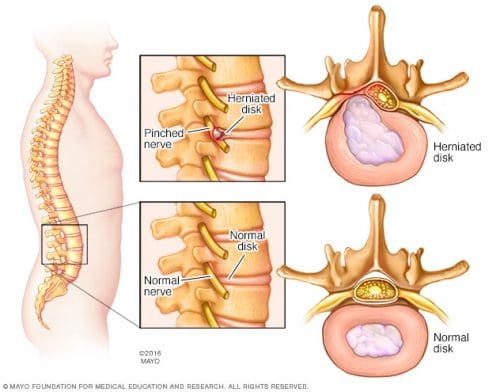
Though the spinal discs are made to withstand significant amounts of force, injury and other issues with the disc can happen. After the disc ages or is injured, the outer portion (annulus fibrosus) of a disk may be torn as well as the disc’s inner substance (nucleus pulposus) can herniate or extrude out of the disk. Nerves, and the inner portion of the disc surround each spinal disc that leaks out comprises proteins, therefore when this material comes in contact with a nerve wracking pain that may travel down the length of the nerve can be caused by it. Even a tiny disk herniation which enables a small quantity of the inner disc material to touch the nerve may cause pain.
Pain from a Herniated Disc vs. Degenerative Disc Disease
A herniated disc will generally create another type of pain than degenerative disk disease (another common disc problem).
When a patient has a symptomatic degenerated disc (one which causes pain or other symptoms), it’s the disc space itself which is debilitating and is the origin of pain. This type of pain is called axial pain.
When a patient has a symptomatic herniated disc, it is not the disk space itself that hurts, but rather the disc difficulty is causing pain in a nerve in the spine. This kind of pain is typically called radicular pain (nerve root pain, or tingling from a lumbar herniated disk).
In conclusion, when an individual begins to experience painful symptoms along their lower back, or lumbar spine, although they may sometimes not experience any symptoms, it a herniated disc is suspected, its recommended to seek immediate medical attention and to consider having an MRI, CT scan or other imaging tests to properly diagnose the presence of a herniated disc or other injury and/or condition before following with treatment.
The scope of our information is limited to chiropractic and spinal injuries and conditions. To discuss options on the subject matter, please feel free to ask Dr. Jimenez or contact us at 915-850-0900 .�
By Dr. Alex Jimenez
Additional Topics: Sciatica
Lower back pain is one of the most commonly reported symptoms among the general population. Sciatica, is well-known group of symptoms, including lower back pain, numbness and tingling sensations, which often describe the source of an individual’s lumbar spine issues. Sciatica can be due to a variety of injuries and/or conditions, such as spinal misalignment, or subluxation, disc herniation and even spinal degeneration.
Exercise is a frequent component of disc treatment. Your pain will be reduced by maintaining a proactive approach and help ensure the long-term health of your spine.
A herniated disc may need 1 or 2 days rest to relieve pain. You need to resist the desire to lie in bed for days at a time since your muscles need conditioning to help the healing procedure. Your body may not respond to treatment, should you forgo physical activity and exercise.
Benefits of Exercise for Herniated Discs
Exercising is an efficient method to strengthen and stabilize your low back muscles and prevent additional injury and pain. Strong muscles support your own body weight and bones, carrying pressure.
However, even if you have powerful muscles to support your spine, you must get rid of �excess weight to truly support your spine. Your back is strained by carrying around extra weight constantly, you’re practically doing all of the time to heavy lifting! Losing weight will reduce your pain and encourage the health of your back. If you need to lose weight, talk to you physician about �the different choices you may have.
Types of Exercise for Herniated Discs
You don’t need to endure an intense cardio program or lift heavy weights, simple stretches and aerobic exercises may efficiently control your herniated disc pain.
Stretching programs like yoga and Pilates enhance flexibility and strength, and supply relief of severe pain in your leg and low back. Your physician can also prescribe dynamic lumbar stabilization exercises. This program contains exercises that work the abdominal and back muscles to address posture, flexibility, and stamina.
Moderate aerobic activities, including walking, biking, and swimming, also help relieve pain. Some activities might be better suited to your particular condition. Speak with your doctor about what exercises will help you.
When beginning an aerobic exercise program, start slow–perhaps 10 minutes the first day–and gradually increase your time each day. Eventually, you should aim for 30 to 40 minutes of activity 5 days per week.
Exercise may be a pleasant and satisfying method to take care of symptoms associated with a herniated disc. Your physician and you can work together to develop a program which you will lower your pain and could stick with. In the end, exercise can help you feel better, and it should help relieve your pain from a herniated disc.
Herniated Disc Exercises (Video)
When Should You Go to a Doctor For Herniated Disc Pain?
Oftentimes, patience and time (and perhaps some medication) are sufficient to reduce the pain of a lumbar herniated disc, however, a new study indicates that waiting too long to seek medical treatment for your low back pain may end up doing more harm than good.
The findings, which were introduced in the 2010 Annual Meeting of the American Academy of Orthopaedic Surgeons (AAOS), revealed that patients who waited more than 6 months to report their herniated disc symptoms to a doctor didn’t respond to therapy in addition to those who waited less than 6 weeks to seek out medical advice.
In this study, researchers compared 927 patients who had lumbar herniated disc symptoms for less than 6 weeks to 265 patients who had symptoms for more than 6 months.
The researcher team found that the patients who sought medical therapy within 6 weeks of first experiencing symptoms reacted better to both nonsurgical and surgical treatments.
The lesson patients ought to learn from this research, researchers say, is not to wait too long to see your doctor if your herniated disc pain is severe. Visiting a doctor sooner rather than later might enhance the success of your treatment, in case you have low back pain that persists.
The scope of our information is limited to chiropractic and spinal injuries and conditions. To discuss options on the subject matter, please feel free to ask Dr. Jimenez or contact us at 915-850-0900 .�
By Dr. Alex Jimenez
Additional Topics: Sciatica
Lower back pain is one of the most commonly reported symptoms among the general population. Sciatica, is well-known group of symptoms, including lower back pain, numbness and tingling sensations, which often describe the source of an individual’s lumbar spine issues. Sciatica can be due to a variety of injuries and/or conditions, such as spinal misalignment, or subluxation, disc herniation and even spinal degeneration.
IFM's Find A Practitioner tool is the largest referral network in Functional Medicine, created to help patients locate Functional Medicine practitioners anywhere in the world. IFM Certified Practitioners are listed first in the search results, given their extensive education in Functional Medicine