Integrative Chiropractic Care at El Paso Back Clinic: Natural Recovery Without Surgery
Many people struggle with back pain, joint stiffness, or injuries from daily life, work, or accidents. They look for lasting relief that helps them move freely again. At El Paso Back Clinic, integrative chiropractic care stands out as a natural, effective way to address these issues. Led by Dr. Alexander Jimenez, the clinic focuses on fixing the root causes of pain through structural chiropractic adjustments and supportive therapies. This approach restores proper alignment, improves movement, and accelerates the body’s natural healing without the need for surgery or heavy medications.
The team at El Paso Back Clinic believes in treating the whole person. They combine hands-on chiropractic care with physical therapy and other non-invasive methods to create lasting results. By focusing on structure and function, patients often avoid surgery and return to active, pain-free lives. This integrative style has helped countless individuals in El Paso recover from personal injuries, auto accidents, and chronic back problems.
What Makes Integrative Chiropractic Care Different?
Integrative chiropractic care at El Paso Back Clinic goes beyond quick fixes. It looks at how the spine, nerves, muscles, and joints work together. When the spine is out of alignment, it can press on nerves and cause pain, weakness, or limited motion. Chiropractic adjustments gently realign the body to free up those nerves and restore normal function.
Unlike traditional care, which might only mask symptoms, this method treats the root cause. Structural chiropractic adjustments correct posture issues, ease muscle tension, and improve overall body mechanics. When paired with physical therapy exercises, patients build strength and flexibility that lasts.
Here are the main benefits of this approach:
It uses natural techniques to reduce inflammation and promote better blood flow.
It restores functional movement so everyday tasks feel easier.
It helps prevent future injuries by fixing poor alignment early.
It fits perfectly with the body’s own repair systems for long-term wellness.
Dr. Jimenez and his team emphasize that true healing starts with proper structure. Their clinical observations show that patients who receive consistent chiropractic care often report faster recovery and greater confidence in their bodies. (Jimenez, n.d.-c)
How Supportive Therapies Enhance Chiropractic Results
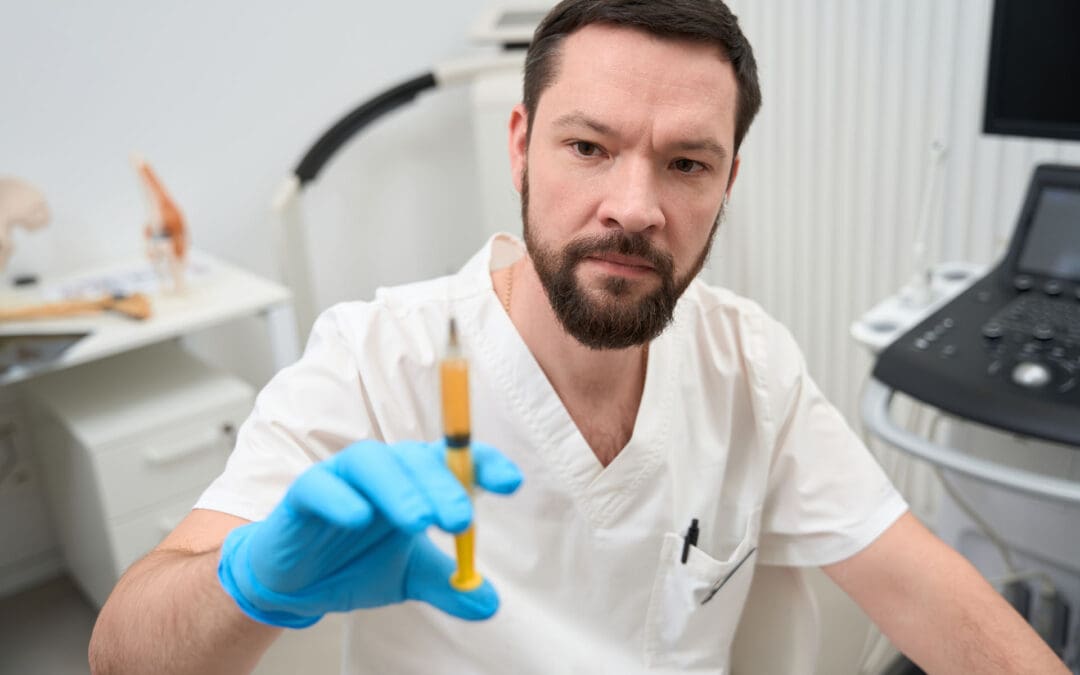
While structural chiropractic care forms the foundation, El Paso Back Clinic sometimes uses supportive therapies to further enhance healing. These non-surgical options work in the background to stimulate the body’s natural processes. They include concentrated healing cells from a patient’s own blood or fat, along with signaling molecules like peptides. These tools act as gentle stimulants that help repair damaged tissues and lower swelling.
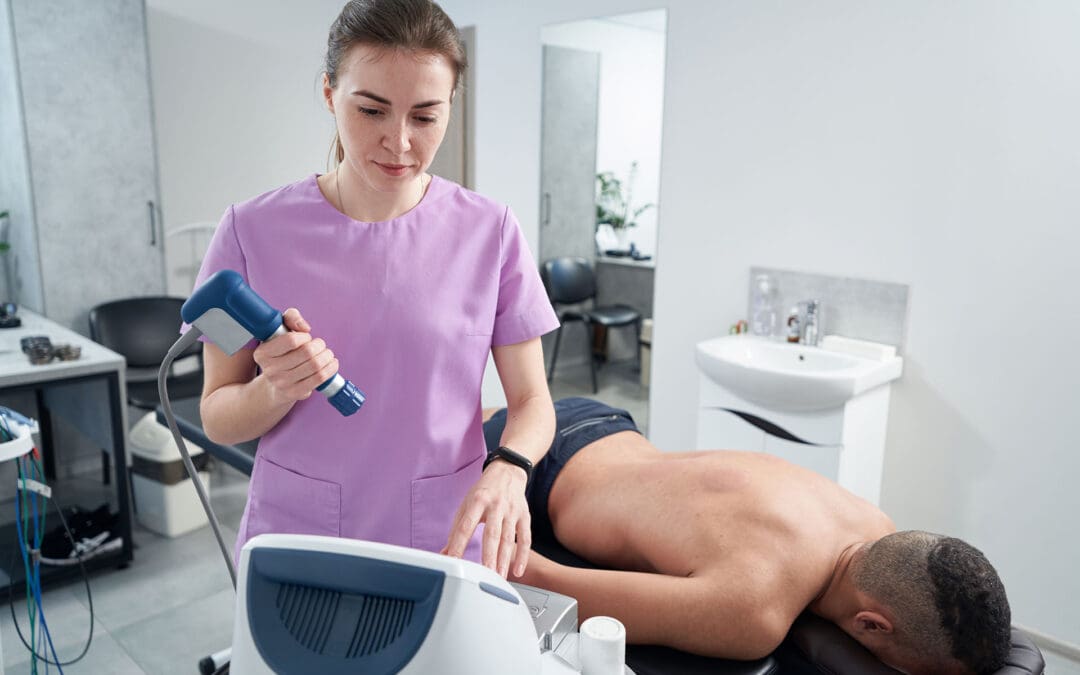
For example, platelet-rich plasma (PRP) and similar options can support tissue repair after chiropractic adjustments have created better alignment. Shockwave therapy is another tool that pairs well with chiropractic care. It sends sound waves to increase blood flow and break down scar tissue, making adjustments more effective and recovery quicker.
The clinic’s integrative practice keeps these supportive methods secondary to the main chiropractic focus. The goal remains the same: fix the root problem and restore normal movement. This combination helps patients with back pain, sciatica, or soft tissue injuries heal faster without invasive procedures.
Key ways these supportive tools work alongside chiropractic care include:
They speed up the body’s natural repair after adjustments open up better nerve pathways.
They reduce inflammation so patients feel relief sooner during physical therapy sessions.
They support long-term tissue strength, helping chiropractic corrections last longer.
They fit into a holistic plan that avoids surgery and heavy reliance on pain pills.
This balanced method has shown strong results in personal injury and sports-related cases. (StemWave, 2024; El Paso Chiropractic, n.d.)
Dr. Alexander Jimenez’s Integrative Approach at El Paso Back Clinic
Dr. Alexander Jimenez, DC, APRN, FNP-BC, leads the clinical team at El Paso Back Clinic with more than 30 years of experience. As a chiropractor first, he specializes in structural care that restores spinal alignment and functional movement. His dual background allows him to blend chiropractic adjustments with advanced rehabilitation techniques for complete recovery.
At the clinic, Dr. Jimenez focuses on finding and treating the true source of pain. He uses gentle adjustments, spinal decompression, and targeted exercises to resolve issues like herniated discs, sciatica, and scoliosis. Supportive regenerative options stay in the background as beneficial additions that enhance the primary chiropractic work.
His clinical observations highlight how this integrative style helps patients recover from trauma with greater strength and confidence. Many who visit El Paso Back Clinic after car accidents or work injuries see big improvements in mobility and daily function. Dr. Jimenez often notes that addressing structure first sets the stage for the body to heal naturally. (Personal Injury Doctor Group, 2026)
What patients can expect at the clinic includes:
Thorough exams that spot hidden alignment problems or nerve pressure.
Customized chiropractic plans that include physical therapy and movement training.
Supportive therapies are used only when needed to enhance overall outcomes.
Focus on nutrition and lifestyle tips to keep the body strong between visits.
The clinic’s multidisciplinary team of chiropractors and physical therapists works together under Dr. Jimenez’s guidance. This team approach ensures every patient receives care tailored to their needs. (Jimenez, n.d.-a)
Real Results for Personal Injuries and Everyday Back Problems
Life can bring sudden injuries from auto accidents, sports injuries, or repetitive work strain. These issues often lead to back pain, stiff joints, or limited motion. At El Paso Back Clinic, integrative chiropractic care shines in these cases by correcting structure and supporting natural recovery.
For auto accident victims, chiropractic adjustments help with whiplash and spinal misalignment that can cause long-term discomfort. Physical therapy builds strength, while supportive therapies in the background reduce swelling and speed tissue repair. Sports injuries, such as strains or tendon problems, also respond well. Athletes regain a full range of motion and return to play with less risk of re-injury.
Patients often notice these advantages:
Faster return to work or favorite activities, with less downtime.
Reduced need for pain medications that can have side effects.
Stronger, more stable joints thanks to proper alignment and support.
Overall, a better quality of life with less daily discomfort.
One review of integrative care found that patients with chronic back issues experienced steady progress and avoided surgery when chiropractic was the primary focus. (Ortho Edge El Paso, n.d.; West Texas Pain, n.d.)
The clinic’s location in El Paso makes it convenient for local families and workers seeking natural solutions. Many patients report feeling renewed energy after a few sessions of structured chiropractic care.
Why This Chiropractic-First Method Promotes Lasting Wellness
Traditional treatments sometimes rely on temporary relief or major operations. Integrative chiropractic care at El Paso Back Clinic takes a smarter path. It works with the body’s design by correcting alignment and supporting its natural repair abilities.
Younger bodies heal quickly on their own, but aging or repeated stress can slow the process. Chiropractic adjustments keep the spine and joints in proper position so healing happens efficiently. Supportive therapies like shockwave therapy or concentrated healing cells remain in the background to provide an extra nudge when needed.
This non-surgical style offers clear advantages:
No scars or infection risks that come with operations.
Better long-term mobility and fewer flare-ups.
A focus on prevention ensures problems do not become big ones.
Improved posture and movement that benefit overall health.
Experts agree that fixing the root cause leads to the best recovery. When chiropractic care leads the way, patients often experience lasting relief and greater confidence in their bodies. (New Regen Ortho, n.d.; Serenity Health Care Center, n.d.)
At El Paso Back Clinic, the emphasis remains on empowering patients through structure and function. Dr. Jimenez’s team helps people of all ages live more active, pain-free lives.
Moving Forward With Natural, Effective Care
Integrative chiropractic care at El Paso Back Clinic provides a clear path for anyone dealing with back pain or injury. Structural adjustments form the core, restoring alignment and functional movement. Supportive therapies work quietly in the background to stimulate the body’s natural healing without surgery or strong drugs.
This holistic method addresses the root causes of problems and helps patients recover faster from personal injuries, auto accidents, and sports injuries. Under Dr. Alexander Jimenez’s guidance, the clinic delivers care that fits real life and delivers real results.
If back pain or limited motion holds you back, consider the integrative chiropractic approach at El Paso Back Clinic. It proves that sometimes the best way forward is to work with the body’s own systems through skilled, hands-on care.
Restore Flexibility and Mobility with Integrative Chiropractic Care and Shockwave Therapy at El Paso Back Clinic
Many El Paso residents wake up with stiff joints or tight muscles, making simple daily tasks feel hard. Reaching overhead, bending down, or walking for long stretches can become painful or limited. At El Paso Back Clinic, integrative chiropractic care combined with Extracorporeal Shockwave Therapy (ESWT) offers a natural solution. This approach restores proper joint alignment, reduces muscle tension, and resolves soft-tissue restrictions, allowing patients to move freely again. Led by Dr. Alexander Jimenez, DC, APRN, FNP-BC, the clinic’s team uses gentle adjustments, stretching, exercises, and advanced shockwave treatments to help people regain flexibility and enjoy life in El Paso.
What Integrative Chiropractic Care Does for Flexibility at El Paso Back Clinic
Integrative chiropractic care at El Paso Back Clinic treats the whole body instead of just one problem area. It corrects small misalignments, called subluxations, in the spine and joints. These misalignments put pressure on nerves and tighten muscles. Regular adjustments gently move everything back into place. This restores proper joint alignment, eases tension, and lets the nervous system send clearer signals to the muscles.
When joints line up correctly, range of motion improves right away. Stiffness fades, and daily movements become smoother and more efficient. Patients at the clinic often say they feel looser and more energetic after just a few visits. (Gentle Chiro, n.d.) The care also includes stretching and therapeutic exercises to maintain gains over time. Muscles and joints start working together as a team, building resilience that lasts.
How Chiropractic Adjustments Restore Joint Alignment and Reduce Stiffness
Adjustments form the core of care at El Paso Back Clinic. The team uses precise, gentle pressure to correct subluxations. This simple step brings clear benefits that patients notice quickly:
Better range of motion, so joints glide freely without catching
Less muscle tension around the back, neck, and limbs
Improved nervous system function for better balance and coordination
Smoother daily activities like turning your head while driving or reaching for groceries
Lower risk of future stiffness because proper alignment trains the body to stay balanced
Many people in El Paso report that these changes make physical activities feel easier and less tiring. (Rodgers Stein Chiropractic, n.d.) The adjustments help the body move more efficiently without pain, supporting an active lifestyle.
Adding Stretching and Therapeutic Exercises for Long-Term Results
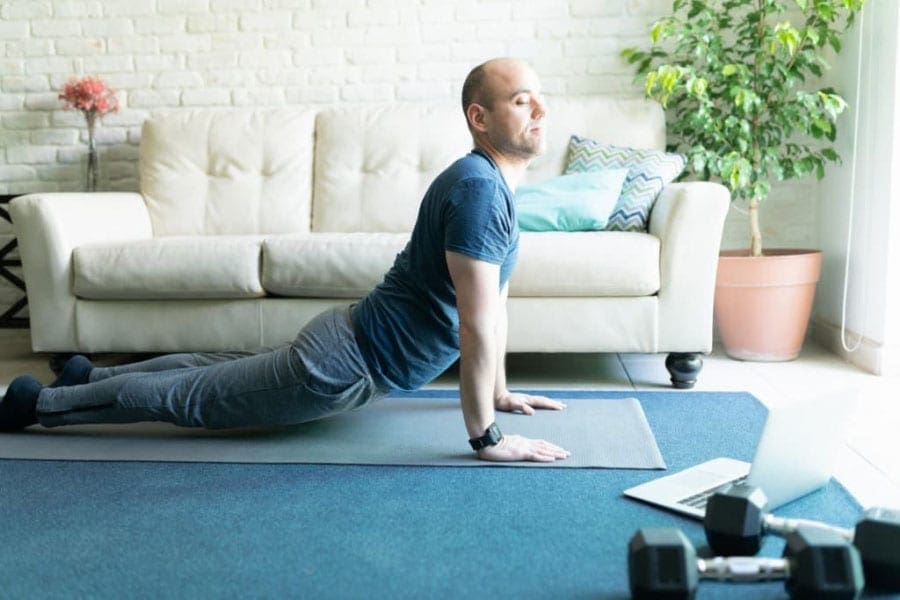
Adjustments open the door to better movement, but stretching and exercises keep it open. At El Paso Back Clinic, the rehabilitation team creates simple home programs that match each patient’s needs. Dynamic stretches warm up the body before activity. Static stretches hold the new mobility after adjustments. Therapeutic exercises strengthen the muscles that support the joints.
These steps build endurance and agility. Patients find they can stay active longer without soreness. The clinic’s sports medicine approach helps people return to hiking in the Franklin Mountains, playing with family, or working without the same old limitations. (Chiropractic Fitness, n.d.) Consistent practice turns short-term gains into lasting flexibility.
Introducing Extracorporeal Shockwave Therapy (ESWT) at El Paso Back Clinic
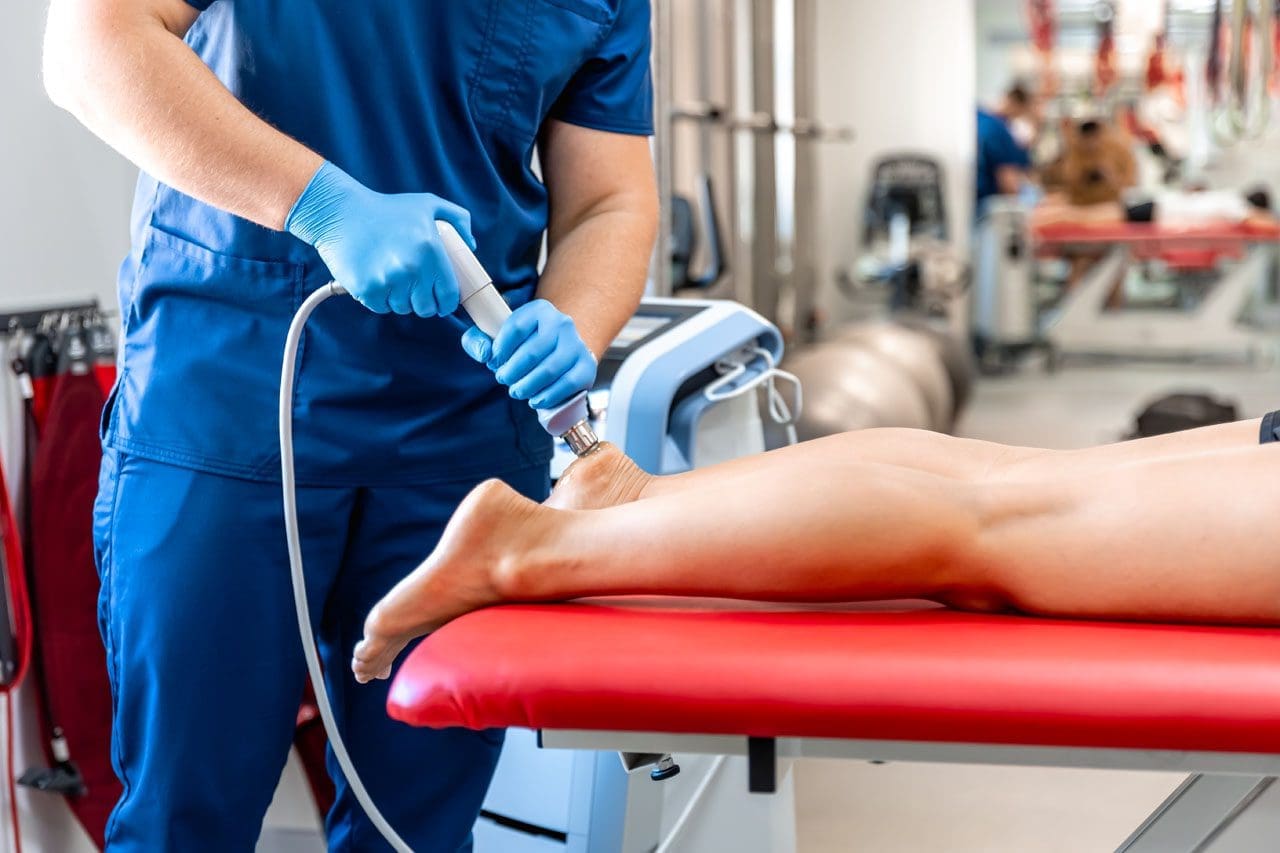
ESWT uses focused sound waves to reach deep into muscles, tendons, and ligaments. The waves create tiny pulses that restart healing in areas stuck with scar tissue or chronic tightness. This noninvasive treatment increases blood flow, breaks down old buildup, and reduces inflammation. At El Paso Back Clinic, ESWT is available as a key component of advanced care plans for patients who need additional support for soft tissue problems.
Why Combining Chiropractic Care and ESWT Delivers Stronger Flexibility Gains
The real power at El Paso Back Clinic comes from pairing chiropractic adjustments with ESWT. Adjustments fix the mechanical side—joint position and nerve signals—while ESWT handles the soft-tissue side—scar tissue, poor circulation, and stubborn tension. Together, they create faster, longer-lasting results than either method alone.
This dual approach works in several key ways:
Chiropractic restores spinal and joint mobility
ESWT breaks down scar tissue and releases tight fascia
The pair reduces inflammation and collagen cross-linking that causes stiffness
Blood flow improves, helping muscles and tendons heal
Patients regain a greater range of motion because both structure and tissue health get better at once
Clinic reports show that this combination can significantly improve outcomes compared with standard care. Many El Paso patients with ongoing tightness notice a real return of freedom of movement.
Common Conditions That Benefit from This Integrated Approach
El Paso Back Clinic uses this combined approach to treat several conditions that rob people of flexibility. Here are some of the most common:
Frozen shoulder – Adjustments free stuck joints while ESWT dissolves scar tissue and calcium deposits. Patients often regain full arm motion without pain.
Achilles tendinopathy – Chiropractic realigns the lower body to ease strain. Shockwave therapy stimulates the growth of new blood vessels and clears chronic buildup, so walking and running feel normal again.
General chronic muscle tension – Tightness in the back, neck, or legs from stress, work, or old injuries—responds well. The therapies release trigger points and restore smooth movement.
Post-injury stiffness from car accidents or sports – The clinic specializes in personal injury care. The combination speeds recovery and safely rebuilds mobility.
Other issues, such as plantar fasciitis and tennis elbow, also improve because the care addresses both alignment and tissue damage. (Bend Total Body Chiropractic, n.d.)
Clinical Insights from Dr. Alexander Jimenez at El Paso Back Clinic
Dr. Alexander Jimenez, DC, APRN, FNP-BC, leads El Paso Back Clinic with more than 30 years of experience. As both a Doctor of Chiropractic and a board-certified Family Nurse Practitioner, he brings a unique integrative perspective to every patient. In his clinical work in El Paso, Dr. Jimenez sees how chiropractic adjustments correct subluxations and improve nervous system function, thereby boosting flexibility and range of motion. When combined with ESWT, the results are even stronger for soft tissue injuries from accidents or overuse.
Dr. Jimenez often notes that this teamwork helps patients break down scar tissue, reduce inflammation, and restore proper movement patterns faster than traditional methods alone. His approach includes personalized functional medicine, nutritional support, and rehabilitation exercises to help patients build lasting resilience. At the clinic’s convenient El Paso locations, patients receive complete care that addresses the root causes of stiffness and helps them return to daily life and favorite activities with confidence.
Tips to Get the Most from Care at El Paso Back Clinic
Start with a full evaluation so the team can build a plan that fits your body and lifestyle. Attend regular adjustments and ESWT sessions as recommended. Follow the simple stretching and exercise routine at home every day. Support your progress with good posture, daily walks, proper hydration, and enough rest. The friendly staff at El Paso Back Clinic makes the process easy and supportive. Many patients see big improvements in flexibility within just a few weeks when they stay consistent.
A Natural Path to a More Flexible, Resilient Life in El Paso
Integrative chiropractic care and ESWT at El Paso Back Clinic offer a powerful, drug-free way to fight stiffness and reclaim natural movement. By correcting joint alignment, releasing muscle tension, and healing soft tissues, this approach makes daily life and physical activity feel effortless again. Muscles and joints work in harmony, the nervous system functions smoothly, and the body stays strong through the years.
Whether you deal with occasional tightness or a specific injury, the experienced team at El Paso Back Clinic can help. Contact the clinic today to schedule an evaluation and discover how these natural tools can work for you. With the right plan, better flexibility and mobility are well within reach for El Paso residents.
When You Don’t Stretch: Why Muscles Get Stiff, Movement Gets Harder, and Injuries Become More Likely
A patient with chronic back pain does targeted stretches.
If you rarely stretch, your body can start to feel “tight,” which can change how you move. Many people notice they can’t bend, twist, squat, reach overhead, or turn their head as easily as they used to. Over time, this can affect your flexibility, your range of motion (how far a joint can move), and how smooth and efficient your daily movements feel.
At El Paso Back Clinic, Dr. Alexander Jimenez, DC, APRN, FNP-BC, often explains this: when mobility decreases, the body starts to “compensate.” That means you move around a stiff area instead of through it, and those workarounds can build up stress in nearby joints and muscles (Jimenez, n.d.-a). This is one reason people can develop recurring back pain, neck stiffness, hip tightness, or shoulder irritation even without a single big injury.
What “Muscle Stiffness” Really Means
Muscle stiffness usually feels like tightness, soreness, or difficulty moving. It can happen after overuse, after you’ve been still for a long time, or when your muscles stay “stuck” in a more contracted state (Tarantino, 2025). Osmosis
Osmosis notes that stiffness can appear after a long period of minimal motion (such as bed rest or inactivity) or after new exercise that causes temporary muscle cell damage (Tarantino, 2025). Osmosis
Key idea: When your body doesn’t move a joint through its normal range often enough, the muscles and tissues around it can start to feel restricted. That restriction can make normal tasks think harder than they should.
Do Muscles Actually “Shorten” If You Don’t Stretch?
You’ll hear people say, “If you don’t stretch, your muscles will shorten.” That statement is partly true, but it needs context.
Adidas explains that the word “shorten” can be misleading: for most people, it feels like shortening because mobility and flexibility decrease when stretching is skipped, even if the muscle is not literally shrinking in everyday life (Adidas, 2025). adidas
Harvard Health adds an important clarification: without regular stretching, muscles can become tight, and when you need them for activity, they may not extend fully, increasing the risk of joint pain, strains, and muscle damage (Harvard Health Publishing, 2024). Harvard Health
So the practical takeaway is simple:
Skipping stretching often leads to less mobility and flexibility
Tight muscles can reduce how far joints can move
Tight muscles can make injuries more likely when you suddenly “ask more” of your body
How Tight Muscles Reduce Range of Motion
Range of motion (ROM) is the movement around a joint or body part. When ROM is limited, you can’t move that body part through its usual, healthy motion (Jimenez, n.d.-b). El Paso Back Clinic® • 915-850-0900
El Paso Back Clinic explains how tightness—especially in areas like the hips and ankles—can reduce ROM and limit potential for form and strength. When posture and form are compromised, pain and injury risk can rise (Jimenez, n.d.-b). El Paso Back Clinic® • 915-850-0900
What limited ROM can look like in real life
You might notice:
You can’t turn your head fully when driving
You bend from your lower back instead of your hips
You can’t squat without your heels lifting
Your shoulders feel “pinched” when reaching into a cabinet
Your hamstrings feel tight when you try to walk fast
And here’s the tricky part: your body still gets the job done—just with more strain.
Why Stiffness Can Raise Injury Risk
Harvard Health explains that tight muscles may be more easily damaged when they are suddenly stretched during strenuous activity (Harvard Health Publishing, 2024). Harvard Health
That’s why injuries often show up in moments like:
A weekend game after sitting all week
A sudden sprint to catch something
Lifting a heavy box with “cold” hips and hamstrings
A long drive followed by quick unloading or bending
Mayo Clinic also notes that better flexibility can help joints move through full ROM and may decrease injury risk, while emphasizing that stretching must be done correctly (Mayo Clinic Staff, n.d.). Mayo Clinic
Common Reasons People Stop Stretching (And How to Fix Them)
Most people don’t skip stretching because they don’t care. They skip it because it feels confusing, time-consuming, or uncomfortable.
Common barriers
“I don’t have time.”
“Stretching hurts.”
“I’m not flexible, so it doesn’t work for me.”
“I only need stretching if I work out.”
Better, more realistic reframes
You only need 5–10 minutes a few times a week to start seeing benefits (Mayo Clinic Staff, n.d.). Mayo Clinic
Stretching should create tension, not pain (Mayo Clinic Staff, n.d.). Mayo Clinic
Flexibility improves over weeks to months, not days (Harvard Health Publishing, 2024). Harvard Health
Stretching supports everyday movement, not just workouts (Harvard Health Publishing, 2024). Harvard Health
Safe Stretching Basics (So You Don’t Make Things Worse)
This matters: stretching done poorly can backfire.
Mayo Clinic recommends:
Don’t stretch cold muscles—warm up 5–10 minutes first
Don’t bounce
Hold stretches about 30 seconds (longer for problem areas)
Don’t stretch into pain (Mayo Clinic Staff, n.d.). Mayo Clinic
The American Heart Association adds:
Stretch when muscles are warm
Hold 10–30 seconds and repeat 3–5 times
Stretch slowly and smoothly (American Heart Association, 2024). www.heart.org
Quick safety checklist
Warm up first (easy walk, gentle movement)
Move slowly
Breathe
No bouncing
Stop if you feel sharp pain, numbness, or joint pain
A Simple 10-Minute Daily Stretch Routine for Real Life
This is designed for normal adults: busy schedules, stiff hips, tight neck, and lots of sitting.
Step 1: Warm up (1–2 minutes)
Walk around the house
March in place
Gentle arm circles
Step 2: Do these 6 stretches (about 8 minutes total)
1) Hip flexor stretch (1 minute each side) Helps if you sit a lot and feel tight in the front of your hips.
2) Hamstring stretch (1 minute each side) Harvard points out that tight hamstrings from sitting can limit how well you extend your leg and support walking mechanics (Harvard Health Publishing, 2024). Harvard Health
3) Calf stretch (45 seconds each side) Helpful for ankle mobility, walking, and squatting mechanics.
4) Chest opener (45 seconds) Stand in a doorway and gently open the chest to reduce rounded-shoulder posture.
5) Upper back reach (45 seconds) Hug yourself and gently pull your shoulder blades apart.
6) Neck side stretch (30 seconds each side) Gentle only—never crank your neck.
Step 3: Add “micro-mobility” during your day (optional but powerful)
Stand up every hour for 30–60 seconds
Do 5 bodyweight squats to a chair
Do 10 shoulder rolls
Take a 3-minute walk after meals
These small habits often matter as much as one long stretch session.
Stretching After Workouts: What You Should Know
Adidas explains the difference clearly:
Dynamic movement is best before workouts (prepares your body)
Static stretching is typically better after workouts, when you’re warm (Adidas, 2025). adidas
Mayo Clinic also cautions that stretching cold muscles can increase injury risk and notes that some intense activities may not benefit from heavy stretching right before performance (Mayo Clinic Staff, n.d.). Mayo Clinic
A balanced approach
Before exercise: warm up + dynamic mobility
After exercise: gentle static stretching + breathing
On rest days: short, consistent flexibility routine
When Stiffness Is a Sign You Need More Than Stretching
Sometimes the problem is not just “tight muscles.” You may have:
Joint restrictions that block movement
Spine or pelvis alignment issues affecting mechanics
Inflammation around a joint
Pain patterns that keep muscles “guarded”
A nerve-related problem (numbness, tingling, weakness)
El Paso Back Clinic notes that limited ROM in areas like the back, neck, or shoulders can be linked to the body being out of natural alignment, repetitive motions, or wear and tear (Jimenez, n.d.-b). El Paso Back Clinic® • 915-850-0900
If stretching doesn’t help—or makes symptoms worse—it’s smart to get assessed.
The El Paso Back Clinic Approach: Integrative Chiropractic + Nurse Practitioner Support
This is where integrative care can be a game-changer: you’re not only “stretching more,” you’re also finding out why you’re tight and building a plan that fits your body.
What chiropractic care can add
El Paso Back Clinic describes a “restoration” approach that may include:
Soft tissue work (to reduce tightness and improve circulation)
Adjustments (to address misalignments and support mobility)
Nurse practitioners are advanced practice clinicians who assess, diagnose, and treat illnesses and injuries and support chronic condition management (American Nurses Association, n.d.). ANA Healthgrades also describes NPs performing screenings and physical exams, ordering lab work, documenting care, and diagnosing certain conditions (Prosser, 2025). Healthgrades Resources
Why the combo helps stiffness and pain
Together, a chiropractor + NP team can:
Screen for red flags (nerve symptoms, systemic issues)
Decide when imaging or labs are appropriate
Build a movement plan that matches your pain level
Address sleep, stress, inflammation, and recovery habits
Track progress using measurable goals (like ROM improvements)
Dr. Jimenez’s Mobility & Flexibility materials emphasize that “great mobility” supports functional movement without ROM restrictions and that people who don’t stretch often may experience stiffened muscles that reduce effective movement (Jimenez, n.d.-a). El Paso Back Clinic® • 915-850-0900
Red Flags: When to Stop Stretching and Get Checked
Call a clinician promptly if you have:
Numbness, tingling, or weakness in an arm/leg
Loss of balance, clumsiness, or trouble walking
Severe pain that doesn’t improve
Pain after trauma (car accident, fall, sports collision)
Fever, unexplained swelling, or sudden intense stiffness
Muscle stiffness can sometimes be related to underlying medical issues, and diagnosis may require an exam and follow-up testing, depending on the cause (Tarantino, 2025). Osmosis
The Bottom Line
If you don’t stretch regularly, it’s common to feel tighter and less mobile over time. That stiffness can reduce range of motion, make daily tasks harder, and increase your risk of injury when you suddenly push your body. The good news is that you don’t need extreme flexibility. You need consistent, safe mobility work—and when required, professional support to restore movement and reduce pain.
A practical plan usually includes:
Small daily stretching habits
Better warm-ups and recovery routines
Strength + mobility (not stretching alone)
Integrative evaluation when pain, ROM loss, or repeated flare-ups keep returning
Beat Holiday Stress with Fun Movement and Smart Body Care
A man and a woman play table tennis to ease holiday stress.
The holiday season brings joy, family time, and tasty food, but it can also be stressful. Busy schedules, shopping, travel, and extra tasks can make anyone feel overwhelmed. One great way to feel better is through simple movement and exercise. Physical activity releases endorphins, chemicals in your brain that improve mood and reduce stress (Mayo Clinic, 2023). Even short sessions of fun activities can clear your mind and boost energy.
Many experts agree that almost any form of movement helps manage stress. It acts like a natural reset for your body and brain (Kitsap Physical Therapy, n.d.). Adding some holiday cheer to your routine makes it easier to stick with. This guide shares easy, enjoyable ways to stay active and calm during the holidays.
Why Movement Helps Reduce Holiday Stress
Exercise does more than keep you fit. It pumps up endorphins, boosting a happier feeling, and distracts you from worries. Activities like walking or dancing provide “meditation in motion,” helping you forget daily irritations (Mayo Clinic, 2023). Regular movement also improves sleep, builds confidence, and helps your body better handle stress.
During the holidays, people often move less due to cold weather or busy plans. This can make stress worse. But even one quick workout can lift your mood for hours (Gorman, 2022). Fun, low-pressure activities work best to avoid adding more pressure.
Releases feel-good chemicals to fight anxiety
Clears the mind and improves focus
Boosts energy and helps you sleep better
Builds strength to handle physical holiday demands, like carrying bags
Fun Sports-Inspired Activities to Boost Endorphins
Try activities that feel like play. Sports-inspired moves get your heart pumping and bring smiles.
Jumping rope: A quick cardio blast that raises your heart rate fast. Do it for 10-15 minutes while listening to holiday music (Avec Apartments, n.d.).
Dance breaks: Turn on your favorite songs and dance freely. Join a family dance party or try simple steps. Dancing combines rhythm and fun for great stress relief (NMC Health, n.d.; Triathlete Magazine, n.d.).
Pickup games: Play basketball, tennis, volleyball, or soccer with friends or family. These team sports combine exercise with social time, which further lowers stress (King Chiropractic, n.d.).
Shadowboxing: Punch the air like a boxer. This low-impact move releases tension without needing equipment. It’s perfect for a hotel room or living room (FightCamp, n.d.; Triathlete Magazine, n.d.).
These activities are easy to start and don’t require much space or gear.
Quick and Easy Bodyweight Exercises for Fast Relief
No gym? No problem. These simple moves use only your body and take little time.
Here are some top picks:
High knees: Run in place, lifting knees high. Do it for 1 minute to get your blood flowing (Echelon Fit, n.d.).
Planks: Hold a straight body position on your forearms and toes. Start with 30 seconds of core strength work (Echelon Fit, n.d.).
Bodyweight squats: Lower as if sitting in a chair, then stand up. Great for legs and glutes (Hydrow, n.d.).
Push-ups: Modify on knees if needed. Strengthen your upper body quickly (Hydrow, n.d.).
Jumping jacks: Classic move to warm up and boost mood (Echelon Fit, n.d.).
Try a 20-minute circuit: 30 seconds of each, with short rests in between. Repeat a few times (FightCamp, n.d.). Add holiday twists, like “present pick-up” squats—bend down as if grabbing gifts (Performance Health Academy, n.d.).
Mindful Practices for Calm and Flexibility
For gentler options, try mindful movements that focus on breath and flow.
Yoga flows: Simple poses like downward dog or warrior help stretch and center your mind. A 15-20 minute session reduces tension (Avec Apartments, n.d.; King Chiropractic, n.d.).
Tai Chi: Slow, flowing moves called “meditation in motion.” It improves balance and eases stress without strain (Mind Body Spine, n.d.; FightCamp, n.d.).
These practices calm the nervous system and pair well with busier days.
Outdoor Options: Walks and Hikes for Mind Clearing
Fresh air makes everything better. A brisk walk or hike builds endurance and clears thoughts.
Go for a festive neighborhood walk to see lights. Make it fun with a scavenger hunt for decorations (NMC Health, n.d.).
Hike in nature for extra calm. Being outdoors boosts positive feelings, such as gratitude (Triathlete Magazine, n.d.).
Add active games, such as playing in the yard or stair climbing, between tasks (Muscle MX, n.d.).
Aim for 30 minutes most days. No special gear needed—just good shoes (Club Getaway, n.d.).
Make It Festive: Holiday-Themed Active Fun
Keep things light by tying movement to celebrations.
Dance to holiday tunes or play charades that get everyone moving.
Try “Santa bag throws” or “candy cane curls” with simple weights or air motions (Performance Health Academy, n.d.).
Family games like obstacle courses or mini-golf indoors keep energy high and stress low (NMC Health, n.d.).
These ideas turn exercise into shared joy.
How Integrative Chiropractic Care Fits In
Physical tension from stress often shows up as tight muscles or misalignment. Integrative chiropractic care helps by using gentle adjustments to ease tension and support the nervous system. This improves your body’s stress response and promotes better flexibility (Chiropractic Works Collinsville, n.d.).
Chiropractors may suggest stretches or movements to help maintain alignment. This holistic approach complements exercise for full-body relief. Dr. Alexander Jimenez, a chiropractor and nurse practitioner with over 30 years of experience, notes that spinal health drives overall wellness. His integrative methods combine adjustments with posture exercises and stress management for better mobility and calm (Jimenez, n.d.; Jimenez, 2025a). He often sees that staying active and making adjustments help prevent holiday-related tension and support recovery (Jimenez, 2025b).
Pairing chiropractic visits with daily movement creates a balanced way to enjoy the season.
Tips to Get Started and Stay Consistent
Starting small is key during busy times.
Pick activities you enjoy to make it fun.
Schedule short sessions, like 10-20 minutes.
Involve family or friends for accountability.
Listen to your body—keep it light to avoid extra stress.
Combine with deep breathing for extra calm.
Consistency brings the best results. Even small efforts add up to less stress and more energy (American Fitness Professionals & Associates, n.d.).
By adding these fun movements and mindful care, you can handle holiday demands with ease. Focus on feeling good, not perfect. Your body and mind will thank you.
Avoiding Common Christmas Accidents: Prevention and Recovery at El Paso Back Clinic®
After lying in an awkward position, the woman is suffering from back pain on the couch at home.
The Christmas season fills homes with lights, laughter, and loved ones. But it can also bring unexpected risks. From slips on icy paths to burns in the kitchen, holiday accidents happen more often than you might think. In El Paso, Texas, where winter weather can mix with the festive rush, these issues send many seeking help. Distracted or drunk driving spikes too, making roads risky. At El Paso Back Clinic®, we focus on wellness chiropractic care to help you prevent and heal from these mishaps. This article explains common Christmas accidents, their causes, and tips for prevention. It also shows how our integrative approach, led by Dr. Alexander Jimenez, DC, APRN, FNP-BC, offers holistic recovery. Using spinal adjustments, massage, nutritional guidance, and NP-partnered care, we support your body’s natural healing to help you have a pain-free holiday.
Common Christmas Holiday Accidents at El Paso Back Clinic®
At our clinic in El Paso, TX, we see a rise in holiday-related injuries each year. These range from home mishaps to road incidents. Here’s a list of the most common ones we treat.
Falls: Decorating ladders or icy El Paso sidewalks leads to slips. These cause sprains, fractures, or head trauma. Nationwide, about 160 decorating falls occur daily, accounting for half of decorating injuries. Kids might tumble from unstable trees or during outdoor fun.
Fires: Faulty lights, dry trees, or candles spark fires. In homes across Texas, Christmas tree fires average 155 per year, causing injuries and property damage. We advise checking decorations to avoid these dangers.
Burns: Holiday cooking with hot oil or deep fryers can result in scalds. Touching lit decorations adds risk. Turkey fryers alone cause 5 deaths and 60 injuries annually. Even hot foods like fried treats can burn mouths.
Cuts: Knife slips while wrapping or carving happen often. Broken glass ornaments or toy packaging lead to ER visits – about 6,000 yearly for gift-opening cuts.
Strains: Lifting decorations, gifts, or snow strains muscles. Back issues account for 15% of holiday accidents, and 11,500 ER visits are due to shoveling. In El Paso, our patients often come in after heavy lifting.
Alcohol-Related Incidents: Festive drinks cause falls or “holiday heart” – heart rhythm problems from overdrinking. This leads to dizziness and more.
Food Poisoning: Rushed meals with undercooked food or leftovers breed bacteria. About 48 million cases occur in the U.S. each year, peaking during holidays.
Injuries Related to Toys and Gifts: Choking on small parts injures 251,700 kids yearly. Faulty gifts cause cuts or trips.
Distracted or Drunk Driving: Busy El Paso roads see more crashes from texting or drinking. Drunk driving deaths rose to 1,013 in December 2021.
These issues increase ER visits by 5-12% in the U.S. and by over 80,000 in the UK during festivities. At El Paso Back Clinic®, we help locals recover quickly.
Causes of Holiday Injuries Seen at Our Clinic
Many injuries stem from everyday tasks gone wrong. To stop recurrences, we at El Paso Back Clinic® pinpoint these causes.
Overexertion: Heavy lifting, like trees or bags, strains backs. Bending incorrectly causes 80% of lower back pain. Travel luggage accounts for 72,000 doctor visits each year.
Cooking: Burns from oils or knives in busy kitchens. One in ten child injuries comes from cooking. Grease fires are frequent.
Decorating: Ladder falls, electrical shocks, or ornament cuts. Decorating sends 13,000 to ERs yearly. Cord trips cause 2,000 injuries.
Accidents on the Road or at Home: Distracted driving in El Paso’s traffic or at home. Stress slows reflexes.
Winter sports add 186,000 injuries, though they are less common here. Plants like mistletoe can poison if eaten.
Prevention Tips from El Paso Back Clinic®
Prevent accidents with simple steps. Our team at El Paso Back Clinic® shares these to keep your holidays safe.
For Falls: Use stable ladders and salt icy paths. Get help when climbing.
For Fires and Burns: Inspect wires, water trees, and use LED candles. Watch stoves closely.
For Cuts and Strains: Cut safely and lift with your knees. Team up for heavy items.
For Alcohol and Driving: Designate a driver or use a ride. Drink moderately.
For Food and Toys: Cook thoroughly and chill food fast. Pick safe, age-appropriate toys.
Keep a first aid kit handy and manage stress. Visit us for pre-holiday check-ups.
How Integrative Chiropractic Care at El Paso Back Clinic® Helps
If injured, turn to El Paso Back Clinic® for natural healing. Our integrative chiropractic care, in partnership with NPs, treats the whole person. Dr. Alexander Jimenez, with over 30 years in El Paso, observes that holiday injuries often stem from poor posture or stress, leading to misalignment of the spine. We use non-invasive techniques to ease pain without meds or surgery.
Adjustments for Spinal and Joint Pain: Realign the spine to relieve strain from falls or lifts. This boosts movement and cuts swelling.
Massage and Physiotherapy for Muscle Problems: Ease tension from overwork. Improves circulation for faster recovery.
NP-Led Care for Holistic Wellness: Our NPs manage overall health, including burn care and effects of poisoning, with a natural focus.
Nutrition Guidance: Counter rich holiday foods with diet tips to aid digestion and immunity. Fiber-rich choices help.
Managing Underlying Conditions: Reduce stress hormones for better sleep and mood. Prevents further harm.
Dr. Jimenez’s team uses functional medicine to develop personalized plans that address issues like sciatica from slips. Chiropractic enhances the nervous system for better health during the holidays.
Enjoy a Healthy Holiday with El Paso Back Clinic®
Make Christmas memorable for the right reasons. Know the risks, prevent them, and seek our care if needed. At El Paso Back Clinic®, we’re here for your wellness. Contact us in El Paso, TX, for expert chiropractic support. Happy holidays!
Discover how chiropractic care can help alleviate migraines and head injuries for enhanced wellness and pain relief.
Understanding Traumatic Brain Injury: How Head Injuries Cause Headaches, Migraines, and Cognitive Problems
Traumatic brain injury represents one of the most serious health conditions affecting millions of people each year. When someone experiences a blow to the head or a sudden jolt that shakes the brain inside the skull, the resulting damage can create a wide range of symptoms that affect daily life. Understanding how these injuries work and what symptoms they cause helps people recognize when they need medical attention and what treatment options are available.
What Is Traumatic Brain Injury?
Traumatic brain injury, commonly called TBI, occurs when an external force damages the brain. This injury happens when the head receives a sudden impact, causing the brain to move rapidly inside the skull. The Centers for Disease Control and Prevention reports that TBI represents a major cause of death and disability in the United States. These injuries range from mild concussions to severe brain damage that can permanently change a person’s life. mayoclinic+2
The brain sits protected inside the skull, surrounded by cerebrospinal fluid that acts like a cushion. When someone experiences a violent blow to the head, the brain can strike the inside of the skull, causing bruising, torn tissues, bleeding, and other physical damage. Sometimes the injury happens even without the head hitting anything directly—rapid acceleration or deceleration can shake the brain violently enough to cause damage. clevelandclinic+1
TBI occurs through several different mechanisms. Direct impact injuries happen when something strikes the head with force, such as during a fall, a sports collision, or an assault. Penetrating injuries occur when an object breaks through the skull and enters the brain tissue. Blast injuries, common in military settings, create pressure waves that damage brain structures. Motor vehicle accidents represent one of the leading causes of traumatic brain injury, often combining multiple injury mechanisms including impact, acceleration, and deceleration forces. americanbrainfoundation+2
Medical professionals classify TBI into three severity levels based on symptoms and diagnostic findings. Mild TBI, also known as a concussion, represents the most common form and may cause temporary confusion, headache, and other symptoms that typically resolve within weeks. Moderate TBI involves loss of consciousness lasting from several minutes to hours and confusion that can persist for days or weeks. Severe TBI results from crushing blows or penetrating injuries that cause extended unconsciousness, significant brain damage, and potentially permanent disability. mayoclinic+1
The immediate effects of TBI depend on which parts of the brain sustained damage and how severe that damage was. The frontal lobes, which control thinking, planning, and emotional regulation, are often affected by injury in TBI. Damage to the temporal lobes can affect memory and language. The brainstem, which controls basic life functions like breathing and heart rate, can be injured in severe TBI, creating life-threatening emergencies. alz+1
How TBI Causes Headaches and Migraines
Headaches represent one of the most common and persistent symptoms following traumatic brain injury. Research shows that between 30% and 90% of people who experience TBI develop headaches afterward. These post-traumatic headaches can begin immediately after the injury or develop days or even weeks later. Understanding why TBI causes headaches requires looking at the complex changes happening inside the brain and surrounding structures after injury. connectivity+3
When the brain experiences trauma, several physical and chemical changes occur that trigger headache pain. The initial impact can damage blood vessels in the brain, causing bleeding and inflammation. This inflammation triggers the release of pain-causing chemicals that activate nerve endings throughout the head and neck region. The meninges, the protective membranes that cover the brain, contain numerous pain-sensitive nerve fibers that respond to inflammation by sending pain signals. pmc.ncbi.nlm.nih+2
Brain tissue itself does not contain pain receptors, but the structures surrounding the brain are highly sensitive to pain. The blood vessels, meninges, and cranial nerves all possess pain receptors that can generate headache sensations. After a TBI, these structures may become more sensitive, a condition known as central sensitization, where the nervous system becomes hyperresponsive to pain signals. ncbi.nlm.nih+1
The connection between TBI and headaches also involves disruption of normal brain chemistry. The brain relies on neurotransmitters—chemical messengers that allow nerve cells to communicate—to function properly. Traumatic injury can disturb the balance of these neurotransmitters, particularly serotonin, which plays a crucial role in pain regulation. When serotonin levels drop or become imbalanced, the brain’s pain-filtering systems may not work correctly, allowing pain signals to reach consciousness more easily. migrainedisorders+2
Migraines represent a specific type of severe headache that many people develop after experiencing TBI. Research published in scientific journals demonstrates that people who have had a traumatic brain injury face a significantly increased risk of developing migraines compared to those who have never experienced head trauma. One study found that TBI approximately doubles the risk of developing new migraine headaches. pmc.ncbi.nlm.nih
The mechanisms linking TBI to migraines involve complex changes in brain function. The trigeminal nerve, which provides sensation to much of the face and head, becomes activated during migraines. This activation releases inflammatory substances called neuropeptides that cause blood vessel dilation and further inflammation. After TBI, the trigeminal nerve system may become more easily triggered, lowering the threshold for migraine attacks. emedicine.medscape+2
Brain imaging studies reveal that inflammation and altered connectivity between different brain regions persist long after the initial injury. These changes in how different parts of the brain communicate with each other can make the brain more susceptible to migraine triggers. The brain regions involved in pain processing, sensory filtering, and stress response show altered function in people with post-traumatic migraines. sciencedirect
Clinical Insights from Dr. Alexander Jimenez on Head Injury Assessment
Dr. Alexander Jimenez, a dual-credentialed chiropractor and nurse practitioner practicing in El Paso, brings a unique perspective to evaluating and treating patients with traumatic brain injury and post-traumatic headaches. His clinic specializes in treating injuries from various sources, including workplace accidents, sports injuries, personal injuries, and motor vehicle accidents. The dual-scope approach allows for a comprehensive assessment that combines chiropractic evaluation of neuromusculoskeletal function with advanced medical diagnostic capabilities. advantagehcs
When patients present with head injuries, Dr. Jimenez’s clinical approach emphasizes thorough neurological examination to identify the full extent of injury. This assessment includes evaluating cranial nerve function, testing reflexes, assessing balance and coordination, and screening for cognitive changes. The clinic utilizes advanced neuromusculoskeletal imaging to visualize structural damage that may contribute to ongoing symptoms. These imaging techniques include computed tomography (CT) scans, which excel at detecting skull fractures, bleeding, and swelling in the acute phase after injury. Magnetic resonance imaging (MRI) provides superior detail of soft tissue damage, including subtle brain injuries that may not appear on CT scans. pmc.ncbi.nlm.nih+4
Dr. Jimenez emphasizes that proper documentation of injuries plays a critical role, particularly in cases involving motor vehicle accidents or workplace injuries where legal and insurance considerations arise. Detailed medical records, which document the mechanism of injury, initial symptoms, physical examination findings, diagnostic test results, and treatment plans, serve essential functions in both patient care and legal proceedings. These records establish the connection between the traumatic event and the patient’s symptoms, which becomes crucial when seeking compensation for injuries. njadvocates+3
Cognitive Function Changes After TBI
The brain serves as the central control center for all mental processes, including thinking, learning, remembering, and decision-making. When traumatic injury damages brain tissue, these cognitive functions often become impaired. Understanding how TBI affects cognitive function helps patients and families recognize symptoms and seek appropriate treatment. pubmed.ncbi.nlm.nih+1
Cognitive impairment represents one of the most challenging consequences of traumatic brain injury because it affects so many aspects of daily life. The severity and pattern of cognitive problems depend on which brain regions sustained damage and how extensive that damage was. Research involving thousands of patients shows that cognitive impairment occurs across all severity levels of TBI, though more severe injuries generally produce more pronounced deficits. jamanetwork+1
Memory problems rank among the most common cognitive complaints after TBI. Short-term memory, which involves holding information in mind for brief periods, often becomes impaired. People may struggle to remember conversations, appointments, or where they placed items. Long-term memory, particularly the formation of new memories, can also be disrupted. The hippocampus, a brain structure critical for memory formation, is particularly vulnerable to injury during trauma. headway+1
Attention and concentration difficulties create significant challenges for people recovering from TBI. The ability to focus on tasks, filter out distractions, and shift attention between different activities may be compromised. These problems make it difficult to perform work duties, follow conversations, or engage in activities that require sustained mental effort. Divided attention—the ability to manage multiple tasks simultaneously—becomes especially problematic. uwmsktc.washington+1
Processing speed, which refers to how quickly the brain can take in information, understand it, and respond, typically slows after TBI. This slowing affects many aspects of functioning, from reading comprehension to reaction times while driving. Simple tasks that once seemed automatic may now require conscious effort and extra time. jamanetwork
Executive functions encompass higher-level cognitive abilities, including planning, organizing, problem-solving, and self-monitoring. The frontal lobes, which control these functions, are often damaged in TBI. Impairment of executive functions can make it difficult to manage daily responsibilities, make appropriate decisions, or adapt to changing situations. People may struggle with initiating tasks, following multi-step instructions, or recognizing and correcting errors. alz+1
Language and communication abilities can be affected by TBI, although the specific deficits vary depending on the location of the injury. Some people struggle to find the right words, form sentences, or comprehend complex language. Others may struggle with the social aspects of communication, such as interpreting social cues, taking turns in conversation, or adapting their communication style to different situations. uwmsktc.washington+1
Head Symptoms Associated with Cognitive Impairment
The cognitive changes that occur after TBI often coincide with physical symptoms affecting the head. These symptoms interconnect in ways that compound difficulties and interfere with recovery. Headaches themselves can worsen cognitive function by creating pain that distracts from mental tasks and disrupts concentration. The constant presence of head pain makes it harder to think clearly, remember information, or engage in problem-solving. pmc.ncbi.nlm.nih+2
Mental fog or clouded thinking represents a common complaint among people with TBI. This sensation of thinking through a haze makes mental tasks feel effortful and exhausting. The brain appears to operate more slowly, and thoughts may feel disorganized or disjointed. This mental fog often accompanies headaches and worsens with mental exertion. concussionalliance+1
Dizziness and balance problems frequently occur after TBI, creating a sense of instability or spinning that originates from dysfunction in the vestibular system. The inner ear structures that control balance can be damaged during head trauma, or the brain regions that process balance information may become impaired. These balance problems affect the ability to walk steadily, drive safely, or perform activities requiring coordination. mentalhealth.va+2
Pressure sensations inside the head trouble many people with TBI. This feeling of tightness, fullness, or pressure can be localized to specific areas or felt throughout the entire head. Sometimes, this pressure sensation accompanies actual changes in intracranial pressure due to swelling or fluid accumulation; however, it often represents altered sensory processing rather than true pressure changes. connectivity
Facial pain and jaw discomfort can develop after head trauma, particularly when the temporomandibular joint (TMJ) sustains injury during the trauma. The TMJ connects the jawbone to the skull, allowing for chewing and speaking. Injury to this joint or the surrounding muscles can create pain that radiates throughout the face, head, and neck. elizabethsandelmd+1
Types of Headaches Following Traumatic Brain Injury
Post-traumatic headaches can take several different forms, each with distinct characteristics and mechanisms. Recognizing the type of headache helps guide the development of appropriate treatment strategies. The International Classification of Headache Disorders provides standardized criteria for diagnosing different headache types, which healthcare providers use to categorize post-traumatic headaches. nature+2
Acute Post-Traumatic Headache
Acute post-traumatic headache develops within seven days of the injury or within seven days of regaining consciousness after the injury. These headaches typically resolve within three months of their onset. The pain may feel dull and constant or sharp and intermittent, depending on the underlying cause. Acute post-traumatic headaches often accompany other symptoms such as nausea, dizziness, sensitivity to light and sound, and cognitive difficulties. ncbi.nlm.nih+1
Persistent Post-Traumatic Headache
When headaches continue beyond three months after the traumatic injury, they are classified as persistent or chronic post-traumatic headaches. Research indicates that approximately 20% to 50% of people who develop headaches after TBI continue experiencing them long-term. These persistent headaches can last for months or even years after the initial injury. The chronic nature of these headaches has a significant impact on quality of life, interfering with work, relationships, and daily activities.ichd-3+3
Persistent post-traumatic headaches can evolve over time, changing in frequency, intensity, or character. Some people experience daily headaches, while others have episodic attacks separated by pain-free periods. The unpredictability of these headaches creates additional stress and anxiety, which can further worsen the headache pattern. pmc.ncbi.nlm.nih+1
Migraine-Type Post-Traumatic Headaches
Many post-traumatic headaches display characteristics typical of migraines. These headaches involve moderate to severe throbbing or pulsating pain, usually affecting one side of the head. The pain intensifies with physical activity such as walking or climbing stairs. Nausea and vomiting commonly accompany migraine-type headaches. Sensitivity to light (photophobia) and sound (phonophobia) makes it difficult to tolerate normal environmental stimuli. neurology+3
Migraine headaches can include an aura phase, which involves temporary neurological symptoms that typically develop before the headache pain begins. Visual auras are most common and may include seeing flashing lights, zigzag lines, or temporary blind spots. Some people experience sensory auras characterized by tingling or numbness, typically affecting one side of the body. Language disturbances or difficulty speaking can occur during the aura phase. mayoclinic+1
The relationship between TBI and migraines extends beyond the immediate post-injury period. People who experience migraines after TBI often develop chronic migraine disorder, defined as having headache on 15 or more days per month, with at least eight days meeting migraine criteria. This chronic pattern significantly disrupts functioning and requires comprehensive management strategies. pmc.ncbi.nlm.nih
Tension-Type Headaches After TBI
Tension-type headaches represent another common pattern of post-traumatic headache. These headaches create a sensation of pressure or tightness, often described as feeling like a tight band around the head. The pain is typically mild to moderate in intensity and affects both sides of the head. Unlike migraines, tension-type headaches usually do not cause nausea or vomiting and do not worsen significantly with routine physical activity. americanmigrainefoundation+3
Muscle tension in the head, neck, and shoulder regions contributes to tension-type headaches. After TBI, muscle tightness often increases due to several factors, including pain, altered posture, stress, and direct muscle injury during the trauma. This muscle tension creates sustained contraction that generates pain signals and reduces blood flow to affected tissues. physio-pedia+3
The psychological stress associated with recovering from TBI can trigger or worsen tension-type headaches. Anxiety about symptoms, worry about returning to normal activities, and frustration with ongoing limitations create emotional tension that manifests as physical muscle tightness. Sleep disturbances, common after TBI, also contribute to tension-type headaches by preventing adequate rest and recovery. aafp+1
Cervicogenic Headaches
Cervicogenic headaches originate from problems in the neck (cervical spine) but are experienced as headaches in the head. These headaches are particularly common after motor vehicle accidents and other traumas that create whiplash-type injuries to the neck. The sudden acceleration-deceleration forces during these injuries can damage the joints, ligaments, muscles, and nerves of the cervical spine. pmc.ncbi.nlm.nih+3
Cervicogenic headaches typically affect one side of the head and may be accompanied by neck pain and stiffness. The pain often starts at the base of the skull and radiates forward toward the forehead, temple, or area around the eye. Certain neck movements or sustained neck positions can trigger or worsen these headaches. Pressing on specific tender points in the neck may reproduce the headache pain, helping healthcare providers identify cervicogenic headaches. clevelandclinic+1
The upper cervical spine, particularly the C1-C3 vertebrae and their associated nerves, plays a crucial role in cervicogenic headaches. These upper cervical nerves share connections with the trigeminal nerve, which provides sensation to much of the head and face. When injury or dysfunction affects the upper cervical spine, pain signals can be referred along these nerve connections, creating headache sensations. physio-pedia
Dr. Jimenez’s clinic places particular emphasis on evaluating cervical spine involvement in patients presenting with post-traumatic headaches. The dual chiropractic and medical training allows for comprehensive assessment of both spinal mechanics and neurological function. This evaluation includes examining neck range of motion, palpating for areas of tenderness or restriction, testing nerve function, and reviewing imaging studies to identify structural problems. pubmed.ncbi.nlm.nih+3
Cluster Headaches and Trigeminal Autonomic Cephalalgias
Though less common than other headache types, cluster headaches and related conditions can occasionally develop after traumatic brain injury. Cluster headaches create severe, excruciating pain localized around one eye or on one side of the head. The pain reaches maximum intensity quickly and typically lasts 15 minutes to three hours. During attacks, people often feel restless and agitated rather than still, which distinguishes cluster headaches from migraines. pmc.ncbi.nlm.nih+2
Cluster headaches earn their name because they occur in clusters or cycles, with multiple attacks happening daily for weeks or months, followed by periods of remission. The attacks often occur at the same time each day and may wake people from sleep. Autonomic symptoms accompany the pain, including tearing, redness of the eye, nasal congestion or runny nose, eyelid drooping, and sweating on the affected side of the face. practicalneurology+2
The trigeminal autonomic reflex pathway, which connects the trigeminal nerve with autonomic nerve centers in the brainstem, becomes activated during these headaches. This activation causes autonomic symptoms, such as tearing and nasal congestion. Head trauma can potentially damage or alter the function of these neural pathways, though the exact mechanisms linking TBI to cluster headaches require further research. pmc.ncbi.nlm.nih
Sensory Dysfunction and Associated Head and Neck Symptoms
Traumatic brain injury often damages the sensory systems that allow people to perceive and interpret information from their environment. These sensory problems create significant challenges and often contribute to headaches and other symptoms affecting the head and neck region. Understanding these sensory changes helps explain why people with TBI experience such complex and varied symptoms. tbi.vcu+2
Light Sensitivity (Photophobia)
Sensitivity to light represents one of the most common and distressing sensory problems after TBI. Research indicates that between 40% and 80% of people with traumatic brain injury develop photophobia. This heightened sensitivity makes normal lighting levels feel uncomfortably bright or even painful. Indoor lighting, computer screens, and especially sunlight can trigger discomfort, eye pain, squinting, and worsening of headaches. connectivity+1
The mechanisms underlying photophobia after TBI involve several interconnected systems. The visual pathways that transmit light information from the eyes to the brain can become hypersensitive after injury. The trigeminal nerve, which provides sensation to the eyes and face, becomes more reactive to light stimulation. This nerve connects directly to pain-processing regions in the brain, explaining why bright light can trigger or worsen headaches. theraspecs+1
Brain regions involved in processing visual information and filtering sensory input may function abnormally after TBI. The brain normally filters out irrelevant sensory information, allowing people to focus on important stimuli while ignoring background noise or changes in lighting. After traumatic injury, this filtering system may malfunction, causing the brain to become overwhelmed by sensory input that would normally be manageable. connectivity+1
Photophobia significantly impacts daily functioning. Many people need to wear sunglasses even indoors, avoid bright environments, and limit screen time. These restrictions can interfere with work, social activities, and leisure pursuits. The constant need to manage light exposure can create additional stress and contribute to social isolation. theraspecs+1
Sound Sensitivity (Phonophobia)
Increased sensitivity to sound, called phonophobia or hyperacusis, commonly occurs alongside light sensitivity after TBI. Everyday sounds such as traffic noise, conversations, music, or household appliances may seem unbearably loud. This heightened sensitivity can trigger headaches, increase stress, and make it difficult to concentrate. mindeye+1
The auditory system processes sound through complex pathways that involve the inner ear, the auditory nerve, and multiple brain regions. After TBI, any component of this system may become damaged or dysfunctional. The cochlea in the inner ear can be injured by traumatic forces, resulting in hearing loss or tinnitus. The auditory nerve pathways may be stretched or damaged, which can alter how sound signals are transmitted to the brain. tbi.vcu
Central auditory processing, which involves how the brain interprets and makes sense of sounds, often becomes impaired after TBI. People may have difficulty distinguishing speech from background noise, determining the direction of sounds, or processing rapid sequences of auditory information. These processing problems make noisy environments particularly challenging and exhausting. tbi.vcu+1
The brain regions that regulate sensory gating—the ability to filter out unimportant sounds—may not function normally after TBI. This filtering failure means that all sounds reach consciousness with similar intensity, creating a sense of being bombarded by noise. The constant sensory overload contributes to mental fatigue, stress, and headaches. mindeye+1
Visual Disturbances
Visual problems affect approximately 40% to 50% of people with traumatic brain injury. These problems range from difficulty focusing to double vision, blurred vision, and loss of visual field. The visual system relies on precise coordination between the eyes, the muscles that move them, and the brain regions that process visual information. Trauma can disrupt any part of this complex system. salusuhealth+1
Eye movement problems create particular difficulties after TBI. The cranial nerves that control the muscles of the eye may be damaged, causing weakness or incoordination of eye movements. This can result in double vision (diplopia), where the two eyes do not align properly, creating separate images. Reading becomes exhausting because the eyes struggle to track smoothly across lines of text. frontiersin+2
Visual processing deficits affect how the brain interprets visual information, even when the eyes themselves function normally. People may experience difficulty with depth perception, making it challenging to judge distances or navigate stairs. Visual memory problems can make it hard to recognize faces or remember visual information. Visual attention deficits affect the ability to scan the environment effectively and notice important visual details. salusuhealth+1
The connection between vision and balance becomes apparent when visual problems contribute to dizziness and instability. The brain relies on visual information to maintain balance and orient the body in space. When visual input becomes distorted or unreliable after TBI, balance systems struggle to compensate, creating feelings of unsteadiness. frontiersin
Balance and Vestibular Dysfunction
The vestibular system, located in the inner ear, detects head movements and helps maintain balance and spatial orientation. This system can be damaged during head trauma, creating persistent dizziness, vertigo, and balance problems. Vestibular dysfunction affects approximately 30% to 65% of people with TBI. pmc.ncbi.nlm.nih+2
Vertigo, the sensation that the environment is spinning or moving when it is actually still, creates significant distress and disability. This spinning sensation can be constant or triggered by specific head movements. Benign paroxysmal positional vertigo (BPPV), which occurs when calcium crystals in the inner ear become displaced, commonly develops after head trauma. pmc.ncbi.nlm.nih
Balance problems make it difficult to walk steadily, especially on uneven surfaces or in low-light conditions when visual cues are limited. The brain normally integrates information from the vestibular system, vision, and sensors in muscles and joints to maintain balance. When one of these systems becomes impaired after TBI, the brain struggles to compensate, creating unsteadiness and increasing fall risk. frontiersin
Post-traumatic dizziness often worsens with head movements, busy visual environments, and cognitive demands. This dizziness can trigger or worsen headaches, creating a cycle where headache and dizziness reinforce each other. The constant sense of imbalance creates anxiety and limits activities, contributing to deconditioning and further functional decline. pmc.ncbi.nlm.nih+1
Altered Sensation in the Head and Neck
Changes in sensation throughout the head and neck region are commonly experienced following a TBI. These changes can include numbness, tingling, burning sensations, or areas of increased sensitivity. The cranial nerves, which provide sensation to the face, scalp, and neck, may be damaged during trauma. matrixneurological+1
The trigeminal nerve, the largest cranial nerve, supplies sensation to most of the face and head. This nerve has three main branches that provide feeling to the forehead and eyes, the cheeks and nose, and the jaw and chin. Injury to any branch of the trigeminal nerve can create altered sensation in the corresponding region. pmc.ncbi.nlm.nih
The occipital nerves, which emerge from the upper cervical spine and travel up the back of the head to the scalp, often become irritated or compressed after neck injuries. This creates pain, numbness, or tingling in the back of the head and sometimes radiates over the top of the head toward the forehead. Occipital neuralgia, inflammation or injury to these nerves, causes sharp, shooting, electric-shock-like pains in the distribution of the nerve. physio-pedia
Neck pain and stiffness frequently accompany head symptoms after TBI, particularly when cervical spine injury occurred during the trauma. The neck muscles may go into spasm as a protective response to injury, creating sustained tension that contributes to both neck pain and headaches. Ligament injuries in the cervical spine can lead to instability and persistent pain. Intervertebral disc injuries, including herniation or bulging, may compress nerve roots and create radiating pain into the arms along with headaches. elizabethsandelmd+1
Dr. Jimenez’s integrative approach emphasizes thorough evaluation of these sensory symptoms and their relationship to neuromusculoskeletal dysfunction. His clinical observations note that addressing cervical spine dysfunction through targeted chiropractic care often improves not only neck pain but also associated headaches and sensory symptoms. The neck and head share extensive neural connections, meaning that problems in one region frequently affect the other. wilbeckchiro+4
Understanding Migraines: Causes, Symptoms, and Connection to TBI
Migraines represent more than just severe headaches—they are complex neurological events involving multiple brain systems. Understanding what happens during a migraine helps explain why they become more common after traumatic brain injury and how to manage them effectively. ncbi.nlm.nih+1
What Happens in the Brain During a Migraine
Migraines involve a cascade of neurological changes that unfold over hours or even days. The process typically begins in the brainstem and hypothalamus, brain regions that regulate pain, arousal, and autonomic functions. These areas show altered activity even before headache pain begins. migrainedisorders+1
The cortical spreading depression represents a key mechanism in migraine pathogenesis. This phenomenon involves a wave of electrical silence that spreads across the brain’s surface at a rate of 2 to 3 millimeters per minute. As this wave passes through different brain regions, it temporarily suppresses normal brain activity. When the wave affects visual areas, it creates the visual aura symptoms that some people experience. The spreading depression also triggers inflammatory responses that contribute to headache pain. migrainedisorders
The trigeminal vascular system plays a central role in generating migraine pain. The trigeminal nerve sends branches to blood vessels surrounding the brain and in the meninges. When these nerve endings become activated, they release inflammatory substances, including calcitonin gene-related peptide (CGRP), substance P, and neurokinin A. These neuropeptides cause blood vessels to dilate, increase blood flow, and trigger inflammatory responses. The combination of vascular changes and inflammation activates pain receptors, creating the throbbing headache pain characteristic of migraines. emedicine.medscape+1
Neurotransmitter imbalances contribute significantly to migraine development. Serotonin, a neurotransmitter involved in pain regulation, mood, and blood vessel control, shows abnormal levels during migraines. Serotonin levels typically drop during migraine attacks, and this decrease may trigger the cascade of events that produce headache pain. Other neurotransmitters, including dopamine, norepinephrine, and glutamate, also show altered function during migraines. emedicine.medscape+1
Migraine Triggers and Risk Factors
Migraines can be triggered by numerous factors that vary from individual to individual. Common triggers include hormonal changes, particularly fluctuations in estrogen levels that occur during menstrual cycles. Many women experience migraines specifically related to their menstrual periods. Stress and emotional tension represent frequent migraine triggers, as does the relief after stress ends. Sleep disturbances, whether too little sleep, too much sleep, or irregular sleep patterns, often precipitate migraine attacks. clevelandclinic+1
Dietary factors can trigger migraines in individuals who are susceptible to them. Common food triggers include aged cheeses, processed meats containing nitrates, chocolate, alcohol (especially red wine), and foods containing monosodium glutamate (MSG). Skipping meals or fasting can also trigger migraines in some people. Caffeine presents a paradox—regular consumption followed by sudden withdrawal can trigger migraines, but caffeine can also help treat migraine pain when taken appropriately. mayoclinic
Environmental factors, including bright lights, loud sounds, strong smells, and changes in weather or barometric pressure, trigger migraines in many people. These sensory triggers become particularly problematic for people with TBI, who already experience heightened sensory sensitivity. The combination of post-TBI sensory dysfunction and migraine susceptibility creates a situation where many everyday environmental factors can trigger debilitating headaches. nature+4
Phases of a Migraine Attack
Migraines typically progress through distinct phases, though not every person experiences all phases or experiences them in the same order. The prodrome phase occurs hours or days before the onset of headache pain. During this phase, people may notice subtle changes, including mood alterations, food cravings, increased thirst, frequent urination, or neck stiffness. These prodrome symptoms result from changes in the hypothalamus and other brain regions that precede the headache. mayoclinic+1
The aura phase, which occurs in approximately 25% to 30% of people with migraines, involves temporary neurological symptoms that typically last between 5 and 60 minutes. Visual auras are the most common and may include seeing bright spots, flashing lights, zigzag lines, or the development of blind spots in the visual field. Sensory auras cause tingling or numbness that typically starts in the hand and spreads up the arm to the face. Speech and language disturbances can occur, making it difficult to find words or speak clearly. emedicine.medscape+1
The headache phase brings the characteristic migraine pain—moderate to severe, typically pulsating or throbbing, usually affecting one side of the head. The pain often intensifies with physical activity. Nausea and vomiting commonly accompany the headache. Photophobia and phonophobia make it difficult to tolerate light and sound. Many people need to lie down in a dark, quiet room during this phase. The headache phase typically lasts 4 to 72 hours if untreated. mayoclinic
The postdrome phase follows the resolution of headache pain. People often describe feeling drained, exhausted, or as if they are “hungover” during this phase. Some experience lingering head discomfort or unusual sensations. Mood changes, difficulty concentrating, and fatigue can persist for a day or more after the headache resolves. mayoclinic
How TBI Changes Migraine Patterns
Traumatic brain injury can transform migraine patterns in several ways. People who never experienced migraines before their injury may develop new-onset migraines afterward. Those who had occasional migraines before TBI often find that their migraines become more frequent, severe, or difficult to treat after injury. The study of TBI patients shows that injury severity correlates with increased migraine risk—more severe injuries create a higher likelihood of developing post-traumatic migraines. neurology+1
The mechanisms linking TBI to altered migraine patterns involve lasting changes in brain structure and function. Inflammation in the brain can persist for months or years after the initial injury. This ongoing inflammation lowers the threshold for migraine attacks, making them easier to trigger. Damage to brain regions involved in pain processing and sensory filtering creates hypersensitivity that contributes to both more frequent migraines and heightened sensitivity to migraine triggers. nature+1
Post-traumatic migraines often prove more difficult to treat than migraines unrelated to injury. Standard migraine medications may be less effective, and patients may require combination approaches involving multiple treatment modalities. The presence of other post-TBI symptoms, including cognitive impairment, mood changes, sleep disturbances, and neck pain, complicates treatment and may interfere with recovery from migraines. pmc.ncbi.nlm.nih+1
Diagnostic Assessment and Imaging for TBI and Headaches
Proper diagnosis of traumatic brain injury and post-traumatic headaches requires a comprehensive evaluation combining clinical assessment with appropriate imaging studies. Dr. Jimenez’s dual-scope practice enables thorough diagnostic workups that address both neurological and neuromusculoskeletal aspects of patient injuries. ncbi.nlm.nih+2
Clinical Evaluation
The diagnostic process begins with a detailed history-taking. Healthcare providers need to understand the mechanism of injury—how the trauma occurred, what forces were involved, whether loss of consciousness occurred, and what symptoms developed immediately afterward. Information about symptom progression helps distinguish between the effects of acute injury and complications that develop over time.advantagehcs+1
Neurological examination assesses multiple domains of function. Mental status testing evaluates the level of consciousness, orientation, memory, and cognitive abilities. Cranial nerve examination tests the function of the twelve nerve pairs that emerge from the brain and control functions including vision, eye movements, facial sensation and movement, hearing, and swallowing. Motor examination assesses muscle strength, tone, and coordination. Sensory testing evaluates the ability to perceive touch, temperature, pain, and position sense. Reflex testing provides information about the integrity of nerve pathways. ncbi.nlm.nih
Specialized testing may include vestibular evaluation for balance problems, vision testing for visual disturbances, and cognitive screening tools to identify specific areas of impairment. Headache characteristics are carefully documented, including location, quality, intensity, duration, frequency, triggers, and associated symptoms. This information helps classify the type of headache and guide treatment selection. ncbi.nlm.nih+1
A Questionnaire Example for TBI Symptoms
Imaging Studies
Computed tomography (CT) scans represent the first-line imaging study for acute traumatic brain injury. CT excels at detecting skull fractures, bleeding inside or around the brain, brain swelling, and other acute complications requiring immediate intervention. The speed of CT scanning makes it ideal for the emergency evaluation of head-injured patients. CT provides excellent visualization of bone structures, helping identify fractures that may contribute to ongoing symptoms. elementimaging+1
Magnetic resonance imaging (MRI) provides superior detail of brain tissue and detects injuries that may not appear on CT scans. MRI is particularly valuable for evaluating mild to moderate TBI, where CT may appear normal despite ongoing symptoms. Different MRI sequences highlight distinct tissue characteristics, enabling a comprehensive assessment of structural damage. Diffusion tensor imaging (DTI), an advanced MRI technique, can detect damage to white matter tracts—the nerve fiber bundles that connect different brain regions. This technique helps explain persistent symptoms when conventional imaging appears normal. pubmed.ncbi.nlm.nih+1
Cervical spine imaging plays an important role when neck injury accompanies head trauma. X-rays provide a basic evaluation of cervical vertebral alignment and identify obvious fractures or dislocations. CT offers more detailed bone visualization and can detect subtle fractures that are often missed on X-rays. MRI excels at showing soft tissue injuries, including ligament tears, disc herniations, and spinal cord damage. These cervical spine imaging studies help identify structural problems contributing to neck pain and cervicogenic headaches. pmc.ncbi.nlm.nih+2
Dr. Jimenez’s clinic utilizes advanced neuromusculoskeletal imaging as part of a comprehensive patient evaluation. This imaging approach examines not only the brain and skull but also the cervical spine, surrounding soft tissues, and musculoskeletal structures that may contribute to symptoms. The integration of imaging findings with clinical examination results enables an accurate diagnosis that informs treatment planning. advantagehcs+1
Functional Assessment
Beyond structural imaging, functional assessments evaluate how injuries affect daily activities and quality of life. Standardized questionnaires assess the impact of headaches, cognitive function, emotional well-being, and the ability to perform work, social, and recreational activities. These assessments provide objective measures of symptom severity, helping to track recovery progress over time. ncbi.nlm.nih
Neuropsychological testing provides a comprehensive evaluation of cognitive abilities, encompassing attention, memory, language, visual-spatial skills, and executive functions. These tests identify specific areas of impairment and help develop targeted rehabilitation strategies to address them. Serial testing over time documents cognitive recovery and helps determine readiness to return to work or other demanding activities. pubmed.ncbi.nlm.nih+2
Treatment Approaches: Integrative Medicine for TBI and Headaches
Managing traumatic brain injury and post-traumatic headaches requires comprehensive approaches that address multiple aspects of the condition. Dr. Jimenez’s integrative medicine practice in El Paso combines chiropractic care, medical management, physical rehabilitation, and complementary therapies to promote natural healing and optimal recovery. northwestfloridaphysiciansgroup+3
Chiropractic Care for Post-Traumatic Headaches and Neck Pain
Chiropractic treatment focuses on addressing neuromusculoskeletal dysfunction that contributes to pain and other symptoms. Following TBI, particularly when accompanied by whiplash or neck injury, the cervical spine often develops misalignments, restricted motion, and muscle tension that contribute to headaches. Chiropractic evaluation identifies these mechanical problems through a physical examination and a review of imaging. pubmed.ncbi.nlm.nih+3
Spinal manipulation, the hallmark of chiropractic treatment, involves applying controlled forces to joints to restore normal motion and alignment. For post-traumatic headaches, chiropractors typically focus on the cervical spine, particularly the upper cervical region, where dysfunction commonly contributes to head pain. Research supports the effectiveness of spinal manipulation for certain types of headaches, particularly tension-type and cervicogenic headaches. Evidence-based guidelines recommend chiropractic manipulation as a treatment option for adults with cervicogenic headaches. oakbrookmedicalgroup+4
Soft tissue techniques address muscle tension, trigger points, and fascial restrictions that contribute to pain and discomfort. These techniques may include massage, myofascial release, and instrument-assisted soft tissue mobilization. Releasing tight muscles and improving tissue quality helps reduce pain, improve range of motion, and support healing. drjeffreystinson+2
Dr. Jimenez’s chiropractic approach emphasizes gentle, specific adjustments tailored to each patient’s condition and tolerance. Following TBI, care must be taken to avoid aggressive treatment that could worsen symptoms. The dual medical training allows Dr. Jimenez to recognize situations where chiropractic care should be modified or delayed pending further medical evaluation. northwestfloridaphysiciansgroup+1
Exercise Therapy and Physical Rehabilitation
Exercise therapy plays a crucial role in the recovery from TBI. Research demonstrates that appropriate exercise can enhance neuroplasticity—the brain’s ability to reorganize and form new neural connections. This neuroplasticity represents the foundation for recovery, allowing undamaged brain regions to compensate for injured areas. pmc.ncbi.nlm.nih+3
Aerobic exercise provides multiple benefits for people recovering from TBI. Cardiovascular activity increases blood flow to the brain, delivering oxygen and nutrients needed for healing. Exercise stimulates the release of brain-derived neurotrophic factor (BDNF), a protein that supports neuron survival and growth. Regular aerobic exercise can help reduce headache frequency and intensity, while also improving mood, sleep, and cognitive function. flintrehab+2
Strength training helps restore muscle function that may have declined during the acute injury phase. Building strength in the neck and shoulder muscles provides better support for the cervical spine, reducing mechanical stress that contributes to cervicogenic headaches. Core strengthening improves posture and reduces compensatory muscle tension. rehabpartners+1
Balance and coordination exercises help address vestibular dysfunction and reduce the risk of falls. These exercises typically begin with simple activities and progress to more challenging tasks as abilities improve. Vestibular rehabilitation specifically targets the balance system through exercises that retrain the brain to process vestibular information correctly. physio-pedia+2
Cognitive exercises help restore mental functions affected by TBI. These activities challenge attention, memory, processing speed, and executive functions in a progressive and structured manner. The principle of neuroplasticity applies to cognitive recovery—repeatedly practicing specific mental tasks strengthens the neural pathways supporting those abilities. psychiatrictimes+3
Dr. Jimenez’s clinic incorporates targeted exercise programs as a central component of rehabilitation. Exercise prescriptions are tailored to each patient’s specific impairments, functional goals, and symptom tolerance. The programs typically start conservatively and progress gradually, respecting the principle that excessive exertion can worsen post-traumatic symptoms, particularly headaches.flintrehab+2
Massage Therapy for Pain Relief and Healing
Massage therapy offers multiple benefits for people recovering from traumatic injuries. Therapeutic massage reduces muscle tension, improves circulation, decreases pain, and promotes relaxation. These effects make massage particularly valuable for managing post-traumatic headaches, especially tension-type and cervicogenic headaches linked to muscle dysfunction.excelsiainjurycare+2
The mechanisms through which massage therapy provides benefits involve both local and systemic effects. Locally, massage increases blood flow to treated tissues, delivering oxygen and nutrients while removing metabolic waste products. Massage helps release trigger points—hyperirritable spots in muscle tissue that create local and referred pain. Breaking up fascial adhesions and scar tissue improves tissue mobility and reduces pain.news.harvard+2
Systemically, massage therapy influences the nervous system in ways that reduce pain perception and promote healing. Massage activates sensory receptors that send signals to the spinal cord, where they can inhibit pain signals from reaching the brain. This mechanism, sometimes referred to as “closing the gate,” helps explain how massage therapy provides pain relief. Massage also triggers the release of endorphins, the body’s natural pain-relieving chemicals. multicaremedicalcenters+1
Research demonstrates that massage therapy accelerates muscle healing after injury. Studies show that massage reduces inflammation in injured muscles while promoting the development of new mitochondria—the cellular structures responsible for producing energy. These effects translate to faster recovery and stronger healed tissue. news.harvard
For TBI patients, massage therapy addresses both direct head and neck injuries and secondary muscle tension that develops as the body compensates for pain and dysfunction. The relaxation effects of massage help reduce stress and anxiety, which commonly worsen after TBI and can trigger or intensify headaches. Many patients report improved sleep quality after massage therapy, and better sleep supports overall healing. lhphysicaltherapy+3
Dr. Jimenez’s integrative approach includes massage therapy as part of comprehensive treatment plans. Licensed massage therapists work in coordination with other healthcare providers to address soft tissue dysfunction that contributes to patient symptoms. Treatment frequency and techniques are adjusted according to the patient’s response and treatment goals. dominguezinjurycenters+2
Chiropractic Care for Healing After Trauma- Video
Acupuncture for Neurological Recovery
Acupuncture, a component of traditional Chinese medicine, involves inserting thin needles into specific points on the body to influence health and healing. Growing research evidence supports acupuncture’s effectiveness for treating various conditions related to TBI, including headaches, pain, cognitive impairment, and emotional disturbances.iamdesignedtoheal+1
Multiple mechanisms appear to mediate the effects of acupuncture on the nervous system. Acupuncture stimulation influences neurotransmitter levels, including the increase of serotonin and endorphins that help regulate pain and mood. Functional brain imaging studies demonstrate that acupuncture modulates activity in brain regions associated with pain processing, emotional regulation, and sensory integration. These changes help explain how acupuncture can reduce pain, improve mood, and enhance cognitive function. pmc.ncbi.nlm.nih+1
For TBI specifically, research suggests that acupuncture may promote neurological recovery through several pathways. Acupuncture appears to reduce neuroinflammation, a type of brain inflammation that persists after injury and contributes to ongoing symptoms. Studies in animal models demonstrate that acupuncture can enhance neuroplasticity, supporting the brain’s natural healing processes. Acupuncture also improves cerebral blood flow, ensuring adequate oxygen and nutrient delivery to healing brain tissue.pmc.ncbi.nlm.nih
Clinical studies report positive outcomes when acupuncture is incorporated into TBI rehabilitation programs. Patients receiving acupuncture show improvements in consciousness levels, cognitive function, motor abilities, and quality of life compared to those receiving standard care alone. For post-traumatic headaches, acupuncture demonstrates effectiveness comparable to or exceeding conventional treatments, often with fewer side effects.iamdesignedtoheal+1
Acupuncture treatment for TBI typically involves multiple sessions over weeks or months. Specific acupuncture points are selected based on the patient’s symptoms and treatment goals. The treatment is generally safe when performed by qualified practitioners, with minimal risk of adverse effects. iamdesignedtoheal+1
Dr. Jimenez’s clinic offers acupuncture as part of integrated treatment protocols for TBI and post-traumatic headaches. The combination of acupuncture with chiropractic care, exercise therapy, and massage therapy provides comprehensive support for healing and symptom management. This multimodal approach addresses injury causes through multiple pathways, enhancing overall treatment effectiveness. dominguezinjurycenters+1
Managing Injury Cases: Documentation and Coordinated Care
Traumatic brain injuries often occur in contexts requiring careful documentation and coordination between healthcare providers, employers, insurance companies, and legal professionals. Dr. Jimenez’s practice handles injuries from multiple sources and provides comprehensive medical and legal documentation needed for these cases. gbw+4
Work-Related Injuries
Workplace injuries, including those causing TBI, require specific procedures and documentation. Employers must provide workers’ compensation coverage that pays for medical treatment and lost wages resulting from work-related injuries. Proper documentation establishes that the injury occurred at work and defines the scope of medical treatment needed. koszdin+2
Immediate documentation begins at the time of injury. Employees should report injuries to their supervisor as soon as possible, providing details about how the injury occurred. Employers must complete incident reports that document the circumstances of the injury. Seeking prompt medical evaluation creates an official record of injuries and symptoms. jobsitecare+1
Healthcare providers treating work injuries must document the mechanism of injury, examination findings, diagnoses, treatment plans, work restrictions, and prognosis. This documentation guides workers’ compensation case management and determines which treatments receive coverage. Detailed records establish causation—the connection between workplace activities and resulting injuries. aafp+1
Dr. Jimenez’s clinic has extensive experience managing work-related injuries, including TBI from falls, struck-by accidents, and other workplace incidents. The practice provides thorough documentation meeting workers’ compensation requirements while ensuring patients receive comprehensive, evidence-based care. Clear communication with employers and case managers facilitates the appropriate authorization of treatment and planning for return to work. axiomllc+2
Sports Injuries
Athletic activities create a significant risk for traumatic brain injury, particularly in contact sports. Proper management of sports-related TBI requires expertise in both acute injury assessment and rehabilitation planning. Return-to-play decisions must strike a balance between the athlete’s desire to compete and safety considerations aimed at preventing reinjury. austinoi+2
Sports injury assessment begins with determining the severity of the injury and identifying factors that require immediate intervention. Athletes showing signs of serious TBI, including prolonged loss of consciousness, worsening symptoms, seizures, or neurological deficits, require emergency medical evaluation. For mild concussions, initial management emphasizes rest and gradual return to activities. physio-pedia+2
Rehabilitation for sports injuries follows a structured progression that gradually increases physical and cognitive demands. Athletes typically begin with gentle aerobic exercise that does not provoke symptoms, then progress through sport-specific drills, non-contact practice, and finally full-contact practice before returning to competition. Each stage should be completed without symptom recurrence before proceeding to the next stage. aspenridgephysicaltherapy+3
Documentation of sports injuries supports the provision of appropriate care and protects against premature return to play. Medical clearance from qualified healthcare providers is essential before athletes resume full participation. Some jurisdictions have laws requiring medical clearance for athletes who have sustained concussions. rehabpartners+1
Dr. Jimenez’s practice specializes in treating athletes from various sports, offering comprehensive evaluation and rehabilitation services. The clinic’s integrative approach combines medical assessment, imaging when needed, chiropractic care for associated musculoskeletal injuries, and targeted rehabilitation programs. This coordinated care supports a safe and effective return to athletic activities while minimizing the risk of reinjury. austinoi+3
Motor Vehicle Accident Injuries
Motor vehicle accidents represent a leading cause of traumatic brain injury. These incidents often combine multiple injury mechanisms, including direct head impact, rapid acceleration-deceleration forces, and whiplash-type neck injuries. The complex nature of MVA injuries requires comprehensive evaluation and treatment. cdc+3
TBI from motor vehicle accidents may not be immediately apparent. People can sustain concussions even without hitting their heads, as the rapid motion alone can injure the brain. Delayed symptom onset is common—some symptoms may not appear until hours or days after the accident. This delayed presentation highlights the importance of a thorough medical evaluation, even when initial symptoms appear minor. clevelandclinic+2
Legal and insurance considerations add complexity to MVA injury cases. Establishing the connection between the accident and resulting injuries requires detailed documentation. Medical records must describe the accident mechanism, the timing of symptom onset, examination findings, diagnostic test results, treatment provided, and any resulting functional limitations. This documentation supports insurance claims and potential legal actions. baumgartnerlawyers+3
Dr. Jimenez’s clinic regularly treats patients injured in motor vehicle accidents, providing both medical care and necessary documentation to support their claims. The practice recognizes the importance of a thorough initial evaluation to identify all injuries, including those that may not manifest immediately. Detailed records document the full scope of injuries and their impact on function. The clinic coordinates care with other specialists when needed and communicates with insurance companies and legal representatives as appropriate. njadvocates+2
Personal Injury Cases
Personal injuries from falls, assaults, or other incidents may result in TBI requiring medical treatment and potentially legal action. These cases require careful documentation linking injuries to the incident in question. Medical records provide crucial evidence establishing injury severity, necessary treatment, and prognosis. halemonico+3
A timely medical evaluation after an injury strengthens personal injury claims. Delays between injury and medical care can create questions about whether symptoms truly resulted from the incident or developed from other causes. Comprehensive initial evaluation documents all injuries and establishes the baseline from which recovery will be measured. baumgartnerlawyers+1
Ongoing documentation tracks recovery progress, treatment effectiveness, and remaining limitations. This information establishes damages—the losses and expenses resulting from the injury. Medical records that describe pain, functional limitations, treatment requirements, and the impact on daily activities support compensation claims.gbw+2
Dr. Jimenez provides a thorough medical and chiropractic evaluation for patients with personal injuries. The practice creates detailed records suitable for legal proceedings while maintaining focus on optimal patient care. Expert testimony may be provided when cases proceed to litigation, explaining injuries, treatment, and prognosis to judges and juries. njadvocates+2
Preventing Long-Term Problems Through Comprehensive Care
The integrated, patient-centered approach to TBI and post-traumatic headache management aims to prevent chronic problems that can persist for years. Early, comprehensive intervention provides the best opportunity for complete recovery. Understanding the principles that guide effective rehabilitation enables patients and their families to engage actively in the healing process. frontiersin+4
Addressing Root Causes
Effective treatment must address the underlying causes of symptoms rather than simply masking pain or other manifestations. For post-traumatic headaches, this means identifying and treating all contributing factors, including cervical spine dysfunction, muscle tension, neurological impairments, and sensory processing problems. Symptom management alone, without addressing root causes, often leads to persistent, treatment-resistant problems.traditionhealth+3
Dr. Jimenez’s diagnostic approach aims to identify all factors contributing to a patient’s symptoms. This comprehensive evaluation considers not only the direct effects of head trauma but also associated injuries to the neck, effects on posture and movement patterns, nutritional status, sleep quality, stress levels, and other factors influencing healing. Treatment plans target identified problems through appropriate interventions. traditionhealth+2
The functional medicine perspective emphasizes that optimal healing requires addressing the body’s overall health status. Nutrition provides building blocks for tissue repair and neurotransmitter production. Sleep allows the brain to clear metabolic waste products and consolidate memories. Stress management prevents the chronic activation of stress response systems, which can worsen symptoms and impair healing. Physical activity promotes neuroplasticity and cardiovascular health. This holistic view acknowledges that seemingly unrelated factors can have a significant impact on recovery from TBI. elevatewellnesschiro+2
Promoting Natural Healing
The body possesses a remarkable capacity for healing when provided with appropriate support. Neuroplasticity allows the brain to reorganize after injury, with undamaged regions developing new capabilities to compensate for lost functions. This recovery process is most effective when patients receive proper treatment and actively engage in rehabilitation. pmc.ncbi.nlm.nih+2
Chiropractic care supports natural healing by restoring normal biomechanics, reducing pain, and eliminating interference with the nervous system’s function. Manual therapy enhances joint mobility, alleviates muscle tension, and promotes healing responses. These treatments work in conjunction with the body’s inherent healing mechanisms, rather than suppressing symptoms artificially. jacksonhealingarts+3
Integrative medicine combines the best of conventional medical care with evidence-based complementary therapies. This approach recognizes that different treatment modalities offer unique benefits, and combining them often produces superior results compared to any single intervention. For TBI, this may involve using medications to manage severe symptoms while also employing chiropractic care, exercise therapy, acupuncture, and massage to address the root causes and promote healing. drestner+3
Patient Education and Empowerment
Education empowers patients to actively participate in their own recovery. Understanding their condition, what to expect during recovery, and how different treatments work helps patients make informed decisions and maintain motivation. Dr. Jimenez’s practice emphasizes patient education, ensuring people understand their diagnoses, treatment options, and self-care strategies. newmedicalchoices+2
Self-management skills are essential for long-term success. Patients learn to identify and avoid triggers that exacerbate symptoms, recognize warning signs that require medical attention, and implement strategies for managing symptoms when they occur. Activity pacing—balancing activity with rest to avoid symptom exacerbation—helps people gradually expand their functional capacity without creating setbacks. physio-pedia+2
Lifestyle modifications support healing and prevent future problems. This may include adjusting work or school schedules to accommodate cognitive limitations, modifying physical activities to reduce the risk of injury, implementing stress management techniques, improving sleep hygiene, and optimizing nutrition. These changes create an environment conducive to healing and help prevent chronic disability. elevatewellnesschiro+1
Long-Term Follow-Up and Monitoring
Recovery from TBI often takes months or years, requiring ongoing monitoring and treatment adjustment. Some symptoms resolve quickly while others persist or develop later. Regular follow-up visits enable healthcare providers to monitor progress, identify emerging issues, adjust treatments as necessary, and offer ongoing support. krwlawyers+3
Functional outcome assessment measures recovery in terms of real-world abilities, rather than relying solely on symptom checklists. Can the person return to work or school? Can they drive safely? Can they manage household responsibilities? Can they participate in social and recreational activities? These functional measures provide meaningful indicators of recovery and help identify areas needing continued intervention. krwlawyers
Preventing secondary complications represents an important aspect of long-term care. Depression, anxiety, social isolation, physical deconditioning, and chronic pain syndromes can develop after TBI, creating additional barriers to recovery. Early identification and treatment of these complications prevents them from becoming entrenched problems. mayoclinic+3
Dr. Jimenez’s practice provides continued support throughout the recovery process. The clinic’s comprehensive approach addresses not only physical symptoms but also the cognitive, emotional, and social challenges that accompany TBI. Coordination with other specialists ensures patients receive all needed services. The goal is complete recovery, allowing people to return to their previous level of function or achieve the best possible outcome given the severity of their injuries. advantagehcs
Conclusion
Traumatic brain injury creates complex challenges affecting physical, cognitive, and emotional functioning. Headaches and migraines represent some of the most common and disabling symptoms following TBI, resulting from inflammation, altered brain chemistry, sensory processing dysfunction, and associated neck injuries. Understanding how these symptoms develop and interconnect provides the foundation for effective treatment. Post-traumatic headaches take various forms, including migraine-type headaches, tension-type headaches, cervicogenic headaches, and others. Each headache type involves distinct mechanisms and responds best to targeted interventions. A comprehensive diagnostic evaluation identifies the specific factors contributing to an individual’s symptoms, enabling personalized treatment planning. The integrative medicine approach employed by Dr. Alexander Jimenez in El Paso combines chiropractic care, medical management, physical rehabilitation, massage therapy, and acupuncture to address the multifaceted aspects of TBI and its associated consequences. This coordinated, multimodal treatment strategy targets root causes rather than simply masking symptoms, promoting natural healing and preventing chronic disability.
Proper management of TBI requires not only skilled clinical care but also careful documentation, particularly for injuries occurring in work, sports, or motor vehicle accident contexts. Comprehensive medical records establish the connection between traumatic events and resulting symptoms, support insurance claims, and provide evidence in legal proceedings when necessary. Early, aggressive intervention provides the best opportunity for complete recovery from TBI. The brain’s neuroplasticity—its ability to reorganize and form new connections—represents the foundation for healing. Appropriate exercise, manual therapies, cognitive rehabilitation, and other interventions enhance neuroplasticity and support functional recovery. Patient education and empowerment facilitate active participation in the healing process, leading to improved outcomes and reduced long-term complications. Recovery from traumatic brain injury and post-traumatic headaches often requires patience and persistence. While some symptoms resolve quickly, others may persist for months or years. Comprehensive, patient-centered care addresses the full range of physical, cognitive, and emotional challenges, helping people achieve the best possible outcomes and return to meaningful, productive lives.
I Am Designed to Heal. (2024, December 11). How acupuncture supports recovery from traumatic brain injury (TBI). https://iamdesignedtoheal.com/
International Classification of Headache Disorders. (2018, February 5). 5.2 Persistent headache attributed to traumatic injury to the head. https://ichd-3.org/
JAMA Network. (2023, November 30). Profiles of cognitive functioning at 6 months after traumatic brain injury. https://jamanetwork.com/
Damaris Foreman suffered from migraines before she received chiropractic care from Dr. Alex Jimenez. After various treatment approaches were unable to provide Damaris Foreman with the migraine pain relief she needed, she was skeptical at first about chiropractic care. However, following the migraine pain relief she found with Dr. Alex Jimenez, Damaris Foreman highly recommends chiropractic care. She emphasizes how much Dr. Jimenez has helped her and how much she has learned about her health issue. Damaris Foreman states that Dr. Alex Jimenez has provided her with the best treatment approach she has ever received for her migraines. Dr. Jimenez is the non-surgical choice for various injuries and conditions, including headaches and migraines.
Chiropractic Therapy
We are blessed to present you El Paso’s Premier Wellness & Injury Care Clinic.
Our services are specialized and focused on injuries and the complete recovery process. Our areas of practice include Wellness and nutrition, Chronic Pain, Personal Injury, Auto Accident Care, Work Injuries, Back Injury, Low Back Pain, Neck Pain, Migraine Treatment, Sports Injuries, severe sciatica, Scoliosis, Complex Herniated Discs, Fibromyalgia, Chronic Pain, Stress Management, and Complex Injuries.
As El Paso’s Chiropractic Rehabilitation Clinic & Integrated Medicine Center, we passionately focus on treating patients with frustrating injuries and chronic pain syndromes. We also focus on improving your ability through flexibility, mobility, and agility programs tailored for all age groups and disabilities.
We want you to live a life that is fulfilled with more energy, a positive attitude, better sleep, less pain, proper body weight, and education on how to maintain this way of life. I have made a life of caring for all of my patients.
I assure you, I will only accept the best for you.
If you have enjoyed this video and we have helped you in any way, please feel free to subscribe and recommend us.
IFM's Find A Practitioner tool is the largest referral network in Functional Medicine, created to help patients locate Functional Medicine practitioners anywhere in the world. IFM Certified Practitioners are listed first in the search results, given their extensive education in Functional Medicine