How can physicians create a positive experience for LGTBQ+ individuals seeking inclusive health care for muscle pain?
Introduction
Finding proper treatment for many body pain conditions should not be challenging when numerous factors and conditions can impact a person’s lifestyle. When it comes to these factors can range from their home environment to their medical conditions, which then harms their well-being and not being heard when informed about their situation. This can cause barriers to be built up and causes the individual not to be seen or heard when seeking treatment for their pain. However, many individuals within the LGBTQ+ community can seek numerous personalized solutions to improve their general well-being and have a positive experience that suits their needs. This article explores how inclusive health care can positively impact the LGBTQ+ community and how non-surgical treatments like chiropractic care can be incorporated into a person’s personalized inclusive health care plan. Additionally, we communicate with certified medical providers who integrate our patient’s information to reduce general pain through inclusive healthcare treatment. We also inform them that non-surgical treatments can be a positive experience for them to minimize general body pain. We encourage our patients to ask amazing questions while seeking education from our associated medical providers about their pain conditions in a safe and positive environment. Dr. Jimenez, D.C., incorporates this information as an educational service. Disclaimer
What Is Inclusive Health Care?
Have you been dealing with constant stress that is causing pain in your body? Do you feel like there are barriers that are preventing you from getting the relief you need from your pain? Or are many environmental factors preventing you from getting back your health and wellness? Many individuals seeking treatment for general pain or conditions affecting their health and wellness will often research which care treatment suits their wants and needs in a positive and safe manner while being inclusive. Healthcare treatments like inclusive health care can provide a positive and safe outcome for members of the LGBTQ+ community. Inclusive health care can help many healthcare professionals establish an inclusive code of conduct within the LGBTQ+ community to improve health-specific outcomes. (Moran, 2021) Now inclusive health care is defined as removing barriers to health care services that should be equally accessible and affordable to many individuals regardless of age, sexual orientation, and gender identity. For many people within the LGBTQ+ community, many individuals identify as gender minorities. A gender minority is an individual who identifies as gender non-conforming and whose gender identity or expression differs from the conventional gender binary. Inclusive health care is an important aspect for the LGBTQ+ community as it can benefit people in getting the treatment they deserve.
How Does Inclusive Health Care Benefits The LGTBQ+ Community?
Regarding inclusive health care, many healthcare providers must respect their patients and their needs when coming in for a general check-up. Since many individuals in the LGBTQ+ community are already dealing with enough stress, especially young people, it is important to have a calm, safe, and non-judgmental environment promoting safety and inclusion. (Diana & Esposito, 2022) There are many ways that inclusive health care can provide beneficial results to the individual and health care provider. Some may include:
What pronouns the individual preferred
What the individual wants to be identified
Being respectful of the patient’s needs
Building a trusted relationship with the individual
When individuals in the LGBTQ+ community have inclusive health care in a positive environment, it can create a positive experience for them as it can improve mental health and general well-being and make a huge impact that can be life-saving. (Carroll & Bishop, 2022) The Injury Medical Chiropractic and Functional Medicine Team is committed to building a positive and safe space for individuals in the LGBTQ+ community that need inclusive health care to reduce pain-like symptoms through personalized treatment plans.
How Can Chiropractic Care Transform Pain To Relief-Video
With many individuals looking for the right kind of treatment for general pain and discomfort, many people will look into non-surgical therapies. Non-surgical treatments can be beneficial for many individuals in the LGBTQ+ community as it is safe and can provide individuals with an understanding of what is impacting their bodies. Non-surgical treatments like chiropractic care, spinal decompression, and MET therapy can alleviate pain-like symptoms associated with musculoskeletal disorders through a personalized treatment plan catered to the person. Many health professionals who are respectful and provide a supportive environment for LGBTQ+ individuals seeking inclusive health has been reported an increase in their confidence, and a decrease in their anxiety, which can potentially decrease uncertainty for future visits. (McCave et al., 2019) Creating a safe, positive environment for individuals seeking inclusive health care can help them reduce the pain they have been experiencing while easing their minds. The video explains how non-surgical treatments like chiropractic care can help reduce musculoskeletal pain associated with stress and help realign the body out of subluxation. Additionally, these small changes in creating a safe and inclusive environment when receiving health care can make a lasting and positive impact on many individuals. (Bhatt, Cannella, & Gentile, 2022)
Utilizing Beneficial Treatments For Inclusive Health Care
When it comes to non-surgical treatments being part of inclusive treatment, it is critical to reduce the health disparities and to ensure that many LGBTQ+ individuals receive the needed medical they deserve. (Cooper et al., 2023) Since many individuals face unique health challenges, from body and gender dysmorphia to common muscle strains associated with musculoskeletal disorders, many individuals can seek non-surgical treatments like chiropractic care. Chiropractic care can help meet the individual’s needs by supporting their musculoskeletal health and general well-being. (Maiers, Foshee, & Henson Dunlap, 2017) Chiropractic care can reduce musculoskeletal conditions that many LGBTQ+ individuals have and can be aware of what factors are affecting their bodies in a safe and positive environment. Non-surgical treatments can be combined with other therapies in inclusive health care for LGBTQ+ individuals. They can provide a safe environment in the clinic and improve their care quality by being cost-effective. (Johnson & Green, 2012) Inclusive health care can help make LGBTQ+ individuals a safe and positive space to make them get the treatment they deserve without negativity.
References
Bhatt, N., Cannella, J., & Gentile, J. P. (2022). Gender-affirming Care for Transgender Patients. Innov Clin Neurosci, 19(4-6), 23-32. https://www.ncbi.nlm.nih.gov/pubmed/35958971
Carroll, R., & Bisshop, F. (2022). What you need to know about gender-affirming healthcare. Emerg Med Australas, 34(3), 438-441. https://doi.org/10.1111/1742-6723.13990
Cooper, R. L., Ramesh, A., Radix, A. E., Reuben, J. S., Juarez, P. D., Holder, C. L., Belton, A. S., Brown, K. Y., Mena, L. A., & Matthews-Juarez, P. (2023). Affirming and Inclusive Care Training for Medical Students and Residents to Reduce Health Disparities Experienced by Sexual and Gender Minorities: A Systematic Review. Transgend Health, 8(4), 307-327. https://doi.org/10.1089/trgh.2021.0148
Johnson, C. D., & Green, B. N. (2012). Diversity in the chiropractic profession: preparing for 2050. J Chiropr Educ, 26(1), 1-13. https://doi.org/10.7899/1042-5055-26.1.1
Maiers, M. J., Foshee, W. K., & Henson Dunlap, H. (2017). Culturally Sensitive Chiropractic Care of the Transgender Community: A Narrative Review of the Literature. J Chiropr Humanit, 24(1), 24-30. https://doi.org/10.1016/j.echu.2017.05.001
McCave, E. L., Aptaker, D., Hartmann, K. D., & Zucconi, R. (2019). Promoting Affirmative Transgender Health Care Practice Within Hospitals: An IPE Standardized Patient Simulation for Graduate Health Care Learners. MedEdPORTAL, 15, 10861. https://doi.org/10.15766/mep_2374-8265.10861
Individuals at work, school, etc, perform all kinds of repetitive physical tasks that put their bodies through a great deal of musculoskeletal stress, what are the effects and benefits of joint manipulation therapy for pain relief?
Joint Manipulation Health Benefits
Joint manipulation is a form of manual therapy that involves applying force to the spinal or peripheral joints to:
Relieve pain symptoms.
Realign the joints to their proper position.
Restore flexibility.
Improve mobility.
Increase range of motion.
Chiropractors, massage, and physical therapists use various manipulation techniques to help move and feel better after an injury or illness that causes loss of functional mobility. Here we explain joint manipulation, its applications, and if the technique is safe for you and your condition.
Joint Popping
The joints in the body are places where two or more bones come together to allow movement.
The cartilage allows the joint surfaces to glide/slide smoothly.
If the cartilage is injured or damaged, pain and limited motion can present.
When a joint doesn’t move properly, the muscles surrounding that joint don’t contract properly.
If a joint is dysfunctional for some time, significant muscle wasting and atrophy can occur around the joint, leading to difficulty with mobility like standing, walking, or reaching. (Hurley MV.1997)
The body is made up of cells that breathe by converting energy and releasing waste materials. One type of waste material from cell respiration is carbon dioxide. The gas is transported through the blood and delivered out of the body while breathing. Small pockets of gas can get trapped in the joints that expand and contract as pressure around the joint changes during movement, known as cavitation. When the gas is released through joint manipulation, there can be a popping or snapping sound as the joint is moved. Once the gas is released, joint pressure is decreased and mobility is increased. (Kawchuk, et al., 2015)
Causes
Non-medical
There are non-medical and medical causes of joint dysfunction and derangement that include:
Overuse and repetitive strain.
Unhealthy sitting and/or standing posture.
Lack of physical activity.
Over-stretching or stretching incorrectly.
In these situations, the joints can be temporarily placed in a dysfunctional/compromised position. When moving to the correct position, a popping sound can present as built-up pressure is released.
Medical
Joint problems can occur from medical conditions that can include:
Herniated cervical or lumbar discs.
Spinal arthritis.
Rheumatoid arthritis.
Osteoarthritis.
Joint contracture after being immobilized for some time.
In these cases, a medical problem can be causing a limitation in the joint’s position and movement. (Gessl, et al., 20220)
Benefits
If a chiropractic practitioner determines there is joint dysfunction then manipulation may be a treatment option. The benefits include:
Pain Relief
When a chiropractor or therapist gets an injured joint moving properly, the receptors in and around the area get reset allowing for pain relief.
Improved Muscle Activation
As a chiropractor manipulates a joint into its correct anatomical position, the surrounding muscles can flex and contract properly.
Improved Range of Motion
The joint is repositioned for proper movement.
This improves the range of motion and relieves tightness and stiffness.
Improved Functional Mobility
Once a joint is manipulated, the improved range of motion and muscle activation around the joint can lead to improved overall functional mobility. (Puentedura, et al., 2012)
Candidates
Joint manipulation is a safe manual therapy technique for certain individuals. (Puentedura, et al., 2016) This includes:
Individuals with acute neck, back, or peripheral joint pain.
Adults aged 25 to 65 with no serious medical conditions.
Athletes who have been injured from their sport.
Individuals who have been immobilized after injury or surgery.
Joint manipulation is not recommended for everyone and can be dangerous or lead to injury in individuals with certain conditions. (Puentedura, et al., 2016) These include individuals with:
Osteoporosis
Weakened bones may fracture if a high-velocity force is applied to a joint via manipulation
Joint fractures
Individuals with a joint fracture, should not have that specific joint manipulated.
Post Spinal Fusion Surgery
Individuals that have had spinal fusion in the neck or lower back should avoid spinal joint manipulations or adjustments for at least one year after the procedure.
The bones need time to heal thoroughly.
Manipulation can cause a failure of the fusion.
Individuals with Arterial Insufficiency In Their Neck
A rare but dangerous side effect of a neck adjustment is the risk of tearing an artery in the neck known as the vertebrobasilar artery. (Moser, et al., 2019)
If there is pain, loss of movement, or decreased mobility after an injury or surgery, a chiropractic adjustment with joint manipulation can be beneficial to help regain movement. Manual techniques can help improve joint mobility, alleviate pain, and increase strength and stability around the joints. Joint manipulation isn’t for everyone and is recommended to consult with a healthcare professional to see if it is safe for your specific condition.
Gessl, I., Popescu, M., Schimpl, V., Supp, G., Deimel, T., Durechova, M., Hucke, M., Loiskandl, M., Studenic, P., Zauner, M., Smolen, J. S., Aletaha, D., & Mandl, P. (2021). Role of joint damage, malalignment, and inflammation in articular tenderness in rheumatoid arthritis, psoriatic arthritis, and osteoarthritis. Annals of the rheumatic diseases, 80(7), 884–890. https://doi.org/10.1136/annrheumdis-2020-218744
Hurley M. V. (1997). The effects of joint damage on muscle function, proprioception, and rehabilitation. Manual therapy, 2(1), 11–17. https://doi.org/10.1054/math.1997.0281
Kawchuk, G. N., Fryer, J., Jaremko, J. L., Zeng, H., Rowe, L., & Thompson, R. (2015). Real-time visualization of joint cavitation. PloS one, 10(4), e0119470. https://doi.org/10.1371/journal.pone.0119470
Moser, N., Mior, S., Noseworthy, M., Côté, P., Wells, G., Behr, M., & Triano, J. (2019). Effect of cervical manipulation on the vertebral artery and cerebral hemodynamics in patients with chronic neck pain: a crossover randomized controlled trial. BMJ open, 9(5), e025219. https://doi.org/10.1136/bmjopen-2018-025219
Puentedura, E. J., Cleland, J. A., Landers, M. R., Mintken, P. E., Louw, A., & Fernández-de-Las-Peñas, C. (2012). Development of a clinical prediction rule to identify patients with neck pain likely to benefit from thrust joint manipulation to the cervical spine. The Journal of orthopedic and sports physical therapy, 42(7), 577–592. https://doi.org/10.2519/jospt.2012.4243
Puentedura, E. J., Slaughter, R., Reilly, S., Ventura, E., & Young, D. (2017). Thrust joint manipulation utilization by U.S. physical therapists. The Journal of manual & manipulative therapy, 25(2), 74–82. https://doi.org/10.1080/10669817.2016.1187902
In many individuals with spinal issues, how does spinal decompression compared with traditional care restore muscle strength?
Introduction
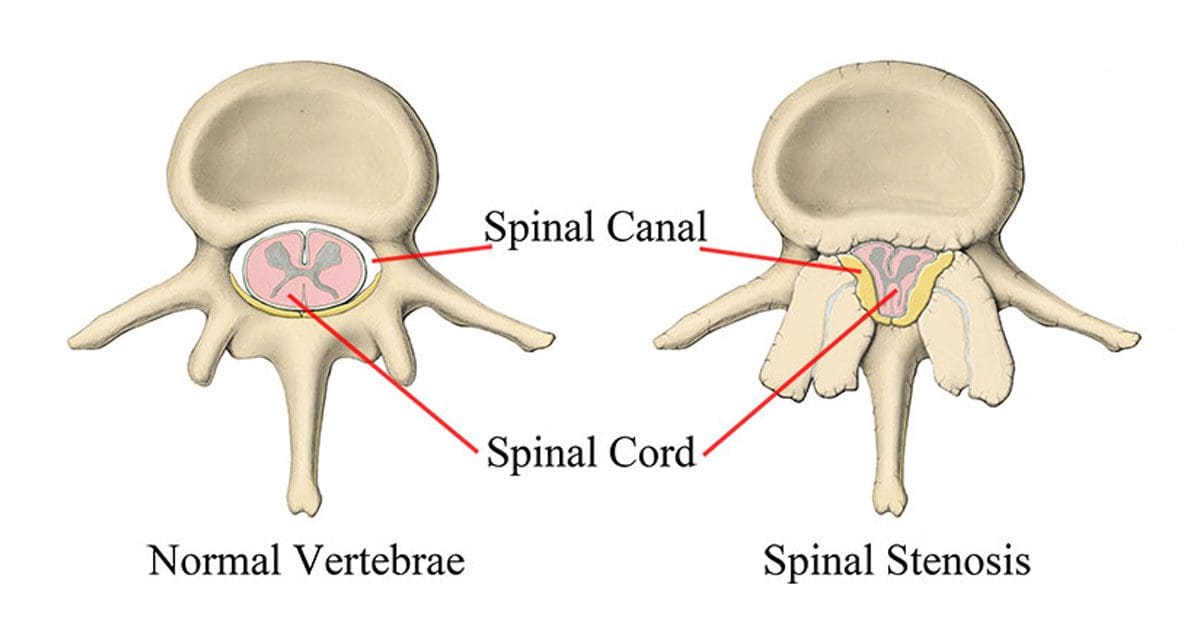
Many people unknowingly put pressure on their spines during daily activities, causing intervertebral disc compression and tightness in surrounding ligaments, muscles, nerve roots, and tissues. Repetitive motions and aging can also lead to intervertebral disc cracking and misalignment, resulting in pain and discomfort in the three common areas: the back, neck, and shoulders. Spinal stenosis is a spinal condition where the spinal cord is compressed and narrow and can cause symptoms of muscle weakness and pain to the upper and lower body extremities if left untreated. This article explores how non-surgical treatments like advanced oscillation and spinal decompression can restore muscle strength and alleviate the effects of spinal stenosis. By working with certified medical providers who use our patients’ information to treat individuals suffering from spinal stenosis. We inform them about non-surgical treatments to regain spinal mobility and restore muscle strength. We encourage our patients to ask essential questions while seeking education from our associated medical providers about their situation. Dr. Alex Jimenez, D.C., provides this information as an educational service. Disclaimer
Spinal Stenosis Causing Muscle Strength Issues
Do you find yourself struggling to hold onto objects while doing activities? Are you experiencing strange sensations like numbness or tingling in your arms or legs? Or you’re dealing with chronic back and neck pain that won’t go away. These issues can all be related to problems with your spine, which can cause your muscles to weaken and lead to conditions like low back pain, sciatica, and spinal stenosis.
Research shows that spinal stenosis is a common condition caused by nerve root impingement or ischemia in the spinal canal. This can lead to pain, weakness, sensory loss in your extremities, and tingling or numbness in your hands or feet. Additionally, studies have found that spinal stenosis in the lumbar spine can increase your risk of developing locomotive syndrome, which can further affect the muscle strength in your arms and legs. {Kasukawa, 2019}
Strong muscles are important for daily movements, such as using your arms, legs, hands, and feet. However, spinal stenosis affects your muscle strength. In that case, it can cause various issues, including numbness or tingling in your upper and lower limbs, severe pain when walking but relief when sitting or resting, decreased grip strength, sciatic pain that mimics and reduced walking distance. While spinal stenosis can be caused by normal or traumatic factors that affect the mobility, flexibility, and stability of the upper and lower muscle quadrants in the body, several available treatments can alleviate the effects of spinal stenosis and help restore muscle strength to the body.
Discovering The Benefits Of Chiropractic Care-Video
Many people experiencing musculoskeletal pain symptoms related to spinal stenosis use over-the-counter medication, hot/cold therapy, and stretching to alleviate the referred pain. Traditional surgery is an effective option to remove the damaged disc that is aggravating the nerve root and relieve the spinal column. However, this surgery is typically only recommended when other treatments have failed and can be expensive. {Herrington, 2023} Nevertheless, numerous cost-effective non-surgical treatments are available to help reduce the pain-like symptoms caused by spinal stenosis and alleviate associated symptoms. Chiropractic care and spinal decompression are non-surgical treatments that use mechanical and manipulated techniques to realign the body and minimize nerve entrapment that causes pain-like symptoms. The video above provides more information about how non-surgical treatments can assist many individuals in maintaining mobility and flexibility by providing a personalized treatment plan to prevent the recurrence of musculoskeletal and spinal conditions.
Advanced Oscillation For Spinal Stenosis
Many people opt for non-surgical treatments such as chiropractic care, massage therapy, spinal decompression, and advanced oscillation to alleviate pain. In “The Ultimate Spinal Decompression,” written by Dr. Eric Kaplan, D.C., FIAMA, and Dr. Perry Bard, D.C., it is noted that advanced oscillation therapy can be tailored to an individual’s needs, helping to minimize pain symptoms caused by spinal stenosis. Advanced oscillation settings can help reduce inflammation and muscle spasms associated with spinal stenosis while promoting the replenishment of nutrients in the spine. In addition, advanced oscillation can help the body restructure and re-tone the targeted spinal structures, loosening them up and reducing nerve entrapment. Advanced oscillation is one of the non-surgical treatments that synergizes well with spinal decompression.
Spinal Decompression To Restore Muscle Strength
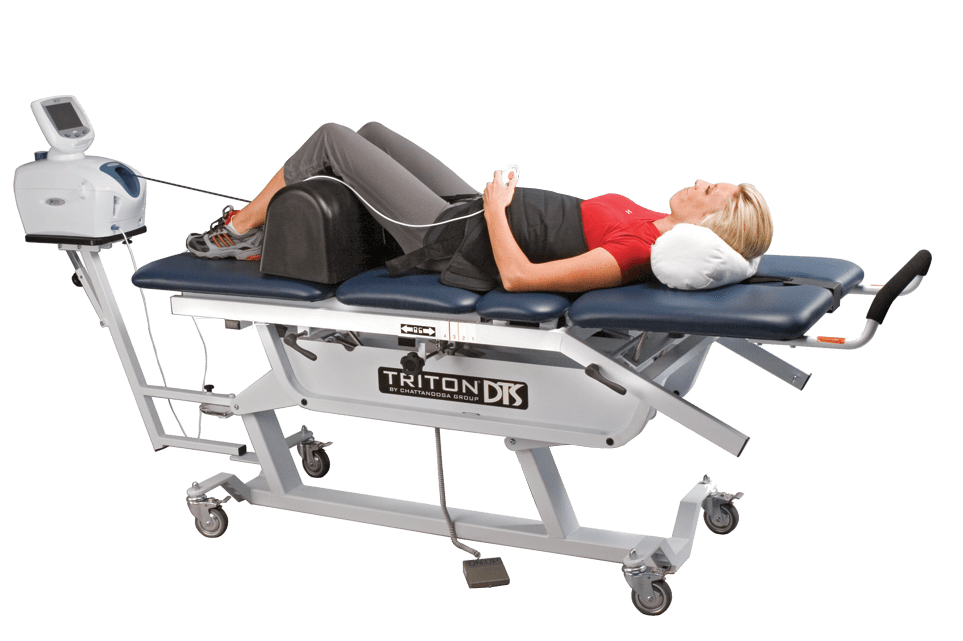
Now spinal decompression has a unique ability to reduce the effects of spinal stenosis as it is safe on the spine, cost-effective, and non-invasive. What spinal decompression therapy does to the body is like advanced oscillation. It uses gentle traction to reduce intervertebral disc pressure through negative pressure, allowing oxygen, fluids, and nutrients to the spinal disc and releasing the aggravating nerve root. {Choi, 2015} Spinal decompression can also help restore disc height from the spine, allowing the compressed disc causing spinal stenosis to be put back into its original space. {Kang, 2016} When many individuals start thinking about their health and wellness, non-surgical treatments can give them a positive experience and improve their pain.
References
Choi, J., Lee, S., & Hwangbo, G. (2015). Influences of spinal decompression therapy and general traction therapy on the pain, disability, and straight leg raising of patients with intervertebral disc herniation. Journal of Physical Therapy Science, 27(2), 481–483. https://doi.org/10.1589/jpts.27.481
Herrington, B. J., Fernandes, R. R., Urquhart, J. C., Rasoulinejad, P., Siddiqi, F., & Bailey, C. S. (2023). L3-L4 Hyperlordosis and Decreased Lower Lumbar Lordosis Following Short-Segment L4-L5 Lumbar Fusion Surgery is Associated With L3-L4 Revision Surgery for Adjacent Segment Stenosis. Global Spine Journal, 21925682231191414. https://doi.org/10.1177/21925682231191414
Kang, J.-I., Jeong, D.-K., & Choi, H. (2016). Effect of spinal decompression on the lumbar muscle activity and disk height in patients with herniated intervertebral disk. Journal of Physical Therapy Science, 28(11), 3125–3130. https://doi.org/10.1589/jpts.28.3125
Kaplan, E., & Bard, P. (2023). The Ultimate Spinal Decompression. JETLAUNCH.
Kasukawa, Y., Miyakoshi, N., Hongo, M., Ishikawa, Y., Kudo, D., Kijima, H., Kimura, R., Ono, Y., Takahashi, Y., & Shimada, Y. (2019). Lumbar spinal stenosis associated with progression of locomotive syndrome and lower extremity muscle weakness. Clinical Interventions in Aging, Volume 14, 1399–1405. https://doi.org/10.2147/cia.s201974
In many people with facet joint syndrome, how does spinal decompression compare to traditional spinal surgery alleviate low back pain?
Introduction
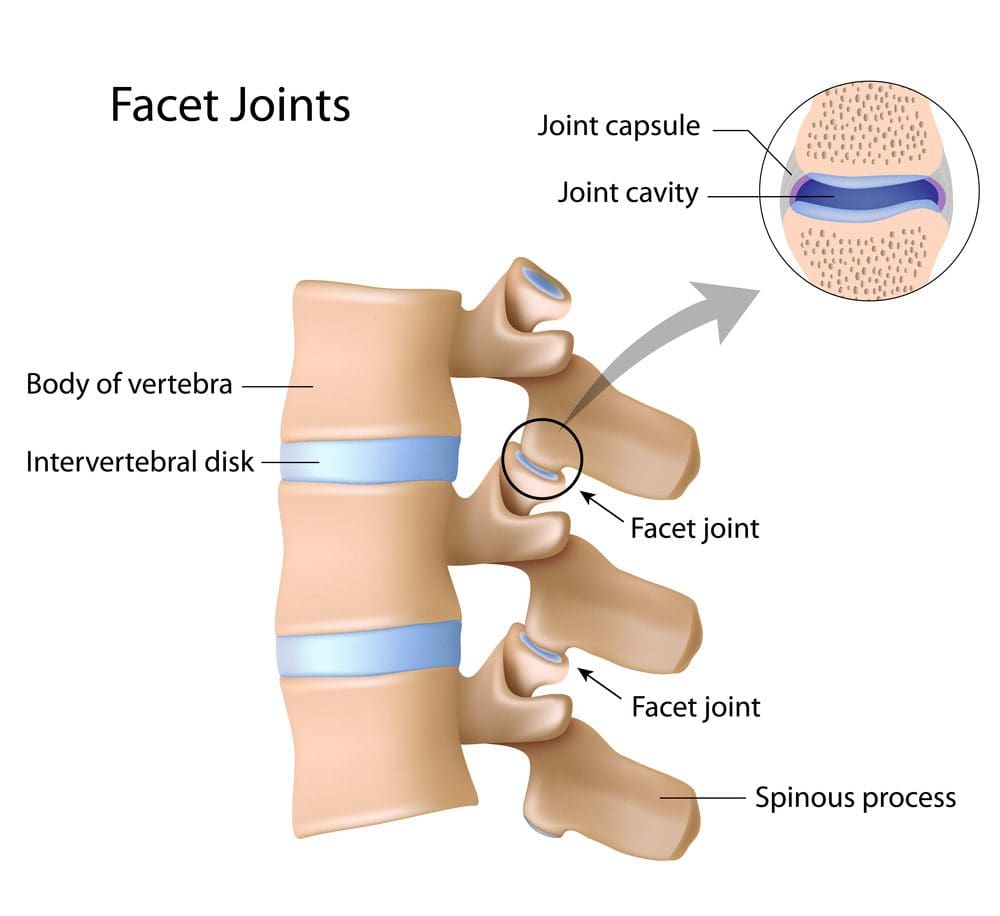
Many people around the globe experience lower back pain for various reasons, such as lifting or carrying heavy objects, sedentary jobs, or traumatic events that can cause spinal injuries. The spine has a crucial role in providing mobility and flexibility without discomfort. The facet joints and spinal discs work together to generate healthy movement and stability within each segment. However, when the muscles, ligaments, and tissues surrounding the spinal disc are overstretched or compressed due to normal or traumatic factors, it can aggravate the nerve roots and cause discomfort. As we age or carry excess weight, our spinal discs can experience wear and tear, leading to facet joint syndrome. This syndrome is often associated with lower back pain caused by injured facet joints. This article will explore how facet joint syndrome is linked to lower back pain and how non-surgical treatments can help alleviate it. We work with certified medical providers who use our patients’ valuable information to treat individuals suffering from facet joint syndrome affecting spine mobility and causes low back pain. We also inform them about non-surgical treatments to regain spinal mobility and reduce pain-like symptoms that correlate with this spinal condition. We encourage patients to ask essential questions and seek education from our associated medical providers about their situation. Dr. Jimenez, D.C., provides this information as an educational service. Disclaimer
Facet Joint Syndrome
Are you experiencing pain that radiates down to your legs, especially when standing? Do you constantly hunch over, affecting your posture during everyday activities? Have you noticed numbness or loss of sensation in your feet or buttocks? As we age or experience traumatic injuries, the facet joints on either side of our spine can become damaged, resulting in a condition called facet joint syndrome. Research indicates that environmental conditions can cause joint degeneration, leading to symptoms similar to other spinal conditions. Cartilage erosion and inflammation on the spine are common signs of facet joint syndrome, often associated with musculoskeletal disorders like low back pain.
Low Back Pain Associated With Facet Syndrome
Research studiesmusculoskeletal disorders like low back pain are associated with facet syndrome. When the facet joints start to degenerate from repetitive overuse motions caused by everyday activities, it can cause micro instabilities to the facet joints while compressing the surrounding nerve roots. When this happens, many individuals will experience low back pain and sciatic nerve pain conditions that cause them to be unstable while walking. Additional research studies stated that low back pain associated with facet syndrome can cause symptoms of restricted movement, reduce the quality of life and greatly impact the entire lumbar vertebral structure. Since low back pain is a common problem many individuals have, the combination with facet syndrome can trigger reactive muscle spasms, a protective mechanism in the spine to cause the individual to have difficulty moving comfortably and experience severe sudden pain. To that point, low back pain associated with facet syndrome causes the person to be dealing with constant ongoing pain, making a normal lifestyle almost difficult.
Discover The Benefits Of Chiropractic Care-Video
Low back pain associated with facet joint syndrome should not make life difficult. Numerous treatments pertain to relieving the pain-like symptoms and help slow the process of facet syndrome from causing more issues to the spine. Non-surgical treatments like chiropractic care can help reduce the effects of facet syndrome as they can provide benefits to restore spinal mobility. The video above explores the benefits of chiropractic care, as chiropractors will discuss the recommended course of personalized treatment with you. Non-surgical treatments are safe, gentle on the spine, and cost-effective as they help regain your body’s mobility from facet syndrome. At the same time, non-surgical treatments like chiropractic care can be combined with other non-surgical therapies that can help restart the body’s natural healing process to allow the compressed spinal disc and joint to be rehydrated.
Spinal Decompression Alleviating Facet Syndrome
According to research studies, non-surgical treatments like spinal decompression can help reduce the effects of facet syndrome as it can help improve the spine;’s mobility through gentle traction and can help stretch out the affected muscles associated with low back pain by taking pressure off the aggravating nerve root. In “The Ultimate Spinal Decompression,” Dr. Eric Kaplan, D.C., FIAMA, and Dr. Perry Bard, D.C., mentioned that when individuals are going in for spinal decompression, they might experience a “popping sensation” as the jammed facet joints are being open for treatment. This is normal for early facet arthropathy and can occur within the first few treatment sessions. At the same time, spinal decompression can gently stretch the adjacent compressed nerve root and find instant relief. After the treatment, many individuals can combine other treatments like physical therapy to reduce the painful symptoms from returning. Non-surgical treatments like spinal decompression and chiropractic care can help revitalize the spine affected by facet joint syndrome and help restore a person’s quality of life.
In many individuals with degenerative disc disease, how does spinal decompression compare to spinal surgery improve spine flexibility?
Introduction
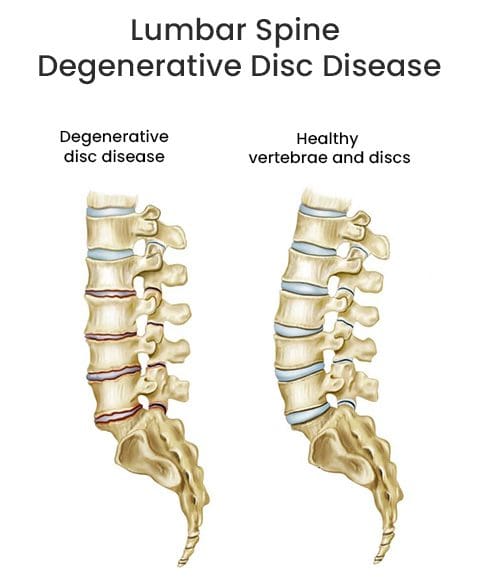
The spine is essential to the body’s musculoskeletal system, enabling individuals to perform daily movements while maintaining proper posture. The spinal cord is safeguarded by surrounding ligaments, soft tissues, muscles, and nerve roots. The spinal discs between the spinal column act as shock absorbers to reduce stress from axial overload and promote body mobility and flexibility. The spinal discs can naturally degenerate as a person ages, leading to degenerative disc disease. This condition can result in several spinal issues that can impact the spine’s flexibility. This article explores how degenerative disc disease affects the spine and the treatments available to restore its flexibility. We work with certified medical providers who use our patients’ valuable information to treat individuals suffering from degenerative disc disease affecting their spine’s flexibility. We also inform them about non-surgical treatments to regain spinal mobility and reduce pain-like symptoms. We encourage patients to ask essential questions and seek education from our associated medical providers about their condition. Dr. Jimenez, D.C., provides this information as an educational service. Disclaimer
How Does Degenerative Disc Disease Affect The Spine?
Do you experience neck or lower back pain after a long workday? After physical activity, do you find temporary relief by twisting or turning your torso? Are you experiencing radiating pain in your upper or lower extremities that worsens when standing? These symptoms are common as the body ages over time. Muscles, organs, ligaments, and joints can all be affected, including the spine and intervertebral discs. Research studies reveal that disc degeneration frequently occurs in the spine, leading to changes that can cause misalignment and spinal issues. Degenerative disc disease can disrupt the structure of spinal discs, resulting in pain-like symptoms and accelerating degenerative changes to the spine. Regardless of age, various habits and lifestyle choices can contribute to degeneration. As additional research studies have provided, this condition is characterized by a tension-resisting annulus fibrosus and compression-resisting nucleus pulposus, causing pain and discomfort.
The Symptoms Correlating With Degenerative Disc Disease
Degenerative disc disease is when the spinal disc in the spine experiences wear and tear due to natural aging. The initial indication of this disease is disc cracking caused by repetitive motion trauma. The symptoms associated with this disease are similar but may vary based on the affected spine location. Research shows that degenerative disc disease can cause micro tears in the spinal disc, leading to decreased fluids and water intake, disc space loss, disc bulging, and irritation of the adjacent nerves. This can affect surrounding muscle tissues and disc facet joints, narrowing the spinal canal. Additional studies reveal that people with degenerative disc disease may experience various symptoms that can hinder their ability to function properly. Some common symptoms include:
Pain in the arms, legs, and feet
Sensory abnormalities (loss of sensation in the hands, feet, fingers, and back)
Muscle tenderness and weakness
Instability
Inflammation
Visceral-somatic & somatic-visceral condition
If someone experiences pain-like symptoms in conjunction with degenerative disc disease can negatively impact their quality of life and potentially lead to long-term disability. Fortunately, treatments can slow the degenerative process and alleviate the pain-like symptoms.
Secrets Of Optimal Wellness- Video
When individuals experience pain related to degenerative disc disease, they often seek ways to alleviate it. Some may consider spinal surgery to remove the affected disc and ease the pain caused by the irritated nerve. However, this option is typically only pursued if other treatments have failed and can be expensive. Fortunately, non-surgical treatments are cost-effective and safe, gently addressing the affected area for relief. Non-surgical treatments can be customized to the individual’s specific pain and condition, including spinal decompression, MET therapy, traction therapy, and chiropractic care. These methods work to realign the body and promote natural healing by rehydrating the spine, ultimately restoring flexibility.
Treatments To Improve Spinal Flexibility
Individuals with degenerative disc disease can benefit from non-surgical treatments tailored to their needs. These treatments involve an assessment by a pain specialist, such as a physical therapist, massage therapist, or chiropractor, who will identify the source of the pain and use various techniques to reduce pain, improve flexibility in the spine, and loosen stiff muscles that have been affected by the disease. Additionally, non-surgical treatments can help restore sensory and mobility function to the spine and address factors that may exacerbate the degenerative process.
Spinal Decompression Protocol For Degenerative Disc Disease
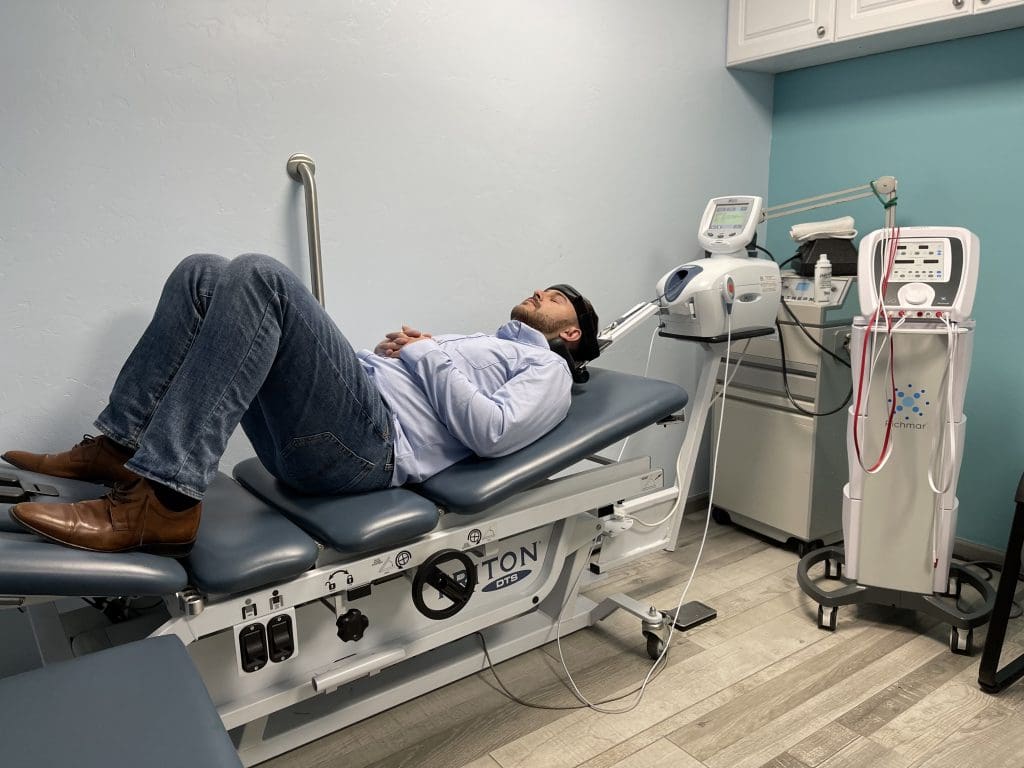
Research studies suggest that spinal decompression can effectively reduce the degenerative process of spinal discs through gentle traction. During a spinal decompression treatment, the individual is strapped into a traction machine. The machine gradually stretches the spine to create negative pressure on the spinal disc, which helps to rehydrate it and increase nutrient intake, thereby jumpstarting the healing process. According to Dr. Eric Kaplan, D.C., FIAMA, and Dr. Perry Bard, D.C., in their book “The Ultimate Spinal Decompression,” individuals with degenerative disc disease may require higher pressure during spinal decompression treatment due to its symptomatic problems. Spinal decompression can help restore disc height and be a viable solution for those looking to improve their health.
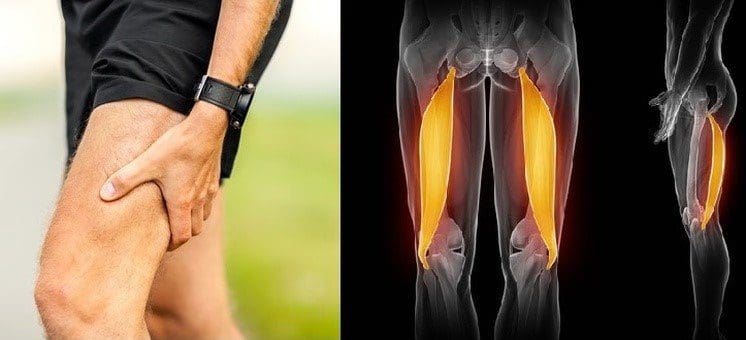
How do non-surgical treatments compare with traditional surgical treatments to improve mobility for individuals with hamstring injuries? The hamstrings are muscles in the lower extremities that provide mobility to the legs and stabilize the pelvis. Many athletes rely on their hamstrings to perform strenuous actions such as sprinting, jumping, squatting, and kicking during sporting events. However, the hamstrings are also very susceptible to injury. Athletes who repeatedly overstretch their hamstrings can experience muscle strain until microscopic tears form, which is common. Similarly, individuals who sit for long periods can also experience hamstring issues. When individuals are not physically active, their hamstrings can become weak and shortened, leading to symptoms such as muscle pain, trigger points, and strain on the accessory muscles. Hamstring injuries can also cause other issues that affect the lower body extremities. This article will explore how hamstring injuries affect mobility and how non-surgical treatments help people regain mobility. We work with certified medical providers who use our patients’ valuable information to treat individuals suffering from hamstring injuries and inform them about non-surgical treatments to regain mobility. We encourage patients to ask essential questions and seek education from our associated medical providers about their condition. Dr. Jimenez, D.C., provides this information as an educational service. Disclaimer
Hamstring Injuries Implementing Other Issues
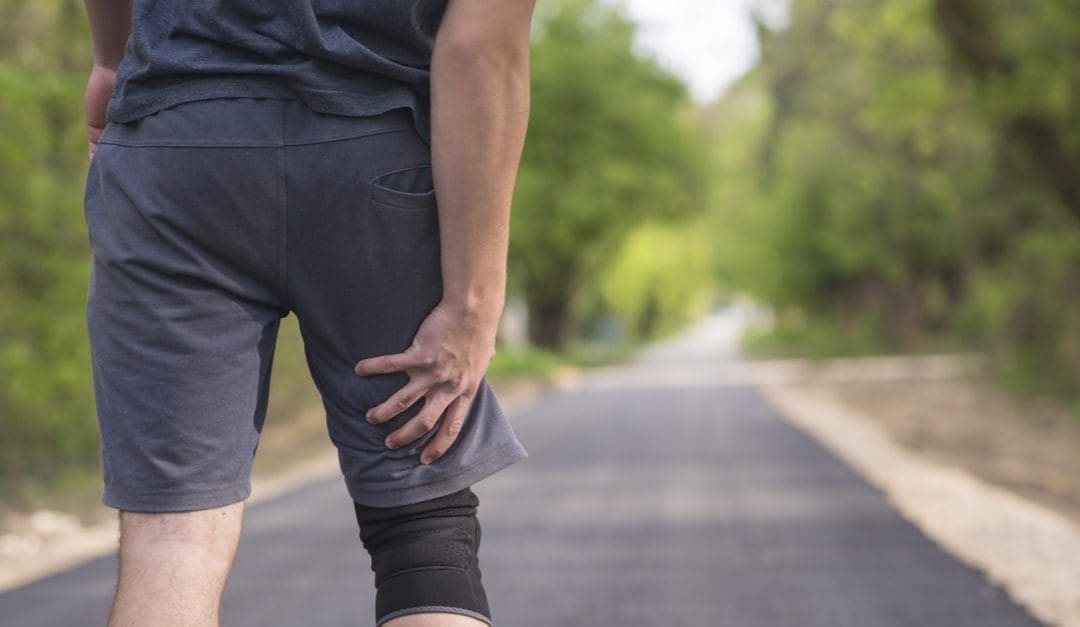
Do you experience stiffness in the back of your thighs when warming up before exercising? Are you feeling radiating pain from the side of your hips and glutes due to prolonged sitting? Or do you tend to limp, affecting your gait and walking? Many people are unaware they are overexerting their hamstrings, which can cause pain. Those who engage in sports or work sedentary jobs may over or underuse their hamstrings, affecting their flexibility and mobility to the lower extremities. According to research studies, hamstring injuries are the most common non-contact muscle injuries caused by two mechanisms of injuries: stretch-type and sprint-type. Sprint-type injuries associated with hamstrings occur when the muscles are overexerted due to maximal or near-maximal action, causing muscle fatigue. To that point, hamstring injuries can also affect a person’s walking mobility.
Running without properly warming up the hamstring muscle can cause muscle fatigue. Stretch-type injuries associated with the hamstring muscles involve combination movements that include extreme hip flexion and knee extension. These injuries can also mimic sciatica, leading people to believe their sciatic nerve is acting up. However, treatments available can help reduce the pain associated with hamstring injuries and lengthen the shortened muscle to reduce pain.
Best Lower Body Stretches To Increase Flexibility-Video
If you want to reduce the pain associated with hamstring injuries, incorporating RICE can help prevent it from becoming chronic. This involves gently stretching the affected muscle to avoid cramps and pain while increasing flexibility. Hamstring injuries can also be linked to other chronic issues, which can cause inflammation in the surrounding muscles. Studies show that conditions like piriformis syndrome can cause nerve entrapment in the hamstrings, resulting in radiating pain down the leg that mimics low back pain and sciatica. As previously mentioned, hamstring injuries can limit mobility and be linked to chronic conditions. Thankfully, non-surgical treatments can help reduce pain and provide relief. Check out the video above to learn different stretches that can help reduce pain in the lower body and increase flexibility.
Treatments To Restore Mobility
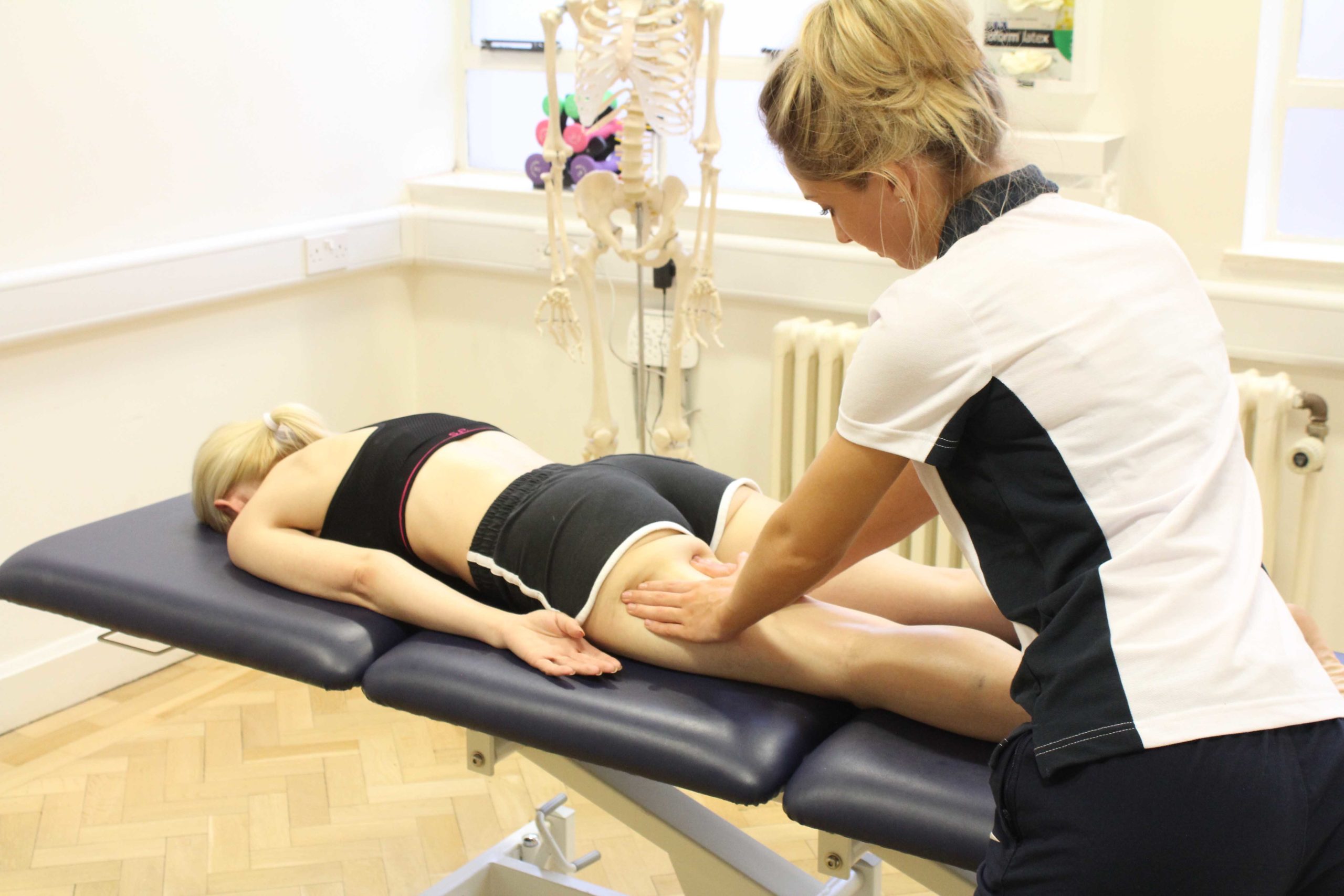
If rest, ice, compression, and gentle stretching do not provide relief, incorporating treatments for hamstring injuries to restore mobility can benefit many individuals. Seeking the help of a pain specialist, such as a massage therapist or chiropractor, to create a customized plan/program is recommended. There are various approaches that pain specialists can use to regain mobility and treat hamstring injuries.
MET Therapy
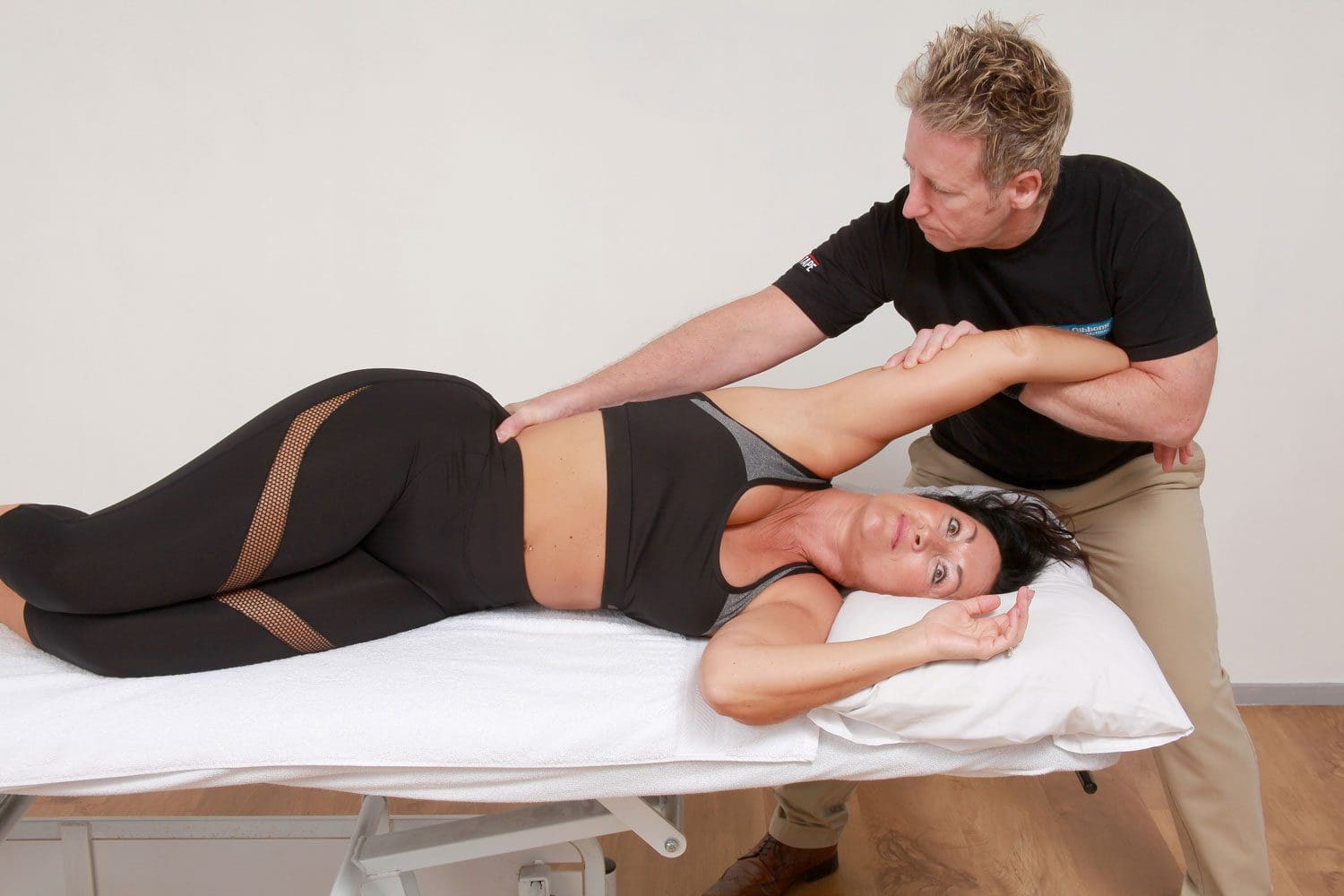
Many chiropractors and massage therapists incorporate MET (muscle energy techniques) therapy to gently stretch out the shortened hamstring muscle and help restore joint mobility in the lower extremities. In “Clinical Applications of Neuromuscular Techniques,” written by Leon Chaitow, N.D., D.O., and Judith Walker DeLany, L.M.T., stated that MET is crucial in stretching and strengthening the hamstring muscles through isometric contraction. At the same time, additional research studies reveal that the MET technique allows the hamstrings to have a greater increase in hip flexion ranges. MET therapy also helps strengthen the accessory muscles surrounding the hamstrings to restore mobility.
Spinal Decompression
If hamstring injuries are caused by nerve entrapment, then trying out spinal decompression can help restore mobility to the hips and lower extremities. According to “The Ultimate Spinal Decompression,” written by Dr. Eric Kaplan, D.C., FIAMA, and Dr. Perry Bard, D.C., stated that spinal decompression is safe and gentle on the spine as it provides gentle traction on the spinal disc to reduce pain and increase disc height. When hamstring injuries are associated with nerve entrapment, it could result from a herniated disc that aggravates the nerve root and causes referred pain to the hamstrings. Using gentle traction on the spine can help alleviate the pain caused by the aggravating nerve and reduce pain in the hamstrings. Many individuals can incorporate these treatments to reduce hamstring injuries and regain their mobility back to their legs.
References
Chaitow, L., & Delany, J. (2002). Clinical application of neuromuscular techniques. Vol. 2, The lower body. Churchill Livingstone.
The musculoskeletal system comprises muscles, ligaments, and tissues surrounding the skeletal structure and vital organs. These components have various functions, including transporting blood and nutrients throughout the body and facilitating movement. However, chronic conditions or aging can cause pain-like symptoms, disrupting daily life and leading to disability. There are many available treatments, both surgical and non-surgical, that can help alleviate chronic pain. This article will explore how chronic pain affects individuals and how treatments like Muscle Energy Technique (MET) therapy can help address it. We work with certified medical providers who use our patients’ valuable information to treat individuals suffering from muscle pain while informing them about non-surgical treatments like MET therapy that can help reduce the effects of chronic pain associated with the musculoskeletal system. We encourage patients to ask essential questions and seek education from our associated medical providers about their condition. Dr. Jimenez, D.C., provides this information as an educational service. Disclaimer
How Does Chronic Pain Affect The Individual?
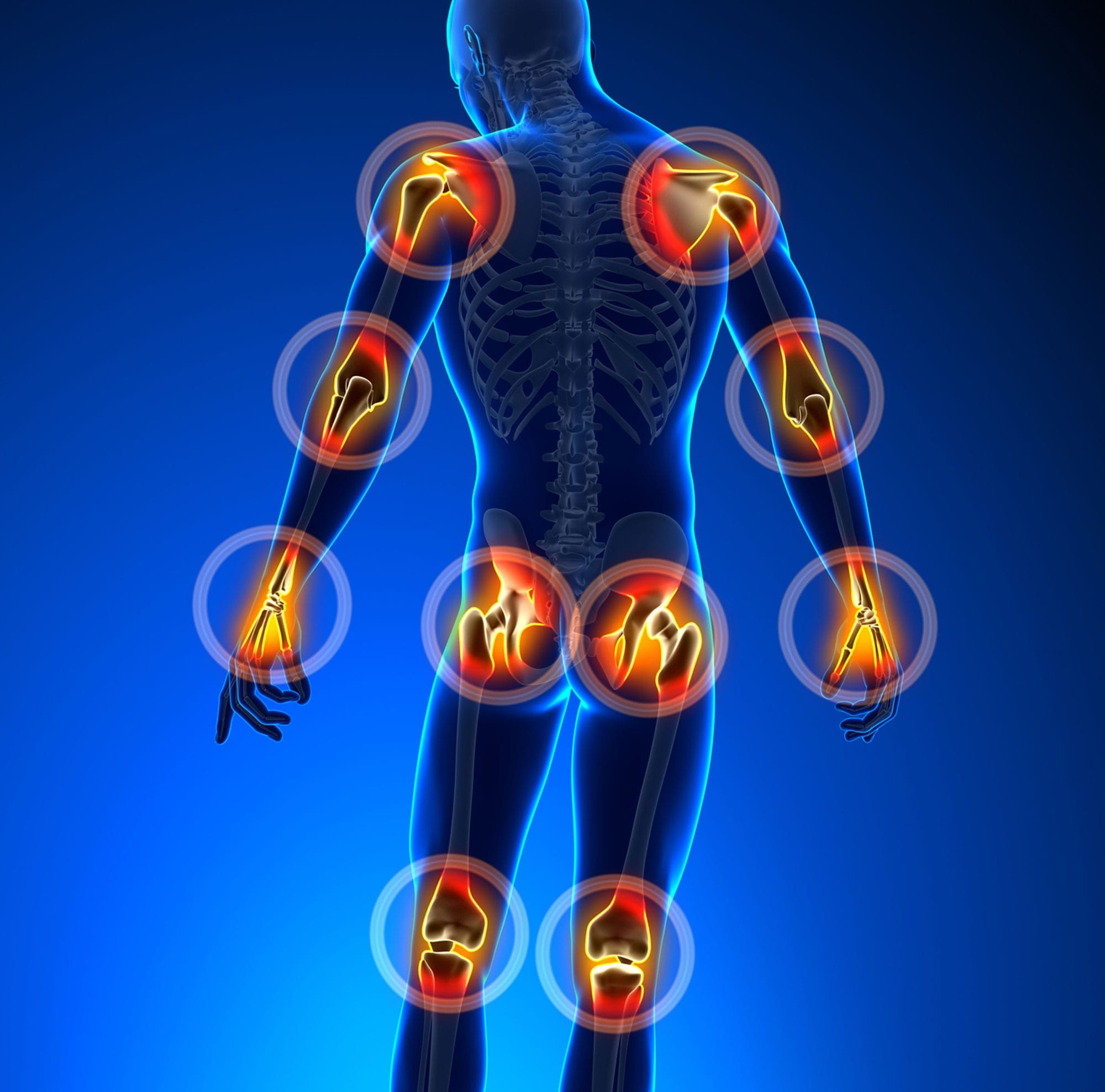
Have you been dealing with shooting pain in your joints or muscles? When you wake up in the morning, do you feel constant stiffness in your joints? Or do you experience muscle pain slowly throughout the entire day? When it comes to chronic pain in the musculoskeletal system, it can be hard to pinpoint where the pain is located in the body. Research studies reveal that chronic musculoskeletal pain is a challenge for the individual and their doctors and a main contributor to disability worldwide. Chronic musculoskeletal pain can be non-specific and specific depending on the severity and factors contributing to its development. For many individuals experiencing chronic pain associated with the musculoskeletal system, the homeostatic and adaptive function in their muscle fibers has been stretched past their limits.
Additional research studies stated that factors like mechanical forces, ischemia, and even inflammation are all primary stimuli for chronic muscle pain. Factors like lifting/carrying heavy objects, persistent sitting, physical inactivities, and dietary habits all correlate to chronic muscle and joint pain, as repetitive motions or prolonged inactivity can either shorten or overstretch the muscle fibers. At the same time, chronic musculoskeletal diseases like fibromyalgia and myofascial pain syndrome can cause the affected muscles to stiffen, contract, and tender to the touch, which then causes the other surrounding muscles to take over and compensate for the pain. To that point, chronic musculoskeletal pain can cause many individuals to decrease their productivity, call off work constantly, and lead a life of disability.
From Consultation To Transformation- Video
Have you been dealing with constant muscle and joint pain throughout your life? Has the pain been unbearable that it is affecting your routine? Or do you feel aches or stiffness in your sides or different body areas? Throughout the entire world, many individuals suffer from chronic musculoskeletal pain at one point in their lives, and it has become a social/economic burden. Research studies reveal that chronic pain associated with musculoskeletal disorders can affect many other aspects of a person’s life. When chronic pain starts to affect a person’s ability to function, it can have a negative effect on the person’s mental health. When chronic pain is associated with musculoskeletal disorders, it also correlates with work, as many individuals with chronic pain have reduced work productivity, lost wages, and lost hours that can take a toll on their income. However, there is hope, as many affordable treatments can reduce the effects of chronic musculoskeletal pain and its associated symptoms. Non-surgical treatments like chiropractic care and MET therapy can help many individuals with chronic musculoskeletal pain find the relief they deserve. The video above explains how non-surgical treatments approach chronic musculoskeletal pain, from assessing patients through consultation to transforming their health and wellness. By taking back their health, many individuals can find relief from their pain and get back to their routines.
MET Therapy’s Approach To Chronic Pain
Non-surgical treatments like MET (muscle energy technique) therapy has a unique approach to reducing chronic pain in the musculoskeletal system. In the book, “Clinical Applications of Neuromuscular Techniques,” Dr. Leon Chaitow, N.D., D.O., and Dr. Judith Walker DeLany, L.M.T., mentioned that the fascia and the characteristics of the connective tissues are relevant for MET by commencing stretching the affected muscles that are in chronic pain and use biomechanical forces to initiate a low intense force to lengthen the tissues and increase their flexibility. MET therapy helps many individuals with chronic pain associated with musculoskeletal disorders, as research studies reveal that MET therapy can help increase the strength of weakened muscles and help increase the spinal ROM. MET therapy is non-surgical, cost-effective, and safe to reduce chronic pain associated with musculoskeletal disorders.
Identifying The Patterns
Many pain specialists who incorporate MET will begin by assessing the individual with chronic pain associated with musculoskeletal disorders. They will get examined by testing their range of motion, spinal and joint mobility, and any additional factors to develop a personalized plan that caters to the individual. Once the pain issue is found, the individual will work with other medical professionals to help strengthen their muscles and help reduce the pain-like symptoms that are causing them. To that point, MET therapy combined with other treatments is beneficial for those with chronic illnesses and needs relief from pain.
Conclusion
Many individuals suffering from chronic musculoskeletal pain often experience limited mobility, shortened muscles, and referred pain in different areas of their bodies. Chronic musculoskeletal pain is a social/economic problem that has affected many individuals and left them missing out on important life events. Treatments like MET (muscle energy technique) therapy can help reduce pain by stretching the muscle fibers to alleviate pain and restore joint mobility to the body. When many individuals start to utilize MET therapy, it can reduce chronic pain and allow them to get back their health and wellness.
IFM's Find A Practitioner tool is the largest referral network in Functional Medicine, created to help patients locate Functional Medicine practitioners anywhere in the world. IFM Certified Practitioners are listed first in the search results, given their extensive education in Functional Medicine