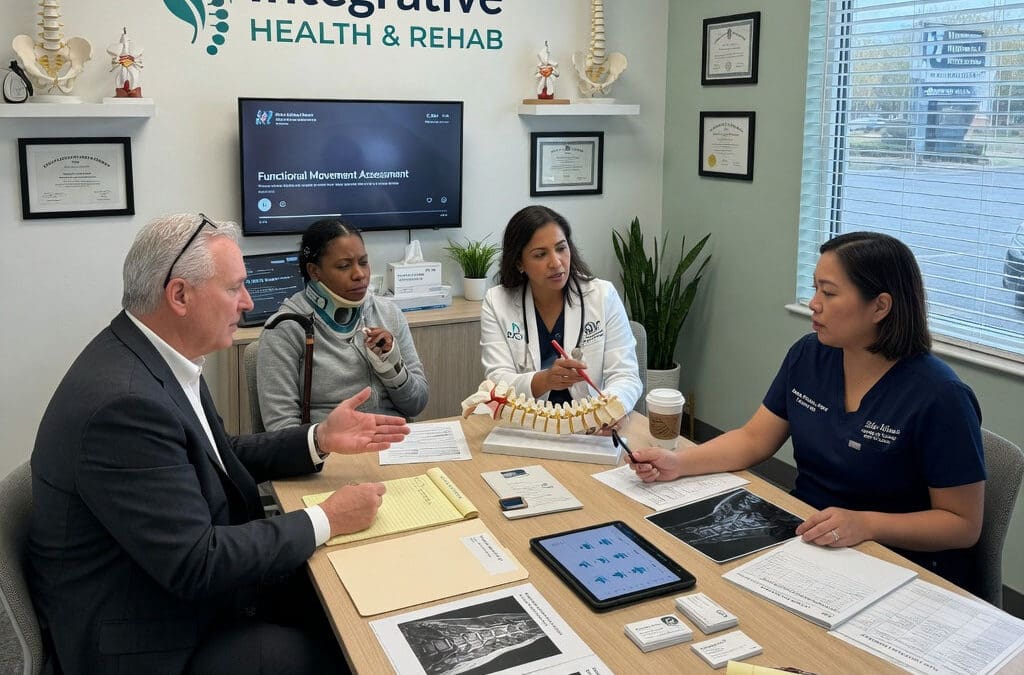
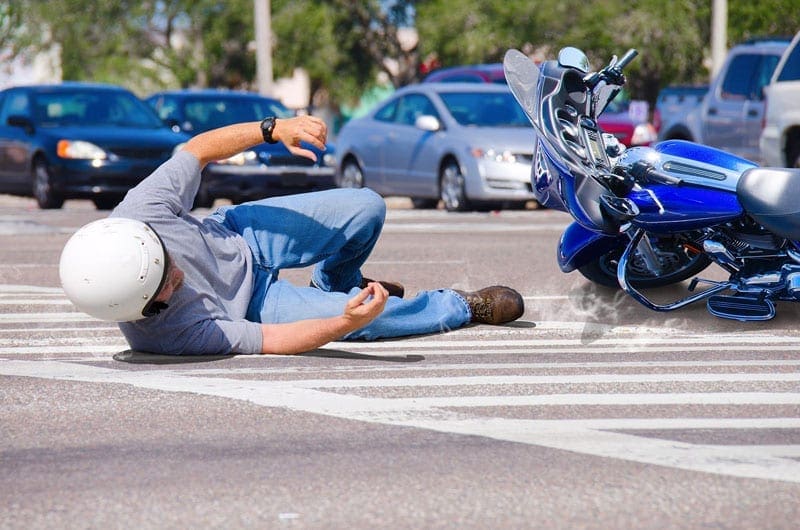
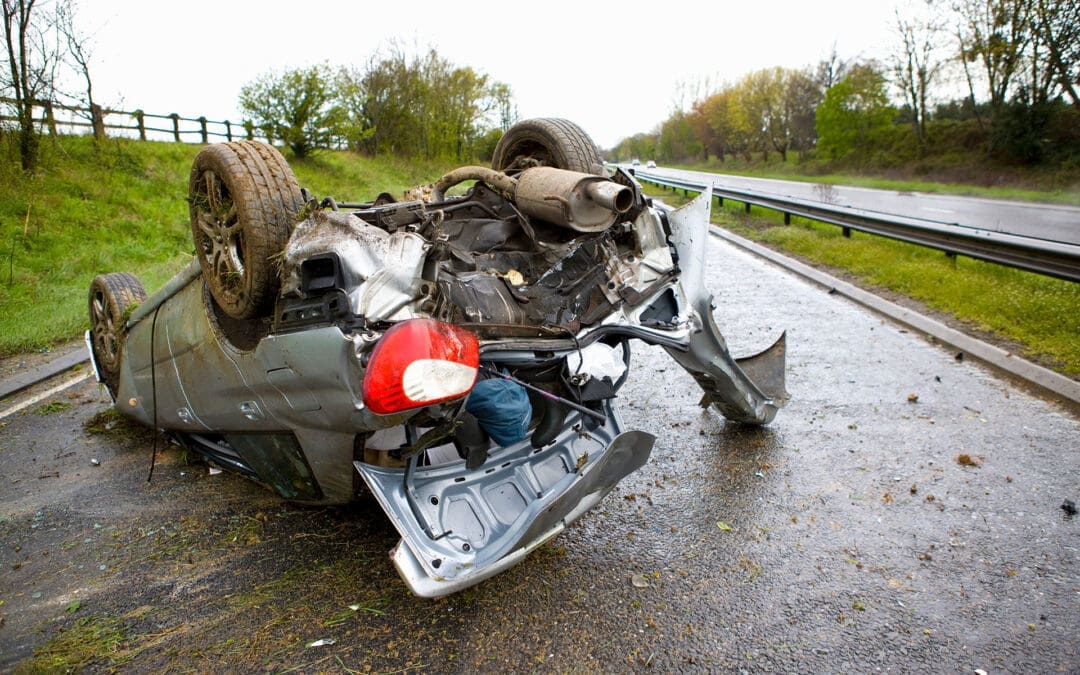
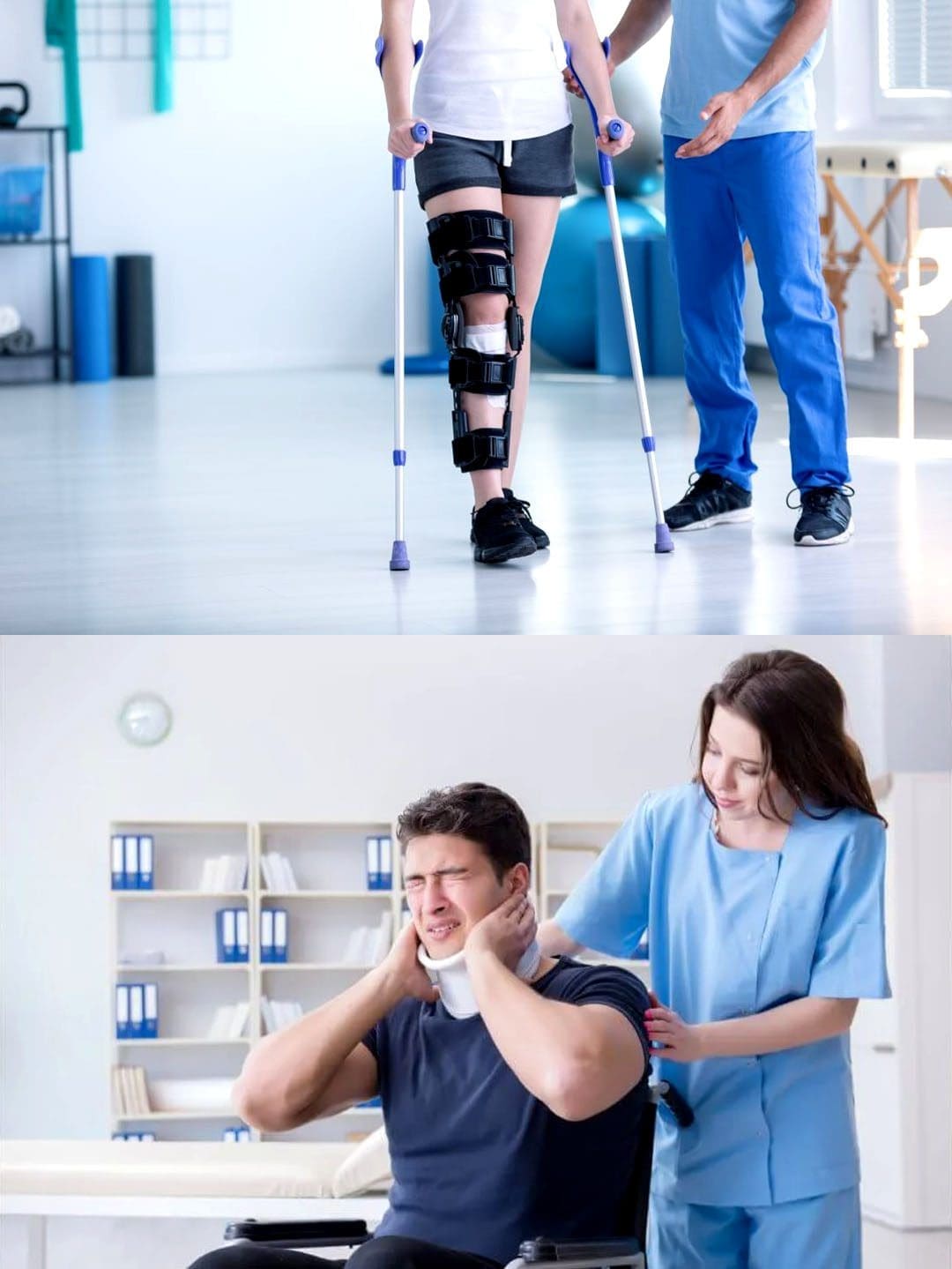
Back Clinic Car Accident Specialist Team. Most people think they should call their primary care doctor after an accident. Your primary doctor is probably an excellent physician and should inform them of your injuries. However, there are two reasons why you shouldn’t rely on them as the doctor that is going to treat your injuries. First, your primary doctor will most likely not want to get involved in treating accident injuries. Your primary care physician focuses their care on patients who have internal medical conditions. Rather than on spinal injuries, concussions, broken bones, etc…
Your primary care physician will likely refer you out to a specialist. Being involved in an automobile accident can be a stressful situation for many and suffering an injury as a result can create further complications. When the symptoms begin to interfere with the individual’s everyday lifestyle, it’s essential to seek immediate medical attention from a car accident specialist in order to relieve the individual’s pain and discomfort.
A chiropractor can treat a variety of injuries and conditions, including whiplash, a common type of neck injury during auto accidents, among other types of injuries. Dr. Alex Jimenez’s collection of articles specifically focus on describing how a healthcare professional can heal the body, restoring the individual’s original health after experiencing whiplash or another type of injury during a car accident. For more information, please feel free to contact us at (915) 850-0900.
Extreme Temperatures and Car Accident Risks in El Paso
In El Paso, Texas, summer heat often climbs above 100 degrees. This extreme heat does more than make you uncomfortable. It increases the risk of motor vehicle crashes and can worsen injuries. Scientific studies and safety data confirm that hot days and heat waves lead to more accidents and higher severity. On the road, heat creates a dangerous mix of tired drivers, stressed vehicles, and tough conditions.
This article walks you through why heat increases crash risks, how to prepare your vehicle and spot warning signs while driving, and what to do if you are in an accident. You will also learn about helpful integrative care options available right here in El Paso for faster, whole-person recovery.
Why Extreme Heat Leads to More Motor Vehicle Crashes
Research shows a clear link between high temperatures and more crashes. One review of studies found that hotter days are connected to rising numbers of fatal car crashes across the United States and other countries (Valentine, 2023). Another analysis noted a 3.4 percent rise in fatal crashes during heat waves (Adler, n.d.). In places like Texas, summer months often see the highest numbers of deadly wrecks.
Heat affects people, cars, and roads in several ways:
Your body struggles to stay cool. You sweat to cool down, but in extreme heat, you quickly lose water and important salts. This leads to dehydration. Dehydrated drivers often feel tired, have trouble focusing, and react more slowly to traffic lights or sudden stops.
Heat changes your mood and thinking. Many people become irritable or impatient when hot. This can lead to aggressive driving, tailgating, or risky decisions. Studies link heat to slower brain function and poorer judgment (Valentine, 2023; Adler, n.d.).
Your car turns into an oven. Sunlight passes through windows and traps heat inside. On a 100-degree day, the inside of a parked car can reach 130 to 150 degrees in a short time. Even with air conditioning, it takes time to cool down. Drivers in hot cabins feel distracted, sweaty, and less alert.
Vehicles face extra stress. Hot pavement and high temperatures can cause tire blowouts, especially on worn tires. Engines work harder and may overheat if coolant is low. Air conditioning systems strain to keep the cabin comfortable.
More traffic in summer. People drive more for vacations and outdoor plans. Higher traffic volume on hot, sunny days increases the likelihood of collisions (Adler, n.d.).
In El Paso’s desert climate, these factors combine often. Research cited by legal and safety sources shows that crash risks can rise by about 2.9 percent on heat-wave days, with even higher increases for crashes involving driver fatigue or distraction (Callahan Law, n.d.; Martinez, n.d.).
Preparing Your Vehicle for El Paso’s Hot Summers
A well-prepared car helps you avoid breakdowns and stay safer in extreme heat. Take these steps before and during summer:
Check tires carefully. Heat makes air inside tires expand, but worn tread or damage increases the risk of a blowout on hot roads. Check tire pressure when the tires are cool, usually in the morning. Look for cracks, bulges, or low tread. Replace tires that show wear.
Test and service the air conditioning. A strong AC keeps you cool and focused. If the air feels weak or takes too long to cool, have a mechanic check the system. Good cooling fights the greenhouse effect inside your car.
Inspect the cooling system. Make sure the radiator, hoses, and coolant levels are in good shape. Low coolant can cause engine overheating, leaving you stranded in dangerous heat.
Have the battery checked. Extreme heat shortens battery life and can cause sudden failure. Clean any corrosion from terminals and replace old batteries before problems start.
Use simple heat blockers. Keep a windshield sunshade handy. Park in shade or a garage whenever possible. These steps stop the inside of your car from reaching dangerous temperatures.
Carry basic supplies. Keep water bottles, a first-aid kit, a flashlight, and a phone charger in the car. If you break down, you can stay hydrated and call for help safely.
These simple actions reduce mechanical failures that, when combined with driver fatigue, cause crashes.
Spotting Heat-Related Fatigue While Driving
Even with a well-prepared car, long drives or heavy traffic in El Paso’s heat can tire you out quickly. Knowing the early signs lets you act before trouble starts. Common signs include:
Yawning often or feeling your eyelids grow heavy
Trouble staying focused on the road or missing exits and signs
Your vehicle drifting between lanes without you meaning to
Feeling more grumpy or frustrated with other drivers than usual
Headache, dry mouth, thirst, or general sluggishness
Slower reactions, such as braking late or not noticing hazards quickly
If you notice any of these, pull over to a safe spot right away. Drink water, sit in shade or cool air if possible, and rest. Some drivers find that calm music helps them stay relaxed (Martinez, n.d.). Do not try to push through severe tiredness. If you feel unsafe, let someone else drive or stop for the day. Your quick action can prevent a serious crash.
Regular Vehicle Maintenance to Lower Heat Dangers
Ongoing care keeps your car reliable when temperatures soar. Schedule a full inspection before summer begins. Ask a mechanic to check belts, hoses, fluids, and the air conditioning system. Change oil and filters on time so the engine runs cooler under heavy load. Monitor brake, transmission, and power steering fluid because heat makes these systems work harder. Replace wiper blades and ensure all lights work properly for better visibility in bright sunlight or dusty conditions.
Staying ahead on maintenance means fewer surprises and safer drives.
What to Do If You Are in a Motor Vehicle Accident
Even careful drivers can face crashes. In extreme heat, the stress on your body may make symptoms like headaches, back pain, or neck pain feel stronger or last longer. Getting the right care early supports better healing.
Integrative clinics offer a multifaceted approach. These clinics often bring together chiropractors, nurse practitioners, physical therapists, and medical doctors who work as a team. They address pain, movement, inflammation, and overall health instead of treating just one symptom.
How an Integrative Team Supports Recovery in El Paso
Many people involved in motor vehicle accidents deal with whiplash, spinal misalignments, soft tissue strains, headaches, back pain, or neck pain. These injuries happen from the sudden force of impact. An integrative and holistic approach can speed healing by combining treatments that support the whole body.
At Injury Medical Clinic PA (also known as Mission Plaza Injury Medical Clinic) in El Paso, Texas, the team uses this collaborative model. Dr. Alexander Jimenez, DC, APRN, FNP-BC, provides chiropractic care focused on spinal alignment and function. Through his extensive clinical experience treating patients in El Paso, shared on platforms such as dralexjimenez.com and his professional profiles, he has observed that recovery improves when care addresses both spinal issues and the body’s broader healing needs, often using advanced imaging and combined therapies.
Working with him is Dr. Maria Guadalupe Cardenas, MD, Board Certified in Internal Medicine. She brings over 40 years of experience as an internist, holds NPI #1164426749, and maintains Texas MD License #J2933. Dr. Cardenas serves as Medical Director and Collaborative Physician at the practice. This multidisciplinary setup is common in strong integrative and injury care clinics. The MD provides medical direction and oversight for complex cases, while the chiropractor delivers hands-on spinal care. Together, they create safe, coordinated plans.
The team integrates several services:
Chiropractic adjustments to gently realign the spine, relieve nerve pressure, reduce pain and inflammation, and restore mobility. This helps with common post-accident problems such as whiplash-related headaches and neck pain or lower back injuries.
Medical oversight and evaluation by Dr. Cardenas to assess overall health, manage inflammation or other factors, and guide the treatment path.
Functional medicine support, including nutrition and lifestyle guidance, to help the body repair tissues and regain energy.
Rehabilitation and physical therapy to build strength, improve flexibility, and prevent future issues.
Personal injury care that includes proper documentation and coordination for insurance or legal needs.
This combined approach often leads to faster relief, better mobility, and a lower risk of pain becoming chronic. It focuses on root causes rather than only covering symptoms. For anyone in the El Paso area experiencing headaches, back pain, or neck pain after a recent motor vehicle accident, the team can create a personalized recovery plan based on your specific injuries and health background. They may recommend imaging or referrals to other specialists when needed.
Patients frequently report improved comfort and function when care starts soon after an accident and includes this full-team support.
Moving Forward with Safety and Stronger Recovery
Extreme heat clearly raises the risks of motor vehicle crashes in El Paso, but preparation makes a difference. Checking your vehicle, watching for signs of fatigue, and keeping up with maintenance help protect you on the road. If an accident does occur, integrative care that blends chiropractic expertise, medical oversight, and functional support can help you heal more completely and quickly.
In El Paso, teams like the one at Injury Medical Clinic PA, with Dr. Alexander Jimenez and Dr. Maria Guadalupe Cardenas, offer this kind of coordinated, patient-centered care. They focus on restoring function and addressing the whole person so you can return to daily life with less pain and more confidence.
Drive safely, stay cool, and seek professional support when needed. Effective help is available close to home.
Delayed Car Accident Pain and Integrative Recovery
Many people feel fine right after a small car bump or fender bender. They drive away thinking everything is okay. Then, hours or even days later, pain, stiffness, or odd symptoms appear. This happens more often than most expect. Delayed symptoms after minor auto accidents are common because the body initially hides problems. Understanding why this occurs and what to do next can make a big difference in how well and how fast you recover.
Why Symptoms Often Appear Hours or Days Later
During a car accident, even a minor one, your body goes into a high-alert mode. It releases adrenaline to give you energy and focus. At the same time, it pumps out endorphins. These natural chemicals act like pain blockers. They help you stay calm and move if needed. Muscles also tense up and brace for impact. This response can mask damage to ligaments, discs, nerves, or soft tissues.
Once the adrenaline and endorphins fade, usually within 24 to 72 hours, swelling and inflammation begin to show. Hidden strains or small tears start to bother you. In some cases, symptoms wait even longer—weeks after the crash. This delay occurs because other parts of the body compensate at first. Or swelling builds slowly in deeper tissues. Low-speed collisions can still cause real problems because the body may not brace the same way as in bigger crashes. The result is neck pain, backaches, or nerve pain that seems to come out of nowhere.
Ignoring these signs can let small issues turn into bigger ones. Scar tissue may form, movement patterns change, and chronic discomfort can settle in. That is why paying attention early matters.
Common Warning Signs to Watch After a Minor Crash
Delayed symptoms vary from person to person. Some feel them the next day. Others notice changes a week or more later. Here are frequent ones to track:
Headaches that stick around or get worse: These can start from neck strain or small head movements during impact.
Neck or back stiffness and pain: Whiplash often shows up this way, with tightness that makes turning or bending hard.
Numbness, tingling, or radiating pain: This may travel into the shoulders, arms, or legs and may point to nerve irritation or pressure.
Unusual fatigue or low energy: Your body uses extra resources to heal, leaving you drained.
Brain fog, irritability, or trouble focusing: These cognitive changes can follow even mild impacts and affect daily tasks.
Dizziness, balance problems, or vertigo: Inner ear or neck issues sometimes appear later.
Other possible signs include shoulder or hip discomfort, sleep trouble, or mood shifts. If any new symptom starts after an accident, write down when it began, how strong it feels, and what makes it better or worse. This record helps healthcare providers connect it to the event.
Why See a Healthcare Professional Right Away
Even if the crash seemed small and you felt okay at the scene, get checked soon. A healthcare professional or nearby urgent care can spot hidden issues before they grow. They document the link between your symptoms and the accident. This step supports insurance claims and guides proper care. Early evaluation often leads to simpler, non-invasive help that works better than waiting until pain becomes constant.
Seek emergency medical help right away if you notice:
Sudden weakness in arms or legs
Severe vertigo or spinning sensations
Pain that quickly gets much worse
Confusion, vision changes, or slurred speech
Chest pain, shortness of breath, or abdominal swelling
These can signal more serious problems that need immediate attention. For most delayed symptoms from minor accidents, though, a prompt visit to a knowledgeable clinic sets the stage for steady healing.
How Integrative Chiropractic Care Supports the Body’s Natural Healing
Your body has a built-in healing process that works at the cellular level. After injury, it sends signals to reduce inflammation, repair damaged tissue, and rebuild strength. An integrative chiropractic clinic helps this natural cascade along. They combine hands-on biomechanical work with targeted regenerative therapies. The goal is to remove roadblocks so healing happens smoothly and completely.
Chiropractic adjustments gently move spinal joints back into better alignment. This relieves pressure on nerves and improves overall movement. Myofascial release loosens tight bands of tissue around muscles that often form after an accident. These tight spots create compensations—extra strain on other areas as the body tries to avoid pain. By restoring normal motion early, the clinic reduces the chance that old compensations become new long-term problems.
Regenerative Injections and Chiropractic Adjustments: A Strong Team Approach
When used together, regenerative biological injections and chiropractic care give a well-rounded path to recovery. Regenerative injections, such as platelet-rich plasma (PRP), work at the cellular level. A small amount of your blood is processed to concentrate platelets. These platelets release growth factors and signaling proteins. The factors tell local cells to multiply, build new collagen, improve blood supply, and shift from ongoing irritation to active repair. This supports healing of ligaments, tendons, muscles, and joints damaged in the crash.
Chiropractic adjustments and soft tissue work then correct the bigger picture. They restore spinal alignment and smooth movement patterns. Without this step, even repaired tissues can face ongoing stress from poor posture or guarded motions. The injections handle the microscopic repair work. The adjustments ensure the entire structure supports the repair and prevents reinjury. Patients often notice improved mobility, reduced pain, and a faster return to normal activities when both parts work in sequence.
This combined method is well-suited to delayed symptoms. It addresses both the hidden cellular damage and the mechanical changes that develop after the initial shock wears off. Many people find they heal more completely and with fewer setbacks than with either approach alone.
Expert Multidisciplinary Care in El Paso
In El Paso, Texas, Injury Medical Clinic PA—also known as El Paso Back Clinic—offers this kind of integrative care for people dealing with auto accident injuries. Dr. Alexander Jimenez, DC, APRN, FNP-BC, leads the team. He is a chiropractor and board-certified family nurse practitioner with advanced training in functional medicine, spinal trauma, and musculoskeletal care. His clinical observations show that many patients with symptoms that appear days or weeks after minor crashes improve significantly when care targets both alignment and early tissue repair. He notes that addressing compensation and supporting cellular healing help prevent chronic pain and keep people moving well long term.
Working alongside him is Dr. Maria Guadalupe Cardenas, MD. She is Board Certified in Internal Medicine with over 44 years of experience. Dr. Cardenas serves as Medical Director and Collaborative Physician at the clinic (NPI #1164426749, Texas MD License #J2933). Her role brings medical oversight to the practice. She helps ensure adherence to safety protocols, coordinates care for complex health needs, and supports the integration of chiropractic services with broader internal medicine perspectives. This includes attention to chronic conditions, preventive strategies, nutrition, and referrals when needed.
The setup is a common multidisciplinary model in integrative injury clinics. Chiropractic care from Dr. Jimenez focuses on biomechanical correction and rehabilitation. Medical direction from Dr. Cardenas provides an internal medicine lens for whole-person health. The team also incorporates functional medicine principles, personal injury documentation, and regenerative options. Together, they create personalized plans that respect each patient’s unique situation after a car accident. This collaboration helps people recover function while addressing any underlying factors that could slow healing.
Moving Forward After Delayed Symptoms Appear
If you have noticed new stiffness, headaches, nerve feelings, or fatigue following a minor auto accident—recent or even from months ago—consider reaching out for a full evaluation. A clinic experienced with these patterns can assess your spine, soft tissues, and overall function. They can then build a plan that supports your body’s healing steps without jumping straight to heavy medications or surgery.
Keep notes on your symptoms and how they affect daily life. Save records from any visits. These details help the care team connect the dots and may support insurance or legal processes if needed. Recovery does not have to mean living with ongoing discomfort. With the right combination of expert adjustments, regenerative support, and medical guidance, many people regain comfort and mobility.
Delayed symptoms after minor car accidents do not have to control your days. Understanding the timeline, recognizing the signs, and choosing care that works with your body’s natural processes can lead to real improvement. Teams that blend chiropractic precision with regenerative therapies and medical oversight offer a clear path forward—one focused on lasting function and feeling like yourself again.
How Integrative Chiropractic Clinics Help Personal Injury Cases After Car Accidents
After a car crash, many people feel pain right away or notice it days later. Whiplash, back pain, neck stiffness, and soft tissue injuries often show up slowly. When a personal injury attorney recommends an integrative chiropractic clinic, it’s for a clear reason. They want their client to receive care that is safe, well-documented, and easy to explain in a settlement or in court. Good clinics give timely treatment and keep detailed records that show exactly how the crash hurt the person and how treatment is helping.
Attorneys look for providers who are credible and follow the rules. They want clinics that can withstand scrutiny from insurance companies. An integrative team that combines hands-on chiropractic care, medical oversight, and advanced healing options provides a complete picture of injuries and recovery. This approach helps from the first days of sharp pain through long-term tissue repair.
What Personal Injury Attorneys Look For in a Recommended Clinic
Personal injury attorneys carefully choose clinics for their motor vehicle accident clients. They need proof that the care is real, necessary, and properly recorded. Here are the main things they check:
Credibility and experience — The providers must know how car crash injuries affect muscles, ligaments, nerves, and the spine. They should have worked with many personal injury cases before.
Strong, clear documentation — Every visit needs detailed notes on what hurts, how it limits daily life, and how the person is improving. These records must link the injuries directly to the crash.
Compliance with state rules — In Texas, clinics must follow regulations for chiropractors, nurse practitioners, and medical doctors working together. Proper oversight keeps everything legal and defensible.
Timely communication — Attorneys want quick reports, often within days, so they can keep the case moving and answer insurance questions fast.
Comprehensive care in one place — A team that handles many types of treatment reduces the need to send the client to many different offices. This creates smoother records and better healing.
When these pieces are in place, the clinic helps build a stronger case. Insurance companies take the injuries more seriously when the records are complete and professional (Kaizo Health, 2025; Gain Servicing, n.d.).
The Power of an Integrative Team for Motor Vehicle Accident Recovery
An integrative clinic uses multiple tools together rather than just one type of care. Chiropractic adjustments help the spine and joints move better. Medical oversight by a doctor assesses overall health and guides any further steps. Regenerative and rehabilitation therapies then support the body’s own healing.
This multi-layered plan works for both sudden pain and deeper tissue damage. It gives the body what it needs at each stage of recovery.
Here are some of the therapies an integrative team often provides and how they help:
Chiropractic care and rehabilitation — Gentle spinal adjustments and exercises restore movement, reduce muscle tightness, and improve posture after the crash. Care starts with a full exam that measures range of motion and checks how the injuries affect walking, working, or sleeping.
Ultrasound and shockwave therapy — These non-invasive treatments deliver sound waves or gentle pulses to sore areas. They increase blood flow, calm inflammation, and speed soft tissue repair without drugs or surgery.
Spinal decompression and traction — Special tables gently stretch the spine. This takes pressure off pinched nerves and bulging discs, often giving quick relief from sciatica or neck pain that travels down the arms or legs.
Regenerative options such as PRP, PRF, MFAT, and epidural spinal injections — PRP (platelet-rich plasma) uses a small amount of the patient’s own blood, spun to concentrate healing cells, then injected into damaged areas. Similar ideas apply to PRF and MFAT treatments that support tissue repair. Epidural injections, done with imaging guidance, can calm irritated spinal nerves when pain is severe. These steps are used when basic care needs extra help to heal deeper injuries.
By combining these treatments, the clinic addresses pain today while also working on long-term repair. The goal is to help the person return to normal activities with a lower risk of ongoing problems (Injury Medical Clinic PA, n.d.).
How Good Documentation Builds a Strong Medical-Legal Case
Insurance companies often try to claim that injuries are minor or unrelated to the crash. Detailed records from an integrative clinic make that argument much harder.
Strong documentation usually includes:
A clear story of the accident and the symptoms that followed
Objective measurements such as range of motion, strength tests, and imaging results
Notes on how the injuries affect daily activities like driving, working, or caring for family
A treatment plan that explains why each therapy is needed
Regular progress notes that show improvement or remaining limits
A final summary when care ends, including any lasting effects
When records are this complete and shared quickly with the attorney, they create a believable timeline. They show the crash caused real harm and that the person made honest efforts to get better. This kind of evidence supports fair settlement talks and stands up if the case goes further (Integrated Health & Injury Center, 2026; Align Med, n.d.; Chiropractic Economics, n.d.).
Many reputable clinics also work with attorneys on a lien basis. The client gets care now, and the clinic is paid from the final settlement. This removes money stress so healing can stay the focus.
A Leading Integrative Team in El Paso, Texas
One example of this approach is found at Injury Medical Clinic PA in El Paso. Dr. Alexander Jimenez, DC, APRN, FNP-BC, leads the chiropractic, functional medicine, and personal injury care. He has decades of experience treating car crash injuries. His clinical observations show that looking at the whole person — spine, nerves, muscles, and the body’s healing process — leads to better results. He focuses on identifying the root cause of pain and using natural methods first, while keeping very careful records for the attorneys.
Working alongside him is Dr. Maria Guadalupe Cardenas, MD, a board-certified internal medicine physician with more than 40 years of experience. Her NPI is 1164426749, and her Texas medical license is J2933. She serves as Medical Director and Collaborative Physician at the clinic.
This setup is common in strong integrative injury clinics. Dr. Jimenez and his team provide hands-on chiropractic adjustments, rehabilitation exercises, and many regenerative and decompression therapies. Dr. Cardenas gives medical oversight. She reviews overall health, helps guide any advanced procedures requiring medical direction, and ensures the entire plan remains within Texas regulations. The two doctors and their staff coordinate closely. This means the patient receives seamless care that covers both the musculoskeletal injuries from the crash and any related internal or functional health needs.
The result is a complete record from multiple professional viewpoints. Chiropractic notes show progress in spinal and soft tissue. Medical oversight adds another layer of credibility and safety. Functional medicine examines nutrition, inflammation, and lifestyle factors that can slow or accelerate healing. All of this happens in one coordinated location, which attorneys appreciate because it creates consistent, easy-to-follow documentation (Injury Medical Clinic PA, n.d.; Injury Medical Clinic PA, 2026).
Why This Approach Supports Better Settlements and Real Recovery
When an attorney recommends an integrative chiropractic clinic, they are thinking about both healing and the legal case. The client experiences faster pain relief and improved function with combined therapies. At the same time, the detailed records show the true impact of the crash and the real work being done to recover.
This combination often leads to:
Quicker identification of hidden injuries before they become long-term problems
Clear proof that treatment was necessary and helpful
Stronger position when negotiating with insurance companies
Reduced chance that the case will be undervalued or delayed
People who receive this kind of coordinated care often report less ongoing pain and better ability to return to work and daily life. The medical-legal strength of the records gives attorneys solid ground to fight for fair compensation that covers medical bills, lost wages, and the real effects on quality of life.
Choosing the right clinic after a car accident can make a meaningful difference. An integrative team that blends chiropractic expertise, medical direction, and advanced healing options provides both the care and the documentation that personal injury attorneys need to build a strong case.
Brain Injuries from Motorcycle Accidents in El Paso: Helmets, Legal Rights, and Recovery Options
Imagine riding your motorcycle through El Paso on a clear day. The wind feels good, and the road stretches ahead. Then, in a split second, another driver fails to yield or makes a sudden turn. Your helmet takes the main hit, but you still end up with a brain injury. This scenario happens more often than people think in El Paso and nearby areas like Horizon City. The good news? A helmet usually stops things from being far worse. Even better, if another driver caused the crash through negligence, you have clear rights to seek help for medical bills, lost wages, and other damages. (Ruhmann Law Firm, n.d.; Law Offices of Ruben Ortiz, n.d.)
This article walks you through the facts in simple steps. You will learn why helmets matter, but cannot prevent every injury. Next, you will see your legal options and how experienced local attorneys fight for fair treatment. Finally, you will discover how integrative chiropractic and regenerative therapies in El Paso can support healing. The journey from crash to recovery is possible with the right knowledge and support.
How Helmets Protect Riders – And Where They Reach Their Limits
Helmets are one of the best tools for motorcycle safety. They absorb a large amount of force during a crash and greatly reduce the risk of fatal brain injuries. Studies show that wearing a helmet can reduce the risk of traumatic brain injury by about 3-fold compared with riding without one (Zimmerman & Frachtman, 2023). In short, a superior helmet often turns a deadly impact into a survivable one.
Yet helmets have clear limits. If you suffer brain damage while wearing one, it usually means the collision force was stronger than the helmet was built to handle. The outer shell and inner foam can only compress so much before the energy transfers to your head. Rotational forces – the twisting motion that shakes the brain inside the skull – can still cause concussions or more serious issues even when the helmet stays intact (Emroch & Kilduff, 2025).
Here are key points about helmet performance in real crashes:
Helmets excel at stopping skull fractures and severe brain trauma from direct hits.
They reduce the overall severity of head injuries in most cases.
They cannot fully protect against high-speed collisions, rollovers, or impacts from large vehicles.
Secondary injuries like whiplash, neck strain, and spinal damage often happen anyway because the body keeps moving after the head stops (Ruhmann Law Firm, n.d.).
In El Paso, where busy highways like Interstate 10 see plenty of traffic, these limits matter. A helmet likely saved your life or kept the injury from being catastrophic, but you may still face headaches, dizziness, memory fog, or balance problems afterward.
Your Legal Rights After a Helmeted Brain Injury in El Paso
Just because you wore a helmet does not mean you lose your right to compensation. If another driver’s careless actions – such as speeding, failing to yield, or texting – caused the crash, Texas law still holds that driver responsible. You can seek reimbursement for medical bills, ongoing treatment, lost income, and the pain and emotional stress the injury brings (Law Offices of Ruben Ortiz, n.d.).
Many people worry that insurance companies will blame motorcyclists or downplay injuries because “you were on a bike.” Local attorneys know this bias exists and work hard to overcome it. They gather evidence like police reports, witness statements, traffic camera footage, and medical records to build a strong case. The goal is full and fair payment for your damages.
Two trusted firms in El Paso stand out for handling these cases:
The Ruhmann Law Firm helps motorcyclists navigate Texas personal injury law and fights common prejudices against riders (Ruhmann Law Firm, n.d.).
The Law Offices of Ruben Ortiz focuses on thorough investigations and contingency-fee representation, so you pay nothing upfront (Law Offices of Ruben Ortiz, n.d.).
Experts advise speaking with an experienced personal injury attorney right away. Early action preserves evidence and protects your rights before insurance companies push for quick, low settlements (Scherr Law Firm, n.d.).
Common Injuries That Go Beyond What Helmets Can Prevent
Brain injuries grab attention, but motorcycle crashes often cause a chain of other problems. The sudden stop or twist can strain the neck, jolt the spine, and damage soft tissues. Whiplash, spinal misalignment, and nerve irritation are very common. These issues can lead to long-term pain, reduced mobility, and even problems with balance or sleep.
Even mild concussions can affect daily life for weeks or months. More serious traumatic brain injuries may involve memory changes, mood shifts, or sensitivity to light and sound. The body’s nervous system takes time to calm down after such trauma (Jimenez, 2025).
Integrative Chiropractic Care: A Path to Nervous System Recovery
Once doctors handle the immediate emergency care and diagnosis, many patients in El Paso turn to integrative chiropractic for the next stage of healing. This approach looks at the whole body – not just the brain – to restore function. Chiropractic adjustments gently realign the spine, especially the upper neck, to improve blood flow to the brain, reduce pressure, and support nerve communication (Jimenez, n.d.-a).
Dr. Alexander Jimenez, DC, APRN, FNP-BC, brings a unique dual background as a chiropractor and board-certified family nurse practitioner. At his El Paso clinics, including Injury Medical & Chiropractic Clinic and Synergy Chiropractic, he combines hands-on spinal care with functional neurology and rehabilitative exercises. His clinical observations show that patients with traumatic brain injury often improve faster when care addresses both the brain and the spine together.
Key benefits of this integrative chiropractic approach include:
Restoring proper spinal alignment to ease headaches and dizziness.
Using soft-tissue therapies to release tight muscles and reduce inflammation.
Applying gentle techniques that support neuroplasticity – the brain’s ability to rewire and heal.
Creating personalized plans that include balance training and adaptive activities like walking, tai chi, or seated exercises is important (Jimenez, 2025).
Helping with secondary issues, such as whiplash and spinal strain, that helmets cannot stop.
Dr. Jimenez notes that early chiropractic intervention can stabilize energy levels, sharpen mental clarity, and improve daily function for El Paso patients recovering from motorcycle crashes (elpasochiropractic.com, n.d.).
Regenerative Therapies That Support Tissue Healing
Alongside chiropractic care, regenerative options provide the body with additional tools to repair damaged tissues. These therapies, offered through licensed providers, focus on reducing inflammation and promoting natural healing without surgery. Platelet-rich plasma (PRP) injections, for example, use components of your blood to promote tissue repair in muscles, ligaments, and joints (Form Health PDX, n.d.; Weill Cornell Medicine, n.d.).
Clinics like Synergy Chiropractic and Aktiv Integrative Chiropractic in the El Paso and Horizon City area coordinate these treatments with primary medical care. The result is a smoother recovery journey that targets nervous system function and musculoskeletal damage (personalinjurydoctorgroup.com, 2025).
Local Resources for Comprehensive Care in El Paso and Horizon City
Finding the right team close to home makes recovery easier. For legal help, contact the Ruhmann Law Firm or the Law Offices of Ruben Ortiz. Both firms understand Texas motorcycle laws and the unique challenges riders face.
For medical and integrative support, consider:
Synergy Chiropractic, led by Dr. Alexander Jimenez, which offers specialized TBI protocols.
Dr. Alex Jimenez’s Injury Medical & Chiropractic Clinic, with multiple locations in El Paso, focuses on personal injury recovery.
Aktiv Integrative Chiropractic for coordinated regenerative and chiropractic therapies.
These providers work together with your primary doctors to create a full recovery plan (dralexjimenez.com, n.d.; elpasochiropractic.com, n.d.).
Taking the Next Step Toward Healing
A motorcycle accident with a brain injury can feel overwhelming, but you are not alone. Helmets do their job by limiting the worst outcomes. Texas law gives you the right to hold negligent drivers accountable. And local experts in personal injury and integrative care stand ready to guide you from the hospital bed back to an active life.
Reach out to an experienced attorney first to protect your rights. Then connect with a licensed chiropractic and integrative health provider to support long-term healing. With the right help in El Paso, recovery is within reach – one careful step at a time.
Memorial Day Weekend Rear-End Car Accidents: Common Causes, Injuries, and How Integrative Chiropractic Care Can Help
Memorial Day weekend marks the unofficial start of summer for many families. Roads fill up fast as people head out for beach trips, barbecues, and long drives to visit loved ones. With millions of cars on the highway at once, traffic slows to a crawl on major routes. This heavy congestion sets the stage for one of the most frequent crashes during holiday weekends: rear-end collisions.
These accidents happen when one vehicle slams into the back of another. They often create chain-reaction pileups because traffic stops suddenly. Even at low speeds, the impact can jolt the body hard. In this article, you will learn why rear-end crashes spike during Memorial Day travel, what distractions play a role, how these crashes injure the neck and spine, and why seeing a chiropractor soon after makes a big difference. The journey from crash to recovery is clearer when you understand the steps.
Why Rear-End Collisions Spike During Memorial Day Weekend
Heavy traffic turns busy highways into parking lots. Drivers brake suddenly for slow traffic ahead. The car behind may not have time to stop safely. According to safety data, rear-end crashes make up about 23 percent of all car accidents in the United States each year.
Holiday weekends like Memorial Day see extra travel volume. More cars mean more stops and starts. Chain-reaction incidents become common when one car hits another, and the force pushes forward through several vehicles.
Congestion on key routes: Interstates and major roads fill quickly with vacationers.
Abrupt halts: Traffic lights, construction zones, or accidents ahead force sudden stops.
Longer drives: Tired drivers on extended trips react more slowly.
These factors turn a relaxing weekend trip into a stressful situation.
Common Causes: Distractions Behind the Wheel
Driver distraction is a leading cause of rear-end crashes. When traffic moves in fits and starts, even a few seconds of lost focus can cause trouble. Common distractions during holiday drives include:
Adjusting a GPS or phone map for the next exit.
Checking mobile devices for texts, calls, or traffic updates.
Attending to passengers—kids asking questions, pets moving around, or family conversations.
Other causes include tailgating (following too closely) and speeding for the conditions. Distracted driving was linked to hundreds of serious crashes in recent state reports. Even hands-free phone use pulls attention from the road.
Simple rule: Keep eyes forward, hands on the wheel, and mind on traffic. A quick glance at a phone can turn a safe gap into a collision.
What Happens to Your Body in a Rear-End Crash
Picture this: Your car sits stopped in traffic. The vehicle behind hits you. Your body snaps backward, then forward, in a split second. This whip-like motion—called whiplash—puts sudden force on the neck and spine.
The head weighs about 10 to 12 pounds. That quick jerk multiplies the stress on soft tissues and bones. Even a 5-mile-per-hour bump can create enough force to stretch or tear ligaments and muscles.
Rear-end impacts affect the cervical (neck) and lumbar (lower back) areas most. The spine tries to absorb the shock, but it often cannot do so without sustaining damage.
Common Injuries from Rear-End Collisions
Rear-end crashes frequently lead to specific injuries because of the forceful jerking. Soft tissues take the biggest hit, but bones and nerves can suffer too. Here are the most reported issues:
Soft tissue sprains and strains: Ligaments and muscles stretch or tear. This causes pain, swelling, and stiffness in the neck and back.
Whiplash: The rapid back-and-forth motion strains neck muscles, tendons, and ligaments. Symptoms include neck pain, headaches starting at the skull base, and limited movement.
Herniated or bulging discs: The force pushes spinal discs out of place. Disc material can press on nerves.
Muscular spasms: Muscles tighten suddenly to protect the area, leading to painful knots and reduced motion.
Nerve impingement: Pinched nerves cause tingling, numbness, or shooting pain down the arms or legs.
These injuries often affect the whole upper body. Shoulders, upper back, and even jaw muscles can ache from the impact.
Many people feel okay right after the crash because adrenaline masks the pain. But stiffness or headaches can show up hours or days later.
Why Symptoms May Appear Later—and Why Early Evaluation Matters
The body’s natural response hides problems at first. Adrenaline surges during the scare, dulling pain signals. Once it fades, inflammation builds, and tissues swell.
A minor headache today might become constant neck pain tomorrow. Small sprains can become chronic issues if left untreated. Experts stress that a full check-up soon after any accident is smart—even if you feel fine. Waiting too long can allow scar tissue to form or cause a posture change for the worse.
Florida law, for example, encourages care within 14 days to protect insurance benefits. The same idea applies everywhere: early action speeds healing.
Integrative Chiropractic Care: Natural Healing for Accident Injuries
Integrative chiropractic care focuses on helping the body heal itself without heavy reliance on drugs or surgery. It targets both the skeleton (bones and joints) and soft tissues (muscles, ligaments, tendons).
Chiropractors use gentle spinal adjustments to realign vertebrae. This takes pressure off nerves and restores normal movement. Soft tissue therapies like massage, trigger-point work, and myofascial release loosen tight muscles and break up scar tissue.
Other helpful tools include:
Therapeutic exercises to strengthen weak areas and improve posture.
Ultrasound or heat/ice therapy to reduce swelling and boost blood flow.
Lifestyle tips on ergonomics, sleep positions, and daily movement.
These methods work together for whole-body recovery. Patients often report less pain, better range of motion, and improved energy after a few sessions.
Chiropractic care shines for whiplash and back sprains because it addresses the root cause—misalignments and muscle imbalances—rather than merely masking symptoms.
Clinical Observations from Dr. Alexander Jimenez
Dr. Alexander Jimenez, DC, APRN, FNP-BC, brings a unique blend of chiropractic expertise and advanced nursing practice to auto accident care. As the founder of Injury Medical Clinic in El Paso, Texas, he specializes in personal injury and multidisciplinary recovery.
Dr. Jimenez observes that many patients arrive weeks or months after a crash, still dealing with lingering neck, back, and shoulder pain. He notes that injuries often affect more than just the spine—they impact joints, nerves, soft tissue, mobility, sleep, and even stress levels. His clinical approach emphasizes natural healing through integrative methods.
He combines traditional chiropractic adjustments with functional medicine, regenerative therapies such as platelet-rich plasma (PRP), nutritional guidance, and rehabilitation exercises. This team-based care helps patients recover faster and avoid long-term complications. Dr. Jimenez stresses thorough evaluations, including imaging when needed, to catch hidden issues early. His patients frequently share stories of regaining mobility and returning to daily life pain-free after following personalized plans.
His work shows that even old or “minor” accident injuries can improve dramatically with the right holistic support.
Steps to Take After a Memorial Day Crash
If you are involved in a rear-end collision this holiday weekend, follow these simple steps:
Check for immediate safety and call for help if needed.
Exchange information and document the scene with photos.
Seek a full medical evaluation right away—even without obvious pain.
Consider integrative chiropractic care as part of your recovery team.
Follow through with recommended therapies and exercises.
Most people recover well when they act early and stay consistent with care.
Safe Driving Tips for Holiday Travel
Prevention beats treatment every time. Keep these habits in mind:
Leave extra space between cars in heavy traffic.
Put phones away and use voice commands only if necessary.
Take breaks on long drives to stay alert.
Watch for sudden braking ahead.
A calm, focused drive keeps everyone safer on the road.
Memorial Day weekend brings fun and family together, but extra traffic raises the risk of rear-end collisions. Understanding the causes—congestion and distractions—helps you stay alert. Knowing how these crashes jolt the neck and spine explains why whiplash, sprains, herniated discs, spasms, and nerve issues are so common. Because symptoms can sneak up later, a prompt check-up is key. Integrative chiropractic care offers a natural path to healing by realigning the body, easing soft-tissue damage, and restoring posture and movement.
Dr. Alexander Jimenez and similar specialists show that combining chiropractic techniques with supportive therapies delivers real results for accident victims. Whether your crash happened this weekend or years ago, relief is possible. Listen to your body, seek care early, and give yourself the best chance at a full, pain-free recovery. Drive safely, enjoy the holiday, and remember—your health comes first after any bump on the road.
Chiropractic and Regenerative Care After Car Accidents
Motor vehicle accidents (MVAs) happen fast. One moment you are driving, and the next, sudden forces jolt your body. These impacts often cause soft tissue damage, ligament tears, joint injuries, and spinal trauma. Many people experience pain, stiffness, and limited mobility that can persist for months or years if not treated properly.
Fortunately, a growing number of patients find relief through a mix of regenerative therapies and integrative chiropractic care. Treatments such as Platelet-Rich Plasma (PRP), Platelet-Poor Plasma (PFP), Micro-Fragmented Adipose Tissue (MFAT), shockwave therapy, and chiropractic adjustments work together to support the body’s natural healing processes. These options are especially helpful for people who want to avoid surgery and reduce chronic pain from acute trauma.
Why Early Treatment Matters Most
Experts agree that starting care right after an accident gives the best results. Injuries from crashes can seem minor at first, but swelling, scar tissue, and poor movement patterns often lead to long-term problems. Acting quickly helps stop these issues before they become chronic.
Dr. Alexander Jimenez, DC, APRN, FNP-BC, a leader in El Paso, Texas, stresses this point in his clinical work. With dual training as a chiropractor and nurse practitioner, he sees how prompt integrative care helps patients recover function and avoid surgery. His approach combines detailed exams, advanced imaging, and personalized plans to address both the injury and overall health.
Common Injuries from Motor Vehicle Accidents
Crashes put tremendous stress on the body. Here are some frequent problems:
Soft tissue damage: Muscles, tendons, and ligaments stretch or tear.
Ligament tears: These stabilize joints but can become loose or painful.
Joint injuries: Shoulders, knees, hips, and wrists often sustain impact injuries.
Spinal trauma: Whiplash, herniated discs, and misalignments affect the neck and back.
Nerve issues: Compression or irritation leads to pain, numbness, or tingling.
Without proper care, these injuries can cause ongoing pain, reduced mobility, and even problems with daily tasks like working or driving.
How Regenerative Therapies Support Healing
Regenerative medicine uses the body’s own materials to repair damage. These treatments deliver growth factors, stem cells, and healing signals exactly where they are needed.
Platelet-Rich Plasma (PRP) Therapy
Doctors draw a small amount of your blood and spin it in a machine to concentrate the platelets. These platelets contain growth factors that speed up tissue repair.
PRP helps with:
Whiplash and neck strains
Tendon and ligament injuries
Joint pain
Muscle tears
Patients often notice less pain and better movement after a few sessions. PRP is minimally invasive and uses your own blood, so the risk of reaction is low.
Platelet-Poor Plasma (PFP) and Related Options
PFP focuses on other helpful proteins in blood plasma. Clinics sometimes combine it with PRP for broader healing support. These concentrates create a strong healing environment without surgery.
Micro-Fragmented Adipose Tissue (MFAT)
MFAT uses a small sample of your own fat tissue. Doctors process it gently to keep helpful stem cells and growth factors, then inject it into injured areas.
MFAT offers:
Structural support for damaged tissue
Anti-inflammatory effects
Potential for longer-lasting repair
It shows promise for joint issues, partial tears, and chronic pain after accidents. The procedure is outpatient and involves minimal downtime.
The Power of Shockwave Therapy
Shockwave therapy sends acoustic waves into deep tissues. It breaks up scar tissue, improves blood flow, and stimulates healing cells. Many clinics use it alongside regenerative injections.
Benefits include:
Reduced swelling and pain
Better circulation
Faster recovery from soft tissue injuries
Help for whiplash, tendon problems, and lower back strain
Sessions are short, non-invasive, and require no downtime. Patients often feel relief within a few visits.
Integrative Chiropractic Care: Restoring Alignment and Function
Chiropractic adjustments correct spinal misalignments caused by crashes. Proper alignment takes pressure off the nerves, improves movement, and allows the body to heal more effectively.
Dr. Jimenez’s clinics combine chiropractic with medical oversight. This dual approach includes:
Gentle spinal adjustments
Soft tissue work
Rehabilitation exercises
Nutritional guidance to fight inflammation
Chiropractic care helps prevent chronic issues by fixing movement patterns early.
A Combined Treatment Journey
Many patients follow a clear path to recovery:
Immediate Evaluation – Get imaging and a full exam to understand the injuries.
Pain and Inflammation Control – Use shockwave or gentle therapies first.
Regenerative Injections – PRP, PFP, or MFAT to promote tissue repair.
Chiropractic and Rehab – Adjustments and exercises to restore strength and mobility.
Ongoing Support – Nutrition, lifestyle changes, and follow-up care.
This step-by-step plan helps patients return to normal activities faster and with less pain.
Real-World Benefits for Accident Victims
Avoid Surgery: Many people with ligament tears or joint damage avoid surgery.
Reduce Chronic Pain: Early regenerative care limits scar tissue and long-term issues.
Faster Return to Work and Life: Improved healing leads to quicker recovery of strength and mobility.
Natural Approach: Treatments use your body materials and avoid heavy drugs.
Dr. Jimenez often notes in his clinical observations that patients who receive integrated care report better outcomes in both physical function and quality of life. His focus on legal documentation also helps when building injury claims.
What to Expect During Treatment
Most procedures happen in an office setting. PRP or MFAT involves a quick blood draw or fat harvest under local numbing. Shockwave feels like firm taps but is tolerable. Chiropractic visits are comfortable and relaxing for most people.
Recovery times vary, but many patients resume light activities soon after. Full benefits build over weeks as tissues repair. Doctors tailor plans to each person’s needs, age, and injury severity.
Lifestyle Tips to Support Recovery
Eat anti-inflammatory foods like fruits, vegetables, and healthy fats.
Stay hydrated and get quality sleep.
Follow your exercise plan to rebuild strength safely.
Manage stress, which can slow healing.
Attend all follow-up visits to track progress.
When to Seek Help
See a qualified provider right after any accident, even if you feel okay at first. Delayed symptoms are common. Look for clinics that offer both regenerative options and chiropractic care for the best results.
Conclusion: A Smarter Path to Healing
Soft tissue damage, ligament tears, joint injuries, and spinal trauma from car accidents do not have to define your future. Combining PRP, PFP, MFAT, shockwave therapy, and integrative chiropractic care offers a powerful, natural way to heal. Starting treatment early gives your body the best chance to repair itself and prevents long-term problems.
Clinicians like Dr. Alexander Jimenez show how this whole-person approach works in real life—helping patients move better, feel better, and get back to living fully. If you or a loved one has been in a crash, explore these options with a knowledgeable provider. Recovery is possible, and modern regenerative care makes it more achievable than ever.
El Paso Parking Lot Crashes and Back Pain Recovery: Why They’re So Dangerous and How Integrative Chiropractic Care Can Help You Heal
Parking lots in El Paso feel like safe, everyday spots where you park your car, grab groceries, or drop off kids. But the truth is shocking—these areas are high-risk zones for vehicle accidents. Even though cars move slowly here, parking lots account for almost 20% of all vehicle crashes nationwide. That adds up to tens of thousands of injuries every year, and many happen right here in El Paso.
This article takes you on a clear journey: first, we’ll look at why El Paso parking lots create so many dangers, even at low speeds. Next, we’ll explore the extra headaches that come with accidents on private land, like tricky insurance claims and police response issues. Finally, we’ll show how integrative chiropractic care offers a simple, non-invasive path to real recovery for victims dealing with whiplash, back pain, and more. If you or someone you know has been in a parking-lot crash in El Paso, this guide explains the risks and the potential for healing.
The Shocking Risks in El Paso Parking Lots
You might think low speeds mean low danger. But parking lots mix cars, trucks, and people in tight spaces, and that creates big problems. Nationally, more than 50,000 collisions happen in parking lots and garages each year, leading to over 500 deaths and thousands of serious injuries. Nearly 40% of those fatalities involve pedestrians, especially kids and older adults.
El Paso drivers already face extra challenges. The city ranks 20th on Forbes’ list of U.S. cities with the worst drivers, based on crash rates, distracted driving, and other factors. Distracted behaviors—like texting or checking phones—happen a lot, making small mistakes turn into crashes.
Here are the top dangers you’ll find in any El Paso parking lot:
Lots of pedestrians everywhere: People walk between cars, push carts, or chase kids. Drivers often don’t see them until it’s too late.
Distracted drivers: More than half of people use phones for texts, calls, or social media while parking or backing out.
Poor visibility and blind spots: Tall SUVs, bad lighting, and crowded rows block views. Backing up creates huge “blind zones” where kids or shoppers disappear from sight.
“Blind” backing events: Drivers back out without full checks. These low-speed hits still cause painful injuries because of sudden jolts to the neck and back.
Even at 5–10 mph, the mix of moving cars and walking people makes parking lots riskier than many highways.
Why Accidents on Private Property Add Extra Stress in Texas
When a crash happens in an El Paso parking lot, it’s usually on private land—like at a mall, store, or apartment complex. That changes everything compared to a crash on a public street.
Texas law still applies certain traffic rules in these areas, but police often choose not to respond or file official reports unless someone is seriously injured. Without a police report, proving what happened gets harder. Insurance companies may argue over fault and offer lower settlements.
Texas follows a “modified comparative fault” rule. If you’re found 51% or more at fault, you can’t recover money for your injuries. Fault depends on who had the right of way—cars in the main lane usually win over someone backing out. But shared blame is common, and insurers sometimes split fault 50/50 by default.
Property owners can also share blame under “premises liability” if the lot has potholes, bad lighting, faded lines, or confusing signs that made the crash more likely.
Common crash types in El Paso lots include:
Two cars backing out at once
A forward-moving car hitting someone backing up
Drivers competing for the same spot
Pedestrians hit while crossing lanes
These details matter because they decide who pays for your medical bills and lost work time.
Common Injuries That Sneak Up After a Parking Lot Crash
Even a minor fender-bender in a parking lot can jolt your body. Soft-tissue injuries like whiplash happen when your neck snaps forward and back suddenly. Spinal misalignments press on nerves, causing pain, stiffness, and headaches. Many people feel fine at first because adrenaline hides the damage, but pain shows up hours or days later.
Without care, these issues can turn into long-term problems like chronic back pain or reduced mobility. That’s why quick action matters.
The Power of Integrative Chiropractic Care for Real Recovery
If you’ve been in a parking lot accident in El Paso, integrative chiropractic care offers a gentle, drug-free way to heal. Unlike pills or surgery, this approach treats the root cause—misaligned spine, tight muscles, and inflamed tissues—using natural methods.
Clinics in El Paso combine traditional spinal adjustments with massage, acupuncture, targeted exercises, and lifestyle tips. The goal? Reduce pain, restore movement, and stop small problems from becoming chronic.
Key benefits include:
Pain relief without medication: Adjustments ease pressure on nerves and cut inflammation naturally.
Better range of motion: Gentle techniques unlock stiff joints so you can turn your head or bend again.
Prevention of future issues: Fixing misalignments early stops wear-and-tear that leads to arthritis or ongoing pain.
Early care—within days of the crash—works best. Studies and clinical results show an 85–92% improvement in whiplash and neck pain within weeks when treatment starts early.
Dr. Alexander Jimenez: A Leader in El Paso Integrative Care
Dr. Alexander Jimenez, DC, APRN, FNP-BC, brings special insight to accident recovery. As a chiropractor and board-certified family nurse practitioner in El Paso, he leads a team at clinics like El Paso Back Clinic. His approach blends chiropractic adjustments with functional medicine, rehabilitation, and advanced diagnostics like X-rays and MRIs.
Dr. Jimenez’s clinical observations show that parking lot crashes often create hidden nerve and soft-tissue damage that standard check-ups miss. He notes that integrative care not only relieves immediate pain but also addresses whole-body effects—like stress on posture and energy levels. Patients regain mobility faster and avoid long-term complications through personalized plans that include spinal manipulation, soft-tissue therapy, nutrition guidance, and rehab exercises.
His dual training enables him to coordinate care with attorneys and insurance teams, ensuring that medical records clearly support your recovery needs.
Why Start Chiropractic Treatment Right After Your Accident
Waiting can allow scar tissue to form or joints to stiffen. Starting care early catches problems before they worsen. Many El Paso clinics accept personal injury cases and work with your insurance or PIP coverage (up to $2,500 in Texas for some plans).
Treatment plans usually include:
Spinal adjustments to realign vertebrae
Massage and myofascial release for tight muscles
Gentle exercises to build strength
Acupuncture or TENS therapy for extra pain relief
The result? Less pain, more movement, and a return to normal life without relying on pain pills.
Stay Safe and Take Action if You’re Hurt
Parking lots will always be part of daily life in El Paso. Simple habits help: look both ways, avoid using a phone while driving, and back in when possible to improve visibility. But if an accident happens, know your rights and your options for healing.
Integrative chiropractic care gives El Paso drivers a clear path from pain to progress. By addressing injuries at their source with safe, holistic methods, victims regain confidence and mobility faster.
If you’ve been in a parking lot crash, don’t wait for pain to settle in. Reach out to a qualified El Paso chiropractic team today. Recovery is possible—and it starts with the right care.
IFM's Find A Practitioner tool is the largest referral network in Functional Medicine, created to help patients locate Functional Medicine practitioners anywhere in the world. IFM Certified Practitioners are listed first in the search results, given their extensive education in Functional Medicine