A Comprehensive Plan for Long-Term Health: Regenerative Medicine, Integrative Chiropractic, and Functional Medicine for Injury Recovery in El Paso
Abstract: People in El Paso who experience back or joint pain after a vehicle collision, work injury, or sports event often ask whether PRP, PFP, MFAT, or epidural injections can safely work with chiropractic care. This article explains how these regenerative treatments support real tissue healing instead of only covering pain. It covers how they combine with chiropractic adjustments and physical rehabilitation to restore joint movement, what screening is needed, realistic recovery timelines, and whether they help people avoid surgery. Readers will also see how integrative chiropractic, functional medicine, and medical oversight create a complete plan for lasting results.
The Transition from Pain Masking to Real Tissue Repair: An Introduction
Persistent pain in the muscles, spine, and joints is common after an accident, workplace injury, or sports trauma. A sudden force can stretch ligaments, tear tendons, irritate discs, or damage cartilage. Pain medicines and rest sometimes quiet the symptoms for a short time, yet the underlying tissue often stays weak and easily reinjured.
The body needs two things to heal well. First, it needs structural alignment—healthy “soil.” Second, it needs clear biological signals that tell cells to repair—the “seed.” When both are present, recovery has a stronger chance of lasting.
Integrative care brings these pieces together. Chiropractic adjustments improve joint function and reduce stress on injured areas. Regenerative injections deliver growth factors and supportive cells from the patient’s own body. Functional medicine lowers overall inflammation and supports nutrition. Medical oversight keeps every step safe. This approach focuses on the root of the problem rather than temporary relief.
How These Treatments Promote Real Tissue Healing
Many standard treatments simply mask pain. Steroid shots or strong anti-inflammatory pills can reduce swelling quickly, but they do not rebuild torn fibers or strengthen weak ligaments. Once the medicine fades, the same stress returns to the same vulnerable tissue.
Regenerative therapies work differently. They use materials from the patient’s own blood or fat. These materials release signals that attract repair cells, calm harmful inflammation, and support new collagen and blood-vessel growth. The goal is to restart and guide the natural healing process in tissues that recover slowly, such as tendons, ligaments, and discs.
As the tissue strengthens, everyday movement places less strain on the area. Pain often decreases because the structure itself is more stable. This is the difference between covering symptoms and supporting lasting repair.
Highlighting Cutting-Edge Regenerative Choices
PRP (Platelet-Rich Plasma) and PFP (Platelet-Fibrin Products): A small blood sample is drawn and spun in a machine. The process concentrates platelets that carry growth factors. In PRP, these concentrated platelets are injected into the injured area, often with ultrasound guidance. The growth factors call in repair cells, reduce local swelling, and support tendon, ligament, and muscle recovery.
PFP adds a natural fibrin framework. This soft scaffold holds the growth factors in place longer so the signals continue over time. Both options use the patient’s own blood, which lowers the chance of rejection. They are commonly used for soft-tissue damage from vehicle collisions, work strains, or sports injuries.
MFAT (Micro-Fragmented Adipose Tissue): A small amount of fat, usually from the abdomen, is gently processed into tiny fragments. These fragments keep supportive cells and structural material. When injected into a joint or deeper tissue injury, MFAT provides cushioning and ongoing signaling. It is often chosen for larger partial tears, cartilage concerns, or more advanced joint problems that need extra support.
Epidural Spinal Injections: When a disc or joint irritates a spinal nerve, pain can travel into an arm or leg. An epidural places anti-inflammatory medicine or regenerative material near the nerve root under imaging guidance. This calms the acute irritation. Many patients then sleep better, walk more easily, and take part in therapy. Regenerative versions provide growth-factor support, leading to longer-lasting benefits.
Bioidentical Hormone Replacement: Hormones influence tissue repair, muscle strength, and inflammation control. When levels are low, recovery can slow. Restoring balance with carefully monitored bioidentical hormones supports the body’s overall ability to rebuild. This systemic step helps the local regenerative signals work in a healthier environment.
Combination Care: Chiropractic Adjustments, Physical Rehabilitation, and Injections
Injections alone are rarely the full answer. Healing tissue still needs proper movement and controlled load.
Integrative chiropractic care restores biomechanics, corrects spinal subluxations, and unloads strained joints. Adjustments and soft-tissue work create space so the repaired tissue is not constantly pulled or compressed. Physical rehabilitation then builds strength and healthy movement patterns step by step.
A typical sequence might look like this:
An epidural quiets nerve pain so the person can move more freely.
Targeted PRP or PFP supports the damaged ligament or disc area.
Chiropractic care keeps the spine and joints aligned while tissue repairs.
Guided exercises protect the area at first, then gradually increase load.
This combination addresses both the “seed” (biological repair) and the “soil” (structural support). Patients often regain motion and function more steadily than with either approach alone.
Safety and Expectations: Screening, Timeline, and Avoiding Surgery
Before any regenerative procedure, careful screening is required. The team reviews imaging, medical history, current medications, and overall health. Blood work and physical exams help identify risks. Patients are usually asked to stop NSAIDs (such as ibuprofen or naproxen) and steroids for a set time before the procedure because these can interfere with the healing signals. Staying well hydrated and eating nutritious food also support better results.
Recovery is gradual. Many people notice reduced pain and better movement over several weeks as the body responds. Full tissue remodeling can take months. Results vary with age, injury severity, nutrition, sleep, and how consistently a person follows the rehabilitation plan.
These options are not for every case. Severe fractures, major instability, or active infection need different care. When used appropriately, regenerative treatments plus chiropractic and rehab can help many people avoid or delay surgery by restoring function without removing or fusing tissue.
The Interdisciplinary Approach
At Injury Medical Clinic PA in El Paso, care is coordinated by a clear team.
Integrative Chiropractic Care: Dr. Alexander Jimenez, DC, APRN, FNP-BC, CCST, CFMP, IFMCP, ATN, restores biomechanics, corrects spinal subluxations, and unloads strained joints. His clinical observations show that complex injuries often involve connected layers—stretched ligaments, irritated nerves, tight muscles, and changed movement patterns. Addressing all layers produces stronger, longer-lasting results.
Functional Medicine: This part of care reduces systemic inflammation, improves dietary habits, supports metabolic health, and optimizes nutrition so the body has the building blocks it needs for repair.
Medical Oversight: Dr. Maria Guadalupe Cardenas, MD (Board Certified in Internal Medicine, NPI #1164426749, Texas MD License #J2933), serves as Medical Director and Collaborative Physician. With more than 40 years of experience as an internist, she provides safe assessment, accurate diagnosis, and risk monitoring. This multidisciplinary setup is common in integrative injury clinics, where an MD provides medical direction alongside a chiropractor.
The team integrates chiropractic care (Dr. Jimenez) with medical oversight by Dr. Cardenas, functional medicine, personal injury care, rehabilitation, and related services. Together they create a personalized plan that matches the exact injury and the person’s overall health.
The All-Inclusive Road to Recovery
Lasting healing follows a practical sequence:
Thorough evaluation and imaging to identify the precise tissue damage.
Medical clearance and pre-procedure preparation (including stopping NSAIDs and steroids as directed).
Targeted regenerative injection when indicated.
Prompt return to gentle, protected movement under chiropractic and rehab guidance.
Progressive strengthening and functional training.
Ongoing support for nutrition, sleep, and hormone balance when needed.
Active rehabilitation is stressed over passive treatment alone. The body responds best when new tissue is guided by healthy movement.
This integrated model—chiropractic alignment, regenerative signaling, functional medicine support, and medical oversight—gives the body both the structural foundation and the biological tools it needs. For many people recovering from vehicle collisions, work injuries, or sports trauma in El Paso, the combination offers a realistic path toward stronger tissue, better movement, and reduced reliance on long-term medication or surgery.
Explore the clinical approach to reproductive health, focusing on evidence-based practices to enhance well-being.
Reproductive Health
In terms of reproductive health, many women may see physical changes when their menstrual cycles increase or decrease, which might have an impact on their bodies. Menstrual changes may continue anywhere from one to three years, but each woman’s menopausal symptoms will be unique.
The following are a few signs of hormonal alterations related to reproductive health:
Sleeplessness
Variations in weight
Weariness Muscle and joint pain
At the same time, a woman’s body is exhibiting pain-like sensations as a result of hormonal changes related to her reproductive health. The body, hormones, and spinal structure all change with age. Low back pain may result from overlapping risk profiles for the musculoskeletal system and reproductive health caused by a variety of environmental variables that impact the body. Numerous variables, such as different menstrual cycles and greater pain sensitivity, are blamed for the low back discomfort that many people, particularly women, experience. (Chen and others, 2024)
Hormone Replacement Therapy
Hormone replacement Therapy or HRT is a treatment that can be used to treat some of the symptoms of hormonal changes associated with reproductive health by replacing hormones that are at a lower level. For females, low estrogen and progesterone levels can affect neuroprotective receptors in the brain, causing symptoms of inflammation and stress to impact the body. (Hwang et al., 2020) For males, low testosterone levels can cause skeletal muscle mass and strength reduction, decreased bone mineral density, and sexual dysfunction. (Barone et al., 2022) So, for males and females, taking HRT can help replenish the lost hormones in their bodies and reduce the overlapping pain symptoms.
Andropause & Menopause
When a woman between the ages of mid-40s and mid-50s deals with changes in their menstrual cycle, it is known as menopause. When a woman goes through menopause, it is a transition period where the woman’s ovaries stop releasing eggs, and their hormone levels of estrogen and progesterone decrease, thus ceasing a woman’s menstruation cycle. Within that time frame during menopause, most women will experience weight gain and have an increase of peripheral fat stored in the hips, glutes, and around the abdominals. (Ko & Kim, 2020) This extra weight around the abdominals and hips can lead to the development of musculoskeletal issues like back pain.
While males have the capability of reproduction throughout their lives after puberty, when they begin to age, they produce low testosterone levels and fewer sperm. Additionally, a majority of men can experience low levels of testosterone hormones as they start to notice a decreased libido, body hair loss, loss of muscle mass, and breast enlargement. This is known as andropause, where, like menopause in women, the testosterone hormone levels are lowered. Luckily, low testosterone levels can be tested, allowing males to be treated with testosterone replacement therapy. Testosterone replacement therapy can provide beneficial results by replenishing testosterone levels associated with reducing symptoms of decreased libido, improving skeletal muscle function, and restoring bone mineral density. (Barbonetti et al., 2020)
Testosterone Deficiency In Men- Video
Surgical & Non-Surgical Interventions
Many middle-aged adults would discuss with their partners about not wanting to have children or are finished having children. When it comes to interventions such as this, many choose surgical or non-surgical procedures. Females can have a surgical procedure known as tubal ligation. This procedure has the fallopian tubes either cut, tied, or removed to prevent pregnancy while still having their menstrual cycle until menopause, so there is no impact on the hormones. For males, they can go through a surgical procedure known as a vasectomy so that the vas deferens are cut and sealed. Both methods are 99% effective in preventing pregnancy. These outpatient procedures have different state laws and safeguards regarding sterilization surgery.
However, not many people will go on the surgical route to prevent surgery and will go on the non-surgical route. Many people will utilize birth control methods like birth control medication, condoms, and natural cycle planning. For women, many will incorporate hormonal birth control medication as part of their routine in preventing pregnancy. Some of the added benefits for women who are taking contraceptives include: (Allen et al., 2013)
Restoring menstrual regularity
Improving vasomotor symptoms
Preventing bone mineral density decline
Sex Changes In Middle Adulthood
Many people are sexually active via communication and strong connections with their partners, making them an integral part of people’s life at any age. Intimacy allows many healthy couples to express their needs and desires more easily. Adults also experience sexual changes associated with their reproductive health as they age. Many women have pelvic discomfort as a result of decreased lubrication brought on by the vagina’s normal constriction, shortening, and thinning of its walls.
As men age, their erection functionality also changes, particularly if they have health and wellness-related comorbidities. The inability to get an erection, often known as erectile dysfunction or ED, is one of the most prevalent changes in older guys. (Sooriyamoorthy & Leslie, 2025) When risk profiles from environmental variables intersect, ED may develop as a symptom. Fortunately, ED may be treated by altering one’s lifestyle and taking care of interpersonal or psychological problems. (Lowy & Ramanathan, 2022) Men may find it challenging to talk to their physicians about it, but it is crucial for their health and welfare.
Final Thoughts
In general, many people who suffer from pain and musculoskeletal problems might benefit from a personalized treatment plan for their sexual and reproductive health. In the long run, small changes to a routine can pay off, and gradually introducing a new routine—such as eating more vegetables and lean meats, exercising for half an hour, or getting a wellness checkup—can help manage pain-like symptoms brought on by environmental factors and support an individual’s health journey.
Injury Medical & Functional Medicine Clinic
We associate with certified medical providers who understand the importance of assessing individuals dealing with reproductive and sexual health associated with body pain. When asking important questions to our associated medical providers, we advise patients to implement various approaches to their reproductive and sexual health associated with their pain. Dr. Alex Jimenez, D.C., utilizes this information as an academic service. Disclaimer.
References
Allen, R. H., Cwiak, C. A., & Kaunitz, A. M. (2013). Contraception in women over 40 years of age. CMAJ, 185(7), 565-573. https://doi.org/10.1503/cmaj.121280
Barbonetti, A., D’Andrea, S., & Francavilla, S. (2020). Testosterone replacement therapy. Andrology, 8(6), 1551-1566. https://doi.org/10.1111/andr.12774
Barone, B., Napolitano, L., Abate, M., Cirillo, L., Reccia, P., Passaro, F., Turco, C., Morra, S., Mastrangelo, F., Scarpato, A., Amicuzi, U., Morgera, V., Romano, L., Calace, F. P., Pandolfo, S. D., De Luca, L., Aveta, A., Sicignano, E., Trivellato, M.,…Crocetto, F. (2022). The Role of Testosterone in the Elderly: What Do We Know? Int J Mol Sci, 23(7). https://doi.org/10.3390/ijms23073535
Chen, D., Zhou, J., Lin, C., Li, J., Zhu, Z., Rao, X., Wang, J., Li, J., Chen, H., Wang, F., Li, X., Gao, M., Zhou, Z., Xi, Y., & Li, S. (2024). A causal examination of the correlation between hormonal and reproductive factors and low back pain. Front Endocrinol (Lausanne), 15, 1326761. https://doi.org/10.3389/fendo.2024.1326761
Hwang, W. J., Lee, T. Y., Kim, N. S., & Kwon, J. S. (2020). The Role of Estrogen Receptors and Their Signaling across Psychiatric Disorders. Int J Mol Sci, 22(1). https://doi.org/10.3390/ijms22010373
Ko, S. H., & Kim, H. S. (2020). Menopause-Associated Lipid Metabolic Disorders and Foods Beneficial for Postmenopausal Women. Nutrients, 12(1). https://doi.org/10.3390/nu12010202
Can healthcare professionals implement an inclusive and positive approach for gender affirming healthcare for non-binary individuals?
Introduction
When it comes to many individuals looking for the right healthcare options for their ailments and general well-being, it can be scary and challenging to some, including many individuals within the LGBTQ+ community. Many individuals need to research when finding positive and safe healthcare facilities that listen to what the person is dealing with when getting a routine check-up or their ailments treated. Within the LGBTQ+ community, many individuals do find it difficult to express what is affecting their bodies due to past traumas of not being seen or heard due to their identities, pronouns, and orientation. This can cause numerous barriers between them and their primary doctor, leading to a negative experience. However, when medical professionals provide a positive, safe environment, listen to the person’s ailments, and be non-judgmental to their patients, they can open the doors to improving inclusive healthcare wellness within the LGBTQ+ community. Today’s article focuses on one identity within the LGBTQ+ community, known as non-binary, and how inclusive healthcare can be optimized while benefitting many individuals dealing with general aches, pains, and conditions within their bodies. Coincidentally, we communicate with certified medical providers who incorporate our patients’ information to provide a safe and positive experience in inclusive healthcare. We also inform them that there are non-surgical options to reduce the effects of general aches and pain while restoring their quality of life. We encourage our patients to ask amazing educational questions to our associated medical providers about their symptoms correlating with body pain in a safe and positive environment. Dr. Alex Jimenez, D.C., incorporates this information as an academic service. Disclaimer
What Is Non-Binary Gender?
The term non-binary is used within the LGBTQ+ community to describe a person who doesn’t identify as a male or female within the gender identity spectrum. Non-binary individuals can even fall under various gender identities that make them who they are. These can include:
Genderqueer: An individual who doesn’t follow the traditional gender norm.
Agender: An individual who doesn’t identify with any gender.
Genderfluid: An individual whose gender identity is not fixed or can change over time.
Intergender: An individual who identifies as a combination of male and female.
Androgynous: An individual whose gender expression combines masculine and feminine traits.
Gender Non-Conforming: An individual who doesn’t conform to society’s expectation of gender identity.
Transgender: An individual whose gender identity is different from their assigned gender at birth.
When it comes to non-binary binary individuals looking for healthcare treatment for their ailments, it can be a bit of a challenge as many individuals who identify as non-binary within the LGBTQ+ community have to deal with the socio-economic impact when getting treatment, which can lead to unnecessary stress when going in for a routine check-up or getting their ailments treated. (Burgwal et al., 2019) When this happens, it can lead to a negative experience for the individual and make them feel inferior. However, when healthcare professionals take the time to be properly trained, use the correct pronouns, and create an inclusive, positive, and safe space for individuals who identify as non-binary, it can open the doors to creating more of an inclusive awareness and lead to more appropriate care for the LGBTQ+ community. (Tellier, 2019)
Optimizing Your Wellness- Video
Do you or your loved ones are dealing with consistent pain in their bodies that makes it difficult to function? Do you feel stress in different body locations that correlate with musculoskeletal disorders? Or do your ailments seem to be affecting your daily routine? More often than not, in today’s ever-changing world, many individuals are researching safe and inclusive healthcare treatments to reduce their ailments. It is an important aspect to many individuals within the LGBTQ+ community, as finding the appropriate care they need can be stressful. Many healthcare professionals must provide the best possible healthcare and interventions within the LGBTQ+ community to understand the health disparities that they are experiencing. (Rattay, 2019) When healthcare professionals create a negative experience with their patients within the LGBTQ+ community, it can cause them to develop socio-economic stressors that can overlap with their pre-existing condition, creating barriers. When disparities are associated with socio-economic stressors, it can lead to poor mental health. (Baptiste-Roberts et al., 2017) When this happens, it can lead to coping mechanisms and resilience that can correlate with serious implications for the person’s overall health and well-being. However, all is not lost, as many healthcare professionals are integrating into safe, affordable, and positive healthcare spaces for individuals who identify as non-binary. We here at Injury Medical Chiropractic and Functional Medicine Clinic will work on reducing the effects of health disparities while raising awareness to continuously improve positive and inclusive experiences for non-binary individuals seeking inclusive healthcare. Check out the video above to learn more about optimizing wellness to improve your health and well-being.
How To Optimize Non-Binary Inclusive Healthcare?
When it comes to inclusive health care for non-binary individuals within the LGBTQ+ community, many healthcare providers must honor the individual’s gender identity while creating a positive and trusting relationship to reduce the ailments they are experiencing. By making a safe and positive experience for their patients, LGBTQ+ individuals will start to address to their doctors what issues they are experiencing, and it allows the doctor to come up with a personalized health care plan that is catered to them while improving their health outcomes. (Gahagan & Subirana-Malaret, 2018) At the same time, being an advocate and systemically improving, including gender-affirming care, can lead to positive results and benefit LGBTQ+ individuals. (Bhatt et al., 2022)
References
Baptiste-Roberts, K., Oranuba, E., Werts, N., & Edwards, L. V. (2017). Addressing Health Care Disparities Among Sexual Minorities. Obstet Gynecol Clin North Am, 44(1), 71-80. https://doi.org/10.1016/j.ogc.2016.11.003
Bhatt, N., Cannella, J., & Gentile, J. P. (2022). Gender-affirming Care for Transgender Patients. Innov Clin Neurosci, 19(4-6), 23-32. https://www.ncbi.nlm.nih.gov/pubmed/35958971
Burgwal, A., Gvianishvili, N., Hard, V., Kata, J., Garcia Nieto, I., Orre, C., Smiley, A., Vidic, J., & Motmans, J. (2019). Health disparities between binary and non binary trans people: A community-driven survey. Int J Transgend, 20(2-3), 218-229. https://doi.org/10.1080/15532739.2019.1629370
Gahagan, J., & Subirana-Malaret, M. (2018). Improving pathways to primary health care among LGBTQ populations and health care providers: key findings from Nova Scotia, Canada. Int J Equity Health, 17(1), 76. https://doi.org/10.1186/s12939-018-0786-0
Rattay, K. T. (2019). Improved Data Collection for Our LGBTQ Population is Needed to Improve Health Care and Reduce Health Disparities. Dela J Public Health, 5(3), 24-26. https://doi.org/10.32481/djph.2019.06.007
Tellier, P.-P. (2019). Improving health access for gender diverse children, youth, and emerging adults? Clinical Child Psychology and Psychiatry, 24(2), 193-198. https://doi.org/10.1177/1359104518808624
Cisgender has nothing to do with an individual’s sexual orientation. Therefore how do sex and gender differ and where does cisgender fall within the spectrum of gender identities?
Cisgender
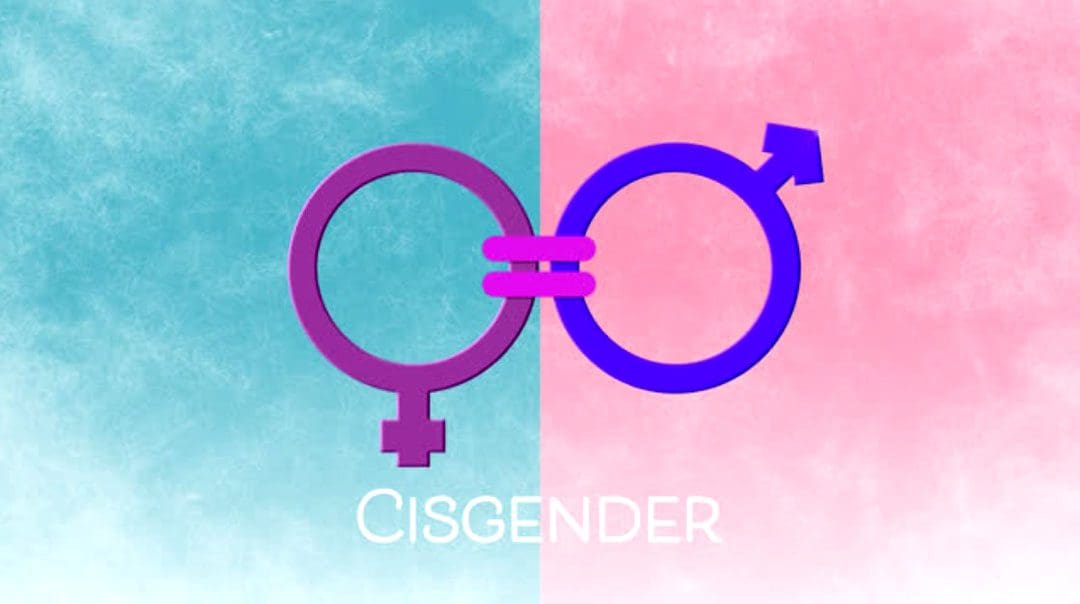
Cisgender is a segment of the larger spectrum of gender identities. Also referred to as “cis,” it describes an individual whose gender identity corresponds to the sex they were assigned at birth. Therefore if an individual assigned sex at birth is female and identifies as a girl or a woman they are a cisgender woman.
The term describes how a person sees themselves and helps others communicate more accurately and respectfully.
Although many individuals may identify as cisgender, a cisgender person is not typical nor has qualities or characteristics that inherently differentiate them from a person of other gender identities.
Cisgender women commonly use the pronouns she and her.
A common mistake is using the term cis-gendered.
The proper usage of the term is cisgender.
Sex and Gender Differences
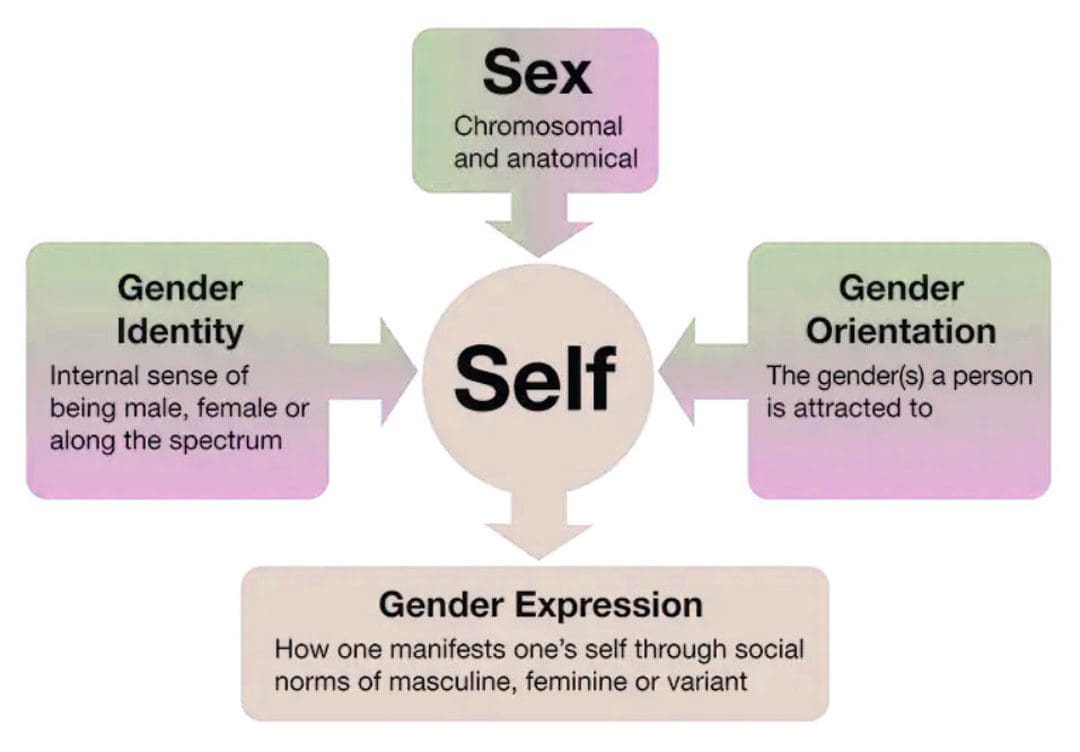
The terms sex and gender are often used interchangeably, however, they are not the same.
Sex is a biological and physiological designation based on an individual’s sex chromosomes and sexual organs.
This includes an individual’s genitals and sex organs.
It also encompasses secondary characteristics – like body size, bone structure, breast size, and facial hair – that are regarded as female or male.
Differences
Gender is a social construct that refers to roles and behaviors that society assigns as being masculine or feminine. The construct infers behaviors that are accepted or appropriate based on how an individual behaves, speaks, dresses, sits, etc.
Gender titles include sir, ma’am, mister, or miss.
Pronouns include him, she, he, and her.
Roles include actress, actor, prince, and princess.
Many of these suggest a power hierarchy of who has it and who does not.
Cisgender women often fall victim to these dynamics.
Sex
Refers to an individual’s chromosomes and the way that their genes are expressed.
Typically described in terms of male and female characteristics or the sex assigned at birth.
Gender
A social construct.
Refers to the social roles, behaviors, and expectations considered and/or deemed appropriate for men and women.
Historically defined as masculine and feminine, however, definitions can change as society changes.
Gender Identities Glossary
Today, gender is viewed as a spectrum where an individual might identify as one gender, more than one gender, or no gender. The definitions are often subtle and can often overlap, co-exist, and/or change. Gender identities include:
Cisgender
An individual whose gender identity matches their assigned sex at birth.
Transgender
An individual whose gender identity does not align with their assigned sex at birth.
Non-binary
An individual who feels their gender identity cannot be defined.
Demigender
An individual who experiences a partial, but not full/complete connection to a particular gender.
Agender
An individual who feels neither male nor female.
Genderqueer
Similar to non-binary but infers refusal of societal expectations.
Gender-neutral
Non-binary similarities but focuses on abandoning gender labels.
Gender fluid
An individual who experiences multiple genders or shifts between genders.
Polygender
An individual who experiences or expresses more than one gender.
Pangender
An individual who identifies with all genders.
Third gender
Third gender is a concept in which individuals are categorized, either by themselves or by society, as neither male nor female, not transitioning.
They are a different gender altogether.
Twin gender
A Native American term describing someone who is male and female or of two spirits simultaneously.
Cis Woman Identity
The terms cis woman or cis female are used to describe individuals who were assigned female at birth and identify as a woman or female. For cisgender woman, this means their gender identity aligns with their primary sex organs and secondary sex traits that include:
Higher pitch voice.
Wider pelvis.
Broadening of hips.
Breast development
It can also involve cisnormativity – a concept that everyone identifies as the gender they were assigned at birth. This could inform how a cis woman is expected to dress and act. An even more extreme concept is gender essentialism – this is the belief that gender differences are rooted purely in biology and cannot be changed. However, even cisnormativity beauty standards can influence the perceptions of transgender women that end up reinforcing gender stereotypes. (Monteiro D, Poulakis M. 2019)
Cisgender Privilege
Cisgender privilege is the concept that individuals who are cisgender receive added benefits compared to individuals who don’t conform to the gender binary norm. This includes cisgender women and men. Privilege happens when a cisgender individual assumes they are the norm and consciously or unconsciously takes action against those who are outside the definition of masculine and feminine. Examples of cisgender privilege include:
Not being denied work and social opportunities because of not fitting into the boy’s or girl’s club.
Not having to have sexual orientation questioned.
Not being denied healthcare due to provider discomfort.
Not fearing that civil rights or legal protections will be taken.
Not worrying about being bullied.
Not having to worry about attracting questioning looks in public.
Not being challenged or questioned about the clothes being worn.
Not being demeaned or mocked because of pronoun use.
Gender identity and sexual orientation are not the same.
A cisgender individual can be heterosexual, homosexual, bisexual, or asexual and so can a transgender individual.
Being cisgender has no correlation to an individual’s sexual orientation.
Chiropractic Care After Accidents and Injuries
References
Clayton, J. A., & Tannenbaum, C. (2016). Reporting Sex, Gender, or Both in Clinical Research? JAMA, 316(18), 1863–1864. https://doi.org/10.1001/jama.2016.16405
Monteiro, Delmira and Poulakis, Mixalis (2019) “Effects of Cisnormative Beauty Standards on Transgender Women’s Perceptions and Expressions of Beauty,” Midwest Social Sciences Journal: Vol. 22: Iss. 1, Article 10. DOI: https://doi.org/10.22543/2766-0796.1009 Available at: https://scholar.valpo.edu/mssj/vol22/iss1/10
Moleiro, C., & Pinto, N. (2015). Sexual orientation and gender identity: review of concepts, controversies and their relation to psychopathology classification systems. Frontiers in Psychology, 6, 1511. https://doi.org/10.3389/fpsyg.2015.01511
Gender transitioning is the process of affirming and expressing an individual’s internal sense of gender rather than the one assigned at birth. How can learning the aspects of gender and gender transitioning help support the LGBTQ+ community?
Gender Transitioning
Gender transitioning or gender affirmation is a process through which transgender and gender-nonconforming individuals align their internal gender identity with their external gender expression. It can be described as a binary – male or female – but can also be non-binary, meaning an individual is neither exclusively male nor female.
The process can involve aesthetic appearances, changes in social roles, legal recognitions, and/or physical aspects of the body.
Social affirmation – dressing differently or coming out to friends and family.
Legal affirmation – changing name and gender on legal documents.
Medical affirmation – using hormones and/or surgery to change certain physical aspects of their body.
Transgender individuals can pursue some or all of these.
Barriers
Gender transitioning can be obstructed by various barriers that can include:
Cost
Lack of insurance
Lack of family, friends, or partner support.
Discrimination
Stigma
Addressing All Aspects
The process does not have a specific timeline and is not always linear.
Many transgender and gender-nonconforming individuals prefer gender affirmation to gender transitioning because transitioning is often taken to mean the process of medically transforming the body.
An individual does not have to undergo medical treatment to affirm their identity, and some transgender people avoid hormones or gender-affirming surgery.
Transitioning is a holistic process that addresses all aspects of who a person is inwardly and outwardly.
Certain aspects of transitioning may be more important than others, like changing one’s name and gender on their birth certificate.
Reevaluation and revision of gender identity can be continual rather than a step-by-step, one-way process.
Exploring Gender Identity
Gender transitioning often starts in response to gender dysphoria which describes the constant sense of uneasiness that occurs when the gender an individual was assigned at birth does not match how they experience or express their gender internally.
Some individuals have experienced symptoms of gender dysphoria as early as 3 or 4 years of age. (Selin Gülgöz, et al., 2019)
Gender dysphoria can be largely informed by the culture that surrounds the individual, specifically in cultures where strict codes determine what is masculine/male and feminine/female.
Unease Expressed in Different Ways
Dislike of one’s sexual anatomy.
A preference for clothes typically worn by the other gender.
Not wanting to wear clothes typically worn by their own gender.
A preference for cross-gender roles in fantasy play.
A strong preference for engaging in activities that are typically done by the other gender.
Dysphoria
Gender dysphoria can fully emerge during puberty when awareness about how an individual’s body defines them creates internal distress.
Feelings may be amplified when an individual is described as a tomboy, or a sissy, or is criticized and attacked for acting like a girl or acting like a boy.
During puberty, the physical changes can cause long-standing feelings of not fitting in and may evolve into feelings of not fitting in their own body.
This is when individuals can undergo a process referred to as internal transitioning and begin to change how they see themselves.
Gender transitioning/affirmation becomes the next step. Transitioning is not about changing or recreating oneself but about expressing their authentic self and asserting who they are socially, legally, and/or medically.
Social
Social transitioning involves how a person publicly expresses their gender. The transition can include:
Changing pronouns.
Using chosen name.
Coming out to friends, family, coworkers, etc.
Wearing new clothes.
Cutting or styling hair differently.
Changing mannerisms like moving, sitting, etc.
Changing voice.
Binding – strapping the chest to hide breasts.
Wearing breast and hip prosthetics to accentuate feminine curvature.
Packing – wearing a penile prosthesis to create a penile bulge.
Tucking – tucking the penis to conceal a bulge.
Playing certain sports
Pursuing different lines of work.
Participating in activities that might typically be seen as male or female.
Legal
Legal transitioning involves changing legal documents to reflect the individual’s chosen name, gender, and pronouns. This includes governmental and non-government documents that can include:
Birth certificates
Social Security ID
Driver’s license
Passport
Bank records
Medical and dental records
Voter registration
School ID
Provisions allowing for changes can vary by state.
Some states only allow changes if bottom surgery – genital reconstruction is performed.
Others will allow the changes without any form of gender-affirming surgery.
Medical transitioning typically involves hormone therapy to develop some of the male or female sex characteristics. It can also involve surgery to change certain physical aspects combined with hormone therapy.
Hormone therapy assists individuals to physically look more like the gender they identify as.
They can be used on their own and can also be used before gender-affirming surgery.
Hormone therapy takes two forms:
Transgender Men
Testosterone is taken to help deepen the voice, increase muscle mass, promote body and facial hair, and enlarge the clitoris. (M S Irwig, K Childs, A B Hancock. 2017)
Transgender Women
Estrogen is taken as well as testosterone blockers to redistribute body fat, increase breast size, reduce male-pattern baldness, and reduce testicle size. (Vin Tangpricha 1, Martin den Heijer. 2017)
Surgery
Gender affirmation surgery aligns an individual’s physical appearance to their gender identity. Many hospitals provide gender-affirming surgery through a transgender medicine department. Medical procedures include:
Facial surgery – Facial feminization surgery.
Breast augmentation – Increases breast size with implants.
Chest masculinization – Removes contours of breast tissues.
Tracheal shaving – Reduces the Adam’s apple.
Phalloplasty – Construction of a penis.
Orchiectomy – Removal of the testicles.
Scrotoplasty – Construction of a scrotum.
Vaginoplasty – Construction of a vaginal canal.
Vulvoplasty – Construction of the outer female genitalia.
Roadblocks
Transgender individuals are protected from public and private insurance discrimination under federal and state laws, including Medicare and Medicaid. (National Center for Transgender Equality. 2021)
Medicaid programs in nine states do not cover gender-affirming medical treatments, and only Illinois and Maine offer comprehensive standard care recommended by the World Professional Association for Transgender Health/WPATH. (Kaiser Family Foundation. 2022)
Medicare also has no consistent policy regarding the approval of gender-affirming surgery.
Others report family or partner disapproval as the main reason why they discontinue gender affirmation. (Jack L. Turban, et al., 2021)
If you know someone who is transgender or is considering transitioning, learning about gender and gender transitioning and how to be supportive is a great way to be an ally.
Enhancing Your Lifestyle
References
Gülgöz, S., Glazier, J. J., Enright, E. A., Alonso, D. J., Durwood, L. J., Fast, A. A., Lowe, R., Ji, C., Heer, J., Martin, C. L., & Olson, K. R. (2019). Similarity in transgender and cisgender children’s gender development. Proceedings of the National Academy of Sciences of the United States of America, 116(49), 24480–24485. https://doi.org/10.1073/pnas.1909367116
Irwig, M. S., Childs, K., & Hancock, A. B. (2017). Effects of testosterone on the transgender male voice. Andrology, 5(1), 107–112. https://doi.org/10.1111/andr.12278
Tangpricha, V., & den Heijer, M. (2017). Estrogen and anti-androgen therapy for transgender women. The Lancet. Diabetes & endocrinology, 5(4), 291–300. https://doi.org/10.1016/S2213-8587(16)30319-9
National Center for Transgender Equality. Know Your Rights in Health Care.
Kaiser Family Foundation. Update on Medicaid coverage of gender-affirming health services.
Center of Medicare and Medicaid Services. Gender dysphoria and gender reassignment surgery.
Transgender Legal Defense and Education Fund. Health insurance medical policies.
National Center for Transgender Equality and National Gay and Lesbian Task Force. Injustice at Every Turn: A Report of the National Transgender Discrimination Survey.
Turban, J. L., Loo, S. S., Almazan, A. N., & Keuroghlian, A. S. (2021). Factors Leading to “Detransition” Among Transgender and Gender Diverse People in the United States: A Mixed-Methods Analysis. LGBT health, 8(4), 273–280. https://doi.org/10.1089/lgbt.2020.0437
Gender identity is a wide spectrum. Can learning the language used to describe various gender identities and non-binary pronouns help explain the difference between gender expression and help in inclusivity?
Non-Binary
Non-binary is a term used that describes individuals who do not identify exclusively as male or female. The term addresses various gender identities and expressions that are outside of the traditional gender binary system, which categorizes individuals as either male or female.
Definition
Non-binary individuals are those whose gender identity and/or expression fall outside of the traditional binary categories of a man or woman. (Human Rights Campaign. (n.d.))
Some non-binary individuals identify as a blend of male and female; others identify as a gender different from male or female; some do not identify with any gender.
The term “non-binary” can also be “enby”/phonetic pronunciation of the letters NB for non-binary, although not every non-binary individual uses this term.
Transgender individuals and non-binary individuals are two distinct groups that are related.
There are some transgender/trans individuals who are non-binary, however, most transgender individuals identify as either male or female. (National Center for Transgender Equality. 2023)
To understand the difference, it can help to know the meanings of transgender, cisgender, and nonbinary: (GLAAD. 2023)
Transgender
An individual who identifies with a gender different from the one assigned at birth.
For example, someone assigned male at birth/AMAB, but identifies as a female is a transgender woman.
Cisgender
An individual whose gender identity follows the one they were assigned at birth.
For example, someone assigned female at birth/AFAB and identifies as a woman.
Non-binary
An individual who identifies with a gender outside the traditional binary of male and female.
This can include individuals who identify as genderqueer, agender, or genderfluid and others.
Using Pronouns
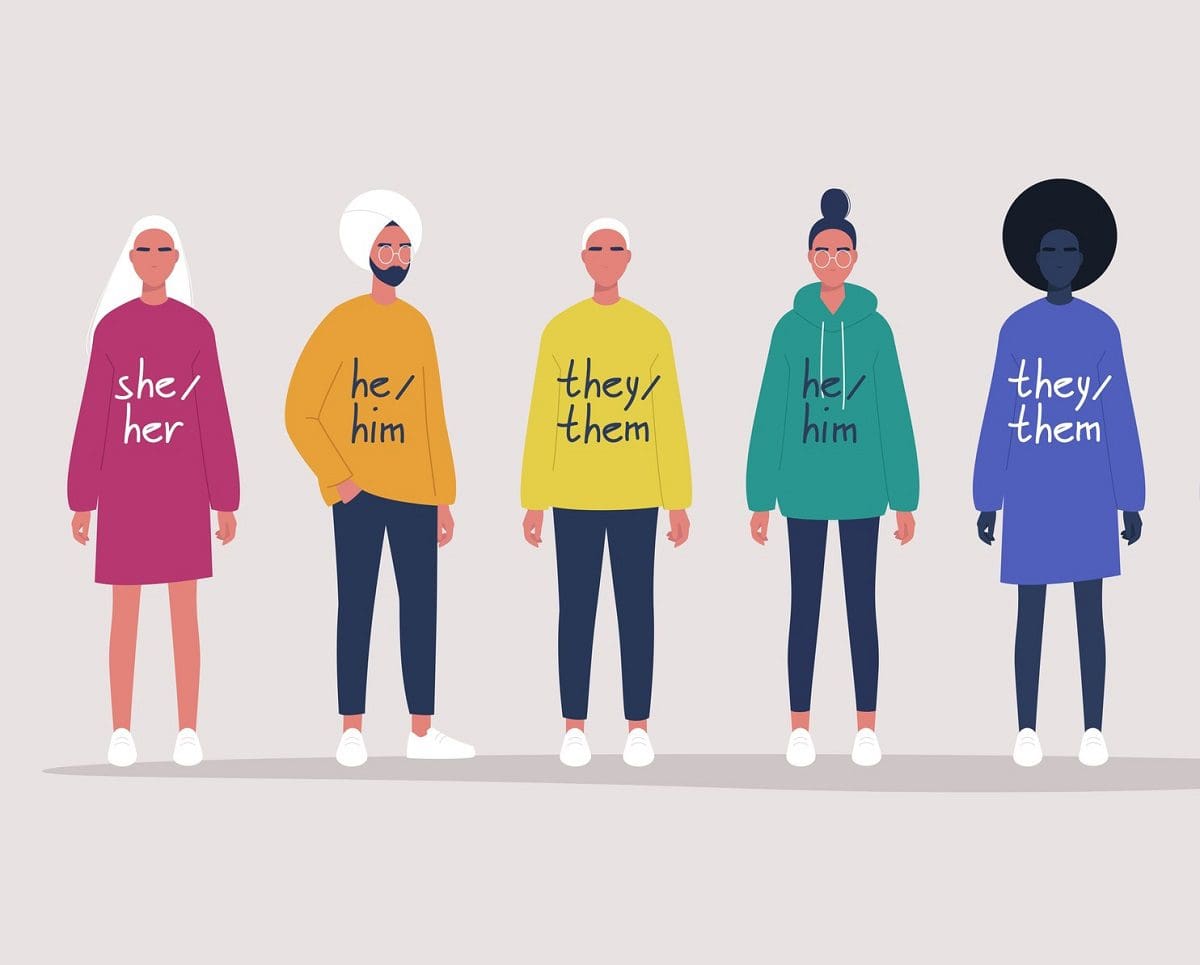
Using non-binary pronouns is a way to show respect and validation for an individual’s gender identity. Here are some recommendations on how to use pronouns: (National Center for Transgender Equality. 2023)
Ask for the individual’s pronouns
It’s recommended to avoid assuming an individual’s pronouns based on appearance or stereotype.
If unsure of someone’s pronouns, ask respectfully.
“What pronouns do you use?”
“Can you share your pronouns with me?”
Practice using the pronouns
Once you know an individual’s pronouns, practice using them.
This can be accomplished by using their pronouns when referring to them in conversation, emails, written forms, and/or other types of communication.
If you make a mistake, apologize and make the correction.
Gender-neutral language
If unsure of an individual’s pronouns, or if someone uses gender-neutral pronouns like they/them, use gender-neutral language instead of gendered language.
For example, instead of saying he or she, you can say they or their name.
Continue Learning
Learn as much as possible about identities and pronouns to better understand and support the LGBTQ+ community.
Injury Medical Chiropractic and Functional Medicine Clinic wants to help create a more inclusive and affirming environment for everyone.
How can healthcare professionals provide a positive and safe approach for gender minority healthcare for the LGBTQ+ community?
Introduction
In an ever-changing world, it can be challenging to find available treatments for body pain disorders that can impact a person’s daily routine. These body pain disorders can range from acute to chronic, depending on the location and severity. For many individuals, this can cause unnecessary stress when going in for a routine check-up with their primary doctors. However, individuals in the LGBTQ+ community are often thrown under by not being seen and heard when treated for their pain and discomfort. This, in turn, causes many problems for both the individual and the medical professional themselves when getting a routine check-up. However, there are numerous positive ways for LGBTQ+ community individuals to seek inclusive gender minority healthcare for their ailments. Today’s article will explore gender minorities and the protocols for creating an inclusive gender minority healthcare environment safely and positively for all individuals. Additionally, we communicate with certified medical providers who incorporate our patients’ information to reduce any general pain and disorders a person may have. We also encourage our patients to ask amazing educational questions for our associated medical providers about their referred pain correlating with any diseases they may have while providing an inclusive gender minority healthcare environment. Dr. Jimenez, D.C., incorporates this information as an educational service. Disclaimer
What Is Gender Minority?
Are you or your loved ones dealing with muscle aches and strains after an excruciatingly long day at work? Have you been dealing with constant stress that stiffens your neck and shoulders? Or do you feel like your ailments are affecting your daily routine? Often, many individuals in the LGBTQ+ community are researching and looking for the right care for their ailments that best suits their wants and needs when seeking treatment. Gender minority healthcare is one of the important aspects of the LGBTQ+ community for individuals seeking the treatment they deserve. When it comes to creating an inclusive, safe, and positive healthcare environment, it is highly important to understand what “gender” and “minority are being defined as. Gender, as we all know, is how the world and society view a person’s sex, like male and female. A minority is defined as a person being different from the rest of the community or the group that they are in. A gender minority is defined as a person whose identity is other than the conventional gender normality many people associate with. For LGBTQ+ individuals who identify as a gender minority, it can be stressful and aggravating when seeking treatment for any ailments or for just a general check-up. This can cause many LGBTQ+ individuals to experience a high rate of discrimination in the healthcare setting that often correlates to poor health outcomes and delays when seeking care treatment. (Sherman et al., 2021) This can create a negative environment in the healthcare setting as many LGBTQ+ individuals deal with unnecessary stress and barriers to accessing inclusive healthcare. Here at the Injury Medical Chiropractic and Functional Medicine clinic, we are dedicated to creating a safe, inclusive, and positive space that offers dedicated care for the LGBTQ+ community by using gender-neutral terms, asking important questions, and building a trusting relationship in every visit.
Enhancing Health Together-Video
The Protocols Of An Inclusive Gender Minority Healthcare
When assessing inclusive gender minority healthcare for many individuals, building a trusting relationship with any patient who enters through the door is important. This allows many people within the LGBTQ+ community to be treated with dignity and respect and ensure they receive medical care like everyone else. By making these efforts, many healthcare systems can ensure the LGBTQ+ community their rights to adequate and affirming healthcare services that are provided for them. (“Health disparities affecting LGBTQ+ populations,” 2022) Below are protocols that are implemented for inclusive gender minority healthcare.
Creating A Safe Space
Creating a safe space for every patient for treatment or general check-up visits is important. Without it, it can cause health disparities between the patient and healthcare professional. Healthcare providers must be prepared to identify and address their biases so that it does not contribute to healthcare disparities that many LGBTQ+ individuals have experienced. (Morris et al., 2019) It’s already stressful enough for LGBTQ+ individuals to get the treatment they deserve. Creating a safe space in a clinical practice gives individuals a setting of respect and trust as they fill out their intake forms that include different gender identities.
Educate Yourself & Staff
Healthcare professionals must be non-judgmental, open, and ally to their patients. By educating staff members, many healthcare providers can undergo developmental training to increase their cultural humility and improve healthcare outcomes for the LGBTQ+ community. (Kitzie et al., 2023) At the same time, many healthcare providers can use gender-neutral language and ask what the patient’s preferred name is while validating and utilizing appropriate mental and health screenings. (Bhatt, Cannella, & Gentile, 2022) To this point, many healthcare providers can significantly and positively impact the individual’s experience, health outcomes, and quality of life. Reducing the structural, interpersonal, and individual stigma that many LGBTQ+ people experience can become a way to demonstrate respect not only to the individual but also to the doctors and staff members who receive it. (McCave et al., 2019)
Basic Primary Care Principles
The first thing that many healthcare providers should do is to honor the individual’s gender identity and consider what kind of information or examination for the individual to receive the care they deserve. The attainable standard of health is one of the fundamental rights of every human being. Being an ally can create a trusting relationship with the individual and provide them with a customizable treatment plan they can receive. This offers a safe environment for the individual and is cost-effective while getting the necessary treatment they deserve.
References
Bhatt, N., Cannella, J., & Gentile, J. P. (2022). Gender-affirming Care for Transgender Patients. Innov Clin Neurosci, 19(4-6), 23-32. https://www.ncbi.nlm.nih.gov/pubmed/35958971
Kitzie, V., Smithwick, J., Blanco, C., Green, M. G., & Covington-Kolb, S. (2023). Co-creation of a training for community health workers to enhance skills in serving LGBTQIA+ communities. Front Public Health, 11, 1046563. https://doi.org/10.3389/fpubh.2023.1046563
McCave, E. L., Aptaker, D., Hartmann, K. D., & Zucconi, R. (2019). Promoting Affirmative Transgender Health Care Practice Within Hospitals: An IPE Standardized Patient Simulation for Graduate Health Care Learners. MedEdPORTAL, 15, 10861. https://doi.org/10.15766/mep_2374-8265.10861
Morris, M., Cooper, R. L., Ramesh, A., Tabatabai, M., Arcury, T. A., Shinn, M., Im, W., Juarez, P., & Matthews-Juarez, P. (2019). Training to reduce LGBTQ-related bias among medical, nursing, and dental students and providers: a systematic review. BMC Med Educ, 19(1), 325. https://doi.org/10.1186/s12909-019-1727-3
Sherman, A. D. F., Cimino, A. N., Clark, K. D., Smith, K., Klepper, M., & Bower, K. M. (2021). LGBTQ+ health education for nurses: An innovative approach to improving nursing curricula. Nurse Educ Today, 97, 104698. https://doi.org/10.1016/j.nedt.2020.104698
IFM's Find A Practitioner tool is the largest referral network in Functional Medicine, created to help patients locate Functional Medicine practitioners anywhere in the world. IFM Certified Practitioners are listed first in the search results, given their extensive education in Functional Medicine