Peripheral neuropathy is a condition that affects the nerves outside of the brain or spinal cord. It can cause changes to sensation, movement and involuntary functions. Pressure on the nerves can cause peripheral neuropathy, as can certain conditions such as Charcot-Marie-Tooth disease, an inherited disorder. MedlinePlus, a website of the National Institutes of Health, points out that some types of peripheral neuropathy do not have a cure. The nerve damage from this condition can have lasting effects.
Reduced Feeling
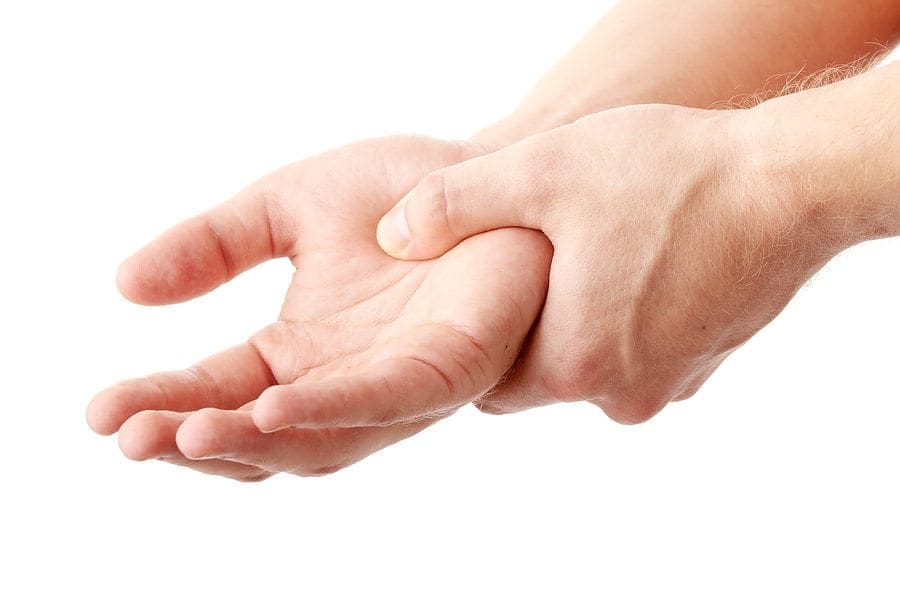
Peripheral neuropathy affects three types of nerves: sensory, motor and autonomic. The sensory nerves relay information to the brain such as a change in temperature. When peripheral neuropathy damages the sensory nerves, patients can experience nerve pain, burning sensations or tingling. Some patients may have numbness that starts in the feet and moves up in the body. MayoClinic.com explains that with the numbness, patients can have reduced feeling in their limbs, which can affect their ability to sense changes. Problems can arise, such as in the case of a peripheral neuropathy patient who cannot feel pain in his feet and therefore does not notice a foot injury. If the injury goes untreated, an infection can develop.
Problems Moving
Since peripheral neuropathy can affect the motor nerves, patients may have a partial or total loss of movement and muscle control. For example, patients may experience paralysis of certain parts of the body such as the arms or legs. MedlinePlus points out that patients may fall from tripping over themselves. Peripheral neuropathy can cause muscle atrophy, in which patients lose some muscle tissue. Patients may have a lack of muscle control and dexterity, which can affect their ability to do tasks that require fine movements, such as writing with a pen. Damage to the autonomic nerves, which control the involuntary functions, can also impair movement. For example, patients can have dizziness when they stand up.
Weight Loss
Peripheral neuropathy patients may lose weight as a result of the autonomic nerve damage symptoms. MedlinePlus points out that peripheral neuropathy patients can lose more than 5 percent of their body weight. They may have nausea and vomiting after meals. The autonomic symptoms of peripheral neuropathy cause patients to feel full after eating a small amount of food, which can also affect weight. Motor nerve damage in the throat can affect patients’ ability to swallow, which may cause them to eat less.
Low Self-esteem
MedlinePlus explains that the symptoms of peripheral neuropathy can cause patients to have low self-esteem. For example, male peripheral neuropathy patients may feel self-conscious about impotency problems. Urinary incontinence, or urine leakage, is another embarrassing problem related to peripheral neuropathy that can affect self-esteem.
Because neuropathy can affect the nervous system, it can generally cause lasting effects on the body if left untreated. Some cases of nerve damage can be incurable, altering the overall function between the brain, spinal cord and the rest of the body, developing other issues which have been previously linked to neuropathy, such as sensory issues and even weight loss.
Trending Topic: Vaccines Revealed Episode 6
Dr. Gentempo and others are bringing great awareness to our community regarding vaccinations and their dangers.
Vaccines Revealed and Exposed on Episode #6
As a healthcare provider, Dr. Patrick Gentempo has been searching for the truth behind the effects of vaccines on the general population. When making critical decisions about you and your children�s health, it�s essential to have the correct knowledge of all medical procedures you�re being involved in, including the administration of mandatory vaccines, among others.
Neuropathy, also known as peripheral neuropathy, is a condition that causes numbness, pain, tingling and weakness, usually in the hands and feet. It may occur episodically or progress gradually over years. According to the Neuropathy Association (NA), 30 percent of cases evolve from diabetes, 30 percent from unknown causes and 40 percent from infections, autoimmune disorders, genetic factors, nutrient imbalances, tumors or toxins. Symptoms of neuropathy vary depending on type of neuropathy and which nerves are affected.
Sensory Symptoms
Neuropathy causes damage to fibers that affect physical sensation, which causes nerve pain, tingling and numbness. Sensory damage may reduce a person’s ability to determine the position of his joints and suffer from poor coordination. According to the University of Maryland Medical Center (UMMC), sensation symptoms frequently start within the feet and gradually progress toward the body’s center as neuropathy worsens. Though sensory symptoms are common among diabetes-related neuropathy, it affects other forms as well.
Mobility Issues
When neuropathy causes damage to fibers that affect a person’s muscles, it can lead to physical weakness, loss of dexterity and reduced muscle mass. Muscle cramping or twitching, trouble swallowing or breathing, paralysis of affected body parts and reduced muscle control may also occur. According to the UMMC, these symptoms often lead to tripping, resultant injuries and difficulty executing tasks that require dexterity, such as buttoning a shirt, writing and opening jars and doors. Reduced nerve function in the hands may cause people to drop objects frequently. When leg muscles are weakened, people may struggle to run or walk or observe a sense of “heaviness” in the legs. Normally simple tasks such as climbing stairs may become challenging and lead to frustration and muscle cramps.
Autonomic Symptoms
Neuropathy may also affect that autonomic nerves that contribute to involuntary functions, such as heartbeat, digestive processes, blood pressure and organ function. When this occurs, numerous symptoms may evolve, such as blurry vision, constipation or diarrhea, inability or reduced ability to sweat, abdominal bloating and difficulty during urination. According to the UMMC, fainting or dizziness upon standing may indicate a drop in blood pressure caused by autonomic neuropathy symptoms. People with neuropathy may become sensitive to heat during physical exertion, such as exercise. When the digestive system is affected, nausea or vomiting may occur after eating. Impotence in males and unintentional weight loss may also stem from these symptoms.
Damage or injury to the structures of the nervous system, primarily the peripheral nerves, can alter the function of these intricate connections, affecting the communications between the brain and the rest of the body in a disorder known as neuropathy. Neuropathy requires a diagnosis but common, well-known symptoms such as pain, tingling sensations and numbness, can indicate its presence.
Trending Topic: Vaccines Revealed Episode 6
Dr. Gentempo and others are bringing great awareness to our community regarding vaccinations and their dangers.
Vaccines Revealed and Exposed on Episode #6
As a healthcare provider, Dr. Patrick Gentempo has been searching for the truth behind the effects of vaccines on the general population. When making critical decisions about you and your children�s health, it�s essential to have the correct knowledge of all medical procedures you�re being involved in, including the administration of mandatory vaccines, among others.
For more information, please feel free to ask Dr. Jimenez or contact us at 915-850-0900 .�
Back pain is a common symptom which affects a majority of the population, although for most individuals, the prevalent discomfort is often mild and temporary. Unfortunately, back pain can become a constant issue for some people. In several instances, these symptoms may even need immediate medical attention.
If you�ve experienced back pain sometime throughout your lifetime, especially if it�s new, recurring discomfort, causing the individual to lose control of their bowel or bladder, seeking a proper diagnosis as soon as possible is fundamental to determine the source of the symptoms and begin treatment. Listen to your body.
Seeking Help from a Healthcare Professional
Back pain, soreness and stiffness are generally frequent and can resolve on their own without the need of a medical evaluation. But, other symptoms could signal the development of a much more serious complication. The following symptoms may need further diagnosis as these could an indication of a spinal condition: pain which lasts for longer than six weeks; pain, weakness or numbness in the legs; difficulty sleeping due to back or neck pain; and/or a sudden onset of back pain without an obvious cause. If you�ve experienced any of the above mentioned symptoms, it�s essential to seek a proper diagnosis from a qualified healthcare professional.
Chiropractic care is a common alternative treatment option that is utilized to correct numerous spinal complications. Chiropractic primarily focuses on the musculoskeletal system and the nervous system. When visiting a doctor of chiropractic, or chiropractor, the healthcare professional will first conduct an evaluation of the spine to diagnose whether a spinal misalignment, also referred to as a subluxation, or any other type of injury or condition is the cause of the symptoms.
Together with a review of the individual�s medical history, including any previous test results from prior appointments with other physicians, if any. To complete the spinal assessment, aside from a physical exam, the chiropractor may also need additional studies, such as an X-ray or MRI scan. This will help pinpoint the source of the symptoms. Whether the individual is diagnosed with a common injury or condition, such as sciatica, or a more complex and severe complication, the doctor of chiropractic will follow up with an up to date description of the individual�s cause of their symptoms before developing an appropriate treatment plan.
The healthcare professional should provide an overview of treatment options, including a detailed discussion of the benefits and possible risks of each. The most common chiropractic care techniques and therapy procedures include spinal adjustments and manual manipulations. Through the use of chiropractic adjustments and manipulations, a chiropractor will carefully realign the spine, helping to reduce the stress and pressure being placed against the structures surrounding the spine in order to improve function. By restoring the individual�s natural spinal alignment, any pain, inflammation and numbness, as well as other symptoms of back pain and discomfort, will be decreased, providing the individual with their original strength, mobility and flexibility, promoting their overall health and wellness.
Furthermore, a chiropractor may also recommend a series of stretches and exercises, as well as several lifestyle changes, to further improve an individual�s injury or condition and promote a faster recovery time. Physical therapy and spinal surgery are also possible treatment options for various types of back complications, However, spinal surgery is only recommended if conservative treatment options have failed before. Although back pain is a common complication among the population, seeking diagnosis and following through with treatment is important to ensure the individual lives with the proper health and wellness.
Back pain symptoms can affect a wide number of individuals and, while a majority of cases resolve on their own, it’s important to seek medical attention as soon as possible to determine the cause of the symptoms, especially with chronic pain. Chiropractic treatment can help restore the original health of the spine.
Trending Topic: Vaccines Revealed Episode 6
Dr. Gentempo and others are bringing great awareness to our community regarding vaccinations and their dangers.
Vaccines Revealed and Exposed on Episode #6
As a healthcare provider, Dr. Patrick Gentempo has been searching for the truth behind the effects of vaccines on the general population. When making critical decisions about you and your children�s health, it�s essential to have the correct knowledge of all medical procedures you�re being involved in, including the administration of mandatory vaccines, among others.
For more information, please feel free to ask Dr. Jimenez or contact us at 915-850-0900 .�
Neuropathy affects about 8 percent of people over age 55. Your nervous system consists of two parts: the central nervous system and the peripheral nervous system.
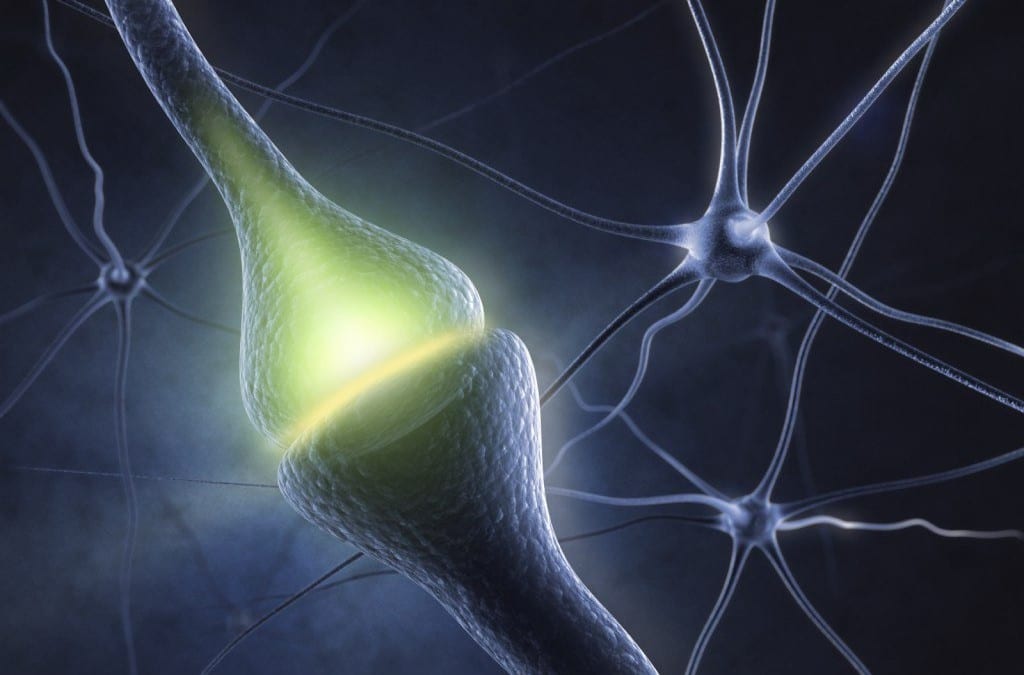
The nerves of your peripheral nervous system transmit messages between your central nervous system, your brain, spinal cord, and the rest of your body.
These nerves regulate a large range of functions throughout the body, including voluntary muscle movement (motor nerves), involuntary organ activity (autonomic nerves), and the perception of stimuli (sensory nerves).
Peripheral neuropathy, which is often simply referred to as “neuropathy,” is a condition that occurs when your peripheral nerves become damaged or disrupted. It is estimated that neuropathy affects about 2.4 percent of the general population and about 8 percent of people older than age 55.
However, this estimate doesn’t include people affected by a neuropathy resulting from physical trauma to the nerves.
Neuropathy Types
Neuropathy can affect any of the three types of peripheral nerves:
Sensory nerves carry messages from your sensory organs (eyes, nose, etc.) to your brain
Motor nerves monitor the conscious movement of your muscles
Autonomic nerves, regulate the involuntary functions of your body
Sometimes, neuropathy will only affect a single nerve. This is called mononeuropathy and examples include:
Ulnar neuropathy (elbow)
Radial neuropathy (arm)
Peroneal neuropathy (knee)
Femoral neuropathy (thigh)
Cervical neuropathy (neck)
Occasionally, two or more isolated nerves in separate areas of the body become damaged, resulting in mono neuritis multiplex neuropathy.
Most often, however, multiple peripheral nerves malfunction at the same time, a condition known as polyneuropathy.
According to the National Institute for Neurological Disorders and Stroke (NINDS), there are more than 100 types of peripheral neuropathies.
Neuropathy Causes
Neuropathies are either inherited at birth or acquired later in life.
The most common inherited neuropathy is the neurological disorder Charcot-Marie-Tooth disease, which affects 1 in 2,500 people in the United States.
Though doctors are sometimes unable to pinpoint the exact cause of an acquired neuropathy (this is then known as idiopathic neuropathy), there are many known causes: systemic diseases, physical trauma, infectious diseases, and autoimmune disorders.
A systemic disease is one that affects the whole body.
The most common systemic cause behind peripheral neuropathy is diabetes, which can cause chronically high blood glucose levels that damage nerves.
Many other systemic issues can cause neuropathy, including:
Kidney disorders, allow high levels of nerve-damaging toxic substances to circulate in the blood
Toxins from exposure to heavy metals, including arsenic, lead, mercury, and thallium
Certain drugs, including anticancer medications, anticonvulsants, antivirals, and antibiotics
Chemical imbalances due to liver diseases
Hormonal diseases, including hyperthyroidism, disturb metabolic processes, potentially causing tissues and body parts to swell and exert pressure on nerves
Deficiencies in vitamins, including E, B1 (thiamine), B6 (pyridoxine), B12, and niacin, which are vital for healthy nerves
Alcohol abuse causes vitamin deficiencies and may also directly damage nerves
Cancers and tumors that exert harmful pressure on nerve fibers
Chronic inflammation can damage protective tissues around nerves, making them more vulnerable to compression or susceptible to becoming inflamed
Blood diseases and blood vessel damage can harm nerve tissue by decreasing the available oxygen supply
In addition, if a nerve suffers from isolated physical trauma, it can become damaged, resulting in neuropathy. Nerves may suffer a direct blow that severs, crushes, compresses, or stretches them, even to the point of detaching them from the spinal cord.
Common causes behind these injuries are motor vehicle accidents, falls, and sports injuries.
Nerve damage can also arise from strong pressure on a nerve, such as from broken bones and poorly fitted casts. Prolonged pressure on a nerve can also cause neuropathy, as in carpal tunnel syndrome, which occurs when the median nerve in the wrist becomes pinched.
And repetitive physical stress can inflame muscles, tendons, and ligaments, putting significant pressure on nerves.
Numerous infections from viruses and bacteria can cause neuropathy by attacking nerve tissues directly or indirectly, such as:
HIV
Shingles
Epstein-Barr virus
Lyme disease
Diphtheria
Leprosy
Furthermore, various autoimmune disorders in which the body’s immune system attacks and destroys healthy body tissue can lead to nerve damage, including:
When an individual experiences damage or injury to their peripheral nerves, the essential communications between the central nervous system, the brain, spinal cord and the rest of the body can be interrupted, leading to complications such as neuropathy. There are several types of neuropathy and numerous possible causes for the condition, however, most share similar symptoms like pain and discomfort.
Neuropathy is medically characterized as a form of chronic pain which may commonly result from damage to or pathological changes of the central or peripheral nervous system. Peripheral neuropathic pain has also been previously referred to as painful neuropathy, nerve pain, sensory peripheral neuropathy or peripheral neuritis. Individual�s affected by neuropathy generally describe its symptoms to be unlike any others they�ve ever experienced before. When it comes to neuropathy however, it�s fundamental to understand that chronic pain is not a symptom of injury but rather, the pain is itself the process of the disease. Neuropathy is not associated with the healing process either, instead of a specific injury in the body, the nerves themselves malfunction and are the source of the pain.
Characteristics of Neuropathy
The back pain or other type of painful symptom characteristic of neuropathy can usually be described in several ways. These can be specified as: severe, sharp, electric shock-like, shooting, lightning-like, or lancinating; deep, burning or cold; with persistent numbness, tingling or weakness; and/or trailing along the nerve path into the arms, hands, legs or feet. Furthermore, symptoms of neuropathy can be characterized by pain and discomfort from a light touch or other stimulus which generally shouldn�t cause pain, as well as hypersensitivity to a normally painful stimulus.
Symptoms of neuropathy can manifest as a result of any form of pain which impinges or compresses a nerve. Examples of neuropathic pain which generate from the region of the spine include: chronic pain which trails down the length of the leg, also known as radiculopathy or sciatica; chronic pain that radiates along the arm, also referred to as cervical radiculopathy; and gradual or persistent pain following a back surgical procedure, commonly associated with failed back surgery syndrome. Other well-known causes of neuropathy are: diabetes; phantom limb pain or regional pain syndrome, also referred to as RPS. If an individual�s neuropathy is not treated appropriately, numerous complications such as depression, sleeplessness, feelings of fear and anxiety, limited social interaction and an inability to perform normal daily activities or work have been described as frequent issues affecting those who suffer with chronic pain associated with neuropathy and its other symptoms.
Types of Back Pain
When it comes to neuropathic symptoms, it�s essential to have a general understanding of the major different types of back pain, most importantly because effectively determining these types of symptoms can guide people to receive the best treatment plan.
Nociceptive Pain and Neuropathy
Healthcare providers and professionals in the medical field typically classify pain in one of two general categories: neuropathic pain and nociceptive, or somatic, pain.
Nociceptive pain is felt by the nociceptor sensory fibers after there�s been damage or injury to a structure in the body, such as the muscles, ligaments, tendons, bones, joints or other organs. Nociceptive pain is commonly identified as a deep aching, throbbing, gnawing or sore sensation. Prevalent instances of nociceptive pain associated with back symptoms of pain and discomfort include: pain after direct trauma from an automobile accident or other personal injury case; pain after a back surgical procedure; and arthritis pain. Nociceptive pain is generally localized and can improve with healing treatments. Neuropathic pain, or neuropathy, results when there�s damage or injury to nerve tissue. Neuropathy is often identified as burning, severe shooting pains and/or a persistent numbness or tingling sensation. Prevalent instances of neuropathic pain associated with back symptoms of pain and discomfort include: sciatica, pain that travels from the spine down the arm, pain that persists after back surgery.
It is believed that in several cases, extended nociceptive pain may lead to neuropathy and an individual may subsequently experience both neuropathic pain and nociceptive pain simultaneously. �
Acute Pain and Chronic Pain
It�s also fundamental to recognize the differences between acute pain and chronic pain as these two forms of pain can be very distinct in structure and function.
With acute pain for example, the level of severity can directly correspond with the grade of tissue damage or injury. This provides individuals with a protective reflex, such as the reflex to move a limb immediately after touching a sharp object. Acute pain can be identified as a symptom of damaged or diseased tissue, where if the underlying complication is cured, the pain will subside as well. Acute pain is a form of nociceptive pain. With chronic pain for example, the pain doesn�t have the same structure and function as it does with acute pain. In other words, it does not serve a protective or other biological action. Instead, the nerves continue to send pain signals to the brain regardless if there�s no ongoing tissue damage. Neuropathy is a form of chronic pain.
Anatomy of Nerve Pain
The spinal cord functions as the primary part of the body�s central nervous system which transmits messages directly from the brain and spreads these out to the nerves throughout the body. Nerves can be found traveling to all parts of the body, entering and exiting the spinal cord alongside its entire length.
How Nerve Pain Works
There are 31 pairs of spinal nerves which can be found exiting the spinal cord between openings separating each vertebrae. The nerve root, or the point where the nerve exits the spinal cord, branches out into many smaller nerves which control distinct regions of the body, best referred to as the peripheral nerves. For instance, a nerve that exits the lower back will have peripheral branches that travel all the way down to the toes. Peripheral nerves make up the peripheral nervous system. The peripheral nerves are comprised of both motor nerves and sensory nerves. Sensory nerves receive sensory stimuli, such as how something physically feels and whether it is painful or not. These consist of nerve fibers known as sensory fibers. Additionally, mechanoreceptor fibers sense body movement and pressure placed against the body while nociceptor fibers sense tissue injury. Motor nerves travel throughout the muscles and stimulate their movements. These consist of nerve fibers known as motor fibers.
Nerve Injury and Neuropathy Pain
Although there is no sufficient research or evidence to support the following theory, it is believed that damage or injury to any of the above types of nerve tissues may be a possible reason which could lead to the development of neuropathic pain or neuropathy. Generally, the area of the nerve cell that is damaged by neuropathy is medically defined as the axon, which is the inner information pathway of the nerve cell, and/or its myelin covering, which is identified as the fatty outer sheath which protects the nerve cell and helps transfer information throughout the nervous system. When neuropathy pain occurs due to damage or injury to the above mentioned structures, neuropathy is sustained by abnormal processing of sensory input by the central nervous system and the peripheral nervous system.
Trending Topic: Vaxxed�From Coverup To Catastrophe
In 2013, biologist Dr. Brian Hooker received a call from a Senior Scientist at the U.S. Centers for Disease Control and Prevention (CDC) who led the agency�s 2004 study on the Measles-Mumps-Rubella (MMR) vaccine and its link to autism.
The scientist, Dr. William Thompson, confessed that the CDC had omitted crucial data in their final report that revealed a causal relationship between the MMR vaccine and autism. Over several months, Dr. Hooker records the phone calls made to him by Dr. Thompson who provides the confidential data destroyed by his colleagues at the CDC.
Dr. Hooker enlists the help of Dr. Andrew Wakefield, the British gastroenterologist falsely accused of starting the anti-vax movement when he first reported in 1998 that the MMR vaccine may cause autism. In his ongoing effort to advocate for children�s health, Wakefield directs this documentary examining the evidence behind an appalling cover-up committed by the government agency charged with protecting the health of American citizens.
Interviews with pharmaceutical insiders, doctors, politicians, and parents of vaccine-injured children reveal an alarming deception that has contributed to the skyrocketing increase of autism and potentially the most catastrophic epidemic of our lifetime.
Americans deserve real solutions for the economic, social and environmental crises we face. But the broken political system is only making things worse.
It’s time to build a people’s movement to end unemployment and poverty; avert climate catastrophe; build a sustainable, just economy; and recognize the dignity and human rights of every person. The power to create this new world is not in our hopes; it�s not in our dreams � it’s in our hands.
For more information, please feel free to ask Dr. Jimenez or contact us at 915-850-0900 .
Sciatica is best characterized as the common symptoms of pain and discomfort in the backs of the legs. This painful condition generally develops due to complications affecting the region of the lumbar spine, or lower back, affecting these areas of the body as well as an individual�s legs and feet. The pain which travels down the person�s legs through the sciatic nerves which are the nerves found surrounding the lumbar spine, characteristic of sciatica.
The lumbar region of the spine is made up of five vertebrae which are labeled from top to bottom, L1 to L5, between the ribcage and the pelvis. Below these is the sacrum, which is labeled as S1. A spinal nerve can be found above each of these vertebra with its root in the spinal cord. These nerves form the sciatic nerve. The sciatic nerves, found in each leg, are the longest and broadest nerves found in the human body. When the root of one of the sciatic nerves becomes irritated or inflamed, leading to the compression of the nerve, it can cause the common symptoms of pain and numbness in the buttocks, legs, and/or feet.
Causes of Sciatica
From lumbar disc herniation, spinal stenosis and degenerative disc disorders, among other conditions and injuries, there are numerous factors and reasons which may cause sciatic nerve pain, or sciatica, to occur. If symptoms of pain and discomfort manifest, especially around the area of the buttocks, legs and feet, it�s fundamental to seek immediate medical attention to receive a proper diagnosis and determine the cause of the symptoms.
Symptoms of Sciatica
The most common symptoms of sciatic nerve pain include lower back pain and/or numbness. Additionally, the individual may also experience these same symptoms in a single leg or buttock or on both limbs, although the probability of both sciatic nerves becoming compressed and irritated or inflamed at once are rare. Other common symptoms associated with sciatica include:
Sharp pain in the lower back, leg or buttock
Numbness or tingling in one leg or foot
Weakness in one leg or foot
Inability to control bowel movements or bladder, indicating a serious condition that requires immediate medical care
Diagnosing Sciatica
If you�ve experienced any of the symptoms mentioned above, you may be suffering from sciatica which could have been caused by an injury or condition. Because sciatica is defined as a group of symptoms rather than a single disorder, the presence of these symptoms may not necessarily indicate it as sciatica. Seeking immediate medical attention after experiencing this collection of symptoms, especially after suffering an injury or aggravating a previous condition, is important to avoid further complications and begin treating the issue as soon as possible. If the symptoms are intense or if they�ve been constant for several weeks, a proper diagnosis can help determine the source of the pain and discomfort to help reduce and improve sciatica.
Chiropractic care is a popular, alternative treatment option that focuses on the musculoskeletal and nervous system, utilizing spinal adjustments and manual manipulations to carefully correct issues and complications relating to the spine and its surrounding structures. When visiting a chiropractor for symptoms of sciatica, the healthcare professional will thoroughly examine the individual�s medical history and conduct a physical evaluation to determine the root cause of the pain and discomfort. The use of X-rays or MRI scans may additionally be used to learn the diagnosis and determine if sciatica or any other type of injury or condition is the cause of the symptoms. A qualified and experienced chiropractor will follow through with the best treatment plan for each individual.
Treating Sciatica
Utilizing chiropractic adjustments, a chiropractor can restore the original health of the spine, helping to reduce the pressure of the vertebrae which is frequently caused by a misalignment of the spine or subluxation. Furthermore, the irritation and inflammation around the spine can be reduced with these treatment procedures, relieving the painful symptoms of sciatica and regaining the individual�s strength, flexibility and mobility. A chiropractor may also follow chiropractic adjustments with an appropriate set of stretches and exercises to speed up the treatment process and ensure the individual finds quicker relief from their sciatica symptoms to continue with their original, everyday lifestyle.
Sciatica is medically defined as a collection of symptoms rather than a single disorder. Commonly identified by pain and numbness which travels down the lower back, buttocks and legs, sciatic nerve pain can cause discomfort if left untreated. Chiropractic care focuses on restoring the function of the spine, relieving the symptoms of sciatica by targeting them at the source.
Trending Topic: Vaccines Revealed Episode 2
Dr. Gentempo and others are bringing great awareness to our community regarding vaccinations and their dangers.
Vaccines Revealed and Exposed on Episode #2
As a healthcare provider, Dr. Patrick Gentempo has been searching for the truth behind the effects of vaccines on the general population. When making critical decisions about you and your children�s health, it�s essential to have the correct knowledge of all medical procedures you�re being involved in, including the administration of mandatory vaccines, among others.
For more information, please feel free to ask Dr. Jimenez or contact us at 915-850-0900 .�
�Gut health plays a role in RA� sounds like the title of an episode of Dr. Oz. In fact, an episode discussing just that caused an uproar in online communities for people with rheumatoid arthritis (RA) and its counterpart, juvenile idiopathic arthritis. But strange as it seems, it could be true.
Leaky gut syndrome and other gastrointestinal problems could trigger flare-ups in diseases like RA, lupus, and multiple sclerosis. So achieving microbial balance in the gastrointestinal tract could be just what the doctor ordered when it comes to managing RA symptoms.
In fact, the gut microbiome has been linked to arthritis in various animal studies. Researchers are exploring whether the same is true in humans. A 2013 study by rheumatologists at New York University found that patients with RA were more likely to have the bacteria Prevotella copri in their intestinal tracts than patients without the disease. The findings suggest that this bacterium may somehow trigger the autoimmune response that leads to joint inflammation. However, more research needs to be done to examine the link.
The study also showed that the presence of P. copri corresponded with a loss of healthy microbes in the gut. The loss of these microbes could contribute to other symptoms or related health conditions.
Scientists are beginning to tease out just how the microbes that naturally live in our guts help prepare our immune systems to fend off invaders. Some of the microbes secrete chemicals that can destroy threats directly. The theory goes that an unbalanced community of microbes leads to a misguided immune response.
“Your microbiome plays a major role in your immune system, constantly providing protection from illness of which many of us are unaware. Autoimmune disorders, including rheumatoid arthritis and lupus, occupy a prominent position among diseases that have long been thought to have a genetic component that is triggered by microorganisms � Specifically, increased levels of the bacterium Prevotella copri is correlated with the reduction of beneficial microbes such as Bacteroides, leading to inflammation in the body,” said Kathleen DiChiara, an author and functional diagnostic nutrition practitioner.
Applying Healthy Habits Everyday
Some people agree that gut health seems to play a role in managing symptoms of autoimmune and rheumatic diseases. A healthy diet and the incorporation of probiotics and prebiotics can improve gut health on a day-to-day basis.
�I have had rheumatoid arthritis for years and notice that I feel better whenever I eat healthfully and take my probiotic supplements,� said patient Nicole Smith of Baltimore. Regarding RA symptoms and gut health, certified holistic health coach Cary Kelly of Long Beach, California, suggests a healthy diet that includes going gluten-free for a while. �In order to stop exacerbating the propensity for flare-ups, we must balance gut flora with probiotics and perhaps try going gluten-free for a few weeks as a trial,� she said.
The jury is still out on whether (and how much) probiotic supplements help with gut issues. However, there are naturally probiotic foods like yogurt and fermented teas that can provide many beneficial bacteria at a lower price point.
Member of the American Association of Drugless Practitioners and health coach Sarah Lawrence, CHHC, of Mont Vernon, New Hampshire, said, �For autoimmune arthritis I work with a protocol of high dose probiotics, fermented foods, and gut supportive supplements like coconut oil and l-glutamine, in addition to an anti-inflammatory diet that’s rich in fiber and prebiotics. Look for probiotics that contain S. salivarius and B. coagulans,since they have been shown to have great immunomodulating�effects.�
While it isn�t certain whether gut health is tied to RA, researchers are working hard to find out. In the meantime, adopting a healthy diet and adding probiotics into your routine couldn�t hurt. In fact, it just might make you hurt less.
The bacteria that can be found inside the gut plays a major function in the immune system, providing protection from illnesses people may be unaware of. When this bacteria is out of balance, it can develop complications, such as autoimmune disorders like rheumatoid arthritis, which have been linked to the presence of harmful microorganisms.
Trending Topic: Side Effects of Vaccines Revealed in Testimonies
The topic on mandatory vaccines has been a controversial subject for several years, increasingly becoming frequent with numerous claims that vaccinations and immunizations have caused harm to otherwise healthy individuals. Although there’s been many accounts showing a possible connection between vaccines and disorders such as autism, researchers still lack the proper evidence to prove it. Many people have told their stories and experiences with the immunizations and their health.
For more information, please feel free to ask Dr. Jimenez or contact us at 915-850-0900 .
IFM's Find A Practitioner tool is the largest referral network in Functional Medicine, created to help patients locate Functional Medicine practitioners anywhere in the world. IFM Certified Practitioners are listed first in the search results, given their extensive education in Functional Medicine