Back Clinic Chiropractic. This is a form of alternative treatment that focuses on the diagnosis and treatment of various musculoskeletal injuries and conditions, especially those associated with the spine. Dr. Alex Jimenez discusses how spinal adjustments and manual manipulations regularly can greatly help both improve and eliminate many symptoms that could be causing discomfort to the individual. Chiropractors believe among the main reasons for pain and disease are the vertebrae’s misalignment in the spinal column (this is known as a chiropractic subluxation).
Through the usage of manual detection (or palpation), carefully applied pressure, massage, and manual manipulation of the vertebrae and joints (called adjustments), chiropractors can alleviate pressure and irritation on the nerves, restore joint mobility, and help return the body’s homeostasis. From subluxations, or spinal misalignments, to sciatica, a set of symptoms along the sciatic nerve caused by nerve impingement, chiropractic care can gradually restore the individual’s natural state of being. Dr. Jimenez compiles a group of concepts on chiropractic to best educate individuals on the variety of injuries and conditions affecting the human body.
Chiropractor, Dr. Alexander Jimenez examines being able to have sex despite having back pain.
The results of SpineUniverse’s national survey on Sexual Satisfaction and Back Pain (read the article Back Pain and Its Impact on Sexual Satisfaction for survey results) indicate that back pain is ruining the sex lives of many people.
It is vital to consider that behind the numbers are real individuals, while the statistical results of the survey are very important. People who care about their partner’s and about their sexual gratification satisfaction. People who are now frustrated and even depressed regarding the impact of back pain on their sex lives.
What exactly can they do to better their situation?
Most specialists agree that three tips can allow you to have better sex� even with back pain:
Tip # 1: Talk It Out
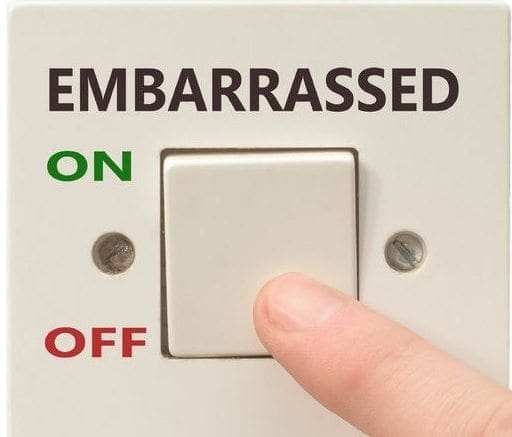
For many people, talking about sex comes for others, their faces turn red even thinking about possibly referring to sex.
Nonetheless, you as well as your partner have to locate a method to discuss your back malady, and the way that it will impact-� or already does change�your relationship.
Take the time to talk through the five dilemmas below:
Back pain: How intense is the pain? Where does it hurt? What moves or increase or positions alleviate the pain?
Sex drive: Is your back pain killing your sex drive? Then you’ve got to discuss this, if it is. If you do not clarify why and simply begin avoiding having sex, you�re your relationship with your partner can be damaged. It’s more straightforward to identify that it is a problem, and never simply theirs �and then find a solution together.
Emotional Impact: What does back pain do to your emotions? Do you feel less appealing to your own partner? Depressed?
Physical Limitations: Living with back pain means living with physical constraints in multiple facets of your daily life. What physical constraints would you now need to work about during sex?
Intimacy: What physical and nonphysical steps can enhance familiarity? (Yes, familiarity means more than sex.) Within the limits caused by back pain, what else can you do to feel close and connected?
Tip # 2: Practical Changes
Here we go, the nitty gritty details of what to do (or not do). (It is ok in case you skipped ahead to this part, but make sure to return and browse the remaining post.)
Position Matters
It may not be the sexiest thing to think about, but you have to remember your diagnosis. Have you got spinal stenosis? A herniated disc? Degenerative changes in your spine? Because what is causing your pain affects how your body reacts to different positions, your analysis is vitally important during sex. For example:
If you have spinal stenosis, your back pain will probably get worse if you arch your back during sex.
Your pain will probably improve should you bend forward during sex when you have a disc herniation or degenerative disk disorder.
So if you’re able to identify which positions naturally lessen your back pain, you can then accommodate your position during sex to help make the experience less painful, given your specific state. For example:
Men that have degenerative disk disease may locate their back pain is decreased by lying with a pillow placed under their low back, while their partner straddles them.
Change The Place
As we’ve learned from Hollywood films, sex does not occur merely in a bed. And perhaps being out of bed will actuality help lower your back pain. For example:
In case you like lying in your back during sex, a solid surface, such as a rug on the floor, may be more comfy for you.
But remember, back pain is individual, if you are on a soft mattress, and perhaps your pain is less during sex. You are required to figure out what’s best for you and your partner.
Rest Your Back
Back pain is frequently made worse by your muscles becoming tense as well as knotted around the region that was painful. Going in a hot tub before sex, having a soothing massage, and sometimes even just using heat or ice packs on the affected region can all ease away muscle pains just before sex.
For more practical tips about sex and back pain and more details on sexual positions go to Sex & Back Pain.
Tip # 3: Speak To A Medical Specialist
We know, talking about sex together with your doctor isn’t the most appealing notion (unless your doctor is Dr. Ruth). But think of this: When Viagra first became available, many men were too embarrassed to talk about erectile dysfunction using their doctor. Subsequently Bob Dole appeared in among their advertisements, and that made it more easy to talk to your physician about sex. (Maybe the thinking was�’If Bob Dole, a politician, can declare he has a problem, maybe I can, too!’)
Besides, physicians have heard it all and they’re prepared to help. Your physicians care about all facets of your physical and emotional well-being; they won’t pity, judge or mock you. So take a deep breath, push past the potential embarrassment, and confer with your physician about how back pain is affecting your sex life. Often, physicians can give advice that is really useful. By way of example, even just a modest change in a medication can make a major difference to your pain.
Because Sex Is More Than�
Sex is more than just the sum of its own physical parts�it’s more than a formula of physical steps that lead to the “perfect” experience. Lots of that which we see in films and on TV these days makes sex the pinnacle of a relationship, the one thing that clearly defines you as a couple (think Grey’s Anatomy).
However, for the vast bulk of people, sexual satisfaction depends on numerous variables, not just physical performance. Factors for example emotional connectedness, a bouquet of flowers sent for no reason, attentive listening, saying thank you for the small things, or sending the kids to Grandma can add to sexual gratification.
And your back pain limits none of those things. You can still have a satisfying, intimate relationship�back pain or not.
Getting overweight adults to adopt new heart-healthy eating habits is an uphill battle. But giving them a handout about nutrition may be better than nothing, new research suggests.
“There’s an urgent need for innovative approaches to support the implementation of current dietary advice,” said Dr. David Jenkins, lead author of the new study from the University of Toronto. To prevent chronic disease, U.S. nutrition guidelines recommend diets rich in fruits, vegetables and whole grains, plus foods that lower cholesterol such as oats, barley, nuts and soy.
Jenkins, who is chair of nutrition and metabolism at the university, and his team tried three ways of encouraging these healthy habits. The researchers randomly assigned more than 900 overweight adults to one of four groups.
Encouraging Healthy Eating Habits
One group received advice about diet through phone calls. Another got a weekly food basket but no advice about diet. The third group got both advice and food baskets. A fourth group, used as “controls,” did not receive advice or food baskets. Everybody in each group got a “food guide” handout about diet.
Six months later, participants overall had only slightly increased their consumption of healthier foods like fruits and vegetables, regardless of group. The researchers said the only consistent increases were seen in the group that received both food and advice. And by 18 months, that slight increase in healthy eating was dwindling, the investigators found. Still, weight and blood pressure dipped a bit in all the groups, including the control group, according to the study.
The results were published Feb. 27 in the Journal of the American College of Cardiology.
“These data demonstrate the difficulty in effectively promoting fruit, vegetable and whole grain cereals to the general population using recommendations that, when followed, decrease risk factors for chronic disease,” Jenkins said in a journal news release.
But the author of an accompanying journal editorial suggested looking at the results as a “glass half-full.”
“Each country and scientific society must prioritize the strategies best adapted to local customs and regulations,” wrote Dr. Ramon Estruch, an internist at the Hospital Clinic of Barcelona, in Spain.
“However, it appears that simply giving a copy of healthy dietary guidelines causes small changes in the right direction. Perhaps we should start with this extremely simple, no-cost procedure at schools, workplaces, clinics or sports centers, while the other strategies are slowly developed and implemented,” Estruch suggested. Jenkins disclosed grant funding from several food-related companies.
SOURCE: Journal of the American College of Cardiology, news release, Feb. 27, 2017
For more information, please feel free to ask Dr. Jimenez or contact us at 915-850-0900 .
Additional Topics: Weight Loss Eases Back Pain
Back pain and symptoms of sciatica can affect a majority of the population throughout their lifetime. Research studies have demonstrated that people who are overweight or obese experience more back complications than people with a healthy weight. A proper nutrition along with regular physical fitness can help with weight loss as well as help maintain a healthy weight to eliminate symptoms of back pain and sciatica. Chiropractic care is also another natural form of treatment which treats back pain and sciatica utilizing manual spinal adjustments and manipulations.
A gluten free diet can work for fibromyalgia patients and provide relief from common symptoms. According to the research, it is important to note that the gluten free (GF) diet may help both fibromyalgia (FM) patients with and without celiac disease. Before you start a new diet, you should consult a doctor, but first consider the following studies.
Gluten free diet for fibromyalgia helps non-celiac gluten sensitivity
A study published in Rheumatology International reveals that fibromyalgia patients who have not been diagnosed with celiac disease may still benefit from going on the gluten free diet. Researchers point out that it is possible for these patients to have non-celiac gluten sensitivity. This means that the celiac disease tests come back negative, but the patients are still reacting to gluten.
According to the researchers, when fibromyalgia patients adhered to the gluten free diet, they were able to reduce or eliminate many FM symptoms. They point out that 90 patients out of the 246 who participated in the study responded well to the gluten free diet. All of these patients reported a reduction in pain, and some were able to return to work and normal life. In addition, the patients noted that their fatigue, depression, gastrointestinal symptoms and migraines improved on the gluten free diet.
Gluten free diet for fibromyalgia and celiac disease
It is possible to have both fibromyalgia and celiac disease. A study published in BMC Gastroenterology reveals that patients who have fibromyalgia and celiac disease benefit from the gluten-free diet. After one year of following the gluten free diet, the patients reported an improvement in the quality of their lives and a reduction in fibromyalgia symptoms.
The patients had fewer tender points and better scores on the health assessment questionnaire. In addition, both their celiac disease, fibromyalgia pain and other symptoms decreased. Furthermore, they were able to reduce the number of prescribed drugs they took.
Should you try the gluten-free diet for fibromyalgia?
It is important to consider the diet advice from experts about fibromyalgia. Several studies have shown that the gluten free diet can help patients with this medical condition. However, each case is unique, so you have to consult your doctor before making significant diet changes.
If you have fibromyalgia, you may want to consider being tested for celiac disease. Some of the main symptoms of celiac disease are abdominal pain and gastrointestinal problems such as bloating, diarrhea, constipation, gas, indigestion and nausea. You may also experience cramps, itchy rashes, weight loss, fatigue and many other symptoms.
The gluten free diet requires you to eliminate all wheat, barley and rye products. Gluten is a protein, and it can appear as an ingredient in many products. In addition, cross-contamination is a big issue, so many products can be contaminated with gluten and not safe on this diet. If you decide to follow this diet, you must start by reading labels carefully.
The Division of Workers� Compensation recognized Shelton & Shelton Plumbing, LP in Killeen and Texas Hydraulics, Inc. in Temple for exemplary workplace safety programs and low rates of work-related injuries and illnesses. The Division presented the companies with the Division of Workers� Compensation�s (DWC�s) Lone Star Safety Program Award.
�I�m proud to award these Texas employers for their outstanding safety practices,� said Commissioner of Workers� Compensation Ryan Brannan. �We think they will serve as models for other employers.�
Shelton & Shelton Plumbing, LP builds wastewater, storm, and sewer lines. The company is a first-time recipient of the Lone Star Safety Award, and is recognized for increasing safety inspections, maintaining employee and management training in identification of hazards, reinforcing the reporting of safety and health concerns, and increasing employee participation. Shelton & Shelton Plumbing also participates in DWC�s Occupational Safety and Health Consultation (OSHCON) Program, and was recently awarded its ninth Safety and Health Achievement Recognition Program (SHARP) designation by DWC and the federal Occupational Safety and Health Administration (OSHA). SHARP recipients are exempt from certain OSHA inspections.
Texas Hydraulics manufactures hydraulic cylinders. The company is a first-time recipient of the Lone Star Safety Award. Texas Hydraulics is recognized for a strong safety management system, increasing required safety training for employees and management, and maintaining excellent safety conditions at plant buildings and yards by upgrading to new, enclosed machinery.
�Both companies have created exceptional safety cultures by fostering active participation at all levels,� Brannan said. �I hope more employers will follow their lead and participate in the Lone Star Safety Program, which can help employers save money and keep employees safer on the job.�
Know a company with an excellent safety program? Nominate it for the Lone Star Safety Award. Employers must have a proven safety program, injury incidence rates below the national average for three years prior to application, and no work-related fatalities within the prior 12 months.
For more information, please feel free to ask Dr. Jimenez or contact us at 915-850-0900 .
Additional Topics: Neck Pain and Auto Injury
During an automobile accident, the body is exposed to a sheer force from the impact which causes the head and neck to abruptly jerk back-and-forth in relation to the rest of the body, which remains stationary in the car seat. Due to this motion, it�s common for the neck to suffer from whiplash, a painful injury which leads to neck pain as well as other symptoms.
N.L. chiropractors� association says workers also get back on the job faster
CBC News
The Newfoundland &�Labrador Chiropractic Association
Seeing A�Chiropractor First After�A Workplace Injury Gets Workers Back On The Job Faster
Dr. Darrell Wade, CEO of the association, said the September 2016 study�analyzed data from more than 5,500 injured workers in Ontario.
�What it found was that the initial provider of care for back pain was a very strong determinant of the duration of financial compensation for at least the first five months of the claim,� he told CBC Radio�s On the Go.
The study, published in the Journal of Occupational Rehabilitation, found that workers who saw a chiropractor first, rather than a physician or a physiotherapist, needed full compensation for a shorter time.
�What they found was that people who had seen a chiropractor first had seen about a 20 per cent less cost in these claims over those who visited their family physician,� he said.
The study involved more than 5,000 injured workers in Ontario, comparing time lost depending on which health care professional they saw first. (CBC)
A majority of workplace injuries are related to joints and muscles, making chiropractors a logical choice for the first visit, said Wade.
�Getting to the person who is most adequately equipped to treat your injury in the first place is what really accounts for the reductions in lost time from work and compensation costs,� he said.
In the study, done by researchers at the University of Montreal, just 11 per cent of the workers saw a chiropractor first, and Wade says that percentage would be less in Newfoundland and Labrador.
�It does speak to a great potential for improvement in our system, were we to use chiropractors more as the front line for musculoskeletal injuries, in particular, back pain,� he said.
�All too often these patients are not getting to us until three�months after an injury and at that point the chance of success decreases significantly.�
All marathon runners eventually slow down. But, a new study finds that whether a runner is average or elite, or whether they are a man or a woman, may determine at what age and how much their pace will decline.
The researchers reviewed 2001-2016 data from three of the largest U.S. marathons — Boston, Chicago and New York City.
“We found that marathon performance decline begins at about 35 years old,” said study lead author Dr. Gerald Zavorsky, of Georgia State University. “For top runners, we determined the slowdown is about 2 minutes per year beginning at age 35 for men. And for women, it’s actually a little bit statistically faster of a slowdown, around 2 minutes and 30 seconds per year beginning at the age of 35,” Zavorsky said in a university news release.
He is an associate professor in the university’s department of respiratory therapy. The researchers also found that marathoners aged 25 to 34 had the fastest times, with overall champion males at 28.3 years old and overall champion females at 30.8 years of age.
However, people with “average” marathon times don’t see a big impact on their performance until later in life, the findings showed.
“If you’re an average runner finishing in the middle of your age group, statistically the slowdown starts at age 50. It’s similar if you’re a man or woman. The decline with aging in average runners is around 2 minutes and 45 seconds per year beginning at age 50,” Zavorsky said.
The researchers suspect the reason that average runners see a decline later in life is that they likely started running later in life.
“Elite athletes realize their potential when they’re young, and they’re able to maximize that potential when they’re young. But average runners might not realize their potential until they’re a lot older and by that time physiological aging comes in. They try to reach their maximum potential, but they’re trying to reach it at a much older age and their ceiling for improvement is not as high,” Zavorsky suggested.
The rate of marathon performance decline between ages 35 and 74 is fairly steady, and female age-group winners have a 27 second per year larger decline than male age-group winners, according to the study. Although you might never reach elite status if you start running in your 50s, the researchers don’t want to discourage older people from getting involved in marathons.
“If you’re an older person and you want to pick up marathon running, yes you can still improve because you’ve just now begun running. There’s always room for improvement, but physiologically, you were probably at your prime somewhere between 25 and 34 years old,” Zavorsky said.
“But people who are older can still train to achieve personal goals and get the health benefits of exercise, such as lower blood pressure, lower blood cholesterol and enhanced psychological well-being,” he added.
The study was published online recently in the journal PLoS ONE.
For more information, please feel free to ask Dr. Jimenez or contact us at 915-850-0900 .
Additional Topics: Preventing Sports Injuries
Many athletes largely depend on chiropractic care to enhance their physical performance. New research studies have determined that aside from maintaining overall health and wellness, chiropractic can also help prevent sports injuries. Chiropractic is an alternative treatment option utilized by athletes to improve their strength, mobility and flexibility. Spinal adjustments and manual manipulations performed by a chiropractor can also help correct spinal issues, speeding up an athlete’s recovery process to help them return-to-play as soon as possible.
Interesting Facts About Peripheral Neuropathy That You Need To Know
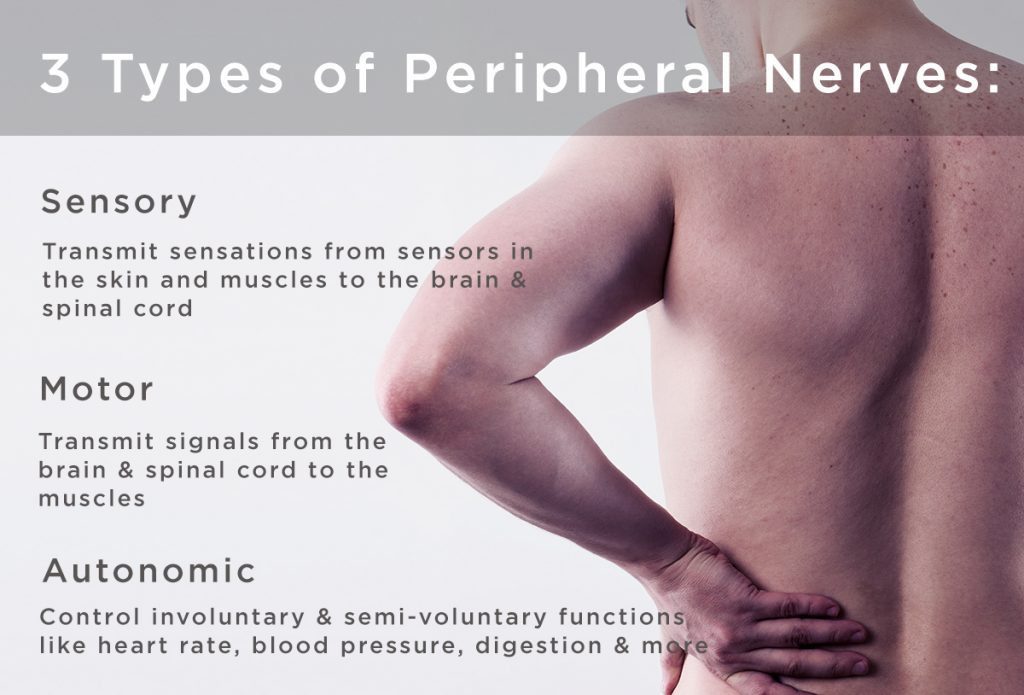
Almost everyone is well aware of what peripheral neuropathy means as well as its symptoms. However, many people will be surprised to know that tingling sensation, numbness and pain aren�t the only symptoms experienced by people with peripheral neuropathy. The symptoms of this condition are subjective to the type of nerve that is being affected. The three main types of nerves include motor, sensory and autonomic nerve; each having its own symptoms.
People diagnosed with diabetes must be very careful when it comes to taking all the necessary precautions of peripheral neuropathy. According to top researches, estimates of 70 percent of diabetic patients tend to develop one or more symptoms of neuropathy. While some of the medications may help improve the condition of neuropathy, many medications have the tendency to worsen the situation. Moreover, medications to treat other diseases like cancer are likely to cause nerve damage that leads to peripheral neuropathy.
It is essential for people with this condition to not take the simple symptoms like numbness lightly as it can cause some serious problems with time. For example, if you are feeling a sensation of numbness on your feet then you will not realize it if you even step on a broken glass. For this reason, you must never ignore even the simplest of the symptoms as it can lead to severe results. You must visit http://www.neuropathycure.org for more details.
Unfortunately, there is no treatment of peripheral neuropathy that can completely diminish the matter. The treatments of medication and therapy can only contain the symptoms as well as improve the condition so that the individual suffering can be relived from intense pain and agitation. For this reason, you must not get your hopes up with the prescribed medical treatment.
This entry was posted in Health.
The Four Big Myths About Neuropathy
Can you recall the first time you were told you might suffer from neuropathy?
Chances are unless you already knew someone who suffered from neuropathy � you didn�t know much about the condition. You�ve likely learned quite a bit about the condition since then � but you no doubt came across false or misleading information along the way.
The truth is, there are still a lot of misleading rumors and false information about neuropathy out there. In fact � you may be surprised to learn that some of the information you�ve picked up over the years may not be completely true.
I�ve encountered a number of half-truths and misleading facts over the years. While some are harmless, others can send you down the wrong path or prevent you from getting the best treatment for your nerve damage. To help dispel these myths, I�ve put together a list of four half-truths, misleading rumors, and other misconceptions about neuropathy that a lot of people still believe.
Myth #1 � Nerve Damage is Irreversible:
You may have been told at some point that your nerve damage is irreversible. The truth is, it largely depends on the cause and severity of your nerve damage. No one case is the same � but for many people, their nerve damage can in fact be slowed and even reversed. This is especially true for those suffering from diabetic neuropathy or nerve damage resulting from a vitamin B12 deficiency.
For those with diabetic neuropathy, managing blood sugar is the single most effective step one can take to both slow and reverse nerve damage. For those whose neuropathy was a result of a vitamin B12 deficiency, replenishing the body�s B12 reserves can both repair and regenerate damaged nerves.
Of course, those with diabetic neuropathy or a B12 deficiency aren�t the only ones who can hold on to the hope of reversing their nerve damage. With the right treatment, I�ve seen individuals with various different causes of their neuropathy experience nerve regeneration and a reduction (and even elimination) of their symptoms.
Myth #2 � Only people with diabetes develop neuropathy
While it�s true that around 70% of people with diabetes will also develop neuropathy, it isn�t the only cause of nerve damage. There are a number of other causes, affecting people from all walks of life. A list of known causes of neuropathy include:
There is no prescription medication on the market that �cures� neuropathy. In fact, many of the neuropathy drugs on the market today were originally intended for other medical conditions, such as epilepsy.
Rather than cure neuropathy, the prescription drugs on the market today are designed to mask the pain. They act as a volume knob, temporarily turning down the pain levels � but eventually wearing off. As such, the user never gets permanent, lasting relief.
Not only that, but some independent studies have shown most of the common neuropathy prescriptions on the market today to be �largely ineffective�. In one study published by the Cochrane Library in 2015, researchers found that only 1 in 10 patients taking anti-seizure medications for nerve pain experienced a reduction in pain. And of the 10% that did have a reduction in pain, the reduction was minimal.
Myth #4 � Tingling, Numbness and Shooting Pains Are the Only Symptoms of Neuropathy
While these are the most common symptoms associated with neuropathy, there are many other problems that can manifest themselves if you�re suffering from nerve damage. Depending on the type of nerves that have been damaged, your symptoms could range from tingling sensations in the hands or feet to heartburn or indigestion.
Your peripheral nervous system has three types of nerves: sensory, motor, and autonomic. Each has a different function and the symptoms of your nerve damage will vary depending on which of these nerve types was damaged. In some cases only one type of nerve may be damaged, while in others multiple nerve types may have been compromised.
Common Symptoms of Nerve Damage (based on nerve type):
Sensory:
Pins and needle-like pain (sharp, painful sensations)
Tingling or numbness
Extreme sensitivity to touch
Motor:
Loss of balance
Muscle weakness
Loss of muscle control (i.e. difficulty gripping things, difficulty walking)
Cramps or twitching
Autonomic:
Dizziness when standing
Abnormal heart rate
Shortness of breath
Excessive sweating
Lack of sweat
Digestive problems
Bladder problems
Vision Problems
While there are many other myths and misleading facts floating around out there � these are four of the ones I�ve encountered most often in my years helping people suffering from neuropathy. Some of them can be more harmful than others � depriving the person that has fallen for them of the real information that could make a difference in their life.
What myths or misleading information have you been told over the years � only to discover the truth later on?
IFM's Find A Practitioner tool is the largest referral network in Functional Medicine, created to help patients locate Functional Medicine practitioners anywhere in the world. IFM Certified Practitioners are listed first in the search results, given their extensive education in Functional Medicine