The concept that light energy from a laser can reduce inflammation and pain, hasten healing in damaged tissues, relax muscles, and stimulate nerve regeneration appears far fetched. Science, however, tells us these effects do happen.
“Power and wavelength ascertain the capability of the laser to penetrate into the body. Once you are in the infrared spectrum and above 800 nanometers in wavelength, laser energy penetrates like X-rays, but to attain depth you need substantial electricity or energy,� Dr. Bruce Coren told Spine Universe.
Two Categories Utilized in Physical Therapeutics
You can find just two groups of lasers being used in physical therapy; group 3 and 4. �Category 3 lasers are much less than 500 milliwatts, mw, in power while class 4 lasers are greater than 500 mw,� Dr. Coren said. Class 3 lasers are occasionally known as cold lasers, while the treatment may be called LLLT for low-level laser therapy. In contrast, class 4 laser treatment might be called HPLT for high power laser therapy.
�The majority of neuro-musculoskeletal conditions respond better to a higher power and a greater dosage, which will be a function of power output and time,� Dr. Coren commented. The best results are going to be obtained with a laser that’s 30 watts of power or more. A 10-minute treatment using a 30-watt laser will generate 18,000 joules, which gives a critical pain relieving, anti inflammatory and healing effect.�
Although 5 or more sessions may be required to solve the problem, patients usually begin to feel better after 1 or 2 treatments. � The more extensive the injury and the more chronic, the more treatments are usually needed,� he included.
Properties of High Power Laser Treatment
Pain Relief: Laser decreases nerve sensitivity by decreasing bradykinin; a pain generating compound. It normalizes ion channels, gatekeepers that are mobile, and releases endorphins, body�s natural pain reliever, and enkephalins, that is related to endorphins, that generate an analgesic effect. Additionally, it has a pain-blocking effect on specific nerve fibers. This increased energy accelerates the repair processes of the cell. Laser additionally causes a widening of the arteries and veins around the damage which really helps to remove damaged cellular debris and increase nutrients and oxygen. White blood cell activity is improved leading to a more fast repair process.
Gifted Tissue Repair and Cell Growth:�Photons of light from lasers penetrate deeply into tissue and accelerate cellular reproduction and growth. As a result of exposure to laser light, the cells of nerves, ligaments, tendons and muscles are repaired quicker.
Improved Vascular Action:�Laser light raises the formation of new capillaries in damaged tissue, which closes wounds quickly, and speeds up the healing process.
Cause and Acupuncture Points:�Laser is very effective in extinguishing painful trigger points. It’s likewise a highly effective method of stimulating acupuncture points with no distress related to needling.
Reduced Fibrous Tissue Formation:�Laser therapy reduces the formation of scar tissue following tissue damage from burns, cuts, scratches, repetitive motion injuries or surgery.
Faster Wound Healing: Collagen is the essential protein necessary to repair injuries or to replace old tissue. Because of this, the laser is effective on burns and open wounds. Laser raises the number of stem cells, which enhances healing.
Conditions Treated Where Laser Therapy is Administered
High power lasers are typically present in physical therapy clinics and chiropractic offices. Neck, back or joint pain generally responds immediately to laser therapy.
�Lasers are also rather powerful for inflammatory conditions, including peripheral neuropathy, tendonitis, bursitis, and capsulitis. Sprains, strains, and repetitive motion injuries all have an inflammatory component and may be successfully treated with laser,� he remarked. �There is no specific state that reacts more quickly to laser. Nonetheless, some patients will respond faster than others for precisely the same condition as individual healing rates can change.�
Laser therapy can be used as a stand-alone treatment, or with rehabilitative exercise therapy. �Rehabilitative exercises and laser therapy complement each other nicely,� explained Dr. Coren.
Precautions of Laser Therapy
There are a few precautions with laser treatment. Eye protection is required for both therapist and the patient, and laser must not be performed over malignancies, pacemakers, spinal stimulators or within the midsection of pregnant women.
Further Recommendations
High power laser treatment is just one of the quickest, most powerful modalities therapists now need to treat inflammation and pain. �Sadly, laser just isn’t covered by insurance, and high-power lasers could be difficult since they are high-priced to locate. Most importantly, results are reached by the quantity of energy produced, 18,000-30,000 joules per treatment being the sweet spot,� Dr. Coren reasoned.
The scope of our information is limited to chiropractic and spinal injuries and conditions. To discuss options on the subject matter, please feel free to ask Dr. Jimenez or contact us at 915-850-0900 . �
By Dr. Alex Jimenez
Additional Topics: Chiropractic and Sciatica
Sciatica is identified as a group of symptoms rather than a single injury or condition. Low back pain is common among a variety of individuals, but when symptoms of numbness and tingling sensations are accompanied with pain and discomfort, there may be unnecessary pressure being placed against the sciatic nerve. Sciatic nerve pain or sciatica can occur due to a variety of factors and chiropractic treatment can help relieve the symptoms. Chiropractic care is a safe and effective treatment option available for restoring the health of the spine and reducing sciatica symptoms.
Chiropractors think that good health is decided by way of a healthy nervous system, particularly a healthy spinal column. Sometimes, vertebrae become misaligned and put pressure on the nerves exiting the spinal cord. The misalignment of a vertebra is called a chiropractic subluxation.
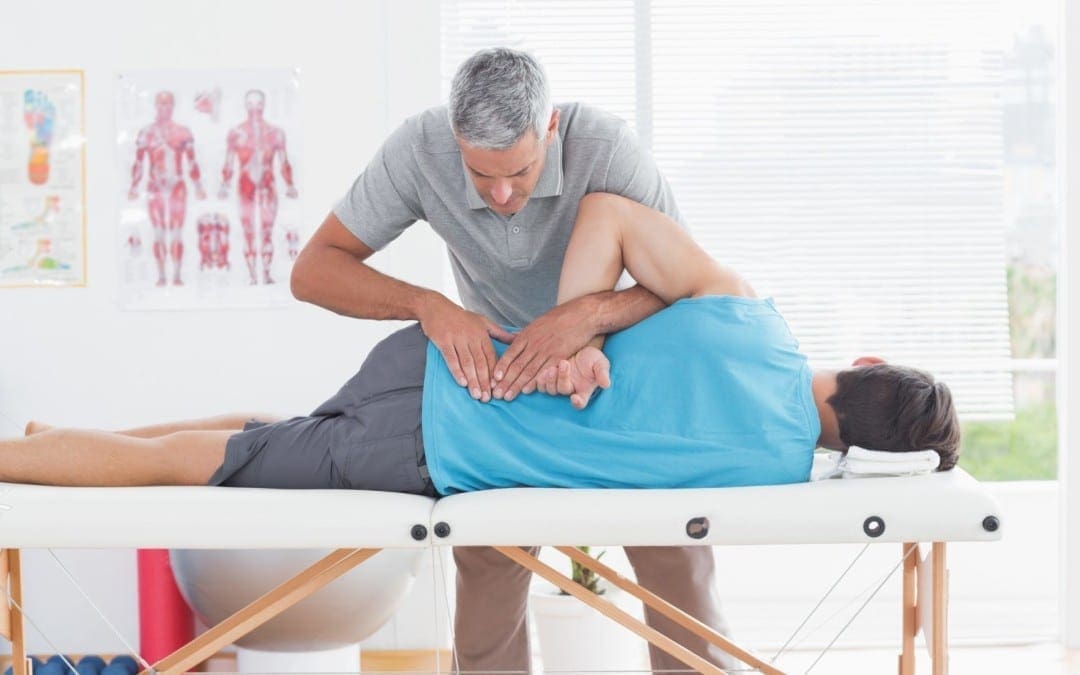
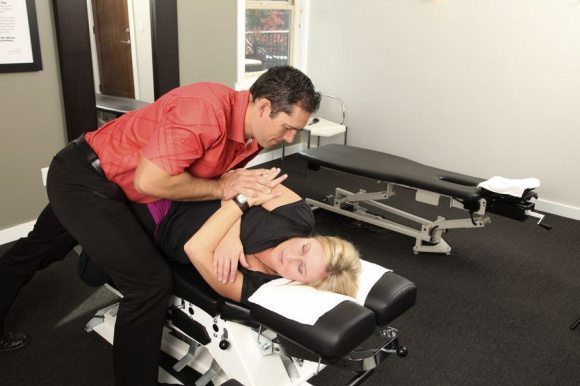
Chiropractors use specific methods to return the vertebrae in their proper locations or muster them to allow them to go freely when subluxations happen. These techniques are called spinal manipulations or adjustments. During an adjustment, the vertebra is freed in the misaligned location and returned to the right place in the spinal column. The adjustment permits the entire body to cure and preserve homeostasis once performed.
Chiropractors Are Trained In Many Different Adjustment Techniques
Some are done by hand; some necessitate using specialized instruments. Since each patient is different, your chiropractor will pick the best technique for the state. Nevertheless, don’t hesitate to ask the chiropractor which technique she or he will be doing and the way that it will be achieved.
Common Adjustment Techniques Employed By Chiropractors Are The Following:
Toggle Drop – this is when the chiropractor presses down firmly on a specific part of the back. Subsequently, using a drive that is precise and rapid, the chiropractor aligns the spine. This really is accomplished to enhance mobility in the vertebral joints.
Motion Palpation – this hand-on procedure is performed to determine in case your vertebrae are moving freely inside their normal planes of motion.
Lumbar Spin -the chiropractor positions the patient on her or his side, then implements a thrust that is quick and precise returning it to its proper place.
Release Work – the chiropractor applies gentle pressure using her or his fingertips to separate the vertebrae.
The chiropractor applies a quick thrust at once the table drops. The dropping of the table allows for a lighter adjustment without the twisting postures that can accompany the manual adaptation.
Instrument adjustments – of correcting the spinal column frequently the gentlest ways. The patient lies on the table while a string is used by the chiropractor face down – filled activator instrument to do the adjustment. This technique is frequently used to perform adjustments on creatures too.
Manipulation done under anesthesia (or twilight sedation) – this is performed by a chiropractor certified in this technique in a hospital outpatient setting when you’re unresponsive to traditional adjustments
Keep in mind that before you experience complete relief out of your symptoms you may really need to go back to the chiropractor’s office for additional adjustments.
I have been travelling through Athens and now Istanbul. My 11 year old is a Percy Jackson nut and has been filling me in with the who’s who of Greek mythology and I am learning Latin words every day. Quite an education!
I looked up the word syndesmosis and the Latin translation is “(New Latin, from Greek sundesmos) bond, ligament, from sundein, meaning to bind together”. As sports injury professionals, we know syndesmosis to be the joint articulation between the tibia and the fibula bones around the ankle. These two bones are �bound’ together with very firm and strong ligaments.
Syndesmosis comes to mind after I saw a girl sprain a syndesmosis at the Archaeological Museum in Istanbul today. This poor girl was preoccupied by the hundreds of cats and kittens running all over the place and did not see the uneven cobblestones on which she placed her foot. At the same time, she turned to change direction. This is a common mechanism of injury for a syndesmosis – a forced dorsiflexion and rotation on a fixed foot.
Rehab Masterclass Issue 140 Of Sports Injury Bulletin
Of all the ankle injuries, injury to the syndesmosis is the biggest pest to sports physios and the like. And unlike simple garden variety ankle sprains that heal quickly, the syndesmosis takes a LONG time to heal properly. If you deal with athletes that are susceptible to syndesmosis sprains, I’m sure you will agree that these are harder injuries to manage because of the severe consequences if done badly.
I go into a fair bit of detail in my Sports Injury Bulletin piece about syndesmosis injuries, detailing how they happen, how to identify them and then manage them. What I would like to highlight here are the implications of mismanaging a syndesmosis sprain.
In the current issue of The Journal of Sports and Physical Therapy, a group of Japanese researchers discovered that individuals who had chronic ankle instability (CAI) had a distal fibula that was positioned more lateral compared with healthy individuals with no CAI. In effect, those who had suffered serious syndesmosis injuries in the past and ended up with a wider distance between the fibula and the tibia, suffered more ongoing ankle pain than those without a tibfib separation.
Research shows that even a 1mm displacement of the talus within the mortise (due to a wider placed fibula) can reduce the contact area in the talocrural joint by 42% (Ramsey and Hamilton 1976). Mismanaged syndesmosis injuries, resulting in an excessive amount of opening, can lead to early onset arthritic changes and chronic ankle instability. The talus bone bounces around in the now wider tibfib articulation.
A Widening Of The Fibula Is Due To One Of The Following:
Poor initial management, whereby the athlete is allowed to weight bear too early and this weight bearing forces the fibula away from the tibia as the syndesmosis ligaments are trying to heal.
The degree of damage is so severe that proper tightening of these ligaments is not possible without surgical intervention such as a screw or similar being placed between the two bones to �force’ them together.
The key for a sports injury practitioner, is to properly identify a regular ankle sprain from a more serious syndesmosis injury. If you get this part wrong and allow the athlete to get back to weight bearing too early, then expect some complaints about a chronically painful ankle some time down the track.
Call Today!
Kobayashi et al (2014). �Fibular malalignment in individuals with chronic ankle instability.’ JOPST. 44(11); pp 841-910.
Ramsey and Hamilton (1976). J Bone and J Surgery Am. 58(3); 356-357.
Sciatica is commonly characterized as mild to severe pain which radiates along a single or both legs, caused by the impingement or compression of the nerve roots in the lower back. Various types of injuries or conditions affecting the lumbar spine can result in symptoms of sciatica.
Sciatica is often referred to as radiculopathy, a medical term utilized to describe symptoms of pain, tingling sensations, numbness and weakness in the arms or legs as a result of nerve complications. If the nerve issues occur along the neck, it’s called a cervical radiculopathy. Because sciatica affects the lower back, however, it is called a lumbar radiculopathy.
Beginning at the back of the pelvis, or sacrum, the sciatic nerve is paired with five sets of nerve roots which then runs from the lower back, under the buttocks and down through the area of the hips and into each leg. Nerve roots are a great part of the body’s entire nervous system, functioning by transmitting pain and sensation to the different parts of the body. Radiculopathy can frequently develop when pressure is applied to the nerve roots as a result of an injury or condition, such as a herniated disc or a bone spur in the lumbar spine.
Causes of Sciatic Nerve Pain
An array of spinal injuries or conditions can cause sciatic nerve pain or sciatica. The 6 most common include:
a bulging or herniated disc
lumbar spinal stenosis
spondylolisthesis
trauma or injury
piriformis syndrome
spinal tumors
Lumbar Bulging Disc or Herniated Disc
A bulging disc along the lumbar region of the spine is identified as a contained disc disorder. This occurs when the gel-like center of an intervertebral disc, known as the nucleus pulposus, remains contained within the tire-like outer wall of the disc, known as the annulus fibrosus.
A herniated disc occurs when the nucleus pulposus ruptures through the annulus fibrosus and it is identified as a non-contained disc disorder. Regardless if an intervertebral disc bulges or herniates, the structures of the disc can add pressure against the adjacent nerve roots, compressing nerve tissue which can lead to symptoms of sciatica.
However, the complications associated with a herniated or ruptured disc can be worse. While a herniated disc can cause the impingement or compression of the sciatic nerve and its nerve roots, the substance released by the disc itself is made up of hyaluronic acid, a chemical irritant which can also cause inflammation along the structures surrounding the disorder. Nerve compression or impingement, followed by pain and inflammation can often lead to tingling sensations, numbness and muscle weakness along the extremities.
Lumbar Spinal Stenosis
Spinal stenosis is a nerve compression disorder which most commonly affects older adults. When spinal stenosis develops along the region of the lumbar spine, it could cause symptoms similar to sciatica. Generally, the pain associated with the disorder will manifest due to physical activities, such as standing or walking, and it can be relieved by sitting down or resting.
Nerve roots found along the spine branch out from the spinal cord through passageways consisting of bone and ligaments known as the neural foramina. Located on the left and right sides and between each set of vertebrae, is the foramen. The nerve roots pass through these openings and extend outward beyond the spine and through to other parts of the body. However, when these passageways become narrow or clogged, leading to the impingement or compression of the nerves, it’s referred to as foraminal stenosis.
Spondylolisthesis
Spondylolisthesis is a disorder characterized when a single vertebra in the spine slips forward over an adjacent vertebra. When a vertebra is displaced, it could ultimately lead to the compression of the spinal nerve roots, causing symptoms of sciatica. Spondylolisthesis is considered a developmental disorder, meaning it is found at birth and may develop during childhood, although it can also occur due to the degeneration of the structures of the spine, due to trauma from and injury or as a result of physical stress from lifting weights.
Trauma or Injury
Sciatica can also be caused as a result of direct compression or impingement of the nerves due to direct trauma or injury to the tissues and other structures surrounding the lumbar or sacral region of the spine. These circumstances include: automobile accident injuries, slip and falls, and/or sports injuries from contact sports such as football. The force of a direct impact can damage or injure the nerves and, occasionally, fragments of broken bones may also add pressure to the complex network of nerve roots along the spine.
Piriformis Syndrome
Piriformis syndrome is identified by the painful symptoms which manifest when the piriformis muscle irritates the sciatic nerve. The piriformis muscle is located along the lower region of the spine, where it connects to the thighbone and provides the function of rotation to the hip. The sciatic nerve runs beneath the piriformis muscle. Piriformis syndrome occurs when the piriformis muscle spasms, adding pressure against the sciatic nerve. This syndrome can often be difficult to both diagnose and treat due to the lack of X-ray or MRI findings.
Spinal Tumors
Although rare, spinal tumors are abnormal growths which can be either benign or malignant, cancerous. When a spinal tumor develops along the lumbar region of the spine, there’s a risk that it could potentially cause the impingement or compression of the nerve roots, leading to symptoms of sciatica. If you believe you may have sciatica, contact your healthcare specialist. The first step toward relieving pain is a proper diagnosis.
The scope of our information is limited to chiropractic and spinal injuries and conditions. To discuss options on the subject matter, please feel free to ask Dr. Jimenez or contact us at 915-850-0900 .�
By Dr. Alex Jimenez
Additional Topics: Chiropractic and Sciatica
Sciatica is identified as a group of symptoms rather than a single injury or condition. Low back pain is common among a variety of individuals, but when symptoms of numbness and tingling sensations are accompanied with pain and discomfort, there may be unnecessary pressure being placed against the sciatic nerve. Sciatic nerve pain or sciatica can occur due to a variety of factors and chiropractic treatment can help relieve the symptoms. Chiropractic care is a safe and effective treatment option available for restoring the health of the spine and reducing sciatica symptoms.
Wondering exactly how much protein you should be consuming each day?�The Recommended Dietary Allowance (RDA), which is the minimum amount you need to be healthy, is 0.8 grams per kilogram (0.36 grams per pound) of body weight per day�46 grams for an average woman. That equals as little as 10% of daily calories. If you’re not super active, that’s likely adequate, and you’ll hit the target effortlessly if you follow a typical Western diet.
To get your personal protein “RDA,” multiple the number 0.36 by your weight in pounds. (For a sedentary 150-pound woman, that would be 54 grams.) Double it if you’re very active or aiming for “optimal protein,” which can help you maintain muscle as you age and support weight loss.
American women already eat about 68 grams a day, according to the latest data from the National Health and Nutrition Examination Survey. “There’s no reason to go out of your way to get protein,” says Dariush Mozaffarian, MD, dean of the Tufts Friedman School of Nutrition Science & Policy. “Just eat a variety of fish, nuts, beans, seeds, and dairy, including yogurt.”�However, increasing your protein well above the RDA may make sense if…
That means getting at least 35 to 40 minutes of moderate exercise four or five days a week, including resistance training two or more times a week. Consider eating 1.2 to 2 grams of dietary protein per kilogram (or about 0.5 to 0.9 grams per pound) of body weight each day, says Nancy Rodriguez, PhD, professor of nutritional sciences at the University of Connecticut. That amount is best for rebuilding muscle tissue, especially if you do a lot of high-intensity workouts, research suggests.
Protein takes longer to digest than carbs, helping you feel full, and also pushes your body to secrete the gut hormone peptide YY, which reduces hunger. “When you bring protein to about 30% of your daily calories, you’ll naturally eat less,” says Lauren Slayton, RD, founder of Foodtrainers, a nutrition practice in New York City, and author of The Little Book of Thin. “Protein decreases appetite and also, in my experience, helps you manage cravings.”
While studies are mixed about whether consuming more protein leads to weight loss, research is pretty clear that protein can help you retain more of your lean muscle as you lose fat. One 2011 study suggests amping up protein to as much as 1.8 to 2 grams per kilogram (roughly 0.8 to 0.9 grams per pound) of body weight per day to stave off muscle loss when restricting calories. Cut back on refined carbs to balance out the extra calories from adding protein.
Eating more protein as you get older may help you maintain muscle and ward off osteoporosis, “so you can stay stronger and more functional,” says Rodriguez. In a 2015 study, adults over the age of 50 who roughly doubled the RDA (eating 1.5 grams of protein per kilogram, or 0.68 grams per pound, of body weight) were better able to rebuild and retain muscle after only four days, compared with control groups eating the RDA.
Doubling the RDA gives you “optimal protein,” a concept that Rodriguez and more than 40 nutrition scientists advanced at a recent Protein Summit, the findings from which were published in 2015 in The American Journal of Clinical Nutrition. Optimal protein works out to be about 15% to 25% of your daily calories, still below the level recommended by many popular high-protein diets. Over a day, that could look like 20-30 grams per meal and 12 to 15 grams per snack, for a total of 90 to 105 grams daily.
A pain medicine specialist is a medical or osteopathic doctor who treats pain due to disease, ailment, or injury. Many of these doctors are physiatrists or anesthesiologists although called interventional pain management specialists or pain medicine. Pain medicine is a mutlidisciplinary team effort generally affecting specialists in other disciplines, complimentary alternative medicine, along with radiology, psychiatry, psychology, oncology, nursing, physical therapy, and the patient’s primary care physician or other treating doctor.
Education & Training
After graduating medical school and completing a one-year internship, the physician enters a residency program normally in physical or anesthesiology medicine but sometimes from other fields like psychiatry and neurology. Upon conclusion of a residency program (typically 3 years long), the physician completes a one-year fellowship for advanced training in pain medicine.
Many pain medicine specialists are board certified. The organizations that board certify physiatrists, anesthesiologists, neurologists, and psychiatrists all collaborate to provide the board examination for the subspecialty of Pain Medicine. You can find numerous opportunities for pain management specialists to remain current with medical and technical improvements in pain medicine, such as scientific journals and society meetings.
Targets of Pain Management
The goal of pain medicine is to handle severe or long-term pain by reducing intensity and pain frequency. Besides addressing pain problems, a multidisciplinary pain management program may address your functional goals for activities of day-to-day living. Overall, a pain medicine plan aims to give you a feeling of well-being, increase your level of action (including return to work), and reduce or eliminate your reliance on drugs.
Many Kinds of Pain Treated
Pain medicine specialists treat all sorts of pain. Severe pain is described sharp or as acute and may indicate something is wrong. The pain experienced during dental work is an instance of intense pain. Pain lasting 6 months or longer is defined as chronic. This type of pain varies from mild to serious and is consistent. Spinal arthritis (spondylosis) pain is frequently chronic. A good consequence is produced by uniting different treatments regularly although chronic pain is difficult to handle.
Degenerative disc disease
Facet joint pain
Sciatica
Cervical and lumbar spinal stenosis
Spondylolisthesis
Whiplash
What to Anticipate During an Appointment
Your appointment with a pain or interventional pain management practitioner is much like other doctor visits. Although there are many similarities, the focus is fast managing it, and on your pain, the cause or contributing factors.
Pain medicine physicians execute a physical and neurological examination, and review your medical history paying particular focus on pain history. You may be asked many questions about your pain
On a scale from zero to 10, with 10 being the worse pain imaginable, speed your pain.
When did pain start? When pain started, what were you doing?
Does pain disperse into other regions of the body?
Is its intensity persistent, or is it worse at different times of night or the day?
What really helps to alleviate the pain? Why is pain worse?
What treatments have you ever attempted? What worked? What failed?
Would you take over the counter drugs, vitamins, or herbal nutritional supplements?
Does one take prescription medication? If so, what, how much, and how frequently?
Most pain medicine specialists utilize a standardized drawing of the front/back of the body to let you mark where pain is sensed, as well as indicate pain spread and type (eg, light, sharp). You may be asked to complete the form each time you see with the pain physician. The finished drawing helps you to evaluate your treatment progress.
Accurate Analysis Key to Treatment
Pain medicine includes diagnosing origin or the cause of pain. Making the proper identification may include getting an X ray, CT scan, or MRI study to verify the reason for your neck pr back pain. When treating spine-associated pain (which may include arm or leg symptoms), other tests, like discography, bone scans, nerve studies (electromyography, nerve conduction study), and myelography could possibly be performed. The proper analysis is crucial to some favorable treatment plan.
Some spinal ailments and pain treatment requires involvement of other specialists, such as your primary care physician, neurosurgeon, orthopaedic surgeon, and practitioners in radiology, psychiatry, psychology, oncology, nursing, physical therapy, and complimentary alternative medicine. The pain medicine specialist may consult with and/or refer you to a neurosurgeon or orthopaedic spine surgeon to determine if your pain difficulty necessitates back operation.
IFM's Find A Practitioner tool is the largest referral network in Functional Medicine, created to help patients locate Functional Medicine practitioners anywhere in the world. IFM Certified Practitioners are listed first in the search results, given their extensive education in Functional Medicine