Back Clinic Chiropractic. This is a form of alternative treatment that focuses on the diagnosis and treatment of various musculoskeletal injuries and conditions, especially those associated with the spine. Dr. Alex Jimenez discusses how spinal adjustments and manual manipulations regularly can greatly help both improve and eliminate many symptoms that could be causing discomfort to the individual. Chiropractors believe among the main reasons for pain and disease are the vertebrae’s misalignment in the spinal column (this is known as a chiropractic subluxation).
Through the usage of manual detection (or palpation), carefully applied pressure, massage, and manual manipulation of the vertebrae and joints (called adjustments), chiropractors can alleviate pressure and irritation on the nerves, restore joint mobility, and help return the body’s homeostasis. From subluxations, or spinal misalignments, to sciatica, a set of symptoms along the sciatic nerve caused by nerve impingement, chiropractic care can gradually restore the individual’s natural state of being. Dr. Jimenez compiles a group of concepts on chiropractic to best educate individuals on the variety of injuries and conditions affecting the human body.
Doctor of Chiropractic, Dr. Alexander Jimenez looks at high heels at what they do to the back.
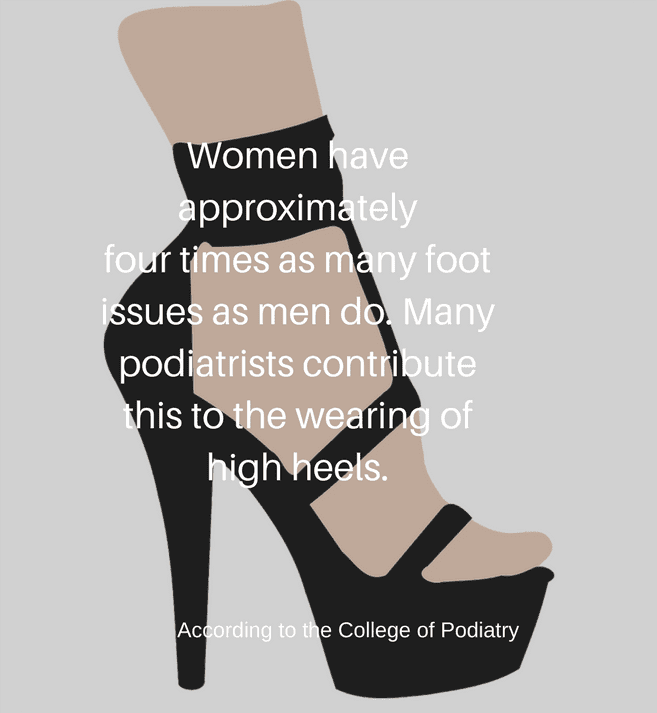
Ladies, ever wonder why you suffer from regular bouts of lower back pain?� Achy hips?� How about crazy tight leg muscles?� Don�t blame it on your cycling class, or too many squats or, the trainer you only see once or twice a week.� Look down.� Are you wearing high heels?� Bingo!� You�ve heard high heels are bad for you.� But it�s not just because they cause all kinds of pain and trauma to your feet.� High heels are also messing up your physical fitness. �They throw you out of proper postural alignment causing your joints and spine to take on more�wear and tear, which means aches and pains.
Is it possible to still look rockin� and save your joints? �My suggestion is more Athleisure-wear. �I know some fashion hard-liners say, no way will I walk around in yoga pants on a weekday!� But we�ve come a long way since those flare-leg, fold-over yoga pants.
Let�s chat for a moment about the evils of high heels.
First there�s the obvious.� They make your feet hurt.� Blisters, calluses and swelling are par for the course.� And pointy toes, fuhgeddaboutit!� I�m sure they were invented by someone on the Marquis de Sade�s payroll.� Second, they can lead to foot injuries like plantar fasciitis (usually from a bone spur that makes your heels hurt), hammertoes, bunions, and neuromas.� �Then there�s the domino effect.
Not only do high heels make your feet hurt, but problems with the feet can travel up the leg and cause injuries in the back, knees and hips. �Your knees take on extra pressure from the weight being pushed forward onto the balls of the feet. �Walking in this position makes your hip flexors and calf muscles short and tight. �And it doesn�t stop there.� Back problems are incredibly common in women who don�t give up their high heels.
Back Problems are incredibly common in women who don�t give up their high heels
Here�s why:
ext”>
Postural changes:�The S-curve of your spine has cushiony discs in between the vertebrae that act as a shock absorbers to protect them from stress. Like when you�re bending or jumping. �Wearing heels causes the lower back to arch more than normal because the body weight is pushed forward.� To compensate, the upper body has to lean back to maintain balance.� This puts extra stress on the discs. ��Spending hours with your body in funky alignment can lead to muscle spasms and back pain. �Tight hamstring muscles, which�attach to back of the pelvis and lower back, can also make your back ache.
Anatomical changes: Wearing high heels on a daily, or very regular basis, over years, can actually cause anatomical changes to your body.� In addition to the extra strain on your back and knees, the calf muscles can also shorten and the tendons can get tighter and thicker.
And It Can Get Even Nastier If You Get One Of These Spine Injuries:
Spondylolisthesis: it�s a mouthful, but is a common injury that can happen in the lower back from too much hyperextension (arching the back).� It�s when one vertebra slips forward over another.
Foraminal stenosis: I have this one congenitally and it sucks. This is a spine and nerve issue that occurs when anatomical abnormalities reduce the spaces the nerves travel through as they exit the spinal column.� The spaces are called foramina, and when they get blocked, the nerves get squeezed.� The pain can radiate through the buttocks and down the legs.� Symptoms are shooting pains, numbness, tingling, muscle weakness, spasms and, or cramping.
Sciatica:�The sciatic nerve is the longest one in the body. �It runs from the bottom of the lumbar spine all the ways down the legs. �When the sciatic nerve gets compressed it causes radiating pain, tingling, numbness and muscle weakness down the leg and can The pain can travel all the way to the bottom of the foot.
What Can You Do? �My Case for Athleisure-Wear To Combat Back Pain
It�s time for stuffy office attire to retire. �Comfy clothes and flat shoes can be very chic. �Have you seen the boards on Pinterest?� Thanks to this hopefully permanent fashion style, my jeans and heels spend more time in my closet than on my body.� Leggings and cute kicks are my go to�s.� Night out?� No prob.� I reach for my sleek workout leggings, a ruched top or off the shoulder top with some high heel sneaks (they�re wedges so not nearly as bad for you). �I also discovered these by Bluprint which I put to the test at 2 huge conventions where I walking and standing for hours on end.� The soles made of memory foam � like those beds!
My podiatrist friend, Steven Rosenberg, DPM has been preaching the need for comfy shoes to his female clients for years. �(Fortunately for his practice, not everyone listens!) �Dr. Steve says, wearing shoes designed more for comfort can help you live more pain-free. ��Because comfort shoes are made of�soft cushiony materials�with soft foam innersoles, those are what you should turn to for shopping, walking or standing for long periods of time to avoid�blisters, muscle spasms or arch cramps.� � He also says to check for arch support in your shoes. �If there�s none, you can buy ones to put inside.
Even after reading this, you may still not be willing to give up high heels for good. �Me either.� I still get glammed up once in a while.
Here Are Some Tips For When You Must:
Wear them for as little time as possible.
Try to opt for heels around 2� high
Steer clear of pointy toes.
Buy shoes with leather insoles to so your foot doesn�t slide.
Buy arch inserts or use orthotics to support your arches.
Vary your footwear so you�re not wearing high heels every day.
Gradual or lower slopes are a little better, go for platforms or wedges instead of stilettos
Thicker heels are better than spiky heels
Stretch and strengthen the overworked muscles.
Here�s How:
Stretch your leg muscles and hip flexors before and after wearing heels.� For the calves, stand on a step and let one heel hang down until you feel a stretch.
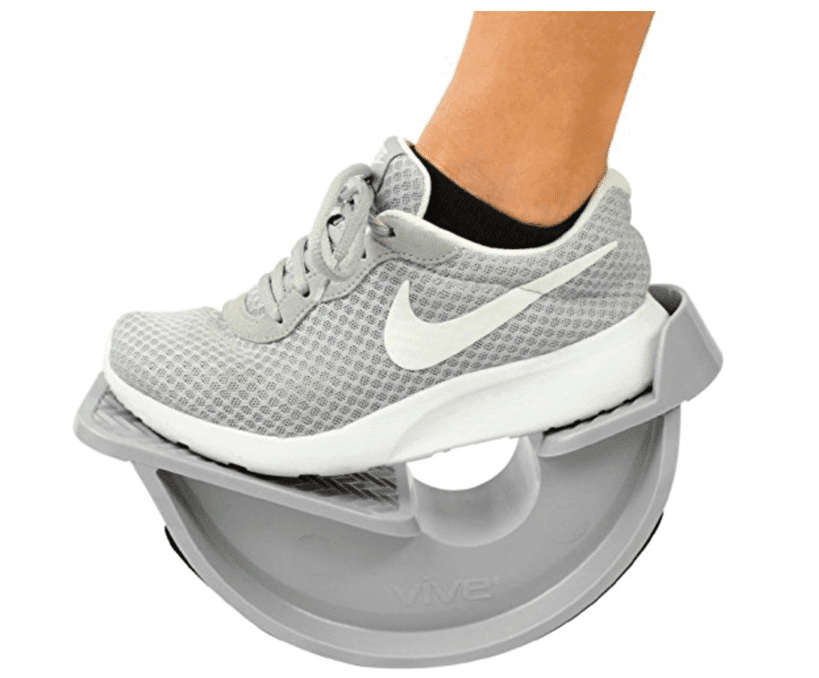
Try this convenient device, the foot rocker by Vive.� It stretches the calf and the sole of the foot relieving pain from plantar fasciitis.
Front of the hip and thigh stretch for before and after wearing high heels
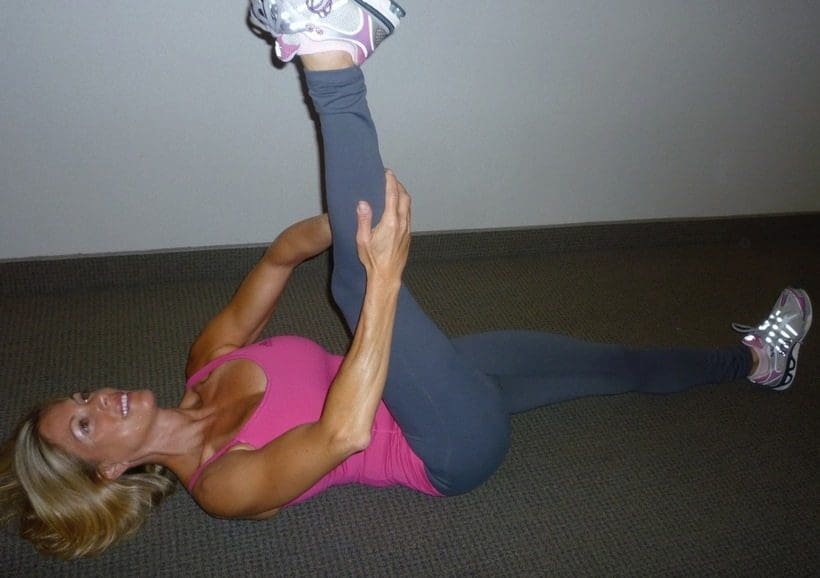
Hamstring stretch for before and after wearing high heels
Massage and stretch the muscles in the soles of your feet.� Roll your foot on a golf ball before and after wearing heels and, get regular foot massages.
Strengthen and increase the range of motion in your ankles and feet.� Put a rag on the floor.� Using your foot, write the letters of the alphabet.� Also put a bunch of marbles on the floor.� Pick one or a few of them up using just your foot.� Put them down about 6 inches away without lifting your foot off the floor.� Try that 10 times.� If you don�t have marbles, you can do it with a hand towel.
So next time you�re shopping for shoes, think about your foot fitness first. �Look for fashion that keeps you closer to the ground and that will hopefully keep you farther away from the doctor.
Doctor of Chiropractic, Dr. Alex Jimenez examines Tiger Woods’ and his latest back surgery.
We have a look at Tiger Woods’ extensive history of injuries during his career. USA TODAY Sports
Tiger Woods Won�t Be Back For Some Time
Woods, that has made just three starts in a couple of years, likely won�t play again this year after he’d his back surgery that is fourth in Texas. The latest procedure alleviated pain in his back and leg, Woods announced on his web site Thursday.
That I’m confident this will relieve my back spasms and pain, and The operation went well,� Woods said in a statement. When fixed, �, I anticipate playing with my kids getting back to a normal life, competing in professional golf and living without the pain I’ve been fighting so long.�
Woods, who also has had four surgeries on his left knee, first had surgery on his back and then had two procedures in the autumn of 2015.
According to his statement, a disc in Woods back seriously narrowed because of causing sciatica, the three surgeries and severe back and leg pain. During the recent operation, the damaged disc was removed and the collapsed disc space was elevated to levels that were regular. The goal is to relieve the pressure on the nerve, the statement said. The procedure was performed by Dr. Richard Guyer of the Centre for Disc Replacement at the Texas Back Institute.
A Look At Tiger Woods’ Injury History
RELATED:
About playing on Champions Tour, Tiger Woods jokes around
Woods, 41, last played in February, where he shot a birdie-free 77 in the very first round before removing. Where he missed the cut his only other start was in the Farmers Insurance Open the week prior.
His only appearance on the golf course in 2016 arrived at the Hero World Challenge in December. While he finished 15th in the 17-man field, he tied for the tournament lead in birdies (24), seemed healthy and upbeat.
Before beginning therapy, he will be resting for several weeks. The recovery interval is usually about half a year. That would mean Woods, a winner of 14 major tournaments and 79 PGA Tour titles, won�t play in any of the four majors for a second straight year. He is now rated No. 788 in the world.
Woods is in good spirits after the surgery, said his agent, Mark Steinberg.
USA TODAY Sports, he believes somewhat that the large weight was lifted off his shoulders,� Steinberg told. �The three previous operations were somewhat temporary repairs. But it got to the point where the pain was more common and this latest surgery was something he had to do.�
Steinberg said Woods decided to take a conservative approach along with his back previously three years with his difficulties. That alternative wasn�t accessible this time.
�This just isn’t a temporary repair,� Steinberg said. � his physicians proposed him that this is the top path to a healthy, energetic lifestyle. He and his children were playing but he was in so much pain.
�Now he �ll possess a healthy life without pain.�
One, Steinberg said, that can include playing golf.
�Entirely,� Steinberg said. �He desires to get out (on the PGA Tour) again.�
Woods� last public appearance ahead of the operation was Tuesday in Hollister, Missouri, where he pronounced he�s designing his first public golf course. The course will probably be called Payne’s Valley in honor of Missouri native Payne Stewart. Woods is a partner on the project with CEO Johnny Morris and Bass Pro Shops founder.
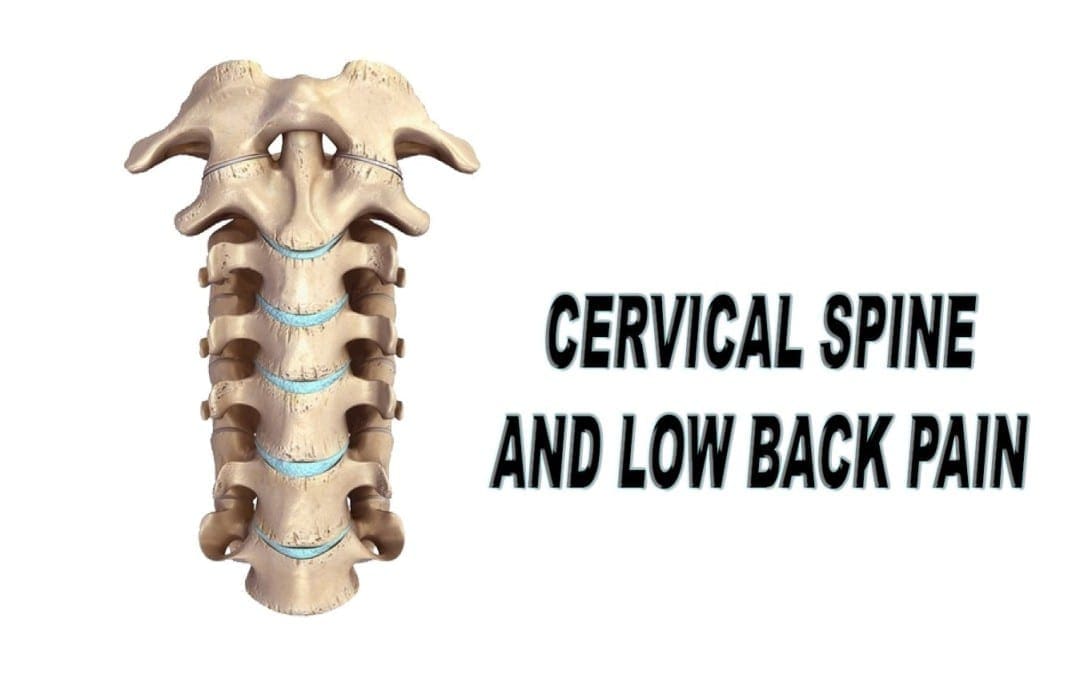
Doctor of Chiropractic, Dr. Alexander Jimenez looks at the cervical spine and low back pain.
Low back pain and leg pain are the most common cause of disability worldwide. As such new research based treatment approaches are needed. This new randomized trial by BCP Non-profit and Cairo University tested the ability of the cervical Denneroll orthotic to improve cervical spine curvature and its consequent effect on low back and leg pain. Great short term results were found where patients receiving the cervical spine Denneroll improved with low back pain, leg pain, neurological outcomes and disability compared to a PT only interventional group.
Surgery is a common approach to treat carpal tunnel syndrome. But, physical therapy may work just as well, a new study indicates.
Researchers found that physical therapy improved hand and wrist function and reduced pain as effectively as a standard operation for the condition. Moreover, after one month, physical therapy patients reported better results than those who underwent surgery.
“We believe that physical therapy should be the first therapeutic option for almost all patients with this condition,” said lead study author Cesar Fernandez de las Penas. “If conservative treatment fails, then surgery would be the next option,” said de las Penas, a professor of physical therapy at King Juan Carlos University in Alcorcon, Spain.
Also, one extra benefit of therapy over surgery may be cost savings, he noted.
Treatments for Carpal Tunnel Syndrome
Carpal tunnel syndrome occurs when the median nerve, which runs from the forearm into the palm of the hand, becomes squeezed at the wrist. It often arises from repetitive motions required for work, such as computer use or assembly line work. Symptoms usually start gradually, with patients noticing numbness and weakness in the hand and wrist.
Surgery for the condition generally involves cutting a ligament around the wrist to reduce pressure on the median nerve, according to the U.S. National Institutes of Health.
Results of Physical Therapy vs Surgery
For this study, de las Penas and his colleagues followed 100 women from Madrid who had carpal tunnel syndrome. Half were treated with physical therapy and half underwent surgery.
For three weeks, the therapy patients received weekly half-hour manual therapy sessions — meaning therapists only used their hands. The therapists focused on the neck and the median nerve. They also applied manual physical therapy to the shoulder, elbow, forearm, wrist and fingers. On their own, patients performed neck-stretching exercises at home.
After one month, the therapy group reported greater daily function and greater “pinch strength” between the thumb and forefinger compared to the surgery patients. After three, six and 12 months, however, improvements were similar in both groups. All participants experienced similar reductions in pain.
Study co-author Joshua Cleland is a professor with the physical therapy program at Franklin Pierce University in Rindge, N.H. “Manual physical therapy may be just as beneficial in improving function and symptom severity as surgery despite the severity of their condition,” he said, noting that 38 percent of those in the therapy group had “severe” carpal tunnel syndrome.
“These manual physical therapy techniques are commonly used here in the United States as well and should become a standard of practice for physical therapists working with patients who have carpal tunnel syndrome,” Cleland said.
Dr. Daniel Polatsch is co-director of the New York Hand and Wrist Center at Lenox Hill Hospital in New York City. He treats several hundred cases of carpal tunnel syndrome each year, of which 15 to 20 percent require surgery. Treatment should be decided on a case-by-case basis, Polatsch said. Mild cases may be treated with conservative approaches that can include splinting, injections, therapy and activity modification, he added.
“Surgery is necessary when there is muscle weakness or atrophy from the nerve being compressed at the wrist,” he said.
Polatsch added that this type of surgery is generally safe and effective.
Still, operations can have complications, said Cleland. He cited a previous research finding that “approximately 25 percent of individuals undergoing surgery for carpal tunnel syndrome experience treatment failure with half of those requiring an additional surgical procedure.”
According to the researchers, almost half of all work-related injuries are linked to carpal tunnel syndrome. And, more than one-third who undergo surgery for the condition are not back at work eight weeks later.
Because this was a small study focusing only on women, the study authors said that future studies need to examine men.
The study results were published in the March issue of the Journal of Orthopaedic & Sports Physical Therapy.
SOURCES: Cesar Fernandez de las Penas, P.T., Ph.D., professor, physical therapy, King Juan Carlos University, Alcorcon, Spain; Joshua Cleland, P.T., Ph.D., professor, physical therapy program, Franklin Pierce University, Rindge, N.H.; Daniel Polatsch, M.D., co-director, New York Hand and Wrist Center, Lenox Hill Hospital, New York City; March 2017, Journal of Orthopaedic & Sports Physical Therapy
The scope of our information is limited to chiropractic and spinal injuries and conditions. To discuss options on the subject matter, please feel free to ask Dr. Jimenez or contact us at 915-850-0900 .
Additional Topics: Chiropractic and Carpal Tunnel Syndrome
Carpal tunnel syndrome, which occurs when the median nerve, found between the forearm and the palm of the hand, becomes compressed at the wrist, can be treated in a variety of ways, including physical therapy and even surgery. New research has also determined that chiropractic care can be effective towards treating carpal tunnel syndrome and its symptoms. Chiropractor utilize manual manipulations to relieve the painful symptoms.
Patients who go straight home from the hospital following hip or knee replacement surgery recover as well as, or better than, those who first go to a rehabilitation center, new research indicates.
And that includes those who live alone without family or friends, one of three studies shows.
“We can say with confidence that recovering independently at home does not put patients at increased risk for complications or hardship, and the vast majority of patients were satisfied,” said that study’s co-author, Dr. William Hozack. He is an orthopaedic surgery professor with the Rothman Institute at the Thomas Jefferson University Medical School in Philadelphia.
Hozack noted that while in the past it was “not uncommon for patients to enter a rehabilitation facility in order to receive additional physical therapy,” most patients today do not end up going to a secondary facility. In fact, roughly 90 percent of Hozack’s joint replacement patients are discharged directly home following surgery, he said. “Considerable evidence has now shown that most patients do just as well at home,” he noted.
Hozack and his colleagues are scheduled to present their findings in San Diego at a meeting of the American Academy of Orthopaedic Surgeons (AAOS).
Home Recovery Following Surgery
Two other studies being presented at the meeting also found that recovering at home may be the better option.
One study found that patients who are discharged directly home following a total knee replacement face a lower risk for complications and hospital readmission than those who first go to an inpatient rehab facility. The study was led by Dr. Alexander McLawhorn, an orthopaedic hip and knee surgeon at the Hospital for Special Surgery in New York City.
McLawhorn was also part of a second Hospital for Special Surgery study, led by Michael Fu. That study found that hip replacement patients admitted to an inpatient facility rather than being sent home faced a higher risk for respiratory, wound and urinary complications, and a higher risk for hospital readmission and death.
Dr. Claudette Lajam is chief orthopaedic safety officer with NYU Langone Orthopaedics in New York City. She was not involved with the studies, but agrees that home recovery is the best option for most patients.
“The home setting is the single best way to get people back into their routines as quickly as possible after surgery,” she said. “In some cases, this cannot be done,” Lajam acknowledged. “Some patients live in settings that are inaccessible, [such as] a 5th-floor walk-up apartment where the patient would need to go downstairs to let the visiting nurse and therapist in the door.” For some patients, anxiety about the recovery process could also pose a challenge, she added. But “being in an institutional setting after surgery only reinforces the idea that the patient is ‘sick,’ ” Lajam added. “We have learned that this type of thinking slows down recovery. We want our total joint patients to start using their new joints as quickly as possible, and staying in bed at a nursing facility is not the way to do this.”
Hozack and his colleagues set out to see whether patients who live alone fare as well as those who live with others. All 769 patients enrolled in the study by Hozack’s team went home following either a total hip replacement or a total knee replacement. Of those, 138 lived alone (about 18 percent). Once home, all were assessed on multiple levels, including functionality (ability to move); pain levels; hospital readmissions; emergency department visits; unscheduled doctor visits; dependency on assisted-walking devices; and time before returning to work or being able to drive again.
Hozack’s team observed no differences by any measure. And while those who lived with others indicated relatively higher satisfaction levels at the two-week mark, by the three-month point there was no appreciable difference between the two groups.
“We feel that giving patients back their independence early on is the best way to promote a safe and effective recovery,” said Hozack. His team concluded that single-household patients who go straight home can expect to fare as well as those who have live-in support.
A recent Mayo Clinic study calculated that between 2000 and 2010, the number of Americans who underwent hip replacement surgery more than doubled, rising from just under 140,000 to more than 310,000 per year.
Meanwhile, AAOS figures indicate that in 2010 more than 650,000 knee replacement procedures were performed, with about 90 percent involving total knee replacement. AAOS estimates from 2014 show that 4.7 million Americans now live with an artificial knee and 2.5 million have an artificial hip.
Findings presented at meetings should be viewed as preliminary until published in a peer-reviewed journal.
SOURCES: William J. Hozack, M.D., professor of orthopaedic surgery, Rothman Institute, Thomas Jefferson University Medical School, Philadelphia; Claudette Lajam, M.D. assistant professor and chief orthopedic safety officer, NYU Langone Orthopedics, New York City; March 14-18, 2017 presentations, American Academy of Orthopaedic Surgeons meeting, San Diego
The scope of our information is limited to chiropractic and spinal injuries and conditions. To discuss options on the subject matter, please feel free to ask Dr. Jimenez or contact us at 915-850-0900 .
Additional Topics: What is Chiropractic?
Chiropractic care is a safe and effective, alternative treatment option utilized to diagnose, treat and prevent a variety of injuries and conditions associated with the musculoskeletal and nervous system. A chiropractor, or doctor of chiropractic, commonly uses spinal adjustments or manual manipulations to help correct the spine and it’s surrounding structures, improving and maintaining the patient’s strength, mobility and flexibility.
Doctor of Chiropractic, Dr. Alexander Jimenez offers some tips for back pain.
Our patients in El Paso have always appreciated our 5 Tips for Back Pain. Have you missed work, had to give up a recreational activity that you enjoy, or had trouble sleeping at night because of back pain? If so you�re not alone. In fact, it was recently found that 80% of Americans will experience back pain at some point throughout their lives. In addition to this startling statistic, back pain has also risen to capture the number one spot as the leading cause of disability in the United States. While pain is the primary concern for sufferers of back pain, it often causes a significant financial burden as well. In 2012 alone, it was estimated that the American people spent nearly 30 billion dollars seeking treatment for their back pain.
With back pain rising to epidemic proportions, patients, doctors, and researchers are searching high and low for a cost effective solution. �The field of Chiropractic hopes this article will give you some information on the latest discoveries in research about back pain.
Five Simple Tips to Help You Manage Your Back Pain:
Weight
1. While being overweight or obese has been shown to be correlated with a greater incidence of heart attack, stroke, and diabetes, it has also been found to be one of the biggest contributing factors for the development of back pain. Since our body’s frame is designed to only carry a certain amount of weight, excess weight puts an immense strain not only on our spine, but also on other joints throughout our body. This excess strain has been shown to increase the rate of degeneration of the vertebrae in our back, leading to the early development of back pain.
In addition to the degenerative effects of being overweight, those extra pounds have been shown to increase the odds of developing osteoarthritis, a herniated disc, and sciatica. Unfortunately, people who are obese also have a greater tendency to undergo unwanted back surgeries. So the next time you feel the urge to stop at your favorite fast food establishment, think twice and head home to get some of those fresh fruits and veggies.
Smoking
2. Since the time that cigarettes were invented there has always been someone saying smoking is bad for you. While many people have heard that smoking increases the risk of cancer, these same people may be surprised to hear that research is showing it also contributes to the development of back pain. In fact, smoking is related to spinal pain in a couple of different ways. First of all, smoking has been identified as one of the main factors in causing atherosclerosis (blockage of the small arteries throughout the body). The spine and its related tissues such, as the intervertebral discs, primarily receive their blood supply and nutrients from these small vessels. As these structures become obstructed due to smoking, the tissues are unable heal properly leading to early degeneration and pain.
In addition to the effects of atherosclerosis, the nicotine that is found in cigarettes has been shown to decrease the activity of the bone forming cells called osteoblasts. This can be considered another contributing factor to the spines decreased healing capability and as a direct result the presence of pain. These findings only give you another reason to quit smoking.
Posture
3. I bet you can still remember your parents yelling at you to sit up straight while at the dinner table or doing your homework. While you may have rebelled against your parents then, you should listen now; your posture has a large effect on your spine and the development of back pain. With the increased time people spend in the seated position at work or on the computer at home, learning how to correct your posture will go a long way in helping you obtain relief from back pain.
The effects of poor posture range from putting extra strain on the discs, vertebrae, and muscles throughout your back to causing an increase in pressure on the nerves exiting the spine. All of these factors contribute to pain not only in your back, but also throughout other areas of your body. So the next time you think about slouching in your chair, sit up straight and follow your chiropractors advice.
Sitting Too Long
4. Have you ever noticed that you back pain becomes worse when sitting in one position for too long? It has been shown through research that inactivity is one of the primary factors for the development of long-term musculoskeletal pain. Not only does inactivity lead to weight gain (which causes back pain in itself), it also causes the structures that support the spine to weaken, resulting in a greater incidence of back pain. In addition to weakening, the muscles and discs tend to shorten as certain positions are maintained for long periods of time. Simply developing a daily exercise and stretching program can go a long way in helping you gain relief from your back pain.
Pain: Body’s Mechanism Telling You Something Is Wrong
5. While many people wait until they can hardly stand the pain to visit a chiropractor, it is important to understand that pain is your body’s last mechanism for letting you know something is wrong. While the effectiveness and safety of chiropractic for the treatment of lower back pain is undebatable, many people are still unaware of exactly how chiropractic helps. Chiropractors simply focus on allowing the body to function properly, typically concentrating on the musculoskeletal and nervous system. While each patient is treated individually depending on their condition, chiropractors are skilled at identifying and correcting spinal misalignments. Since every message from your brain to your body travels through your spinal cord you can imagine how important the alignment of your spinal bones is for protecting this important structure. While chiropractic has been shown to be one of the most cost effective treatments for back pain, chiropractors are even better at preventing back pain from beginning in the first place.
Doctor of Chiropractic, Dr. Alexander Jimenez offers insights into choosing a chiropractic office.
Whether you are looking to change from your current chiropractor or you�re trying chiropractic treatment for the first time, it�s important to choose the right one to suit your needs and your lifestyle. Chiropractic care is an effective way to eliminate scores of health issues naturally, but it�s still important to find a chiropractor you feel at ease with. Here are tips on how to choose a El Paso chiropractic office.
Ask the Right Questions
When you have your initial consultation with a new chiropractor it�s important to ask questions. Find out how long he or she has been practicing, ask if they have a special area of expertise, and make sure to ask about their experience with your specific health issue. You�ll also get a good sense of whether they�re the right one by watching how they respond to your basic questions. Ideally, you�d like someone that is patient, friendly, and courteous throughout the consultation.
If you notice the chiropractor seems agitated or isn�t allowing you to finish your sentences before answering, you might want to shop around. Since chiropractic treatment is foreign to a lot of people, it�s important for the chiropractor to take the time necessary to explain the entire process clearly until you understand it.
Follow Your Instincts
Sometimes everything seems to check out but you just have a bad feeling for one reason or another. You�re always in control when it comes to selecting a El Paso chiropractic office, so follow your instincts whether they are good or bad.
You’ll find that most chiropractors are great people that are looking to provide you with the best possible care.� If you do your homework you’ll find one the resonates with you.
IFM's Find A Practitioner tool is the largest referral network in Functional Medicine, created to help patients locate Functional Medicine practitioners anywhere in the world. IFM Certified Practitioners are listed first in the search results, given their extensive education in Functional Medicine