Patellofemoral pain is an extremely common and disabling condition that affects both men and women of all ages. Functionally it limits everyday movements and activities such as squats, lunging, walking up stairs and hills. It has been suggested and research concludes that dysfunction between the Vastus Medialis Oblique (VMO) and the Vastus Lateralis is one of the common predisposing factors that precedes patellofemoral pain.
The anatomical structure of the patella and the groove in the femur (trochlear groove) dictate that if the patella does not sit within the groove perfectly, then the hard edge of the lateral femoral condyle will contact the undersurface of the patella and create a pressure area that begins to wear down the cartilage structure of the patella and femur. Dysfunction of the VMO creates the situation whereby the patella is not able to be centralised in the groove and thus rides up on the lateral femoral condyle.
Physiotherapists, Chiropractors and exercise professionals have for decades been utilising VMO exercises in the treatment of patellofemoral pain.
Some of these exercises have been validated as effective VMO exercises and others have not.This month the focus of this research review is on VMO activity in rehabilitation exercises and also the validation that VMO dysfunction is associated with patellofemoral pain. The first study from Stanford University in California (Pal et al 2011) studied the relationship between VM activation delay and patellar tracking measures in different groups of knee pain patients. They hoped to find that measures of patellar tracking, patellar tilt and bisect offset correlate with VM activation delay in patellofemoral pain patients labelled as lateral maltrackers.
They selected 40 subjects who had suffered for more than 3 months with patellofemoral pain.
They had to have had pain on at least 2 of the following provoking movements � stairs, kneeling, squatting, prolonged sitting and isometric quadriceps contraction. They also selected 15 active, painfree control subjects. The subjects were initially studied in a motion analysis laboratory whilst walking and jogging. From this they collected data on ground reaction force and also the EMG data of the quadriceps was measured during leg swing phase before heel strike. Heel strike was the start of the measurement period and they continued to collect EMG data between the VM and VL during stance phase.
The researchers then measured the EMG signals from the VM and VL in all 55 subjects whilst performing isometric quadriceps contractions to generate �normal� data on each individuals maximum VM and VL activation. The isometric contraction was performed with the subject seated and the knee flexed to 80 degrees and they contracted against the resistance of the examiner. Magnetic resonance images of the subject�s knee in standing with the knee flexed to 5 degrees was also undertaken. From this they could evaluate the relative position of the patella in relation to the femur. They looked at the patella
The research papers
1. Pal et al (2011) Patellar maltracking correlates with vastus medialis
activation delay in patellofemoral pain patients. American Journal of Sports
Medicine. 39(3). 590-598.
2. Sousa A and Macedo R (2010) Effect of the contraction of medial rotators of the
tibia on the electromyographic activity of vastus medialis and vastus lateralis.
Journal of Electromyography and Kinesiology. 20: 967-972.
3. Irish et al (2010) The effect of closed kinetic chain exercises and open kinetic
chain exercise on the muscle activity of vastus medialis oblique and vastus
lateralis. Journal of Strength and Conditoning Research. 24(5): 1256-1262.
bisect offset value (which is how far lateral the patella sits relative to the midline of the femur) as well as patella tilt angle which is a measure of the lateral rotation of the patella in relation to the femur. From this data they statistically compared the VL/VM activation during walking and running between 5 groups; pain free controls, all patellofemoral pain patients, patellofemoral pain patients classified as normal trackers, patellofemoral pain patients who were maltrackers either with the patella tilt or the patella bisect offset and those with both tilt and offset. What they discovered was that subjects with both patella tilt and bisect offset as shown on MRI had the greatest and significant differences in VM activation delay. Interestingly, from the 40 subjects with patellofemoral pain, 7 were maltrackers with either a tilt or bisect abnormality whereas 8 had both. The other 25 pain subjects did not show tilt or bisect abnormalities. But when the painfree normal subjects were compared as a group to the pain group, there existed no significant correlation between the groups in VM activation delay in both walking and running. The second study from Portugal (Sousa and Macedo 2010)
approached VM/VL activation in a novel way. They compared maximum quadriceps contraction and the VM/VL ratio between normal quadriceps contraction and quadriceps contraction with resisted tibial medial rotation. The hypothesis was that activation of the medial tibia rotators would increase the VM/VL ratio favourably to recruit the VM over the VL. They selected 24 normal healthy females to participate in the study, all of whom had no injury to the knee, were not athletes and had a Q angle of 14-17 degrees. They had the subjects perform 4 series of contractions with 3 repetitions of each � a total of 12 maximum contractions held for 5 seconds with a 2 min rest. They randomised the sequence of contractions to avoid the fatigue effect. The 4 series were, isometric quadriceps contraction, isometric with forced medial tibial rotation with the tibia internally rotated, neutral rotation and externally rotated.
They found that significant differences existed between VM/VL ration with no tibial rotation and with forced activation of tibial rotators. It did not matter if the leg was medially rotated, neutral or externally rotated, contraction of the medial tibial rotators preferentially recruited VM over VL during isometric quadriceps contraction. The final study from Plymouth in the United Kingdom assessed the VM/VL activation in 3 commonly used rehabilitation exercises – leg extension, squat with resisted adduction and lunge. They selected 22 healthy asymptomatic subjects (11 men and 11 women) to perform the series of exercises. They initially collected normalised data for maximum EMG activity by
performing repeat maximal isometric quadriceps contractions at 45 degrees of knee flexion. This was done over three trials. They then had the subjects perform 3 trials of the following exercises; 1. Knee extension � seated and contracting the thigh with the knee from 90 degrees to full extension. 2. Double leg squat with isometric hip adduction. With the back flat against a wall and a pillow between the knees, the subject squatted to 45 degrees with constant pressure against the pillow. 3. Lunge exercise. Standing in a stride stance position the knee was flexed to 45 degrees followed by a return to full extension.
What they found was that the squat with the pillow and the lunge produced a greater VM/VL ratio than knee extension. There was no difference between the squat and the lunge with VM/ VL ratio, but the squat showed greater VM activation than the lunge. Furthermore, the leg extension showed greater VL than VM activation. The lunge
exercise showed the best idealised ratio of 1.1 with the VM/VL. Swimmers who covered more than 35 km in training were 4 times more likely to have tendinopathy than those who swam less.
Need to know Is any of it really new?
The first study from Stanford University is the first study to look at standing MRI images of patella position and have this correlated with EMG data for VM activation
delay during walking and running. Previous studies had looked at supine MRI of the patella with the leg relaxed. The patella engages the trochlear groove at 30 degrees knee bend so patients suffering from patellofemoral pain tend to notice their pain once the patella engages into the groove.
By investigating the patella position in standing, it would more approximate what the patella does in weightbearing activities such as walking.
The UK study is one of the first to have studied the VM/VL ratio in a lunge position. Considering that this is a commonly used rehabilitation exercise, it adds to the evidence of the effectiveness of this exercise as a useful rehabilitation exercise for patellofemoral pain.
Does it challenge the consensus? The Australian EMG study does challenge previous research that If anything, the Standford University study demonstrates that evidence for patella maltracking and patellofemoral pain is in fact quite unrelated. Many of the subjects who suffered patellofemoral pain had normal patella tracking on MRI imaging.
Any clinical implications? Absolutely. If patellofemoral pain and patella maltracking and VM onset is only loosely correlated, then perhaps many of the causes of patellofemoral pain are unrelated to poorly functioning VM and patella maltracking. Perhaps reasons as simple as tight overall quadriceps which may increase the compression force between the patella and femur in knee flexion may be a simpler explanation. The study from Portugal adds another dimension to VMO rehabilitation. By actively internally rotating the tibia (even isometrically) the VM increases its activity. The suggestion is that the VMO also acts as a tibial internal rotator due to its position on the medial patella. However, they measured the activity at 90 degrees knee flexion, a position not suitable for painful knees and post-operative knees. The UK study adds further credibility to the understanding that closed kinetic chain exercises are more favourable for knee rehabilitation than open kinetic chain exercises. Possibly the lunge is a better exercise for gaining preferential 1.1 ratio of activation but the squat with the isometric hip adduction may be better if the goal is to selectively activate the VM.
Any loose ends? Unfortunately for the Stanford University study, the MRI images of the patella were only taken at 5 degrees knee flexion and not 30 degrees. It would be interesting to view the patella position at greater angles of knee bend whilst standing. Furthermore, it cannot be concluded that what a patella to femur relationship looks like in standing is the same as what happens in walking/running. Due the impact of gait on the limb, perhaps the patella maltracking may be more pronounced due to the influence of the supporting soft tissues such as VL, ITB and also hip joint position. Furthermore, the Stanford University study did not differentiate from the EMG data if the activity was from the Vastus Medialis Obliquus (VMO) or the entire VM. Perhaps with more defined EMG analysis of the VMO � which has been shown to be a significant patella stabilizer � the correlation between VM delay and knee pain may have been more pronounced. It would be interesting if the Portuguese study also looked at their study with the knee flexed to 60 and 30 degrees knee flexion.
Perhaps the knee angle plays a large part on selective activation of the VM when the tibial rotators are activated. Furthermore, they did not specify how much force was placed on the tibia to be resisted for the medial rotation. This may also have a bearing in the clinical setting. Similar to the Portuguese study, the UK study only looked at the effect of the exercises on normal subjects. Would the results have been different in patients with patellofemoral pain?
Mr. and Mrs. Dominguez share their wonderful story of health and recovery. After being injured in a car accident, Manuel Dominguez and his wife needed help healing their injuries. That’s when they found Push-as-Rx � and their path to recovery began. With the help of Dr. Jimenez, Mr. and Mrs. Dominguez started the therapies that changed their lives completely and together with the exercises given to them by the trainers at Push as Rx, little by little, they regained back their health. With great gratitude, Mr. and Mrs. Dominguez give their thanks for the magnificent service they received at Push-as-Rx �.
El Sr. y la Sra. Dominguez nos dieron a conocer su maravillosa historia de salud y recuperacion. Despues de salir lastimados en una accidente de auto, Manuel Dominguez y su esposa necesitaban ayuda para curar sus lesiones. Ahi fue cuando encontraron la clinica de Push-as-Rx � y empezaron su camino a la recuperacion. Con la ayuda del Dr. Jimenez, el Sr. y la Sra. Dominguez comenzaron a recibir terapias que cambiaron sus vidas por completo y junto con los ejercicios de los entrenadores de Push as Rx, poco a poco fueron recuperando su salud. Con mucho agradecimiento, el Sr. y la Sra. Dominguez dan las gracias por el magnifico servicio que recibieron en la clinica Push-as-Rx �.
PUSH-as-Rx � is leading the field with laser focus supporting our youth sport programs. The PUSH-as-Rx � System is a sport specific athletic program designed by a strength-agility coach and physiology doctor with a combined 40 years of experience working with extreme athletes. At its core, the program is the multidisciplinary study of reactive agility, body mechanics and extreme motion dynamics. Through continuous and detailed assessments of the athletes in motion and while under direct supervised stress loads, a clear quantitative picture of body dynamics emerges. Exposure to the biomechanical vulnerabilities are presented to our team. Immediately, we adjust our methods for our athletes in order to optimize performance. This highly adaptive system with continual dynamic adjustments has helped many of our athletes come back faster, stronger, and ready post injury while safely minimizing recovery times. Results demonstrate clear improved agility, speed, decreased reaction time with greatly improved postural-torque mechanics. PUSH-as-Rx � offers specialized extreme performance enhancements to our athletes no matter the age.
Please Recommend Us: If you have enjoyed this video and/or we have helped you in any way please feel free to recommend us. Thank You.
When diagnosed with degenerative disc disorder, among the primary things that lots of patients ask is, “Am I going to need surgery to repair this?” For many people, the answer is no. You in fact need to meet some rather stringent demands in order for your doctor to recommend operation:
You have attempted several months�ordinarily about six months�of non-operative treatments, plus they haven’t helped reduce your pain. What this means is that you simply have attempted physical therapy, medications, rest, among others, and your pain is still interfering with your life.
Your disc degeneration is at two levels not just one. When you have multi-level disc degeneration, you might not be the best candidate for surgery as you may lose an excessive amount of mobility in your back if you have a fusion (that sort of surgery is clarified below).
You’re comparatively young. Recovery from operation could be a tough procedure, so that your body requires in order to manage it. Younger individuals are somewhat more effective at recovering than older folks that are more prone to complications from operation. There’s not a certain “you should not have surgery if you are older than this” age. Your physician will probably be able to create that recommendation.
Operation could be required immediately for those who have among these red flags:
Loss in bladder or bowel control
Cauda equina syndrome is an incredibly serious ailment. Your cauda equina�or “horse’s tail”�is several nerves that resembles, competently enough, a horse’s tail. It is situated at the conclusion of the spinal cord, and it is a surgical emergency when the cauda equina is compressed. You might have extreme low back pain, weakness in your legs, radiculopathy (pain that goes out of your back and into your legs), and incontinence.
Types of Surgery for Degenerative Disc Disease
Up until lately, surgery for degenerative disc disease has called for two main parts: removal of what’s causing pain and then fusing the back to control movement. When the surgeon removes tissue that’s pressing on a nerve, it is called a decompression surgery. Fusion is a stabilization surgery, and frequently, a decompression and fusion are done at the exact same time.
Traditional surgical options that are decompression include:
Facetectomy: There are joints in your spine called facet joints; they help stabilize your back. Yet, facet joints can put pressure on a nerve. “Ectomy” means “removal of.” So a facetectomy involves removing the facet joint to reduce that pressure.
Foraminotomy: If part of the disc or a bone spur (osteophyte) is pressing on a nerve as it makes the vertebra (through an exit called the foramen), a foraminotomy might be done. “Otomy” means “to make an opening.” So a foraminotomy is making the opening of the foramen larger, therefore the nerve can depart without being compressed.
Laminectomy: At the rear of every vertebra, there is a bony plate that protects your spinal canal and spinal cord; it’s known as the lamina. It may be pressing in your spinal cord, hence by removing section or all of the lamina, the surgeon may make more room.
Laminotomy: Similar to the foraminotomy, a laminotomy makes a more substantial opening, this time in your bony plate shielding your spinal canal and spinal cord (the lamina). The lamina may be pressing therefore the surgeon may make more room for the nerves using a laminotomy.
All of the above decompression techniques are done from the back of the spine (posterior). Sometimes, though, a surgeon has to do a decompression from the front of the spine (anterior). As an example, a bulging disc or a herniated disc shoving into your spinal canal sometimes cannot be removed from behind because the spinal cord is in the way. In that case, the decompression procedure is normally performed from the front (anterior). The main anterior decompression techniques are:
Discectomy: It might be pressing on your own nerves in case you are in possession of a bulging disc or a herniated disc. In a discectomy, the surgeon will remove all or area of the disc. The surgeon can do a discectomy using a minimally invasive approach. Minimally invasive means that there are smaller incisions as well as the surgeon works with a microscope and very little surgical tools. You’ll possess a recovery period that is shorter when you possess a minimally invasive discectomy.
Corpectomy (or Vertebrectomy): Occasionally, surgeons will need to take the complete vertebral body out because disc substance becomes lodged between the spinal cord and also the vertebral body and can’t be removed by a discectomy. In other cases, osteophytes form between spinal cord and the vertebral body. In these situations, the whole vertebral body may need certainly to be removed to gain access to the disc material that is pressing on your nerve�that’s a corpectomy.
After portion of a disc or vertebra continues to be taken out, your back could be shaky, meaning that it proceeds in strange ways. That makes you more at risk for serious neurological harm, and you don’t want that. The surgeon will need to stabilize your spine. Traditionally, this has been done using a fusion, and it can be done from the back (posterior) or in the front (anterior).
In spine stabilization by fusion, the surgeon creates an environment where the bones in your back will fuse together over time (usually over several months or longer). The surgeon uses a bone graft (normally using bone from your own personal body, but it is possible to utilize donor bone as well) or a biological substance (which will stimulate bone growth). Your surgeon may use spinal instrumentation�wires, cables, screws, rods, and plates�to raise stability as the bones fuse. The fusion will cease movement between the vertebrae, providing long term stability.
New Surgical Options for Degenerative Disc Disease
A fruitful fusion restricts motion in the fused area. Now there’s a brand new surgical option that helps you keep freedom: an artificial disc. The surgeon will remove your disc (a discectomy), and insert an artificial disc in its area. The notion is that the artificial disc help you move more readily and with less pain and will keep your spine flexible.
Artificial discs have become new, but they’re a fascinating development in back surgery. But because they’re so new, there haven’t been many long-term studies in the US about the effectiveness of artificial discs. Short-term studies and studies from Europe are promising, though.
Risks of Spinal Surgery
As with absolutely any procedure, there are risks involved with spine surgery for degenerative disc disease. Before requesting one to sign a surgical consent form, your doctor will discuss possible risks along with you. Possible complications include, but are not limited to:
harm to nerves or your spinal cord
non-healing of the bony fusion (pseudoarthrosis)
failure to enhance
instrumentation breakage/failure
infection and/or bone graft site pain
pain and swelling in your leg veins (phlebitis)
urinary difficulties
Complications could result in more surgery, so again �make certain that you completely understand the risks along with your surgery before proceeding. The decision for surgery is yours and yours alone.
Recovering from Degenerative Disc Disease Surgery
After surgery for DDD, you will not immediately feel better. Should you have had a fusion, it will require some time (several months or longer) for the fusion to heal properly, and in the interim,, you could have pain in the region where you had surgery. Your incisions should heal in 7 to 14 days.
Your surgeon will provide you with special directions about what you’ll be able to and can’t do following surgery. Be sure to stick together with the healing plan and never overdo it or overstress your back. Report any issues�such as increased pain, temperature, or infection�to your physician immediately.
The scope of our information is limited to chiropractic and spinal injuries and conditions. To discuss options on the subject matter, please feel free to ask Dr. Jimenez or contact us at 915-850-0900 .
By Dr. Alex Jimenez
Additional Topics: Preventing Spinal Degeneration
As we age, it’s natural for the spine, as well as the other complex structures of the spine, to begin degenerating. Without the proper care, however, the overall health and wellness of the spine can develop complications, such as degenerative disc disease, among others, which could potentially lead to back pain and other painful symptoms. Chiropractic care is a common alternative treatment option utilized to maintain and improve spine health.
There’s so much to love about a strong midsection � most importantly, it’s essential for a healthy body.
Fact: strengthening the core helps improve posture, prevent everyday injury, and combat chronic back pain, which is all too common if you sit at a desk all day.
Keep in mind that this isn’t a beginner workout. “If you feel your back or hip flexors too much while doing these exercises, it’s an indication that your abs aren’t strong enough to perform them,” he said. In that scenario, you can always reduce the amount of reps, modify the moves, or opt for a more beginner-friendly workout.
The workout: Run through the five-move circuit for a total of three times. Do your best to minimise breaks between each move.
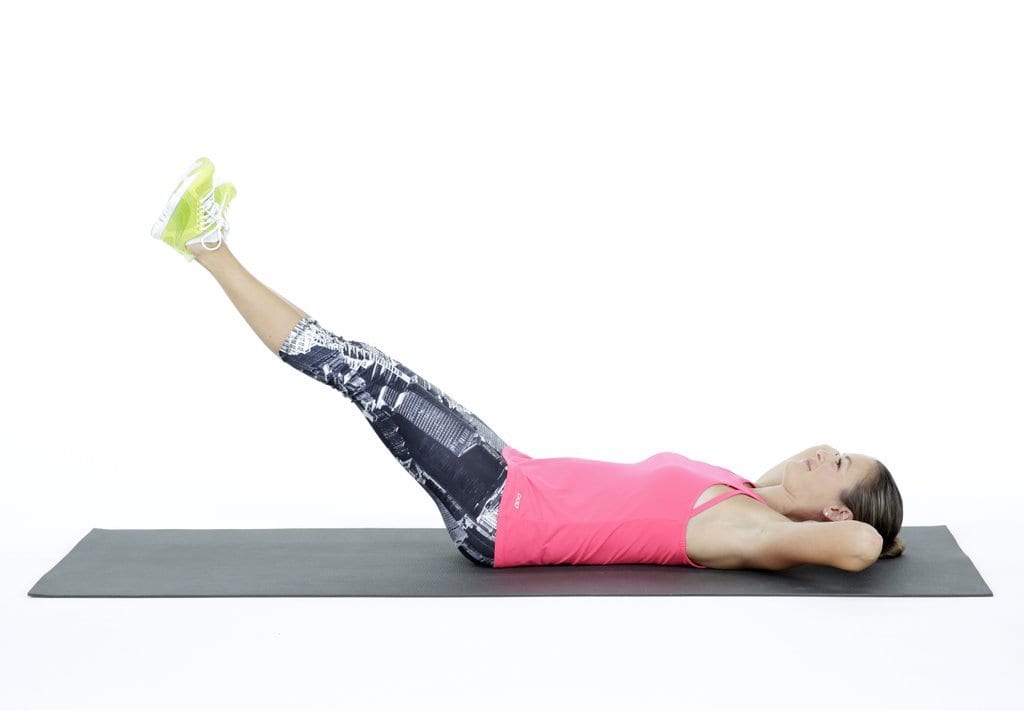
Double Leg Lifts
What�s Your Reaction?Thanks for your reactionDon�t forget to share this with your friends!
Image Source: POPSUGAR Studios
Lay flat on the ground with your legs extended straight up toward the ceiling. Place your hands underneath the back of your head. For added stability, Austin recommends laying your arms out to your side, allowing the palms to grip the floor much like you would in a push-up position.
Pressing your lower back into the ground, slowly lower both legs down toward the floor, then slowly raise them back up. If this is too difficult, lower them as much as you can, or lower one leg at a time.
Complete 10 to 15 reps.
1 / 5
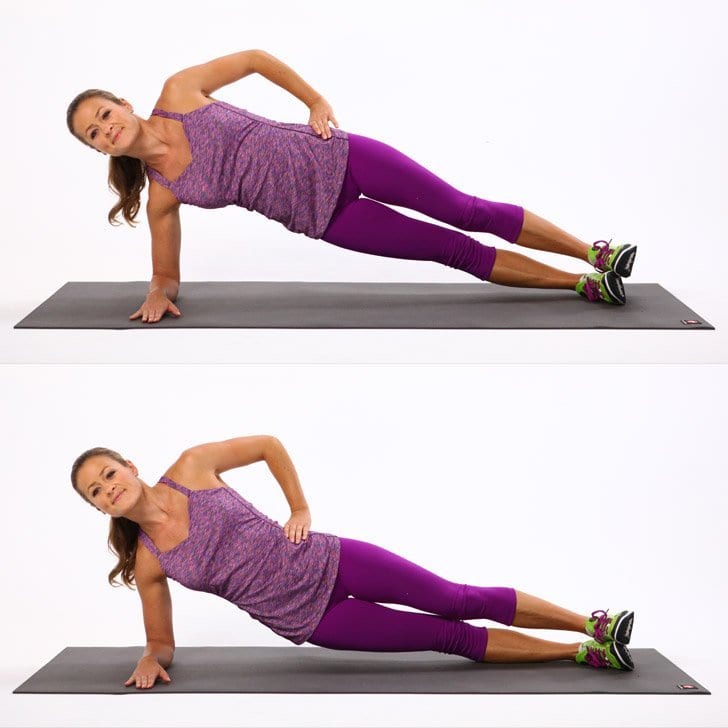
Hip Dips
What�s Your Reaction?Thanks for your reactionDon�t forget to share this with your friends!
Image Source: POPSUGAR Studios
Begin in a side elbow plank on your right side with straight legs and your feet stacked.
Inhale and lower your pelvis to the floor, so your right hip hovers just off the floor. Exhale and press up through your right waist to lift your pelvis and return to side plank. Pull your right shoulder blade down your back to stabilize your shoulder.
Repeat for a total of 10 to 15 reps to complete a set, then switch sides.
2 / 5
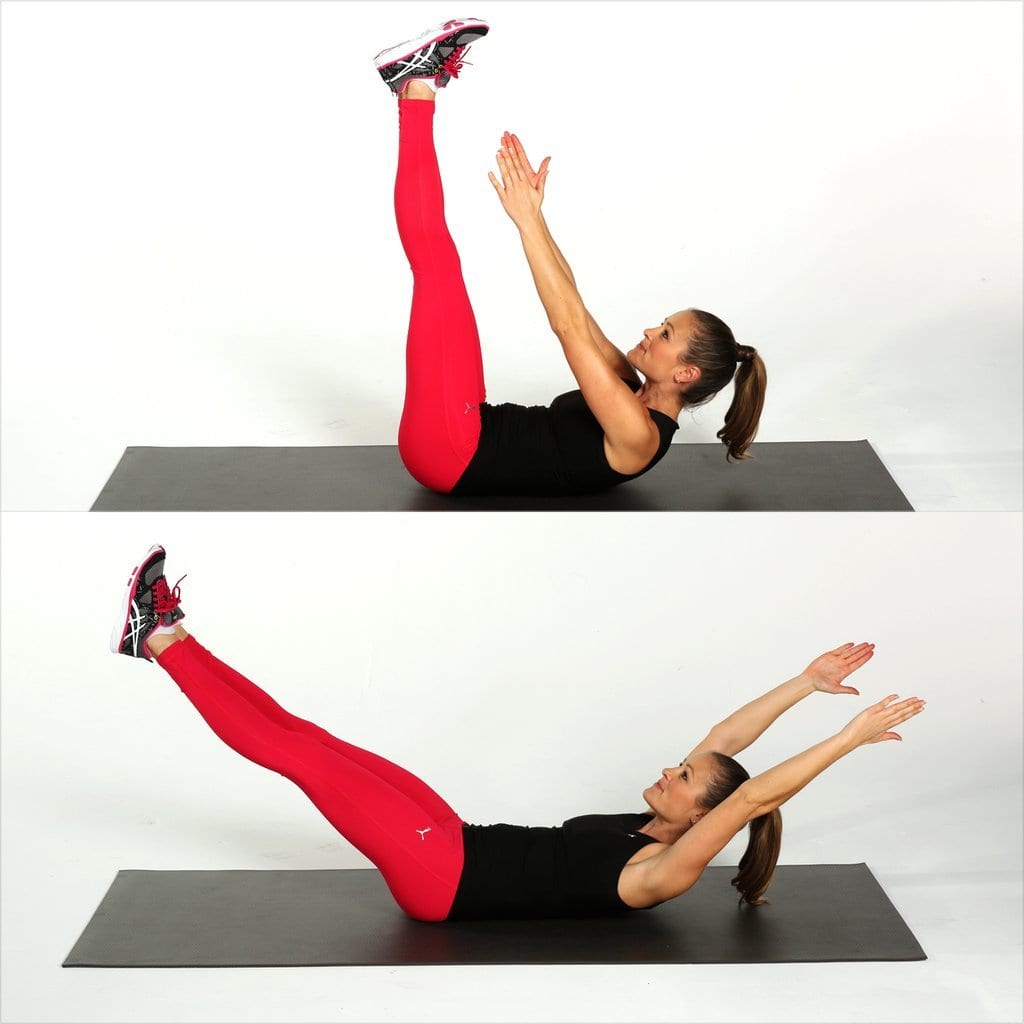
V Crunch
What�s Your Reaction?Thanks for your reactionDon�t forget to share this with your friends!
Image Source: POPSUGAR Studios
Lying on your back, lift your legs and arms up so they are extended toward the ceiling. Lift your upper back off the floor, reaching your hands toward your feet.
Lower your legs toward the floor while reaching your arms overhead, keeping your shoulders off the mat and your lower back pressed into the ground.
Repeat the crunch motion to complete one rep.
Complete 15 reps.
3 / 5
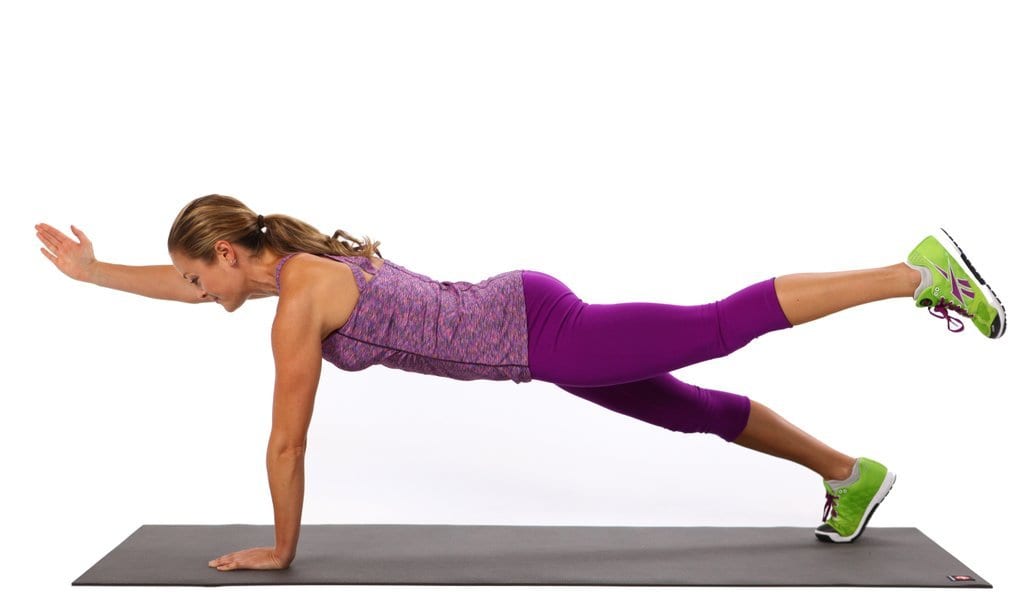
Alternating Two-Point Plank
What�s Your Reaction?Thanks for your reactionDon�t forget to share this with your friends!
Image Source: POPSUGAR Studios
Start in a plank position with your hands directly under your shoulders and your feet in line with your hips. Lift your left leg off the ground so your heel is even with your pelvis.
Keeping your torso steady, reach your right arm forward. Really brace through your abs by pulling your navel to your spine. Hold this position for about three seconds.
Return to plank, then switch sides, lifting your right leg off the ground and reaching your left arm forward. Hold for three seconds and return to plank. This is one rep.
Complete 8 to 10 reps.
4 / 5
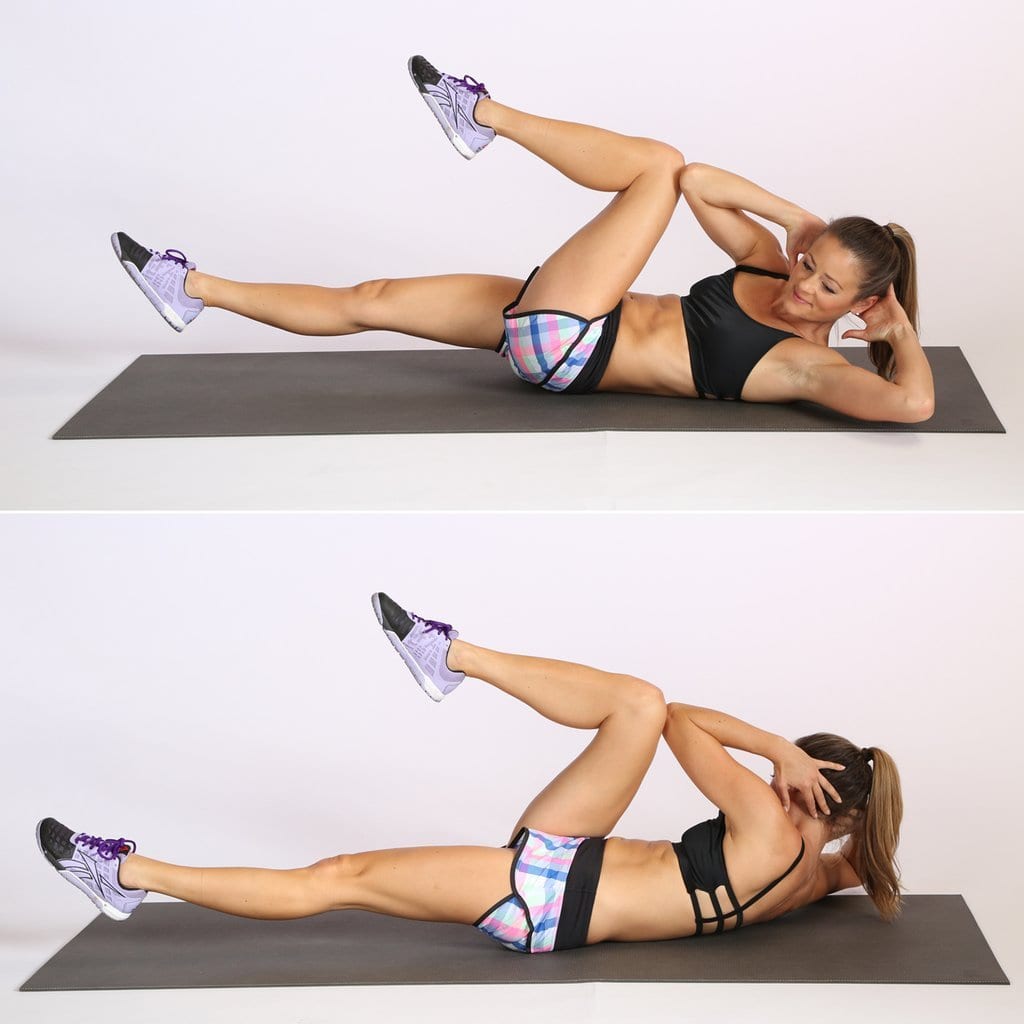
Bicycle Crunches
What�s Your Reaction?Thanks for your reactionDon�t forget to share this with your friends!
Image Source: POPSUGAR Studios
Lie flat on the floor with your lower back pressed to the ground (pull your abs down to also target your deep abs).
Put your hands behind your head.
Bring your knees in toward your chest and lift your shoulder blades off the ground, but be sure not to pull on your neck.
Straighten your right leg out to about a 45-degree angle to the ground while turning your upper body to the left, bringing your right elbow toward the left knee. Make sure your rib cage is moving and not just your elbows.
Switch sides and do the same motion on the other side to complete one rep (and to create the “peddling” motion).
TUESDAY, May 9, 2017 (HealthDay News) — A new brain scan study suggests that people whose brains are wired to produce a more muted response to food may ultimately compensate by eating more, thereby raising their risk for obesity.
The new investigation also unearthed possible evidence of a gender divide in the way men and women process the experience of eating. Women’s brains, it appears, may favor a more emotional response to the eating experience, while men are built to focus on how food satisfies the senses.
If so, such brain-wiring differences might explain why women struggle with weight more than men do.
“At this point, these are only speculations which need to be tested in future experiments,” stressed study co-author Arpana Gupta. She is an assistant professor with UCLA’s Ingestive Behavior and Obesity Program in the Center for Neurobiology of Stress and Resilience.
But “considerable sex-related differences have previously been identified in factors driving craving and drug-seeking in substance abuse,” added Gupta.
This latest investigation analyzed brain scans of 86 healthy men and women to “identify the possible role of the brain in the pathophysiology of obesity,” she explained.
In particular, the research team tried to track how eating affected activity patterns of the neurotransmitter dopamine, a so-called “reward” chemical that is critical to the way the brain responds to both satiety (eating) and deprivation (hunger).
The initial finding was that having “a less responsive dopamine system” appears to make both men and women less sensitive to food, and thereby “more prone to food intake in order to compensate for this deficit,” Gupta said.
Translation: People who register a relatively subdued reaction to eating, tend to eat more.
But the really “striking” finding, said Gupta, was an indication that men and women are simply wired differently when it comes to responses to eating.
A woman’s brain seems to draw a significant neurological link between food and the part of the brain that processes emotions, Gupta noted.
Possible proof of that link was seen among obese female participants.
Those women tended to exhibit a relatively muted response to food in brain regions that regulate emotion. That dynamic was not seen among obese men.
In contrast, a man’s brain seems more inclined to link eating to the region that handles things like smell, temperature or taste. And obese men tended to have a relatively amped up response to food in brain regions involved in sensory regulation. That dynamic was not seen among obese women.
As to what might explain why men and women process eating so differently, Gupta said the jury is still out.
“This is a difficult question to answer,” she said, while reiterating that the findings do indicate “a generalized sex difference in the way the reward system functions.”
Lona Sandon, program director in the department of clinical nutrition at the University of Texas Southwestern Medical Center in Dallas, said that the findings are “not necessarily a surprise.”
For example, Sandon noted that in her experience, women are more likely to talk about food cravings and struggle with eating disorders, such as binge eating. In addition, women are “much more likely to talk about how they turn to food to address mood, particularly foods high in sugar or fat,” she added.
What should these women do? Sandon advised getting off the couch.
“Low dopamine levels are associated with depression, which is often compensated for by eating more food,” she said. “But exercise has been shown in several studies to be beneficial for individuals with depression. Exercise can also have positive effects on appetite,” she pointed out.
“So I would suggest that physical activity or exercise might be part of the answer,” Sandon added.
Gupta and her colleagues are scheduled to report their findings Tuesday at the Digestive Disease Week meeting in Chicago. Research presented at meetings should be considered preliminary until published in a peer-reviewed journal.
Copyright � 2017 HealthDay. All rights reserved.
SOURCES: Arpana Gupta, Ph.D., assistant professor, Center for Neurobiology of Stress and Resilience, Ingestive Behavior and Obesity Program, David Geffen School of Medicine, University of California, Los Angeles; Lona Sandon, Ph.D., RDN, LD, program director and assistant professor, department of clinical nutrition, School of Health Professions, University of Texas Southwestern Medical Center, Dallas; May 9, 2017, presentation, Digestive Disease Week, Chicago
Exercise can reduce the risk of heart damage in middle-aged adults and seniors — even in those who are obese, according to a new study.
“The protective association of physical activity against [heart] damage may have implications for heart failure risk reduction, particularly among the high-risk group of individuals with excess weight,” study lead author Dr. Roberta Florido said in an American College of Cardiology news release.
Florido is a cardiology fellow at Johns Hopkins University School of Medicine in Baltimore.
“Promoting physical activity,” she added, “may be a particularly important strategy for heart failure risk reductions among high risk groups such as those with obesity.”
To gauge the influence of physical activity on heart health, the researchers looked at the experience of more than 9,400 people between 45 and 64 years of age. The participants were grouped according to how much exercise they got. Current guidelines recommend at least 75 minutes a week of vigorous activity, or 150 or more minutes of moderate to vigorous activity.
A lower level of activity, called “intermediate,” was defined as up to 74 minutes a week of vigorous activity or up to 149 minutes of moderate to vigorous activity. According to the researchers, those who did no exercise were 39 percent more likely to have heart damage than those who followed the guidelines. Those who followed intermediate level routines had 34 percent more heart damage than their fully active peers.
The researchers found indications that obese individuals who engaged in “recommended” levels of activity had lower blood levels of troponin — a key indicator of heart damage — compared with those who did no exercise at all.
Florido and her colleagues described their findings in the April 24 issue of JACC: Heart Failure.
An accompanying editorial urged heart specialists to promote healthy habits rather than simply treat heart problems once they develop.
News stories are written and provided by HealthDay and do not reflect federal policy, the views of MedlinePlus, the National Library of Medicine, the National Institutes of Health, or the U.S. Department of Health and Human Services.
The scope of our information is limited to chiropractic and spinal injuries and conditions. To discuss options on the subject matter, please feel free to ask Dr. Jimenez or contact us at 915-850-0900 .
Additional Topics: Weight Loss Eases Back Pain
Back pain and symptoms of sciatica can affect a majority of the population throughout their lifetime. Research studies have demonstrated that people who are overweight or obese experience more back complications than people with a healthy weight. A proper nutrition along with regular physical fitness can help with weight loss as well as help maintain a healthy weight to eliminate symptoms of back pain and sciatica. Chiropractic care is also another natural form of treatment which treats back pain and sciatica utilizing manual spinal adjustments and manipulations.
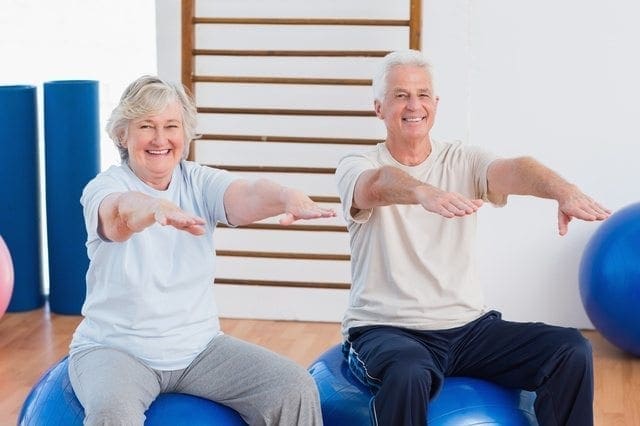
Can a new exercise regimen boost your brain health if you’re over 50?
Possibly, suggests a new research review that found middle-age folks can improve their thinking and memory skills by adopting regular moderate-to-vigorous routines involving aerobic and resistance exercise.
“When we combined the available data from [39 previous] studies, we were able to show that undertaking physical exercise was able to improve the brain function of people aged 50 and over,” said study lead author Joseph Northey. He’s a doctoral candidate and teaching fellow at the University of Canberra Research Institute for Sport and Exercise in Australia.
The review included 18 studies that looked at the impact of aerobic exercise — such as walking, running and swimming — on thinking, alertness, information processing, executing goals and memory skills.
Exercise for Middle-Aged People
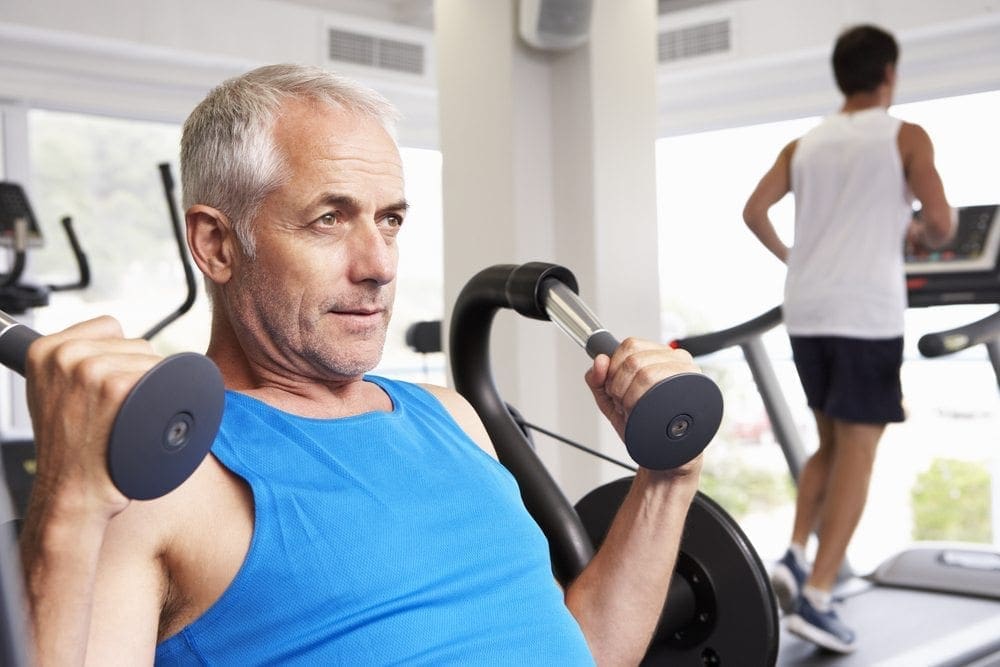
Resistance training, such as weight lifting, was the focus of 13 studies. Another 10 studies looked at various types of exercise done in combination. And, a handful of studies specifically explored the impact of tai chi and yoga on brain health.
Study participants did their exercise under some degree of supervision, the researchers noted. Activity routines were categorized in terms of exercise type, intensity and length. They were then stacked up against the results of tests that measured brain performance.
In the end, the researchers determined that exercise did help brain health. However, different forms of exercise were linked to different types of benefits.
For example, aerobic exercise and tai chi appeared to enhance overall brain function. Resistance training was linked to improved memory.
Northey added that, besides highlighting the benefits of aerobic exercise, “being able to show that resistance training — such as lifting weights or using body weight — was similarly beneficial is a very novel and important finding.”
“Combining both aerobic and resistance training is ideal,” he said. “In addition to improving your brain function as our review shows, you should expect to see improvements in cardio-respiratory fitness and muscle strength, which are important for maintaining general health and being able to undertake day-to-day tasks,” Northey said.
The research team also concluded that the biggest brain boost comes from routines that are of moderate to vigorous intensity and conducted as often as possible for between 45 minutes to an hour.
Exercise and Memory
But will middle-aged people new to exercise gain as much of a brain boost as those who’ve been exercising for decades?
“We know in many animal models and population type studies that the longer people are physically active the greater the benefits to brain function,” Northey said.
He added that more research is underway to assess just how much exercising while young might ultimately confer on brain health among those over 50. Northey also offered some advice for those motivated by the findings to get moving. If you’re currently inactive, he suggested speaking to your doctor to make sure it’s safe for you to start exercising.
“It is also worthwhile gaining some instruction on exercise methods to ensure that you are setting achievable goals and getting the most out of the time invested in exercise,” he said.
Dr. Anton Porsteinsson is director of the Alzheimer’s Disease Care, Research and Education Program with the University of Rochester School of Medicine in Rochester, N.Y.
He said that earlier investigations looking into the protective effect of exercise on brain health “have not agreed on this matter.”
But looked at collectively, he said, the current review “suggests that exercise, including aerobic exercise, resistance training and tai chi, is beneficial to brain health in addition to the well-established positive effects that exercise has to improve general health and reduce risk of disease.
“Of particular interest to me,” Porsteinsson added, “is that a combination of aerobic and resistance training appears to have the largest effect.” “(And) along with studies suggesting that certain diets contribute to brain health,” he noted, “it appears that adopting a healthy lifestyle is never too late.”
The study was published online April 24 in the British Journal of Sports Medicine.
SOURCES: Joseph Michael Northey, Ph.D. candidate and teaching fellow, University of Canberra Research Institute for Sport and Exercise, Canberra, Australia; Anton Porsteinsson, M.D., professor, psychiatry, neurology, and director, Alzheimer’s Disease Care, Research and Education Program, University of Rochester School of Medicine, Rochester, N.Y.; April 24, 2017 British Journal of Sports Medicine online
The scope of our information is limited to chiropractic and spinal injuries and conditions. To discuss options on the subject matter, please feel free to ask Dr. Jimenez or contact us at 915-850-0900 .
Additional Topics: Chiropractic and Athletic Performance
Although warm-up stretches, exercise and plenty of training activities are practiced on a regular basis to prevent injuries, many athletes frequently experience sports injuries during their specific physical activity and/or sport. Fortunately, chiropractic care can help treat and rehabilitate athletes, in order for them to return to the field as soon as possible. Chiropractic has also been demonstrated to help increase athletic performance.
IFM's Find A Practitioner tool is the largest referral network in Functional Medicine, created to help patients locate Functional Medicine practitioners anywhere in the world. IFM Certified Practitioners are listed first in the search results, given their extensive education in Functional Medicine






 By Alan Mozes