Exercise can reduce the risk of heart damage in middle-aged adults and seniors — even in those who are obese, according to a new study.
“The protective association of physical activity against [heart] damage may have implications for heart failure risk reduction, particularly among the high-risk group of individuals with excess weight,” study lead author Dr. Roberta Florido said in an American College of Cardiology news release.
Florido is a cardiology fellow at Johns Hopkins University School of Medicine in Baltimore.
“Promoting physical activity,” she added, “may be a particularly important strategy for heart failure risk reductions among high risk groups such as those with obesity.”
To gauge the influence of physical activity on heart health, the researchers looked at the experience of more than 9,400 people between 45 and 64 years of age. The participants were grouped according to how much exercise they got. Current guidelines recommend at least 75 minutes a week of vigorous activity, or 150 or more minutes of moderate to vigorous activity.
A lower level of activity, called “intermediate,” was defined as up to 74 minutes a week of vigorous activity or up to 149 minutes of moderate to vigorous activity. According to the researchers, those who did no exercise were 39 percent more likely to have heart damage than those who followed the guidelines. Those who followed intermediate level routines had 34 percent more heart damage than their fully active peers.
The researchers found indications that obese individuals who engaged in “recommended” levels of activity had lower blood levels of troponin — a key indicator of heart damage — compared with those who did no exercise at all.
Florido and her colleagues described their findings in the April 24 issue of JACC: Heart Failure.
An accompanying editorial urged heart specialists to promote healthy habits rather than simply treat heart problems once they develop.
News stories are written and provided by HealthDay and do not reflect federal policy, the views of MedlinePlus, the National Library of Medicine, the National Institutes of Health, or the U.S. Department of Health and Human Services.
The scope of our information is limited to chiropractic and spinal injuries and conditions. To discuss options on the subject matter, please feel free to ask Dr. Jimenez or contact us at 915-850-0900 .
Additional Topics: Weight Loss Eases Back Pain
Back pain and symptoms of sciatica can affect a majority of the population throughout their lifetime. Research studies have demonstrated that people who are overweight or obese experience more back complications than people with a healthy weight. A proper nutrition along with regular physical fitness can help with weight loss as well as help maintain a healthy weight to eliminate symptoms of back pain and sciatica. Chiropractic care is also another natural form of treatment which treats back pain and sciatica utilizing manual spinal adjustments and manipulations.
Can a new exercise regimen boost your brain health if you’re over 50?
Possibly, suggests a new research review that found middle-age folks can improve their thinking and memory skills by adopting regular moderate-to-vigorous routines involving aerobic and resistance exercise.
“When we combined the available data from [39 previous] studies, we were able to show that undertaking physical exercise was able to improve the brain function of people aged 50 and over,” said study lead author Joseph Northey. He’s a doctoral candidate and teaching fellow at the University of Canberra Research Institute for Sport and Exercise in Australia.
The review included 18 studies that looked at the impact of aerobic exercise — such as walking, running and swimming — on thinking, alertness, information processing, executing goals and memory skills.
Exercise for Middle-Aged People
Resistance training, such as weight lifting, was the focus of 13 studies. Another 10 studies looked at various types of exercise done in combination. And, a handful of studies specifically explored the impact of tai chi and yoga on brain health.
Study participants did their exercise under some degree of supervision, the researchers noted. Activity routines were categorized in terms of exercise type, intensity and length. They were then stacked up against the results of tests that measured brain performance.
In the end, the researchers determined that exercise did help brain health. However, different forms of exercise were linked to different types of benefits.
For example, aerobic exercise and tai chi appeared to enhance overall brain function. Resistance training was linked to improved memory.
Northey added that, besides highlighting the benefits of aerobic exercise, “being able to show that resistance training — such as lifting weights or using body weight — was similarly beneficial is a very novel and important finding.”
“Combining both aerobic and resistance training is ideal,” he said. “In addition to improving your brain function as our review shows, you should expect to see improvements in cardio-respiratory fitness and muscle strength, which are important for maintaining general health and being able to undertake day-to-day tasks,” Northey said.
The research team also concluded that the biggest brain boost comes from routines that are of moderate to vigorous intensity and conducted as often as possible for between 45 minutes to an hour.
Exercise and Memory
But will middle-aged people new to exercise gain as much of a brain boost as those who’ve been exercising for decades?
“We know in many animal models and population type studies that the longer people are physically active the greater the benefits to brain function,” Northey said.
He added that more research is underway to assess just how much exercising while young might ultimately confer on brain health among those over 50. Northey also offered some advice for those motivated by the findings to get moving. If you’re currently inactive, he suggested speaking to your doctor to make sure it’s safe for you to start exercising.
“It is also worthwhile gaining some instruction on exercise methods to ensure that you are setting achievable goals and getting the most out of the time invested in exercise,” he said.
Dr. Anton Porsteinsson is director of the Alzheimer’s Disease Care, Research and Education Program with the University of Rochester School of Medicine in Rochester, N.Y.
He said that earlier investigations looking into the protective effect of exercise on brain health “have not agreed on this matter.”
But looked at collectively, he said, the current review “suggests that exercise, including aerobic exercise, resistance training and tai chi, is beneficial to brain health in addition to the well-established positive effects that exercise has to improve general health and reduce risk of disease.
“Of particular interest to me,” Porsteinsson added, “is that a combination of aerobic and resistance training appears to have the largest effect.” “(And) along with studies suggesting that certain diets contribute to brain health,” he noted, “it appears that adopting a healthy lifestyle is never too late.”
The study was published online April 24 in the British Journal of Sports Medicine.
SOURCES: Joseph Michael Northey, Ph.D. candidate and teaching fellow, University of Canberra Research Institute for Sport and Exercise, Canberra, Australia; Anton Porsteinsson, M.D., professor, psychiatry, neurology, and director, Alzheimer’s Disease Care, Research and Education Program, University of Rochester School of Medicine, Rochester, N.Y.; April 24, 2017 British Journal of Sports Medicine online
The scope of our information is limited to chiropractic and spinal injuries and conditions. To discuss options on the subject matter, please feel free to ask Dr. Jimenez or contact us at 915-850-0900 .
Additional Topics: Chiropractic and Athletic Performance
Although warm-up stretches, exercise and plenty of training activities are practiced on a regular basis to prevent injuries, many athletes frequently experience sports injuries during their specific physical activity and/or sport. Fortunately, chiropractic care can help treat and rehabilitate athletes, in order for them to return to the field as soon as possible. Chiropractic has also been demonstrated to help increase athletic performance.
Your best bet for healthy eating is having plenty of home-cooked meals, a new study states.
Researchers asked more than 400 Seattle-area adults about what they cooked and ate for a week. They were graded using the U.S. Department of Agriculture’s Healthy Eating Index (HEI). HEI scores range from 0 to 100. The higher the score, the better the diet. A score over 81 indicates a good diet; 51 to 80 means improvement is needed; and 50 or less is poor.
Households that had home-cooked meals three times a week had an average score of about 67, while cooking at home six times a week bumped up the average to about 74.
The results suggest that regular home-cooked meals — which tend to be lower in calories, sugar and fat — give you a better diet at a lower cost.
How Eating At Home Affects Our Health
The Oregon State University study was published in the May issue of the American Journal of Preventive Medicine.
“Higher HEI scores are generally associated with higher socioeconomic status, education and income. By contrast, cooking dinner at home depends more on the number of children at home. The study showed no association between income or education and eating at home or eating out,” study author Arpita Tiwari, a health systems researcher, said in a university news release.
“Traditionally better socioeconomic status — more money — means healthier people. That’s the trend. This research goes against that; it shows a resilience to that trend. It’s not spending more but how you spend that’s important,” Tiwari concluded.
Eight out of 10 Americans fail to meet at least some federal dietary guidelines, and about half the money spent to eat is for food not cooked at home, the study pointed out.
News stories are written and provided by HealthDay and do not reflect federal policy, the views of MedlinePlus, the National Library of Medicine, the National Institutes of Health, or the U.S. Department of Health and Human Services.
The scope of our information is limited to chiropractic and spinal injuries and conditions. To discuss options on the subject matter, please feel free to ask Dr. Jimenez or contact us at 915-850-0900 .
Additional Topics: Weight Loss Eases Back Pain
Back pain and symptoms of sciatica can affect a majority of the population throughout their lifetime. Research studies have demonstrated that people who are overweight or obese experience more back complications than people with a healthy weight. A proper nutrition along with regular physical fitness can help with weight loss as well as help maintain a healthy weight to eliminate symptoms of back pain and sciatica. Chiropractic care is also another natural form of treatment which treats back pain and sciatica utilizing manual spinal adjustments and manipulations.
No doubt that work, school and outside activities can make it hard to schedule regular family dinners. But research has shown that eating together on a regular basis helps to bond families and build good communication.
For children, the benefits range from better grades to getting along well with others. Kids and adults alike are also more likely to eat healthy meals and less likely to be overweight.
When busy schedules make it hard for everyone to sit down to dinner, use other meals to build togetherness. For instance, get everyone up 15 minutes early for a breakfast sit-down, or plan a regular weekend brunch where everyone pitches in. When dinner has to be fast food, eat at the restaurant instead of doing a pickup so you still have the chance to sit and talk, even if only for a few minutes.
There are also plenty of ways to build togetherness in addition to mealtime. Schedule regular outdoor activities, like a weekend walk on a nature trail or an afternoon at the playground. Make plans for a regular indoor activity, like family game night. Or, find a hobby everyone could enjoy. Perhaps take a vote on the activity, and then let each family member choose a role that will keep them involved.
The goal: Building togetherness, whether at the dinner table or beyond.
News stories are written and provided by HealthDay and do not reflect federal policy, the views of MedlinePlus, the National Library of Medicine, the National Institutes of Health, or the U.S. Department of Health and Human Services.
The scope of our information is limited to chiropractic and spinal injuries and conditions. To discuss options on the subject matter, please feel free to ask Dr. Jimenez or contact us at 915-850-0900 .
Additional Topics: Weight Loss Eases Back Pain
Back pain and symptoms of sciatica can affect a majority of the population throughout their lifetime. Research studies have demonstrated that people who are overweight or obese experience more back complications than people with a healthy weight. A proper nutrition along with regular physical fitness can help with weight loss as well as help maintain a healthy weight to eliminate symptoms of back pain and sciatica. Chiropractic care is also another natural form of treatment which treats back pain and sciatica utilizing manual spinal adjustments and manipulations.
Proponents of mindfulness-based stress reduction claim it can improve relationships, mental health, weight and more. But, one complaint it’s unlikely to fix is lower back pain, researchers now say.
Lower back pain doesn’t respond to the programs, which embrace meditation, heightened self-awareness and exercise, according to a review.
Although short-term improvements were reported, “no clinical significance” was found in terms of overall pain or disability when mindfulness was compared to standard treatment, said study lead author Dennis Anheyer. Anheyer is a psychology research fellow in the faculty of medicine at the University of Duisburg-Essen in Germany.
About eight out of 10 American adults will experience lower back pain at some point in their lives, according to the U.S. National Institute of Neurological Disorders and Stroke. Roughly one in five of them will struggle with chronic lower back pain, lasting three months or more, which is a major cause of job-related disability.
Because no sure-fire treatment of back pain exists, many patients try complementary therapies such as mindfulness.
Mindfulness and Stress Reduction for Back Pain
Mindfulness programs, which are growing in popularity in the West, derive from the Buddhist spiritual tradition and are used to treat pain. They include sitting meditation; walking meditation; hatha yoga and body scan along with focusing attention sequentially on different parts of the body.
The seven studies that were reviewed involved close to 900 patients who had lower back pain for at least three months. Six of the studies were conducted in the United States; the seventh in Iran.
Some patients were offered standard back pain treatment, such as physical therapy and exercise routines that aim to strengthen the back and abdominal muscles; prescription and over-the-counter pain medications; ice packs and heat packs; and spinal manipulation and/or massage (chiropractic care). In some cases, surgery is recommended for chronic back pain.
Other patients engaged in mindfulness programs aimed at stress relief. Six of the programs were variations on an eight-week program developed at the University of Massachusetts. Most had a weekly 2.5 hour group session; one also had a day-long silent retreat.
Practitioners were also encouraged to engage in 30 to 45 minutes of meditation at home, six days a week. “We found that mindfulness-based stress reduction could decrease pain intensity at short-term, but not at long-term,” said Anheyer. Despite the negative findings, Michigan orthopedist Dr. Rachel Rohde isn’t ready to rule out mindfulness as a back-pain treatment.
The size of the research review was relatively small, said Rohde, an associate professor of orthopedic surgery at the Oakland University William Beaumont School of Medicine.
Also, “pain” is perceived differently by everyone, she said. In the case of chronic pain, people tend to try everything they can to feel better, making it difficult to figure out exactly what works and what doesn’t, she added.
The idea that changing the way you think can change the way you feel — the premise of cognitive behavior therapy — is used as a treatment for chronic pain, Rohde continued. “I think that mindfulness-based stress reduction is somewhat of an extension of this and probably would work very well for some and perhaps not so well for others,” she added.
The researchers behind the new review suggested that future studies look at specific components of mindfulness programs, such as yoga and mindful meditation. Yoga, they said, has been shown to increase function and decrease disability in patients with low back pain.
SOURCES: Dennis Anheyer, M.A., B.Sc., psychology research fellow, faculty of medicine, University of Duisburg-Essen, department of internal and integrative medicine, Kliniken Essen-Mitte, Essen, Germany; Rachel S. Rohde, M.D., associate professor of orthopedic surgery, Oakland University William Beaumont School of Medicine, Michigan Orthopaedic Institute, P.C., Royal Oak, Michigan; April 24, 2017, Annals of Internal Medicine
The scope of our information is limited to chiropractic and spinal injuries and conditions. To discuss options on the subject matter, please feel free to ask Dr. Jimenez or contact us at 915-850-0900 .
Additional Topics: Whole Body Wellness
Maintaining overall health and wellness through a balanced nutrition, regular physical activity and proper sleep is essential for your whole body�s well-being. While these are some of the most important contributing factors for staying healthy, seeking care and preventing injuries or the development of conditions through natural alternatives can also guarantee overall health and wellness. Chiropractic care is a safe and effective treatment option utilized by many individuals to ensure whole body wellness.
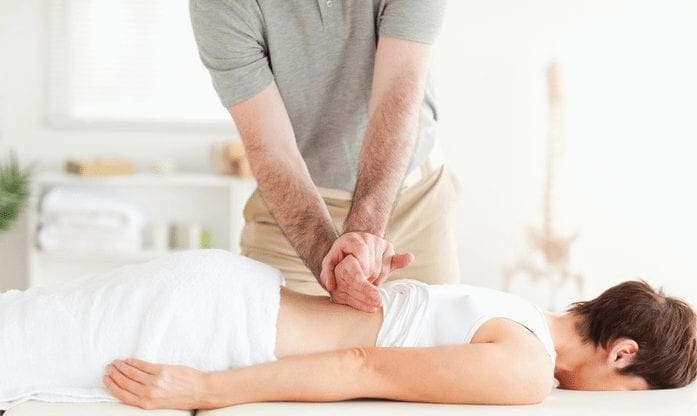
Chronic low back pain can be a challenge to treat, but new research suggests that massage therapy may provide some relief.
“Current medical guidelines actually recommend massage therapy prior to the use of opioid medications for lower back pain,” explained William Elder, the study’s principle investigator. “Yet even with those guidelines, physicians and nurse practitioners are not recommending massage therapy,” said Elder. He’s with the University of Kentucky’s departments of family and community medicine and clinical services.
Low back pain is a common problem, and for most people, it’s short-lived. But for about 15 percent of people with low back pain, the problem becomes chronic and lasts more than three months, the study authors said. There aren’t a lot of effective treatment options for chronic back pain, and physicians often prescribe opioid painkillers such as OxyContin or Percocet to ease the pain. But those drugs come with a risk of addiction.
Other possible treatments include exercise, steroid injections, behavior changes, chiropractic, acupuncture and surgery, according to the U.S. National Institute of Arthritis and Musculoskeletal and Skin Diseases.
Massage for Back Pain
The new study sought to simulate real-world back pain and treatment. Researchers asked physicians to recommend massage for people with chronic back pain. Just over 100 study volunteers were then paired with an approved, experienced massage therapist in their area who assessed the problem and created a treatment plan. The study participants received 10 treatments, which they set up directly with their therapist.
More than half of the participants had less pain after 12 weeks and many continued to report reduced pain after three months.
The research also showed that massage therapy worked better with patients aged 50 years and older, although younger people benefited, too.
“These results are exciting because it shows that most doctors can refer their patients for massage as a treatment. It’s applicable to the real world,” said Elder. “Some medical providers have taken interest in massage, but most don’t know which type would be helpful. We learned that just referring the patient to a massage therapist and letting them work to select the therapy is effective,” he added.
Dr. Anders Cohen, the neurosurgery division chief at The Brooklyn Hospital Center in New York City, recommends massage therapy to his patients as part of what he calls a comprehensive treatment plan.
“Massage is great way to break up adhesions and is great for soft tissue,” Cohen said. “If the back pain is a soft tissue issue, such as muscles and ligaments, it works great. Plus, there is the bonus of therapeutic touch.”
Reasons for Varying Back Pain Care
Patients in the study received the massage therapy free of charge. But, cost could also explain why some physicians recommend opioids instead. Cohen noted that massage prices vary, and may not be covered under some insurance plans. Study co-author Niki Munk is a licensed massage therapist who’s with the Indiana University School of Health and Rehabilitation Sciences. She said the researchers saw that massage needs to occur regularly when someone begins treatment to reduce the pain.
Munk added that more research is needed on the ideal pain maintenance schedule. But the study authors think that once a level of comfort has been achieved, people can continue to manage their back pain through regular massage therapy on a schedule that fits their needs, such as once a month or every other month.
Munk also noted that selecting the right therapist is important.
“Look for a masseuse that you can establish a therapeutic relationship with over time,” she recommended. “Chronic low back pain is a complex issue that can’t be cured from just a one-hour massage. Find a therapeutic massage clinic and ask questions about the therapist, such as their initial training and continuing education. Also, make sure that the therapist sets up a treatment plan that will work for you,” Munk said.
The study was published online recently in the journal Pain Medicine.
SOURCES: William Elder Jr., Ph.D., professor, family and community medicine and clinical services, University of Kentucky, Lexington; Niki Munk, Ph.D., L.M.T., assistant professor, health sciences, Indiana University School of Health and Rehabilitation Sciences, Indianapolis; Anders Cohen, M.D., division chief, neurosurgery, The Brooklyn Hospital Center, New York City; March 14, 2017, Pain Medicine, online
The scope of our information is limited to chiropractic and spinal injuries and conditions. To discuss options on the subject matter, please feel free to ask Dr. Jimenez or contact us at 915-850-0900 .
Additional Topics: Whole Body Wellness
Maintaining overall health and wellness through a balanced nutrition, regular physical activity and proper sleep is essential for your whole body�s well-being. While these are some of the most important contributing factors for staying healthy, seeking care and preventing injuries or the development of conditions through natural alternatives can also guarantee overall health and wellness. Chiropractic care is a safe and effective treatment option utilized by many individuals to ensure whole body wellness.
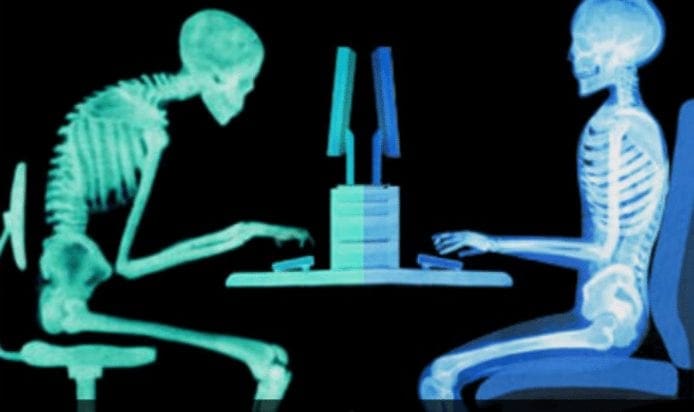
Poor posture is an incredibly common problem in today�s world. With the increase in technology and decrease in physical exercise, many people find their posture slipping more than ever before. While we know that good posture certainly looks better, is it really cause for concern? Take a look at these ways in which poor posture may negatively impact health, followed by some tips for improving it a little more every day.
The Effects of Poor Posture
Pain in the Back, Neck, and Shoulders – Poor posture can cause stiffness or pain in any of these areas. The longer you sit or stand with bad posture, the more pronounced these pains are likely to be.
Slow Digestion – Poor posture is almost always because of slumping or slouching the shoulders and core. This can cause the digestive tract to be pressed, which can make any sort of digestion painful and more troublesome.
Poor Self Perception – Our minds often take cues from the body. If slouching is a constant, our minds get the message that we feel poorly about ourselves, and our self-esteem and perception is likely to take a hit.
Solutions for Bad Posture
Exercise – Both regular exercise as well as posture specific exercises can help strengthen the body and improve overall posture. This might include moves that especially work the core, back, and shoulders.
Find Some Triggers – Bad posture is a tough habit to break. It can help to give yourself constant reminders. Ask a friend to remind you when they see you slouching. Post sticky notes all over the mirror or your desk at work. Set intermittent alarms on your phone. Do whatever it takes to bring good posture to the forefront of your mind.
Get Chiropractic Care – This is actually a great place to start for correcting poor posture. Chiropractors can eliminate painful areas of the spine that may be contributing to poor posture. They may also help to increase flexibility, improve mobility, as well as give you some simple everyday tips for getting your posture and basic spinal health in check.
The scope of our information is limited to chiropractic and spinal injuries and conditions. To discuss options on the subject matter, please feel free to ask Dr. Jimenez or contact us at 915-850-0900 .
Additional Topics: Preventing Spinal Degeneration
As we age, it’s natural for the spine, as well as the other complex structures of the spine, to begin degenerating. Without the proper care, however, the overall health and wellness of the spine can develop complications, such as degenerative disc disease, among others, which could potentially lead to back pain and other painful symptoms. Chiropractic care is a common alternative treatment option utilized to maintain and improve spine health.
IFM's Find A Practitioner tool is the largest referral network in Functional Medicine, created to help patients locate Functional Medicine practitioners anywhere in the world. IFM Certified Practitioners are listed first in the search results, given their extensive education in Functional Medicine