In the last few decades, important puzzles of mainstream science have generated a re-evaluation of the nature of the world which goes far beyond anything we could have imagined. A more precise comprehension of the planet requires that we believe it is biologically centered.
It’s a very simple but wonderful notion that Biocentrism tries to clarify. Knowing this fully yields answers. This new version, blending physics and biology rather than keeping them separate, and placing observers to the equation, is called biocentrism. Its requirement is driven in part by the attempts to make a theory of everything, an overarching view.
What’s Biocentrism?
Biocentrism, in an ecological and political sense, as well as literally, is a moral standpoint that extends value that is inherent to all things. It’s an understanding of how the earth works as it relates to biodiversity. It stands in contrast to anthropocentrism, which centers only on humans value. The biocentrism extends value to the whole of nature.
The term biocentrism encompasses all environmental ethics that expand the standing of moral object from human beings to all living things in character. Ethics calls for a rethinking of the relationship between people and nature. It states that character does not exist only to be consumed or used by people, but that people are only one species among many, and that because we are a part of an ecosystem, any activities which negatively influence the living systems of which we’re a part adversely affect us as well, whether or not we maintain that a biocentric worldview.
Biocentrism and Human Health
Biocentrists endorse species’ equality. But is endorsing the equality of species compatible with maintaining the health of individuals, or should at least sometimes the health of humans be forfeited for the sake of other species? In the following guide, the compatibility of individual and biocentrism health is discussed in detail. It is asserted that maintaining the prestige of species is in no way in conflict. In fact, It can be additionally argued that there’s a relationship between the prerequisites for human well-being and the requirements of biocentrism.
Biocentrists are well known for their devotion to the equality of species. Yet if this dedication is to be defensible, it may be argued that it has to be understood by analogy with humans’ equality. Accordingly, just as we claim that people are equivalent, yet justifiably treat them otherwise, we ought to also have the ability to claim that all species are equal, yet justifiably treat them as such. In human ethics, there are interpretations which we give. Everybody is equally at liberty to pursue her or his own interests, but this allows us to always prefer ourselves to others, who are understood to be like competitions in a competitive match.
In fact, this belief �and how it could relate to human health and wellness can be closely correlated with the study of microbiology and it’s institution. Microbiology is a modern discipline intended to objectively study microorganisms, including pathogens and nonpathogens. Also, it can be argued that an exclusively biocentric microbiology is crucial for enhancing our understanding not only of the microbial world outside, but also that of our own guts, and our own species.
Since its birth, microbiology associated with biocentrism has been associated with human health and individual pursuits (e.g., cheese, yogurt, beer, wine, pickles, and recently fuel). Biology is largely microscopic; large plants, other animals that are macroscopic, and individuals are the exception. The simple fact that human eyes have a limited range shouldn’t stop individuals from embracing a realistic view of nature. Nevertheless, research institutions and funding agencies give priority to the analysis of microbes which interact with human health, the ones that make energy, or the ones that improve the taste and yield of individual foods, largely ignoring the vast majority of projected bacterial and archaeal cells on Earth.
The area of metagenomics has crossed the medical barrier, and it is becoming common to see that the gut and mouth microbiomes, by way of example, are being examined and explained similarly to those in other environments.
Biocentric microbiology helps us better understand pathogenesis. Classifying microbes into friends and foes, often preventing us from recognizing the main goal of each microbe, which will be not any different from the most important objective of every organism: survival. Biocentric microbiology will especially benefit genomics, phylogenomics evolutionary biology.
It may be argued that microbiology will progress fields associated with human health, including diagnostics, immunoprophylaxis, and therapeutics. The classical illustration of how diagnostics have profited from environmental microbiology is that the development of polymerase chain reaction (PCR)-based microbial analysis tools. PCR is essential in identifying and quantifying human pathogens, and is the only reliable method.
As with a variety of treatments and alternative care methods, biocentrism in the medical field can ultimately help health care professionals improve the well-being of humans simply from the understanding that the biology around us, by keeping it safe, can substantially help improve the overall health and wellness of human beings.
The scope of our information is limited to chiropractic and spinal injuries and conditions. To discuss options on the subject matter, please feel free to ask Dr. Jimenez or contact us at 915-850-0900 .�
By Dr. Alex Jimenez
Additional Topics: Wellness
Overall health and wellness are essential towards maintaining the proper mental and physical balance in the body. From eating a balanced nutrition as well as exercising and participating in physical activities, to sleeping a healthy amount of time on a regular basis, following the best health and wellness tips can ultimately help maintain overall well-being. Eating plenty of fruits and vegetables can go a long way towards helping people become healthy.
Federal employees that are injured at work do not get benefits through workers’ comp insurance or their nation’s workers’ comp program.
Instead, federal employees receive workers’ compensation benefits through the Federal Employees Compensation Act, abbreviated as FECA, except for railroad workers, longshoremen, black lung coal miners, and refuge workers (that are insured under their own national laws for workers’ compensation). Members of the USA armed forces are also not considered federal employees for purposes of FECA.
FECA provides benefits and injury compensation for workers injured on the job, or even if their injury happened during the course and scope of their employment offsite. FECA covers both injuries and occupational diseases that arise over time work conditions. The United States Department of Labor, through the Office of Worker Compensation Programs, administers the workers’ comp benefits provided by the Federal Employees Compensation Act.
Qualifications
Coverage under FECA, or the Federal Employees Compensation Act, is supplied to all national government employees regardless of the number of years of service, nature of the position, or kind of job they perform. In order to be covered by FECA, you must be employed by the federal government, not a private government contractor. If you are currently working for a private business, the workers’ compensation laws in the state will cover you.
For the injury or illness to qualify under FECA, then you must have become injured while performing duties of your job or you developed a disease because of the conditions and hazards inherent in your job. This may consist of accidents occurring while working or traveling offsite as well.
FECA does not cover injuries and diseases that arise because of activities beyond the “course and scope of your employment.” Activities beyond the course and scope of employment include commuting to and from work, recreational excursions, and activities for private reasons. Injuries sustained while intoxicated or under the influence of non-prescription drugs will not be covered by the Federal Employees Compensation Act. FECA also provides benefits to surviving family members for employees that die on the job while performing work-related pursuits.
Back Pain in Federal Employees
As with anyone experiencing symptoms of back pain after being involved in a work accident, due to aggravated conditions or illness, or simply from wear-and-tear injuries, it’s essential for federal employees to seek the proper care and benefits for their symptoms to receive immediate medical attention. Spine issues resulting in sciatica can be debilitating and may affect an employee’s capability to work. Programs for federal employees like FECA may help substantially improve an individual’s overall health and wellness, allowing them to return to work as soon as possible.
FECA Workers’ Compensation Benefits
If your FECA workers’ compensation claim is permitted, you will start to receive workers’ compensation benefits to compensate you for your injury or illness and help you with the recovery. First, FECA will cover all necessary and appropriate claim-related medical therapy. This includes prescriptions, surgery and rehabilitation.
The Federal Employees Compensation Act provides compensation if a worker is disabled and unable to work as a result of industrial injury or occupational disease. You will be compensated by your service directly for your lost wages and more. Should your inability to work exceed 45 days, FECA will cover your wages that are lost.
If your workers’ compensation claim is based on an occupational disease, you’re entitled to compensation for lost salary from FECA after an initial three-day waiting period.
If your injury or illness results in permanent partial disability or permanent total disability, FECA will provide advantages and additional benefits. The total amount of the compensation is based on the severity of your permanent disability and the effect it has on your earning capacity. And if you have dependents, you will probably receive increased permanent disability compensation to account for your own requirement to supply for those dependents.
In the event that you need job retraining to return to the workforce after your injury or illness FECA provides compensation. Dependents are eligible to receive survivor’s benefits. For further details regarding the benefits of the Federal Employees Compansation Act, visit the�Division of Federal Employees’ Compensation (DFEC).
Speak to an Attorney
If your FECA employees’ compensation claim is refused, your claim may be more complicated, or your injury may have been considered more severe. You should carefully consider speaking to a lawyer in your area experienced in FECA employees’ compensation law. Although an attorney isn’t necessary to obtain workers’ compensation benefits, an attorney can help in ensuring you get all of the benefits you’re entitled to get, guiding you through the procedure.
The scope of our information is limited to chiropractic and spinal injuries and conditions. To discuss options on the subject matter, please feel free to ask Dr. Jimenez or contact us at 915-850-0900 .�
Back pain is one of the most common symptoms reported among the general population. While back pain can occur due to a variety of injuries and/or underlying conditions, a work accident has often been associated as a frequent origin of back pain issues. Back pain can affect an individual at least once throughout their lifetime. Fortunately, federal employees who experience back pain, such as symptoms of sciatica, can benefit from programs like FECA.
Two surgeons discuss the diagnosis and treatment of acromioclavicular injuries in athletes. El Paso, TX. Chiropractor, Dr. Alexander Jimenez follows the discussion.
Acromioclavicular (AC) joint injuries most often occur in athletic young adults involved in collision sports, throwing sports, along with overhead activities like upper-extremity strength training. They account for 3% of all shoulder injuries and 40% of shoulder sports injuries. Athletes in their second and third decade of life are more often affected(1), and men are injured more commonly than women (5:1 to 10:1)(1,2).
Acromioclavicular dislocation was known as early as 400 BC by Hippocrates(3). He cautioned against mistaking it for glenohumeral (shoulder joint) dislocation and advocated treating with a compressive bandage in an attempt to hold the distal (outer) end of the clavicle in a diminished position. Almost 600 decades later Galen (129 AD) recognized his own acromioclavicular dislocation, which he sustained while wrestling(3). He left the tight bandage holding the clavicle down as it was too uneasy. In today’s era this injury is better known, but its treatment remains a source of fantastic controversy.
Anatomy
The acromioclavicular joint combines the collarbone to the shoulder blade and therefore links the arm to the axial skeleton. The articular surfaces are originally hyaline cartilage, which affects to fibrocartilage toward the end of adolescence. The average joint size is 9mm by 19mm(4). The acromioclavicular joint contains an intra-articular, fibrocartilaginous disc which may be complete or partial (meniscoid). This helps absorb forces in compression. There is marked variability in the plane of the joint.
Stabilizers
There is little inherent bony stability in the AC joint. Stability is provided by the dynamic stabilizers — namely, the anterior deltoid muscle arising from the clavicle and the trapezius muscle arising from the acromion.
Additionally, there are ligamentous stabilizers. The AC ligaments are divided into four — superior, inferior, anterior and posterior. The superior is most powerful and blends with muscles. The acromioclavicular ligaments contribute around two- thirds of the constraining force to superior and posterior displacement; however, with greater displacement the coracoclavicular ligaments contribute the major share of the resistance. The coracoclavicular ligament consists of the conoid and trapezoid. The conoid ligament is fan-shaped and resists forwards motion of the scapula, while the more powerful trapezoid ligament is level and resists backward movement. The coracoclavicular ligament helps bunch scapular and glenohumeral (shoulder joint) motion and the interspace averages 1.3 cm.
Mechanism Of Injury
The athlete who sustains an acromioclavicular injury commonly reports either one of two mechanisms of harm: direct or indirect.
Direct force: This is when the athlete falls onto the point of the shoulder, with the arm usually at the side and adducted. The force drives the acromion downwards and medially. Nielsen(5) found that 70 percent of acromioclavicular joint injuries are caused by an direct injury.
Indirect force: This is when the athlete falls onto an outstretched arm. The pressure is transmitted via the humeral head into the acromion, therefore the acromioclavicular ligament is disrupted and the coracoclavicular ligament is stretched.
On Examination
The athlete presents soon after the severe injury with his arm splinted to his side. The patient may state that the arm feels better using superiorly directed support on the arm. Most motions are limited secondary to pain near the top of the shoulder; the degree varies with the grade of sprain. The hallmark finding is localized swelling and tenderness over the acromioclavicular joint.
In dislocations, the outer part of the collarbone will appear superiorly displaced using a noticeable step deformity (in fact, it is the shoulder which sags beneath the clavicle). Occasionally, the deformity may only be apparent later, if first muscle spasm reduces acromioclavicular separation. Forced cross-body adduction (yanking the affected arm across the opposite shoulder) provokes discomfort. The clavicle can frequently be moved relative to the acromion.
Acromioclavicular Visualisation
The typical joint width measures 1-3mm. It’s regarded as abnormal if it is more than 7mm in men, and 6mm in women. Routine anteroposterior views of the shoulder reveal the glenohumeral jointnonetheless, that the acromioclavicular joint is over penetrated and so dark to interpret. Reduced exposure enhances visualization. The individual stands with both arms hanging unsupported, both acromioclavicular joints on one film. Weighted viewpoints (stress X-rays) are obtained with 10-15 lb weights not held but suspended from the individual’s wrists. They help differentiate type II-III injuries, but are of little clinical significance and therefore are no longer recommended in our practice.
Classification Of AC Separation
The importance of identifying the injury kind can’t be over emphasized because the treatment and prognosis hinge on an accurate diagnosis. The injuries are graded on the basis of that ligaments are injured and how badly they’re torn.
Allman (6) classified acromioclavicular sprains as grades I, II and III, representing respectively, no involvement, partial tearing, and total disruption of the coracoclavicular ligaments. More recently, Rockwood (1) has further classified the more severe injuries as standard III-VI.
The injuries are classified into six categories:
Type I This is the most common injury encountered. Only a mild force is needed to sustain such an injury. The acromioclavicular ligament is sprained with an intact coracoclavicular ligament. The acromioclavicular joint remains stable and symptoms resolve in seven to 10 days. This injury has an excellent prognosis.
Type II The coracoclavicular ligaments are sprained; however, the acromioclavicular ligaments are ruptured. Most players can return to their sport within three weeks. There is anecdotal evidence to suggest that steroid injections into the acromioclavicular joint speed up the resolution of symptoms, but this practice is not universal.
Type III The acromioclavicular joint capsule and coracoclavicular ligaments are completely disrupted. The coracoclavicular interspace is 25-100% greater than the normal shoulder.
Type IV This is a type III injury with avulsion of the coracoclavicular ligament from the clavicle, with the distal clavicle displaced posteriorly into or through the trapezius.
Type V This is type III but with exaggeration of the vertical displacement of the clavicle from the scapula-coracoclavicular interspace 100-300% greater than the normal side, with the clavicle in a subcutaneous position.
Type VI This is a rare injury. This is type III with inferior dislocation of the lateral end of the clavicle below the coracoid
Treatment
The treatment of acromioclavicular joint injuries varies based on the seriousness or grade of the injury.
Initial treatment: These can be quite painful injuries. Ice packs, anti-inflammatories plus a sling are utilized to immobilize the shoulder and then take the weight of the arm. As pain starts to subside, it is important to start moving the fingers, wrist and elbow to prevent shoulder stiffness. Next, it’s important to begin shoulder motion in order to stop shoulder stiffness.
Un-displaced injuries only require rest, ice, and then a slow return to activity over two to six weeks. Major dislocations require surgical stabilization in athletes if their dominant arm is involved, and if they participate in upper-limb sports
Type I & II: Ice pack, anti-inflammatory agents and a sling are used. Early motion based on symptoms is introduced. Pain usually subsides in about 10 days. Range-of-motion exercises and strength training to restore normal motion and strength are instituted as the patient�s symptoms permit. Some symptoms may be relieved by taping (taking stress off acromioclavicular joint). The length of time needed to regain full motion and function depends upon the severity or grade of the injury. The sport and the position played determine when a player can return to a sporting activity. A football player, who does not have to elevate his arm, can return sooner than a tennis or rugby player. When a patient returns to practice and competition in collision sports, protection of the acromioclavicular joint with special padding is important. A simple �doughnut� cut from foam or felt padding can provide effective protection. Special shoulder- injury pads, or off-the-shelf shoulder orthoses, can be used to protect the acromioclavicular joint after injury.
Some Type II injuries may develop late degenerative joint changes and will need a resection of the distal end of the clavicle for pain relief. It is important to note that after a resection of the distal end of the clavicle, particularly in a throwing athlete, there may be formation of heterotopic bone on the under surface of the clavicle which can cause a painful syndrome which presents like shoulder impingement.
Type III: The treatment of type III injury is less controversial than in past years. In the 1970s, most orthopaedic surgeons recommended surgery for type III acromioclavicular sprains(7). By 1991, most type III injuries were treated conservatively(8). This change in treatment philosophy was prompted by a series of retrospective studies(9). These showed no outcome differences between operative and nonoperative groups.
What’s more, the patients treated non-operatively returned to full activity (work or athletics) earlier than surgically treated groups(10, 11). The exceptions to this recommendation include people who perform repetitive, heavy lifting, people who operate with their arms above 90 degrees, and thin patients who have prominent lateral ends of the clavicles. These patients may benefit from surgical repair(12).
Any discussion about the management of acute injuries to the AC joint must deal with which of the many methods of surgical therapy described is the best for their situation, but whether surgery should be considered at all. Surgery is generally avoided in athletes participating in contact sports since they will often re-injure the shoulder later on.
Type IV-VI: Account for more than 10-15% of total acromioclavicular dislocations and should be managed surgically. Failure to reduce and fix these will lead to chronic pain and dysfunction.
Surgery
Surgical repair can be divided into anatomical or non- anatomical, or historically into four types:
? Coracoclavicular repairs (Bosworth screws(13), cerclage, Copeland and Kessel repair).
? Distal clavicular excision.
? Dynamic muscle transfers.
? Disadvantages of surgery are that there are risks of infection, a longer time to return to full function and continued pain in some cases.
For the individual with a chronic AC joint dislocation or subluxation that remains painful after three to six months of closed treatment and rehabilitation, surgery is indicated to improve functioning and comfort.
For sequelae of untreated type IV-VI, or painful type II and III injuries, the Weaver Dunn technique is advocated. This�entails removing the lateral 2cm of the clavicle and reattaching the acromial end of the coracoacromial ligament to the cut end of the clavicle, thus reducing the clavicle to a more anatomical position.
Postoperatively, the arm is supported in a sling for up to six weeks. Following the first two weeks, the patient is permitted to use the arm for daily activities at waist level. After six weeks, the sling or orthosis is discontinued, overhead actions are allowed, formal passive stretching is instituted, and light stretching using elastic straps is initiated. Stretching and strengthening are begun slowly and gradually. The athlete shouldn’t return to their sport without restriction until full strength and range of motion has been recovered. This usually occurs four to six months following operation.
Conclusion
AC joint injuries are an important source of pain at the shoulder area and have to be assessed carefully. The management of these injuries is nonoperative in the majority of cases. Type I and II injuries are treated symptomatically. The present trend in uncomplicated type III injuries are a non operative strategy. In the event the athlete develops following problems, a delayed reconstruction might be undertaken. In athletes involved in heavy lifting or prolonged overhead activities, surgery may be considered acutely. Type IV-VI injuries are generally treated operatively.
No matter what kind of treatment is chosen, the ultimate purpose is to restore painless function to the wounded AC joint so as to reunite the athlete safely and as quickly as possible back to their sport. It is possible in the vast majority of acromioclavicular joint injuries.
References
Reza Jenabzadeh and Fares Haddad
1. Rockwood CA Jr, Williams GR, Young CD. Injuries of the Acromioclavicular Joint. In CA Rockwood Jr, et al (eds), Fractures in Adults. Philadelphia: Lippincott-Raven, 1996; 1341-1431.
2. Dias JJ, Greg PJ. Acromioclavicular Joint Injuries in Sport: Recommendations for Treatment. Sports Medicine 1991; 11: 125-32.
3. Adams FL. The Genuine Works of Hippocrates (Vols 1,2). New York, William Wood 1886.
4. Bosworth BM. Complete Acromioclavicular Dislocation. N Eng J Med 2 41: 221-225,1949.
5. Nielsen WB. Injury to the Acromioclavicular Joint. J Bone Joint Surg 1963; 45B:434-9.
6. Allman FL Jr. Fractures and Ligamentous Injuries of the Clavicle and its Articulation. J Bone Joint Surg Am 1967;
49:774- 784.
7. Powers JA, Bach PJ: Acromioclavicular Separations: Closed or Open Treatment? Clin Orthop 1974; 104 (Oct): 213-223
8. Cox JS: Current Methods of Treatment of Acromioclavicular Joint Dislocations. Orthopaedics 1992; 15(9): 1041-1044
9. Clarke HD, Mc Cann PD: Acromioclavicular Joint Injuries. Orthop Clin North Am 2000; 31(2): 177-187
10. Press J, Zuckerman JD, Gallagher M, et al: Treatment of Grade III Acromioclavicular Separations: Operative versus
Nonoperative Management. Bull Hosp Jt Dis 1997;56(2):77-83
11. Galpin RD, Hawkins RJ, Grainger RW: A Comparative Analysis of Operative versus Nonoperative Treatment of Grade III Acromioclavicular Separations. Clin Orthop 1985; 193 (Mar): 150-155
12. Larsen E, Bjerg-Nielsen A, Christensen P: Conservative or Surgical Treatment of AC Dislocation: A Prospective, Controlled, Randomized Study. J Bone Joint Surg Am 1986;68(4):552-555
13. Bosworth BM. Complete Acromioclavicular Dislocation. N Engl. J. Med. 241: 221-225,1949.
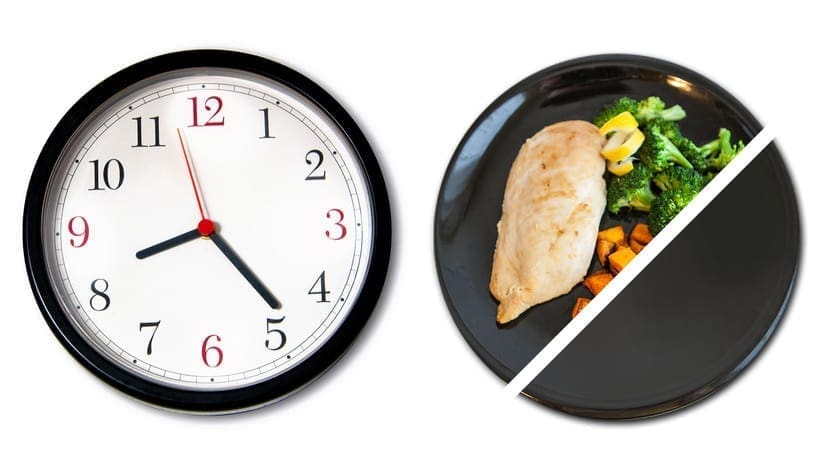
Intermittent fasting is one of the most ancient secrets of health and wellness. Because it’s been practiced throughout all history. Intermittent fasting is considered a secret because this habit had been long forgotten.
But now, many people are re-discovering this dietary intervention. It may carry advantages if it is done correctly, including: reversal of type two diabetes, weight reduction, greater energy and many other things. In this beginner’s guide you can learn the function of intermittent fasting on the body.
How Does Intermittent Fasting Work?
At its very core, fasting simply allows the body to burn off extra body fat. It is necessary to realize that this is ordinary for humans and people have evolved to avoid negative health consequences from it. Body fat is merely food energy that’s been stored away. If you do not consume food, your body will simply “eat” its own fat for energy.
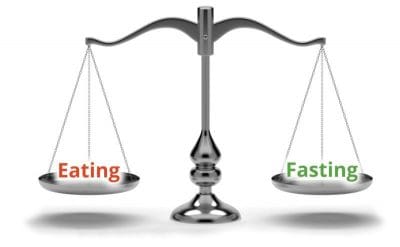
Life is all about balance. The good and the bad. The yin and the yang. The same is applicable to fasting and ingestion. Fasting, after all, is simply the flip side of eating. If you aren’t eating, you’re fasting. Here is how it works:
Once we eat, more food energy is consumed than can immediately be used. Some of the energy must be stored away for later usage. Insulin is the hormone involved with the storage of food energy.
Insulin rises when we consume food, helping to keep the excess energy in two separate ways. Sugars can be connected into chains, called glycogen and stored in the liver. There is limited storage space; and the liver starts to turn the glucose into fat, after that is achieved. This procedure is called De-Novo Lipogenesis.
A number of the newly created fat is stored in the liver, but most of it is exported into additional fat deposits within the body. Even though this is a complex procedure, there is no limitation to the total amount of fat which can be created. Therefore, two complementary food energy storage systems exist within our own bodies. One is readily accessible but with limited storage area (glycogen), and the other is more challenging to access but has infinite storage area (body fat).
The method goes in reverse when we don’t eat (fasting). Insulin levels fall, signaling the body to start burning stored energy as no more is coming through food. Blood glucose falls, so the body has to pull sugar to burn for energy.
Glycogen is the most readily accessible energy resource. It’s broken down to give energy to the cells. This provides enough energy to power the body for 24-36 hours. After that, your system will begin breaking down fat for energy.
So, the body just really exists in two states, the fed (insulin high) condition and the fasted (insulin reduced) state. Either we are storing food energy, or it is burning food energy. It is one or another. Then there is not any weight gain if fasting and eating become more balanced.
If we start eating the moment we roll out of bed, and do not stop until we go to sleep, we spend almost all our time at the fed state. As time passes, we will gain weight. We have not allowed our body some time.
To restore balance or to lose weight, we simply need to boost the quantity of time we burn food energy (fasting). Essentially, fasting enables the body to use its energy that is stored. After all, that is what it is there for. The important thing to realize is that there isn’t anything wrong with that. That’s how our bodies are designed. That’s what cat, dogs, lions and bears do. That’s what humans do.
If you are constantly eating, as is frequently advocated, then your body will simply utilize the incoming food energy rather than burn the body fat. It’ll be only stored by you. It will be saved by your own body for a while when there’s nothing to consume. You lack equilibrium. You lack fasting.
Fasting is Not Starvation
Fasting differs from starvation in a crucial way. Control. Starvation is the involuntary lack of food. It’s neither deliberate nor controlled. Fasting, on the other hand, is the voluntary withholding of food for health spiritual, or other factors.
Food is readily accessible, but you opt not to eat it. This could be for any time period, from a couple of hours up to days or even weeks. You will begin a fast and it may be ended by you at will. You may start or stop a fast for any reason or no reason at all.
Fasting has no typical length, as it’s merely the lack of ingestion. Anytime that you aren’t eating, you are fasting. As an instance, you may fast a period of approximately 12-14 hours, between breakfast and dinner the next day. In that sense, fasting ought to be thought of as a part of life.
Fasting is but a part of regular, normal life. It is possibly the oldest and most powerful dietary intervention imaginable. Yet somehow we have forgotten its power and discounted its potential.
The scope of our information is limited to chiropractic and spinal injuries and conditions. To discuss options on the subject matter, please feel free to ask Dr. Jimenez or contact us at 915-850-0900 .�
By Dr. Alex Jimenez
Additional Topics: Wellness
Overall health and wellness are essential towards maintaining the proper mental and physical balance in the body. From eating a balanced nutrition as well as exercising and participating in physical activities, to sleeping a healthy amount of time on a regular basis, following the best health and wellness tips can ultimately help maintain overall well-being. Eating plenty of fruits and vegetables can go a long way towards helping people become healthy.
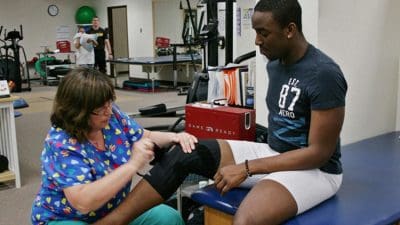
Return to play describes the stage in recovery from a sports injury when an athlete is able to go back to playing sports or participate in their specific physical activity at a pre-injury level.
Nobody likes to be sidelined with an undesired injury. Among the goals of sports medicine professionals and specialists is to try to restore an athlete back to action. Returning too soon, however before restoration or healing has taken place, can put an athlete at an increased risk for re-injury and down time.
With the ideal treatment and care plan for sport accidents and injury, from early identification and proper treatment to full functional rehabilitation, you can often safely accelerate your return to perform.
Lessons from Professional Athletes
Why does it seem that professional athletes come back to play so much quicker than the normal person or athlete? Professional athletes are often, at the time of injury, in tremendously good physical conditioning. This fitness level helps them in various ways. Various studies have demonstrated that conditioning the body properly can not only prevent injuries, it may also lessen the severity of an injury and speed up recovery.
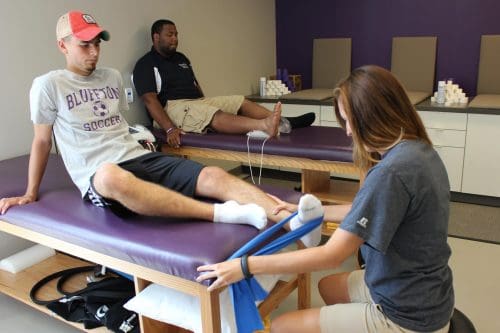
Professional athletes also get prompt treatment once an injury happens, and this lessens the acute phase of the injury. Treatment and care is required as soon as an injury followed by symptoms such as, stiffness, swelling, and loss of muscle tone manifest. In addition, professional athletes work hard with a physical therapist or certified athletic trainer.
Many professional athletes contribute their healing to exactly what they bring to their game,a positive attitude. You are able to harness the power of a positive mindset to your own benefit, even though you may not have access to the tools that professional athletes possess.
Advice from the Pros to Boost Your Recovery
Maintain balanced physical conditioning
Make Sure injuries are recognized early and treated promptly
Participate in a complete functional rehabilitation program
Stay healthy while injured
Keep a positive, upbeat mental attitude
Proper Athletic Treatment Recovery Plan
Phases of Care
Recovery from an injury involves a set of logical steps from the time of the injury until you are able to return on the field or court. Every step should be summarized and monitored by your physician and therapist.
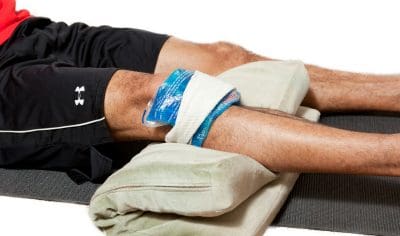
During the acute phase of injury, the focus should be on minimizing swelling. This entails the RICE formula (Rest, Ice, Compression, and Elevation), Together with a limitation of actions. Based on the type and severity of your injury, treatment may involve casting, or bracing and surgery in more serious cases.
During the acute period, it’s extremely important to keep overall conditioning while the injury heals. Creative techniques may be used to safely work around the injury. As an example, a runner with a leg injury may often run in plain water or use a bicycle to keep conditioning. By doing exercises if one leg is in a cast, the remainder of the human body can be exercised. Don’t wait till your injury is treated to get back into shape.
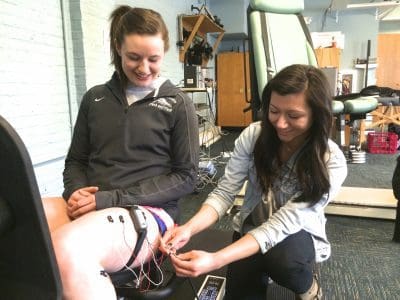
In another phase of recovery, you should focus on regaining full motion and strength of the injured limb or joint. Your doctor, physical therapist or certified athletic trainer will help outline an exact treatment plan. For injuries, gentle protective exercises can be started almost immediately. Muscle tone may be preserved by means of strengthening exercises or electric stimulation.
When strength returns to normal, functional drills could be started. For lower extremity injuries, this may include brisk walking, jumping rope, hopping, or light jogging. For upper extremity injuries, effortless ground strokes or light throwing could be carried out. The coordination that might have been lost in the injury can be brought back by specific exercises for agility and balance.
Once you have progressed with mobility, endurance, strength, and agility, and are tolerating functional exercises, you can try higher levels of sport-specific movement routines. Your physical therapist or certified athletic trainer monitors this. You could find that tape, braces, or supports help in this transition time.
Only when you are practicing hard without significant problem, and the healing has progressed to the point at which the probability of injury or harm is reduced, are you ready to return to play. During these phases of recovery, you ought to be carefully monitored. Special attention ought to be given to sufficient warm up following the activity prior to the activity and icing after engaging in the specific sport or physical activity.
Note Of Caution
The rational progression of recovery not only reduces the chance of re-injury but also assures that you will be able to perform at your best when you return to play. Frequently, athletes believe they are all set to return as soon as the limp or even the swelling subsides. They might feel good, but they are probably just 70 to 75% recovered. This invites re-injury.
Sports medicine experts are working on approaches to assist athletes to achieve near 100% healing as fast as the proper cautionary measures allows. The athlete’s health and safety has to be put over all other concerns, although there is enormous pressure to get the athlete back whenever possible.
A systematic recovery program has been successfully utilized every day, at all levels of play, from the recreational athlete to the elite professional or Olympic athlete, by a variety of specialized healthcare professionals. As with any type of sports injury, seek immediate medical attention from a qualified specialist to begin the rehabilitation process.
The scope of our information is limited to chiropractic and spinal injuries and conditions. To discuss options on the subject matter, please feel free to ask Dr. Jimenez or contact us at 915-850-0900 .�
By Dr. Alex Jimenez
Additional Topics: Sports Care
Athletes engage in a series of stretches and exercises on a daily basis in order to prevent damage or injury from their specific sports or physical activities as well as to promote and maintain strength, mobility and flexibility. However, when injuries or conditions occur as a result of an accident or due to repetitive degeneration, getting the proper care and treatment can change an athlete’s ability to return to play as soon as possible and restore their original health.
With the presence of blood flow restriction training in discussions surrounding intensity coaches and physiotherapists, people are beginning to seek out programs for the best training procedure which might help them reach new levels of athletic performance.
In arenas that were competitive; an athlete’s practice volume is often restricted by their capacity, not their desire to keep training. With elite athletes there are a handful of variables that influence recovery; sleep, nourishment, training volume, the modality of training, body work…etc.. Athletes are looking for everything they can to be able to recuperate faster so they can train harder. Blood flow restriction training is an alternative and should be included in the dialogue of methods which help you recover.
What is Blood Flow Restriction Training (BFR)?
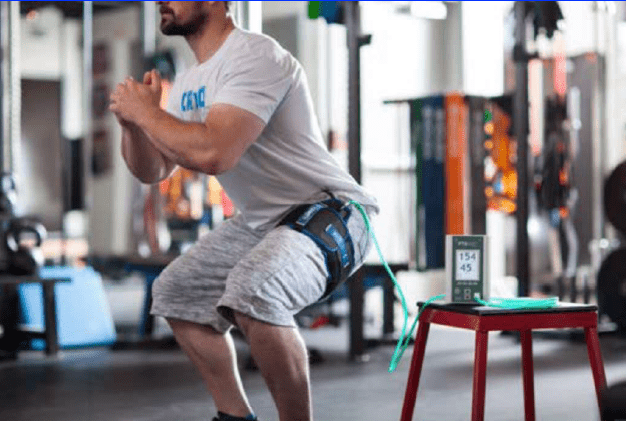
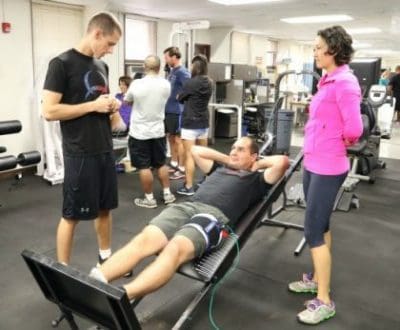
In brief, it is when you use a tourniquet device to restrict blood flow to your extremities while exercising. Faster recovery, and amount of superior training, equals gains.
BFR and Recovery
First let us begin with the thought that BFR does not cause muscle damage. This is an extremely important aspect of BFR training. If we’re currently performing a modality to boost recovery, then we do not want to break down muscle fibers in the procedure.
Think of muscle recovery as an equation of protein balance. Net protein equilibrium muscle protein breakdown. We would like our web protein balance to be over 0 (in the favorable). A positive protein balance suggests we are building muscle, not breaking it down.
There are different markers used in study to quantify muscle breakdown such as CK degrees and myoglobin levels. Delayed onset muscle soreness (DOMS) has also been measured in areas after BFR. The subject revealed no increase in DOMS after blood flow restriction. There seems to be no indirect or direct measures of muscular damage related to BFR when looking at the study. So we can conclude that using BFR will not increase muscle dysfunction following an athlete’s training session.
Process of Recovery with BFR
The very first thing we will look at is the greater release of growth hormone. Studies have shown there to be up to some 290% boost in growth hormone following BFR. Growth hormone is an integral component in collagen synthesis. Collagen synthesis enables the body to restore ligaments and tendons, which are reliant on hydration for strength and their structure.
Tendons, exactly like muscles, are subject to damage following training. When we’ve got higher tendon (collagen) breakdown when compared to tendon (hydration) synthesis we can ultimately wind up with bothersome limb injuries (tendonopathy, tendonitis, tendonosis). Various studies have shown there to be increased cross sectional area and tendon stiffness that was enhanced when comparing raised GH to a control group that was normal without GH.
What exactly does this mean to the athlete? The Growth hormone reaction with blood flow restriction training can lead to tendon strength and durability, thus allowing them to train longer without harm.
Growth hormone can also be correlated with greater healing in bone (thanks to the higher collagen synthesis). A frequent type of sport injury includes stress fractures. A stress fracture is when there’s more collagen breakdown when compared to collagen synthesis. BFR may play a role in helping to stop or limit stress fractures in athletes.
Next let us look at IGF-1. Insulin like growth factor -1 (IGF-1) is ultimately a protein that is connected to muscle growth. When we examine what is needed for muscle development, we could refer back to this equation cited before protein equilibrium muscle protein breakdown. If you have a favorable protein balance we could conclude that muscle development will be achieved by utilizing BFR therapy. More muscle being assembled compared to muscle being destroyed equals more muscle development. If we’re currently attaining a positive protein balance, we could conclude that our muscle fibers are recovering like they ought to be. When comparing to controls, when using BFR training various studies have shown there to be an increased number of IGF-1.
BFR Into Practice
The BFR would take place as the last thing you did before leaving the gym. You can do upper or lower body, however if your goal is strictly muscle recovery, I�d recommend doing the lower extremity. The lower extremity has muscle mass which will create a higher reaction. Since HGH and IGF-1 are carried throughout the blood flow, the result is systemic (whole body). You would be fine doing either the lower or upper extremities. BFR is safe to use on a daily basis, therefore its recommended to switc pper body on your primarily upper body dominant days and the lower body on primarily your lower body dominant days.
The exercise of choice for the lower extremity are some kind of deadlift or squat done at 20 to 30% of your 1RM. The exercise of choice for the upper body would be some kind of push up, row, or press. Once again you are currently aiming for 20-30 percent 1RM. You desire the exercises to be easy. It is not a wonderful notion when performing muscle ups or handstand pushups to perform BFR. That’s a recipe for failure.
The method would be to use 4 sets of 30/15/15/15 reps with a 30 second break between sets and a 2-second concentric and two- second eccentric contraction to get a metabolic reaction. The protocol would be complete in approximately 4-5 minutes.
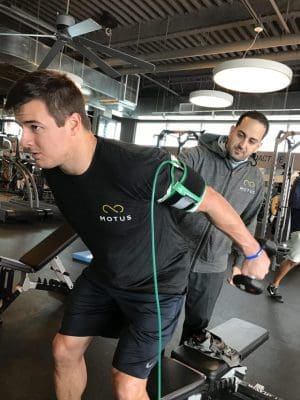
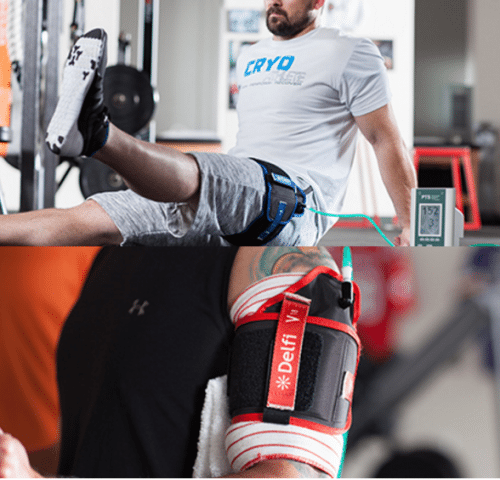
The placement of the cuffs will be at the peak of your arm, the most proximal segment just before the shoulder, or the top of your leg, the most proximal segment below your hip. We want the limb occlusion pressure to be 80 percent for the lower extremities and 50% to the upper extremities. If you experience numbing and tingling sensations, you’ve constricted too much. It will be uncomfortable, and will be the greatest “pump” and “burn” you’ve ever encounter. There ought to be zero numbness or tingling when performing BFR.
The scope of our information is limited to chiropractic and spinal injuries and conditions. To discuss options on the subject matter, please feel free to ask Dr. Jimenez or contact us at 915-850-0900 .�
By Dr. Alex Jimenez
Additional Topics: Sports Care
Athletes engage in a series of stretches and exercises on a daily basis in order to prevent damage or injury from their specific sports or physical activities as well as to promote and maintain strength, mobility and flexibility. However, when injuries or conditions occur as a result of an accident or due to repetitive degeneration, getting the proper care and treatment can change an athlete’s ability to return to play as soon as possible and restore their original health.
BFR or blood flow restriction therapy has been around for a long time, but recently, the evidence for its use in the world that is rehabilitation has begun to emerge. The principle is very simple: that the circulation of blood flow is confined to the area of the human body that’s being trained or undergoing rehabilitation in a certain manner to boost the impacts of the training via lower load (less stress).
Is Blood Flow Restriction Effective?
According to the American College of Sports Medicine, to achieve an increase in muscle size and strength, you want to do 8 to 10 repetitions of an exercise. A moderate to high intensity is deemed to be 65 to 80 percent of their patient’s one rep maximum (the maximum amount of weight a person can lift 1 time). However, the majority of patients that are injured can’t deal with this kind of load, consequently restricting their capacity.
So again we’re faced with the question: Just how can we achieve hypertrophy and gain muscle strength without using heavy loads? The solution involves using a tourniquet to restrict blood flow into a muscle. This technique is known as blood flow restriction training (BFR).
According to the most recent research in the event the appropriate blood flow restriction therapy protocols are utilized, the benefits of the training are equal to those found when using 70 percent of an individual’s maximal load, while using as little as 20 to 30 percent of somebody’s maximum load. The secret is that restricted blood flow training allows healthcare professionals, such as physical therapists, to make a localized region of exercise that is anaerobic.
BFR is a tool that uses a doppler and tourniquet system placed on either thigh or the upper arm to limit blood circulation. After this, it begins to create lactate and hydrogen ions and denies the muscle oxygen. This is what causes the “burning” feeling when we lift heavy weights. The burn is simply the response to being in an active environment of the body. During heavy lifting (65-85%), we create small microtraumas in the muscle that the body then repairs by building more muscle. Together with BFR, we are not generating microtraumas at the muscle, so our body does not have to devote the energy to repair the muscle; rather our bodies just focus on creating the muscle.
Second, soreness is not experienced by us as we would when we were lifting weights. This means we can now lift at low loads (15-30%) and basically gain more muscle strength and size, at a quicker manner, as if we were lifting a more heavier load.
As soon as we create lactate, we activate growth hormone release. The release of IGF-1 subsequently stimulates once growth hormone is released. Such enables your muscles ability to activate; this in turn increases muscle protein synthesis, or our stem cells to the muscle. As previously mentioned, if we were to have muscle breakdown, these stem cells could have to concentrate on repairing muscles building. With blood flow restriction therapy or training, we skip the muscle repair and focus on muscle building. This result is not concentrated throughout the exercise, but impacts the tissues and muscles to create the greater benefit of BFR. BFR has shown to have the ability to help in endurance training and coaching, tendon healing and bone recovery.
All of our muscles are produced from other kinds of fibers, including type 1 which are slow to twitch and rely on oxygen and type 2, which are those we’re currently attempting to build with BFR training and fast-twitch fibers. By limiting the blood flow, we create an environment at the muscle group that compels the increase of more fibers that are type 2. Higher strength gains are the outcome because these type 2 fibers normally can produce more force. Another effect of blood flow restriction is that is allows for a synthesis of proteins needed to build and repair muscles and tissues.
In a treatment setting, this helps us achieve the outcomes for patients faster, and in sports it enables the gains to be attained with less strength and less damage to the muscle. That is why pro and college teams are currently turning to BFR as a training principle. In sports, athletes are attempting to come back to the field quicker after suffering trauma or injury from an accident. Some athletes re-injure themselves by lifting. That is really where BFR can come by lifting loads that are lower and receiving the same, or even much better profits. Healthcare specialists will tend to eliminate strength immediately following a sports injury, but they can not exercise at elevated levels. In this manner, they can not only keep the power but build strength in the process although together with blood flow restriction training.
Is Blood Flow Restriction Safe?
You might be thinking that its effects sounds fantastic, but is it safe? The brief answer is yes, but as with any rehab technique, there are precautions which should be taken and it’s recommended to first seek medical attention from a healthcare professional to discuss the option of BFR therapy for you. We certainly don’t recommend that individuals do this by themselves and tie bands around their limbs. In the practice, specialists can track it as you train and use special devices to know exactly how much you need to train to experience its benefits.
The scope of our information is limited to chiropractic and spinal injuries and conditions. To discuss options on the subject matter, please feel free to ask Dr. Jimenez or contact us at 915-850-0900 .�
By Dr. Alex Jimenez
Additional Topics: Sports Care
Athletes engage in a series of stretches and exercises on a daily basis in order to prevent damage or injury from their specific sports or physical activities as well as to promote and maintain strength, mobility and flexibility. However, when injuries or conditions occur as a result of an accident or due to repetitive degeneration, getting the proper care and treatment can change an athlete’s ability to return to play as soon as possible and restore their original health.
IFM's Find A Practitioner tool is the largest referral network in Functional Medicine, created to help patients locate Functional Medicine practitioners anywhere in the world. IFM Certified Practitioners are listed first in the search results, given their extensive education in Functional Medicine