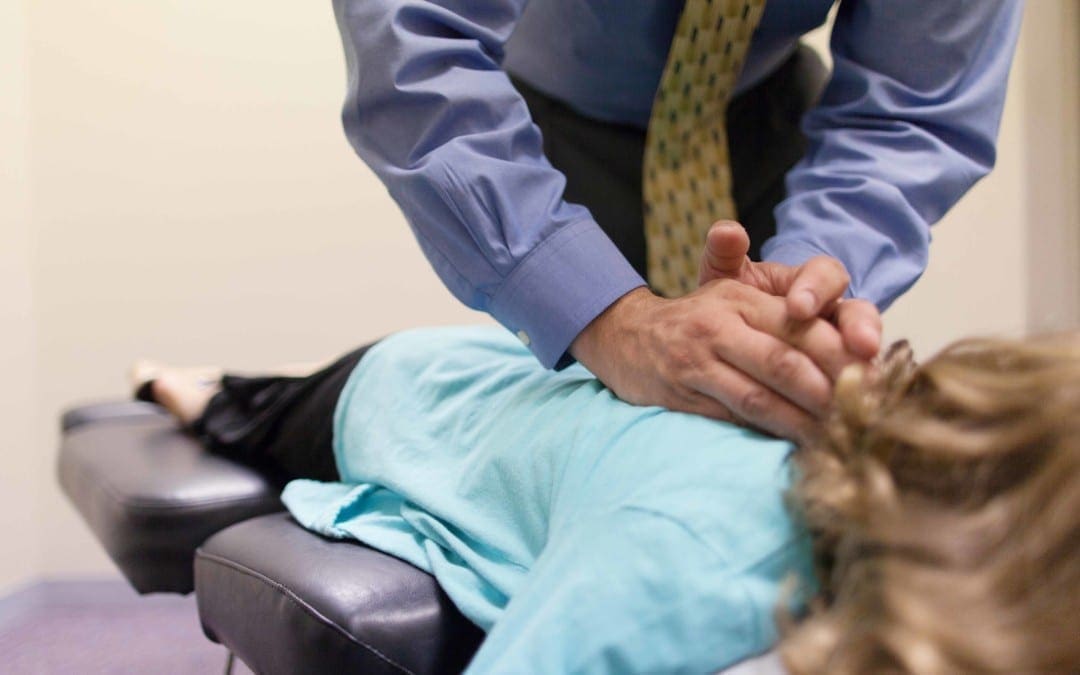
Back Clinic Chiropractic. This is a form of alternative treatment that focuses on the diagnosis and treatment of various musculoskeletal injuries and conditions, especially those associated with the spine. Dr. Alex Jimenez discusses how spinal adjustments and manual manipulations regularly can greatly help both improve and eliminate many symptoms that could be causing discomfort to the individual. Chiropractors believe among the main reasons for pain and disease are the vertebrae’s misalignment in the spinal column (this is known as a chiropractic subluxation).
Through the usage of manual detection (or palpation), carefully applied pressure, massage, and manual manipulation of the vertebrae and joints (called adjustments), chiropractors can alleviate pressure and irritation on the nerves, restore joint mobility, and help return the body’s homeostasis. From subluxations, or spinal misalignments, to sciatica, a set of symptoms along the sciatic nerve caused by nerve impingement, chiropractic care can gradually restore the individual’s natural state of being. Dr. Jimenez compiles a group of concepts on chiropractic to best educate individuals on the variety of injuries and conditions affecting the human body.
A chiropractor is a healthcare professional who focuses on the diagnosis, treatment and prevention of neuromuscular and musculoskeletal disorders through the use of adjustments and manipulations of the spine.
What are a chiropractor’s treatment goals and beliefs?
Chiropractors seek to reduce pain and enhance the performance of patients as well as to instruct them on how they can account for their health via ergonomics, exercise and other therapies to deal with their pain. Chiropractic is usually categorized as alternative medicine or complementary medicine.
Fundamental Chiropractor Beliefs and Goals
Chiropractors focus on the intimate relationship between the nervous system and the spine, to provide overall health and wellness to the human body. They also hold accurate the following beliefs:
Biomechanical and structural derangement of the spine can affect the nervous system
For many conditions, chiropractic treatment may restore the structural integrity of the spine, reduce stress on the sensitive adrenal gland, and thus improve the wellness of the individual.
The treatment concept of chiropractic is to re-establish normal spinal mobility, which in turn alleviates the irritation to the spinal nerve or re-establishes altered folds, to reduce painful symptoms affecting the individual.
Conditions Treated by Chiropractic
Chiropractors use a number of non-surgical treatment modalities to treat patients with certain types of:
Lower back pain and/or leg pain (sciatica)
Neck pain
Repetitive strains
Headaches
Sports injuries
Car accident injuries
Arthritic pain
While primarily focusing on fixing neuromusculoskeletal disorders, chiropractors aren’t exclusively confined to problems with the nervous system and musculoskeletal system. If appropriate, these healthcare professionals will refer patients to medical doctors or other healthcare practitioners for treatment of lower back pain, or other injuries and conditions. Chiropractors have a local referral network or function collectively with other spinal experts.
Chiropractic Examination
In most regards, a chiropractic evaluation is quite much like conventional assessment procedures administered by all health care providers. With that said chiropractors examine function and the arrangement of the spine and then determine chiropractic therapies separates attention.
Chiropractic Exam of Back Pain
A first chiropractic examination for back pain will generally have three parts: a consultation, case history, and physical examination. Laboratory investigation and X-ray examination may be done if needed.
Consultation. The chiropractor meets with the patient and provides a synopsis of their back pain, such as:
Duration and frequency of symptoms
Description of these symptoms (e.g. burning, throbbing)
Areas of pain
What makes the pain feel better (e.g. sitting, extending)
What makes the pain feel worse (e.g. standing, lifting)
Case history. The chiropractor identifies the area(s) of complaint and the nature of the spine pain by asking questions and learning more about different regions of the patient’s background, including:
Family background
Dietary customs
Past background of other therapies (chiropractic, osteopathic, medical and other)
Occupational history
Psychosocial history
Other places to probe, frequently based on responses to preceding questions
Physical evaluation. A chiropractor may use a variety of methods to determine the spinal sections which require chiropractic treatments, including but not limited to, static and motion palpation techniques ascertaining spinal segments which are hypo cellular (restricted in their motion) or fixated. Depending on the results of the evaluation, extra diagnostic tests may be used by a chiropractor, for example:
X-ray to locate subluxations (the altered position of the vertebra)
A device that detects the temperature of their skin in the paraspinal area to identify spinal areas having a substantial temperature variance which needs manipulation.
Many chiropractors use a holistic, biomechanical concept of treating the bipedal structure completely, in an effort to balance the arrangement from the feet upwards.
Chiropractors are usually trained in multiple procedures of evaluating lower back pain, for example:
Evaluation and management solutions. Chiropractors are trained in examining the joints, bones, muscles and tendons of the body with the objective of imagining tenderness any misalignment, asymmetry, defects or other issues.
Neurologic and other common physical examination procedures. Chiropractors are trained to perform a variety of neurologic tests (nerve root compression/tension, engine strength, coordination, deep tendon and pathological reflexes, etc.) and are proficient in doing orthopedic, cardiovascular and several other frequent assessments.
Specialized assessment. Chiropractors are trained to assess range of motion, stability, muscle strength, muscle tone along with other assessments.
Common diagnostic studies. Chiropractors are trained in use of diagnostic tools and studies like radiography (X-rays), laboratory diagnostics and neurodiagnostics.
The scope of our information is limited to chiropractic and spinal injuries and conditions. To discuss options on the subject matter, please feel free to ask Dr. Jimenez or contact us at 915-850-0900 .�
By Dr. Alex Jimenez
Additional Topics: Wellness
Overall health and wellness are essential towards maintaining the proper mental and physical balance in the body. From eating a balanced nutrition as well as exercising and participating in physical activities, to sleeping a healthy amount of time on a regular basis, following the best health and wellness tips can ultimately help maintain overall well-being. Eating plenty of fruits and vegetables can go a long way towards helping people become healthy.
Autoimmune disease affects up to 50 million Americans, according to the American Autoimmune Related Diseases Association. Why are so many people affected by these chronic pain conditions? There are a number of factors that may cause the human body to attack its own cells, some of which can be modified.
What lifestyle modifications can help improve autoimmune diseases?
Unfortunately, conventional treatment options often focus on solely relieving symptoms, in the belief that there are no cures for autoimmune diseases. However, autoimmune diseases still undergo cycles of flare-ups and remission. In accordance with Dr. Dempster, a healthcare professional in alternative treatment, functional medicine looks at your complete health picture by addressing fundamental factors of your biochemical, physical, and emotional well-being.
Why is this important? Your body naturally wants to become healthy and at a state of balance. Nonetheless, things occur to upset that balance. It’s believed that autoimmune disorders can be triggered by numerous factors, such as poor diet, chemical irritants, environmental toxins, pharmaceuticals, and even bacteria or germs, to name a couple. Individuals often undermine their health and that’s why it’s crucial to take a functional medicine approach.
Common Factors Behind Autoimmune Disorders
Diet: A quick glance at today’s supermarket shelves shows that the American diet is packed with highly processed foods, most of which have very little nutrient value, but carry varying amounts of detrimental chemicals and other components. Even so-called wellness foods are lacking in essential vitamins and minerals. Functional medicine practitioners are qualified to look into a patient’s diet in order to help determine the proper nutrition they should follow to achieve their desired health and wellness. A balanced diet can naturally improve autoimmune responses.
Chronic stress: Mental health, including stress, depression and anxiety, can have a direct effect on physical health. Today’s world supplies chronic stress than other occasions ever. Other websites and television supply a constant stream of crime violence and risks. Every night, many people don’t get enough sleep and some may suffer from insomnia related to stress. Most are overscheduled, overbooked and overrun, without the time for meditation and rejuvenation. Participating in stress management has been demonstrated to reduce chronic stress symptoms.
Toxins: Pesticides, antibiotic overuse, heavy metals, EMF pollution, pharmaceuticals, GMOs, heavily processed foods, poor water quality, smog and pollution runoff are only a couple of the elements of our daily lives that regularly serve up a load of toxins and impurities in the body. Over time, our bodies become less able to cope and fight off these effects. Research studies have concluded that exposure to harmful toxins can aggravate autoimmune disease symptoms.
Fortunately, functional medicine provides a means to get at the underlying causes of autoimmune disease using a systems-oriented approach, engaging practitioner and patient at a therapeutic partnership. Functional medicine is a much better approach to healthcare in the world of today, allowing chance for patients and healthcare professionals to examine environmental, lifestyle and genetic variables together. In an individualized manner, healthcare demands are addressed this way, acknowledging the special expression of well-being in every patient.
The scope of our information is limited to chiropractic and spinal injuries and conditions. To discuss options on the subject matter, please feel free to ask Dr. Jimenez or contact us at 915-850-0900 .�
By Dr. Alex Jimenez
Additional Topics: Wellness
Overall health and wellness are essential towards maintaining the proper mental and physical balance in the body. From eating a balanced nutrition as well as exercising and participating in physical activities, to sleeping a healthy amount of time on a regular basis, following the best health and wellness tips can ultimately help maintain overall well-being. Eating plenty of fruits and vegetables can go a long way towards helping people become healthy.
Since its beginning in 1895, chiropractic has offered treatment for individuals with aggravating neck and back pain. Throughout American chiropractic history, some chiropractors have promised the connection between the spine, nervous system and brain to be as essential to one’s health and have held the belief that structural imbalances in the spine can affect the spinal cord, nerves, muscles, bones and joints of the human body.
What is the history behind American chiropractic care?
Over the years, according to evidence from literature and research studies, healthcare professionals have increasingly concentrated on treatment of spine-related disorders as well as other problems.
Chiropractic care has traditionally been predicated on spinal manipulation, which normally involves implementing a manual, controlled push into joints that have been restricted by tissue injury with the objective of restoring the joint’s distress, relieving related stiffness and pain, and allowing the tissues to heal. It is one of the most commonly used forms of treatment, while spinal manipulation has gotten more specialized because of its applications in chiropractic care.
However, because doctors of chiropractic have evolved together with the signs as to the most effective approaches to chronic pain, neck pain and back pain, they’ve embraced many different evidence-based treatment approaches. Quite a few healthcare professionals have got degrees, such as PhD’s, and have begun to investigate the effects of chiropractic adjustments and manual manipulations, in addition to other alternative treatment options.
Spinal Manipulation in Chiropractic History
Spinal manipulation, or chiropractic adjustment, was not invented by a chiropractor, nor is it even a method. Manipulation of the spine dates back to the beginning of time, together with Hippocrates imagining it.
Spinal manipulation is frequently associated with chiropractic care due to a man called Daniel David (D.D.) Palmer, the founder of chiropractic in the United States. Prior to the 20th century, learning more about using spinal manipulation in early times, Palmer maintained an interest towards the function of the spine on health and began to study its basic foundations, thus teaching himself the way to control and manipulate the spine.
In 1895, Palmer was approached by a janitor who was deaf in one ear. Palmer theorized that the condition was likely related to the spine, possibly a displaced vertebra. According to many accounts, the man’s back was examined by Palmer, where he manipulated the region, and noticed a bulge near the spine. Palmer reported the adjustment to restore the hearing loss of the man. This event is considered the start of chiropractic history.
A combination of the Greek words “cheir” (hand) and praktos (“done”), chiropractic means “Done by Hand”, though it’s essential to be aware that contemporary spinal manipulation has expanded beyond just hands-based adjustments.
In 1907, Palmer added the term “subluxation” into the chiropractic vocabulary. Palmer clarified “subluxations” in terms of the spinal vertebrae and joints putting pressure on the nerves, thus impairing operation, and then detailed how spinal alterations may be used to decrease subluxation and enhance patient symptoms. The term subluxation is still used today by some chiropractors to characterize certain misalignments of the spinal vertebrae and joints as well as to determine the proper treatment options to follow. At least one chiropractic school (National University of Health Sciences) has begun to refer to this word “subluxation” from a historical view only.
American Chiropractic History in the 20th and 21st Century
In 1897, Palmer founded the Palmer School of Chiropractic (which still exists today) to teach students about chiropractic principles and instruct them in chiropractic manipulation.
Palmer’s son Bartlett Joshua (B.J.) further developed and promoted chiropractic in the first half of the 20th century. B.J. Palmer not only provided training in chiropractic care, but aided in the education of both the medical community and the general public on the livelihood.
For patients seeking alternatives to traditional therapies using drugs, chiropractic slowly grew during this time period, and its own core fundamentals gained acceptance with continued research. By the late 20th century, chiropractic treatment emerged as one of the most accessible and popular forms of health care, to date.
The scope of our information is limited to chiropractic and spinal injuries and conditions. To discuss options on the subject matter, please feel free to ask Dr. Jimenez or contact us at 915-850-0900 .�
By Dr. Alex Jimenez
Additional Topics: Wellness
Overall health and wellness are essential towards maintaining the proper mental and physical balance in the body. From eating a balanced nutrition as well as exercising and participating in physical activities, to sleeping a healthy amount of time on a regular basis, following the best health and wellness tips can ultimately help maintain overall well-being. Eating plenty of fruits and vegetables can go a long way towards helping people become healthy.
Over 60 million Americans suffer from some type of sleep disorder. And as many as 1 in 6 of them use potentially-addictive prescription sleep drugs with harmful side effects, which are associated with a threefold increased risk of cancer and death. It’s important to understand how essential sleep is and how alternative treatment approaches, including integrative functional medicine, are fundamental towards a natural remedy to proper sleep.
How can we promote sleep naturally?
Research from Harvard University has shown that the worker loses 11 times of productivity every year due to insomnia. Meanwhile studies over the past decade have associated poor sleep with dementia, diabetes, obesity, depression, cardiovascular disease and stroke. Billions of dollars per year are spent on costs related to sleepiness, such as missed work days, doctor visits, prescriptions and hospital services for car crash accidents, all thanks directly to individual sleep deprivation. While some of these costs are necessary, getting effective care can make a difference.
Recently, the impact of sleep on health has been getting an increasing number of attention from scientists that are realizing that sleep is an active and dynamic state. The latest attention has been on the importance of adequate sleep for the brain’s physiological maintenance. Turns out, while you sleep a plumbing system called the glymphatic system opens up between the brain cells and literally flushes out toxic molecules involved in neurodegenerative disorders.
This wealth of science could be overpowering, and for many it only adds to the anxiety of “not having sufficient sleep.” According to many integrative and functional medicine practitioners, proper sleep, being an important element in overall health and wellness, can be achieved naturally by following a series of recommendations.
Here are five simple ways to troubleshoot poor sleep now:
Avoid Blue Light Before Bed
The displays of tablets, smartphones and some computers emit a blue wavelength light which affects your Suprachiastmatic Nucleus (SCN), a pinhead sized arrangement that includes 20,000 neurons and controls your sleep cycle, and decreases melatonin generation causing sleep disruptions. If you absolutely must study your phone before bed, get the F.lux app. It’s a program that filters the light mimicking sundown emanating from the device in order that it is blue/black predominant and it’s red overriding and reducing your exposure to blue light during the night.
If you Wake Up, Get Up
In his book At Day’s Close: Night in Times Past, A. Roger Ekirch clarifies that historically, humans slept in 2 shifts: one to get a couple of hours when the sun went down, and another from the early hours of the morning before dawn. In between, they woke up, often for a couple of hours, to tend the fire, have intercourse or pray, and this was completely normal. It was only after electricity extended daylight past sunset that sleeping patterns changed.
So in the event that you end up waking up in the middle of the night struggling to fall back asleep, don’t toss and turn and cultivate stress and anxiety from being awake, instead, get up and get out of bed, stretch, meditate, make love, and/or do something else that doesn’t require turning on the lights.
Quit Caffeine
Many patients seeking care for their sleeping problems and who do not sleep well claim that there’s no way coffee is the culprit. Research proves that even sleep can be disrupted by only one cup of drip coffee even if taken early in the day. And if you are one of the countless people who have a genetic version of an enzyme called CYP1A2, you may metabolize caffeine more slowly than others, which not just puts you at greater risk of disrupted sleep, in addition, it puts you at greater chance of experiencing a heart attack if you’re a caffeine drinker.
Also remember that sodas would be the No. 1 reason behind American’s increased caffeine ingestion since the 1970’s and that a bit of dark chocolate may have up to 30 milligrams of caffeine.
Take Magnesium Before Bed
Magnesium is an essential mineral that up to 70 percent of the populace is deficient in. It has many uses such as nervous system function, brain and muscle.�Magnesium can relieve anxiety and naturally support deeper sleep.
Face Anxiety Head On
Back in 2011, more than 74 million prescriptions have been written for two drugs, Xanax and Valium, a truth that says Americans have a serious problem with anxiety.
Functional medicine practitioners who begin working with people on their sleeping disorders, begin by looking after the fundamentals, like sleeping in a cool room, cutting on caffeine, and preventing time spent in front of screens and also the blue light that they radiate, but this process is often like peeling back an onion, revealing that the deeper anxiety may be the true reason that drives sleep disturbance at the heart.
If anxiety is causing you to toss and turn or have difficulty falling asleep, try creating a meditation practice before you turn to sleep aids. A scientific review of 47 studies appearing over 3,500 individuals has shown that meditation can decrease anxiety, depression and pain, and even though there are natural non-addictive sleep aids like magnesium, getting to stress at the heart is much better than a tablet, even a normal one.
Qualified and experienced functional medicine practitioners work with patients for as long as it takes to receive their sleep quality to where it ought to be. What surprises people most is the way foods they’re eating may be maintaining their brain wired, via irritation in their gut. The recent focus about the gut-brain axis has shed much light onto the brain’s sensitivity to whatever is happening in the intestine, and vice versa. It is a good time for personalized medical care that is root-cause. Improving the health of the body as a whole can have wholesome benefits on wellness.
The scope of our information is limited to chiropractic and spinal injuries and conditions. To discuss options on the subject matter, please feel free to ask Dr. Jimenez or contact us at 915-850-0900 .�
By Dr. Alex Jimenez
Additional Topics: Wellness
Overall health and wellness are essential towards maintaining the proper mental and physical balance in the body. From eating a balanced nutrition as well as exercising and participating in physical activities, to sleeping a healthy amount of time on a regular basis, following the best health and wellness tips can ultimately help maintain overall well-being. Eating plenty of fruits and vegetables can go a long way towards helping people become healthy.
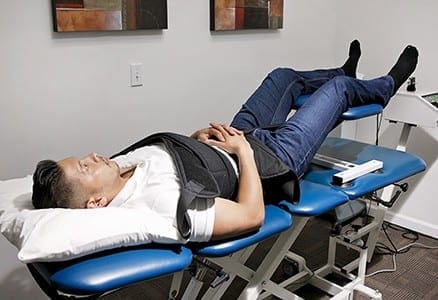
Spinal decompression therapy involves the stretching of the spine, using a traction table or similar device, with the objective of relieving back pain and/or leg pain.
What is spinal decompression therapy?
This process is known as nonsurgical, spinal decompression therapy (as opposed to surgical spinal decompression like laminectomy and microdiscectomy). This article offers an overview of nonsurgical spinal decompression therapy and its role in treatment of lower back pain and neck pain.
Theory of Spinal Decompression Therapy
Spinal decompression devices use the exact fundamental principle of spinal traction that’s been provided by chiropractors, osteopaths, and other appropriately trained health professionals for many decades. Both traction and decompression therapies are applied together with the aims of relieving pain and promoting the best healing environment for bulging, degenerating, or herniated discs.
Spinal decompression is a type of traction treatment applied to the spine in an attempt to result in several theoretical benefits such as to create a negative intradiscal pressure to promote retraction or repositioning of the herniated or bulging disc material and to produce a reduce pressure in the disc that will cause an influx of recovery nutrients and other substances into the disk.
Clinical Evidence
While the fundamental concept of spinal decompression is broadly accepted as legitimate, there’s a shortage of evidence supporting decompression therapy as being efficacious. There are a number of dangers.
Though some studies that don’t include control groups conclude that decompression treatment is effective, the few that do normally conclude that mechanized spinal decompression is not any greater than sham decompression. Thus, there’s insufficient evidence that spinal decompression therapy is as effective, or even more effective, compared to less expensive manual approaches in treating back pain or injured herniated discs.
An overview of medical literature so far suggests that most clinical trials assessing the effectiveness of spinal decompression therapy or traction were lacking in a couple of regions, such as inadequate numbers of topics to create a statistically valid conclusion, lack of blinding (the individual or provider knows the therapy given), no regard to a placebo group (known as a sham controlled study), or absence of comparison to a treatment substitute. At the time of this report, few clinical studies of spinal decompression therapy have been published in peer reviewed journals.
How Spinal Decompression Works
In nonsurgical spinal decompression therapy, the spine is relaxed and stretched intermittently in a controlled way. The concept is that this process creates a negative intradiscal pressure (pressure inside the disc itself), which is thought to have two possible benefits: pull the herniated or bulging disc material back into the disk; and promote the passage of healing nutrients, into the disc and fosters a better recovery environment.
Spinal Decompression Session
During spinal decompression treatment for the lower spine (lumbar spine), patients stay clothed and lie on a motorized table, the lower half of that which can move. First, a�harness is placed round the hips and can be connected to the lower table close to the toes. The top region of the table then remains in a fixed position while the lower part, where the individual is harnessed, slides back and forth to offer the traction and relaxation.
One difference between different decompression therapies is the patient’s place on the table:
Some devices place the patient in the prone position on the desk, lying down face (e.g. VAX-D)
Some devices have the patient lying supine, face up (e.g. DRX9000)
The patient shouldn’t feel pain during or after the decompression therapy although they should feel stretch in the spine.
Treatment Collection and Costs
While spinal decompression therapy could be advocated as a potential treatment for a number of lower back pain conditions, just like all lower back pain remedies, it’s the patient’s decision whether or not to have the therapy. Although the risk is reduced, the benefit of these treatments isn’t established.
Decompression therapy generally consists of a series of 15 to 30 treatments, lasting 30 to 45 minutes per day, within a four to four six-week period. Sessions are conducted at the practitioner’s office. The price of each session generally ranges from $30 to $200, meaning that a recommended series of remedies will generally cost from $450 to $6,000. Although insurers may cover grip, decompression therapy isn’t usually allowed although they are almost the same.
Sessions may include additional treatment modalities, such as electric stimulation, ultrasound, and cold and/or heat treatment applied during or after the process. Recommendations may also incorporate drinking up to some half-gallon of water per day, remainder, utilizing nutritional supplements, or performing exercises at home to boost strength and mobility. Research and find chiropractors in your area that could help relieve your back and neck discomfort.
The scope of our information is limited to chiropractic and spinal injuries and conditions. To discuss options on the subject matter, please feel free to ask Dr. Jimenez or contact us at 915-850-0900 .�
By Dr. Alex Jimenez
Additional Topics: Wellness
Overall health and wellness are essential towards maintaining the proper mental and physical balance in the body. From eating a balanced nutrition as well as exercising and participating in physical activities, to sleeping a healthy amount of time on a regular basis, following the best health and wellness tips can ultimately help maintain overall well-being. Eating plenty of fruits and vegetables can go a long way towards helping people become healthy.
Do you believe that taking pills doesn’t solve the underlying issue, and do you want to work with a practitioner who believes in the same manner? Fortunately, an increasing number of clinicians are practicing functional medicine.
What is functional medicine?
Functional medicine is an evidence-based clinical strategy that addresses the environmental effects and ailments that underlie disorder, with the concept that when those are treated, the body can return to its normal state of health and equilibrium. The content delves into the guiding principles and approach of FM, to help you determine whether dealing with a functional medicine practitioner is what you want on your journey toward healing and maintaining health.
Principles of Functional Medicine
The Textbook of Functional Medicine defines FM because the “prevention, early assessment, and enhanced management of complex, chronic disorder by intervening at multiple levels to fix heart health imbalances and thus restore each patient’s functionality and health to the greatest extent possible.” FM is based on six core principles:
Recognizing the individuality and genetic uniqueness of every human being
Supporting a holistic, patient-centered–rather than disease-centered–approach to treatment
Trying to Find a dynamic equilibrium between body, mind, and soul
Acknowledging the interconnectedness of all inner body functions
Seeing health as a positive vitality–not just the absence of disease
Striving to Improve the health span, not just the life span, of every patient
Strategy: The Functional Medicine Tree
A FM practitioner behaves as a detective, exploring the clinical imbalances that provide rise to a symptoms, then delving into the root causes–environmental factors and genetic trends that affect your well-being. This model can be compared to a tree, imbalances are represented by the back, where the symptoms are represented by the leaves, and the roots will be the dispositions.
The Leaves: Symptoms
Your symptoms are equal into the leaves of a shrub: highly visible and a significant indication of your underlying health. FM professionals use symptoms as guides to better comprehend the underlying ailments, rather than focusing on treating symptoms directly (which can be vital, but not the ultimate goal).
The Trunk: Clinical Imbalances
Like a tree trunk branching into leaves, systemic ailments develop into symptoms. FM practitioners thoroughly explore possible imbalances to gain a view. In FM, imbalances are categorized within the following systems and processes:
The nervous and hormonal system
The process of altering food, atmosphere, and water to energy
The procedure for detoxifying and removing waste
The immune system and inflammatory response
Digestive system
Structures – from the cellular to musculoskeletal level
A condition as simple as chronic headaches can point to an imbalance in one or many of these types, and it is the responsibility of an FM practitioner to determine what procedure or process is not optimally functioning.
The Roots: The Environment and Genetic Disposition
Environmental inputs and your genetic disposition are similar to the origins of a tree: they give rise to clinical imbalances, which then become symptoms.
Environment. Lifestyle options and toxic exposures can influence your health. The effects may not appear straight away, because your body is more resilient, but might collect with time and finally cause a condition. To determine medical imbalances’ root, an FM practitioner may ask questions like:
Have you been getting the right nutrients and exercise?
Are you exposed to toxic substances or radiation?
Would you possibly have parasites (it is more common than you think!) ?
Do you have allergies?
Have you undergone injury?
Do you have a healthy support network?
Genetic Disposition. Environmental variables are filtered through your genetic (physical, mental, and psychological) tendencies. Your perspectives, beliefs, and also the special way your body and brain process inputs can affect your susceptibility to certain conditions that are developing. Changing your perception of a circumstance, processing a traumatic memory, or learning how to better handle stress can go a long way on your recovery.
The functional medicine approach involves investigating every aspect that may be influencing your wellness and enabling you to have an active part in your healing. Rather than giving you drugs so that you can fully heal from the ground up, the objective is to dig into the root of the problem.
The scope of our information is limited to chiropractic and spinal injuries and conditions. To discuss options on the subject matter, please feel free to ask Dr. Jimenez or contact us at 915-850-0900 .�
By Dr. Alex Jimenez
Additional Topics: Wellness
Overall health and wellness are essential towards maintaining the proper mental and physical balance in the body. From eating a balanced nutrition as well as exercising and participating in physical activities, to sleeping a healthy amount of time on a regular basis, following the best health and wellness tips can ultimately help maintain overall well-being. Eating plenty of fruits and vegetables can go a long way towards helping people become healthy.
The treatment benefits of spinal manipulation for musculoskeletal injuries and conditions were contested in the early days of chiropractic. Chiropractic has been accepted for the treatment of back pain, neck pain, sciatica, joint problems, sprains, strains, osteoarthritis, herniated disks as well as for other musculoskeletal (MSK) injuries and conditions.
Is chiropractic care safe and effective for chronic pain?
Scientific evidence has suggested that spinal manipulation is a secure, mild-to-moderate pain reliever for lower back pain, neck pain and headache, and recent health care guidelines have recorded it as a viable treatment option for symptoms that don’t react to self-care. Chiropractic care is now a popular form of alternative treatment.
The Evolution of Chiropractic Care
Spinal manipulation in chiropractic medicine has developed greatly since the very first high-velocity adjustment performed by D.D. Palmer in the late 1800s. In addition, chiropractors have started to adopt various other evidence-based approaches to spine issues. Now, techniques include several other forms of chiropractic adjustments and manual manipulations, as well as low-velocity adjustments involving the hands and machines and instruments.
Modern chiropractic studies have started to concentrate more on the effectiveness of particular types of spinal manipulation, such as when specific adjustments are performed and how long they are included as a member of chiropractic therapy plans. Besides chiropractors, Doctors of Osteopathic Medicine (DO) plus some Medical Doctors (MD) and Physical Therapists (PT) additionally perform spinal adjustments and manipulations.
Concerns about the safety of manipulating the cervical spine for neck pain have been increased in regard to strokes. However, the medical literature does not substantiate that the risk increases or causes strokes, but instead suggests that the reported stroke cases were individuals who already had indications of impending stroke. The literature shows no difference in stroke incidence, regardless if someone reports that acupuncture is generally and equally as safe of a treatment for neck pain as other non invasive care, and sees a Medical Doctor or Doctor of Chiropractic.
Other Chiropractic Treatments Besides Manipulation
Chiropractic health care has also grown beyond spinal manipulation to add other manual treatment such as soft-tissue mobilization and massage, instrument-assisted soft tissue mobilization, the McKenzie approach to mechanical diagnosis and therapy, as well as stabilization and strength training exercise, nourishment and postural programs, along with also the incorporation of some cognitive-behavioral circumstance to treatment regimens.
The appropriateness and efficacy of some newer treatments (such as spinal decompression) used by some chiropractors are a subject of disagreement among chiropractors and others, as are some other more recent developments, including treating children with spinal manipulation and marketing chiropractic as a holistic therapy for asthma, allergies, acid reflux, digestive disorders, ear infections, colic and other ailments that are less commonly treated with spinal manipulation. It’s important for patients to communicate with their healthcare specialists accordingly.
Modern Recognition of Chiropractic
Eighteen years following its founding in the United States, acupuncture obtained its first state licensing from 1913. In the 18 years, chiropractic medicine became recognized in 39 states. Chiropractic is now recognized as a healthcare profession in not just all 50 states but the District of Columbia, Puerto Rico, U.S. Virgin Islands and several other nations. Chiropractic schools are to Canada and the United States.
Chiropractic licensing is handled on a state-by-state foundation based on specific state laws. There are now more than 60,000 licensed chiropractors in the United States, making chiropractic the third largest degree health care profession.
Efficacy of Chiropractic Treatment
A 2007 survey estimated that over 18 million adults (8 percent of their U.S. adult inhabitants) and two million children (nearly 3 percent of American kids) visited a doctor. Chiropractic may be fully or partially covered by private insurance programs, and Medicare may cover manual manipulation for subluxation of the spine in certain conditions.
A 2009 evidence-based report on population, health and overall healthcare spending implied that chiropractic care of back pain and neck pain supplies greater satisfaction, superior outcomes and much more cost-effectiveness than other commonly-utilized neck and back pain treatments, which can consist of easy rest, medications, surgery and more.
This report also reviewed the scientific literature about chiropractic care, that has been noted in other findings to be at least as successful as other widely-used therapies for lower back pain and more effective (when combined with exercise) compared to other common treatments for neck pain. An additional review of scientific literature suggested that patients with psychiatric coverage as part of their insurance benefits had lower prices and reduced imaging studies, fewer hospitalizations and less surgeries than patients without chiropractic included in their insurance.
Today, chiropractors like hospital statements in many hospitals, clinic in multidisciplinary practices, work inside the Department of Defense (DoD) and Veterans Affairs (VA) systems, and cure both Medicare and Medicaid patients. The profession continues to become integrated and more mainstream.
The scope of our information is limited to chiropractic and spinal injuries and conditions. To discuss options on the subject matter, please feel free to ask Dr. Jimenez or contact us at 915-850-0900 .
By Dr. Alex Jimenez
Additional Topics: Wellness
Overall health and wellness are essential towards maintaining the proper mental and physical balance in the body. From eating a balanced nutrition as well as exercising and participating in physical activities, to sleeping a healthy amount of time on a regular basis, following the best health and wellness tips can ultimately help maintain overall well-being. Eating plenty of fruits and vegetables can go a long way towards helping people become healthy.
IFM's Find A Practitioner tool is the largest referral network in Functional Medicine, created to help patients locate Functional Medicine practitioners anywhere in the world. IFM Certified Practitioners are listed first in the search results, given their extensive education in Functional Medicine