Title: Spinal Adjustments are Safe in the Presence of Herniated disc with the Absence of Cord Compression
Abstract: The objective was to explore the use of MRI to increase the efficacy and safeness of adjusting the cervical spine in the presence of a disc herniation when there is no evidence of cord compression on MRI.
Introduction: A 30 year old male patient presented to the office on 1/8/14 with injuries from a motor vehicle accident. The motor vehicle accident had occurred 3 weeks prior to his first visit. The patient was the restrained front seat passenger. The car he was travelling in struck another car and the patient�s car was flipped over onto its roof. While the car remained on its roof the patient was able to crawl out and awaited medical attention. The patient was taken by ambulance to the hospital where he was examined and testing was ordered. The patient had multiple CT scans of the head and X-rays of the cervical and lumbar. The CT of the head revealed a nasal fracture and the patient underwent immediate surgery to repair his broken nose.
Safe and Effective Chiropractic Adjustment Study
The patient presented three weeks post-accident with persistent and progressive daily occipital headaches, neck pain into the shoulders bilaterally, upper back pain and lower back pain that radiates into the legs and down into the feet bilaterally. He has swelling at the left anterior knee and bandages around the right elbow and two black eyes.
The patient states that he was having difficulty with regular activities of daily living including walking for more than 15-20 minutes, long periods of standing, more than an hour of sitting, any bending or lifting and any regular daily chores. The patient also states he was having difficulty getting a restful night�s sleep due to the pain. The patient�s visual analog scale rating was 10 out of 10.
History: The patient denied any prior history of neck or back pain. No reported prior injuries or traumas.
Objective Findings: An examination was performed and revealed the following:
Range of Motion:
Cervical Motion Studies:
Flexion: Normal=60 Exam- 25 with pain with spasm
Extension: Normal=50 Exam- 20 with pain with spasm
Left Rotation: Normal=80 Exam- 35 with pain with spasm
Right Rotation: Normal=80 Exam- 35 with pain with spasm
Left Lat. Flex: Norma=-40 Exam- 15 with pain with spasm
Right Lat. Flex: Normal=40 Exam- 15 with pain with spasm
Dorsal-Lumbar Motion Studies:
Flexion: Normal=90 Exam- 35 with pain with spasm
Extension: Normal=30 Exam- 10 with pain with spasm
Left Rotation: Normal=30 Exam- 10 with pain with spasm
Right Rotation: Normal=30 Exam- 5 with pain with spasm
Left Lat. Flex: Normal=20 Exam- 5 with pain with spasm
Right Lat. Flex: Normal=20 Exam- 5 with pain with spasm
Orthopedic Testing
The orthopedic testing revealed the following positive orthopedic tests in the cervical spine: Valsalva�s indicating the presence of a disc at L4-S1 and the lower cervical region, foraminal compression indicating radicular pain in the lower cervical region, Jackson�s compression , shoulder depressor and cervical distraction all indicating pain in the lower cervical region. The lumbar testing revealed a positive Soto-Hall with pain at the L4-S1 level, Kemps positive with pain from L4-S1, Straight Leg raiser with pain at 60 degrees, Milgram�s with pain at the L5-S1 level, Lewin�s with pain at L5-S1, and Nachlas eliciting pain in the L5-S1 region.
Neurological Testing
The neurological exam revealed bilateral upper extremity tingling and numbness into the shoulder on the left and down the right arm into the hand. The lower extremity revealed tingling and numbness into the gluteal�s bilaterally with left sided radicular pain in to the leg into left foot. The pinwheel revealed hypoesthesia at C7 bilaterally and L5 bilaterally dermatome level. The patient was unable to perform the heel-toe walk
The chiropractic motion palpation and static palpation exam revealed findings at C 1,2 , 5, 6, 7 and T 2,3,4,9, 10 and L 3,4,5 as well as the sacrum.
X-Ray Result Study
The hospital had cervical x-rays and a CT of the head on the day of the accident. Thoracic and lumbar studies were needed as a result of the positive testing and the patients history and complaints The x-ray studies revealed a reversed cervical curve and misalignment of the C1,2,5,6,7 and the lumbar studies revealed a mild IVF encroachment at L5-S1 with rotations at L3,4,5.
The results of the exam were reviewed. The patient�s positive orthopedic testing, neurological deficits coupled with the decreased range of motion and positive chiropractic motion and static palpation indicated the necessity to order both cervical[1]and lumbar[2] MRI�s4.
MRI Results
The MRI images were personally reviewed. The cervical MRI revealed a right paracentral disc herniation at the level of C5-6 with impingement on the anterior thecal sac. There is also a C6-7 disc bulge impinging on the anterior thecal sac. The lumbar MRI revealed an L5-S1 disc herniation. There are disc bulges at from L2-L4.
CERVICAL MRI STUDIES
LUMBAR MRI IMAGES
Safe and Effective Treatment Plan
After reviewing the history, examination, prior testing, x-rays, MRI�s and DOBI care paths3 it was determined that chiropractic adjustments6 wereclinically indicated
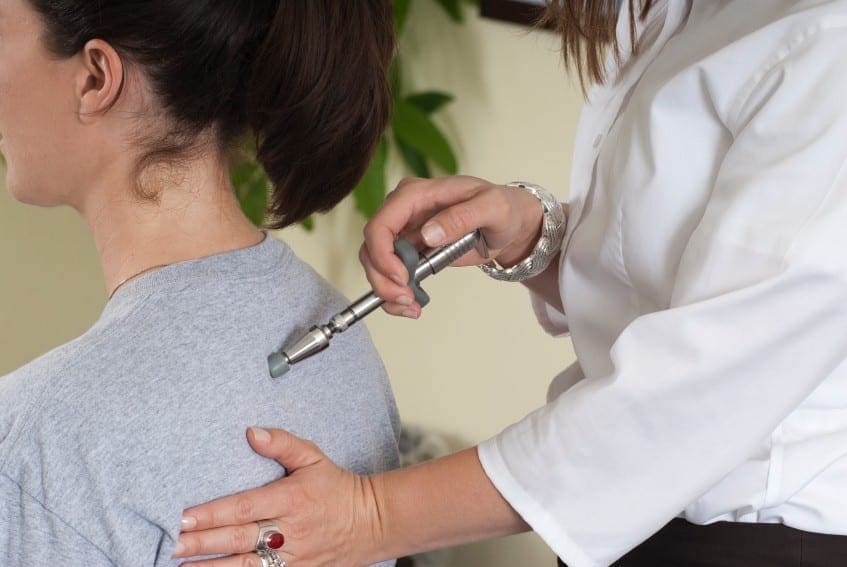
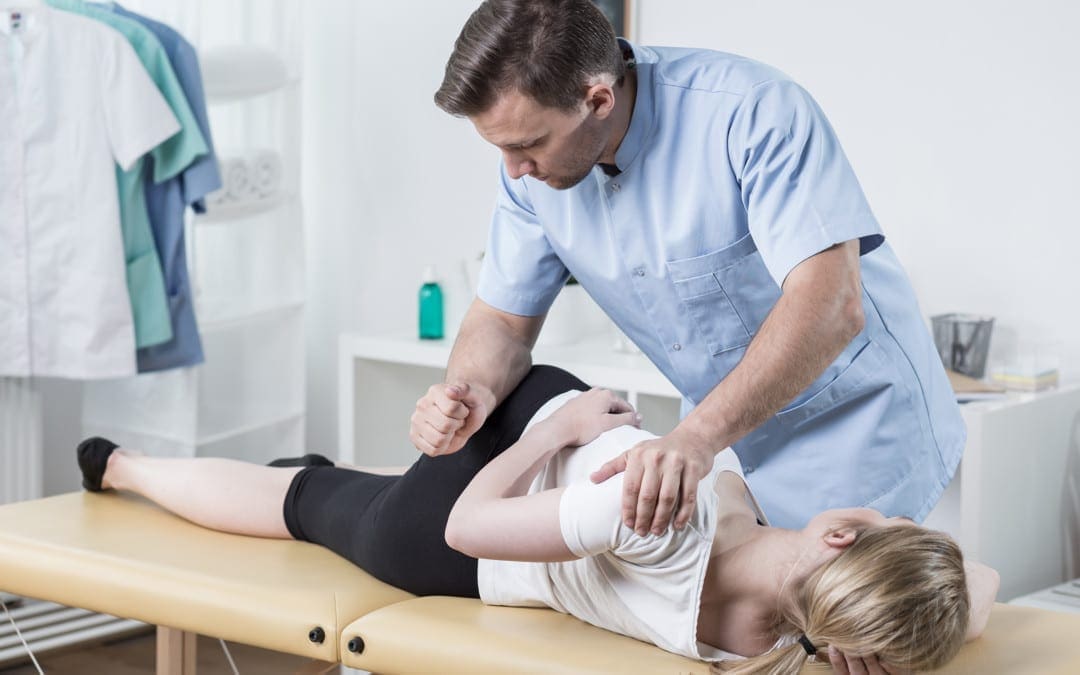
The patient was placed on a treatment plan of spinal manipulation with modalities including intersegmental traction, electric muscle stimulation and moist heat. Diversified technique was used to adjust the subluxation diagnosed levels of C1,2,5,6,7 and L3,4,5. Although there were herniated and bulging discs present in the cervical and lumbar spine there was no cord compression. Therefore; there was no contraindication to performing a spinal adjustment. As long as there is enough space between the cord and the herniation or bulge then it is generally safe to adjust.5
The patient responded quite favorably to the spinal adjustments and therapies over the course of 6 months of treatments. Initially, the patient was seen three times a week for the first 90 days. The patient demonstrated subjective and objective improvement and his care plan was adjusted accordingly and reduced to two visits per week for the next 90 days of care. His range of motion returned to 90% of normal:
Range of Motion:
Cervical Motion Studies:
Flexion: Normal=60 Exam- 55 with no pain
Extension: Normal=50 Exam- 40 with mild tenderness
Left Rotation: Normal=80 Exam- 75 with mild tenderness
Right Rotation: Normal=80 Exam- 75 with mild tenderness
Left Lat. Flex: Norma=-40 Exam- 35 with no pain
Right Lat. Flex: Normal=40 Exam- 35 with no pain
Dorsal-Lumbar Motion Studies:
Flexion: Normal=90 Exam- 80 with tenderness
Extension: Normal=30 Exam- 25 with tenderness
Left Rotation: Normal=30 Exam- 25 with no pain
Right Rotation: Normal=30 Exam- 25 with no pain
Left Lat. Flex: Normal=20 Exam- 20 with no pain
Right Lat. Flex: Normal=20 Exam- 20 with no pain
The patient had decreased spasm, decreased pain, increased ability to perform ADL�s and his sleep had returned to normal. The patient states that he was no longer having the same difficulties with regular activities of daily living. He was now able to walk for 45 minutes to 1 hour before the lower back pain flared up, he is able to stand for 1-2 hours before the lower back pain begins, he is able to sit for an hour or more before the lower back pain flares up. When the patient bends or lifts he has learned to use his core and lifts less than 20-30 pounds to avoid exacerbating his low back. The patient also states he was no longer having difficulty getting a restful night�s sleep. The patient�s visual analog scale rating was 3 out of 10.
Conclusion
The patient presented 3 weeks post trauma with cervical and lumbar pain as well as headaches. The symptoms were progressing and the pain was radiating into the upper and lower extremities. The history and exam indicated the presence of a herniated disc in the lower lumbar and cervical region. Cervical and lumbar MRI�s were ordered to identify the presence of the herniated disc as well as to determine whether or not the patient should be adjusted. The MRI results of both the cervical and lumbar MRI revealed herniated discs, however, because these discs were not causing cord compression it was safe to adjust the cervical and lumbar spine5.
Competing Interests: There are no competing interests in the writing of this case report.
De-Identification: All of the patient�s data has been removed from this case.
The scope of our information is limited to chiropractic and spinal injuries and conditions. To discuss options on the subject matter, please feel free to ask Dr. Jimenez or contact us at 915-850-0900 .
References
New England Journal of Medicine; Cervical MRI, July 28, 2005, Carette S. and Fehlings M.G.,N Engl J Med 2005; 353:392-399MRI for the lumbar disc, March 14 2013, el Barzouhi A., Vleggeert-Lankamp C.L.A.M., Lycklama � Nijeholt G.J., et al., N Engl J Med 2013; 368:999-1000 http://www.state.nj.us/dobi/pipinfo/carepat1.htm -16.7KB
New England Journal of Medicine; Cervical-Disk HerniationN Engl J Med 1998; 339:852-853September 17, 1998DOI: 10.1056/NEJM199809173391219
Is It Safe to Adjust the Cervical Spine in the Presence of a Herniated Disc? By Donald Murphy, DC, DACAN, Dynamic Chiropractic, June 12, 2000, Vol. 18, Issue 13
Treatment Options for a Herniated Disc; Spine-Health, Article written by:John P. Revord, MD
Additional Topics: Chiropractic Helps Patients Avoid Back Surgery
Back pain is a common symptom which affects or will affect a majority of the population at least once throughout their lifetime. While most back pain cases may resolve on their own, some instances of the pain and discomfort can be attributed to more serious spinal conditions. Fortunately, a variety of treatment options are available for patients before considering spinal surgical interventions. Chiropractic care is a safe and effective, alternative treatment option which helps carefully restore the original health of the spine, reducing or eliminating spinal misalignment which may be causing back pain.
A chiropractor is a doctor who specializes in musculoskeletal and nervous system problems. It is the belief of the chiropractic community that problems in these areas can cause adverse health issues, including lowered resistance to disease, illness, and injury.
Chiropractors manipulate the spine to realign spinal joints in their patients. By doing so, patients are expected to experience optimum health without the assistance of drugs or surgery. Instead, chiropractors expect the body will heal itself once the spine and spinal joints are in proper alignment. Additionally, chiropractors consider and address other lifestyle factors which are commonly recognized as significantly affecting health such as diet, rest, exercise, heredity, and environmental factors. They also make other recommendations for changes which are expected to improve the patient�s overall health.
Chiropractors perform many of the same tasks as other general and specialty doctors. Patient health histories are gathered, physical, neurological, and orthopedic examinations are performed, and various laboratory tests, x-rays, and diagnostic imaging tools are used to diagnose and analyze the patient�s condition. Other forms of treatment may be used or recommended by the chiropractor including ultrasound, massage, heat, water, acupuncture, or electric currents. Prescription drugs and surgery are not part of the services provided by chiropractors. Chiropractors may recommend patients to see other doctors or specialists to address health issues or concerns outside of their area of expertise. Some chiropractors choose to specialize in a certain type of practice, such as orthopedics, neurology, sports injuries, internal disorders, diagnostic imaging, or pediatrics.
The Bureau of Labor Statistics predicts a job growth increase of 17% in the chiropractic field over the next seven years. An increasing public interest in alternative healthcare methods is beneficial to the chiropractic field. The public is seeking healthy living options which do not include prescription medicines or surgery; instead, a substantial number of people are searching for solutions which emphasize healthy lifestyles. The non-invasive procedures provided by chiropractors in answer to their patients health issues and concerns appeals to the segment of the public looking for these types of answers.
SELECTING THE RIGHT CHIROPRACTIC COLLEGE
Chiropractor students should select a college which offers a strong science degree or pre-medical program. Some colleges may have an affiliation with chiropractic training schools, which all future chiropractors must successfully complete. Research chiropractic schools to determine which one you are most interested in attending; this will help you to determine if the school is linked to any of the colleges you are considering. Courses in biology, chemistry, and physics will be important to individuals looking to work in a medical field. Electives may be concentrated in health, fitness, and nutrition. Students should, if given the opportunity, study topics and courses related to kinesiology and sports medicine. Courses in psychology and sociology will also help students to gain a more comprehensive understanding of people and society, better preparing them to serve the public. Additionally, business courses ensure that future professionals understand how to successfully manage a business in the complex healthcare field, as medical professionals must understand finances, medical insurance processing, business laws, business practices, business ethics, and medical records maintenance.
CHIROPRACTIC SCHOOLS
Students must attend chiropractic college in order to enter the profession. Upon completion of the program, students will have earned a doctorate in chiropractic medicine. The Council on Chiropractic Education, or CCE, is the nationally recognized accrediting agency by the United States Secretary of Education which regulates the quality of the curriculum offered at chiropractic colleges. Currently there are 15 CCE accredited chiropractic institutions in the United States. These include, as listed on the CCE website:
Students attend chiropractic college for four years. During this time, students are taught the scientific and academic skills and knowledge required to become experts in the field of chiropractic medicine. The final year is spent in practice, performing the functions of a chiropractic doctor under the supervision of an experienced professional. The curriculum includes intensive study of neuromusculoskeletal conditions, nutritional and holistic health, specialized and focused curriculum in areas of acupuncture and oriental medicine, applied nutrition, and various other disciplines. Students will complete extensive course hours in diagnosis, biochemistry, anatomy, chiropractic technique, and philosophy and ancillary therapeutic procedures.
TAKING THE NATIONAL BOARD EXAM
The National Board Exam for chiropractors is administered by the NBCE. The test is given twice each year. The exam consists of three parts. Part one is 110 multiple choice questions relating to general anatomy, spinal anatomy, physiology, chemistry, pathology, microbiology, and public health. The second part also consists of 110 multiple choice questions, but in the areas of general diagnosis, neuromusculoskeletal diagnosis, diagnostic imaging, and principles of chiropractic, chiropractic practice, and associated clinical sciences. Part three of the test consists of another 110 multiple choice questions and 10 case vignettes covering the areas of diagnosis or clinical impression, clinical laboratory and special studies examination, chiropractic techniques, case management, physical examination, case history, and roentgenologic examination. Each part of the test is timed. Additional specialized testing is offered for applicants who choose to pursue an area of specialization.
LICENSING FOR CHIROPRACTORS
After successful completion of an accredited chiropractic program, graduates will need to obtain a license to practice in their resident state or the state in which they intend to practice. State licensure regulations may vary from state to state. It is important to research your state�s regulations prior to completion of the doctor of chiropractic program to ensure all conditions are met. The Federation of Chiropractic Licensing Boards is a nonprofit organization which provides a link to the licensure information in all states. Locate information for each state through this directory.
The information provided includes licensing fees, renewal requirements, national board testing requirements, security and criminal check requirements, additional certification requirements, continuing education, and malpractice insurance requirements. A link to each state licensing board is also provided.
CONTINUING EDUCATION FOR CHIROPRACTORS
The chiropractic field is experiencing an increase in advancements in technology and knowledge through research and academic exploration. Changing regulations are also an area in which chiropractic doctors will need to remain current. Each state maintains their own continuing education requirements upon which licensing will be contingent. Twenty-four credit hours of continuing education every two years is a common requirement. All programs must be board approved and conducted by approved colleges or chiropractic associations or organizations. Check with your state licensing board to determine if the program has been approved prior to enrollment.
PRACTICING AS A CHIROPRACTOR
After obtaining a doctorate and passing the licensing examination, a new chiropractor has many options ahead of them. Most chiropractors will end up working solo or in a group practice, with about one in three being self-employed. A small group will work in hospitals or physicians� offices. The median pay for Chiropractors in 2016 was $67,520, with the lowest 10 percent earning less than $32,380, and the highest earning more than $141,030. Chiropractors can further increase their salary by building up a strong client base and developing their own practice. Many times, chiropractors will work in the evening or on weekends to accommodate their patients.
DAY TO DAY PRACTICE
Chiropractors will spend a lot of time on their feet as they examine and treat patients. Some of the most important qualities that a chiropractor can have include decision-making, detail-oriented, dexterity, empathy, and interpersonal skills. If the chiropractor is operating his or her own practice, the ability to manage a staff of employees like secretaries and nurses is vital to the success of the practice. An understanding of the current healthcare system is also important, as that will determine what kind of payments a chiropractor may be able to receive, unless they work in a cash-only system. More information can be found in the Occupational Outlook Handbook provided by the BLS.
CHIROPRACTIC SPECIALTIES AND CERTIFICATIONS
Another way for chiropractors to increase their annual earnings or skills would be to specialize in one or more areas. Specializations can help a chiropractor better diagnose and treat chronic illnesses, sports injuries, and/or complex occupational injuries. The American Chiropractic Association and American Board of Chiropractic Specialties (ABCS) lists 14 specialties and provides guidance to maintain standards of chiropractic certification. These include, as listed on the American Chiropractic Association website:
Chiropractic Physiotherapy and Rehabilitation (DACRB) Specialist
Has had extensive postgraduate training in physiologic therapeutics and rehabilitation to better treat injuries that may have resulted from an accident or a sports injury.
Treats a wide variety of health conditions that include all body systems and tissues, and focuses special attention on the relationship between the spine, nervous system, and the meridian system.
Is trained to encourage and promote a more advanced knowledge and use of nutrition in the practice of chiropractic for the maintenance of health and the prevention of disease.
Has special knowledge of both the normal function and diseases of the bones, joints, capsules, discs, muscles, ligaments, and tendons, as well as their complete neurological components, referred organ systems and contiguous tissues, and is able to diagnose and treat the conditions related to them.
Diplomate of the American Board of Forensic Professionals (DABFP)
Performs an orderly analysis, investigation, inquiry, test, inspection, and examination in an attempt to obtain the facts of a case, from which to form an expert opinion.
Is trained in chiropractic sports medicine and exercise science in order to treat sports injuries, enhance athletic performance, and promote physical fitness.
Chiropractic Occupational Health (DACBOH) Specialist
A DC trained in health care diagnosis and treatment choices for workplace neuromusculoskeletal injuries who is able to provide a broad range of work-related injury and illness prevention services for employee populations.
Diplomate in Clinical Chiropractic Pediatrics (DICCP)
Support members who take care of children in their chiropractic practices, and to promote the acceptance and advancement of pediatric chiropractic care.
These specialty �degrees� are given by their corresponding boards, which also maintain the level of expected qualifications and standards of excellency.
Title: The Utilization of Long Term Care for Herniated Lumbar Discs with Chiropractic for the Management of Mechanical Spine Pain.
Dr. Alex Jimenez, doctor of chiropractic, focuses on the diagnosis, treatment and prevention of a variety of injuries and conditions associated with the musculoskeletal and nervous systems, utilizing several chiropractic methods and techniques. The following procedures may be similar to his own but can differ according to the specific issue and complications by which the individual is diagnosed.
Abstract: To explore the utilization of chiropractic treatment consisting of spinal adjusting, axial traction, electrical muscle stimulation, and core stabilization exercise for the management of mechanical spine pain. Diagnostic studies included physical examination, orthopedic and neurological examinations, and lumbar spine MRI. The patient reports long-term success in reducing pain levels and increasing functionality by having the ability to perform activities of daily living (ADL�s) without frequent flare-ups which he reported of prior to undergoing chiropractic treatment.
Introduction: On 2/6/2015, a 49 year old male certified nursing assistant, presented for consultation and examination due to a work injury which occurred on 11/12/2001. The patient stated he sustained a lifting injury that resulted in severe low back pain. He stated that he was under the care of a pain management interventionist receiving epidural injections in his lumbar spine on an ongoing basis since the injury occurred. He added that the injections helped him to cope with the elevated pain levels he experienced on a frequent basis. The patient had previously received chiropractic and physical therapy for his injury and reported that the therapies did help him when he was actively treating. He informed it had been over 3 years since he last treated with chiropractic or physical therapy.
Chiropractic Back Pain Management
The patient presented to my office on 2/6/2015 with a chief complaint of lumbar pain. He rated the discomfort as a 7 on a visual analog scale of 10 with 10 being the worst and the pain was noted as being constant (76-100% of the time). The onset of pain was a result of the work injury described above. He reported that the pain would aggravate by activities which required excessive or repetitive bending, lifting, and pulling. He stated he experienced flare-up episodes 4-6 times a month depending on the type of activities he was involved with. The quality of the discomfort was described as aching, gnawing, sharp, shooting, and painful and was noted as being the worst at the end of the day. He stated that when his pain levels were elevated, it would limit his ability of getting a good night sleep. The patient further noted he was experiencing numbness and tingling in both legs and his right foot.
Prior History:
The patient denied any prior or subsequent low back injuries and/or traumas.
Clinical Findings:
The patient was 5 feet 10 inches and weighed 230 pounds. His sitting blood pressure was 132/86 and his radial pulse was 74 BPM. The patient�s Review of Systems and Family History were unremarkable.
An evaluation and management exam was performed. The exam consisted of visual assessment of range of motion, manual muscle tests, deep tendon reflexes, digital and motion palpation, and other neurological and orthopedic tests. Palpation revealed areas of spasm, hypertonicity, asymmetry, and end point tenderness indicative of subluxation at T12, L2, and L4. Palpation of the lumbar muscles revealed moderate to severe muscle spasms in the left piriformis, right piriformis, right sacrospinalis, right gluteus maximus, right erector spinae, right quadratus lumborum and right iliacus. He presented with postural deviations that were found using a plumb line assessment showing short right leg (pelvic deficiency), head tilted to the left, high left shoulder and high right hip. Point tenderness was notably present along the midline of the spine at the L4 and L5 level.
Manual, subjectively rated strength tests were performed on some of the major muscle groups of the lower extremities, based on the AMA Guides to the Evaluation of Permanent Impairment, 4th Ed., 1993/5th ed., 2001. A rating scale of five to zero was used, with five representing normal muscle strength. A muscle strength loss of the lower extremities indicates a neurological facilitation resulting from dysfunction in the lumbar spine. Grade 4 muscle weakness was noted on the right extensor hallicus longus.
Dermatomal sensation was decreased at L4 on the right and decreased at L5 on the right.
Reflex testing was completed and was diminished: 0/+2 on the right patella and +1/+2 on the left patella. The following lumbar orthopedic examinations were performed and found to be positive: Ely’s on the right, Hibb’s on the right, Iliac compression test and Bragard’s on the right.
Lumbar Range of Motion tested with Dual Inclinometers:
Range of Motion Normal Examination % Deficit
Flexion
90
40
56
Extension
25
10
60
Left Lateral Flexion
40
20
50
Right Lateral Flexion
40
15
62
Left Rotation
35
25
29
Right Rotation
35
20
43
Flexion and left lateral bending were painful at end range. The patient�s limitation to bend is corroborated by the persistent spasticity of lack of motion eliciting pain upon exertion in the lumbar spine.
MRI Results
The MRI images were personally reviewed. The lumbar MRI performed on 9/29/2014 revealed anterior positioning of the L4 vertebral body with respect to L5 with a right L4-L5 protrusion compromising the right neural foramen. There is a central herniation at the L5-S1 disc.
Fig. 1, (A), (B), (C) shows in T2 MRI images (A) is Sagittal and (B) is Axial at L4-L5 and (C) is Axial at L5-S1
Fig. 1 (A) Sagital
Fig. 1 (B) T2 Axial at L4-L5
Fig. 1 (C) T2 Axial at L5-S1
After reviewing the history, physical and neurological examination, and MRI�s it was determined that chiropractic treatment was medically indicated and warranted. Frequency of treatment was determined 1 time a week.
The patient was placed on a treatment plan consisting of high velocity low amplitude chiropractic adjustments, axial traction, electrical muscle stimulation, and core stabilization exercise. The patient responded in favorable fashion to the chiropractic treatment over a 6 month period. The patient demonstrated subjective and objective improvement and his care plan was reduced to one time every two weeks to manage and modulate pain levels associated with his permanent condition.
On follow-up re-evaluation approximately 9 months after starting supportive treatment the patient showed improvement in range of motion testing.
Lumbar Range of Motion was tested with Dual Inclinometers:
Range of Motion Normal Examination % Deficit
Flexion
90
70
13
Extension
25
20
20
Left Lateral Flexion
40
35
12
Right Lateral Flexion
40
30
25
Left Rotation
35
30
15
Right Rotation
35
25
29
The patient also reported a reduction in pain levels rating the low back discomfort as a4 on a scale of 10 with 10 being the worst and the pain was noted as beingintermittent 25 to 50% of the time. Decreased muscle spasm in the lumbar paraspinal muscles was noted as well as better symmetry and tonicity. The patient reported the ability of getting a better night sleep and waking up in the morning with less rigidity and achiness. He stated he was able to perform his work duties and activities of daily living with less flare-ups and exacerbations occurring only 1-2 times a month. The core training exercises we worked on have helped stabilize the patient�s spine and protected it from reinjuring the already injured tissues.
Conclusion of Research Study
Chiropractic care has been shown to be both safe and effective in treating patients with disc herniation and accompanying radicular symptoms1-4. Spinal chiropractic adjustive therapy has been proven to modulate pain6. This patient presented with chronic low back pain sequela to an injury that occurred over 13 years ago. The patient had prior success in reduction of pain when he was treating with chiropractic in the past then discontinued treatment. The patient has been treating with pain management intervention since the injury occurred and it has helped him reduce his pain but has done minimal for him from a functional and mechanical standpoint. The history and exam indicated the presence of 2 herniated discs in the lumbar spine. Lumbar MRI�s were ordered prior to being evaluated and the images were viewed to establish an accurate diagnosis, prognosis, and treatment plan. Long term chiropractic treatment has been utilized successfully in this case study to reduce pain levels and restore the patient�s functional capacity of performing activities of daily living and work duties with less flare ups and exacerbations of low back pain.
Competing Interests: There are no competing interests in the writing of this case report.
De-Identification: All of the patient�s data has been removed from this case.
The scope of our information is limited to chiropractic and spinal injuries and conditions. To discuss options on the subject matter, please feel free to ask Dr. Jimenez or contact us at 915-850-0900 .
Leeman S., Peterson C., Schmid C., Anklin B., Humphryes B., (2014) Outcomes of Acute and Chronic Patients with Magnetic Resonance Imaging-Confirmed Symptomatic Lumbar Disc Herniation Receiving High-Velocity, Low Amplitude, Spinal Manipulative Therapy: A Prospective Observational Cohort Study With One-Year Follow Up, Journal of Manipulative and Physiological Therapeutics, 37 (3) 155-163
Hahne AJ, Ford JJ, McMeeken JM, “Conservative management of lumbar disc herniation with associated radiculopathy: a systematic review,”Spine35 (11): E488�504 (2010).
Rubinstein SM, van Middelkoop M, et. al, “Spinal manipulative therapy for chronic low-back pain,”Cochrane Database Syst Rev(2): CD008112. doi:10.1002/14651858.CD008112.pub2. PMID 21328304.
Hoiriis, K. T., Pfleger, B., McDuffie, F. C., Cotsonis, G., Elsangak, O., Hinson, R. & Verzosa, G. T. (2004). A randomized clinical trial comparing chiropractic adjustments to muscle relaxants for subacute low back pain. Journal of Manipulative and Physiological Therapeutics, 27(6), 388-398.
Coronado, R. A., Gay, C. W., Bialosky, J. E., Carnaby, G. D., Bishop, M. D., & George, S. Z. (2012).Changes in pain sensitivity following spinal manipulation: A systematic review and meta-analysis. Manuscript in preparation.
Whedon, J. M., Mackenzie, T.A., Phillips, R.B., & Lurie, J.D. (2014). Risk of traumatic injury associated with chiropractic spinal manipulation in Medicare Part B beneficiaries aged 66-69. Spine, (Epub ahead of print) 1-33.
Additional Topics: Recovering from Auto Injuries
After being involved in an automobile accident, many victims frequently report neck or back pain due to damage, injury or aggravated conditions resulting from the incident. There’s a variety of treatments available to treat some of the most common auto injuries, including alternative treatment options. Conservative care, for instance, is a treatment approach which doesn’t involve surgical interventions. Chiropractic care is a safe and effective treatment options which focuses on naturally restoring the original dignity of the spine after an individual suffered an automobile accident injury.
Title: The chiropractic management of cervical Myelomalacia
Abstract: To examine the diagnosis and condition of a patient suffering from neck pain and radiation of pain into arms following a motor vehicle accident. Diagnostic studies include the chiropractic orthopedic and neurological examination, digital x-rays, range of motion and cervical MRI.
Introduction: On 10/10/2016, a 38-year-old male presented to our office for injuries he had sustained in an MVA on 10/01/2016. The patient stated that he was stopped at an intersection when the pickup behind him hit him at a fast speed, pushing him through the intersection. The patient stated that he had neck pain and stiffness the radiated into the trapezius area. He also complained about �tingling� into both hands. He also complained of lower back pain that he felt more than the neck. His review of systems was benign, other than the current symptoms of neck and back pain and tingling.
The patients Social/Family Medical History included his mother having high blood pressure and Diabetes.
Clinical Findings of Chiropractic and Myelomalacia
The patient is 6�0�. The patient weighs 211 pounds. The sitting blood pressure measured was 122/74.
An evaluation and management exam was performed. The exam consisted of a visual inspection of the spinal ranges of motion, digital palpation, manual testing of muscles, deep tendon reflexes and orthopedic and neurological findings. The Cervical exam showed the following decreased motion on visual exam in flexion, extension, left rotation, right rotation, right lateral flexion and left lateral flexion. All of the above motions produced pain.
When digital palpation was performed in the cervical and thoracic spinal areas, there was moderate spasm noted bilaterally in paraspinal areas with moderate tenderness noted.
In performing the cervical orthopedic and neurological testing, positive findings were present bilaterally with Foraminal Compression and Foraminal Decompression. Soto Hall test was positive when performed in the thoracic spine area. Manual, subjectively rated muscle testing was performed on certain muscles of the upper extremities. Based on the AMA Guides to the Evaluation of Permanent Impairment, 4th Ed., 1993/5th ed. 2001, differences were noted using the rating scale of five to zero. Five is full Range of Motion/Maximum Strength, Four is Full Range of motion with Moderate Resistance, Three is Full Range of Motion/Perceptible Weakness. The Deltoids and Triceps tested normally bilaterally at 5. The Biceps, forearm muscles and the intrinsic hand muscles all tested as a four on the right and a three on the left.
Grip Strength tests the strength of the hands which indicate nerve integrity from the cervical spine. In evaluation, the normal would be for a difference of strength in the preferred hand of 10% more. More than that would be a weakness in the opposite hand, less than that would be a weakness in the preferred hand. The preferred hand for this patient is the right hand. The testing below shows a definite decrease in strength in the left hand.
Hand tested
Rep one
Rep two
Rep three
Right
28
30
30
Left
18
18
20
Deep Tendon Reflexes were performed on the patient and were noted at a plus two bilaterally.
Using a Whartenburg pinwheel, dermatomes showed normal findings except for C8, which was hyposensitive on the left.
A Lumbar orthopedic and neurological exam was then performed. Upon visual examination, there was decreased motion in flexion, extension. right and left lateral flexion with pain present on all of the motions.
Lasegue�s Straight Leg Raising test was performed and was negative with 80 degree movement. Braggards test was performed and was negative bilaterally.
Kemps was done with the patient on both sides and was noted as negative. Ely test was noted as negative.
Digital palpation was performed and there was severe tenderness and spasm bilaterally in the lumbar paraspinal muscles.
Manual, subjectively rated muscle testing was performed on certain muscles of the lower extremities. Based on the AMA Guides to the Evaluation of Permanent Impairment, 4th Ed., 1993/5th ed. 2001, differences were noted using the rating scale of five to zero. Five is full Range of Motion/Maximum Strength, Four is Full Range of motion with Moderate Resistance, Three is Full Range of Motion/Perceptible Weakness. Muscle testing was done bilaterally in the Quadriceps, Hamstrings, Calf Muscles and Extensor Hallicus Longus and showed Full ROM and Strength.
Deep Tendon Reflexes were performed. They negative in the Achilles bilaterally, but +3 in the Patella bilaterally.
Based on the ortho/neuro findings and the history, the following x-rays were ordered:
AP/Lat/Flex/Ext/Bilateral Oblique�s/ APOM of the cervical spine, AP/Lat Thoracic
AP/Lat/Lateral Flexion/Oblique Lumbar�s. The x-rays were read and the Lumbar spine showed the discs were of a normal height and Georges line was un-interrupted. There the Lumbar curve appeared to be hypolordotic. On visual inspection, there was a decrease in the lateral bending bilaterally.
The Cervical spine showed that there was anterior spurring present in the C5/6 region of the cervical spine. In the lateral view, the normal curvature of the spine was no longer lordotic, but noted as a �Military Neck.� There was decreased range of motion noted in the flexion as well as the extension views. Also, noted on flexion and extension was paradoxical motion present at C1. Disc spaces were normal throughout the spine, except for narrowing of the disc space at C5/6, as well as spurring noted in the anterior part of the vertebral body.
Due to the injuries, orthopedic and neurological and x-ray findings, a cervical MRI was ordered. I recommended that the patient receive palliative therapy until a Cervical MRI could be obtained.
The MRI was obtained and personally reviewed. The Cervical MRI performed on 10/14/2016 revealed that C1/2 was unremarkable. There was a mild disc bulge at C2/3 and a moderate disc bulge which abuts the ventral cord and results in mild spinal canal stenosis at C3/4. There is also bilateral uncovertebral hypertrophy with moderate bilateral neural foraminal narrowing noted at C3/4. At C4/5, There is a mild disc bulge which abuts the ventral cord. There is a mild spinal canal stenosis. There is a bilateral uncovertebral hypertrophy with moderate bilateral neural foraminal narrowing. At C5/6, There is a moderate disc bulge which indents the ventral cord and results in severe spinal canal stenosis. There is a resultant T2 weighted hyperintense (high) signal abnormality in the spinal cord at this level. This may represent edema or myelomalacia. C6/7 shows that there is a mild disc bulge which abuts the ventral cord and results in mild spinal canal stenosis. There is bilateral uncovertebral hypertrophy with moderate bilateral neural foraminal narrowing. C7/T1 presents as unremarkable.
Test Study Treatment Impressions
At C5/6, there is a moderate disc bulge which indents the ventral cord and results in severe spine canal stenosis. There is resultant abnormal signal in the spinal cord at C5/6, which may represent myelomalacia or edema.
An alert was placed on this study.
Fig.1 (A) Sagittal T2 MRI of Cervical Spine
(B) Axial T2 MRI of the Cervical Spine.
A
B
The patient was notified of the MRI findings. The patient was informed that care would be discontinued until a consultation was done with a neurosurgeon. The patient stated that he was going to do that. He continued to try to get care, but we refused. The patient was instructed to go to the emergency room. The patient became angry stating that he wanted his records, that he was going to go to another chiropractor for them to �crack his neck�. The patient went to another chiropractor and based on our records, also refused to see the patient. The patient finally decided to go to the surgeon where disc surgery was performed to decompress the spinal cord.
The patient contacted our office and thanked us for being so adamant about his treatment.
Discussion of Results
There is much discussion in the MRI report concerning �bulges� and one must first have a handle on what is a bulge and herniation.
General radiologists often utilize various nomenclature such as bulge, protrusion, prolapse, herniation and a myriad of other descriptors. However, the nomenclature has been standardized and accepted by the North American Spine Society, the American Spine Society of Radiology and the American Society of Radiology by Fardone, Williams, Dohring, Murtagh, Rothman and Sze (2014):
�Degeneration may include any or all of the following: desiccation, fibrosis, narrowing of the disc space, diffuse bulging of the annulusbeyond the disc space, fissuring (i.e.., annular fissures), mucinous degeneration of the annulus, intradiscal gas, osteophytes of the vertebral apophyses, defects, inflammatory changes, and sclerosis of the endplates.� pg. 2528(1)
1. A disc in which the contour of the outer annulus extends, or appears to extend, in the horizontal (axial) plane beyond the edges of the disc space, usually greater than 25% (90�) of the circumference of the disc and usually less than 3 mm beyond the edges of the vertebral body apophysis.
2. (Nonstandard) A disc in which the outer margin extends over a broad base beyond the edges of the disc space.
3. (Nonstandard) Mild, diffuse, smooth displacement of disc.
4. (Nonstandard) Any disc displacement at the discal level.
Note: Bulging is an observation of the contour of the outer disc and is not a specific diagnosis. Bulging has been variously ascribed to redundancy of the annulus, secondary to the loss of disc space height, ligamentous laxity, response to loading or angular motion, remodeling in response to adjacent pathology, unrecognized and atypical herniation, and illusion from volume averaging on CT axial images. Mild, symmetric, posterior disc bulging may be a normal finding at L5�S1. Bulging may or may not represent pathological change, physiological variant, or normalcy. Bulging is not a form of herniation; discs known to be herniated should be diagnosed as herniation or, when appropriate, as specific types of herniation.� Pg. 2537(1)
Studin and Owens discuss this �nomenclature� in their article �Bulging Discs and Trauma: Causality and a Risk Factor�.
�There is now, based upon the literature and well respected experts, categories of disc bulges that can be deemed as direct sequella from trauma vs. those cases where there is pre-existing degeneration. It can also now be concluded, again based upon the literature that those patients can have an aggravation of the pre-existing condition that could persist a lifetime requiring perpetual care. To conclude these findings, a doctor trained in understanding the underlying pathology and sequella must be consulted to be able to render an accurate diagnosis that is demonstrable.�2 Pg. 26
Understanding Cervical Myelomalacia
What is Myelomalacia? According to the MedicoLexicon, it is simply the �softening of the spinal cord�.3 Basically, it is ischemia that takes place in the spinal cord from abnormal pressure placed upon it. If left untreated, then that continues to spread and cause further damage to the cord. Once the cord has been damaged, there is no repair. Brandy Carrelli gives us a concise definition and the ramifications of it left untreated:
�The myelomalacia definition, strictly speaking is the �softening of the spinal cord�. After an acute injury, bleeding of the spinal cord may occur. As a result, there is �subsequent softening of normal tissues�. Myelomalacia can be caused by trauma or disease, but if it worsens, and if the bleeding reaches the cervical region of the body, it can be fatal. Bleeding can make the tissue necrotic. Fractured vertebrae can lead to bleeding in the spinal cord, as can some back surgery. Osteoporosis may also contribute to spinal instability and hemorrhaging. Sometimes circulatory problems can lead to a deterioration of tissues and bleeding. Myelomalacia can progress into impairment in the functioning of the lower extremities, below-normal or absent reflexes of the anus and pelvic limbs, loss of pain perception in the caudal region (near the coccyx), depression, respiratory problems due to �diaphragmatic paralysis�, and even neurological issues. Death could result from the respiratory paralysis. Damage occurs to the central nervous system. At first, the spinal cord damage may be minor. The most commonly injured areas are the lumbar spine (lower back) and cervical vertebrae (upper spine area).4
Disc degeneration, herniations (all variations) and bulging all describe what has happened to the disc itself. Once you have established a definitive diagnosis, then the question becomes, how is the disc affecting surrounding neurological components? Myelomalacia is the effect of that disc when the cord is affected by pressure. If there is bleeding into the cord, then the cord begins a degenerative spiral that can happen rather quickly. As you have read above, it can take what may simply appear as a minor issue to the patient that can lead to major neurological compromise and in extreme cases may lead to paralysis or death. Therefore, it is important carefully analyze the clinical indicators and image accordingly.
Myelomalacia is a relatively rare occurrence. According to Zhou, Kim, Vo and Riew,
�The overall prevalence of cervical myelomalacia was relatively low in the studied population, and it was affected by age, sex, and the specialties/subspecialties of referring providers. These results may help direct treatment guidelines and allow for informed discussions with patients in terms of the risk versus the benefit of surgery.�5 Pg. E252
It is a very common occurrence for the presence of disc bulging and herniations in chiropractic practices. It is of utmost importance for the chiropractor to not only order MRI when clinically indicated, it is important to be able to interpret those images as well. Once the clinical indicators begin to show a different story than presented by the patient symptomatically, it is the responsibility of the chiropractor to make the appropriate diagnosis, prognosis and treatment plan. In this case, that is an immediate neurosurgical referral. Although not a common finding in a chiropractic office, one must still be alert to the possibility of Myelomalacia. Managing the patient based upon an accurate diagnosis is your ultimate goal, and sometimes adjusting the patient isn�t the best first option as diagnosis and prognosis supersede treatment.
The scope of our information is limited to chiropractic and spinal injuries and conditions. To discuss options on the subject matter, please feel free to ask Dr. Jimenez or contact us at 915-850-0900 .
REFERENCES:
Fardon, D. F., Williams, A. L., Dohring, E. J., Murtagh, F. R., Gabriel Rothman, S. L., & Sze, G. K.
Studin M., Owens W. (2016) Bulging Discs and Trauma: Causality and a Risk Factor, American Chiropractor 34(6) 18, 20,22-24, 26, 28
http://www.medilexicon.com/dictionary/58294
Carrelli, B (2016) What is Myelomalacia? https://www.echiropractor.org/myelomalacia/
Zhou, Yihua; Kim, Sang D.; Vo, Katie; Riew, K. Daniel (2015) Prevalence of cervical myelomalacia in adult patients requiring a cervical magnetic resonance imagingSpine (Phila Pa 1976). 2015 Feb 15;40(4):E248-252.
Additional Topics: Recovering from Auto Injuries
After being involved in an automobile accident, many victims frequently report neck or back pain due to damage, injury or aggravated conditions resulting from the incident. There’s a variety of treatments available to treat some of the most common auto injuries, including alternative treatment options. Conservative care, for instance, is a treatment approach which doesn’t involve surgical interventions. Chiropractic care is a safe and effective treatment options which focuses on naturally restoring the original dignity of the spine after an individual suffered an automobile accident injury.
Case Report: The Assessment of Traumatic Cervical Spine Injury and Utilization of Advanced Imaging in a Chiropractic Office.
Abstract: the objective is to explore the standard of care regarding the assessment of cervical spine injuries in a setting of a chiropractic office. Diagnostic studies include physical examination, range of motion studies, orthopedic testing and cervical spine. MRI.
Introduction: On January 30, 2017 a 49 year old female presented in my office to a second opinion examination at the request of her attorney. She had been involved in a rear-end collision on 12/12/2015. (2) She was transported to a local hospital and arrived with complaints of headaches, disorientation, right-sided neck pain and right arm pain. At the hospital emergency department CAT scan was taken of her brain, which proved to be negative. She received prescriptions of muscle relaxers and pain relievers and instructed to visit her primary care physician if her symptoms persisted.
Initial Examination
She consulted a local Chiropractor on December 15, 2015. The initial examination included the following from my review of the doctor�s notes: Presenting complaints were right-sided neck pain that radiates to the right arm. The doctor�s records show a positive cervical compression test and a positive maximum cervical compression test. Both produced pain bilaterally worse on the right. Facet provocation tests were positive for facet disease. Right side radicular pain pattern includes the trapezius and deltoid. No x-ray studies were included in the doctor�s orders. The patient received 23 chiropractic treatments from 12/15/2015 through 4/5/2016 for a diagnosis of cervical sprain/strain. The treatments consisted of spinal manipulation and a variety of soft tissue therapies.
Around January 15, 2017 I received a phone call from a local attorney regarding this patient and asking if I would do a second opinion examination on her due to persistent neck pain and right upper extremity pain. The patient presented on January 30, 2017 for my evaluation. My clinical findings are as follows:
Vitals: Age 49, weight 170 lbs. height 5� 8�, B.P 126/82, pulse 64, Resp. 16/min.
Appearance: in pain
Orthopedic/Range of motion: All cervical compression tests produced pain with radiation bilaterally worse on the right. Range of motion studies revealed: 40 degrees of left rotation and 32 degrees of right rotation with radiating pain produced by both motions.
Palpation: cervical spine palpation produced centralized spine pain that radiates to the right shoulder with numbness in the right arm and hand.
The patient informed me during the examination that her pain made it difficult to sleep through the night. If she was on her right side her right arm and hand would go numb immediately. A big part of this patient�s life was riding and caring for her horse and she could not do either because it resulted in severe neck and arm pain.
My recommendation to her and her attorney was to obtain a cervical spine MRI with a 1.5 Tesla machine due to the high quality images it can produce. MRI is a highly sensitive tool to evaluation of neurologic tissue including the spinal cord and nerve roots. (1) I bypassed the x-ray at this time due to the clinical presentation and 12% of spinal cord with injuries having no radiographic abnormality. (3)
Imaging
Figure 1: T2 Sagittal Cervical Spine MRI
Fig 2: T2 Axial Cervical Spine with Scout line through C3/4.
Radiology Report: The report and the images demonstrated a right paracentral disc extrusion measuring 9 mm and extending 8 mm cranial/caudal causing abutment of the spinal cord. (Fig 1)(2) Additionally the diameter of the central canal was reduced to 8.1mm and projected into the right lateral recess resulting in severe stenosis of the right neural canal. (Fig 2) Additional findings not pictured: C4/5 demonstrated a 2.5 mm bulging disc with facet hypertrophy with moderate stenosis of the left neural canal and severe stenosis of the right neural canal. C5/6 demonstrated a 1.5 mm posterior subluxation narrowing the central canal to 9.1 mm with unconvertebral joint hypertrophy resulting in moderate right and severe left neural canal stenosis. C6/7 revealed a broad based disc herniation worse on the left measuring 3.6 mm resulting in severe neural canal stenosis bilaterally complicated by unconvertebral joint hypertrophy. The MRI findings correlate with the patient�s clinical presentation. (4)
Discussion: When the patient returned to a consultation on the MRI findings my recommendation was to consult a neurosurgeon. (3) Her attorney asked me if the treating doctor acted incompetently. My only response was that I would have ordered the MRI immediately before treating the patient with manual manipulation. The case is likely to go to trial and there is a good chance that I will be called in as an expert witness. It is almost a guarantee that the defense attorney will ask me if I would have treated the patient for such a long period of time without an MRI or whether the treating doctor could have made the problem worse. The failure to accurately determine a diagnosis may result in malpractice action or a board hearing or both for this treating doctor and I would have ordered the MRI immediately considering the radicular findings and symptoms. After any myelopathic or significant radiculopathic symptoms a referral of advanced imaging needs to be performed in order to conclude and accurate diagnosis, prognosis and treatment plan prior to rendering care. Diagnostic appropriateness in the case of traumatic injury or with any etiology with neurologic symptoms or findings necessitates following triage protocols. In this case, an immediate 2-3mm MRI of the cervical spine is clinically indicated and proved integral to the safe care of this patient.
The scope of our information is limited to chiropractic and spinal injuries and conditions. To discuss options on the subject matter, please feel free to ask Dr. Jimenez or contact us at 915-850-0900 .
References:
Haris, A.M., Vasu, C., Kanthila, M., Ravichandra, G., Acharya, K. D., & Hussain, M. M. 2016. Assessment of MRI as a modality for evaluation of soft tissue injuries of the spine as compared to intraoperative assessment. Journal of Clinical and Diagnostic Research, 10(3), TC01-TC05
Schneider RC, Cherry G, Pantek H. The syndrome of acute central cervical spinal cord injury, with special reference to the mechanisms involved in hyperextension injuries of cervical spine. J Neurosurg 1954; 11: 546�577.
Tewari MK, Gifti DS, Singh P, Khosla VK, Mathuriya SN, Gupta SK et al. Diagnosis and prognostication of adult spinal cord injury without radiographic abnormality using magnetic resonance imaging: analysis of 40 patients. Surg Neurol 2005; 63: 204�209.
Miyanji F, Furian J, Aarabi B, Arnold PM, Fehlings MG. Acute cervical traumatic spinal cord injury: MR imaging Findings correlated with neurologic outcome-prospective study with 100 consecutive patients. Radiology 2007; 243: 820�827.
Additional Topics: Recovering from Auto Injuries
After being involved in an automobile accident, many victims frequently report neck or back pain due to damage, injury or aggravated conditions resulting from the incident. There’s a variety of treatments available to treat some of the most common auto injuries, including alternative treatment options. Conservative care, for instance, is a treatment approach which doesn’t involve surgical interventions. Chiropractic care is a safe and effective treatment options which focuses on naturally restoring the original dignity of the spine after an individual suffered an automobile accident injury.
Title: Conservative care and axial distraction therapy for the management of cervical and lumbar disc herniations and ligament laxity post motor vehicle collision.
Dr. Alex Jimenez, doctor of chiropractic, focuses on the diagnosis, treatment and prevention of a variety of injuries and conditions associated with the musculoskeletal and nervous systems, utilizing several chiropractic methods and techniques. The following procedures may be similar to his own but can differ according to the specific issue and complications by which the individual is diagnosed.
Abstract: This middle-aged female was injured in a vehicle collision causing her to sustain disc and additional ligament injuries in the cervical and lumbar spine. Diagnostic studies included physical examination, orthopedic and neurological testing, lumbar MRI, multiple cervical MRI�s, CRMA with motion cervical radiographs and EMG studies. Typically, conservative care is initiated prior to interventional procedures, and this case study seeks to explore the usage of passive therapy for mechanical spine pain and noted anatomic disc lesions after failure of interventional procedures. She reported both short term and long term success regarding pain reduction along with improvement in her activities of daily living after initiating conservative care, and continued to report further reductions in pain with periodic pain management using conservative care.
Introduction: The 49-year-old married female (Spanish speaking patient) reported that on March 4th, 2014 she was the seat-belted driver of a truck that was struck by a much larger fuel truck changing lines, hitting her vehicle at the front passenger side (far side, side impact). The force of the impact caused her truck to be lifted up and the right wheel popped off. Her head hit the window after impact and the spinal pain and complaints started approximately 24 hours later. Two days after the crash she went to the emergency department. Occupant pictures were taken describing an out of position occupant injury. She did not report any additional significant trauma after the collision.
Initial Diagnosis and Treatment for Disc Herniations
Prior to her evaluation at our clinic, she utilized multiple providers for diagnosis and treatment over the course of 11 months. She went to the emergency department, utilized 3 pain management medical doctors, neuropsychologist and a cognitive rehabilitation therapist. Imaging included radiographs and MRI of the right shoulder revealing rotator cuff tear; radiographs of the lumbar and thoracic spine, and left hand; CT of the head and cervical spine were performed; MRI cervical (3) and lumbar spine. Medications prescribed included Fentanyl, Percocet, Naprosyn, Cyclobenzaprine, Norco, Hydrocodone-acetaminophen, Soma, and Carisoprodol. Physical therapy was provided for spinal injuries and she did not respond to treatment. The neurosurgeon recommended epidural steroid injections and facet blocks. Cervical nerve blocks and cervical trigger point injections, cervical and lumbar epidural steroid injections (ESI), lateral epicondyle steroid injections were performed, none of which were palliative. Post-concussion disorder and PTSD with major depressive disorder were diagnosed.
On February 12th, 2015, she presented to our office with neck pain (average 6/10 VAS) that affected her vision, with paresthesia�s in both upper extremities radiating to the hands with numbness. She had low back pain (average 6/10 VAS), and she additionally reported paresthesia at the plantar surface of feet bilaterally. She had left elbow pain, right shoulder pain, knee pain, headaches and �anxiety� along with anterior sternal pain.
Her injuries were causing significant problems with her activities of daily living. Summarily she had increased pain with lifting, increased pain and restricted movement with bending, walking and carrying. She had been unable to perform any significant physical activity from the time of the crash in March 2014 until March 2015. Her right hand was always hurting and her forearms. She was not able to clean windows or do laundry, difficulty using stairs, problems with mopping, ironing and cleaning. She had to limit her walking and jogging primarily due to neck pain and right arm pain. She was not able to sit for long periods of time and sleeping was disrupted due to numbness in her hands. She was only able to walk on a treadmill for 10 minutes before having to stop due to pain, prior to the crash she would exercise for an hour.
Prior History: No significant prior musculoskeletal or contributory medical history was reported.
Research Study Conclusions
Clinical Findings (2/12/15): She had a height of 5�2�, measured weight of 127 lbs.
Visual analysis of the cervical spine revealed pain in multiple ranges of motion including flexion, extension, bilateral rotation and bilateral side bending. On extension pain was noted in the upper back, on rotation pain was noted in the posterior neck, and on lateral flexion pain was noted contralaterally.
Visual analysis of the lumbar spine revealed pain in the low back on all active ranges of motion, including flexion, extension and side bending, pain primarily at L5/S1.
Dual inclinometer testing was ordered based on visual active range of motion limitations with pain.
Sensory testing was performed of the extremities, C5-T1 and L4-S1. No neurological deficits other than right sided C5 hypoesthesia.
Foraminal compression test produced pain in the cervical spine. Foraminal distraction test caused an increase in pain in the neck. Jackson�s test on the right produced pain bilaterally in the neck. Straight leg raise bilaterally produced low back pain, double Straight leg raise produce pain at L5/S1 at 30 degrees.
Muscle testing of the upper extremities was tested at a 5/5 with the exception of deltoid bilaterally tested at a 4/5. The patient�s deep tendon reflexes of the upper and lower extremities were tested including Triceps, Biceps, Brachioradialis, Patella, Achilles: all were tested at 2+ bilaterally, equal and reactive. No evidence of clonus of the feet and Hoffman�s test was unremarkable.
C3-C5 right sided segmental dysfunction was noted on palpation. T5-T12 spinous process tenderness on palpation. Low back pain on palpation, particularly L5/S1.
Imaging Results
MRI Studies:
I reviewed the cervical MRI images taken May 2014 with the following conclusions (images attached):
Dramatic reversal of the normal cervical curvature, apex C5/6.
C5/6 herniation, indentation of the spinal cord anteriorly. High signal posterior on STIR.
Due to the angular kyphosis of the cervical spine and axial slices performed, C6/7 slices did not render a pure diagnostic image for disc disruption.
Fig. 1 (A) T2 Axial C5/6, 2 months post injury Fig. 1 (B) Sag T2 C5/6
I reviewed cervical MRI images taken September 17th, 2014 approximately 6-months post injury, and rendered the following conclusions:
Reversal of the normal cervical lordosis.
C5/C6 herniation (extrusion type) with indentation of spinal cord, appropriate CSF noted posteriorly.
I reviewed the cervical MRI dated October 24th, 2015 (images attached):
C4/5 herniation, extrusion type, left oriented into the lateral recess and neural canal causing moderate neural canal stenosis
Fig. 2 (A) 3D Axial C4/5, 19 months post injury Fig. 2 (B) Sag T2 C4/5
IMPRESSIONS: C4/5 herniation noted on 10/24/15 was not noted on prior images. The patient reported no additional injury or symptoms between MRI studies, so it is postulated that initial slices revealed a false negative; or due to the severity of abnormal cervical biomechanics, it is possible that the C4/5 disc herniated between the pre/post MRI�s with no significant increase in symptomatology. There was improvement at C5/6 related to disc abnormality and cord involvement (see below).
Fig. 3 (A) 3D Axial C5/6, 19 months post injuryFig. 3 (B) Sag T2 C5/6, 19 months post injury
The cervical flexion/extension images were digitized February 2016 and interpreted by myself and Robert Peyster MD, CAQ Neuroradiology, revealing a loss of Angular Motion Segment Integrity at intersegment C6/C7 measured at 19.7 degrees (maximum allowed 11 degrees), indicating a 25% whole person impairment according to the AMA Evaluation of Permanent Impairment Guidelines 5th edition1. CRMA provided from Spine Metrics, independent analysis.
Evidence of significant ligament injury causing functional subfailure was measured at C3/4 at 10.4 degrees and at C4/5 measuring 10.9 degrees regarding angular motion. Abnormal paradoxical translation motion measured at C6/7 and C7/T1.
Functional Testing:
EMG of the upper extremity revealed bilateral C6 radiculopathy, December 16th, 2015.
Range of Motion Cervical Dual Inclinometry:
Initial Max 4 months later % Improvement
Cervical Extension 44 42 -5%
Flexion 40 62 55%
Cervical Left 25 41 64%
Lateral flexion Right 12 26 117%
Cervical Left 46 59 28%
Rotation Right 43 73 70%
Conservative treatment rendered: A neurosurgical referral was made for assessment and surgical options. Conservative care was initiated despite failure of other medical procedures since there is �further evidence that chiropractic is an effective treatment for chronic whiplash symptoms�2-3. The patient was placed on an initial care plan of 2-3x/week for 5 months, with a gap in passive care for 1 month.
23 chiropractic visits. Instrument adjusting cervical spine was utilized with Arthrostim. Non-rotatory HVLA (high velocity low amplitude) spinal adjustments were performed thoracic and lumbar spine, applied A-P. No HVLA spinal adjustments to the cervical spine.
Prior to being placed at maximum medical improvement she had persistent low back symptoms, continued tingling in the fingertips and occasional neck pain at a 4/10, with her upper extremity paresthesia�s improved 50%. She continued with pain management chiropractic care after MMI, approximately 1 visit every 3-4 weeks with axial distraction to the cervical and lumbar spine, chiropractic adjustments as needed (PRN). 2 years/9 months post collision, and 1 year/9 months after initiating conservative care at our clinic, she reports only slight (1-2/10 VAS) spinal complaints with her primary concern being a torn rotator cuff injury from the crash that still requires surgical intervention. After initiating care at our clinic, no other interventional procedures were performed, although medication usage persisted. Due to improvement in symptoms and functional status, spinal surgery was not considered. She still utilizes Aleve PRN, 1-2 tablets. No significant active spinal rehabilitation was utilized. The patient was given at home active care consisting only of cervical and lumbar stretches, walking, and ice to affected areas.
Conclusion:While chiropractic care is safe even in the presence of herniations and radicular symptoms, �the likelihood of injury due to manipulation may be elevated in pathologically weakened tissues�4. Due to cord involvement, the provider decided to utilize low force procedures although HVLA spinal adjustments to the cervical spine could be considered safe due to lack of cord compression. HVLA spinal adjustments A-P were utilized in the lumbar and thoracic spine not only for short term pain relief but also as part of managing the chronic low back pain secondary to ligament/disc damage. While previously theorized to be only episodic, low back pain can be a lifelong condition requiring patients to seek ongoing care5. This care can be active, passive, pharmaceutical, interventional, or conservative in nature, but ongoing pain management therapy is often required for permanent ligament conditions. There is clear benefit to the patient population to be able to avoid surgical intervention due to risks, costs, ongoing prescription medication usage and adjacent level degeneration in the future6. Avoiding opioid usage is also a high priority in today�s environment.
Long term conservative care utilizing instrument spinal adjusting and targeted axial distraction therapy significantly reduced subjective reporting of pain, increased activities of daily living, and allowed the patient to avoid further spinal injections or surgical intervention. Considering that various interventional procedures failed prior to conservative care, it is important that providers work in an interdisciplinary environment such that the safest, and in this case the most effective, therapies are utilized first to reduce risk to the patient and maximize benefit and reduce costs.
In this case study, the patient utilized multiple pain management physicians, cervical nerve blocks and epidural steroid injections, and was not directed to conservative care for 11 months post injury. Utilizing chiropractic as conservative care would have enabled this patient to regain function and decrease pain while reducing costs and risks that are associated with medications and interventional procedures.
Competing Interest: There are no competing interests in the writing of this case report.
De-Identification: All of the patient�s data has been removed from this case.
The scope of our information is limited to chiropractic and spinal injuries and conditions. To discuss options on the subject matter, please feel free to ask Dr. Jimenez or contact us at 915-850-0900 .
Cocchiarella L., Anderson G. Guides to the Evaluation of Permanent Impairment, 5th Edition, Chicago IL, 2001 AMA Press.
Khan S, Cook J, Gargan M, Bannister G. A symptomatic classification of whiplash injury and the implications for treatment. Journal of Orthopaedic Medicine 1999; 21(1):22-25.
Whedon J, Mackenzie T, Phillips R, Lurie J. Risk of traumatic injury associated with chiropractic spinal manipulation in Medicare Part B beneficiaries aged 66-99 years. Spine, 2015; 40:264�270.
Hestbaek L, Munck A, Hartvigsen L, Jarbol DE, Sondergaard J, Kongsted A: Low back pain in primary care: a description of 1250 patients with low back pain in Danish general and chiropractic practices. Int J Family Med, 2014.
Faldini C., Leonetti D., Nanni M. et al: Cervical disc herniation and cervical spondylosis surgically treated by Cloward procedure: a 10-year-minimum follow-up study. Journal of Orthopaedics and Traumatology, June 2010.Volume 11, Issue 2,pp 99-103.
Additional Topics: Recovering from Auto Injuries
After being involved in an automobile accident, many victims frequently report neck or back pain due to damage, injury or aggravated conditions resulting from the incident. There’s a variety of treatments available to treat some of the most common auto injuries, including alternative treatment options. Conservative care, for instance, is a treatment approach which doesn’t involve surgical interventions. Chiropractic care is a safe and effective treatment options which focuses on naturally restoring the original dignity of the spine after an individual suffered an automobile accident injury.
Leg length discrepancy is a condition in which the legs are not of equal length. This might give an appearance that one leg is shorter compared to the other. The reasons for leg length discrepancy can be many, including defects that are congenital or may be acquired, which might include certain medical conditions, fractures, infections or injuries impacting the bone.
Leg length discrepancy might be a result of accurate discrepancy, which can be caused by real distinctions in the leg lengths. In other instances, the causes of leg length discrepancy might be due to circumstances that result in change in the angle of the hip or pelvic bone. In such cases, as the hip gets tilted to the other side and one side gets raised, the leg on that side seems to be shorter.
However, it is important to understand the foundation and causes of leg length discrepancy to handle the condition properly. It is also crucial to understand the impact of leg length discrepancy on an individual health and overall performance just as the the reasons are important. Mental and physical health can be affected by leg length discrepancy health insurance and will also be connected to spinal issues like scoliosis.
Can Limb Length Discrepancy Trigger Scoliosis?
Leg length discrepancy, due to uneven leg lengths, can impact the normal gait of the person. The main perform that is noticeable is the way a person walks or performs human anatomy actions. These can get afflicted or be difficult because of leg size discrepancy. Changes in normal movements can more lead to certain issues of the muscles like soreness, discomfort, weak imbalances or muscles on either side of the physique. Leg duration discrepancy can impact the hip, knees and ankle, can cause pain and dysfunction.
The muscles on both sides of the physique and those related to the hip can get pulled due to tilting of the hip-bone. This can be one the major effects of leg duration discrepancy, where the muscles get pulled to one side, creating changes in the curvature of the backbone. In to side ways pulling of the spinal curvature, which is termed as scoliosis, such adjustments can eventually result. There is much concern whether leg length discrepancy can cause scoliosis and it is important to understand correct therapy to be planned by this and a void further complications.
Limb Length Discrepancy and Scoliosis
Many studies have already been conducted, which revolve round the chance of leg duration discrepancy being an underlying cause of scoliosis. In the same time, leg length discrepancy can also result in pulling of the muscles that are back to one facet, which can contribute to some extent to or worsen existing scoliosis.
It might result in scoliosis, which might be useful in the beginning as the curvature gets tilted to one aspect. In scoliosis that is functional there might be slight tilting or pulling of the muscles to one side, without adjustments or damage to the structure of the spine. However, if functional scoliosis, which is caused or aggravated by leg-length discrepancy isn’t treated in time, it might worsen, causing changes in the structure of the curvature. This may result in structural scoliosis, which may not be disturbing and only more painful but also difficult to manage.
Some studies have revealed that scoliosis in certain persons is the result of mechanism, to make up for the leg length discrepancy. Simply stated, in leg length discrepancy, the legs are of unequal lengths, so to match the lengths the individual pulls the aspect down along with the hip starts to tilt. This, when continued for a longer period of time, can result in pulling to one aspect, making changes in the curvature. Scoliosis is one such change in spinal curvature, at which spine gets curved to one side, comprising alternative activities.
Symptoms of Scoliosis from Limb Length Discrepancy
A person that has developed scoliosis due to leg size discrepancy, usually presents with tilting of the hip. Along with the signs of leg length discrepancy, the individual may possibly also encounter pain in the muscles that are again, imbalances of muscle power and function of the muscles that are again. Bending, twisting movements might be difficult and it could also be painful to maintain or raise objects.
The appearance of the shoulders may possibly be different on account of scoliosis and one-shoulder can happen elevated in relation to the other. This could cause problems in neck, arm and shoulder movements and also hurt. It could sometimes result into serious degrees of scoliosis, if the status is left unattended.
Treatment of Scoliosis from Limb Length Discrepancy
It is importance to comprehend if leg-length discrepancy can trigger scoliosis. The treatment options might have to be planned appropriately if scoliosis has been resulted in by complications of leg-length discrepancy.
In some cases, leg size discrepancy can contribute to or worsen existing scoliosis, therefore, correcting leg duration discrepancy with heel raise have to be in the offing cautiously. It’s important to thoroughly examine any circumstance with leg-length discrepancy, as they can cause scoliosis in some instances. Prescribing a heel raise to appropriate leg length discrepancy can boost the chances of worsening the scoliosis due to tilting if scoliosis is obvious.
Hence, it really is essential to to examine the bio mechanics of the hi-P, evaluate the modifications in the spinal curvature in scoliosis as well as the tilting due to leg duration discrepancy. Depending on the the reasons, some cases of leg length discrepancy might require procedure for surgical correction of leg lengths. When the symptoms, scoliosis and causes like complications of leg length discrepancy, are correctly evaluated a multi disciplinary treatment approach may be planned.
Limb Length Discrepancy Explained (Video)
The scope of our information is limited to chiropractic and spinal injuries and conditions. To discuss options on the subject matter, please feel free to ask Dr. Jimenez or contact us at 915-850-0900 .
By Dr. Alex Jimenez
Additional Topics: Scoliosis Pain and Chiropractic
According to recent research studies, chiropractic care and exercise can substantially help correct scoliosis. Scoliosis is a well-known type of spinal misalignment, or subluxation, characterized by the abnormal, lateral curvature of the spine. While there are two different types of scoliosis, chiropractic treatment techniques, including spinal adjustments and manual manipulations, are safe and effective alternative treatment measures which have been demonstrated to help correct the curve of the spine, restoring the original function of the spine.
IFM's Find A Practitioner tool is the largest referral network in Functional Medicine, created to help patients locate Functional Medicine practitioners anywhere in the world. IFM Certified Practitioners are listed first in the search results, given their extensive education in Functional Medicine