Back Clinic Chiropractic. This is a form of alternative treatment that focuses on the diagnosis and treatment of various musculoskeletal injuries and conditions, especially those associated with the spine. Dr. Alex Jimenez discusses how spinal adjustments and manual manipulations regularly can greatly help both improve and eliminate many symptoms that could be causing discomfort to the individual. Chiropractors believe among the main reasons for pain and disease are the vertebrae’s misalignment in the spinal column (this is known as a chiropractic subluxation).
Through the usage of manual detection (or palpation), carefully applied pressure, massage, and manual manipulation of the vertebrae and joints (called adjustments), chiropractors can alleviate pressure and irritation on the nerves, restore joint mobility, and help return the body’s homeostasis. From subluxations, or spinal misalignments, to sciatica, a set of symptoms along the sciatic nerve caused by nerve impingement, chiropractic care can gradually restore the individual’s natural state of being. Dr. Jimenez compiles a group of concepts on chiropractic to best educate individuals on the variety of injuries and conditions affecting the human body.
Temporomandibular Joint Disorder, or TMJ, is a common condition that affects the jaw. It can be extremely painful and many people are turning to methods other than medication or surgery to relieve that pain. While lifestyle changes such as diet may help, chiropractic care has been cited as a viable treatment for TMJ pain.
At first, this may seem counter-intuitive simply because it is widely believed that chiropractors only treat the spine and neck. This commonly held belief is not entirely accurate. Chiropractors treat all joints, including the spine and neck. A chiropractor may treat ankles, wrists, knees, and, yes, even the jaw. Sometimes the neck and spine can be contributing factors and they can be treated with chiropractic care as well.
What Is Temporomandibular Joint Disorder?
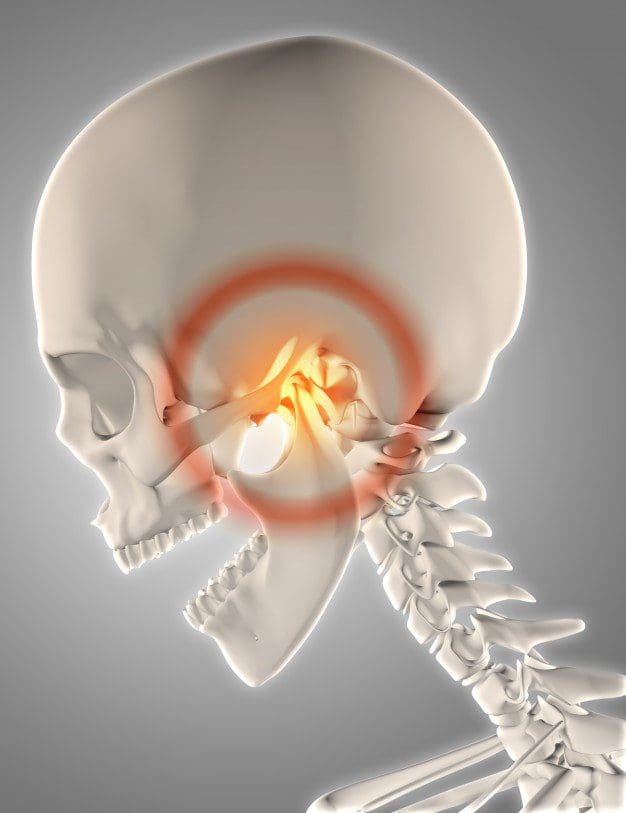
The joint that connects your jaw to your skull and allows you to open and close your mouth is the temporomandibular joint. When you have problems with the muscles or joint in that area it is called TMJ, or more accurately temporomandibular disorders, or TMD.
This disorder is characterized by pain and stiffness on one or both sides of the jaw. The jaw may also lock or get stuck in either a closed or open position. Patients may also notice a popping, clicking, or grating sound in the jaw when chewing, yawning, or when closing or opening their mouth. They may also have trouble chewing and even experience swelling.
Doctors don�t know what causes TMJ. It seems to be linked to trauma to the neck, such as with whiplash, but it also can be caused by:
Arthritis in the jaw
Grinding the teeth
Stress that causes clenching of the jaw
Movement of the disc, or soft cushion, that lies between the socket and ball of the jaw
Diagnosis & Treatment For Temporomandibular Joint Disorder
Many conditions can mimic the symptoms of TMD. After taking a medical history, your doctor will check the joints in the jaw for popping, clicking, or grating sounds. He will also assess the patient�s pain or tenderness level and check for any stiffness. During the exam, the doctor will assess the job and its ability to function properly. X-rays may also be a part of the examination.
If the doctor can pinpoint the probable cause of the TMJ, he may prescribe certain treatments or make recommendations that will help. Medication is one option, mainly stress or anti-anxiety medication to help the patient relax. A night guard or splint is another option. It helps to put the patient�s teeth in the correct position. A splint is worn all the time and a night guard is worn only at night. Dental work is another option and in come more serious cases, surgery.
Chiropractic Care For Temporomandibular Joint Disorder
Chiropractic for TMJ is not only common, but very effective. The chiropractor may perform neck or spine adjustment as well as adjustments to the jaw. This means that the patient may experience pressure on their skull, jaw, upper spine, or neck as the chiropractor treat the condition. There are also soft tissue treatments that the chiropractor may perform during the course of treatment for TMJ.
The chiropractor will often recommend lifestyle and diet changes to patients. This offers the patient the opportunity to treat the whole body as opposed to just one area. They may apply cold packs or heat packs to the area, recommend supplements, and teach the exercises designed to lessen the pain and encourage healing. Chiropractic is a safe, effective, and non-invasive treatment for TMJ.
So if you or a loved one have been diagnosed with TMD and/or are experiencing TMJ pain, give us a call. Our Doctor of Chiropractic is here to help!
Chiropractic Clinic Extra: Neck Pain Care & Treatments
Chiropractic has been proven to help many health conditions, including those that seem completely unrelated to the spine. Meniere�s Disease is one of those conditions. A disorder of the inner ear, Meniere�s Disease affects somewhere between 3 and 5 million people in the United States alone. The good news is, the majority of patients, as much as 95 percent, are able to control their Meniere�s with medical treatments. Chiropractic has been found to be very effective in relieving patients of their symptoms of Meniere�s.
What Is Meniere�s Disease?
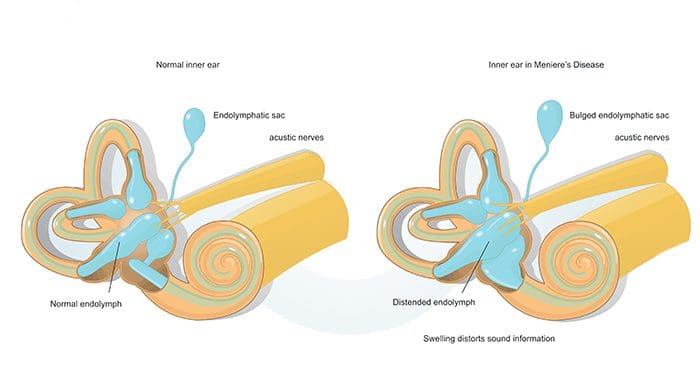
Meniere�s Diseaseis a disorder that affects the inner ear, causing ringing of the ears and other uncomfortable symptoms. It affects around 200,000 people every rare, typically adults ranging from 20 to 50 years of age. It does not seem to prefer one gender over the other, affecting both equally.
Symptoms of Meniere�s Disease include:
Dizziness or vertigo. It is not continuous, but instead a dizziness episode may last around 15 to 20 minutes, then stop for a while and begin again. Sometimes the dizziness can last up to 24 hours, but rarely longer. The vertigo can be severe, causing vomiting and nausea.
Tinnitus or ringing in the ear. This may cause a buzzing, hissing, whistling, or roaring sound in the ears.
Loss of hearing. The patient may experience a loss of hearing, only to have it return. However, the majority of people who have Meniere�s Disease do experience permanent hearing loss to some degree.
Full feeling in the ear. The disease can cause feelings of pressure or fullness in the ear that is affected or in the side of the head.
These symptoms usually come and go and the patient may experience one episode but not have another one for a year or more.
Diagnosis & Treatment Of Meniere�s Disease
The doctor who suspects Meniere�s Disease will take the patient�s medical history and conduct a series to tests to determine if the patient has any hearing loss or if their balance is compromised. They will also order a series of blood tests and other lab work in order to rule out other conditions.
While there is not cure for Meniere�s Disease, it can be managed fairly well with drugs like anti-nausea medications and motion sickness medications. There are also other procedures and noninvasive therapies that have proven to be beneficial. Rehabilitation, a Meniett device, and a hearing aid are all effective treatments. Chiropractic care is also proving to be highly effective and a strong treatment option.
Chiropractic Care For Meniere�s Disease
Chiropractic care in the form of spinal manipulation or adjustments of the upper cervical area has proven to be very helpful with many of the symptoms of Meniere�s. There have been several case studies that show in many cases certain chiropractic techniques can relieve patients� pain and symptoms. This is usually due to a subluxation in the upper area of the neck. This restricts movement and throws the body out of alignment.
In many cases, patients who pursue chiropractic services for their Meniere�s Disease are eventually able to stop taking the medications that are prescribed to ease the symptoms. They also find that after the chiropractic treatments, they have more energy, are more flexible, have better mobility, and have a much more positive outlook.
Doctors of Chiropractic advise patients who have been diagnosed with Meniere�s Disease to seek out chiropractic treatments. They typically consist of chiropractic adjustments and the patient can walk out when they are finished. These treatments are effective and safe but drug free and non-invasive. In most cases, it is a preferred way to manage the symptoms and the disease itself.
If you or a loved one suffer from this condition, consider chiropractic. Our Doctor of Chiropractic would love to help. Simply give us a call and we�ll see if chiropractic is the right approach for you.
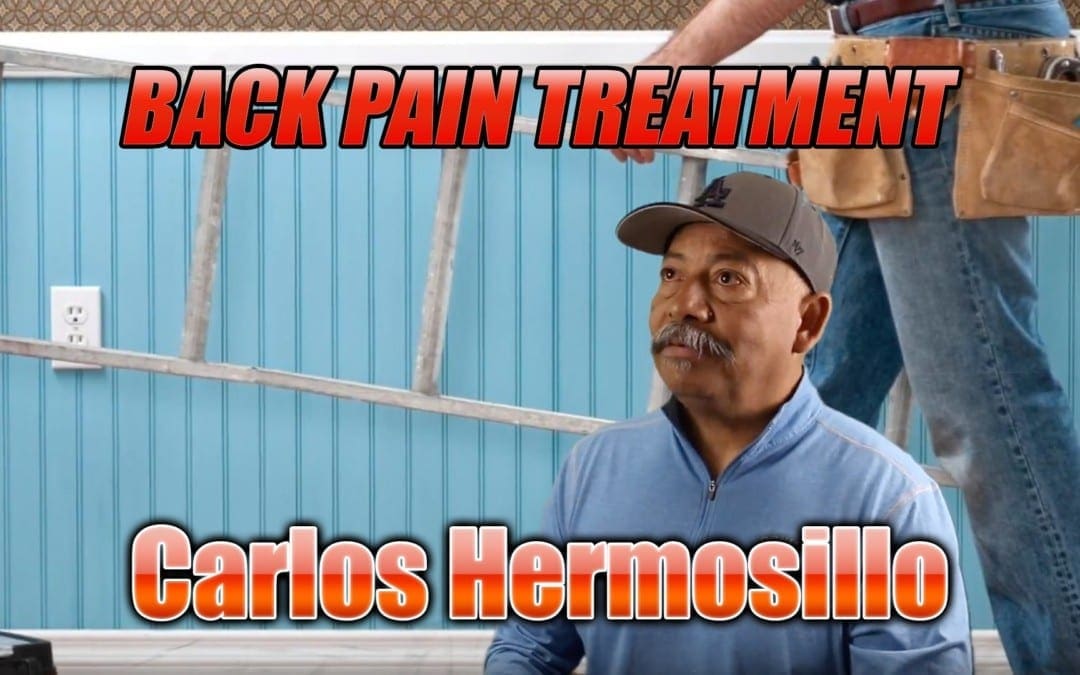
Back Pain Treatment: Carlos Hermosillo is a small contractor in El Paso, Tx, who’s known Dr. Alex Jimenez for several years. As a result of the physical demands of his job, Mr. Hermosillo often experiences lower back pain and back pain symptoms which tremendously limit his ability to perform his normal physical activities, fortunately, Dr. Alex Jimenez provides him with the chiropractic care he regularly needs to return to work as soon as possible. After being involved in an accident, Carlos Hermosillo once again turned to chiropractic care for relief of his symptoms. Mr. Hermosillo highly recommends Dr. Alex Jimenez as the non surgical choice for back pain treatment.
Back pain can originate from the muscles, nerves, bones, joints or other structures in the spine. Internal structures such as the gallbladder, pancreas, aorta, and kidneys may also cause referred pain in the back. The management goals when treating back pain are to achieve maximal reduction in pain intensity as rapidly as possible, to restore the individual’s ability to function in everyday activities, to help the patient cope with residual pain, to assess for side-effects of therapy, and to facilitate the patient’s passage through the legal and socioeconomic impediments to recovery. For many, the goal is to keep the pain to a manageable level to progress with rehabilitation, which then can lead to long-term pain relief.
Please Recommend Us: If you have enjoyed this video and/or we have helped you in any way please feel free to recommend us. Thank You & God Bless.
Shoulder Pain: The shoulder goes through a lot in a day. It is comprised of an intricate network of ligaments and muscles, with the rotator cuff taking the brunt of much of the movement and exertion.
Not only is the shoulder the most flexible joint in the human body, it is also one of the most unstable. Among athletes, the shoulder injuries are quite common; the shoulder sustains more injuries that almost all other parts of the body.
The shoulder is particularly vulnerable due to its unique construction. Other joints in the body, such as the ankle or elbow, have a somewhat limited range of motion. The shoulder has a wide range of motion as a freely moving joint. This leaves it susceptible to stress, injury, and pain.
The various soft tissues within shoulder, muscles, tendons, and ligaments can be injured from overuse, excessive strain, falls, and improper motion. Treating shoulder pain can be a challenge because it is used so often in the course of daily life. A Doctor of Chiropractic can help relieve shoulder pain and speed healing.
Causes Of Shoulder Injury & Pain
Shoulder pain can be caused by a number of conditions. Injury to the rotator cuff is one of the most common causes and is commonly seen in athletes, like gymnasts and football players, who use their arms and shoulders frequently and tend to put increased stress on the joint.
Any activity that involved repetitive shoulder movements can also cause injury. Swimmers, tennis players, and baseball players are highly susceptible to injury.
Athletes are not the only ones who experience shoulder pain and injury. People who work in an environment that requires repetitive motion or strenuous upper body work are also at risk. Construction workers commonly experience shoulder injury and pain as do truck drivers.
Prevention Of Shoulder Pain
Preventing shoulder pain and injury is usually quite simple. Athletes and workers whose jobs require repetitive arm work or rotation should take the warm up and cool down before playing, and they should take breaks often.
Pain should be addressed sooner rather than later with ice packs applied immediately and a chiropractic appointment. Ignoring shoulder pain could lead to a more serious injury.
Taking time off to give an injured shoulder rest is always a smart move. The joint needs rest in order to heal and regular activities should not be resumed until the doctor says it is OK. A chiropractor can also recommend exercises specifically geared toward certain types of injuries or conditions � they should be followed to the letter.
The patient will be assessed by the chiropractor at the first visit and the doctor will determine a treatment plan. Ischemic compression techniques have been found to be very effective for certain types of shoulder pain. It is often favored because it is very effective, in not very strenuous for the doctor to perform, is very safe, and is tolerated well by the patient. Other conditions may respond better to different chiropractic techniques.
Chiropractic care is often the treatment of choice for shoulder pain because it is minimally invasive and it works. As is often the case, pain in one part of the body can cause pain in other areas. In the case of shoulder pain, the spine and neck may become inflamed. Chiropractic care addresses all areas of the body to relieve pain without drugs and gets the patient on the road to healing quicker.
Are you or a loved one suffering from shoulder pain? If so, give us a call. Our Doctor of Chiropractic is here to help!
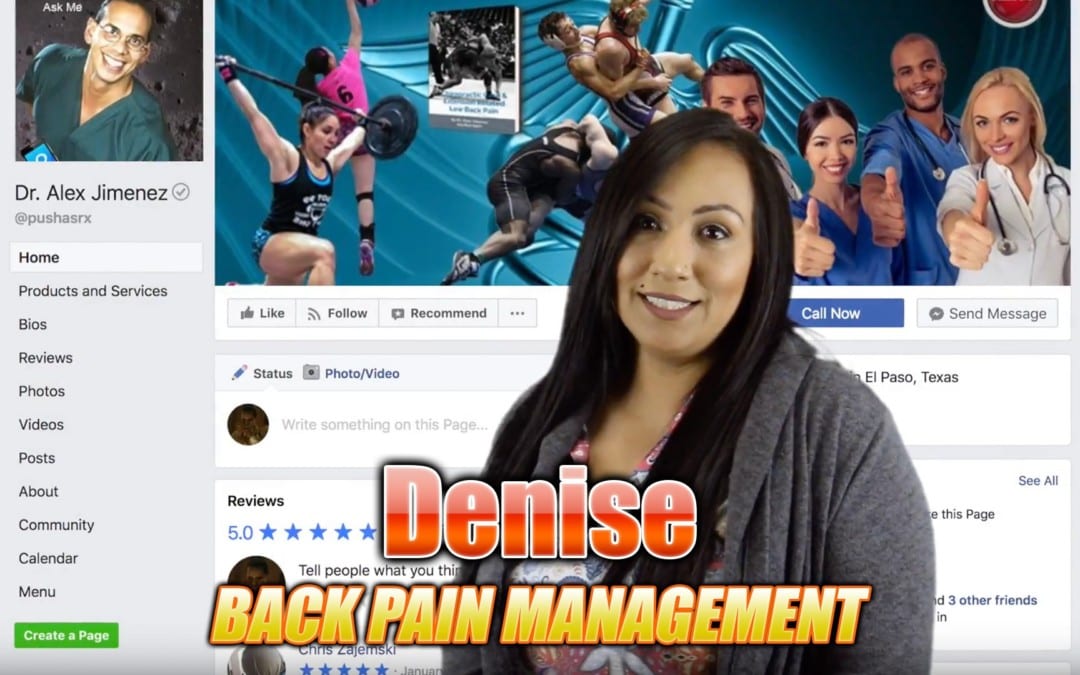
Back Pain Management: Denise was involved in an auto accident which resulted in low back pain. When she realized she couldn’t sit, walk or sleep for extended periods of time without experiencing painful symptoms, Denise found chiropractic care with Dr. Alex Jimenez in El Paso, TX. Once she received treatment for her auto accident injuries, Denise experienced relief from her symptoms and she was able to perform her everyday activities once again. Thanks to the education and care Dr. Alex Jimenez provided, Denise regained her original health and wellness.
Back pain is common, with roughly nine out of ten adults experiencing it at some time in their life, and five from ten working adults developing it every year. Some estimate around 95 percent of Americans will experience back pain at some time in their lifetime. It’s by far the usual cause of chronic pain, as it is also a significant contributor of missed work and disability. In the United States alone, acute cases of lower back pain are the fifth most common reason for physician visits and causes 40 percent of missed days off work. Furthermore, it is the only leading cause of disability globally. Back pain management is possible through chiropractic treatment.�For Answers to any questions you may have please call Dr. Jimenez at 915-850-0900
Please Recommend Us: If you have enjoyed this video and/or we have helped you in any way please feel free to recommend us. Thank You.
Herniated Disc Pain: Araceli Pizana started chiropractic care with Dr. Alex Jimenez due to chronic back pain symptoms associated with a herniated disc. Before finding the right alternative treatment option with Dr. Jimenez, Mrs. Pizana struggled to perform her everyday activities. Araceli Pizana describes how Dr. Alex Jimenez’s exceptional care for his patients ultimately reflects on his ability to improve her overall well-being. Mrs. Pizana recommends chiropractic care for health and wellness.
Herniated Disc Pain & Chiropractic Treatment
Most healthcare professionals agree that degeneration of the intervertebral discs is the main cause of spinal disc herniation, where trauma and/or injury is considered to be the least probable cause. Disc degeneration occurs both with degenerative disc disease and aging. When the degeneration of the intervertebral discs occurs, the soft gel-like center of the disc, known as the nucleus pulposus, pushes through the outer ring of the disc, known as the annulus fibrosus. A tear in the intervertebral disc is what’s known as a disc herniation. Furthermore, the chemical material released can irritate the surrounding structures of the spine causing herniated disc pain.
Dr. Jimenez has teamed with the top surgeons, clinical specialist, medical researchers and�premiere rehabilitation�providers to bring El Paso the top clinical treatments to our community.��Providing the top non-invasive protocols is our priority.��The clinical insight is what our patients demand in order to give them the appropriate care required.
Our team has takes great�pride in bringing our families and injured patients only�clinically proven treatments protocols. �By teaching complete holistic wellness as a lifestyle,�we also change not only our patients lives but their families as well.� We do this so that we may reach as many El Pasoans who need us, no matter the affordability issues.
There is no reason we cannot help you.
Please Recommend Us: If you have enjoyed this video and/or we have helped you in any way please feel free to recommend us. Thank You & God Bless.
Most people stretch and hardly pay any attention to it. Throughout the day a person may stretch upon waking or after they�ve been sitting in the same position for a while. They might do some stretches before working out or as part of physical therapy. Stretching often makes us feel better but it might be surprising to discover that it is actually beneficial to optimal body function.
As a person ages their muscles begin to tighten. This is a natural part of the aging process. However, it can cause inhibit range of motion and joint stiffness, making normal day to day activities more difficult. After certain injuries stiffness can set in, causing pain and decreased flexibility.
What many chiropractic patients may be surprised to learn is that stretching is a great complement to chiropractic care. When combined with simple stretches and low impact exercises, chiropractic patients often find that their injuries heal faster, their pain is reduced, and they simply feel better and more energetic. If that isn�t enough to convince you to incorporate stretching into your daily wellness routine, maybe these four compelling benefits will.
STRETCHING
Helps Keep The Spine Aligned
When you stretch the muscles in your chest, shoulders, and lower back it will improve your posture by helping to keep your spine in better alignment. When your muscles are not stretched properly they begin to draw up � and it usually isn�t in a uniform or symmetrical manner.
This means that muscles on one side of your spine may draw up more than the muscles on the other side. This can result in your body being pulled to that side, causing your spine to be pulled that way. Stretching prevents this from happening and when combined with consistent chiropractic care it can ensure good spinal health.
Improves Flexibility & Range Of Motion
Most people know, on some level, that stretching improves flexibility and range of motion. However, many do not act on that knowledge and they often wind up at the doctor�s office complaining of back pain. Stretching will make you more flexible which, in turn, will make you less prone to injury.
Your muscles will be able to work as effectively as possible. It is important that you don�t overdo it though. Some people take terrible risks when they stretch, thinking that if they force their bodies into certain positions or if they �bounce� to get a deeper stretch then they will be more flexible. Actually, the reverse is true. Stretching in an unsafe way such as bouncing or forcing your body far beyond its limits will result in injury including pulled muscles and muscle tearing.
Helps Relieve Stress & Detoxify The Body
When you stretch, two very significant things happen. First, your blood flow increases as blood is rushed to the muscles, your organs, and your brain. Secondly, it moves oxygen through these areas. As a result, toxins that have accumulated in your soft tissues are dispelled.
The simple stretching that relieves tension in muscles, combined with the detoxifying effect will help you feel less stressed. Stretching is a great stress management exercise, one you can do just about anywhere. You don�t need any special equipment and you can even do it right at your desk while you are working. A bonus is that you�ll feel the de-stressing effects instantly.
It relies on the body�s natural ability to heal itself by releasing the tension and easing the stiffness of the muscles in that area. The stiffer those muscles are, the more they will hurt when you try to move. By relaxing them through stretching you will find that you move much easier and with less pain.
Stretching has so many great benefits. Talk to your chiropractor about a customized stretching plan that you can do at home. You�ll love what it does for you. If you don�t have a chiropractor, give us a call at (915)850-0900. We�re here to help!
IFM's Find A Practitioner tool is the largest referral network in Functional Medicine, created to help patients locate Functional Medicine practitioners anywhere in the world. IFM Certified Practitioners are listed first in the search results, given their extensive education in Functional Medicine


 This disorder is characterized by pain and stiffness on one or both sides of the jaw. The jaw may also lock or get stuck in either a closed or open position. Patients may also notice a popping, clicking, or grating sound in the jaw when chewing, yawning, or when closing or opening their mouth. They may also have trouble chewing and even experience swelling.

 Please Recommend Us: If you have enjoyed this video and/or we have helped you in any way please feel free to recommend us. Thank You & God Bless.

 Please Recommend Us: If you have enjoyed this video and/or we have helped you in any way please feel free to recommend us. Thank You.