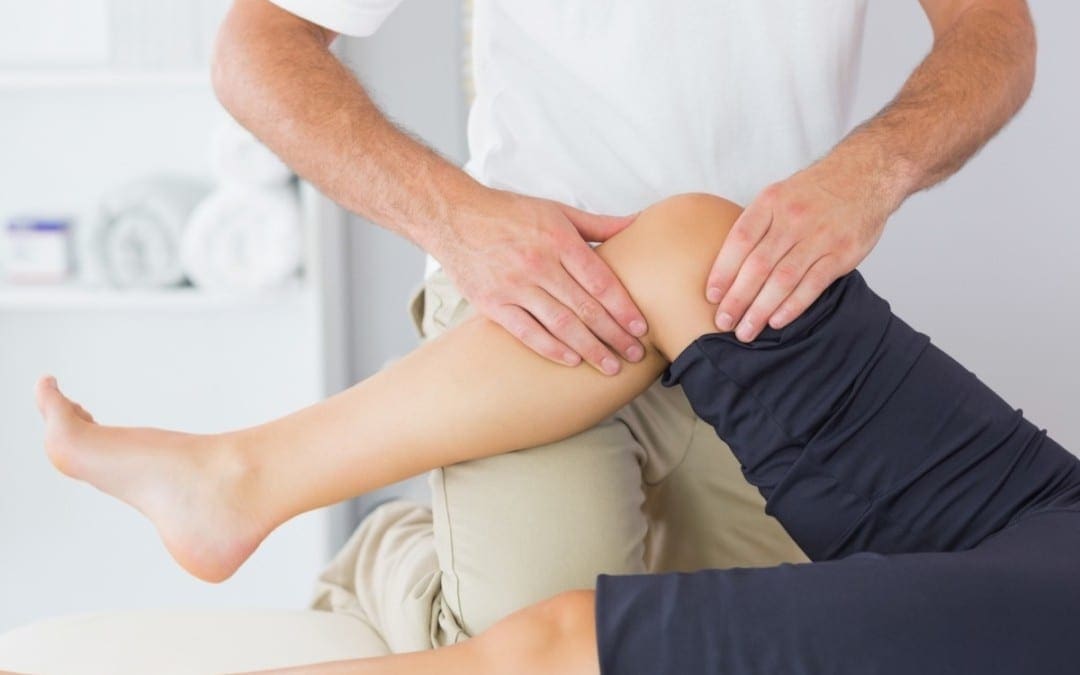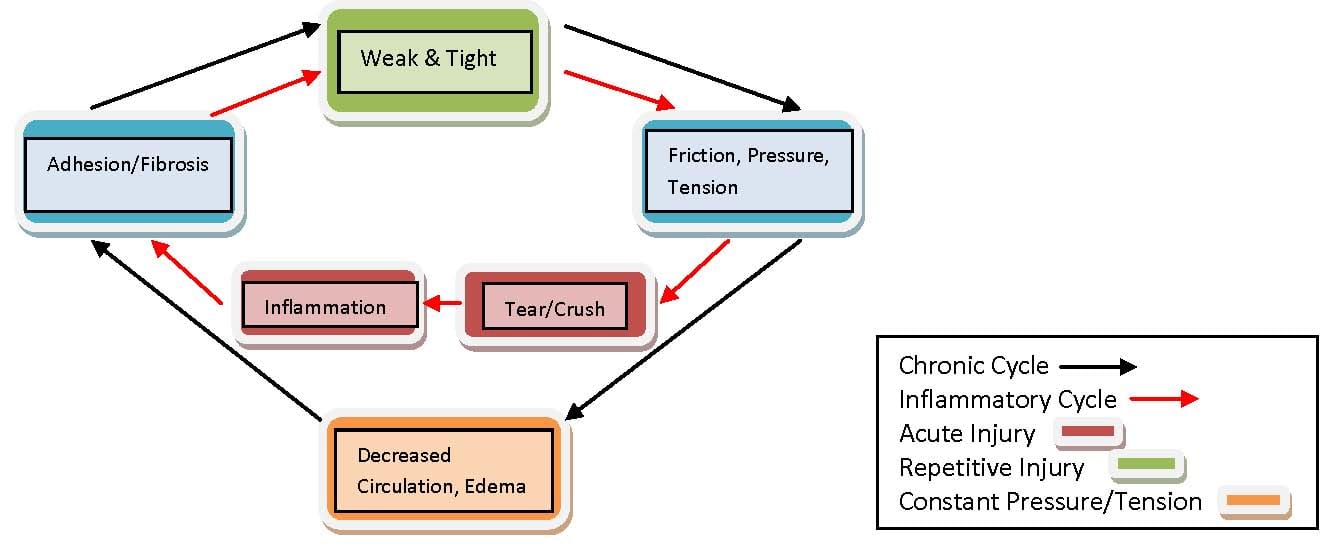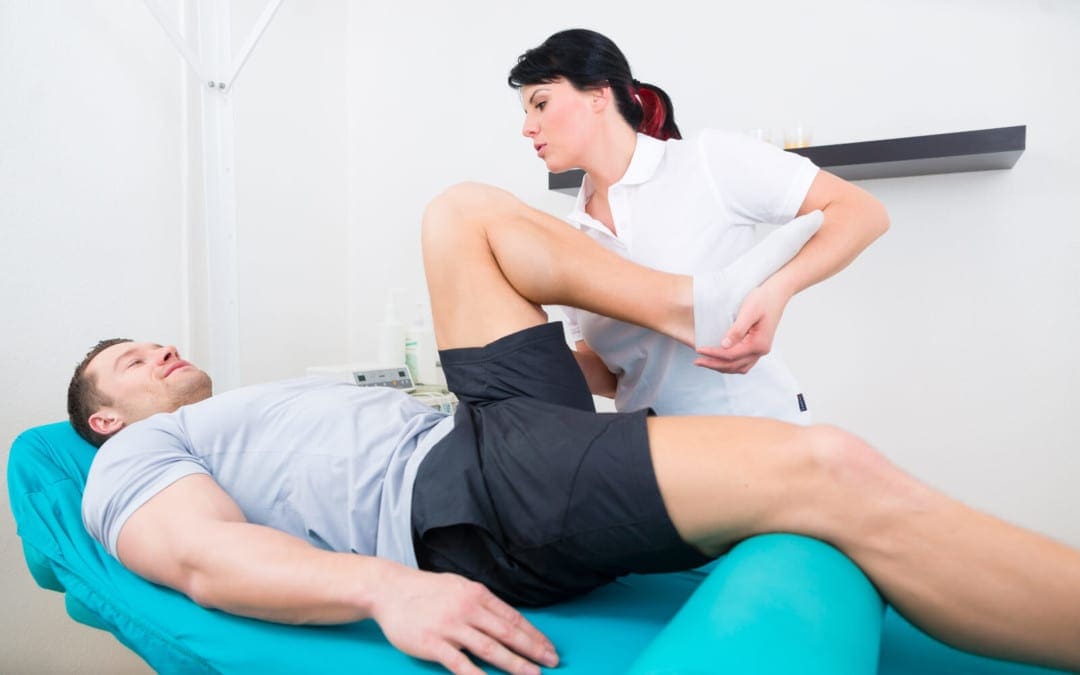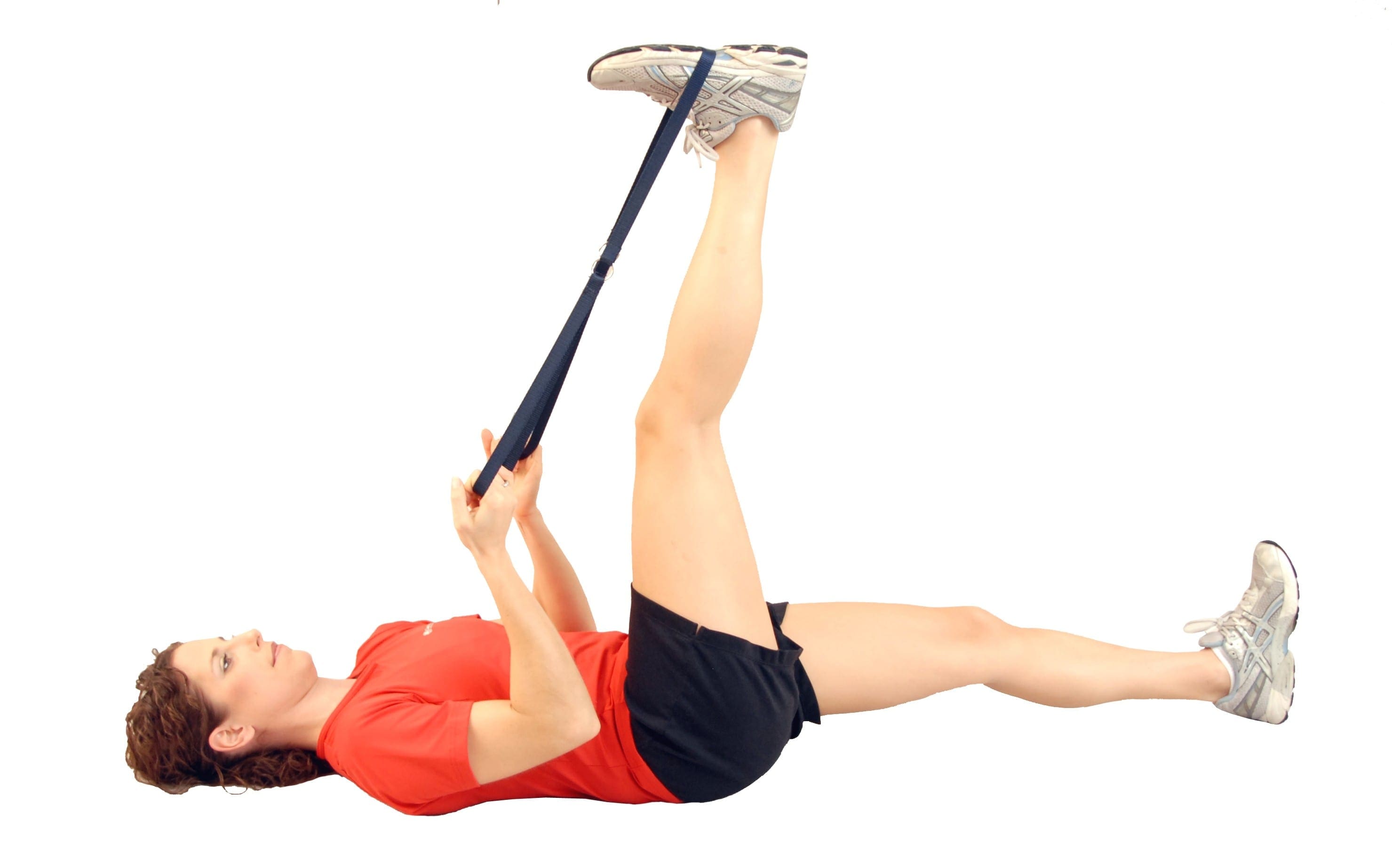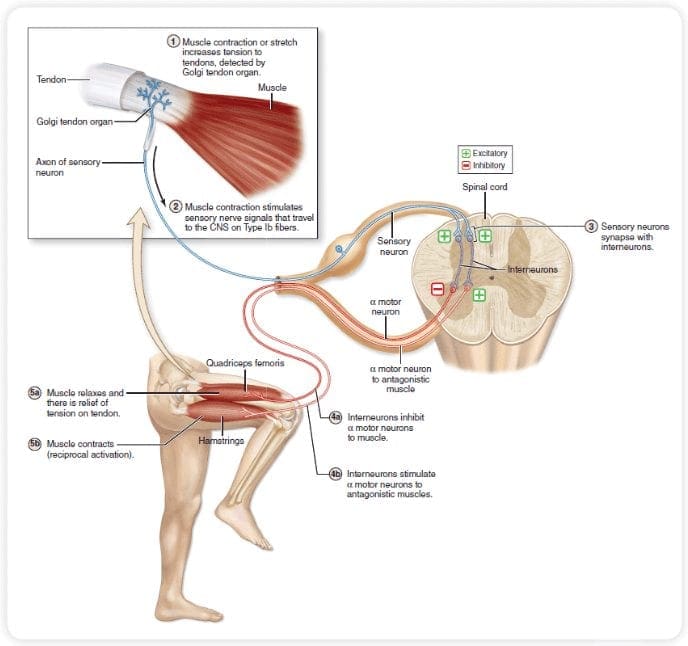
A healthcare professional may refer you to a physical therapist to help you relieve your sciatica. Physical therapy includes both passive and active treatments. Passive treatments help unwind you and your body. These ultimately prepare your body for therapeutic exercises, which are the active treatments commonly utilized as a part of physical therapy.
Your physical therapist can give you passive treatments such as:
Deep tissue massage: This procedure targets chronic muscle stress which can be compressing or irritating your sciatic nerve and its associated nerve roots. The physical therapist uses direct friction and pressure to attempt to release the tension in your soft tissues, such as the tendons, ligaments and muscles.
Hot and cold therapies: By employing heat, the physical therapist seeks to get more blood to the target region because an increased blood circulation brings more oxygen and nutrients to the affected area. By way of instance, a heating pack placed on your piriformis muscle may help to reduce muscle spasms that could be causing your sciatica. Cold therapy, on the other hand, slows down blood flow, helping to decrease inflammation, muscle spasms, and pain. Your physical therapist will alternate between hot and cold therapies in order to achieve the desired results.
TENS (transcutaneous electric nerve stimulation): It may even be used at home, if your physical therapist thinks it is necessary. A machine stimulates your muscles through a variety of safe intensities of electric current. TENS helps decrease muscle spasms, and it might increase your body’s production of endorphins, the body’s natural painkillers. The TENS equipment your physical therapist utilizes is larger than the “at-home” usage system. Whether big or small, a TENS device may be an essential treatment for sciatica and its associated symptoms.
Ultrasound: Ultrasound sends sound waves deep in your muscle tissues and makes a gentle heat that enhances circulation and helps to speed up recovery. Greater circulation can help to reduce muscle spasms, cramping, swelling, stiffness, and pain.
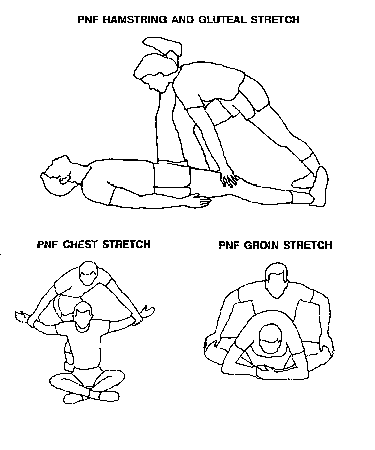
In the active part of physical therapy, your physical therapist will teach you various exercises to help treat your sciatica. Your physical therapy’s treatment program is individualized, taking into account your overall health and wellness as well as your medical history. It might consist of strengthening exercises, aerobic conditioning, and movements to increase endurance and range of movement.
Physical therapy might be part of a comprehensive sciatica treatment plan prescribed by your healthcare professional. Aside from receiving physical therapy for your sciatica, or sciatic nerve pain, the following list includes other treatment options which are often considered when discussing the best treatment options for your source of sciatica symptoms. These treatments include:
Alternative treatments, such as acupuncture;
Chiropractic care;
Drugs and/or medications; and
Surgery
If necessary, your physical therapist may teach you how to fix your posture and integrate ergonomic principles into your everyday activities. This will be done in order to work on preventing future episodes of sciatica. Of the list of treatment options to help treat sciatica, chiropractic care and physical therapy are similar to each other and may involve common treatment modalities. However, a chiropractor uses spinal adjustments and manual manipulations to relieve symptoms of sciatica by carefully restoring the original alignment of the spine and reducing spinal stress and tension.
Dr. Alex Jimenez’s Insight
As its previously been addressed, because sciatica can occur due to a variety of injuries and/or aggravated conditions, a proper diagnosis followed by the best treatment option for the patient’s source of their symptoms is key for overall improvement and prevention of further episodes of sciatic nerve pain. Among the various types of treatment, chiropractic care and physical therapy are popular alternative treatment approaches which help treat sciatica, without the need for drugs and/or medications or surgical interventions. Chiropractic care focuses on correcting the alignment of the spine through the use of spinal adjustments and manual manipulations in order to release tension on the spine and improve sciatic nerve pain.
Chiropractic Care for Sciatica
Chiropractic care is a well-known alternative treatment option which is regularly used to treat sciatica. Proper diagnosis of sciatica Is essential before considering any of the above treatment modalities. Because there are lots of disorders that cause sciatica, the chiropractor’s first step towards treating sciatica would be to determine what’s causing the patient’s relapse. Forming a diagnosis involves a thoughtful review of the patient’s medical history as well as a physical and neurological evaluation.
Diagnostic testing includes x-rays, MRI, CT scans and/or electrodiagnostic tests (nerve conduction speed, electromyography). These examinations and evaluations help to detect potential contraindications to spinal adjustments and manual manipulations along with other chiropractic alternative treatment options. The aim of chiropractic care is to help the human body heal itself. Chiropractic care is noninvasive (non-surgical) and drug-free.
The type of chiropractic care provided depends on the reason for the individual’s sciatica. A sciatica treatment program might include several distinct therapies like ice/cold treatments, ultrasound, TENS, (similar to those used in physical therapy) and spinal adjustments and manual manipulations. Spinal adjustments and manual manipulations differ from a swift high velocity push to those that combine minimal pressure and gentle force. Mastery of every method is an art which requires great precision and skill. Spinal adjustments and manual manipulations are the treatment modalities that differentiate chiropractic care from other medical disciplines.
However, sciatica can be brought on by other disorders beyond the scope of chiropractic care. If the chiropractor determines that the patient’s source of their symptoms requires treatment from a different type of doctor, then the patient is referred to another healthcare professional. In some instances, the chiropractor may continue to treat the patient and also co-manage the patient’s care with another healthcare professional.
The scope of our information is limited to chiropractic as well as to spinal injuries and conditions. To discuss the subject matter, please feel free to ask Dr. Jimenez or contact us at 915-850-0900 .
Curated by Dr. Alex Jimenez

Additional Topics: Sciatica
Sciatica is medically referred to as a collection of symptoms, rather than a single injury and/or condition. Symptoms of sciatic nerve pain, or sciatica, can vary in frequency and intensity, however, it is most commonly described as a sudden, sharp (knife-like) or electrical pain that radiates from the low back down the buttocks, hips, thighs and legs into the foot. Other symptoms of sciatica may include, tingling or burning sensations, numbness and weakness along the length of the sciatic nerve. Sciatica most frequently affects individuals between the ages of 30 and 50 years. It may often develop as a result of the degeneration of the spine due to age, however, the compression and irritation of the sciatic nerve caused by a bulging or herniated disc, among other spinal health issues, may also cause sciatic nerve pain.

The vast array of symptoms caused by neuropathy, also known as peripheral neuropathy, reflect the fact that it may be caused by an equally broad range of ailments involving disease and damage to peripheral nerves.
Signs and Symptoms of Neuropathy
Depending on the reason and unique to each patient, signs and symptoms of neuropathy can include:�pain; tingling, burning or prickling sensations; increased sensitivity to touch; muscle weakness or wasting;�temporary or permanent numbness; paralysis; dysfunction in glands or organs; or impairment in urination and sexual functioning.
Such signs and symptoms are dependent on whether autonomic, sensory, or motor nerves, as well as a combination of them, are ultimately affected. Autonomic nerve damage can influence physiological functions like blood pressure or create gastrointestinal problems and issues. Damage or dysfunction in the sensory nerves may impact sensations and sense of equilibrium or balance, while harm to motor nerves may affect movement and reflexes. When both sensory and motor nerves are involved, the condition is known as sensorimotor polyneuropathy.
Diabetic Neuropathy Symptoms
Diabetic peripheral neuropathy, which affects between 12 and 50 percent of individuals with diabetes, is one of the most common types of neuropathy. Many times, symptoms include a gradual change in sensation, as well as pain and weakness in the feet and, although less commonly, the hands. As the neuropathy develops further, it can lead to a loss of sensation in the affected regions.
This lack of feeling raises the odds of harm to the affected areas, explains Matthew Villani, doctor of podiatric medicine at Central Florida Regional Hospital at Lake Mary. Without the pain to signal when there’s an issue, individuals with diabetic neuropathy may allow modest abrasions or blisters on their feet, for instance, to fester as sores or ulcers. “The ulcers can become infected since they are open wounds, which can also progress to bone infection. Unfortunately, it frequently requires amputations if it does progress to that point”, states Dr. Matthew Villani.
Chemotherapy-Associated Neuropathy Symptoms
Cancer patients may suffer with neuropathy induced by chemotherapy as well as by other drugs and/or medications used to treat the disease. Symptoms can include intense pain, impaired movement, changes in heart rate and blood pressure, issues with balance, difficulty breathing, paralysis, and even organ failure. After chemotherapy is done, the symptoms frequently abate swiftly, but occasionally they last more, or these may not go away at all.
HIV- and AIDS-Associated Neuropathy Symptoms
Individuals being treated for HIV or AIDS can develop neuropathy from effects of the virus and the drugs and/or medications used to treat it as well. Common symptoms include stiffness, burning, prickling, tingling, and loss of feeling in the toes and soles of their feet. Sometimes the nerves in the fingers, hands, and wrists are also affected. The drugs Videx (didanosine), Hivid (zalcitabine), and Zerit (stavudine) have been most commonly associated with neuropathic symptoms.
Inflammation-Associated Neuropathy Symptoms
Inflammation caused by infections, like herpes zoster (also known as shingles), Lyme disease, or hepatitis B and hepatitis C, may lead to neuropathy, as may inflammation caused by autoimmune disorders, such as vasculitis, sarcoidosis, or autoimmune disease. In such situations, the signs and symptoms generally include burning and tingling sensations or numbness.
Other Causes of Neuropathy Symptoms
Additional causes of neuropathy and associated signs and symptoms include metabolic disorders, such as hypoglycemia or kidney failure; autoimmune disorders, such as rheumatoid arthritis, lupus, Sjogren’s syndrome, and Guillain-Barr� syndrome; toxicity; hereditary disorders, such as Charcot-Marie-Tooth disorder; hormonal disorders; alcoholism; vitamin deficiencies; physical trauma or injury; compression; and repetitive stress. In addition, many individuals may experience idiopathic neuropathy signs and symptoms, meaning that healthcare professionals may not know the reason for their neuropathy.
Dr. Alex Jimenez’s Insight
Neuropathy can be caused by a variety of injuries and/or aggravated conditions, often manifesting into a plethora of associated signs and symptoms. While every type of neuropathy, such as diabetic neuropathy or autoimmune disease-associated neuropathy, develops its own unique group of signs and symptoms, many patients will often report common complaints. Individuals with neuropathy generally describe their pain as stabbing, burning or tingling in character. If you experience unusual or abnormal tingling or burning sensations, weakness and/or pain in your hands and feet, it’s essential to seek immediate medical attention in order to receive a proper diagnosis of the cause of your specific signs and symptoms. Early diagnosis may help prevent further nerve injury.
What are the Common Signs and Symptoms of Neuropathy?
“Although there’s a wide array of signs and symptoms associated with neuropathy, the type of pain that people encounter may be common in many aspects of the disorder”, notes Vernon Williams, MD, a sports neurologist and director of the Center for Sports Neurology and Pain Medicine at Cedars-Sini Kerlan-Jobe Institute in Los Angeles. “The character and quality of neuropathic pain will often be pain that is burning or electric in character.” Furthermore, he describes that the pain will frequently be associated with different symptoms, like paresthesia, or a lack of normal sensation associated with pain; allodynia, or a painful reaction to a stimulus that wouldn’t normally trigger pain signals; and hyperalgesia, or a striking or severe pain in response to a stimulus that normally causes moderate pain.
How is Neuropathy Diagnosed?
If you think you’re having any of the above neuropathy signs and symptoms, consult a healthcare professional. A number of tests can be done to diagnose neuropathy. “There are certain patterns of complaints that indicate neuropathy,” stated Dr. Williams, “so taking down a patient’s history which includes a description of these complaints is an important first step.”
“After that, your healthcare professional can perform a physical evaluation, including checking motor and sensory function, assessing deep tendon reflexes, as well as looking for signs and symptoms like allodynia and hyperalgesia,” Williams says. “Then we can even perform electrodiagnostic testing; the most common being electromyography and nerve conduction testing, where we can stimulate nerves and document responses, calculate the rate at which signals are being transmitted and see whether there are some areas where nerves are not transmitting signals normally,” Williams continues.
With needle tests, Williams states, “We can put modest needles into human muscles, and, according to what we see and listen together with all the needle in the muscle, we get details about the way the nerves supplying those muscle tissues are functioning. There are a number of unique tests that could be handy to identifying neuropathy, in addition to localizing where the abnormality is the most likely to be coming from”, concluded Dr.�Vernon Williams.
Often, blood tests may test for elevated blood glucose to see whether your neuropathy signs and symptoms could possibly be associated to type 2 diabetes, nutritional deficiencies, toxic elements, hereditary disorders, and evidence of an abnormal immune response. Your healthcare professional may also do a nerve biopsy, which normally involves removing a small segment of a sensory nerve to search for abnormalities, or even a skin biopsy to see if there’s a reduction in nerve endings.
To give yourself the best chance of an accurate diagnosis as well as relief from your neuropathy signs and symptoms, be prepared to describe everything you are experiencing in detail, even when you experience them, how long an episode persists, and the amount of pain, discomfort or loss of sensation or movement you experience. The more specific you are on the signs and symptoms you’re experiencing, the easier it’ll be for your doctor to understand what’s happening. The scope of our information is limited to chiropractic as well as to spinal injuries and conditions. To discuss the subject matter, please feel free to ask Dr. Jimenez or contact us at 915-850-0900 .
Curated by Dr. Alex Jimenez
Additional Topics: Sciatica
Sciatica is medically referred to as a collection of symptoms, rather than a single injury and/or condition. Symptoms of sciatic nerve pain, or sciatica, can vary in frequency and intensity, however, it is most commonly described as a sudden, sharp (knife-like) or electrical pain that radiates from the low back down the buttocks, hips, thighs and legs into the foot. Other symptoms of sciatica may include, tingling or burning sensations, numbness and weakness along the length of the sciatic nerve. Sciatica most frequently affects individuals between the ages of 30 and 50 years. It may often develop as a result of the degeneration of the spine due to age, however, the compression and irritation of the sciatic nerve caused by a bulging or herniated disc, among other spinal health issues, may also cause sciatic nerve pain.
Neuropathy affects about 8 percent of individuals over the age of 55. Your nervous system is composed of 2 parts: the central nervous system and the peripheral nervous system. The nerves of your peripheral nervous system transmit messages between your central nervous system, that is your brain and spinal cord, along with the rest of the body.
These nerves regulate a massive range of functions throughout the body, such as voluntary muscle movement, involving the motor nerves, involuntary organ action, through the autonomic nerves, and also the perception of stimuli, involving the sensory nerves. Peripheral neuropathy, which is often simply referred to as “neuropathy,” is a state that happens when your nerves become damaged or injured, often times simply disrupted. It’s estimated that neuropathy affects roughly 2.4 percent of the general populace and approximately 8 percent of people older than age 55. However, this quote doesn’t include people affected by neuropathy caused by physical trauma to the nerves.
Types of Neuropathy
Neuropathy can affect any of the three types of peripheral nerves:
Sensory nerves, which transmit messages from the sensory organs, such as the eyes, nose, etc., to your brain;
Motor nerves, which track the conscious movement of your muscles; and
Autonomic nerves, which regulate the involuntary functions of your own body.
Sometimes, neuropathy will only impact one nerve. This is medically referred to as mononeuropathy and instances of it include:
Ulnar neuropathy, which affects the elbow;
Radial neuropathy, which affects the arms;
Peroneal neuropathy, which affects the knees;
Femoral neuropathy, which affects the thighs; and
Cervical neuropathy, which affects the neck.
Sometimes, two or more isolated nerves in separate regions of the body can become damaged, injured or disrupted, resulting in mononeuritis multiplex neuropathy. Most often, however, multiple peripheral nerves malfunction at the same time, a condition called polyneuropathy. According to the National Institute for Neurological Disorders and Stroke, or the NINDS, there are over 100 kinds of peripheral neuropathies.
Dr. Alex Jimenez’s Insight
Neuropathy is medically defined as a disease or dysfunction of one or more peripheral nerves, accompanied by common symptoms of pain, weakness and numbness. The peripheral nerves are in charge of transmitting messages from the central nervous system, the brain and the spinal cord, to the rest of the body. Neuropathy can affect a wide array of nerves. It is also associated with numerous underlying medical conditions and it has been reported to affect approximately 20 million individuals in the United States alone. While physical trauma, infection or exposure to toxins can cause neuropathy, diabetes has been considered to be the most common cause for neuropathy.
Causes of Neuropathy
Neuropathies are often inherited from birth or they develop later in life. The most frequent inherited neuropathy is the neurological disease Charcot-Marie-Tooth disease, which affects 1 in 2,500 people in the USA. Although�healthcare professionals are sometimes not able to pinpoint the exact reason for an acquired neuropathy, medically referred to as idiopathic neuropathy, there are many known causes for them, including: systemic diseases, physical trauma, infectious diseases and autoimmune disorders.
A systemic disease is one which affects the whole body. The most frequent systemic cause behind peripheral neuropathy is diabetes, which can lead to chronically high blood glucose levels that harm nerves.
A number of other systemic issues can cause neuropathy, including:
Kidney disorders, which permit high levels of nerve-damaging toxic chemicals to flow in the blood;
Toxins from exposure to heavy metals, including arsenic, lead, mercury, and thallium;
Certain drugs and/or medications, including anti-cancer medications, anticonvulsants, antivirals, and antibiotics;
Chemical imbalances because of liver ailments;
Hormonal diseases, including hyperthyroidism, which disturbs metabolic processes, potentially inducing cells and body parts to exert pressure on the nerves;
Deficiencies in vitamins, such as E, B1 (thiamine), B6 (pyridoxine), B12, and niacin, that can be vital for healthy nerves;
Alcohol abuse, which induces vitamin deficiencies and might also directly harm nerves;
Cancers and tumors that exert damaging pressure on nerve fibers and pathways;
Chronic inflammation, which can damage protective tissues around nerves, which makes them more vulnerable to compression or vulnerable to getting inflamed and swollen; and
Blood diseases and blood vessel damage, which may damage or injure nerve tissue by decreasing the available oxygen supply.
Additionally, if a nerve suffers from isolated bodily injury, it can become damaged, resulting in neuropathy. Nerves may suffer a direct blow that severs, crushes, compresses, or stretching them, even to the point of detaching them from the spinal cord. Common causes for these injuries are automobile accidents, falls, and sports injuries.
Nerve damage can also arise from powerful pressure on a nerve, like from broken bones and poorly fitted casts. Prolonged pressure on a nerve can also cause neuropathy, as in carpal tunnel syndrome, which occurs when the median nerve at the wrist becomes pinched. Also, persistent physical stress could inflame muscles, tendons, and ligaments, placing substantial pressure on the nerves.
Numerous infections from bacteria and viruses can lead to neuropathy by attacking nerve tissues directly or indirectly, for instance:
HIV
Shingles
Epstein-Barr virus
Lyme disease
Diphtheria
Leprosy
In addition, various autoimmune disorders, in which the body’s immune system attacks and destroys body tissue that is healthy, may result in nerve damage, including:
Peripheral neuropathy may result in several complications, as a result of disease or its symptoms. Numbness from the ailment can allow you to be less vulnerable to temperatures and pain, making you more likely to suffer from burns and serious wounds. The lack of sensations in the feet, for instance, can make you more prone to developing infections from minor traumatic accidents, particularly for diabetics, who heal more slowly than other people, including foot ulcers and gangrene.
Furthermore, muscle atrophy may cause you to develop particular physical disfigurements, such as pes cavus, a condition marked by an abnormally high foot arch, and claw-like deformities in the feet and palms. The scope of our information is limited to chiropractic as well as to spinal injuries and conditions. To discuss the subject matter, please feel free to ask Dr. Jimenez or contact us at 915-850-0900 .
Curated by Dr. Alex Jimenez
Additional Topics: Sciatica
Sciatica is medically referred to as a collection of symptoms, rather than a single injury and/or condition. Symptoms of sciatic nerve pain, or sciatica, can vary in frequency and intensity, however, it is most commonly described as a sudden, sharp (knife-like) or electrical pain that radiates from the low back down the buttocks, hips, thighs and legs into the foot. Other symptoms of sciatica may include, tingling or burning sensations, numbness and weakness along the length of the sciatic nerve. Sciatica most frequently affects individuals between the ages of 30 and 50 years. It may often develop as a result of the degeneration of the spine due to age, however, the compression and irritation of the sciatic nerve caused by a bulging or herniated disc, among other spinal health issues, may also cause sciatic nerve pain.
If you have lower back or buttocks pain which runs into your thigh or past the knee to one leg and foot, a healthcare professional may diagnose your symptoms as sciatica. Sciatica is a medical term used to describe painful sensations caused by the compression or impingement of the sciatic nerve. This compression is normally caused by a disc herniation or a bone spur pressing on one of the nerves in the lower back.
Sensations, or unusual feelings, could include numbness, tingling, pins and needles, and sometimes pain referred to as electric-shock-like. Determined by the individual nerve that is affected, pain may radiate only into the buttocks or all the way down to the foot.
Sciatica pain generally radiates along the length of the sciatic nerve, the longest and largest nerve in the human body, usually from the lower back, down the buttocks, and into the thigh and leg as well as the foot. One hallmark of classic sciatica is when the painful symptoms are felt beneath the knee and sometimes down into the foot and great toe. Usually, sciatica only affects one side of the body, however, it may occasionally affect both sides of the body.
Radicular Pain or Radiculopathy
Radicular pain, or radiculopathy, are different terms used to describe similar symptoms. Your healthcare professional may commonly utilize these terms interchangeably while discussing your sciatica. Radiculopathy is pain and/or an adverse sensation that travels past the affected site, along the length of a nerve. When a spinal nerve root is compressed, pinched or injured, it may become inflamed. Common conditions which could cause this kind of problem are spinal stenosis, foraminal stenosis or herniated discs.
What to Expect from a Sciatica Diagnosis
In order to determine the proper diagnosis of your sciatica symptoms, a healthcare professional may ask a series of questions, for instance:
When did the pain begin?
Where do you feel the pain?
What activities worsen or reduce pain and symptoms?
Does the pain go all the way down your leg or does it stop at the knee?
Is there weakness or tingling in your thighs or feet?
How severe is your pain, on a scale of 1 to 10? (10 being the worse pain possible)
The healthcare professional may conduct a straight-leg test to find out whether you’ve got irritation or inflammation on a nerve. In order to perform this evaluations, you lie on your back while the doctor lifts each leg. When lifting a leg causes, or generates sciatic-like pain and sensations, you might have a bulging or ruptured disc, best known as a disc herniation.
Furthermore, the healthcare professional may ask you to walk as you normally do, then on your heels and next on your toes. This enables the physician to confirm your balance and aspects of lower-body strength. Compression or impingement of the sciatic nerve may cause muscle fatigue in the foot that will be revealed by these tests and evaluations. During your examination, your healthcare professional will:
Look at your position and range of movement
Note any movement that causes pain
Examine the curvature and alignment of your spine
Feel for muscle strain
Assess your sensation
Test your reflexes and muscle strength
Your doctor may order a plain x-ray, CT scan or MRI to help see the source of your sciatica more clearly. The CT scan or MRI provides the doctor with several snapshots of your spine, and will help confirm a suspected diagnosis. The findings of an imaging test are compared to the information that the doctor gathers during the taking of your medical history, and physical and neurological examination outcomes. An accurate identification is one of the very first steps in determining the best treatment options.
If it’s not Sciatica, What Else Could it Be?
Only a healthcare professional can tell for sure if your symptoms are sciatica or not. There are many complex structures in the spine which can result in similar kinds of pain. For instance, the joint between the pelvic and sacrum, or the sacroiliac joint, or SI joint, which is the smallest portion of the spine, may lead to pain from the buttock in the case of injury or due to an aggravated condition. You may also feel sciatica-like pain and discomfort if you sprain a very low back facet joint, which are the connecting joints at the back region of the spine. A tear in a disk can lead to pain down to the leg. The hip joint can occasionally trigger pain at the thigh as well. It’s essential to seek proper medical attention to assess the source of your symptoms.
Sciatica Treatment
Treatments for sciatica pain are diverse and there are lots of options to choose from. While sciatic nerve pain and radicular pain symptoms may resolve with the use of many traditional and alternative treatment options, severe cases may require surgery. Normally, some middle ground of these two extremes is the answer for curing sciatica.
Sciatica usually may be treated nonsurgically with short (24 to 48 hours) bed rest and pain relievers like aspirin or acetaminophen. In some cases, the physician may prescribe drugs and/or medications that relieves nerve pain, such as gabapentin. Oral steroids are another commonly used treatment to calm pain down. Typically, patients with sciatica feel better over time, generally in a few weeks. If pain persists, however, injections might be discussed. Muscle cramps, which might accompany sciatica symptoms, might be treated with heat or cold. Your physician will tell you to take brief walks, and might prescribe physical therapy. Once you recover, your doctor may also give you exercises to strengthen your back.
Can Chiropractic Care Treat Sciatica?
Chiropractic care is one of the top treatment options used for sciatica pain. Utilizing a variety of methods and techniques, chiropractic care doesn’t simply reduce the symptoms, it can ultimately fix the health issues associated with sciatica and prevent further circumstances of the collection of symptoms.
A good chiropractic care regimen might include spinal adjustments and manual manipulations, passive therapies, spinal decompression, massage therapy, and physical therapy to help reduce pain and correct the underlying problem causing it. A great chiropractic solution is going to be a plan which entails many or all of the above mentioned remedies as determined by your personal needs and recovery timeline. Furthermore, a chiropractor may recommend a series of appropriate stretches and exercises to help speed up the recovery process and promote a long-lasting recovery so you can live a pain-free life.
Dr. Alex Jimenez’s Insight
Sciatica is a medical term used to describe a collection of symptoms, including, pain, numbness or tingling sensations, caused by the compression or irritation of the sciatic nerve in the lower back. Although symptoms of sciatic nerve pain, or sciatica, are commonly concentrated in the lower back, radiating pain or radiculopathy may sometimes occur along the length of the sciatic nerve. A bulging or herniated disc is one of the most prevalent health issues which lead to sciatica. It’s essential to receive a proper diagnosis of any painful symptoms in order to follow-up with the best treatment options. Chiropractic care can help treat sciatica through the use of spinal adjustment and manual manipulations, among other treatment modalities, by carefully restoring the original alignment of the spine and reducing nerve compression and irritation associated with sciatic nerve pain.
If you believe that you are suffering from sciatic nerve pain, then consider the chiropractic care alternative solution. Many chiropractors can help by building a customized restoration plan around your requirements and goals. With years of experience, friendly employees, and innovative equipment, the proper chiropractor will get you back to normal the natural way. The scope of our information is limited to chiropractic as well as to spinal injuries and conditions. To discuss the subject matter, please feel free to ask Dr. Jimenez or contact us at 915-850-0900 .
Curated by Dr. Alex Jimenez
Additional Topics: Sciatica
Sciatica is medically referred to as a collection of symptoms, rather than a single injury and/or condition. Symptoms of sciatic nerve pain, or sciatica, can vary in frequency and intensity, however, it is most commonly described as a sudden, sharp (knife-like) or electrical pain that radiates from the low back down the buttocks, hips, thighs and legs into the foot. Other symptoms of sciatica may include, tingling or burning sensations, numbness and weakness along the length of the sciatic nerve. Sciatica most frequently affects individuals between the ages of 30 and 50 years. It may often develop as a result of the degeneration of the spine due to age, however, the compression and irritation of the sciatic nerve caused by a bulging or herniated disc, among other spinal health issues, may also cause sciatic nerve pain.
Hip Labral Tear: Andrew Hutchinson turned to chiropractic care and crossfit rehabilitation after suffering a high ankle sprain and a hip labrum tear for which he went through with surgery to repair it. After being bedridden for months in order to properly recover, Andrew Hutchinson transitioned to chiropractic care and crossfit rehabilitation to regain his strength, mobility and flexibility before returning to play. Although he has suffered other sports injuries, Andrew Hutchinson continues to trust in chiropractic care and crossfit rehabilitation to keep his spine properly aligned and maintain overall health and wellness.
Hip Labral Tear Treatment
Labrum tears in athletes can occur from a single event or recurring trauma. Running may cause labrum tears due to the labrum being utilized more for weight bearing and taking excess forces while at the end-range motion of the leg. Sporting activities are probable causes, specifically those that require frequent hip rotation or pivoting to a loaded femur as in ballet or hockey. Constant hip rotation places increased strain on the capsular tissue and harm to the iliofemoral ligament. This subsequently causes hip instability putting increased stress on the labrum and causing a hip labrum tear.
We focus on what works for you. We also strive to create fitness and better the body through researched methods and total wellness programs. These programs are natural, and use the body�s own ability to achieve goals of improvement, rather than introducing harmful chemicals, controversial hormone replacement, surgery, or addictive drugs.
We want you to live a life that is fulfilled with more energy, positive attitude, better sleep, less pain, proper body weight and educated on how to maintain this way of life. I have made a life of taking care of each and every one of my patients.
I assure you, I will only accept the best for you�
God Bless You & Your Health�?
If you have enjoyed this video and/or we have helped you in any way please feel free to subscribe and share us.
5 benefits of�walking in order to achieve better health is not new. Doctors and fitness experts have been touting its benefits for decades. When you walk, you engage more than 200 muscles � this includes your pelvis and spine. This makes it an exceptional complement to chiropractic treatment. However, if you aren�t convinced, these five compelling reasons that chiropractic patients should walk are sure to win you over.
5 Benefits Of Walking
Helps With Weight Loss & Weight Management
When you are carrying around excess weight it can lead to back pain and impaired mobility. Fat around your middle, especially in the stomach area, throws your body off balance. There is extra weight in front and it pulls that portion of your body forward, causing a swayback effect.
The pain in the lower back that is caused by this pressure can be excruciating. Over the long term this can cause damage to your spine and cause misalignment. While girdles or slings may help, the permanent remedy is to lose the weight. Walking is an excellent, low impact exercise that helps you lose weight, stay active, and stay healthy.
Improves Mobility & Flexibility
As we age we become less flexible and we don�t have the mobility of youth. As you walk, your circulation increases and that helps improve flexibility and mobility.
Add a little light stretching to the mix, along with regular chiropractic treatments and you will have a much better range of motion. Your posture will improve and you will reduce your chance of injury during physical activity. All this greatly enhances your spinal health making walking a great complement to chiropractic care.
Relieves Back Pain
Back pain is one of the top reasons that Americans miss work and worldwide it is the number one cause of disability. It is also expensive. Each year, Americans spend upwards of $50 billion trying to escape back pain.
Walking is recommended by the American Chiropractic Association (ACA) to help ease back pain. It is a very good, low impact exercise that helps you manage your weight and stay active � excess weight can cause your back to hurt. Walking helps relieve back pain, but it can help to prevent it as well. Even walking for just 30 minutes a day 3 to 5 times a week is beneficial.
Rehydrates Spinal Discs
There are small, fluid filled disks that lie between each vertebrae, acting as a cushion. As you move about during the day, gravity and certain movements cause your spinal disks to compress, squeezing the water out of them. This can lead to back pain and mobility issues.
The increased circulation from walking helps to force water into this area and the disks absorb that water and are rehydrated. This allows them to continue doing what they are supposed to � act as shock absorbers for your spine. It also helps if you drink plenty of water and stay hydrated throughout the day.
Improves Circulation
Good circulation is integral to spinal health as well as a properly functioning central nervous system. When you walk it increases your circulation allowing your blood to carry vital nutrients to your spine, organs, and your entire body. The soft tissues are enriched and nourished as toxins are flushed out.
Another benefit of this increased circulation is a decrease in blood pressure. It brings your body into balance so your muscles, ligaments, and joints are nourished. This, in turn, helps to make your chiropractic treatments more productive and beneficial.
5 benefits of walking is beneficial for whole body wellness. It can help you reduce your risk of many serious health conditions including diabetes, heart attack, stroke, and high blood pressure. It is also great for giving you a mental health boost and make you less prone to osteoporosis. So commit to walking just 30 minutes a day, 3 to 5 days a week. You will be astounded at the difference it will make.
Injury Medical Clinic: Elderly & Geriatric Fitness
Sciatic nerve pain, or sciatica, is a collection of symptoms caused by a wide array of underlying health issues. While there are numerous treatments for the treatment of sciatica, a doctor’s treatment plan for back pain and sciatica may also include alternative treatments, such as acupuncture, acupressure, biofeedback, and/or yoga. Many patients have reported that alternative treatments have helped relieve their sciatic nerve pain. If you’re experiencing symptoms of sciatica, you might want to try the following alternative treatment options.
Acupuncture
Acupuncture practitioners have the belief that your body has an energy force called Qi or Chi (pronounced “chee”). They believe that if Chi is blocked, it can create physical disease. Both acupuncture and acupressure (see below) function to restore a healthy, energetic flow of Chi. (All these Eastern approaches to healing are distinct from Western scientific concepts. That doesn’t make them better or worse; it only makes them different.)
In order to perform acupuncture, acupuncturists insert very fine needles, which are sterilized and disposable, into specifically exact points on the body. These points are known as meridians. Each meridian is the same as a channel, referred to as an acupoint, or acupuncture point. Because meridians run near the skin’s surface, it is not necessary to insert needles deep into the tissue. Meridians correspond to specific sections of the human body or to a human body system like the nervous, musculoskeletal, cardiovascular, or lymphatic system. During an acupuncture treatment, the acupuncture practitioner will usually gently twirl or heat some or all of the needles.
It’s common for individuals to question whether acupuncture is uncomfortable, however, even patients who have been afraid of the needles at first, have found acupuncture to be a relaxing and painless experience. If you would like to pursue acupuncture treatment, please make sure to look for a licensed acupuncture practitioner who uses sterile and disposable equipment.
Acupressure
Acupressure has often been formerly compared to acupuncture. Acupressure is a non-invasive, secure, and gentle therapy which is believed to help unblocks Qi without using needles. The acupressure practitioner uses their thumbs, fingers, and elbows to put an exact quantity of pressure to specific points in the body. Acupressure therapy comprises the use of consistent pressure to one or more points and briskly rubbing against the acupressure point to stimulate it. Acupressure points and acupuncture points are identical.
Biofeedback
This type of alternative treatment option involves much more than simply telling your body to “stop feeling pain” Biofeedback is a mind-body therapy which rewires the brain by teaching you how to change or control a habitual reaction to pain or stress.
Could a person just “believe their pain away” with biofeedback? Unfortunately, it’s not that simple. As a matter of fact, it requires a much more demanding effort from the individual. Biofeedback frequently requires intensive patient participation and it is not an alternative treatment option for everybody. Some experts view biofeedback as a controversial therapy because its use in the treatment of low back pain or sciatica has not been adequately researched. In spite of this view, many individuals have benefited from biofeedback.
Biofeedback involves using special equipment to quantify and provide “feedback” to the individual about his or her physiological reactions to certain stimuli, like stress and muscle tension. By instructing the patient to perform deep breathing techniques, visualization, and mental and physical exercises, the individual learns how to control their response to stress and pain related to muscle tension, in this scenario, muscle tension that may contribute to sciatica.
Yoga
Yoga stretches can decrease symptoms of sciatica when the trigger is piriformis syndrome (sometimes a controversial diagnosis). Piriformis syndrome occurs when the piriformis muscle found in the lower portion of the spine compresses the sciatic nerve. This muscle aids in hip rotation. Gently stretching this muscle may help reduce sciatic pain. However, certain yoga stretches may aggravate symptoms of sciatica. Poses such as forward bending and twisting can irritate sciatic nerve pain. Any exercise which involves extending the back of the thighs (hamstrings) can irritate sciatica. As with any exercise, the patient must remember not to push their body beyond their pain limitations. Respect the body, and remember: Gently stretch.
As part of your treatment plan, you might want to try other sciatica treatment options. The following list are sciatica treatment, you may want to research to determine if they’re appropriate for you:
Chiropractic care
Physical therapy
Drugs/medications
Surgery
Chiropractic Care
Chiropractic care is a popular, alternative treatment option commonly utilized to help treat sciatica. The purpose of chiropractic care is to promote the body’s capacity to heal itself naturally, without the need for drugs/medications or surgery. It’s based upon the scientific principle that limited spinal movement leads to pain and decreased function and performance.
A chiropractor may use a variety of methods or techniques to improve sciatic nerve pain. The type of chiropractic care provided depends on the reason for the individual’s sciatica. A sciatica treatment program may include ice/cold treatments, ultrasound, TENS, and spinal adjustments or manual manipulations. Below are more details on these chiropractic care modalities.
Ice/cold treatment reduce inflammation and help improve sciatic nerve pain.
Ultrasound is gentle heat made by sound waves which penetrates deep into the soft tissues. Ultrasound increases circulation and helps to reduce muscle spasms, cramping, swelling, stiffness, and pain.
TENS unit (transcutaneous electrical nerve stimulation) is a small box-like, battery-powered, mobile muscle sculpting system. Variable intensities of electric current control acute pain and reduce muscle spasms. Bigger versions of this home-use TENS units are used by chiropractors, physical therapists and other rehabilitation professionals.
Spinal adjustments and manual manipulations are at the core of chiropractic care. Manual manipulation frees restricted movement of the spine and helps reestablish misaligned vertebrae in the spine. Spinal adjustments can help reduce nerve compression responsible for inducing pain, muscle spasm, inflammation and other symptoms associated with sciatica. Spinal adjustments and manual manipulations have been proven to be safe and effective.
Furthermore, a chiropractor may utilize physical therapy to help improve symptoms of sciatica. After a careful diagnosis, a doctor of chiropractic can recommend a series of appropriate stretches and exercises which, together some of the chiropractic care modalities mentioned above, can help speed up the recovery process. Chiropractic care focuses on healing through movement, helping to restore the proper connection between the brain and body in order to promote natural healing of sciatica nerve pain.
Dr. Alex Jimenez’s Insight
Because sciatica can be caused by a variety of underlying health issues, many different treatment modalities can be used to help relieve the common low back pain complaint. However, alternative treatment options, such as acupuncture, yoga and chiropractic care, have become increasingly popular in the treatment of sciatic nerve pain. Among the wide array of alternative treatment options, chiropractic care has become one of the most well-known modalities for improving symptoms of sciatica. Chiropractic care utilizes spinal adjustments and manual manipulations to carefully correct misalignments in the spine, or subluxations, which are often the most prevalent cause of sciatica. Other alternative treatment options can also efficiently help treat sciatic nerve pain without the need for drugs/medications or surgery.
Can Alternative Treatment Options Help Treat Sciatica?
There is no right or wrong answer to this question: several alternative treatment options can help relieve your sciatic nerve pain but they may not provide the same relief to another individual. If you’re considering trying alternative treatment options to address your own sciatica, discuss the options with your doctor. They might also have recommendations for healthcare professionals which can ultimately help improve your sciatica. The scope of our information is limited to chiropractic as well as to spinal injuries and conditions. To discuss the subject matter, please feel free to ask Dr. Jimenez or contact us at 915-850-0900 .
Curated by Dr. Alex Jimenez
Additional Topics: Sciatica
Sciatica is medically referred to as a collection of symptoms, rather than a single injury and/or condition. Symptoms of sciatic nerve pain, or sciatica, can vary in frequency and intensity, however, it is most commonly described as a sudden, sharp (knife-like) or electrical pain that radiates from the low back down the buttocks, hips, thighs and legs into the foot. Other symptoms of sciatica may include, tingling or burning sensations, numbness and weakness along the length of the sciatic nerve. Sciatica most frequently affects individuals between the ages of 30 and 50 years. It may often develop as a result of the degeneration of the spine due to age, however, the compression and irritation of the sciatic nerve caused by a bulging or herniated disc, among other spinal health issues, may also cause sciatic nerve pain.
IFM's Find A Practitioner tool is the largest referral network in Functional Medicine, created to help patients locate Functional Medicine practitioners anywhere in the world. IFM Certified Practitioners are listed first in the search results, given their extensive education in Functional Medicine