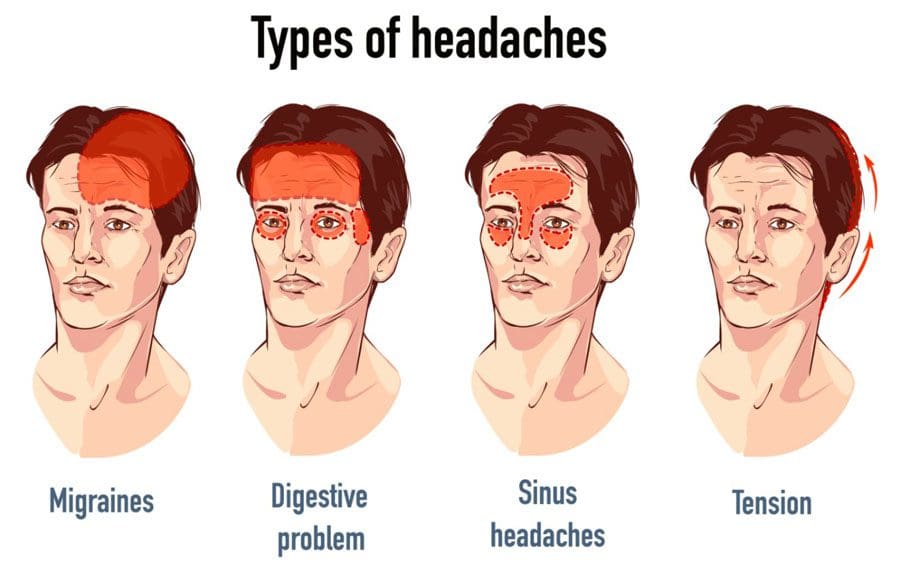
The most common form of pain is the headache. Whether dealing with a mild, dull ache, severe throbbing, or painful tension along the scalp and neck, headaches can disrupt and get in the way of everyday life. Over-the-counter pain medications can offer temporary relief, but they don’t get to the root and solve the cause. Chiropractic is a safe and effective treatment option that will bring head pain relief and treat what is causing the headache/s.
Triggers
Individuals engage in more sedentary activities, and more hours spent in one fixed position combined with poor posture can increase joint irritation and muscle tension in the neck, upper back, and scalp. Headaches can have a variety of causes or triggers. These can include:
Stress is the most common trigger
Muscle tension
Insomnia
Environmental stimuli – noises, lights, smells
Dehydration
Weather changes
Foods
Blood sugar changes
Excessive exercise
Most Common Types
There are two main categories: primary and secondary headaches.
Primary headaches
Primary headaches are when the headache itself is the main problem and is not a symptom of underlying diseases or conditions. These include:
Headache pain comes from interacting signals in the brain, blood vessels, and nerves. A mechanism activates specific nerves that affect the muscles and blood vessels, sending pain signals back to the brain. If any of the following is occurring it is recommended to contact a doctor, headache specialist, or chiropractor.
Three or more headaches a week.
Headaches that get worse or don’t go away.
Having to take a pain reliever every day or almost every day.
Need more than 2-3 doses of over-the-counter medications a week to relieve symptoms.
Headaches triggered by strenuous activity, hard work/exertion, bending, coughing.
What time of day/night the headache usually occurs?
How long does the headache last?
Where the pain is located?
Type of pain – throbbing, comes and goes, dull aching, one-sided, etc.
Does the headache come on suddenly without warning or slowly progress?
Are there other symptoms like weakness, nausea, sensitivity to light or noise, decreased appetite, changes in attitude or behavior?
Chiropractic
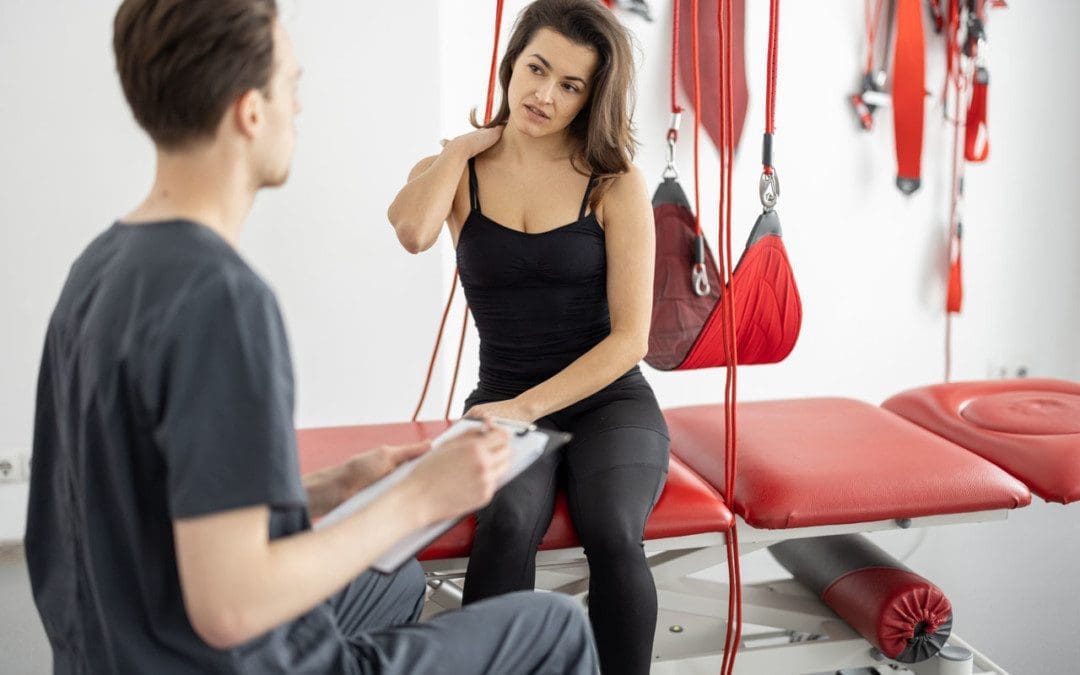
A chiropractor will assess, diagnose, conduct a physical examination to determine the cause and develop a personalized treatment plan to alleviate the pain and help to manage and prevent headaches. Treatment approaches include:
A combination of chiropractic manipulative therapy.
Activate trigger points to release tension and allow for optimal nerve and blood circulation.
Active and passive exercises.
Massage.
Health coaching.
Body Composition
Water
Most of the body is made up of water with the percentage of body composition that is water changing based on individual functional needs. Essential functions of water include:
Help to build/repair almost every cell in the body.
Regulating body temperature through sweating and respiration.
Energy from carbohydrates and proteins is transported by water through the blood.
Assists in the removal of metabolic waste through urination.
Acts as a shock absorber to protect the brain and spinal cord.
Creates saliva/fluids to lubricate the joints.
The amount of water in the body depends on various factors that include:
The most common water comes from lean body mass. This includes blood, organs, and muscle. Major body organs’ water content:
Lungs – 83%
Muscles and kidneys – 79%
Brain and heart – 73%
Skin – 64%
Bones – 31%
References
Bryans, Roland et al. “Evidence-based guidelines for the chiropractic treatment of adults with headache.” Journal of manipulative and physiological therapeutics vol. 34,5 (2011): 274-89. doi:10.1016/j.jmpt.2011.04.008
Tyagi, Alok. “New daily persistent headache.” Annals of Indian Academy of Neurology vol. 15,Suppl 1 (2012): S62-5. doi:10.4103/0972-2327.100011
Improving posture can be challenging. Poor posture is often the source of various musculoskeletal issues like chronic pain throughout the body. Poor posture can be so ingrained in the brain that it becomes an unconscious positioning reflex that feels right but could be worsening spinal, hip, and leg problems. The Alexander Technique could be a treatment option that could help long-term.
Alexander Technique
The approach focuses on learning mind-body awareness. It is an educational process to teach individuals to become aware of their body positioning and change unhealthy posture/movement habits into healthy ones. The objective is learning to utilize sufficient levels of muscle tension for everyday activities, like sitting, standing up, and walking in a healthy way to maintain optimal health of the musculoskeletal system.
The theory is that less tension minimizes wear and tear on the muscles and structures of the spine vulnerable to compression.
The fundamental goal of the Alexander Technique is to undo all the unhealthy tension habits to decompress the spine and retrain the mind and body to approach movement and body positioning in a new and healthy way.
Teachings
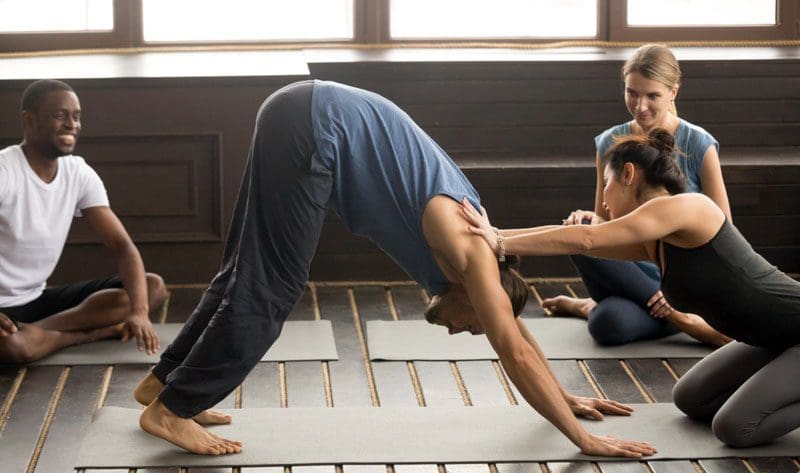
The technique can be done in a class setting or one-on-one teaching because everyone’s postural and movement habits are unique. A teacher helps identify the tension-inducing postures and educates the individual on how to correct them. Human touch is an integral part of the Alexander Technique. Using their hands gently to adjust the individual to a proper upright position, a teacher helps release pressure from the head, neck, shoulders, and upper back. The individual learns to release the tension throughout their body. The Alexander Technique is a type of hands-on therapy; it is not manipulation or massage. It uses a light touch with no risk of injury to the spine, allowing anyone to participate. However, individuals must be willing to participate/engage in the process to get the benefits. Most individuals can tell if it’s right for them during the first lesson.A typical program teaches:
Staying alert to the body’s warning of tension and compression.
Tension Build Up
Individuals usually don’t even realize they’re constantly placing pressure on their spine from unhealthy postural habits, building up muscular tension they never knew they created. For example, unhealthy neck position habits include:
Pushing the head forward
Slumping over
Pinning the shoulders back
These postures generate/build pressure and tension that radiates outward and down to the large muscles of the spine.
Habitual downward pressure can pull and change the spine’s shape, leading to degenerative forms of spinal deformity in severe cases.
When the tension is released, the neck and body begin to stand upright comfortably, without pulling down or pulling back.
Frederick Matthias Alexander
Developed the technique in the 1890s to help his muscle tension problems affecting his acting career. When performing, he would stiffen his neck and pull his head back and up, building tension that caused him to tighten his throat and lose his voice. He did not know he was doing this until he performed in front of a mirror and saw his awkward positioning. He realized this and retrained himself to pose naturally, stay relaxed, and be aware of any tension building in the muscles to release it immediately. Alexander Technique educators/practitioners practice all over the world. The American Society for the Alexander Technique or AmSAT website has a Find A Teacher Tool that connects individuals to AmSAT-approved teachers.
Body Composition
Practicing Mindfulness
Developing a mindfulness practice can help identify triggers of negative behavior or thoughts. Just like diet and exercise, practicing mindfulness is unique to everyone. It is recommended to try different things like:
Journaling is another way to tune into oneself. Grab a pen and paper, a computer, tablet, or phone, and take a few minutes to write every day.
Write one thing that makes you happy.
One thing you want to improve.
One goal you want to accomplish that day or that week.
Mindful music listening can help reduce stress by allowing the individual to focus their attention when their mind is going in all directions.
Instead of turning to the news or email when waking up, grab a cup of coffee or tea and listen to a favorite podcast or music.
Put the phone away and listen to your mind and self.
Try to meditate in the morning when waking up. This helps set the day’s goals/plans. Goal-setting mindfulness has been shown to reduce stress levels and anxiety. However, if the morning is not possible then at night before bed can be used to reflect on the day’s activities, what went well, what didn’t, how to improve something, whatever the case, the point is to make time for yourself to reflect, set goals, and develop a plan to achieve those goals.
References
Becker, Jordan J et al. “Preliminary evidence for feasibility, efficacy, and mechanisms of Alexander technique group classes for chronic neck pain.” Complementary therapies in medicine vol. 39 (2018): 80-86. doi:10.1016/j.ctim.2018.05.012
Cacciatore et al., Improvement in automatic postural coordination following Alexander technique lessons in a person with low back pain. Physical Therapy Journal, 2005; 85:565-578. Accessed January 5, 2011
Chin, Brian et al. “Psychological mechanisms driving stress resilience in mindfulness training: A randomized controlled trial.” Health psychology: official journal of the Division of Health Psychology, American Psychological Association vol. 38,8 (2019): 759-768. doi:10.1037/hea0000763
Little P, Lewith G, Webley F, et al. Randomised controlled trial of Alexander technique lessons, exercise, and massage (ATEAM) for chronic and recurrent back pain. The BMJ. 2008;337:a884. doi: https://doi.org/10.1136/bmj.a884.
Paolucci, Teresa et al. “Chronic low back pain and postural rehabilitation exercise: a literature review.” Journal of pain research vol. 12 95-107. December 20 2018, doi:10.2147/JPR.S171729
Today, more than ever, individuals are less physically active and sitting down for more extended periods causing the gluteus muscles to be used less and weaken. Weak, inactive, or tightening glutes can cause instability in the lower spine, the hips, and the pelvis to shift out of alignment. This leads to low back and buttock pain. The pain is constantly dull, aching, pulsating, then when moving, getting up, it throbs and stings. Gluteal strengthening exercises can strengthen the muscles and alleviate the pain.
Gluteal Strengthening
Every individual has a unique physiology. The body develops asymmetrically as the individual favors one side or area of the body over another. This can cause imbalances in the muscular system, leading to awkward positioning that causes pain. The muscle groups that support the lower back consist of the:
Core muscles
The gluteal muscle group includes:
Gluteus Maximus
Gluteus medius
Gluteus minimus
Pelvis muscles
Hamstrings
Quadriceps
In some cases, the development or lack of level of an individual’s upper back strength can also affect the amount of strain on the lower back.
Gluteal Strengthening Difference
Many joints connect in this area that can have functional problems. The muscles within the lower back need:
Stretching allows the body to enhance the limits of its flexibility and mobility. Most of the stretches are involve the hip joint, as this is one of the most effective ways to loosen the gluteal regions. It’s essential to warm the muscles slightly with a light activity while stretching them to elongate naturally.
Seated Figure 4 Stretch
Sitting in a chair.
Cross the right leg over the left.
With the right ankle resting on the left knee.
It should resemble the number 4.
Bend forward at the hip, placing slight pressure onto the left leg.
Hold this stretch for ten-twenty seconds.
Stretch the other side.
Placing the left foot on the right knee.
Repeat this three times.
Downward Dog
This yoga pose engages all the muscles along the back. With the glutes at the top in this position, it forces them to activate, allowing them to stretch fully.
Hold this pose and focus the attention on the glutes.
Squats naturally engage the glutes. This is a variation on a squat that focuses on developing gluteal strength.
Stand with the back facing the wall.
Place a Swiss stability ball between the wall and the back.
Lean back into the ball for balance.
Lower the torso until the knees reach 90 degrees.
Return to standing.
Repeat for ten reps.
Do three sets.
Body Composition
Analysis An Effective Tool
Opportunities to increase physical activity lead individuals in a positive direction. The most common reason for reducing and stopping healthy changes is a lack of motivation and feedback. Strategies that provide immediate feedback are essential to:
Monitor progress for establishing a baseline.
Set appropriate and attainable goals.
Track changes over time.
Ensure success.
Monitoring changes with a simple weight scale or Body Mass Index calculator provides limited ability to accurately track changes that only highlight weight changes and not track progress in muscle gain or fat loss. In less than 45 seconds, the InBody Test provides doctors, trainers, and physical therapists with easy-to-understand, accurate and objective measurements to evaluate body composition that includes:
Assessing muscle distribution.
Target areas weakened by condition or injury.
Identify muscle and fat imbalances in each area of the body.
Monitor changes to determine the efficacy of the treatment plan, exercise program, and diet plan to ensure long-term success.
References
Akuthota, Venu et al. “Core stability exercise principles.” Current sports medicine reports vol. 7,1 (2008): 39-44. doi:10.1097/01.CSMR.0000308663.13278.69
Distefano, Lindsay J et al. “Gluteal muscle activation during common therapeutic exercises.” The Journal of orthopedic and sports physical therapy vol. 39,7 (2009): 532-40. doi:10.2519/jospt.2009.2796
Glaviano, Neal R et al. “Gluteal muscle inhibition: Consequences of patellofemoral pain?.” Medical hypotheses vol. 126 (2019): 9-14. doi:10.1016/j.mehy.2019.02.046
Jeong, Ui-Cheol et al. “The effects of gluteus muscle strengthening exercise and lumbar stabilization exercise on lumbar muscle strength and balance in chronic low back pain patients.” Journal of physical therapy science vol. 27,12 (2015): 3813-6. doi:10.1589/jpts.27.3813
Macadam, Paul et al. “AN EXAMINATION OF THE GLUTEAL MUSCLE ACTIVITY ASSOCIATED WITH DYNAMIC HIP ABDUCTION AND HIP EXTERNAL ROTATION EXERCISE: A SYSTEMATIC REVIEW.” International Journal of sports physical therapy vol. 10,5 (2015): 573-91.
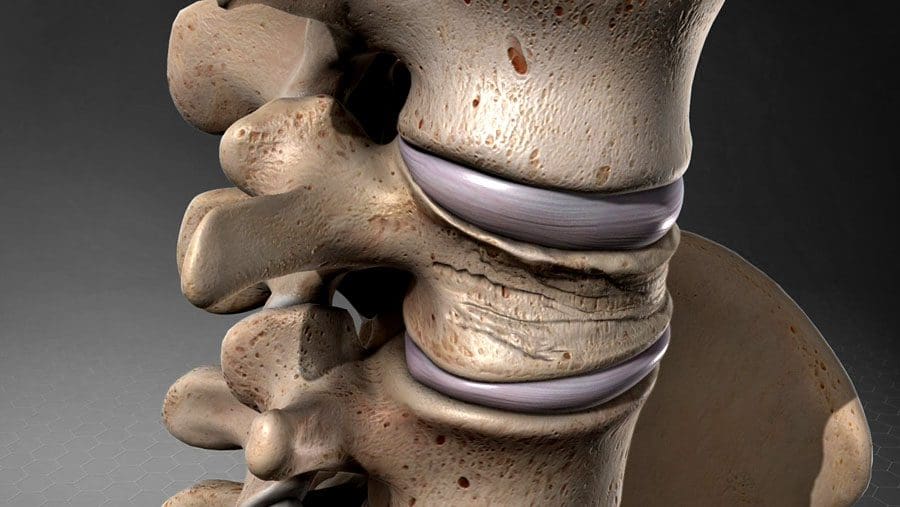
Sometimes the bones or vertebrae of the spine can crack and collapse under their weight. This is known as a compression fracture, vertebral compression fracture, or VCF. There are almost 1 million compression fractures every year, usually because the bones become weakened and crack under the weight of the vertebrae above them. These fractures can cause spinal weakness affect posture and the ability to stand up straight. They are often the cause for individuals to hunch over, also called kyphosis.
Compression Fracture
Compression fractures are small breaks or cracks in the vertebrae. The breaks occur in the vertebral body, the thick rounded part on the front of each vertebra. These fractures cause the spine to weaken and collapse. With time, these fractures affect posture as the spine curves forward. The fractures are often found in the middle/thoracic spine in the lower area. They often result from osteoporosis but can also happen after a trauma like an automobile accident, work, sports injury, or a tumor on the spine.
Symptoms
Compression fracture symptoms range from mild to severe or no symptoms. Many individuals can stand or walk without pain. They are often discovered when X-rays are taken for another condition. Symptoms include:
Back pain can come on suddenly and last for a significant time, often diagnosed as chronic back pain.
It usually develops between the shoulders and the lower back.
The pain and discomfort decrease when lying down and worsen when standing or walking.
Decreased mobility or flexibility in the spine. Individuals are unable to twist or bend.
Hunched over appearance, known as dowager’s hump or hunchback.
Loss of height from the vertebrae compression and the spine curving.
Pinched nerves
Nerve damage can cause tingling, numbness, and difficulty walking.
Loss of bladder or bowel control with severe, untreated fractures.
Individuals At Risk
Individuals who have had a compression fracture are more likely to have another one.
Women over 50 have a higher risk due to osteoporosis.
With age, the risk increases for men and women.
Diagnosis
A doctor will perform an examination and ask about symptoms. The exam will include:
Checking spinal alignment.
Posture analysis.
Gently palpates different areas of the back to identify the source of pain.
Examine for signs of nerve damage that include numbness, tingling, or muscle weakness.
A doctor will order imaging studies to examine the backbones, muscles, and soft tissues. Imaging studies include:
CT scan, X-ray, or MRI of the spine.
DEXA scan is a type of X-ray that measures bone loss bone density.
A myelogram is a procedure used along with imaging studies. A contrast dye is injected into the spine before the scan making the images easier to see.
Compression fracture treatment focuses on relieving pain, stabilizing the vertebrae, and ongoing fracture prevention. Treatment depends on the severity of the fracture and the individual’s overall health. Treatment can include:
Pain Medication
A doctor can recommend over-the-counter non-steroidal anti-inflammatory medication.
A doctor may prescribe muscle relaxers or prescription medication.
Follow instructions carefully when taking medications.
Back Brace
A special type of back brace helps to support the vertebrae.
The brace can also relieve pain by reducing how much the spine moves.
Strengthening Meds
Medications known as bisphosphonates can help slow down bone loss, stabilize the bones and prevent fractures.
This minimally invasive procedure relieves pain, stabilizes the bones, and improves mobility.
During vertebroplasty, the doctor inserts a needle in the vertebra and injects bone cement.
During kyphoplasty, the doctor inserts an inflatable device that they fill with cement.
Both are outpatient procedures allowing the individual to go home the same day.
Individuals over 65 or that have osteoporosis or a history of cancer are recommended to see their doctor. Individuals who present with sudden back pain that doesn’t get better after a day or two are advised to see a doctor and evaluate for back pain so the doctor can determine the cause and develop a treatment plan.
Body Composition
Vitamin D To Build Muscle
Skeletal Muscle Mass decreases as the body ages, primarily due to decreased physical activity. Vitamin D has been reported to influence muscle quality. This could be helpful for adults as they age. Muscle loss diminishes functional performance on activities that require strength and coordination. When this loss of muscle mass becomes significant, it becomes a condition known as sarcopenia. Treatments include:
All were found to slow down muscle loss and help regain muscle mass and strength.
Vitamin D supplementation is effective, especially in older adults whose blood levels are low.
References
American Academy of Orthopaedic Surgeons. Osteoporosis and Spinal Fractures. (https://orthoinfo.aaos.org/en/diseases–conditions/osteoporosis-and-spinal-fractures/) Accessed 10/25/2021.
American Association of Neurological Surgeons. Vertebral Compression Fractures. (https://www.aans.org/en/Patients/Neurosurgical-Conditions-and-Treatments/Vertebral-Compression-Fractures) Accessed 10/25/2021.
Bischoff-Ferrari, H A et al. “Vitamin D receptor expression in human muscle tissue decreases with age.” Journal of bone and mineral research: the official journal of the American Society for Bone and Mineral Research vol. 19,2 (2004): 265-9. doi:10.1359/jbmr.2004.19.2.265
Donnally III CJ, DiPompeo CM, Varacallo M. Vertebral Compression Fractures. [Updated 2021 Nov 21]. In: StatPearls [Internet]. Treasure Island (FL): StatPearls Publishing; 2022 Jan-. Available from: https://www.ncbi.nlm.nih.gov/books/NBK448171/
Hassan-Smith, Zaki K et al. “25-hydroxyvitamin D3, and 1,25-dihydroxyvitamin D3 exert distinct effects on human skeletal muscle function and gene expression.” PloS one vol. 12,2 e0170665. 15 Feb. 2017, doi:10.1371/journal.pone.0170665
McCarthy, Jason, and Amy Davis. “Diagnosis and Management of Vertebral Compression Fractures.” American family physician vol. 94,1 (2016): 44-50.
Orthopedic massage is part of injury rehabilitation that focuses on the muscles and soft tissues surrounding the joints and ligaments. Pain could be caused post-surgery, an acute injury, or overuse/repetitive motion injury from work or sports. The objective is to:
Decrease pain
Release tension
Restore balance
Increase mobility and flexibility
Preparing the body to return to everyday routines and activities.
Whatever the cause of the muscle damage or injury, an orthopedic massage will lengthen and soften the muscles and ligaments, allowing for a better range of motion of the affected joints.
Orthopedic Massage
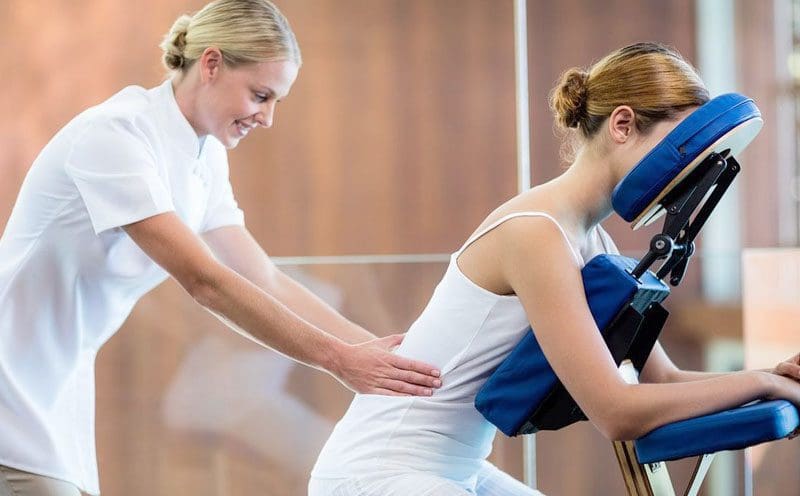
All massage techniques can improve joint movement and function. Orthopedic massage is specifically designed to return the joints to their normal position function and alleviate pain with movement.
Swedish massage focuses on overall relaxation.
Deep tissue massage reduces deep muscle pain and strain.
Orthopedic massage therapists have an extensive understanding of anatomy, soft tissues, and misalignment of the musculoskeletal system that can cause pain and injury. It is similar to sports massage targeting damaged areas for recovery and rehabilitation from conditions and injuries. Sports massage helps the individual strengthen and retrain the damaged areas back to optimal performance and prevent injury. Orthopedic massage utilizes:
Massage benefits many symptoms and conditions. It has been shown to help with:
Sprains
Pulled muscles
Torn ligaments
Carpal-tunnel syndrome
Frozen shoulder
Tennis elbow
Tendinitis
Sciatica
Bulging discs
Post-surgery
Techniques
A therapist will look at the range of motion, flexibility, and rotation of the tissues. This will help determine what muscle groups and tendons are involved and which techniques to use. Massage therapists use an assortment of approaches to loosen muscles and tendons. These include:
Active Engagement
This is used to reach deep, hard-to-reach muscles by applying pressure and massaging lengthwise in a perpendicular motion.
It is beneficial for whiplash and/or back pain.
Positional Release
This is a gentle treatment for inflamed muscles and tissues highly sensitive to other techniques.
Soft tissues are manipulated into comfortable positions and held in place for a specific time.
This lengthens and softens tissues to bring pain relief.
Nerve Mobilization
Also known as neural mobilization, this method addresses strained nerves and pain sources.
Muscle Energy Release
The therapist provides resistance while the individual voluntarily contracts muscles.
Effective with low back pain.
Trigger Point Therapy
Pressure intervals are held on trigger areas to release lactic acid and promote circulation.
Myofascial Release
Gentle pressure is applied to stretch fascia tissues.
Body Composition
Brittle Bones
The reason bones become weaker is that bone tissue is living tissue that constantly forms new bone material and absorbs the old bone material. As the body ages, the rate at which bone is reabsorbed becomes faster than newly formed bone material. One reason for rapid bone loss is lack of exercise and physical activity. The Mayo Clinic has stated that individuals that spend a great deal of time sitting, whether at home or work, have an increased risk of osteoporosis than more active individuals. Sitting too much with little to no activity can lead to weakened bones. Just like the muscles, bones get stronger when they are in use. Walking, running, jumping, and getting the body moving along with using some resistance, can increase the strength and durability of the bones.
References
Kim, Seung-Kook et al. “Clinical outcomes and cost-effectiveness of massage chair therapy versus basic physiotherapy in lower back pain patients: A randomized controlled trial.” Medicine vol. 99,12 (2020): e19514. doi:10.1097/MD.0000000000019514
Klein, Ifat et al. “Lymphatic treatments after orthopedic surgery or injury: A systematic review.” Journal of bodywork and movement therapies vol. 24,4 (2020): 109-117. doi:10.1016/j.jbmt.2020.06.034
Loew, Laurianne M et al. “Deep, transverse friction massage for treating lateral elbow or lateral knee tendinitis.” The Cochrane database of systematic reviews vol. 2014,11 CD003528. 8 Nov. 2014, doi:10.1002/14651858.CD003528.pub2
Majewski-Schrage, Tricia, and Kelli Snyder. “The Effectiveness of Manual Lymphatic Drainage in Patients With Orthopedic Injuries.” Journal of sport rehabilitation vol. 25,1 (2016): 91-7. doi:10.1123/jsr.2014-0222
Setting spinal goals is important for an individual’s treatment plan to ensure a thorough and successful recovery following:
Surgery
Trauma
Spinal condition
When developing goals with a surgeon or spine specialist, utilizing a well-known method known as SMART is recommended. Individuals are encouraged to set goals to accomplish personal growth and improvement. It is a model for forming goals and objectives that for medical purposes include:
This could be fitness trackers, daily journaling – writing, video, health coach, etc.
Attainable
Determine if the goal is achievable.
Figure out what tools or skill sets are needed to reach the goal.
Realistic
Results-oriented goals.
Measure results or output, including accomplishments.
Time Frame
Set goals within a doable time frame.
Goal setting helps individuals monitor their progress when recovering from injury, surgery, and/or spinal conditions. Making goals smaller makes it easier to achieve improvements. It’s recommended to have a partner assistant during the goal-setting because the pain can compromise decision-making. Pain affects the mind’s abilities to assess improvement and treatment response rationally. Taking the most important goals and focusing on small building blocks helps individuals maintain motivation during a long recovery process.
Difference Between Goal Setting and Treatment
A standard treatment plan is structured for a specific result and is not set up for adjusting the way goal setting does. A treatment plan is created and prescribed to a patient with little patient input. Goal setting is a collaboration between a patient and a doctor setting objectives as stepping-off points to achieve goals. Goal setting empowers patients with education, skillsets, and tools to succeed and continue that mindset as their lives move on. Achieving short-term goals helps individuals reflect positively on small gains that set a solid foundation for more challenging future goals.
Spinal Treatment Goals
Goals are personalized/custom-tailored to the individual’s case and condition. For example, a patient could set a goal of returning to weekend sports activities. Therefore, achieving the goal could require the individual to engage in exercise five days a week for the next two weeks that could include physical therapy rehabilitation:
These activities are small goals that help the body adapt to handling additional physical stress.
Goal Setting When In Recovery
Spinal issues are dealt with by creating reasonable small objectives to reach a goal. SMART goal setting is an instrumental framework for medical providers to help identify what is important to the patient. Modifications on SMART goals can be done to adjust to the individual’s needs. Spinal goals help patients accomplish what is necessary, keeping them empowered and motivated.
Body Composition
Too Comfortable With Goals
An individual may have a great deal of success doing the same workouts initially but then notice they’re getting easier and are not seeing the same rate of progression. That same workout routine, same weights, and equipment will only go so far in goal achievement. In recovery, as the body gets stronger and fitness levels improve, it is recommended to consistently challenge yourself to avoid falling into a rehabilitation fitness plateau. Part of the recovery process is to change up workouts to challenge the body to achieve optimal health and healing. Individuals are recommended to:
Increase weight and or reps
Increase the amount of weight or the number of reps in each set.
Increase or decrease the tempo
Shorten the rest period between sets to keep the heart rate high or slow down to focus on muscle contraction.
Experiment with different types of workout sets
If you’ve been doing the same kinds of lifts, try drop sets, supersets, or AMRAP (as many reps as possible) to challenge your muscles differently.
Individuals doing high-intensity interval training are recommended to incorporate a long run or bike ride.
Changing the workout routine will keep challenging the body, which is great for health progress.
References
Alexanders, Jenny et al. “Goal setting practices used within anterior cruciate ligament rehabilitation: An exploration of physiotherapists understanding, training, and experiences.” Musculoskeletal care vol. 19,3 (2021): 293-305. doi:10.1002/msc.1535
Bovend’Eerdt, Thamar J H et al. “Writing SMART rehabilitation goals and achieving goal attainment scaling: a practical guide.” Clinical rehabilitation vol. 23,4 (2009): 352-61. doi:10.1177/0269215508101741
Haas, B et al. “Rehabilitation goals of people with spinal cord injuries can be classified against the International Classification of Functioning, Disability and Health Core Set for spinal cord injuries.” Spinal cord vol. 54,4 (2016): 324-8. doi:10.1038/sc.2015.155
Chiropractic and spinal health. Most individuals seek out chiropractic care only after an injury and when pain presents. Because traditional medical care tends to focus on treating disorders and diseases, individuals are used to seeking care only when something is imbalanced. For many, chiropractic is known for its ability to resolve back and neck pain, correct postural misalignments, manage acute or chronic conditions and accelerate the healing of injuries. Chiropractic is different in that it is a tool for increasing overall wellness and vitality when no injury or imbalance is present.
Chiropractic and Spinal Health
Chiropractic is an invaluable treatment that raises the baseline of an individual’s health by:
Increasing performance
Extending lifespan and longevity
Improving overall comfort
Increasing agility in the body
Chiropractic helps to achieve these transformational results by improving the function of the:
Circulatory system
Immune system
Respiratory system
Muscular system
Nervous system
Skeletal system
Circulation Increased
The circulation system includes the heart and its chambers, arteries, veins, lungs, lobes, and capillaries. The structures within this system move blood, nutrients, and waste throughout the body. The quality of health and life depends on the level of functioning in this system. The better and more efficient the tissues receive clean blood, nutrients, and oxygen, the better the body is able to utilize these building blocks to achieve whatever function is required. The slower and more unclean these building blocks, the lower quality of function. The nervous system is the communication system that includes the brain, spinal cord, and nerves that run throughout the body. Everything in the body and the work functions as a result of this communication system.
The circulatory system relies on the communication that runs through the nervous system, which is housed in the spine. If the spine is misaligned, moving improperly, or sustaining an injury, it can interfere with the function of the communication. Regular chiropractic care increases the health levels of the nervous system by keeping the spine as healthy and flexible as possible. The muscles are kept loose, which promotes blood flow, and the flow and movement of waste in the lymphatic system. Individuals that receive regular adjustments report:
Enhanced perception of sensations in their extremities.
Warmer hands and feet.
Improved cognitive response and clarity.
Decrease or eliminate tingling and numbness.
Maintaining the proper range of motion of the spine also facilitates better function and movement of the whole body.
Immune Response Improvement
Regular chiropractic improves immune responses that leads to improved response against foreign invaders and disease,fewer instances of illness, exhaustion, fatigue, and inflammation. When expert chiropractic and spinal health intervention is delivered it helps to realign bones and joints, alleviate muscle tension, and restore nerve function. The body immediately experiences a decrease in stress, downregulation of stress hormones and chemicals in the body leads to a reduction in inflammation.
Increased Mobility & Flexibility
Chiropractic helps to improve physical mobility and flexibility in the muscular and skeletal systems. This is accomplished through manual manipulation to restore ideal posture and achieve a balanced skeletal structure. Manual manipulation is also used to soften and relax tense muscles which have developed abnormalities to compensate for incorrect posture. When skeletal structure, muscular imbalances, and strain are corrected, the result is improved mobility and flexibility.
Pain Symptoms Are Decreased
Pain originates from the nervous, muscular, and skeletal systems. Chiropractic can help with back pain, neck pain, shoulder pain, migraines, nerve and sciatic pain, and other conditions and forms of discomfort. The origin of the pain can include:
Postural imbalance
Muscle tension
Damage from accident or injury
Spinal degeneration
Chiropractic and spinal health care helps soothe and de-inflame the comprised areas, allowing the natural healing systems to intervene and promote long-term reduction of discomfort and pain.
Bending, Standing, Sitting Activities Improve
For many individuals, bending, standing, and sitting are normal movements they engage in every day. This can be part of work occupation, school, house chores, etc, and for many these movements and positions can become painful over long durations of time and when it is repetitive. Regular chiropractic and spinal health treatment can restore optimal posture in the body, soothe strained and tense muscles, and resolve disrupted nerve energy flow which often leads to nerve pain like sciatica.
Body Composition
Pregnancy Hypertension
Hypertension in pregnancy falls into one of three categories. It can range from benign and easily controlled to serious with increased medical risks. This makes monitoring blood pressure important to individual health risks. The risks for hypertension in pregnancy include:
Preeclampsia develops after 20 weeks of pregnancy and is associated with a sharp spike in blood pressure levels. Notable symptoms include:
Sudden fluid swelling
Chronic headaches
Changes in vision
Nausea
Vomiting
Weight gain
References
Brown, Richard A. “Spinal Health: The Backbone of Chiropractic’s Identity.” Journal of chiropractic humanities vol. 23,1 22-28. 8 Sep. 2016, doi:10.1016/j.echu.2016.07.002
Bussières, André E et al. “Spinal Manipulative Therapy and Other Conservative Treatments for Low Back Pain: A Guideline From the Canadian Chiropractic Guideline Initiative.” Journal of manipulative and physiological therapeutics vol. 41,4 (2018): 265-293. doi:10.1016/j.jmpt.2017.12.004
Maher, Jennifer L et al. “Exercise and Health-Related Risks of Physical Deconditioning After Spinal Cord Injury.” Topics in spinal cord injury rehabilitation vol. 23,3 (2017): 175-187. doi:10.1310/sci2303-175
Meeker, William C, and Scott Haldeman. “Chiropractic: a profession at the crossroads of mainstream and alternative medicine.” Annals of internal medicine vol. 136,3 (2002): 216-27. doi:10.7326/0003-4819-136-3-200202050-00010
IFM's Find A Practitioner tool is the largest referral network in Functional Medicine, created to help patients locate Functional Medicine practitioners anywhere in the world. IFM Certified Practitioners are listed first in the search results, given their extensive education in Functional Medicine