The neck is vital in keeping the head upright in a casual relationship with the cervical spine. The neck is home to the thyroid organ and the surrounding muscles that help support the neck to the rest of the body. One of the muscles that help support the neck is the sternocleidomastoid muscle. When traumatic forces begin to affect the neck, over time can lead to the development of chronic conditions associated with pain. When individuals start to feel pain affecting their neck, it can cause them to be miserable and find ways to relieve the pain they are experiencing. Today’s article focuses on the sternocleidomastoid muscle, how trigger pain affects this muscle, and ways to relieve SCM pain. We refer patients to certified providers who specialize in musculoskeletal treatments to aid individuals suffering from SCM associated with trigger pain along the neck. We also guide our patients by referring them to our associated medical providers based on their examination when appropriate. We ensure to find that education is the solution to asking our providers insightful questions. Dr. Jimenez DC observes this information as an educational service only. Disclaimer
What Is The Sternocleidomastoid Muscle?
Have you been experiencing pain along the sides of your neck? What about limited mobility when you turn your neck from side to side? Or do headaches seem to worsen throughout the entire day? Some of these symptoms are associated with pain along the neck and could affect the surrounding muscles that are connected. One of the surrounding muscles that sit behind the thyroid is known as SCM or sternocleidomastoid muscle. The sternocleidomastoid muscle is a long muscle with dual innervation and multiple functions in the neck. The SCM is connected to the trapezius muscle that helps flex the neck, pulling the head forward while bringing the chin down to the chest. The SCM and the trapezius muscle work together to help stabilize and fix the head position while the host is talking or eating. When factors affect the neck over time, the SCM also gets involved.
How Does Trigger Pain Affect The Sternocleidomastoid?
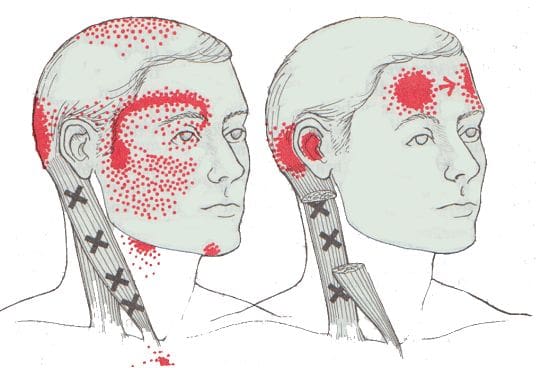
When factors affect SCM associated with the neck, many issues will start to affect the neck and overlap pain near the eyes, ears, sides of the cheeks, and forehead. Studies reveal that SCM may develop myofascial trigger points in the head, causing referred pain. Trigger points are usually formed when traumatic forces affect certain areas in the body. For SCM to be affected by trigger pain, tiny knots along the taut band of the SCM muscle fibers become sensitive to pressure when compressed, and many people often describe the pain as deep and dull. To that point, the symptoms associated with SCM trigger pain may appear in numerous combinations or together depending on how severe the pain is on the person. Some of the symptoms related to SCM trigger pain include:
Headaches (sinus, cluster, or tension)
Sore throat
Ear pain (popping sounds in the ears)
Blurred vision
Vertigo
Dizzyness
Balance issues
Muscle soreness
SCM Pain & Trigger Points- Video
Have you been dealing with headaches throughout the entire day? What about muscle tenderness in certain areas near your neck or shoulders? Or have you been feeling dizzy that it is affecting your daily activities? Many people with these symptoms may be dealing with SCM pain associated with trigger pain. The video above offers an insightful overview of how does trigger pain may be involved with SCM pain. SCM or sternocleidomastoid muscle is a long muscle that surrounds the sides of the neck and is connected to the trapezius muscle. When factors begin to affect the SCM, the muscle is at risk of developing trigger pain along the muscle fibers. Studies reveal that trigger pain along the SCM may affect SCM’s normal muscle functions, like chewing due to hyperactivity. Fortunately, there are ways to relieve SCM pain associated with trigger pain affecting the neck.
Ways To Relieve SCM Pain In The Neck
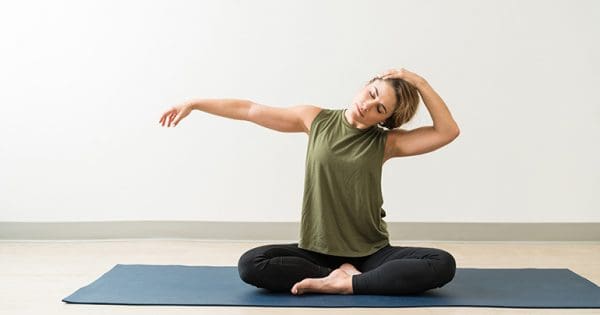
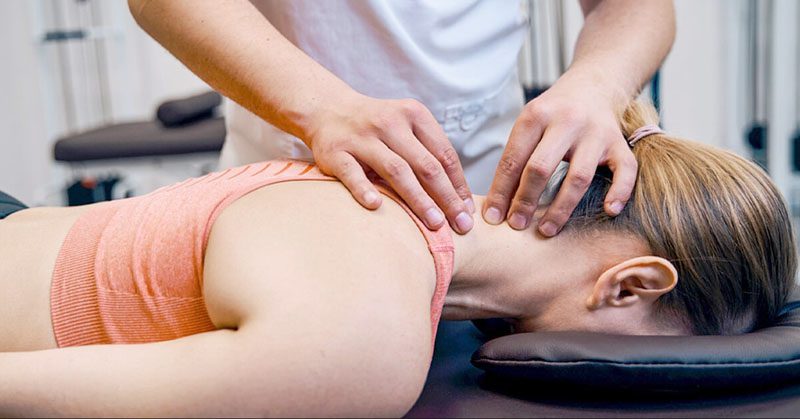
When it comes to SCM pain associated with trigger pain along the neck, many individuals find ways to relieve the related symptoms that are causing the pain. Some individuals will take over-the-counter medication to relieve their neck, shoulders, and head pain. At the same time, others do stretches to release the tension on their head, neck, and shoulders. However, trigger pain is a bit complex and challenging to diagnose since it mimics other conditions that affect the body. As luck would have it, many doctors will refer musculoskeletal specialists like massage therapists, physical therapists, and chiropractors who can help relieve SCM pain in the neck. Studies reveal that a combination of physiotherapy, classical massages, and stretching exercises can be applied to alleviate SCM pain in the neck. By stretching and massaging the SCM, many individuals can begin to feel pain relief in their neck, increase their range of motion, and have endurance in their neck. Integrating these various treatments for the SCM (sternocleidomastoid muscle) pain in the neck can help revitalize a person’s sense of well-being without being in pain.
Conclusion
The SCM, or sternocleidomastoid muscle, is a long muscle that sits behind the thyroid organ and is connected with the trapezius muscle. This muscle helps stabilize and holds the head position while flexing the neck and bringing the chin down to the chest. When environmental or traumatic factors affect the neck muscles, it can lead to chronic conditions over time, thus inflicting pain and tenderness along the SCM. These are known as trigger points and can be hard to diagnose due to them mimicking other chronic symptoms associated with the neck, head, and shoulders. Thankfully, various treatments like physiotherapy, stretching exercises, and classical massages can help relieve the trigger points along the SCM and relieve the neck and surrounding muscles.
References
Bordoni, Bruno, and Matthew Varacallo. “Anatomy, Head and Neck, Sternocleidomastoid Muscle.” In: StatPearls [Internet]. Treasure Island (FL), StatPearls Publishing, 5 Apr. 2022, https://www.ncbi.nlm.nih.gov/books/NBK532881/.
Büyükturan, Buket, et al. “The Effects of Combined Sternocleidomastoid Muscle Stretching and Massage on Pain, Disability, Endurance, Kinesiophobia, and Range of Motion in Individuals with Chronic Neck Pain: A Randomized, Single-Blind Study.” Musculoskeletal Science & Practice, U.S. National Library of Medicine, 12 June 2021, https://pubmed.ncbi.nlm.nih.gov/34147954/.
Kohno, S, et al. “Pain in the Sternocleidomastoid Muscle and Occlusal Interferences.” Journal of Oral Rehabilitation, U.S. National Library of Medicine, July 1988, https://pubmed.ncbi.nlm.nih.gov/3171759/.
Missaghi, Babak. “Sternocleidomastoid Syndrome: A Case Study.” The Journal of the Canadian Chiropractic Association, Canadian Chiropractic Association, Sept. 2004, https://www.ncbi.nlm.nih.gov/pmc/articles/PMC1769463/.
The brain and the spinal cord have a casual relationship in the nervous system as they help transport neuron signals to the rest of the body. These neuron signals travel through the various nerve pathways that provide motor-sensory functions to the arms, legs, neck, and back that help keep the body upright and function properly. When natural causes or traumatic issues affect the spinal cord, it can cause pain symptoms associated with nerve compression that overlaps with different chronic problems. When there is spinal nerve compression in the back, it may potentially involve low back or neck pain. Today’s article looks at a condition known as Chiari malformation, its associated symptoms with the spine, and how decompression and chiropractic care manage Chiari malformation. We refer patients to certified providers specializing in neurological treatments to help many individuals with Chiari malformation. We also guide our patients by referring to our associated medical providers based on their examination when it’s appropriate. We find that education is the solution to asking our providers insightful questions. Dr. Alex Jimenez DC provides this information as an educational service only. Disclaimer
What Is Chiari Malformation?
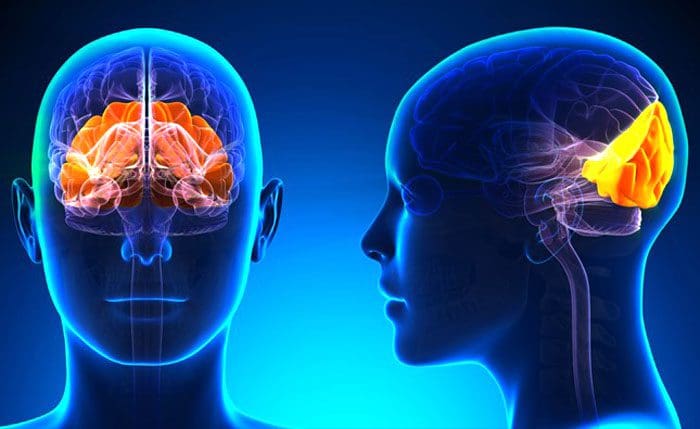
Have you been experiencing chronic headaches that are triggering neck stiffness? What about uncontrollable bladder issues? Are you feeling tingling sensations down your fingers and toes? Some of these symptoms are signs that you might risk developing Chiari malformation. Chiari malformation is uncommon when parts of the brain tissue extend into the spinal canal. This condition is a cluster of abnormalities that involves parts of the brain and cervical cord. The brain consists of 6 pieces that have different functions; they are:
Parietal lobe (Sense of touch, visual perception, differentiation, etc.)
Temporal lobe (Memory, understanding languages)
Occipital lobe (Vision)
Cerebellum (Balance, motor activity, coordination)
The brain stem (spinal cord, breathing, sleep and wake cycles, etc.)
These different brain sections have a casual relationship with their correlated organs and muscles to keep the body moving. When there are deformities affecting the brain from Chiari malformation, studies reveal that the cerebellum is leaking out of the skull and pressing against the surrounding spinal canal, triggering symptoms along the spine.
The Symptoms Associated With Chiari Malformation & The Spine
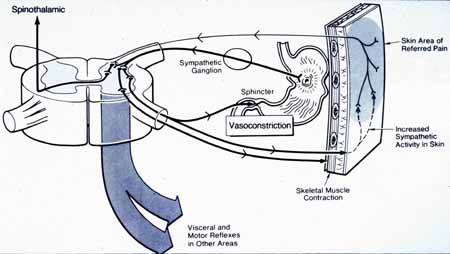
The symptoms associated with Chiari malformation do affect the spine in the body. The symptoms vary from each individual, ranging from none to severe. The most common sign that is associated with Chiari malformation is a headache. Studies reveal that symptomatic cluster-like headaches are related to various diseases, including Chiari malformation. When dealing with a headache that radiates pain along the neck and shoulders, this is known as somato-visceral pain, where the affected muscle affects the organ, causing pain associated with a chronic issue. Let’s look at another symptom related to the presence of Chiari malformation. Scoliosis is when there is a sideways curvature in the thoracic or lumbar regions of the spine. So how is scoliosis associated with Chiari malformation? When skeletal maturity and age are affected by scoliosis, studies show that neural axis abnormalities correlate with curve progression, causing the risk of Chiari malformation to develop. Other symptoms that are associated with Chiari malformation include:
Muscle weakness (coordination issues, loss of balance)
Have you been experiencing bladder issues out of nowhere? Do you feel tingling, burning sensations along your arms and legs? Has your neck and upper back been feeling stiff? These are some of the symptoms associated with Chiari malformation in the cervical region. The video above gives an overview of Chiari malformation, its diagnosis, and how it’s treated. Chiari malformation has multiple causes, but the most common cause is when the cerebellum develops downward and compresses the spinal canal. This causes painful issues on the neck and affects the visceral organs and muscles, causing painful symptoms that potentially involve other parts of the body. Fortunately, treatments are available to manage Chiari malformation and its associated symptoms.
Decompression & Chiropractic Care For Chiari Malformation
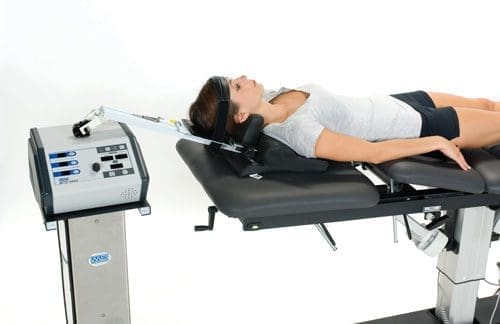
Chiari malformation is treatable through decompression and chiropractic care by managing the associated symptoms. Studies show that decompression may improve the symptoms associated with Chiari malformation and regain motor functions in the neck and range of motion in the arms. Decompression for the cervical region allows gentle traction on the neck to elongate the compressed spinal disc to release the pressure off the nerve root. For chiropractic care, spinal manipulation on the upper back may help alleviate headaches due to subluxation or spinal misalignment. Utilizing these two treatments allows many individuals to find the relief they are looking for and help manage the symptoms associated with their chronic issues.
Conclusion
Overall, the brain and spinal cord have a casual relationship in the nervous system as they help transport the neuron signals to each body part to be functional. Traumatic issues or injuries to the spine can cause pain in the cervical, thoracic, and lumbar regions while potentially being involved with chronic issues. Chiari malformation is a chronic condition where the cerebellum develops downwards and compresses the spinal canal. This causes associated symptoms in the cervical region that can drastically affect the upper half of the body. Treatments like decompression and chiropractic care help manage the associated symptoms that are caused by Chiari malformation through non-invasive ways. Incorporating these treatments allow the individual to be pain-free.
References
Goldschagg, Nicolina, et al. “Decompression in Chiari Malformation: Clinical, Ocular Motor, Cerebellar, and Vestibular Outcome.” Frontiers in Neurology, Frontiers Media S.A., 22 June 2017, https://www.ncbi.nlm.nih.gov/pmc/articles/PMC5479925/.
Hidalgo, Joaquin A, et al. “Arnold Chiari Malformation – Statpearls – NCBI Bookshelf.” In: StatPearls [Internet]. Treasure Island (FL), StatPearls Publishing, 1 May 2022, https://www.ncbi.nlm.nih.gov/books/NBK431076/.
Kaplan, Yüksel, and Özden Kamişli. “Cluster-like Headache Associated with Symptomatic Chiari Type 1 Malformation.” Noro Psikiyatri Arsivi, Turkish Neuropsychiatric Society, Mar. 2014, https://www.ncbi.nlm.nih.gov/pmc/articles/PMC5370268/.
Kelly, Michael P, et al. “Spinal Deformity Associated with Chiari Malformation.” Neurosurgery Clinics of North America, U.S. National Library of Medicine, Oct. 2015, https://www.ncbi.nlm.nih.gov/pmc/articles/PMC4584090/.
Staff, Mayo Clinic. “Chiari Malformation.” Mayo Clinic, Mayo Foundation for Medical Education and Research, 24 Sept. 2021, https://www.mayoclinic.org/diseases-conditions/chiari-malformation/symptoms-causes/syc-20354010.
Everyone has headaches at some point throughout their lives, which can be excruciating, depending on the severity. Whether it is a heavy workload that causes a person to have severe tension on their foreheads, allergies that cause immense pressure in between the sinus cavity in the middle of the face, or common factors that seem to cause a pounding sensation in the head, headaches are no joke. Often, headaches seem to go away when it’s in their acute form but can become chronic when the pain doesn’t go away, causing issues to the eyes and muscles. Today’s article looks at how headaches affect the body and how they can become a somatovisceral problem for many individuals. We refer patients to certified, skilled providers specializing in neurological treatments that help those individuals that are suffering from headaches. We also guide our patients by referring to our associated medical providers based on their examination when it’s appropriate. We find that education is critical for asking insightful questions to our providers. Dr. Alex Jimenez DC provides this information as an educational service only. Disclaimer
Can my insurance cover it? Yes, it may. If you are uncertain, here is the link to all the insurance providers we cover. If you have any questions or concerns, please call Dr. Jimenez at 915-850-0900.
How Headaches Affect The Body
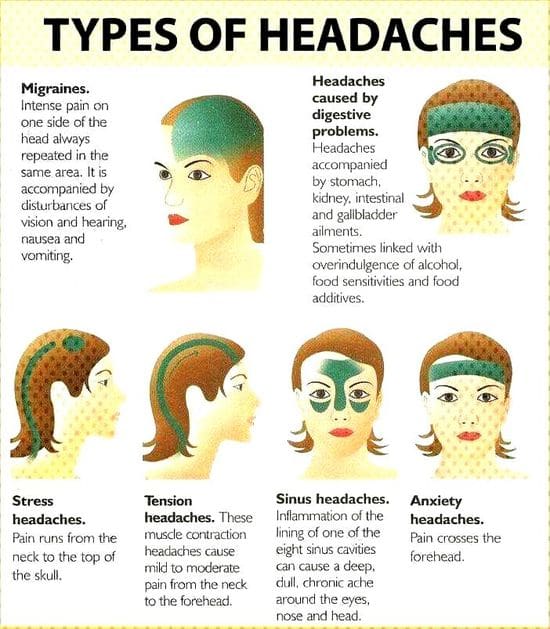
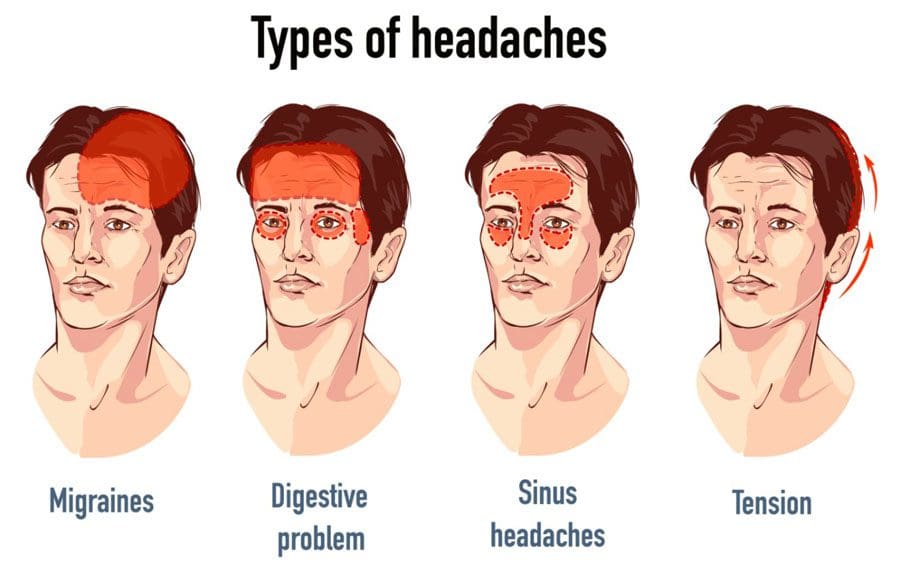
Do you feel a pounding sensation in your forehead? Do your eyes seem to become dilated and sensitive to light? Do both arms or hands seem to lock up and have a pins-and-needles sensation that feels uncomfortable? These signs and symptoms are various forms of headaches affecting the head. The head helps protect the brain from damage as the neuron signals from the central nervous system are connected to the cervical regions of the spine. When factors like lifestyle habits, dietary food intake, and stress affect the central nervous system, they begin to co-mingle to form various forms of headaches. Each form of headache continuously shifts in many suffering individuals to never sit still for their clinicians to capture their specific profile. Some of the multiple headaches include:
Tension headaches
Migraines
Stress headaches
Sinus pressure
Clustered headaches
When headaches begin to affect the neck and head, research shows that these headaches cause a convergence between the cervical sections of the spine and the skull base. This becomes a mediator for the neck and head to develop referred pain. Referred pain is known as pain that occurs in one section of the body than where it is located. For example, say someone has been through a traumatic injury that causes them to have whiplash in their neck; that pain in their neck muscles can mimic a headache affecting one side of their head. Additional information has mentioned that migraine headaches can cause chronic inflammatory issues in the gut-brain axis, causing dysfunctional autonomic and enteric nervous systems and affecting the body.
How The Body Deals With Migraines-Video
Have you experienced throbbing in various sections of your face? Do you feel your muscles tense up around your neck or shoulders? Or does your body feel exhausted that noise seems to cause immense pain? The various forms of headaches can cause many problems not only in the neck but in the body as well. The video above shows what happens to the body when a person is suffering from a migraine. Research studies have noticed that individuals suffering from migraines will develop associated somatic comorbid symptoms like anxiety and depression, making migraine headaches more frequent. At the same time, being the top three of the most common forms of headaches, migraines may share a common underlying mechanism involving the overlapping profiles of the cerebrovascular system that is equivalent to a repetitive stress disorder affecting the central nervous system.
How Headaches Are A Somatovisceral Problem
Research studies have found that the severity of the headache in a person, especially in women, causes a synergetic relationship that causes somatic symptoms and depression to be so high. This is due to the overlapping risk profiles that affect the mechanisms of the sympathetic nervous system, causing the production of cervicogenic headaches and chronic migraines to form. This is because the junction of the brain stem and the spinal cord is called the trigeminocervical nucleus and overlaps the nociceptive cells. When this happens, The close anatomic pain fibers from the cervical spine and the trigeminal system start to be aggravated; it creates pain impulses from the neck to the head, causing headaches to be interpreted.
Conclusion
Overall, headaches are no joke when they start to affect the body and cause mimic pain in different parts of the body. When various factors begin to cause somatic issues that tense the muscles but also affect the surrounding nerves, it can cause headaches to form and become excruciating. Different forms of headaches can affect other regions of the face and can go away for a short period in their acute form. However, in its chronic condition, it can cause the body to be in so much pain. Finding ways to prevent headaches from progressing further can benefit the individual.
References
Castien, René, and Willem De Hertogh. “A Neuroscience Perspective of Physical Treatment of Headache and Neck Pain.” Frontiers in Neurology, Frontiers Media S.A., 26 Mar. 2019, https://www.ncbi.nlm.nih.gov/pmc/articles/PMC6443880/.
Cámara-Lemarroy, Carlos R, et al. “Gastrointestinal Disorders Associated with Migraine: A Comprehensive Review.” World Journal of Gastroenterology, Baishideng Publishing Group Inc, 28 Sept. 2016, https://www.ncbi.nlm.nih.gov/pmc/articles/PMC5037083/.
Maizels, Morris, and Raoul Burchette. “Somatic Symptoms in Headache Patients: The Influence of Headache Diagnosis, Frequency, and Comorbidity.” Headache, U.S. National Library of Medicine, 2004, https://pubmed.ncbi.nlm.nih.gov/15546261/.
Tietjen;Brandes JL;Digre KB;Baggaley S;Martin V;Recober A;Geweke LO;Hafeez F;Aurora SK;Herial NA;Utley C;Khuder SA;, G E. “High Prevalence of Somatic Symptoms and Depression in Women with Disabling Chronic Headache.” Neurology, U.S. National Library of Medicine, 9 Jan. 2007, https://pubmed.ncbi.nlm.nih.gov/17210894/.
The most common form of pain is the headache. Whether dealing with a mild, dull ache, severe throbbing, or painful tension along the scalp and neck, headaches can disrupt and get in the way of everyday life. Over-the-counter pain medications can offer temporary relief, but they don’t get to the root and solve the cause. Chiropractic is a safe and effective treatment option that will bring head pain relief and treat what is causing the headache/s.
Triggers
Individuals engage in more sedentary activities, and more hours spent in one fixed position combined with poor posture can increase joint irritation and muscle tension in the neck, upper back, and scalp. Headaches can have a variety of causes or triggers. These can include:
Stress is the most common trigger
Muscle tension
Insomnia
Environmental stimuli – noises, lights, smells
Dehydration
Weather changes
Foods
Blood sugar changes
Excessive exercise
Most Common Types
There are two main categories: primary and secondary headaches.
Primary headaches
Primary headaches are when the headache itself is the main problem and is not a symptom of underlying diseases or conditions. These include:
Headache pain comes from interacting signals in the brain, blood vessels, and nerves. A mechanism activates specific nerves that affect the muscles and blood vessels, sending pain signals back to the brain. If any of the following is occurring it is recommended to contact a doctor, headache specialist, or chiropractor.
Three or more headaches a week.
Headaches that get worse or don’t go away.
Having to take a pain reliever every day or almost every day.
Need more than 2-3 doses of over-the-counter medications a week to relieve symptoms.
Headaches triggered by strenuous activity, hard work/exertion, bending, coughing.
What time of day/night the headache usually occurs?
How long does the headache last?
Where the pain is located?
Type of pain – throbbing, comes and goes, dull aching, one-sided, etc.
Does the headache come on suddenly without warning or slowly progress?
Are there other symptoms like weakness, nausea, sensitivity to light or noise, decreased appetite, changes in attitude or behavior?
Chiropractic
A chiropractor will assess, diagnose, conduct a physical examination to determine the cause and develop a personalized treatment plan to alleviate the pain and help to manage and prevent headaches. Treatment approaches include:
A combination of chiropractic manipulative therapy.
Activate trigger points to release tension and allow for optimal nerve and blood circulation.
Active and passive exercises.
Massage.
Health coaching.
Body Composition
Water
Most of the body is made up of water with the percentage of body composition that is water changing based on individual functional needs. Essential functions of water include:
Help to build/repair almost every cell in the body.
Regulating body temperature through sweating and respiration.
Energy from carbohydrates and proteins is transported by water through the blood.
Assists in the removal of metabolic waste through urination.
Acts as a shock absorber to protect the brain and spinal cord.
Creates saliva/fluids to lubricate the joints.
The amount of water in the body depends on various factors that include:
The most common water comes from lean body mass. This includes blood, organs, and muscle. Major body organs’ water content:
Lungs – 83%
Muscles and kidneys – 79%
Brain and heart – 73%
Skin – 64%
Bones – 31%
References
Bryans, Roland et al. “Evidence-based guidelines for the chiropractic treatment of adults with headache.” Journal of manipulative and physiological therapeutics vol. 34,5 (2011): 274-89. doi:10.1016/j.jmpt.2011.04.008
Tyagi, Alok. “New daily persistent headache.” Annals of Indian Academy of Neurology vol. 15,Suppl 1 (2012): S62-5. doi:10.4103/0972-2327.100011
Headaches and Treatment: Headaches can range from mild, dull aches to severe throbbing pain. They can be episodic and chronic. Tension headaches are the most common that present with pain around the head, scalp, or neck. Migraines are often chronic, with the pain lasting for a few hours to a few days. The location of the headache and the type of pain being experienced can indicate the type of headache. Sources of headaches include, but are not limited to:
Certain kinds of foods
Sounds
Excessive noise
Bright lights
Changes in blood sugar
Too much exercise
Headache relief can come from over-the-counter medications, prescription medications, rest, and ice/heat packs on the forehead or neck. Research shows that individuals suffering from chronic headaches and migraines benefit more from long-term chiropractic than drug therapy alone. Doctors of chiropractic offer safe, effective, long-term relief. This is because most headaches have a spinal, muscular, or repeated pattern/s, which chiropractors have been trained to identify and treat.
Tension Headaches and Treatment
Tension Headaches are usually worse in the afternoon and evening and are often work, school, and stress-related. The pain is usually felt on both sides of the forehead and/or the top of the neck. These headaches can last for long periods and can be triggered by something as simple as an airplane trip. Tension headaches are caused by tension and trigger points within the muscles that constantly contract and don’t relax. Chiropractic adjustments and muscle release techniques have proven to be highly effective.
A migraine aura usually comes before the onset of a Migraine and consists of:
Visualizing a strange light
Strange smells
Confusing thoughts or experiences
Migraines are more common in women, but they do occur in men. Things that can trigger migraines include but are not limited to:
Medications
Certain foods
Environmental exposure
Sleeping habits
It is recommended to keep a headache journal to:
Account all foods eaten
Sleep patterns
Drinking patterns
Medications
Exercise habits
Stress scenarios
Headache frequency, duration, areas of pain, and discomfort.
Research has shown successful results from chiropractic manipulation applied to individuals suffering from migraine headaches. In addition to chiropractic adjustments, nutrition and supplementation have also shown positive and long-term effects.
Headaches and Treatment Chiropractic
Stress can manifest in many ways that lead to headaches. Chiropractic adjustments can improve acute and chronic neck pain, reducing the number of headaches, whether migraines, tension headaches, or some other kind. Chiropractors adjust the spine’s alignment to improve function and alleviate stress on the nervous system using a targeted methodology. This allows the body to function correctly and reduces stress and tension. A chiropractor will also recommend posture, stretches, exercises, and relaxation techniques.
Lifestyle Adjustments
Understanding how lifestyle affects the severity and frequency can be a large part of successful headache prevention. Specific adjustments can include:
Do not overuse pain medications, as overuse can make headaches worse.
Body Composition
Respiratory System
The respiratory system refers to the organs in the body involved in breathing, inhaling oxygen, and exhaling carbon dioxide. These include:
Nose nasal cavity
Throat – pharynx
Voicebox – larynx
Windpipe – trachea
Lungs
The respiratory system is critical because it delivers oxygen to all the body’s organs, supporting life-sustaining functions. If oxygen supply is insufficient, the energy production necessary for organ function becomes compromised, leading to poor overall health. The respiratory system is divided into the upper and lower respiratory tracts:
The upper respiratory tract includes the nose, nasal cavity, mouth, throat, and voice box.
The lower respiratory tract consists of the windpipe, lungs, and all sections of the bronchial tree.
When breathing, the hairs/cilia in the nose and trachea prevent bacteria and foreign substances from entering the body.
Occasionally, pathogens will make it past the cilia and enter the body, causing illness.
This is when the immune system goes to work neutralizing any invading pathogens.
References
Bryans, Roland et al. “Evidence-based guidelines for the chiropractic treatment of adults with headache.” Journal of manipulative and physiological therapeutics vol. 34,5 (2011): 274-89. doi:10.1016/j.jmpt.2011.04.008
Chaibi, A et al. “Chiropractic spinal manipulative therapy for migraine: a three-armed, single-blinded, placebo, randomized controlled trial.” European journal of neurology vol. 24,1 (2017): 143-153. doi:10.1111/ene.13166
Côté, Pierre et al. “Non-pharmacological management of persistent headaches associated with neck pain: A clinical practice guideline from the Ontario Protocol for traffic injury management (OPTIMa) collaboration.” European journal of pain (London, England) vol. 23,6 (2019): 1051-1070. doi:10.1002/ejp.1374
Daghlas, Iyas et al. “Habitual sleep disturbances and migraine: a Mendelian randomization study.” Annals of clinical and translational neurology vol. 7,12 (2020): 2370-2380. doi:10.1002/acn3.51228
Iwasaki, Akiko et al. “Early local immune defenses in the respiratory tract.” Nature reviews. Immunology vol. 17,1 (2017): 7-20. doi:10.1038/nri.2016.117
Self-care for secondary type headaches. Different types of headaches range from mild to excruciating, and the frequency of occurrence also varies from person to person. Headaches are classified into three types that are primary, secondary, and nerve pain headaches. Primary are tension, migraine, and cluster headaches. Nerve pain headaches are also called cranial neuralgia headaches. This is when one or more cranial nerves that run down the neck from the brain become inflamed, causing pain and discomfort. Secondary headaches are a symptom of a bodily reaction or an injury. These types of headaches can be caused by:
Sinus problems
Allergies
Physical exertion
Dehydration
Caffeine
Hormones
Medications
Alcohol consumption
Concussion
Trauma
Sinus Headaches
These can be caused by a sinus infection. If pain presents in the upper teeth, a fever, and yellow or green nasal discharge, this could mean an infection. A doctor can help with some antibiotics. For individuals that regularly get sinus headaches from changes in air pressure or other causes, here are a few self-care techniques:
Hot Shower
Steam can help drain the sinuses. Take a hot shower or hold your head over a pot of steaming water.
Nasal Irrigation and Neti Pots
This ancient remedy comes from India. The concept is simple; the teapot has a long spout that goes inside one nostril. The water/saline solution will go through the sinuses and come out the other nostril draining the nose and relieving the pressure.
Hot and Cold Compresses
Individuals can find relief by alternating between hot and cold compresses placed on the forehead. This reduces swelling and allows the sinuses to drain.
Eucalyptus Oil
This powerful oil from Eucalyptus leaves helps clear up sinuses. It can be done by smelling a few drops placed on a cloth for 10 minutes or placing a drop or two in hot water and breathe in the steam.
Allergy Headaches
Allergies are a common cause of headaches. Self-care can include:
Nitrates and Nitrites Avoidance
These are common food preservatives in processed types of meat like bacon, hot dogs, and sausages. It is a preservative, but many individuals can have an allergic reaction that causes headaches instead of hives.
Avoid Powerful Smells and Odors
This can be difficult with all the smells wafting around but try to pay attention to the surrounding smells as any could cause an allergic reaction. Strong odors can include:
Cleaning products
Nail polish
Perfume
Hair spray
Paint
Cigarette smoke
Elimination Diet
Food allergies often result in digestive problems, hives, and swollen airways but can also cause headaches. Even individuals that are not allergic to the food itself could be sensitive to other items like artificial colors or preservatives. The most common food items that cause headaches include:
Cheese
Chocolate
Citrus fruit
Coffee
Alcohol
Consulting with a health coach and/or nutritionist can help to create a customized meal plan.
Exertion Headaches
Exertion headaches can be produced by physical activity/exercise or strain. They usually begin with throbbing pain on both sides of the head and cause a red face or complexion. They can be caused by:
Prolonged physical activities, exercise.
Strenuous activity at work lifting objects or weights.
Self-care for stopping an exertion headache includes:
Cooling Down
An exertion headache is the body’s way of saying that it has overextended its ability.
Drinking some cool water
Take a break for 20-30 minutes.
Avoid Headache Triggers
Try to stay aware when these headaches present and pay attention to see if there is a trigger.
This can be caused by dehydration
Not enough sleep.
Chiropractic and Physical Therapy
These types of headaches can also be caused by incorrect posture when working or exercising.
Lifting heavy weights or running with the head too far forward or back limits blood flow, causing muscle tension.
A chiropractor adjusts the spine and whole-body
Educate on core strengthening exercises and proper form.
Caffeine Headache
Caffeine narrows the blood vessels that surround the brain. When an individual stops consumption, the blood vessels enlarge. This causes an increase in blood flow and pressures on the brain’s surrounding nerves. This can trigger a caffeine withdrawal headache. Self-care includes:
Peppermint or Lavender Oil
Massaging a drop of oil into the temples can open up the blood vessels and relieve the pressure.
Ice Packs
Applying an ice pack to the back of the neck can stop a caffeine headache.
Taking a Nap
Lying down and taking a nap for 30-60 minutes can help bring relief.
Alternate decaf coffee with regular coffee.
Hormone Headache
Estrogen levels can affect various areas of a woman’s body, including headaches. Headaches experienced just before or in the first days of a menstrual cycle are known as menstrual migraines. Headaches that start when ovulating are called hormone headaches. Self-care can include:
Yoga
Practicing yoga can help prevent headaches from occurring.
Sleep
7-9 hours of sleep are recommended every night to allow the body to flush out old hormones and create new ones.
This can help prevent a hormone overload.
Massage
Stress leads to headaches.
Massage therapy is highly recommended to reduce stress and keep the body loose and relaxed.
Changing Birth Control Pills
Certain types of birth control pills can have more side effects than others, including headaches.
Ask a doctor about switching to another type to see if it helps.
Body Composition
Master Cleanse Diet
The Master Cleanse Diet is a prescriptive program that focuses on a specific food or drink regimen. This diet is intended to last around two weeks and relies on:
Bryans, Roland et al. “Evidence-based guidelines for the chiropractic treatment of adults with headache.” Journal of manipulative and physiological therapeutics vol. 34,5 (2011): 274-89. doi:10.1016/j.jmpt.2011.04.008
Chaibi, Aleksander, and Michael Bjørn Russell. “Manual therapies for primary chronic headaches: a systematic review of randomized controlled trials.” The journal of headache and pain vol. 15,1 67. 2 Oct. 2014, doi:10.1186/1129-2377-15-67
Green, Mark W. “Secondary headaches.” Continuum (Minneapolis, Minn.) vol. 18,4 (2012): 783-95. doi:10.1212/01.CON.0000418642.53146.17
Individuals that experience frequent headaches can have sensitive headache trigger points. Every case is different and requires a thorough examination before a proper and personalized chiropractic treatment plan can begin. Headaches can be brought on from a variety of causes. This could be:
Drug reactions
Temporomandibular joint dysfunction (TMJ)
Tightness in the neck muscles
Low blood sugar
High blood pressure
Stress
Fatigue
The majority of recurrent headaches fall into three types:
Tension headaches, also known as cervicogenic headaches
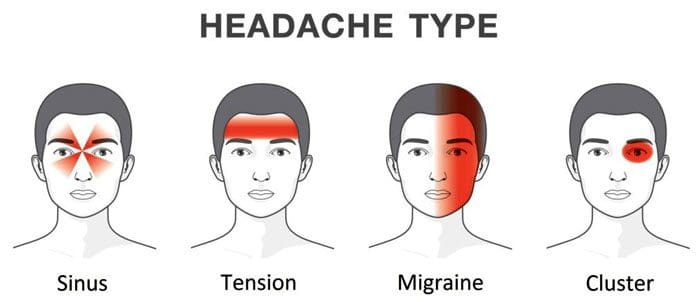
Tension headaches are the most common and affect around 77% of individuals experiencing chronic headaches. Most individuals describe a tension headache as a consistent dull ache on one side of the head and sometimes both sides. They are often described as having a tight band/belt around the head or behind the eyes. These headaches usually start slowly, gradually and can last for a few minutes or days. They tend to start in the middle of the day or before the end of the day.
These headaches can be the result of stress and/or poor posture. The most common cause is subluxations in the upper back and neck, usually combined with active headache trigger points. This stresses the spinal muscles in the upper back and neck. A tension headache or stress headache can last 30 minutes to a few days. Chronic tension headaches can last for months. The pain can be severe; however, these headaches are typically not associated with symptoms like throbbing, nausea, or vomiting.
If the top cervical vertebrae shift out of their position and lose their normal motion, a small muscle called the rectus capitis posterior minor/RCPM begins to spasm. This small muscle has a tendon that slips between the upper neck and the base of the skull. It attaches to a thin, sensitive tissue called the dura mater that covers the brain. The dura mater is very pain-sensitive. When the RCPM muscle goes into spasm, the tendon pulls the dura mater causing a headache. Individuals that work at a desk station for long hours tend to experience headaches from this cause. Another cause comes from referred pain caused by headache trigger points in the Sternocleidomastoid/SCM or levator muscle on the side of the neck. This cause tends to happen more to individuals that have suffered a whiplash injury with muscle damage in the neck region.
Migraine Headaches
Migraines are intense and throbbing headaches that are associated with nausea and sensitivity to light or noise. They can last for a few hours to a few days. Many experience visual symptoms known as an aura just before they come on. This is described as seeing flashing lights or when things take on a dream-like appearance. However, even in individuals that don’t experience the aura, most can tell that a migraine is getting ready to present. Individuals usually have their first attack before age 30. They tend to run in families supporting a genetic component. Some have attacks several times a month, while others can have less than one a year. Most individuals find that migraines happen less and become less severe as they get older.
These headaches are caused by the constriction of blood vessels in the brain. During the constriction period, there is a decrease in blood circulation. This is followed by dilation/enlargening of the blood vessels. This is what leads to the visual symptoms. Then the blood vessels dilate, generating a rapid increase in blood pressure inside the head. This increased pressure is what leads to a pounding headache. Every time the heart beats, it sends another shock wave through the carotid arteries in the neck into the brain. There are different theories as to why the blood vessels constrict, but they are still unknown. What is known is that several factors can trigger a migraine. This includes:
Lack of sleep
Stress
Flickering lights
Strong smells
Changing weather
Foods that are high in an amino acid known as tyramine
Cluster
Cluster headaches are very short excruciating headaches. They are usually felt on one side of the head behind the eyes. These headaches affect about 1 million individuals and are more common in men. This type of headache tends to happen at night. They are called cluster headaches because they tend to happen one to four times a day over several days. After one cluster is over, it could be months or even years before they present again. Like migraines, cluster headaches cause the dilation of the blood vessels in the brain, increasing the pressure.
Trigger Points
Headache trigger point therapy involves four muscles. These are the:
The Splenius muscles involve two individual muscles, the Splenius Capitis and the Splenius Cervicis. These muscles run along the upper back to the skull base or the upper cervical/neck vertebrae. Trigger points in the Splenius muscles are a common contributor to pain that travels through the head to the back of the eye and top of the head.
The Suboccipitals are a group of four small muscles that maintain proper movement and positioning between the first cervical vertebra and the skull base. Trigger points in these muscles can cause pain that feels like it’s happening inside the head, from the back to the eye and forehead. Individuals report that the whole side of the head hurts. This is a pain pattern similar to a migraine.
The Sternocleidomastoid muscle runs along the base of the skull, behind the ear, down the side of the neck. It attaches to the top of the sternum/breastbone. Although most are not aware of this muscle’s trigger points, the effects are evident. This includes:
Referred pain
Balance issues
Visual symptoms
Referred pain tends to be eye pain, headaches over the eye, and can even cause earaches. An unusual characteristic of SCM headache trigger points is that they can cause dizziness, nausea, and balance problems.
The trapezius muscle is the large, flat muscle in the upper and middle back. Pain can be felt in the temple and back of the head. A common trigger point is located at the top of the muscle. This particular point can activate secondary trigger pointsin the temple or jaw muscles, leading to jaw or tooth pain.
Headache Triggers
Stress can be a trigger.
Depression, anxiety, frustration, and even pleasant excitement can be associated with headache development.
A headache diary can help determine whether factors like food, weather, and/or mood correlate with headache patterns.
Repeated exposure to nitrite compounds can result in a dull headache accompanied by a flushed face. Nitrite dilates blood vessels and is found in products like heart medications, and is also used as a chemical to preserve meat. Processed meats containing sodium nitrite can contribute to headaches.
Foods prepared with monosodium glutamate or MSG can result in headaches. Soy sauce, meat tenderizers, and various packaged foods contain this chemical as a flavor enhancer.
Exposure to poisons, even household varieties like insecticides, carbon tetrachloride, and lead, can contribute.
Contact with lead batteries or lead-glazed pottery.
Foods that are high in the amino acid tyramine should be avoided. This could be ripened cheeses like cheddar, brie, chocolate, and pickled or fermented food.
Bio-Chiropractic
Chiropractic adjustments are highly effective for treating tension headaches, especially those that originate in the neck. Research has found that spinal manipulation resulted in almost immediate improvement and had fewer side effects and longer-lasting relief than taking common medications. There is a significant improvement by manipulating the upper two cervical vertebrae, combined with adjustments to the area between the cervical and thoracic spine.
Body Composition Testing
Vibration Exercise
Vibration exercise is believed to stimulate the muscle fibers without going to a gym or stressing the bones. One study broke up postmenopausal women into three groups: resistance training, vibration training combined with resistance training, or no exercise/training. Their body composition was measured before starting the study. After the study was completed, the findings included:
Both the resistance group and the resistance group with vibration training increased lean tissue mass.
The control group did not show an increase in lean tissue and, in fact, gained body fat.
The combination group, using vibration training with resistance training, showed a drop in body fat.
Another study placed male athletes in a training program that included vibration training. The first group had lower-limb strength training combined with vibration training, and the other had lower-limb strength training without vibration training. The researchers found that the athletes in the vibration training group improved leg extension strength by five percent. In addition, the vibration training groups balancing ability and vertical lift/jumping test improved as well.
References
Bryans, Roland et al. “Evidence-based guidelines for the chiropractic treatment of adults with headache.” Journal of manipulative and physiological therapeutics vol. 34,5 (2011): 274-89. doi:10.1016/j.jmpt.2011.04.008
Chaibi, Aleksander et al. “Chiropractic spinal manipulative therapy for cervicogenic headache: a single-blinded, placebo, randomized controlled trial.” BMC research notes vol. 10,1 310. 24 Jul. 2017, doi:10.1186/s13104-017-2651-4
Bryans R, Descarreaux M, Duranleau M, et al. Evidence-based guidelines for the chiropractic treatment of adults with neck pain. J Manipulative Physiol Ther 2014; 37: 42-63.
Bryans R, Descarreaux M, Duranleau M, et al. Evidence-based guidelines for the chiropractic treatment of adults with headache. J Manipulative Physiol Ther 2011; 34: 274-89.
IFM's Find A Practitioner tool is the largest referral network in Functional Medicine, created to help patients locate Functional Medicine practitioners anywhere in the world. IFM Certified Practitioners are listed first in the search results, given their extensive education in Functional Medicine