Back Clinic Chronic Back Pain Team. Chronic back pain has a far-reaching effect on many physiological processes. Dr. Jimenez reveals topics and issues affecting his patients. Understanding the pain is critical to its treatment. So here we begin the process for our patients in the journey of recovery.
Just about everyone feels pain from time to time. When you cut your finger or pull a muscle, pain is your body’s way of telling you something is wrong. Once the injury heals, you stop hurting.
Chronic pain is different. Your body keeps hurting weeks, months, or even years after the injury. Doctors often define chronic pain as any pain that lasts for 3 to 6 months or more.
Chronic back pain can have real effects on your day-to-day life and your mental health. But you and your doctor can work together to treat it.
Do call upon us to help you. We do understand the problem that should never be taken lightly.
Battlefield Acupuncture and Chiropractic Pain Relief
Abstract
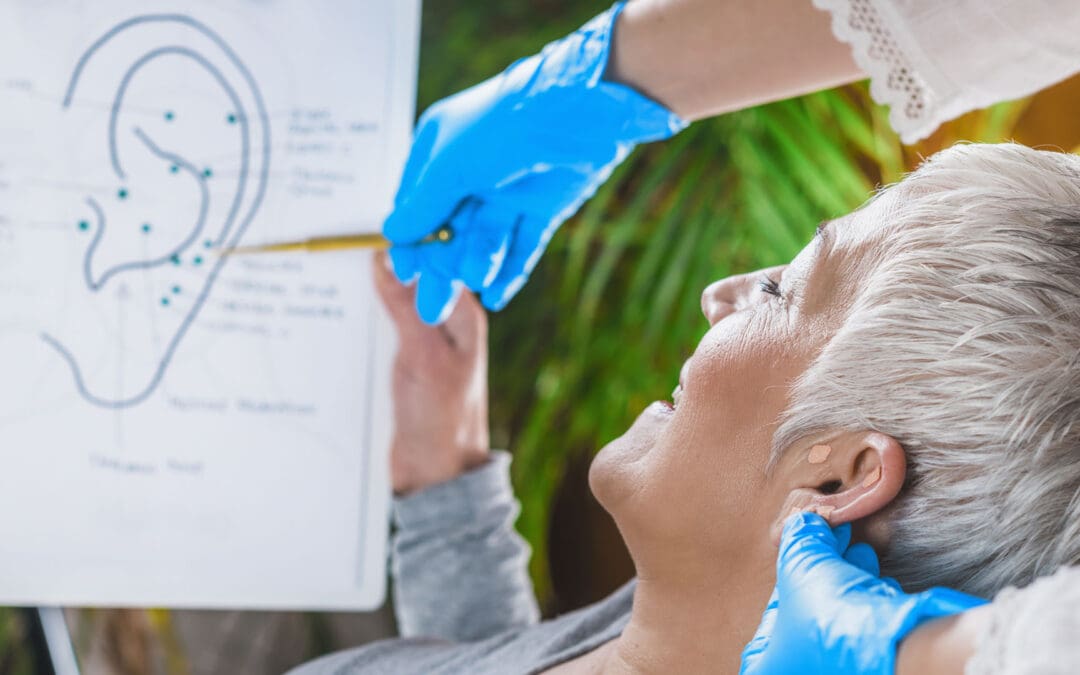
Welcome to our educational series. I’m Dr. Alex Jimenez, and today, we’re exploring a powerful, non-pharmacological tool for pain management: Battlefield Acupuncture (BFA). This post will guide you through the principles and applications of this innovative technique, which uses auricular (ear) acupuncture to provide rapid, significant pain relief. We will explore the neurophysiological mechanisms behind BFA, identify key anatomical points on the ear, and explain their connection to the brain’s pain-processing centers. I’ll explain the step-by-step protocol, from patient assessment to needle insertion, and discuss its effectiveness for both acute and chronic pain conditions. As part of our commitment to integrative care at Injury Medical Clinic, we will also explore how Battlefield Acupuncture seamlessly complements our core chiropractic, physical rehabilitation, and functional medicine strategies. By combining these modalities, we can create a comprehensive, patient-centered treatment plan that addresses pain from multiple angles, promotes faster recovery, and restores function while minimizing the need for medication.
An acupuncturist puts needles into the patient’s back, removing inflammation of the muscles
A Modern Approach to Ancient Healing: Understanding Battlefield Acupuncture
As a clinician dedicated to finding the most effective and evidence-based treatments for my patients, I am constantly exploring advancements in integrative medicine. One of the most remarkable techniques I’ve incorporated into my practice is Battlefield Acupuncture (BFA). Developed by Dr. Richard Niemtzow, a retired Air Force physician, this protocol is a specialized form of auricular acupuncture designed for rapid pain relief in diverse settings, from the front lines of combat to our clinical practice here in El Paso.
The name might sound intense, but the technique is precise, minimally invasive, and incredibly effective. It involves placing small, semi-permanent needles, called ASP® needles (Aiguille Semi-Permanente), at specific points on the ear. These are not your typical acupuncture needles; they are tiny, dart-like needles designed to stay in place for several days, providing continuous stimulation to the nervous system. The primary goal is to interrupt pain signals and modulate the body’s own pain-relieving mechanisms.
The Neurological Blueprint of Pain Relief: How BFA Works
To appreciate how placing a tiny needle in the ear can alleviate pain in the lower back or a knee, we must first understand the intricate connection between the ear and the central nervous system. The external ear, or auricle, is one of the most densely innervated parts of the body, with connections to major nerves like the vagus nerve, trigeminal nerve, and cervical plexus.
Ancient acupuncture charts depicted the ear as a “homunculus,” an inverted fetus map where different parts of the body correspond to specific points on the ear. Modern research has validated this concept, showing that stimulating these auricular points sends signals directly to the brain and influences key areas involved in pain perception and processing.
The BFA protocol targets five specific points that correspond to major pain-processing centers in the brain:
Cingulate Gyrus: This is a crucial part of the limbic system, which governs our emotional response to pain. By targeting this point, we can help detach the emotional suffering and anxiety often associated with chronic pain.
Thalamus: Often called the brain’s “relay station,” the thalamus receives sensory signals from the body and directs them to the appropriate cortical areas for processing. Modulating this point helps to filter and reduce the intensity of incoming pain signals before they even reach conscious awareness.
Omega 2: This point is associated with regulating the autonomic nervous system, helping to shift the body from a “fight-or-flight” (sympathetic) state, which often exacerbates pain, to a “rest-and-digest” (parasympathetic) state that promotes healing.
Point Zero: Considered the “autonomic balance” point of the ear, this area helps to bring the entire body back into a state of physiological equilibrium, or homeostasis.
Shen Men (“Spirit Gate”): A master point used in many forms of acupuncture, Shen Men helps to calm the mind, reduce stress, and has a powerful general analgesic (pain-relieving) effect.
When an ASP needle is inserted, it stimulates these nerve endings, sending a signal along neural pathways to the brainstem and higher brain centers. This process is believed to trigger the release of the body’s own natural painkillers—endorphins and enkephalins—and to downregulate the activity in brain regions that process pain, effectively turning down the “volume” of the pain signal.
The Battlefield Acupuncture Protocol: A Step-by-Step Guide
The BFA protocol is systematic and patient-driven. The patient’s feedback on their pain level at each step determines how we proceed. This ensures the treatment is customized in real-time to achieve the best possible outcome.
Initial Assessment and Preparation
Pain Assessment: Before we begin, I ask the patient to rate their pain on a scale of 0 to 10. I also ask them to perform a simple movement that provokes their pain, such as walking, bending, or rotating their neck. This provides us a functional baseline.
Choosing the Starting Ear: For generalized pain or pain on both sides of the body, we typically start with the ear on the patient’s non-dominant side. If the pain is localized to one side (e.g., right-sided sciatica), we start on the contralateral (opposite) ear.
Sanitization: The ear is thoroughly cleaned with an alcohol swab to ensure a sterile field. While some practitioners may not use gloves, I believe it is prudent to wear them to maintain the highest standards of hygiene for patient safety.
Needle Insertion and Reassessment
The magic of BFA lies in its sequential process. We don’t simply insert all five needles at once.
First Point (Cingulate Gyrus): I begin by inserting the first ASP needle into the Cingulate Gyrus point. I hold the needle with a special applicator and, with a quick, firm press, insert it with a small “click.” It’s surprisingly well tolerated, with most patients feeling only a momentary pinch.
Ambulation and Reassessment: After the first needle is in, I ask the patient to stand up and walk around for a minute. I then ask them to rate their pain again. “Has the pain level decreased?” “Does the movement feel easier?”
Decision Point: If the patient reports a significant reduction in pain (e.g., from an 8 down to a 4) with just one needle, we may stop there. The goal is maximum relief with the minimum number of needles.
Progressing the Protocol: If the pain relief is minimal or non-existent, I proceed to the next point in the sequence, the Thalamus. After inserting the second needle, the patient ambulates and reassesses their pain again. We continue this process through the five points, stopping at any point where the patient experiences substantial relief. If we complete all five points in one ear and the pain is still not adequately controlled, we can then move to the other ear and repeat the process.
The ASP needles are designed to stay in the ear for three to seven days. They are covered by a small adhesive patch, and patients can shower and sleep with them in place. They typically fall out on their own as the skin naturally exfoliates. This provides continuous, low-level stimulation that extends the therapeutic benefit long after the patient leaves our clinic.
Integrating BFA with Chiropractic and Rehabilitative Care
At Injury Medical Clinic, our philosophy is rooted in a multidisciplinary, integrative approach. Under the medical direction of our internist, Dr. Maria Cardenas, we blend various disciplines to create a synergistic healing effect. Battlefield Acupuncture is not a standalone cure but a powerful component of a larger, comprehensive treatment plan.
BFA as a Gateway to Movement and Rehabilitation
One of the biggest obstacles in rehabilitating a musculoskeletal injury, such as a herniated disc or severe sciatica, is pain. Pain creates fear of movement (kinesiophobia), leading to muscle guarding, stiffness, and deconditioning. This creates a vicious cycle where pain leads to immobility, and immobility worsens the pain.
This is where BFA shines. By providing rapid and significant pain relief, it creates a crucial “window of opportunity.” A patient who walked in with 8/10 back pain and could barely bend might, after a BFA treatment, experience a drop to 3/10 pain. This newfound comfort allows them to engage more effectively in the other essential parts of their recovery:
Chiropractic Adjustments: When a patient’s muscles are relaxed and they are not in excruciating pain, they are more receptive to spinal adjustments. The chiropractic adjustment, aimed at restoring proper joint mechanics and relieving nerve pressure, can be performed more gently and effectively. BFA helps break the cycle of muscle spasm that often resists manipulation.
Physical Therapy and Functional Exercise: With pain reduced, patients can participate fully in their prescribed therapeutic exercises. They can perform stretches with a greater range of motion and engage in strengthening exercises without the fear of immediate, sharp pain. This is critical for stabilizing the spine, correcting muscular imbalances, and building the resilience needed to prevent re-injury.
Decompression Therapy: For conditions like disc herniation or spinal stenosis, we use non-surgical spinal decompression. This therapy works best when the patient is relaxed. BFA helps calm the nervous system and reduce the reflexive muscle guarding that can interfere with the gentle traction of the decompression table.
In essence, BFA acts as a catalyst for recovery. It doesn’t replace the foundational work of chiropractic and physical rehabilitation; it enables it. By managing the primary symptom of pain, we empower patients to become active participants in their healing journey, accelerating their return to function and daily life. My clinical observations consistently show that patients who receive BFA alongside their regular chiropractic and rehab programs report faster pain reduction and improved functional outcomes compared to those who receive traditional care alone.
A Patient-Centered, Holistic Vision
Our team, guided by the collaborative expertise of Dr. Cardenas and me, looks at each patient through a holistic lens. We understand that pain is a complex experience influenced by physical, biochemical, and emotional factors. Battlefield Acupuncture fits perfectly within this model because it directly addresses the neurological and emotional components of pain, complementing the biomechanical focus of chiropractic care and the functional focus of physical therapy. This integrated system allows us to provide truly comprehensive care for everything from acute personal injuries to chronic, stubborn pain conditions, always keeping the patient’s well-being and long-term health as our ultimate goal.
References
Niemtzow, R. C. (2018). Battlefield acupuncture: An emerging tool for pharmacists to participate in pain management. Hospital Pharmacy, 53(2), 85–86. https://doi.org/10.1177/0018578718761271
Niemtzow, R. C., Burns, S. M., & Zeliadt, S. B. (2020). Battlefield acupuncture for the provider. Medical Acupuncture, 32(4), 196–203. https://doi.org/10.1089/acu.2020.1449
When to Seek a Second Opinion for Complex Spinal Joint and Nerve Pain in El Paso, Texas
Abstract
Complex spinal joint and nerve pain is long-lasting discomfort that comes from more than one spinal structure at the same time. Wear, injury, or pressure can affect the bones, facet joints, discs, and nearby nerve roots at the same time. That overlap is why a single pill, a short course of physical therapy, or one injection often fails to bring lasting relief. This article explains what the condition is, how nerve pain differs from joint pain, and when people in El Paso, Texas, should seek a second opinion. It also shows how integrative chiropractic care can work with medical oversight and combined therapies such as shockwave therapy, MLS laser therapy, IV infusion therapy, PRP, PFP, MFAT, and epidural spinal injections. The goal is a clear path toward better movement and less daily pain.
What Is Complex Spinal Joint and Nerve Pain?
Complex spinal joint and nerve pain is chronic discomfort caused by overlapping damage, wear, or pressure on the vertebrae, facet joints, discs, and surrounding nerve roots in the spine.
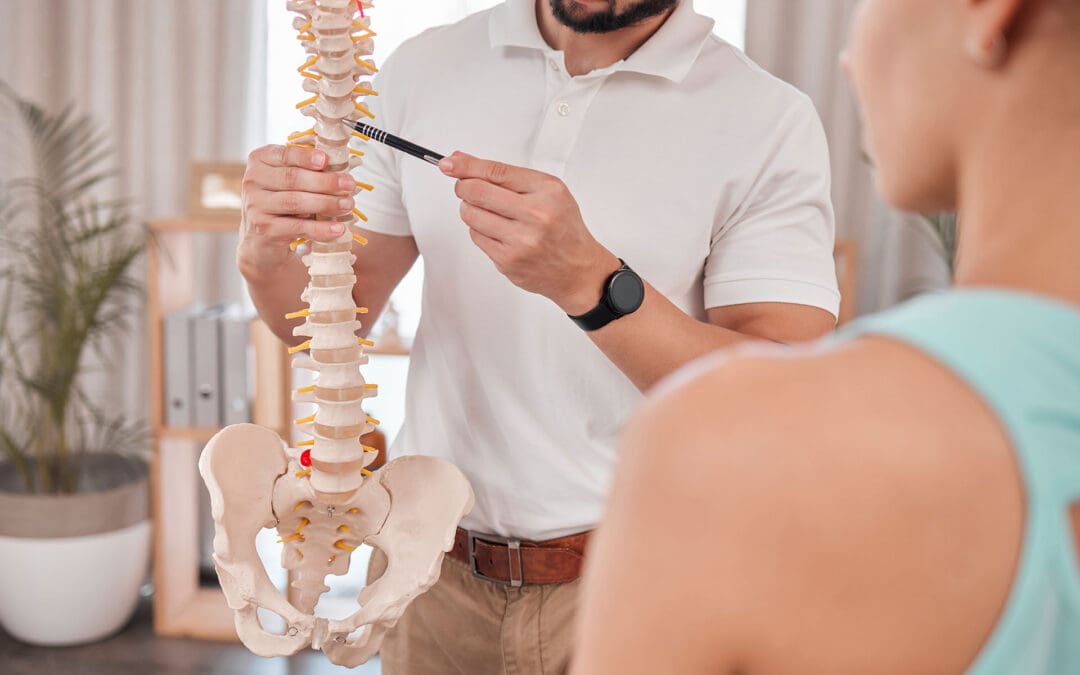
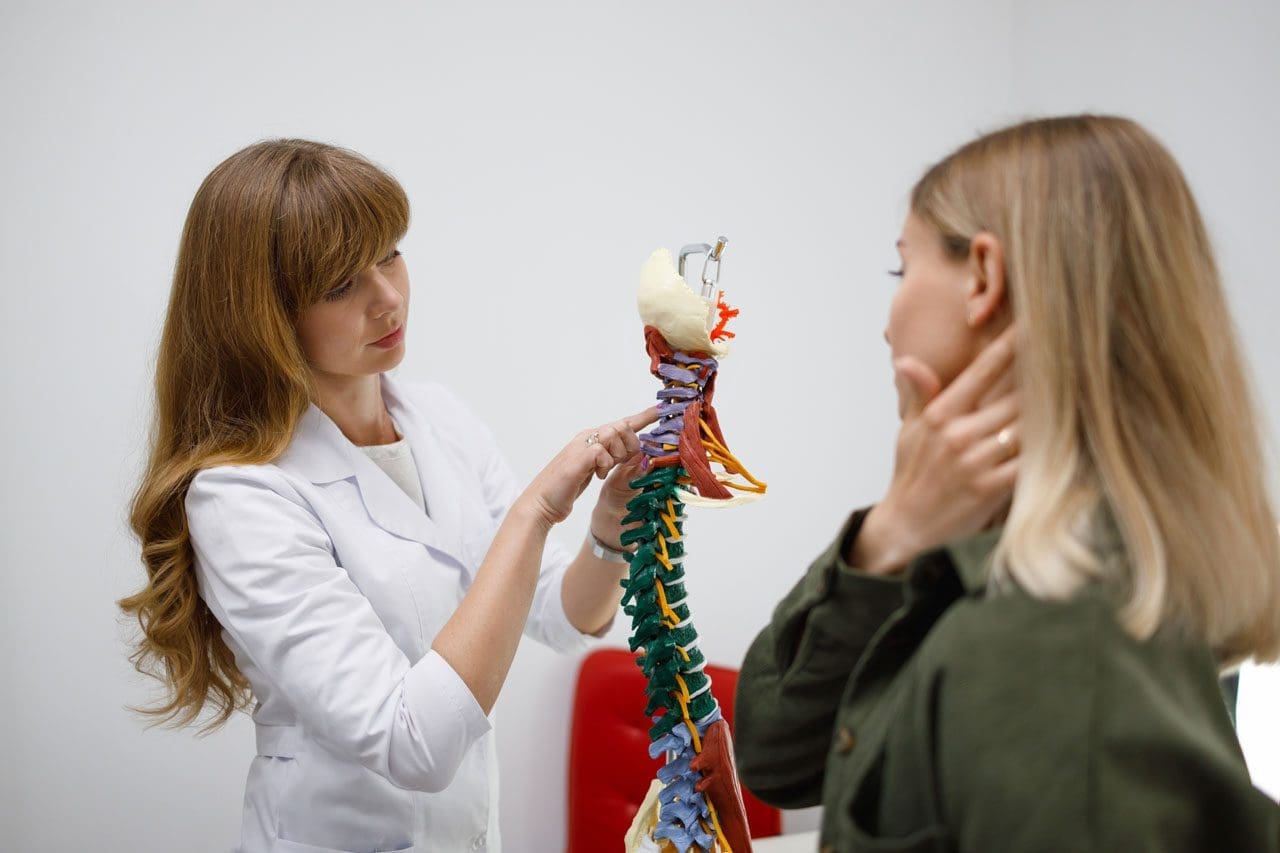
The spine is a stack of bones called vertebrae. Between most of those bones sit discs that act like cushions. Small joints on the back of the spine, called facet joints, help you bend and twist. Nerve roots leave the spinal canal through narrow openings and travel into the arms or legs. When more than one of these parts is irritated at the same time, pain can feel mixed, confusing, and hard to treat.
Spine problems often involve the vertebrae, discs, nerves, and nearby muscles together. That mix can cause back or neck pain, stiffness, limited motion, numbness, tingling, or weakness in an arm or leg.
This is not the same as Complex Regional Pain Syndrome (CRPS). CRPS is a separate nerve condition that usually affects a hand, arm, foot, or leg after injury and can include changes in skin color, temperature, and swelling. Complex spinal joint and nerve pain stays centered on the spine and the nerves that exit it.
Why Joint Pain and Nerve Pain Feel So Different
Joint pain and nerve pain do not feel the same, even when they start in the same region of the back or neck.
Joint pain often feels like:
A deep ache in one spot
Stiffness after sitting or first thing in the morning
Pain that worsens when you arch backward or stand for a long time
Soreness that stays close to the spine
Nerve pain often feels like:
Burning, stabbing, or electric-shock sensations
Tingling, numbness, or “pins and needles”
Pain that travels into a shoulder, arm, hip, or leg
Weakness in a muscle group
Kansas Pain Management notes that muscle pain tends to feel dull and tight, nerve pain often shoots or burns, and facet joint pain is more localized and position-based. Oakland Spine explains that nerve pain can start far from where you feel it, while joint pain usually stays in one area unless a swollen joint also presses on a nerve.
When both problems exist together, a person may have a stiff low back and burning pain down the leg. Treating only the joint, or only the nerve, leaves half the problem untouched.
Common Causes of Pressure on Spinal Joints and Nerves
Nerve compression happens when the space around a nerve root becomes smaller. Common causes include:
A bulging or herniated disc
Bone spurs from arthritis
Spinal stenosis (a narrowed spinal canal)
Degenerative disc disease
Injury from a fall, work accident, or car crash
Thickened ligaments
Long-term posture strain
“Radiculopathy” is the medical term for a pinched nerve root. It can cause pain, numbness, tingling, or weakness along the nerve’s path. It is most common in the neck and lower back.
Facet joints can also wear down. When those small joints become inflamed, they can create local spine pain and, in some cases, add extra pressure near a nerve root. That is one reason symptoms overlap.
When to Seek a Second Opinion in El Paso, Texas
A second opinion is not a sign that the first provider failed. It is a smart step when the picture is incomplete.
Consider a second opinion if:
Pain has lasted more than a few weeks and is not clearly improving
You have numbness, tingling, or weakness in an arm or leg
Imaging was done, but no one explained how the findings match your symptoms
You were told “everything looks fine,” yet you still cannot work, sleep, or drive comfortably
Steroid shots or pain medicine helped only for a short time
Surgery was offered as the next step before a full non-surgical plan was tried
You were treated for only one pain source when your symptoms sound mixed
An auto accident, work injury, or old sports injury still bothers you months later
You live in El Paso or elsewhere in West Texas and want a team that can look at both the mechanical and medical sides of the problem
People often seek a new evaluation when traditional care focused on rest, medication, or a single procedure and the pain kept returning. Accurate identification of the pain source—nerve, joint, disc, muscle, or a combination—guides better treatment.
Why One Treatment Often Is Not Enough
A herniated disc on an MRI does not always explain every symptom. Facet arthritis, muscle guarding, inflammation, poor movement patterns, and nerve irritation can all sit at the same spinal level. If care targets only one layer, relief can stall.
Educational videos on spine anatomy and nerve pain show how discs, joints, and nerves sit close together and can fail as a unit rather than as isolated parts. That close relationship is why a combined plan often makes more sense than a single procedure.
Early, complete evaluation also matters because delayed care can allow stiffness, weakness, and guarded movement to become habits. Those habits then keep feeding into the pain cycle.
How Integrative Chiropractic Care Fits Into Treatment
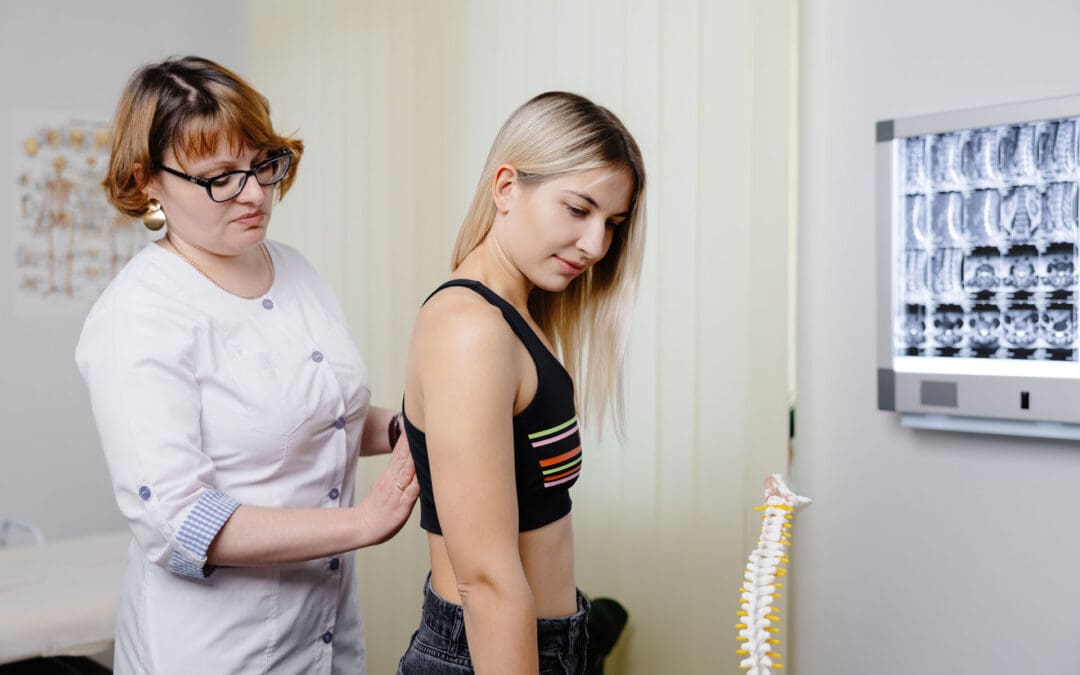
Integrative chiropractic care looks at how the spine moves, how the joints stack, and how nearby muscles and nerves respond. The goal isn’t just to ease pain for a day. The goal is to restore cleaner motion, so nerves have more room and joints share load more evenly.
Chiropractic care can help by:
Improving spinal joint motion with precise adjustments
Reducing mechanical pressure around irritated nerve roots
Pairing care with spinal decompression when discs are compressed
Retraining posture and core support so the spine stays more stable
Coordinating soft-tissue work so muscles stop guarding the injured area
Oakland Spine notes that chiropractic care and physical therapy can help both nerve pain and joint pain when the plan corrects alignment and builds support around the injured structures.
In an integrative clinic, chiropractic care does not stand alone. It is timed with medical evaluation, rehabilitation, and regenerative options so the spine can move better while tissues repair.
Combined Therapies for More Thorough Healing
Complex pain often needs more than one tool. The therapies below are commonly used together, not as competing choices.
Shockwave therapy
Shockwave therapy sends acoustic waves into tight or scarred tissue. Those waves can increase local blood flow, break up dense scar tissue, and help a stalled healing response start again. It is often used before or after regenerative injections so the area is more ready to repair.
MLS laser therapy
MLS laser therapy uses specific light wavelengths to lower inflammation and support cellular energy. It can calm swelling after an adjustment, decompression session, or injection and make it easier to stay consistent with rehab.
IV infusion therapy
IV therapy delivers fluid and selected nutrients into the bloodstream. It does not replace spinal treatment. It may support hydration, recovery, and the broader healing environment while other therapies work on the joints and nerves.
PRP (platelet-rich plasma)
PRP uses a concentrated portion of a person’s own blood platelets. Platelets release growth factors that may support tissue repair in joints, soft tissue, or selected spinal structures when used as part of a larger plan.
PFP (platelet-fibrin plasma / platelet-fibrin products)
PFP is a related blood-based product. Clinics use it when a more fibrin-rich preparation may better support a treatment area. Like PRP, it is a supportive option, not a stand-alone cure.
MFAT (microfragmented adipose tissue)
MFAT uses a small amount of a person’s own fat tissue that is processed into smaller fragments. It may be considered when a more complex injury requires structural or cushioning support.
Epidural spinal injections
An epidural injection places medication near an irritated nerve root to reduce inflammation in the space around that nerve. Conservative care for radiculopathy often includes rehabilitation, medication, and interventional options such as epidural injections. Injections can create a window of lower pain so a person can move, adjust, and strengthen more effectively.
These options work best when they are sequenced. Decompression and adjustments can create space. Shockwave and laser can prepare tissue and control inflammation. Regenerative procedures and selected injections can support biology. Rehabilitation then teaches the spine how to hold the new motion.
The Collaborative Team in El Paso
At Injury Medical Clinic PA in El Paso, Texas, care is built as a team model rather than a one-provider visit.
Dr. Alexander Jimenez, DC, APRN, FNP-BC, CCST, CFMP, IFMCP, ATN, provides chiropractic care, functional medicine, personal injury evaluation, and rehabilitation planning. His clinical observations, shared on dralexjimenez.com and his LinkedIn profile, emphasize finding both the mechanical problem and the metabolic or inflammatory factors that keep pain going. He often notes that patients improve more when alignment, soft-tissue health, nutrition, and cellular support are addressed together.
Dr. Maria Guadalupe Cardenas, MD, is board-certified in internal medicine. Her NPI is #1164426749, and her Texas medical license is #J2933. With more than 40 years of experience as an internist, she serves as medical director and collaborative physician at Injury Medical Clinic PA. This MD–DC partnership is common in integrative and injury-care clinics. The medical director provides medical oversight while the chiropractic and rehabilitation team addresses spinal mechanics, movement, and recovery.
Together, the team can coordinate:
Chiropractic and spinal decompression
Functional medicine and nutrition support
Personal injury documentation and rehabilitation
Shockwave and MLS laser therapy
Regenerative options such as IV infusion therapy, PRP, PFP, and MFAT
Medical decision-making around injections and co-existing health issues
That structure matters in El Paso, Texas, where patients may travel from across El Paso, the Upper Valley, or nearby desert communities and want one coordinated plan instead of disconnected referrals.
What a Second-Opinion Visit Should Cover
A useful second opinion should do more than repeat the last MRI report. It should connect your story to a clear exam.
A thorough visit often includes:
A detailed history of how the pain started and what makes it travel
A movement exam of the neck or low back
Nerve testing for strength, sensation, and reflex changes
Review of prior imaging and whether it matches the exam
Screening for joint pain versus nerve pain versus mixed pain
A discussion of non-surgical options before any new procedure
A staged plan that may combine chiropractic care, rehab, laser or shockwave therapy, and selected regenerative or injection options
If you have personal injury, veteran, or work-related documentation needs, those records should be part of the same conversation so care and paperwork stay aligned.
A Clear Next Step for El Paso, Texas Patients
Complex spinal joint and nerve pain is particularly challenging because it is rarely “just a disc” or “just arthritis.” It is often both, plus muscle guarding and nerve irritation. That is why people feel stuck after standard care.
A second opinion is worth seeking when pain is mixed, persistent, or poorly explained. Integrative chiropractic care can restore motion and reduce mechanical pressure. Medical oversight can keep the plan safe and complete. Combined therapies such as shockwave therapy, MLS laser therapy, IV infusion therapy, PRP, PFP, MFAT, and epidural spinal injections can support healing from more than one angle.
If you live in El Paso or elsewhere in West Texas and your current plan has not given you a clear path forward, a multidisciplinary evaluation can help you see which structures are driving the pain and which combination of care is most likely to help you move again.
Faster Injury Recovery in El Paso: Pairing IV Infusion Therapy with Spinal Adjustments
IV infusion therapy and spinal adjustments can work together to help the body heal from injuries faster. This article explains what each treatment does, why they work together, and how they relax tense muscles, reduce joint inflammation, and speed tissue repair. You will also see how integrative chiropractic care belongs in the plan, how the El Paso medical and chiropractic team works, and what a personal recovery path can look like.
What IV Infusion Therapy Does
IV infusion therapy sends fluids, vitamins, minerals, and other nutrients straight into the bloodstream through a small vein. Because the nutrients skip the stomach and intestines, the body can use nearly all of them right away. This is often called 100 percent bioavailability.
A typical recovery mix includes fluids for hydration, magnesium to help muscles relax, B vitamins for energy and nerve support, vitamin C to fight inflammation and help build collagen, and sometimes antioxidants. These ingredients reach cells quickly. The result is better hydration at the cellular level, less oxidative stress, and faster new tissue building.
People often notice less muscle tightness and more energy within hours. The session itself usually lasts 30 to 45 minutes and is done in a comfortable clinic setting under medical supervision.
How Spinal Adjustments Support Healing
Spinal adjustments, also called chiropractic manipulations, gently restore proper alignment to the spine and other joints. When bones sit in the right place, nerves can send clearer signals, muscles can fire more evenly, and blood flow improves around injured areas.
Misalignment from a car accident, sports strain, or everyday wear can keep muscles in a protective spasm and limit the nutrients that reach damaged tissue. An adjustment reduces that mechanical stress. It also helps the nervous system settle, which can lower the body’s overall pain response.
Integrative chiropractic care looks at the whole person. It does not stop at the adjustment. It includes movement exercises, posture work, and coordination with other therapies so the structural change lasts.
Why the Two Treatments Work Better Together
IV infusion therapy complements spinal adjustments by delivering 100 percent bioavailable fluids, magnesium, and vitamins directly into the bloodstream. This rapid cellular hydration and nutrient delivery, bypassing the digestive system, relaxes tense muscles, reduces joint inflammation, and speeds tissue repair, optimizing the body for structural healing.
Think of the adjustment as resetting the frame of a house and the IV as delivering the right building materials and water to every room at once. Once the spine is better aligned, circulation and nerve signals improve. The nutrients from the IV can then travel more easily to the exact spots that need repair. Spinal adjustments combined with IV infusion therapy help the body recover faster by treating structural misalignment while delivering nutrients directly to cells to fight inflammation. This integrated approach improves nutrient bioavailability and accelerates tissue repair, reducing the chronic pain associated with musculoskeletal injuries. If you’re in El Paso and want a full, tailored recovery plan, contact Injury Medical & Chiropractic Clinic.
Magnesium in the IV mix helps muscles release extra tension after an adjustment. Vitamin C and antioxidants help quiet the inflammatory chemicals that often linger after a sprain, strain, or disc injury. Better hydration also keeps joints moving more freely, so the benefits of the adjustment last longer.
Key Benefits for Musculoskeletal Injuries
Patients with back pain, neck pain, whiplash, sports injuries, or post-accident stiffness often see these improvements when the two therapies are used together:
Faster drop in muscle spasm and stiffness
Less swelling around joints and soft tissue
Quicker return of energy and daily function
Better collagen formation for ligaments and tendons
Reduced need for extra pain medication in many cases
Support for the immune system so healing is not delayed by extra stress
These effects are especially helpful after auto accidents or when recovery has stalled. Direct nutrient delivery can reach areas that have limited blood flow, such as some tendons and spinal discs.
How Integrative Chiropractic Care Fits the Picture
Integrative chiropractic care is more than a single adjustment. It includes a full assessment of posture, movement patterns, and how the injury affects the rest of the body. The chiropractor addresses the structural side, while the IV provides biochemical support.
This combination is common in clinics that treat personal-injury cases and chronic musculoskeletal problems. The adjustment improves joint motion and nerve function. The IV then gives the cells the raw materials they need to rebuild. Functional medicine principles—looking at nutrition, inflammation, and lifestyle—tie the two together so the plan is personalized.
Dr. Alexander Jimenez, DC, APRN, FNP-BC, CCST, CFMP, IFMCP, ATN, has observed that patients recover more completely when structural care and cellular nutrition are addressed at the same time. His clinical work in El Paso focuses on non-invasive, root-cause approaches that restore function after trauma rather than just masking symptoms.
The Team at Injury Medical Clinic PA
Injury Medical Clinic PA in El Paso uses a multidisciplinary model. Dr. Alex Jimenez provides chiropractic and functional medicine expertise. Dr. Maria Guadalupe Cardenas, MD, board-certified in internal medicine (NPI #1164426749, Texas MD License #J2933), serves as medical director and collaborative physician. She has more than 40 years of experience as an internist.
This setup is typical in integrative injury-care clinics. The MD oversees medical safety, reviews lab work when needed, and ensures IV therapies are appropriate. The chiropractor handles spinal and musculoskeletal alignment. Together, they also coordinate rehabilitation, personal-injury documentation, and functional-medicine testing.
The team treats auto-accident injuries, sports strains, work-related pain, and chronic conditions such as sciatica or disc problems. Patients receive a plan that can include adjustments, targeted IV infusions, movement therapy, and nutrition guidance—all under one roof.
What a Typical Recovery Journey Looks Like
A first visit usually starts with a history and exam. Imaging or labs may be ordered if needed. The doctors then decide which IV formula (hydration, Myers’-style cocktail, or recovery blend) matches the injury and which adjustment techniques will help most.
Treatments are often scheduled close together at first—sometimes the same day or within 24–48 hours—so the nutrients and the alignment change can reinforce each other. Follow-up visits track pain levels, range of motion, and energy. Frequency is adjusted as healing progresses.
Safety is a priority. Trained staff administers IVs in a sterile setting. Patients are screened for any conditions that would make an infusion unsuitable.
Taking the Next Step in El Paso
If you are dealing with lingering pain, slow healing after an injury, or muscle tightness that will not ease, the combination of IV infusion therapy and spinal adjustments offers a practical, evidence-informed option. The goal isn’t just short-term relief, but a body that can repair itself more efficiently.
If you’re in El Paso and want a full, tailored recovery plan, contact Injury Medical & Chiropractic Clinic. The team can review your history, explain the options, and design a program that fits your needs.
Ergonomic Desk Setup for Better Posture: How Integrative Chiropractic Care and Peptide Support Reduce Physical Strain
Abstract: Poor posture from long hours at a desk or screen often leads to neck, back, and shoulder strain. This article explains simple ergonomic changes to chair, desk, and screen height that protect the body during daily work. It also shows how integrative chiropractic care restores alignment and movement, while certain peptide therapies may support recovery from secondary pain, inflammation, and soft-tissue stress when paired with rehabilitation. The discussion includes the team approach used at Injury Medical Clinic PA in El Paso, Texas, where chiropractic care works alongside medical oversight, functional medicine, and rehabilitation.
Why Poor Posture Creates Ongoing Strain
Many people spend hours sitting with rounded shoulders, forward head posture, and a collapsed lower back. Over time, this creates muscle imbalances. Some muscles become tight and short, while others weaken. The result is extra pressure on joints, reduced blood flow, and pain that can radiate to the neck, upper back, or lower back.
Poor posture is mainly a mechanical and habit problem. Weak postural muscles, stiff joints, and repeated positions keep the pattern going. Simple workstation fixes reduce the spine’s daily load. Professional care then helps the body regain better alignment and strength.
Building an Ergonomic Workstation That Protects Your Body
An effective ergonomic plan starts with three main adjustments: chair height, desk height, and screen position. These changes keep joints in neutral positions and lower physical strain.
Chair Height and Support
Adjust the chair so your feet rest flat on the floor or a footrest.
Knees should bend at about 90 degrees, with thighs roughly parallel to the floor.
Sit all the way back so the chair supports your lower back. Add a lumbar cushion if needed.
Keep a small gap (about two to three fingers) between the front edge of the seat and the back of your knees.
These settings prevent pressure under the thighs and keep the pelvis stable.
Desk and Keyboard Height
Set the desk or keyboard tray so your elbows form a 90-degree angle while typing.
Keep forearms roughly parallel to the floor and shoulders relaxed.
Keep wrists straight and neutral—not bent up or down.
Place the mouse close to the keyboard so you don’t have to reach.
If the desk cannot be lowered, raise the chair and use a footrest so feet stay supported.
Screen Position
Place the top of the screen at or slightly below eye level.
Keep the monitor about an arm’s length away (roughly 20–30 inches).
Center the screen directly in front of you so you do not twist your neck.
Tilt the screen slightly so it is easy to view without tipping your head forward or back.
These positions reduce the need to look down or crane your neck, easing strain on the cervical spine and upper shoulders.
Additional helpful habits include taking short movement breaks every 30–60 minutes, standing or walking briefly, and doing simple stretches for the chest, neck, and hip flexors. Consistent small changes lower cumulative stress on the body.
How Integrative Chiropractic Care Fits Into Posture Improvement
Ergonomic fixes reduce daily strain, but they do not automatically correct existing joint restrictions or muscle imbalances. Integrative chiropractic care addresses the mechanical side of the problem.
Chiropractic adjustments restore proper motion to spinal joints that have become stiff from prolonged sitting. This reduces nerve irritation and allows surrounding muscles to relax. Soft-tissue work and targeted exercises then retrain the postural muscles that hold the body upright. Many patients also receive guidance on workstation setup and simple home exercises that reinforce better habits.
Clinical observations from Dr. Alexander Jimenez, DC, APRN, FNP-BC, CCST, CFMP, IFMCP, ATN, show that desk workers often present with forward head posture, rounded shoulders, and restricted mid-back motion. Combining spinal adjustments with posture retraining and ergonomic coaching often leads to noticeable improvements in pain and function within several weeks.
At Injury Medical Clinic PA in El Paso, Texas, chiropractic care is part of a broader team model. Dr. Jimenez focuses on spinal alignment, biomechanics, movement, and rehabilitation. The clinic also includes functional medicine evaluation, personal injury care, and rehabilitation services. This coordinated approach treats the mechanical drivers of poor posture while supporting overall recovery.
Peptide Therapies as Supportive Tools—Not a Direct Posture Fix
Peptide therapies cannot directly correct poor posture. Bad posture is a mechanical and behavioral issue driven by weak muscles, tight joints, and daily habits. Peptides do not retrain movement patterns or realign the spine on their own.
However, certain peptides may support recovery from the secondary effects of poor posture—such as back pain, joint inflammation, and soft-tissue irritation—when used under medical supervision and paired with physical rehabilitation. Research and clinical discussion often focus on peptides such as BPC-157 and TB-500. These compounds have been studied for their potential roles in tissue-repair signaling, angiogenesis (new blood vessel growth), inflammation modulation, and support for tendon, ligament, and muscle recovery in preclinical models.
Other peptides, including GHK-Cu, have been explored for collagen-related support and antioxidant effects that may aid soft-tissue resilience. Collagen peptides taken orally can provide the building blocks the body uses to maintain connective tissue.
Important limits must be stated clearly. Many of these peptides remain investigational for musculoskeletal uses. Evidence in humans remains limited, and they are not FDA-approved for back pain or posture correction. Any use requires evaluation by a qualified provider who can assess safety, interactions, sourcing, and monitoring. Peptides work best as one supportive element inside a larger plan that already includes ergonomic changes, movement training, and professional care.
Combining Ergonomics, Chiropractic Care, and Supportive Therapies
An effective plan follows a clear sequence:
Correct the daily environment with proper chair, desk, and screen heights.
Restore joint motion and reduce protective muscle tension through chiropractic care.
Rebuild strength and endurance in the postural muscles with targeted exercises.
Address inflammation and support soft-tissue recovery with nutrition, possible peptide therapies when appropriate, and medical oversight.
Maintain progress through ongoing habit changes and periodic check-ins.
Nutrition supplies the amino acids, vitamins, and anti-inflammatory nutrients the body needs for tissue maintenance. Chiropractic care improves the mechanical environment, making movement easier and less painful. When clinically appropriate and carefully supervised, selected peptide therapies may help the body respond more effectively to rehabilitation.
The Multidisciplinary Team Approach in El Paso
At Injury Medical Clinic PA, care is delivered through a collaborative model common in integrative and injury-focused clinics. Dr. Alexander Jimenez is a Doctor of Chiropractic and a board-certified family nurse practitioner. He offers chiropractic care, functional medicine assessment, rehabilitation guidance, and dual-scope evaluation.
Dr. Maria Guadalupe Cardenas, MD (Board Certified in Internal Medicine, NPI #1164426749, Texas MD License #J2933), brings more than 40 years of experience as an internist. She serves as medical director and collaborative physician. Her role includes medical direction, internal medicine oversight, and safety review of care plans.
This structure allows the clinic to integrate chiropractic adjustments, functional medicine, personal injury documentation and rehabilitation, soft-tissue recovery support, and related services into a single coordinated approach. Patients receive mechanical correction, movement retraining, and medical supervision in the same setting. The model helps people with desk-related strain, personal injury recovery, and chronic musculoskeletal complaints, focusing on non-surgical, function-focused care.
Putting It All Together for Lasting Results
Start with the workstation. Adjust the chair so feet are flat and knees sit at 90 degrees. Set the desk so elbows form a right angle while typing. Raise the top of the screen to eye level. These three steps alone can reduce daily physical strain.
Next, seek integrative chiropractic care to restore joint motion, improve posture awareness, and receive personalized exercise and ergonomic coaching. When secondary pain, inflammation, or soft-tissue irritation persists, a medical provider may discuss whether supportive peptide therapies can be safely incorporated into the recovery plan alongside rehabilitation and nutrition.
Poor posture develops over time through habits and the environment. Lasting improvement also develops over time through consistent ergonomic changes, professional mechanical care, strength building, and whole-person support. Practical workstation adjustments, skilled chiropractic care, medical oversight, and carefully selected supportive therapies together provide a clear, realistic way to reduce strain and improve daily function.
A motor vehicle accident (MVA) can place sudden and powerful forces on the body. Knees may strike the dashboard, shoulders may be pulled by a seat belt, and the spine may rapidly bend, twist, or compress. These forces can injure cartilage, ligaments, tendons, muscles, bones, and spinal discs. Common joint trauma injuries include ACL or PCL tears, meniscus injuries, shoulder labrum tears, joint dislocations, sprains, and cartilage damage.
Treatment depends on the type and severity of the injury. Some patients improve with chiropractic care, rehabilitation, exercise, and physical modalities such as shockwave or laser therapy. Others may need targeted pain management or selected orthobiologic procedures, including platelet-rich plasma (PRP), platelet-fibrin products (PFP/PRF), or microfragmented adipose tissue (MFAT). These treatments should be selected after a careful medical and musculoskeletal evaluation because no single therapy is appropriate for every accident injury.
In El Paso, a multidisciplinary approach can bring chiropractic care, medical oversight, functional medicine, personal injury care, rehabilitation, diagnostic testing, and specialty referrals together in one coordinated recovery plan.
What Are Joint Trauma Injuries in a Motor Vehicle Accident?
Joint trauma injuries are sudden injuries caused when crash forces twist, stretch, compress, strike, or dislocate parts of the musculoskeletal system.
A joint is the place where two or more bones meet. Cartilage helps the bones move smoothly. Ligaments connect bone to bone, while tendons connect muscles to bones. When a car crash creates more force than these tissues can safely handle, they may become stretched, torn, bruised, fractured, or displaced.
Common areas affected after an MVA include:
Knees
Shoulders
Hips
Wrists and hands
Ankles
Neck and spinal joints
Lower back
Sacroiliac joints
Spinal discs may also be damaged during an accident. A disc is not technically a joint, but disc injuries often occur together with trauma to the spinal joints, muscles, ligaments, and nerves.
The severity can range from a mild sprain to a complete ligament tear, dislocation, fracture, or complex injury involving several tissues at the same time.
Dashboard Knee Injuries After a Car Accident
The knee is especially vulnerable during a front-end collision.
If a person’s bent knee strikes the dashboard, the force may push the shinbone backward. This is a well-known mechanism for injuring the posterior cruciate ligament, or PCL. The American Academy of Orthopaedic Surgeons lists a bent knee striking a dashboard during a motor vehicle collision as a common cause of PCL injury (American Academy of Orthopaedic Surgeons [AAOS], n.d.).
Dashboard trauma can also cause:
PCL tears
ACL or MCL injuries
Meniscus tears
Cartilage damage
Bone bruising
Kneecap fractures
Joint swelling
Reduced range of motion
Knee instability
A direct dashboard impact can even fracture the kneecap. Severe cartilage injury may later contribute to post-traumatic arthritis (AAOS, n.d.).
El Paso educational resources also describe dashboard knee injuries as a combination of ligament, cartilage, meniscus, and bone trauma rather than simply a temporary knee bruise (Jimenez, 2026a).
Shoulder Trauma After an MVA
Shoulders can also absorb major crash forces.
A driver may grip the steering wheel during impact, strike the door, or experience sudden pulling from the seat belt. The arm can be forced backward, upward, or outward.
Possible injuries include:
Rotator cuff strains or tears
Labrum injuries
Shoulder sprains
Tendon injuries
AC joint injuries
Fractures
Partial dislocations
Complete shoulder dislocations
The shoulder labrum is a ring of cartilage that helps stabilize the joint. A traumatic SLAP tear may occur during a motor vehicle collision, and a shoulder dislocation can also result from crash trauma (AAOS, n.d.).
Local El Paso injury resources similarly describe shoulder pain after crashes as potentially involving muscles, tendons, ligaments, nerves, and joint structures.
Hip, Wrist, and Spinal Joint Trauma
An MVA does not affect only the knee and shoulder.
The seat, center console, door, or dashboard may compress the hips. This can lead to strains, joint irritation, cartilage injury, labral damage, or fractures in serious crashes.
When a person braces against the steering wheel or dashboard, the wrists and hands may sustain injuries. Sudden force may cause sprains, tendon injuries, fractures, or joint instability.
The neck and lower back experience a different type of trauma. Rapid acceleration and deceleration can suddenly bend and rotate the spine. This can strain muscles and ligaments, irritate spinal joints, and contribute to disc injury or nerve symptoms.
Because a crash can injure several areas at once, examining only the most painful joint may overlook other injuries.
Symptoms That Should Be Evaluated
Joint trauma does not always cause its worst symptoms immediately. Pain and stiffness can become more noticeable after the initial stress response from the crash fades.
Symptoms may include:
Joint swelling
Bruising
Pain with movement
Reduced range of motion
Clicking, popping, locking, or catching
A feeling that the joint is unstable
Muscle spasms
Weakness
Numbness or tingling
Neck or back stiffness
Pain traveling into an arm or leg
Difficulty walking, climbing stairs, lifting, or working
Obvious deformity, severe swelling, inability to bear weight, new major weakness or numbness, or other severe symptoms require prompt medical evaluation.
Imaging such as X-rays, MRI, CT, or diagnostic ultrasound may be appropriate depending on the suspected injury.
Treating MVA Joint Trauma: More Than Pain Control
The first goal after significant trauma is to determine what was injured.
Treatment may begin with activity changes, bracing when needed, rehabilitation, and methods for controlling pain and swelling. Severe fractures, dislocations, complete ligament tears, or unstable joints may require orthopedic or surgical care.
For other injuries, a coordinated conservative treatment plan may be appropriate.
Integrative Chiropractic Care
Chiropractic care can be one part of MVA rehabilitation when serious fractures, unstable injuries, and other contraindications have been ruled out.
Care may include:
Gentle joint mobilization
Appropriate spinal manipulation
Soft-tissue techniques
Range-of-motion exercises
Posture correction
Corrective exercise
Neuromuscular retraining
Strength and stability work
Clinical guidelines for neck pain and whiplash-associated disorders support multimodal approaches that can include manipulation or mobilization combined with exercise, depending on the patient’s condition and stage of recovery (Bussières et al., 2016).
The purpose is not simply to “put a joint back in place.” The larger goal is to restore safe movement, decrease mechanical stress, improve strength, and help the patient return to normal daily activity.
Regenerative and Orthobiologic Injections
Some patients with persistent joint, ligament, tendon, or cartilage problems may be evaluated for orthobiologic treatment.
Platelet-Rich Plasma
Platelet-rich plasma, or PRP, uses a concentration of platelets prepared from the patient’s own blood. Platelets release signaling proteins involved in tissue repair.
PRP has been studied most strongly for problems such as knee osteoarthritis and several tendon disorders. Research suggests that some patients can experience meaningful improvement in pain and function, although preparation methods, platelet concentrations, and results vary between studies (Berrigan et al., 2024).
PRP should therefore be described as a treatment that may support healing and improve symptoms in selected conditions, rather than a guaranteed way to regenerate every damaged ligament or piece of cartilage.
PFP and Platelet-Fibrin Products
The term PFP may be used in some clinical settings to describe platelet-fibrin products. Related preparations include platelet-rich fibrin, or PRF.
Fibrin creates a matrix that can hold platelets and signaling molecules at the treatment area. Research into these preparations continues, and formulations are not standardized across every clinic or medical study. Reviews of orthobiologic therapies note promising results but also the need for stronger clinical trials and clearer treatment standards (Motejunas et al., 2021).
Microfragmented Adipose Tissue
Microfragmented adipose tissue, or MFAT, is another procedure being studied for musculoskeletal conditions.
Recent research comparing MFAT and PRP for knee osteoarthritis found that both treatments may improve pain and function in selected patients, but researchers also emphasize that the evidence remains limited and further study is needed (Park et al., 2025).
MFAT should not be presented as a proven way to regrow any damaged joint. Patient selection, diagnosis, regulatory requirements, and medical oversight are important. The FDA also warns consumers that many products marketed broadly as “regenerative medicine” are not FDA-approved for treating orthopedic conditions.
Targeted Pain Management
Some MVA injuries involve more than joint damage.
A disc injury may irritate a spinal nerve and cause pain traveling down an arm or leg. In carefully selected patients with radicular pain, an epidural steroid injection may temporarily reduce nerve-root inflammation and pain. Evidence suggests benefits can occur, although the effects and duration vary (Mahmoud et al., 2024).
Trigger point injections may be considered when painful muscle trigger points contribute to myofascial pain. A systematic review found reductions in acute myofascial pain compared with medical management alone, though treatment still needs to be individualized (Hamzoian & Zograbyan, 2023).
These procedures control specific pain generators. They do not replace rehabilitation or correct every damaged structure.
Shockwave and Laser Therapy
Physical modalities can also support selected rehabilitation programs.
Extracorporeal shockwave therapy delivers acoustic energy to targeted tissues and has evidence supporting its use for several chronic tendon problems. It may work best when combined with a progressive exercise program rather than used alone (Elgendy et al., 2024).
Photobiomodulation or therapeutic laser therapy uses light energy. Research suggests it may help reduce pain in some musculoskeletal conditions, although the ideal dose and treatment schedule vary by condition.
Neither therapy replaces proper diagnosis, stabilization of serious injuries, or rehabilitation.
Multidisciplinary MVA Injury Care in El Paso
Joint trauma after a car accident rarely occurs in isolation. A patient may have knee pain, shoulder damage, whiplash, disc irritation, muscle guarding, headaches, weakness, and medical conditions that can affect recovery.
This is where coordinated multidisciplinary care can be useful.
At Injury Medical Clinic PA in El Paso, Texas, practice materials describe Dr. Maria Guadalupe Cardenas, MD, an internal medicine physician, as Medical Director and Collaborative Physician working alongside Dr. Alexander Jimenez, DC, APRN, FNP-BC, CCST, CFMP, IFMCP, ATN. The clinic describes a model that combines medical oversight with chiropractic care, functional medicine, personal injury care, rehabilitation, diagnostic evaluation, pain-management coordination, and related services.
Clinic materials state that Dr. Cardenas is board-certified in internal medicine and has more than 40 years of clinical experience. Independent physician information also identifies her as an internal medicine physician in El Paso, with Texas medical license J2933.
Under this model, Dr. Cardenas provides the medical perspective needed to consider medications, chronic health problems, medical risks, diagnostic findings, and overall patient safety. Dr. Jimenez focuses heavily on the neuromusculoskeletal side of recovery, including spinal and extremity joint function, movement patterns, rehabilitation, and functional health strategies.
Clinical observations published by Dr. Jimenez emphasize examining how an accident affects more than the painful area. His approach looks at joint motion, posture, muscle balance, nerve irritation, gait, strength, flexibility, inflammation, and the patient’s ability to perform everyday activities.
The result is a treatment plan that may move through stages:
Identify the injury and rule out serious damage.
Control pain and inflammation.
Restore joint and spinal movement where appropriate.
Rebuild strength, balance, and stability.
Consider targeted injections or orthobiologic treatment when clinically appropriate.
Track functional improvement and adjust the plan as the patient recovers.
This approach recognizes an important point: reducing pain is valuable, but restoring function is the larger goal.
The Path Forward After an MVA Joint Injury
Motor vehicle accidents can create much more than temporary soreness. Crash forces can tear ligaments, damage cartilage, irritate tendons, dislocate joints, fracture bones, and injure spinal structures.
A successful recovery starts with an accurate diagnosis.
Some patients need orthopedic or surgical care. Others may benefit from chiropractic treatment, rehabilitation, targeted pain management, laser or shockwave therapy, or selected regenerative procedures. PRP, platelet-fibrin preparations, and MFAT may have a role in carefully chosen cases, but they are not universal treatments and should not be marketed as guaranteed tissue regeneration.
For patients in El Paso, multidisciplinary care offers a way to address the medical, mechanical, functional, and rehabilitation sides of an MVA injury within one coordinated plan.
Repairing Your Spine from the Inside Out: How Chiropractic and Regenerative Therapies Work Together
Chronic back or neck pain can make everyday life feel challenging. Many people try rest, pain pills, or physical therapy, but the pain often returns. Surgery is one option, yet it comes with risks and long recovery times. There is a better path for many people. Combining chiropractic care with regenerative therapies helps repair the spine from the inside out. Chiropractic adjustments fix the structure and alignment. Treatments such as PRP injections and shockwave therapy help heal the soft tissues around the bones. Together, they stop chronic pain and help rebuild strength without surgery.
This approach treats the whole picture. It is like fixing a house with problems in both the frame and the interior.
Your Spine Is Like a House
Think of your spine like the wooden frame of a house. The bones (vertebrae) are the main beams. The discs, ligaments, tendons, and muscles are the wood, pipes, and supports that hold everything together.
If the frame leans or shifts, the whole house feels off. Chiropractic adjustments gently move the bones back into better position. This straightens the frame and takes pressure off nerves.
But what if the wood is rotting or the pipes are leaking? Straightening the frame alone will not last. The house will lean again. The same thing happens with the spine. If the soft tissues stay damaged or inflamed, pain and weakness return even after effective adjustments.
Regenerative therapies, laser treatments, and shockwave therapy act like a skilled repair crew. They go into damaged areas, reduce swelling, and help new, healthy tissue grow. Massage and spinal decompression then remove daily stress so the repairs hold strong over time. This comprehensive plan delivers lasting results for many people with ongoing spinal problems.
Chiropractic Care: Fixing the Structural Frame
Chiropractic care focuses on the bones and joints of the spine. A chiropractor uses gentle, hands-on adjustments to correct misalignments. These shifts can happen from poor posture, old injuries, car accidents, or years of sitting and bending.
Adjustments help in simple ways:
They restore normal movement in stiff joints.
They reduce pressure on nerves that cause pain, numbness, or tingling.
They improve blood flow and support the body’s natural healing ability.
They help improve posture so daily activities feel easier.
According to reliable health information, chiropractic adjustments aim to correct alignment problems, ease pain, and support the body’s natural ability to heal itself (MedlinePlus, n.d.). Many people use it for low back pain, neck pain, and headaches. It is a hands-on method that does not rely on drugs or surgery.
When the frame is straight, the rest of the spine can heal better. But adjustments work even better when paired with treatments that fix the soft tissues around the bones.
Regenerative Therapies: The Repair Crew for Soft Tissues
Regenerative therapies use the body’s own materials to heal damaged areas. They target the “rotting wood” parts — inflamed discs, torn ligaments, irritated nerves, and weak tendons. These treatments send growth signals that tell cells to repair and rebuild.
Common options include:
PRP (platelet-rich plasma): A small amount of your blood is spun in a machine to concentrate the healing platelets. These are injected into painful spots. Growth factors signal damaged tissues to calm down and grow stronger (El Paso Back Clinic, n.d.).
Shockwave therapy: Special sound waves reach deep into sore muscles and tendons. They increase blood flow, break up scar tissue, and wake up the body’s repair process (Sleppy Chiropractic, n.d.).
MLS laser therapy: Safe light energy gives cells more power (ATP) to reduce inflammation and speed healing at the deepest level (Sleppy Chiropractic, n.d.).
Spinal decompression: Gentle stretching creates space between vertebrae. This relieves pressure on bulging discs, allows nutrient-rich fluid to flow in, and helps discs rehydrate and repair (Sleppy Chiropractic, n.d.).
These therapies help stop the cycle of chronic pain. They reduce swelling, support new tissue growth, and strengthen the areas that hold the spine in place. Many patients notice reduced pain and improved mobility within weeks when these treatments are used as part of a comprehensive plan.
How Chiropractic and Regenerative Therapies Work Together
The real power comes when the two approaches work together. Chiropractic adjustments create the right alignment so new tissue can form correctly. Regenerative treatments create a healing environment within tissues so that repairs last (El Paso Back Clinic, n.d.).
Here is how the full plan usually flows:
First, a careful exam and imaging find the exact problems.
Chiropractic adjustments straighten the frame and improve motion.
Regenerative injections or shockwave therapy target the damaged soft tissues and nerves.
Spinal decompression and soft-tissue work (such as massage or rehab exercises) reduce daily stress and protect healing areas.
Functional medicine support — nutrition, sleep, and inflammation control — helps the whole body recover.
One clinical observation notes, “When regenerative injections and chiropractic care happen together, the results often last longer. The injections create a better healing environment inside the tissues. The adjustments keep the joints moving correctly so that new tissue forms properly and does not become stressed again” (El Paso Back Clinic, n.d.).
Another insight suggests that a combined approach using chiropractic care, spinal decompression, regenerative injections, and supportive therapies, such as shockwave and laser therapy, often works better. These treatments create both mechanical and biological conditions that help the body heal and maintain better alignment (Personal Injury Doctor Group, 2026).
Patients often report meaningful drops in pain, better strength, and the ability to return to work or activities they enjoy. The goal is not just short-term relief. It is lasting repair that helps people avoid surgery and strong medications.
Expert Multidisciplinary Care in El Paso, Texas
In El Paso, this type of care happens in a true team setting. Dr. Alexander Jimenez, DC, APRN, FNP-BC, CFMP, IFMCP, ATN, CCST, brings over 30 years of chiropractic experience plus his training as a board-certified family nurse practitioner. His clinical observations show that patients with old injuries, car accident damage, sciatica, and posture-related spine pain improve when care targets both tissue repair and nervous system function. He sees people regain mobility, reduce chronic pain, and return to daily life through personalized, non-invasive plans that combine adjustments, regenerative therapies, rehabilitation, and functional medicine support (Dr. Alexander Jimenez, n.d.; Injury Medical Clinic PA, n.d.).
Working alongside him is Dr. Maria Guadalupe Cardenas, MD. She is a board-certified internal medicine physician (NPI #1164426749, Texas MD License #J2933) with over 40 years of experience. She serves as medical director and collaborative physician at Injury Medical Clinic PA. In this multidisciplinary setup — common in integrative and injury care clinics — the MD provides medical oversight, ensures procedural safety, reviews complex health factors, and adds an internal medicine perspective. Dr. Jimenez delivers the hands-on chiropractic and regenerative care. Together with functional medicine, personal injury documentation, and rehabilitation services, the team creates one coordinated plan under one roof.
This collaboration means patients receive complete care. The structural work (chiropractic), the biological repair (regenerative therapies), and the medical guidance all support each other. It is especially helpful for people with personal injuries, sciatica, chronic back pain, or posture problems that have not fully healed with other approaches.
Breaking the Pain Cycle and Rebuilding Strength
Poor posture or old injuries often create a cycle: misalignment stresses soft tissues, tissues become inflamed or torn, pain limits movement, and weakness worsens. The combined approach breaks this cycle at every level.
Chiropractic restores alignment and motion. Regenerative therapies heal and strengthen the supporting tissues. Decompression and soft tissue care protect the repairs from daily stress. Over time, many people feel less pain, stand taller, move more freely, and enjoy activities again.
This path focuses on root causes instead of just masking symptoms. It supports the body’s natural ability to heal while giving it the right tools and environment to succeed.
If ongoing spine pain is limiting your life, learning more about this integrative approach may open new options. Many people in El Paso and surrounding areas have found real relief and lasting improvement through careful, combined care that repairs the spine from the inside out.
How PRP Therapy, Chiropractic Adjustments, and Spinal Decompression Can Help Fix Poor Posture Issues in El Paso, TX
Poor posture is a common problem for many adults. Long hours at a desk, looking down at phones, past injuries, or even stress can pull the body out of alignment. Over time, this extra stress does more than cause discomfort. It can weaken muscles, tighten ligaments, and create small tears in the tissues that support the spine.
When these supporting structures break down, it becomes harder to hold good posture without pain or fatigue. Simple stretches or exercises may not be enough if the underlying tissues are damaged. That is where a combined approach using regenerative treatments, chiropractic care, spinal decompression, and supportive therapies can make a real difference. These methods work on both the mechanical alignment of the spine and the biological repair of the tissues that hold everything in place.
How Poor Posture Affects Muscles and Ligaments
Poor posture places uneven pressure on the spine and surrounding tissues. Muscles that should stay balanced often become tight on one side and weak on the other. Ligaments, the strong bands that connect bones and stabilize joints, can stretch beyond their normal range or develop tiny tears from ongoing strain.
This creates a cycle. Weak or damaged tissues make it difficult to maintain proper alignment. The body then compensates with increased tension or guarding, leading to greater pain and stiffness. Many people notice neck tension, low back ache, headaches, or radiating discomfort that makes daily activities harder.
Research on posture and spinal health shows that these changes in muscles and ligaments often contribute to ongoing instability (Darlington Chiropractic Care, n.d.; Square One Health, n.d.). Without addressing both the alignment and the tissue health, progress can stall.
Regenerative Medicine Options Such as PRP Therapy
Regenerative treatments focus on helping the body repair itself at the tissue level. Platelet-Rich Plasma (PRP) therapy is one common option. It uses a small sample of the patient’s own blood, which is processed to concentrate platelets and growth factors. When injected near damaged ligaments or spinal tissues, these concentrated elements send signals that encourage natural healing and new tissue growth.
Similar approaches include Platelet-Free Plasma (PFP) and micro-fragmented adipose tissue (mFAT or MFAT) from the patient’s own fat. These provide growth factors or a natural scaffolding that supports repair in areas worn down by long-term poor posture.
The goal is to strengthen the ligaments so they can better hold the vertebrae in proper position. This biological support is especially helpful when pain or tissue damage has made it difficult to maintain proper alignment through exercise or adjustments alone (Apex Biologix, n.d.; El Paso Chiropractor Blog, 2026).
Chiropractic Adjustments for Better Spinal Alignment
Chiropractic care uses precise, hands-on techniques to gently move vertebrae and joints back toward better alignment. This restores normal motion, reduces pressure on nerves, and helps tight muscles relax. Adjustments also improve the body’s sense of position, called proprioception, making it easier to maintain optimal posture without constant conscious effort.
When tissues are supported by regenerative treatments, chiropractic adjustments often hold their results longer. The mechanical correction works together with the biological repair occurring in the ligaments and muscles (Apex Biologix, n.d.; Darlington Chiropractic Care, n.d.).
Spinal Decompression Therapy
Spinal decompression uses a gentle, controlled pulling force to create more space between the vertebrae. This relieves pressure on bulging discs, pinched nerves, and irritated structures that often result from years of poor posture or compression.
Improved space allows better fluid movement and nutrient flow into the discs. Many patients report that it reduces radiating pain or sciatica-like symptoms, making it easier to participate in rehabilitation and daily movement. Decompression pairs well with other therapies because it relieves pressure on the spine while regenerative treatments promote tissue repair (El Paso Chiropractor Blog, 2026; Square One Health, n.d.).
Supportive Therapies: Shockwave and MLS Laser
Two advanced modalities often enhance results. Shockwave therapy delivers targeted sound waves that increase blood flow, break down scar tissue, and stimulate the body’s repair processes. It is frequently used to “prime” an area before PRP injections or to continue remodeling tissue afterward.
MLS laser therapy uses specific wavelengths of light to reduce inflammation and swelling while boosting cellular energy to support healing. It is particularly beneficial after regenerative injections or adjustments to keep post-treatment soreness low and speed overall recovery. Together, these therapies create a more favorable environment for the main treatments to succeed (CELasers, n.d.; OSpine Medical, n.d.; Carolina Non-Surgical Ortho, n.d.).
How the Therapies Work Together for Better Outcomes
No single treatment fixes posture by itself. The power comes from combining them in a thoughtful sequence.
Regenerative injections such as PRP first deliver growth factors directly to weakened ligaments and damaged tissues. This initiates the biological repair process, allowing the structures that support the spine to become stronger and more stable.
Chiropractic adjustments then provide the mechanical realignment, helping vertebrae sit in better positions while the tissues heal. Spinal decompression creates the necessary space and reduces nerve pressure, allowing the regenerative signals to work without constant compression interfering.
Shockwave therapy improves circulation and tissue responsiveness, helping the PRP or similar treatments reach their full effect. MLS laser therapy calms any temporary inflammation from injections or adjustments, so patients can stay consistent with care and rehabilitation.
Epidural injections may be added in cases of severe nerve inflammation or radiating pain. They calm irritated nerves enough for the patient to safely engage in adjustments, decompression, and exercises.
The result is a supportive environment where the body can heal both structurally and biologically. Patients often report less daily pain first, followed by easier movement and a gradual return to better posture that requires less effort to maintain. This integrated approach is especially useful when underlying tissue damage has made it difficult to progress with conservative care alone (Personal Injury Doctor Group, 2026; El Paso Chiropractor Blog, 2026).
Integrated Care at Injury Medical Clinic in El Paso
At Injury Medical Clinic PA in El Paso, Texas, patients have access to this type of coordinated care under one roof. Dr. Alexander Jimenez, DC, APRN, FNP-BC, CFMP, IFMCP, ATN, and CCST, brings extensive clinical experience in chiropractic care, regenerative procedures, functional medicine, personal injury support, and rehabilitation. His observations show that many people with posture-related pain from desk work, old injuries, or daily habits benefit when both alignment and tissue health are addressed together.
Working closely with him is Dr. Maria Guadalupe Cardenas, MD, a board-certified internal medicine physician with over 40 years of experience. She serves as Medical Director and Collaborative Physician at the clinic (NPI #1164426749, Texas MD License #J2933). Her role provides medical oversight and direction, ensuring comprehensive evaluation and safe coordination of care.
This collaboration between chiropractic and regenerative expertise (Dr. Jimenez) and internal medicine leadership (Dr. Cardenas) is a common model in integrative and injury-focused clinics. The team also incorporates functional medicine, rehabilitation, soft tissue work, and detailed documentation for personal injury or insurance needs. Patients receive personalized plans that consider the whole picture—structural alignment, tissue repair, inflammation control, and overall function—rather than isolated treatments (El Paso Chiropractor Blog, 2026; LinkedIn pulse on integrated injury care, n.d.; DrAlexJimenez.com, n.d.).
What to Expect from a Combined Treatment Plan
Care usually begins with a thorough evaluation, including a history, an examination, and any necessary imaging or tests. The team then designs a plan that may include regenerative injections, a series of chiropractic adjustments, decompression sessions, shockwave or laser therapy, and guided rehabilitation exercises for posture and core strength.
Progress is monitored closely. Many people notice reduced pain and stiffness within the first few weeks, with continued improvement in mobility and posture comfort over several months. Results vary based on the severity of tissue damage, overall health, and consistency with home exercises and ergonomic changes. The goal is lasting functional improvement, not just temporary relief.
Taking Steps Toward Better Posture and Comfort
Poor posture can create a frustrating cycle of pain and limitation, but addressing both the mechanical alignment of the spine and the biological health of supporting tissues offers a promising path forward. Therapies like PRP and related regenerative options, combined with chiropractic adjustments, spinal decompression, shockwave, and MLS laser therapy, work together to create the conditions the body needs to heal and maintain better alignment.
In El Paso, the integrated team at Injury Medical Clinic PA, led by Dr. Alex Jimenez and under the medical direction of Dr. Maria Guadalupe Cardenas, provides a multidisciplinary approach for patients dealing with posture problems, personal injuries, and related spinal concerns. If ongoing posture discomfort is affecting your daily life, exploring these combined options with experienced providers may help you move toward lasting relief and improved function.
IFM's Find A Practitioner tool is the largest referral network in Functional Medicine, created to help patients locate Functional Medicine practitioners anywhere in the world. IFM Certified Practitioners are listed first in the search results, given their extensive education in Functional Medicine