Back Clinic Chiropractic News. El Paso, TX. Chiropractor, Dr. Alex Jimenez brings various chiropractic news articles dealing with the latest in adjustment techniques, technology, and medical discoveries. It is the third-largest area of medicine today. The word chiropractic comes from Greek meaning treatment by hand, which is exactly what chiropractors do they use their hands to manipulate the body and promote healing and wellness. A doctor of chiropractic (DC), chiropractor or chiropractic physician, is a health professional who is trained to diagnose and treat disorders of the musculoskeletal and nervous systems. Chiropractors treat patients of all ages, infants, children, and adults. They believe in a traditional (non-surgical) hands-on method of treating these disorders.
The chiropractic philosophy is dependent on the following belief statements: All bodily functions are connected as well as the healing process requires the entire body. A healthy nervous system, especially the spine, is an important factor in a healthy body. The spinal cord carries advice throughout the body and is accountable for many bodily functions including voluntary movements (such as walking) and involuntary functions (like respiration). When the systems of the body are in equilibrium, it is called homeostasis. Disorders of the bones, muscles, and nerves increase the risk of disorder along with other health problems and can disrupt homeostasis. When body systems are in harmony, the human anatomy gets the extraordinary ability to keep well-being and heal itself. For answers to any questions you may have please call Dr. Alexander Jimenez at 915-850-0900
The manipulation of the cervical spine or neck is a common technique utilized by doctors of chiropractic for individuals complaining of upper back, neck, and shoulder/arm pain, in addition to headaches.
What is the benefit of cervical spinal manipulation?
Similar to the treatment for many injuries and/or conditions which affect the thoracic and lumbar spine, or back, chiropractic treatment is thought of as a first line of therapy for a range of cervical spine conditions.
Chiropractic treatment aiming for cervical spine pain management include (but aren’t limited to) a mix of:
Reducing pain
Improving movement
Restoring function into the head and neck region
Patients must be advised that the treatment will start after a complete patient history, physical examination, review of past, family histories, and review of systems are completed. Tests might include X-ray, CT, MRI, EMG/NCV, urine analysis and lab blood, referral to a professional, more, depending on each individual case demonstration.
Different Types of Chiropractic Manipulation
There are two general manipulation approaches for spine ailments:
Cervical spinal manipulation – frequently thought of as the conventional chiropractic adjustment, or even a high-velocity, low-amplitude (HVLA) technique
Cervical spinal mobilization – which can be a more gentle/less forceful modification, or even a low-velocity, low-amplitude (LVLA) technique moving the joint through a tolerable range of movement.
The combination of the many approaches varies from patient to patient depending on the healthcare professional’s preferred tactics and tastes, the patient’s comfort and tastes, and the patient’s response to the treatment, in addition to both previous experience and observations made during the course of therapy.
Chiropractors may also use therapy to treat other cervical spine complaints. Adjunctive therapies may include therapeutic heat program, massage exercises, and more. Chiropractic manipulation can handle numerous causes of neck pain. It’s not a cure for every single type of neck problem. Two causes of pain which originate in the neck and may be treated by manipulation comprise of mechanical neck pain and disc problems.
Mechanical Neck Pain
Mechanical neck pain comprises of pain associated with the tendons, joint capsules, ligaments and/or the fascia. This type of issue is a frequent cause of neck pain and stiffness.� Facet joint issues are a well-known case of mechanical neck pain. The facets are located in the back of the neck. If a facet joint is hurt or sprained, pain may be localized or may radiate along other upper extremities. The pain pattern depends upon the specific level and is unique.
Cervical Disc Issues
Tears may develop in the cervical disc and/or the inside of the disc (the nucleus) may herniate through the outer area (the annulus) and trap or pinch the nerve root as it leaves the spine.
Cervical nerve root irritation can frequently refer pain down the arm and into the hand, typically affecting particular areas like the 4th and 5th digits, the palms side thumb to 3rd fingers and/or the back of the hands on the thumb, index finger side of the hand, depending on which nerve root is irritated.
On rare occasions, if the nucleus of the disc herniates straight backward, it can compress the spinal cord and create symptoms in the legs and also impact the function of the bowels and/or bladder. On such occasions, the patient needs to be referred to a spine surgeon to get prompt care.
These are two examples of types of cervical spine conditions which may be treated with spinal manipulation. The patient needs to receive a whole exam prior to receiving any kind of manipulation.
The scope of our information is limited to chiropractic and spinal injuries and conditions. To discuss options on the subject matter, please feel free to ask Dr. Jimenez or contact us at 915-850-0900 .
By Dr. Alex Jimenez
Additional Topics: Wellness
Overall health and wellness are essential towards maintaining the proper mental and physical balance in the body. From eating a balanced nutrition as well as exercising and participating in physical activities, to sleeping a healthy amount of time on a regular basis, following the best health and wellness tips can ultimately help maintain overall well-being. Eating plenty of fruits and vegetables can go a long way towards helping people become healthy.
From acute pain, to chronic pain and neuropathic pain, when painful symptoms begin to affect you or a loved one, it becomes a priority to seek medical attention immediately to diagnose the source of the pain and begin treatment. But with so many types of injuries and/or conditions, it may often be difficult to know the exact cause without properly understanding the different types of pain and why they could affect you or a loved one.
What are the different types of pain?
Knowing how pain is defined can be beneficial in learning how to control it even better. For the purposes of study and medical clinic, pain is usually divided into three categories:
Acute Pain is Often Temporary
Pain related to tissue damage, or pain that lasts less than 3 to 6 weeks, is known as acute pain. This is the type of pain caused by a needle prick or by a paper cut. Other cases of acute pain can include:
Touching a hot stove or iron. This pain can cause an instant, intense pain with a virtually simultaneous withdrawal of the entire body part. More of the annoyance, a few moments after the initial withdrawal and pain, another kind of pain, is very likely to be experienced.
Smashing one’s finger with a hammer. This pain is similar to that of touching a hot stove in that there’s immediate pain, withdrawal, and then a “slower” aching pain.
Labor pains. The pain during childbirth is acute and the cause is identifiable.
When pain persists, it becomes even more affected by other influences, which may increase the individual’s risk of developing chronic pain. These impacts include such things as the pain signal continuing to get to the central nervous system after the tissue has healed, lack of exercise (physical deconditioning), a person’s thoughts regarding the pain, as well as psychological conditions, such as depression and anxiety.
Chronic Pain Continues After Tissue Heals
The term “chronic pain” is normally used to describe pain that lasts over three to six months, or beyond the stage of tissue recovery. This kind of pain might also be termed “chronic benign pain” or “chronic non-cancer pain,” based on the circumstance. (Chronic pain due to cancer is more of an acute or acute-recurrent kind of pain since there’s continuing and identifiable tissue damage. There’s also chronic pain because of an identifiable cause, which will be discussed subsequently). For the purposes of the discussion, the term “chronic pain” will be used.
Chronic pain is usually less directly linked to recognizable tissue structural and structural problems. Chronic back pain without a clearly ascertained cause, failed back surgery syndrome (continued pain after the surgery has fully healed), and fibromyalgia are all cases of chronic pain. Pain is a lot less well understood than acute pain.
Chronic pain can take many forms, but is often put in one of two of these main types of its own:
Pain with an identifiable cause, such as an injury. Structural spine conditions, such as spondylolisthesis, spinal stenosis, and degenerative disc disease, may lead to ongoing pain until they are successfully treated. These conditions are the result of a diagnosable problem. Spine surgery may be regarded as a treatment alternative, if the pain caused by these types of ailments has not subsided after a couple weeks or months of nonsurgical remedies. This pain may often be considered as long-term acute pain, rather than chronic pain.
Persistent pain with no identifiable cause. When pain persists after the tissue has healed and there isn’t any obvious cause of the pain which may be identified, it is often termed “chronic benign pain.”
It appears that pain can establish a pathway in the nervous system in some cases, getting the problem in and of itself. To put it differently, the nervous system may be sending a pain signal although there is no tissue damage. The system misfires and generates the pain. The pain is the disease rather than a symptom of an injury.
Neuropathic Pain Differences
In a third type of chronic pain, neuropathic pain, no signs of the initial injury remain along with the pain and may even be unrelated to an observable injury or illness. Certain nerves continue to send pain messages to the brain even though there’s no ongoing tissue damage or condition which could be causing the symptoms.
Neuropathic pain could be placed in the chronic pain group, but it has a different feel than chronic pain. The pain is referred to as severe, sharp, lightning-like, stabbing, burning, or even cold. The individual may also experience numbness, tingling, or weakness. Pain may be felt from the spine, down to the arms/hands or even legs/feet.
It is thought that harm to the motor or sensory nerves in the peripheral nervous system can possibly cause neuropathy. If the cause can be discovered and reversed, treatment may enable the nerves to heal, relieving the pain. But the pain can be harder to manage, and require more aggressive therapy, if medical care for the pain is postponed.
Treatment for neuropathic pain varies significantly in the procedures used for different kinds of back pain. Opioids (such as morphine) and NSAIDs (like ibuprofen or COX-2 inhibitors) are usually not effective in relieving neuropathic pain.
Drugs made for epilepsy or depression (anticonvulsants or antidepressants) often lessen the symptoms, and topical medications are sometimes valuable. If other approaches and medications do not offer sufficient aid, spinal cord stimulation, nerve block injections, and pain pumps might be considered for pain.
The scope of our information is limited to chiropractic and spinal injuries and conditions. To discuss options on the subject matter, please feel free to ask Dr. Jimenez or contact us at 915-850-0900 .�
By Dr. Alex Jimenez
Additional Topics: Wellness
Overall health and wellness are essential towards maintaining the proper mental and physical balance in the body. From eating a balanced nutrition as well as exercising and participating in physical activities, to sleeping a healthy amount of time on a regular basis, following the best health and wellness tips can ultimately help maintain overall well-being. Eating plenty of fruits and vegetables can go a long way towards helping people become healthy.
Editors Note: The information provided here was forwarded to Planet Chiropractic by a chiropractor in Texas. Far too many people (including chiropractors) are not aware of historical events that took place during the 1917 � 1918 Spanish Flu years, which involved chiropractors caring for thousands that suffered influenza infection during those times. With such a firestorm of media coverage and fear surrounding the Swine Flu Pandemic, it would be irresponsible not to attempt seeking knowledge regarding influenza events of the past.
The Official History of Chiropractic in Texas By Walter R. Rhodes, DC
Published by the Texas Chiropractic Association � 1978
CHAPTER VI: THE THREE GREAT SURVIVAL FACTORS [Excerpts by Dan Murphy, DC]
�The 1917 � 1918 influenza epidemic swept silently across the world bringing death and fear to homes in every land. Disease and pestilence, especially the epidemics, are little understood even now and many of the factors that spread them are still mysterious shadows, but in 1917-1918 almost nothing was known about prevention, protection, treatment or cure of influenza. The whole world stood at its mercy, or lack of it.�
�But out of that particular epidemic, the young science of chiropractic grew into a new measure of safety. While many struggles would lie ahead this successful passage of the profession into early maturity assured its immediate survival and made the eventual outcome of chiropractic a matter for optimism. If there had been any lack of enthusiasm among the doctors of chiropractic, or a depleting of the sources of students then the epidemic took care of them too. These chiropractic survivors of the flu epidemic were sure, assured, determined, and ready to fight any battle that came up. The effect of the epidemic becomes evident in interviews made with old-timers practicing in those years. The refrain comes repeatedly,�
�I was about to go out of business when the flu epidemic came � but when it was over, I was firmly established in practice.�
�Why? The answer is reasonably simple. Chiropractors got fantastic results from influenza patients while those under medical care died like flies all around.� �Statistics reflect a most amazing, almost miraculous state of affairs. The medical profession was practically helpless with the flu victims but chiropractors seemed able to do no wrong.�
�In Davenport, Iowa, 50 medical doctors treated 4,953 cases, with 274 deaths. In the same city, 150 chiropractors including students and faculty of the Palmer School of Chiropractic, treated 1,635 cases with only one death.�
�In the state of Iowa, medical doctors treated 93,590 patients, with 6,116 deaths � a loss of one patient out of every 15. In the same state, excluding Davenport, 4,735 patients were treated by chiropractors with a loss of only 6 cases � a loss of one patient out of every 789.�
II.
�National figures show that 1,142 chiropractors treated 46,394 patients for influenza during 1918, with a loss of 54 patients � one out of every 886.�
�Reports show that in New York City, during the influenza epidemic of 1918, out of every 10,000 cases medically treated, 950 died; and in every 10,000 pneumonia cases medically treated 6,400 died. These figures are exact, for in that city these are reportable diseases.�
�In the same epidemic, under drugless methods, only 25 patients died of influenza out of every 10,000 cases; and only 100 patients died of pneumonia out of every 10,000 cases. This comparison is made more striking by the following table:�
Influenza Cases Deaths � Under medical methods � Under drugless methods �In the same epidemic reports show that chiropractors in Oklahoma treated 3,490 cases of influenza with only 7 deaths. But the best part of this is, in Oklahoma there is a clear record showing that chiropractors were called in 233 cases where medical doctors had cared for the patients, and finally gave them up as lost. The chiropractors saved all these lost cases but 25.�
�Statistics alone, however, don�t put in that little human element needed to spark the material properly. Dr. S. T. McMurrain [DC] had a makeshift table installed in the influenza ward in Base Hospital No. 84 unit stationed in Perigau, in Southwestern France, about 85 kilometers from Bordeaux [during WWI]. The medical officer in charge sent all influenza patients in for chiropractic adjustments from Dr. McMurrain [DC] for the several months the epidemic raged in that area. Lt. Col. McNaughton, the detachment commander, was so impressed he requested to have Dr. McMurrain [DC] commissioned in the Sanitary Corps.�
III.
�Dr. Paul Myers [DC] of Wichita Falls was pressed into service by the County Health Officer and authorized to write prescriptions for the duration of the epidemic there � but Dr. Myers [DC] said he never wrote any, getting better results without medication.�
Dr. Helen B. Mason [DC], whose �son, when only a year old, became very ill with bronchitis. My husband and I took him to several medical specialists without any worthwhile results. We called a chiropractor, as a last resort, and were amazed at the rapidity of his recovery. We discussed this amazing cure at length and came to the decision that if chiropractic could do as much for the health of other individuals as it had done for our son we wanted to become chiropractors.�
Dr. M. L. Stanphill [DC] recounts his experiences: �I had quite a bit of practice in 1918 when the flu broke out. I stayed (in Van Alstyne) until the flu was over and had the greatest success, taking many cases that had been given up and restoring them back to health. During the flu we didn�t have the automobile. I went horseback and drove a buggy day and night. I stayed overnight when the patients were real bad. When the rain and snow came I just stayed it out. There wasn�t a member of my family that had the flu.�
When he came to Denison he said: �I had a lot of trouble with pneumonia when I first came. Once again took all the cases that had been given up. C. R. Crabetree, who lived about 18 miles west of Denison, had double pneumonia and I went and stayed all night with him and until he came to the next morning. He is still living today. That gave me a boost on the west side of town.�
�And when interviews of the old timers are made it is evident that each still vividly remembers the 1917-1918 influenza epidemic. We now know about 20 million persons [recent estimates are as high as 100 million deaths] around the world died of the flu with about 500,000 Americans among that number. But most chiropractors and their patients were miraculously spared and we repeatedly hear about those decisions to become a chiropractor after a remarkable recovery or when a close family member given up for dead suddenly came back to vibrant health.�
�Some of these men and women were to become the major characters thrust upon the profession�s stage in the 20�s and 30�s and they had the courage, the background and the conviction to withstand all that would shortly be thrown against them� [including being thrown in jail for practicing medicine without a license].
�The publicity and reputation of such effectiveness in handling flu cases also brought new patients and much acclaim from people who knew nothing of chiropractic before 1918.�
IV.
�The first survival factor for chiropractic: they were the legal and legislative salvation. But the fabulous success of chiropractic in combating the 1917-1918 influenza outbreak was the public relations breakthrough that can certainly be called the second great survival factor. Better acceptance by the public followed and more patients meant financial safety for practicing chiropractors. Dedicated chiropractors came into the profession in increasing numbers and they had a sure sense of certainty, heady conviction, and a great willingness to fight for the cause.�
Other Texas Chiropractic History (view more at chirotexas.com)
1916 � Texas State Chiropractic Association Formed
1916 � First TSCA annual convention held at the St. Anthony Hotel in San Antonio
1917 � First chiropractic bill introduced into Texas Legislature
1923 � Second chiropractic bill introduced into Texas Legislature
A range of factors can play an essential part in the experience of chronic pain. Pain is the body’s normal reaction to an injury or illness, But for many people, pain can be a constant.
When pain lasts for 3 to 6 months or more, it�s called chronic pain. If you hurt day after day, it can take a toll on your emotional and physical health. And, if your emotional and physical health are affected, a variety of fundamental microorganisms can be affected as well. In order to maintain overall health and wellness, following a biocentric approach can often help best understand the impact of maintaining the health of every part which makes the human body. It may be beneficial to view this model to conceptualize the complex nature of this frequent condition.
Tissue Damage
This is damage or injury to the tissue which often generally can be the start of pain. The tissue damage causes input to the nervous system, commonly identified as the pain signal. This is also termed as “nociceptive input.” Each cell in the body comes together to form a variety of complex tissues, which independently come together to form organs and other important structures, each in charge of performing essential functions for the body.
Biocentrism,�the view or belief that the rights and needs of humans alone are not more important than those of other living things, explains how taking care of every single structure in the body, such as the cells which form tissues, even including microorganisms, can ensure the well-being of the body as a whole. Damaged tissues can often be a sign of a deeper issue within the human body. Tissue damage can be additionally caused by a variety of other issues.
Pain Sensation
In the simplest terms of this model, pain sensation is the actual perception that occurs in the brain following the nerve signals, due to nociception, which travel from the periphery into the central nervous system. Whilst nociception occurs at the site of injury, pain sensation is experienced in the brain. The human body is not simply a single organism, it is comprised of a wide variety of microorganisms, many of which help maintain the well-being of the nervous system.
Thoughts
Cognitions or ideas occur and are an assessment of the pain sensation signal coming into the nervous system as well as events surrounding it. These thoughts can be unconscious or conscious and will influence the way pain signals are perceived. For example, general body aches and stiffness are traditionally considered to be “good pain” when those happen after a vigorous exercise session, whereas they’re perceived as bad pain when related to a health illness, such as fibromyalgia,�a chronic disorder characterized by widespread musculoskeletal pain, fatigue, and tenderness.
Emotions
The psychological component of pain is a person’s response to thoughts about the pain. If you believe (thoughts) that the pain is a serious danger (e.g. a tumor), subsequently emotional responses will incorporate fear, depression, and anxiety, amongst others. If you believe the pain isn’t a threat, then the psychological response will probably be negligible. Chronic pain has been a misunderstood condition and it’s effects have been reported to cause an array of emotional as well as mental disorders, due to the difficult ability to assess such conditions.
Suffering
The term “suffering” is often employed as a synonym for “pain” even though they’re theoretically and conceptually distinct. For example, a broken bone might cause pain without discomfort (since the individual knows the pain isn’t deadly and the bone will heal). By comparison, bone pain due to a tumor might cause the identical pain for a break but the distress will be much greater because of the “meaning” behind the pain (that tumor could be life-threatening). Suffering is connected to the psychological component of pain. For certain conditions which cause chronic pain, often seen in patients with fibromyalgia, a condition believed to have no cure, the fact alone that the individual’s symptoms of discomfort will never “go away” can implement a great deal of suffering.
Pain Behaviors
Pain behaviors are defined as things people do if they are in pain or suffer. These are behaviors that others observe as indicating pain, like limping, grimacing, talking about the pain, moving and taking pain medication. Pain behaviors are in reaction to all the other facets in the pain system model (tissue damage, pain feeling, thoughts, emotions, and distress). Life experiences, expectations, and ethnic influences also affect pain behaviors of the way the pain is expressed in terms. Interestingly, pain behaviors are also influenced by the environment, like how others react.
According to biocentrism, taking care of the environment, including taking care of all forms of life, such as its plants and animals, among others, is ultimately important towards the health and wellness of every organism. For example, if the food we eat is being properly taken care of, its full benefits can be properly absorbed. Nutrition is an important contributing factor for people with chronic pain. A balanced nutrition, consisting of healthy products, can help.
Additionally,�the�psychosocial environment includes each of the environments where an individual resides, works, and plays. Studies have consistently proven that these surroundings influence how an individual will reveal pain behaviors.
The scope of our information is limited to chiropractic and spinal injuries and conditions. To discuss options on the subject matter, please feel free to ask Dr. Jimenez or contact us at 915-850-0900 .�
By Dr. Alex Jimenez
Additional Topics: Wellness
Overall health and wellness are essential towards maintaining the proper mental and physical balance in the body. From eating a balanced nutrition as well as exercising and participating in physical activities, to sleeping a healthy amount of time on a regular basis, following the best health and wellness tips can ultimately help maintain overall well-being. Eating plenty of fruits and vegetables can go a long way towards helping people become healthy.
Federal employees that are injured at work do not get benefits through workers’ comp insurance or their nation’s workers’ comp program.
Instead, federal employees receive workers’ compensation benefits through the Federal Employees Compensation Act, abbreviated as FECA, except for railroad workers, longshoremen, black lung coal miners, and refuge workers (that are insured under their own national laws for workers’ compensation). Members of the USA armed forces are also not considered federal employees for purposes of FECA.
FECA provides benefits and injury compensation for workers injured on the job, or even if their injury happened during the course and scope of their employment offsite. FECA covers both injuries and occupational diseases that arise over time work conditions. The United States Department of Labor, through the Office of Worker Compensation Programs, administers the workers’ comp benefits provided by the Federal Employees Compensation Act.
Qualifications
Coverage under FECA, or the Federal Employees Compensation Act, is supplied to all national government employees regardless of the number of years of service, nature of the position, or kind of job they perform. In order to be covered by FECA, you must be employed by the federal government, not a private government contractor. If you are currently working for a private business, the workers’ compensation laws in the state will cover you.
For the injury or illness to qualify under FECA, then you must have become injured while performing duties of your job or you developed a disease because of the conditions and hazards inherent in your job. This may consist of accidents occurring while working or traveling offsite as well.
FECA does not cover injuries and diseases that arise because of activities beyond the “course and scope of your employment.” Activities beyond the course and scope of employment include commuting to and from work, recreational excursions, and activities for private reasons. Injuries sustained while intoxicated or under the influence of non-prescription drugs will not be covered by the Federal Employees Compensation Act. FECA also provides benefits to surviving family members for employees that die on the job while performing work-related pursuits.
Back Pain in Federal Employees
As with anyone experiencing symptoms of back pain after being involved in a work accident, due to aggravated conditions or illness, or simply from wear-and-tear injuries, it’s essential for federal employees to seek the proper care and benefits for their symptoms to receive immediate medical attention. Spine issues resulting in sciatica can be debilitating and may affect an employee’s capability to work. Programs for federal employees like FECA may help substantially improve an individual’s overall health and wellness, allowing them to return to work as soon as possible.
FECA Workers’ Compensation Benefits
If your FECA workers’ compensation claim is permitted, you will start to receive workers’ compensation benefits to compensate you for your injury or illness and help you with the recovery. First, FECA will cover all necessary and appropriate claim-related medical therapy. This includes prescriptions, surgery and rehabilitation.
The Federal Employees Compensation Act provides compensation if a worker is disabled and unable to work as a result of industrial injury or occupational disease. You will be compensated by your service directly for your lost wages and more. Should your inability to work exceed 45 days, FECA will cover your wages that are lost.
If your workers’ compensation claim is based on an occupational disease, you’re entitled to compensation for lost salary from FECA after an initial three-day waiting period.
If your injury or illness results in permanent partial disability or permanent total disability, FECA will provide advantages and additional benefits. The total amount of the compensation is based on the severity of your permanent disability and the effect it has on your earning capacity. And if you have dependents, you will probably receive increased permanent disability compensation to account for your own requirement to supply for those dependents.
In the event that you need job retraining to return to the workforce after your injury or illness FECA provides compensation. Dependents are eligible to receive survivor’s benefits. For further details regarding the benefits of the Federal Employees Compansation Act, visit the�Division of Federal Employees’ Compensation (DFEC).
Speak to an Attorney
If your FECA employees’ compensation claim is refused, your claim may be more complicated, or your injury may have been considered more severe. You should carefully consider speaking to a lawyer in your area experienced in FECA employees’ compensation law. Although an attorney isn’t necessary to obtain workers’ compensation benefits, an attorney can help in ensuring you get all of the benefits you’re entitled to get, guiding you through the procedure.
The scope of our information is limited to chiropractic and spinal injuries and conditions. To discuss options on the subject matter, please feel free to ask Dr. Jimenez or contact us at 915-850-0900 .�
Back pain is one of the most common symptoms reported among the general population. While back pain can occur due to a variety of injuries and/or underlying conditions, a work accident has often been associated as a frequent origin of back pain issues. Back pain can affect an individual at least once throughout their lifetime. Fortunately, federal employees who experience back pain, such as symptoms of sciatica, can benefit from programs like FECA.
After ruling out a herniated disc is not causing your sciatic nerve problems, you should look to the pelvis and many times the culprit is the piriformis muscle.
When the piriformis becomes tight or inflamed, it can put pressure on the sciatic nerve and you can get the sensations going down the leg. �Symptoms such as numbness, tingling, and sharp shooting pain.
A common mistake I�ve seen on YouTube videos and at different gyms and clinics, is people using a tennis ball, lacrosse ball, or foam rollers to apply pressure to the piriformis muscle in order to relax it.
If your sciatica is caused by piriformis syndrome, applying pressure to an area that�s already compressed will only add more pressure to the sciatic nerve and cause more pain.
What you should do instead, is stretch the muscle causing the problem so that it relaxes and takes pressure off the sciatic nerve. In this video you�ll learn an easy stretch you can do on the floor.
You simply lay on your back with both legs bent. Then cross the painful leg over the good one. And pull the affected leg towards the opposite shoulder and hold that stretch for 30 seconds.
Repeat the stretch as needed.
This will help to relieve the sciatic pain associated with piriformis syndrome.
As with any conditions, there is no quick fix. You have to consistently perform sciatica stretches and exercises to achieve the best results.
Thomas M Kosloff1*�, David Elton1�, Jiang Tao2� and Wade M Bannister2�
CHIROPRACTIC & MANUAL THERAPIES
Abstract
Background: There is controversy surrounding the risk of manipulation, which is often used by chiropractors, with respect to its association with vertebrobasilar artery system (VBA) stroke. The objective of this study was to compare the associations between chiropractic care and VBA stroke with recent primary care physician (PCP) care and VBA stroke.
Methods: The study design was a case�control study of commercially insured and Medicare Advantage (MA) health plan members in the U.S. population between January 1, 2011 and December 31, 2013. Administrative data were used to identify exposures to chiropractic and PCP care. Separate analyses using conditional logistic regression were conducted for the commercially insured and the MA populations. The analysis of the commercial population was further stratified by age (<45 years; ?45 years). Odds ratios were calculated to measure associations for different hazard periods. A secondary descriptive analysis was conducted to determine the relevance of using chiropractic visits as a proxy for exposure to manipulative treatment.
Results: There were a total of 1,829 VBA stroke cases (1,159 � commercial; 670 � MA). The findings showed no significant association between chiropractic visits and VBA stroke for either population or for samples stratified by age. In both commercial and MA populations, there was a significant association between PCP visits and VBA stroke incidence regardless of length of hazard period. The results were similar for age-stratified samples. The findings of the secondary analysis showed that chiropractic visits did not report the inclusion of manipulation in almost one third of stroke cases in the commercial population and in only 1 of 2 cases of the MA cohort.
Conclusions: We found no significant association between exposure to chiropractic care and the risk of VBA stroke. We conclude that manipulation is an unlikely cause of VBA stroke. The positive association between PCP visits and VBA stroke is most likely due to patient decisions to seek care for the symptoms (headache and neck pain) of arterial dissection. We further conclude that using chiropractic visits as a measure of exposure to manipulation may result in unreliable estimates of the strength of association with the occurrence of VBA stroke.
Keywords: Chiropractic, Primary care, Cervical manipulation, Vertebrobasilar stroke, Adverse events
Background
The burden of neck pain and headache or migraine among adults in the United States is significant. Survey data indicate 13% of adults reported neck pain in the past 3 months [1]. In any given year, neck pain affects 30% to 50% of adults in the general population [2]. Prevalence rates were reportedly greater in more eco- nomically advantaged countries, such as the USA, with a higher incidence of neck pain noted in office and com- puter workers [3]. Similar to neck pain, the prevalence of headache is substantial. During any 3-month time- frame, severe headaches or migraines reportedly affect one in eight adults [1].
Neck pain is a very common reason for seeking health care services. �In 2004, 16.4 million patient visits or 1.5% of all health care visits to hospitals and physician offices, were for neck pain� [4]. Eighty percent (80%) of visits occurred as outpatient care in a physician�s office [4]. The utilization of health care resources for the treatment of headache is also significant. �In 2006, adults made nearly 11 million physician visits with a headache diagno- sis, over 1 million outpatient hospital visits, 3.3 million emergency department visits, and 445 thousand inpatient hospitalizations� [1].
In the United States, chiropractic care is frequently utilized by individuals with neck and/or headache com- plaints. A national survey of chiropractors in 2003 re- ported that neck conditions and headache/facial pain accounted respectively for 18.7% and 12% of the patient chief complaints [5]. Chiropractors routinely employ spinal manipulative treatment (SMT) in the management of patients presenting with neck and/or headache [6], either alone or combined with other treatment approaches [7-10].
While evidence syntheses suggest the benefits of SMT for neck pain [7-9,11-13] and various types of headaches [10,12,14-16], the potential for rare but serious adverse events (AE) following cervical SMT is a concern for researchers [17,18], practitioners [19,20], professional organizations [21-23], policymakers [24,25] and the public [26,27]. In particular, the occurrence of stroke affecting the vertebrobasilar artery system (VBA stroke) has been associated with cervical manipulation. A recent publication [28] assessing the safety of chiropractic care reported, �…the frequency of serious adverse events varied between 5 strokes/ 100,000 manipulations to 1.46 serious adverse events/ 10,000,000 manipulations and 2.68 deaths/10,000,000 manipulations�. These estimates were, however, derived from retrospective anecdotal reports and liability claims data, and do not permit confident conclusions about the actual frequency of neurological complications following spinal manipulation.
Several systematic reviews investigating the association between stroke and chiropractic cervical manipulation�have reported the data are insufficient to produce definitive conclusions about its safety [28-31]. Two case�control studies [32,33] used visits to a chiropractor as a proxy for SMT in their analyses of standardized health system databases for the population of Ontario (Canada). The more recent of these studies [32] also included a case-crossover methodology, which reduced the risk of bias from confounding variables. Both case�control studies reported an increased risk of VBA stroke in association with chiropractic visits for the population under age 45 years old. Cassidy, et al. [32] found, how- ever, the association was similar to visits to a primary care physician (PCP). Consequently, the results of this study suggested the association between chiropractic care and stroke was non-causal. In contrast to these studies, which found a significant association between chiropractic visits and VBA stroke in younger patients (<45 yrs.), the analysis of a population-based case-series suggested that VBA stroke patients who consulted a chiropractor the year before their stroke were older (mean age 57.6 yrs.) than previously documented [34].
The work by Cassidy, et al. [32] has been qualitatively appraised as one of the most robustly designed investigations of the association between chiropractic manipulative treatment and VBA stroke [31]. To the best of our knowledge, this work has not been reproduced in the U.S. population. Thus, the main purpose of this study is to replicate the case�control epidemiological design published by Cassidy, et al. [32] to investigate the association between chiropractic care and VBA stroke; and compare it to the association between recent PCP care and VBA stroke in samples of the U.S. commercial and Medicare Advantage (MA) populations. A secondary aim of this study is to assess the utility of employing chiropractic visits as a proxy measure for exposure to spinal manipulation.
Methods
Study design and population
We developed a case�control study based on the experience of commercially insured and MA health plan members between January 1, 2011 and December 31, 2013. General criteria for membership in a commercial or MA health plan included either residing or working in a region where health care coverage was offered by the in- surer. Individuals must have Medicare Part A and Part B to join a MA plan. The data set included health plan members located in 49 of 50 states. North Dakota was the only State not represented.
Both case and control data were extracted from the same source population, which encompassed national health plan data for 35,726,224 unique commercial and 3,188,825 unique MA members. Since members might be enrolled for more than one year, the average�annual commercial membership was 14.7 million members and the average annual MA membership was 1.4 million members over the three year study period, which is comparable to ~5% of the total US population based on the data available from US Census Bureau [35]. Administrative claims data were used to identify cases, as well as patient characteristics and health service utilization.
The stroke cases included all patients admitted to an acute care hospital with vertebrobasilar (VBA) occlusion and stenosis strokes as defined by ICD-9 codes of 433.0, 433.01, 433.20, and 433.21 during the study period. Pa- tients with more than one admission for a VBA stroke were excluded from the study. For each stroke case, four age and gender matched controls were randomly se- lected from sampled qualified members. Both cases and controls were randomly sorted prior to the matching using a greedy matching algorithm [36].
Exposures
The index date was defined as the date of admission for the VBA stroke. Any encounters with a chiropractor or a primary care physician (PCP) prior to the index date were considered as exposures. To evaluate the impact of chiropractic and PCP treatment, the designated hazard period in this study was zero to 30 days prior to the index date. For the PCP analysis, the index date was excluded from the hazard period since patients might consult PCPs after having a stroke. The standard health plan coverage included a limit of 20 chiropractic visits. In rare circumstances a small employer may have selected a 12-visit limit. An internal analysis (data not shown) revealed that 5% of the combined (commercial and MA) populations reached their chiropractic visit limits. Instances of an employer not covering chiropractic care were estimated to be so rare that it would have had no measurable impact on the analysis. There were no limits on the number of reimbursed PCP visits per year.
Analyses
Two sets of similar analyses were performed, one for the commercially insured population and one for the MA population. In each set of analyses, conditional logistic regression models were used to examine the association between the exposures and VBA strokes. To measure the association, we estimated the odds ratio of having the VBA stroke and the effect of total number of chiropractic visits and PCP visits within the hazard period. The analyses were applied to different hazard periods, including one day, three days, seven days, 14 days and 30 days for both chiropractic and PCP visits. The results of the chiropractic and PCP visit analyses were then compared to find evidence of excess risk of having stroke for patients with chiropractic visits during the
hazard period. Previous research has indicated that most patients who experience a vertebral artery dissection are under the age of 45. Therefore, in order to investigate the impact of exposure on the population at different ages, separate analyses were performed on patients stratified by age (under 45 years and 45 years and up) for the study of the commercial population. The number of visits within the hazard period was entered as a con- tinuous variable in the logistic model. The chi square test was used to analyze the proportion of co-morbidities in cases as compared to controls.
A secondary analysis was performed to evaluate the relevance of using chiropractic visits as a proxy for spinal manipulation. The commercial and MA databases were queried to identify the proportions of cases of VBA stroke and matched controls for which at least one chiropractic spinal manipulative treatment procedural code (CPT 98940 � 98942) was or was not recorded. The analysis also calculated the use of another manual therapy code (CPT 97140), which may be employed by chiropractors as an alternative means of reporting spinal manipulation.
Ethics
The New England Institutional Review Board (NEIRB) determined that this study was exempt from ethics review.
Results
The commercial study sample included 1,159 VBA stroke cases over the three year period and 4,633 age and gender matched controls. The average age of the patients was 65.1 years and 64.8% of the patients were male (Table 1). The prevalence rate of VBA stroke in the commercial population was 0.0032%.
There were a total of 670 stroke cases and 2,680 matched controls included in the MA study. The aver- age patient age was 76.1 years and 58.6% of the patients were male (Table 2). For the MA population, the prevalence rate of VBA stroke was 0.021%.
Claims during a one year period prior to the index date were extracted to identify comorbid disorders. Both the commercial and MA cases had a high percentage of comorbidities, with 71.5% of cases in the commercial study and 88.5% of the cases in the MA study reporting at least one of the comorbid conditions (Table 3). Six comorbid conditions of particular interest were identified, including hypertensive disease (ICD-9 401�404), ischemic�heart disease (ICD-9 410�414), disease of pulmonary circulation (ICD-9 415�417), other forms of heart disease (ICD-9 420�429), pure hypercholesterolemia (ICD-9 272.0) and diseases of other endocrine glands (ICD-9 249�250). There were statistically significant differences (p = <0.05) between groups for most comorbidities. Greater proportions of comorbid disorders (p = <0.0001) were reported in the commercial and MA cases for hyper- tensive disease, heart disease and endocrine disorders (Table 3). The commercial cases also showed a larger proportion of diseases of pulmonary circulation, which was statistically significant (p = 0.0008). There were no significance differences in pure hypercholesterolemia for either the commercial or MA populations. Overall, cases in both the commercial and MA populations were more likely (p = <0.0001) to have at least one co- morbid condition.
Among the commercially insured, 1.6% of stroke cases had visited chiropractors within 30 days of being admit- ted to the hospital, as compared to 1.3% of controls visit- ing chiropractors within 30 days prior to their index date. Of the stroke cases, 18.9% had visited a PCP within 30 days prior to their index date, while only 6.8% of controls had visited a PCP (Table 4). The proportion of exposures for chiropractic visits was lower in the MA sample within the 30-day hazard period (cases = 0.3%; controls = 0.9%). However, the proportion of exposures for PCP visits was higher, with 21.3% of cases having PCP visits as compared to12.9% for controls (Table 5).
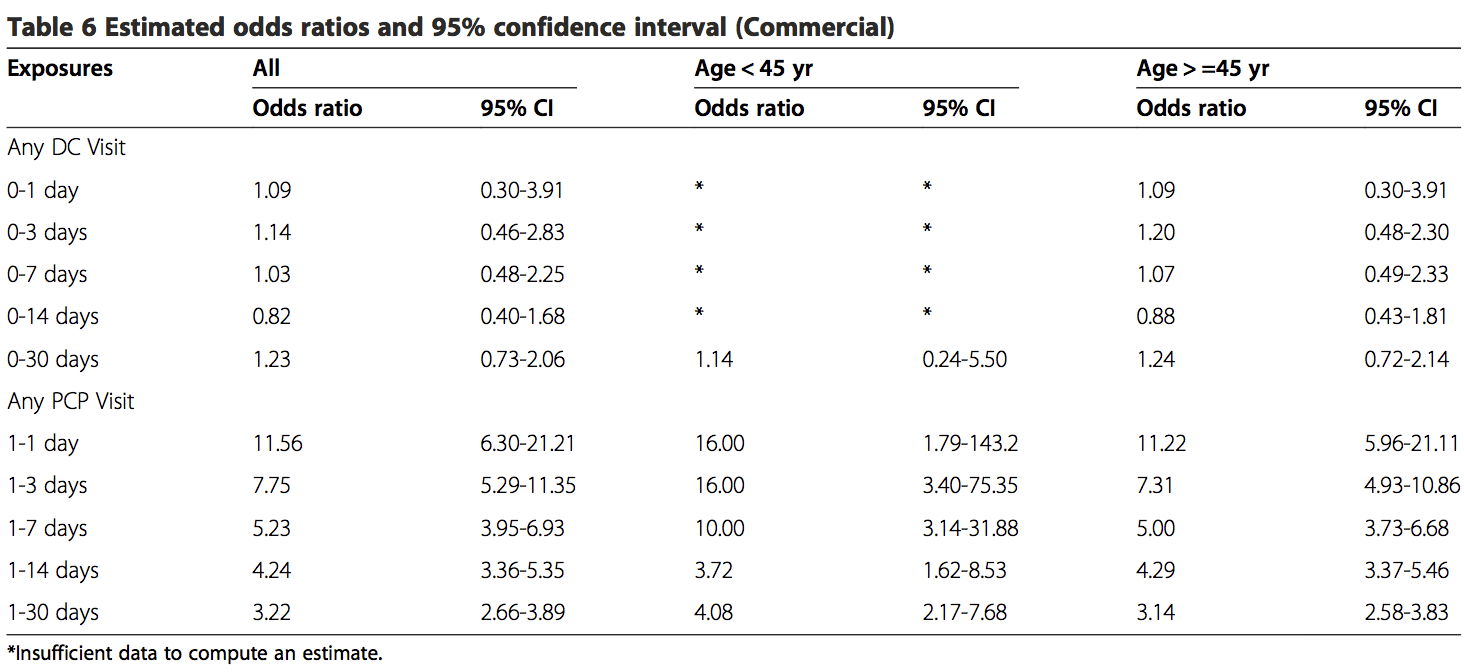
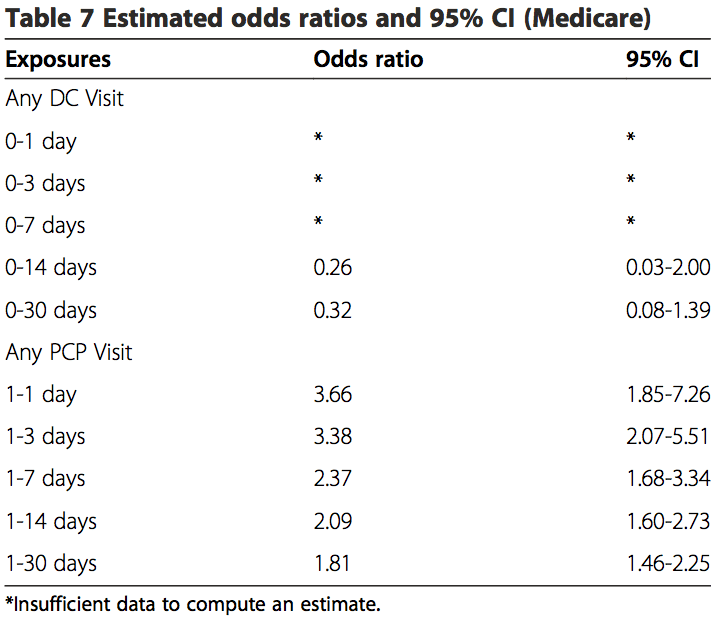
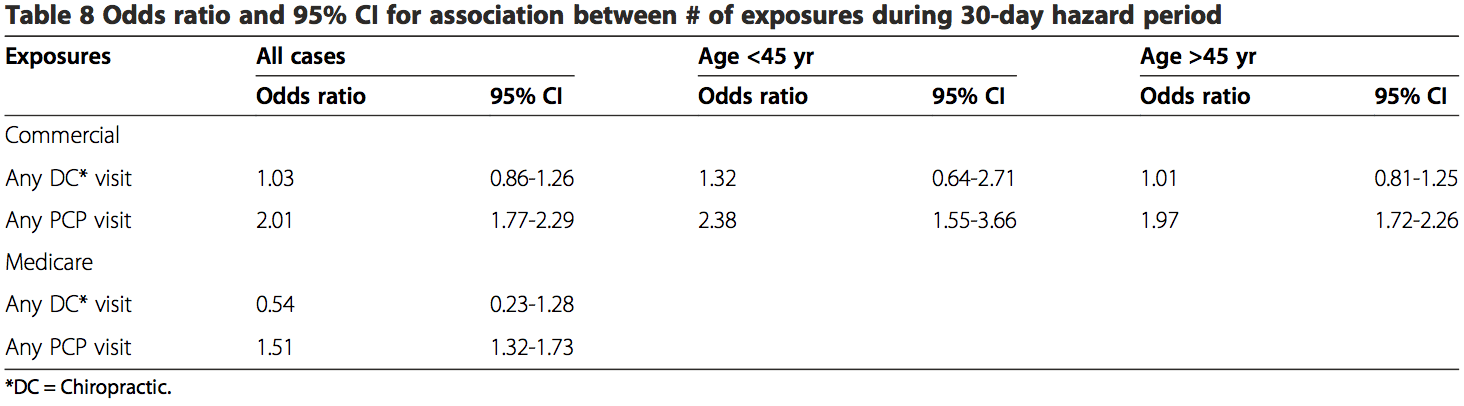
The results from the analyses of both the commercial population and the MA population were similar (Tables 6, 7 and 8). There was no association between chiropractic visits and VBA stroke found for the�overall sample, or for samples stratified by age. No estimated odds ratio was significant at the 95% confidence level. MA data were insufficient to calculate statistical measures of association for hazard periods less than 0�14 days for chiropractic visits. When stratified by age, the data were too sparse to calculate measures of association for hazard periods less than 0�30 days in the commercial population. The data were too few to analyze associative risk by headache and/or neck pain diagnoses (data not shown).
These results showed there is an association existing between PCP visits and VBA stroke incidence regardless of age or length of hazard period. A strong association was found for those visits close to the index date (OR 11.56; 95% CI 6.32-21.21) for all patients with a PCP visit within 0�1 day hazard period in the commercial sample. There was an increased risk of VBA stroke associated with each PCP visit within 30-days prior to the index date for MA patients (OR 1.51; 95% CI 1.32-1.73) and commercial patients (OR 2.01; 95% CI 1.77-2.29).
The findings of the secondary analysis showed � that of 1159 stroke cases from commercial population � there were a total of 19 stroke cases associated with chiropractic visits for which 13 (68%) had claims documentation indicating chiropractic SMT was performed. For the control group of the commercial cohort, 62 of 4633 controls had claims of any kind of chiropractic visits and 47 of 4633 controls had claims of SMT. In the commercial control group, 47 of 62 DC visits (76%) included SMT in the claims data. Only 1 of 2 stroke cases in the MA population included SMT in the claims data. For the MA cohort, 21 of 24 control chiropractic visits (88%) included SMT in the claims data (Table 9).
None of the stroke cases in either population included CPT 97140 as a substitute for the more conventionally re- ported chiropractic manipulative treatment procedural codes (98940 � 98942). For the control groups, there were three instances where CPT 97140 was reported without CPT 98940 � 98942 in the commercial population. The CPT code 97140 was not reported in MA control cohort.
Discussion
The primary aim of the present study was to investigate the association between chiropractic manipulative treatment and VBA stroke in a sample of the U.S. population. This study was modeled after a case�control design previously conducted for a Canadian population [32]. Administrative data for enrollees in a large national health care insurer were analyzed to explore the occurrence of VBA stroke across different time periods of exposure to chiropractic care in comparison with PCP care.
Unlike Cassidy et al. [32] and most other case�control studies [33,37,38], our results showed there was no significant association between VBA stroke and chiropractic visits. This was the case for both the commercial and MA populations. In contrast to two earlier case�control studies [32,33], this lack of association was found to be irrespective of age. Although, our results (Table 8) did lend credence to previous reports that VBA stroke occurs more frequently in patients under the age of 45 years. Additionally, the results from the present study did not identify a relevant temporal impact. There was no significant association, when the data were sufficient to calculate estimates, between chiropractic visits and stroke regardless of the hazard period (timing of most recent visit to a chiropractor and the occurrence of stroke).
There are several possible reasons for the variation in results with previous similar case�control studies. The younger (<45 yrs.) commercial cohort that received chiropractic care in our study had noticeably fewer cases. The 0�30 days hazard period included only 2 VBA stroke cases. There were no stroke cases for other hazard periods in this population. In contrast, earlier studies reported sufficient cases to calculate risk estimates for most hazard periods [32,33].
Another factor that potentially influenced the difference in results concerns the accuracy of hospital claims data in the U.S. vs. Ontario, Canada. The source population in the Province of Ontario was identified, in part, from the Discharge Abstract Database (DAD). The DAD includes hospital discharge and emergency visit diagnoses that have undergone a standardized assessment by a medical records coder [39]. To the best of our know- ledge, similar quality management practices were not routinely applied to hospital claims data used in sourcing the population for our study.
An additional reason for the disparity in results may be due to differences in the proportions of chiropractic visits where SMT was reportedly performed. Our study showed that SMT was not reported by chiropractors in more than 30% of commercial cases. It is plausible that a number of the cases in earlier studies also did not�include SMT as an intervention. Differences between studies in the proportion of cases reporting SMT may have affected the calculation of risk estimates.
Also, there were an insufficient number of cases having cervical and/or headache diagnoses in our study. Therefore, our sample population may have included proportionally less cases where cervical manipulation was performed.
Our results were consistent with previous findings [32,33] in showing a significant association between PCP visits and VBA stroke. The odds ratios for any PCP visit increase dramatically from 1�30 days to 1�1 day (Tables 6 and 7). This finding is consistent with the hypothesis that patients are more likely to see a PCP for symptoms related to vertebral artery dissection closer to the index date of their actual stroke. Since it is unlikely that the services provided by PCPs cause VBA strokes, the association�between recent PCP visits and VBA stroke is more likely attributable to the background risk related to the natural history of the condition [32].
A secondary goal of our study was to assess the utility of employing chiropractic visits as a surrogate for SMT. Our findings indicate there is a high risk of bias associated with using this approach, which likely overestimated the strength of association. Less than 70% of stroke cases (commercial and MA) associated with chiropractic care included SMT. A somewhat higher proportion of chiropractic visits included SMT for the control groups (commercial = 76%; MA = 88%).
There are plausible reasons that support these findings. Internal analyses of claims data (not shown) consistently demonstrate that one visit is the most common number associated with a chiropractic episode of care. The single visit may consist of an evaluation without treatment such as SMT. Further; SMT may have been viewed as contraindicated due to signs and symptoms of vertebral artery dissection (VAD) and/or stroke. This might explain the greater proportion of SMT provided to control groups in both the commercial and MA populations.
Overall, our results increase confidence in the findings of a previous study [32], which concluded there was no excess risk of VBA stroke associated chiropractic care compared to primary care. Further, our results indicate there is no significant risk of VBA stroke associated with chiropractic care. Additionally, our findings highlight the potential flaws in using a surrogate variable (chiropractic visits) to estimate the risk of VBA stroke in association with a specific intervention (manipulation).
Our study had a number of strengths and limitations. Both case and control data were extracted from the same source population, which encompassed national health plan data for approximately 36 million�commercial and 3 million MA members. A total of 1,829 cases were identified, making this the largest case� control study to investigate the association between chiropractic manipulation and VBA stroke. Due to the nationwide setting and large sample size, our study likely reduced the risk of bias related to geographic factors. However, there was a risk of selection bias � owing to the data set being from a single health insurer � including income status, workforce participation, and links to health care providers and hospitals.
Our study closely followed a methodological approach that had previously been described [32], thus allowing for more confident comparisons.
The current investigation analyzed data for a number of comorbid conditions that have been identified as potentially modifiable risk factors for a first ischemic stroke [40]. The differences between groups were statistically significant for most comorbidities. Information was not obtainable about behavioral comorbid factors e.g., smoking and body mass. With the exception of hypertensive disease, there are reasons to question the clinical significance of these conditions in the occurrence of ischemic stroke due to vertebral artery dissection. A large multinational case-referent study investigated the association between vascular risk factors (history of vascular disease, hypertension, smoking, hypercholesterolemia, diabetes mellitus, and obesity/overweight) for ischemic stroke and the occurrence of cervical artery dissection [41]. Only hypertension had a positive association (odds ratio 1.67; 95% confidence interval, 1.32 to 2.1; P <0.0001) with cervical artery dissection.
While the effect of other unmeasured confounders cannot be discounted, there is reason to suspect the absence of these data was not deleterious to the results. Cassidy, et al. found no significant differences in the results their case-crossover design, which affords better control of unknown confounding variables, and the findings of their case�control study [32].
Our results highlight just how unusual VBA stroke is in the MA cohort (prevalence = 0.021%) and � even more so � for the commercial population (prevalence = 0.0032%). As a result, some limitations of this study re- lated to the rarity of reporting VBA stroke events. Despite the larger number of cases, data were insufficient to calculate estimates and confidence intervals for seven measures of exposure (4 commercial and 3 MA) for chiropractic visits. Additionally, we were not able to compute estimates specifically for headache and neck pain diagnoses due to small numbers. Confidence intervals associated with estimates tended to be wide making the results imprecise [42].
There were limitations related to the use of administrative claims data. �Disadvantages of using secondary data for research purposes include: variations in coding from hospital to hospital or from department to department, errors in coding and incomplete coding, for example in the presence of comorbidities. Random errors in coding and registration of discharge diagnoses may dilute and attenuate estimates of statistical association� [43]. The recordings of unvalidated hospital discharge diagnostic codes for stroke have been shown to be less precise when compared to chart review [44,45] and validated patient registries�[43,46]. Cassidy, et al. [32] conducted a sensitivity analysis to determine the effect of diagnostic misclassification bias. Their conclusions did not change when the effects of misclassification were assumed to be similarly distributed between chiropractic and PCP cases.
A particular limitation in using administrative claims data is the paucity of contextual information surround- ing the clinical encounters between chiropractors/PCPs and their patients. Historical elements describing the occurrence/absence of recent trauma or activities reported in case studies [47-51] as potential risk factors for VBA stroke were not available in claims data. Confidence was low concerning the ability of claims data to provide accurate and complete reporting of other health disorders, which have been described in case�control designs as being associated with the occurrence of VBA stroke e.g., migraine [52] or recent infection [53]. Symptoms and physical examination findings that would have permitted further stratification of cases were not reported in the claims data.
The reporting of clinical procedures using current pro- cedural terminology (CPT) codes presented additional shortcomings concerning the accuracy and interpretation of administrative data. One inherent constraint was the lack of anatomic specificity associated with the use of standardized procedural codes in claims data. Chiropractic manipulative treatment codes (CPT 98940 � 98942) have been formatted to describe the number of spinal regions receiving manipulation. They do not identify the particular spinal regions manipulated.
Also, treatment information describing the type(s) of manipulation was not available. When SMT was re- ported, claims data could not discriminate among the range of techniques including thrust or rotational manipulation, various non-thrust interventions e.g., mechanical instruments, soft tissue mobilizations, muscle energy techniques, manual cervical traction, etc. Many of these techniques do not incorporate the same bio- mechanical stressors associated with the type of manipulation (high velocity low amplitude) that has been investigated as a putative risk factor for VBA stroke [54-56]. It seems plausible that the utility of future VBA stroke research would benefit from explicit descriptions of the particular type of manipulation performed.
Moreover, patient responses to care � including any adverse events suggestive of vertebral artery dissection or stroke-like symptoms � were not obtainable in the data set used for the current study.
In the absence of performing comprehensive clinical chart audits, it is not possible to know from claims data what actually transpired in the clinical encounter. Further, chart notes may themselves be incomplete or otherwise fail to precisely describe the nature of interventions [57]. Therefore, manipulation codes represent surrogate
measures, albeit more direct surrogate measures, than simply using the exposure to chiropractic visits.
Our study was also limited to replication of the case� control design described by Cassidy, et al. [32]. For pragmatic reasons, we did not attempt to conduct a case-crossover design. While the addition of a case- crossover design would have provided better control of confounding variables, Cassidy, et al. [32] showed the results were similar for both the case control and case crossover studies.
The findings of this case�control study and previous retrospective research underscore the need to rethink how to better conduct future investigations. Researchers should seek to avoid the use of surrogate measures or use the least indirect measures available. Instead, the focus should be on capturing data about the types of services and not the type of health care provider.
In alignment with this approach, it is also important for investigators to access contextual data (e.g., from electronic health records), which can be enabled by qualitative data analysis computer programs [58]. The acquisition of the elements of clinical encounters � including history, diagnosis, intervention, and adverse events � can provide the infrastructure for more action- able research. Because of the rarity of VBA stroke, large data sets (e.g., registries) containing these elements will be necessary to achieve adequate statistical power for making confident conclusions.
Until research efforts produce more definitive results, health care policy and clinical practice judgments are best informed by the evidence about the effectiveness of manipulation, plausible treatment options (including non-thrust manual techniques) and individual patient values [20].
Conclusions
Our findings should be viewed in the context of the body of knowledge concerning the risk of VBA stroke. In contrast to several other case�control studies, we found no significant association between exposure to chiropractic care and the risk of VBA stroke. Our secondary analysis clearly showed that manipulation may or may not have been reported at every chiropractic visit. Therefore, the use of chiropractic visits as a proxy for manipulation may not be reliable. Our results add weight to the view that chiropractic care is an unlikely cause of VBA strokes. However, the current study does not exclude cervical manipulation as a possible cause or contributory factor in the occurrence of VBA stroke.
Authors’ Contributions
DE conceived of the study, and participated in its design and coordination. JT participated in the design of the study, performed the statistical analysis and helped to draft the manuscript. TMK participated in the design and coordination of the study, and wrote the initial draft and revisions of the manuscript. WMB participated in the coordination of the study and the statistical analysis, and helped to draft the manuscript. All authors contributed to the interpretation of the data. All authors read and approved the final manuscript.
Author Details
1Optum Health � Clinical Programs at United Health Group, 11000 Optum Circle, Eden Prairie MN 55344, USA. 2Optum Health � Clinical Analytics at United Health Group, 11000 Optum Circle, Eden Prairie MN 55344, USA.
Received: 14 October 2014 Accepted: 28 April 2015
Published Online: 16 June 2015
References
1. Paulose R, Hertz R. The burden of pain among adults in the United States. In Pfizer Facts. Edited by Pfizer Inc. 2008. [http://www.pfizer.com/files/products/PF_Pain.pdf] Accessed May 14, 2014.
2. Carroll L, Hogg-Johnson S, van der Velde G, Haldeman S, Holm L, Carragee E, et al. Bone and Joint Decade 2000�2010 Task Force on Neck Pain and Its Associated Disorders: Course and prognostic factors for neck pain in the
general population: results of the Bone and Joint Decade 2000�2010 Task Force on Neck Pain and Its Associated Disorders. Spine (Phila Pa 1976).2008;33(4 Suppl):S75�82.
3. Hoy D, Protani M, De R, Buchbinder R. The epidemiology of neck pain. Best Pract Res Clin Rheumatol. 2010;24(6):783�92.
4. Jacobs J, Andersson G, Bell J, Weinstein S, Dormans J, Gnatz S, et al. Spine: low back and neck pain. In The Burden of Musculoskeletal Diseases in the United States. Chapter 2. Edited by Bone and Joint Decade USA
2002�2011. Rosemont, IL: The American Academy of Orthopaedic Surgeons; 2008:21�56.
5. Christensen M, Kollasch M, Hyland J, Rosner A. Chapter 8 � Patient Conditions. In Practice Analysis of Chiropractic: A Project Report, Survey Analysis, and Summary of the Practice of Chiropractic Within the United States. Greeley, CO: The National Board of Chiropractic Examiners. 2010:95�120.
6. Christensen M, Kollasch M, Hyland J, Rosner A. Chapter 9 � Professional functions and treatment procedures. In Practice Analysis of Chiropractic: A Project Report, Survey Analysis, and Summary of the Practice of
Chiropractic Within the United States. Greeley, CO: The National Board of Chiropractic Examiners. 2010:121�136.
7. D�Sylva J, Miller J, Gross A, Burnie S, Goldsmith G, Graham N, et al. Manual therapy with or without physical medicine modalities for neck pain: a systematic review. Man Ther. 2010;15(4):415�33.
8. Gross A, Miller J, D�Sylva J, Burnie S, Goldsmith G, Graham N, et al. Manipulation or mobilisation for neck pain: A Cochrane review. Man Ther. 2010;15(4):315�33.
9. Bryans R, Decina P, Descarreaux M, Duranleau M, Marcoux H, Potter B, et al. Evidence-based guidelines for the chiropractic treatment of adults with neck pain. J Manipulative Physiol Ther. 2014;37(1):42�63.
10. Bryans R, Descarreaux M, Duranleau M, Marcoux H, Potter B, Ruegg R, et al. Evidence-based guidelines for the chiropractic treatment of adults withheadache. J Manipulative Physiol Ther. 2011;34(5):274�89.
11. Childs J, Cleland J, Elliott J, Teyhen D, Wainner R, Whitman J, et al. Neck pain: clinical practice guidelines linked to the International Classification of Functioning, Disability, and Health from the Orthopaedic
Section of the American Physical Therapy Association. J Orthop Sports Phys Ther. 2008;38(9):A1�A34.
12. Clar C, Tsertsvadze A, Court R, Hundt G, Clarke A, Sutcliffe P. Clinical effectiveness of manual therapy for the management of musculoskeletal and non-musculoskeletal conditions: systematic review and update of UK
evidence report. Chiropr Man Therap. 2014;22(1):12.
13. Vincent K, Maigne J, Fischhoff C, Lanlo O, Dagenais S. Systematic review of manual therapies for nonspecific neck pain. Joint Bone Spine. 2013;80(5):508�15.
14. Bronfort G, Assendelft W, Evans R, Haas M, Bouter L. Efficacy of spinal manipulation for chronic headache: a systematic review. J Manipulative Physiol Ther. 2001;24(7):457�66.
15. Chaibi A, Tuchin P, Russell M. Manual therapies for migraine: a systematic review. J Headache Pain. 2011;12(2):127�33.
16. Racicki S, Gerwin S, Diclaudio S, Reinmann S, Donaldson M. Conservative physical therapy management for the treatment of cervicogenic headache: a systematic review. J Man Manip Ther. 2013;21(2):113�24.
17. Cassidy J, Bronfort G, Hartvigsen J. Should we abandon cervical spine manipulation for mechanical neck pain? No BMJ. 2012;344, e3680.
18. Wand B, Heine P, O�Connell N. Should we abandon cervical spine manipulation for mechanical neck pain? Yes BMJ. 2012;344, e3679.
19. Moloo J. What’s the Best Approach for Managing Neck Pain? NEJM Journal Watch 2012. [http://www.jwatch.org/jw201202090000004/2012/02/09/whats-best-approach-managing-neck-pain] Accessed May 14, 2014.
20. Schneider M, Weinstein S, Chimes G. Cervical manipulation for neck pain. PM&R. 2012;4(8):606�12.
21. Biller J, Sacco R, Albuquerque F, Demaerschalk B, Fayad P, Long P, et al. Cervical arterial dissections and association with cervical manipulative therapy:a statement for healthcare professionals from the American Heart Association/American Stroke Association. Stroke 2014, Epub ahead of print.
22. American Chiropractic Association: ACA Response to AHA Statement on Neck Manipulation. 2014 (Aug 7). [http://www.acatoday.org/press_css.cfm? CID=5534] Accessed August 15, 2014.
23. American Physical Therapy Association: APTA responds to American Heart Association cervical manipulation paper. 2014 (Aug 7). [http://www.apta.org/Media/Releases/Consumer/2014/8/7/] Accessed August 15, 2014.
24. Kardys JA. Declaratory ruling regarding informed consent. Connecticut State Board of Chiropractic Examiners � State of Connecticut Department of Public Health. 2010. [http://www.ctchiro.com/upload/news/44_0.pdf]
Accessed May 14, 2014.
25. Wangler M, Fujikawa R, Hestb�k L, Michielsen T, Raven T, Thiel H, et al. Creating European guidelines for Chiropractic Incident Reportingand Learning Systems (CIRLS): relevance and structure. Chiropr Man
Therap. 2011;19:9.
26. Berger S: How safe are the vigorous neck manipulations done by chiropractors? Washington Post 2014 (Jan. 6). [http://www.washingtonpost.com/national/health-science/how-safe-are-the-vigorous-neck-manipulationsdone-by-chiropractors/2014/01/06/26870726-5cf7-11e3-bc56-c6ca94801fac_story.html] Accessed January 10, 2014.
27. Group wants provincial ban on some neck manipulation by chiropractors. Winnipeg Free Press 2012 (Oct 4). [http://www.winnipegfreepress.com/local/Group-wants-provincial-ban-on-some-neck-manipulation-bychiropractors-172692471.htm] Accessed May 14, 2014.
28. Gouveia L, Castanho P, Ferreira J. Safety of chiropractic interventions: a systematic review. Spine (Phila Pa 1976). 2009;34(11):E405�13.
29. Carlesso L, Gross A, Santaguida P, Burnie S, Voth S, Sadi J. Adverse events associated with the use of cervical manipulation and mobilization for the treatment of neckpain in adults: a systematic review. Man Ther. 2010;15(5):434 44.
30. Chung C, C�t� P, Stern P, L’Esp�rance G. The association between cervical spine manipulation and carotid artery dissection: a systematic review of the literature. J Manipulative Physiol Ther 2014, [Epub ahead of print].
31. Haynes M, Vincent K, Fischhoff C, Bremner A, Lanlo O, Hankey G. Assessing the risk of stroke from neck manipulation: a systematic review. Int J Clin Pract. 2012;66(10):940�7.
32. Cassidy J, Boyle E, Cote P, He Y, Hogg-Johnson S, Silver F, et al. Risk of vertebrobasilar stroke and chiropractic care: results of a population-based case�control and case-crossover study. Spine (Phila Pa 1976).
2008;33 Suppl 4:S176�83.
33. Rothwell D, Bondy S, Williams J. Chiropractic manipulation and stroke: a population-based case�control study. Stroke. 2001;32(5):1054�60.
34. Choi S, Boyle E, C�t� P, Cassidy JD. A population-based case-series of Ontario patients who develop a vertebrobasilar artery stroke after seeing a chiropractor. J Manipulative Physiol Ther. 2011;34(1):15�22.
35. U.S. Census Bureau: State and County QuickFacts. Data derived from Population Estimates, American Community Survey, Census of Population and Housing, State and County Housing Unit Estimates, County Business
Patterns, Nonemployer Statistics, Economic Census, Survey of Business Owners, Building Permits. 2014 (rev July 8). [http://quickfacts.census.gov/qfd/states/00000.html] Accessed August 19, 2014.
36. Kosanke J, Bergstralh E. GMatch Macro (SAS program): Mayo Clinic College of Medicine. 2004. [http://www.mayo.edu/research/departments-divisions/department-health-sciences-research/division-biomedical-statisticsinformatics/software/locally-written-sas-macros]Accessed June 6, 2014.
37. Smith W, Johnston S, Skalabrin E, Weaver M, Azari P, Albers G, et al. Spinal manipulative therapy is an independent risk factor for vertebral artery dissection. Neurology. 2003;60(9):1424�8.
38. Engelter S, Grond-Ginsbach C, Metso T, Metso A, Kloss M, Debette S, et al. Cervical Artery Dissection and Ischemic Stroke Patients Study Group: Cervical artery dissection: trauma and other potential mechanical trigger
events. Neurology. 2013;80(21):1950�7.
39. Ardal S, Baigent L, Bains N, Hay C, Lee P, Loomer S: The health analyst�s toolkit. Ministry of Health and Long-Term Care Health Results Team – Information Management. Ontario (CA) 2006 (January) [http://www.health.gov.on.ca/transformation/providers/information/resources/analyst_toolkit.pdf]
Accessed January 12, 2015.
40. Sacco RL, Benjamin EJ, Broderick JP, Dyken M, Easton JD, Feinberg WM, et al. American Heart Association Prevention Conference. IV. Prevention and rehabilitation of stroke. Risk factors. Stroke. 1997;28(7):1507�17.
41. Debette S, Metso T, Pezzini A, Abboud S, Metso A, Leys D, et al. Cervical Artery Dissection and Ischemic Stroke Patients (CADISP) Group: Association of vascular risk factors with cervical artery dissection and ischemic stroke in
young adults. Circulation. 2011;123(14):1537�44.
42. Guyatt G, Oxman A, Kunz R, Brozek J, Alonso-Coello P, Rind D, et al. GRADE guidelines 6. Rating the quality of evidence � imprecision. J Clin Epidemiol. 2011;64(12):1283�93.
43. Krarup L, Boysen G, Janjua H, Prescott E, Truelsen T. Validity of stroke diagnoses in a National Register of Patients. Neuroepidemiology. 2007;28(3):150�4.
44. Goldstein L. Accuracy of ICD-9-CM coding for the identification of patients with acute ischemic stroke: effect of modifier codes. Stroke. 1998;29(8):1602�4.
45. Liu L, Reeder B, Shuaib A, Mazagri R. Validity of stroke diagnosis on hospital discharge records in Saskatchewan, Canada: implications for stroke surveillance. Cerebrovasc Dis. 1999;9(4):224�30.
46. Ellekjaer H, Holmen J, Kr�ger O, Terent A. Identification of incident stroke in Norway: hospital discharge data compared with a population-based stroke register. Stroke. 1999;30(1):56�60.
47. Braksiak R, Roberts D. Amusement park injuries and deaths. An Emerg Med. 2002;39(1):65�72.
48. Dittrich R, Rohsbach D, Heidbreder A, Heuschmann P, Nassenstein I, Bachmann R, et al. Mild mechanical traumas are possible risk factors for cervical artery dissection. Cerebrovasc Dis. 2007;23(4):275�81.
49. Mas J, Bousser M, Hasboun D, Laplane D. Extracranial vertebral artery dissection: a review of 13 cases. Stroke. 1987;18(6):1037�47.
50. Slankamenac P, Jesic A, Avramov P, Zivanovic Z, Covic S, Till V. Multiple cervical artery dissection in a volleyball player. Arch Neuro. 2010;67(8):1024�5.
51. Weintraub M. Beauty parlor stroke syndrome: report of five cases. JAMA. 1993;269(16):2085�6.
52. Tzourio C, Benslamia L, Guilllon B, A�di S, Bertrand M, Berthet K, et al. Migraine and the risk of cervical artery dissection: a case control study. Neurology. 2002;59(3):435�7.
53. Guillon B, Berthet K, Benslamia L, Bertrand M, Bousser M, Tzourio C. Infection and the risk of cervical artery dissection: a case�control study. Stroke. 2003;34(7):e79�81.
54. Symons B, Leonard TR, Herzog W. Internal forces sustained by the vertebral artery during spinal manipulative therapy. J Manip Physiol Ther.2002;25(8):504�10.
55. Wuest S, Symons B, Leonard T, Herzog W. Preliminary report: biomechanics of vertebral artery segments C1-C6 during cervical spinal manipulation. J Manip Physiol Ther. 2010;33(4):273�8.
56. Herzog W, Leonard TR, Symons B, Tang C, Wuest S. Vertebral artery strains during high-speed, low amplitude cervical spinal manipulation. J Electromyogr Kinesiol. 2012;22(5):747�51.
57. Centers for Medicare & Medicaid: Comprehensive error rate testing (CERT). 2015 (Jan. 15). [http://www.cms.gov/Research-Statistics-Data-and-Systems/Monitoring-Programs/Medicare-FFS-Compliance-Programs/CERT/index.html?redirect=/cert] Accessed February 4, 2015.
58. Welsh E: Dealing with data: using NVivo in the qualitative data analysis process. Forum: Qualitative Social Research 2002, 3(2): Art. 26 [http://nbnresolving.de/urn:nbn:de:0114-fqs0202260] Accessed February 4, 2015.
IFM's Find A Practitioner tool is the largest referral network in Functional Medicine, created to help patients locate Functional Medicine practitioners anywhere in the world. IFM Certified Practitioners are listed first in the search results, given their extensive education in Functional Medicine

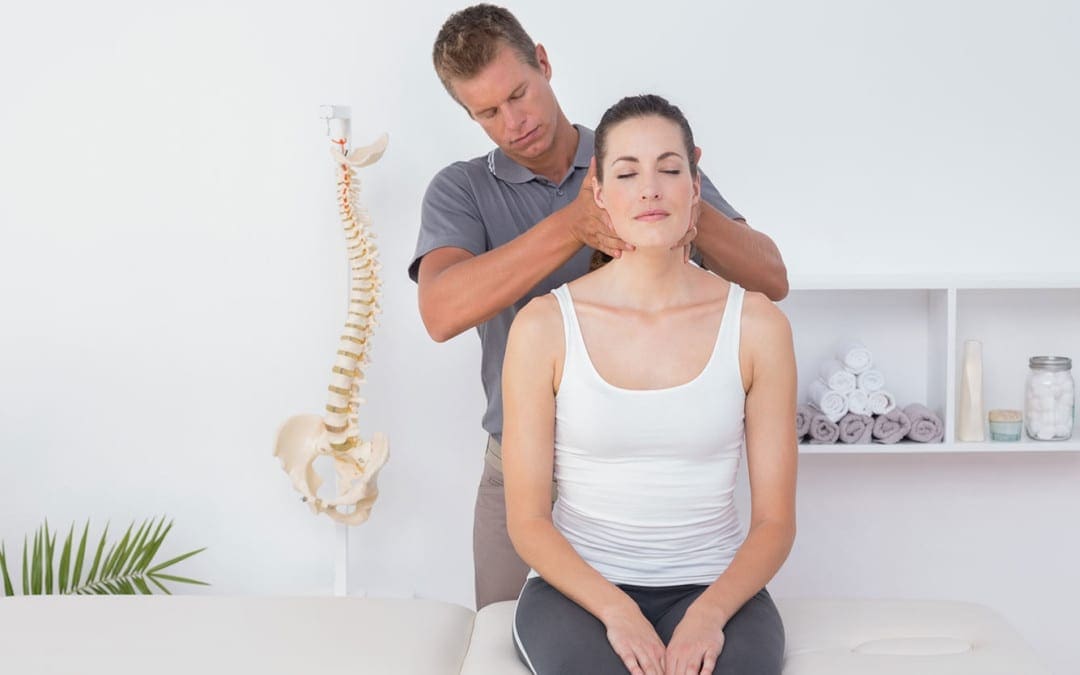


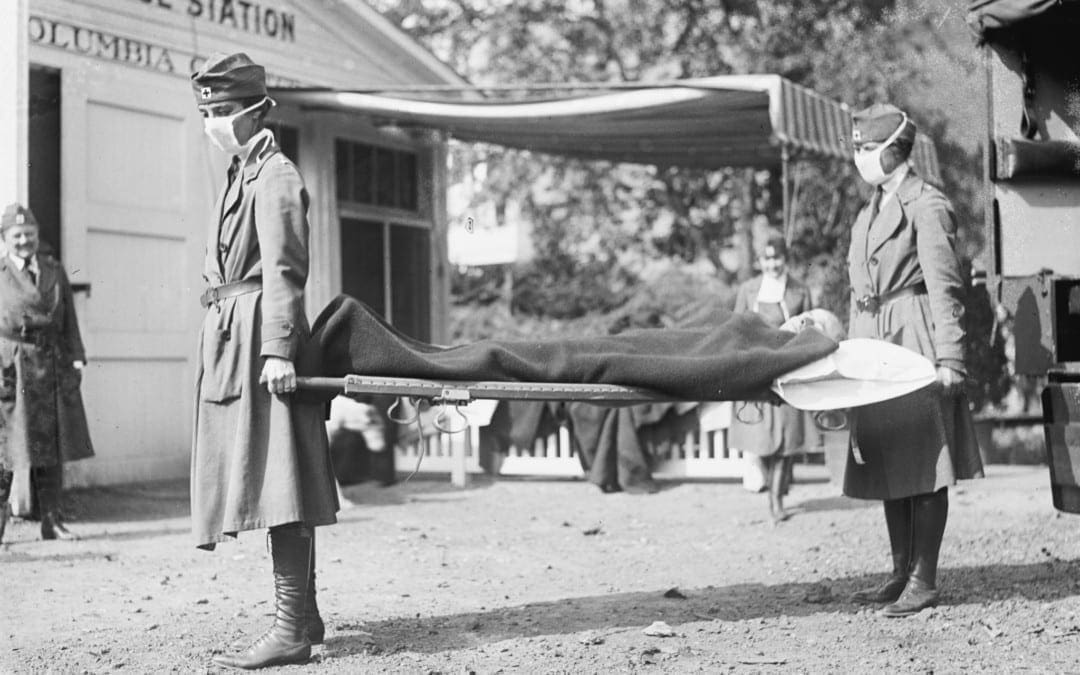
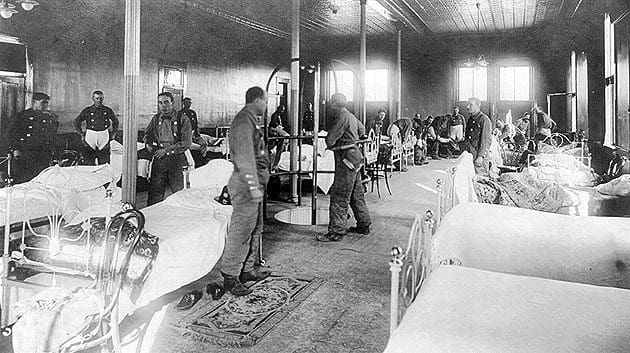
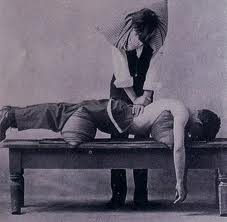



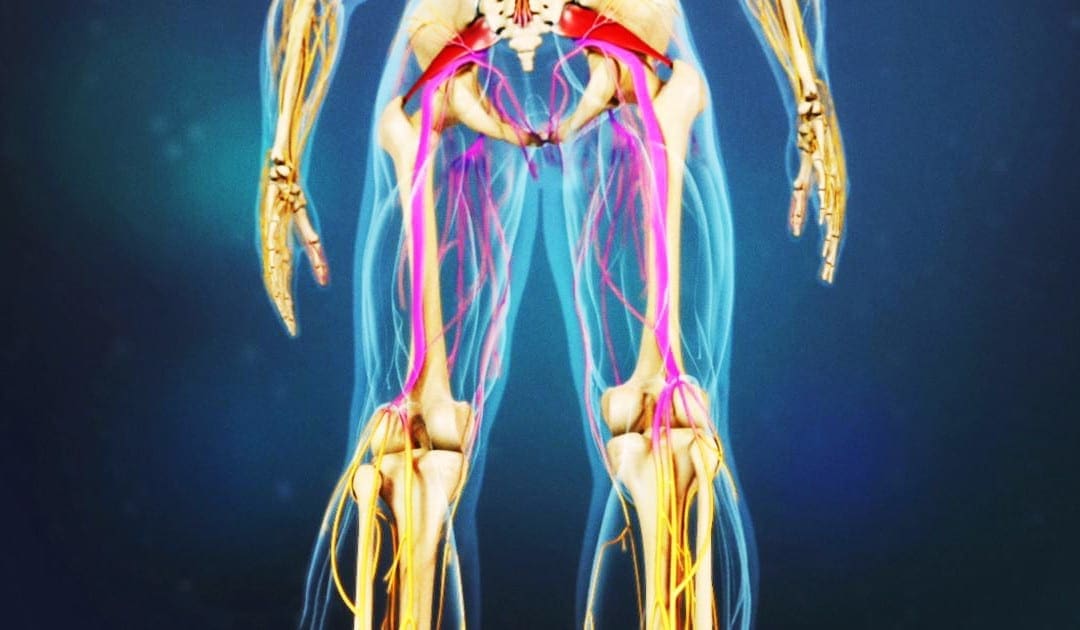


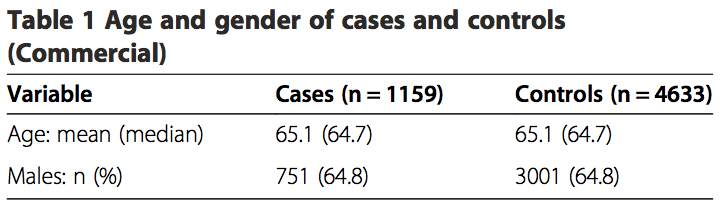
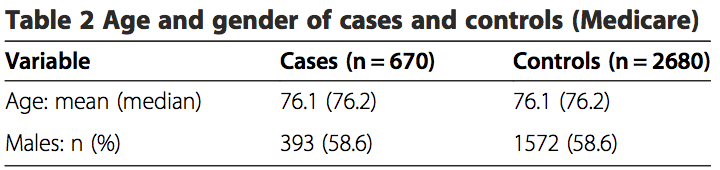
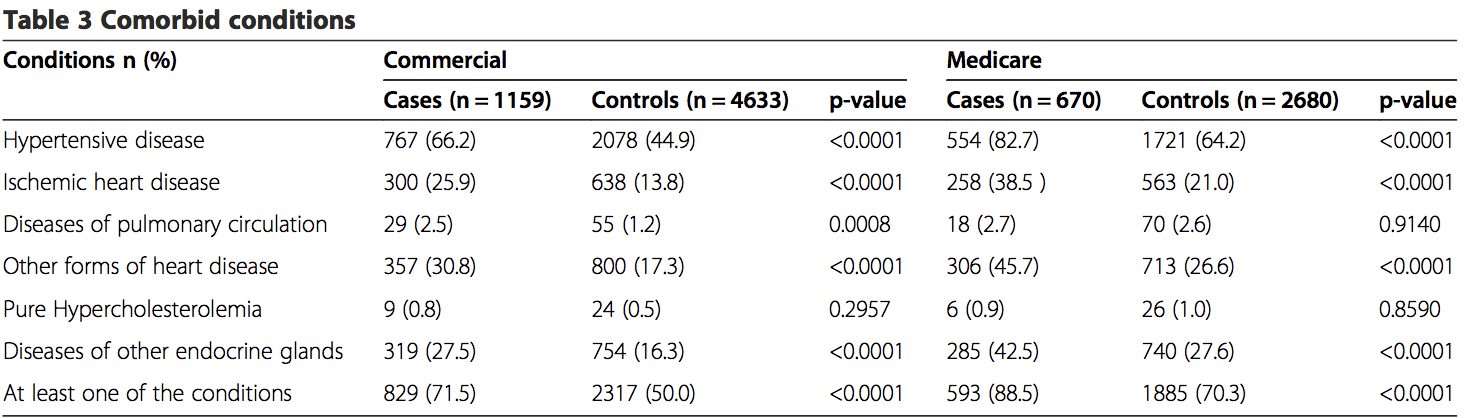 Among the commercially insured, 1.6% of stroke cases had visited chiropractors within 30 days of being admit- ted to the hospital, as compared to 1.3% of controls visit- ing chiropractors within 30 days prior to their index date. Of the stroke cases, 18.9% had visited a PCP within 30 days prior to their index date, while only 6.8% of controls had visited a PCP (Table 4). The proportion of exposures for chiropractic visits was lower in the MA sample within the 30-day hazard period (cases = 0.3%; controls = 0.9%). However, the proportion of exposures for PCP visits was higher, with 21.3% of cases having PCP visits as compared to12.9% for controls (Table 5).
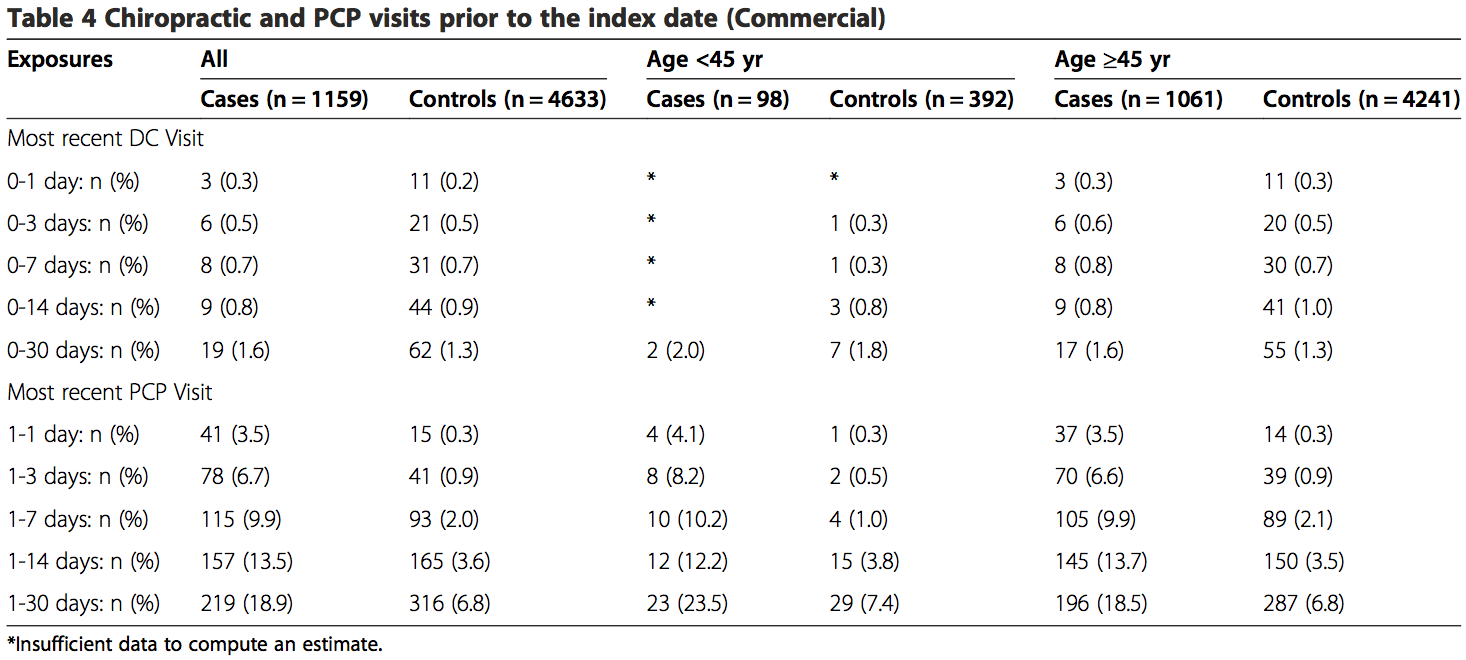
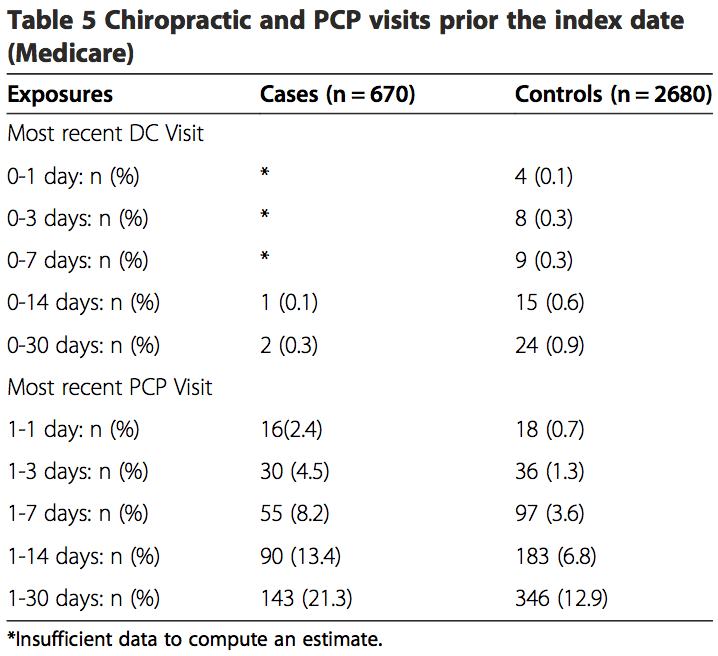 The results from the analyses of both the commercial population and the MA population were similar (Tables 6, 7 and 8). There was no association between chiropractic visits and VBA stroke found for the�