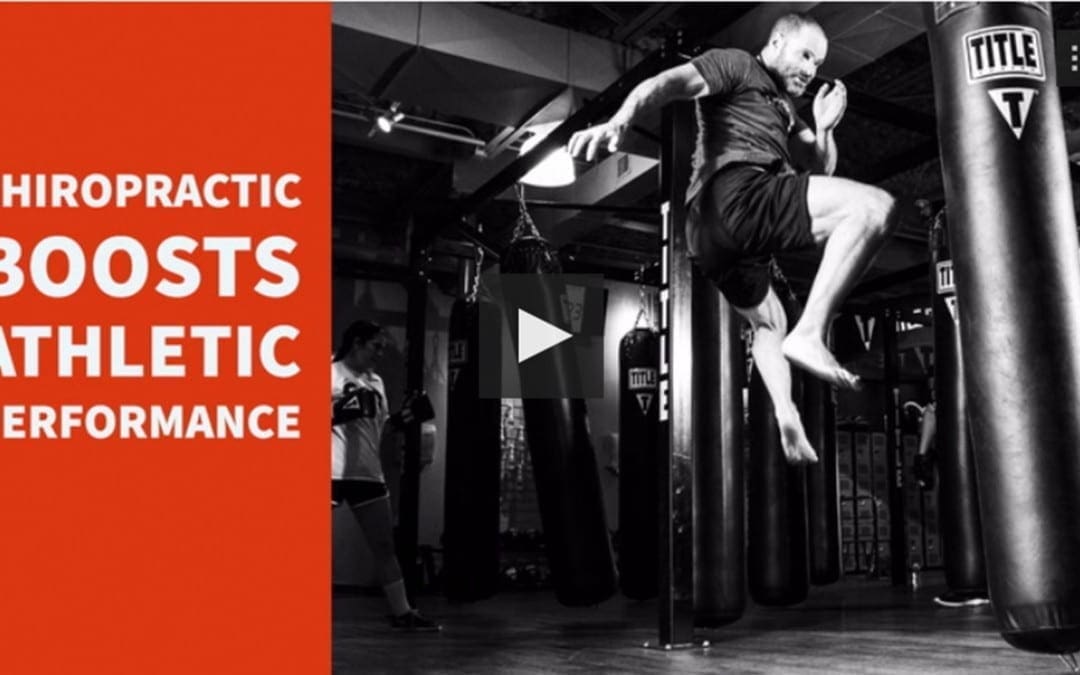
Crossfit Rehabilitation:Daniel Alvarado, owner of Push-as-RX Fitness, discusses how he carries out his CrossFit personal injury rehabilitation and athletic training program as a part of Dr. Alex Jimenez’s chiropractic rehabilitation plan. Daniel Alvarado ensures that his rehabilitation procedures complements well with Dr. Alex Jimenez’s chiropractic treatment in order to help patients return to their original state of well-being. Both Daniel Alvarado and Dr. Alex Jimenez work hard to maintain a strong dynamic between their collaborative services.
Crossfit Rehabilitation & Chiropractic Care
Crossfit Rehabilitation is a big part of Physical therapy (PT), also referred to as physiotherapy, as one of the allied health professions. By utilizing mechanical force and motions (bio-mechanics or kinesiology), manual therapy, exercise therapy, and electrotherapy, remediates impairments and promotes mobility and purpose. Physical therapy is used to enhance a patient’s quality of life through examination, diagnosis, prognosis and physical intervention. It’s performed by physical therapists (called physiotherapists in many countries).
CrossFit originated as a plan for military forces, police and fire departments, as well as other such organizations to keep their members in the very best shape in their lives. CrossFit has taken the country by storm encouraging anyone from grandparents to specialized elite military personnel to join this growing fitness movement, today.
CrossFit is a core strength and conditioning program made to generate wide-ranging responses out of anyone who engages consistently in this training. That is not a specialized program but one designed to optimize physical performance in every one of the ten fitness realms.
The CrossFit program is intended to increase physical performance of athletes in all physical performance jobs. Qualified CrossFit athletes perform at the maximal amount in multiple, physical challenges that are varied, and randomized.
This is actually the kind of strength and fitness called upon in the line of work such as police, fire fighters, as well as the military. CrossFit has been demonstrated time and time again to be successful in these venues.
Nevertheless, you don�t need to be a top athlete to engage and gain from CrossFit. In fact, everyone from highly conditioned athletes to senior citizens have began CrossFit and benefited from the plans profoundly. The load as well as intensity of the workouts predicated on amount of physical fitness although the difference isn�t in the program.
If you have enjoyed this video and/or we have helped you in any way please feel free to subscribe and share us.
Feeling back pain, being unable to perform daily tasks, workout and play sports can be frustrating for anyone. The debilitating symptoms can drive individuals to seek fast relief. But, while a person�s only concern maybe only to fix the day�s pain, fixing the root/cause of the problem is far better in the long run and�can be easily achieved from chiropractic treatment. After receiving a single adjustment, many people especially athletes can expect an increase in their range of motion and less pain. Regardless of the reasons for seeking chiropractic treatment, one question always crosses people�s minds, how often should one see a chiropractor?
The answer to that question depends on the individual�s goals. Generally, spinal complications are not the result of a single day�s activities but tend to occur gradually over a period of time. Many spine conditions and injuries result in symptoms that may intermittently increase and decrease over several years, causing constant, nagging pain or sharp, extreme pain due to wear and tear type of injuries that the body is no longer able to heal on its own.
Chiropractic Treatment Sports Injury
Healing requires time and patience, a person also needs to be aware of what caused the complications in the first place. Suddenly stopping strict exercise routines or gaining weight in a certain amount of time can create an accelerated aging process on the joints.
If an individual�s goals are solely focused on alleviating the pain resulting from one time, then it won�t take much time to heal. Generally, receiving adjustments 2-3 times per week for several weeks can ease pain and decrease other symptoms. But, if a person is seeking to relieve the symptoms associated with an underlying condition or injury, or if a person is seeking to correct an improper posture or a mechanical dysfunction, the process could be much longer. This healing process often may require about 2-3 months of regular adjustments.
Despite completing treatment and successfully alleviating any symptoms, it is recommended to continue chiropractic adjustments on a regular basis. What is considered a regular basis for adjustments? Getting adjusted at least once a week by a chiropractor can help maintain a person�s overall health and can prevent small problems from becoming greater issues. For a greater majority of individuals, especially those who sit most of the day, it�s recommended to maintain an adjustment schedule every week or two. A chiropractor will explain what is the right schedule.
By Dr. Alex Jimenez
Chiropractic Clinic Extra: Sport Injury Treatments
Wrestling Injury: Louie Martinez has had the pleasure of being a wrestling coach for approximately 15 years. Through his experience, Coach Martinez understands the importance of chiropractic care for the wrestler. Sports injuries can commonly occur in wrestling, however, Louie Martinez explains how with Dr. Alex Jimenez, it’s only a matter of visiting his clinic to receive the proper treatment to return-to-play. Coach Louie Martinez also describes how Dr. Alex Jimenez helped his sons, whom are also wrestlers, develop their overall potential.
Sports injuries are injuries which occur in sports, exercise or athletic activities. In the United States, there are approximately 30 million teens and kids alone that participate in some type of organized physical activity. About 3 million athletes, about 14 years of age and under, experience sports injuries yearly, which causes loss of time participating in their specific sport, exercise or athletic activities. Prevention helps reduce potential sport injuries. It is important to set up involvement in warm-ups, stretching, and exercises which focus on primary muscle groups commonly utilized in the sport of interest.
Please Recommend Us: If you have enjoyed this video and/or we have helped you in any way please feel free to recommend us. Thank You.
Training doesn�t make us fitter � recovery from training does. So, how do we recover? An easy jog or spin, or a lazy day on the sofa, asks Beate Stindt, chartered physiotherapist at Six Physio.
?Recovery can be either active or passive. Passive recovery is just that; total rest. A passive recovery day should not include any training. On these days you should rest and recover, which means no spring cleaning and no walking around the shops for the whole day.
An active recovery session usually involves your usual sport, be it running, swimming, cycling or yoga, but at an easy to moderate intensity. Active recovery has been likened to a short nap � the aim is to feel better at the end of your workout than you did at the beginning. Training for an event places a huge amount of stress on your body and hard sessions result in the hormone cortisol being released. Cortisol is a natural anti-inflammatory but, left to hang around in the blood for too long, can negatively interfere with muscle regeneration.
Active vs Passive Recovery
One aim of active recovery is to clear the metabolic waste resulting from exercise, as well as providing a higher level of blood flow to muscles in need of nutrients, allowing them to repair themselves.
While there is not yet conclusive evidence showing whether or not this really does result in quicker recovery, if you are going to try it, it�s important that it�s done correctly so as not to contribute to fatigue. Many athletes will use an active recovery session as a technical workout and focus on form and technique, something they might not be able to do during sessions with a higher intensity where technique work can be drowned out.
Some athletes will have a recovery workout in between two hard workouts while others may include a recovery week in their training programme. A general rule of thumb for a recovery week/session would be to reduce the volume of your training by approximately 30 per cent. If you train according to heart rate, make sure you complete your session at less than 60 per cent of your maximum heart rate. If you need a break from all technology, as a general rule you should make sure you can still continue a conversation. You should be able to speak in full sentences and not only the odd word or grunt.
Another way to make sure that you are not working too hard is to make sure you are comfortable breathing through your nose (make sure all nasal passages are clear!).
So which is best? The jury is still out. Like so many things in training, everyone has their own personal preference and it is important to find your own and do it correctly. If you�re going to include active recovery sessions as a part of your training, resign yourself to the fact that you might not get admiring looks from passers by or that you might be overtaken by your elderly neighbor on her bicycle with a fully laden basket. But remember: that�s okay!
The scope of our information is limited to chiropractic and spinal injuries and conditions. To discuss options on the subject matter, please feel free to ask Dr. Jimenez or contact us at 915-850-0900 .
Additional Topics: Chiropractic and Athletic Performance
Although warm-up stretches, exercise and plenty of training activities are practiced on a regular basis to prevent injuries, many athletes frequently experience sports injuries during their specific physical activity and/or sport. Fortunately, chiropractic care can help treat and rehabilitate athletes, in order for them to return to the field as soon as possible. Chiropractic has also been demonstrated to help increase athletic performance.
Focusing too much on playing one favorite sport probably isn’t a good idea for kids under 12, researchers report.
That’s because specializing in a single sport seems to increase a child’s risk of injury, researchers say.
“Young athletes should participate in one competitive sport per season, and take at least three months off (non-consecutive) from competition per year,” said the study’s leader, Dr. Neeru Jayanthi. He’s a physician with Emory Sports Medicine and an associate professor of orthopaedics and family medicine at Emory University in Atlanta.
For the study, Jayanthi’s team assessed the risk of sports-related injuries among nearly 1,200 young athletes. After tracking their training schedules over the course of three years, the investigators found that nearly 40 percent of the athletes suffered an injury during the study period.
The findings also showed that injured athletes began specializing in one sport at an average age younger than 12 years. In addition, nearly two-thirds of these athletes in highly specialized sports sustained a repeat injury.
Athletes who didn’t sustain injuries began to focus on one sport when they were older than 12, on average, according to the report.
“While different for each sport, determining a possible age of specialization, as well as other training factors, may help guide young athletes in reducing risk,” Jayanthi said in an Emory news release.
Young athletes who had sports-related injuries during the study period tended to play more year-round sports, played more organized sports each week and were more specialized in specific sports than those who didn’t have an injury, the researchers found.
The study authors advise young athletes to play more than one sport. In addition, they said, younger children shouldn’t train more hours than their age each week.
The study was published online March 16 in the British Journal of Sports Medicine. The findings were also presented Thursday at the International Olympic Committee World Conference on Prevention of Injury and Illness in Sport, in Monaco.
News stories are written and provided by HealthDay and do not reflect federal policy, the views of MedlinePlus, the National Library of Medicine, the National Institutes of Health, or the U.S. Department of Health and Human Services.
IFM's Find A Practitioner tool is the largest referral network in Functional Medicine, created to help patients locate Functional Medicine practitioners anywhere in the world. IFM Certified Practitioners are listed first in the search results, given their extensive education in Functional Medicine


 CrossFit originated as a plan for military forces, police and fire departments, as well as other such organizations to keep their members in the very best shape in their lives. CrossFit has taken the country by storm encouraging anyone from grandparents to specialized elite military personnel to join this growing fitness movement, today.