Created by the Academy of Nutrition and Dietetics, National Nutrition Month® is celebrated annually every March to help everyone make more informed food choices and develop healthier eating habits for improved well-being.
With many recent studies focusing on the benefits of a diet that includes probiotics, also known as “good” bacteria, and prebiotics, which act as food for probiotics and promotes their growth, here we round up some of ways that boosting levels of good bacteria could improve various conditions and overall health.
Reduce social anxiety
A 2015 study of 700 students participants found that eating fermented foods, a good source of probiotics, is associated with reduced symptoms of social anxiety.
The study, published in Psychiatry Research, also found that the link between fermented foods and reduced social anxiety was strongest among those who already rated high in neuroticism.
The findings came after an earlier study published in The Lancet Psychiatry stated that an increasing amount of evidence suggests an important relationship between the quality of diet and mental health.
Improve sleep, protect against stress
A study published just last month found that prebiotics, can help improve sleep and protect against the negative effects of stress.
The team of researchers fed 3-week-old male rats a diet of either standard chow or chow that included prebiotics, and found that those on the prebiotic diet spent more time in non-rapid-eye-movement (NREM) sleep, which is restful and restorative, than those on the non-prebiotic diet.
Rats who were on the prebiotic diet also spent more time in rapid-eye-movement (REM) sleep after being exposed to a stressor, with REM sleep is believed to be critical for promoting recovery from stress.
Previous research has also shown that stress can reduce healthy diversity of gut bacteria, but the rats on the prebiotic diet maintained a healthy and diverse gut microbiota even after exposure to stress.
Reduce obesity
A 2015 study confirmed a link between balanced intestinal flora and weight loss.
The study, published in the journal Obesity, showed that while following a four-week high-fat diet the men who drank a probiotic milkshake containing VSL3, a probiotic with multiple strains of bacteria including Lactobacillus acidophilus and Bifidobacterium longum, put on less weight than others following the diet who drank a placebo milkshake.
The researchers think that probiotics could have changed gut bacteria in a way that resulted in less body fat accumulation, and that the probiotics could have reduced fat absorption.
Reduce risk of allergies
Prebiotics have been shown in various studies to help reduce the risk of allergies.
A French study using mice found that those who received prebiotics had a lower risk of developing a wheat allergy thanks to the prebiotics improving the immune system’s tolerance to allergens, while a US study by the University of Chicago also found that in infants who had trouble tolerating cow’s milk, a new probiotic not only got rid of the allergy, but also changed the composition of their gut bacteria significantly.
A separate study also from the University of Chicago, found that supplementing rodents with probiotics containing the bacterium Clostridia later in life could reverse a peanut allergy.
Does Neck Curvature Protect You In a Car Accident?
Does the curvature of your cervical spine play a determinant in the severity of injury sustained in a motor vehicle accident?
We asked Chiropractic Biophysics, Dr. Deed Harrison to comment on this subject matter.
Unfortunately, many people can relate to having been involved in a car crash or motor vehicle collision (MVC) at some point in their lives. Whether it was a major accident or a minor one, MVC�s are no fun and can cause a variety of minor to serious injuries to those persons in the vehicles. These injuries are commonly and collectively referred to as �Whiplash Injuries�. The financial implications of a MVC, as well as interruption of your daily routine due to whiplash are also other major detriments of car crashes that may take years to recover from.
With more distracted drivers texting and speaking on their phones, MVC�s are on the rise, making for much more dangerous roadways. While we cannot control other people�s behaviors, we can certainly drive more cautiously and defensively to hopefully avoid being in a car accident. Unfortunately, MVC�s do happen despite our best efforts, so being prepared and having a plan in mind is key to recovering quickly and getting back on our feet again.
More serious car accidents mean more serious injuries, ranging from cuts and bruise to broken bones, brain damage, and even death. At first, less serious MVC�s however, may not seem like a big deal, with victims often walking away without a scratch, believing they have escaped the crash unscathed. Others may only complain of a slight headache, neck pain, stiff or kinked neck while resorting to taking over the counter pain killers, or wearing a neck brace to assist with their recovery � something that is far from addressing the true cause of the injury.
What most lay people (and even many physicians) don�t realize is the extent to which the CERVICAL LORDOIS (curvature in your neck from the side) plays a role in both: 1) the extent of the initial injury to the occupant(s) and 2) the long term pain and suffering from whiplash injury to the occupants. Furthermore, the MVC itself will damage the cervical lordosis.
1. Concerning the extent of initial injury, researchers have found that having a well preserved cervical lordosis actually prevents neck tissue damage to the sensitive cervical spine ligaments.1 In the figure at the top, the right hand image demonstrates what a normal cervical curve looks like when viewed from the side and the person facing to the right. In contrast, the same researchers identified that straightened cervical curves and worse yet, reversed (kyphotic) cervical curves predisposed to more severe cervical spine tissue injuries due to more extreme forces acting on the neck during the exact same MVC circumstances. The x-rays above at the far left and the middle show abnormal neck curves where more severe injury to the person is likely to result should they be involved in an MVC.
Thus, if you already have an abnormal cervical curvature prior to any MVC, it is in your best interest to rehabilitate the shape and amount of your cervical lordosis. If you do not, you�re at a higher risk of having more serious injuries should you be involved in a MVC.
2. In terms of long term pain and suffering, several research studies have identified that the patients who experience long term whiplash injuries and suffering are in fact the ones that have abnormal cervical lordosis. Straightened, S-curves, and Reversed cervical curvatures have been found to pre-dispose to the following conditions after MVC.
� Neck pain and stiffness,
� Headaches,
� Arm pain,
� Thoracic outlet symptoms,
� Dizziness,
� Lack of concentration,
� Degenerative arthritis in the cervical spine,
� Disc herinations.
What many whiplash injured subjects don�t realize is that a slight headache or neck pain is a true sign of a much more serious injury to your cervical lordosis and underlying neck tissues. Spinal misalignments as a result of the sudden jolt of the MVC may manifest immediately, or not become evident at all for a long period of time. But this doesn�t mean the spine is healthy or that no injury was sustained.
The fact is that MVC�s statistically damage the shape of your cervical lordosis. Researchers from Chiropractic BioPhysics have identified that the average patient exposed to a MVC will lose 10 degrees of their cervical lordosis, develop a mid cervical kyphosis, and have increased forward head posture as a result of the MVC.
A misaligned cervical curvature as a result of a MVC is a serious health condition. Altered cervical curves will cause nerve interference � hindrance of critical nerve energy that is responsible for every function of our organs, and every movement of our limbs. Ignoring the cervical spinal misalignment can manifest into pain and discomfort, fatigue, sleep disorders, organ dysfunction, depression, and eventually disease.
If you have been in a minor or major car accident, please see a corrective care chiropractor immediately for a full assessment of the health of your spine, even if you don�t feel any discomfort whatsoever. A small misalignment can only get worse with time, so addressing this injury quickly can mean a faster recovery time and less health problems in the future.
Corrective methods using Chiropractic BioPhysics��or CBP� Technique extension traction procedures and devices are the only true evidence based methods that have been shown to statistically and clinically improve the amount of cervical lordosis without the use of surgery. This has been documented in several clinical trials and case reports.8-11 Other conservative methods may restore the cervical lordosis in selected cases, but these have never been proven in clinical trials and are thus, at best, hit and miss. If you are suffering from an altered cervical lordosis as a result of a MVC, use the procedures that are truly scientifically supported.
Chiropractic Treatments for Whiplash
Whiplash Video
Because each individual case of whiplash is different, it is not possible to generalize about the chiropractic whiplash treatment.
The appropriate chiropractic treatment is unique to each whiplash injury and is directed at the primary dysfunctions detected during the chiropractic exam.
However, chiropractors commonly employ different chiropractic treatments for whiplash, often including:
Manipulation
Muscle relaxation and/or stimulation
Various exercises
Ergonomic and lifestyle changes.
This article explains when, why and how chiropractors may employ these whiplash treatments for neck pain, shoulder pain, back pain and other related symptoms.
Chiropractic Manipulation for Whiplash
The primary whiplash treatment for joint dysfunction, spinal manipulation involves the chiropractor gently moving the involved joint into the direction in which it is restricted.
Also known as a chiropractic adjustment, spinal manipulation may involve the application of a short thrust in that direction. In many cases, instead of a thrust, a slow mobilizing movement is used by the chiropractor.
The chiropractor’s primary whiplash treatment for related muscle dysfunction, muscle relaxation and/or stimulation consist of gentle stretches to the muscle that has excessive tension or repeated contractions of the muscle that is inhibited.
If the muscle is very tight, a more vigorous stretch may be applied by the chiropractor. Gentle finger pressure techniques may be applied to trigger points to relieve the pain associated with the tight muscles.
McKenzie Exercises and Stabilization/Sensorimotor Activities
View Chiropractic Videos
Chiropractors may employ different types of exercises, including McKenzie exercisesand/or stabilization and sensorimotor exercises, to help treat patients with whiplash injuries.
McKenzie exercises are specifically designed to reduce disc derangement related to a whiplash injury. They consist of simple movements that are initially done in the office but make for an easy transition to self-care at home. McKenzie exercises also help the patient take an active role in his or her own recovery
Stabilization and sensorimotor exercise approaches are designed to correct faulty movement patterns in routine activities and everyday life. Such whiplash treatment trains the nervous system to better coordinate and control movement patterns, and improves the ability of the neck muscles to maintain stability of the neck.
These exercises are designed to help in a major trauma, such as a fall or whiplash during a motor vehicle accident, or in “micro trauma” from simple things such as being jostled in a crowd, playing sports or performing occupational or home jobs that require physical effort.
Chiropractic Advice on Ergonomic and Lifestyle Changes
These whiplash treatment suggestions stress improvements for performing everyday activities with minimal strain to the body. The chiropractic advice addresses factors in an individual�s work, home or recreational activities that perpetuate the dysfunctions that result from the whiplash accident.
Additionally, spine care professionals at the chiropractic clinic may teach the patient better “use of self” and, if necessary, stress reduction methods to help chiropractic problems.
Whiplash Treatment in Chiropractic Care
Chiropractic On Cervical Spine Video
The whiplash treatment plan developed by the chiropractor for each specific problem may include one or more of these approaches and may involve others as well.
See Chiropractic Manipulation for the Cervical Spine
In addition to his or her whiplash treatment plan, the doctor of chiropractic might give a referral to another health professional, such as a medical specialist, if it is deemed appropriate.
�WHIPLASH, A SOFT TISSUE INJURY TO THE NECK, is also called neck sprain or neck strain. It is characterized by a collection of symptoms that occur following damage to the neck, usually because of sudden extension and flexion,� according to the National Institutes of Health.1
Approximately two-thirds of people involved in motor vehicle accidents develop symptoms of whiplash. The symptoms usually do not develop until two to 48 hours after the injury. Whiplash can also occur from falls, sports injuries, work injuries and other incidents.
Patients with whiplash injury may complain of pain and stiffness in the neck, extending into the shoulders and arms, upper back and even the upper chest. Two-thirds of patients suffer with headaches, especially at the base of the skull. Patients may also experience dizziness, difficulty swallowing, nausea and even blurred vision after injury, but these symptoms tend to resolve quickly.
According to Marshall, 45 percent to 85 percent of people who suffer a whiplash injury have the symptoms five years after the accident, and 82 percent had a straightening or reversal of their cervical curvature.2 “Many authors regard a straightening or reversal of the normally lordotic curvature to be one of the most significant changes of a whiplash injury.� 3
�The initial injury is due to damage of cervical muscles, ligaments, disks, blood vessels and nerves. The actual injury to soft tissues happens so rapidly that normal protective muscle reflexes cannot respond in time to decrease or prevent the injury,� according to a 2006 case report in the Journal of the American Chiropractic Association.3
The Diagnosis
To diagnose whiplash, a DC must first take a thorough history of the injury and the patient�s previous medical history. Pre-existing conditions, such as arthritis, may increase the severity of the whiplash. The DC should give the patient an in-depth physical examination with concentration on the neuromusculoskeletal system.
Similar to asking about whiplash injuries from motor vehicle accidents, DCs should ask the patient questions that reveal the details of a sports-related incident. DCs must ask patients with vehicular accident injuries, �Where was the impact from? Were you moving at the time? Did you have a seatbelt on? What type of seatbelt? Were you braced for impact? Did you hit anything in the vehicle?� says Dr. Alan Sokoloff, team chiropractor for the Baltimore Ravens. �You have to do the same for sport-related neck injuries, too,� he says.
Dr. Sokoloff explains that he �encounters doctors that say, �I do not treat sports injuries,� but if you are treating injuries from auto accidents and really dig into the mechanism of the injury with all of its details, it�s pretty much the same.�
Advanced Imaging
In some cases, advanced imaging may be necessary to make a proper diagnosis. A cervical CT scan is ordered if a DC suspects cervical spine trauma, such as a vertebral fracture, if the patient complains of paresthesia of the hands, if the patient is unconscious or has severe pain together with neurological deficits, explains Jerrold Simon, DC, president of the ACA Rehab Council.
�A cervical MRI is ordered when the whiplash patient complains of neck pain with radicular symptoms, such as a tingling sensation radiating down the arms or if there is suspected cervical spine trauma and the clinical findings suggest ligamentous damage. A cervical MRI may be ordered as a follow-up to normal cervical CT scan if the above symptoms are present,� says Dr. Simon.
Treatment
In treating whiplash injury, patients should be reminded to stay active, unless immobilization is necessary due to serious injury. �A cervical foam collar may be needed during the first few days following the incident if the cervical trauma is severe. However, in general, cervical collars are not recommended,� says Dr. Simon.
Immediately after the whiplash injury, Dr. Simon applies an ice compress to the posterior para-cervical spine musculature for about 10 minutes on a periodic basis. Ice compresses are generally only used for the first 48 hours after an injury.4
�A nutritional intervention for pain should include d-Phenylalanine 250 mg/day, dl-Phenylalanine 750 mg/day, L-tryptophan 3 g/day, and instruct the patient to to avoid coffee and other caffeinated beverages,� he says.
In addition, chiropractic care is beneficial. A retroactive study by Woodward et al. published in Injurydemonstrated that chiropractic treatment benefited 26 of 28 patients suffering from chronic whiplash syndrome.5 Chiropractic care in this study included spinal manipulation, proprioceptive neuromuscular facilitation stretching and cryotherapy [ice-pack therapy].
A neck adjustment works to improve the mobility of the spine to increase range of motion, while also enhancing movement of the adjoining muscles. This will eventually eliminate pain, soreness and stiffness and allow a patient to painlessly turn and tilt the head. In addition to adjustments, a treatment plan of mobilization, massage or rehabilitative exercises may speed up the recovery process.
�Cervical rehabilitation procedures should be considered after the initial pain and inflammation have substantially subsided,� says Dr. Simon. �Then a functional capacity evaluation with focal attention to the cervical spine should be performed to assess the magnitude and degree of upper spinal functional deficiency.�
Following this test, a DC can decide if the patient should receive a treatment of isometric cervical flexion, extension and lateral flexion against resistance exercises, a proprioceptive rocker board, wobble board and/or gym ball exercises and vibration therapy.
�Every person is different, and everyone�s ability to heal is different, so how we treat patients is very individualized,� says Dr. Sokoloff. �We will use modalities initially, if indicated. We will use soft-tissue techniques, if indicated. We will usually use a chiropractic adjustment, if indicated. But the one procedure we always use is progressive rehabilitative exercises, in office and home recommendations.�
Home recommendations include proper computer and phone ergonomics, range-of-motion exercises and icing, to name a few.
�Treatment plans that do not hold the patient responsible for helping themselves cheat everyone,� says Dr. Sokoloff. �The more a patient is informed about home icing instructions, home exercise and activity of daily living modifications, the better the outcomes are for everyone.�
What many whiplash injured subjects don�t realize is that a slight headache or neck pain is a true sign of a much more serious injury to your cervical lordosis and underlying neck tissues.�Because each individual case of whiplash is different, it is not possible to generalize about the chiropractic whiplash treatment.�For Answers to any questions you may have please call Dr. Jimenez at�915-850-0900
Peripheral neuropathy is a condition which occurs due to nerve damage in the arms, legs, hands and feet. Common symptoms include pain, tingling and burning sensations and numbness.
This type of neuropathy can be caused by a variety of factors, such as diabetes, chemotherapy, statin medications, disc herniation and trauma from an injury, toxic metal exposure, chronic alcohol consumption and vitamin deficiencies. Recent research studies, however, have associated peripheral nerve damage to gluten sensitivity and celiac disease.
Celiac disease is an autoimmune disorder that generally affects the individual’s digestive tract. When a person with celiac disease consumes gluten, it can cause damage to the small intestine, interfering with the body’s natural nutrient absorption function. In a majority of cases, this inability to properly absorb nutrients can alter growth, weaken bones and even damage peripheral nerves, leading to neuropathy.
According to the Celiac Foundation, in the United States alone, 2.5 million Americans are undiagnosed and at an increased risk of experiencing serious health complications. Celiac disease affects approximately 1 out of every 100 people throughout the world. If the disorder is left untreated for an extended period of time, the affected individual can develop issues like type 1 diabetes, multiple sclerosis, dermatitis herpetiformis, anemia, osteoporosis, infertility, miscarriage, neurological conditions such as epilepsy, migraines, short stature, intestinal cancers, and now nerve damage. A new research study published in the Journal of the American Medical Association Neurology has found that celiac disease patients are at an increased risk of suffering nerve damage.
�It�s quite a high figure, compared to many other outcomes in celiac disease,� the study�s co-author Dr. Jonas Ludvigsson, a pediatrician and professor at Karolinska Institutet in Sweden, said in a statement. �There is a real association between celiac disease and neuropathy. And we have precise risk estimates in a way we haven�t had before,� concluded Dr. Ludvigsson.
Swedish researchers also studied medical records between 1969 and 2008 from over 28,000 patients with celiac disease and compared them with the results of 139,000 people who were never diagnosed with the autoimmune disorder. Those individuals with celiac disease were found to be 2.5 times more likely to develop some form of neuropathy. In addition, gluten sensitivity in people without the disorder can also cause them to experience symptoms, such as tingling sensations and numbness.
In another research study, researchers screened 215 patients with peripheral neuropathy. A total of 140 of these patients were diagnosed with idiopathic neuropathy, meaning there was no medical reason behind their peripheral neuropathy. Also, the researchers tested those 140 people for antibodies to gluten utilizing two celiac disease blood tests: the AGA-IgA and the AGA-IgG test. While these tests are believed to not be very specific to celiac disease, they can detect whether the body perceives gluten as an invader and if it is generating antibodies to defend itself against the protein found in�wheat, rye, spelt, kamut and barley. About 34 percent of those tested, exactly 47 people had high antibodies to gluten in one or both of those tests, compared with a 12 percent rate�of high antibodies to gluten in the overall population.
The researchers also performed endoscopies and biopsies on those people in the research study who were suspected to have celiac disease and established that 9 percent of those in the unexplained neuropathy group actually had celiac disease. The celiac disease genes, HLA-DQ2 and HLA-DQ8, were discovered in 80 percent of all patients with peripheral neuropathy.
Contents
Peripheral Neuropathy: Key Symptom of Celiac, Gluten Sensitivity
According to research studies conducted by the University of Chicago Celiac Disease Center, peripheral neuropathy is one of the most prevalent non-digestive symptoms of celiac disease and gluten sensitivities. As a matter of fact, patients with celiac disease may often experience no noticeable gastrointestinal symptoms but they may display peripheral neuropathy and other neurological symptoms.
Researchers evaluated the medical records of over 28,000 patients with celiac disease, following up with all the study participants after 10 years to check if they had developed nerve damage. They concluded that those with celiac disease had an increased risk of developing nerve damage over a period of time as compared to the control population.
Gluten Sensitivity Causes Nerve Damage
Peripheral neuropathy and other neurological symptoms, such as brain fog and migraines, can more frequently manifest in people with non-celiac gluten sensitivity, stated Harvard Medical School’s Dr. Alessio Fasano, one of the lead researchers in the field of gluten sensitivity. Dr. Fasano explained that up to 30 percent of individuals diagnosed with gluten sensitivity experienced neurological symptoms, a much larger percentage than people with neurological symptoms due to celiac disease experienced.
According to Dr. Fasano, gluten sensitivity has the potential to develop in far more people than celiac disease. He estimates that approximately 6 to 7 percent of the United States population may have a gluten sensitivity, meaning that about 20 million Americans could be sensitive to gluten. Symptoms of gluten sensitivity can include: digestive issues; headaches; rashes; eczema-like skin symptoms; brain fog; fatigue; and peripheral neuropathy. “Almost one-third of those I’ve diagnosed as gluten sensitive report brain fog and headaches as symptoms,’ stated Dr. Alessio Fasano.
Dr. Ford, a pediatrician in Christchurch, New Zealand and author of The Gluten Syndrome, stated that he believes the percentage of people who are gluten-sensitive could potentially be between 30 and 50 percent.
“There are so many people who are sick,” he says. “At least 10 percent are gluten-sensitive and it’s probably more like 30 percent. I was sticking my neck out years ago when I said at least 10 percent of the population is gluten-sensitive. My medical colleagues were saying that gluten sensitivity didn’t exist. We’ll probably find that it’s more than 50 percent when we finally settle on a number.”
Dr. Fine, a gastroenterologist who founded and directs the gluten sensitivity testing service Enterolab, agrees that gluten sensitivity could possibly affect approximately half of the population.
An increased percentage or people in the United States have additionally been diagnosed with other types of autoimmune disorders, irritable bowel syndrome, chronic headaches and/or microscopic colitis, placing these Americans at a higher risk of developing gluten sensitivity. Approximately 60 to 65 percent of people with those conditions test positive for gluten sensitivity. Meanwhile, approximately 20 to 25 percent of people with no symptoms are diagnosed with gluten sensitivity.
�When we did the math, we came up with the number that about one in two individuals are gluten-sensitive,� Dr. Fine stated.
Peripheral Neuropathy Can Resolve with Gluten Sensitivity
Another research study published in 2010 on the journal of Neurology demonstrated that a gluten-free diet could stabilize neuropathy and its symptoms in many of the patients diagnosed with peripheral neuropathy, among others in the study.
More so recently over the past years, gluten has been demonstrated to develop an autoimmune antibody response to nerve cells, the myelin sheat, or protective coating around the nerves, as well as in receptor sites on cells which connect neurotransmitters, the chemicals which allow the nerves to transmit important information and communicate. It has also been discovered that gluten can contribute to the breakdown of the blood brain barrier. This allows chemical toxins to leak into the blood supply of the brain itself.
Furthermore, gluten sensitivity has been determined to also damage the gut, interrupting the proper absorption of vitamins and minerals, such as vitamins B1 and B12. Gluten sensitivity has also been associated with the following neurologic conditions:
In conclusion, if you’ve been diagnosed with celiac disease or gluten sensitivity or if you haven’t been diagnosed with these complications but you suspect you may have them, following a gluten-free diet can be fundamental towards the overall health and wellness of your nerves and gastrointestinal tract. If you are unsure, feel free to follow the “Gluten Free for 3” challenge. Go completely gluten free for just 3 days and keep a journal log of how you feel and sleep during those 3 days. If you feel better, chances are, you are gluten sensitive.�
For more information, please feel free to ask Dr. Jimenez or contact us at 915-850-0900 .
Neck pain is characterized as the most prevalent symptom after being involved in an automobile accident. During an auto collision, the body is exposed to a sheer amount of force due to the high speed impact, causing the head and neck to jolt abruptly back-and-forth as the rest of the body remains in place. This often results in the damage or injury of the cervical spine and its surrounding tissues, leading to neck pain and other common symptoms associated with whiplash-related disorders.
7 Reasons Chiropractic is More Than About Back Pain
As Chiropractors we know the benefits of being under chiropractic care extends well beyond just back pain relief. In an article published by ChiroHosting they give 7 reasons why chiropractic is about your overall wellness.
The core concept of chiropractic is to restore the function of your nervous system so that it can do what�s it�s designed to do: keeping your body healthy and active. Chiropractic is truly about prevention. If you keep your nervous system working smoothly and without interference, many health issues become non-issues!
Don�t take our word for it, though. Over the last few years, there�s been a lot of scientific research that shows that chiropractic is good for much more than just aches and pains. Here�s a review of some of this literature.
1 � Chiropractic Boosts Immune Function
A 2010 study found that chiropractic adjustments actually boosted blood serum levels of some important natural antibodies in patients. The authors suggested that chiropractic adjustments might �prime� the immune system, making it easier to ward off infection and illness.
2 � Chiropractic Reduces Inflammation
Researchers in a 2011 study compared back pain patients to people with no pain and gave both groups chiropractic adjustments. The authors found that the back pain patients who received chiropractic care had dramatically lower levels of a key inflammatory cytokine, known as TNF-?. High levels of TNF-? have been linked to inflammatory diseases like rheumatoid arthritis, inflammatory bowel disease, and psoriasis.
3 � Chiropractic Reduces Blood Pressure
Hypertension is a huge public health issue in the US; it�s estimated that about 30% of adults suffer from this serious condition. A 2007 study in the Journal of Human Hypertension looked at a group of patients with high blood pressure. Half received received an adjustment of their atlas, and the other half received a sham adjustment.
The decrease in blood pressure was so dramatic in the patients who received real adjustments that the researchers wrote that it �is similar to that seen by giving two different anti-hypertensive agents simultaneously.� In fact, 85% of the study patients had improvement after just one adjustment!
4 � Chiropractic Reduces Stress
An interesting study by a team of Japanese researchers in 2011 gave chiropractic adjustments to 12 men and examined PET scan images and blood chemistry to examine the effect that chiropractic has on the autonomic nervous system.
After receiving a chiropractic neck adjustment, patients had altered brain activity in the parts of the brain responsible for pain processing and stress reactions. They also had significantly reduced cortisol levels, indicating decreased stress. Participants also reported lower pain scores and a better quality of life after treatment.
5 � Chiropractic Improves Balance
As we age, sometimes we start to lose some of our balance, strength, and flexibility that we had in our youth. Because of this, older folks are vulnerable to serious injuries from trips and falls. Chiropractic helps keep your body active by restoring the normal, healthy functioning of your spine. One of the important roles of your spine is balance, aided by nerves calledproprioceptors. These propriocepters relay information to your brain on the position of your body.
A small study from 2009 found that people who received chiropractic adjustments had reduced dizziness and improved balance. A 2015 review of the literature suggests that chiropractic care might be an effective, natural way to help prevent falls in elderly patients.
6 � Chiropractic Relieves Colic in Babies
In 2012, researchers studied 104 infants who were suffering from colic. One-third of the infants were treated with chiropractic adjustments and the parents were aware of the treatment; one-third were treated and the parents were unaware of the treatment; and one-third were untreated but the parents were unaware.
The authors found that the parents reported a significant decrease in infant crying in the treated babies, compared to the infants who didn�t receive treatment. The knowledge of the parent had no effect on the improvement.
7 � Chiropractic Relieves Asthma Symptoms
A 2013 study reported that chiropractic adjustments were effective at increasing lung functioning, and some recent research9shows that chiropractic care can help reduce the symptoms of asthma in some children.
The Beginner�s Guide to Chiropractic
Narration:
If you�re watching this video, you�re probably curious about chiropractic care and how it can help you and your family, so let�s explore what chiropractic is all about and how it works:
A Chiropractor is a health care professional who specializes in the health and function of the spine and nervous system, Because of this focus on the spine many people think that chiropractors can only help with problems such as back pain, neck pain and headaches and while it is true chiropractors can often help people with pain, there is so much more to chiropractic than just pain.
Chiropractic care is really about total health and well-being, it is about helping people to feel great and get the most out of life by functioning at their optimal potential.
To understand how this works it is important to consider the spines� role in the body. The spine is there to protect the spinal cord, which is part of the central nervous system, the spine is like a set or armour made up of segments so it can bend and move naturally with the body.
A spinal segment consists of two vertebrae and the joints that connect them; there is a disc in between each vertebra that acts as a cushion.
Underneath that armour a whole lot is happening, messages travel from around the body, up the spinal cord and into the brain, the brain processes those messages and sends replies back down the spinal cord to tell the body how to respond.
The central nervous system is one big information highway and it carries vital messages to every part of your body. Sometimes the wear and tear of everyday life can impact the spine and cause spinal segments to move in a way that is different to normal, in a dysfunctional way. That wear and tear can happen gradually, such as from bad posture or it can happen suddenly, which is common with sports injuries, and because of the close relationship between the spine and the nervous system, everyday strains can actually impact the flow of communication and information, between the brain and the body, messages may not be delivered to the brain, or they may be inaccurate.
When that miscommunication occurs due to abnormal movement in the spine, chiropractors call this a vertebral subluxation, you might hear that term again from your chiropractor, so now you�ll know what it means. By making fast and gentle adjustments to the spine chiropractors restore its� natural movement. If the central nervous system is like the engine of your body, a chiropractor acts like a mechanic, tuning the spine and central nervous system, so that your body can run like a race car.
Just keep in mind that as you�re adjusted, you may hear a popping sound that can seem a bit strange. In fact it is completely harmless; it�s just the release of gas from in between spinal segments and is no more significant, than any other release of gas from your body.
Are you ready to supercharge your engine?
Chiropractic Treatment Plan
First Chiropractic Exam Video
Most chiropractors begin treatment during the patient’s first visit, although some may wait until the next appointment at the chiropractic clinic.
Chiropractic treatment goals and recommendations may include some or all of the following:
Adjustments to key joint dysfunctions
Modalities to improve soft tissue healing and pain control, such as ultrasound, electrical stimulation, and traction
Strengthening and/or stretching exercises to improve muscle balance, strength, and coordination
Patient education to improve posture and motor control, as well as possibly reduce anxiety
Other treatments such as massage, heat/cold application, and education on ergonomics and nutrition.
Goals of Chiropractic Care
View Chiropractic Videos
The chiropractor will establish specific goals for a patient’s individual plan for treatment:
Short-term goals typically include reducing pain and restoring normal joint function and muscle balance
Long-term goals include restoring functional independence and tolerance to normal activities of daily living.
To reach these goals, a specific number of chiropractic visits will be recommended.
For most types of lower back pain, a treatment recommendation of 1 to 3 chiropractic visits per week for 2 to 4 weeks will be prescribed, followed by a re-examination by the chiropractor.
At the re-evaluation, the chiropractic doctor will measure the response to treatment and determine whether to:
Continue chiropractic treatment, if appropriate
Release the patient from chiropractic care, if treatment goals have been met
Refer the patient to another health care specialist if treatment goals have not been fulfilled.
Chiropractic adjustment (also referred to as spinal manipulation) is a recognized and popular pain relief treatment for many types of lower back pain, sciatica, and neck pain. Knowing what to expect from the first chiropractic visit can help an individual receive the maximal benefit from chiropractic treatment.
Because this profession has an unusually large variety of practice philosophies and chiropractic techniques, individuals should feel comfortable asking all the questions necessary to understand the chiropractic examination, diagnosis, and treatment program.
The core concept of chiropractic is to restore the function of your nervous system so that it can do what�s it�s designed to do, keep your body healthy and active. Chiropractic is truly about prevention.�For Answers to any questions you may have please call Dr. Jimenez at
Arlington, Va.–People suffering from back pain should consider first trying chiropractic services and other non-drug therapies in light of a new research review that found common over-the-counter and prescription pain medications have limited effectiveness for back pain and raise the risk of side-effects, according to the American Chiropractic Association (ACA).
The review, published this month in Annals of the Rheumatic Diseases, examined 35 randomized, placebo-controlled trials, encompassing 6,000 patients, to determine the effectiveness and safety of non-steroidal anti-inflammatory drugs (NSAIDs) for spinal pain. The authors of the report found that NSAIDs provided �clinically unimportant effects� when compared with patients who received only a placebo. Meanwhile, those who used NSAIDs had a 2.5 times greater risk of experiencing gastrointestinal disorders.
�At present, there are no simple analgesics that provide clinically important effects for spinal pain over placebo,� the authors noted.
The news about NSAIDs follows reports last year that prescription opioids also have limited effectiveness for back pain�one of the most common causes of disability worldwide.
�The American Chiropractic Association urges people to try non-drug approaches to back pain relief first, before resorting to over the counter or prescription medications,� said ACA President David Herd, DC. �In addition to spinal manipulation, chiropractors can offer a range of non-drug therapies for back pain and recommend exercises and important lifestyle changes to help prevent future back pain and injury.�
According to a 2016 Gallup survey, more than 35 million people visit a chiropractor annually.
About the American Chiropractic Association
The American Chiropractic Association (ACA) is the largest professional association in the United States representing doctors of chiropractic. ACA promotes the highest standards of ethics and patient care, contributing to the health and well-being of millions of chiropractic patients. Visit us at www.acatoday.org to find an ACA chiropractor near you.
NSAIDs: Non-Steroidal Anti-Inflammatory Drugs
Every day, an estimated 30 million people worldwide take a non-steroidal anti-inflammatory medication, or NSAID.
These versatile medications, available in over-the-counter and prescription strength, treat both pain and inflammation. Inflammation is a contributing factor in most back pain conditions, so reducing inflammation is important to alleviate the pain.
Mild or moderate back pain, tenderness, inflammation, and stiffness
Activity-related pain or discomfort (e.g. pain that follows sports or activities such as housework, shoveling snow, or other exertion)
Pain related to muscle strain in the low back and elsewhere
Neck stiffness related to muscle, ligament, or tendon strains or damage
Osteoarthritis joint pain
Rheumatoid arthritis
Ankylosing spondylitis
A number of other forms of arthritis pain
This article provides information on how non-steroidal anti-inflammatory medications can be helpful against back, neck, and other pain, as well as several potential risks and complications to be considered.
Most Common Types of NSAIDs:
NSAIDs comprise a large class of drugs that act by hampering body substances called prostaglandins, which trigger feelings of pain, giving NSAIDs fever-reducing, pain-relieving, and anti-inflammatory properties. There are many types of non-prescription (over-the-counter) and prescription NSAIDs. The four NSAIDs most often used to treat many types of back and neck pain are:
Aspirin (brand names include Bayer, Bufferin, and Ecotrin, St. Joseph)
Ibuprofen (Advil, Motrin)
Naproxen (Aleve, Anaprox DS, Naprosyn)
Celecoxib (Celebrex)
Other Forms of NSAIDs:
In addition to the above, NSAIDs come in forms other than those taken by mouth. For example:
Ketorolac can be given as an intravenous, intramuscular, or intranasal drug, making it useful after surgery or if the patient cannot eat.
Diclofenac is available topically as a gel (Voltaren), patch (Flector), or solution (Pennsaid). The medication is applied directly to the area of pain. Topical forms reduce gastrointestinal and other potential side effects of NSAIDs.
Taking NSAIDs continuously, rather than just at the onset of pain, helps build up the body�s anti-inflammatory blood level, resulting in a better healing environment in the affected area. The efficacy is markedly lower if NSAIDs are taken only when experiencing pain.
Checking with the doctor. Because NSAIDs have risks and complications, it is important to keep the doctor informed. People taking NSAIDs for long periods are advised to see the doctor regularly so any side effects can be monitored. In some cases, a change in medication may be required.
Using as little as possible. The U.S. Food and Drug Administration advises that the lowest effective dose of NSAIDs be used, and then for only as long as necessary.
Combining with acetaminophen. NSAIDs and the pain relief medication acetaminophen (e.g. brand name Tylenol) work differently, so sometimes doctors recommend taking both medications. This often offers better pain relief than taking one type of pain medication. Some people find it also helps lessen the pain as one dose wears off, alternating between the two�for example, taking a dose of ibuprofen, then 3 hours later taking a dose of acetaminophen.
Any adverse reactions from taking an NSAID, or any other medication, should be reported to the doctor without delay.
When NSAIDs Are Not Advised
People having a lumbar fusion surgery are typically advised not to take NSAIDs for at least 3 months after surgery due to concerns about the impact NSAIDs may have on bone healing.
Many doctors also tell patients to stop using NSAIDs prior to other types of surgery because the medication poses an increased risk of bleeding.
Low Vitamin D Linked to Increased Headache Risk
News Bite: Vitamin D may be a component factor in headache a new study demonstrates.
More research is adding to the literature of a link between vitamin D deficiency and headaches, at least for men living in colder climates.
Data from 2600 middle-aged men from Finland who participated in the Kuopio Ischemic Heart Disease (KIHD) Risk Factor Study showed that those with the lowest levels of serum 25-hydroxyvitamin D (25[OH]D) were more than twice as likely to report having chronic headaches as those who had the highest vitamin D levels. In addition, reports of chronic headache were significantly more frequent in months other than the summer months (June through September).
The investigators note that although past studies have examined the link between vitamin D and headaches, the results have been �inconclusive� because many included small sample populations. When the KIHD study originally started, men in this part of Finland had the highest prevalence of heart disease in the world, and it was looking at risk factors for cardiovascular disease.
During the baseline examinations, questionnaires asked the participants to report headache status during the previous 12 months. �Frequent headache� was defined as a daily or weekly occurrence � and was reported by 9.6% of the full group.
Also at baseline, fasting venous blood samples were collected during morning hours and 25(OH)D concentrations were measured.
Interestingly, the mean concentration of serum 25(OH)D for the study group was 43.4 nmol/L, which is below the 50-nmol/L threshold generally considered to be a marker of vitamin D deficiency. In fact, 67.9% of the group had levels that were less than 50 nmol/L.
Every day, an estimated 30 million people worldwide take a non-steroidal anti-inflammatory medication, or NSAID.
These versatile medications, available in over-the-counter and prescription strength, treat both pain and inflammation.��The American Chiropractic Association urges people to try non-drug approaches to back pain relief first, before resorting to over the counter or prescription medications.� For Answers to any questions you may have please call Dr. Jimenez at�915-850-0900
Neurotoxins are substances which can interfere with nerve cells by overstimulating them to death or interrupting the electrical activities of nerves and their communication process, altering the normal function of the nervous system.
Common symptoms associated with the consumption of neurotoxins can manifest immediately after ingestion or they may be delayed. Symptoms include: weakness in the extremities; tingling sensations or numbness; memory loss; loss of vision and/or intellect; uncontrollable obsessive and/or compulsive behaviors; delusions; headaches; cognitive and behavioral issues; and sexual dysfunction. Also, people with certain types of disorders can be more vulnerable to these substances.
Research studies have demonstrated that neurotoxins can shorten the life span of nerve cells. In addition, these substances have been associated with the development of brain disorders, peripheral neuropathy as well as neurodegenerative diseases, such as Alzheimer�s, Huntington�s Chorea and Parkinson�s disease.
To make matters worse, the availability of neurotoxins has increased dramatically within the last few decades. A majority of the neurotoxins our bodies absorb are found in the food we eat and the water we drink. Even worse, these can also be found in baby food.
Contents
Neurotoxins In Food
If you have children, it’s important to be aware of the following ten neurotoxins listed below. Because kid’s bodies are still developing, they are often the most vulnerable to the effects of consuming these dangerous substances. The majority of food products that contain neurotoxins are listed on their ingredients list. Processed foods, such as chips and candy, are generally supplied with a load of neurotoxins. It’s best to avoid consuming any food or drink containing the following neurotoxins listed below.
10 Neurotoxins To Avoid
Aspartame (best known as Equal, AminoSweet, NutraSweet and Spoonful):�This substance is very commonly added to sugar-free products, such as sugar-free gums and drinks. Most aspartame is made from the fecal matter of genetically modified bacteria. Research studies have associated the consumption of aspartame to migraines, obesity,�kidney failure, blindness, seizures,�neurological disorders, mental illness, brain tumors and diabetes.
Monosodium glutamate (also known as MSG or sodium glutamate):�This substance is common in junk food, fast food and most restaurant food, canned food and even in baby food. Independent researchers believe that ingesting MSG, or monosodium glutamate, plays a considerable role in the development of neurodegenerative brain diseases, including Alzheimer�s, Parkinson�s and Huntington�s disease. MSG is frequently disguised on ingredient labels under alternative names like hydrolyzed, or vegetable protein, plant protein extract, sodium caseinate, calcium caseinate, yeast extract, textured protein, TVP, autolyzed yeast, carrageenan, malt extract, malt flavouring, bouillon, seasonings, spices and natural flavoring.
Sucralose (or Splenda):�This artificial sweetener alternative is very popular in sugar-free products, especially sugar-free drinks. Sucralose was accidentally discovered during a research focused on creating a new insecticide, which is why some researchers propose that sucralose should be listed in the insecticide category. Sucralose has been identified as a chlorinated compound. When the body breaks down this type of chlorinated compound, it releases toxic chemicals into the bloodstream.
Aluminum: This type of metal can frequently be found in our drinking water as well as in over-the-counter antacids and vaccines. Aluminum is a difficult substance for the body to absorb, however, citrate or citric acid tremendously increases its absorption. Vaccines are some of the highest factors which contribute to aluminum toxicity, primarily because the aluminum is injected directly into the body.
Mercury:�This heavy metal is common in fish products, vaccines and amalgam fillings, also referred to as silver fillings. Mercury can be found in our drinking water as well. Mercury has been identified to be one of the most toxic neurotoxins because it destroys brain tissue.
Fluoride (sodium fluoride): This substance is very commonly found in drinking water and conventional toothpaste. Fluoride was utilized to exterminate rats before it was introduced into consumer products. The fluoride used for the products we consume is a mixture of a variety of chemicals which can be hazardous to the body. Not to be confused with the natural calcium fluoride, sodium fluoride can be found listed on the warning labels of fluoridated toothpaste products.
Hydrolyzed vegetable protein:�This harmful food ingredient is very common in certain junk foods. Hydrolyzed vegetable protein contains high concentrations of the substances glutamate and aspartate. In high levels, glutamate and aspartate can overstimulate nerve cells.
Calcium caseinate:�This substance is frequently found in the ingredient list of many protein supplements, energy bars and junk food. Due to its harmful properties, this neurotoxin can damage the brain and cause other neurological issues.
Sodium caseinate:�This type of protein is common in dairy products and junk food. It has been associated to the development of gastrointestinal complications and has even been linked to autism.
Yeast extract:�A popular food ingredients in many processed foods, such as canned food. It is also toxic to the brain.
Sugar: The Most Common Neurotoxin�
While the above mentioned neurotoxins can be commonly found in higher concentrations on a majority of the foods we eat today, there is one substance that people consume more frequently than all the others: sugar or table sugar. Refined sugar is not as toxic as aspartame but it can be toxic enough to cause considerable harm to the body when it’s consumed on a regular basis.
When you eat a fruit, for instance, you are not just ingesting sugar and water, but also synergistic components, such as mineral activators, enzymes, co-vitamin helpers and fiber. It’s these components that help the body effectively metabolize all the nutrients of the fruit.
Without the help of these synergistic components, sugar cannot be metabolized safely. In fact, certain elements of the sugar are broken down into toxic chemicals instead. When the body metabolizes refined sugar, toxic metabolites are released into the body. These metabolites can then considerably impair the respiration process of the cells.
Other Common Neurotoxins
Other common neurotoxins which can be found in some of the favorite processed foods we consume are chemical food additives, preservatives and sweeteners. Numerous research studies�have been conducted on food additives and their toxic, damaging affect on the nerve cells in our body. Brain cells and the peripheral nerves are the most affected by these substances, which can also have a cumulative effect on the body over time.
Monosodium glutamate, or MSG, and artificial sweeteners can gradually cause considerable damage to nerve cells, which may lead to peripheral neuropathy or even worse, Alzheimer�s disease. Yet, these ingredients are found in the foods and beverages we consume daily. The average household has diet beverages, salad dressings, canned soups, condiments, crackers, junk food and many other of these types of foods and drinks. Even baby foods contain many of these neurotoxins.
Whether or not you suffer from any neurological dysfunction, everyone should avoid consuming these harmful chemicals. Over a period of decades, they can cause, not only peripheral neuropathy but, damage to brain cells as well, leading to memory loss, confusion, dementia, including Alzheimer�s and other serious neurological diseases such as Parkinsons.
A variety of favorite processed foods Americans consume today have added refined sugars and artificial sweeteners, among additives and preservatives, which can be harmful to the body. However, most of the foods and drinks people eat today commonly contain some of the most harmful substances for the brain and nerves, neurotoxins.
For more information, please feel free to ask Dr. Jimenez or contact us at 915-850-0900 .�
Neck pain is characterized as the most prevalent symptom after being involved in an automobile accident. During an auto collision, the body is exposed to a sheer amount of force due to the high speed impact, causing the head and neck to jolt abruptly back-and-forth as the rest of the body remains in place. This often results in the damage or injury of the cervical spine and its surrounding tissues, leading to neck pain and other common symptoms associated with whiplash-related disorders.
6 Tweaks For Posture & See What Happens To Back Pain
Your Guide for Getting Rid of Pain With Super-Easy Posture-Tweaking Moves
A lot of us have aches and pains that have become so much a part of our daily lives that we�ve learned to live with them (if not accept them). The problem is that all these small aches and pains, such as lower back and neck issues, are derived from posture mistakes.
We�re NOT pointing any fingers here; we all make posture mistakes on a daily basis without even realizing it. Sure, an Epsom Salt Bath Soak might clear up the problem temporarily, but if you keep on making the same posture mistake, guess who�ll be knocking on your door again soon?
In this post, we�ll be highlighting some common posture mistakes, and then we�ll be giving you tips on how to fix those mistakes. We�ll even throw in some advice on how to posture-check yourself, just to help keep you on the right track. All of our recommendations take 30 seconds or less, and we�re kind of sure that you�ll find them as useful as we do.
6 Common Posture Problems (& How To Fix Them!)
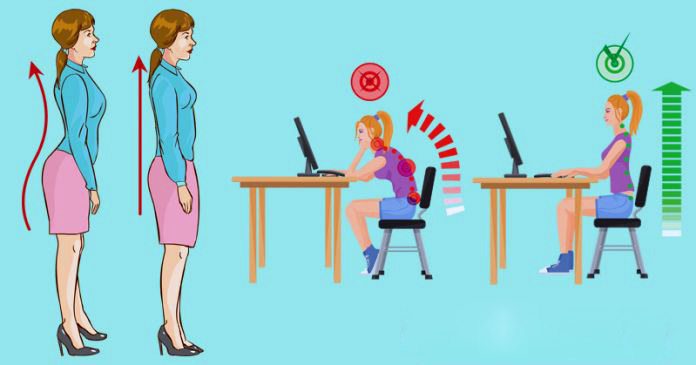
1. Not Sitting Up in a Chair
Most of us slouch in our chairs, which is why most of us experience some form of lower back pain during one stage or another of our lives.
How to Fix It
Make sure you sit up properly in your chair. Make sure you do exercises that strengthen the back and core muscles, which will further support your posture while sitting in a chair.
2. Standing With Your Butt Outwards
People that have a pronounced curve in their lower backs and folks that tend to stand with their bottom stuck out may develop (or already suffer from) hyper-lordosis.
This posture problem looks like a classic picture of Donald Duck. Conditions such as pregnancy and carrying too much belly fat exacerbate this problem.
How to Fix It
Make sure you do thigh stretches and hip flexor exercises � you can also do some core training, as well as exercises that strengthen the buttocks.
It�s crucial that you learn to stand upright, almost as if having a string tied to your head which pulls you upward. This will help get rid of your back pain.
3. Having Your Back Flat While Standing
Folks that tuck their pelvises in and straighten out their lower backs (instead of having a naturally curved posture) tend to stoop forward while standing.
This increases their chances of developing back pains that extend all the way from their upper to their lower backs. They�ll also have a hard time standing around for extended periods of time.
How to Fix It
Core strengthening exercises along with those that focus on strengthening the buttocks, neck, back, and shoulder muscles should be done to help correct this very common posture problem.
4. Leaning on the Right or Left Leg
While it might feel super comfy, leaning on either one of your legs while standing is a habit that could be causing you a lot of pain.
That�s because instead of using your buttocks or core muscle groups to keep you up, you�re relying on your hip and your lower back, and putting too much strain on this area causes pain.
How to Fix It
The best way to fix this common problem is to focus on the idea of distributing your weight on both of your legs as you stand. You can try exercises such as bridges and plank poses to help strengthen your muscles and get rid of any posture-related pains which you may be experiencing.
5. The Common Hunchback
Most of us know this posture problem as �the phone pose.� It�s the pose we all seem to adopt when we�re glued to our smartphones, putting a strain on our necks and backs while we check what�s new.
This leads to problems such as a rounded upper back, causing severe pain in the upper back and the shoulders.
How to Fix It
Make sure you�re doing a lot of exercises that�ll strengthen your shoulders, neck, and, of course, your upper back.
6. The Chin-Out Pose
Another name for this posture problem is the �PC screen stare.� You�ve all seen it, heck you may even be doing it right this moment! We�re talking about the people who sit too low beneath their PC screens and stick their chins out to compensate.
How to Fix It
Your sitting habits will have to be addressed and corrected if you want to get rid of the back pain that comes paired with the chin-out posture problem. Make sure you�re adjusting your seat height, and focus on keeping your head straight and upright while using the computer.
Final Thoughts
In our modern world, it�s pretty hard not to fall victim to one of these common posture pitfalls and the pain associated with them. The good news is that now you know what these common mistakes are, and how they can quickly and easily be corrected.
We hope that this post has been helpful in guiding you through the process of alleviating the pains that derive from poor posture, and that you�re a little more aware of where, why, and how to avoid these innocent yet painful mistakes.
Tips for Improving Posture and Ergonomics
Over time, poor posture may be caused by habits from everyday activities such as sitting in office chairs, staring at the computer, cradling a cell phone, carrying a purse over same shoulder, driving, prolonged standing, caring for small children, or even sleeping.
Poor posture can easily become second nature, causing and aggravating episodes of back and neck pain and damaging spinal structures. Fortunately, the main factors affecting posture and ergonomics are completely within one’s ability to control and are not difficult to change.
The following guidelines suggest several ways to improve posture and ergonomics, especially for people who work sitting in an office chair for most of the day.
Identify The Warning Signs Of Back Pain Caused by Poor Ergonomics & Posture
Back pain may be the result of poor ergonomics and posture if the back pain is worse at certain times of day or week (such as after a long day of sitting in an office chair in front of a computer, but not during the weekends); pain that starts in the neck and moves downwards into the upper back, lower back, and extremities; pain that goes away after switching positions; sudden back pain that is experienced with a new job, a new office chair, or a new car; and/or back pain that comes and goes for months.
Keep The Body In Alignment While Sitting & While Standing
When standing, distribute body weight evenly to the front, back, and sides of the feet. While sitting in an office chair, take advantage of the chair’s features. Sit up straight and align the ears, shoulders, and hips in one vertical line. Any prolonged sitting position, even a good one, can be tiring. Shifting forward to the edge of the seat with a straight back can alternate with sitting back against the support of the office chair to ease the work of back muscles.
Some people benefit from a naturally balanced posture that is achieved by sitting on a balance ball; in this posture the pelvis is rocked gently forward increasing the lumbar curve which naturally shifts the shoulders back (similar to sitting on the edge of a chair seat).
Also be aware of and avoid unbalanced postures such as crossing legs unevenly while sitting, leaning to one side, hunching the shoulders forward, or tilting the head.
Get Up & Move
As muscles tire, slouching, slumping, and other poor postures become more likely; this in turn puts extra pressure on the neck and back. In order to maintain a relaxed yet supported posture, change positions frequently. One way is to take a break from sitting in an office chair every half hour for two minutes in order to stretch, stand, or walk.
Use Posture-Friendly Props & Ergonomic Office Chairs When Sitting
Supportive ergonomic “props” can help to take the strain and load off of the spine.�Ergonomic office chairs or chairs with an adjustable back support can be used at work.
Footrests, portable lumbar back supports, or even a towel or small pillow can be used while sitting in an office chair, on soft furniture and while driving.
Using purses, bags, and backpacks that are designed to minimize back strain can also influence good posture.
Proper corrective eyewear, positioning computer screens to your natural, resting eye position can also help to avoid leaning or straining the neck with the head tilted forward.
Increase Awareness Of Posture & Ergonomics In Everyday Settings
Becoming aware of posture and ergonomics at work, at home, and at play is a vital step towards instilling good posture and ergonomic techniques. This includes making conscious connections between episodes of back pain and specific situations where poor posture or ergonomics may be the root cause of the pain.
Building on the prior page, the following five points highlight important ways to improve posture in the workplace, helping to reduce back and neck pain and stiffness.
Exercise To Help Prevent Injury & Promote Good Posture
Regular exercise such as walking, swimming, or bicycling will help the body stay aerobically conditioned, while specific strengthening exercises will help the muscles surrounding the back to stay strong. These benefits of exercise promote good posture, which will, in turn, further help to condition muscles and prevent injury.
There are also specific exercises that will help maintain good posture. In particular, a balance of core muscle and back muscle strength is essential to help support the upper body and maintain good posture.
Avoid regularly wearing high-heeled shoes, which can affect the body�s center of gravity and induce compensatory alignment of the entire body, thus negatively affecting back support and posture.
When standing for long periods of time, propping a leg up on a foot rest, wearing supportive shoe orthotics, or placing a rubber mat on the floor can improve comfort.
Simply walking, lifting heavy materials, holding a telephone, and typing are all moving activities that require attention to ergonomics and posture. It is important to maintain good posture even while moving to avoid injury, walking tall with shoulders back for example.
Back injuries are especially common while twisting and/or lifting and often occur because of awkward movement and control of the upper body weight alone.
Create A Ergonomic Physical Environment & Workspace
It does require a small investment of time to personalize the workspace, home, and car, but the payoff will be well worth it. Undue strain will be placed on the structures of the spine unless the office chair, desk, keyboard, and computer screen, etc. are correctly positioned.
It’s much easier and less time consuming to correct everyday ergonomics and minimize back or neck pain than to add doctor visits and corrective therapies for debilitating pain conditions.
Remember that it is important to maintain an overall relaxed posture. Avoid restricting movements by clenching muscles or adopting an unnatural, stiff posture. For individuals who already have some back or neck pain, it’s a natural tendency to limit movements to avoid provoking increased pain.
However, unless there is a fracture or other serious problem, the structures in the spine are designed for movement and any limitation in motion over a long period of time creates more pain and a downward cycle of less motion and more pain.
Aches and pains have become a part of our daily lives that we�ve learned to live with them (if not accept them). The problem is that all these small aches and pains, such as lower back and neck issues, are derived from posture mistakes.�For Answers to any questions you may have please call Dr. Jimenez at�915-850-0900
A current study conducted by the U.S. Chamber of Commerce’s Institute for Legal Reform, or ILR, determined that several of the most expensive ads under popular search terms on Google, including phrases such as “Top personal injury lawyers” and “El Paso accident lawyer”, costed personal injury lawyers approximately $700 every time a possible client clicked on it.
While these elevated costs have demonstrated a definite growing advertising trend among attorneys, these statistics have developed a tremendous concern among Texans who value the integrity of their civil justice system. As a matter of fact, the increased amount of personal injury lawyer advertising shows how misleading ads have become, putting greed ahead of justice. Furthermore, this method of advertising can burden courts with questionable lawsuits, leading to more delays and denials of justice for those with legitimate legal claims.
According to the Institute for Legal Reform’s research study, personal injury attorneys in the United States were estimated to spend a total of $892 million in television advertising in 2015, a growth from $531 million in 2008. The large sums being invested on these expensive ads were utilized in the study to show the way many personal injury lawyers are predominantly more interested in lining their pockets rather than being interested on the client’s safety and overall health and wellness.
The current study conducted by the U.S. Chamber of Commerce placed various cities in Texas among the top national rankings of personal injury attorney advertising. The 68 percent increase in personal injury lawyer ads on television during the previous An evident increase of approximately 68 percent in personal injury lawyer television ads over the previous eight years was most notable in Houston, Texas, ranking among the top 10 United States television markets for trial lawyer advertising in 2015.
Because more Texans have started depending on the internet and television for a majority of their health information, it’s fundamental for individuals to be able to distinguish between all the helpful resources and misleading lawsuit advertising. In addition, many personal injury attorney advertisements have started attempting to influence consumer’s decisions, guiding them away from seeking medical attention from qualified doctors, chiropractors and medical specialist as well as misleading them to questionable lawsuits.
People have to begin to understand the purpose of personal injury attorney advertising. Many personal injury lawyers are acting on their own self-interest, one that is often not in the best interest of clients and patients. Texans must learn to protect themselves against those recruiters who’s main purpose is to enlarge their own bank accounts rather than helping victims who need it. Clients with questions regarding the medical care and treatment they deserve for their settlement should ask their doctor, chiropractor or medical specialist, not a personal injury lawyer. Subsequently, people should be aware of misleading advertisements attempting to guide them away from a healthcare professional.
Misleading personal injury advertising can put people�s overall health and wellness at risk. Fortunately, there are ways to avoid the consequences of this often selfish practice: don�t allow a lawyer be your doctor, chiropractor or medical specialist.
Its common for personal injury lawyers to advertise on the internet and television today. However, recent studies have started to demonstrate that from the vast majority of ads, an increased percentage of them be misleading, steering people away from medical care and treatment after being involved in a personal injury case.
Neck pain is characterized as the most prevalent symptom after being involved in an automobile accident. During an auto collision, the body is exposed to a sheer amount of force due to the high speed impact, causing the head and neck to jolt abruptly back-and-forth as the rest of the body remains in place. This often results in the damage or injury of the cervical spine and its surrounding tissues, leading to neck pain and other common symptoms associated with whiplash-related disorders.
“Star Trek” fans will, of course, recognize these immortal words as the famed salutation of the beloved Mr. Spock. But they’re also the focus of a new book about the links between health, wealth, and longevity by Newsmax contributor Dr. Michael Roizen and financial expert Jean Chatzky.
The book — “Age-Proof: Living Longer Without Running Out of Money or Breaking a Hip” — has a clear and uplifting take-home message: With a little planning and foresight you can to live by Spock’s words to both live long and prosper.
To help you do so, Roizen and Chatzky have devised an eight-point plan for living the good life well into old age that spotlights the surprising connections between health, wealth, and longevity.
“The same eight principles that help you live longer also are the ones that help you live with more money so they really intertwine,” says Roizen, Cleveland Clinic’s chief wellness officer.
“For example, you want to do diagnostic areas of both. You want to take a look in the mirror financially and look in the mirror into your health so there really are eight principles that unite the two so you can in fact become age-proof.”
Rosen tells Newsmax Health one big mistake many people make is failing to recognize they are likely to live living longer than they expect, which makes long-term planning for fiscal and physical fitness critically important.
Average life expectancy in the U.S. is now in the high 70s for men, low 80s for women. But many people will live much longer than the national average, often with at least one chronic health condition.
“Most people expect … to live to 75 or 85. We’re now thinking that most of those people will live much longer,” Roizen explains. “(And) as you get older you’re going to spend money to stay healthy. Wealth without health that won’t work … because you’re going to spend a lot of money on that.”
The eight core principles of “Age-Proof” provide a roadmap to health and wealth that helps ensure you won’t wind up medically or fiscally bankrupt later in life, Roizen says. Here are the strategies he and Chatzky recommend:
No. 1: Automate good habits. “We are programmed, all of us to do the wrong thing,” Roizen says. “We’re programmed to survive and to splurge both in our money and in our food.” So what we need to is “reprogram” our brains and lifestyles to live healthier, fiscally responsible lives. Among the ways you can “automate” healthy habits and money-savvy strategies:
Set aside 15 percent of your earnings for retirement, or automatically deduct 401(K) savings from your paycheck.
Eat the same healthy foods every day. Trade the typical American diet for the Mediterranean diet, emphasizing healthy fats, lean protein, vegetables and fruit, and unprocessed grains.
Build regular exercise into your life, aiming to get 10,000 steps in a day, with no excuses.
No. 2: Look beyond vital signs. In addition to the regular tests your doctor will perform during an annual physical exam (blood pressure, heart, rate, pulse, respiration), opt for more advanced “body checks” that provide a better snapshot of your health. Roizen and Chatzky recommend undergoing a series of tests you can do at home for fitness, stress levels, and weight, among others.
He suggests taking a tape measure to your waist to determine your obesity risks.
“The number of inches around your belly at the bellybutton should be less than half your height so that tells you how much abdominal fat you have, a very important thing,” he says.
No 3: Maintain your “fiscal fitness.” Getting your financial house in order should not only involve having a solid bank balance, but also making sure you have a steady income, are putting away money for savings and investment, keeping your expenses under control, and checking your credit score annually.
“What you want to know is three basic things: your income versus your expenses, what you owe and what you own,” Roizen notes.
No. 4: Set priorities. You can’t have a plan for living well without setting priorities, so it’s important to identify five or six you identify as your top goals. They can include things like earning a decent living, making high-quality food your top budgetary item, paying yourself first with savings (15 percent of your income), spending less than you make, protecting your financial life (through insurance, savings, estate planning), and giving back to the community in a meaningful way that’s meaningful.
No. 5: Get organized. Gathering and maintaining your financial and health records can help you keep track or your priorities. That means keeping track of your medical records, important financial files, living wills, insurance files, and investment papers.
No. 6: De-stress your life. Stress — over your health or wealth — can kill you, and isn’t good for your bank account either, Roizen says. You have to de-stress your life by finding ways to manage it. “Stress is like ice cream — more than a little is bad for your health and it comes in all flavors,” Roizen and Chatzky write.
No. 7: Consult experts. Creating a “people portfolio” of experts can help you reach your fiscal and physical goals. That means assembling a team of financial advisors, medical experts (doctors, pharmacists, nutritionists, and physical education specialists) to help you.
No. 8: Change bad habits. It’s never too late to change bad habits about money or your health to start the “age-proofing” your life, Roizen says. And if you’ve allowed yourself to fall behind, in your finances or health, you can catch up.
“We have some rules for retirement that Fidelity actually came up with,” he tells Newsmax Health. “At age 30 you should have one times your annual salary saved, at age 40 three times, at age 50 six times, at age 60 eight times, and when you actually retire 10 times your annual salary you should have saved.
“(But) if you’re way behind, don’t worry — you can catch up. We have a chapter called ‘Making Up for Lost Coin.’ We also have one for ‘Making Up for Lost Time in Health.’ (The) point is that there are benchmarks which you can compare to know where you are and whether you’ll be able to do it.”
High level performers are always looking for strategies that will give them an edge in their field of endeavor. Athletes want to run a split second faster and jump an inch higher while business executives want to have sharper mental clarity and improved working efficiency. Specific meal timing and superfood strategies have been shown to optimize performance and recovery.
We all want to perform at our peak no matter whether we are a teacher, stay at home mom, doctor or athlete. It is also integral that we recover fast and effectively. The goal is peak performance and quick and effective recovery so we can get up the next day and do it all over again.
Optimize Your Performance:
Performance in any field depends upon high level mental activity and often kinesthetic activity whether that be running or jumping or eye-hand coordination. The keys for healthy function include good fats, anti-oxidants and clean protein sources.
Providing lots of clean healthy foods and meal timing properly can make a huge difference in your overall energy and daily performance. Use the principles in this article to help guide you in preparing your body for great energy and daily performance in your daily life.
Coconut:
This superfood is loaded with medium chain triglycerides (MCT�s) that break down for energy very easily. Unlike most fat sources which consist of long chain fatty acids these MCT�s do not depend upon bile and instead go right to the liver and are metabolized immediately for energy.
Muscle cells are also able to store MCT�s and use them immediately for energy during exercise sessions.
Bone Broth Protein:
Bone broth contains a wide variety of valuable nutrients including collagen, gelatin, hyaluronic acid, chondroitin sulfate, glycosamino glycans, proline, glycine, calcium, phosphorus, magnesium and potassium. These all help with the development of healthy joints, bones, ligaments and tendons as well as hair and skin.
These nutrients are considered beauty foods because they help the body with proper structural alignment and beautiful skin and hair. They also help to prevent against injuries by strengthening joints, tendons and ligaments. Additionally, bone broth is great for the immune system.
If you are unable to make your own bone broth, than you can try our Bone Broth Protein which comes with the same benefits as homemade broth, but it�s even more versatile in so many recipes. Bone Broth Protein begins as a true bone broth liquid. It�s then dehydrated, making it into a concentrated source of high-quality, tasty powder.
Berries:
Berries are loaded with anti-oxidants and are low in sugar. Berries contain unique phytonutrients called anthocyanin�s that give them their strong pigments and allow them to handle intense sunlight. Consuming these anthocyanin�s helps our bodies adapt to stress effectively.
Be sure to get your berries organic as the thin skin makes them susceptible to pesticides and they are highly contaminated with dangerous pesticides when produced on conventional farms.
Spinach:
This superfood is loaded with blood purifying chlorophyll and the anti-oxidants lutein and zeaxanthin. Spinach also contains its own plant based steroids called phyoecdysteroids that boost the bodies ability to adapt to stress. Phytoecdysteroids are similar to insect molting hormones and have been shown to dramatically increase glucose metabolism.
This keeps blood sugar levels stable and minimizes the need for the critical fat-storage hormone insulin. Additionally, phytoecdysteroids increase human muscle tissue growth rates by 20% when applied in a culture medium.
Rice & Pea Proteins
For sensitive cases where people have pronounced sensitivities I prefer to use either a brown rice or pea protein. Pea protein appears to be the most hypoallergenic of all protein powders and has a 98% absorption rate. This combination of 1% brown rice and 99% pea protein has a great blend of branched chain amino acids, lysine and arginine for lean body tissue development and good circulation
Pea & brown rice protein has also been shown to be very easy on the digestive system and the protein is fairly quickly assimilated into muscle tissue. This is important because slower digesting and assimilating proteins have a greater chance of producing gas and making one feel bloated. Most plant proteins have poor assimilation rates but pea, brown rice and hemp proteins are the rare exceptions.
These are loaded with sulfur containing amino acids like methionine and cysteine which are critical for glutathione production. They are also a rich vegetarian source of branched chain amino acids. They contain essential fatty acids and edestin and albumin which are similar to the makeup of human blood and these help with critical functions like DNA repair.
Grass-Fed Butter:
Dairy from grass-fed cows is extraordinarily rich in essential fats and critical nutrients like vitamin K2 and magnesium. The best foods from this group include grass-fed butter and ghee which are loaded with anti-inflammatory fats and anti-oxidants.
Grass-fed butter and ghee are also rich in conjugated linoleic acid, which helps burn fat and is anti-carcinogenic. It is the best food source of the anti-inflammatory short chain fatty acid butyrate. Finally, it is full of choline which supports healthy brain and neurotransmitter production. I use butter and ghee generously each day. Look for Kerry Gold grass-fed butter.
Red Onions:
These are loaded with the flavonoid anti-oxidant quercetin. They also contain sulfur containing amino acids that boost cysteine and glutathione production within the body. They also have chromium which helps to regulate blood sugar levels.
Grass-Fed Beef:
Cows that are fed a 100% green diet are loaded with anti-oxidants like carnosine and essential fatty acids. Because cows have multiple stomachs and are able to fully digest grass (humans cannot) we are getting the benefits of this fully digested super-greens in a high protein food.
A fantastic source for grass-fed beef and pastured poultry is US Wellness Meats.
Avocados:
Avocados are loaded with good fats and carotenoid anti-oxidants like lutein and zeaxanthin. It is very easy on the digestive system and helps support optimal hormone function, muscle development and exercise recovery.
Raw Chocolate:
This is rich in good fats and polyphenol anti-oxidants for fuel and recovery. Chocolate contains theobromine which is a natural cardiovascular stimulant that helps improve circulation throughout the body.
Proper Meal Timing:
It is best to eat light before our times of performance to keep as much energy focused on the specific performance rather than on digestion. Instead of food, turn to water, as optimal hydration correlates very strongly with great performance. I try to stay super hydrated throughout the day and notice that as my water intake drops, my energy and mental acuity declines.
After the performance we want to have our largest meal to replenish our system with nutrients. Ideally, you have your largest meal at the end of your day as opposed to the beginning of your day. This helps your body to recover from the stresses of the day. You are in a relaxed position at this point, as you no longer have to work hard and perform, so it allows you to digest and absorb the nutrients you need more effectively.
This helps to take stress off of your gut lining and improves the integrity of your digestive system. When you eat in a hurry or have a large meal before a stressful event or a busy day, you compromise your digestive system and cause more inflammation in the body.
These ideas and much more I teach in our Navigating the Ketogenic diet program. Opt-in here for more details and a FREE video training series I give you on advanced strategies to improve your performance.
Fat Burning Foods Video
Food: Diet and Nutrition for a Healthy Back
As most patients are well aware, good nutrition and a balanced diet are important components of overall health. What may surprise people with back problems is that diet, nutrition and maintaining a healthy weight also play a major role in the back – including preventing many problems and healing from injuries.
The bones, muscles and other structures in the spine need good nutrition and vitamins so that they are strong enough to support the body and to perform their other functions. Using these nutritional guidelines, patients can integrate back-friendly vitamins and nutrients into their diets.
Eating a balanced diet that includes the right amount and variety of vitamins and nutrients will reduce back problems by nourishing the bones, muscles, discs and other structures in the spine. Particular importance is given to calcium, which can be obtained through a variety of healthy food choices as well as nutritional supplements.
While a healthy diet calls for many vitamins and nutrients, this partial list highlights a number of healthy choices that can be directly beneficial for helping back patients.
Role of Vitamin or Nutrient Food Sources
Vitamin A:
An antioxidant that assists the immune system in fighting off diseases. It is good for the back because it helps repair tissue and in the formation of bone. It also helps the body use protein effectively.
Additionally, the body can convert beta-carotene into vitamin A. Beta-carotene can be found in dark green leafy vegetables and most orange vegetables and fruits.
It’s important not to get more then the recommended daily allowance of vitamin A, as too much can promote bone fractures. Beta-carotene does not increase the risk of fracture.
Vitamin A can be found in beef, calf and chicken liver; dairy products like milk, butter, cheese and eggs; orange fruits such as apricots, nectarines and cantaloupe; orange or green vegetables such as carrots, sweet potatoes and spinach.
Vitamin B12:
Necessary for healthy bone marrow and for the body – and the spine – to grow and function normally. Vitamin B12 can be found in meat products, such as liver, fish, red meat and poultry; dairy products, such as milk, yogurt and cheese; and eggs.
Vitamin C:
Necessary for the development of collagen, which is an important part of the process that allows cells to be able to form into tissue. This is extremely important for healing problems caused by injured tendons, ligaments and vertebral discs, as well as for keeping bones and other tissues strong.
Vitamin C can be found in fruits, such as strawberries, kiwi fruit and citrus fruits (e.g. oranges, guavas, grapefruits) and tomatoes; many vegetables, such as broccoli, spinach, red and green peppers, sweet potatoes and white potatoes.
Vitamin D:
Improves calcium absorption, which is important for the development of strong and healthy bones. Adequate calcium absorption is particularly important to help prevent development of osteoporosis, a disorder characterized by weak and brittle bones in the spine that can results in painful vertebral fractures. Vitamin D is naturally occurring in egg yolks and fish oils; also found in most brands of fortified milk in the US; can also be obtained by spending time in the sunlight.
Vitamin K:
Needed for the bones to properly use calcium. The combination of vitamin K and calcium works to help bones throughout the body stay strong and healthy. Vitamin K is found in liver, pork, green leafy vegetables such as spinach, kale and broccoli, and dairy products.
Iron:
Needed for cells to remain healthy as it helps them receive oxygen and get rid of carbon dioxide. It also aids in the production of myoglobin, an important element of healthy muscles that are needed to support the spine. Iron is found in meat products such as liver, pork, fish, shellfish, red meat and poultry; lentils, beans, soy, eggs, grains, and green leafy vegetables such as spinach, kale and broccoli.
Magnesium:
Important for the relaxing and contracting of muscles. It also helps maintain muscle tone and bone density, which in turn can help prevent back problems. Further, it assists in the body’s use of protein. Magnesium is found in whole grains and whole-grain breads, beans, seeds, nuts, potatoes, avocados, bananas, kiwi fruit, shrimp, and green leafy vegetables such as spinach, kale and broccoli.
Calcium:
Essential for bone health and helps maintain the necessary level of bone mass throughout the lifespan and especially in old age. Adequate calcium intake is particularly important to help prevent development of osteoporosis, which results in weak and brittle bones in the spine that can results in painful vertebral fractures. Calcium is found in dairy products such as yogurt, cheese and especially milk; dark green leafy vegetables such as spinach, broccoli and kale; tofu, peanuts, peas, black beans and baked beans; some types of fish (salmon and sardines); a variety of other foods such as sesame seeds, blackstrap molasses, corn tortillas, almonds and brown sugar.
Specific meal timing and superfood strategies have been shown to optimize performance and recovery. As most patients are well aware, good nutrition and a balanced diet are important components of overall health. What may surprise people with back problems is that diet, nutrition and maintaining a healthy weight also play a major role in�spine health.�For Answers to any questions you may have please call Dr. Jimenez at�915-850-0900
IFM's Find A Practitioner tool is the largest referral network in Functional Medicine, created to help patients locate Functional Medicine practitioners anywhere in the world. IFM Certified Practitioners are listed first in the search results, given their extensive education in Functional Medicine