Health advice has changed drastically during the past decade, and modern science has proven that some “truths” you’ve been told and believed all of your life are completely wrong. The bad advice comes from well-meaning parents (“Drinking coffee will stunt your growth.”) to doctors (“Drink skim milk; it’s healthier.”). Take a look at six common myths you may still believe are gospel.
Napping in the afternoon means you’re lazy. An afternoon nap isn’t just for babies and toddlers, and it certainly doesn’t mean you’re lazy. About a third of American adults enjoy a daily nap and studies show that a brief 10- to 20-minute nap can boost your alertness and creativity as well as help keep you healthy.
Just make sure you don’t nap too long. During a brief nap, you only enter the lightest stage of sleep, but during a 30- or 60-minute nap your body will enter a deep level of sleep that may leave you feeling even more tired than before.
Long naps are also bad for your health. Scientists at the University of Tokyo found that napping for 40 minutes or longer increased the risk of developing metabolic syndrome by as much as 50 percent. Short naps of less than 30 minutes, however, lowered the risk.
A Greek study presented at a meeting of the European Society of Cardiology found that those who took midday naps had lower systolic blood pressure than those who didn’t nap.
Coffee will stunt your growth. In past years, coffee was blamed for everything from heart disease and premature death to stunting growth, but it turns out that the experts didn’t know beans. Recent research shows that drinking even up to six cups a day won’t increase your risk of heart problems, cancer, or dying prematurely from any disease. In fact, a study found that Americans get more health-promoting antioxidants from coffee than anything else, because our bodies absorb antioxidants found in coffee better than those in fruits and vegetables.
Coffee has been linked to a lower risk of all of the following health issues: depression, retinal degeneration, heart failure, Alzheimer’s, heart disease, stroke, diabetes, and some cancers.
Drink skim milk, it’s healthier. Americans have been on a low-fat craze for decades, but recent research found that full-fat milk may be healthier than low-fat or no-fat milk. Tufts University conducted a 15-year study of people between the ages of 30 and 75, and found that those who ate the most full-fat dairy products had a 46 percent lower risk of diabetes. Another study, which was published in the American Journal of Clinical Nutrition found that women who ate the most high-fat dairy products were more likely to weigh less and to resist gaining weight over time than those who ate low-fat dairy products. Experts believe that when people cut down on fat, they increase their intake of high-calorie foods, such as sugar and carbs.
Eggs are bad for you. For more than 50 years, health experts advised people to limit their consumption of eggs because they believed the cholesterol in eggs raised the risk of heart disease, high blood pressure, and obesity. New studies, however, found that eggs only have a slight effect on cholesterol levels, and in fact, actually enhance brain function.
A new Finnish study, which was published in the American Journal of Clinical Nutrition, found that a diet relatively high in cholesterol, such as eating an egg every day, didn’t raise the risk of dementia or Alzheimer’s. It found no association between a high intake of dietary cholesterol and the risk of dementia or Alzheimer’s disease, even among people who carried the APOE4 gene which affects the metabolism of cholesterol and increases the risk of memory disorders. On the contrary, the consumption of eggs was associated with better results in certain tests measuring cognitive performance.
The Finnish study followed several recent studies showing that eggs don’t increase the risk of coronary heart disease, including a 2016 study published in the Journal of the American College of Nutrition which found that eating an egg a day actually reduced the risk of stroke by 12 percent.
While most of us know that good nutrition is vital in assisting us reach our optimum health and feel our best; finding time to eat a balanced diet on a daily basis seems a formidable job in this fast paced, affluent society. Though your life may be frantic, there are still many good tasting, healthful alternatives which can assist you to lose weight and enhance your health. This information is designed to be a practical guide in finding those alternatives whether you are at a friend’s home, on the job, on the road, or at home. The good news is that by taking charge of your diet plan, you can improve your well-being while reducing your own risk of “lifestyle” diseases including heart disease or cancer.
A nice spot to start is defining what constitutes a “healthy” diet. The “Four Food Group” Plan of yesteryear meant that foods in the Meat, Dairy Product, Breads and Vegetable Fruit group were identical in their contribution to a healthy diet. Today, researchers show that diets rich in complex carbohydrates and low in saturated fats may reduce our risk of chronic disease. Health professionals designed the “Food Pyramid” guide to translate these recommendations into a food strategy for daily living.
Complex Carbohydrates
Complex carbohydrates are present in cereals, whole grain breads, starches and fruits and vegetables. These foods are not just rich in B vitamins and trace minerals, but they also contribute dietary fiber that has been shown to reduce risk for helping in weight control, lowering cholesterol levels and developing specific cancers.
Six to twelve servings of cereals, breads and starches may seem like a lot of food, but if you consider one cup of rice is three servings of cereal, you can see that fulfilling these guidelines isn’t that difficult.
Fruits & Vegetables
Similarly for vegetables and fruits. The majority of people gag in the thought of eating four to seven servings daily until they find one medium piece of fruit is two servings.
Proteins
Proteins are observed in the meat and dairy group.
Foods in the dairy group not only provide protein, nevertheless they also bring other essential nutrients needed for synthesizing teeth and healthy bones, Vitamin D and calcium. They could be a significant source of saturated fat, so picked two to three helpings of the low-fat (1% fat or less) milks, yogurts and cheeses.
The meat group includes nuts, fish, chicken and beans or legumes. A three ounce serving is around approximated by a deck of cards and also you need at least two portions a day. These foods provide magnesium, zinc and iron which, along with protein, are used by the body in creating hemoglobin and slender body tissue. These foods may also contribute to a raised intake of saturated fat, so picked lean cuts of meat like round or flank steak, pork tenderloin, ham and leg of lamb. Jump the skin on chicken or turkey and you’ll miss much of the fat and cholesterol.
Fats & Sugar
Sugars, fats and alcohol have the least amount of surface area on the pyramid for a reason. They bring more than calories to the dietary plan and they will be squeezed by your body into a fat cell. Yet, your body will really create another fat cell until they may be burned off, to harbor them,
Many health organizations, like the American Heart Association and also the American Cancer Society, agree that limiting your fat intake to less than 30% of calories goes a ways to protect you from life threatening ailments. That isn’t much fat, as a gram of fat has nine calories. You are better off to avoid adding fat to your food as there’s some fat in dairy products and meat, chicken and fish. Fortunately, there are numerous good tasting low-fat or nonfat salad and sandwich spreads which make the task of averting added fat a lot easier.
Yes, certain fats are essential to good nutrition (like linoleic acid), but these are seen in ample numbers in whole grain breads, cereals and vegetables. Corn, for instance, is where mother nature initially set corn oil. Why don’t you bypass the margarine and merely eat corn?
Overview
In a nutshell, good nutrition means eating a wide selection of foods from each of the five food groups. The Food Pyramid reveals us that by eating more complex carbohydrates and not as total fat and saturated fat, we can become empowered by the good life and not fall victim to it.
Chiropractic care may be able to bring about relief for allergy sufferers. Allergy symptoms may be triggered by misalignments in the neck and upper back, which contain nerves important for the body’s respiratory and immune systems. These misalignments are believed to interfere with the communication between these systems and the brain and cause or worsen allergy symptoms. Advanced Chiropractic Wellness offers adjustments which are targeted to reduce the effects of allergies on the body.
Allergies Result When The Body’s Immune System Is Triggered To Action By Substances That Should Be Considered Innocuous
Typically, this results in the release of excess histamine, which causes the characteristic watery and itchy eyes, stuffy nose, and increased sinus pressure. The sinus pressure may cause extremely painful headaches on top of the general discomfort of the other two. In some cases, body parts may also swell. The eye area is most commonly affected by such puffiness.When all of these symptoms are put together, it can cause serious suffering. Many people find that they can’t go outdoors during the height of the seasons in which their allergy triggers are released. Such triggers include the pollen from juniper and elm trees. This pollen is among the first of the allergens to hit in the spring, so Illinois residents will be encountering it soon if they aren’t already.
Later, Flower Pollen, Molds & Dust Take The Place Of The Tree Pollen
“After a full winter, nobody wants to have to stay indoors breathing filtered air. It’s time to go out and have fun! Yet for many, allergy medication isn’t a good solution. Drowsiness is a common side-effect, and even the non-drowsy types have side-effects of their own. What people need is a solution that addresses the problem at its roots,” said Dr. Scott Stratton, a chiropractor at Advanced Chiropractic Wellness.This solution, according to Dr. Stratton, is chiropractic realignment of the vertebrae that contain the nerves that communicate between the brain and the body’s respiratory and immune systems. The theory is that misalignment here causes miscommunication between these systems, resulting in exaggerated bodily responses to allergens.”When the brain and body can’t get a clear signal pathway between each other, only some of the needed information makes it through. Then, both sides have to try to fill in missing information, and this results in bad guesses. Chiropractic realignment clears up the signal and allows the brain and body to make appropriate responses to its environment,” Dr. Stratton explained.About Advanced Chiropractic WellnessThe Advanced Chiropractic Wellness clinic offers chiropractic care, lifestyle counseling, laser treatments, and more. They take a holistic approach that aims to improve a patient’s overall health instead of simply treating specific symptoms.
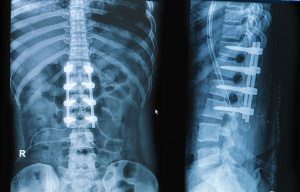
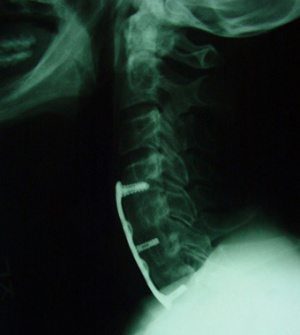
Bone growth stimulation (BGS) is a therapy your surgeon may prescribe following a spinal fusion procedure. A bone growth stimulator is an auxiliary device worn following cervical (neck) or lumbar (low back) spine surgery. BGS may be used to assist spinal bone fuse after a fusion procedure or as a treatment for failed fusion. Naturally, you’ve questions about this technology.
Spinal column with implant, screw placement and fusion
The info provided in this patient guide can assist you to learn:
Bone heals
Risk factors for a poor or failed fusion
Role of bone growth stimulation in spine fusion aftercare
Questions to ask your back surgeon
“Bone growth stimulation to be used in both the cervical and lumbar spine has demonstrated to substantially help fusion results. Having been a study centre for this particular technology, I’ve used bone growth stimulation in most my post-operative cervical and lumbar patient instances. The patient assessment standards I use contains:
Multi-level fusions; more than one degree of the back is fused
Co-morbidities (risk factors) that could hinder bone healing and growing”
�Gerard J. Girasole, MD
Orthopaedic Surgeon
Orthopaedic & Sports Medicine Center
About Spinal Fusion
Spinal fusion is done to stop motion of neurologic deficit and the spine. During the procedure two or more vertebral bodies are joined together using instrumentation and bone graft. Spinal instrumentation includes poles, screws, plates, and interbody devices (implants). Bone graft may comprise your own bone (autograft), donor bone (allograft), or alternative forms of graft.
Bone graft helps stimulate new bone to grow through three stages:
Inflammatory period: cells start to form new tissue
Repair period: small blood vessel ingrowth begins
Remodeling phase: bone structure becomes powerful
Spinal instrumentation creates an internal cast, allowing the inflammatory procedure to stimulate bone healing. With time, new bone grows into and about the implanted instrumentation healing into a construct that is sound.
Some patients are at risk for spinal fusion to fail. A failed fusion is called pseudarthrosis or nonunion. Pseudarthrosis and nonunion are medical terms your surgeon may utilize to identify a fusion dilemma.
Common Spinal Issues Treated Surgically With Fusion Include:
Degenerative disk disease
Fracture
Herniated disc
Spinal stenosis
Lumbar
Adult degenerative scoliosis
Spondylolisthesis
How Does A Bone Growth Stimulator Help Spinal Fusion?
A BGS sends electric signals to the fusion site. The electrical signals activate the body’s natural bone healing process, which may be impaired in at-risk patients.
Bone Growth Stimulation Has Been Put To Use For Decades To Help Bone Heal
Over 50 years ago scientists found that low-level electrical fields arouse the entire body’s bone-healing process. Other improvements included finding several types of energy that stimulate bone development, electromagnetic coil technology and only better devices � supported by clinical and scientific research�have enhanced bone healing in patients who undergo spinal fusion.
Different Types Of Bone Growth Stimulators
All bone growth stimulators are different. Certain types are designed to be surgically implanted (internal BGS) and other stimulators are worn outside the body (external BGS). Other differences include how stimulation is transmitted to the back and the kind of magnetic field or electric current created by the apparatus.
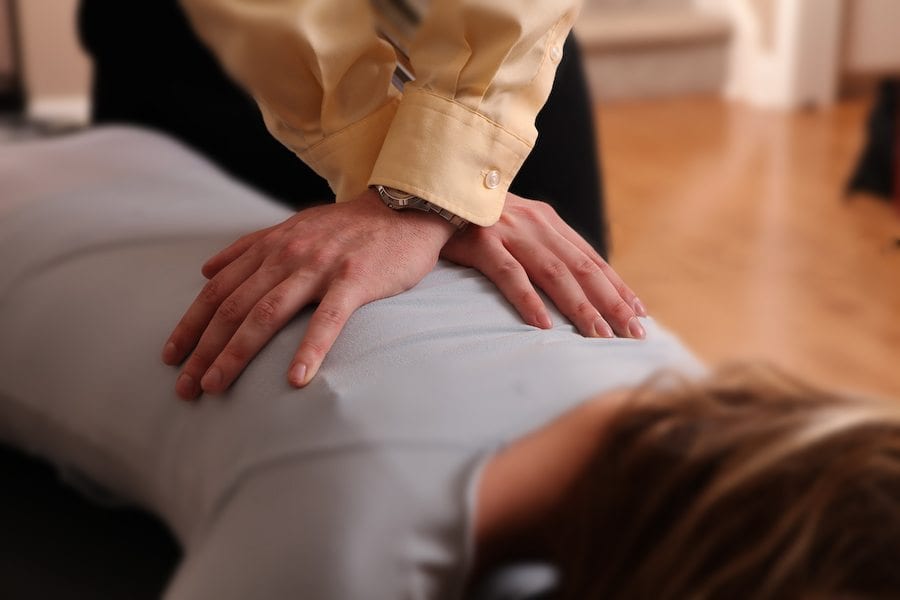
Chiropractic care focuses on the diagnosis, treatment and prevention of a variety of injuries and conditions associated with the musculoskeletal and nervous system. Specializing on the spine and its surrounding structures, chiropractic treatment commonly utilizes spinal adjustments and manual manipulations to restore the proper function of the body, however, many chiropractors use other therapies to treat patients.
The following are other common therapeutic treatment methods that chiropractors can additionally offer along with a brief description of each.
Rehabilitation Stretches
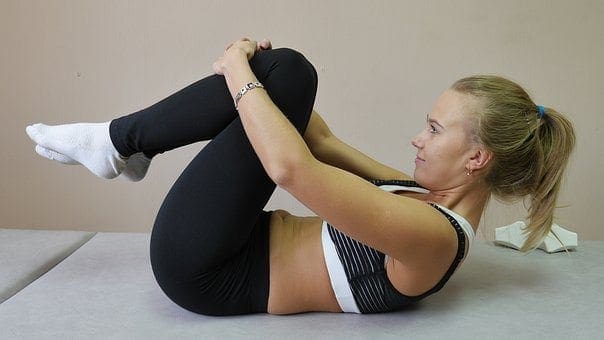
After an individual has experienced an injury or aggravated a previous condition, rehabilitation stretches can be essential to prevent the formation of scar tissue. Even after the damage has healed, maintaining a regular program of stretches recommended by a healthcare professional or chiropractor can help maintain and improve flexibility and mobility as well as help protect the tissues from suffering further injury. Your chiropractor will instruct you on the best stretching techniques for you depending on your specific injury or condition and they will supervise you throughout the process.
Rehabilitation Exercises
Together with the recommended set of stretches, a healthcare specialist or chiropractor can follow up by recommending specific exercises to strengthen the structures surrounding the spine of patients with neck and back complications. Strengthening exercises can help eliminate symptoms of pain as well as help prevent the degeneration of the muscles, promotes joint health and can increase strength, stability and range of motion to protect the body from suffering further injuries or aggravating conditions.
Your chiropractor will demonstrate how to do the exercises and supervise you until you are comfortable doing them on your own. It’s fundamental to keep up with your exercises as recommended by your healthcare provides. Research studies have demonstrated that individuals who follow their specific exercise instructions carefully heal faster than those who do not.
Traction
Many chiropractors utilize traction devices to apply traction to different areas of the body in order to distract different regions of the spine. This treatment helps separate the vertebrae, decompressing the discs to reduce and eliminate nerve root pressure.
Soft-Tissue Manual Therapy
Many chiropractors will utilize a variety of hands-on soft tissue therapies to help improve the function of the soft tissues, including muscles, ligaments, tendons and joint capsules. Soft-tissue manual therapies such as the pin and stretch, best known as the active release technique, or ART, and instrument-assisted soft tissue mobilization, best known as the Graston technique, are some of the most common soft-tissue manual therapies used.
Muscular Stimulation
Muscle stimulation is performed by transmitting light electrical pulses to specific areas of the body through electrodes placed against the skin. There’s a variety of electrical stimulation therapies available. Several types can be more beneficial towards eliminating pain, reducing inflammation and for treating muscle spasms while others may actually cause muscles to contract in order to reduce muscle atrophy. Some forms of electrical muscular stimulation can have a combination of benefits and effects.
TENS
A transcutaneous electric nerve stimulation or TENS unit is a small, battery-powered, portable muscle stimulation machine which can be utilized at home to help control pain. Variable intensities of electric current can be utilized by healthcare professionals to control the symptoms of pain. This treatment is recommended to help patients get through periods of severe or acute pain caused by their specific type of injury or condition. TENS units are generally not recommended for chronic pain, however. As a matter of fact, a 2009 report from the American Academy of Neurology determined that transcutaneous electric nerve stimulation units may not be effective for treating chronic low back pain.
Ultrasound
Therapeutic ultrasound is a form of deep heat therapy created by sound waves. When applied to soft tissues and joints, the sound waves function as a form of micro-massage which helps decrease pain, reduce swelling, stiffness and spasms as well as increase blood flow.
Ice and Heat Therapy
The application of ice and heat have been used for many years to treat many painful injuries and conditions. Ice therapy is often recommended to reduce swelling and help control pain immediately after an injury. Heat therapy is often recommended to relax the muscles, increase circulation, and can provide relief to patients with chronic pain. According to the patient’s condition, a combination of ice and heat can be used.
Nutritional Counseling
Research studies have concluded that following an improper diet and nutrition can provide imbalances in the body which may contribute to a variety of serious illnesses, such as heart disease, stroke, diabetes, and even cancer. Many chiropractors are especially trained in diet and nutritional counseling. Your chiropractor can design a nutritional program depending on your needs in order to help you maintain overall health and wellness as well as to minimize the risk of developing these serious health conditions.
Lifestyle Modification Counseling
Good health is much more than the absence of pain or disease. The lifestyle choices you make on a daily basis can greatly affect your entire well-being. Over time, a lifestyle of unhealthy lifestyle choices can ultimately lead to a wide array of health complications. Examples of lifestyle choices and behaviors that can have negative effects on your health include:
lack of regular exercise
smoking
poor diet
excessive mental stress
over-reliance on medication
excessive consumption of alcohol
poor posture
improper lifting
A healthcare specialist or chiropractor will discuss a patient’s lifestyle choices and habits in order to help them identify which of them could be considered an unhealthy health habit. These can then be altered and modified using practical strategies.
Chiropractic care focuses on using much more than spinal adjustments and manual manipulations to ensure the patient achieves their health goals. Doctors of chiropractic use a variety of treatment modalities to help the body naturally heal itself and return the patient to healthier life.
The scope of our information is limited to chiropractic and spinal injuries and conditions. To discuss options on the subject matter, please feel free to ask Dr. Jimenez or contact us at 915-850-0900 .
By Dr. Alex Jimenez
Additional Topics: What is Chiropractic?
Chiropractic care is an well-known, alternative treatment option utilized to prevent, diagnose and treat a variety of injuries and conditions associated with the spine, primarily subluxations or spinal misalignments. Chiropractic focuses on restoring and maintaining the overall health and wellness of the musculoskeletal and nervous systems. Through the use of spinal adjustments and manual manipulations, a chiropractor, or doctor of chiropractic, can carefully re-align the spine, improving a patient�s strength, mobility and flexibility.
The McKenzie system is a way of evaluating and treating spinal disorders. It’s practiced commonly throughout the entire world. Physical therapists contain the bulk of McKenzie practitioners but physicians and chiropractors practice the process additionally.
Numerous exercise regimens have been recommended for treating spinal pain. Although the dependability of McKenzie’s classification and evaluation system was challenged in the literature, this method of spinal rehabilitation has provided considerable relief of pain for patients that were innumerable. Like all spinal exercise plans, the precise prescription of exercise should be customized to the individual ‘s physical examination findings.
Training
Training includes a sequence of four courses over a specific amount of time culminating in a certification assessment. For many who pursue additional training, a diploma program (consisting of a 3 month residency) is offered. The McKenzie Institute is a not-for-profit organization that oversees the education and training of clinicians that are interested.
Spinal TechniqueIn the McKenzie system, clinicians perform a thorough history and evaluation. This consists of finding the patient’s response to duplicated, end-range spinal movements. The patient is then given a “mechanical analysis.” Most patients are diagnosed with derangement, dysfunction or postural syndromes. Patients are treated by a composite of postural alterations, specific exercises, and in a few instances, spinal mobilization or manipulation.
Common Analysis
The most common diagnosis is the derangement syndrome. It is believed to result from an alteration in the structure and mechanics of the intervertebral disc. In the derangement syndrome, positions and exercises that “centralize” the pain (move it closer to the back) are highlighted. Those movements and positions that peripheralize the pain (move it away from the back) are averted.
Patients Take An Active Role In Recovery
The patient must take an active part in their own healing. The process was created to accomplish favorable results in as few treatments as possible. It is hoped that continuance of appropriate positions of maintenance as well as exercises will prevent recurrence. Patients will probably have the capacity to treat themselves, without intervention, if pain does recur.
The process was examined extensively and is supported by research. For more information, get in touch with a certified professional. Patients are counseled to seek treatment from a certified or a diplomaed clinician although McKenzie techniques are used by many professionals. Credentialed practicioners will have the initials Cert. MDT, or Dip.
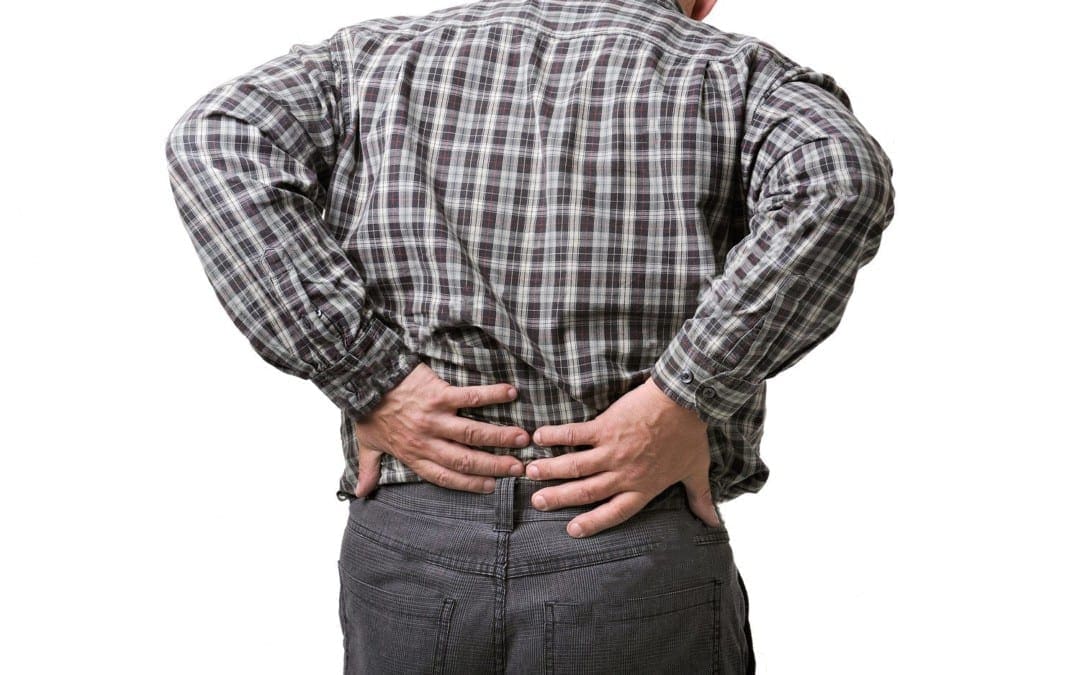
Sciatica is a pain that radiates down the back, though the buttocks, and into the leg. The most common question people ask is: how long is this going to last? We want to know how long each attack will last and how long between flare-ups, but the answer may be more complicated than just simply giving a definite length of time. There are unfortunate individuals who have pain that doesn�t go away, often leaving them with suffering from chronic and persistent pain.
What most doctors and medical professionals can agree on is that there is no universally applicable answer to this question. This article will address questions such as, does sciatica go away on its own? What does sciatica feel like? And can sciatica go away? We will also discuss the causes of sciatica pain, severe complications of sciatica, and sciatica relief.
What Does Sciatica Feel Like?
Sciatica is a pain in the lower back or hip that radiates down into the buttocks and into the back of the leg along the sciatic nerve, with the pain often terminating in the foot. It is often the result of a pinched or inflamed sciatic nerve, which can occur after an injury, muscular strain, or herniated vertebral disc. Sciatic pain typically goes away on its own within a few weeks.
This type of pain can be difficult to describe, as it can take a number of different forms. It may feel like more of a cramping or numbing pain sensation that worsens when you sit, sneeze, or cough. It may be described as numbness combined with an electrical or burning sensation running down the leg, or even just as �pins and needles� along the leg. Pain associated with sciatica can be accompanied with muscle weakness, and it sometimes results in loss of bowel and bladder control, which would require emergency care treatment.
Current statistics show that 80 to 90 percent of all patients recover within six weeks without surgery.
How Long Does Sciatica Last?
Acute Sciatica Attacks
Acute attacks are by far the most common complaint in those with sciatic pain, with symptoms coming and going. The frequency of flare-ups can vary from patient to patient, with some having more episodes and others only having them on occasion. The following are some of the facts associated with acute episodes of sciatica:
Attack episodes do not typically last long in patients with a limited history of attacks�less than five years. These patients have occasional bouts of sciatic pain they might endure for about a week or two that gets better on its own. However, some may find these flare-up periods severely debilitating, as they are not accustomed to the pain, frequently leading to feelings of anxiousness and stress.
There is no clear evidence of any triggers that lead to flare-ups of sciatica pain, but certain physical and emotional instigators may be potential causes.
Statistically, acute pattern flare-ups may occur between two to six times a year, but there are patients who experience more or even less.
Chronic Sciatica Attacks
As the name suggests, chronic symptoms exist over longer periods of time or virtually all the time. This category of sciatic pain is often described as a pain that never really goes away. The severity of the symptoms, however, is often not as intense as it was when they first developed sciatica. Over time, their tolerance for pain has increased, allowing them to endure it for lengthy periods of time. The following are some facts associated with chronic episodes of sciatica:
Chronic pain sufferers often report their symptoms to be less severe over time, along with decreased levels of anxiety and fear that once was associated with the condition
It is rare for a person to just suddenly develop chronic sciatica from nowhere and have the pain remain for an extended period of time
Chronic sciatic is, unfortunately, a lifelong condition, as it is one of the most difficult pain disorders to resolve
While there are cases of individuals who make full recovery from sciatic pain, the harsh truth of the matter is that the majority of patients will have some degree of pain for the rest of their lives. Sciatica does not respond well to most forms of treatment, with no accurate explanation for its cause.
Complications Of Sciatica
While most people fully recover from sciatic pain, it can still potentially cause some serious complications, such as:
When To See A Doctor?
Experiencing sciatic type symptoms should prompt you to go see your doctor right away, as it can drastically reduce the length of time you suffer from the condition. Your doctor may also help you determine if you are at risk for any further complication and provide treatment that is best for you. While mild sciatic pain can go away in time, it�s a good rule of thumb to call your doctor if you are finding your pain to be particularly unbearable.
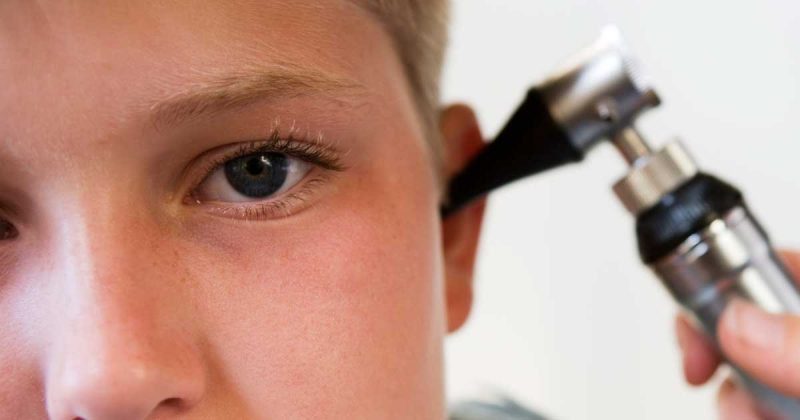
Ear problems can be excruciatingly painful, especially in children. With 10 million new cases every year, ear infections (otitis media) are the most common illness affecting babies and young children and the number one reason for visits to the pediatrician�accounting for more than 35 percent of all pediatric visits.
Almost half of all children will have at least one middle ear infection before they�re a year old, and two-thirds of them will have had at least one such infection by age 3. The symptoms can include ear pain, fever, and irritability. Otitis media can be either bacterial or viral in origin, and frequently results from another illness such as a cold. For many children, it can become a chronic problem, requiring treatment year after year, and putting the child at risk of permanent hearing damage and associated speech and developmental problems.
Standard treatment for most cases of otitis media is with antibiotics, which can be effective if the culprit is bacterial (antibiotics, of course, do nothing to fight off viruses). But, according to many research studies, antibiotics are often not much more effective than the body�s own immune system. And repeated doses of antibiotics can lead to drug-resistant bacteria that scoff at the drugs, while leaving the child screaming in pain.
Frequent ear infections are also the second most common reason for surgery in children under 2 (with circumcision being the first). In severe cases�for example, when fluids from an ear infection haven�t cleared from the ear after several months, and hearing is affected�specialists sometimes prescribe myringotomy and tympanostomy, more commonly known as �ear tubes.� During the surgical procedure, a small opening is made in the eardrum to place a tube inside. The tube relieves pressure in the ear and prevents repeated fluid buildup with the continuous venting of fresh air. In most cases, the membrane pushes the tube out after a couple of months and the hole in the eardrum closes. Although the treatment is effective, it has to be repeated in some 20 to 30 percent of cases. And this kind of surgery requires general anesthesia, never a minor thing in a small child. If the infection persists even after tube placement and removal, children sometimes undergo adenoidectomy (surgical removal of the adenoids)�an option that is effective mostly through the first year after surgery.
Before yet another round of �maybe-they�ll-work-and-maybe-they-won�t� antibiotics or the drastic step of surgery, more parents are considering chiropractic to help children with chronic ear infections. Dr. Joan Fallon, a chiropractor who practices in Yonkers, New York, has published research showing that, after receiving a series of chiropractic adjustments, nearly 80 percent of the children treated were free of ear infections for at least the six-month period following their initial visits (a period that also included maintenance treatments every four to six weeks).
�Chiropractic mobilizes drainage of the ear in children, and if they can continue to drain without a buildup of fluid and subsequent infection, they build up their own antibodies and recover more quickly,� explains Dr. Fallon. She�d like to see her pilot study used as a basis for larger-scale trials of chiropractic as a therapeutic modality for otitis media.
Dr. Fallon uses primarily upper-cervical manipulation on children with otitis media, focusing particularly on the occiput, or back of the skull, and atlas, or the first vertebra in the neck. �Adjusting the occiput, in particular, will get the middle ear to drain. Depending on how chronic it�s been and on where they are in their cycle of antibiotics, children generally need to get through one bout of fluid and fight it off themselves.� That means, for the average child, between six and eight treatments. If a child�s case is acute, Dr. Fallon will check the ear every day, using a tympanogram to measure the ear and track the movement of the eardrum to make sure that it�s draining. �I�ll do adjustments every day or every other day for a couple of days if they�re acute, and then decrease frequency over time.�
Dr. Fallon, whose research garnered her the acclaim of childrearing magazines like�Parenting�and�Baby Talk, often sees great success when she treats a child for otitis media. �Once they fight it themselves, my kids tend to do very well and stay away from ear infections completely. Unless there are environmental factors like smoking in the house, an abnormally shaped Eustachian tube, or something like that, they do very well,� she says.
�I have two large pediatric groups that refer to me on a regular basis. In the winter, when otitis is most prevalent, I see five or six new children each week from each group,� says Dr. Fallon. �It�s safe and effective and something that parents should try, certainly before inserting tubes in their children�s ears.�
Chiropractic Care Can Help�
Come on in and talk to us about your child�s ear infections. Doctors of chiropractic are licensed and trained to diagnose and treat patients of all ages and will use a gentler type of treatment for children.�However, Texas chiropractors can answer any questions a patient�may have and refer them to a specialist, they must remain within the scope of their field which is the�Muscular�and the�Musculoskeletal system.
Middle-age white Americans with limited education are increasingly dying younger, on average, than other middle-age U.S. adults, a trend driven by their dwindling economic opportunities, research by two Princeton University economists has found.
The economists, Anne Case and Angus Deaton, argue in a paper released Thursday that the loss of steady middle-income jobs for those with high school degrees or less has triggered broad problems for this group. They are more likely than their college-educated counterparts, for example, to be unemployed, unmarried or afflicted with poor health.
“This is a story of the collapse of the white working class,” Deaton said in an interview. “The labor market has very much turned against them.”
Those dynamics helped fuel the rise of President Donald Trump, who won widespread support among whites with only a high school degree. Yet Deaton said his policies are unlikely to reverse these trends, particularly the health care legislation now before the House that Trump is championing. That bill would lead to higher premiums for older Americans, the Congressional Budget Office has found.
“The policies that you see, seem almost perfectly designed to hurt the very people who voted for him,” Deaton said.
Case and Deaton’s paper, issued by the Brookings Institution, follows up on research they released in 2015 that first documented a sharp increase in mortality among middle-aged whites.
Since 1999, white men and women ages 45 through 54 have endured a sharp increase in “deaths of despair,” Case and Deaton found in their earlier work. These include suicides, drug overdoses, and alcohol-related deaths such as liver failure.
In the paper released Thursday, Case and Deaton draw a clearer relationship between rising death rates and changes in the job market since the 1970s. They find that men without college degrees are less likely to receive rising incomes over time, a trend “consistent with men moving to lower and lower skilled jobs.”
Other research has found that Americans with only high school degrees are less likely to get married or purchase a home and more likely to get divorced if they do marry.
“It’s not just their careers that have gone down the tubes, but their marriage prospects, their ability to raise children,” said Deaton, who won the Nobel prize in economics in 2015 for his long-standing work on solutions to poverty. “That’s the kind of thing that can lead people to despair.”
It’s not entirely clear why these trends have affected whites much more than they have African-Americans or Hispanics, whose death rates are improving.
Case and Deaton note that many Hispanics are “markedly better off” than parents or grandparents who were born abroad, enabling a greater sense of optimism. African-Americans, they add, may have become more resilient to economic challenges given their long-standing disadvantages in the job market.
The data is clear, though: In 1999, the death rate for high school-educated whites ages 50 through 54 was 30 percent lower than the death rate for all African-Americans in that age group. By 2015, it was 30 percent higher.
The educational split is also growing. Even while the death rate for whites without a college degree is rising, the rate for whites who are college graduates is falling, Case and Deaton found.
Americans with less education are also faring much worse when compared with adults in other countries, Case and Deaton concluded. Death rates in Europe for people with limited education are falling — and in most countries, they’re falling faster than death rates for those with more education.
For those reasons, Case and Deaton discount the notion that government disability benefit programs are responsible for some of these problems by enabling more Americans to stop working. Social welfare programs in Europe are typically more generous yet haven’t caused a rise in death rates.
Given the long-running nature of these trends, many of which stem from the 1970s, reversing them could take years, Case and Deaton write. But there are immediate steps that could be taken, Deaton said in the interview. Routine prescriptions for opioids should be cut back.
And, “Europe has a much better safety net than we do, and they’re not seeing the same sort of problems as we are,” he said.
With spring right around the corner, chances are you�ll begin to show symptoms of the “Spring Fever.” It�s not an actual disease in a conventional sense, say experts, and you won�t be bed ridden. But you may experience biological problems and physical symptoms that actually do exist.
�While it�s not a recognized medical condition, people do experiences changes in mood and energy level as spring approaches,� Dr. Sharad Paul, author of �The Genetics of Health: Understand Your Genes for Better Health,� tells Newsmax Health.
�This is definitely a disorder of wealthy nations who pay more attention to the changes in weather as opposed to parts of India and Asia for example where people can�t afford to dwell on the weather. We tend to hibernate and become depressed during the dark winter months and then come to life as the temperatures soar.
One way to minimize the effect of Spring Fever is to maintain exercise levels throughout the winter even if you have to work out indoors and make sure you keep your vitamin D levels stable, Paul says.
�You may need to take supplements if you simply can�t get enough sunshine,� he adds. �You should also try to maintain a similar diet year round so you don�t gain too much weight in winter and then have to shed pounds in the spring.�
Here are six symptoms of Spring Fever to watch for:
You have a surge of energy. Maybe it�s that extra dose of vitamin D from springtime sunshine that gives folks the extra energy to start jogging after work or taking lunch hour walks. Dr. Miguel Smolensky, Ph.D., professor at the University of Texas-Houston School of Public Health, says it may be the image of the body �springing to life� after winter doldrums that gives us the urge to move more.
You�ve got romance on the brain. This is partly because both men and women are wearing less clothing say experts, but it�s also because sunlight helps us release endorphins. A study conducted by the University of Tromso in Norway showed that these extra endorphins put us in a better mood and increase physical attraction.
You are eating lighter. If you start to crave fresh salads and fruit, you�re not alone. Paul says that typically, people eat more and exercise less during the cold winter months. That�s partly because our ancestors used to experience a period of famine during the winter months and to plan for it, they would eat heavier foods just like bears who stock up for winter hibernation. Also in many parts of the country, it�s harder to get reasonably priced fresh fruits and veggies during the off season.
You�re sleeping less. In spring, you may find it harder to sleep at your usual time and that�s not just because we switch to daylight saving time. The additional sunlight tells our bodies to produce less melatonin, a hormone secreted by the pineal gland that regulates our circadian rhythm and natural wake-sleep patterns.
Your general mood brightens. Paul says that the onset of more sunshine in spring and the abundance of color bring us out of our �winter blues� and puts us in a more positive place. You find yourself feeling happier and more sociable. We also experience an increase in production of the �happy hormone� serotonin during the transition to spring.
You may become obsessed with cleaning. The urge to clean the house from top to bottom, and spruce up the yard are sure signs of Spring Fever. Although spring cleaning is probably not caused by biology, it has been so ingrained in our Western culture that our subconscious mind takes over, urging us to get out the cleaning supplies and scrub away winter grime. Cleaning services and products are known to boost their advertising during springtime, cashing in on our natural urge to purge away the old and make way for the new.
IFM's Find A Practitioner tool is the largest referral network in Functional Medicine, created to help patients locate Functional Medicine practitioners anywhere in the world. IFM Certified Practitioners are listed first in the search results, given their extensive education in Functional Medicine