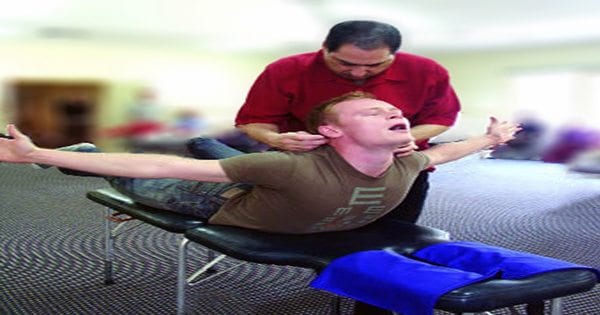
Chiropractic care is a natural treatment utilized to provide regular health maintenance to the spine, intervertebral discs, nerves and other tissues surrounding these structures, without the use of drugs or surgery. It focuses on the proper alignment of the joints in the body, particularly the spine, to reduce spinal nerve stress, promoting overall wellness.
Chiropractic is a well-known, alternative treatment option used to treat a variety of injuries and conditions, most commonly to improve symptoms of neck and back pain. From athletes to the general population, chiropractic treatment has been regarded as a safe and effective form of care, most recently, it�s even been utilized for women throughout pregnancy.
While it�s not commonly considered, chiropractic care can offer tremendous benefits for patients during their pregnancy and there have been no known contraindications to chiropractic treatment throughout this stage of a woman�s life.
Is Chiropractic Care Safe During Pregnancy?
All doctors of chiropractic, or chiropractors, are trained to work with women who are pregnant. Investing in the fertility and overall health and wellness of women throughout their pregnancy or those whom are trying to conceive is a routine care for a majority of chiropractors.
Many chiropractors take a specific interest in prenatal and postnatal care and they may pursue additional training to specialize in the treatment of pregnant women. The following represents designations of chiropractors who�ve taken advanced steps in working with infertility and pregnancy health and wellness.
DACCP � Diplomate with ICPA reflecting highest level of advanced training
CACCP � Certified with the ICPA reflecting advanced training
Member of ICPA reflecting special interest
Webster Certified � trained to work specifically with pelvic balance in pregnancy
Chiropractors which have acquired professional training to work with pregnant women commonly utilize special chiropractic tables that adjust to a woman�s pregnant body. They are also trained to utilize treatment methods and techniques which avoid the use of unnecessary pressure on the abdomen. In addition, a doctor of chiropractic will provide the patient with the most appropriate set of stretches and exercises that are safe to perform during pregnancy.
The Importance of Chiropractic During Pregnancy
Throughout the pregnancy process, a woman�s body will undergo a variety of physiological and endocrinological changes in preparation for creating the best environment for the development of the baby. Furthermore, the body will have to adjust to its new body mechanics, especially the normal structure and function of the spine. Several pregnancy body changes include: a protruding abdomen; increased back curve; pelvic alterations; and postural adaptations.
These new adjustments can challenge the structure and function of the body, to the point that a misalignment of the spine of other joints as well as the irritation and inflammation of the tissues can occur. Ultimately, restoring the original alignment of the spine and the balance of the pelvis in relation to the rest of the body is one of the main reasons why chiropractic care is essential throughout a woman�s pregnancy.
A misalignment of the spine or pelvis, also known as a subluxation, can reduce the amount of room available for the proper development of the baby. This restriction is medically referred to as an intrauterine constraint. Also, the misalignment of these specific structures can make it difficult for the baby to get into the best possible position for delivery, affecting the mother�s ability to have a natural, non-invasive birth. Breech and posterior positions can interfere with the ease of labor, leading to the use of other medical interventions, such as c-sections.
Maintaining the spine�s natural alignment helps the entire body function effectively. Because the nervous system is the master communication system between the brain and the rest of the body, including the reproductive system, ensuring the connection between these is not interfered by a subluxation is fundamental to guarantee the well-being of the individual.
Benefits of Chiropractic Treatment Throughout Pregnancy
Chiropractic during pregnancy can provide a substantial amount of benefits for pregnant women. These benefits include: maintaining overall health and wellness throughout pregnancy; helps control symptoms of nausea; reduces labor and delivery time, relieved neck, back and joint pain; and it can help prevent a potential cesarean delivery.
Talking to a Health Care Provider
As the amount of women who seek to take advantage of the benefits chiropractic care can offer throughout their pregnancy increases, more healthcare providers have begun to seek the services of doctors of chiropractic who specialize in the treatment of pregnant women. When considering chiropractic to maintain overall health and wellness during pregnancy, or when searching for an alternative treatment option for an injury or condition while pregnant, make sure to discuss these options with your healthcare provider. Chiropractic care should not be utilized as a sole source of treatment and maintenance during pregnancy, however, chiropractic can be used in collaboration with other medical services to ensure the patient receives the best care throughout their pregnancy.
Kinesio Taping Can Benefit Pregnancy
Aside from chiropractic care, there are other treatment methods and techniques which can also benefit women throughout their pregnancy. Many individuals use kinesio tape, also known as elastic therapeutic tape, an elastic cotton strip with an acrylic adhesive that comes in a variety of colors. Kinesio tape is generally utilized in athletes to treat a variety of injuries or conditions, however, applying the elastic therapeutic tape on pregnant women can help relieve many pregnancy discomforts, providing other great benefits.
The elastic therapeutic tape, or kinesio tape, functions by treating as well as helping to recover from and prevent injuries. With its acrylic adhesive, it serves to lift the skin and promote better blood circulation. Used universally today by the growing population, kinesio tape has even been utilized by the elderly to treat normal home injuries. Apart from treating injuries, elastic therapeutic tape can help stabilize and correct posture.
When it�s applied properly by a professional, the natural elasticity of the tape will gently lift the skin to help relieve pressure from pain receptors. Once it�s applied, the individual�s circulation will improve, working immediately and continuing to provide relief 24/7 for approximately 3 to 5 days per application. In addition, kinesio taping helps ease the body�s natural healing process, allowing for the individual�s original range of motion to improve by also providing stability and support to the surrounding muscles, joints and other tissues, as well as reducing pain and discomfort, swelling and controlling inflammation as a result of the improved blood flow.
A variety of benefits kinesio tape can offer include: prevention of injury; treatment and rehabilitation; promotes blood circulation; posture correction; optimized performance; near immediate treatment; stays on up to 3 to 5 days throughout treatment; able to shower and sleep with it for continuous relief; no heavy bracing; and it offers no restrictions due to its elasticity.
How Kinesio Tape Helps Pregnant Women
During pregnancy, the use of elastic therapeutic tape can be a safe and effective treatment option for pregnancy discomfort as well as for other types of injuries and conditions. Low back pain and pelvic pain can be common issues that affect pregnant women.
Kinesio tape is a drug-free alternative, similar to chiropractic care, that can offer pregnant women additional relief from the well-known symptoms which develop during pregnancy, including back pain, swollen feet, sciatica, and carpal tunnel, among others. Because of this, elastic therapeutic taping can be one of the most ideal options for expecting mothers who seek natural relief from the common symptoms associated with pregnancy.
Kinesio tape can also function similarly to a support belt or belly band, with the proper placement of the colorful tape to either the back or abdomen. The most frequent postural pain and discomfort pregnant women experience can be relieved using the kinesio tape in this manner as it will help distribute the weight of the additional pounds. It can also greatly reduce fatigue as well. In comparison to purchasing support belts and belly bands, elastic therapeutic tape can be considerably more economic in the long run. For most pregnant women, symptoms of pain and discomfort while pregnant can make sleeping difficult. Nonetheless, because these tapes can be worn while sleeping, they can provide continuous relief and a much needed rest.
Many healthcare professionals are trained to apply elastic therapeutic tape, however, one can learn to apply them themselves. Using kinesio tape can be challenging and difficult to apply at first. It�s important to allow a primary care physician, chiropractor or other healthcare specialist to demonstrate the proper way to apply kinesio tape before attempting to apply it yourself. Some elastic therapeutic tape may need to be altered before being applied to achieve a specific function. Always make sure the skin is dry and clean before applying the tape to ensure it lasts longer. To remove the tape, use baby oil on the strips to gently loosen the adhesions.
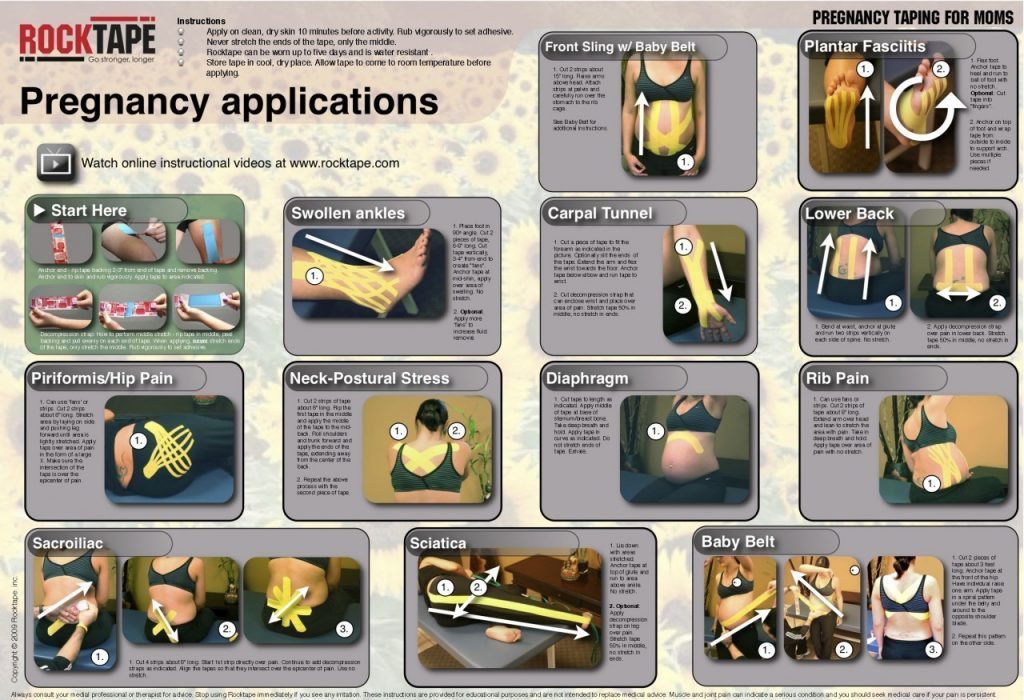
Technique #1: Belly Belt
This first technique functions by lifting the lower belly to help relieve painful symptoms as a result of the increased amount of pressure being placed onto the pelvic flooring. Begin by attaching one strip of tape firmly at the middle of the lower belly. Then, follow by pulling both sides of the tape upward to lift the belly, attaching the ends securely. If you need to apply more strips, repeat the process using a second strip and check how it feels for you.
Technique #2: Front Sling
This technique is excellent for providing frontal support for pregnant women. Using two strips of kinesio tape, attach the ends firmly at the bottom, pulling each strip upwards and securing them under the breasts. Women with smaller and/or shorter torsos can cut the elastic therapeutic tapes in half and follow the same application process.
Technique #3: Baby Belt
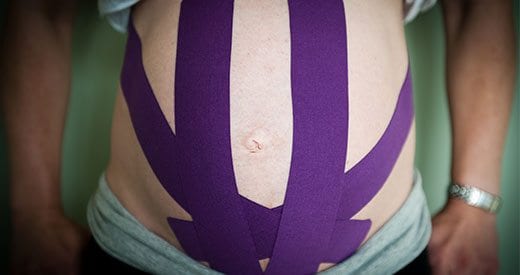
This technique can be significantly helpful for pregnant women whose bellies are protruding outwards quite a bit. Using two strips of kinesio tape, you are going to form an �X� at your belly button, beginning from the bottom, just above the hip bones. While pulling the tape across the belly, make sure to pull firmly in order for the tape to hold your belly in place securely.
Technique #4: Maximum Support
This fourth technique is for pregnant women who experience full belly pain. If you have lower back pain as well as belly pain, you can combine this technique with the following technique (see next technique). Using 4 strips of elastic therapeutic tape, beginning at one hip, apply the tape and pull it diagonally across your belly button up to the opposite ribcage. With a second strip, follow the same procedure as before on the opposite side. Next, take a strip of kinesio tape and apply it from the bottom, up on each side of the navel. Make sure to firmly attach the elastic therapeutic tape at the bottom and then pull upwards to anchor it at the top above the diaphragm.
Technique #5: Lower Back & Belly Support
If you need both lower belly and back support, this one is good for you. You will need two strips.. Using one strip you will have someone attach one end to one side of your lower back and firmly stretch it across, anchoring on the other side. With your second strip, you will stretch only the middle by pulling at both ends, attaching the middle part of the tape first to your lower abdomen. Then, you will firmly pull each side upward to secure. It should feel as if you are �lifting� up your belly. The discomfort should go away immediately.
Technique #6: Frontal Belly Support
The next technique is perfect for pregnant women who�ve only experienced discomfort in the front and lower abdominal regions. Utilizing two strips of elastic therapeutic tape, with the first strip, begin by applying it at the pubic line then pull upward, attaching the end of the tape right under the diaphragm. With the second strip, begin by applying it at one end of the lower belly, above the pubic line, and stretch it across. With smaller women, it might be necessary to cut the strips in half and follow the same procedure.
Technique #7: Diaphragm Support
This final technique is considered fundamental for when the baby gets so big that they begin to push into the diaphragm and can make normal breathing difficult. For this procedure, only one strip of elastic therapeutic tape is necessary. Smaller pregnant women may have to cut the strip in half and follow the same procedure. Foremost, you will need to firmly attach and hold the strip at one end while pulling it across to the other side, focusing on pulling it downward. The point is to bring the top of the belly down to ease the diaphragm.
It�s important to consult your healthcare provider or chiropractor before attempting any of the following kinesio tape techniques by yourself to discuss whether kinesiology taping is appropriate for you. Furthermore, be sure to notify your healthcare practitioner if you have sensitive skin to ensure you do not react negatively from the tape adhesive. Once the kinesio tape is applied, a healthcare professional can provide careful instructions on how you can preserve the usefulness of the tape while showering, bathing and dressing.
The above information is by no means a replacement to a consultation with a licensed healthcare provider. Consultation with a chiropractor or other healthcare provider is recommended for any individual suffering from symptoms due to an injury or condition. If you are not experienced with using elastic therapeutic tape, allow a medical doctor, chiropractor, physical therapist or other experienced healthcare provider to demonstrate how to properly apply the tape for use at home.
Massage for Pregnant Women
Just as chiropractic treatment and various techniques using elastic therapeutic tape can benefit women throughout their pregnancy, massage can also be a helpful alternative to provide further relief to pregnant women. The goal of every pregnancy massage is to provide unique and special needs to expecting mothers.
Certified pregnancy massage therapists are qualified and experienced to perform the specially designed massage techniques on women to help relieve the most common pregnancy symptoms, making sure to protect both mother and child during the massage.
Pregnancy massage can differ greatly from others and it is often unique in its application. During the massage, the pregnant women is carefully supported using cushions and pillows to provide the expectant mother with superior comfort. This type of massage is above all very gentle and deep tissue techniques are never utilized as a safety precaution. In addition, many areas of the body are avoided to protect both mother and child, providing extra attention only to specific areas of the body which are particularly affected by pregnancy, such as the back and/or the feet. Regardless of these safety precautions, pregnancy massage is generally not advised during the first trimester.
The gentle pregnancy massage can tremendously help both physical and emotional pain and discomfort in pregnant women and the psychological benefit of itself can be greatly therapeutic. In addition to stress and anxiety reduction, a pregnancy massage can help reduce common symptoms associated with pregnancy, such as swollen ankles and lower back pain.
In conclusion, a woman�s overall health and wellness is fundamental throughout their pregnancy and alleviating painful symptoms along with those common discomforts associated with the stages of pregnancy can help provide comfort to expecting mothers. From chiropractic care and the application and use of elastic therapeutic tape to pregnancy massages, there are a variety of safe, efficient and beneficial alternative treatments and techniques that can help pregnant women throughout their pregnancy without the need of drugs. The above mentioned treatment options are natural alternative which have been considered by many women. If you are in need of relief or simply wish to enjoy the benefits of these procedures, make sure to discuss them with your healthcare provider before following through with these treatments.
For more information, please feel free to ask Dr. Jimenez or contact us at 915-850-0900 .
Your body is designed to work well and take care of itself, as long as you take care of it. In part, this means eating a balanced diet, exercising regularly, and getting the right amount of sleep. But sometimes you do need outside help to keep your body working at peak efficiency. Chiropractic care serves as an excellent example. Your chiropractic visits�do more than crack your back. Your treatment sessions can help improve your overall body structure and health.
1. Better Posture
If you work in an office or over a machine during the day, you likely develop a slump in your workplace. Your back starts to curve, your shoulders droop forward, and soon you start feeling a bit of an ache to your torso at the end of every day. If you let it go for long, you soon discover you don�t stand or sit as tall as you used to. You can almost feel your body deteriorate around you, from your spine out to your arms and legs.
Chiropractic care helps head this off at the pass. You stretch your body out and stretch and straighten your�back. The small curves that start to set in on you unfurl, and you soon feel your whole body relaxing as a result. The treatment soon has you standing taller, working more comfortably and moving into your evening feeling stronger than ever.
2. Better Body Movement
As you stand straighter and move through your day with your back set more correctly, you begin to see the benefits extend into other areas. One is your overall range of motion. A straighter, better aligned back gives your arms and legs a better base from which to move. You can move more comfortably and freely through your day and your whole body responds, adjusting to your centered, realigned core.�Your body is meant to be flexible;�designed to bounce back and recover quickly and freely from exertion.
Stiffness in the center stifles this natural state throughout the body and chiropractic care brings you back to where you should remain. Instead of movements beginning out of place, you can move your arms and legs with a fuller range of motion. Your body no longer fights itself for you to move. Everything flows in concert, and you feel better with every step and arm swing.
Football & Chiropractic
3. Greater Strength
Beyond flexibility, you also generate strength from your core. Personal trainers and fitness gurus explain this theory from their perspective of toning stomach and back muscles- and they are correct. However,�strength runs deeper than even the muscle groups, extending to your skeletal structure underneath it all. Your spinal column and hips underlie and support the movements you make at a basic, foundational level. When your spine is misaligned, the system of bones and muscles cannot create and work in the harmony with which they were designed to act.
A chiropractic alignment returns the natural order and base of your strength. It allows your vertebrae to work together, each bone supporting and adding to the strength of the next. The result? A body working as one powerful unit, creating and building strength from the center, rather than relying on a less complete support system. You work less to do more, and have more power to use when you need to use it.
�A Healthier You
4. More Effective Nervous System
The body needs a straight, free spine for more than just physical support. Your spine protects the spinal cord, the center (with your brain) from which all communication through your nervous system emanates. If the bones contract or move out of place, that communication system works less efficiently. You cannot react as quickly or respond as well to the world around you.
A chiropractic realignment helps return your body to peak functional capacity. The nerves no longer get pinched off or otherwise interrupted in the process of moving impulses and stimuli though the body. Your senses sharpen and work better, resulting in an improved reaction time. Your internal safety systems and mechanisms work better, and your whole body functions more smoothly. You start to heal yourself more quickly, from physical aches and pains to infections because your signaling mechanisms and pathways are more clear. You can respond to issues inside your body more quickly, and fight off issues more readily.
Whole Body Wellness
5. Pain Relief
In the midst of all of this, some of the symptoms that may initially drive you to a chiropractor can start to diminish. Pain does not come directly when you are not aligned properly. The body has a remarkable tolerance to small changes, and at times,�big changes. This generally works to your advantage, but it has the downside of masking smaller problems and concerns until they become bigger ones. Your body starts to cover up alignment issues with shifts in posture and resilience. By the time you feel the discomfort, you have likely shifted dramatically out of place.
Because of this, expecting immediate relief from chiropractic treatment may be setting yourself up for disappointment. You sometimes do feel instantaneous improvement, but the more likely scenario is to feel your physical symptoms gradually improve. With the help from your body, time heals. Maintaining your body to help�it do its job more effectively goes a long way toward making your life more comfortable.
Your body can do amazing things for you if you let it. Unfortunately, the stress and the wear and tear we put it through over time can diminish its effectiveness in handling everyday experiences and events. When you take the time and effort to maintain your physical condition, you free your body up to do the things it was meant to do: support, protect, and take care of itself. We are remarkable beings, designed to achieve incredible things both mentally and physically.�Chiropractic care�helps you maintain your body, as a support system and a base for everything else that you do.
Sometimes you need outside help to keep your body working at peak efficiency. Chiropractic care serves as an excellent example. Chiropractic �does more than crack your back and treatment can help improve your overall body structure and health.
Proven�research is now indicating that receiving Chiropractic adjustments to the pelvis can�increase vertical jump height. �This new research further solidifies the stance of many professional and collegiate teams with providing Chiropractic care for their athletes. In addition to injury prevention this research proves that chiropractic care results in an increase in sports performance.
[Purpose] This study aimed to investigate the effect of pelvic adjustment on vertical jump height (VJH) in female university students with functional leg length inequality (FLLI). [Subjects] Thirty female university students with FLLI were divided into a pelvic adjustment group (n = 15) and a stretching (control) group (n = 15). [Methods] VJH was measured using an OptoGait. [Results] After the intervention, jump height improved significantly compared with the pre-intervention height only in the pelvic adjustment group, while FLLI showed statistically significant improvement in both groups. [Conclusion] Pelvic adjustment as per the Gonstead method can be applied as a method of reducing FLLI and increasing VJH.
Key words:�Pelvic adjustment, Functional leg length inequality, Vertical jump height
INTRODUCTION
The pelvis, a structure located between the hip joint and the lumbosacral spine and attached to several muscles, regulates the movement of the hip joint and lumbosacral spine. The position of the pelvis is the most critical factor determining the sagittal alignment and posture of the human body). Only when the pelvis is in the neutral position can be in the right posture, move the upper and lower body in the dynamic posture, and improve daily movements and ambulatory ability).
Functional leg length inequality (FLLI) worsens due to pelvic tilt in the medial plane and pelvic rotation in the sagittal plane). Therefore, FLLI might be improved by pelvic adjustment. High-velocity and low-amplitude (HVLA) adjustment has been widely utilized as a general chiropractic adjustment method). Many studies have indicated that leg length inequality (LLI) causes posture alteration), limiting exercise and causing tension of the muscles and other soft tissues5). LLI is accompanied by several clinical symptoms6)�such as lumbar pain)�and hip pain). Correcting leg length inequality reportedly reduces pain, increases mobility, and improves posture).
Vertical jumping is practiced to enhance the muscular strength and endurance of the leg and serves as a barometer of muscular strength). There have been studies in which plyometric training was undertaken to improve leg muscle strength), dynamic stretching was applied after jogging for 5 minutes to improve vertical jump height (VJH), or HVLA manipulation was performed for talocrural joint dysfunction). However, there has been no study in which FLLI was corrected and VJH was measured as a barometer for leg muscle strength. Many studies have assessed the effect of pelvic adjustment on FLLI), posture), pressure on the foot, and balance). However, no study has investigated the changes in FLLI and VJH resulting from just a single adjustment. Therefore, this study aimed to assess the immediate effects of a single pelvic adjustment on FLLI and VJH in female university students with FLLI.
SUBJECTS AND METHODS
A total of 30 female university students with an FLLI of more than 10?mm between the left and right legs were selected and randomly assigned to one of two groups: the pelvic adjustment group (adjustment group, n = 15) and control group (stretching group, n = 15). The exclusion criteria were as follows: anatomical LLI; degenerative osteoarthritis; muscle, bone, or nervous system problems; ankle joint, knee joint, hip joint, or lumbar pain; limited range of motion due to burn or postsurgical scarring; and regular leg exercise. This study was approved by Korea Nazarene University�s Institutional Review Board, and the safety of all subjects was protected during all parts of the experiment. All subjects understood the purpose of this study and provided written informed consent prior to participation in accordance with the ethical standards of the Declaration of Helsinki.
The age, height, and weight of the subjects in the adjustment group were 23.5�4.7?years, 163.0�5?cm, and 54.1�5?kg, while those in the stretching group were 22.2�6.3?years, 162.7�6?cm, and 53.1�6?kg, respectively. Gender was analyzed using the ?2�test, while age, height, and weight were analyzed using the independent t-test. As these analyses detected no statistically significant differences (p>0.05), the two groups were deemed identical.
The pelvic adjustment performed in the adjustment group consisted of an HVLA technique administered in the prone posture in accordance with Gonstead�s theory. Subjects were instructed to lie prone, their pelvic height was checked, and the posterior-inferior innominate bone was given an anterior-superior impact while the anterior-superior pelvis was given a posterior-inferior impact. When making these impacts, the therapist put one of his hands on top of the other, placed them on the posterior-superior iliac spine or the ischial spine, and then gave the impact using his own weight, gravity, and acceleration). This adjustment was performed 3�5 times by one skilled physical therapist with more than 10?years of clinical experience. The control group stretched the backbone erector, rectus abdominis, iliac muscle, psoas major, quadriceps muscle, leg adductor, and quadratus lumborum adjacent to the pelvis in order to resolve muscular imbalance that could further the pelvic imbalance. In the process, the therapist assisted the subjects in performing additional height training for each muscle and maintaining each posture at the maximum height for 10�15 seconds. The subjects then resumed the initial posture, rested for 5 seconds, and repeated the stretching one more time. Stretching was done three times per posture for a total of 15 minutes).
For leg length measurement, subjects lay straight on a bed, and the tape measure method (TMM) was used to measure the leg from the anterior superior iliac spine (ASIS) to the medial malleolus. Beattie et al. reported that LLI as measured by the TMM did not show a significant difference from radiological findings. We were therefore confident in the reliability of using the TMM for measuring leg length). The measurement started from the ASIS so that pelvic bone-related problems such as pelvic tilt and pelvic asymmetry could be included.
We used an OptoGait (Microgate Srl, Bolzano, Italy), a system for optical detection, to analyze ambulation and measure VJH. On its signal-sending bar, there are 96 LEDs that communicate via an infrared frequency. The signal-receiving bar has an identical number of LEDs. We installed the signal-sending and signal-receiving bars of the OptoGait one meter apart on a flat surface. When a subject performs a vertical jump between the bars, the bars calculate the time at which the subject touches the floor or stays in the air and communicates this information by sending and receiving 1,000 signals per second, generating accurate data. Based on this basic data, the OptoGait software calculates the precise VJH.
Leg length and VJH were measured before and after the intervention. The measured data were analyzed using the statistics program SPSS 12.0 KO (SPSS, Chicago, IL, USA), and the collected data are presented as averages and standard deviations. The significance of pre- and post-intervention differences was tested using the paired t-test, and the significance of between-group differences was tested using the independent t-test. The p-value ? was set at 0.05.
RESULTS
In the pre- and post-intervention comparison, VJH improved significantly only in the adjustment group, while FLLI improved significantly in both the adjustment group and the stretching group (p<0.05) (Table 1). When comparing the pre-intervention data, post-intervention data, and changes between the pre- and post-intervention data, VJH showed statistical significance only for the changes between the pre-and post-intervention data, while FLLI showed statistical significance for post-intervention data and changes between the pre- and post-intervention data (p<0.05) (Table 2).
Table 1.
Comparison of the Pre- and post-intervention data for VJH and FLLI in each group (mean�SD) (Unit: VJH-cm, FLLI-mm)
Table 2.
Comparison of VJH and FLLI between the adjustment group and stretching group (mean�SD) (Unit: VJH-cm, FLLI-mm)
DISCUSSION
The pelvis supports the abdomen, connects the spine and legs, and is involved in transferring weight from the spine to the legs when a person stands up, maintaining a straight posture and enabling smooth arm movements). Due to their erect ambulation, human beings are exposed to gravity and can thus be subject to a malalignment of the pelvis and legs affecting posture, ambulatory pattern, and balance. LLI is easily observed clinically and causes functional disturbance of normal biomechanics).
Winter and Pinto reported that pelvic obliquity is caused by LLI), and Mccaw and Bates explained the relation between biomechanics and spinal deformity due to LLI). Defrin et al. reported that when a shoe insert was used in 22 chronic back pain patients with LLI of 10?mm and less, pain intensity and muscular weakening were reduced), which appears to be due to reduced pain and muscular weakening attributed to decreased pelvic tilt resulting from LLI adjustment. On the basis of previous studies on pelvic adjustment, Alcantara et al. reported that following adjustments using fast and slow speed amplitudes in patients with sacroiliac joint obliquity, pain was reduced, and patients could resume daily life and work). Park et al. reported that balance in 20 elderly men was improved through pelvic adjustment according to the Gonstead method). In this study, FLLI was reduced after pelvic adjustment, a finding similar to a previous study in which pelvic adjustment helped reduce FLLI and the pressure difference between soles).
In this study, stretching was not associated with increased VJH, while pelvic adjustment was. In a previous study by Ryan et al. in which subjects jogged for 5 minutes in order to improve VJH, a barometer for leg strength, and then performed dynamic stretching, VJH was increased as compared with a control group that only jogged for 5 minutes). In the present study, it is suspected that VJH did not increase because only static stretching was applied. Hedlund et al. reported that VJH showed a statistically significant increase following 3 weeks of chiropractic HVLA manipulation in 22 female handball players with talocrural joint dysfunction, which is similar to the findings of the present study).
Pelvic adjustment balances the left and right pelvic height and left and right anterior and posterior rotation of the hip bones, which, in turn, leads to FLLI improvement. It also balances the left and right muscle lengths of the rectus femoris and sartorius, which are involved in the hip bone�s anterior rotation, and the hamstring and gluteus maximus, which are involved in posterior rotation. This seems to explain the improvement in vertical jump ability. We recommend that pelvic adjustment be applied for decreasing FLLI and increasing VJH, a barometer for leg muscle strength, in the future.
Research now indicates that receiving Chiropractic Adjustments to the pelvis can�increase vertical jump height. �This research solidifies many professional and collegiate teams that�provide chiropractic care for their athletes. In addition to injury prevention this research proves that chiropractic care results in greater athletic performance.
Tony Robbins, the #1 personal growth and business leader, talks about his experience with�Network Chiropractic and Donny Epstein.
Network Spinal Analysis� could be described in this way, arising as it did when in 1982, New York Chiropractor, Dr Donald Epstein began �networking� various chiropractic techniques. Through meticulous observation and by comparing the findings and results of one method with another, he began to see the efficacy of marrying certain techniques in a manner which enables the practitioner, through the use of light touch, to release large amounts of spinal tension from a patient. Although this might not sound very dramatic, it is a fact that the absolutely remarkable �life-changing� ways in which patients respond to this method of care has become a hallmark of NSA. This unique approach to health is a synthesis of long standing chiropractic methods, quantum mechanics, neuroanatomy and neurophysiology while also acknowledging changing perspectives in health care. In Dr Epstein�s case, these changes involve an expanded interpretation of the concept of �wellness�.
What is Network Chiropractic?
Here is an interview with Dr. Epstein from the Positive Health Online website:
Dr Epstein: �Network Spinal Analysis� sits within a new paradigm which I have been developing internationally and that�s called the Wellness Paradigm. Wellness is not about whether a person has disease. It�s about their internal experience of their body, the ability to make constructive healthy choices, and their ability to enjoy life and be well. Wellness is that state of concern in which you are relatively invincible, nothing can ruin your day, you feel alive, vital and confident and experience a high state of well-being. When you experience wellness, your circumstances of the moment do not easily upset your internal state.�
Findings from Network Care have been documented in major university studies which examine the social science and bio-medical indicators of wellness by looking at a variety of different things people do to increase their health levels. A person who meditates daily, has buns of steel from exercise and the most expensive urine on the planet from supplements, and who has stopped doing the destructive things, will double their perceived wellness factor. However, if that person then adds Network Care, their wellness factor � their ability to make healthy life choices and stick to them � trebles!
Dr Epstein: �What we are looking at here is an experience of life beyond the usual form. A more subtle engagement with the parts of the brain that allow a person to express their higher level of humanity and function occurs so that a greater capacity to express more connections of compassion and love arises. I call these �higher end social changes�, because there are spiritual connotations involved. The individual is different in the way they relate to others and their environment. They can be instrumental in helping create a more compassionately productive community.
�To understand the �mechanics� of NSA, we must first remind ourselves that the spine is composed of bones sitting on top of each other with discs or pads in-between. These bones or vertebrae have holes like donuts in them. These holes create a spinal-canal for the spinal cord which extends from the base of the brain to the tail-bone. The central nervous system comprises the brain and the spinal cord, and is supported by an intricate system of tissues called the meninges that are filled with fluid which nourishes and protects the nervous system, all of which sits within the spinal canal, protected by the bony vertebrae. Connective tissue attaches this system to the top and bottom of the spine and this tissue is subject to stresses, tension and distortion.
�We perceive our world through the nervous system. It is also through the nervous system that we coordinate the function of every cell, organ and tissue in the body. Every region of the body and every emotion is expressed through the nervous system. Also, it�s the part of us with which we reason and which adapts us to stress and it�s the vehicle we use to create our conscious reality. So, when an event occurs that our brain decides is not safe for us to fully experience at that particular time, the energy and information of the event is translated into vibration and tension, which is then stored in the body. This tension begins to distort the spinal system: Spinal bones (the vertebrae) lose their normal alignment, and muscles and ligaments strain and pull. Nerves can become compressed or stretched and irritated which results in abnormal function. As the nervous system is put under pressure, the spine is no longer able to right itself without outside help. Our body then �closes off� the offending energy and tension, but over time, muscular tightness, spinal distortion, reduced breathing into the area occurs and consequently reduced movement results. Until it is safe to experience that energy again, and digest the information from the trauma, we cannot really feel whole or well.
�This is a very real thing � anyone who is at the crossroads of life, physically, emotionally or spiritually, or anyone who cannot get further than they were before, needs Network Care to help their brain to move from stress physiology which results in a person�s structure being fixed in defense posture. In fact, most of us remain in defense mode throughout our lives and this can retard the higher, more evolved area of the brain from developing its unique properties and evolving new strategies for experiencing and responding to life. There are many people whose vertebrae, ligaments and tissues are locked into stress patterns, creating so much tension, that their focus in life is just getting through another day! Network care allows the brain to move from the stress physiology into safety.�
So How Does The Practitioner Go About Relieving This Stress?
Dr Epstein: �I found that by using gentle and specific touches in a consistent sequence, where the spinal cord attaches to the spine, a patient�s own body learns to release complex patterns of tension and areas of disablement. Once this has been achieved, a further unwinding of deeper tensions from the spine occurs. These �touches� consist of gentle finger or hand contacts applied at �spinal gateways�� or �access points� along the neck and lower spine. They are applied in such a way as to engage the higher part of the brain, the frontal lobes of the cerebral cortex. This is the most recently developed region of our brain and is the area through which we observe ourselves and make choices regarding our behavior. This is the area through which we can reach a higher level of humanity, one which embraces spirituality and evolution.�
During Network Spinal Analysis� Care, two �healing waves� develop. One is a breathing wave which releases tension throughout the spine and body and relaxes a person. The other is called somatopsychic (or body-mind) wave, which is associated with undulation or movement of the spine.
Dr Epstein: �The mathematics of this wave are unique because it appears that this type of wave has not been reported anywhere else, so it has to be a signature in Network care. The theory being purported now suggests that as the individual progresses through levels of care, that wave, that signal along the spine is organizing high levels of complexity. That means there�s more letters in the language � more words available and ultimately more information becomes accessible. There is an evolutionary aspect to this in that there is an increase in the ability of the system to self-organize so it can have more appropriate views about the environment and become more energy efficient. Thus an outcome is produced, that is significantly beneficial to the species and that was not there before.
�What we are looking for in Network is for the system itself to reorganize and develop strategies for experiencing and releasing tension on its own. In the first level of care, which may last a few weeks, the person develops a strategy to connect the brain to the body more effectively and to develop a capacity for self-correction of the tension patterns. The care program encourages the development of spontaneous stretching movements and breath movements which help release tension in the spine. In the second level of care, we are looking for the brain to be aware of the person�s tension, and actually temporarily amplify that tension and redirect it so that the tension actually becomes the fuel for further healing and transformation. Tension is what holds a person anchored in a position of non-safety. Lack of safety is the basis for all physiological stress and the way we accumulate this stress is directly associated with the way we experience our world.
�I would like to see Network Spinal Analysis� practitioners in places like cancer clinics and working with people who have had recent heart attacks; serious trauma patients and those who have had emotional traumas as children. I see Network Care not as competing with the existing medical paradigm, but instead offering a totally different approach that says no matter what you do about the disease, allow that person to be upgraded from say a 64k computer to a Pentium. Allow them to develop new strategies that they never had before and that person will make healthier choices. They will become more at peace and ease with their life and they will have a greater capacity to heal, which often means the disease going away. And if the disease doesn�t go away, at least that person�s life is going to be richer than it was before. Network Care is an approach to wellness that embraces everyone. Babies, children, seniors. All can develop these strategies which allow a higher level of function.
�A man who came to a talk I was giving, told me he had metastatic prostate cancer. He had had surgery and radiation treatments and the cancer had gone away but now it was back and spreading and he was very worried. I asked him what he was afraid of and if he was afraid of dying. He said, �No, I�m afraid of the way I have to die if I go for further chemotherapy and radiation.� It is upsetting that the treatment has to take away a person�s dignity which in my opinion can never heal. But I asked him what he would have to do differently if he was going to die. He said that he would have to get his affairs in order so I asked him what he meant by that. �Well,� he said, �I haven�t spoken to my son in 20 years and I never forgave my wife for dying�. And he went through a variety of things. I asked him why he would have to do these things. He said so that he could die in peace and I said, �Sir, this is a mistake, it�s so you can live in peace�. For some people, the only way they can make the changes which will enable them to live in peace is at the very end of their life.
�And the point of this is � there are people who have cancer who never know it and who live full and perfectly wonderful lives. I know of one Network doctor I met at a seminar recently who told people that she is more alive, more compassionate and responsive with more feelings of gratitude than ever before. Six months previously, she had a breast removed, and for six weeks before that she had received chemotherapy. The other people who had had chemotherapy and surgery at the same time were not receiving Network Care. Her internal state of wellness was so high irrespective of her circumstance, that she could be well and produce the physiology that would allow for a person to heal.
�When someone comes to me for care, I do not have to know what it was that caused that person�s problem. What I do know, is how to intervene, to help their system to observe itself and to make a change. I have clinically dedicated myself to furthering the knowledge of the biological links which will help us express a greater range of our humanity. I believe that by optimizing an individual�s biology, Network Spinal Analysis� will facilitate positive transformation on a global scale, changing the world, a spine at a time�.
In 1982, New York Chiropractor, Dr Donald Epstein began �networking� various chiropractic techniques. Through observation, comparing the findings and results of one method with another, he began to see the efficacy of marrying certain techniques in a manner which enables the practitioner, to release large amounts of spinal tension from a patient. �Dr. Jimenez is proud to be a practitioner that combines not only the “Network Techniques” discussed above as well as the established “Advanced Diversified Procedures.“
are impairments in detecting, modulating, interpreting, or responding to sensory stimuli. One study estimates that 5 percent of elementary aged children met the criteria for SPD. These conditions are closely related to other neurodevelopmental disorders and often overlap with autism and ADHD. Recent studies have shown the benefits of chiropractic in enhancing the functionality of individuals with SPD and Autism.
In 2011, we have more children and young adults affected by neurodevelopmental disorders than ever before in history. There are many factors involved in this such as birth and/or early childhood trauma, environmental toxins, food allergens, the avoidance of breast feeding and heavy vaccination. These are all areas that show promise as causative factors in the formation of neurodevelopmental disorders.
Birth trauma can come in the form of a forceps or vacuum extraction delivery. Even normal vaginal or cesarean birth processes can be particularly traumatic. The most vulnerable area of the infant�s body is the upper cervical spine. This also happens to be the area where the brain stem ties into the top of the spinal cord. Birth trauma can significantly damage this region andcreate a neurological insult that is referred to as subluxation.
Subluxation alters neurological processing
Subluxation is a term used to describe mechanical compression and irritation to spinal joints and nerves. Subluxation scrambles the neurological feedback loop by causing altered rhythms of neurological flow. Subluxation insults the neurology of the infant and affects normal development and maturation. This can often create an environment conducive to the formation of neurodevelopmental disorders such as autism, ADHD andSPD.
Many chiropractors specialize in the location, diagnosis and correction of subluxation patterns in infants and young children. These chiropractors often have unique training with digital technology that uses thermographic and surface electromyography to calibrate the function of the nervous system and identify areas of neurological insult. They are also gifted with palpation, posture and body motion observations to locate specific biomechanical and neurological imbalances in the young child.
Spinal Decompression Therapy
Two recent studies published in the 2011 edition of the Journal of Pediatric, Maternal & Family Health showed the benefits of chiropractic on SPD and Autism. In both cases the children were diagnosed with upper cervical subluxation patterns that were thought to have occurred from early childhood traumas. The children also showed signs of neurological imbalance and subluxation in other regions of the spine. Results of their care were startling and would naturally be considered major breakthroughs in the medical model.
The children�s care consisted of specific chiropractic adjustments for a period of weeks to remove subluxation and balance the neurology. They also followed an anti-inflammatory nutritional program that involved a gluten-free, casein-free diet and nutritional supplements such as probiotics and digestive enzymes.Most natural health practitioners would agree that the majority of children with neurodevelopmental disorders have neurological and digestive damage. The digestive issues typically involve leaky gut syndrome, gut dysbiosis, Candida infections and chronic food allergens. These problems typically present together and can be remedied with an anti-inflammatory diet and nutritional supplements.
There are 10 other case studies of children with similar neurodevelopmental issues who have seen significant improvements through chiropractic care. This is evidence of the role that subluxation plays in affecting normal sensory system maturation and development.
Hopefully these recent studies will shine a light on the impact of subluxation correction on healthy neurological balance. This can range from immune system disorders, chronic disease and neurodevelopmental problems. More research dollars should be spent on inexpensive, low risk, non-invasive modalities such as chiropractic care for childhood health problems and normal brain and immune system maturation processes.
Sensory Processing Disorders (SPD) are impairments in detecting, modulating, interpreting, or responding to sensory stimuli. One study estimates that 5 percent of elementary aged children met the criteria for SPD.
Automobile accidents are the most common cause of whiplash. Any type of accelerated motion that thrusts the head forward and then backwards with extreme force can lead to whiplash. Sports accidents can also cause whiplash-associated injuries. An unpredicted head jolt can damage the complex structures of the cervical spine, leaving tendons and ligaments intensely irritated and inflamed. The tendons and ligaments as well as other tissues of the neck may become overly stretched and torn.
A whiplash type injury may be suspected if the individual involved in an�automobile accident experiences�the following symptoms: neck pain and stiffness; worsening pain with movement; loss of range of motion in the neck; headaches, most often starting at the base of the skull; tenderness or pain in the shoulder, upper back or arms; tingling or numbness in the arms, fatigue and dizziness. Other individual�s may experience: blurred vision; ringing in the ears; sleep disturbances; irritability; difficulty concentrating; memory problems; and even depression. While these are some of the most common symptoms of whiplash, they may also suggest the presence of another type of injury or condition resulting from the automobile accident.
Thus, it�s essential to visit a qualified healthcare professional who can properly identify a whiplash injury and offer the required treatment to eliminate the resulting pain and symptoms.
Apart from assessing the doctor�s experience and qualifications, the victim of an automobile accident must primarily consider their geographical location and the type of insurance they are covered by when deciding on the type of doctor to visit following a whiplash type injury. Other factors that should influence the affected individual�s decision include whether they are represented by an attorney and whether they are living in a state where PIP, or personal injury protection, is mandatory.
Whiplash Injury Practitioners
People who�ve sustained injuries from auto accidents fail to receive the kind of medical care they require. It has been previously determined that the outcome of the patient�s rehabilitation depends on the type of doctor they receive care from.
Many individuals who�ve been involved in an automobile accident, regardless of the severity of the collision, will generally visit the emergency room, or ER, to have their injuries evaluated. The majority of ERs are designed to take patients out of life threatening situations. First, they immediately assess any visible injuries, such as open wounds and broken bones, treating them effectively on the spot. They may even prescribe medications to temporarily relieve the painful symptoms following a�traffic collision. However, many victims are not treated for their whiplash injuries. The trained specialists from the ER, provide first-aid, X-rays and medications to remove individuals from life-threatening situations but they don�t readily treat soft-tissue injuries like whiplash. From there, patients are sent to see their primary care physician, or PCP, to assess the rest of their injuries, yet, they may still face hardships to finally receive the proper care they deserve for their injuries.
Primary Care Injury Specialists and Whiplash
Many primary care physicians do not have the full qualifications in treating automobile accident injuries. Many of these doctors may even deny patients treatment. Whiplash associated disorders have been misunderstood in the medical field and many doctors believe whiplash is not a legitimate injury. However, those whom are suffering from whiplash can account for how painful it really is.
Other doctors refuse treatment to whiplash patients because they may not accept any kind of 3rd�party billing, a paying method where the doctor seeing the car accident victim has to bill the party at fault�s insurance company or utilize PIP or med pay to receive compensation.�This is a commonly well-known reason for denial of treatment as a large number of primary care physicians, or PCPs, still don�t have the required authorizations to accept 3rd�party billing.
Besides primary care physicians, medical doctors, orthopedics, chiropractors and physical therapists are several types of qualified healthcare professionals that specialize on treating automobile accident injuries such as whiplash. Among these, chiropractic treatment is the most popular, alternative treatment option for treating various soft tissue injuries or conditions.
Chiropractic Treatment for Car Wrecks
Many people from the legal and medical industry dismiss seeking a chiropractor for auto accident injury treatment. However, the fact is that a chiropractors are some of the only doctors who offer therapeutic treatments to accident victims. Treatment offered by medical doctors might include the use of drugs, although in many cases, they may also recommend physical therapy. This automatically highlights the importance of chiropractic care for whiplash victims because chiropractic care and physical therapy are very similar forms of treatment.
Whenever an individual who�s been involved in an automobile accident visits a chiropractor and complains of pain in the neck, the medical specialist will carry out a series of tests to determine whether the patient has suffered whiplash. Instead of focusing solely on the specific injury, chiropractors are trained to inspect the affected individual�s entire spine. Aside from soft tissue injuries like whiplash, chiropractic doctors may also check for: disc trauma or injury, tightness or tenderness, restricted mobility, muscle spasms, joint injuries, ligament injuries, posture and spinal alignment. They may also analyze the patient�s gait.
Besides checking for the above, chiropractors might also request X-rays and MRI of the patient�s spine in order to find out whether the spine features any degenerative changes which might have developed before the accident. To offer the best possible treatment, it is extremely important to determine which problems existed prior to the accident and which ones resulted from the accident. In most cases, insurance companies may argue that every single injury in the victim�s body is preexisting. This makes the role of the chiropractor considerably important as they will make sure to document all the previous and new injuries separately to ensure the insurance company pays for the patient�s treatment. In addition, the evaluation performed by the chiropractor also allows them to create the most effective treatment plan for each individual whiplash victim.
Main Stages of Care
The leading concern for chiropractors who treat whiplash-associated disorders involve alleviating inflammation in the neck. Chiropractors often recommend ice therapy, or the application of ice pack against the affected area, multiple times a day. This remedy is capable of reducing both pain and inflammation. Once the inflammation subsides, they often carry out a variety of manual therapeutic techniques to restore and increase the individual�s strength, flexibility and mobility.
The kind of chiropractic treatment the individual will require depends largely on the severity of the whiplash encountered. However, it has been previously determined that the majority of individual�s with whiplash find spinal manipulations useful. The most common chiropractic treatment techniques involve, spinal adjustments and manual manipulations, to carefully re-align the structures of the spine and help reduce symptoms. The following spinal techniques are also used to treat whiplash injuries: Instrument-assisted treatment, which involves the use of handheld instruments to provide a gentle massage by applying force onto the spine without utilizing any kind of thrust.
Instrument-assisted chiropractic therapy is used mostly to treat older patients with degenerative joints; flexion-distraction, this technique involves the use of a non-thrusting motions, best described as a slow pumping action; specific spinal manipulation, this therapy involves the use of a mild thrusting technique and is mostly used for restoring motion to the affected joints. Specific spinal manipulation helps stretch the soft tissues, which makes the job of restoring motion to the affected areas of the spine easier; instrument-assisted chiropractic therapy, also known as the Graston Technique, is used during this form of chiropractic therapy to perform repetitive strokes on the injured body part; therapeutic massage, performed to ease muscle tension and stress in the injured region; interferential electrical stimulation, where a patient undergoing this type of therapy will see the chiropractor passing electrical current at a very low frequency through their body. This low frequency current helps stimulate the muscles and reduces inflammation; trigger point therapies, as the name suggests, involves the application of direct pressure onto specific points to alleviating muscle tension; and finally ultrasound therapy, capable of decreasing stiffness, pain, and muscle spasms in the affected areas. When ultrasound is passed through the patient�s muscle tissues, it warms up the treated region and increases blood circulation.
Neck Trauma and Auto Injury
Chiropractic Treatments
Ultimately, chiropractors can help victims of whiplash in many ways. These health care providers can ensure that an individual� whiplash and its associated symptoms may subside completely. They always make sure to create a patient-specific treatment plan to make the process of recovery simpler for every individual.
Other than recommending immediate treatment for reducing the acute pain and inflammation, the chiropractor might additionally recommend a series of stretches and exercises, to help speed up the rehabilitation process as well as help increase the individual�s strength, flexibility and mobility.
Whiplash injuries, when left untreated, can cause severe complications. If you or a loved one have been involved in an automobile accident, visit a chiropractor immediately. By being prompt, you can even reduce your recovery time significantly. That�s not all; the chiropractor will also provide the required assistance to your lawyer, proving that the injury resulting from the accident wasn�t a preexisting injury or condition.
When you are injured in a car accident, you must get acquainted with your rights as soon as possible to receive the proper compensation and treatment for your specific situation. There is no such thing as a simple car crash.
Certain injuries or conditions which may have developed following an automobile accident may become chronic or permanent if left untreated. If an individual is experiencing neck stiffness or headaches after a traffic collision, it�s absolutely wrong to assume that this will subside in a few days. A minor discomfort could turn out to be a more serious complication.
Often, people injured in auto accidents develop scar tissue that remains with them throughout the rest of their lives and without the necessary treatments or exercises, these can become stiff and greatly limit an individual�s ability to move properly. The above issues generating from a car accident show how important it is for people to seek immediate legal and medical help. Chiropractors are known for their expertise in managing soft tissue injuries and the resulting chronic and traumatic pain; as a result, they are often considered to be the best healthcare professionals to consult�after a car accident.
Auto accidents can create enormous confusion and frustration. Most injuries associated with car accidents include trauma to the cervical spine. Dr. Jimenez discusses treatment options and procedures used in assisting patients reach optimal recovery. Choosing the right clinical team is always important. Many legal experts agree that a specialist focusing on soft tissue injuries is a search requiring great insight and assistance. Doctors of chiropractic and physical therapy along with surgical experts are best suited in assisting patients find the correct treatment options. If you have more questions please feel free to call 915-850-0900 in order to speak to Dr. Alex Jimenez.
Women often seek out chiropractic care during their pregnancies. One of the main reasons for this is that if they are having musculoskeletal pain, their Obstetrician or Midwife generally has very limited options for conventional medical treatment. They are less likely to prescribe medication, which presents an amazing opportunity for us as chiropractors. What initially began as a strange combination of a sports certification and a prenatal/pediatric certification has created a successful and in-demand niche for us. For the most part, I cannot imagine treating prenatal patients without having the sports background. First, most women at some point in their lives have been or currently are an athlete. And second, one of the most common complaints women have during pregnancy is myofascial pain, and who better to treat that than a sports chiropractor? Here are 5 common and easy-to-treat complaints during pregnancy:
One: Pubic Bone Pain
This pain is very common during the second and third trimesters of pregnancy. Women will often describe it as exquisitely tender, worse with rolling over in bed at night, walking or climbing stairs. Conventional medical opinion is that the ligaments during pregnancy are much more relaxed (due to the hormone, relaxin) causing separation of the pubic symphysis and thus inflammation and pain. Sports chiropractors are uniquely qualified to assess this joint, and the common causes of pain can include:
1. Adductor hypertonicity easily addressed with myofascial release or techniques such as Graston, which can be done over leggings or on skin.
2. SI Joint fixation or Pubic Symphysis fixation. While I am generally a diversified adjuster, an activator adjustment to the superior or more-tender pubic rami will go a long way in terms of providing relief. I strongly discourage any audible manipulation of the pubic symphysis.
3.�Kinesiology taping�of a �RockTape Baby Belt� or modified version of this can provide significant relief and is much more comfortable than a pelvic support belt.
4. Using an ice pack for 15 minutes prior to going to bed at night will decrease pain and inflammation while sleeping.
Two: Rib Pain
Rib pain, especially in the lower and floating ribs, is common as the weight of the abdomen is pulling on the oblique abdominal muscles and their attachments at the ribs. Adjusting the ribs at the thoracic spine and incorporating myofascial release or Graston Technique will work quickly (often in just 1 treatment). Finish up with a few strips of kinesiology tape and your patient will feel significantly better.
Three: Upper Abdominal Numbness
Upper abdominal numbness is a common symptom during the later stage of pregnancy. It often presents as numbness but can also be painful and worse with sitting. One of the easiest ways to provide relief is with one simple strip of kinesiology tape over the top of the abdomen directly under the rib cage.
Four: Swelling in the arms and legs
Swelling in the arms and legs is very common and can lead to numbness, tingling or pain. Before beginning treatment, be sure to assess if the swelling in the feet is significant and test for pitting edema which can be a warning sign of preeclampsia. This can be corroborated with a high blood pressure reading and is very dangerous. Two very effective sports techniques for use with lower extremity swelling include 1.�NormaTec PULSE Recovery System�which is not contraindicated in pregnancy. Patients can do a few 20-30 minutes sessions per week to promote circulation and decrease swelling. 2. Kinesiology taping for edema on the ankles.
Five: Lower Back Pain
Lower back pain in pregnancy is very common. Evaluating a pregnant patient prone is very easy if you have pregnancy cushion that sits on top of your table. If you do not, you can evaluate the lower back in the seated or side lying position. Lower back pain can generally be addressed with diversified adjustments (without any rotation as to not stress the abdomen). In addition, the Webster Technique for pregnancy is a valuable tool for assessing and treating lower back pain during all stages of pregnancy. There are also valuable kinesiology tape applications for lower back pain,�RockTape features a pregnancy taping pdf online. In addition, there are no contraindications to using the Graston Technique to address myofascial pain in the lower back.�
Most of the taping techniques discussed above can be done by patients themselves after a one-time demonstration. Have an assistant or patient�s family member take a video of the application for reference at home. Many sports chiropractic techniques can be used very effectively on prenatal patients.
IFM's Find A Practitioner tool is the largest referral network in Functional Medicine, created to help patients locate Functional Medicine practitioners anywhere in the world. IFM Certified Practitioners are listed first in the search results, given their extensive education in Functional Medicine








 A total of 30 female university students with an FLLI of more than 10?mm between the left and right legs were selected and randomly assigned to one of two groups: the pelvic adjustment group (adjustment group, n = 15) and control group (stretching group, n = 15). The exclusion criteria were as follows: anatomical LLI; degenerative osteoarthritis; muscle, bone, or nervous system problems; ankle joint, knee joint, hip joint, or lumbar pain; limited range of motion due to burn or postsurgical scarring; and regular leg exercise. This study was approved by Korea Nazarene University�s Institutional Review Board, and the safety of all subjects was protected during all parts of the experiment. All subjects understood the purpose of this study and provided written informed consent prior to participation in accordance with the ethical standards of the Declaration of Helsinki.