This is one of the most common questions asked by people seeking or considering chiropractic care along with:
�What are the risks?�
�Can I receive spinal adjustments without the chiropractor adjusting my neck?�
�Do chiropractic adjustments cause arthritis or even strokes?�
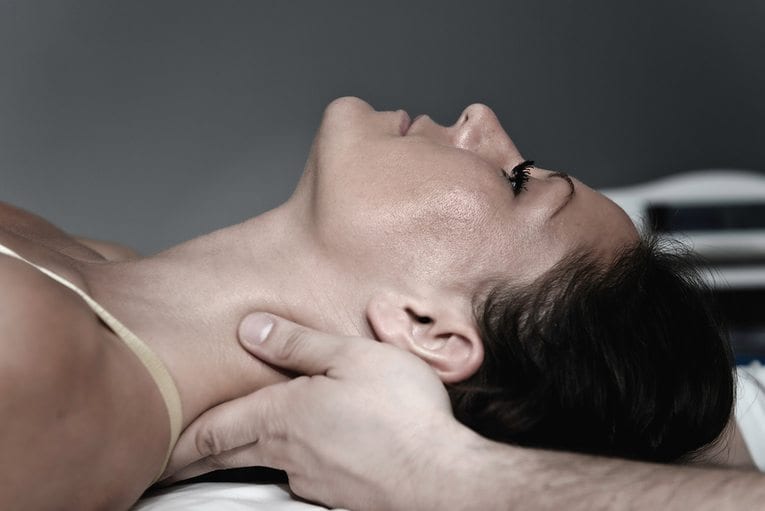
With media scrutiny over natural health procedures, specifically chiropractic and cervical adjustments, these are very important and serious questions, especially when one�s health is a priority. As a practicing chiropractor, I welcome the opportunity to address these questions. Chiropractic care is profoundly safe, and this article summarizes the current research, providing answers to these common questions and misconceptions.
Myths vs. Facts
In 1990, when I started working in the chiropractic profession, a common concern that patients had about chiropractic care was that �too many adjustments would cause arthritis.�� Years later, science has affirmed what chiropractors have always seen and known to be true in clinical practice � that in fact chiropractic care is not only one of the most popular forms of care for people with arthritic conditions but one of the most effective.
Unfortunately, for hundreds of years, health care practices have been permeated by folklore, sometimes known as �old wives tales.�� The trend continues today.� A 2010 study of over 1,000 board-certified American pediatricians found that over 75% of the doctors subscribe to at least one known health care myths. These include the myths that eating chocolate causes acne, listening to Mozart will make a baby smarter, and swimming within 30 minutes of eating is not safe.� Many doctors in this study were also found guilty of not knowing the expected protocols for treating burns, healing wounds, administering Aspirin to children, and safely dealing with seizures.
A review of the current literature indicates that frequent or extreme complications of chiropractic care should also be included in the list of the most common medical myths prevalent even in our medical offices.
Chiropractic vs. Traditional Care Preventing Back Pain
Spinal Care vs. Chiropractic Care
The spinal column�s role in overall health cannot be undermined as it houses the brainstem, spinal cord, and central nerve system.� Thus, for optimal health the spinal column must be examined and cared for by a skilled doctor.
Specifically, the foundation of chiropractic care teaches that damage to the spine, and misalignments of the vertebrae (subluxations) create interference in the nerve system, which are therefore reduced and corrected through specific chiropractic adjustments.
On that basis, chiropractic adjustment techniques have historically been rooted in precision and accuracy.� Although there are now many unique chiropractic techniques taught in professional schools and in continuing education, these techniques commonly focus on the evaluation and measurement of subluxation patterns in the spine and the specific protocols used to reduce the areas of misalignment.� In contrast, most other health care practices addressing the spine, never mind non-medical procedures attempted at home, are for the most part, generalized treatments of pain, global mobilizations of joints, and overall tractions of entire regions of the spinal column.
Receiving a specific chiropractic adjustment to reduce a subluxation is immensely different from receiving any form of �treatment� on the spine.� Admittedly, I did not understand this practice in my first 20 years of receiving chiropractic adjustments.� Until I attended chiropractic school and learned the techniques and analyses used in chiropractic science, I thought that chiropractic adjustments were all one-of-the-same.� I can understand how the general public might also construe this misconception � I did and I grew up in a chiropractic family.� Subluxations and adjustments are specific; the more extensive the analysis used by the chiropractor, the more precise the adjustment, and thus the better improvement in the patient�s health.
In my experience, the majority of the �chiropractic horror stories� shared in folklore, and even many of the cases cited by medical research, fall into one of two categories:
(a)��� The case of a the patient receiving care without extensive and correct analysis
(b)�� A person receiving spinal care incorrectly identified as �chiropractic care� administered by someone other than a licensed Doctor of Chiropractic
In fact, a 1995 report in the Journal of Manipulative and Physiological Therapeutics revealed that many �manipulations,� incorrectly attributed to chiropractors, had been rendered by non-chiropractic professionals including GPs, osteopaths, and physiotherapists, and even laypeople including a wife, a Kung-Fu practitioner, a blind masseur, and an Indian barber. Therefore before someone suggests they were hurt or injured by a �chiropractor,� it is imperative to learn more about their experience.� In all likelihood some level of scrutiny was overlooked � or they weren�t seeing a licensed chiropractor at all.
Modern chiropractors use advanced technological analyses such as X-ray, surface electromyography (sEMG), thermography, and digital postural analysis, along with traditional chiropractic methods of motion and static palpation, leg length analysis, and visual postural inspection to make a diagnosis and determine the appropriate adjustment.� Naturally, to use layman�s terminology, if a patient presented to the chiropractor with a low left hip, and the chiropractor adjusted the left hip �even lower,� the patient would get worse.� For this reason, your Doctor of Chiropractic is not only highly trained but expected under every state and provincial law to thoroughly assess your spine and condition prior to making recommendations or giving adjustments.
MRI Scans Show Immediate Benefits of Chiropractic
What about stroke?
Since the 1990s, the most extreme fallacy about chiropractic care is that �adjustments of the cervical spine cause strokes.�� As a practitioner, I am pleased to observe greater inter-professional cooperation between physicians and chiropractors, but I am disappointed by the increasing number of patients who have consulted me following a discussion with their medical doctor and told to �not get their necks adjusted.�
A basic understanding of the origins of chiropractic care, and the critical function, anatomy, and physiology of the central nerve system demonstrates why the suggestion that patients should �not get their necks adjusted� is absurd.� While chiropractors are concerned with the reduction of nerve system stress caused by spinal subluxations throughout the entire spine, one must understand that all spinal nerves first pass through the upper cervical spine.� Therefore, interference to the nerves passing from the brain through the spinal cord to any area of the body could occur either at the associated spinal segment where the peripheral nerve exits the spinal column, or at any place higher, including the upper cervical spine.� Historically, Dr. B.J. Palmer, who developed the modern chiropractic profession, focused the majority of his research and efforts into the reduction of upper cervical spine subluxations, expressing that upper cervical subluxations were the foremost cause of disease and dysfunction compared to other subluxations in the spine.8 Years later, science continues to affirm the importance of upper cervical alignment.� It has been demonstrated that abnormal cervical alignment is a leading cause and an almost universal finding related to not only cervicogenic pain and headaches, but also the development of scoliosis9,10 and even sudden infant death syndrome (SIDS). This awareness of the basic physiology of the nerve system is enough to understand the utmost importance of reducing subluxations in the cervical spine, above all other areas of the nerve system.
The �stroke hypothesis� stems from the theory that the irritation of the vertebral arteries, which pass through the cervical vertebrae, could lead to an ischemic stroke by causing accumulated plaque in the arteries to be dislodged.� As strokes may cause serious, permanent impairments in a person�s health, there has naturally been much interest and research in this topic.
Consider how plaque develops in the arterial system of the body.� Exposure to the known risks of poor diet, alcohol consumption, and smoking over a period of many years may cause molecular plaquing in the arteries, and it is true that when those molecules become dislodged, they can affect the brain, which is known as a stroke.� Unfortunately, your family doctor or your chiropractor can�t prevent this from happening � you would need immediate emergency medical attention in hospital to prevent this from occurring.
Warning signs that a stroke may be about to occur include upper back pain, neck pain, and headaches.� Naturally, people dealing with these symptoms may consult their chiropractor, hoping for a resolution of pain.� Many may also consult their MDs and/or other trusted health care providers.� Unfortunately, such pre-stroke symptoms as back pain, neck pain, and headaches may not explicitly appear to be the early stages of a vascular incident without the �red-flag� accompanying symptoms of blurred vision, dizziness, slurred speech, facial drooping, and lack of coordination.� Therefore, as it is not standard practice for chiropractors or medical physicians to refer every case of back pain or headaches to the emergency room, patients may receive chiropractic or medical intervention without knowing that a stroke is ensuing.
When is a chiropractor or medical doctor negligent?� If a patient visits the doctor�s office with neck pain and headaches while showing the classic signs of stroke (slurred speech, dizziness, poor coordination, etc.), the doctor is obligated to identify this and ensure that a stroke is not about to happen. �If, after examination, a doctor identifies that a stroke may be forthcoming, the doctor must see that the patient receives the necessary immediate medical attention.� Doctors who do not rule out the possibility of an imminent stroke or do not ensure necessary medical attention if a stroke is indeed forthcoming, would indeed be negligent � but this is very far from �causing� the person�s stroke, whether or not any treatment was rendered.
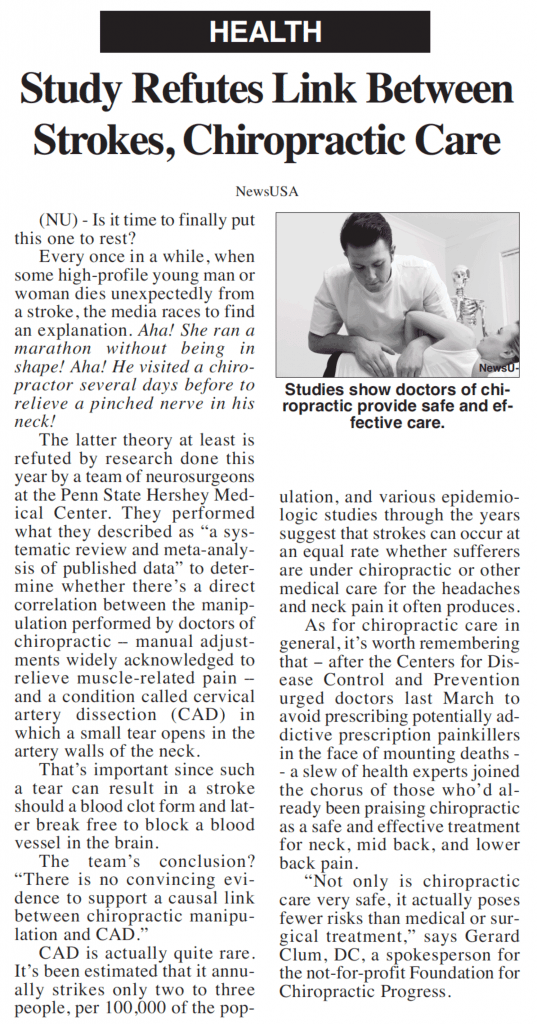
In fact, although a chiropractic adjustment would not slow down the incidence of the stroke, 2008 research shows that it would no more accelerate it than a visit to the medical doctor.� In an article published in SPINE, a multi-disciplinary team of researchers found that while strokes are very rare events in the general public, there was only an increased correlation between chiropractic visits and the occurrence of stroke, due to patients with headaches and neck pain seeking care before their stroke. Notably, the correlation of medical visits and strokes matched that of chiropractic visits and strokes; neither form of care was shown to increase the risk of stroke.� In either case, the unfortunate patient was headed for a vascular incident.� The occurrence of a stroke after a visit to the chiropractor (or the medical doctor) provides no association of cause, only correlation.
Is your chiropractor required to warn you about the possibility of a stroke with a chiropractic adjustment?� Interestingly, Dr. Christopher Kent, who is an attorney, independent researcher, and president of the Foundation for Vertebral Subluxation, has expressed that �such informed consent must be based on appropriate information and since there is no scientific evidence that chiropractic adjustments or neck manipulations actually cause strokes, it is inappropriate to require a doctor to suggest that such a risk exists.� Nevertheless, most state and provincial laws require Doctors of Chiropractic to disclose a remote risk of stroke to their patients, for this is common practice for �material risks� even when the likelihood of occurrence is very small.
Long-term Benefits of Chiropractic Care
Rather than study isolated reports of adverse incidences which may (or may not) occur within one visit to the chiropractor, it is more revealing to measure the long-term benefits of chiropractic care.� Ultimately, studies consistently demonstrate that a healthier spine relates to a healthier person.
Beyond symptomatic relief, a growing number of chiropractors place emphasis on corrective care and spinal hygiene, to maintain and promote the health of the spinal column and nerve system.
Without maintenance of spinal health, we now know through numerous studies that posture misalignment not only affects neurology but also the vascular system.� A 2004 study revealed that older men and women with hyperkyphotic postures have increased rates of death, specifically associated with increased atherosclerosis. With atherosclerosis increasing the incidence of an ischemic stroke, it is only logical for health-conscious individuals trying to prevent strokes to maintain healthy posture through chiropractic care.
Further, whereas a 2005 study showed that the reversal of the normal cervical curvature results in vascular changes in the spinal cord, the maintenance of this proper alignment should be of highest importance to those interested in the prevention of vascular incidents.
Statistically, the incidence rates favour those individuals receiving chiropractic care.� In 1995, the Journal of Manual and Physiological Therapeutics published the risk of fatal stroke associated with chiropractic cervical adjustments.� Although no cause was shown in the article, the correlation is estimated to be 1 in 400,000 or 0.00025%.20 Newer studies suggest the risk may be as low as 1 in 6 million, 0.00002%. Notably, the National Center for Health Statistics indicates the mortality rate from stroke in the general population is more than twice the rate of the most conservative estimates correlating chiropractic.� The risk in the general population is 1 in 175,000 or 0.00057%.
Not only is the risk of death from stroke after a cervical adjustment substantially less than the risk of fatal stroke in the general population, other long-term studies of chiropractic patients have shown:
Improved lung capacity, athletic ability, and vision
Better functional capacity, and reduced relapse of prior disability
Better overall health and greater activity levels
Enhanced DNA repair and enzyme activity; reduced impact of oxidative stress
Fewer hospital visits, reduced pharmaceutical costs, and medical expenditures
Improvement in health, wellness, and quality of life
The Final Verdict: Malpractice Claims
Lastly, as it is always possible that research could be slanted based on who was conducting it, perhaps the best measures of safety are the malpractice insurance costs for chiropractors and the actual frequency and success of claims filed against them.� No one pays closer attention to injury statistics than Malpractice Insurance carriers.
According to the Canadian Medical Protective Association, annual malpractice rates for Ontario medical doctors range from $1,572 for the family physician and $7,332 for the neurologist, to $44,520 for the Obstetrician.30 By comparison, the Canadian Chiropractic Protective Association�s standard rate for chiropractic malpractice insurance is less than $1,300 per year.� Notably, the first-year doctor of chiropractic is extended a new member discount of approximately 50% (as opposed to an increased premium), not reflecting any greater risk for a patient seeing a doctor with less experience.
American rates reflect the inter-professional differences to an even greater degree.� Whereas the U.S. physician could pay $25,000 to $50,000 per year for malpractice coverage, U.S. chiropractors pay annual rates less than $5,000.32,33 The chiropractic profession has a well-established record of safety and efficacy, and the chiropractor�s malpractice insurance rates remain among the lowest across health professions.34 The varying rates are directly related to the risk involved in the doctors� procedures, the claims filed against them, and the likelihood of future lawsuits.
Although they are sensationalized in the media when they do occur, claims against chiropractors are very rare.� Your chiropractor�s office consistently proves itself to be one of the safest health care facilities you can choose for your family.
Moving Forward
Unquestionably, there have been decades of misinterpretations, and unfortunately chiropractic myths have been passed down through generations.� Certainly, professional bias has also played a role in the public�s misunderstanding of the safety and efficacy of chiropractic care.� (The U.S. Court of Appeals determined in 1990 that the American Medical Association had engaged in a �lengthy, systematic, successful and unlawful boycott� designed to restrict cooperation between medical doctors and doctors of chiropractic.)� Fortunately, we are long past that day. �What you would hope to find in the 21st century are cooperative teams of health care professionals working together for your benefit.
My personal recommendation is to seek a chiropractor who not only uses current technology and techniques to analyze and render care to his or her patients, but also is willing to engage in dialogue with your other health care providers.� I recommend the same when choosing an M.D.
With this better understanding of chiropractic myths and the benefits of maintaining a healthy spine, I trust that you can comfortably move forward, integrating chiropractic care into your wellness lifestyle.
Sciatica is generally described as a set of symptoms, primarily characterized by pain and discomfort, along with tingling sensations and numbness. Athletes frequently report experiencing symptoms of sciatica, however, there are many factors as well as a variety of injuries and conditions which can manifest these well-known symptoms. Piriformis syndrome is a disorder that is frequently confused with symptoms of sciatica.
The piriformis muscle is commonly known among athletes and healthcare professionals as a significant muscle in the posterior hip. This muscle functions to control hip joint rotation and abduction and it is also a distinguishable muscle due to its inversion of action in rotation. The piriformis muscle also raises awareness as the various causes of piriformis syndrome, a condition suspected to be a potential source of pain and dysfunction, not only in athletes, but in the general population as well.
Anatomy of the Piriformis Muscle
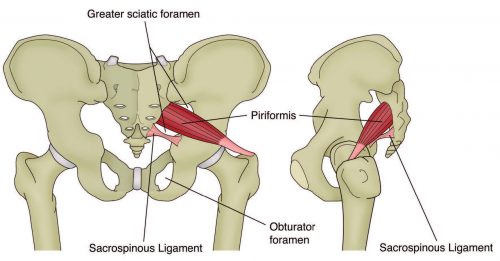
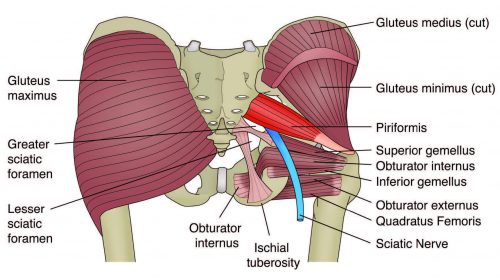
The piriformis muscle originates on the anterior surface of the sacrum and it is securely held to it by three tissue attachments found between the first, second, third and fourth anterior sacral foramina. Occasionally, its origin may be so broad that it joins the capsule of the sacroiliac joint with the sacrotuberous and/or sacrospinous ligament. The piriformis muscle is a thick and strong muscle that travels out of the pelvis through the greater sciatic foramen, dividing the foramen into the suprapiriform and infra-piriform foramina. As it courses through the greater sciatic foramen, the muscle decreases to a point where it forms a tendon that attaches to the superior-medial surface of the greater trochanter, frequently integrating with the tendon of the obturator internus and gemelli muscles.
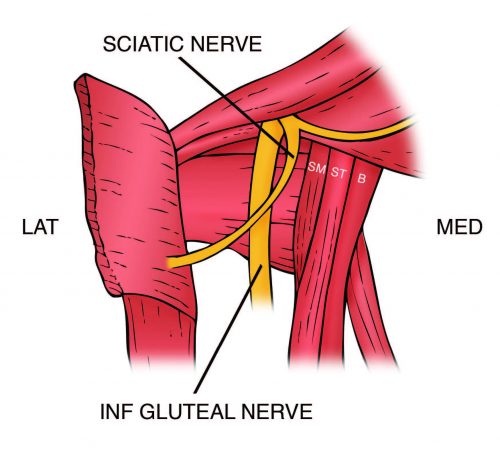
The nerves and blood vessels found within the suprapiriform foramen are known as the superior gluteal nerves and vessels, and those found in the infra-piriforma fossa are known as the inferior gluteal nerves and vessels, including the sciatic nerve. Because of its broad size in the greater sciatic foramen, there�s a risk the numerous vessels and nerves that exit the pelvis may become compressed.
The piriformis muscle is closely associated with other short hip rotators as well, such as the superior gemellus, obturator internus, inferior gemellus and obturator externus. The primary difference between this muscle and other short rotators is its connection to the sciatic nerve. The piriformis muscle passes behind the nerve while the other rotators pass before it.
Anatomical Variants
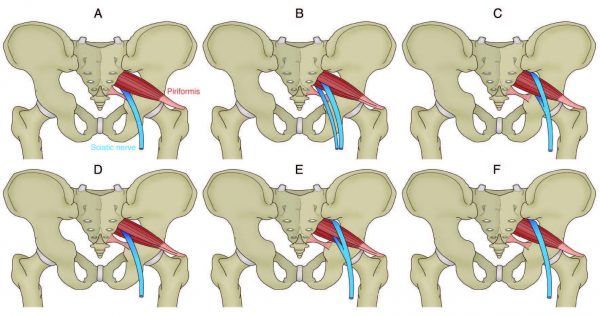
Several anatomical variations have been previously diagnosed among the piriformis muscle. First, there may be additional medial attachments to the first and fifth sacral vertebrae and to the coccyx. Second, the tendon may merge with the gluteus medius or minimus or with the gemellus. Also, in approximately less than 20 percent of cases, the piriformis muscle may be divided into two different segments, through which part or all of the sciatic nerve may travel. Then, the muscle may blend with the posterior hip joint capsule as a conjoined tendon with the obturator internus. Additionally, the distal attachment of the piriformis muscle has been demonstrated to vary in proportion and position on the supero-medial surface of the greater trochanter. It can stretch across 25 to 64 percent of the anterior-posterior length along the greater trochanter, with 57 percent of it attaching more anteriorly and 43 percent more posteriorly. Last but not least, researchers studied its insertion point broadly and discovered that four types of insertions existed and these were characterized based on the relationship to the obturator internus. The variation of placement and width of the distal attachment of the piriformis muscle may influence the effectiveness of the concept known as the inversion of action.
Furthermore, the connection between the piriformis muscle and the sciatic nerve has been a highly debated complication. It�s been previously concluded that there are several anatomical variations among the piriformis muscle and its connection to the sciatic nerve. The sub-types of this variation include: type 1-A, where the muscle is pear shaped with the nerve running anteriorly and inferiorly to this, found in 70 to 85 percent of cases; type 2-B, where the piriformis muscle is divided into two sections with the common peroneal nerve running between the two parts and the tibial nerve travels anteriorly and below, found in 10 to 20 percent of cases; type 3-C, where the peroneal portion loops over the top of the muscle and the tibial portion is found below, found in 2 to 3 percent of cases; and type 4-D, where the undivided nerve passes through the piriformis muscle, found in approximately 2 percent of cases.
Moreover, it is also speculated that two other, very rare variations may occur, demonstrated by letters E and F in the diagram. Type 1-A is the most common variation, displaying the sciatic nerve as it passes below the piriformis muscle.
Function of the Piriformis Muscle
The fundamental functions of the piriformis muscle are to provide hip external rotation and allow abduction at 90 degrees of hip flexion. During weight-bearing, the piriformis muscle restricts femoral internal rotation in the stance phase of walking and running. Also, it assists the short hip rotators in compressing the hip joint and stabilizing it. Because it can exert an oblique force on the sacrum, it may produce a strong rotary shearing force on the sacroiliac joint. Otherwise, this would dislocate the ipsilateral base of the sacrum forward and the apex of the sacrum backwards.
Since the piriformis muscle is the furthest behind of the hip external rotators because of its attachment on the anterior surface of the sacrum, it has the greatest influence to apply a rotation effect on the hip joint. Occasionally, healthcare specialists have found issues with the piriformis muscle where it appears to be tight and hypertonic, while the other short hip rotators which are found closer to the axis of rotation become inhibited and hypotonic.
Inversion of action
The most argumentative complication relating to the function of the piriformis muscle is its reversal-of-function role, best referred to as the inversion of action role. Researchers have suggested that as the hip approaches angles of 60 to 90 degrees and greater, the tendon of the piriformis muscle shifts on the greater trochanter. As a result, its line of pull becomes ineffective as a hip external rotator, however, it does contribute to internal hip rotation. Consequently, it reverses its rotation function at high hip flexion angles.
The role of the piriformis muscle at several joint angles is an essential consideration for healthcare professionals who evaluate and treat the causes of piriformis syndrome. Frequently, it�s recommended to stretch the hip into flexion, adduction and external rotation to stretch the piriformis muscle over the glutes by utilizing the reversal of function concept.
Nonetheless, more recent studies conducted through anatomical dissection have demonstrated that the attachment of the piriformis muscle onto the greater trochanter can change and, in some instances, it may insert in a position by which it may be unable to reverse its function, for example, in a more posteriorly placed attachment. Thus, stretching the piriformis muscle into external rotation when the hip is flexed beyond 90 degrees, based on the inversion of action role, would be ineffective as a treatment or misleading as an examination technique.
MSK Dysfunction and Causes of Piriformis Syndrome
Many decades ago, it was suggested that in some cases, sciatica symptoms may originate outside the spine as a result of the piriformis muscles. This hypothesis was supported soon after when specialists successfully improved an individual�s symptoms of sciatica by surgically dividing the piriformis muscle. Based on cadaver anatomical dissections, the researchers believed that the spasm of the piriformis muscle could be responsible for the irritation of the sciatic nerve.
The medical term piriformis syndrome then became associated to sciatica symptoms, believed to be caused by a usually traumatic abnormality in the piriformis muscle with a focus on ruling out more common causes of sciatica, such as nerve root impingement caused by a disc herniation. It soon became an accepted interpretation but with no consensus about the exact clinical signs and diagnostic tests to differentiate it from other sources of sciatica.
Understanding the Causes of Piriformis Syndrome
Piriformis syndrome can be defined as a clinical entity whereby the interaction between the piriformis muscle and the sciatic nerve may irritate the nerves and develop posterior hip pain with distal referral down the posterior thigh, resembling symptoms of true sciatica. Distinguishing the damage to this region typically follows exceptions of the more common causes of sciatica and buttock pain.
More specifically, reports of buttock pain with distal referral of symptoms are not unique to the causes of piriformis syndrome. Similar symptoms are prevalent with the more medically evident lower back pain syndromes and pelvic dysfunctions. Therefore, a complete evaluation of these areas must be performed to rule out any underlying pathology. It has been suggested that the causes of piriformis syndrome can be held responsible for approximately 5 to 6 percent of sciatica cases. In the majority of instances, it develops in middle-aged individuals, an average or 38 years and it�s more common among women.
Pathogenesis of Piriformis Syndrome
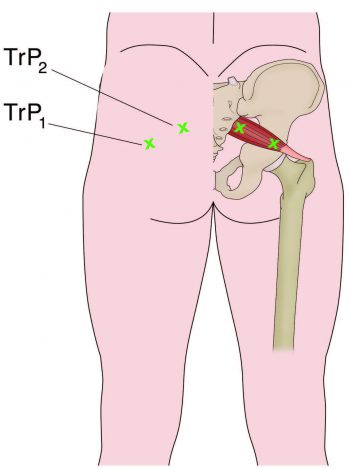
The causes of Piriformis syndrome can be associated to three primary causing factors: First, the referred pain may be the result of myofascial trigger points. Second, the entrapment of the nerve against the greater sciatic foramen as it passes through the infrapiriform fossa or within a variating piriformis muscle. And third, sacroiliac joint dysfunction causing piriformis muscle spasms.
Other researchers presented an additional number of factors behind the causes of piriformis syndrome as follows: gluteal trauma in the sacroiliac or gluteal regions, anatomical variations, myofascial trigger points, hypertrophy of the piriformis muscle or spasms of the piriformis muscle, secondary to spinal surgery such as laminectomy, space occupying lesions such as neoplasm, bursitis, abscess and myositis, intragluteal injections and femoral nailing.
Symptoms
The general symptoms described with the causes of piriformis syndrome include: a tight or cramping sensation in the buttock and/or hamstring, gluteal pain in up to 98 percent of cases, �calf pain in up to 59 percent of cases, aggravation through sitting and squatting if the trunk is inclined forward or the leg is crossed over the unaffected leg and possible peripheral nerve signs such as pain and paresthesia in the back, groin, buttocks, perineum and back of the thigh in up to 82 percent of cases.
Physical findings and examinations
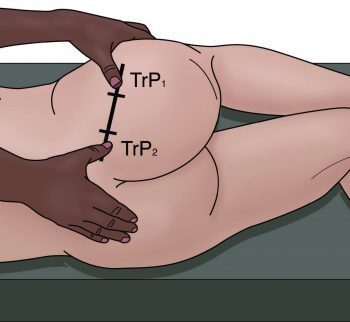
When palpable spasm within the surrounding piriformis muscle occur and there is obturator internus pain and external tenderness over the greater sciatic notch, found in approximately 59 to 92 percent of cases, the individual must perform the Sims position to follow up an evaluation. The piriformis line should overlie the superior border of the piriformis muscle and extend immediately from above the greater trochanter to the cephalic border of the greater sciatic foramen at the sacrum. The examination will continue where the line is divided into equal thirds. The fully rendered thumb presses on the point of maximum trigger-point tenderness, which is usually found just lateral to the junction of the middle and last thirds of the line.
It�s important to keep in mind that hip flexion with active external rotation or passive internal rotation may aggravate the symptoms of dysfunction. Additional findings for the evaluated causes of piriformis syndrome have demonstrated a positive SLR that is less than 15 degrees on the normal side. Other tests used to evaluate the causes of piriformis syndrome include, positive Freiberg�s sign, used in 32 to 63 percent of cases, involves the reproduction of pain on a passively forced internal rotation of the hip in the supine position, believed to result from passive stretching of the piriformis muscle and pressure of the sciatic nerve at the sacrospinous ligament. Pacers sign, used in 30 to 74 percent of cases, involves reproducing pain and weakness on resisted abduction and external rotation of the thigh in a sitting position. Pain in a FAIR position used to evaluate dysfunction, involves the reproduction of pain when the leg is held in flexion, adduction and internal rotation. Furthermore, an accentuated lumbar lordosis and hip flexor tightness predisposes an individual to increased compression of the sciatic nerve against the sciatic notch by a shortened piriformis. Electro-diagnostic tests may also prove useful to diagnose piriformis muscle complications.
Investigations
Conventional imaging, such as X-ray, CT scan and MRI, tend to be ineffective in diagnosing the presence and causes of piriformis syndrome. However, some value may exist in electro-diagnostic testing. The purpose of these tests is to find conduction faults in the sciatic nerve. Findings such as long-latency potentials, for instance the H reflex of the tibial nerve and/or peroneal nerve, may be normal at rest but become delayed in positions where the hip external rotators are tightened.
It�s been established that the tibial division of the sciatic nerve is typically spared, the inferior gluteal nerve that supplies the gluteus maximus may be affected and the muscle becomes atrophied. However, testing of the peroneal nerve may provide more conclusive results as they�re more likely to be the impinged portion of the sciatic nerve. The H-wave may become inactive during the painful position of forced adduction-internal rotation of the affected leg.
Piriformis Syndrome Myths
Researchers argued that piriformis syndrome is a frequently over-used term to describe any non-specific gluteal tenderness with radiating leg pain. It was discussed that only in rare cases is the piriformis muscle involved in nerve compression of the sciatic nerve to legitimately qualify as one of the causes of piriformis syndrome. It was cited that there is only limited evidence and cases where the diagnosis of the causes of piriformis syndrome can be made. First, where there is compressive damage to the sciatic nerve by the piriformis muscle. In several isolated studies, the sciatic nerve was seen to be compressed by the piriformis muscle in instances such as hypertrophy of the muscle, general anatomical abnormalities such as a bifid piriformis muscle and due to compression by fibrous bands.
Also, trauma and scarring to the piriformis muscle can involve the sciatic nerve. It is possible that rare cases of true piriformis syndrome have been caused by direct heavy trauma to the piriformis muscle due to a blunt trauma to the muscle. This is termed as post- traumatic piriformis syndrome.
Researchers supported this argument by stating that it is more likely that, given the anatomical relationship of the piriformis muscle to the various nerves in the deep gluteal region, the buttock pain represents entrapment of the gluteal nerves and the hamstring pain entrapment of the posterior cutaneous nerve of the thigh, rather than the sciatic nerve alone. This demonstrates the medically analyzed circumstance in the absence of distal sciatic neurological signs. Whether the piriformis muscle is the cause of the compression has not been clearly established. It is possible that the obturator internus/gemelli complex is an alternative cause of neural compression. The researchers have suggested utilizing the term deep gluteal syndrome rather than piriformis syndrome.
Treatment
When it is believed that a factor which is considered one of the several causes of piriformis syndrome exists and a healthcare professional feels that a proper diagnosis has been made, the treatment will usually depend on the cause behind the dysfunction. If the piriformis muscle is tight and it spasms, then initially conservative treatment will focus on stretching and massaging the tight muscle to remove the piriformis muscle as being the source of the pain. If this fails, then the following have been suggested and may be attempted: local anesthetic block, typically performed by an anesthesiologist who has expertise in pain management and in performing nerve blocks; steroid injections into the piriformis muscle; botulinum toxin injections in the piriformis muscle; and surgical neurolysis.
Therapist-directed interventions, such as stretching of the piriformis muscle and direct trigger point massage, can also be used as treatment. It�s been encouraged that piriformis muscle stretches are done in positions of hip flexion greater than 90 degrees, adduction and external rotation to utilize the inversion of action effect of the piriformis muscle to isolate the stretch to this muscle independent of the other hip external rotators.
However, recent evidence utilizing ultrasound investigation demonstrated that there was no interaction between hip flexion angle and the thickness of the piriformis muscle tendon in both internal and lateral hip rotation stretching, which suggests that the piriformis muscle does not invert its action. Furthermore, researchers who performed cadaveric studies found that the piriformis muscle insertion is a lot more complex and varied than initially believed. It is possible that the piriformis muscle may invert its action only in some subjects but not in others.
As a result, due to the disagreements and confusions over the inversion of action concept, it is recommended that healthcare professionals should performs two variations of a piriformis muscle stretch: stretches in flexion, adduction and external rotation and stretches in flexion, adduction and internal rotation.
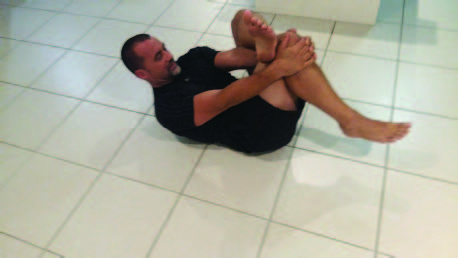
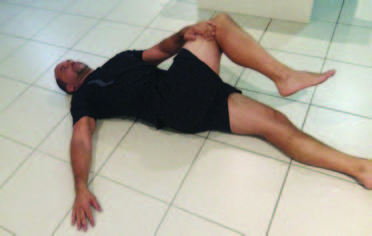
Pigeon Stretch for left piriformis muscle: hip flexion, neutral adduction and maximal hip external rotation.
Stretch for left piriformis muscle: hip is in flexion, neutral adduction and maximal external rotation.
Short leg posterior chain stretch for right piriformis muscle: hip is in 90 degree flexion, adduction and neutral rotation.
Trigger Points and Massage
The most appropriate suggestion to palpate the piriformis muscle trigger points is in the following recommended position. In this posture, the healthcare professional can feel for the deep piriformis muscle trigger points and apply a constant pressure to relieve the trigger points as well as apply a flush massage to the muscle in this position. In this position, the large gluteus maximus is relaxed and it is easier to feel the deeper piriformis muscle.
The piriformis muscle is a deep posterior hip muscle that is closely related anatomically to both the sacroiliac joint and the sciatic nerve. It is a muscle that is a dominant hip rotator and stabilizer, with a tendency to shorten and become hypertonic. Therefore, stretching and massage techniques are best recommended and utilized to reduce the tone through the muscle. In conclusion, it has also been suggested in compression and irritation of the sciatic nerve, most commonly referred to as piriformis syndrome.
In athletes, piriformis syndrome is a common disorder identified by the irritation and inflammation of the piriformis muscle which can generally result in the compression of the sciatic nerve. This impingement of the nerves and its surrounding tissues can cause the symptoms of sciatica to manifest, characterized by pain and discomfort, along with tingling sensations and numbness, affecting an athlete’s performance.
For more information, please feel free to ask Dr. Jimenez or contact us at 915-850-0900 .
By Dr. Alex Jimenez
Additional Topics: Headache After Auto Injury
After being involved in an automobile accident, the sheer force of the impact can cause damage or injury to the body, primarily to the structures surrounding the spine. Whiplash is a common result of an auto collision, affecting the bones, muscles, tendons, ligaments and other tissues around it, causing symptoms such as head pain. Headaches are a common symptom after an automobile accident, which may require immediate medical attention to determine its source and follow through with treatment.
CHIROPRACTORS HAVE CLAIMED FOR YEARS THAT WE CAN BE MORE COST-EFFECTIVE. BCBS HAS THE DATABASE THAT WOULD PROVE OUR THESIS, BUT THERE SEEMS TO BE A RELUCTANCE TO ALLOW OUR PROFESSION TO ACCESS THE DATA THAT WOULD PROVE US RIGHT.
In August 1999, Blue Cross/Blue Shield (BCBS) of Kansas presented a study titled �Lumbago Treatment.� This data was made available from a new program installed by BCBS called the McKesson Episode Profiler.
This program gave BCBS the ability to sort data according to specific diagnoses and compared the costs, frequency, and other factors between peer groups.
The data revealed that while less than eight percent of the study group were chiropractors, 38 percent of the patients chose to seek chiropractic care rather that allopathic medicine. This fact indicates that patients desire and are satisfied with the management techniques of the chiropractor.
The study did not include any hospitalization costs for surgery or any fees paid to orthopedists or neurosurgeons for costs associated with surgery. If the data included costs for these procedures, the savings for chiropractic would have been much greater.
When sorted by the average cost per episode, chiropractic is more cost-effective than anesthesiology; neurosurgery; neurology; registered physical therapy; orthopedic reconstructive surgery; physical medicine and rehabilitation; and rheumatology.
The greatest cost-effectiveness of chiropractic is demonstrated when one considers the global cost of allopathic care. The physical therapist can only receive referrals from an allopathic provider. An allopath can only write prescriptions. The allopathic provider primarily orders surgeries, nerve conduction tests MRIs, and CT scans. Hospitalization charges are totally allopathic charges that cannot be associated with chiropractic. When these charges are considered, the tremendous economy of chiropractic management becomes indelibly clear.
The majority of chiropractic charges were associated with the basic office-treatment-related services performed. Eighty-nine percent of the chiropractic charges were for services related to the treatment, while only 45 percent of the family practice costs were related to treatment of the condition. The remainder of the costs were for expensive diagnostics.
Patients who visit the family practice provider have about a 15 percent chance that they will have a MRI or CAT scan. These services cost an average of over $1,000 and provide no treatment, only a diagnosis.
For each 100 episodes, the chiropractor provided 265 modalities. For each 100 episodes, the registered physical therapist provided 885 modalities: over three times as many units of physical therapy provided by RPTs than chiropractors. This is a cost that has to be globally charged to the family practice providers, since patients cannot access RPTs without a referral from a medical doctor.
Registered physical therapists provided 303 office visits per 100 episodes, compared to 255 by the chiropractor. When RPTs are combined with the other allopathic portals, there are 598 office visits per 100 episodes. Therefore, the myth claiming chiropractors treat the patient more than the allopathic portals is obviously just diversionary, and not based on facts.
Patients had a willingness to return to the chiropractor that was 22 percent greater than the combined totals of allopathic portals. This indicates a level of satisfaction that is demonstrated by the patient�s willingness to return, based on results and confidence.
The BCBS lumbago study demonstrates that chiropractic is not only cost-effective but also quality effective. Adding chiropractic services would only decrease the cost to the plan. What is hard to explain is the prejudice against chiropractic in the design of BCBS plans, and their reluctance to push the study and analysis of the data to the next level. It almost seems as though there is a fear that exists in the minds of those in positions of power, preventing them from presenting the cost comparisons with the global cost of allopathic portals to chiropractic. Chiropractors have claimed for years that we can be more cost-effective. BCBS has the database that would prove our thesis, but there seems to be a reluctance to allow our profession to access the data that would prove us right.
I guess the million-dollar questions are �Why?� and �What are they afraid of?� Perhaps it is the fear of knowing how to handle the data once it proved that chiropractic was more cost-effective. Perhaps it is getting past the mindset that adding chiropractic benefits is going to increase reimbursement levels. Perhaps they cannot see that there would not be a cost increase but a cost savings from directing patients to more cost-effective portals. Allowing osteopaths to treat broken arms did not increase the number of fractures; it simply shifted the point of access to treatment. Likewise, allowing patients to freely access chiropractic services would not increase the number of spinal related injuries; it would simply allow the patient access to desired and more cost-effective services.
I imagine that BCBS of Kansas regrets releasing the amount of information they already have. There seems to be a reluctance to push the analysis of the data to the next level. It is now up to the profession to �hold their feet to the fire� and push for more data to support the fact that chiropractic can be more cost-effective.
“Lumbago Study”�reveals 38 percent of patients chose to seek chiropractic care rather that allopathic medicine. This fact shows�that patients desire and are satisfied with management techniques of chiropractic care.
Chiropractic Care & The Department of Veterans Affairs
The Foundation for Chiropractic Progress (F4CP) notes that for more than 10 years, the U.S. Department of Veterans Affairs (VA) has included chiropractic services as part of the standard medical benefits package offered to all enrolled veterans. According to a new study conducted by researchers from the VA Connecticut Healthcare System, published in the Journal of Manipulative and Physiological Therapeutics, the use of chiropractic services and the chiropractic workforce in VA has grown substantially since their introduction over a decade ago. The annual number of chiropractic visits has increased by nearly 700 percent, thus demonstrating more veterans have access to chiropractic care than ever before.
�Our work shows that VA has steadily and substantially increased its use of chiropractic services each year following their implementation in late 2004,� states lead author of the study Anthony J. Lisi, DC, Director of the VA Chiropractic Program, and Chiropractic Section Chief at the VA Connecticut Healthcare System. He adds, �VA chiropractic care includes evidence-based, patient-centered treatment options that are in demand by veterans and referring providers. VA continues its efforts to ensure appropriate access to chiropractic care across the whole system, but as this paper shows, the progress to date has been remarkable.�
Military Healthcare/Chiropractic
Among the multitude of findings during an 11 year period, the study showed that:
? The annual number of patients seen in VA chiropractic clinics increased by 821 percent.
? The annual number of chiropractic visits grew by 693 percent.
? The total number of VA chiropractic clinics climbed 9 percent annually, and the number of chiropractor employees increased by 21 percent annually.
? The average VA chiropractic patient is male, between the ages of 45 and 64, is seen for low back and/or neck conditions, and receives examination, chiropractic spinal manipulation and other health care services.
Co-Author Cynthia A. Brandt, MD, MPH, Health Services Researcher at the VA Connecticut Healthcare System and Professor at Yale University School of Medicine states, �Chiropractic care is an important component in the treatment of veterans with spinal pain conditions. The trends we identified provide a foundation for further research to examine the optimal models of care delivery for patients.�
The study notes: �Our results indicate that VA chiropractic clinics saw a greater percentage of female and younger patients compared with the national VA outpatient population. This demographic tendency is consistent with the cohort of veterans from the recent conflicts in Iraq and Afghanistan, which is known to have a high prevalence of musculoskeletal conditions.�
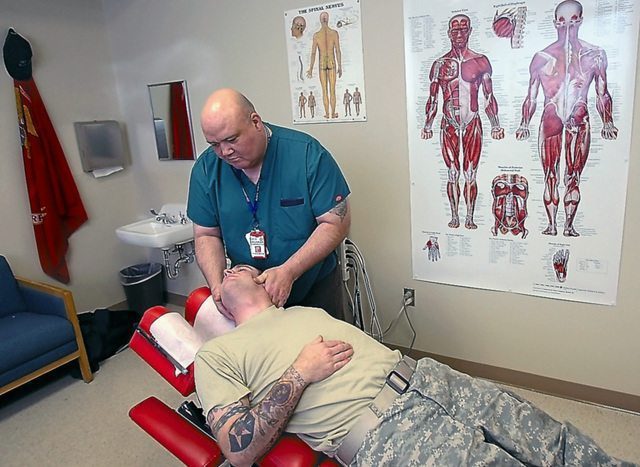
An Army report recommended the use of alternatives to pain drugs, including chiropractic care, massage and acupuncture. Here, Dr. Frank Lawler gives Spc. David Ash chiropractic treatment, January 7, 2011, in Tacoma, Washington. (Mark Harrison/Seattle Times/MCT)
Veterans With Back Pain
�The growing utilization of chiropractic services among veterans for pain management and other health concerns, particularly those in the Operation Enduring Freedom, Operation Iraqi Freedom, Operation New Dawn and older adult populations, showcases the clear-cut demand for chiropractic care and is a direct reflection of the improved clinical outcomes and high patient satisfaction scores that have been documented previously,� says Sherry McAllister, DC, executive vice president, F4CP. �We commend VA for its participation in ongoing chiropractic research to help further improve the health and well-being of our respected and valued veterans.�
The authors also state that the growth in VA chiropractic use has occurred without additional laws mandating expansion. This suggests an increasing recognition of the value of chiropractic care in VA. In a recent editorial, VA Under Secretary for Health, David J. Shulkin, MD, cited VA�s chiropractic program as one example of the important health care expertise provided to veterans.
Doctors of chiropractic (DCs) � who receive a minimum of seven years of higher level education � provide non-operative management of conditions such as headaches, back pain, neck pain, or pain in joints, via a comprehensive approach including manual techniques and active rehabilitation. Chiropractic services are integrated with primary care, specialty clinics and rehabilitation, and provide a non-pharmacologic option for pain management, as well as general health and wellness concerns.
About Foundation for Chiropractic Progress:
A not-for-profit organization, the Foundation for Chiropractic Progress (F4CP) informs and educates the general public about the value of chiropractic care. Visit www.f4cp.com or call 866-901-F4CP (3427). Social media: Facebook, Twitter, LinkedIn, Pinterest, YouTube.
View source version on businesswire.com: http://www.businesswire.com/news/home/20160620005430/en/
Substantial Growth in the Use of Chiropractic Care by the Department of Veterans Affairs. The Foundation for Chiropractic Progress (F4CP) notes that for more than 10 years, the U.S. Department of Veterans Affairs (VA) has included chiropractic services as part of the standard medical benefits package offered to all enrolled veterans.
Athletes regularly participate in rigorous training and competition. While they routinely stretch and exercise accordingly to prevent experiencing injuries while performing their specific sport of physical activity, they constant and repetitive movements of the body can often cause damage or injury, even developing an aggravating condition regardless of the process they follow to avoid harm. Hamstring injuries are recognized as frequent injuries among athletes, particularly due to the use of the legs in a majority of sports or physical activities.
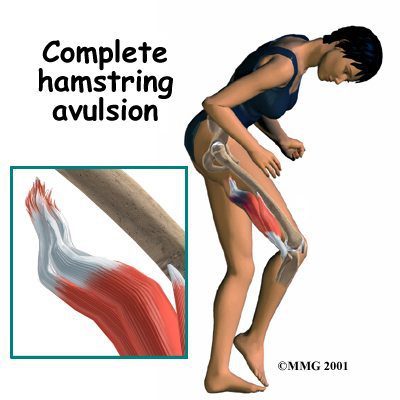
Hamstring injuries are significantly common in athletes and the risk of re-injury is reasonably frequent. Researchers found that in elite-level Australian football, hamstring injuries were the most prevalent type of sports injury which required time away from competition. Researchers also determined that low-grade muscle strains occur most frequently, followed by more significant myotendinous junction tears. Fortunately, these have shown a positive response to conservative rehabilitation. Hamstring avulsions are considerably rare, same as complete ruptures originating at the hamstring. Such type of sports injuries can be debilitating.
Muscle ruptures in the form of hamstring avulsions have been reported more frequently in the younger population due to an immature epiphyseal growth plate found on the ischial tuberosity in older children and adolescents. Hamstring avulsions in adults with fully fused ischial tuberosities are contributed to be ruptures of the proximal hamstring tendon or complete avulsion fractures of the ischial tuberosity.
An immediate diagnosis following proper treatment methods for ischial tuberosity avulsions or tendon ruptures is essential at this point because several individuals whom were treated non-operatively for hamstring ruptures experienced residual loss of power. Further complications for hamstring avulsions include pain, weakness, cramping during locomotion and pain while sitting. As with the majority of tendon avulsions, treating the injury as soon as possible can present better outcomes than delaying treatment. According to research, receiving treatment within four weeks of injury resulted in better recovery outcomes as compared to those which received treatment after four weeks of injury.
Anatomy of the Hamstring & its Function
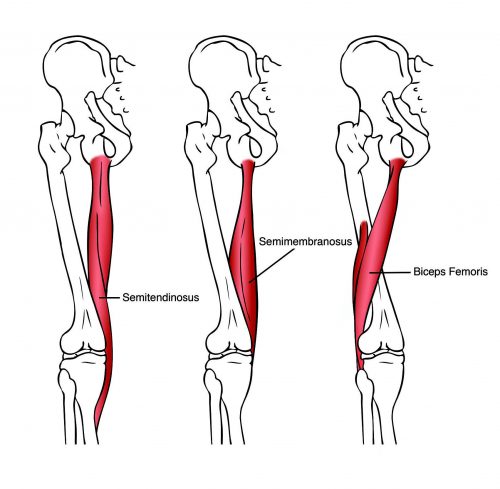
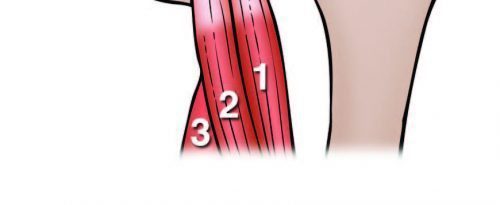
The hamstring muscles consist of the biceps femoris, both the long head and the short head, the semitendinosus and the semimembranosus. All of these muscles, excluding the biceps short head, attach onto the ischial tuberosity. The short head biceps begin along the femur simultaneously with the linea aspera.
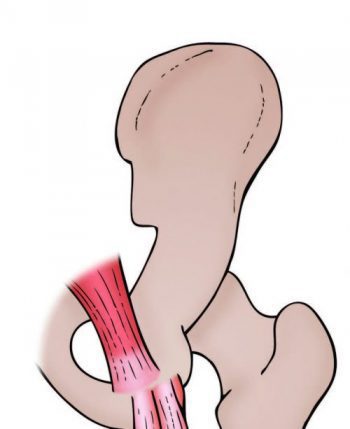
At the proximal origin, the long head of the biceps and the semitendinosus form a combine to create the tendon which attaches to the ischial tuberosity and the semimembranosus.
When an individual undergoes puberty, a secondary ossification center at the ischial tuberosity develops without fusing until the individual�s late teens or early twenties. Within the period of time between the fusion of the apophysis, an increased force traction may cause a hamstring avulsion along the apophysis as a result of a weakened connection between the bone and the muscle. After the bones begin to mature, injuries at the myotendinous junction become more common.
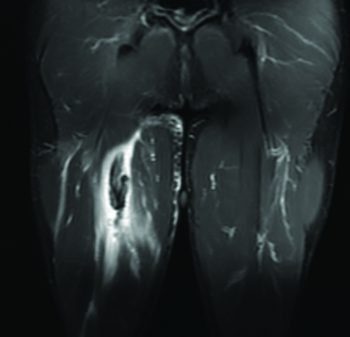
The structures of the hamstring greatly associate with the passage of the sciatic nerve along the upper posterior thigh. A severe injury to the muscle that causes a large hematoma may develop adhesions in and around the sciatic nerve which may create complications towards an athlete�s overall performance after the rehabilitation process. Also, the nerve may become damaged or injured as a result of a traction neuritis when the muscle belly retracts away from the nerve. Furthermore, compression or impingement due to a tight fibrotic band distal to the ischial tuberosity may also cause complications for many athletes. Managing hamstring avulsions and other types of injuries relating to the proper function and mobility associated with the sciatic nerve is an important factor towards overall recovery.
It is not uncommon for hamstring avulsions to involve only two heads of the hamstring and not all three. These are identified as partial avulsions. It is more common if the hamstring avulsions are partial to where it involves the combined tendon of the biceps femoris and the semitendinosus.
Mechanism of Injury
Due to the anatomical structure of the hamstrings, these can be highly vulnerable to suffer trauma or injury in the regions where the muscles and other tissues cross both the hip and knee, primarily because of its large leverage to function with the hip during movements.
The most common mechanism of injury involves forced knee extensions in a position of hip flexion while the muscle is placed under a large and rapid eccentric load. The force is conducted to the myotendinous junction. This often results due to a sudden and forceful landing from a jump where the knee was locked in extension, during foot contact in sprinting or in excessive and uncontrolled hip flexion, such as when the leg slips out from underneath the body and moves into hip flexion with the knee extended during sports or physical activities like forward splits, water skiing and bull riding.
Nonetheless, it�s been considered that in order for tendons to rupture, some level of degenerative alterations must have developed in the tendon before the rupture occurred. This hypothesis has been identified in athletes where the Achilles tendons rupture and the supraspinatus tendons rupture. Researchers have associated these findings with why myotendinous ruptures in the hamstrings of young athletes almost never occur, how they fail at the growth plate as well as explaining its increasing frequency in middle aged, recreational athletes.
The degeneration of the tendon occurs throughout the anatomical and biochemical change in the tissue of the tendon. The collagen fibers become disorganized, the intracellular matrix changes, cystic foci develop in the tendon and hypervascularity within the tendon becomes present. Tension and compression forces being applied against the body can often create these degenerative effects. The forces of tension occur as a result of a rapid, eccentric loading against the hamstring tendon as the hip is rapidly flexed. The forces of compression occur when the singular anatomy of the ischial tuberosity bone presses against the tendon and creates a zone of impingement. Repetitive and constant tension and compression forces then progressively degenerate, eventually becoming weaker and rupturing.
Furthermore, because of the proximity of the hamstring muscles to the sciatic nerve which runs down each leg from the lower back, a hamstring rupture could also affect this crucial nerve. As a result, the inflammation and swelling caused by an injury to the hamstring muscles and other surrounding tissues may compress the sciatic nerve, leading to symptoms of sciatica. Sciatica is commonly referred to as a series of symptoms rather than a single injury and condition. Therefore, athletes with hamstring avulsions may additionally experience symptoms of sciatica.
The affected athlete must seek immediate medical attention not only to effectively treat hamstring injuries but also to determine the presence of sciatica and properly diagnose whether another type of injury or underlying condition may be causing the sciatic nerve pain besides the hamstring rupture.
Hamstring Injury Symptoms
Athletes with hamstring avulsions commonly describe experiencing severe and debilitating symptoms after the injury. Many athletes report the pain as a sudden shot along with an audible pop. A majority of individuals faced with hamstring avulsions are guarded on the affected limb and are reluctant to bear full weight on a loaded limb. Hamstring ruptures causing sciatica may experience pain along with numbness and tingling sensations, radiating along the lower back, buttocks and thighs. Also, in some cases of injury, an athlete may develop myofascial pain syndrome, a disorder causing muscle pain in seemingly unrelated areas of the body.
When the affected athlete visits a healthcare professional, such as a chiropractor, physical therapist or other specialist, on examination, a palpable defect may be felt below the ischial tuberosity and a loss of the contour of the hamstring can often be observed. These, however, generally depend on the size of the gluteals and any intervening adipose tissue which could make direct palpation and visualization difficult. Healthcare specialists usually describe a significant discoloration throughout the hamstring muscle a few days after the injury occurred.
Further evaluation of athletes with hamstring avulsions show weakness in both isolated knee flexion and isolated hip extension along with reported pain. The individual�s range of motion is greatly restricted due to the symptoms and walking with a limp may be common as they may be unable to bear weight through the injured muscle.
If proper medical attention is delayed because the injury appears to be muscle related and the athlete believes it could heal on its own, the individual may experience hamstring muscle atrophy due to disuse.
Imaging
Basic X-rays and CT scans won�t provide beneficial results unless the hamstring avulsions occurred from the ischial tuberosity.
Ultrasound imaging may be useful, however, further research regarding its sensitivity and specificity requires more research.
MRI is the preferred method when the presence of a hamstring rupture is suspected because the details of the soft tissues are well displayed on an MRI, highlighting the level of tendon retraction as well as any interference with the sciatic nerve. Furthermore, MRI can be utilized throughout all stages of rehabilitation to evaluate the healing capacities of the tendon.
Hamstring Injury: Common Sports Injuries
Hamstring Lesion Treatment & Care
The treatment procedures for hamstring injuries have long been considered controversial, whether they effectively repair or don�t repair the damage or injury. A large number of criteria has been suggested to help healthcare professionals, such as chiropractors and physical therapists, among others, to help determine if athletes faced with hamstring avulsions may require surgery.
First, the osseous avulsion must have more than a 2 cm retraction. Second, there must be complete tears in all 3 tendons with or without retraction, and last, partial tears reporting painful and symptomatic despite prolonged conservative treatment, are some of the criteria an individual must meet to signal the need for surgery.
However, some partial or complete ruptures of the hamstring generally requires some form of operative treatment among the vast majority of athletes, primarily due to concerns regarding residual loss of strength and power.
Instances where partial hamstring ruptures may require operative treatment still remain fully unclear. In some cases, partial ruptures may rehabilitate properly through conservative procedures but if pain and other symptoms continue after a prolonged period of rehabilitation, then repairing a partial rupture through operative measures may lead to positive outcomes.
Surgical Intervention for Hamstring Ruptures
The surgical procedure for repairing hamstring avulsions is as follows: First, the hamstring muscle is contacted with a posterior incision beginning at the gluteal fold. The incision may extend over a 10 cm distance in order for the specialist to be able to fully access the retracted hamstring tendon. The placement of the posterior cutaneous nerve and the sciatic nerve in relation to the individual will be visualized and any adhesions at this point can be carefully resected, a process known as neurolysis. Neurolysis is almost always essential if surgery has been delayed due to misdiagnosis or following unsuccessful conservative treatment procedures. If a hematoma is detected, then this will be cleared.
The end piece of the proximal tendon on the ischial tuberosity is then located, as is the retracted tendon, and these will be closely located with the knee in flexion to reduce the hamstring stretch. Then, they will be repaired with Ethibond sutures and Merselene tapes. If the tendon has avulsed, then this will be anchored with a titanium self-tapping screw.
The stability of the surgical repair is evaluated by passively flexing the knee 45 degrees to create tension in the muscle and tendon. This allows the specialist to analyze the safety of the individuals range of motion throughout the course of surgery so that rehabilitation exercises and stretches can being early within safe ranges. Furthermore, this will avoid prolonged immobilization which have been shown to lead to considerable amounts of atrophy as well as loss of strength and range in post-operative hamstring repairs.
If hamstring injuries are effectively treated early, the need for a post-operative knee flexion brace is generally not necessary but, if the surgery was delayed, then a post-operative knee flexion brace may be required.
Several researches have attempted endoscopic repairs of hamstring avulsions, stating that this procedure can offer more benefits, such as minimizing scar tissue, superior visualization of the hamstring tendon, decreasing the amount of bleeding and better protection of the neurovascular bundle.
Post-Surgical Results
A majority of studies regarding the outcomes of hamstring tendon repairs through surgery providing the return of the individual�s strength and function have demonstrated that it may be unreasonable to expect an athlete to return to full strength in the hamstring following a surgically repaired hamstring tendon. Although the strength and function of the hamstring may be reduced, the athlete can successfully return to a pre-injury level of competition in most cases.
Researchers found that among individuals with repaired hamstring tendons through surgical procedures, 80 percent of them returned to participate in pre-injury levels of sports or physical activities. Moreover, the individual�s hamstring isotonic strength returned to an average of 84 percent while hamstring endurance returned to an average of 89 percent. Additionally, the researchers found that 90 percent of the hamstring injuries they followed had returned to pre-injury levels of sport or physical activity. All of these reported excellent outcomes in function and isokinetic tests demonstrated that the strength of the hamstring returned to 83 percent at six months as compared to 56 percent at the pre-surgery level. Finally, the researchers reported the evaluated results of seven individuals who underwent operative repair and concluded that the average time they experienced a restoration of function was 8.5 months. By six months of port-operative procedures, six of the seven individuals had returned to pre-operative levels of function.
Hamstring injuries are common complications which occur among a variety of athletes. While the symptoms of the injury can vary depending on the severity of the issue, it’s often reported that hamstring injuries can develop symptoms of sciatica. The sciatic nerve extends from the lower back, down the buttocks and thighs, which is why damage or injury to the legs can generally affect the nerves and tissues surrounding them.
For more information, please feel free to ask Dr. Jimenez or contact us at 915-850-0900 .
When an individual has experienced an injury or they�ve developed a condition as a result of trauma from an accident, or due to the natural process of degeneration over time, deciding on the best healthcare provider to receive treatment from is an essential choice. If you�ve been harmed, it�s in your best interest to find the most effective form of treatment according to your special needs and choosing the right doctor can greatly affect your overall improvement.
By educating yourself with the proper information regarding the various types of care that different healthcare specialists can provide as well as asking providers the most convenient questions about their treatment methods can help individuals make informed decisions when choosing the best healthcare professional. Not all medical services are right for everyone. In addition, the individual�s health plan may or may not provide coverage for all forms of care. It�s important to understand your financial responsibilities before using any medical services.
Chiropractic care is one of the most popular, alternative treatment options utilized to treat common symptoms, such as neck and back pain. Doctors of chiropractic, abbreviated as DCs, focus on the diagnosis, treatment and prevention of disorders associated with the musculoskeletal and the nervous system. Primarily specializing in the structure and function of the spine, as well as other tissues surrounding the spinal bones, a chiropractor can restore the original health and wellness of the body naturally, without the use of medications and/or surgery. Chiropractic treatment consists of spinal adjustments and manual manipulations to cure injuries or conditions which may have altered the alignment of the spine.
Dr. Alex Jimenez D.C.,C.C.S.T’s insight:
There are many chiropractic offices in the United States and every one of them can provide the essential treatment and care you will need to recover from an injury or condition. However, each individual may be looking to have their specific, personal needs met depending on their type of complication and finding the right healthcare professional at that point can make a huge difference in their overall recovery experience. Gathering information before choosing the best chiropractor is essential to achieve overall health. For more information, please feel free to ask Dr. Jimenez or contact us at (915) 850-0900.
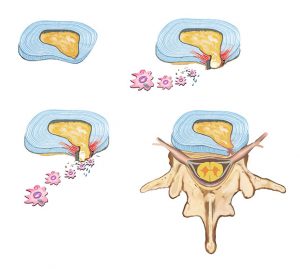
The goals of the chiropractic treatment of a thoracic disc herniation are to reduce pain and dysfunction while the body heals itself.
Since most disc extrusions naturally regress in a few months, chiropractors will attempt to reduce the pain and pressure caused by the disc herniation. Chiropractic treatment of a thoracic disc herniation may include one or a combination of the following:
Some chiropractors will recommend nutritional support, such as proteolytic enzymes, to reduce the pain and swelling associated with a disc herniation.
More Chiropractic Treatments for Upper Back Problems
In addition to joint dysfunction, myofascial pain syndrome, and thoracic herniated disc, which have already been reviewed in this article, chiropractic care may be a treatment option for additional upper back problems, such as thoracic joint dysfunction, thoracic outlet syndrome, and shoulder dysfunction related to the upper spine.
Will your back pain become chronic?
Joint dysfunction
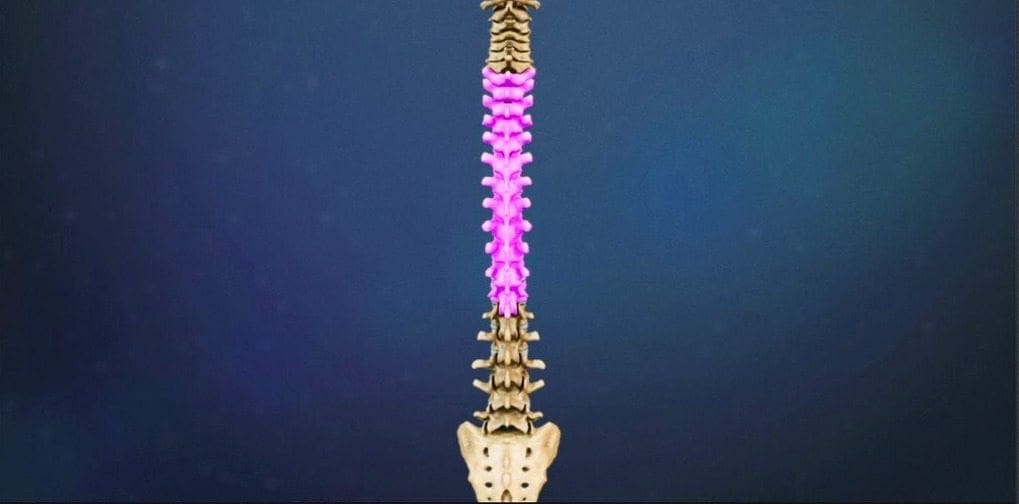
The thoracic spine is a marvel of joint interaction and complex motion patterns. Composed of a total of 220 separate joints,1 it makes up the lion�s share of the 313 total joints in the entire spine. With this many interactive articulations it is easy to see that maintaining normal joint function, motion, and position is important. Chiropractors treat thoracic joint dysfunction with chiropractic adjustments.
There are a variety of chiropractic-adjustment techniques that can be used to adjust a dysfunctional joint:
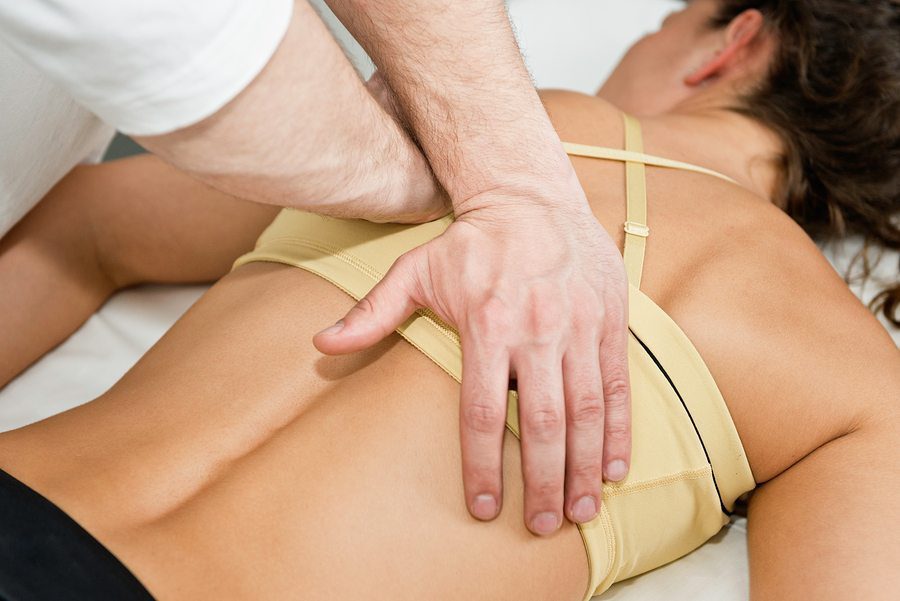
Most chiropractors employ manual adjusting techniques that utilize precise thrusting adjustments to help normalize joint function.
Chiropractors can also use softer directional adjusting techniques or adjusting instruments to accommodate the needs of the patient.
Thoracic outlet syndrome
Thoracic outlet syndrome (TOS) is a disorder in which the nerves of the brachial plexus and blood vessels are compressed. This compression can cause great pain and altered sensations such as a �pins and needles� sensation in the hands.
Treatment of thoracic outlet syndrome can include stretching, manual trigger-point therapy, and myofascial anchor-and-stretch release techniques to the affected muscles. Chiropractors may also include adjustments and postural instruction.
Thoracic/shoulder dysfunction
The function of the shoulder and the upper back are interrelated. Studies have shown that thrusting manipulations applied to the thoracic spine and ribs have reduced shoulder pain and dysfunction. Chiropractic adjustments to the thoracic region can be beneficial to certain types of shoulder dysfunction.
There are many causes and treatment options for thoracic spine disorders. Chiropractors have a wide range of treatment options for treating these conditions. Chiropractors are increasingly joining collaborative spinal care teams as a drug-free option for treating spinal and musculoskeletal conditions.
The thoracic spine is a marvel of joint interaction and complex motion patterns. Composed of a total of 220 separate joints, it makes up the lion�s share of the 313 total joints in the entire spine. �It’s easy to see that maintaining normal joint function, motion, and position is important. Chiropractors treat thoracic joint dysfunction with chiropractic adjustments.
IFM's Find A Practitioner tool is the largest referral network in Functional Medicine, created to help patients locate Functional Medicine practitioners anywhere in the world. IFM Certified Practitioners are listed first in the search results, given their extensive education in Functional Medicine