Besides your personality body alignment says a lot about how your muscles and joints are working. Learn more about assessing your postural deviations and how to fix them!
Many studies show that how you feel and look is directly linked to your posture. Even the people know how important is to have good posture, most them don�t do anything to improve it.
Many of you probably live with deformed backs and imbalanced hips, and, of course, deal with the pain that you think is normal.
How dangerous can be to live with bad posture? It can lead to plenty of problems:
� Chronic back, shoulder and neck pain
� Headaches
� Injuries to feet, knees and hips
� Fatigue
� Stiffness
� Difficulty breathing
� Muscle atrophy and weakness
� Impingement and nerve compression
� Digestion issues
� Carpal tunnel syndrome
� Sciatica
If you are suffering from any of these problems, you should understand proper posture and learn about your own postural deviations.
Correcting Your Alignment
To solve a problem, you first need to find out what causes it. Most of the postural deviations occur as the muscles that work to hold a joint in place are imbalanced.
You can correct imbalances by strengthening the underactive muscles and to stretching the overactive muscles
Standing Assessment
For you who are not sure whether your posture is good or it needs a little correction, do this standing assessment first:
� Put on form-fitting clothes,
� Stand shoeless, tall but comfortable, do not trying to force yourself to stay in perfect posture.
� For an honest assessment, close your eyes and march slowly in place a few times.
� Have a friend take a full body picture of you
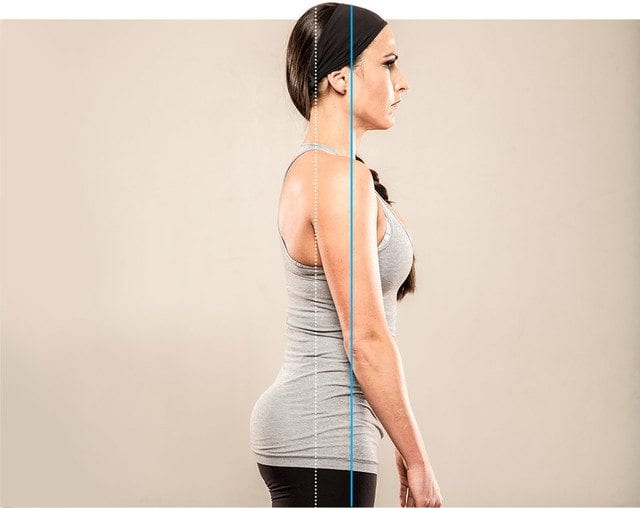
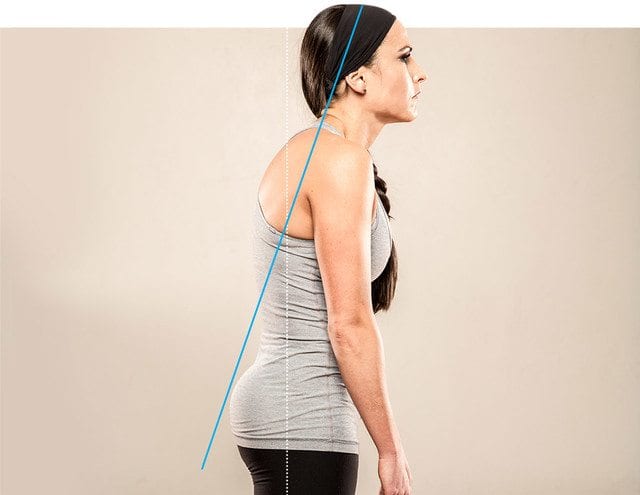
Here�s what a properly postured body should look like:
� Picture � posture
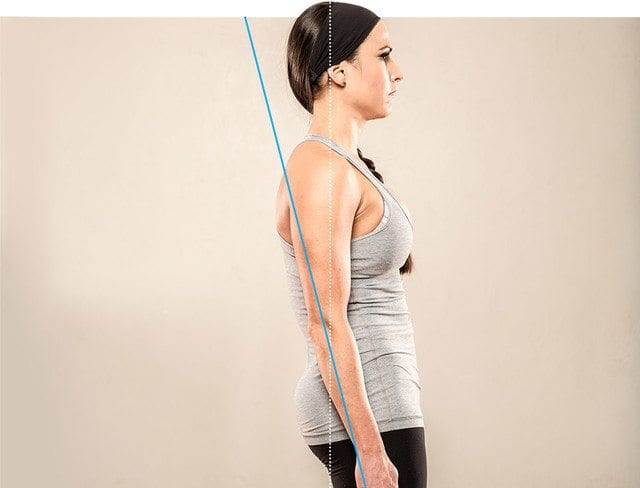
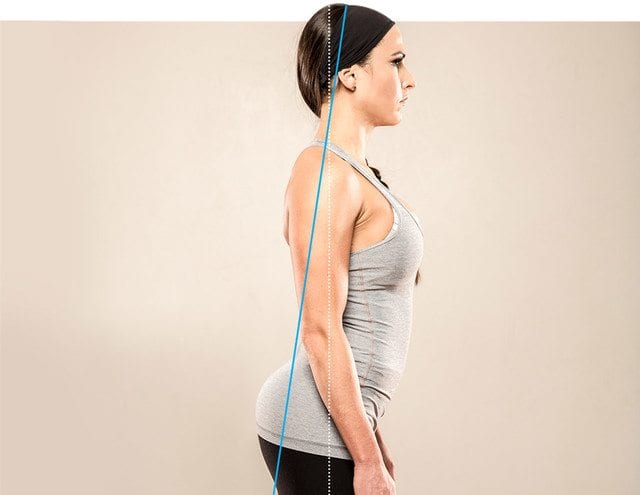
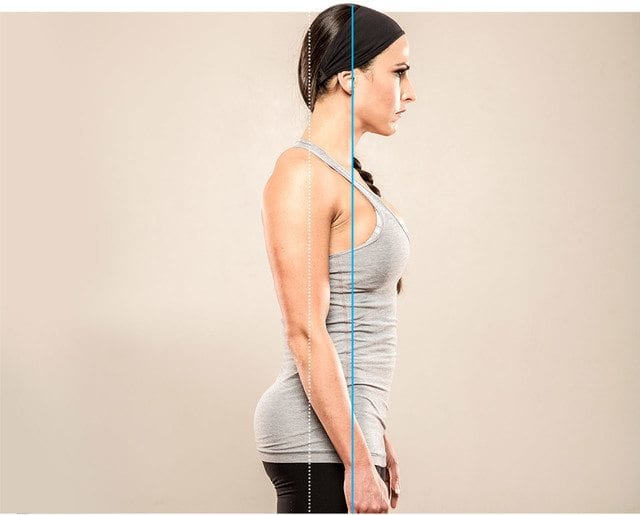
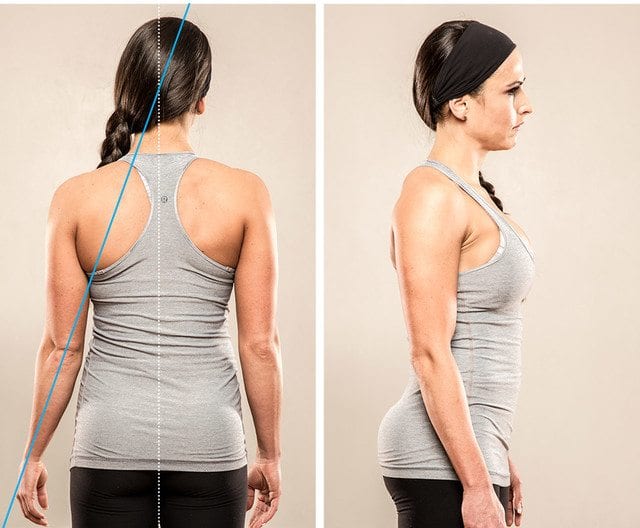
Standing Assessment Postural Deviations
I � Back, Shoulders, Hips, And Head
Here�s how you can correct these deviations:
Deviation 1: Sway Back � Hips Press Forward and Sit In Front Of the Ribs
Overactive muscles: erector spinae, gluteus maximus and medius, hamstrings and quadratus lumborum Stretches: Runner�s stretch, seated glute stretch, world�s greatest stretch, hamstring stretch, lying crossover, hamstring self-myofascial release (foam rolling)
Underactive muscles: Iliopsoas, rectus femoris (hip flexors and lower abs) and external obliques
Strengthening exercises: Cocoon, hanging leg raise, exercise ball pull-in and scissor kick
Deviation 2: Lower-Cross Syndrome
Excessive Curve In The Low Back, Pelvis Is Tilted Forward
Overactive muscles: erector spinae (hip flexors and low back) and Iliopsoas
Stretches: quadriceps self-myofascial release, quadriceps stretch, pyramid stretch over ball, hug knees to chest and kneeling hip flexor,
Underactive muscles: gluteus maximus and abdominals
Strengthening exercises: Pelvic tilt to bridge, exercise-ball hip bridge, single-leg glute bridge, frog sit-up and leg elevated crunch,
Deviation 3: Rounded Shoulders
Shoulders In Front Of Ears
Overactive muscles: Pectoralis minor and major (chest)
Stretches: Front deltoid stretch, chest stretch on stability ball, dynamic chest stretch, elbows-back stretch, chair upper-body stretch
Underactive muscles: Rotator cuff, serratus anterior (muscles in the back surrounding the shoulder blades and rear delts) and lower trapezius,
Strengthening exercises: Seated cable row, shoulder external rotation, back fly with band, rear- delt row
Deviation 4: Forward Head
Ears In Front Of Shoulders
Overactive muscles: Neck extensors, levator scapula (muscles behind the neck that tilt the head back) and upper trapezius,
Stretches: Neck self-myofascial release, sternocleidomastoid stretch and chin to chest,
Underactive muscles: Neck flexors (muscles in front of the neck that tilt the head forward)
Deviation 5: Upper-Cross Syndrome
Rounded Shoulders With An Excessive Curve
Overactive muscles: Trapezius, pectoralis major and minor, levator scapula, neck extensors (the back of your neck, upper back, traps, and chest)
Stretches: Neck self-myofascial release, front-delt stretch, chin to chest, chest stretch on stability ball, elbows-back stretch, chair upper-body stretch and dynamic chest stretch
Underactive muscles: Rotator cuff, rhomboids, lower trapezius, deep neck flexors (muscles in the back surrounding the shoulder blades, rear delts, and in front of the neck) and serratus anterior
Strengthening exercises: back fly with band, seated cable row, isometric front-neck exercise, rear-delt row and shoulder external rotation,
Deviation 6: Head Tilt
Head Tilted To One Side (Can Be Accompanied By Rotation toward That Side)
Overactive muscles: Sternocleidomastoid tilted toward the midline.
Stretches: Side neck stretch, sternocleidomastoid stretch and neck self-myofascial release,
Underactive muscles: Sternocleidomastoid tilted away from the midline.
Strengthening exercises: Perform daily activities (e.g., chewing, pulling, lifting, carrying, and using a cell phone) evenly on both sides, isometric side-neck exercise
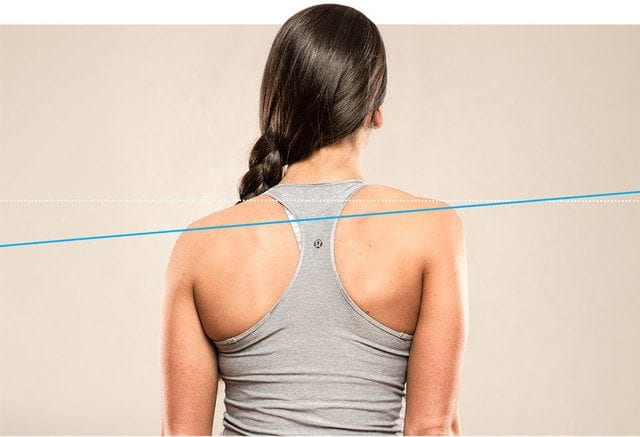
Deviation 7: Uneven Shoulders
One Shoulder Sits Higher Than The Other
Overactive muscle: Trapezius (muscle running from the back of the neck into the shoulder girdle) on the elevated side
Stretches: Side neck stretch, neck self-myofascial release
Underactive muscles: Serratus anterior
Strengthening exercises: single-arm high-pulley row, perform daily activities on both sides
Deviation 8: Uneven Hips
One Hip Sits Higher Can Give The Perception Of Leg Length Discrepancy
Overactive muscles: hip abductors, internal and external obliques, erector spinae and quadratus lumborum on the raised side
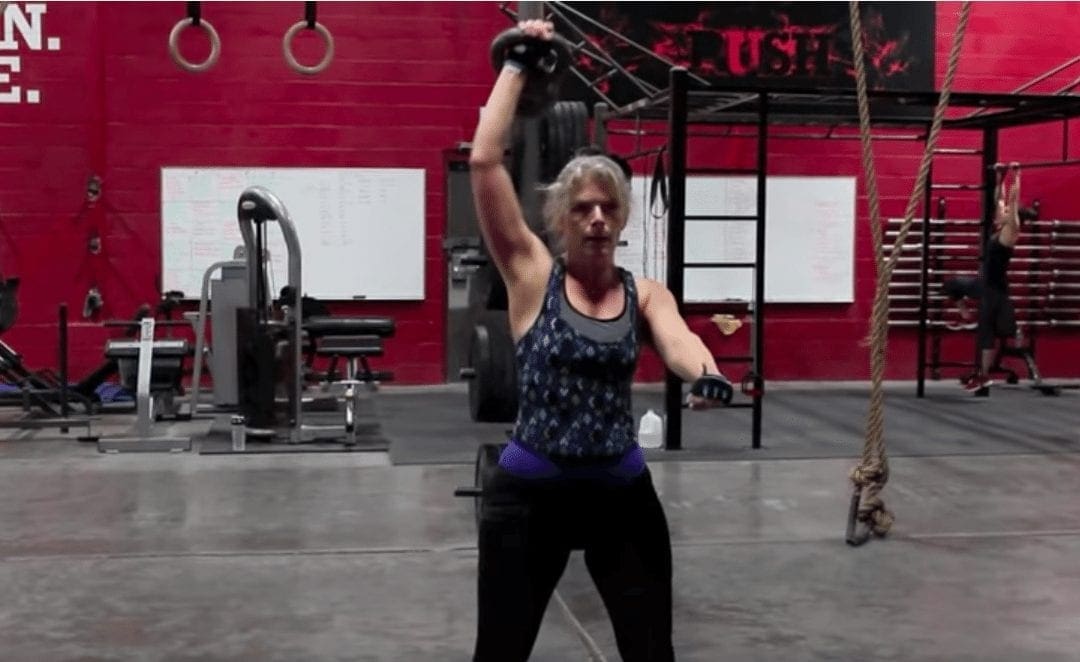
PUSH-as-Rx � is leading the field with laser focus supporting our youth sport programs.� The PUSH-as-Rx � System is a sport specific athletic program designed by a strength-agility coach and physiology doctor with a combined 40 years of experience working with extreme athletes. At its core, the program is the multidisciplinary study of reactive agility, body mechanics and extreme motion dynamics. Through detailed and continued assessments of the athletes in motion and under stress loads offer a clear scientific picture of body dynamics. This system also has helped many athletes come back from injury faster, stronger, and ready to safely return to their sport without losing a beat after recovery. Results demonstrate clear improved agility, speed, decreased reaction time and advantageous postural-torque mechanics.� PUSH-as-Rx � offers specialized extreme performance enhancements to our athletes no matter the age.
Here at PUSH we Are Experts In Specialized Techniques To Accommodate Your Body To What Ever Sport You Are Practicing.
Please Recommend Us: If you have enjoyed this video and/or we have helped you in any way please feel free to recommend us. Thank You.
PUSH-as-Rx �� is leading the field with laser focus supporting our youth sport programs. The PUSH-as-Rx �� System is a sport specific athletic program designed by a strength-agility coach and physiology doctor with a combined 40 years of experience working with extreme athletes. At its core, the program is the multidisciplinary study of reactive agility, body mechanics and extreme motion dynamics. Through continuous and detailed assessments of the athletes in motion and while under direct supervised stress loads, a clear quantitative picture of body dynamics emerges. Exposure to the biomechanical vulnerabilities are presented to our team. Immediately, we adjust our methods for our athletes in order to optimize performance. This highly adaptive system with continual dynamic adjustments has helped many of our athletes come back faster, stronger, and ready post injury while safely minimizing recovery times. Results demonstrate clear improved agility, speed, decreased reaction time with greatly improved postural-torque mechanics. PUSH-as-Rx �� offers specialized extreme performance enhancements to our athletes no matter the age.
Please Recommend Us: If you have enjoyed this video and/or we have helped you in any way please feel free to recommend us. Thank You.
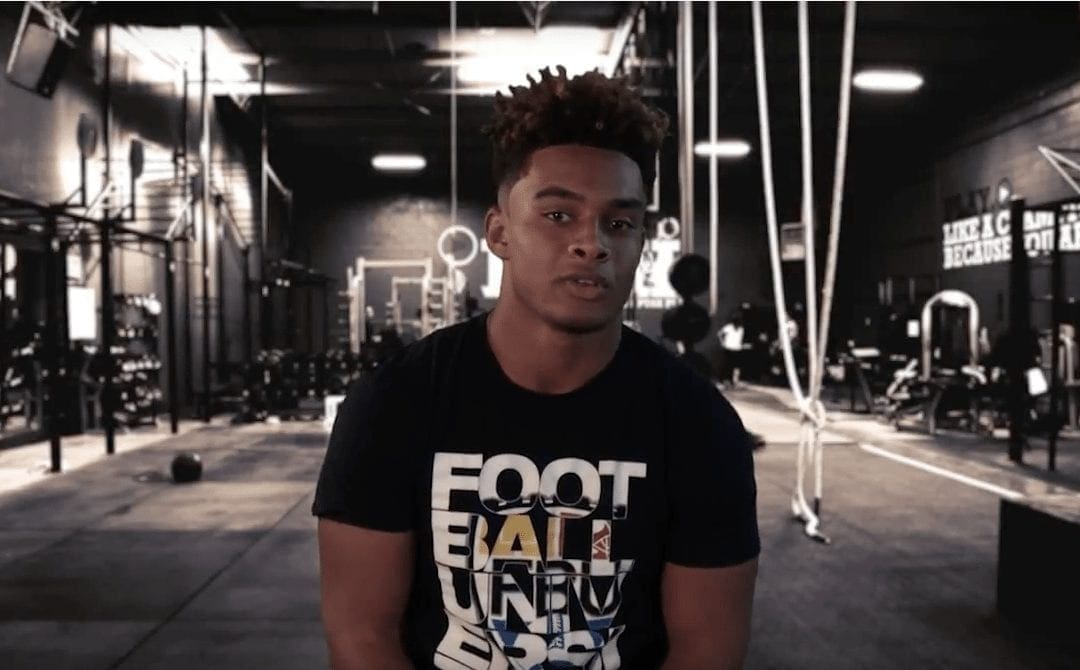
Malik Decquir shares his reason for staying determined in sports by never giving up and being consistent. Malik found Push-as-Rx �� in order to enhance his physical performance and his experience changed his outlook. He expresses how happy and comfortable he is at Push as Rx and offers his greatest gratitude to the trainers who were there when he needed them the most, giving him great advice, and pushing him to become the best at Push-as-Rx �.
PUSH-as-Rx ���is leading the field with laser focus supporting our youth sport programs.� The�PUSH-as-Rx ���System is a sport specific athletic program designed by a strength-agility coach and physiology doctor with a combined 40 years of experience working with extreme athletes. At its core, the program is the multidisciplinary study of reactive agility, body mechanics and extreme motion dynamics. Through continuous and detailed assessments of the athletes in motion and while under direct supervised stress loads, a clear quantitative picture of body dynamics emerges. Exposure to the biomechanical vulnerabilities are presented to our team. �Immediately,�we adjust our methods for our athletes in order to optimize performance.� This highly adaptive system with continual�dynamic adjustments has helped many of our athletes come back faster, stronger, and ready post injury while safely minimizing recovery times. Results demonstrate clear improved agility, speed, decreased reaction time with greatly improved postural-torque mechanics.��PUSH-as-Rx ���offers specialized extreme performance enhancements to our athletes no matter the age.
Please Recommend Us: If you have enjoyed this video and/or we have helped you in any way please feel free to recommend us. Thank You.
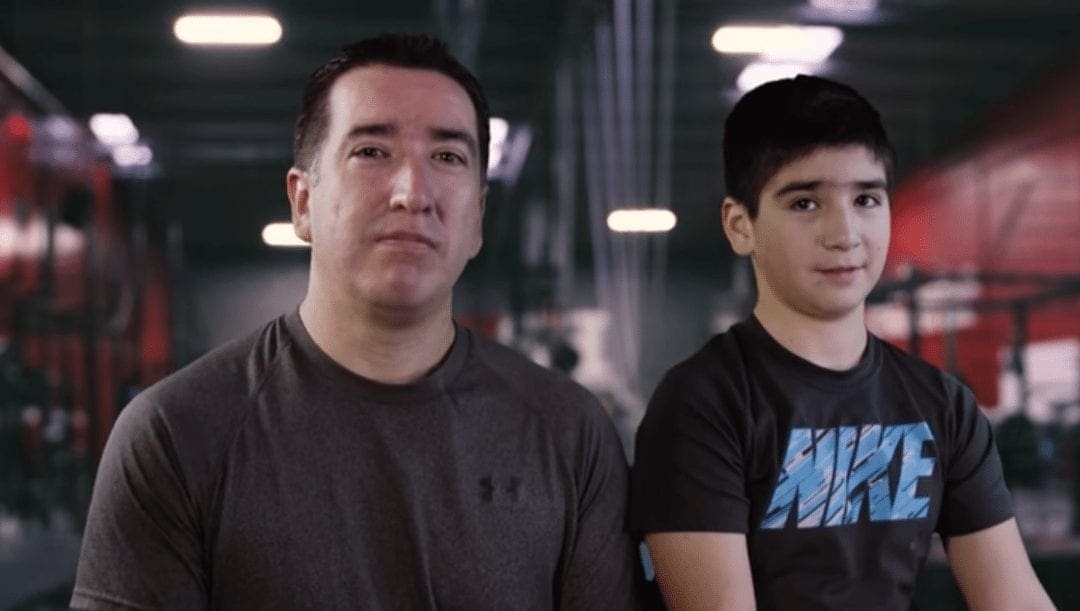
Pablo Mena and his son came to Push-as-Rx �� with a great purpose, to gain strength and physical condition. After receiving care for a back injury, Pablo Mena was recommended to begin exercising at Push as Rx. That’s when Mena’s son joined in his workouts to continue supporting him and together with the help and patience of the trainers at Push, they were encouraged to finish their workouts.
PUSH-as-Rx �� is leading the field with laser focus supporting our youth sport programs.� The PUSH-as-Rx �� System is a sport specific athletic program designed by a strength-agility coach and physiology doctor with a combined 40 years of experience working with extreme athletes. At its core, the program is the multidisciplinary study of reactive agility, body mechanics and extreme motion dynamics. Through detailed and continued assessments of the athletes in motion and under stress loads offer a clear scientific picture of body dynamics. This system also has helped many athletes come back from injury faster, stronger, and ready to safely return to their sport without losing a beat after recovery. Results demonstrate clear improved agility, speed, decreased reaction time and advantageous postural-torque mechanics.� PUSH-as-Rx �� offers specialized extreme performance enhancements to our athletes no matter the age.
Please Recommend Us: If you have enjoyed this video and/or we have helped you in any way please feel free to recommend us. Thank You.
You could explore alternative treatments to treat your pain and other symptoms from degenerative disc disorder. As the name implies, they’re choices to medication, physical therapy, or operation�the typical “Western” approach to medicine.
You may consider going to your complementary and alternative medicine (CAM) practitioner; CAM is a group of practices and therapies which aren’t considered part of traditional medicine. It offers acupuncture, homeopathy, and massage. Many patients reported these treatments have helped.
Degenerative Disc Disease Alternative Treatment Overview
For degenerative disc disorder, you might want to try:
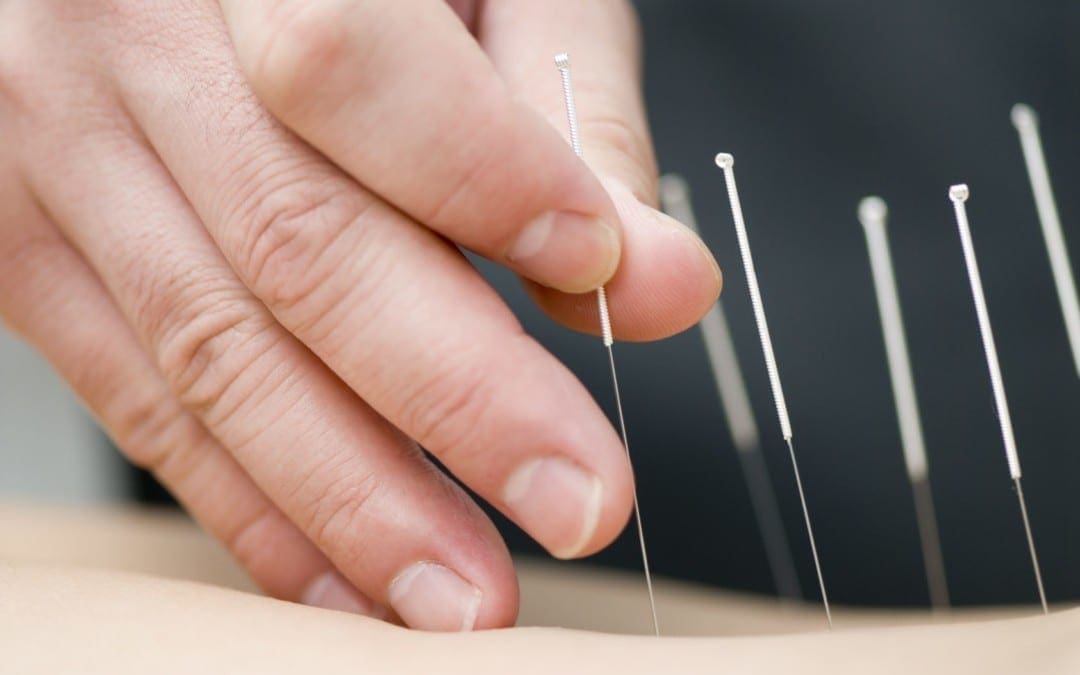
Acupuncture: Acupuncture uses quite fine needles�and no drug�to treat your pain. Professionals consider that you have an energy force called your Chi (additionally, it may be spelled Qi, but both forms are pronounced “chee”). You can grow physical sickness, for example back pain, when this force is blocked. Thus should free the Chi channels, which professionals call your meridians of your body up. Acupuncture works to restore a healthy, dynamic flow of Chi.
Acupuncture needles are almost as thin as strands of hair. Based in your symptoms and diagnosis that is precise, a professional will insert the needles; you’ll most likely have multiple needles fit during one session. Points that are exact will be targeted by the professional in the meridians of your body’s, and the needles will soon be made in for 20 to 40 minutes. It’s been suggested that acupuncture needles cause your own body to discharge specific neurochemicals, such as endorphins or serotonin, plus they help in the therapeutic process.
Herbal Remedies: Do your research, before attempting any herbal remedies and speak to your doctor. There could possibly be side effects that you simply are oblivious of� an herbal treatment could hinder a prescribed medicine you are taking, as an example. Some herbal remedies you might want to consider for degenerative disc disease are:
Devil’s Claw: Devil’s claw comes from southern Africa, where it has been put to use for countless decades to take care of arthritis fever, and gastrointestinal difficulties. It works as an anti inflammatory. Now, it’s used for conditions that cause pain and inflammation, like degenerative disk disease. It can be taken by you in a capsule.
SAMe (S-adenosylmethionine): It’s been suggested that SAMe is useful for the age-related “wear and tear” spinal conditions, including osteoarthritis and degenerative disc disease. As a bonus, there have been several studies that demonstrate it’s also great for treating depression. (Individuals afflicted by chronic pain can become depressed because of the means by which the pain changes their lives. Their continual condition can likewise change their body’s nervous system chemistry, resulting in a chemical imbalance and maybe melancholy.)
White Willow Bark: The white willow led in Europe to the development of aspirin. If you don’t need to choose the artificial variant (aspirin can irritate the gut), use white willow bark. It’s for conditions that cause pain or inflammation, like degenerative disc disorder. In addition, it provides relief for acute back pain.
Prolotherapy: This treatment has been tried by some patients and found that it works to reduce their pain from degenerative disc disease. Proponents of prolotherapy clarify that one of the issues associated with DDD is weak ligaments and tendons. Powerful, supporting ligaments and tendons are essential in your back simply because they help keep stability. Your ligaments and tendons need to work extra difficult to support your back, following your discs start to degenerate, basically weakening your backbone. Over time, though, they can degenerate, also; they can wear out or even tear. This leaves your intervertebral discs without the support they require.
Prolotherapy tries to stimulate development of new ligament and tendon tissues. Using an injection of a “proliferant” (a term utilized by prolotherapists�itis a mild irritant solution), prolotherapy is designed to kick-start the entire body’s healing process. The proliferant causes inflammation, which tells the entire body to begin healing itself by generating new tissue.
A prolotherapy injection goes right to the difficulty ligaments and tendons, and it takes several rounds of shots (and time) to have the effects. Speak to your physician in the event you think prolotherapy may be a choice for you personally.
The scope of our information is limited to chiropractic and spinal injuries and conditions. To discuss options on the subject matter, please feel free to ask Dr. Jimenez or contact us at 915-850-0900 .
By Dr. Alex Jimenez
Additional Topics: What is Chiropractic?
Chiropractic care is a safe and effective, alternative treatment option utilized to diagnose, treat and prevent a variety of injuries and conditions associated with the musculoskeletal and nervous system. A chiropractor, or doctor of chiropractic, commonly uses spinal adjustments or manual manipulations to help correct the spine and it’s surrounding structures, improving and maintaining the patient’s strength, mobility and flexibility.
The exercises you do before your workout may matter just as much as the main event. That’s why we tapped David Reavy, founder of React Physical Therapy in Chicago, to show us the best exercises to become a better runner. According to Reavy, getting the body warmed up pre-run is key, since “your muscles aren’t elastic.” By easing into exercise, you reduce your likelihood of injury and prime your body for the activity head. The four exercises in the video above will prep your muscles so you have a better (and safer!) run.
Watch the clip above to see Reavy demo the key exercises every runner should be doing regularly, or read up on the important moves below.
Hip flexor release: Start with your stomach on the mat, using your elbows and forearms to prop the upper body up so your chest is lifted off the floor. Bend your right leg at a 90-degree angle at your side and extend your left leg long on the floor behind you. Bend the left leg at the knee, bringing the foot toward the glutes 30 times. Switch the positioning of the legs and repeat the movement 30 times on the opposite side.
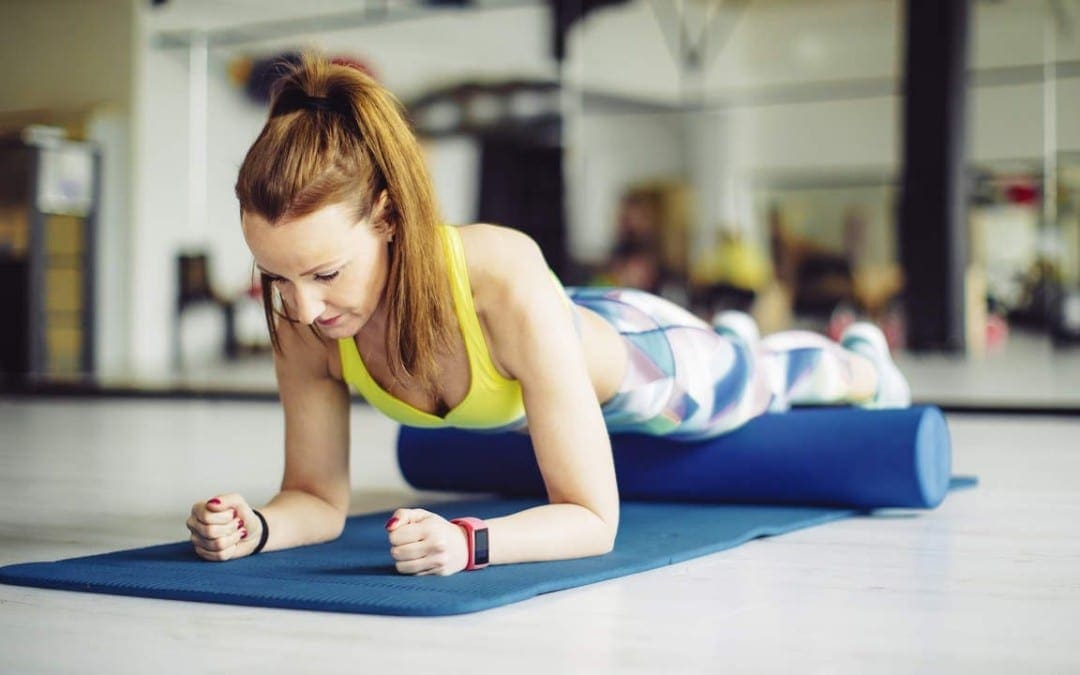
Lateral quad release: Start with your stomach on the mat and use your elbows and forearms to prop the upper body up, so your chest is lifted off the floor. Place a foam roller underneath the left quad with the right leg bent at a 90-degree angle to the right side of your body on the floor. Bend the left leg at the knee, driving the foot from the floor toward the glutes 30 times. Switch the positioning of the legs and foam roller and repeat the movement 30 times on the opposite side.
Four-way lunges: Start in a lunge position with your left leg in front. First, continuously move your hands from chest-height toward the mat, moving your torso back and forth slightly with the movement. Return to a regular lunge. Next, continuously twist your torso from left to right. Return to a regular lunge. After that, raise your hands up, bending the elbows at 90-degree angles on each side. Continuously lower each elbow toward your waistline one at a time to stretch your side body on the left and right. Return to a regular lunge. Do 10 to 15 reps of a standard lunge. Repeat all four exercises in a lunge on the other side, with the right leg in front.
Inner thigh squat: From standing, complete 10 to 15 deep squats with the toes turned slightly out to target the inner thighs.
IFM's Find A Practitioner tool is the largest referral network in Functional Medicine, created to help patients locate Functional Medicine practitioners anywhere in the world. IFM Certified Practitioners are listed first in the search results, given their extensive education in Functional Medicine