What exercise/stretches help reduce sciatic nerve pain?
Here are 4 exercise/stretches that your chiropractor/physical therapist may recommend to help you reduce sciatic nerve pain:
Pelvic tilt
Knee to chest
Lower trunk rotations
Arm and leg extensions
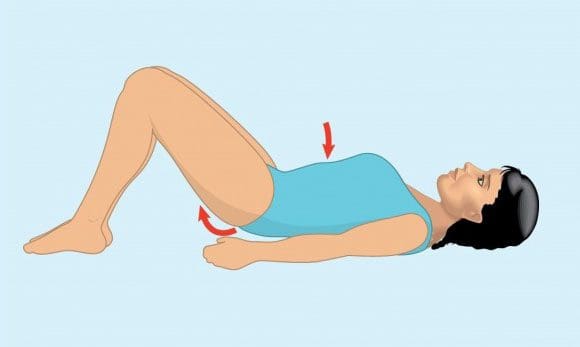
Pelvic Tilt
Its purpose is to strengthen the lower abdominal muscles and stretch the lower back.
How to do it:
Lie on back
Exhale and tighten abdominal muscles while pushing the belly button toward the floor and flatten the lower back
Hold the position for 5 seconds
Repeat 10 times holding the position for 5 seconds each
Am I doing it right?
Place the pinky finger on the hip bone and thumb on the lowest rib (same side).
When tightening the abdominal muscles, the amount of space between the pinky finger and thumb should get smaller.
Pelvic tilts help strengthen the lower abdominal muscles and stretch the low back.
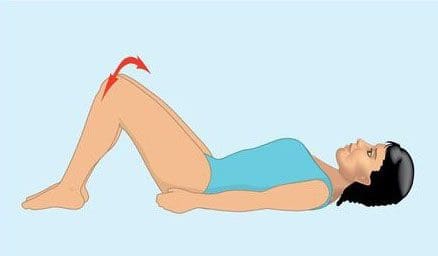
Knee to Chest
Its purpose is to help reduce nerve compression in the low back, that can help alleviate lower back pain.
Lie on back
Start with either� left or right knee and use hands to gently pull the bent knee toward chest
Hold for 10 seconds
Repeat movement on opposite knee
Perform 3 to 5 times holding position for 10 seconds each
Use hands to gently pull both knees toward chest
Hold for 10 seconds
Repeat movement with both knees 3 to 5 times holding position for 10 seconds each
Knee to chest exercise/stretches can help reduce nerve compression on the lumbar spine alleviating lower back pain.
Lower Trunk Rotation
Its purpose is to increase the spine�s mobility and flexibility.
Lie on back with both knees bent upright and both feet flat on the floor (aka the hook lying position).
Hold both knees together, rotate knees to one side
Hold for 3 to 5 seconds
There will be a gentle stretching sensation on the opposite side of lower back and hip area
Contract abdominal muscles and rotate both knees to opposite side
Hold for 3 to 5 seconds
Repeat 10 times on each side
Lower body rotations can help you strengthen your lower abdominal muscles and stretch your low back.�
All Fours Opposite Arm and Leg Extensions
Its purpose is to strengthen the abdominal muscles, low back and stabilize the areas.
Get in crawling position on all fours.
Contract abdominal muscles to keep back flat and straight
Raise one leg upward behind you and straighten outward
Hold for 3 to 5 seconds
Repeat the movement on the opposite side
Once this�exercise/stretch can be performed 10 times with functional pain, add arm movement with each leg extension:
Extend the arm (opposite side of leg) upward and outward in front of body
Hold for 3 to 5 seconds
Repeat on the opposite side
Perform 10 times
How do these exercise/stretches reduce sciatic pain
Abdominal and spinal muscles are essential components of the spine�s system.
These exercises/stretches can help:
Strengthen the spine
Increase flexibility
Increase range of motion
These exercises can help keep the spine�s structural components strong and healthy along with reducing pain and speeding up healing.
Regular exercise causes the body to release endorphins or hormones that interact with the pain receptors in the brain that reduce the perception of pain.
Will exercising with sciatica cause/exacerbate injury
Do not to perform any of these exercises without consulting your doctor,� spine specialist or chiropractor.
Whatever level of fitness, remember even trained professional athletes exercise with a doctor, physical therapist, or other healthcare expert’s approval and clearance.
Obtaining an accurate diagnosis for the exact cause of the sciatic pain
Is essential before considering any exercise program
Be gentle with your spine, don�t push too hard while doing exercises. This is to avoid exacerbating sciatic pain or creating a new injury.
If exercise increases pain or causes nerve-related symptoms like:
Weakness
Tingling sensation
Numbness
Stop and contact your doctor or chiropractor immediately!
El Paso, TX Best Sciatica Chiropractor Treatment
Sandra Rubio discusses Dr. Alex Jimenez and his team will help relieve your sciatica symptoms. Chiropractic care can improve pain and discomfort as well as reduce irritation and inflammation brought on by sciatica. Additionally, a chiropractor such as Dr. Jimenez can also offer nutritional and fitness tips for sciatic nerve pain. Other treatment procedures, such as deep-tissue massage, can help alleviate sciatica symptoms. Dr. Alex Jimenez is the homeopathic, noninvasive option for sciatic nerve disease and its related symptoms.
Sciatica is generally caused by the compression of lumbar or thoracic nerves or by compression of the sciatic nerve. When sciatica is caused by compression of a lower back nerve root, it’s called lumbar radiculopathy. This can happen due to a spinal disc bulge or spinal disk herniation (a herniated intervertebral disc), or by roughening, extending, or misalignment (spondylolisthesis) of the fascia, or as a result of degenerated discs that could reduce the diameter of the lateral foramen by which nerve roots exit the spine.
NCBI Resources
Sciatica is characterized by a shooting pain that originates in the lower back and travels down through the hip, buttock, and back of the leg. The pain can be so severe that it inhibits mobility and can prevent people from working, taking care of their home, or just enjoying their life. Doctors have treated the condition with medications and some invasive therapies, but chiropractic treatments have been found to be extremely effective in alleviating the pain and curing the condition.
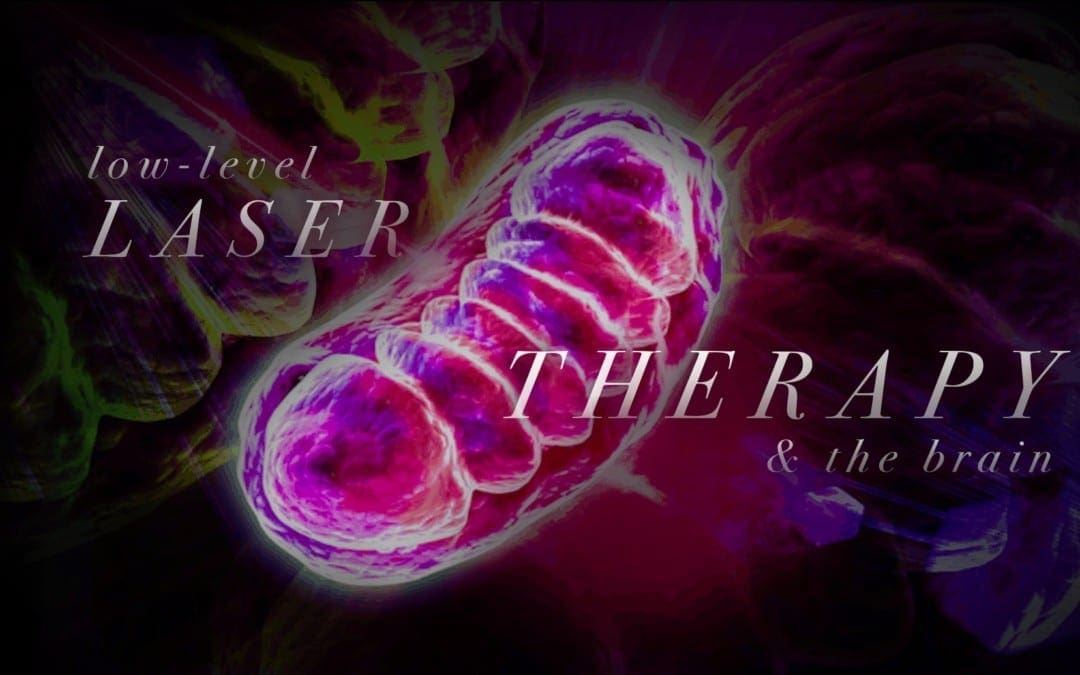
Low-level laser therapy (LLLT), also known as photobiomodulation, is the use of low-power lasers or light-emitting diodes (LEDs) for treatment purposes. When LLLT is used on the brain, it is known as transcranial LLLT or transcranial photobiomodulation. Many research studies have shown that LLLT can help treat a variety of brain health issues. �
Different from high-intensity surgical lasers, low-powered lasers do not cut or burn tissue. Instead, these lasers stimulate a biological reaction and promote cells to function properly. Moreover, it�s also easy to use LLLT utilizing red and near-infrared light on your own home. In the article below, we will discuss the brain health benefits of low-level laser therapy (LLLT). �
How Low-Level Laser Therapy Works
Research studies show that red and near-infrared light between the wavelengths of 632 nanometers (nm) and 1064 nm can have brain health benefits. For brain cells or neurons, the optimal range for the wavelengths seems to be between 800 nm and 1000 nm as these can penetrate the scalp and skull to reach the brain. Most devices ultimately fall within this range. �
The light given off from these devices stimulate a photochemical response within neurons or brain cells, which can increase the natural healing process and can also cause beneficial changes in their behavior by supporting the mitochondria. The mitochondria are the �powerhouses of the cell,� producing most of the energy in the human body in the form of adenosine-5- triphosphate (ATP). ATP is the cell’s main source of energy. The brain constantly needs to use it to function properly. �
Proper mitochondrial function and ATP production are fundamental for neuroprotection and cognitive enhancement as well as for the prevention and treatment of a variety of neurological diseases. Research studies have shown that transcranial LLLT promotes proper mitochondrial function and considerably improves the production of ATP in the human brain. �
The mitochondria have photoreceptors which absorb the photons from light and turn them into ATP or energy which can be utilized to perform cellular tasks and biological processes. This system is similar to that of plant photosynthesis where sunlight is absorbed by plants and turned into energy for the plants to grow. Furthermore, by stimulating the mitochondria and producing more ATP, LLLT gives brain cells or neurons even more ATP energy to better heal and repair themselves. �
On top of this, low-level laser therapy has also been shown to: �
Decrease free radicals and oxidative stress in the brain
Increase blood flow and circulation, including within the frontal cortex
Reduce pain by supporting the human body�s opioids or natural pain relievers
Increase rate of oxygen consumption in the frontal cortex
Increase serotonin
Many traumatic brain injuries and neurological diseases can be treated with LLLT, including anxiety, depression, post-traumatic stress disorder (PTSD), post-concussion syndrome, stroke, Alzheimer’s disease, and dementia. We will discuss how low-level laser therapy (LLLT) has been shown to help each of the brain health issues, among others, demonstrated below. �
LLLT for Traumatic Brain Injury
Traumatic brain injury (TBI) is a growing brain health issue where approximately 1.7 million people experience some type of TBI in the U.S. every year. Mild TBIs or concussions make up about 75 percent of all traumatic brain injuries. Military personnel frequently experience TBI and many of them often struggle with PTSD, anxiety, and depression. �
Several research studies have shown that patients with chronic mild TBI have experienced improved cognition, memory and sleep with LLLT. One research study also evaluated whether LLLT could help treat 11 patients with chronic mild TBI symptoms. Two patients had cognitive dysfunction and four patients had multiple concussions. �
After 18 LLLT sessions, the patient’s cognition, memory and verbal learning improved. Participants also said that they slept better and had fewer PTSD symptoms. Coworkers, friends, and family also reported improved social, interpersonal, and occupational functioning. In another research study, 10 people with chronic TBI were given 10 LLLT sessions and experienced reduced headaches, cognitive dysfunction, sleep problems, anxiety, depression and irritability. �
Several mice research studies also show that LLLT can prevent cell death and increase neurological performance after TBI. Researchers believe that LLLT improves TBI symptoms because the mitochondria in the brain can become dysfunctional after TBI, resulting in an inadequate supply of ATP. LLLT can support the mitochondria and increase ATP production. �
After traumatic brain injury (TBI) there is also poor blood flow and oxygenation, and increased inflammation and oxidative stress in the brain. This can ultimately cause brain damage, however, LLLT can help treat these brain health issues as well as help increase antioxidants, promote neurogenesis, and relieve chronic symptoms, among other brain health benefits. �
LLLT for Depression and Anxiety
Research studies in both rats and humans have shown that LLLT can improve mood and reduce symptoms of depression. In 2009, researchers took 10 patients with a history of major anxiety and depression, including PTSD and substance abuse, and utilized LLLT for four weeks. At the end of the research study, six of the 10 patients experienced remission of their depression and seven of the 10 patients experienced remission of their anxiety. There were no observable side-effects. �
Several research studies have shown that depression is associated with abnormal blood flow in the frontal cortex of the brain. LLLT increases blood flow and circulation. Other research studies have shown that participants report improved positive emotions and reduced depressive symptoms after LLLT treatment. Participants with TBI also experienced a decrease in anxiety, depression, irritability, and insomnia as well as an overall improvement in quality of life after LLLT. �
LLLT for Alzheimer’s Disease and Dementia
Research studies show that LLLT can boost performance and improve cognitive function, including attention and memory, in animals, young healthy people and elderly people. Preliminary research studies also show that LLLT may ultimately help slow down the progression of Alzheimer�s disease by decreasing a protein in the brain which is associated with dementia. �
The downregulation of brain-derived neurotrophic factor (BDNF) occurs early in the progression of Alzheimer’s disease and dementia. Research studies have shown that LLLT can also help prevent brain cell or neuron loss by upregulating BDNF. �
Researchers have also utilized LLLT in middle-aged mice and discovered that the memory and cognitive performance of the middle-aged mice improved so much that it became similar to that of young mice. The researchers concluded that LLLT should be utilized in cases of general cognitive impairment in elderly people or even for Alzheimer’s disease and dementia. �
Several other research studies have shown that LLLT increases alertness, awareness and sustained attention as well as improves short-term memory and reaction time. Research study participants also made fewer errors during tests. Another research study found that LLLT enhanced cognition by promoting neuroprotection and supporting the mitochondria. �
LLLT for Stroke
Numerous studies also show that LLLT reduces neurological problems and improves behavior in rats and rabbits after stroke. It also increases the growth of new brain cells or neurons, improving their overall recovery. Multiple other research studies also show that LLLT can considerably reduce brain damage and improve recovery outcome measures after a stroke. �
In one research study, researchers utilized LLLT on patients approximately 18 hours after they experienced a stroke. Five days after the stroke, they found considerably greater improvements in the LLLT-treated group. The improvements continued 90 days after the stroke. At the end of the research study, 70 percent of the patients treated with LLLT had successful outcome measures in comparison with only 51 percent of the control subjects in the research study. �
Follow up research studies with over 600 stroke patients found similar brain health benefits associated with low-level laser therapy (LLLT). Researchers believe that the increase in the production of ATP is responsible for the improvements. �
Low-level laser therapy, or LLLT, is a non-invasive treatment approach which utilizes low-power lasers or light-emitting diodes for the treatment of brain health issues and neurological diseases. Many research studies with both animal and human trial have demonstrated that LLLT provides many brain health benefits without harmful side-effects. Healthcare professionals can help improve the symptoms of brain health issues and neurological diseases with a variety of treatment methods and techniques. Proper diagnosis is fundamental for proper treatment. – Dr. Alex Jimenez D.C., C.C.S.T. Insight
Low-level laser therapy (LLLT), also known as photobiomodulation, is the use of low-power lasers or light-emitting diodes (LEDs) for treatment purposes. In the article above, we discussed the brain health benefits of low-level laser therapy (LLLT) on a variety of brain health issues and neurological diseases. The scope of our information is limited to chiropractic, musculoskeletal and nervous health issues as well as functional medicine articles, topics, and discussions. To further discuss the subject matter above, please feel free to ask Dr. Alex Jimenez or contact us at 915-850-0900 . �
Curated by Dr. Alex Jimenez �
Additional Topic Discussion: Chronic Pain
Sudden pain is a natural response of the nervous system which helps to demonstrate possible injury. By way of instance, pain signals travel from an injured region through the nerves and spinal cord to the brain. Pain is generally less severe as the injury heals, however, chronic pain is different than the average type of pain. With chronic pain, the human body will continue sending pain signals to the brain, regardless if the injury has healed. Chronic pain can last for several weeks to even several years. Chronic pain can tremendously affect a patient’s mobility and it can reduce flexibility, strength, and endurance.
Neural Zoomer Plus for Neurological Disease
�
Dr. Alex Jimenez utilizes a series of tests to help evaluate neurological diseases. The Neural ZoomerTM Plus is an array of neurological autoantibodies which offers specific antibody-to-antigen recognition. The Vibrant Neural ZoomerTM Plus is designed to assess an individual�s reactivity to 48 neurological antigens with connections to a variety of neurologically related diseases. The Vibrant Neural ZoomerTM Plus aims to reduce neurological conditions by empowering patients and physicians with a vital resource for early risk detection and an enhanced focus on personalized primary prevention. �
Formulas for Methylation Support
XYMOGEN�s Exclusive Professional Formulas are available through select licensed health care professionals. The internet sale and discounting of XYMOGEN formulas are strictly prohibited.
Proudly,�Dr. Alexander Jimenez makes XYMOGEN formulas available only to patients under our care.
Please call our office in order for us to assign a doctor consultation for immediate access.
If you are a patient of Injury Medical & Chiropractic�Clinic, you may inquire about XYMOGEN by calling 915-850-0900.
�
For your convenience and review of the XYMOGEN products please review the following link.*XYMOGEN-Catalog-Download �
* All of the above XYMOGEN policies remain strictly in force.
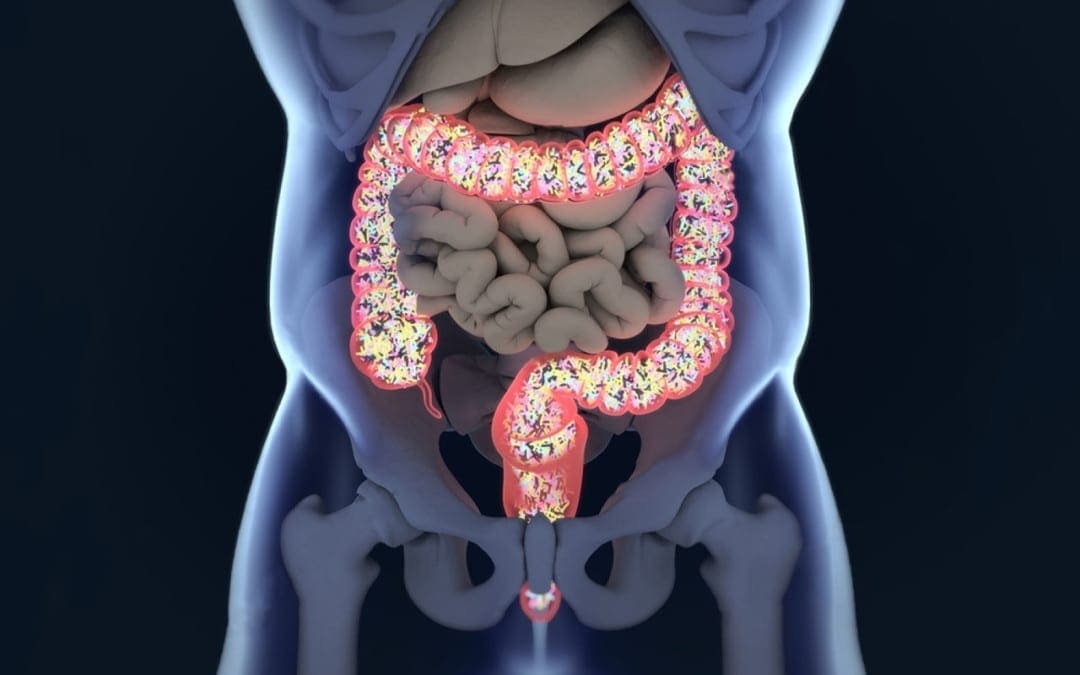
With the last article, we talk about how our gut system actually works. With the many microbes that inhabit our intestines, we do try to our best to lead a healthier lifestyle. Here at Injury Medical, local chiropractors and health coaches inform our patients about functional medicine as well as helping them to prevent a leaky gut. Here we will talk more about what the microbiomes in our intestines do when we are exposed to harsh environments.
The Microbiome
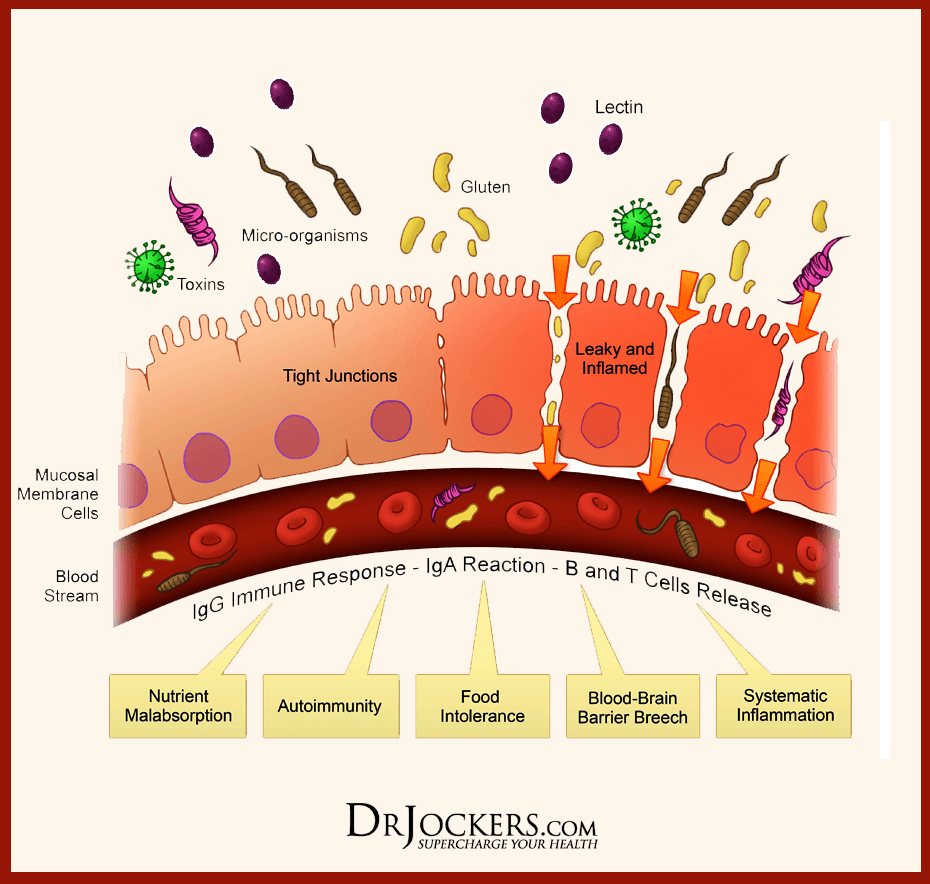
The significant role of the microbiome in the epithelial barrier integrity and breakdown. However, we can�t have a conversation with patients about intestinal permeability and food sensitivities without telling them about the role the microbiome plays.
The Wheat zoomer is rich with data but adds the Gut zoomer with the patients; the results are more accurate.
Microbial Influence on our Intestines
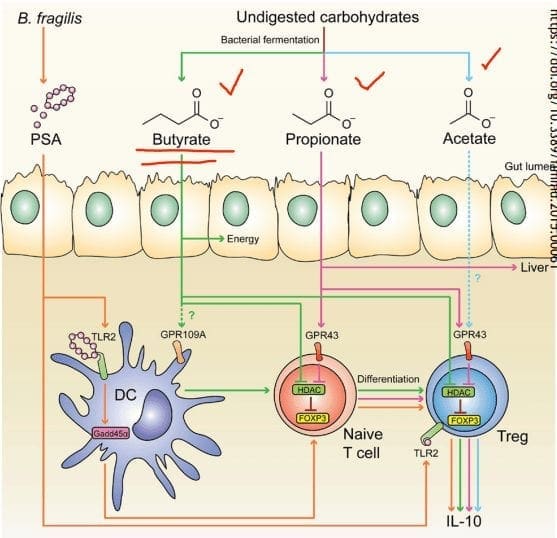
Immune influence: One of the leading roles that microbiomes play in the immune system is that it generates byproducts of carbohydrates/fiber fermentation that will influence T-cell differentiation. Without the distinction, we will see an increase of being at high risk of autoimmune diseases, allergies, autism, and asthma.
SCFAs (Short Chain Fatty Acids): The food we consume gets fermented for good bacteria to feed on. SCFAs creates fermented fibers by commensal microbes into Butyrate, Propionate, Acetate. These three are essential to the intestinal immune system. These SCFAs can influence T-cells differentiation differently, but it still gets the same results.
T-cell Differentiation: na�ve T-cells that activate the immune response to T-regs (police cells) to signal B-cells, and it can be a good thing. But if the T-cells activate and differentiate the wrong cells, it will cause inflammation.
When T-cells differentiation is less abundant, there will be a higher incidence of food sensitivities, autoimmune disease, asthma, and allergies. But when there is an abundance of butyrate, the patients have lower rates of colon cancer and colitis.
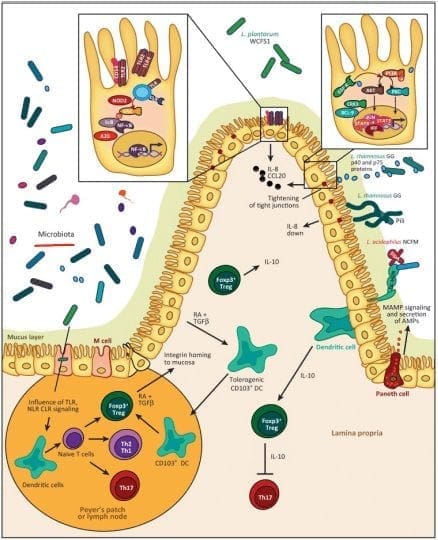
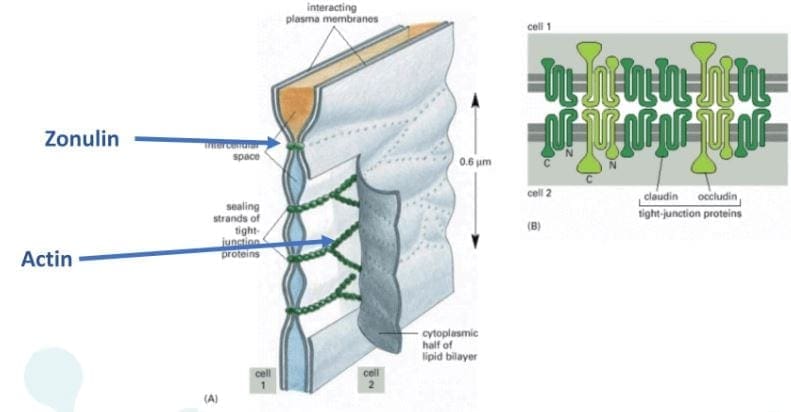
Tight Junction: Lactobacillus plantarum and Lactobacillus rhamnosus are the reinforcers for the tight junction while inducing TLR (toll-like receptors) outside the intestinal epithelial walls, as well as increasing the abundance of zonulin-occludin into the tight junction.
SCFAs also play a vital role in the tight junction by lessening the extent propionate, inducing LOX (lipoxygenase) activity and increasing tight junction�s stability while reducing permeability.
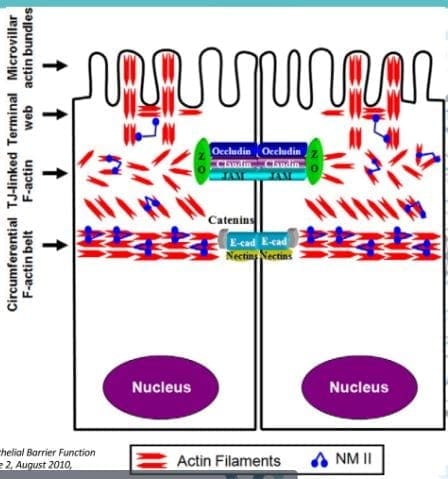
Pathogens/Pathobionts: Can be an influence in the epithelial barriers as they can be opportunistic or conditionally pathogenic. Various pathogens like enteropathogenic E.coli can alternate the tight junction�s system. However, if there is a low abundance of L. plantarum, then it will lead to infections and disruption as well as disorganization of the actin cytoskeletons. This can be reversed by incubating the epithelial cells with L. plantarum to create a high density of actin filaments to the tight junction and repair itself.
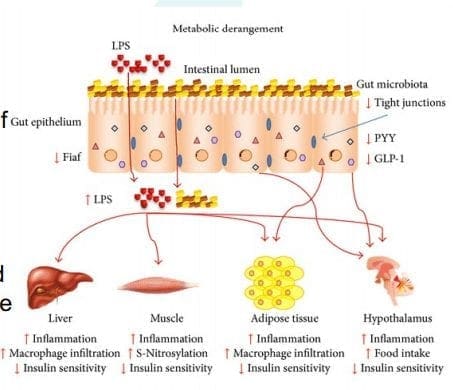
Zonulin, actin, and LPS: In the previous article, zonulin is the �gatekeeper� proteins that are responsible for opening and closing the tight junction. We talked about how if there is a low count of zonulin, it can cause inflammation, but if the zonulins are high, they can increase the IP and may facilitate enteric translocation by disassembling the tight junction. With less zonulin, it can be an overgrowth of b bacteria cells, thus causing more inflammation.
Actins are the structural and functional cells in the tight junction. However, if bacteria enter the actin cell walls, the bacteria will release toxins to the cell walls, it not only damages it but causes it to leak as well. This will make the damage actin cells not only paracellular but also intracellular to the damage actin cell walls.
Actin walls can also be affected when surfactants are involved. Surfactants are food agents and are known to affect the absorption of food substances in the gastrointestinal tract. They are not problematic, but when there is a low count on TEER, it can increase permeability and disband the tight junction.
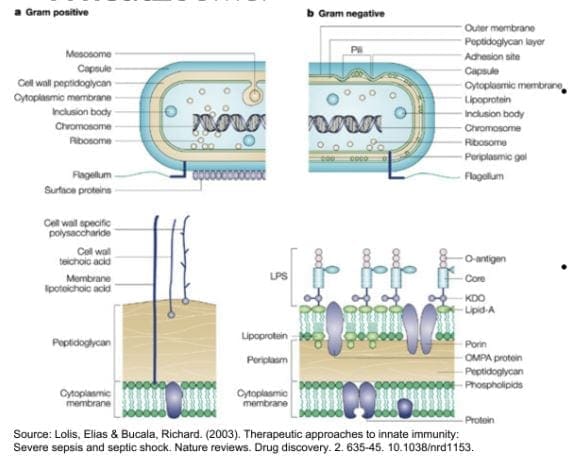
LPS (Lipopolysaccharide) acts as a barrier and is recognized by the immune system as a marker for detecting bacterial pathogen invasion. It�s responsible for the development of inflammatory response in our gut.
Diet and Lifestyle
Diet and lifestyle contributions to the epithelial barrier integrity and breakdown. With the Wheat and Gut Zoomer helping out our intestinal barriers. Specific diets and lifestyles can also play effect to what is causing discomfort to our gut. These factors can cause our gut to be an imbalance, gastro discomfort, inflammation on our intestinal epithelial barriers.
Gluten: Gliadin is the main peptide that can cause gluten sensitivity. The gliadin protein can bind with many microbes, causing discomfort to our intestines and gut. Plus giving us an autoimmune disease, skin allergens, and chronic illnesses.
Keto/High Fat Intake: Increase fat meals cause an increase of permeability, and if a patient has a high gram-negative, it will cause problems. But it can be beneficial, to those who don�t have the gram-negative bacteria in their system but, certain microbes like SCFAs do cling onto these fatty substances. In order to give patients an accurate result use both the Gut Zoomer and Wheat Zoomer to better the chances. Higher fat meals suppress beneficial bacteria. Causing a double risk of toxins in the bloodstream as well as inflammation.
Alcohol: Patients are more willing to give up alcohol than gluten. Alcohol can be a stress reliever but can lead to addiction. It can be one of the causes of redistribution of the junctional proteins. One glass of wine a day is ok, but some patients don�t see alcohol as a mediator for reducing problems.
Lectins: Lectins are contributors to permeability and impair the integrity of the intestinal epithelial layer, allowing passage through. Antibiotics for WGA can help lower the permeability of the intestinal wall barriers.
Stress: Stress can cause discomfort and permeability in the intestinal epithelial barrier from high levels of cortisol.
Conclusion
Yes, gluten can cause inflammation in the intestinal epithelial barriers, but many factors that we discussed are also factors that can cause physiological assaults on the barrier�s integrity and stability of the intestinal ecosystem. Dr. Alexander Jimenez informs our patients about the importance of how functional medicine works with the combination of the Gut Zoomer and the Wheat Zoomer. This is not only protecting our gut but by giving us the information on what we can do to prevent a leaky gut.
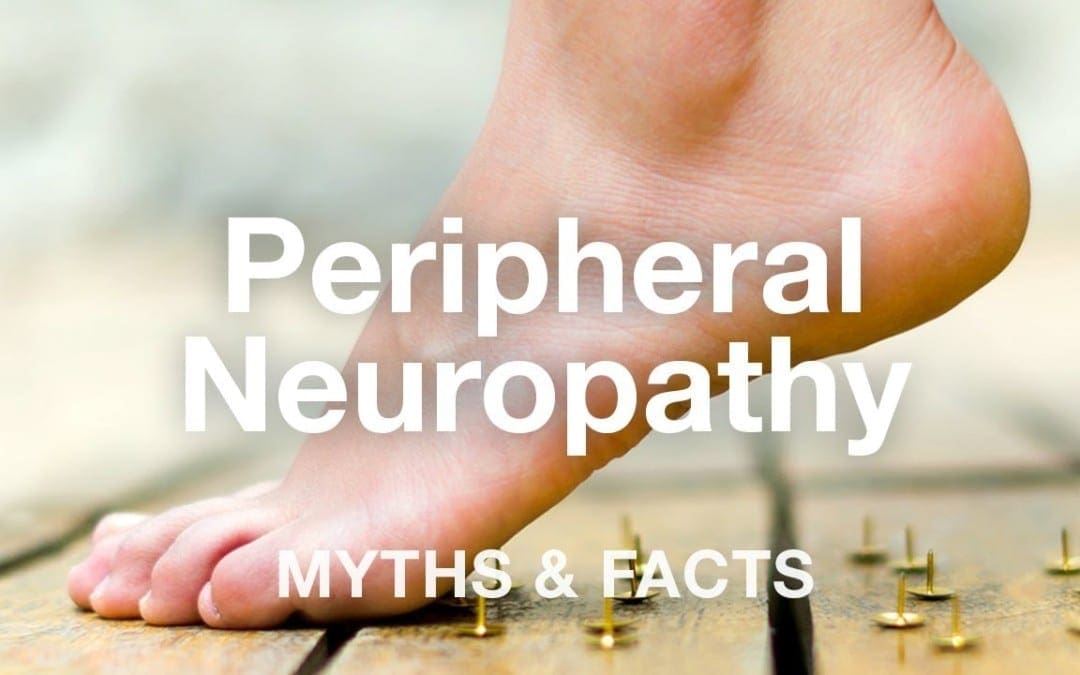
Pain and discomfort, tingling sensations, burning sensations, numbness, and even balance problems are common symptoms associated with peripheral neuropathy. Dr. Valerie Monteiro, leading expert on peripheral neuropathy and recovery. Peripheral neuropathy is a health issue resulting from damage or injury to the nerves in the arms, hands, legs, and feet.
Dr. Valerie Monteiro discusses the 5 most common myths associated with peripheral neuropathy symptoms. Peripheral neuropathy can be treated utilizing the proper treatment approach. Dr. Alex Jimenez, a chiropractor in El Paso, TX, can also help patients with peripheral neuropathy, among other health issues.
Peripheral Neuropathy Myths & Facts | El Paso, TX (2019)
Neuropathy�affects about 8 percent of individuals over the age of 55. Your nervous system is composed of 2 parts: the central nervous system and the peripheral nervous system. The nerves of your peripheral nervous system transmit messages between your central nervous system, that is your brain and spinal cord, along with the rest of the body.
These nerves regulate a massive range of functions throughout the body, such as voluntary muscle movement, involving the motor nerves, involuntary organ action, through the autonomic nerves, and also the perception of stimuli, involving the sensory nerves.
Peripheral neuropathy, which is often simply referred to as �neuropathy,� is a state that happens when your nerves become damaged or injured, oftentimes simply disrupted. It�s estimated that neuropathy affects roughly 2.4 percent of the general populace and approximately 8 percent of people older than age 55. However, this quote doesn�t include people affected by neuropathy caused by physical trauma to the nerves.
Neuropathy Types
Neuropathy can affect any of the three types of peripheral nerves:
Sensory nerves, which transmit messages from the sensory organs, eyes, nose to your brain
Motor nerves, which track the conscious movement of your muscles
Autonomic nerves, which regulate the involuntary functions of your own body
Sometimes, neuropathy will only impact one nerve. This is medically referred to as mononeuropathy and instances of it include:
Ulnar neuropathy, which affects the elbow
Radial neuropathy, which affects the arms
Peroneal neuropathy, which affects the knees
Femoral neuropathy, which affects the thighs
Cervical neuropathy, which affects the neck
Sometimes, two or more isolated nerves in separate regions of the body can become damaged, injured or disrupted, resulting in mono neuritis multiplex neuropathy. Most often, however, multiple peripheral nerves malfunction at the same time, a condition called polyneuropathy. According to the National Institute for Neurological Disorders and Stroke, or the NINDS, there are over 100 kinds of peripheral neuropathies.
Neuropathy Causes
Neuropathies are often inherited from birth or they develop later in life. The most frequent inherited neuropathy is the neurological disease Charcot-Marie-Tooth disease, which affects 1 in 2,500 people in the USA. Although healthcare professionals are sometimes not able to pinpoint the exact reason for an acquired neuropathy, medically referred to as idiopathic neuropathy, there are many known causes for them, including systemic diseases, physical trauma, infectious diseases, and autoimmune disorders.
A systemic disease is one which affects the whole body. The most frequent systemic cause behind peripheral neuropathy is diabetes, which can lead to chronically high blood glucose levels that harm nerves.
A number of other systemic issues can cause neuropathy, including:
Kidney disorders, which permit high levels of nerve-damaging toxic chemicals to flow in the blood
Toxins from exposure to heavy metals, including arsenic, lead, mercury, and thallium
Certain drugs and/or medications, including anti-cancer medications, anticonvulsants, antivirals, and antibiotics
Chemical imbalances because of liver ailments
Hormonal diseases, including hyperthyroidism, which disturbs metabolic processes, potentially inducing cells and body parts to exert pressure on the nerves
Deficiencies in vitamins, such as E, B1 (thiamine), B6 (pyridoxine), B12, and niacin, that can be vital for healthy nerves
Alcohol abuse, which induces vitamin deficiencies and might also directly harm nerves
Cancers and tumors that exert damaging pressure on nerve fibers and pathways
Chronic inflammation, which can damage protective tissues around nerves, which makes them more vulnerable to compression or vulnerable to getting inflamed and swollen
Blood diseases and blood vessel damage, which may damage or injure nerve tissue by decreasing the available oxygen supply
Neuropathy Complications
Peripheral�neuropathy�may result in several complications, as a result of disease or its symptoms. Numbness from the ailment can allow you to be less vulnerable to temperatures and pain, making you more likely to suffer from burns and serious wounds. The lack of sensations in the feet, for instance, can make you more prone to developing infections from minor traumatic accidents, particularly for diabetics, who heal more slowly than other people, including foot ulcers and gangrene.
Furthermore, muscle atrophy may cause you to develop particular physical disfigurements, such as pes cavus, a condition marked by an abnormally high foot arch, and claw-like deformities in the feet and palms.
We are blessed to present to you�El Paso�s Premier Wellness & Injury Care Clinic.
It is essential for people with this condition to not take the simple symptoms like numbness lightly as it can cause some serious problems with time. For example, if you are feeling a sensation of numbness in your feet then you will not realize it if you even step on broken glass. For this reason, you must never ignore even the simplest of the symptoms as it can lead to severe results. You must visit http://www.neuropathycure.org�for more details.
About 6 million people in the United States have Alzheimer�s disease (AD) and about 50 million people worldwide have dementia. There aren’t many treatments to treat these neurological diseases. Scientists in a 2018 research study on red light therapy and mice described that �treatment for Alzheimer�s disease and dementia has not been effective for more than 100 years.� Another research study described that there is currently “no treatment to prevent brain health issues. �
However, research studies on red light therapy as a treatment for Alzheimer�s disease and dementia have been positive over the last few years in laboratory settings with rodent models. Based on this lab data, researchers recommend red light therapy and near-infrared light therapy in human patients with AD and dementia. In this article, we will look at what the initial human research studies on red light therapy and Alzheimer�s disease/dementia have shown over the last few years. �
Red Light Therapy for Alzheimer�s and Dementia
The first few double-blinded, placebo-controlled human trials on red light therapy for AD, dementia, and other neurological diseases published in 2017 had very positive results. The data showed that red light therapy caused changes in executive function, clock drawing, immediate recall, memory, visual attention, and task switching, among other positive results. One research study showed that patients treated with transcranial light therapy experienced improvements, such as: �
Increased cognitive function
Better sleep
Fewer angry outbursts
Less anxiety
Less wandering
The research study noted that there were �no negative side-effects� on transcranial light therapy for neurological diseases. The research study concluded that transcranial light therapy shows potential for the treatment of brain health issues. �
More Human Trials with Red Light Therapy in Progress
The results of these initial human trials are encouraging for Alzheimer’s disease and dementia patients and families looking for better treatment options, especially natural and non-invasive treatments with no drugs/medications or side effects. �
In early 2019, three more human trials on red light therapy and AD/dementia have been in progress at the University of California and a hospital system in France. With the previous positive results, more and larger research studies and human trials are being organized. Scientists hope that in the following years, the base of positive evidence will be large enough to recommend red light therapy as a treatment for Alzheimer�s disease and dementia, among other neurological diseases. �
The results from human trials over the last few years have established a much bigger base of similarly positive results from research studies of rodent brains in Alzheimer�s disease and dementia models, both of which are outlined below. �
Red Light Therapy Reduces Oxidative Stress and Improves Memory
A 2018 research study of mice in an age-related AD/dementia model showed that red light therapy considerably reduced oxidative stress levels and restored memory function. The researchers also praised red light therapy for being a non-invasive treatment option as well as having a high rate of tissue penetration and low phototoxicity. The researchers additionally found that red light therapy not only prevented early-stage memory decline but also recovered late-stage memory deficits. �
Researchers in a similar 2015 research study with a mouse AD/dementia model utilized near-infrared (NIR) light instead of red light therapy. The NIR treatments also reduced oxidative stress in the cerebellar cortex. The researchers concluded that NIR treatments had the ability to prevent brain degeneration in every region of the mouse brain. The research studies concluded that light therapy opens a promising opportunity to translate LED-therapy into treatments for patients. �
Red Light Therapy Prevents Brain Degeneration
Several research studies have shown that red light therapy can suppress the buildup of Beta-amyloid (A?), a protein which causes senile plaques in people with Alzheimer�s disease and dementia. Synaptic dysfunction, due to the disruptive binding of (A?) in the brain, is one of the symptoms of AD and dementia responsible for causing initial cognitive decline. Preventing synaptic dysfunction can be an effective treatment for AD and dementia, helping to regulate and manage symptoms. �
Red Light Therapy Improves Memory, Motor Skills, and Recognition
Research studies in 2017 evaluated the hippocampus of rat brains in an Alzheimer�s model with light therapy. Both research studies considerably reduced A? plaques in the rats treated with light therapy. Both research studies also tested the subjects and found that treatments reduced hippocampal neurodegeneration and improved spatial memory, recognition, and basic motor skills in the light therapy groups. Another research study also showed considerable A? reduction and noted that NIR light can reduce synaptic dysfunction from A?, showing that NIR light therapy is a viable treatment for AD and dementia. �
Red Light Therapy Shows Promise for Neurological Diseases
The initial research studies on red light therapy for Alzheimer�s disease and dementia have ultimately been encouraging for researchers. Red light therapy is not FDA-approved for the treatment of Alzheimer�s Disease or dementia, however, there is hope that more positive results in human trials will show that light therapy is fundamental for AD and dementia treatment. �
Based on the available base of positive evidence, however, red light therapy shows promise as a natural, non-invasive, drug/medication-free treatment for brain degeneration where pharmacological solutions have long failed. �
By reducing oxidative stress and preventing the accumulation of the Beta-amyloid which causes brain plaques and synapse dysfunction, red light therapy offers hope towards delaying the onset of Alzheimer�s disease and dementia symptoms as well as hopefully even reversing or preventing brain degeneration and cognitive function decline. Researchers, patients, and families affected by AD and dementia will be watching closely in the following years as more positive results emerge. �
Research studies have demonstrated positive results on red light therapy for Alzheimer’s disease and dementia. Initial research studies on mice and rat models have shown the effects of light therapy on neurological diseases. Although, more human trials are still necessary to establish the effectiveness of red light therapy for AD and dementia, the base positive results are promising. Many healthcare professionals can help treat the symptoms associated with a variety of neurological diseases, among other health issues. – Dr. Alex Jimenez D.C., C.C.S.T. Insight
Research studies on red light therapy for AD and dementia have been positive over the last years. The initial human research studies on red light therapy and Alzheimer�s disease/dementia have been promising. The scope of our information is limited to chiropractic, musculoskeletal and nervous health issues as well as functional medicine articles, topics, and discussions. To further discuss the subject matter above, please feel free to ask Dr. Alex Jimenez or contact us at 915-850-0900 . �
Curated by Dr. Alex Jimenez �
Additional Topic Discussion: Chronic Pain
Sudden pain is a natural response of the nervous system which helps to demonstrate possible injury. By way of instance, pain signals travel from an injured region through the nerves and spinal cord to the brain. Pain is generally less severe as the injury heals, however, chronic pain is different than the average type of pain. With chronic pain, the human body will continue sending pain signals to the brain, regardless if the injury has healed. Chronic pain can last for several weeks to even several years. Chronic pain can tremendously affect a patient’s mobility and it can reduce flexibility, strength, and endurance.
Neural Zoomer Plus for Neurological Disease
Dr. Alex Jimenez utilizes a series of tests to help evaluate neurological diseases. The Neural ZoomerTM Plus is an array of neurological autoantibodies which offers specific antibody-to-antigen recognition. The Vibrant Neural ZoomerTM Plus is designed to assess an individual�s reactivity to 48 neurological antigens with connections to a variety of neurologically related diseases. The Vibrant Neural ZoomerTM Plus aims to reduce neurological conditions by empowering patients and physicians with a vital resource for early risk detection and an enhanced focus on personalized primary prevention. �
Formulas for Methylation Support
XYMOGEN�s Exclusive Professional Formulas are available through select licensed health care professionals. The internet sale and discounting of XYMOGEN formulas are strictly prohibited.
Proudly,�Dr. Alexander Jimenez makes XYMOGEN formulas available only to patients under our care.
Please call our office in order for us to assign a doctor consultation for immediate access.
If you are a patient of Injury Medical & Chiropractic�Clinic, you may inquire about XYMOGEN by calling 915-850-0900.
�
For your convenience and review of the XYMOGEN products please review the following link.*XYMOGEN-Catalog-Download �
* All of the above XYMOGEN policies remain strictly in force.
Today local chiropractors will be giving a description of the wheat zoomer. We will be giving a brief description of each panel, its markers, and the basic interpretations of the test. We will also be discussing the considerations for the patients and providers before we take The Wheat Zoomer test.
What is a Wheat Zoomer test?
The Vibrant wheat zoomer has 6 test in one to identify if the patient has wheat and gluten sensitivity. The Vibrant wheat zoomer does give our patients a thorough evaluation and we ask our patients if they started to be gluten-free or was gluten-free, either from birth or not and how much gluten-contained food did they eat. One of the best ways to ensure that our patients may have a gluten sensitivity is that if they have a food diary for us to look over and that way we can determine how severe of the wheat zoomer.
IgA vs IgG
In order for us to know about the wheat zoomer in our patient�s body, we must know about the immunoglobulins. The first one is IgA. IgA immunoglobulins are mucosal and are found primarily in the epithelial lining of the body: intestinal tract, lungs esophagus, blood-brain barrier and around internal organs. They are:
The first line of defense.
More accurate to our gut.
IgG immunoglobulins found in the blood system and are numerous in the body They are considered �systemic� and are non-specific to any one location. Not all IgG antibodies are sensitive though, some of them can indicate that an antigen has �leaked� into the blood and the immune system tagged that antigen as a �non-self�. And they are not diagnostic as IgG+IgA, but if IgA is absent, the antibodies are more relevant.
If the patient is recently gluten-free, the antibodies will tell us that the antigen hasn�t cleared out in the patient�s system from past weeks of eating gluten.
Celiac
Celiac is a growing autoimmune disease, about 1% of the population is affective and 1 in 7 Americans have a reaction to wheat or wheat gluten disorder. The Vibrant test can determine a 99% sensitivity and 100% specify on the celiac antibodies.
Total IgA and Total IgG measure both the IgA and IgG to determine the patient�s reactivity to gluten
Cut off for IgA is 160 as well as a bottom 1/3rd
Not all traditional markers for celiac disease doesn�t need to be elevated if tTg2 is elevated.
Intestinal Permeability
Zonulin is the gatekeeper for the intestines and controls nutrient flows and molecules across the membrane. It is a protein complex inside the intestinal tight junctions and can be increased by either gluten and high-fat meals.
Anti-Actin, especially f-Actin is in the smooth muscle of the intestines. Actin is part of the actomyosin complex. Vibrant can isolate f-Actin to get a more accurate picture of the patient�s immune response to the intestines. While antibodies in actin can identify intestinal destruction and indicate autoimmune diseases like connective tissue disease and autoimmune hepatitis.
Lipopolysaccharide (LPS) is produced by gram-negative enterobacteria. It is very potent and can cause inflammation. Plus it�s one of the indications of a leaky gut. Practitioners can draw additional lab test for cardiovascular, inflammatory markers, and diabetes/insulin resistance.
Here at Injury Medical Clinic, we suggest to our patients to try a Vibrant GutZoomer to identify the source of their ailments before we add the Vibrant WheatZoomer.
Gluten-mediated Autoimmunity
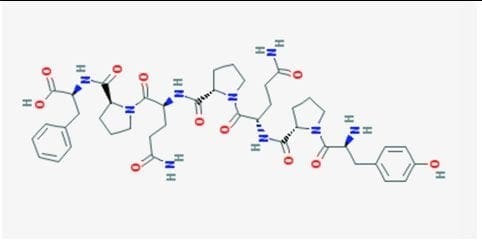
Fusion Peptide is the new addition to Wheat Zoomer in 2017. It is cross-linked to tTg and can identified celiac progression from 14 months to 4 years.
Differential Transglutaminases can detect autoimmune reactions to gluten that are not celiac or are becoming celiac. However, gluten is still a trigger but react differently in the celiac autoimmune disease such as:
Transglutaminase 3= skin manifestations of autoimmunity like dermatitis herpetiformis, eczema, and psoriasis.
Transglutaminases 6= neurological manifestations of autoimmunity in the cerebellum like gluten ataxia, gate abnormalities, balance and coordination issues.
Wheat Germ Agglutinin
Wheat Germ Agglutinin is the lectin component of wheat but, it is not a component to gluten. Dr. Jimenez can detect a patient’s low level of Vitamin D absorption from the patient�s results. And Wheat Germ Agglutinin is commonly used as an additive in supplements and the supplement can still be called gluten-free due to the different protein structure.
Gliadin, Glutenin, and Prodynorphin
Gliadin and glutenin are what makes up the super protein in gluten. Most people are reacting to the Gliadin portion of gluten and gliadin binds with tTg2 in celiac and binds zonulin to a leaky gut in patients. Gliadin reacts to any antigens can indicate a sensitivity to gluten in patients and gluteomorphin are peptides in wheat and react as a euphoria receptor to the brain. Prodynorphins antibodies can indicate that gluten reacts to signaling hormones and affect the patient’s mood.
Sadly though, patients do have a hard time withdrawing gluten in their diet since their antibodies are used to the compound and it up to us, here at Injury Medical Clinic to gently push our patients to have the will power to fix what is causing them to have ailments.
Wheat Allergin
Wheat Allergen is the true allergen body. Some patients that already know that they are allergic to wheat from a young age but it doesn�t decrease when wheat is eliminated and can remain long term after the allergic response happens.
Glutenin
Glutenin is the other part of the gluten compound. However it is less common to some people, but some individuals do show reactivity to glutenin, thus still have a gluten sensitivity. But there is no clinical difference to the reactivity to glutenin from high to low molecular weight.
Non-Gluten Wheat Proteins
Surprisingly Vibrant has an advantage to their test as they have a panel for patients that don�t have a gluten sensitivity but a wheat sensitivity. The Vibrant advantage to the unique non-gluten wheat panel shows us that:
Proteins in wheat unrelated to gluten but relevant to immune reactions.
It is 30% of the protein molecular weight of wheat.
Some individuals are more reactive to wheat proteins than gluten itself.
If they are trying to be gluten-free, patients still have to read the labels to see if any hidden wheat starches are in the ingredients. But not all food products are gluten-free if they have the wheat protein in them.
Conclusion
If the patient is trying to be gluten-free but previously ate gluten compound food. They can still feel the reaction if they discovered that they have a sensitivity to gluten by their practitioner. And must take precautions when they are reading the labels of the products they are going to buy and consume. In the next four articles, we will discuss what the Wheat Zoomer can provide as well as, discussing about what causes leaky gut, what actually goes on in our patient�s intestines, and wrapping up on what to do after the Wheat Zoomer heals and restores the gut barrier.
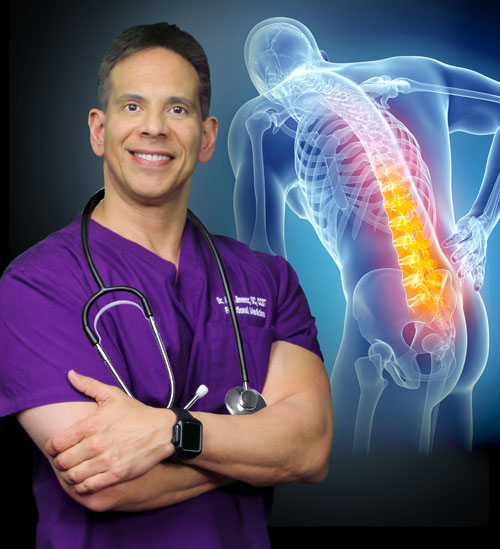
Ever wonder what goes through your chiropractors head when treating your moderate back pain? Using a patient as an example, Dr. Jimenez shares his thought process through the treatment of a patient with moderate low back pain. All the way through the first appointment through to the recovery process.
Patient’s Background
Louis is a 47-year-old programmer who plays tennis regularly, especially tournaments.
However, low back pain has put Louis’ game on hold as he�s not able to manage the pain with the regular heating pad, ice, and over-the-counter pain reliever.
His primary physician referred him to Dr. Jimenez.
Louis’ is referred to chiropractic
Dr. Jimenez: Louis’ primary physician referred him to me instead of a spine surgeon because first, the pain is not yet serious enough for surgery. And so there was a window to treat with a non-invasive approach. Secondly, I specialize in sports medicine and so maximize conservative, non-operative techniques/methods.
The United States has 5 times the surgical rate of other countries, so going to a non-operative spine specialist/chiropractor is the best approach at the beginning before the pain becomes severe/acute/chronic.
Louis’ first appointment, medical history, and current back pain
Dr. Jimenez: Once I went through his medical history, I saw it was pretty straightforward. So I dug deeper into other areas of Louis’ lifestyle.
I asked about:
Diet
Physical activity
Emotional well-being
Smoking status
Also, a factor, his occupation was contributing to his pain. He�s a programmer, so spends a lot of time sitting at a desk. Sitting for prolonged periods and usually improperly/poor posture are two of the worst things you can do to your spine.
Sitting for a long time without moving around causes the hip muscles to get tight, and glutes and spine muscles to weaken.
Louis sits most of the day working and spends the weekend if not doing house chores, then playing tennis. Just imagine using weakened muscles during the week and then jumping into a sports activity on the weekend will definitely cause pain.
Louis said that his pain would worsen when serving, hitting a forehand and bending over to pick up a ball. The pain would ease down once he was resting and sleeping.
Louis’ physical exam
Dr. Jimenez: With the physical examination, I looked at
Alignment
Motion
Inflexibilities (not just the spine but the hips and lower extremities)
Muscular imbalances
Weaknesses
I saw that Louis had a flattened lumbar lordosis, meaning the gentle curve in his low back was now flat. Restricted motion in one direction� or a flexion. And weakness in the buttock muscles and hips, and tightness in the lower extremity muscles.
Pushing on certain areas along his spine, presented tenderness in the mid to lower lumbar spine and joint areas.
Initial treatment for Louis’ moderate low back pain
Chiropractic
Physical therapy
Exercises
Stretching
Re-education – proper sitting/standing
Diet
Foot orthotics if necessary
The best initial treatment is to work chiropractically on the muscular imbalances of the spine and lower extremities that are affecting the body’s biomechanics.
Other exams?
Dr. Jimenez: If necessary, a functional movement screening examination.
This test is used in sports medicine to check for imbalances from the feet all the way up to the neck.
After this, Louis would be tested to see if foot orthotics could help and receive specially designed exercises from a physical therapist to address the muscular imbalances.
Radiographic, CT, or MRI imaging
Dr. Jimenez: Many believe that imaging tests are essential to the diagnostic process.
My goal for Louis and all my patients is to get them pain-free, functional and back to health.
Are imaging tests important?
Dr. Jimenez: Imaging tests are important when there are neurologic discoveries/complaints, like muscle weakness, sensory loss, and immobility, as this can indicate the need for surgery.
Imaging tests are helpful for guiding targeted treatment like an epidural injection.
And if your doctor believes there is something serious, e.g., a spinal tumor, infection, then get an imaging test right away.
Louis’ diagnosis
Dr. Jimenez: Because Louis’ pain worsened while playing tennis and then ease during sleep, I diagnosed him with mechanical low back pain.
This type of back pain comes on through mechanical activities or applying a load to the spine.
Non-mechanical low back pain is pain that exists all the time.
Thought process while developing Louis’ treatment plan
Dr. Jimenez: The treatment plan is focused on controlling pain and inflammation.
I first recommended chiropractic treatment, physical therapy/massage, and heat/ice compress.
After completing the course of treatment I suggested Louis take naturally derived supplements:
Turmeric
Bromelain
High-dose omega 3’s
This would help reduce inflammation.
They have been proven to be effective without the serious side effects of both over-the-counter and prescription medications.
Louis and I also discussed his diet
I recommended cutting back on carbohydrate and processed sugar intake thus curbing inflammation and upped healthy fat consumption of and natural sugars that are found in nuts and berries.
I taught Louis proper basic movement techniques, including positioning himself at work and stretches to do throughout the day.
I suggested that Louis work with a fitness physical therapist to build strength and flexibility, that would take shape in 4 to 6 weeks.
After a few sessions, the goal is to be able to do the exercises without help.
Return to tennis
Dr. Jimenez: Very soon, as long as, he uses his natural anti-inflammatory supplements and follows through with regular chiropractic/physical therapy.
Slow and steady is the key to pain relief. Jumping into a tennis set before finishing treatment would set him back and possibly cause new injuries.
I recommended he start by playing non-competitive tennis and just rally after completing the treatment and then take a day or 2 to see how it feels.
Taking it slow should bring back full strength within 2 months after the initial visit.
Preventive tips:
A proper tennis swing should put minimal force on the spine.
Tennis professionals start and stop, jump, slide, dive and run, run, run. That is where a significant overload of the lower back occurs and all the energy goes right into the spine.
The key to a proper swing is to rotate the hips, take the proper arm swing, and hit through the ball.
If you don�t have proper hip rotation, your body will pay for it through the spine.
Bending at the hips and knees when picking up balls will greatly reduce stress on your low back.
Work with a tennis pro that can teach you proper swing and specific tennis training especially movement.
This will help you play well, alleviate/avoid back pain and enjoy the game.
Low Back Pain Treatment | El Paso, Tx
Low back pain which gradually influenced his quality of life was developed. David Garcia was unable to walk as his symptoms worsened and his back pain became excruciating. He first visited Dr. Alex Jimenez, a chiropractor in El Paso, TX, following a recommendation from his sister. Dr. Jimenez managed to supply David Garcia with all the aid he deserved for his low back pain, restoring his well-being. David Garcia clarifies the wonderful service Dr. Alex Jimenez and his team have given him to offer him relief from his painful symptoms and he highly recommends chiropractic care as the non-surgical pick for low back pain, among other health problems.
NCBI Resources
A chiropractor is the ideal medical professional to consult with for any unexplained pain in the musculoskeletal system. They are highly qualified professionals that their specialty is treating conditions like moderate lower back pain and they are very affordable. 31 million Americans experience moderate low back pain at any given time. This condition affects many, but finding the exact cause can be a challenge. Chiropractors are spinal specialists that are trained to not only alleviate pain but also find and help correct the cause of the problem.
IFM's Find A Practitioner tool is the largest referral network in Functional Medicine, created to help patients locate Functional Medicine practitioners anywhere in the world. IFM Certified Practitioners are listed first in the search results, given their extensive education in Functional Medicine