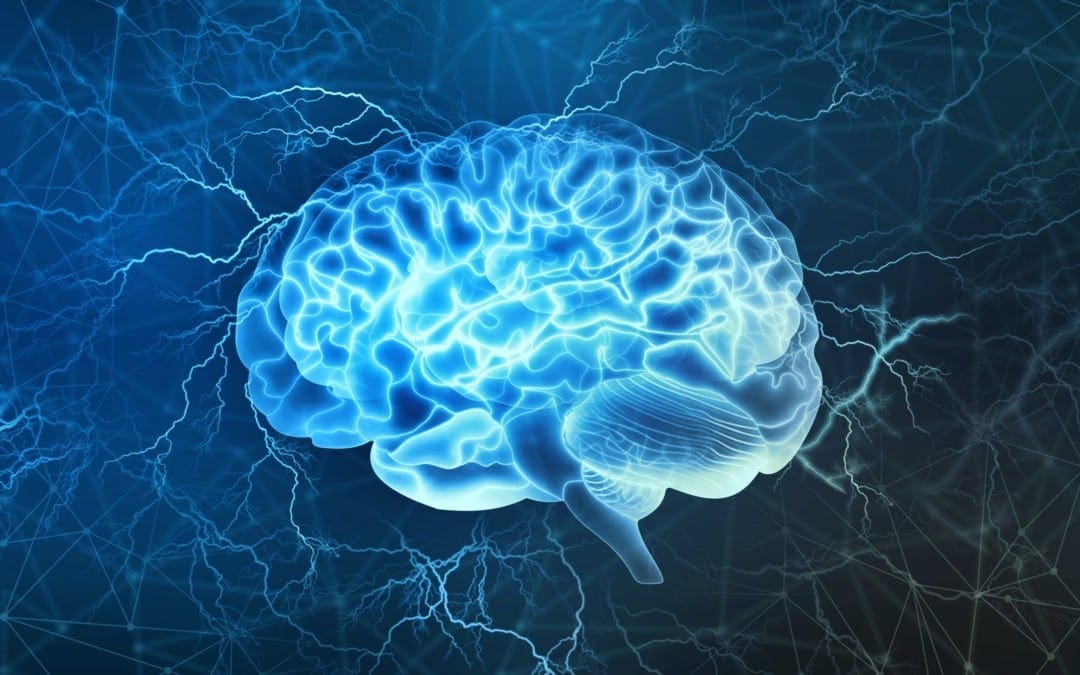
Serotonin, also known as the “happy chemical”, is a substance associated with mood, happiness, and well-being as well as a variety of other structures and functions in the human body. Scientifically referred to as 5-hydroxytryptamine or 5-HT, this essential substance is commonly found in the brain, blood platelets, and gastrointestinal (GI) tract. Serotonin is another “chemical messenger” that controls mood and movement. It also helps to regulate and manage our circadian rhythm, or the human body’s sleep-and-wake cycle. Serotonin also controls appetite, cognitive, autonomic, and motor functions.
Serotonin is produced by a biochemical conversion process in the brain that involves several components of proteins, including tryptophan and its chemical reactor, known as tryptophan hydroxylase. Most scientists believe that this essential substance is a neurotransmitter while some scientists believe that serotonin is a hormone. The “happy chemical”, As previously mentioned above, is produced in the gastrointestinal (GI) tract, blood platelets, and brain as well as in the central nervous system (CNS). In the following article, we will discuss the role of serotonin and its effect on overall brain and mental health.
What is the Role of Serotonin?
According to research studies, serotonin may play a fundamental role in a variety of brain and mental health issues, including anxiety, depression, obsessive-compulsive disorder (OCD), post-traumatic stress disorder (PTSD), phobias, and even epilepsy. Moreover, this substance is produced by the brain and body for appetite and digestion, including bowel movements, bone health, sex, and sleep. Serotonin is also a precursor to melatonin, another important chemical that helps regulate and manage our circadian rhythm, or sleep-and-wake cycle. Abnormal “happy chemical” levels can cause various other health issues.
Abnormal serotonin levels have been associated with other health issues, such as heart disease, irritable bowel syndrome (IBS), and osteoporosis, a disease that weakens the bones. This essential substance ultimately plays a much bigger role in the central nervous system (CNS) and in the general structure and function of the human body, including the gastrointestinal (GI) tract. Serotonin is also associated with cell division, bone metabolism, liver regeneration, and breast milk production. As a neurotransmitter, serotonin sends signals between brain cells or neurons. Serotonin affects the brain and body in several ways.
Mood: Serotonin affects mood, anxiety, depression, and happiness. Certain drugs and/or medications can considerably increase serotonin.
Bone density: Scientists have associated excess serotonin in the bones with osteoporosis. But, further research studies are still required.
Clotting: Serotonin causes blood clots, which are released by blood platelets after an open wound. Then, the essential substance will send signals between the brain cells, or neurons, to cause vasoconstriction, or narrowing of the blood vessels, to reduce blood flow and produce blood clots.
Nausea: If we consume something harmful, the gut produces serotonin to increase bowel functions and movements, often in diarrhea. When serotonin is produced in the brain after consuming something harmful, it can stimulate a certain region in the brain which causes nausea.
Bowel function: Serotonin regulates and manages bowel functions and movements. It also helps control our appetite while we are eating.
Sexual function: Serotonin seems to affect sexual function. Selective serotonin reuptake inhibitors (SSRIs) increase serotonin levels in people with depression, but between 20 and 70 percent of people who take them experience a range of symptoms associated with sexual dysfunction.
Serotonin and Mental Health
Serotonin, also known as the “happy chemical” ultimately helps naturally control your mood. According to a research study in 2007, people with depression as well as other brain and mental health issues generally have abnormal serotonin levels. Serotonin deficiencies have also been associated with anxiety and insomnia. Another research study in 2016 evaluated how a group of mice lacking serotonin autoreceptors inhibited serotonin secretion. Without these autoreceptors, the group of mice had increased serotonin levels. Scientists found that this group of mice also demonstrated less anxiety and depression.
It is not yet clear what exactly causes depression and other brain and mental health issues, but scientists believe that it may be associated with an imbalance of neurotransmitters or hormones in the brain and body. Normally, once a neurotransmitter has transmitted its neural impulse is reabsorbed into the body. SSRIs prevent the serotonin from being reabsorbed, leading to higher levels of serotonin in the synapses. In recent research studies, scientists have also found that gut bacteria may help produce serotonin and that most serotonin can actually be found in the gastrointestinal (GI) tract. Furthermore, scientists believe that most serotonin in the gastrointestinal (GI) tract may stimulate the vagus nerve, the long nerve that connects the gut and brain.
Serotonin, also known as the “happy chemical”, is a substance associated with mood, happiness, and a variety of other structures and functions in the human body. Scientifically referred to as 5-hydroxytryptamine or 5-HT, this essential substance is commonly found in the brain, blood platelets, and gastrointestinal (GI) tract. It ultimately helps to regulate and manage our circadian rhythm, or the human body’s sleep-and-wake cycle. Serotonin also controls appetite, cognitive, autonomic, and motor functions. Most scientists believe that this essential substance is a neurotransmitter while some scientists believe that serotonin is a hormone. In the following article, we will discuss the role of serotonin and its effect on overall brain and mental health.�- Dr. Alex Jimenez D.C., C.C.S.T. Insight
Serotonin, also known as the “happy chemical”, is a substance associated with mood, happiness, and well-being as well as a variety of other structures and functions in the human body. Scientifically referred to as 5-hydroxytryptamine or 5-HT, this essential substance is commonly found in the brain, blood platelets, and gastrointestinal (GI) tract. Serotonin is another “chemical messenger” that controls mood and movement. It also helps to regulate and manage our circadian rhythm, or the human body’s sleep-and-wake cycle. Serotonin also controls appetite, cognitive, autonomic, and motor functions.
Serotonin is produced by a biochemical conversion process in the brain that involves several components of proteins, including tryptophan and its chemical reactor, known as tryptophan hydroxylase. Most scientists believe that this essential substance is a neurotransmitter while some scientists believe that serotonin is a hormone. The “happy chemical”, As previously mentioned above, is produced in the gastrointestinal (GI) tract, blood platelets, and brain as well as in the central nervous system (CNS). In the following article, we discussed the role of serotonin and its effect on overall brain and mental health.
The scope of our information is limited to chiropractic, musculoskeletal, and nervous health issues or functional medicine articles, topics, and discussions. We use functional health protocols to treat injuries or disorders of the musculoskeletal system. Our office has made a reasonable attempt to provide supportive citations and has identified the relevant research study or studies supporting our posts. We also make copies of supporting research studies available to the board and or the public upon request. To further discuss the subject matter above, please feel free to ask Dr. Alex Jimenez or contact us at 915-850-0900.�
Curated by Dr. Alex Jimenez
References:
McIntosh, James. �Serotonin: Facts, Uses, SSRIs, and Sources.� Medical News Today, MediLexicon International, 2 Feb. 2018, www.medicalnewstoday.com/articles/232248.php.
Konkel, Lindsey. �Serotonin: What to Know: Everyday Health.� EverydayHealth.com, Everyday Health Media, 15 Aug. 2018, www.everydayhealth.com/serotonin/guide/.
Scaccia, Annamarya. �Serotonin: Functions, Normal Range, Side Effects, and More.� Healthline, Healthline Media, 26 Mar. 2019, www.healthline.com/health/mental-health/serotonin.
Neurotransmitter Assessment Form
[wp-embedder-pack width=”100%” height=”1050px” download=”all” download-text=”” attachment_id=”52657″ /]
The following Neurotransmitter Assessment Form can be filled out and presented to Dr. Alex Jimenez. The following symptoms listed on this form are not intended to be utilized as a diagnosis of any type of disease, condition, or any other type of health issue.
Additional Topic Discussion: Chronic Pain
Sudden pain is a natural response of the nervous system which helps to demonstrate possible injury. By way of instance, pain signals travel from an injured region through the nerves and spinal cord to the brain. Pain is generally less severe as the injury heals, however, chronic pain is different than the average type of pain. With chronic pain, the human body will continue sending pain signals to the brain, regardless if the injury has healed. Chronic pain can last for several weeks to even several years. Chronic pain can tremendously affect a patient’s mobility and it can reduce flexibility, strength, and endurance.
Neural Zoomer Plus for Neurological Disease
Dr. Alex Jimenez utilizes a series of tests to help evaluate neurological diseases. The Neural ZoomerTM Plus is an array of neurological autoantibodies which offers specific antibody-to-antigen recognition. The Vibrant Neural ZoomerTM Plus is designed to assess an individual�s reactivity to 48 neurological antigens with connections to a variety of neurologically related diseases. The Vibrant Neural ZoomerTM Plus aims to reduce neurological conditions by empowering patients and physicians with a vital resource for early risk detection and an enhanced focus on personalized primary prevention.
Food Sensitivity for the IgG & IgA Immune Response
Dr. Alex Jimenez utilizes a series of tests to help evaluate health issues associated with a variety of food sensitivities and intolerances. The Food Sensitivity ZoomerTM is an array of 180 commonly consumed food antigens that offers very specific antibody-to-antigen recognition. This panel measures an individual�s IgG and IgA sensitivity to food antigens. Being able to test IgA antibodies provides additional information to foods that may be causing mucosal damage. Additionally, this test is ideal for patients who might be suffering from delayed reactions to certain foods. Utilizing an antibody-based food sensitivity test can help prioritize the necessary foods to eliminate and create a customized diet plan around the patient�s specific needs.
Gut Zoomer for Small Intestinal Bacterial Overgrowth (SIBO)
Dr. Alex Jimenez utilizes a series of tests to help evaluate gut health associated with small intestinal bacterial overgrowth (SIBO). The Vibrant Gut ZoomerTM offers a report that includes dietary recommendations and other natural supplementation like prebiotics, probiotics, and polyphenols. The gut microbiome is mainly found in the large intestine and it has more than 1000 species of bacteria that play a fundamental role in the human body, from shaping the immune system and affecting the metabolism of nutrients to strengthening the intestinal mucosal barrier (gut-barrier). It is essential to understand how the number of bacteria that symbiotically live in the human gastrointestinal (GI) tract influences gut health because imbalances in the gut microbiome may ultimately lead to gastrointestinal (GI) tract symptoms, skin conditions, autoimmune disorders, immune system imbalances, and multiple inflammatory disorders.
Formulas for Methylation Support
XYMOGEN�s Exclusive Professional Formulas are available through select licensed health care professionals. The internet sale and discounting of XYMOGEN formulas are strictly prohibited.
Proudly,�Dr. Alexander Jimenez makes XYMOGEN formulas available only to patients under our care.
Please call our office in order for us to assign a doctor consultation for immediate access.
If you are a patient of Injury Medical & Chiropractic�Clinic, you may inquire about XYMOGEN by calling 915-850-0900.
For your convenience and review of the XYMOGEN products please review the following link. *XYMOGEN-Catalog-Download* All of the above XYMOGEN policies remain strictly in force.
Modern Integrated Medicine
The National University of Health Sciences is an institution that offers a variety of rewarding professions to attendees. Students can practice their passion for helping other people achieve overall health and wellness through the institution’s mission. The National University of Health Sciences prepares students to become leaders in the forefront of modern integrated medicine, including chiropractic care. Students have an opportunity to gain unparalleled experience at the National University of Health Sciences to help restore the natural integrity of the patient and define the future of modern integrated medicine.
Dopamine is an essential neurotransmitter that is associated with the pleasure and reward center of the brain. This chemical messenger also helps with a variety of other brain functions, including attention, memory, motivation, and movement. When the brain releases dopamine, it can stimulate us to do certain actions. Meanwhile, when there’s not enough dopamine in the brain, we can feel less encouraged to do the things we love doing. The nervous system generally regulates this essential neurotransmitter in the brain, however, there are several steps you can take to naturally increase your dopamine levels.
Eat More Protein
Proteins consist of amino acids, organic compounds that can be consumed from the foods we eat or synthesized on their own by the body. Out of the 23 amino acids available, the amino acid, tyrosine, plays a fundamental role in the release of dopamine in the brain. Enzymes can ultimately turn tyrosine into dopamine. Another amino acid, phenylalanine, can also produce tyrosine. These organic compounds can be naturally found in protein-rich foods, including legumes like soy, dairy, eggs, turkey, and beef. Research studies have found that increasing tyrosine and phenylalanine can increase dopamine levels.
Eat Less Saturated Fats
Several research studies have found that eating too many saturated fats, including those naturally found in animal fats like full-fat dairy and butter as well as coconut oil and palm oil, can affect the release of dopamine in the brain. Further research studies are still required. Scientists also found that in a group of rats, 50 percent of those that consumed their calories from saturated fats had decreased dopamine levels. Scientists believe that eating too many saturated fats can increase oxidative stress and inflammation. Several other research studies have found a link between saturated fats and brain health issues.
Take Supplements
The body needs to have a variety of vitamins and minerals to produce dopamine in the brain, including iron, niacin, folate, and vitamin B6. Nutrient deficiencies can ultimately make it difficult for dopamine to be released in the brain. Blood tests can determine the presence of nutrient deficiencies. Taking supplements can help control nutrient deficiencies.�Together with a balanced diet, taking certain supplements has been found to help increase dopamine levels, including magnesium, vitamin D, curcumin, oregano extract, and green tea. However, further research studies are still required in humans.
Take Probiotics
Scientists recently found a connection between the gut and brain. As a matter of fact, the gut is occasionally referred to as the “second brain” because it has numerous nerve cells that produce various neurotransmitters, including dopamine. Certain bacteria cultures in the gut can also produce dopamine. Research studies have also demonstrated that probiotics can help reduce anxiety and depression. Although several research studies have found a clear connection between gut and brain health, scientists still don’t fully understand how probiotics play a role in the production of dopamine in the brain.
Do Exercise and/or Physical Activity
Exercise and/or physical activity can ultimately help improve mood. Although several research studies in a group of rats have found that exercise and/or physical activity can increase dopamine levels, further research studies are still required. In one research study, however, scientists found that doing one hour of yoga, six days a week, considerably increased the production of dopamine in the brain. Several other research studies have demonstrated that exercise and/or physical activity considerably improved symptoms in Parkinson’s disease patients. However, further research studies are still required.
Get Enough Sunlight
According to scientists, when we don’t get enough sunlight, we can experience reduced levels of mood-boosting neurotransmitters, including dopamine. One research study found that adults who had enough sunlight had increased dopamine levels in their brains. However, make sure you follow the safety guidelines as getting too much sunlight can be harmful and it can cause skin damage and increase the risk of skin cancer. Furthermore, it�s generally recommended to limit sun exposure during peak hours, typically between 10 am and 2 pm, and to apply sunscreen whenever the UV index is above 3.
Get Enough Sleep
The brain releases dopamine in the morning to promote feelings of alertness and wakefulness when it’s time to wake up. Meanwhile, dopamine levels decrease in the evening when it’s time to go to sleep. However, not getting enough sleep can affect these dopamine fluctuations. Decreased dopamine levels caused by a lack of sleep can also cause poor concentration and coordination. Getting enough sleep can help balance dopamine in the brain and it can make you feel more alert and awake throughout the day. According to the National Sleep Foundation, adults should sleep 7 to 9 hours every night.
Practice Mindfulness Meditation
Mindfulness meditation is the practice of being fully “present” by becoming aware of where we are and what we�re doing, not by what�s going on around us. Recent research studies have found that mindfulness meditation can naturally increase dopamine levels in the brain as well as improve mental and physical health. One research study demonstrated that experienced meditation teachers experienced a 64 percent increase in dopamine levels after meditating for one hour. However, it�s unclear whether dopamine levels only increase in experienced meditators or in people who are new to meditation as well.
Dopamine is a neurotransmitter that plays a fundamental role in a variety of brain functions. Dopamine ultimately affects motivation and movement because it is most commonly associated with the pleasure and reward center of the brain. Enough dopamine levels can stimulate us to do certain actions while dopamine deficiencies can make us feel less interested to do the things we love doing. The nervous system generally regulates this essential neurotransmitter in the brain, however, there are several steps you can take to naturally increase your dopamine levels, such as eating more protein and exercising. – Dr. Alex Jimenez D.C., C.C.S.T. Insight
Dopamine is an essential neurotransmitter that is associated with the pleasure and reward center of the brain. This chemical messenger also helps with a variety of other brain functions, including attention, memory, motivation, and movement. When the brain releases dopamine, it can stimulate us to do certain actions. Meanwhile, when there’s not enough dopamine in the brain, we can feel less encouraged to do the things we love doing. The nervous system generally regulates this essential neurotransmitter in the brain, however, there are several steps you can take to naturally increase your dopamine levels.
The scope of our information is limited to chiropractic, musculoskeletal, and nervous health issues or functional medicine articles, topics, and discussions. We use functional health protocols to treat injuries or disorders of the musculoskeletal system. Our office has made a reasonable attempt to provide supportive citations and has identified the relevant research study or studies supporting our posts. We also make copies of supporting research studies available to the board and or the public upon request. To further discuss the subject matter above, please feel free to ask Dr. Alex Jimenez or contact us at 915-850-0900.�
Curated by Dr. Alex Jimenez
References:
Julson, Erica. �10 Best Ways to Increase Dopamine Levels Naturally.� Healthline, Healthline Media, 10 May 2018, www.healthline.com/nutrition/how-to-increase-dopamine.
MedlinePlus. �Amino Acids: MedlinePlus Medical Encyclopedia.� MedlinePlus, U.S. National Library of Medicine, medlineplus.gov/ency/article/002222.htm.
Jaehnig, Jon. �What Is Dopamine And How Does It Affect The Brain And The Body?� Betterhelp, BetterHelp, 24 July 2018, www.betterhelp.com/advice/medication/what-does-dopamine-do-in-the-brain-and-what-is-its-function/.
Neurotransmitter Assessment Form
[wp-embedder-pack width=”100%” height=”1050px” download=”all” download-text=”” attachment_id=”52657″ /]
The following Neurotransmitter Assessment Form can be filled out and presented to Dr. Alex Jimenez. The following symptoms listed on this form are not intended to be utilized as a diagnosis of any type of disease, condition, or any other type of health issue.
Additional Topic Discussion: Chronic Pain
Sudden pain is a natural response of the nervous system which helps to demonstrate possible injury. By way of instance, pain signals travel from an injured region through the nerves and spinal cord to the brain. Pain is generally less severe as the injury heals, however, chronic pain is different than the average type of pain. With chronic pain, the human body will continue sending pain signals to the brain, regardless if the injury has healed. Chronic pain can last for several weeks to even several years. Chronic pain can tremendously affect a patient’s mobility and it can reduce flexibility, strength, and endurance.
Neural Zoomer Plus for Neurological Disease
Dr. Alex Jimenez utilizes a series of tests to help evaluate neurological diseases. The Neural ZoomerTM Plus is an array of neurological autoantibodies which offers specific antibody-to-antigen recognition. The Vibrant Neural ZoomerTM Plus is designed to assess an individual�s reactivity to 48 neurological antigens with connections to a variety of neurologically related diseases. The Vibrant Neural ZoomerTM Plus aims to reduce neurological conditions by empowering patients and physicians with a vital resource for early risk detection and an enhanced focus on personalized primary prevention.
Food Sensitivity for the IgG & IgA Immune Response
Dr. Alex Jimenez utilizes a series of tests to help evaluate health issues associated with a variety of food sensitivities and intolerances. The Food Sensitivity ZoomerTM is an array of 180 commonly consumed food antigens that offers very specific antibody-to-antigen recognition. This panel measures an individual�s IgG and IgA sensitivity to food antigens. Being able to test IgA antibodies provides additional information to foods that may be causing mucosal damage. Additionally, this test is ideal for patients who might be suffering from delayed reactions to certain foods. Utilizing an antibody-based food sensitivity test can help prioritize the necessary foods to eliminate and create a customized diet plan around the patient�s specific needs.
Gut Zoomer for Small Intestinal Bacterial Overgrowth (SIBO)
Dr. Alex Jimenez utilizes a series of tests to help evaluate gut health associated with small intestinal bacterial overgrowth (SIBO). The Vibrant Gut ZoomerTM offers a report that includes dietary recommendations and other natural supplementation like prebiotics, probiotics, and polyphenols. The gut microbiome is mainly found in the large intestine and it has more than 1000 species of bacteria that play a fundamental role in the human body, from shaping the immune system and affecting the metabolism of nutrients to strengthening the intestinal mucosal barrier (gut-barrier). It is essential to understand how the number of bacteria that symbiotically live in the human gastrointestinal (GI) tract influences gut health because imbalances in the gut microbiome may ultimately lead to gastrointestinal (GI) tract symptoms, skin conditions, autoimmune disorders, immune system imbalances, and multiple inflammatory disorders.
Formulas for Methylation Support
XYMOGEN�s Exclusive Professional Formulas are available through select licensed health care professionals. The internet sale and discounting of XYMOGEN formulas are strictly prohibited.
Proudly,�Dr. Alexander Jimenez makes XYMOGEN formulas available only to patients under our care.
Please call our office in order for us to assign a doctor consultation for immediate access.
If you are a patient of Injury Medical & Chiropractic�Clinic, you may inquire about XYMOGEN by calling 915-850-0900.
For your convenience and review of the XYMOGEN products please review the following link. *XYMOGEN-Catalog-Download* All of the above XYMOGEN policies remain strictly in force.
Modern Integrated Medicine
The National University of Health Sciences is an institution that offers a variety of rewarding professions to attendees. Students can practice their passion for helping other people achieve overall health and wellness through the institution’s mission. The National University of Health Sciences prepares students to become leaders in the forefront of modern integrated medicine, including chiropractic care. Students have an opportunity to gain unparalleled experience at the National University of Health Sciences to help restore the natural integrity of the patient and define the future of modern integrated medicine.
If you are experiencing any of these situations, then why not try adding some sage into your dishes.
Sage
Throughout the world in the culinary arts and the health world, traditional foods and tasty recipes always required certain spices and herbs that will boost the flavors of the dishes that a person is creating to be consumed. Like for example, sweet potatoes pairing with cinnamon, it is like tasting heaven. Any meat products or vegetables thrive when a person is seasoning these products with many herbs and spices. The herb salvia officinalis or sage fills the air with its aroma and enhances the flavor of many foods.
Like any other herbs, sage is a powerhouse in the nutritional food world. Studies show how a large quantity of sage can have a significant amount of micronutrients when it is seasoning poultry and different kinds of animal meat products. What is a surprise of this herb is that it is not just to make poultry mouthwatering, but sage can be used as an essential oil as well. Research shows that sage essential oil can exhibit antimicrobial effects against any harmful bacteria that enter the body. It even has antioxidant properties to protect the body against lipid peroxidation.
Sage Benefits
There are many benefits that sage can provide the body and can protect the body�s cells from free radicals that can damage the body and impaired not only the immunity but can also develop chronic diseases. Some of the beneficial properties that sage can provide are:
Treating Alzheimer�s
Sage can have a positive impact on a person�s cognitive skills and can protect the brain from neurological disorders, like Alzheimer�s disease. In a recent study, it showed how sage is a cognitive- enhancing agent to increase the brain’s function. Since sage has been used in traditional remedies to treat a wide range of problems in the digestive tract and body circulation. It can enhance the head and brain function by improving a person’s memory, quicken their senses, and delay any age-associated cognitive diseases.
Lowers Glucose and Cholesterol
Sage can help lower the body�s glucose and cholesterol levels. One study showed how 40 participants with diabetes and high cholesterol took sage leaf extract for at least three months, and the results were astounding. The results showed that the participants had low levels of glucose and low levels of cholesterol.
Another study found that people who have type 2 diabetes use sage to lower their blood sugar levels to prevent DKA (diabetic ketoacidosis). The study concluded that sage could be beneficial for anyone that has diabetes to reduce glucose levels. By consuming sage into a person�s diet is marvelous because of the properties that it provides for anyone who may have a higher glucose level or even a high level of cholesterol.
Reduces Inflammation
There is more evidence that sage has certain compounds that has anti-inflammatory actions. Studies show that sage has beneficial anti-inflammatory effects for inflammation in the connective tissues of the gums in the mouth. Sage’s anti-inflammatory properties have been used in a dentist’s office since it is used as an oral antiseptic to dull the pain of gingival fibroblasts.
Ease Menopause Symptoms
When the body experiences a natural decline of hormones, both males and females can experience menopause, and this can cause a wide range of unpleasant symptoms for anybody. From hot flashes, excessive sweating, low levels of testosterone and estrogen, to mood swings, and even being irritable. Studies have shown that common sage has been used as a traditional medicine to reduce menopause symptoms from the body. There are even more studies showing that the sage has estrogen-like properties that will allow the compounds to bind to neurological receptors in the brain to improve the body�s cognitive memory and function.
Conclusion
There are many usages for sage as this herb is a powerhouse when it comes to everyday products. Sage can even be used to purify the toxins that are in the air and seasoned poultry and different kinds of meats. With its anti-inflammatory properties, it can dampen inflammation and prevent it from turning into chronic inflammation in the body. So by adding sage into dishes can not only boost the dishes that need sage in the recipes but can also provide beneficial properties to the body. Some products can help support the immune system and are designed for more excellent stability, bioavailability, and digestive comfort.
The scope of our information is limited to chiropractic, musculoskeletal, and nervous health issues or functional medicine articles, topics, and discussions. We use functional health protocols to treat injuries or disorders of the musculoskeletal system. Our office has made a reasonable attempt to provide supportive citations and has identified the relevant research study or studies supporting our posts. We also make copies of supporting research studies available to the board and or the public upon request. To further discuss the subject matter above, please feel free to ask Dr. Alex Jimenez or contact us at 915-850-0900.
References:
Bozin, Biljana, et al. �Antimicrobial and Antioxidant Properties of Rosemary and Sage (Rosmarinus Officinalis L. and Salvia Officinalis L., Lamiaceae) Essential Oils.� Journal of Agricultural and Food Chemistry, U.S. National Library of Medicine, 19 Sept. 2007, www.ncbi.nlm.nih.gov/pubmed/17708648.
Fawzi, Muntaha, et al. �Anti-Inflammatory Effect of Sage (Salvia Officinalis) Extracts ABSTRACT on Oral Health.� Iraqi Dental Journal, 2017, iraqidentaljournal.com/index.php/idj/article/view/111/69.
Kargozar, Rahele, et al. �A Review of Effective Herbal Medicines in Controlling Menopausal Symptoms.� Electronic Physician, Electronic Physician, 25 Nov. 2017, www.ncbi.nlm.nih.gov/pubmed/29403626.
Lopresti, Adrian L. �Salvia (Sage): A Review of Its Potential Cognitive-Enhancing and Protective Effects.� Drugs in R&D, Springer International Publishing, Mar. 2017, www.ncbi.nlm.nih.gov/pmc/articles/PMC5318325/.
Rahte, Sinikka, et al. �Salvia Officinalis for Hot Flushes: towards Determination of Mechanism of Activity and Active Principles.� Planta Medica, U.S. National Library of Medicine, June 2013, www.ncbi.nlm.nih.gov/pubmed/23670626.
Team, DFH. �Sage Is All the Rage (or at Least It Should Be!).� Designs for Health, 23 Dec. 2019, blog.designsforhealth.com/node/727.
Ware, Megan. �Sage: Health Benefits, Facts, and Research.� Medical News Today, MediLexicon International, 10 Jan. 2018, www.medicalnewstoday.com/articles/266480.php.
By informing individuals about how the National University of Health Sciences provides knowledge for future generations who want to make a difference in the world. The University offers a wide variety of medical professions for functional and integrative medicine.
Spinal cord injury/s are separated into two phases: There is the primary injury and the secondary injury.
The primary injury refers to the physical trauma to the spine. This could be a:
Car accident
Sports accident
Severe fall
Other traumatic events
When the primary injury happens, neurological injury to the nerves and spinal cord can take place in the form of:
Compression
The compressing of the spinal cord/nerves can cause an impact of bone, disc, and ligaments against the tissues. This is because the spinal canal becomes narrowed and shifts out of proper alignment. This causes the nerves to get pinched during the injury.
Stretching
Tissues get stretched beyond what they’re capable of so the spinal cord can suffer serious damage with the slightest trauma directly to it. Complete cutting or severing of the cord is rare.
Blood supply inadequacy
The injury can cut off or significantly reduce blood supply to the cord and nerves. If the microscopic blood vessels get damaged almost instantaneous hemorrhage or bleeding into the spinal cord.
Spinal cord damage can be seen on an MRI immediately after trauma.
Secondary injury is a cascade of events that occur after the initial trauma, which is the body’s attempt to heal the injury.
This could be seconds, hours, days, and weeks afterward. Several factors play a role in how severe secondary injury will be.
The body releases chemicals in response to trauma. These chemicals cause inflammation, decreased blood flow, and cell death.
Treatments/therapies for spinal cord injuries usually directed at one or more steps during this cascade. Goals of treatment:
Decrease inflammation
Increase blood flow
Reduce scar formation
Slow degradation and cell death
The overall treatment of a spine injury is focused on stabilizing the injury. Once that has been accomplished, there are two following goals:
Treatment priority is to reduce the effects of primary and secondary injuries. One is to immobilize the spine to prevent further injury. This typically happens at the scene of the accident and can be done with a hard collar or brace. IV fluids and medications to maintain blood pressure and possible administration of oxygen may be used. These techniques are fairly standard to deal with primary injury/s.
Surgery could be needed to remove physical impingement/compression on the nerves, restore blood flow, and provide room for subsequent inflammation to help the body heal itself.
Sometimes surgery takes place later to restore the alignment of the bone and correct any deformities that may have occurred. This is as important as decompression for maximizing a patient’s rehabilitation. Stabilization from surgery can help patients sit upright, walk, and maintain proper weight on the trunk. It also helps to avoid developing posture problems in the future.
Methylprednisolone is a steroid that’s considered a neuroprotective agent. This is the only drug treatment supported by the medical community to be used immediately following the primary injury. There is still debate among the medical community as to the effectiveness of this steroid. To date, it has not been defined as a standard of care by any major medical associations.
Treatment Research
Other treatments have been proposed and proven successful in animal trials. These treatments first go through animal trials before human trials. Replicating the benefits in humans is still quite difficult to achieve. There were 100 different treatments that do work in animals, however, methylprednisolone is the only treatment that has demonstrated consistent results.
Reasons why research for spinal cord injuries is tough:
Anatomical differences in animal’s spinal cords: While rodents are typically used for most research, their spinal cords have the ability to create stepping patterns without signals from the brain. That means that after a spinal cord injury with no treatment they can learn to walk again. The human spinal cord cannot do this.
The differences between actual injury and a simulated one: Actual injuries that result in trauma to the spine usually have neurological compression that exceeds that seen in the animal models during the simulated injury. This means that treatments that are effective in animal trials where there is less trauma to the bones and nerves than�when the same treatments are tried for actual injuries, could be less effective because the injury/s are more severe.
During spinal cord treatment tests, researchers typically use mild/moderate spinal cord injuries. Human injuries can vary from one extreme to another that they are either too severe for therapy or too mild that they recover without treatment.
Doing the same experiments and research on animals and humans is complicated: There are all kinds of variables in animal research that can’t be controlled in human studies. There are different models of injury, that happen at different times and are treated with different medications, and all contribute to inconsistencies. The results significantly change the accounts of how useful any given treatment is, especially when comparing the animal studies and human studies.
Example –� Treatments in a laboratory are begun within one hour after injury simulation. This doesn’t happen in clinical settings, because typically, first responders at accident sites work to stabilize the patient’s airway, and spine before they are transported to an emergency room. Replicating that procedure with actual first responders can be quite difficult to do in clinical studies.
Promising Treatments
There are promising treatments in spinal cord injury:
Hypothermia
Naloxone
Corticosteroids
All three have shown positive results in animal trials. But there have been varying results in human trials. While these are positive results, further research from scientists and physicians is needed to develop a highly effective treatment for spinal cord injury.
Hypothermia treatment has piqued a great deal of interest based on a case of its use on a professional football player, that suffered a spinal cord injury. It was a success, but unfortunately, other human studies utilizing this treatment failed to demonstrate the same benefits and some believe the risks outweigh the benefits. Physicians believe that the player’s positive outcome was the result of a less severe injury and early decompression, and not necessarily from the hypothermia treatment.
Researchers debate that freezing reduces blood flow in the injured spinal cord but that it could worsen the secondary injury/s.
Conclusion
Treating spinal cord injury research is still a major focus in the medical community. With progress taking place there is still not yet the major breakthrough. Continued investigation into treatments for spinal cord injuries will go on until spinal injuries are no more.
Severe *Sciatica”* Pain Relief | El Paso, Tx (2020)
NCBI Resources
Spinal injury or trauma can result in myofascial pain syndrome, but lifestyle factors usually have a hand in the condition. Poor posture over a long period,�for example,�sleeping in an awkward position can cause physical muscular stress on the spinal muscles.�Mental and emotional stress can present itself through muscle tension�that helps the development of trigger points.
The�trapezius muscle, that extends from the back of the neck down the shoulders and upper back, is the most common site of spinal trigger points and myofascial pain because of the significant amount of pressure that the muscle has to bear and its susceptibility to whiplash.
Dopamine is a well-known neurotransmitter that plays a fundamental role in sending information between brain cells or neurons. As many of you may already know, neurons are the basic units that make up the nervous system, including the brain, spinal cord, nerves, and sensory organs, such as the eyes and ears. Dopamine also plays a role in motivation and movement, as it is most commonly associated with the pleasure and reward center of the brain. This chemical messenger can ultimately help us strive and find things interesting but, too much or too little of it can cause a variety of brain health issues. �
What is Dopamine?
Dopamine is the “feel-good” neurotransmitter or chemical messenger that is released by the pleasure and reward center of the brain. Dopamine is found in several different regions of the brain. The first area is the substantia nigra, which plays a role in both rewards and movement. Dopamine can first be found in the substantia nigra, another area of the brain that plays an important role in motivation and movement. The substantia nigra is made up of the brain cells that die off in people with Parkinson’s disease (PD) which then results in tremors and various other symptoms associated with the movement disorder. �
Most dopamine in the brain is released in the ventral tegmental area (VTA) of the brain, which plays the most fundamental role in the pleasure and reward center of the brain. Dopamine is produced in the VTA and then released into various other regions of the brain when a person engages or participates in a mental or physical activity that starts a pleasure and reward response, even when a person simply anticipates this reaction. Although most people associate the pleasure and reward response with behaviors like sex or drug/medication use, dopamine also responds to behaviors like eating or drinking water. �
The human brain requires us to experience some type of pleasure and reward response by releasing dopamine in order to support the motivation and movement we require to keep us doing these survival behaviors. When dopamine is released, the pleasure and reward center of the brain ensures that we continue to engage and participate in the necessary mental and physical activities to promote overall health and wellness. The main purpose of dopamine is motivation and movement. However, dopamine also plays a fundamental role in other cognitive functions, such as memory, focus, and mood. �
Dopamine is a neurotransmitter that also plays a fundamental role in a variety of mental, physical, and behavioral functions, including:
Attention
Learning
Mood
Motivation
Movement
Heart rate
Blood vessel function
Kidney function
Pain processing
Control of nausea and vomiting
Lactation
Sleep
When dopamine is released in the brain, it can produce temporary feelings of euphoria. Dopamine can also cause various other feelings, including:
alertness
motivation
focus
happiness
Low dopamine is one reason why you may not be in the best mood. Dopamine deficiencies may also cause various feelings, including:
reduced alertness
decreased motivation
difficulty concentrating
poor coordination
movement difficulties
Excess levels of dopamine can ultimately cause the brain to go into serious overdrive. Excess dopamine may be a contributing factor in:
hallucinations
delusions
mania
According to research studies, scientists believe that too much dopamine released in the brain may play a role in various health issues, including:
schizophrenia
ADHD
Parkinson’s disease
obesity
drug/medication misuse and addiction
Dopamine and Brain Health Issues
It’s difficult to determine a single cause of brain health issues. But, many of these have been associated with dopamine levels in the brain, including:
Schizophrenia. Scientists believed that symptoms were caused by a hyperactive dopamine system. Now we understand that excess dopamine levels in several regions of the brain can cause hallucinations and delusions. Dopamine deficiencies cause other symptoms, such as lack of motivation.
ADHD. No one knows for sure what causes attention deficit hyperactivity disorder (ADHD). Several research studies have shown that it may be due to a dopamine deficiency. ADHD may also occur due to your genes. The ADHD drug/medication methylphenidate (Ritalin) helps boost dopamine.
Parkinson�s disease. Dopamine allows brain cells or neurons to communicate and control movement. In Parkinson�s disease, however, one type of neuron will gradually start to deteriorate. Because the brain doesn�t have to send a signal to that neuron anymore, the brain will make less dopamine. This chemical imbalance can ultimately cause mental and physical symptoms. These can include tremors, slowed movement, stiffness as well as poor balance and coordination. Healthcare professionals can treat PD symptoms with medicines that can help increase dopamine levels in the brain.
Dopamine and Other Health Issues
Just like in the brain health issues previously mentioned above, abnormal dopamine levels can also play a role in various other health issues, including:
Obesity. According to scientists, people with obesity may have problems with the pleasure and reward center of the brain. This can affect the amount of food they eat before they feel satisfied. Research studies suggest that the brain may not release enough dopamine in people with obesity.
Drug/medication misuse and addiction. Drugs, such as cocaine, can cause a tremendous increase in dopamine levels which can also greatly satisfy a person’s pleasure and reward center in the brain. But, repeated drug use also raises the threshold for this type of satisfaction. This can cause people to need to take more to get the same satisfaction. Meanwhile, medications can make the brain less capable to naturally produce dopamine in the brain.
Dopamine is a well-known, “feel good” neurotransmitter that plays a fundamental role in sending information between neurons or brain cells. Dopamine ultimately plays a fundamental role in motivation and movement, as it is most commonly associated with the pleasure and reward center of the brain, as well as in a variety of other mental, physical, and behavioral functions. Moreover, scientists believe that too much dopamine released in the brain may also play a fundamental role in the development of a variety of health issues, including schizophrenia and Parkinson’s disease. Understanding how dopamine can affect brain health is important to determine the best treatment for a variety of brain health issues and other health issues. – Dr. Alex Jimenez D.C., C.C.S.T. Insight
Dopamine is a well-known neurotransmitter which plays a fundamental role in sending information between neurons or brain cells. As many of you may have already learned, neurons are the basic units that make up the nervous system, including the brain, spinal cord, nerves, and sensory organs, such as the eyes and ears. Dopamine also plays a role in motivation and movement, as it is most commonly associated with the pleasure and reward center of the brain. This chemical messenger can ultimately help us strive and find things interesting but, too much or too little of it can result in various brain health issues. �
The scope of our information is limited to chiropractic, musculoskeletal, and nervous health issues or functional medicine articles, topics, and discussions. We use functional health protocols to treat injuries or disorders of the musculoskeletal system. Our office has made a reasonable attempt to provide supportive citations and has identified the relevant research study or studies supporting our posts. We also make copies of supporting research studies available to the board and or the public upon request. To further discuss the subject matter above, please feel free to ask Dr. Alex Jimenez or contact us at 915-850-0900.�
Curated by Dr. Alex Jimenez � References:
Jaehnig, Jon. �What Is Dopamine And How Does It Affect The Brain And The Body?� Betterhelp, BetterHelp, 24 July 2018, www.betterhelp.com/advice/medication/what-does-dopamine-do-in-the-brain-and-what-is-its-function/.
Pietrangelo, Ann. �Dopamine Effects on the Body, Plus Drug and Hormone Interactions.� Healthline, Healthline Media, 5 Nov. 2019, www.healthline.com/health/dopamine-effects#hormones-dopamine.
Bhandari, Smitha. �Dopamine: What It Is & What It Does.� WebMD, WebMD, 19 June 2019, www.webmd.com/mental-health/what-is-dopamine#1.
Neurotransmitter Assessment Form
The following Neurotransmitter Assessment Form can be filled out and presented to Dr. Alex Jimenez. The following symptoms listed on this form are not intended to be utilized as a diagnosis of any type of disease, condition, or any other type of health issue. �
Additional Topic Discussion: Chronic Pain
Sudden pain is a natural response of the nervous system which helps to demonstrate possible injury. By way of instance, pain signals travel from an injured region through the nerves and spinal cord to the brain. Pain is generally less severe as the injury heals, however, chronic pain is different than the average type of pain. With chronic pain, the human body will continue sending pain signals to the brain, regardless if the injury has healed. Chronic pain can last for several weeks to even several years. Chronic pain can tremendously affect a patient’s mobility and it can reduce flexibility, strength, and endurance. �
Neural Zoomer Plus for Neurological Disease
Dr. Alex Jimenez utilizes a series of tests to help evaluate neurological diseases. The Neural ZoomerTM Plus is an array of neurological autoantibodies which offers specific antibody-to-antigen recognition. The Vibrant Neural ZoomerTM Plus is designed to assess an individual�s reactivity to 48 neurological antigens with connections to a variety of neurologically related diseases. The Vibrant Neural ZoomerTM Plus aims to reduce neurological conditions by empowering patients and physicians with a vital resource for early risk detection and an enhanced focus on personalized primary prevention. �
Food Sensitivity for the IgG & IgA Immune Response
Dr. Alex Jimenez utilizes a series of tests to help evaluate health issues associated with a variety of food sensitivities and intolerances. The Food Sensitivity ZoomerTM is an array of 180 commonly consumed food antigens that offers very specific antibody-to-antigen recognition. This panel measures an individual�s IgG and IgA sensitivity to food antigens. Being able to test IgA antibodies provides additional information to foods that may be causing mucosal damage. Additionally, this test is ideal for patients who might be suffering from delayed reactions to certain foods. Utilizing an antibody-based food sensitivity test can help prioritize the necessary foods to eliminate and create a customized diet plan around the patient�s specific needs. �
Gut Zoomer for Small Intestinal Bacterial Overgrowth (SIBO)
Dr. Alex Jimenez utilizes a series of tests to help evaluate gut health associated with small intestinal bacterial overgrowth (SIBO). The Vibrant Gut ZoomerTM offers a report that includes dietary recommendations and other natural supplementation like prebiotics, probiotics, and polyphenols. The gut microbiome is mainly found in the large intestine and it has more than 1000 species of bacteria that play a fundamental role in the human body, from shaping the immune system and affecting the metabolism of nutrients to strengthening the intestinal mucosal barrier (gut-barrier). It is essential to understand how the number of bacteria that symbiotically live in the human gastrointestinal (GI) tract influences gut health because imbalances in the gut microbiome may ultimately lead to gastrointestinal (GI) tract symptoms, skin conditions, autoimmune disorders, immune system imbalances, and multiple inflammatory disorders. �
Formulas for Methylation Support
XYMOGEN�s Exclusive Professional Formulas are available through select licensed health care professionals. The internet sale and discounting of XYMOGEN formulas are strictly prohibited.
Proudly,�Dr. Alexander Jimenez makes XYMOGEN formulas available only to patients under our care.
Please call our office in order for us to assign a doctor consultation for immediate access.
If you are a patient of Injury Medical & Chiropractic�Clinic, you may inquire about XYMOGEN by calling 915-850-0900.
�
�
For your convenience and review of the XYMOGEN products please review the following link. *XYMOGEN-Catalog-Download �
* All of the above XYMOGEN policies remain strictly in force. �
� �
Modern Integrated Medicine
The National University of Health Sciences is an institution that offers a variety of rewarding professions to attendees. Students can practice their passion for helping other people achieve overall health and wellness through the institution’s mission. The National University of Health Sciences prepares students to become leaders in the forefront of modern integrated medicine, including chiropractic care. Students have an opportunity to gain unparalleled experience at the National University of Health Sciences to help restore the natural integrity of the patient and define the future of modern integrated medicine. �
If you are feeling or experiencing any of these situations, then you might be experiencing male menopause or andropause.
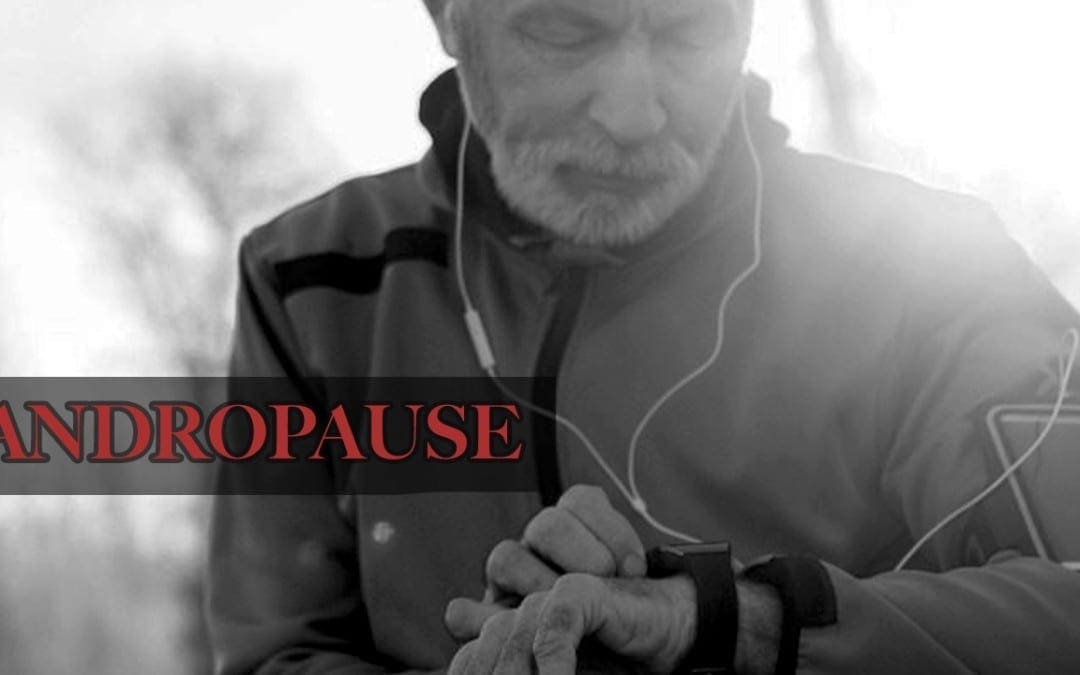
When men and women are heading to their 50s, their bodies start to change. For women, they start to develop hot flashes, and their hormones start to change as well. Since it is normal for hormones to change naturally when a person is aging, it affects women more than men. Studies have shown that sex hormones in males occur gradually as they age. There is a term called “male menopause,” and it is defined when males have a decreased level of testosterone that is related to aging. Many healthcare professionals have another name for “male menopause,” and that is andropause.
Andropause
Andropause and menopause are entirely different since menopause causes a woman’s ovulation and hormones to plummet for a short period. With andropause, it causes a male’s testosterone production and their other hormones to decline for many years. Since testosterone levels in males are vastly different, older men tend to have lower levels than younger men, and testosterone levels can gradually decline throughout adult life.
Studies found that when a person ages, their aging process can affect the body�s systems, including the endocrine system. When a person is aging, their adrenal glands will go through morphological changes, and those changes can alter their cortex endocrine functions. Another study showed that since andropause is age-related, there is a partial insufficiency in the adrenal cortex in the endocrine system, and there are low levels of DHEA (dehydroepiandrosterone) and DHEA sulfate that can affect the cortisol levels.
DHEA and DHEA Sulfate
With DHEA and DHEA sulfate, research has found that these two are steroids that are produced abundantly by the adrenal glands in the endocrine system.� With these two components, they provide beneficial properties and effects that have anti-aging properties to stimulate the immune system and the endocrine system. When males are going through the changes as they get older, their hormones will naturally decrease in their bodies.
Since andropause is age-related and has partial insufficiency on the adrenal cortex and it is characterized by low blood levels of DHEA and DHEA sulfate when it is under the presence of cortisol levels in the body. With andropause and its characteristics, it shows how males have low DHEA levels, and it can cause them to have a higher risk of erectile dysfunction in their bodies. It is essential to know that the endocrine system initiates the aging process.
Andropause Factors
Some studies show how there are changes in the endocrine pathways and are being accompanied by healthy aging. The changes can be from growth hormones to sex hormones in the male�s bodies. The results show a clinical significance of these changes and have the results morphologically and functionally. Surprisingly there have been many age-associated diseases like epithelial skin cancer and neurodegenerative diseases that can attack the body due to the lack of hormones that are being produced. Hence hormone replacement therapies are conducted for older individuals.
When it comes to andropause and low testosterone in males, there are recognizable signs and symptoms that healthcare professionals and male individuals should look for. They can be:
Sexual function: Low testosterone level can reduce sexual desire, causes erectile dysfunction and infertility, to name a few. Even male’s testes might be smaller as well.
Sleep patterns: Sleep disturbances like insomnia or feeling more tired is due to low testosterone in the body.
Physical changes: For males who have low testosterone, various physical changes can happen to their bodies. They can either have increased body fat, reduced muscle bulk, and decrease bone density. Sometimes the male body can develop gynecomastia (swollen breast) and body hair loss.
Emotional changes: With low testosterone levels, they can make males have a decrease in motivation or self-confidence.
It is essential to know that when males have low testosterone, they can go for testosterone therapy to help dampen the signs and symptoms that they might experience.
Conclusion
Andropause is when males have low testosterone levels in their bodies. Naturally, hormone levels can decrease when males get older, and it is essential to know that there is testosterone therapy for males who have low levels of this hormone. It is ok to be on a healthy lifestyle and eating natural foods that can help boost up hormone levels in the body to make sure that it is functioning correctly. Some products are here to help the endocrine system and support the metabolic system as well. They even help the adrenal glands and support the gastrointestinal system to make sure the body is functioning correctly for a healthy new year.
The scope of our information is limited to chiropractic, musculoskeletal, and nervous health issues or functional medicine articles, topics, and discussions. We use functional health protocols to treat injuries or disorders of the musculoskeletal system. Our office has made a reasonable attempt to provide supportive citations and has identified the relevant research study or studies supporting our posts. We also make copies of supporting research studies available to the board and or the public upon request. To further discuss the subject matter above, please feel free to ask Dr. Alex Jimenez or contact us at 915-850-0900.
References:
Makrantonaki, Evgenia, et al. �Skin and Brain Age Together: The Role of Hormones in the Ageing Process.� Experimental Gerontology, U.S. National Library of Medicine, Oct. 2010, www.ncbi.nlm.nih.gov/pubmed/20719245.
Nawata, Hajime, et al. �Adrenopause.� Hormone Research, U.S. National Library of Medicine, 2004, www.ncbi.nlm.nih.gov/pubmed/15539809.
Papierska, Lucyna. �Adrenopause – Does It Really Exist?� Przeglad Menopauzalny = Menopause Review, Termedia Publishing House, June 2017, www.ncbi.nlm.nih.gov/pmc/articles/PMC5509973/.
R�mmler, Alexander. �Adrenopause and Dehydroepiandrosterone: Pharmacological Therapy versus Replacement Therapy.� Gynakologisch-Geburtshilfliche Rundschau, U.S. National Library of Medicine, Apr. 2003, www.ncbi.nlm.nih.gov/pubmed/12649580.
Staff, Mayo Clinic. �Understanding Aging and Testosterone.� Mayo Clinic, Mayo Foundation for Medical Education and Research, 18 May 2017, www.mayoclinic.org/healthy-lifestyle/mens-health/in-depth/male-menopause/art-20048056.
By informing individuals about how the National University of Health Sciences provides knowledge for future generations who want to make a difference in the world. The University offers a wide variety of medical professions for functional and integrative medicine.
Spinal Cord Injuries Are Not Only Caused by Trauma
When people think of spinal cord injury/s or SCI’s, traumatic events like a major auto accident, hard fall, severe sports injury or intense work injury come to mind. It is true that auto accidents are the leading cause, however, non-traumatic accidents and diseases like a spinal tumor can also cause spinal cord injuries.
These types of injuries involve damage to the spinal cord that can temporarily or permanently affect its functionality. Spinal cord injuries are divided into 2 categories: traumatic and non-traumatic. Even with non-traumatic injuries the impact or severity is not lessened and the aftermath can have a devastating effect on a person�s life.
Spinal Cord Injury Trauma
Vehicle crashes: Motor vehicle accidents are the leading cause of traumatic spinal cord injuries, and they account for 40% of all SCI’s.
Falls: Falls are the second cause of traumatic spinal cord injuries, and they account for 32% of injuries.
Violence: Violent acts, like gunshot wounds or a stabbing cause around 14% of spinal cord injuries.
Spinal cord injuries occur more in men than women with 80% of cases affecting men.
Although people of all ages can experience SCI, there are activities/events that increase the risk that affects different age groups more than others. An example is high-impact actions like motor vehicle accidents and sports injuries occur more in young adults. Conversely, spinal cord injuries caused by a fall happens more in adults over age 60.
Regardless, SCI occurs more in the neck or cervical spine. Around 60% of cases involve the neck, followed by the mid-back or thoracic spine that averages to around 32% of injuries. Although most people experience low-back pain, only 9% of spinal injuries occur in the low back and tailbone or lumbosacral spine.
Understanding SCI Trauma
Damage to the spinal cord not only affects the area where the point of impact occurred. The primary injury can also damage cells, dislocate the vertebrae and cause spinal compression. It can also trigger secondary injuries, that cause a series of biological changes. This can happen within weeks or months after the injury.
The secondary injury cascade processes:
Glial cells along with the nerve cells in the spinal cord begin to die. These cells provide nutrients and other support to the nerve cells in the central nervous system. This consists of the brain and spinal cord.
The blood vessels in the spinal cord lose their ability to function, and this reduces the blood supply to the cord. When the blood supply becomes inadequate it is called ischemia. Blood vessel injuries expose the cord to inflammatory cells that in turn cause swelling. When the spinal cord becomes inflamed the spinal cord gets more and more compressed. If this happens�the initial injury progressively worsens.
This changes the cord�s structure and its normal operation. The secondary injury cascade can interfere with the cord�s ability to heal itself. This means an individual could experience permanent nerve pain and dysfunction.
Non-traumatic SCI
Spinal cord damage does not only happen with traumatic events. An SCI can also be caused by non-traumatic diseases in the spine. Tumors are the leading cause, but infections and degenerative disc disease can also cause serious damage.
Non-traumatic SCI’s happen more than traumatic based ones. �The incidence of traumatic SCI in North America comes to around 54 cases per one million people. With the incidence of non-traumatic SCI is around 1,227 cases per million people.
Healthy Spinal Cord Injury Outcomes
Spine researchers are making great strides in developing optimal protective and regenerative treatments to improve spinal cord health after these injuries occur.
Currently, innovative medical, surgical, cell-based and alternative treatments are furthering the medical community�s understanding of SCI’s. This is dramatically improving the quality of life and creating positive futures for individuals who experience these injuries.
Car Accident Injury Rehabilitation | El Paso, Tx (2020)
NCBI Resources
The muscles in the back keep the spine moving and functioning properly.�When the spine or�abdominal muscles are�weak this creates a higher probability of a back strain or injury. Having strong, healthy spine muscles are important because they function in maintaining correct posture, which in some cases, causes chronic back pain because of poor posture.
If�only one part of the body is�strengthened like the back is not enough. Therefore strengthening the rest of the body is a must. These include the body�s core and leg muscles. Total body strength will reduce back pain and can help perform regular activities, like�lifting heavy objects much easier, with more confidence and with a lesser probability of injury.
IFM's Find A Practitioner tool is the largest referral network in Functional Medicine, created to help patients locate Functional Medicine practitioners anywhere in the world. IFM Certified Practitioners are listed first in the search results, given their extensive education in Functional Medicine


 Dr. Alex Jimenez utilizes a series of tests to help evaluate neurological diseases. The Neural ZoomerTM Plus is an array of neurological autoantibodies which offers specific antibody-to-antigen recognition. The Vibrant Neural ZoomerTM Plus is designed to assess an individual�s reactivity to 48 neurological antigens with connections to a variety of neurologically related diseases. The Vibrant Neural ZoomerTM Plus aims to reduce neurological conditions by empowering patients and physicians with a vital resource for early risk detection and an enhanced focus on personalized primary prevention.
 Dr. Alex Jimenez utilizes a series of tests to help evaluate health issues associated with a variety of food sensitivities and intolerances. The Food Sensitivity ZoomerTM is an array of 180 commonly consumed food antigens that offers very specific antibody-to-antigen recognition. This panel measures an individual�s IgG and IgA sensitivity to food antigens. Being able to test IgA antibodies provides additional information to foods that may be causing mucosal damage. Additionally, this test is ideal for patients who might be suffering from delayed reactions to certain foods. Utilizing an antibody-based food sensitivity test can help prioritize the necessary foods to eliminate and create a customized diet plan around the patient�s specific needs.
 Dr. Alex Jimenez utilizes a series of tests to help evaluate gut health associated with small intestinal bacterial overgrowth (SIBO). The Vibrant Gut ZoomerTM offers a report that includes dietary recommendations and other natural supplementation like prebiotics, probiotics, and polyphenols. The gut microbiome is mainly found in the large intestine and it has more than 1000 species of bacteria that play a fundamental role in the human body, from shaping the immune system and affecting the metabolism of nutrients to strengthening the intestinal mucosal barrier (gut-barrier). It is essential to understand how the number of bacteria that symbiotically live in the human gastrointestinal (GI) tract influences gut health because imbalances in the gut microbiome may ultimately lead to gastrointestinal (GI) tract symptoms, skin conditions, autoimmune disorders, immune system imbalances, and multiple inflammatory disorders.


 XYMOGEN�s Exclusive Professional Formulas are available through select licensed health care professionals. The internet sale and discounting of XYMOGEN formulas are strictly prohibited.
Proudly,�Dr. Alexander Jimenez makes XYMOGEN formulas available only to patients under our care.
Please call our office in order for us to assign a doctor consultation for immediate access.
If you are a patient of Injury Medical & Chiropractic�Clinic, you may inquire about XYMOGEN by calling 915-850-0900.
XYMOGEN�s Exclusive Professional Formulas are available through select licensed health care professionals. The internet sale and discounting of XYMOGEN formulas are strictly prohibited.
Proudly,�Dr. Alexander Jimenez makes XYMOGEN formulas available only to patients under our care.
Please call our office in order for us to assign a doctor consultation for immediate access.
If you are a patient of Injury Medical & Chiropractic�Clinic, you may inquire about XYMOGEN by calling 915-850-0900.
 For your convenience and review of the XYMOGEN products please review the following link. *XYMOGEN-Catalog-Download
* All of the above XYMOGEN policies remain strictly in force.
For your convenience and review of the XYMOGEN products please review the following link. *XYMOGEN-Catalog-Download
* All of the above XYMOGEN policies remain strictly in force.